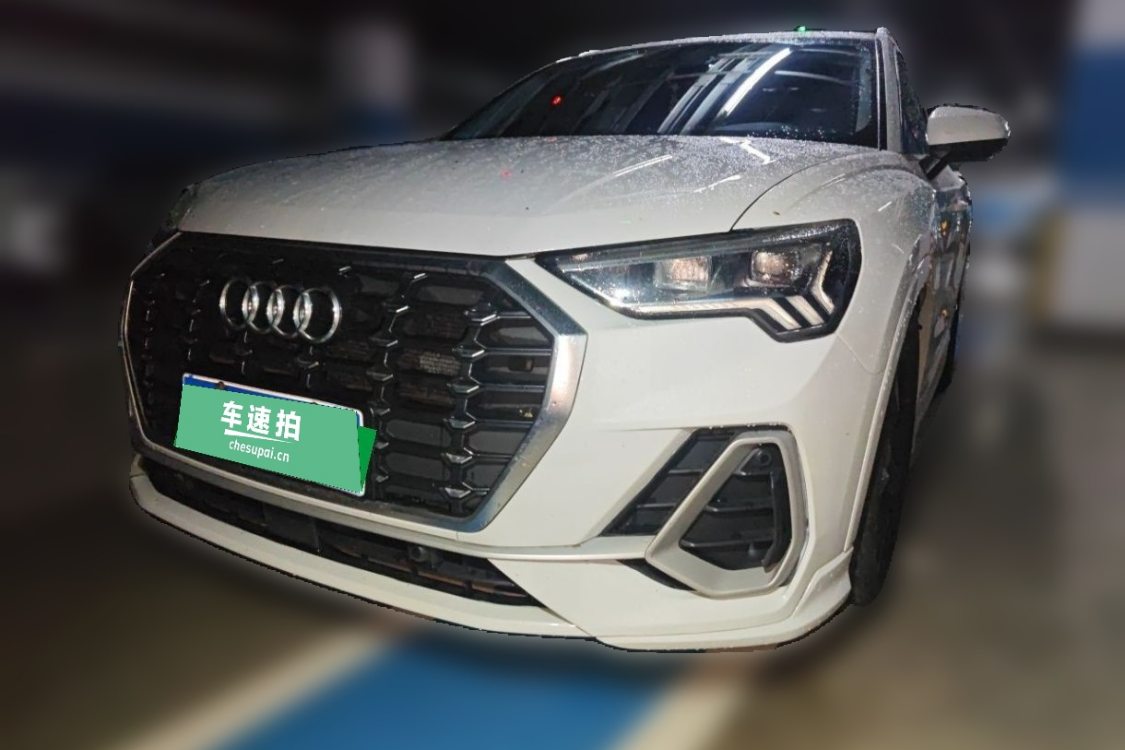

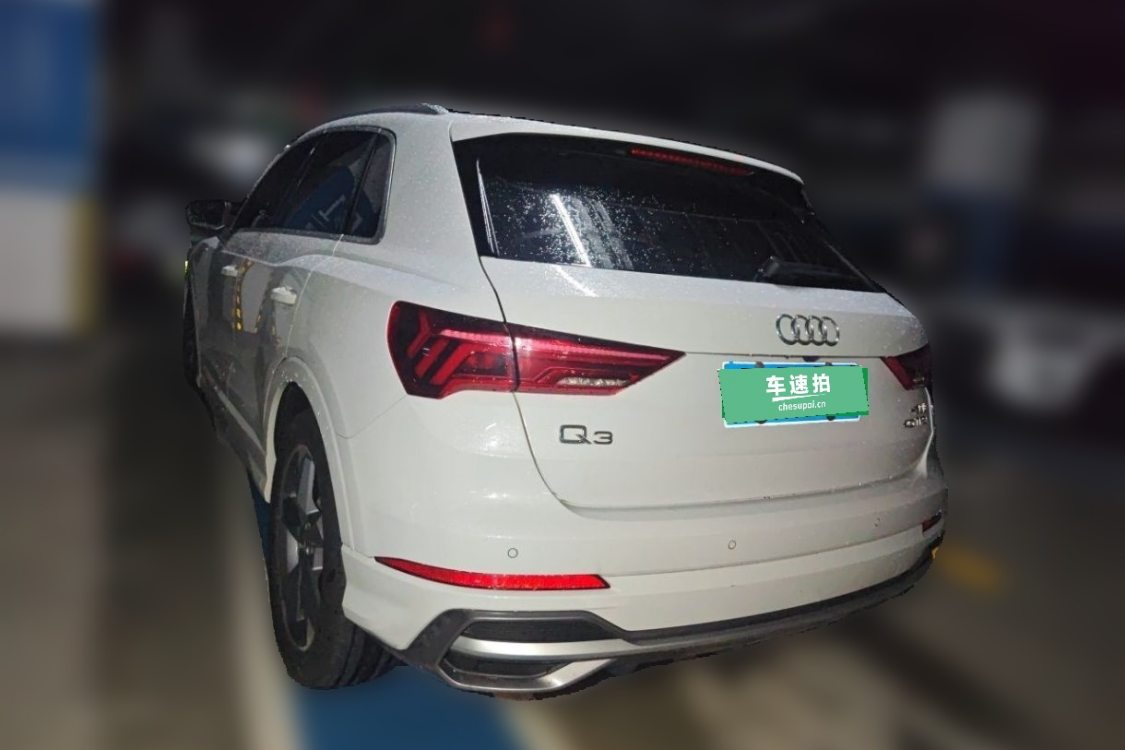
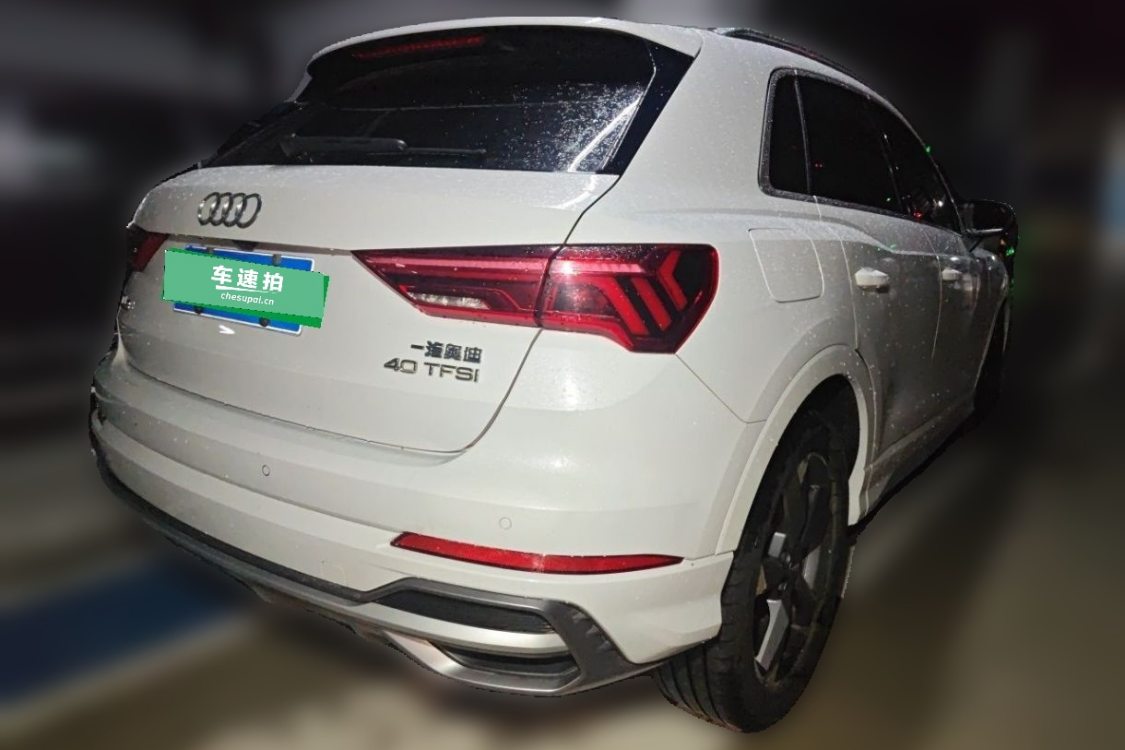
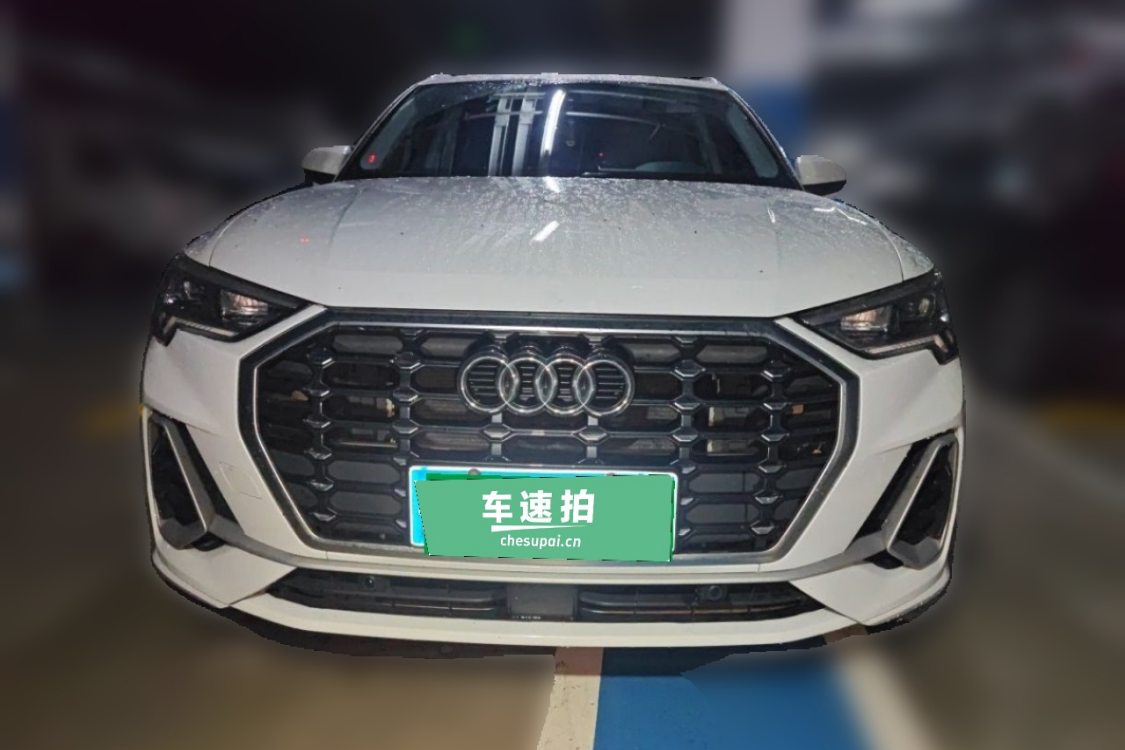
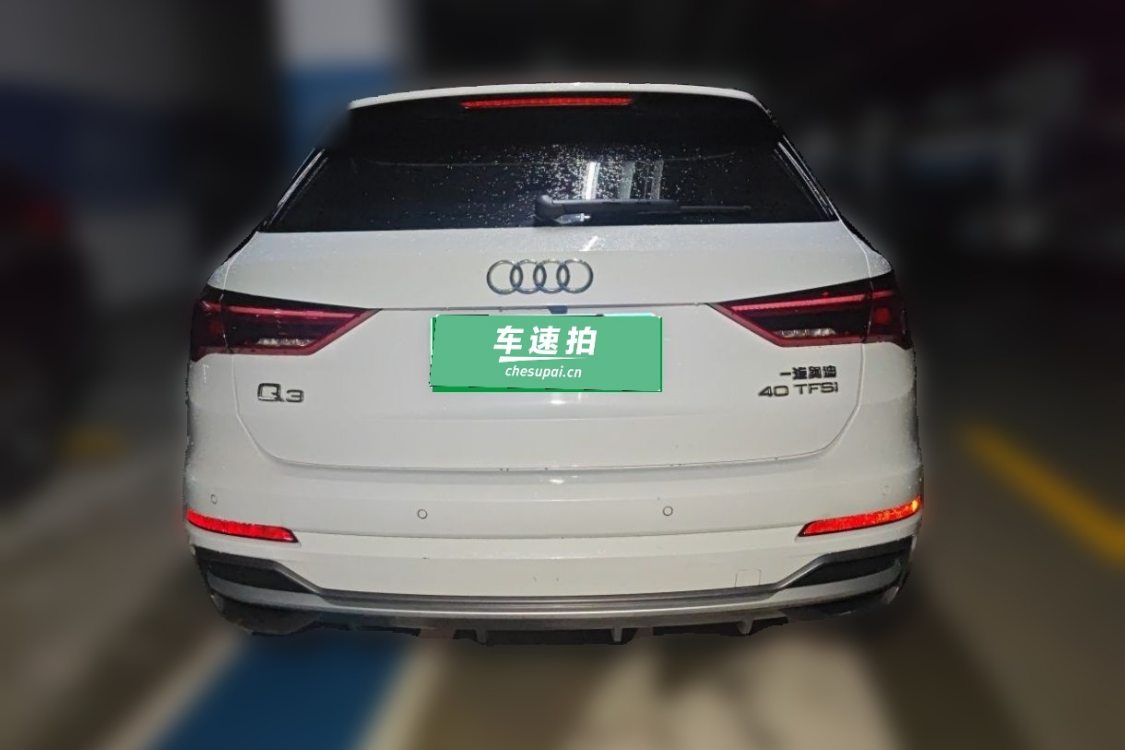




Basic Information

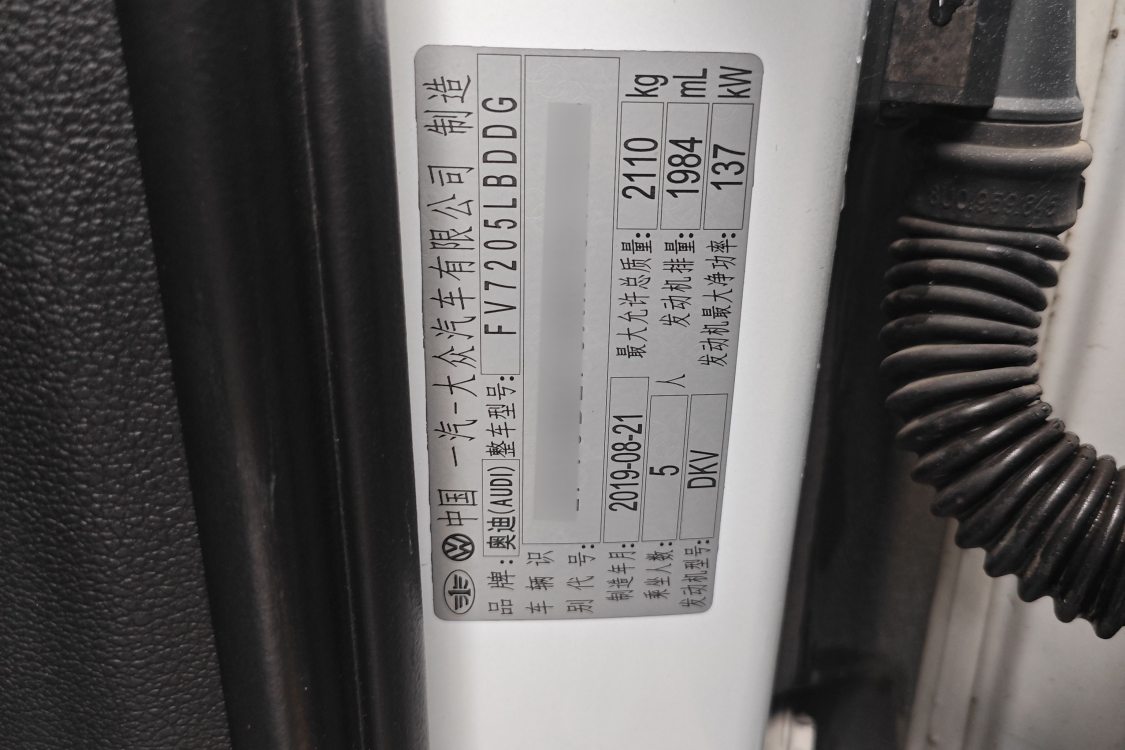
BrandAudi
SeriesQ3
Year2019
First Registration2019/11
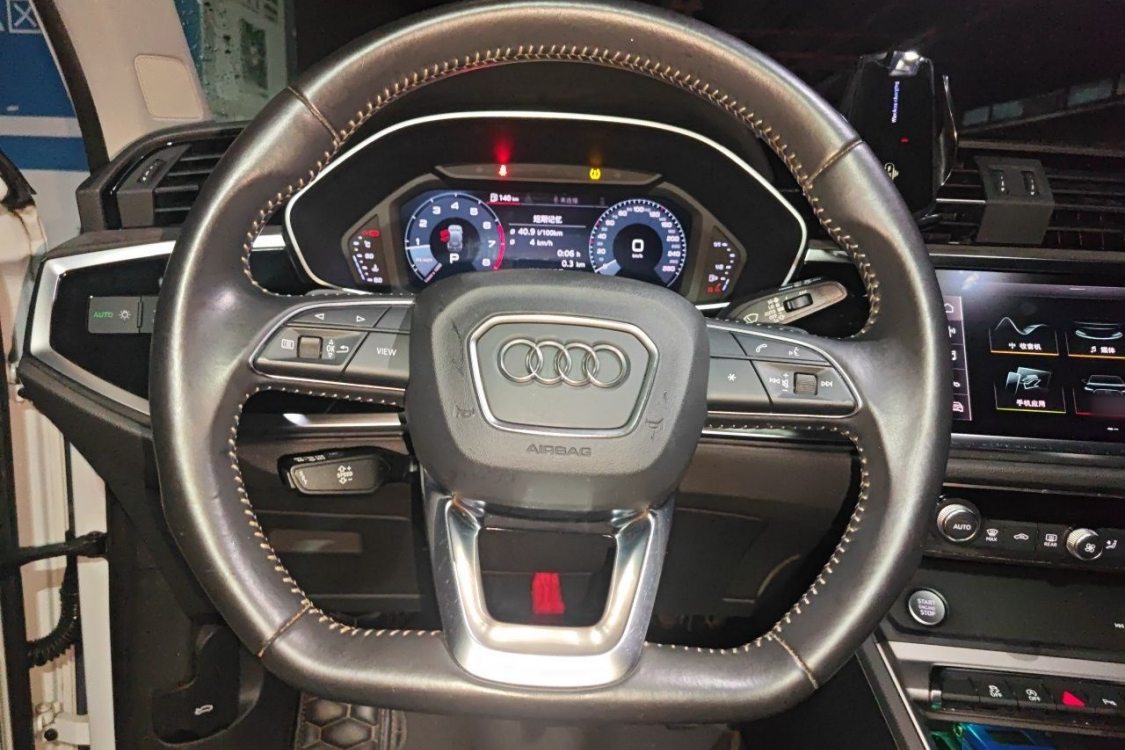
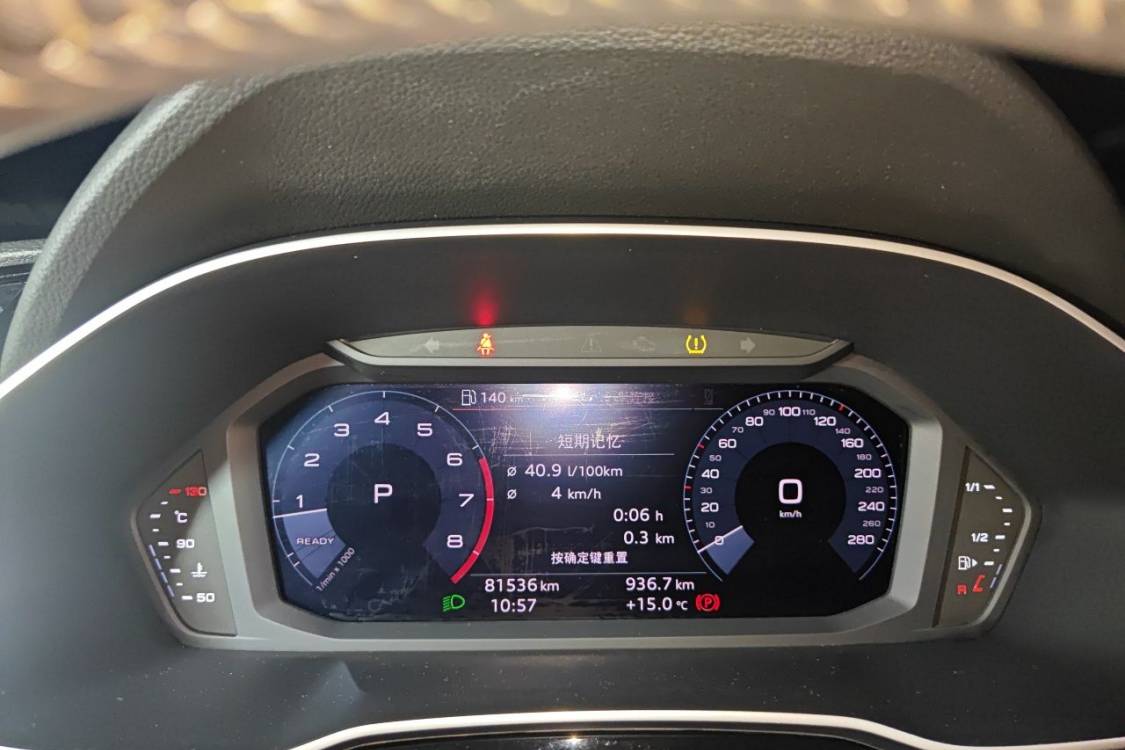
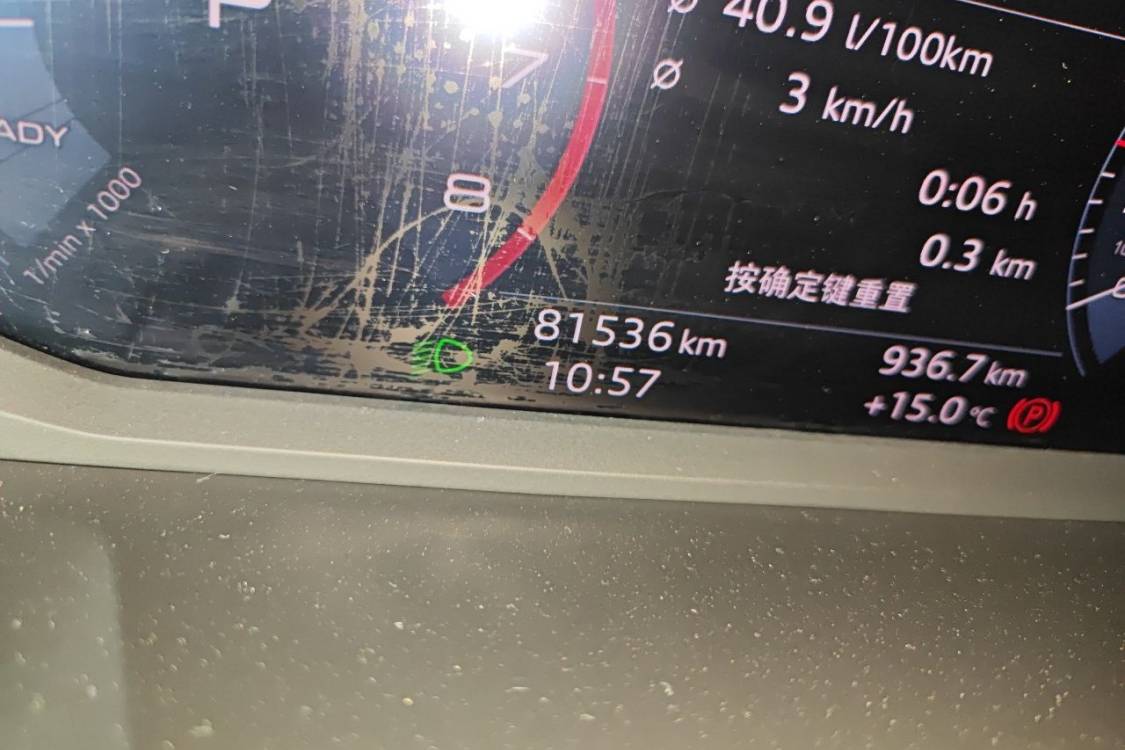
Mileage81,500km
Transfer Count-
FuelGasoline
TransmissionDCT
Engine2.0T 186 L4
ColorWhite
Seats-

Condition Description

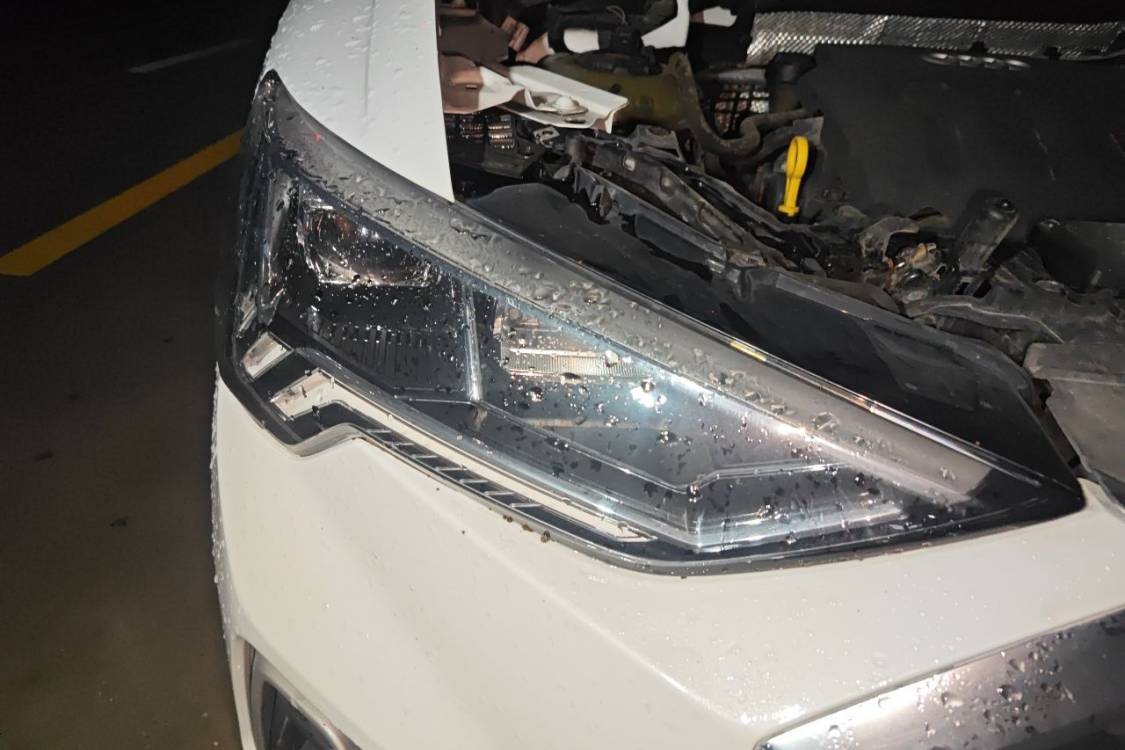
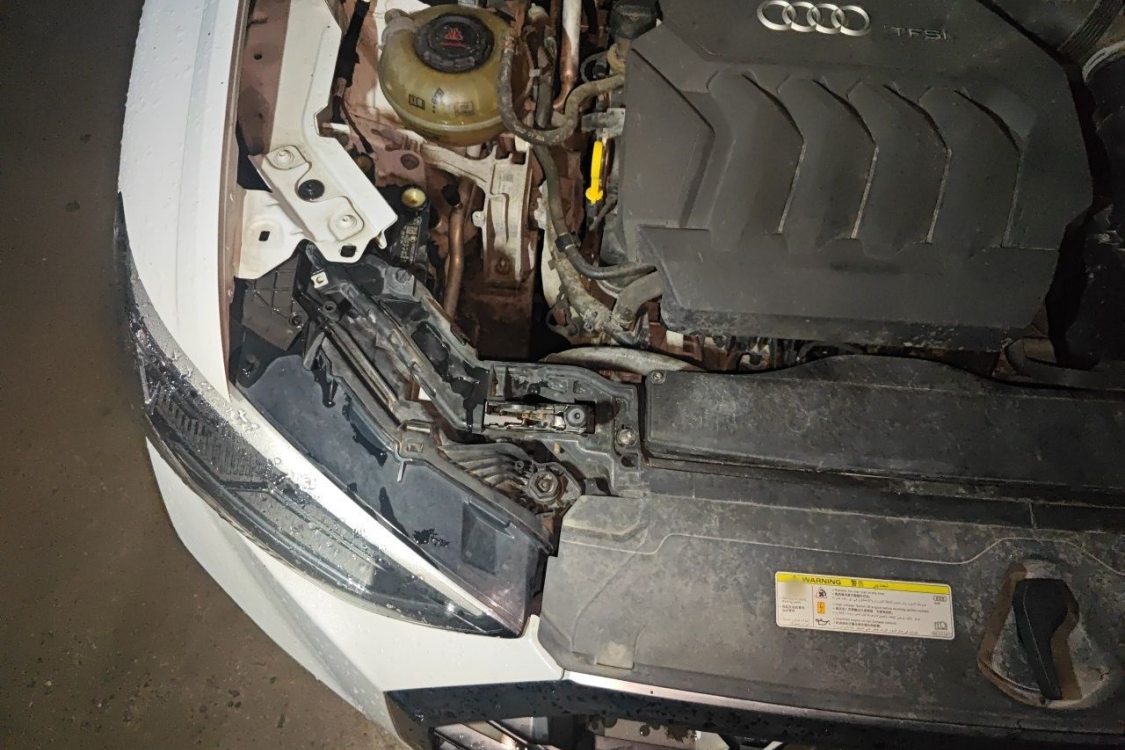
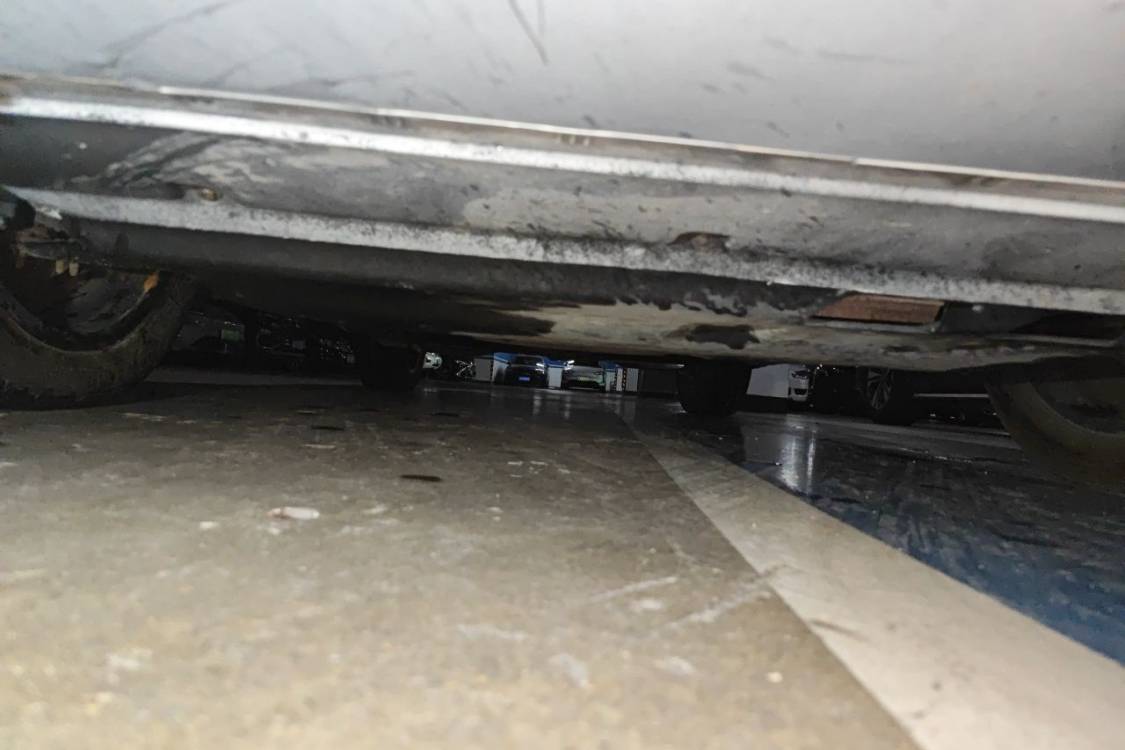
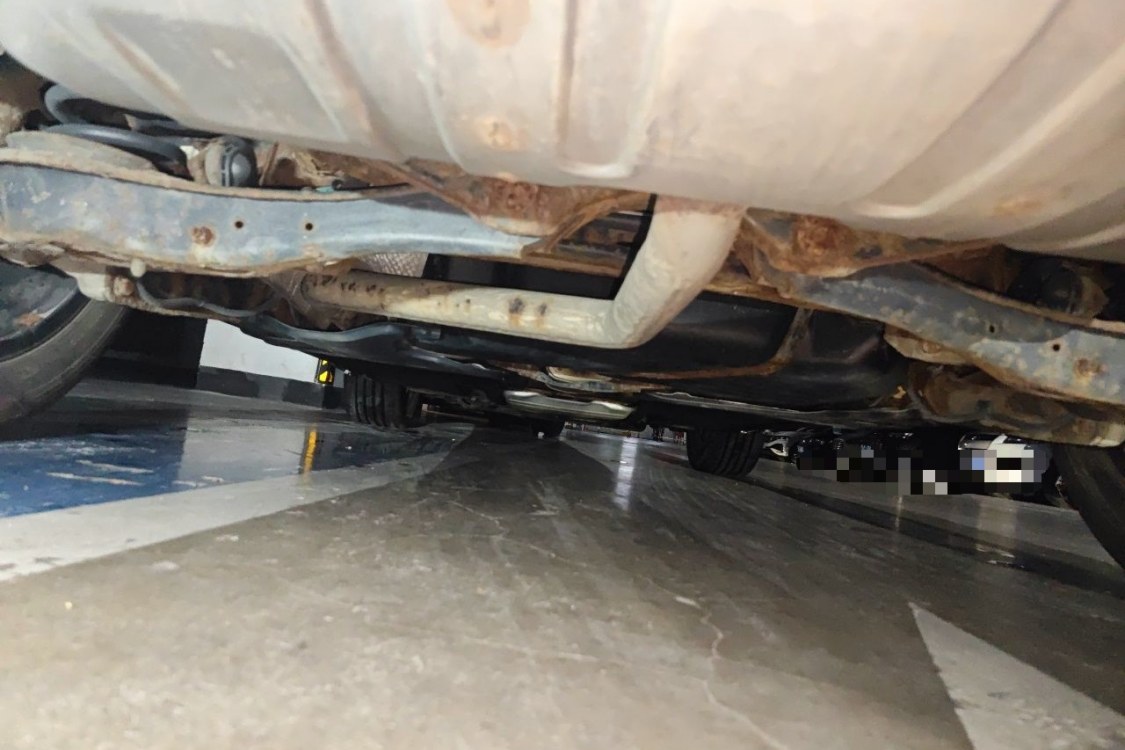
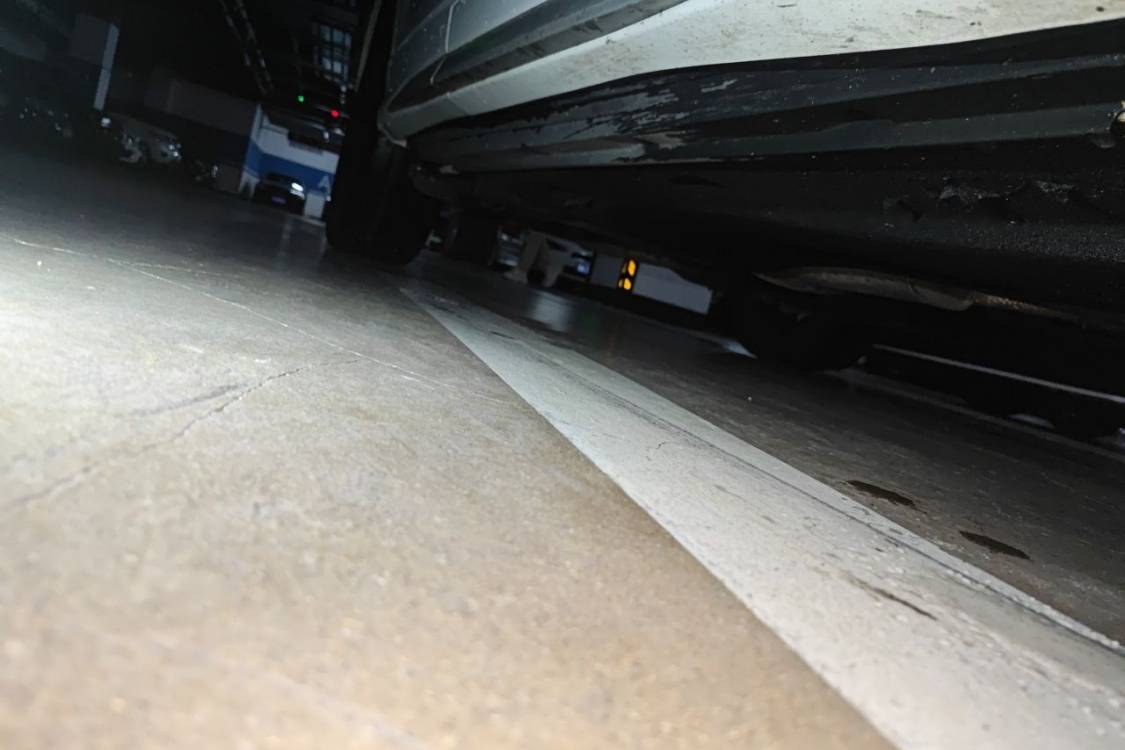
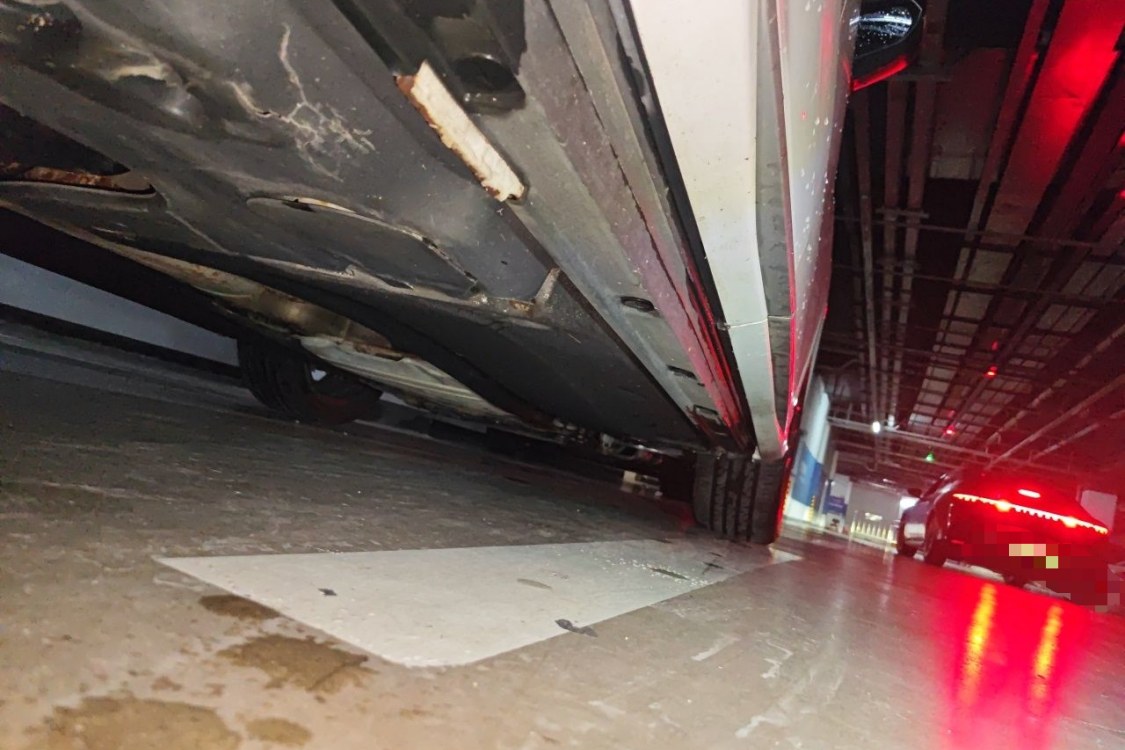
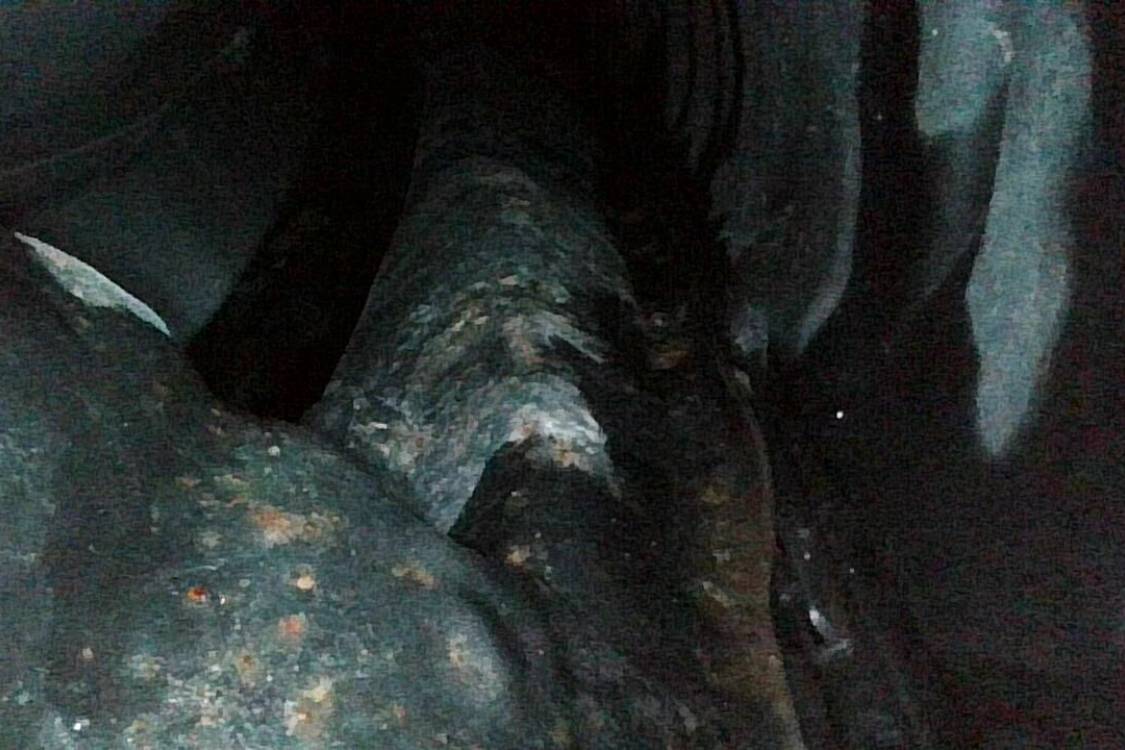
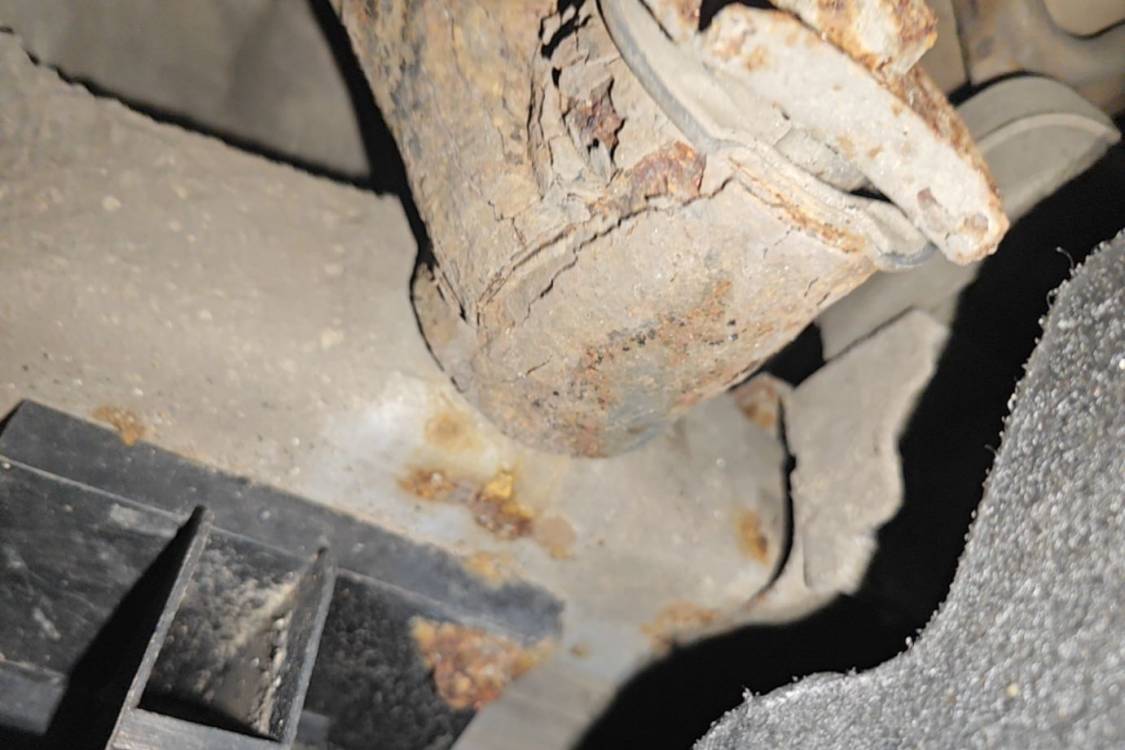
Vehicle has major defects in structural/reinforcement/covering parts, or fire/flood damage, or major defects in power battery components; repaired or unrepaired, still affecting body structural strength or safe use, with hidden fault risks.

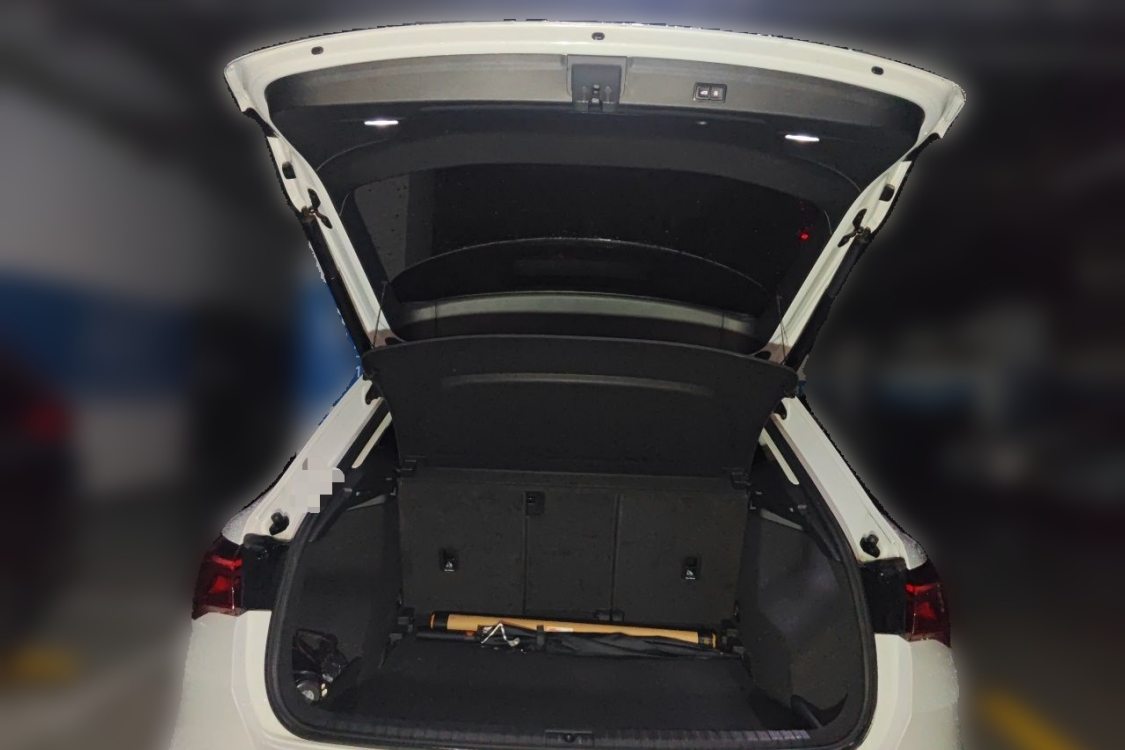
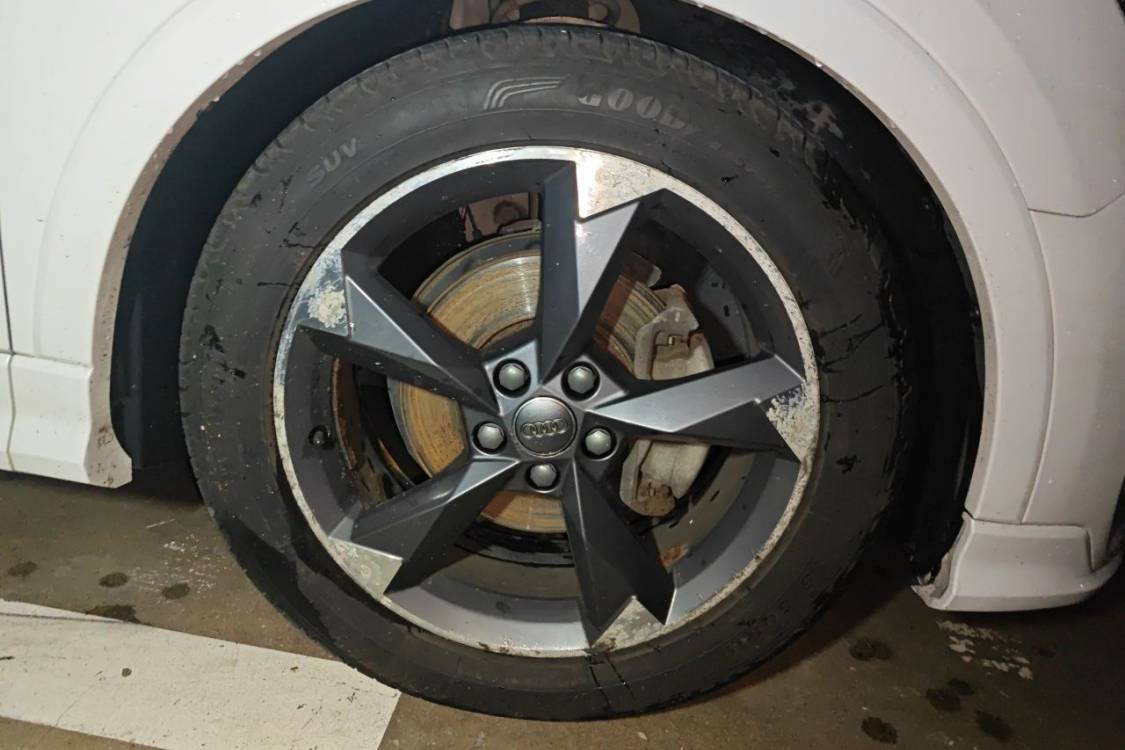
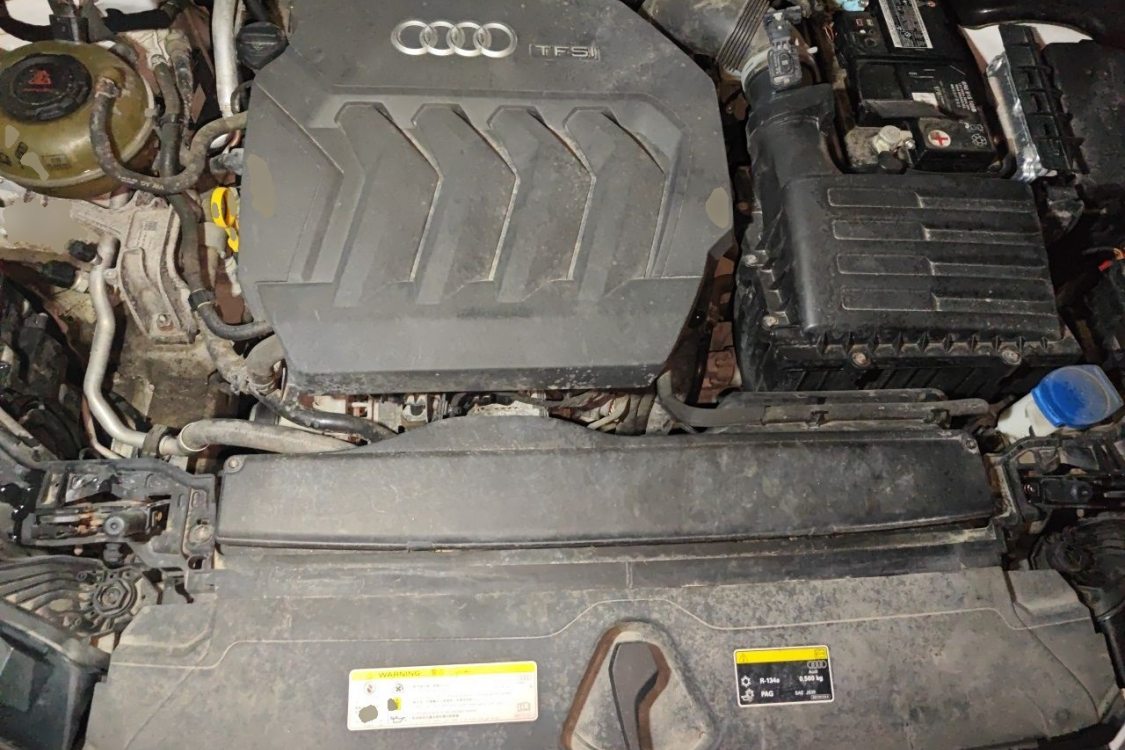
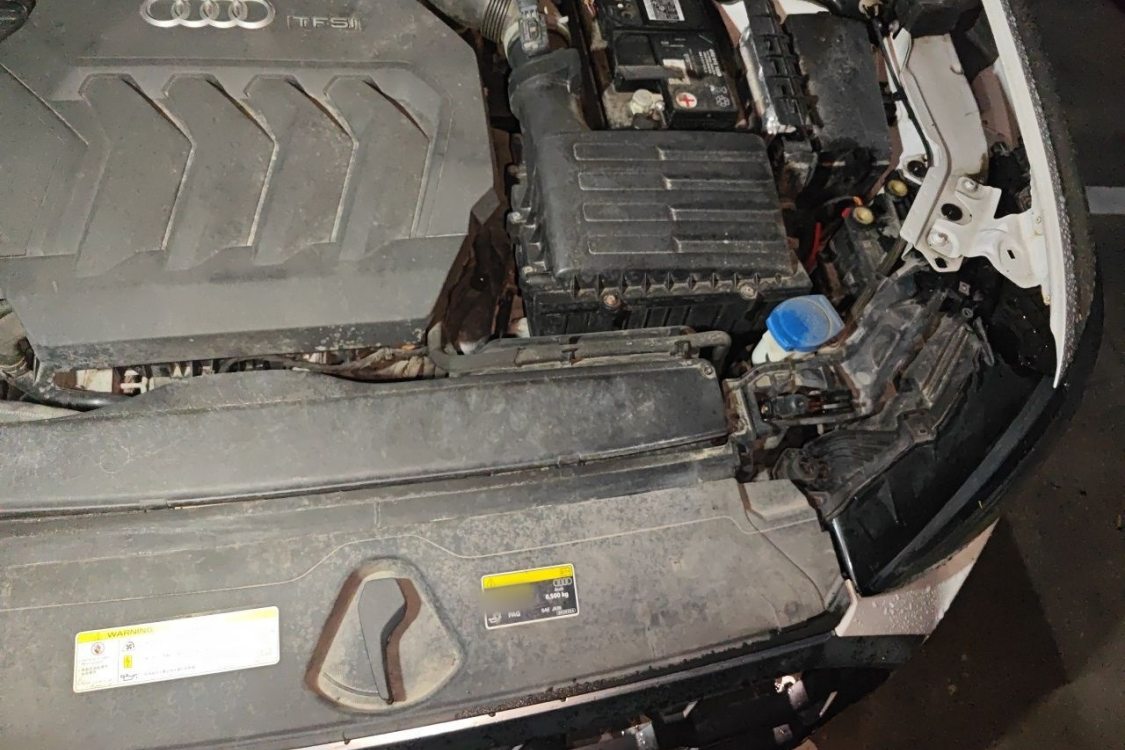
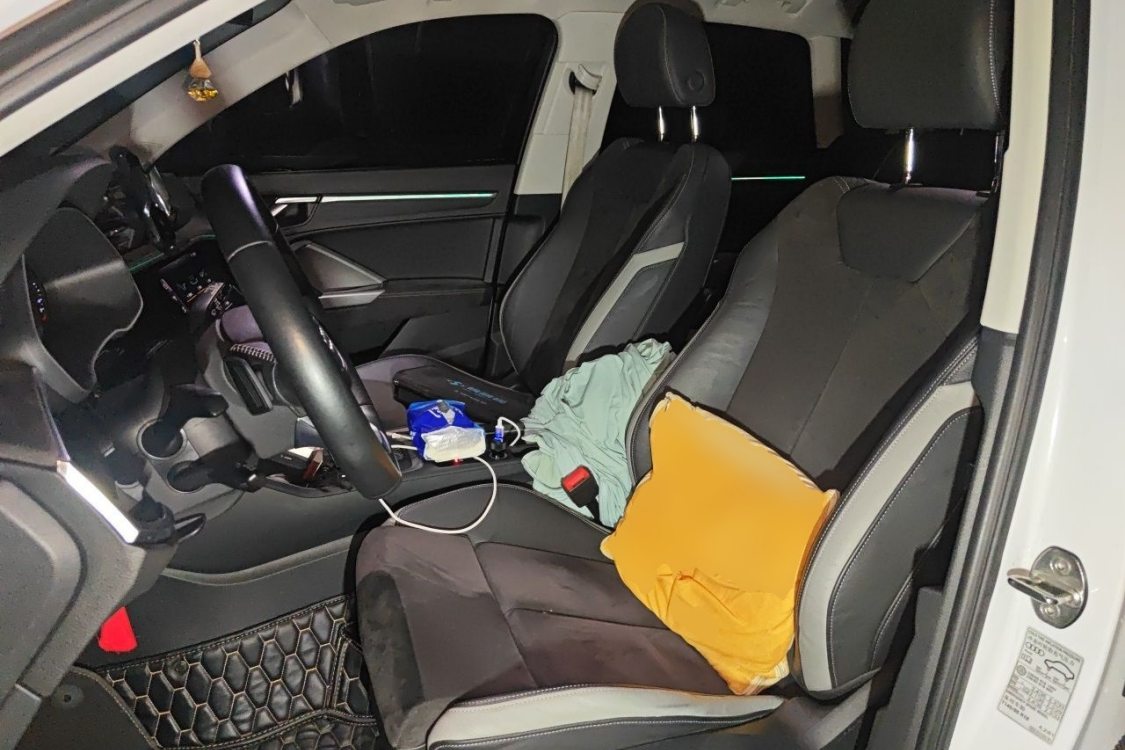
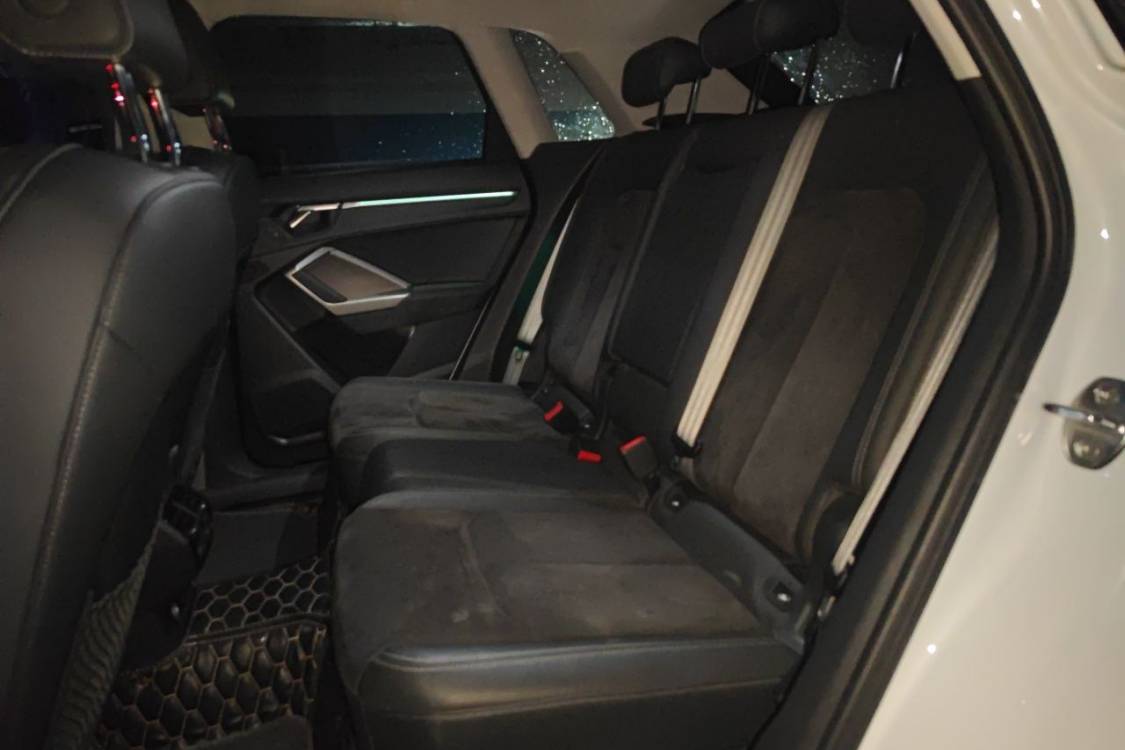
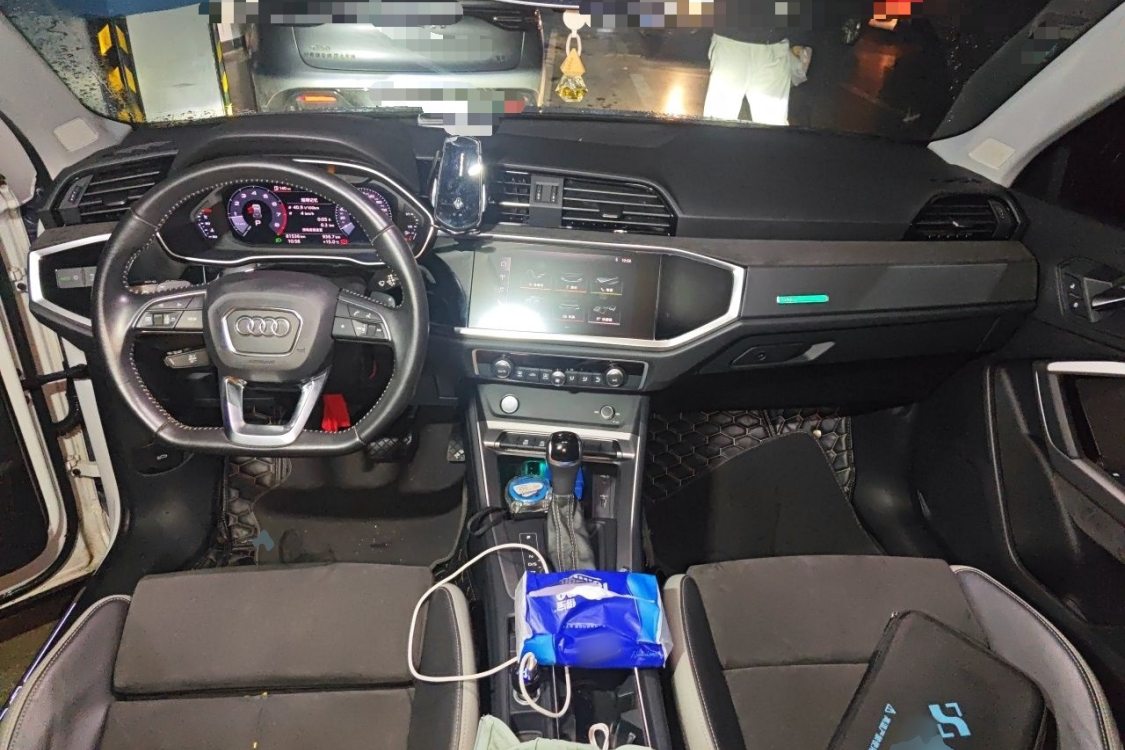
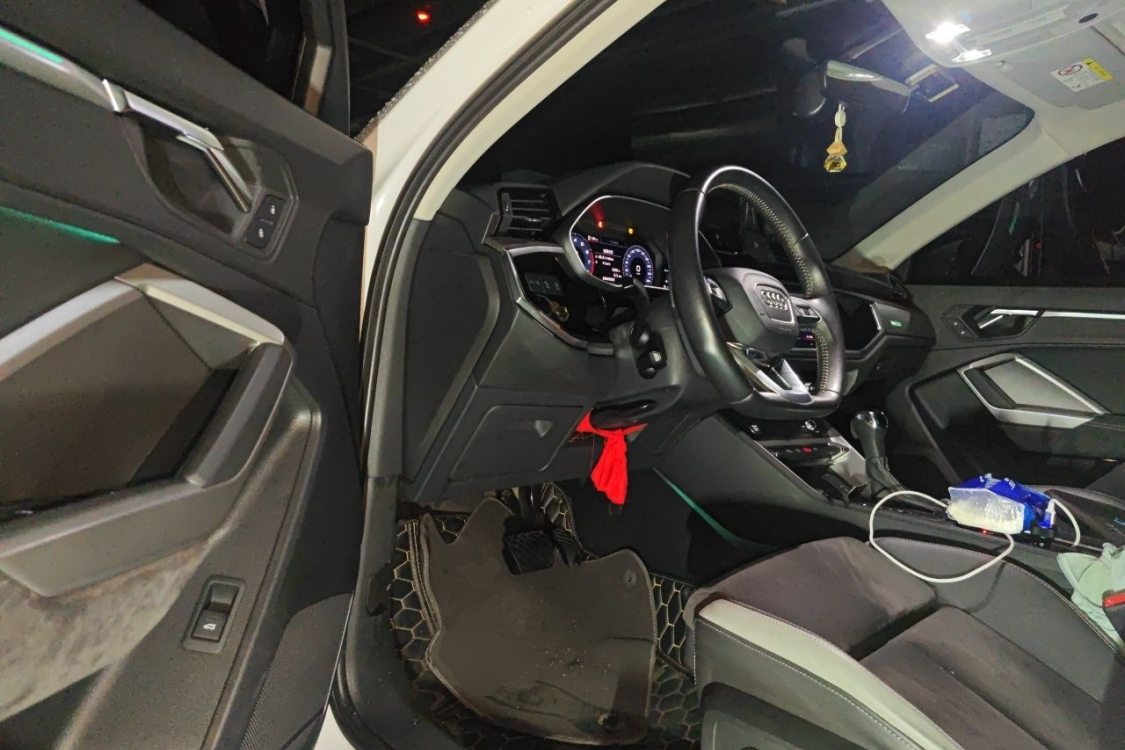
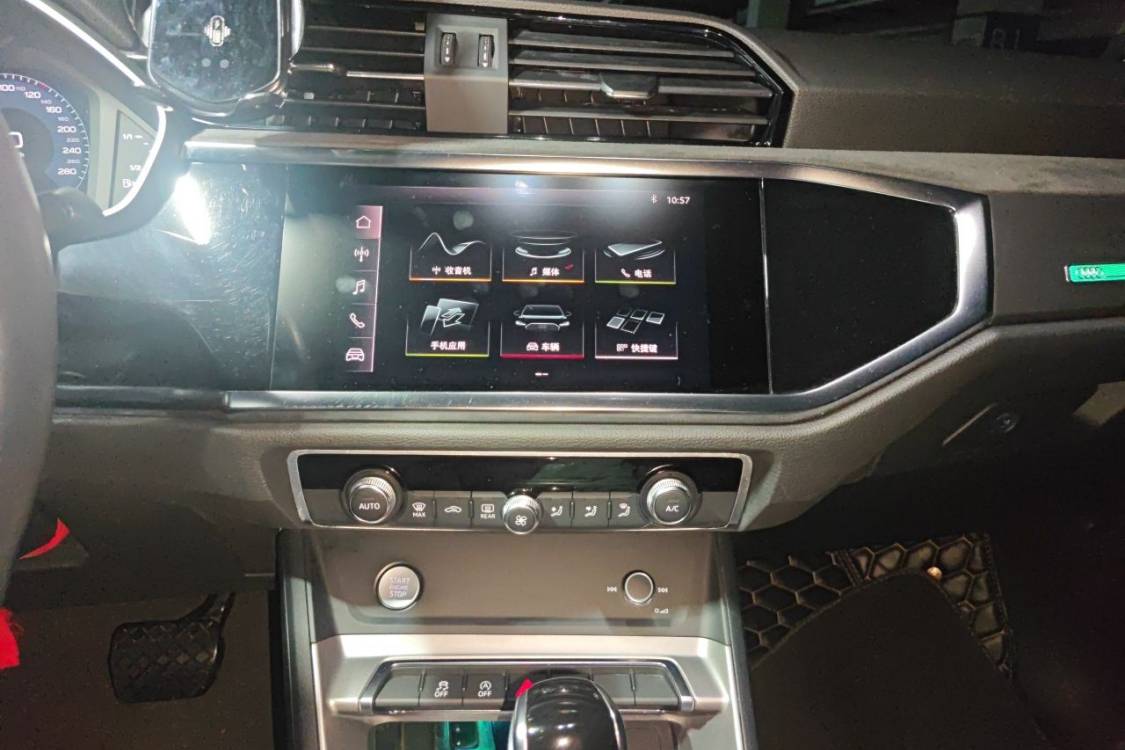
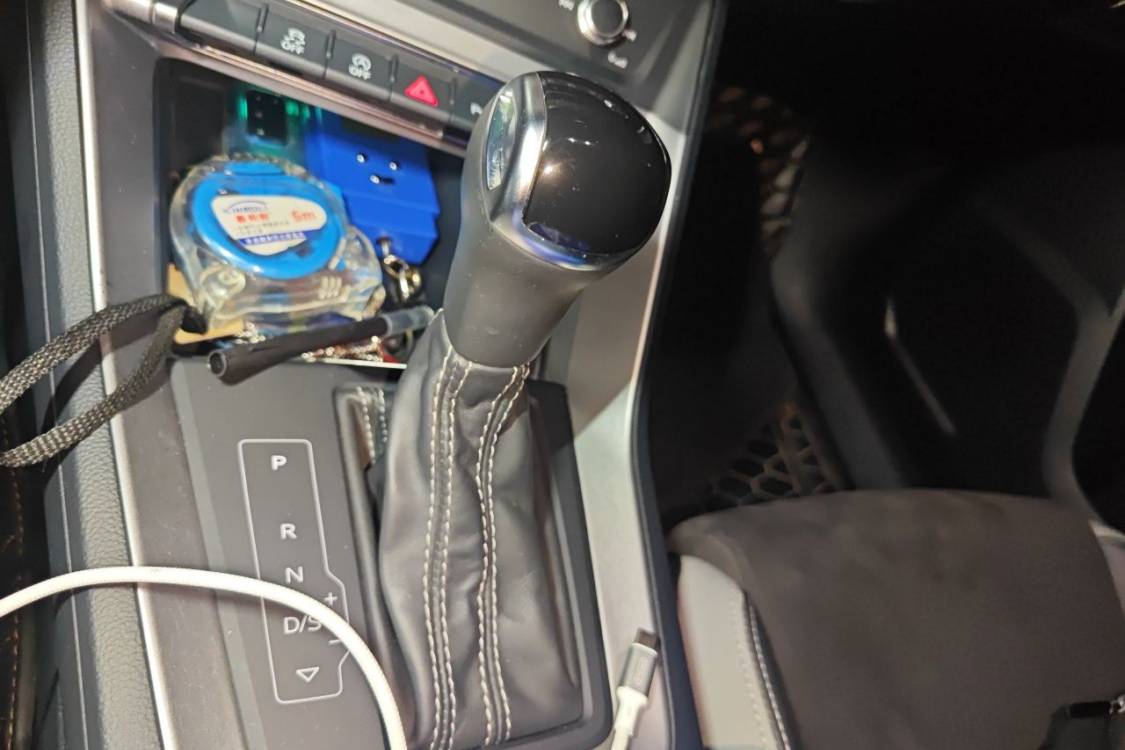
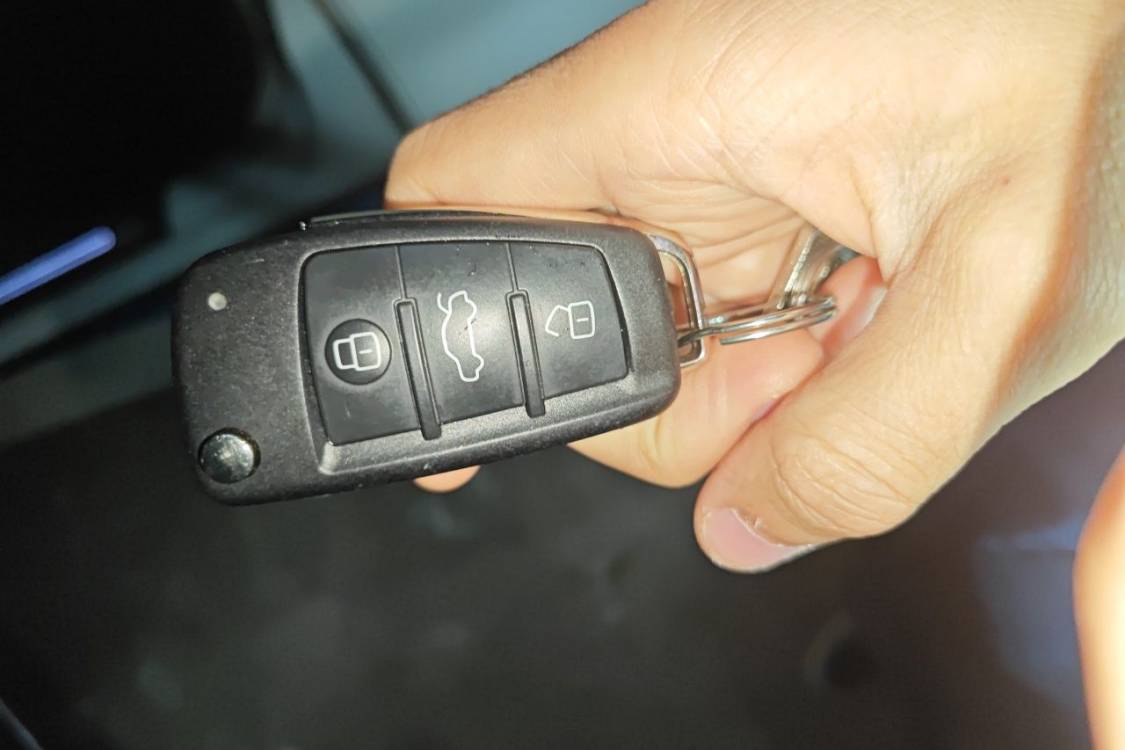
Accident inspection: main structure damaged, reinforcement parts damaged, covering parts undamaged, hinges abnormal; engine bay inspection: VIN code corroded; exterior: 2 replaced parts, 6 panel repairs, 1 repaint; interior: most features normal, airbag normal, seatbelts normal, dashboard normal, instrument check normal, lighting system normal; startup check: main components normal; onboard tools: none.

独家上新
电话直连
可讲价
平台物流
零过户
新检测标准升级>
泡水-中度

Document Information

Inspection Expiry Date2027/11
Warranty Expiry Date-
Insurance Expiry Date2026/11

Q&A

More

Do you provide English versions of official repair manuals or circuit diagrams for used cars from Chinese brands?

Mainstream Chinese automakers rarely publish official English versions of their underlying circuit diagrams. We can provide some models' original Chinese technical documents (PDF) for B2B clients, which you will need to translate for your local mechanics using translation software.


After the vehicle arrived at the port, it was found that the rubber parts of the chassis (such as dust covers and engine mounts) had extensive cracking. Does this fall under the compensation for "certain repair parts compensation"?

Absolutely not. The aging and cracking of rubber parts are inevitable over time and are a normal manifestation of vehicle depreciation. Our compensation only covers sudden and catastrophic mechanical failures, such as engine cylinder scoring or transmission gear breakage.

If the record of a vehicle's first maintenance is missing from the system, how do you determine its early wear condition?

Many car owners do not have their first maintenance done at authorized dealerships, leading to gaps in early data. In such cases, we do not blindly trust the odometer; instead, we analyze the tire production dates and wear levels, as well as the depth of grooves on the brake disc edges, using the "gold standard" of physical wear to infer the intensity of early use.