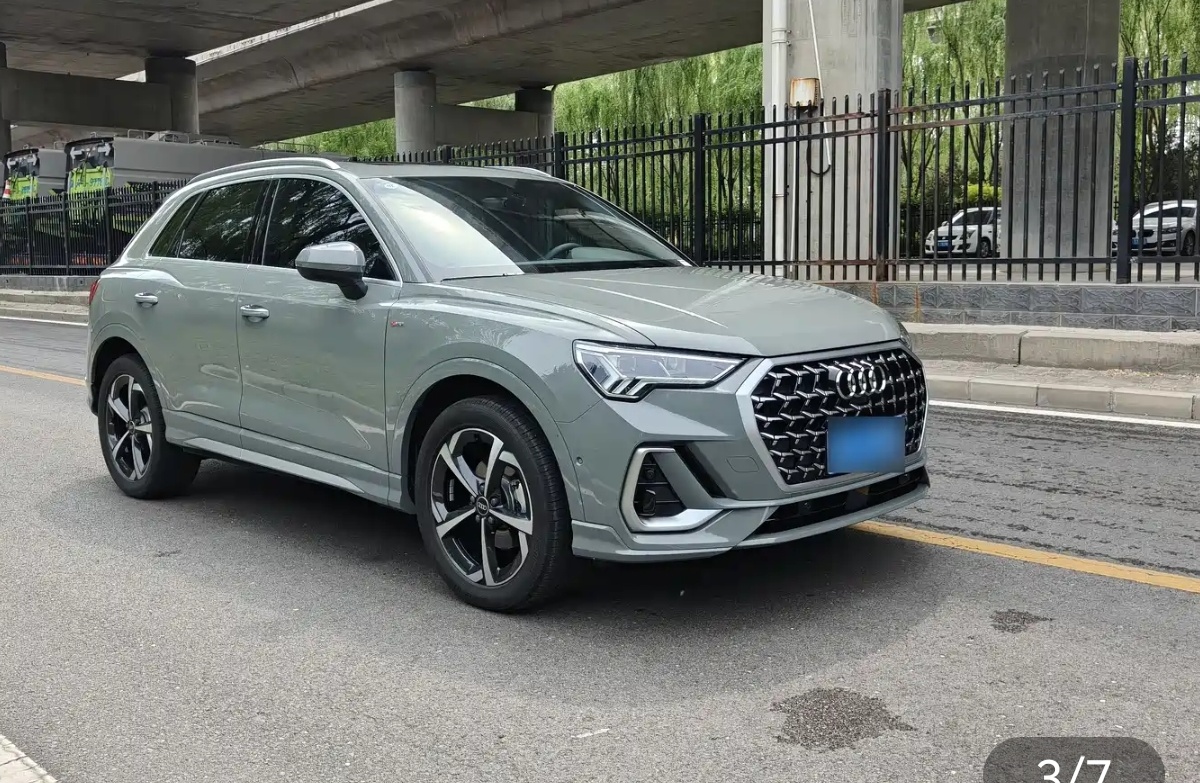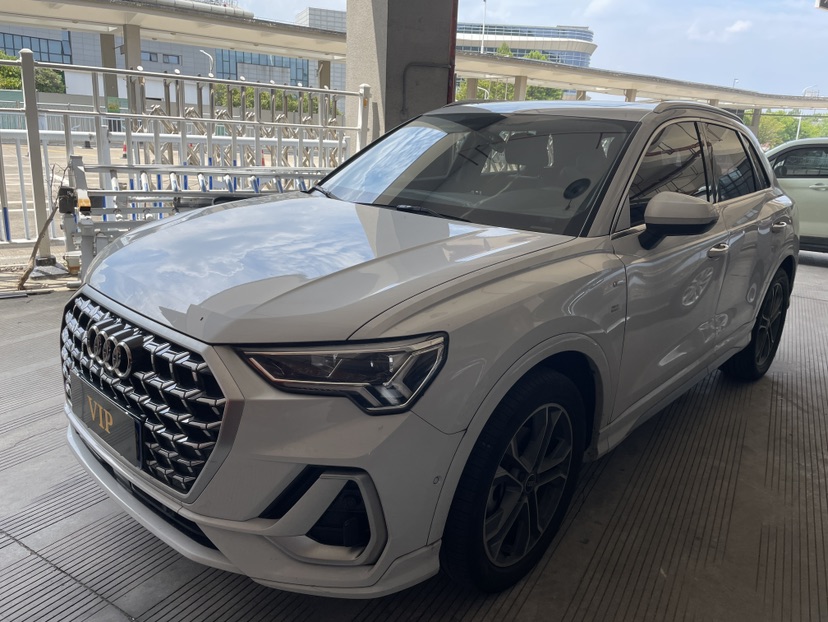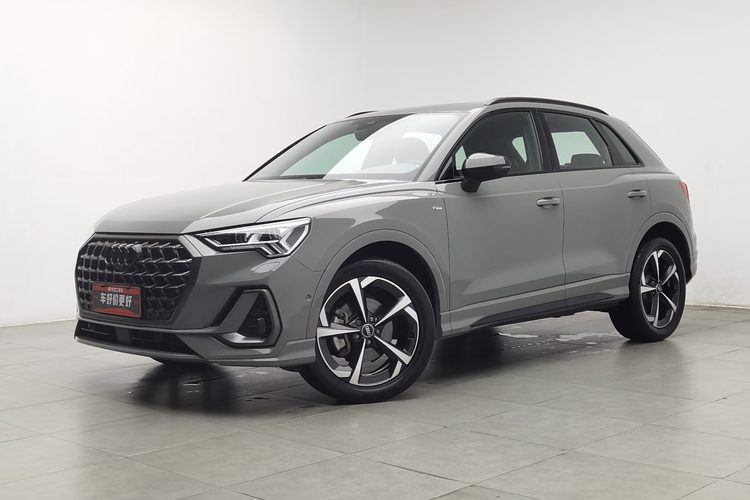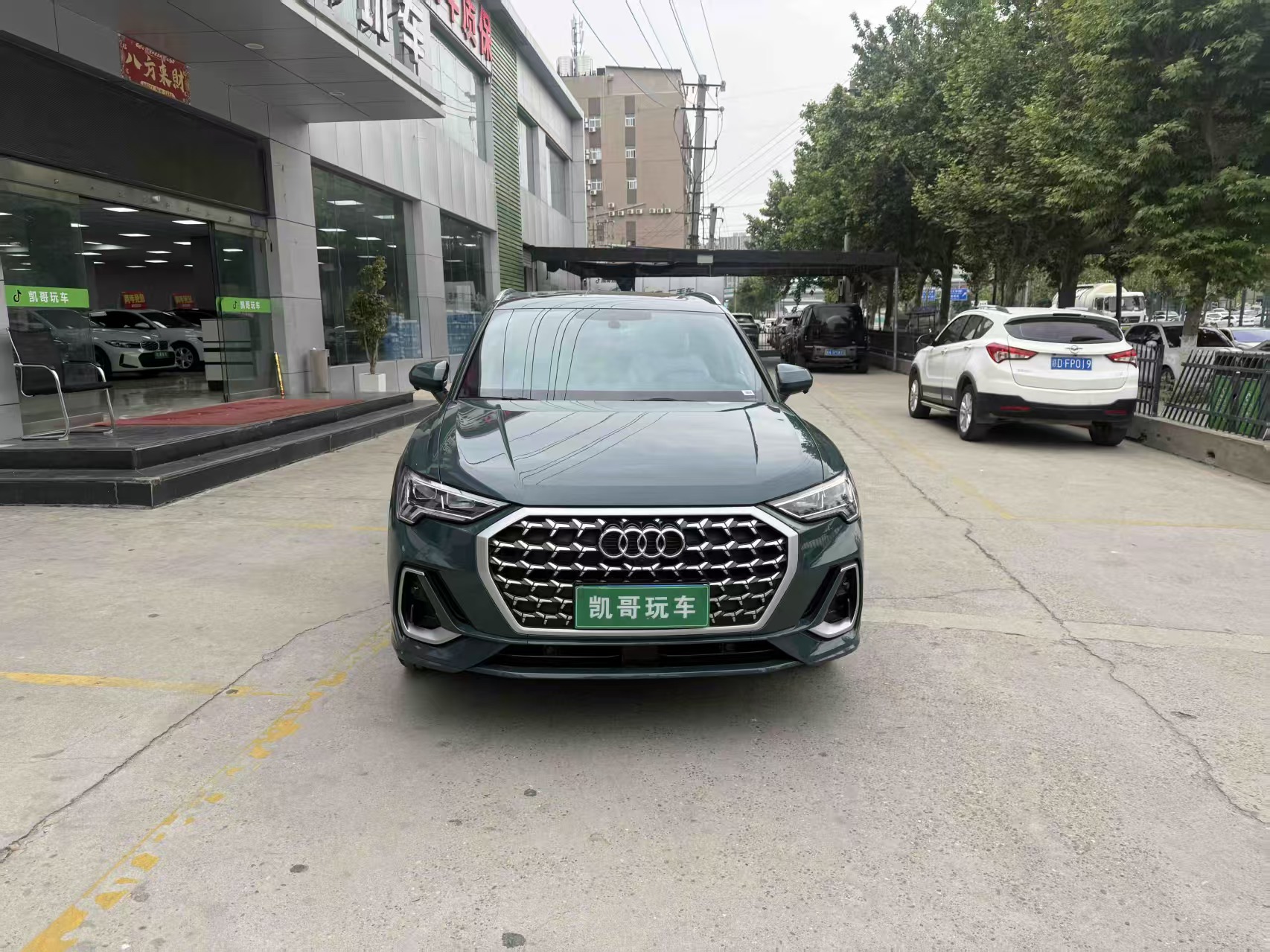
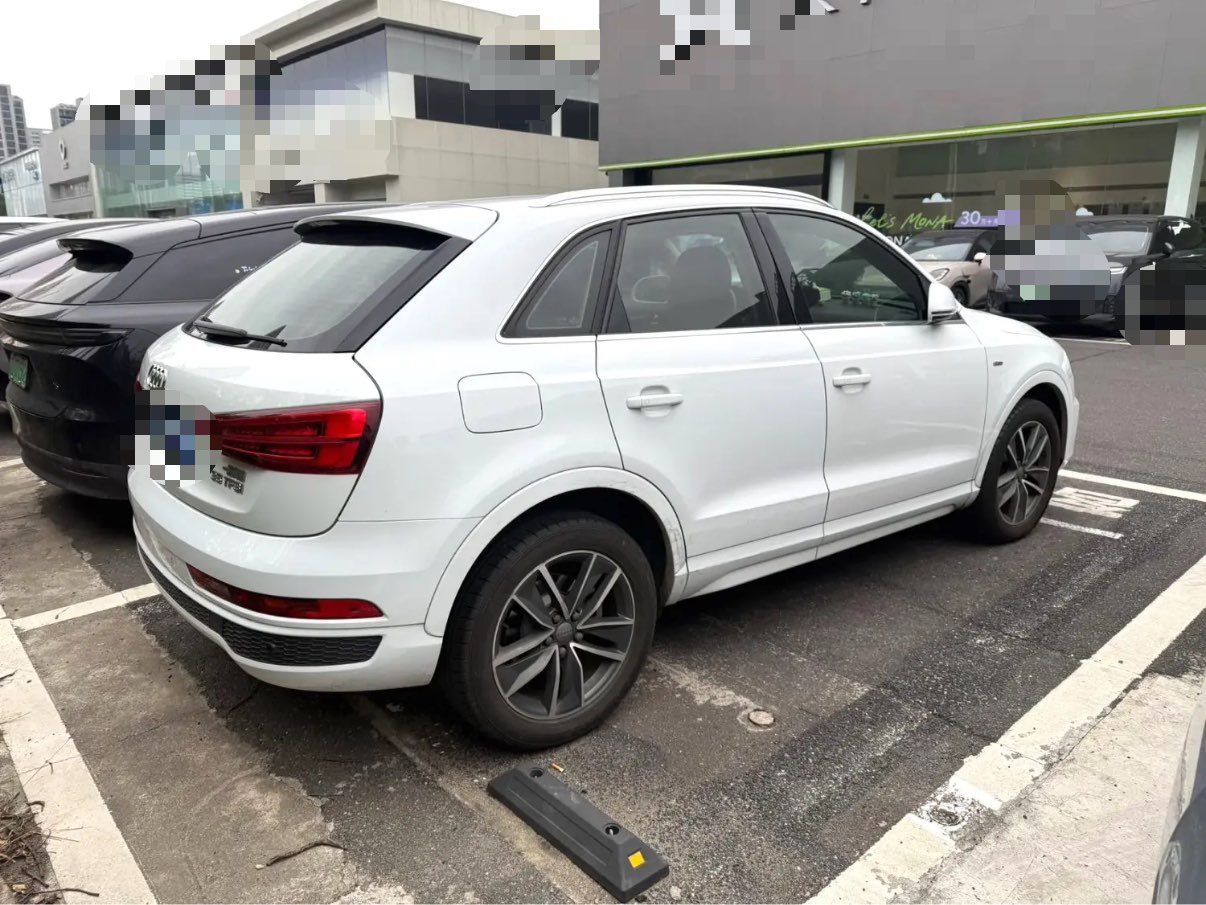
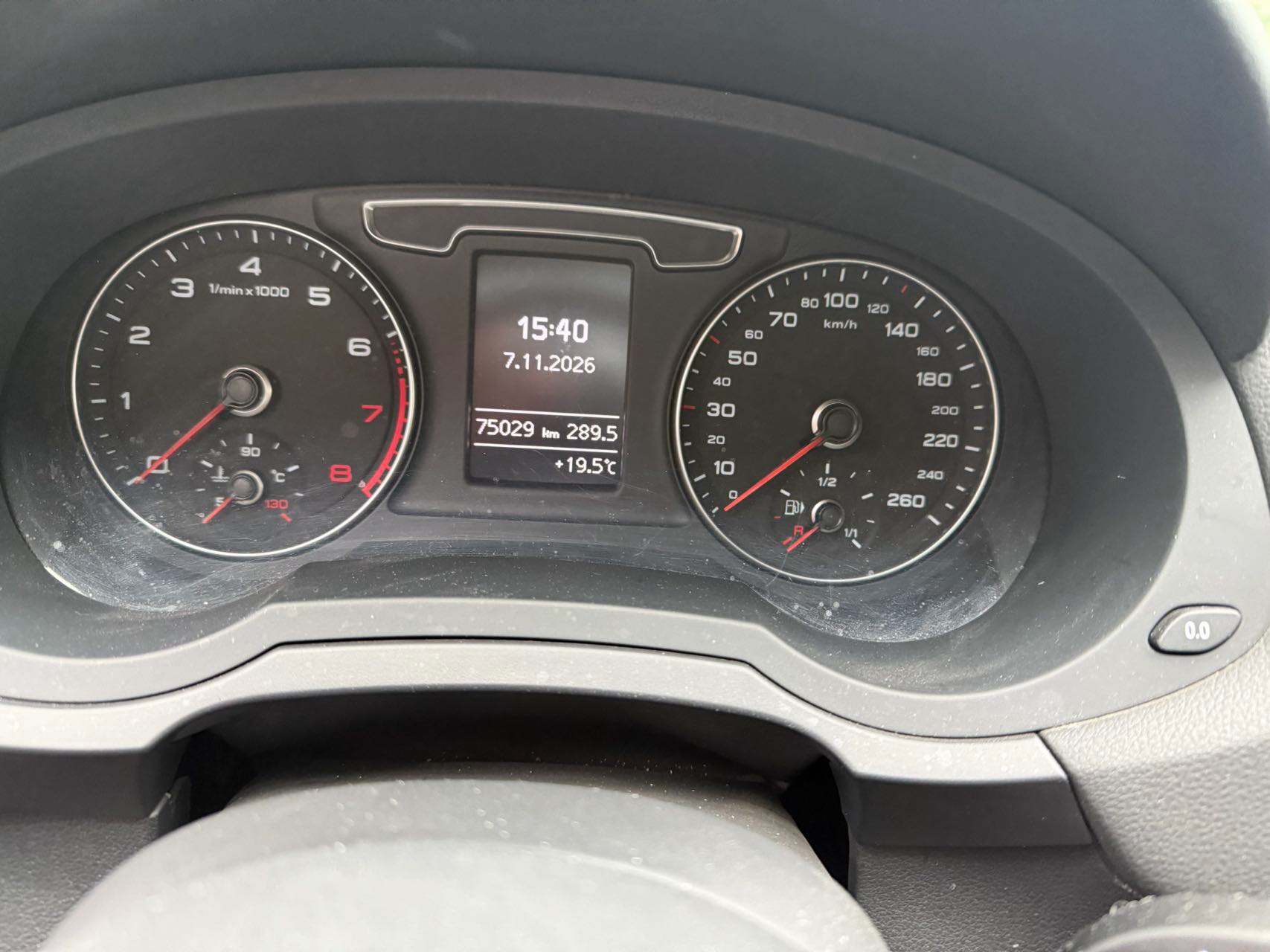



Basic Information

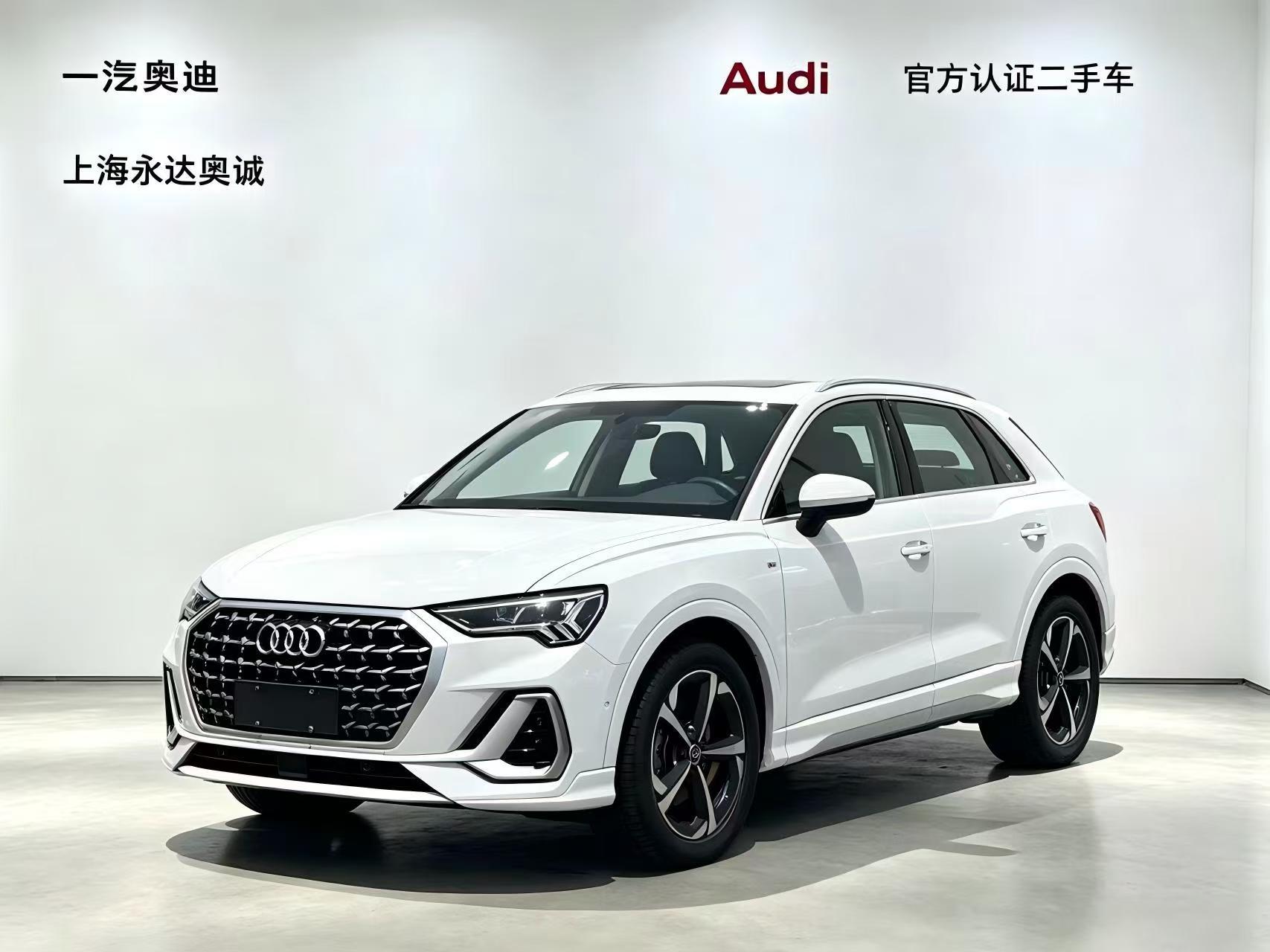
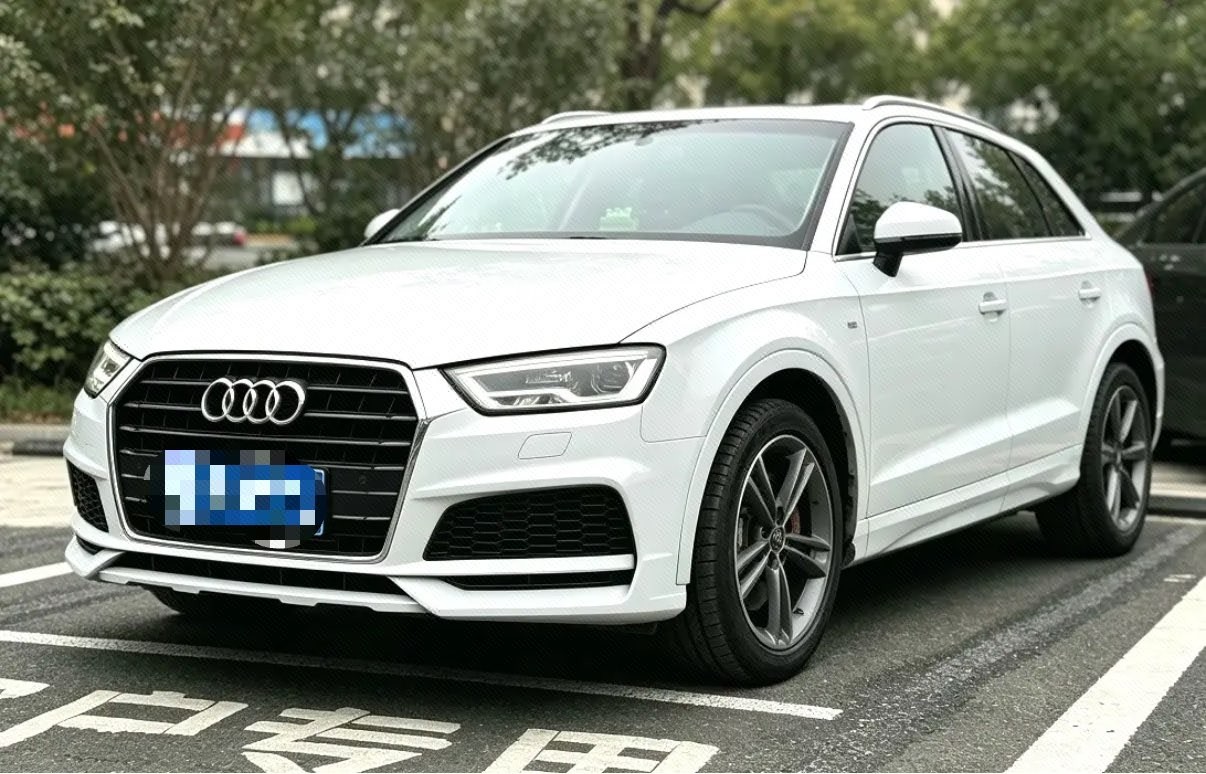
BrandAudi
SeriesQ3
Year2019
First Registration2019/01
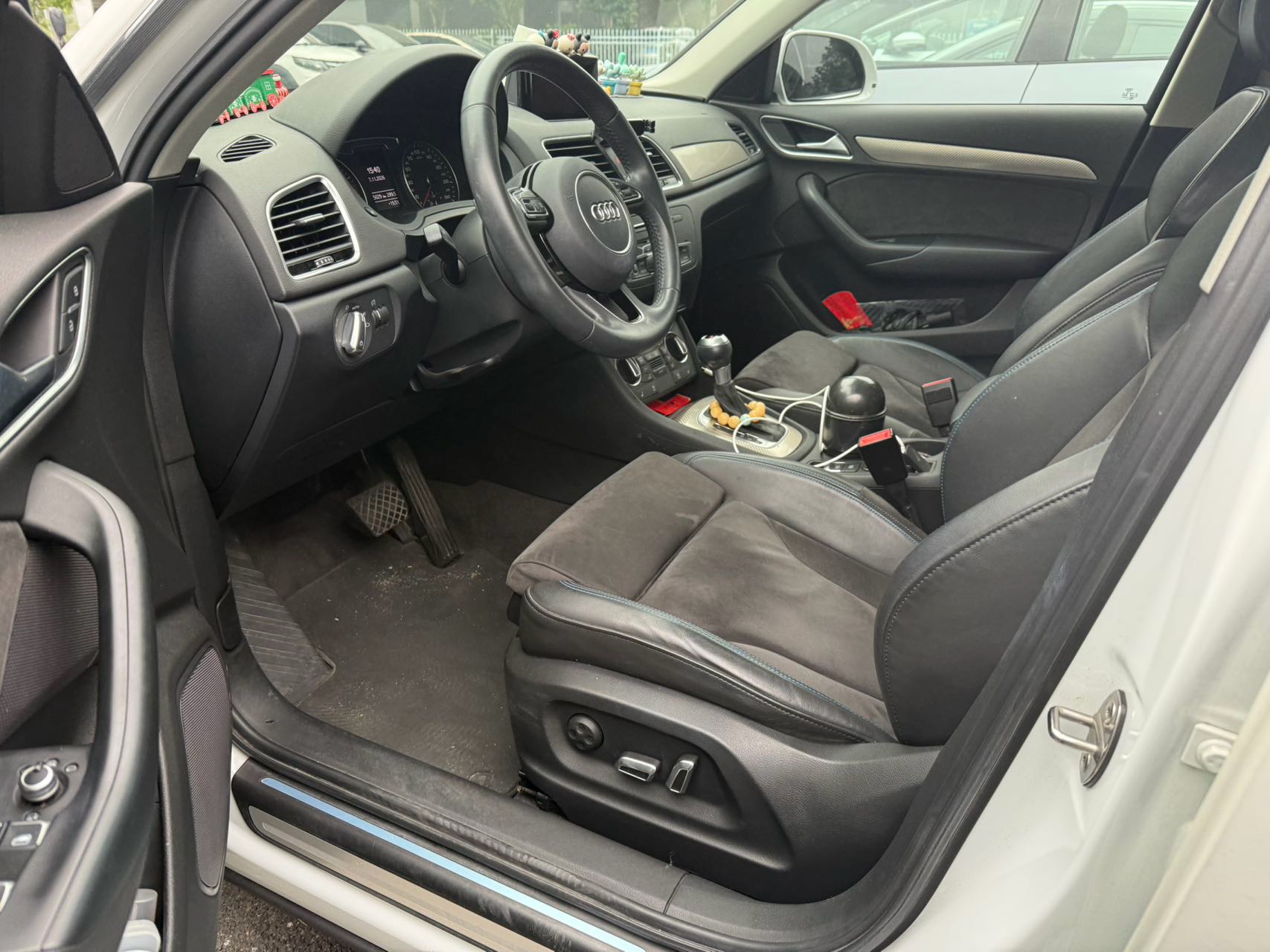
Mileage75,000km
Transfer Count0times
FuelGasoline
TransmissionDCT
Engine2.0T 180 L4
ColorWhite
Seats-

Condition Description

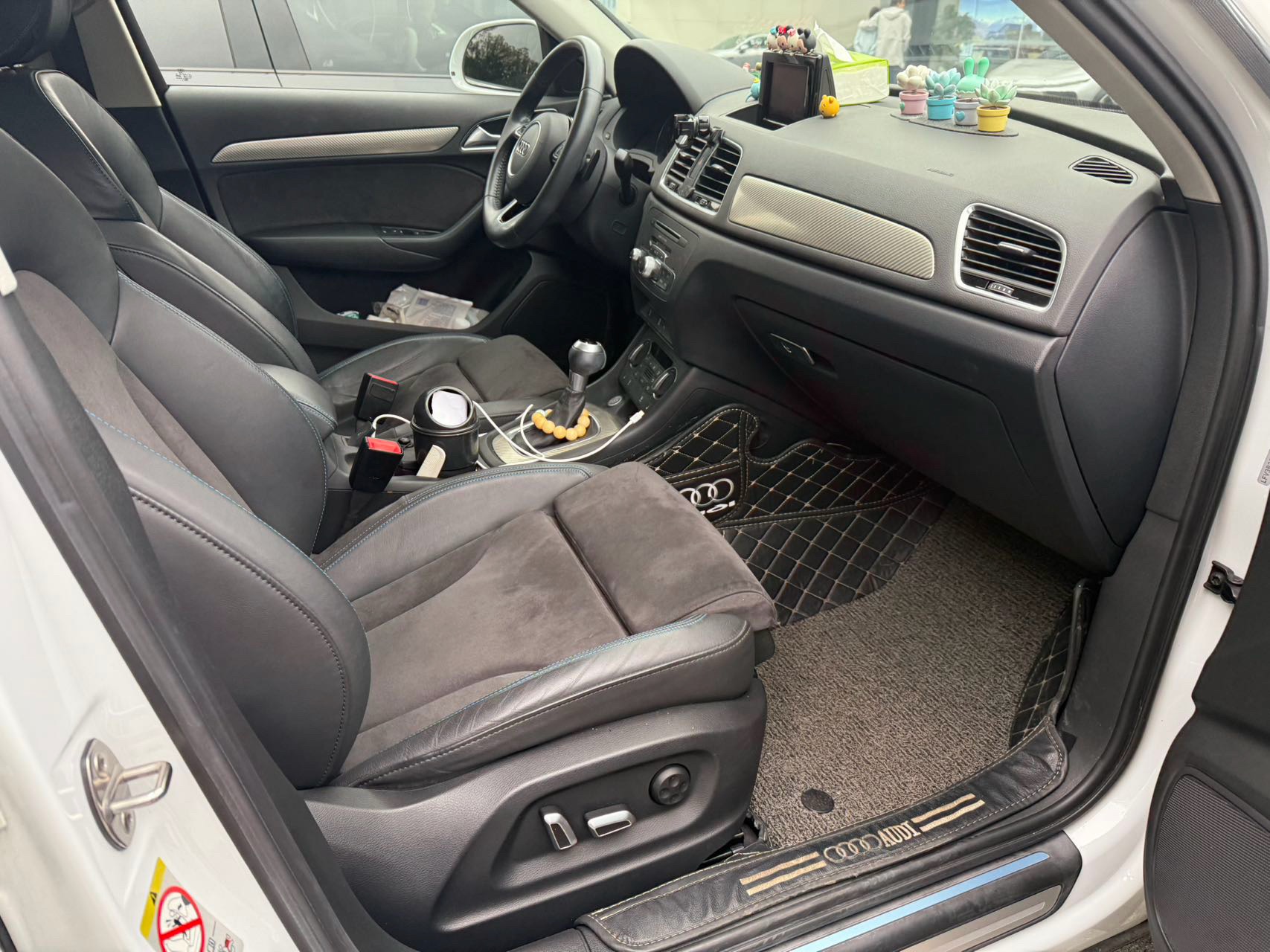
Headlight replaced, insurance claim 3.6, one owner, actual mileage, passes third-party inspection.

Document Information

Inspection Expiry Date-
Warranty Expiry Date-
Insurance Expiry Date2027/01

Q&A

More

How do I evaluate interior wear on a used car from China to estimate real mileage and usage intensity?

Interior wear is harder to fake than an odometer and often reveals true usage better than any document. Focus on high-contact points the seller rarely restores. The driver's seat bolster shows creasing and cracking by 80,000-100,000 km even with covers. Steering wheel leather polishes smooth and darkens with hand oils; a shiny wheel with low claimed mileage is a red flag. Pedal rubbers wear through at similar rates — check accelerator, brake, and clutch depth. Second-row wear patterns tell you how the car was used: heavy child-seat indentations suggest family use (usually gentler), while uniform rear wear with clean front suggests commercial or ride-hailing duty. Check seat rails for rust (indicates water ingress) and look under floor mats for moisture staining or musty smell — flood cars often hide it there. Also examine the infotainment and instrument cluster: Chinese EVs log usage data internally, and a dealer diagnostic readout can cross-check driving hours against mileage. Request close-up, well-lit photos of these specific points during your live video inspection rather than relying on the seller's gallery.


Will you provide photos of the loading site as soon as the vehicles are loaded (On Board)?

Unauthorized personnel are prohibited from entering and taking photos inside the roll-on/roll-off ship, but we will provide photos of the vehicles parked in the loading area with the ship in the background. The bill of lading marked "Shipped on board" with the date is the most essential legal proof of loading.

How does the buying process actually work step by step when importing a used car from China?

A typical safe flow looks like this: 1. Sourcing: you pick a car from listings; the exporter confirms availability, sends photos, video and a condition report. 2. Contract: a written sales contract stating VIN, price, included costs, inspection standards and delivery terms (FOB or CIF). 3. Deposit: usually 10–30% after you or a third party verify the car. Pay to a company account, never personal. 4. Inspection: independent pre-shipment inspection; you approve the report before shipping. 5. Balance payment: due before shipment, against copy of the bill of lading. 6. Shipping and documents: exporter sends original documents by courier; you track the vessel. 7. Arrival: your customs agent clears the car, you pay duties and collect it. Timeline: typically 3–8 weeks from deposit to arrival, depending on route. Any exporter pushing for 100% upfront payment should be treated as a red flag.