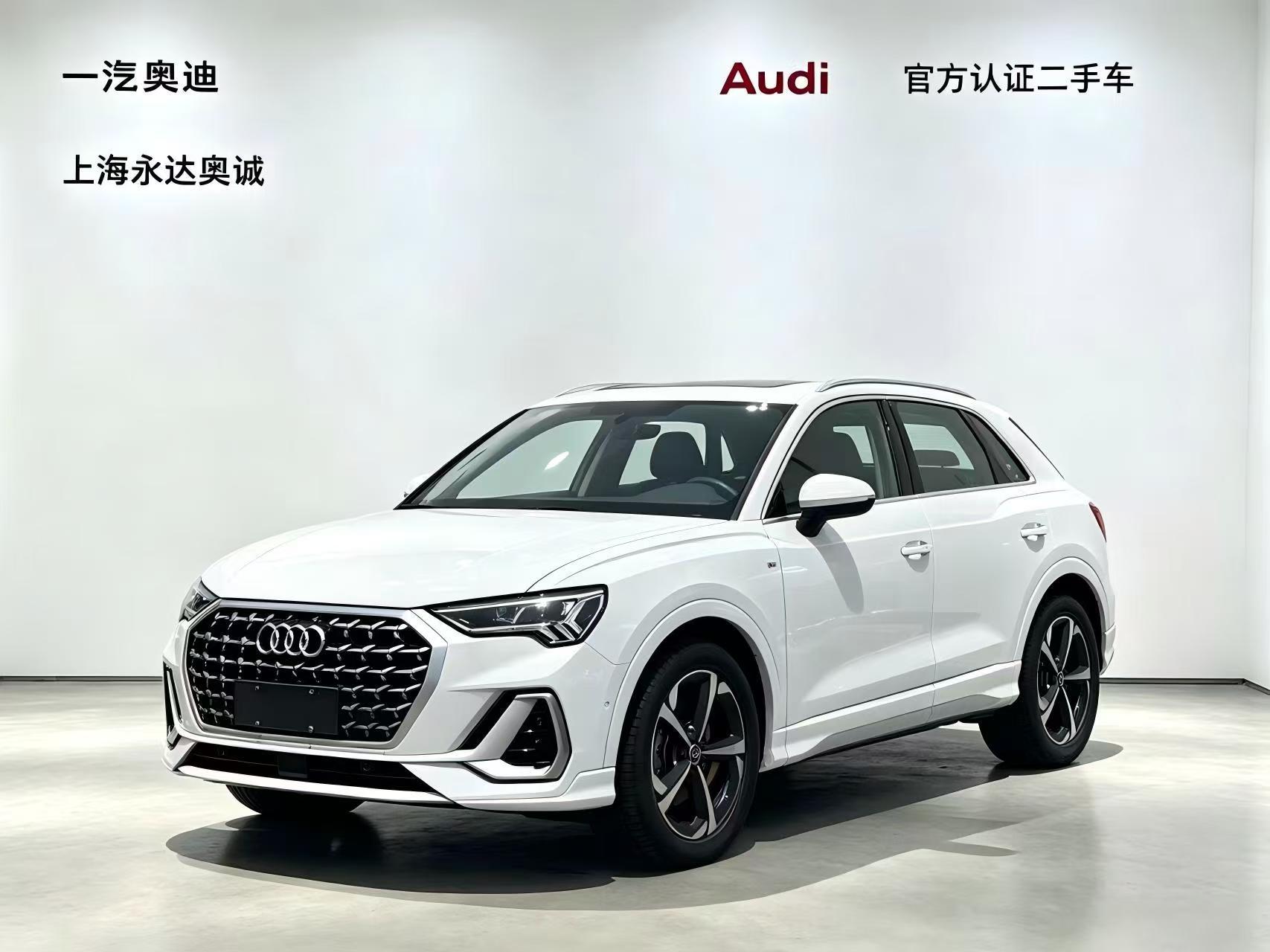
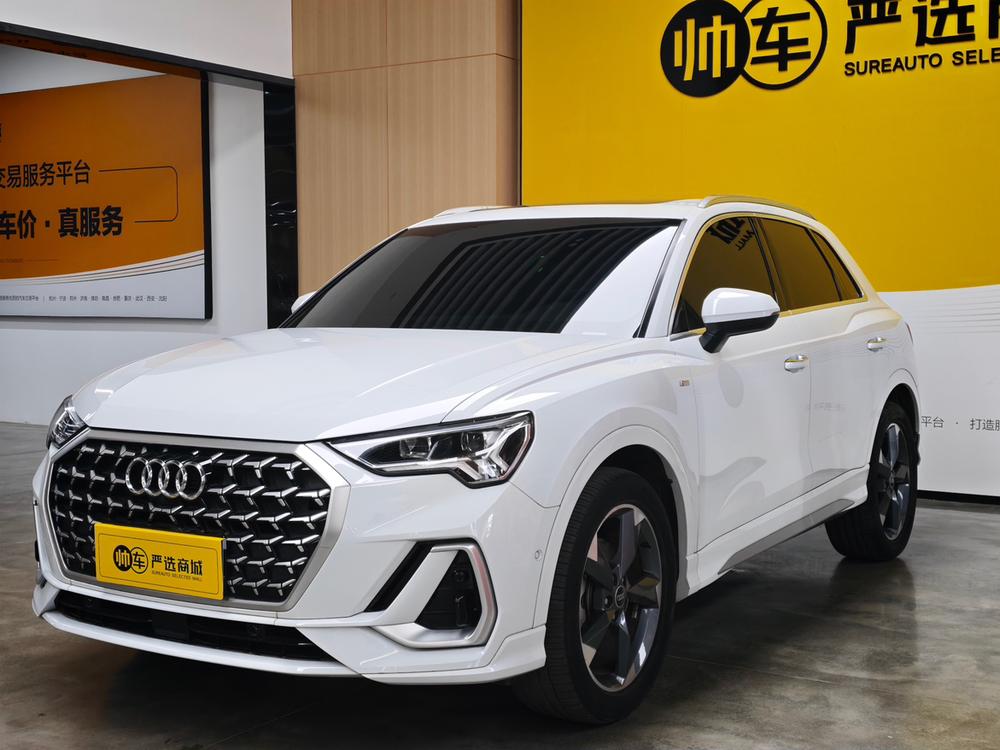
Basic Information

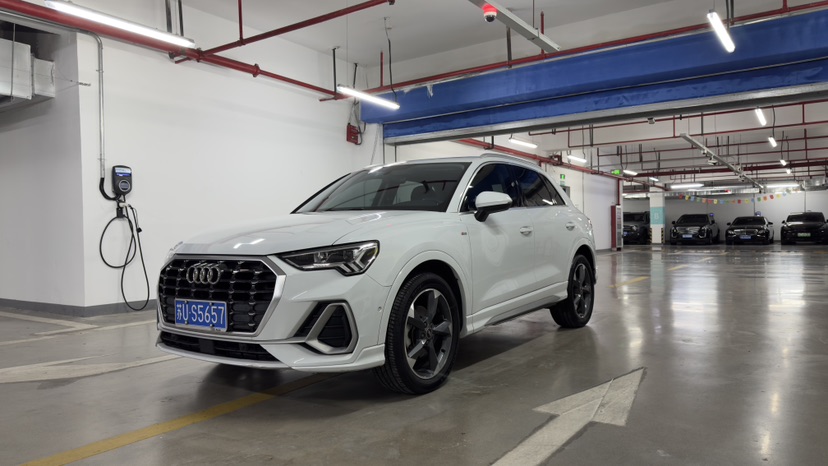
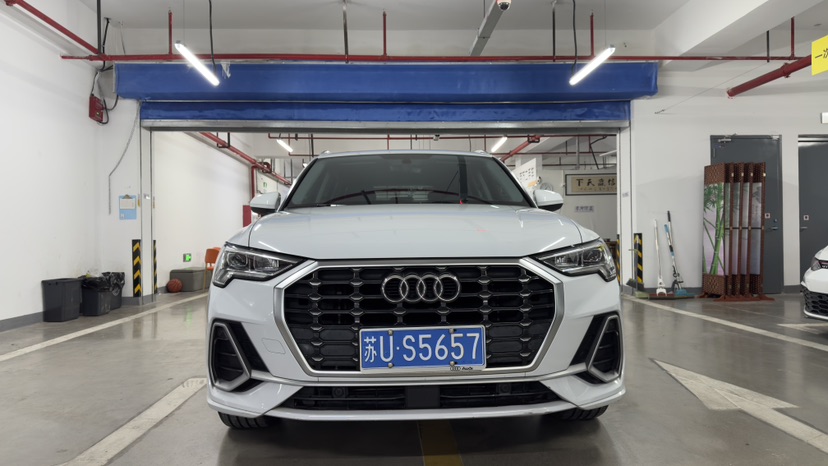
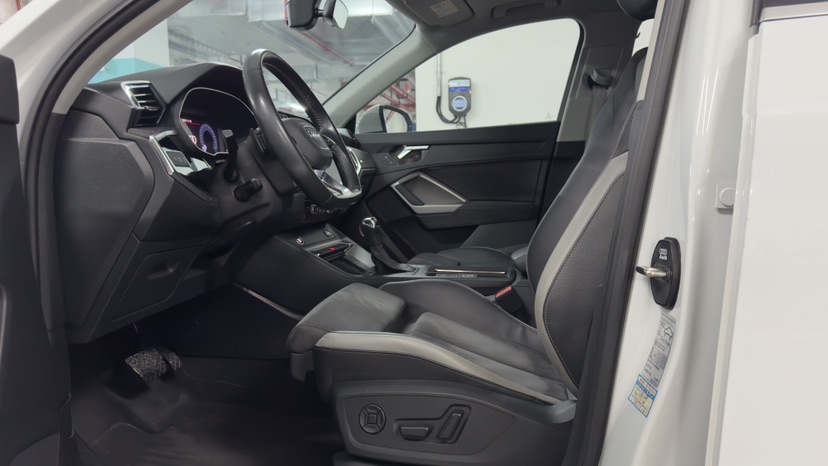
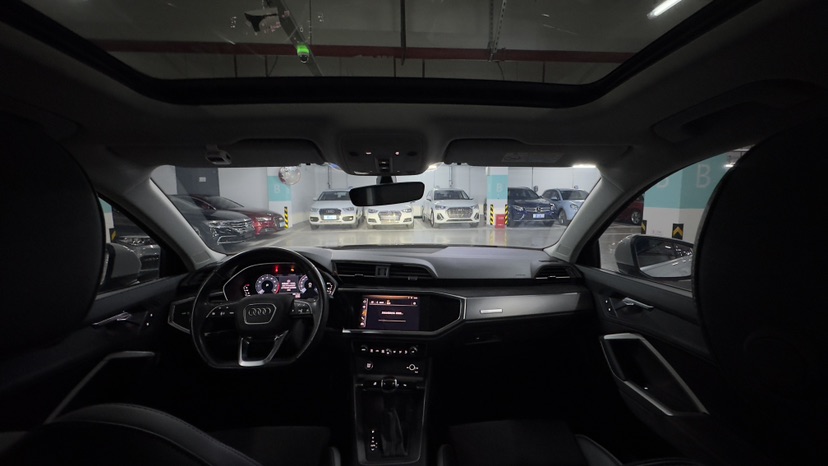
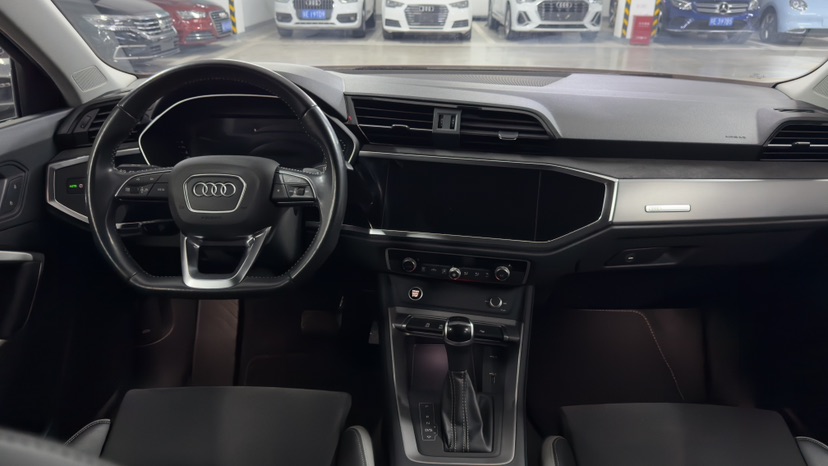
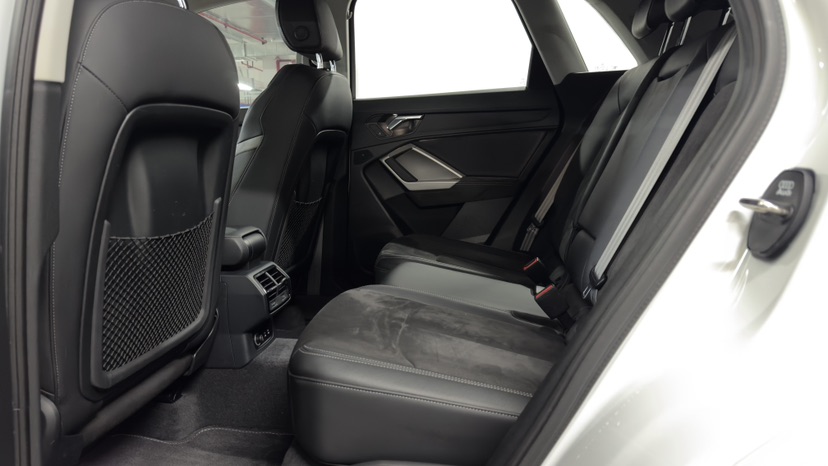
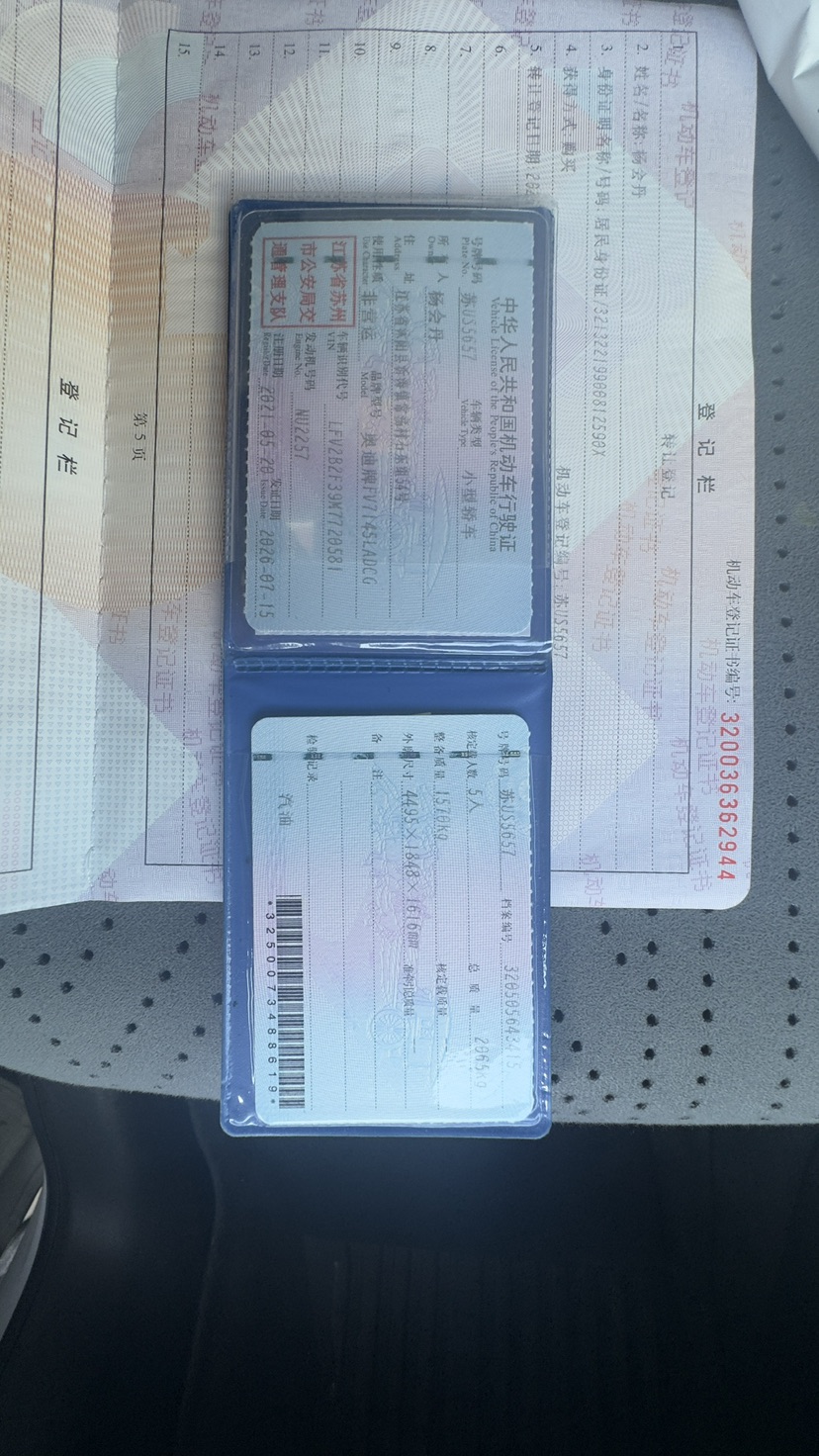
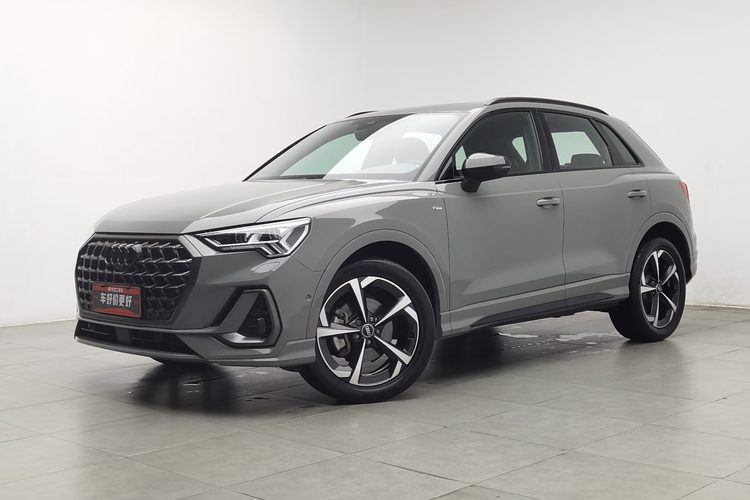
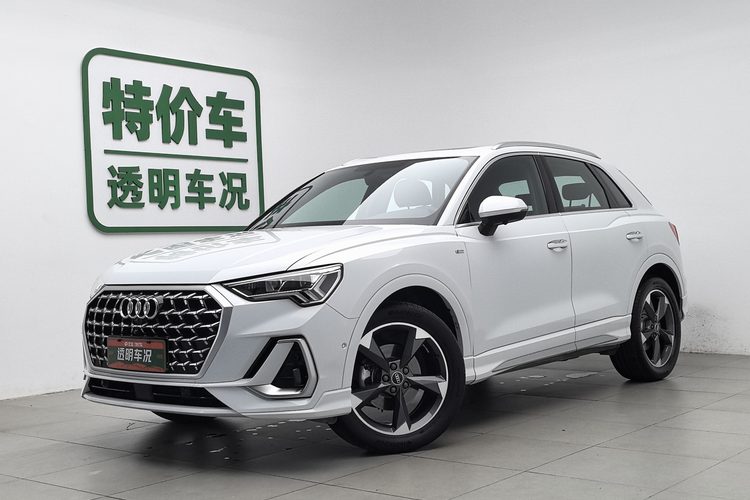
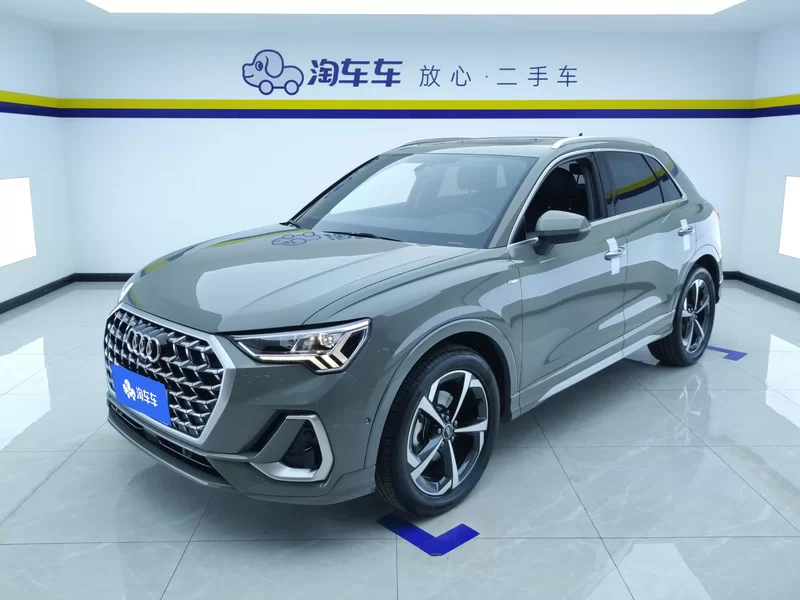
BrandAudi
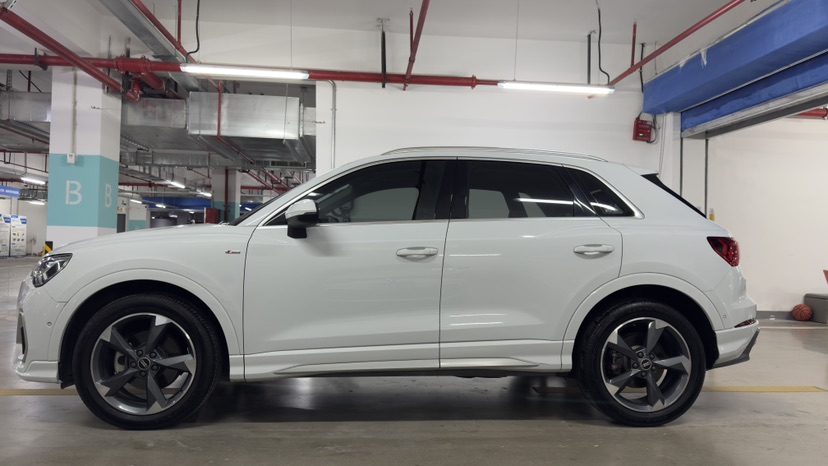
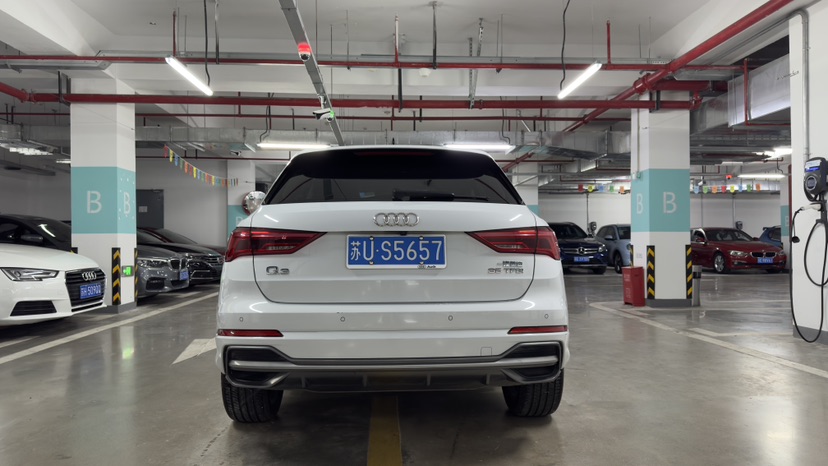
SeriesQ3
Year2021
First Registration2021/05
Mileage119,000km
Transfer Count1times
FuelGasoline
TransmissionDCT
Engine1.4T 150 L4
ColorWhite
Seats-

Condition Description

Original paint

燃油车
SUV
自动
维保开放
事故开放
查验开放

Configuration Highlights

✓品牌: 奥迪
✓车系: 奥迪Q3
✓车型: 2021款 35 TFSI 进享人生版
✓车身类型: SUV
✓座位数: 5
✓排量: 1.4T
✓变速箱: 自动
✓能源类型: 燃油车
✓VIN: LFV2B2F39M7720581
✓搜索关键词: 奥迪奥迪Q3 2021款奥迪Q335TFSI进享人生版

Document Information

Inspection Expiry Date2027/05
Warranty Expiry Date-
Insurance Expiry Date2027/05

Q&A

More

If our country has a free trade agreement (FTA) with China, can you provide specific certificates of origin to reduce tariffs?

Yes. If your country (such as Chile, Peru, ASEAN countries, etc.) has signed a bilateral free trade agreement with China, our documentation center will apply to Chinese customs or the trade promotion agency for specific versions of the certificate of origin (such as Form E, Form F, etc.), which can help you legally apply for significant tariff reductions at the destination port.

How do I vet a Chinese used-car exporter before sending any money?

Vetting takes a day and can save you thousands. Work through this checklist. Verify the business: ask for the company registration number and check it on China's National Enterprise Credit Information system or a commercial registry tool. Confirm the registered address matches where they claim to operate, and that their business scope includes vehicle export. Check export credentials: they must hold a used-vehicle export license issued by Chinese commerce authorities. Ask for the license and a recent export declaration showing they actually ship cars. Test their knowledge: a real exporter answers detailed questions about your destination country's import rules (age limits, left/right-hand drive, emission standards) without hesitation. Vague answers about your own country's requirements are a red flag. Structure payments safely: small deposit (10-20%), balance only against inspection reports and shipping documents, ideally through a payment method with recourse. Refuse full prepayment by irreversible transfer—no legitimate exporter requires it.

How does customs clearance work at destination when importing a used car from China, and who handles it?

Customs clearance at destination is usually handled by a licensed customs broker, not the exporter. You can hire one yourself or use a broker recommended by your shipping agent. The typical flow: your broker files the import declaration using the documents the exporter must provide — the commercial invoice, packing list, bill of lading, and the certificate of origin. Depending on your country's rules, you will also need to pay import duty, VAT or sales tax, and any excise or environmental levies before the car is released. Things that commonly delay clearance: mismatched VIN numbers between documents, missing pre-shipment inspection certificates (required in some African and Middle Eastern countries), or non-compliance with your country's used-car import age limits. Budget 3–10 working days for clearance after the vessel arrives, plus storage fees if documents are incomplete. Tip: send all documents to your broker for review before the ship departs China — fixing errors at origin is much cheaper than demurrage at destination.