











Basic Information

BrandAudi
SeriesQ3
Year2021
First Registration2021/10
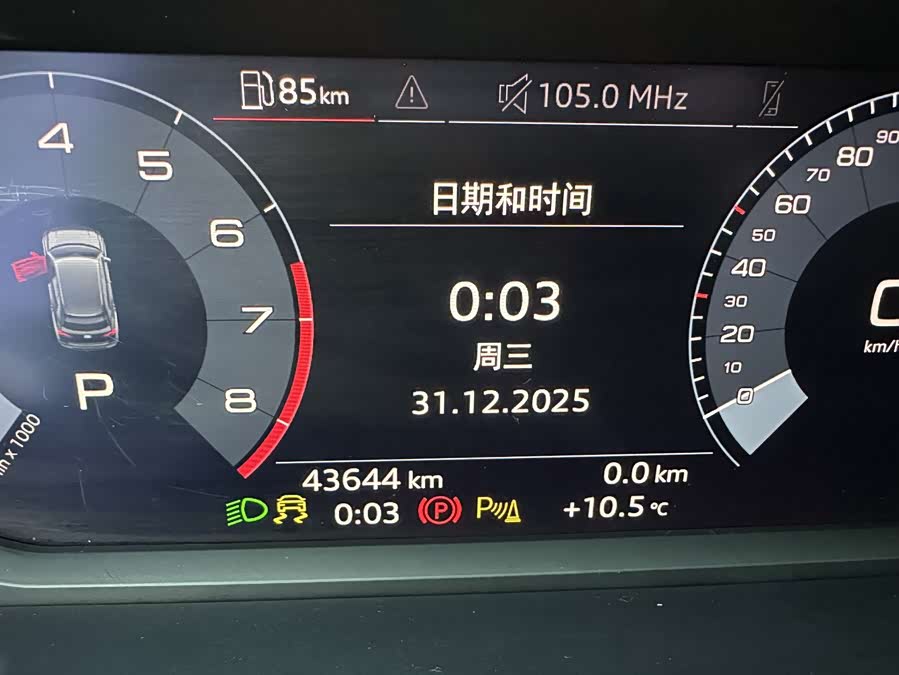
Mileage43,000km
Transfer Count1times
FuelGasoline
TransmissionDCT
Engine1.4T 150 L4
ColorGrey
Seats-

Condition Description

very good

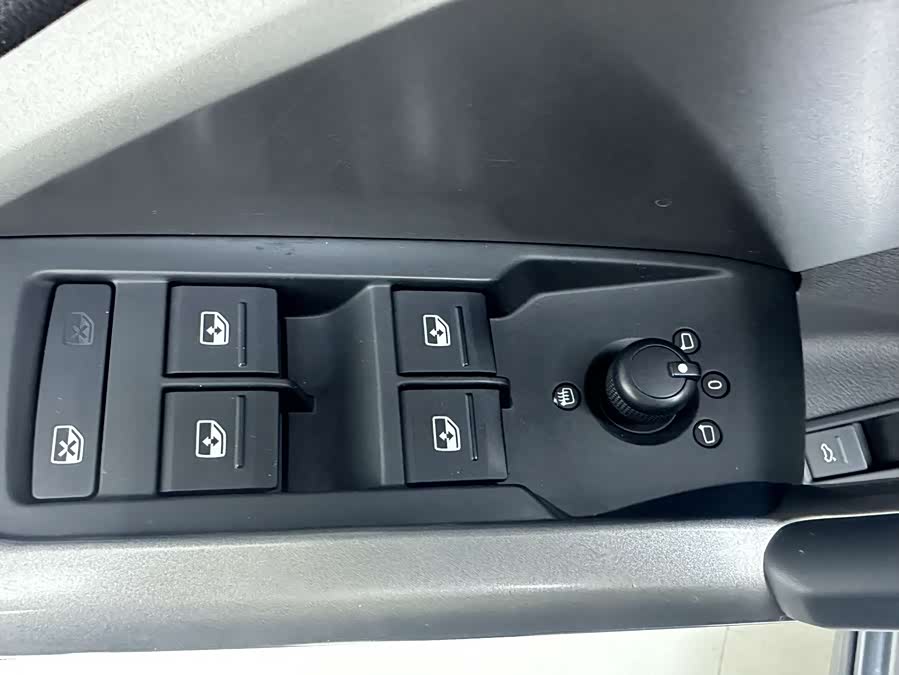
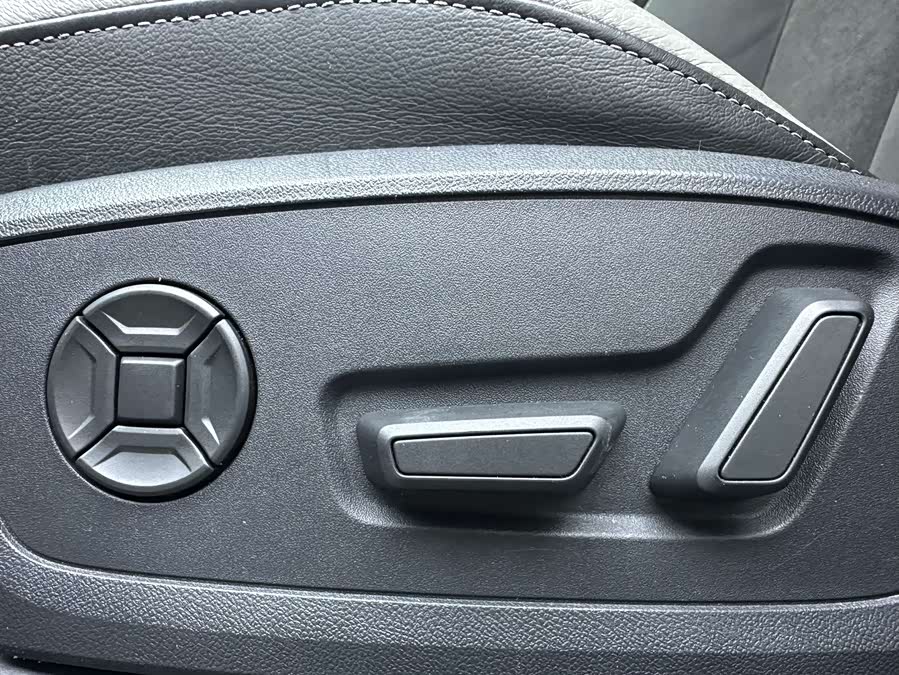
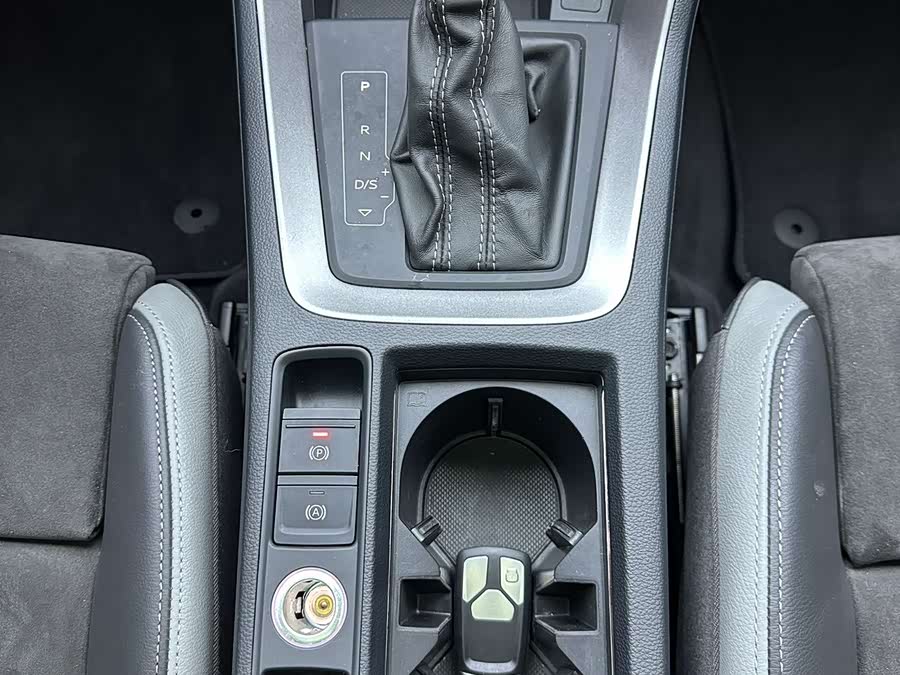
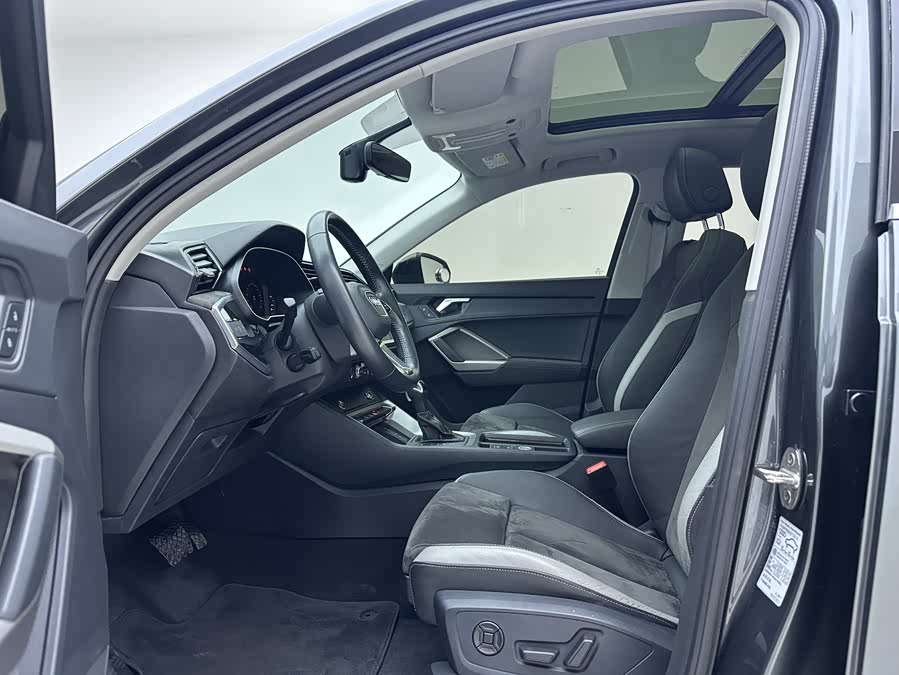
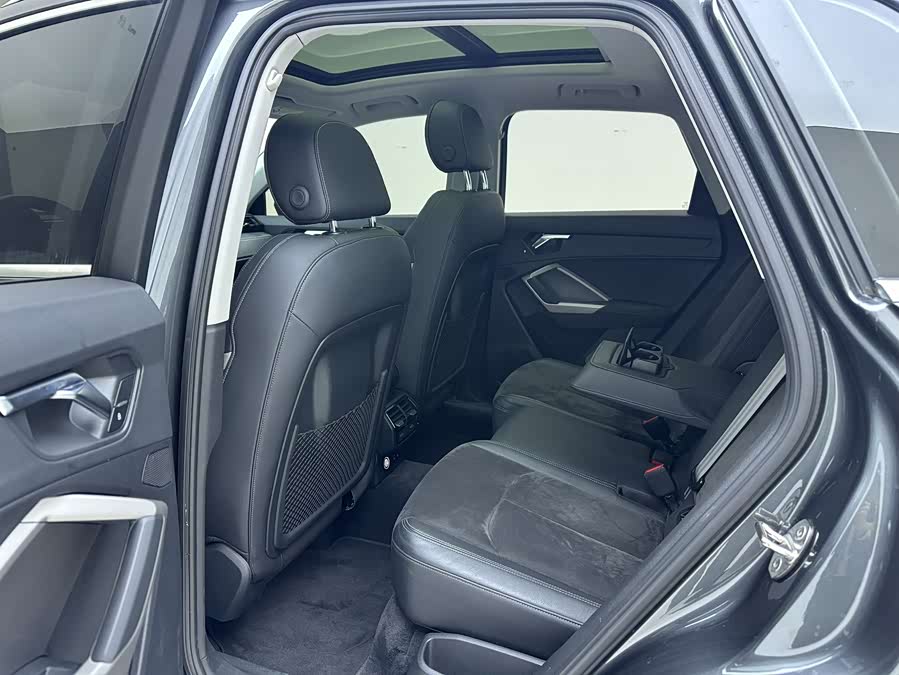
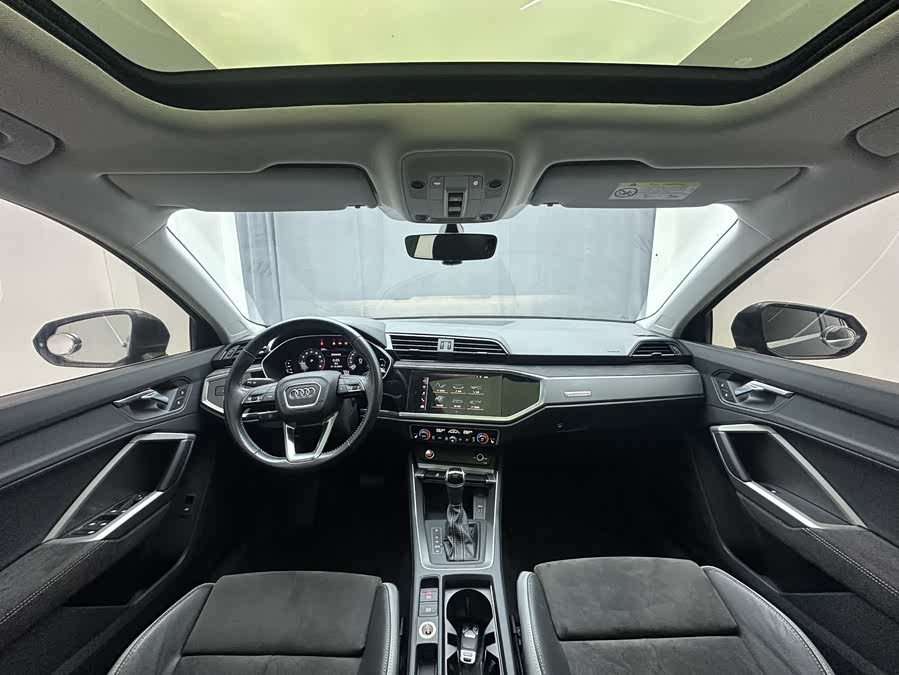
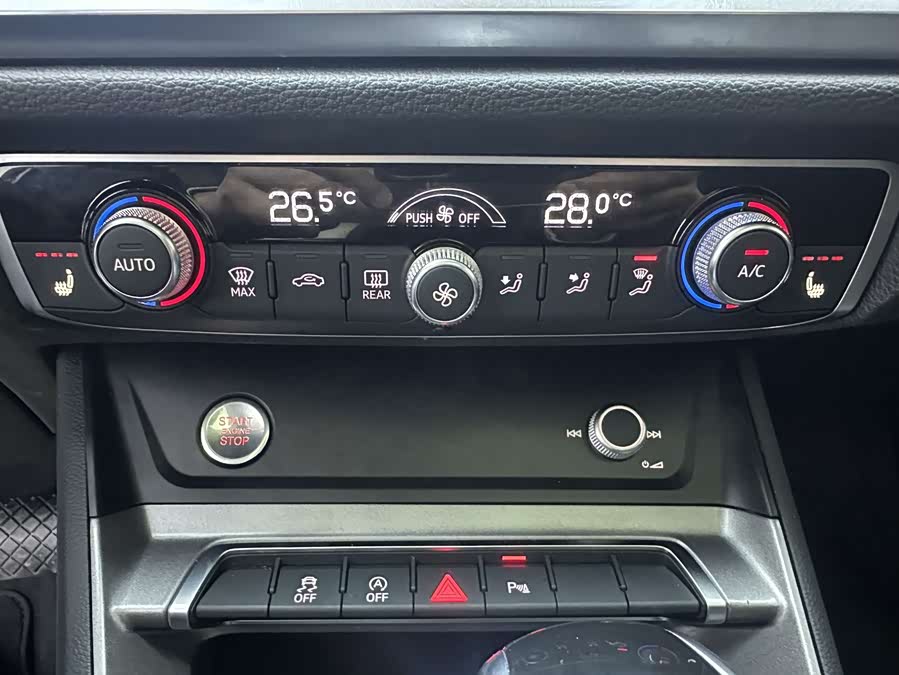
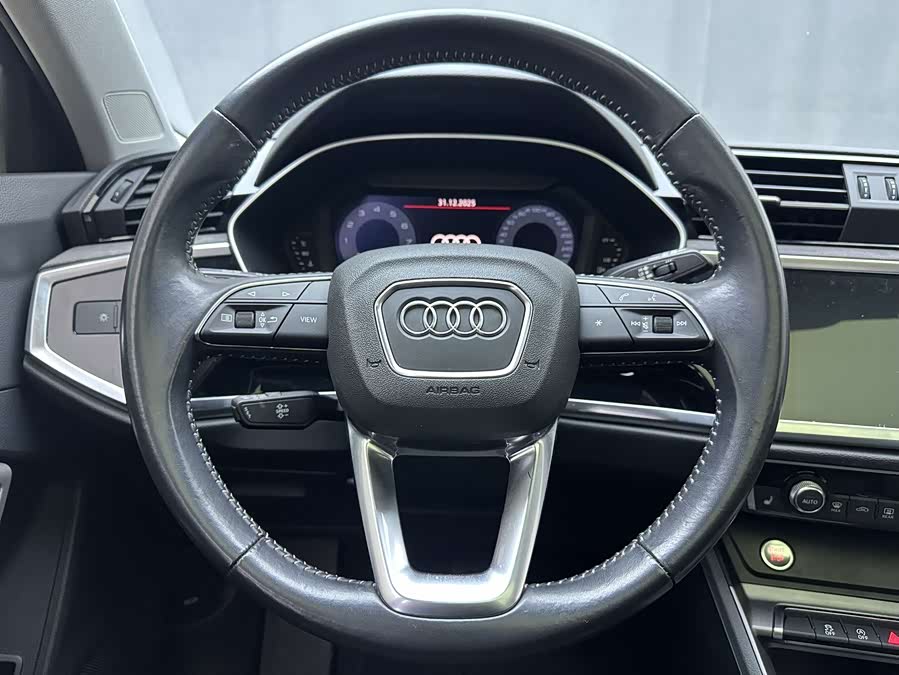
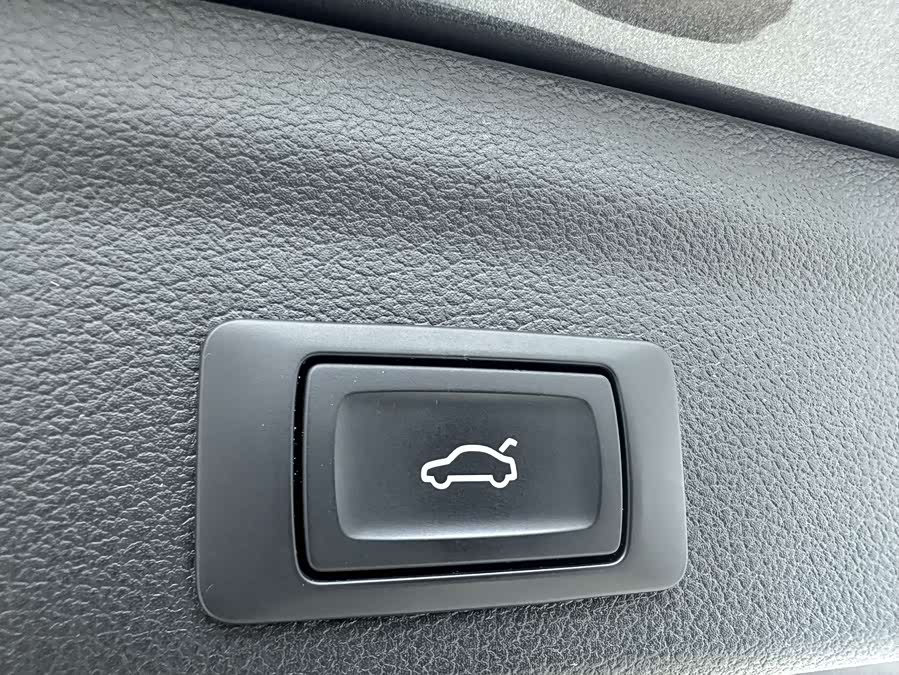
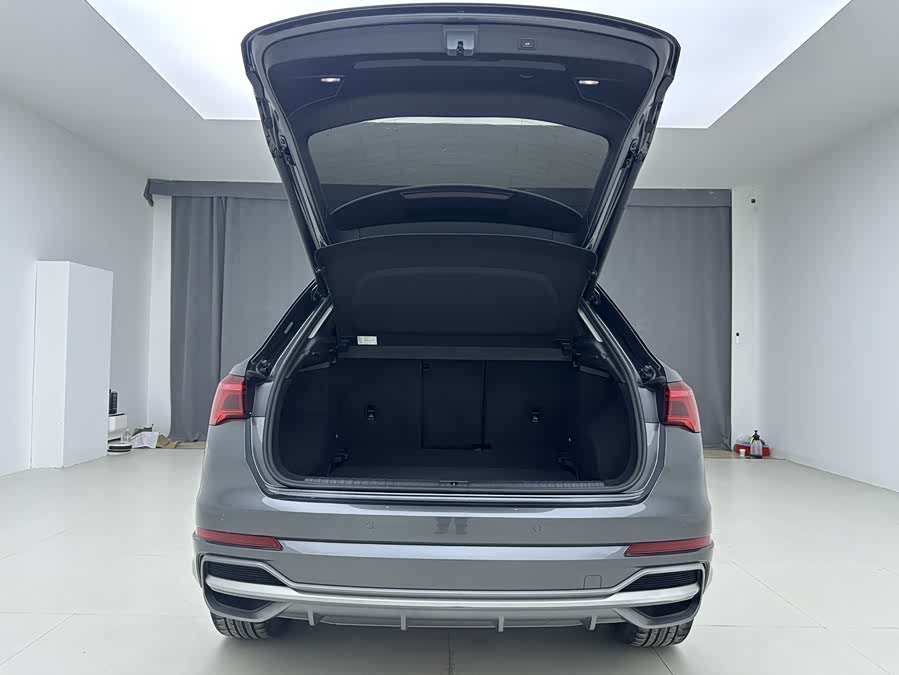
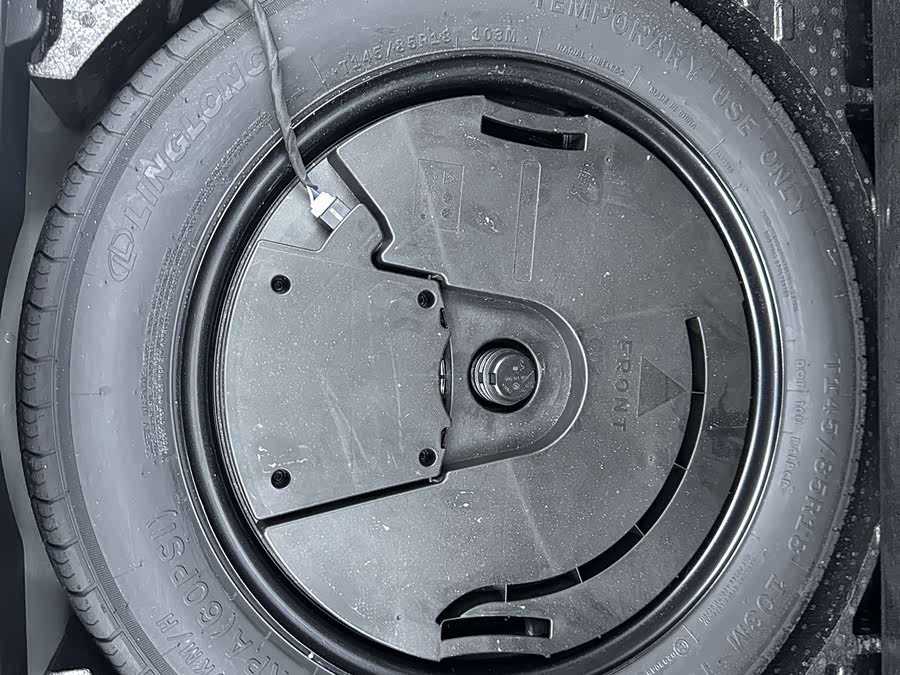
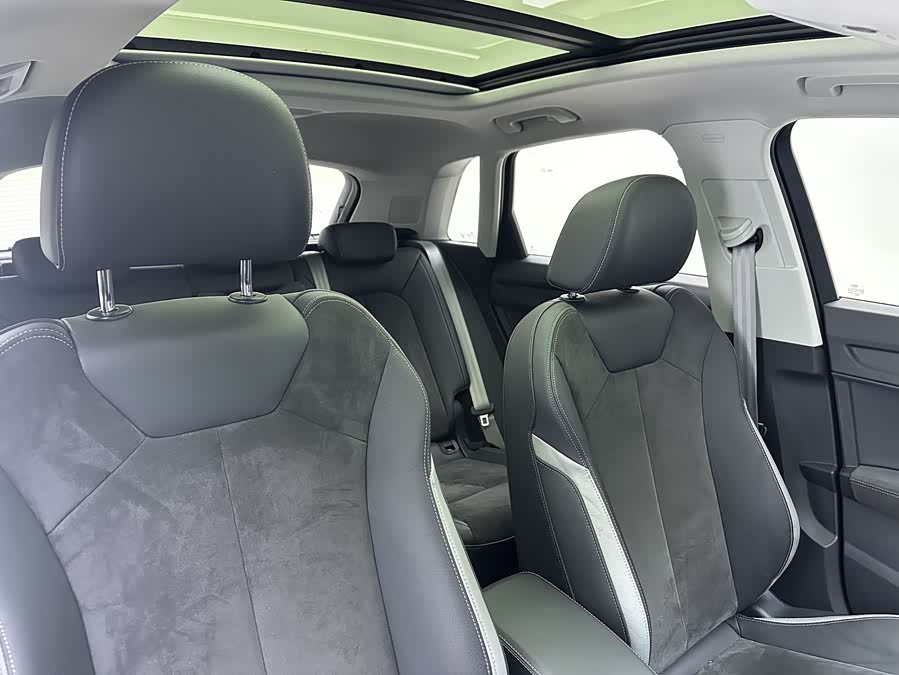
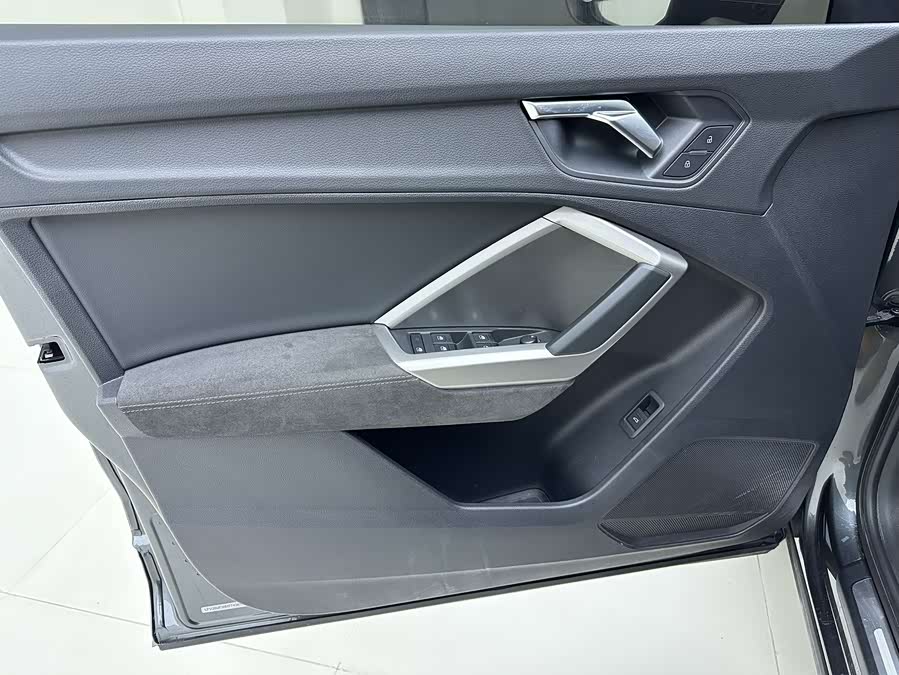
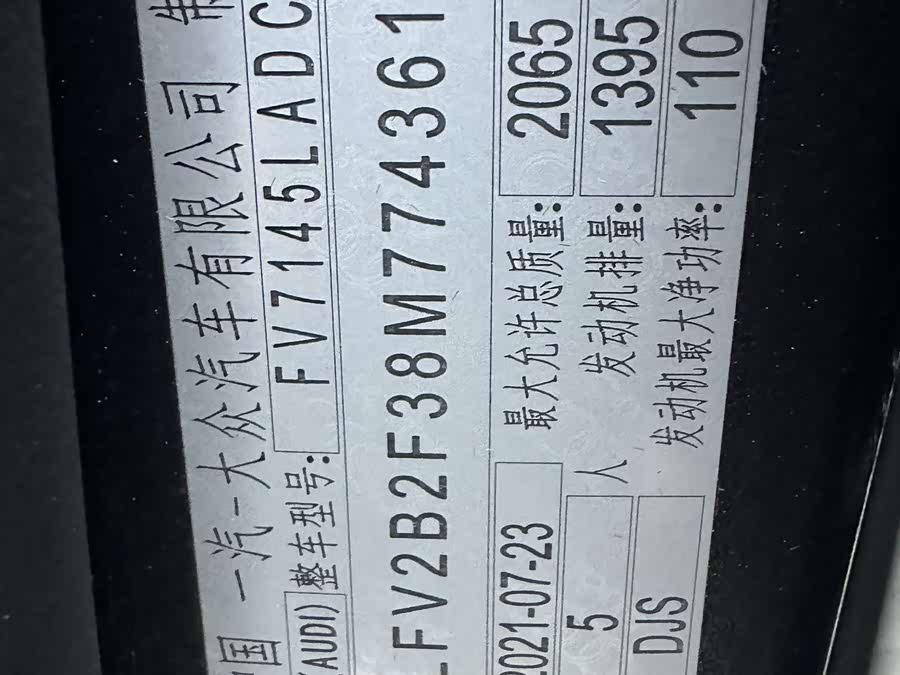
【Vehicle Name】Audi Q3 743611 【Vehicle Configuration】2022 Audi Q3 35 TFSI Progressive Dynamic Model 【Drive Type】2WD 【Color】Gray 【Manufacture Date】July 2021 【Registration Date】October 2021 【Mileage】43,000 km 【Engine Displacement】1.4T 【Keys】2 【Insurance】April 2026 【Condition】Original paint, mileage verified 【Vehicle Configuration】Panoramic sunroof, multi-function steering wheel, heated side mirrors, automatic headlights, LCD central control screen, LCD instrument panel, power tailgate, front and rear parking sensors, reversing camera, rear air vents, power driver and passenger seats, heated seats.

Configuration Highlights

✓Active Safety System
✓ISOFIX Child Seat Anchors
✓Auto Hold
✓Power Trunk
✓Digital Instrument Cluster
✓Bluetooth/Hands-free
✓Rear Independent Climate Control
✓Rear Air Vents

Accident & Maintenance Records

Accident Record

🔗 Open Link

Maintenance Record

🔗 Open Link

Document Information

Inspection Expiry Date2027/10
Warranty Expiry Date-
Insurance Expiry Date2026/10

Q&A

More

Are there specific tests to check if the soundproofing material is intact in a second-hand new energy vehicle equipped with run-flat tires?

We cannot open each tire to inspect the inside. However, if a visual inspection reveals severe creases on the tire sidewall, it indicates that the run-flat tire has been driven for a long time at zero pressure, damaging its internal structure. We would recommend replacing it before shipping.


How long will the seat heating and ventilation features undergo continuous power testing before export?

To prevent intermittent failures due to aging of the resistance wire, we will start the engine and set the seat heating/ventilation to maximum for at least 5 minutes, confirming significant temperature changes or airflow output in the cushion and backrest using an infrared thermometer or body sensor.

How to prove that the vehicle's battery has not suffered physical damage from deep water immersion or chassis bottoming out?

We will remove the chassis guard to physically inspect the battery pack's lower shell for serious dents or scratches, and check for signs of mud or sand intrusion in the waterproof vent at the edge of the battery pack.