


Basic Information

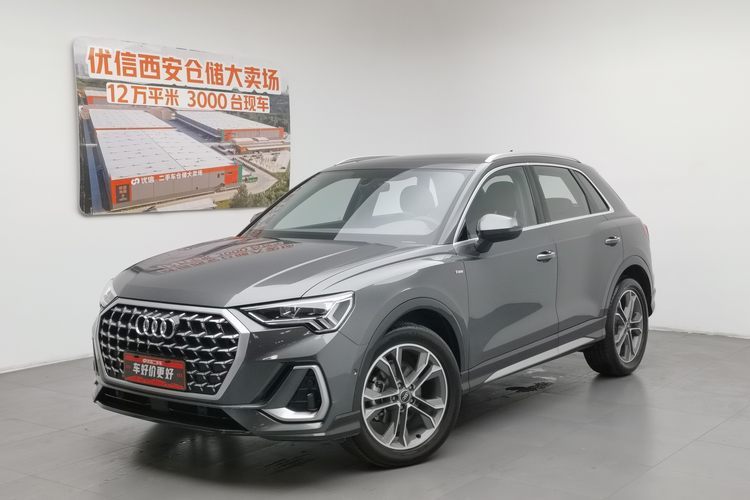
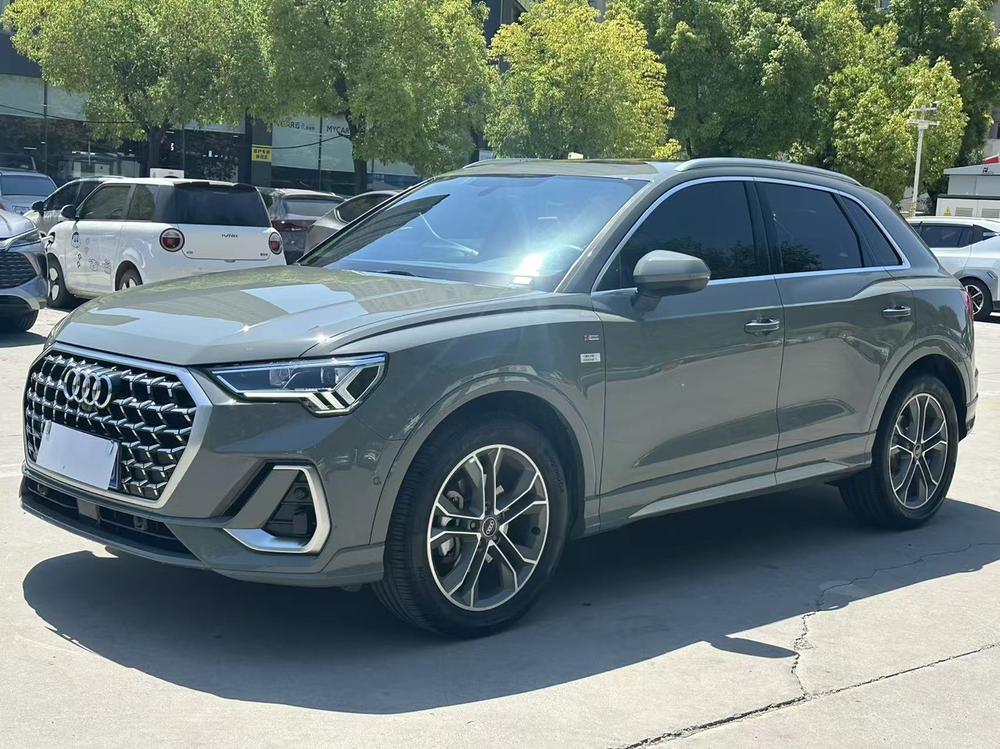
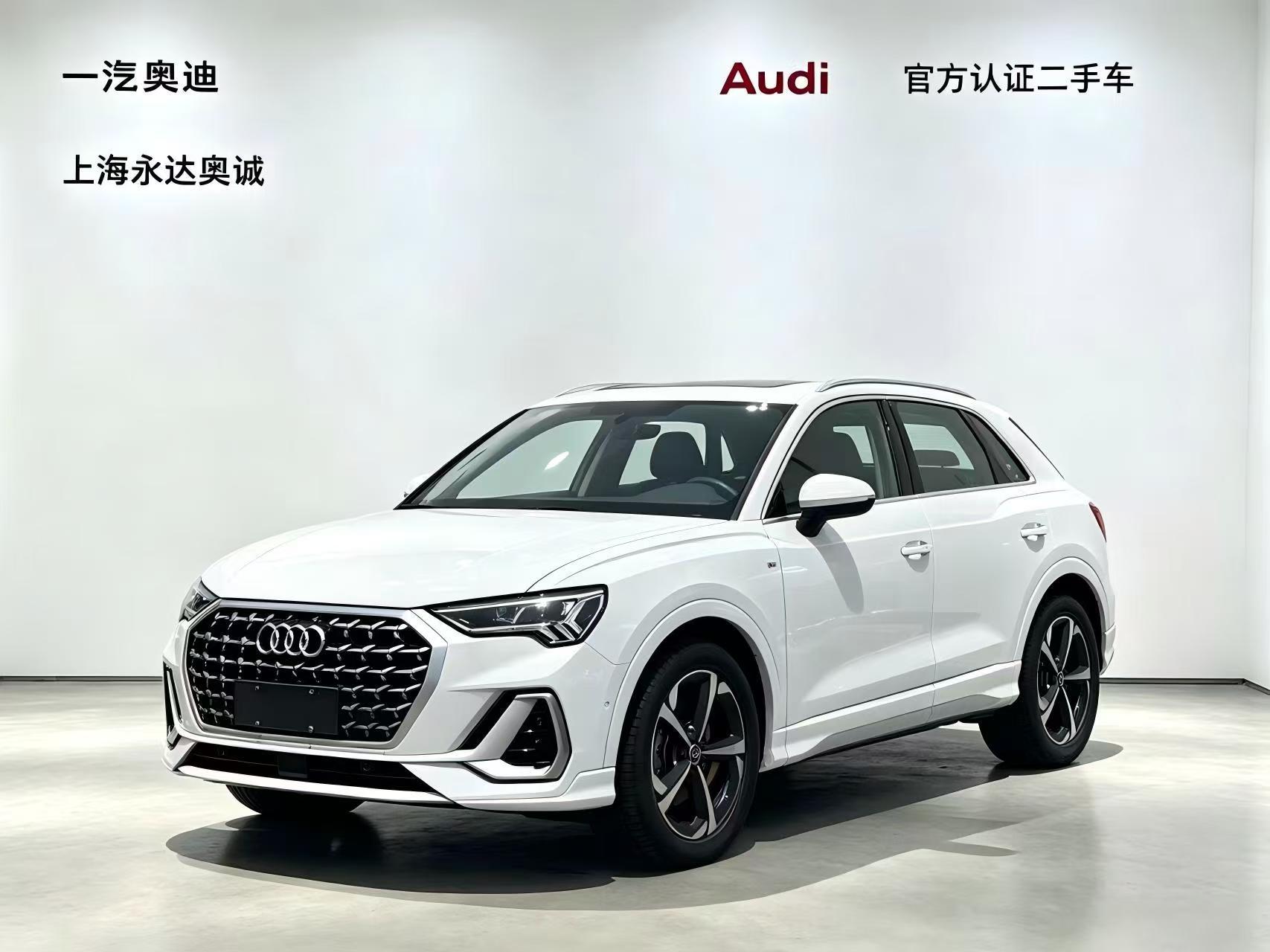
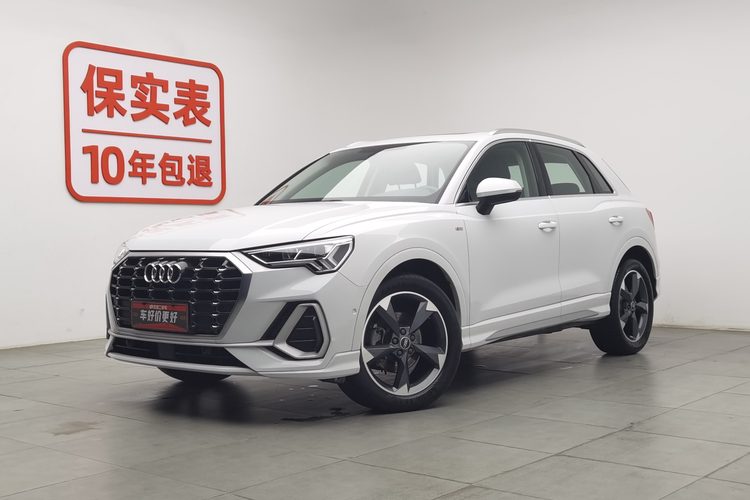
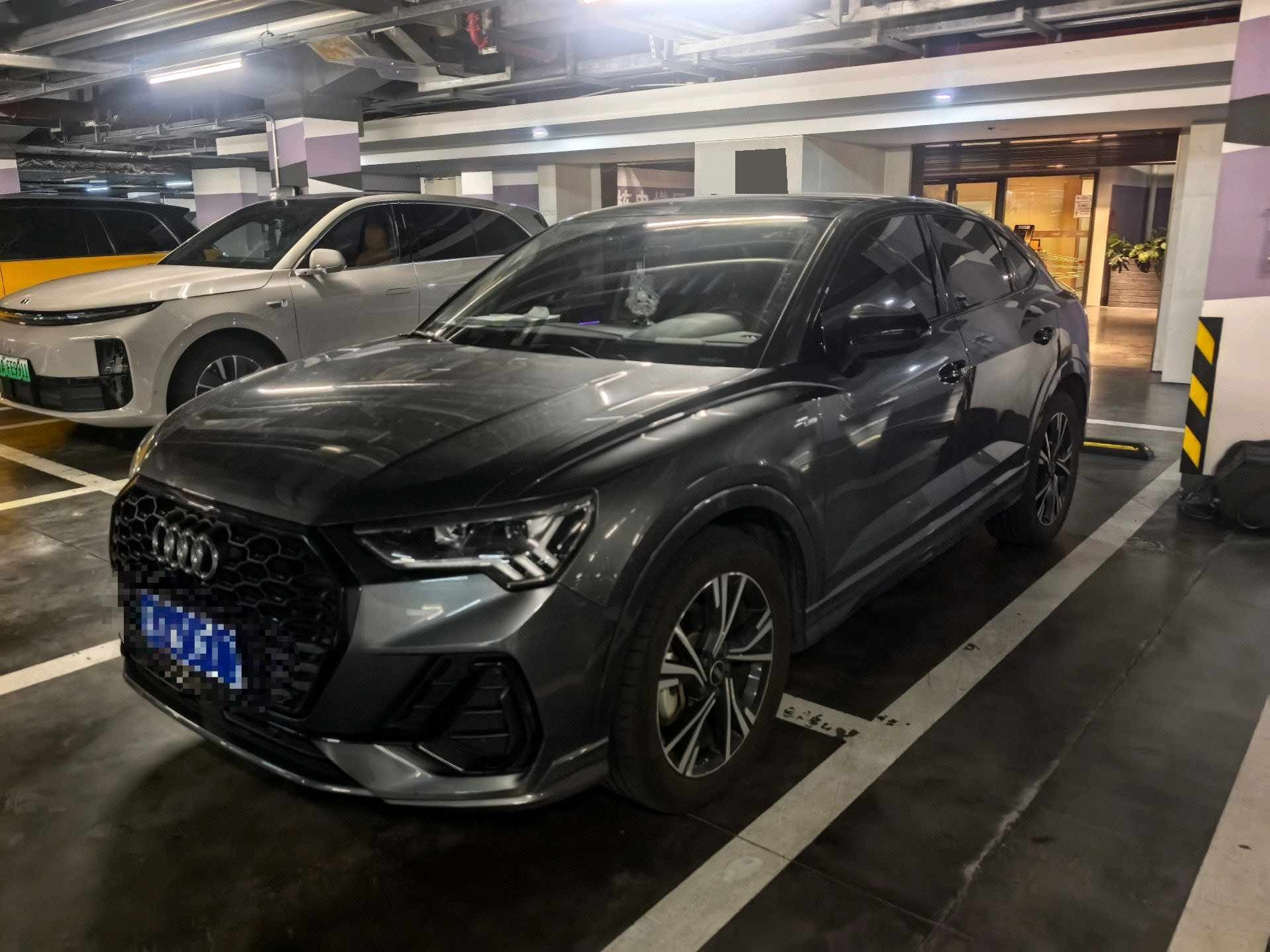
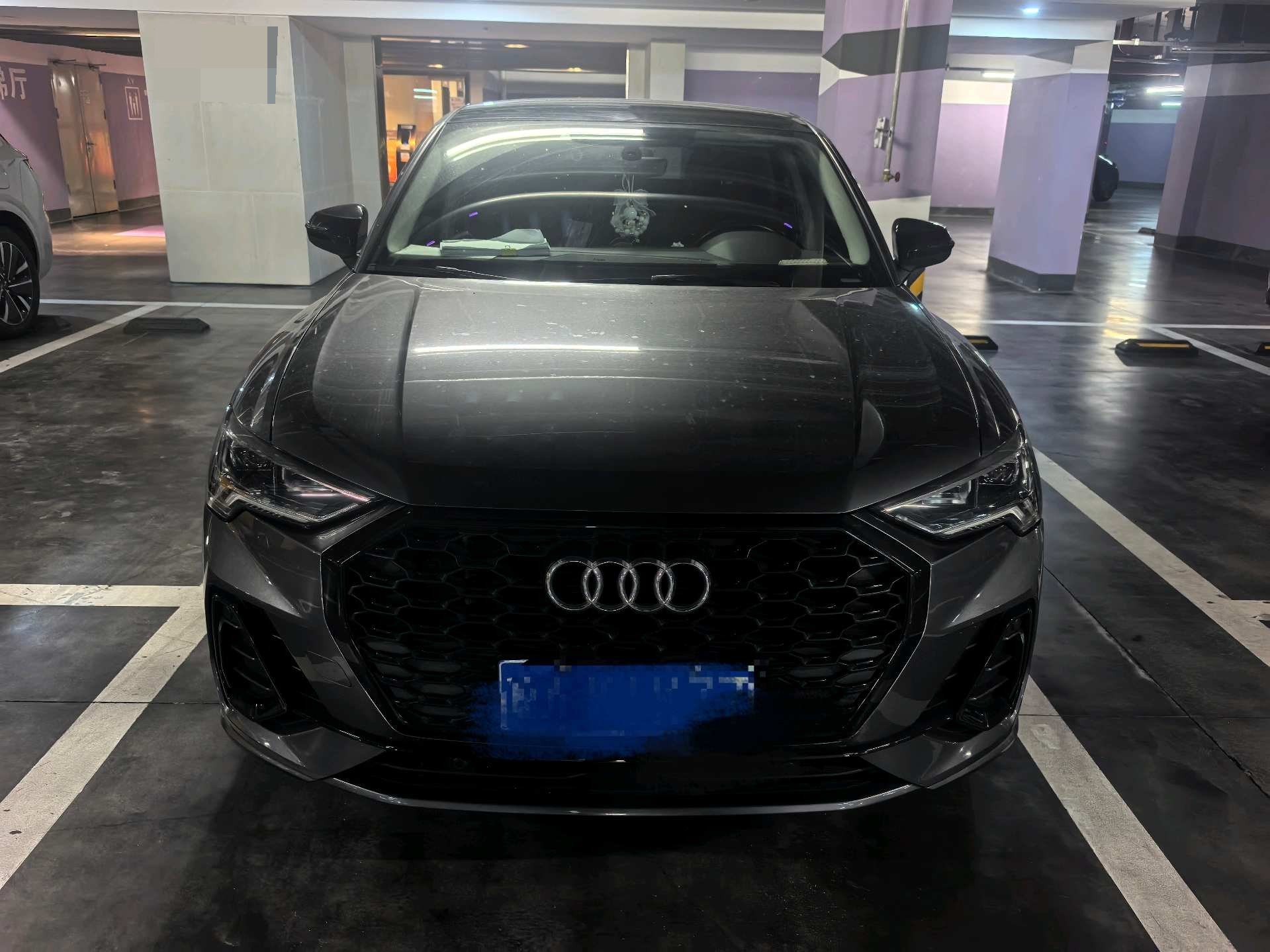
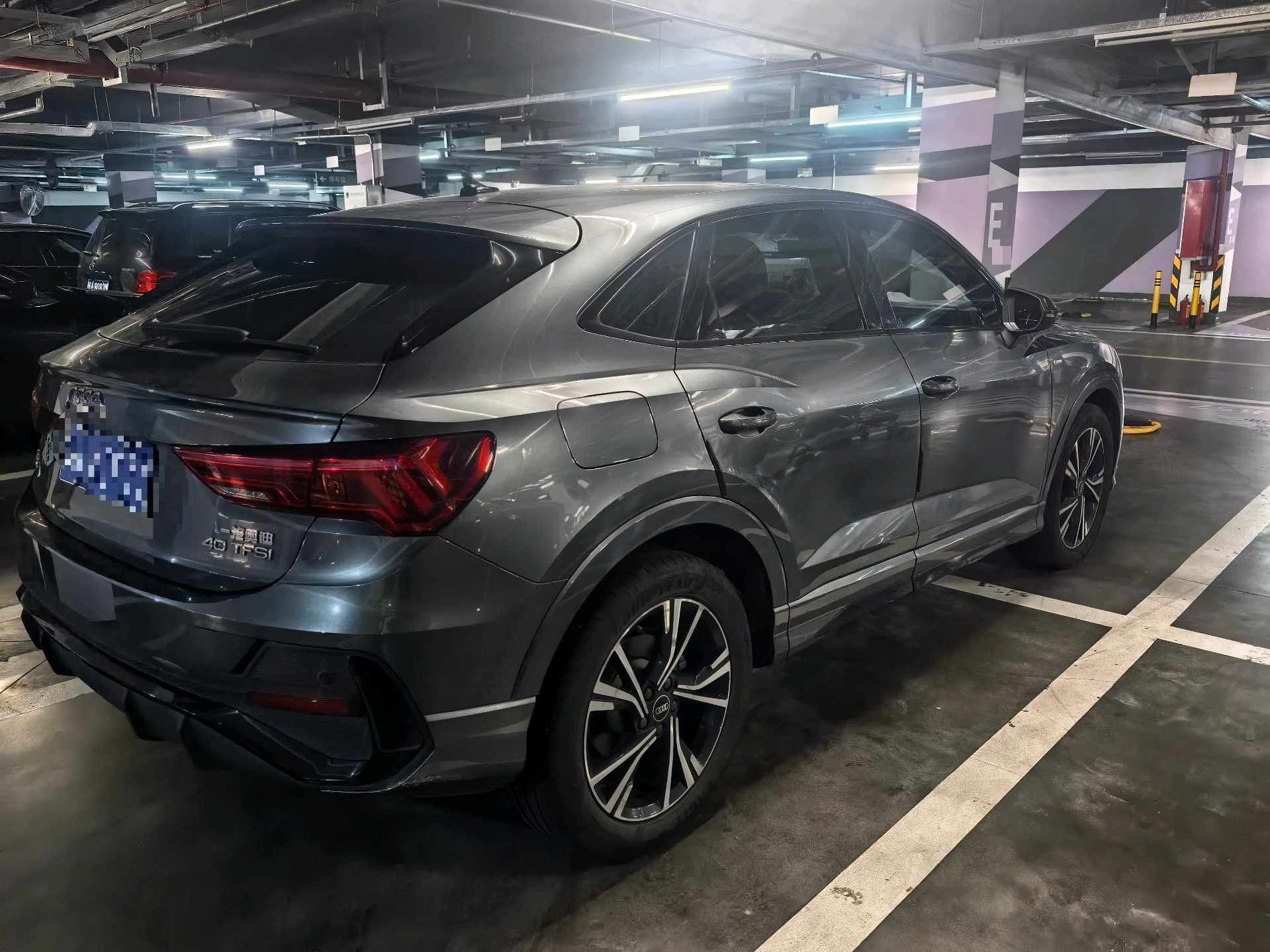
BrandAudi
SeriesQ3
Year2022
First Registration2022/03
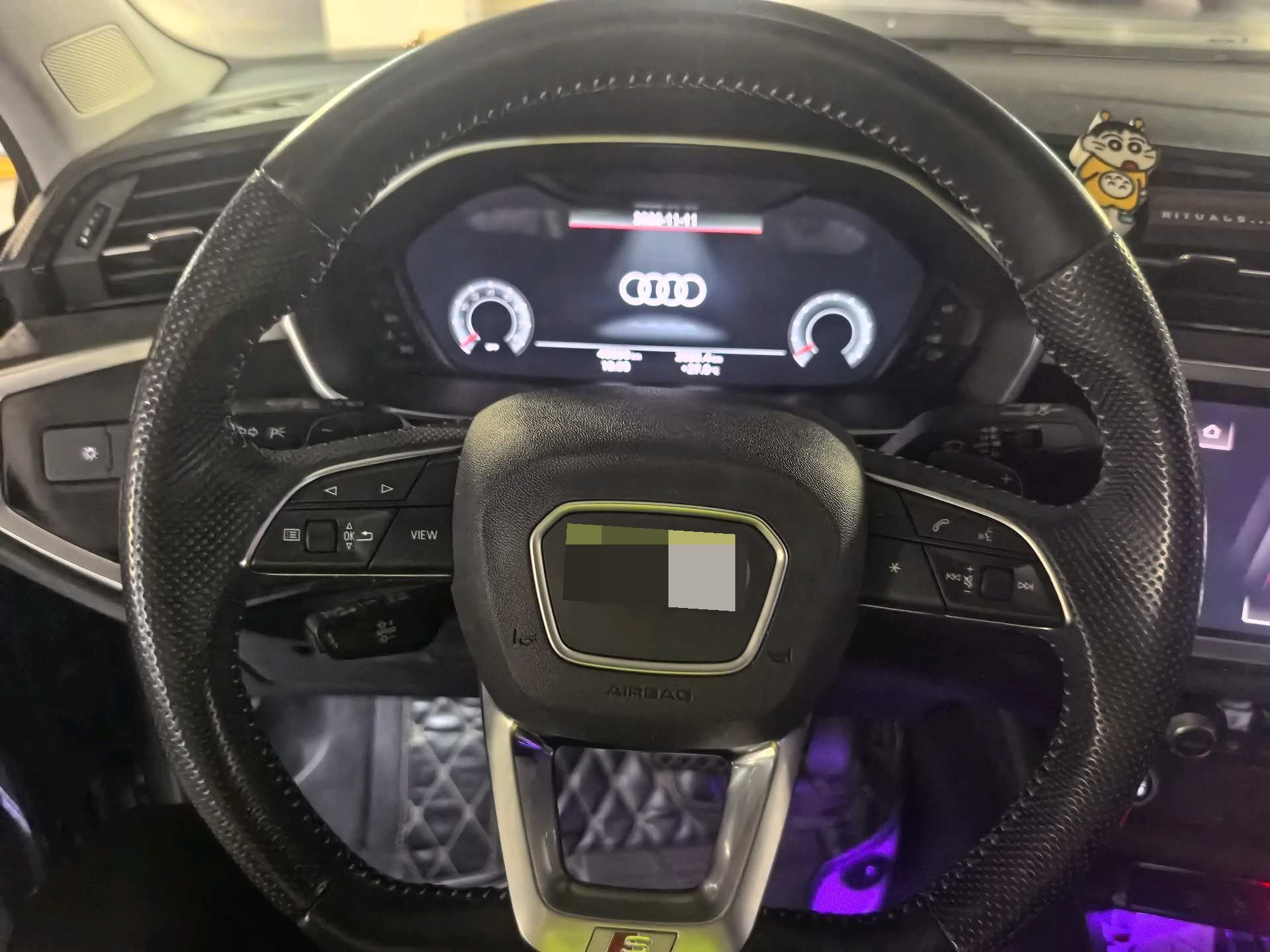
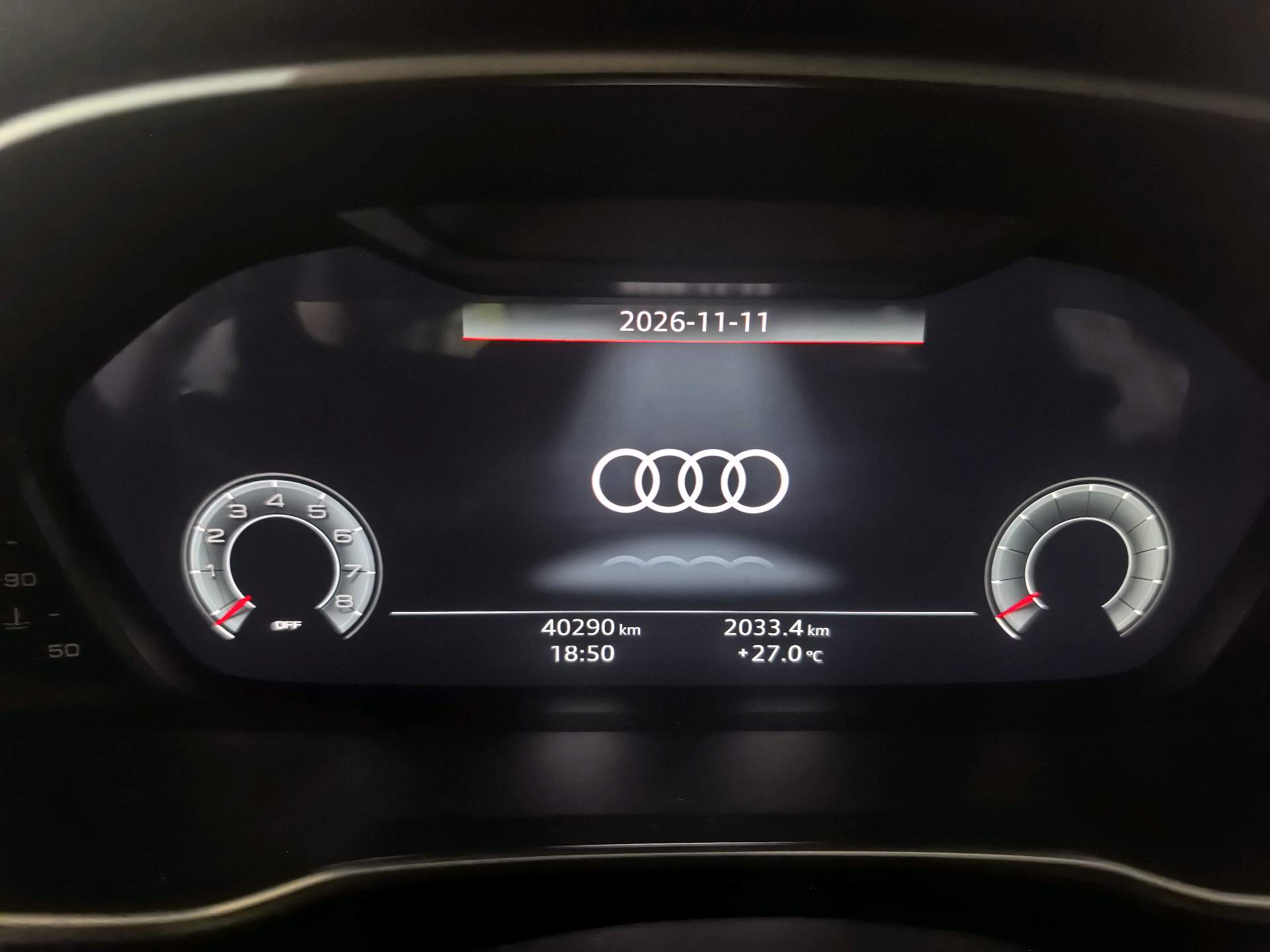
Mileage40,000km
Transfer Count0times
FuelGasoline
TransmissionDCT
Engine2.0T 186 L4
ColorGrey
Seats-

Condition Description

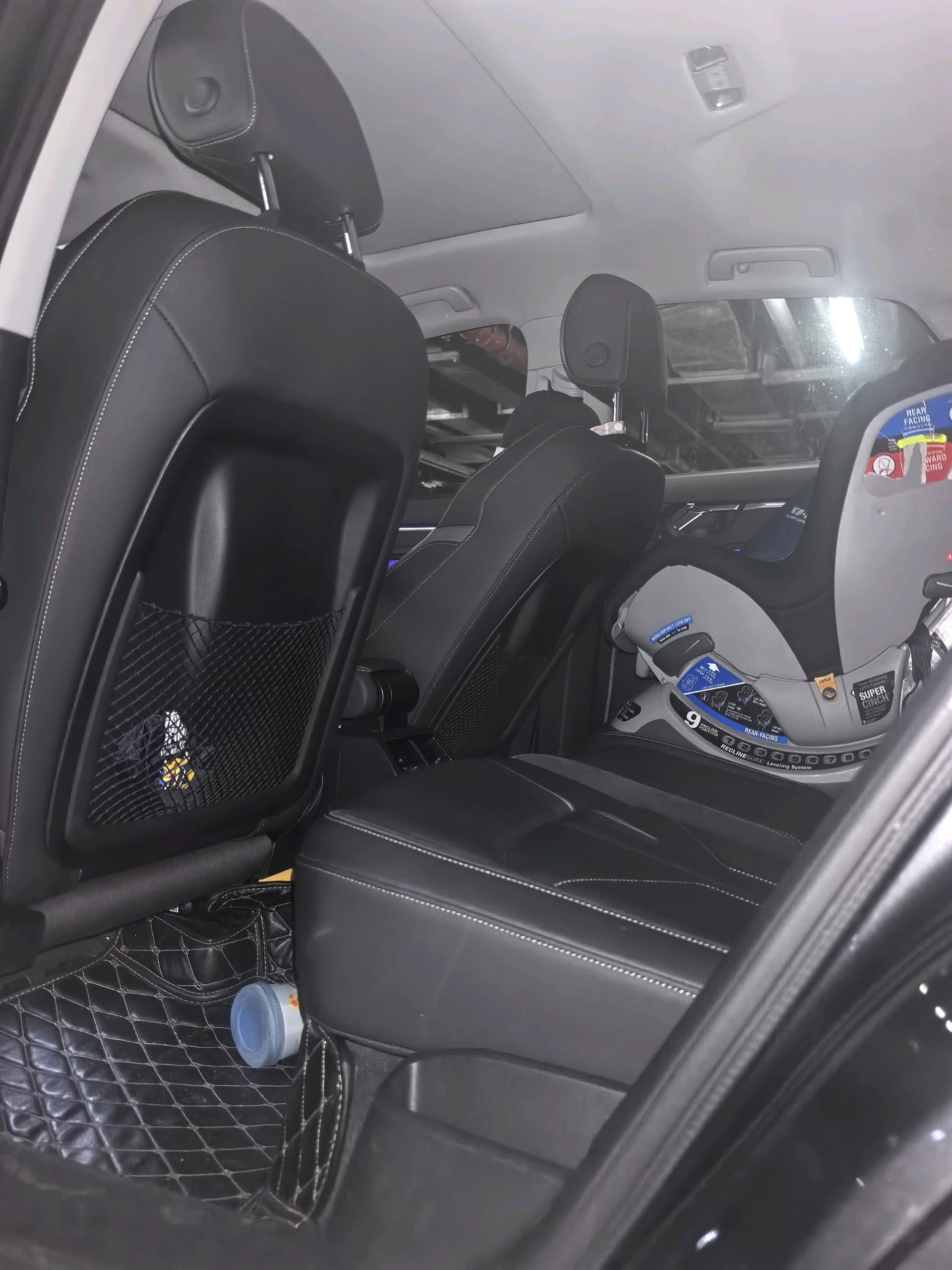
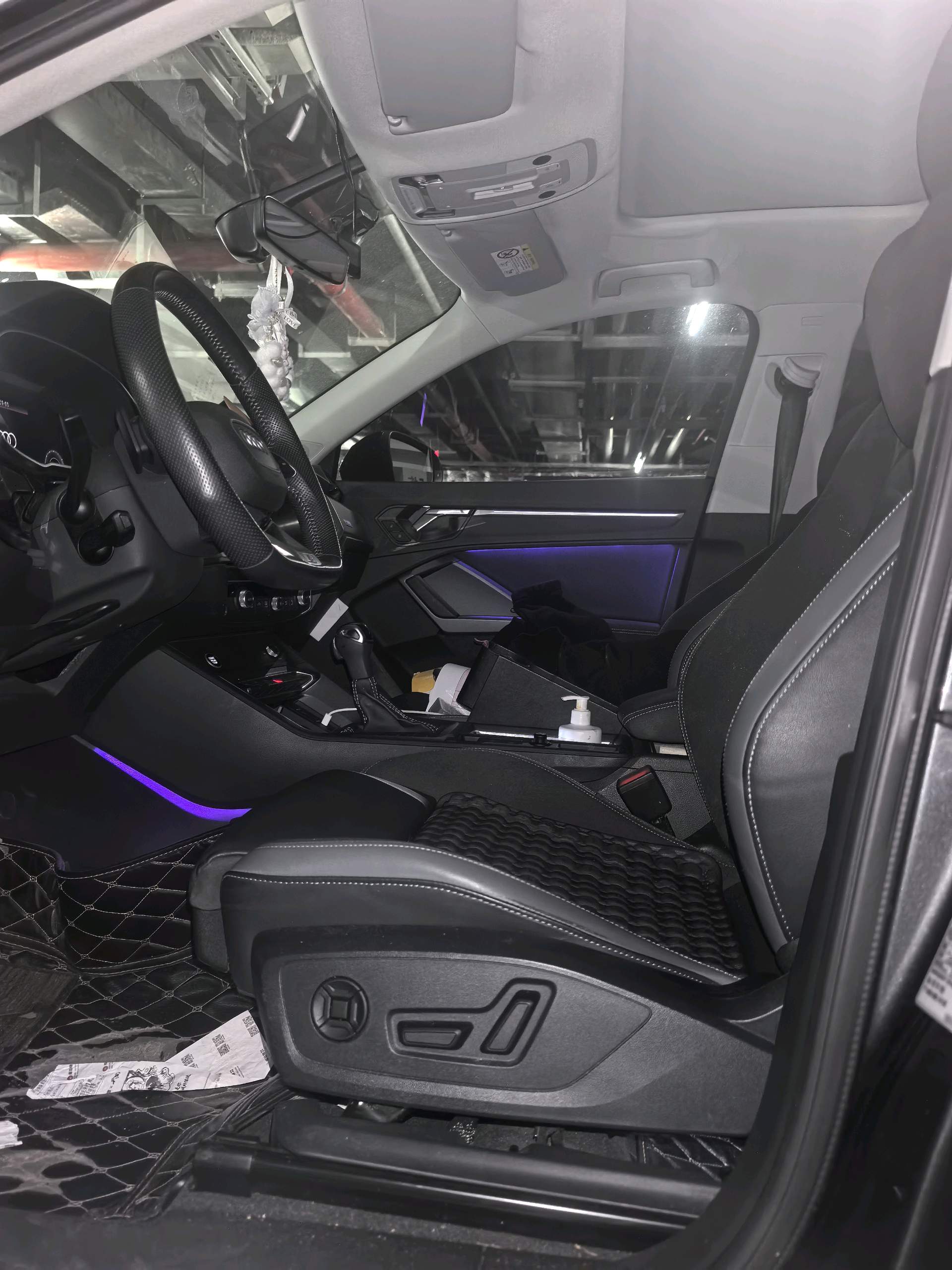
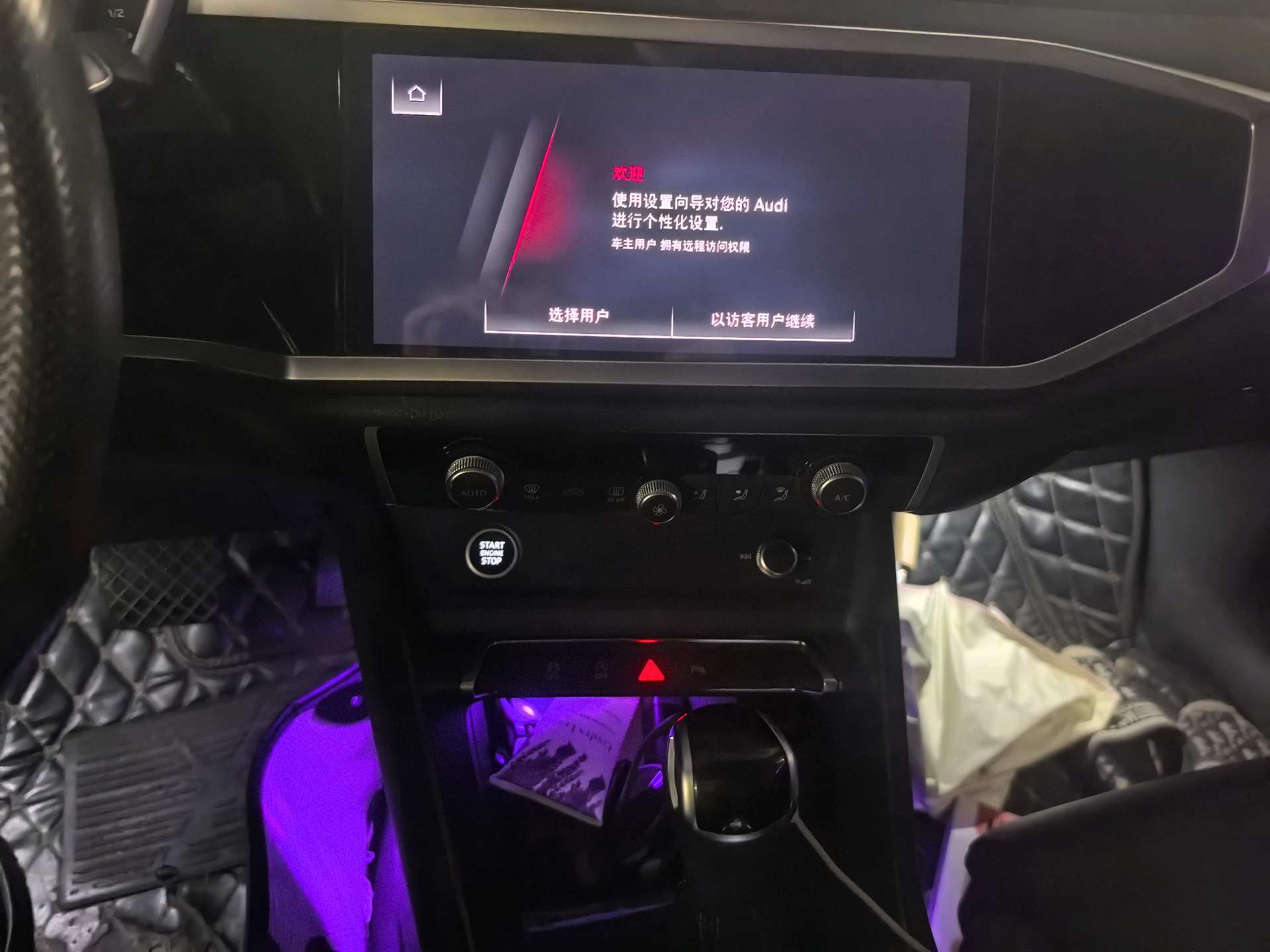
First-hand owner, true odometer reading, original paint, with 4-5 scratches requiring investment.

Document Information

Inspection Expiry Date-
Warranty Expiry Date-
Insurance Expiry Date2027/03

Q&A

More

How do I decode a Chinese VIN and what can it tell me about a used car before I buy?

A Chinese VIN is 17 characters, and decoding it takes minutes but reveals a lot. Positions 1-3 are the World Manufacturer Identifier. Cars sold domestically in China usually start with L (for example LFV for FAW-VW, LGB for Dongfeng Nissan), which tells you it was built in China rather than imported. Position 10 is the model year letter or number. Positions 4-8 describe the model, body type, and drivetrain, so you can verify the seller's description matches the actual car. Cross-check the VIN in three places: the plate at the base of the windshield, the sticker on the door jamb or B-pillar, and the registration certificate. Mismatched VINs or signs the plates were re-riveted are a serious red flag for a cloned or rebuilt vehicle. Use the VIN to pull a history report from a Chinese data provider and to verify recall status with the manufacturer. Any seller who hesitates to share the full VIN is telling you something important.


How do I vet a Chinese used-car exporter before sending any money?

Vetting takes a day and can save you thousands. Work through this checklist. Verify the business: ask for the company registration number and check it on China's National Enterprise Credit Information system or a commercial registry tool. Confirm the registered address matches where they claim to operate, and that their business scope includes vehicle export. Check export credentials: they must hold a used-vehicle export license issued by Chinese commerce authorities. Ask for the license and a recent export declaration showing they actually ship cars. Test their knowledge: a real exporter answers detailed questions about your destination country's import rules (age limits, left/right-hand drive, emission standards) without hesitation. Vague answers about your own country's requirements are a red flag. Structure payments safely: small deposit (10-20%), balance only against inspection reports and shipping documents, ideally through a payment method with recourse. Refuse full prepayment by irreversible transfer—no legitimate exporter requires it.

What is the difference between EXW, FOB, and CIF prices from a Chinese exporter, and which incoterm should I choose as a first-time buyer?

EXW means you pay only for the car at the seller's yard—you handle everything else, including inland transport in China and export clearance, which is impractical from overseas. FOB includes delivery to the port and export customs clearance; you pay for ocean freight and insurance. CIF adds freight and basic insurance to a named destination port. For a first-time buyer, FOB is usually the best balance: the exporter, who knows Chinese logistics, handles the complicated part, while you control the freight booking and can shop rates among forwarders. Watch for exporters quoting unrealistically low FOB prices and making margin on inflated 'shipping services' later. Get a separate freight quote before signing, and compare the exporter's CIF offer against FOB plus your own freight estimate. Ask explicitly whether the price includes inspection, export license fees, and port charges—ambiguity here is the most common source of disputes.