
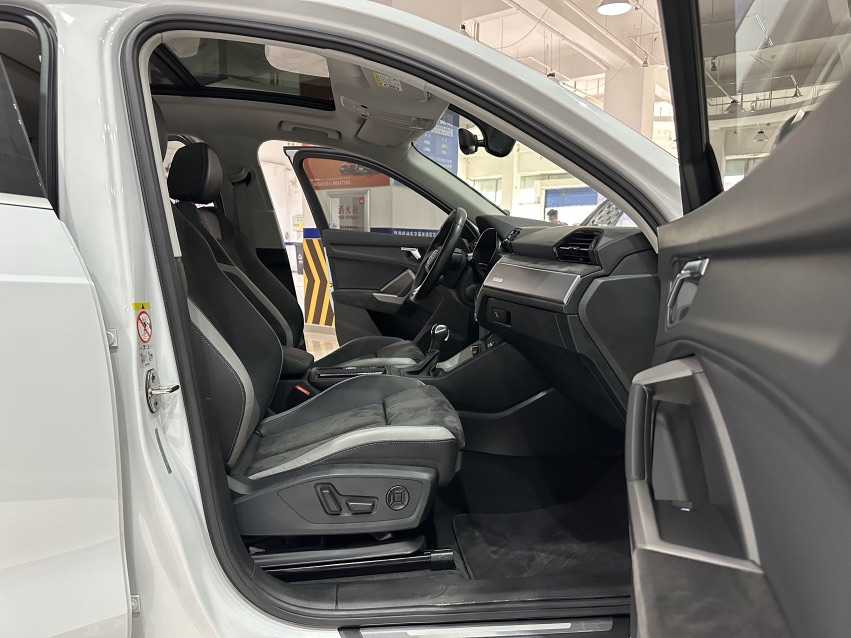
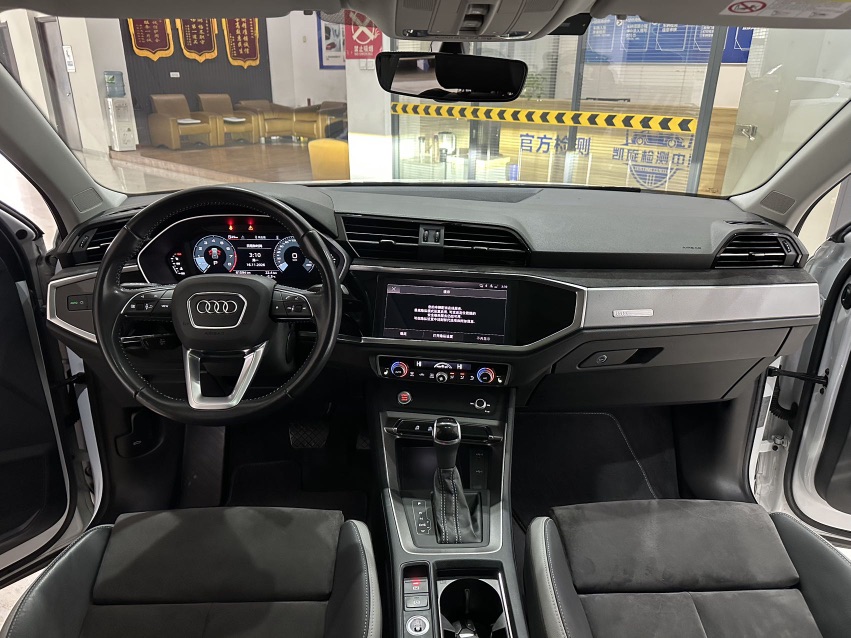
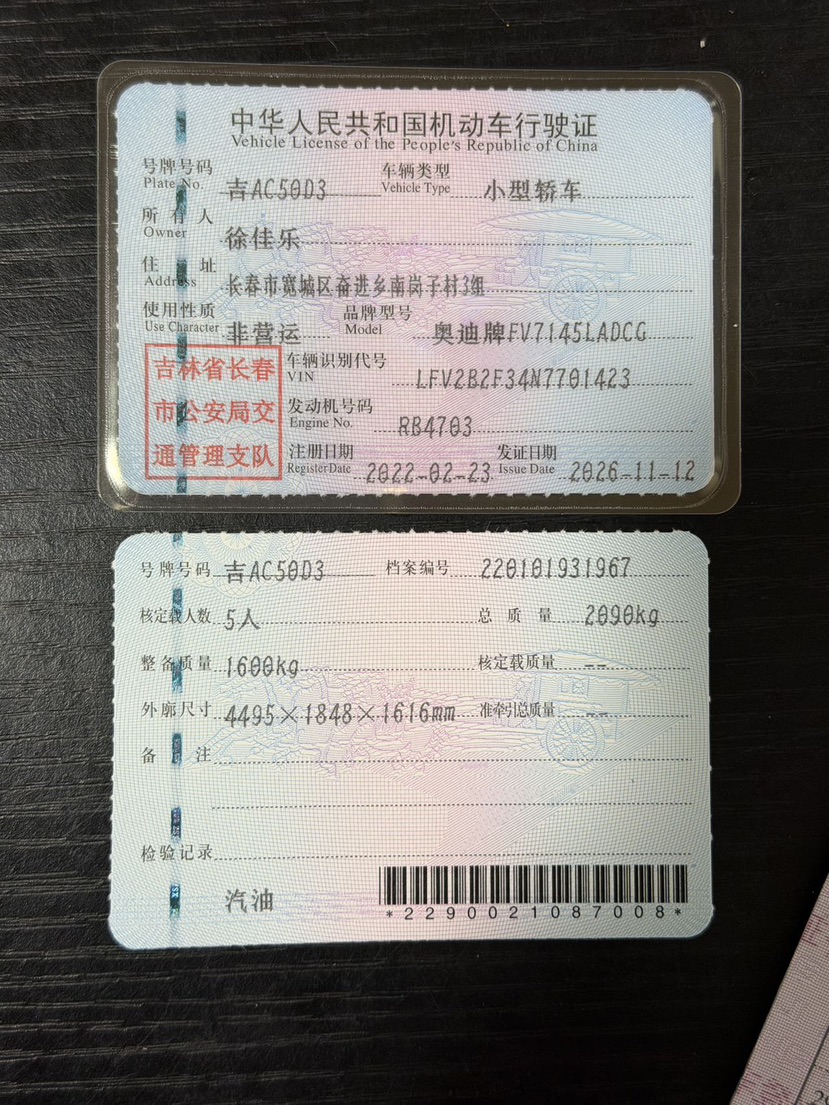



Basic Information

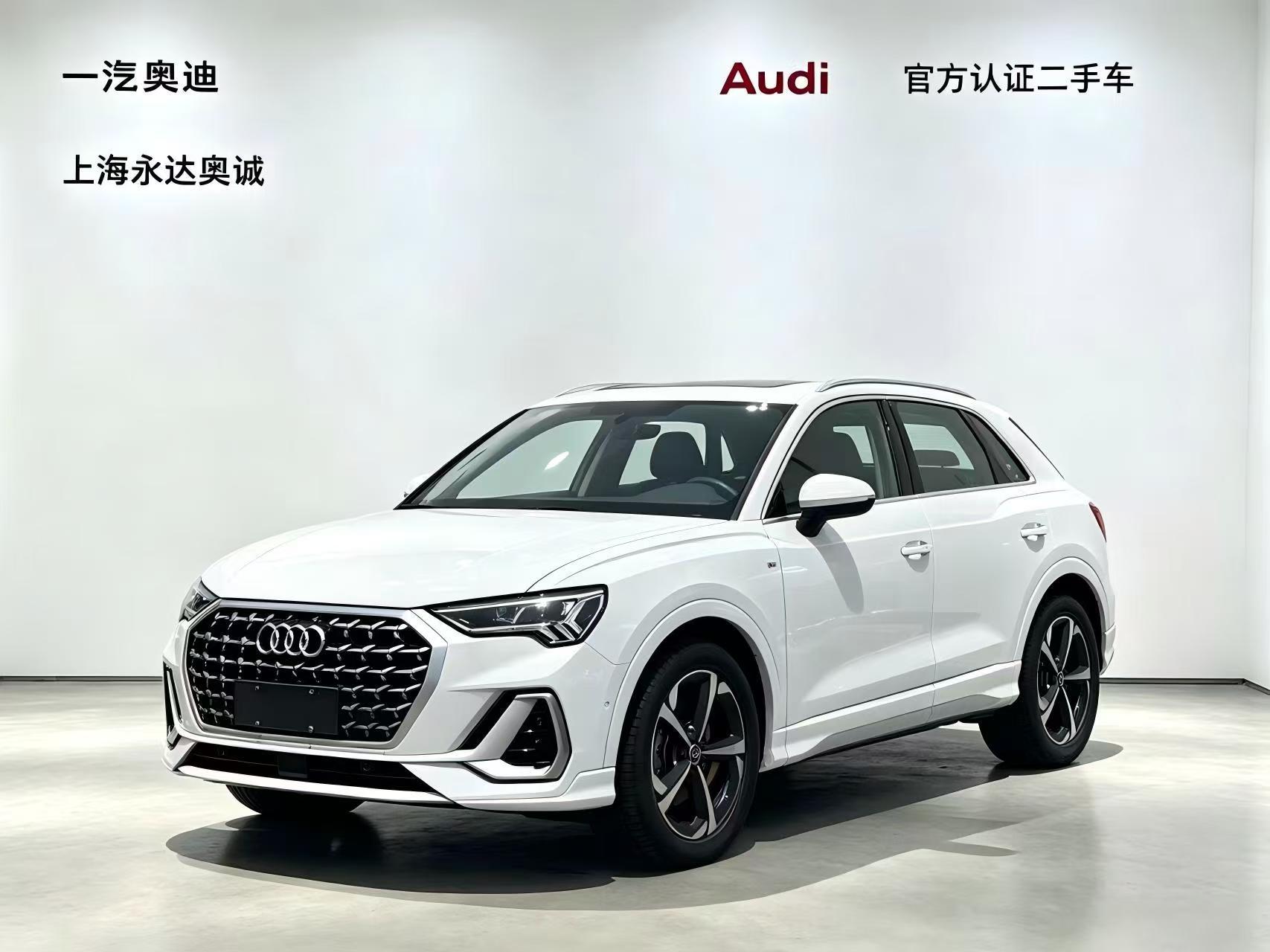
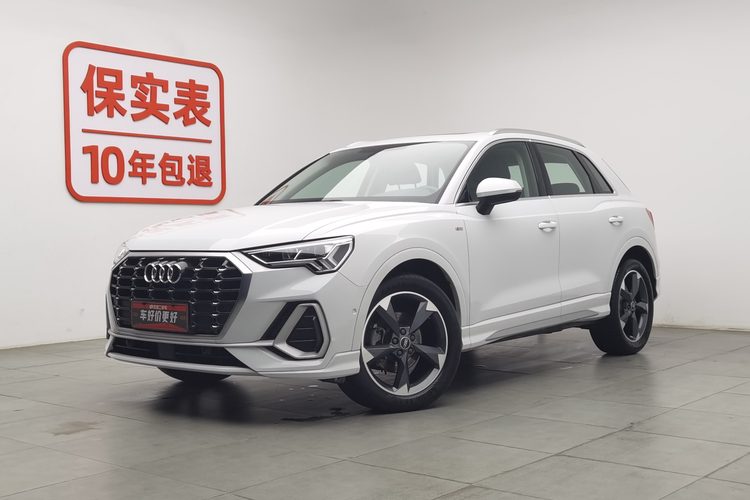
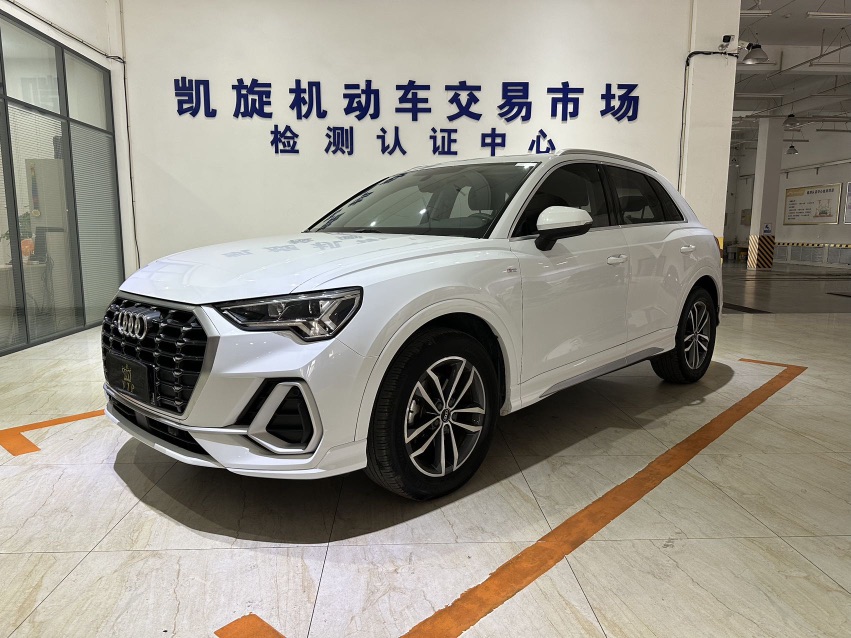
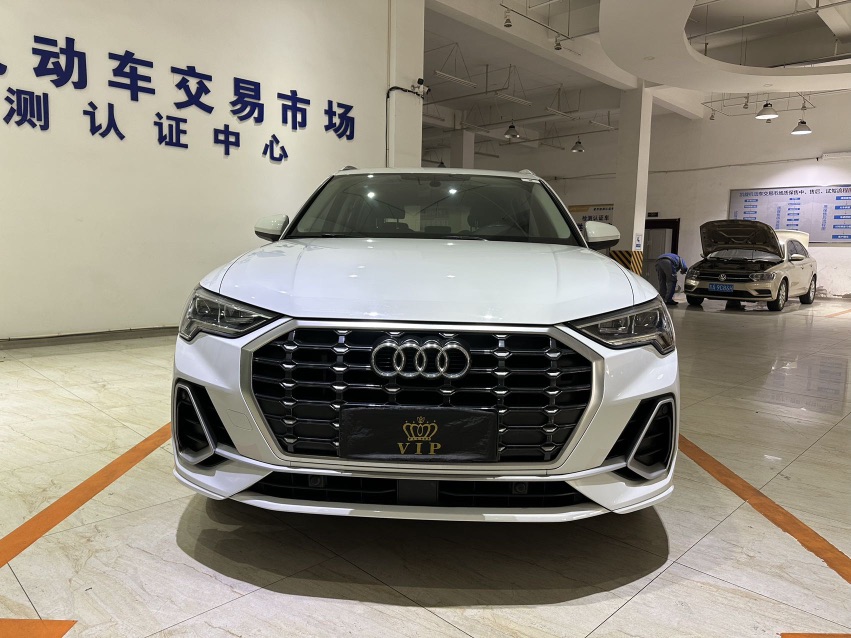
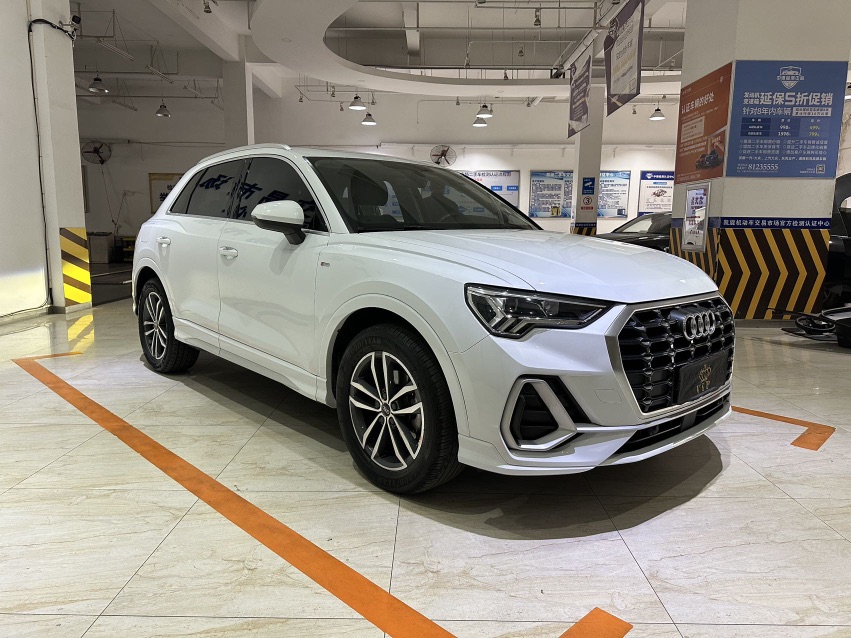
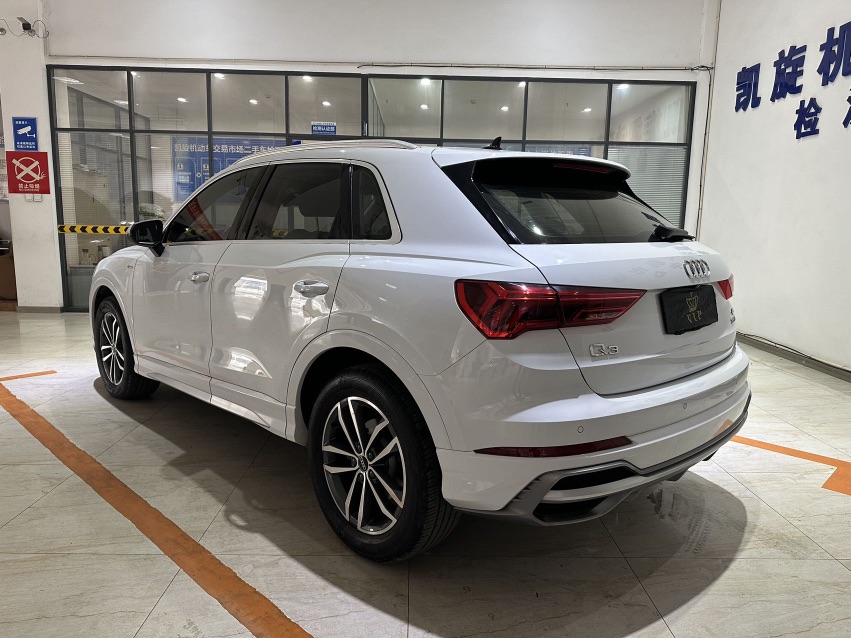
BrandAudi
SeriesQ3
Year2022
First Registration2022/02
Mileage61,000km
Transfer Count1times
FuelGasoline
TransmissionDCT
Engine1.4T 150 L4
ColorWhite
Seats-

Condition Description

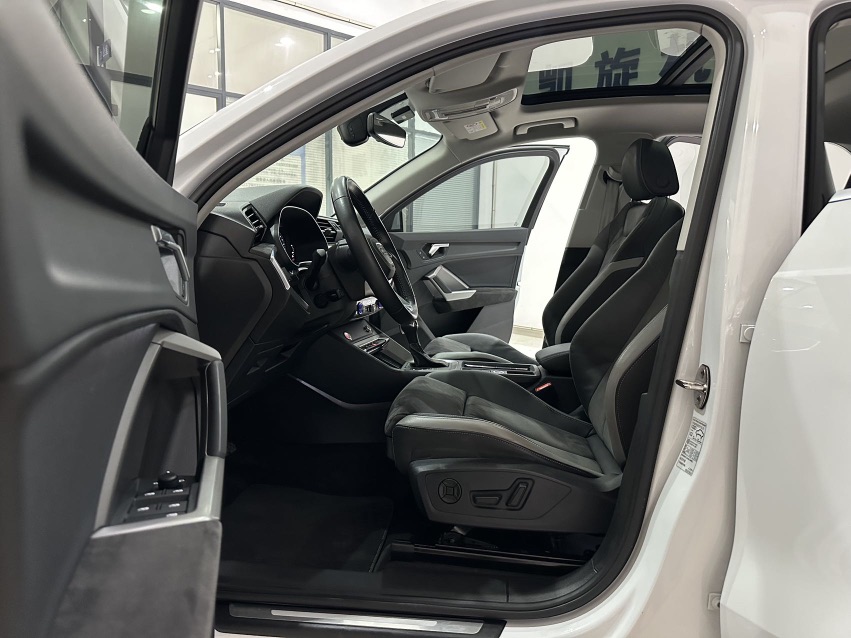
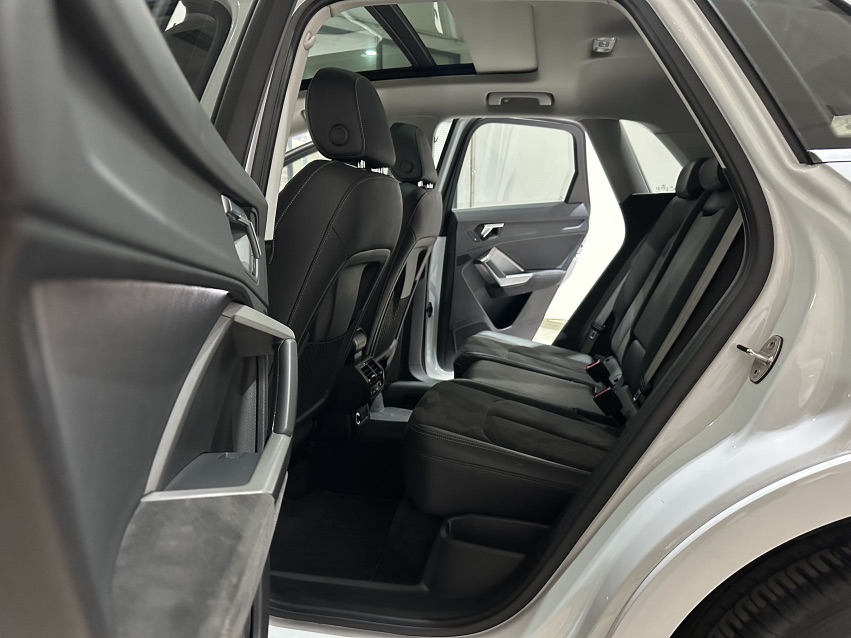
Original paint, original condition.

燃油车
SUV
自动
维保开放
事故开放
查验开放

Configuration Highlights

✓品牌: 奥迪
✓车系: 奥迪Q3
✓车型: 2022款 35 TFSI 进取动感型
✓车身类型: SUV
✓座位数: 5
✓排量: 1.4T
✓变速箱: 自动
✓能源类型: 燃油车
✓VIN: LFV2B2F34N7701423
✓搜索关键词: 奥迪奥迪Q3 2022款奥迪Q335TFSI进取动感型

Document Information

Inspection Expiry Date2028/02
Warranty Expiry Date-
Insurance Expiry Date2027/02

Q&A

More

How should I compare quotes from multiple Chinese exporters to find the real best price?

Comparing headline prices alone will mislead you—quotes often bundle or exclude different items. Build a like-for-like comparison before deciding. Request every exporter to break their quote into: vehicle price, domestic transport in China, export handling and documentation fees, inspection fee, ocean freight to your port, and insurance. Then add what they exclude: your country's customs duty, VAT/GST, port charges, and local delivery. Watch for common padding: "service fees" of 3-8% that appear only in the final invoice, inflated inland transport (a truck from Guangzhou to a port should rarely exceed a few hundred dollars), and freight quotes that assume a shared container while charging you for a full one. Ask each exporter to state validity (7-14 days is normal) and whether the price is FOB or CIF. Once normalized, the cheapest quote usually isn't the lowest number—it's the one with the shortest list of exclusions and the clearest terms.


How do I transfer the connected-car account and smartphone app of a used Chinese EV to my name after import?

Connected services are tied to the first owner's account, so transferring them is a real step you must plan for. Before purchase: ask the seller whether the car's telematics account can be unbound and re-registered. Most Chinese brands (BYD, NIO, XPeng, etc.) allow a dealership or the owner's app to do a ownership transfer — but some export cars were registered to the export company, which complicates things. Check region lock: many connected features depend on backend servers in China. After export, remote AC, app locking, and OTA updates may stop working if the car has a Chinese-spec head unit and SIM. Some brands offer international app versions; others require a hardware change. Practical fallback: even without the app, core functions work from the car itself. For remote charging and climate, third-party tools exist but use them carefully. Ask your seller to confirm in writing: (1) account unbinding before shipment, (2) which connected features will keep working in your country, and (3) whether the head unit can be switched to your language and region.

How do seasonal factors—peak seasons, weather, holidays—affect shipping times and rates from China?

Timing your shipment can save both money and weeks of waiting. Several predictable patterns affect routes from China. Peak season surcharges: January through March, before Chinese New Year, exporters rush to ship, so container and RoRo space tightens and rates rise 20-50%. Book at least 3-4 weeks ahead during this window. After the holiday (usually February), factories and ports restart gradually, causing 2-3 weeks of backlog. Weather effects: Typhoon season (July-September) can delay departures from southern Chinese ports like Shenzhen and Guangzhou. Winter fog and ice affect northern ports like Dalian and Tianjin, slowing loading operations. Destination-side factors: Monsoon seasons can slow port operations in South and Southeast Asia. Holiday periods at destination (e.g., Ramadan in the Gulf, year-end holidays elsewhere) reduce customs staffing and extend clearance times. Practical advice: ask your forwarder for rate calendars, avoid booking right before major Chinese holidays, and build 1-2 weeks of buffer into delivery promises to your customers. Flexible departure ports (Shanghai vs. Ningbo vs. Shenzhen) can also help you find available space.