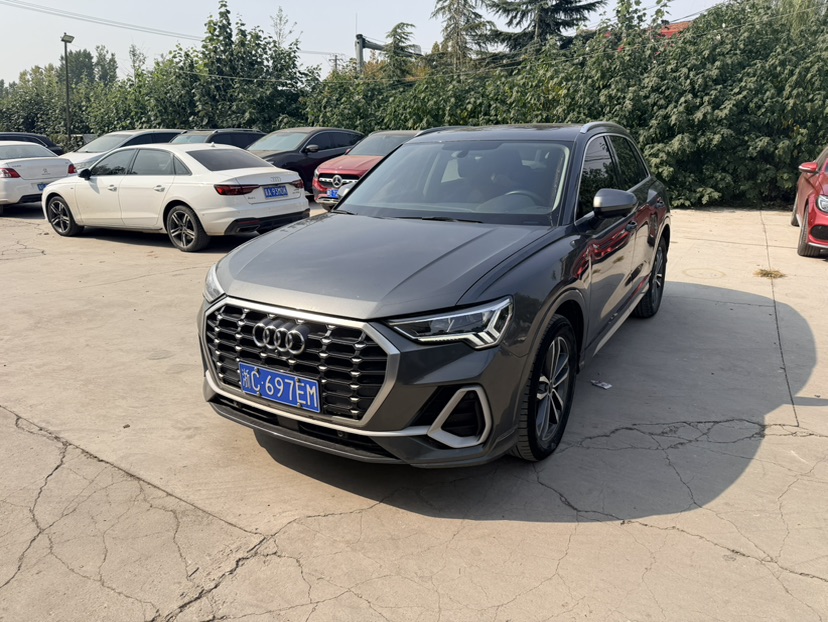
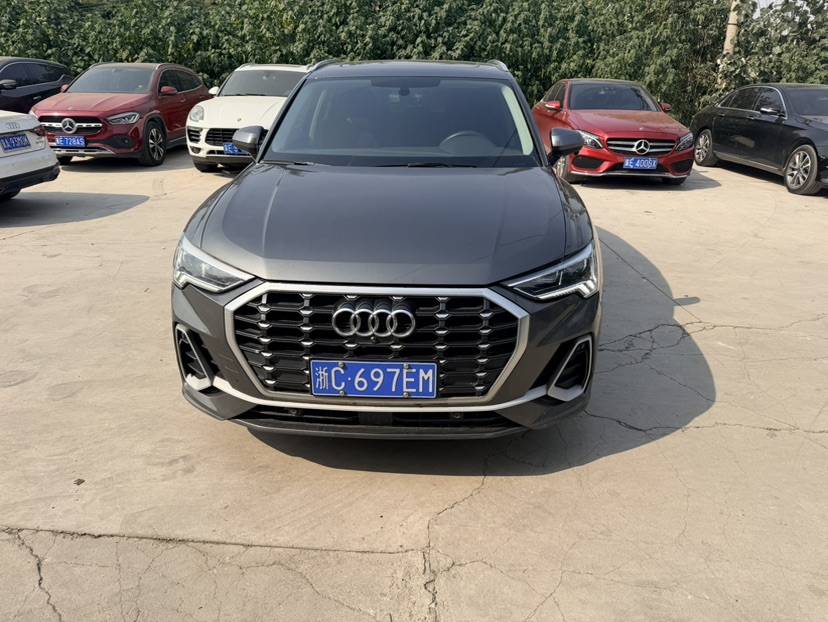

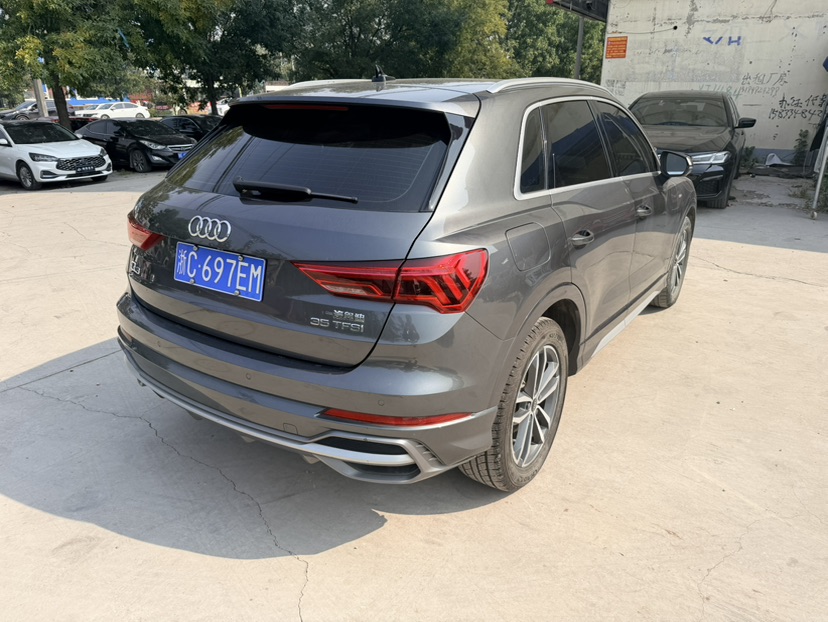
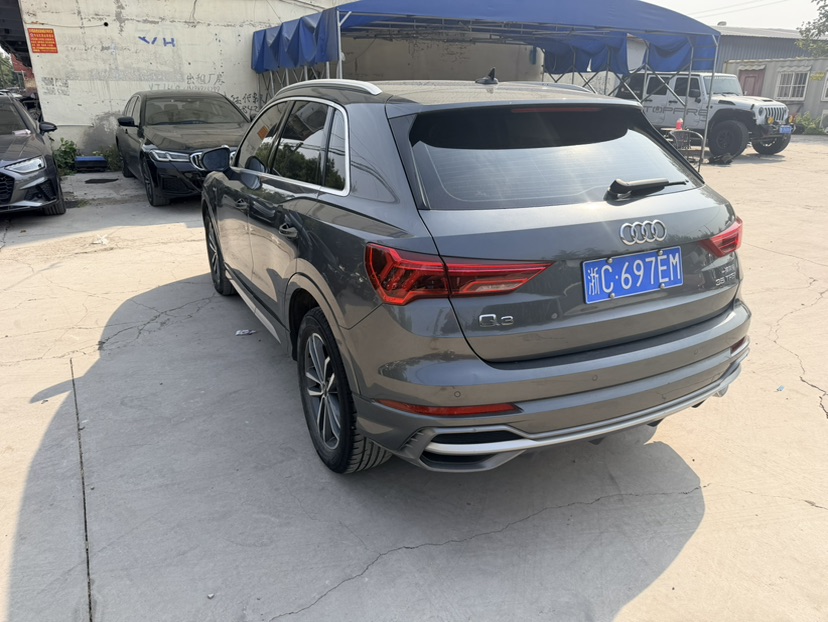



Stock

Basic Information

BrandAudi
SeriesQ3
Year2023
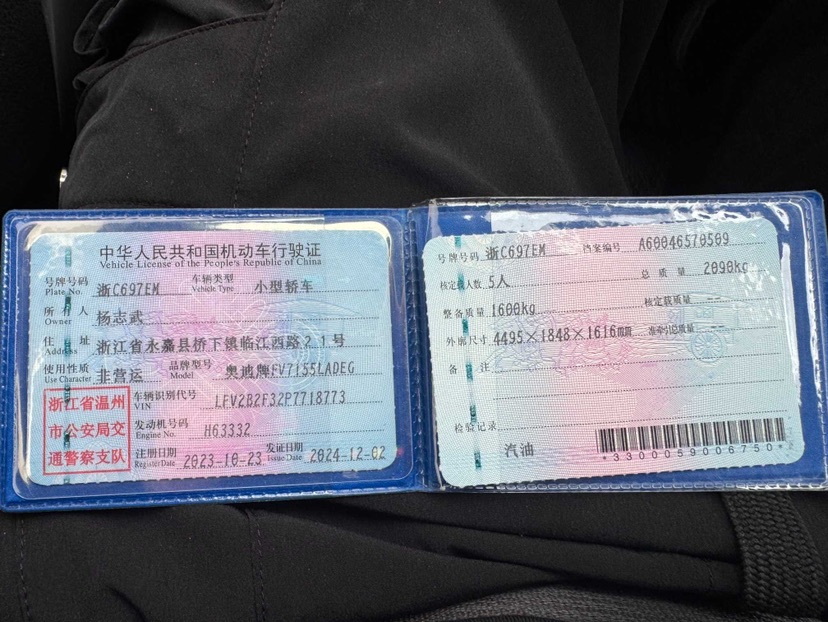
First Registration2023/10
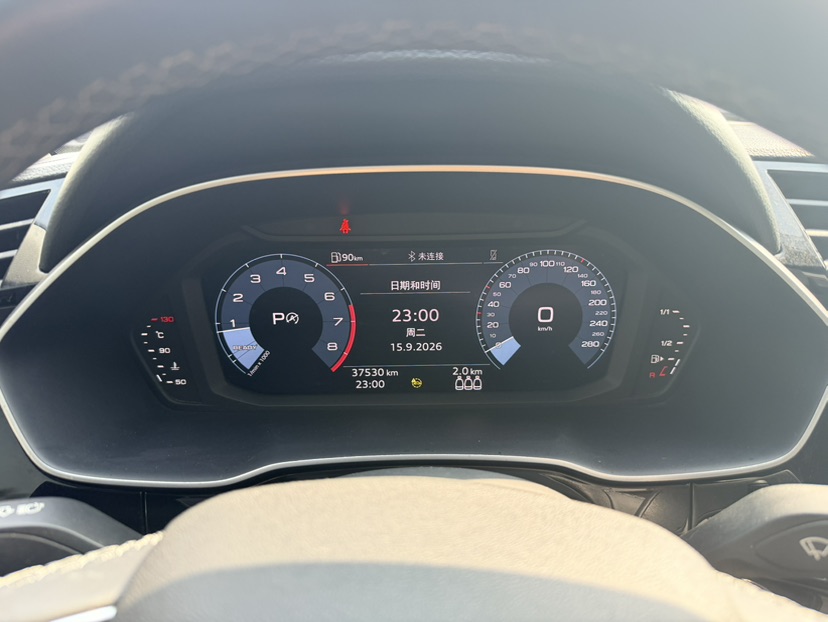
Mileage35,000km
Transfer Count1times
FuelGasoline
TransmissionDCT
Engine1.5T 160 L4
ColorOther
Seats-

Condition Description

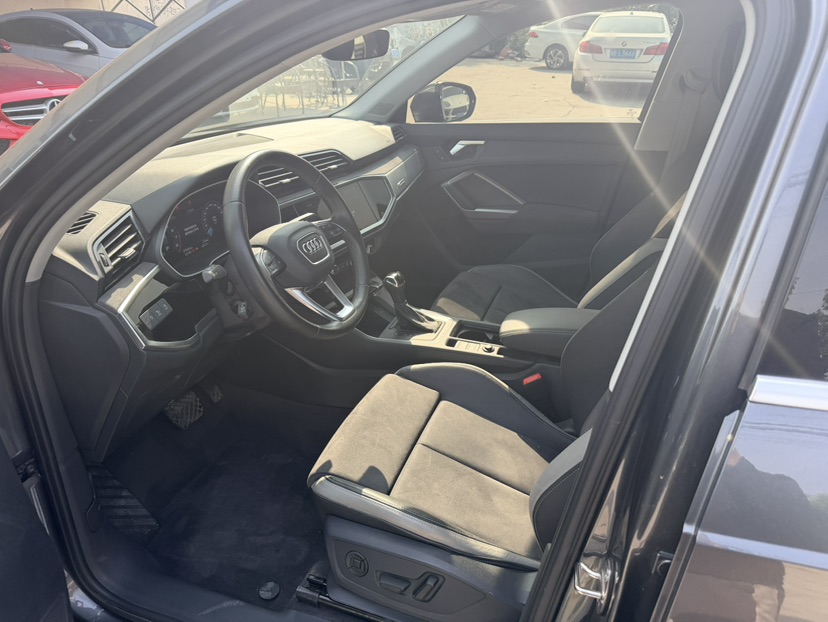
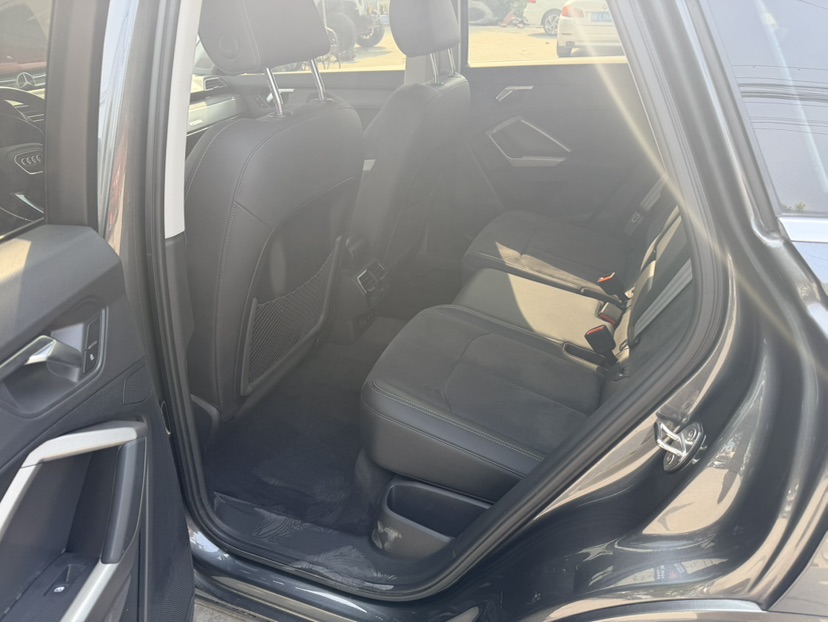
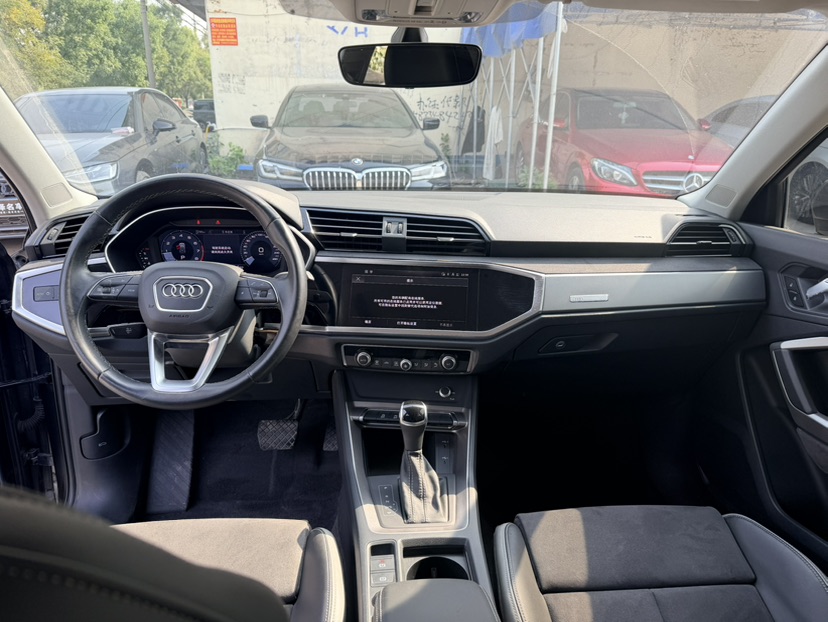
Water on the floor (with photos).

燃油车
SUV
自动
维保开放
事故开放
查验开放

Configuration Highlights

✓品牌: 奥迪
✓车系: 奥迪Q3
✓车型: 2023款 35 TFSI 进取动感型(1.5T)
✓车身类型: SUV
✓座位数: 5
✓排量: 1.5T
✓变速箱: 自动
✓能源类型: 燃油车
✓VIN: LFV2B2F32P7718773
✓搜索关键词: 奥迪奥迪Q3 2023款奥迪Q335TFSI进取动感型(1.5T)

Document Information

Inspection Expiry Date2027/10
Warranty Expiry Date-
Insurance Expiry Date2026/10

Q&A

More

Why are the shipping costs for used electric vehicles (EVs) usually higher than for internal combustion engine vehicles (ICEs)?

Pure electric vehicles are classified as Class 9 Dangerous Goods due to their large lithium batteries, leading to strict shipping regulations. Shipping companies have high requirements for the loading position and fire isolation measures for dangerous goods, and some roll-on/roll-off ships refuse to accept used EVs. As a result, EVs often require more expensive special container shipping and incur additional handling fees for hazardous materials.


How to prove the state of health (SOH) of a second-hand electric vehicle battery? Will a testing report be provided?

We understand that the power battery is the core asset of an EV. Before export, our technical team will use professional OBD diagnostic equipment to read the underlying data from the Battery Management System (BMS). We will provide you with a technical report that includes key indicators such as battery health percentage (SOH), cell pressure differences, and charge-discharge cycle counts. If the SOH is below our established export safety standard (usually above 80%, depending on the vehicle's age), the vehicle will be intercepted and not sent overseas.

Does a used car have to be deregistered in China before export, and what proof should I receive?

Yes. Chinese regulations require every exported used car to be officially deregistered before shipment: 1. The exporter transfers the vehicle title locally and takes it off the domestic registration system, then obtains an export license for that specific vehicle. 2. You should receive the deregistration proof together with the export declaration and a copy of the export license. 3. At destination customs, these documents may be requested together with the bill of lading, commercial invoice, packing list and certificate of origin. Keep scanned copies of everything and have the originals couriered to you before the vessel arrives. If any document is missing at the destination port, clearance can be delayed for weeks while storage fees accumulate daily.