




48H

Basic Information

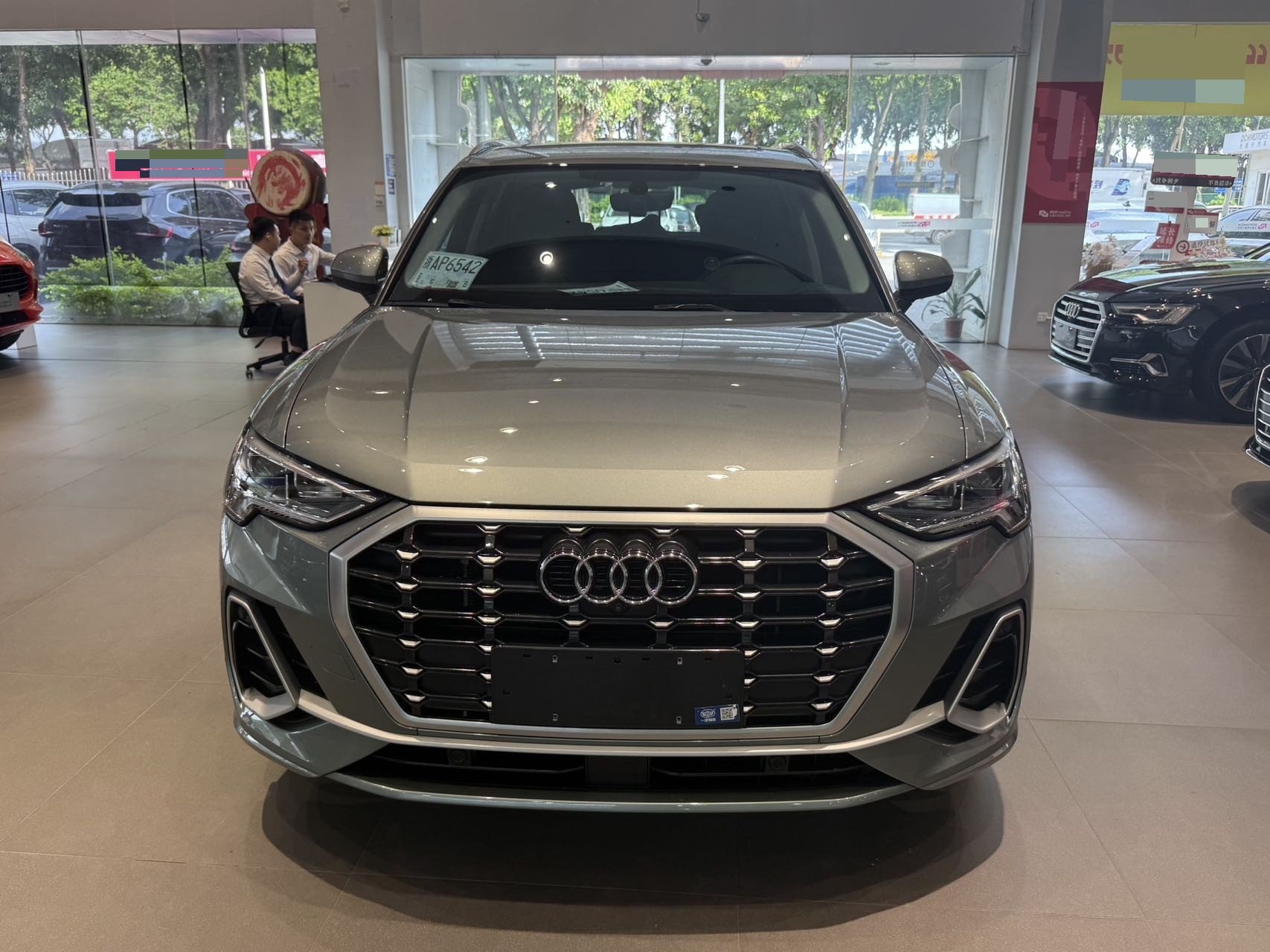
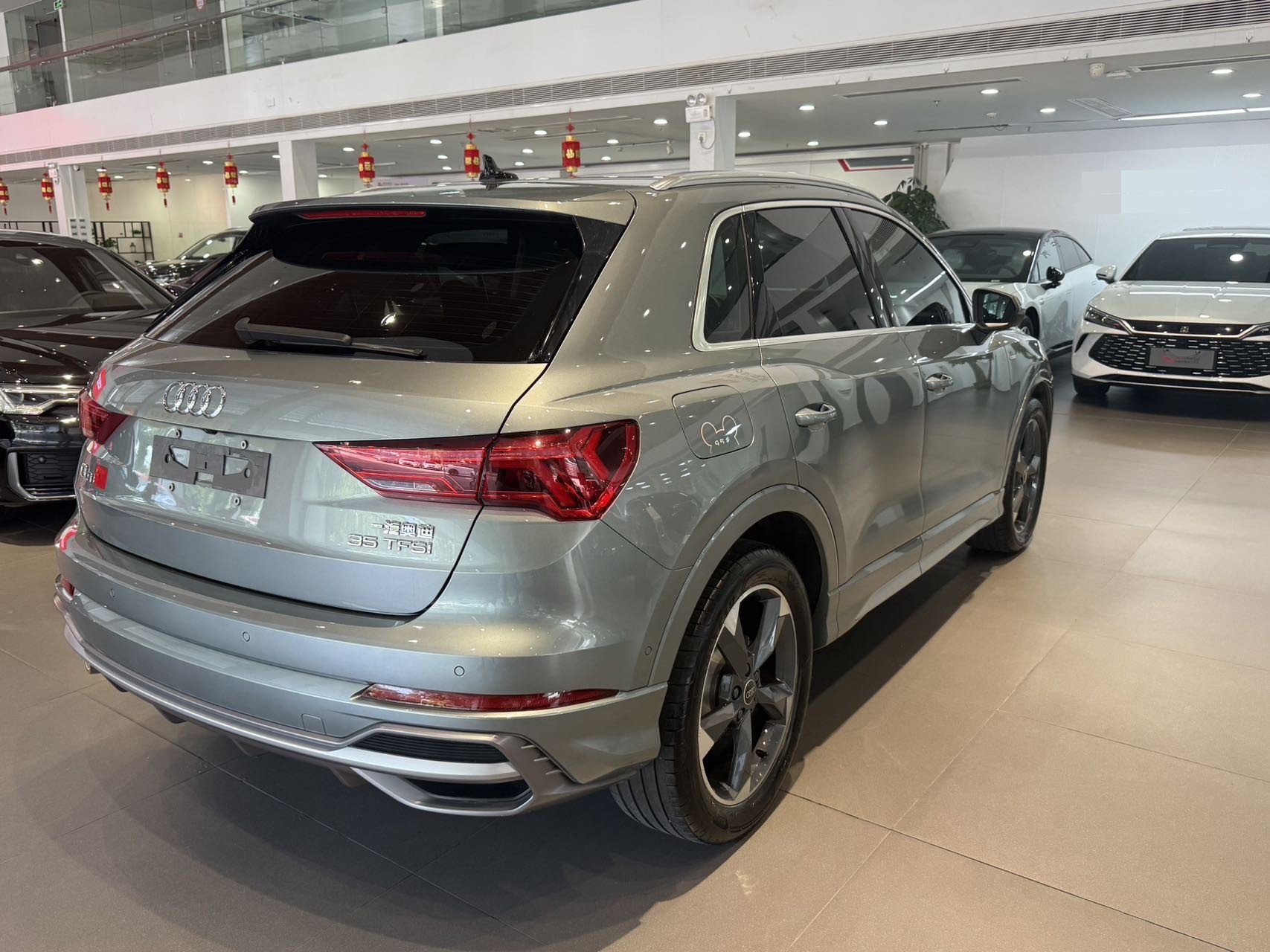
BrandAudi
SeriesQ3
Year2023
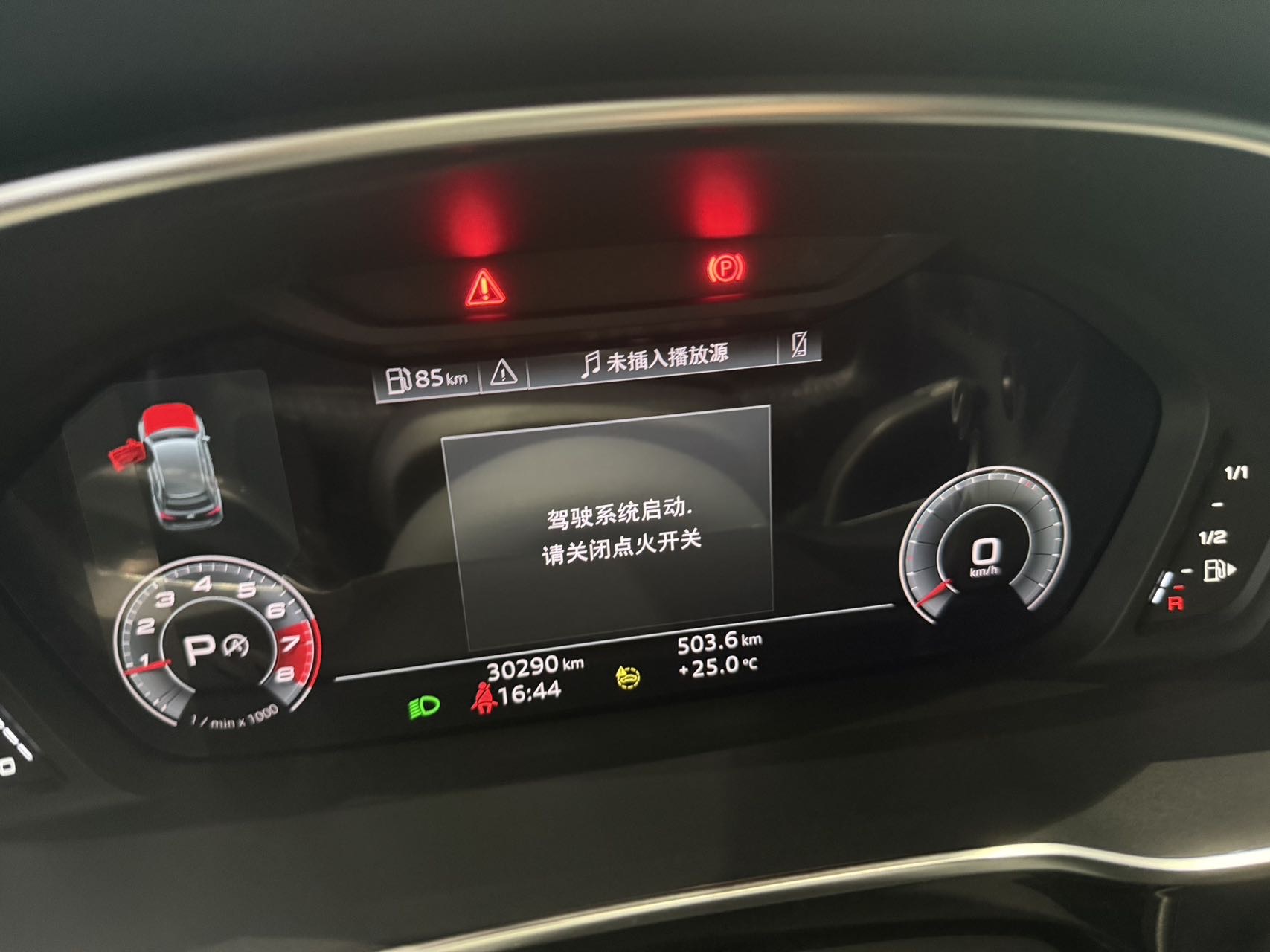
First Registration2023/06
Mileage30,000km
Transfer Count0times
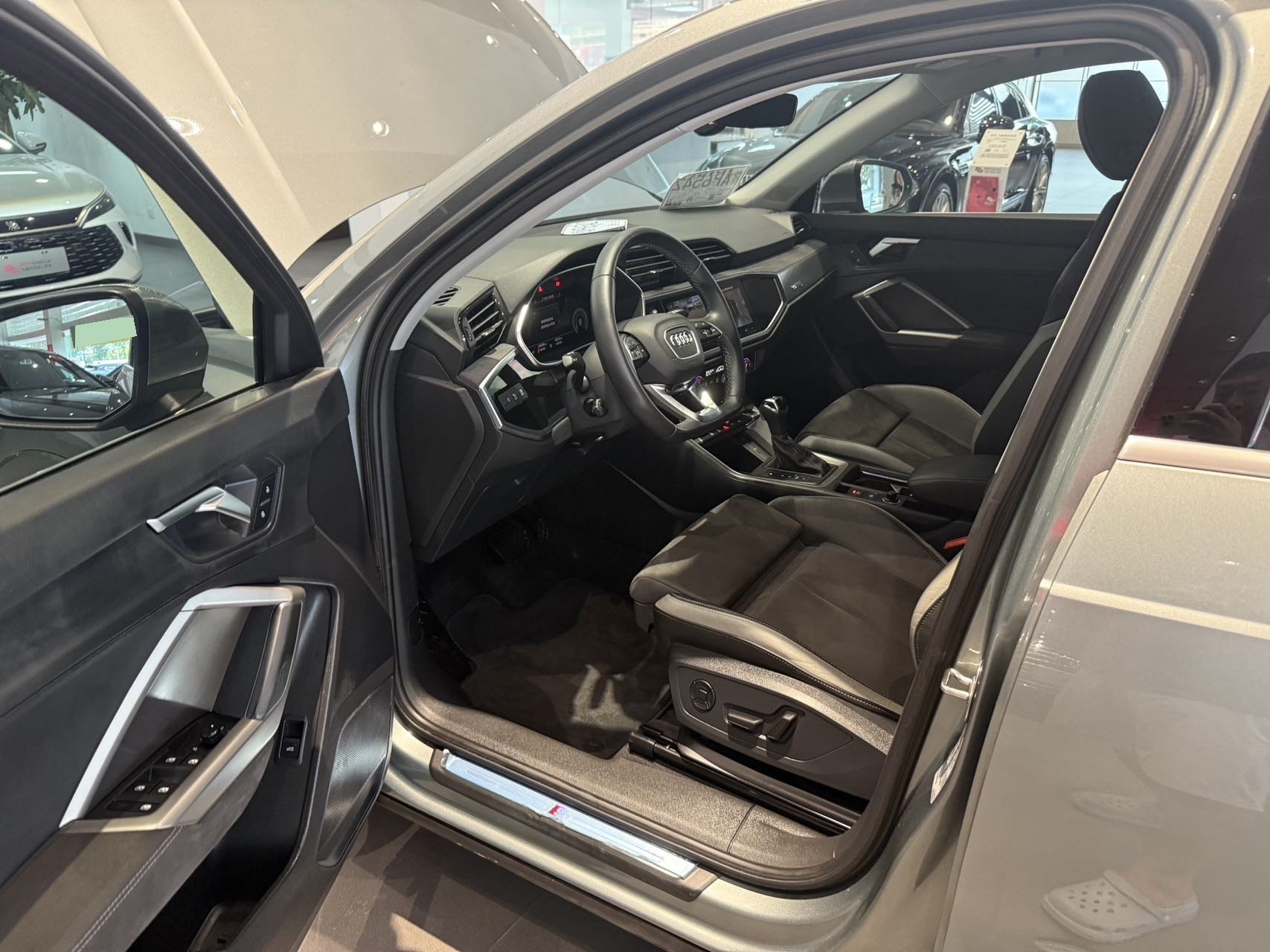
FuelGasoline
TransmissionDCT
Engine1.4T 150 L4
ColorGreen
Seats-

Condition Description

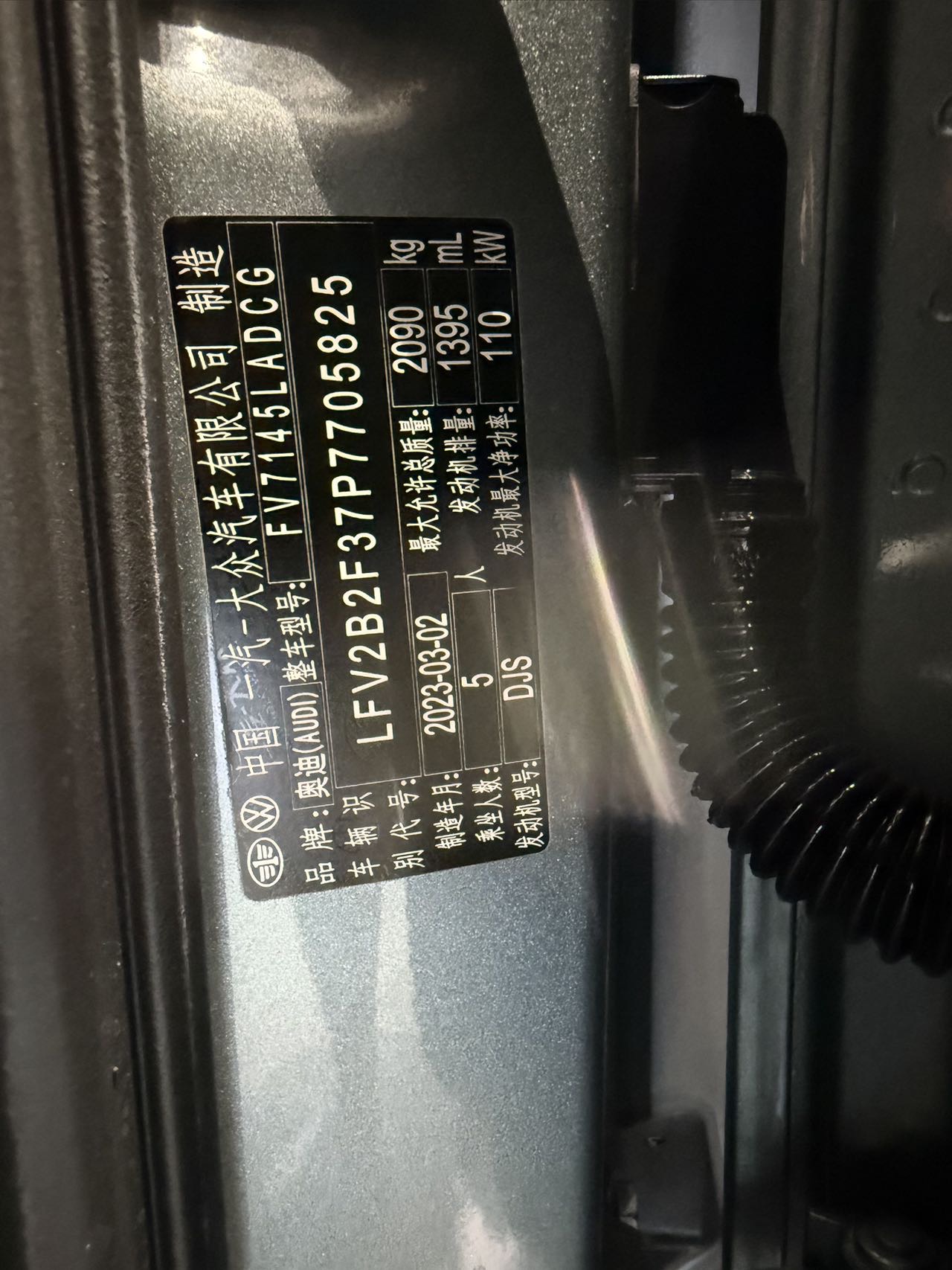
Original condition, all original paint. Production date: March 2023. Exported, with notes.

Document Information

Inspection Expiry Date-
Warranty Expiry Date-
Insurance Expiry Date2027/06

Q&A

More

What hidden fees should I watch for in a Chinese exporter's quotation, and how do I get a transparent breakdown?

Common charges beyond the car price: pre-shipment inspection fee, inland trucking from the car's city to the port, export customs clearance, documentation fee, terminal handling charges (THC), certificate fees, and markups hidden inside the freight quote. How to protect yourself: ask for an itemized quotation with each charge listed separately; compare 2-3 exporters, because a very low car price is often offset by inflated fees; confirm which costs are included up to the port of loading and which you pay at destination; agree in writing on the payment currency and the exchange rate date. Your total budget should be: car price + export fees + freight + insurance + destination port charges + import duties and taxes.


Is it okay if the name of my overseas company does not match the bank account title for the final remittance?

It is extremely dangerous and usually not allowed. This can easily trigger the anti-money laundering (AML) controls of China's foreign exchange administration. The remittance account title must closely match the contract buyer and the bill of lading consignee. If payment on behalf is necessary, a legally binding "Tripartite Payment Agreement" must be provided in advance and undergo compliance review by our finance department.

If the record of a vehicle's first maintenance is missing from the system, how do you determine its early wear condition?

Many car owners do not have their first maintenance done at authorized dealerships, leading to gaps in early data. In such cases, we do not blindly trust the odometer; instead, we analyze the tire production dates and wear levels, as well as the depth of grooves on the brake disc edges, using the "gold standard" of physical wear to infer the intensity of early use.