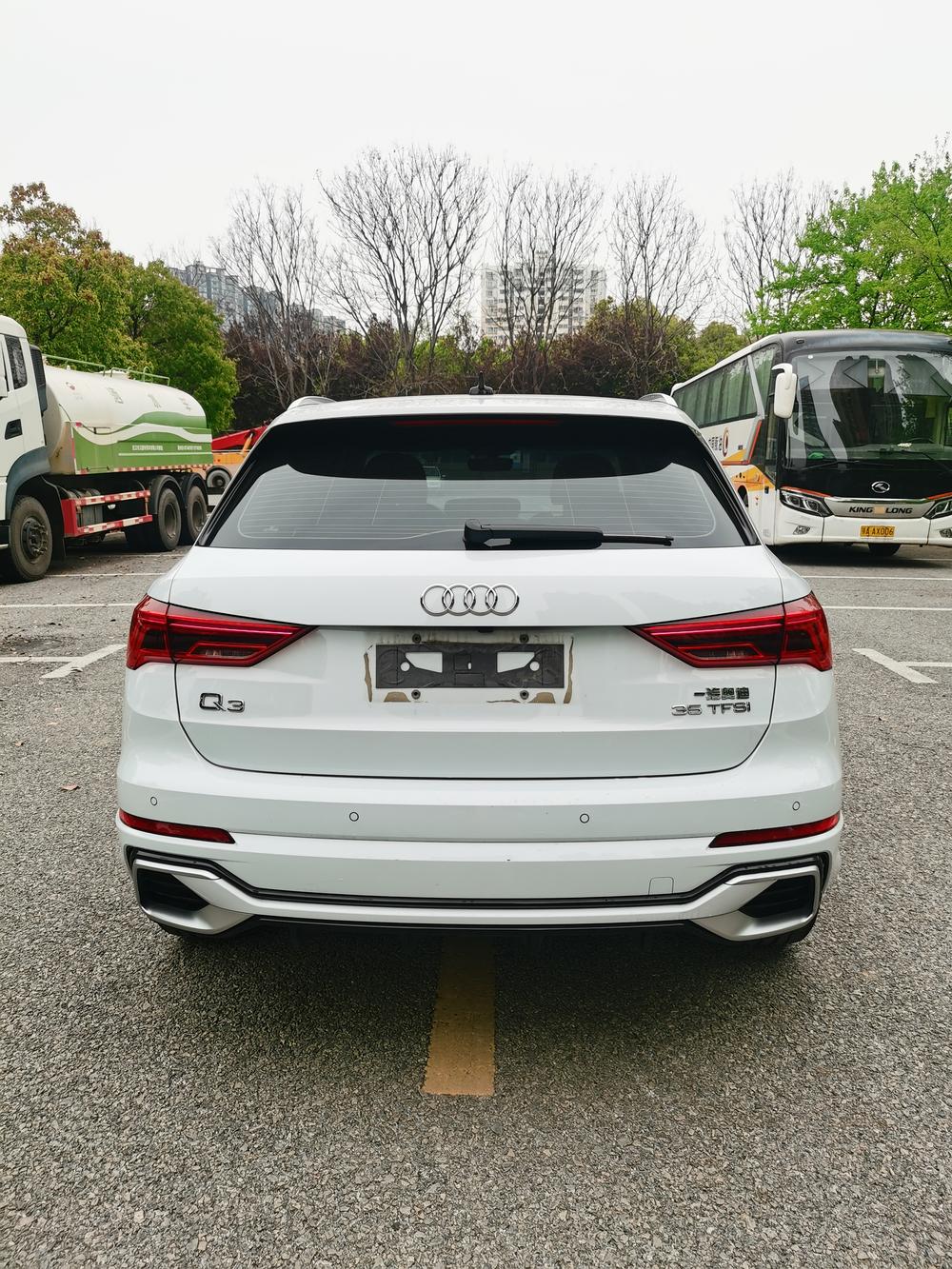
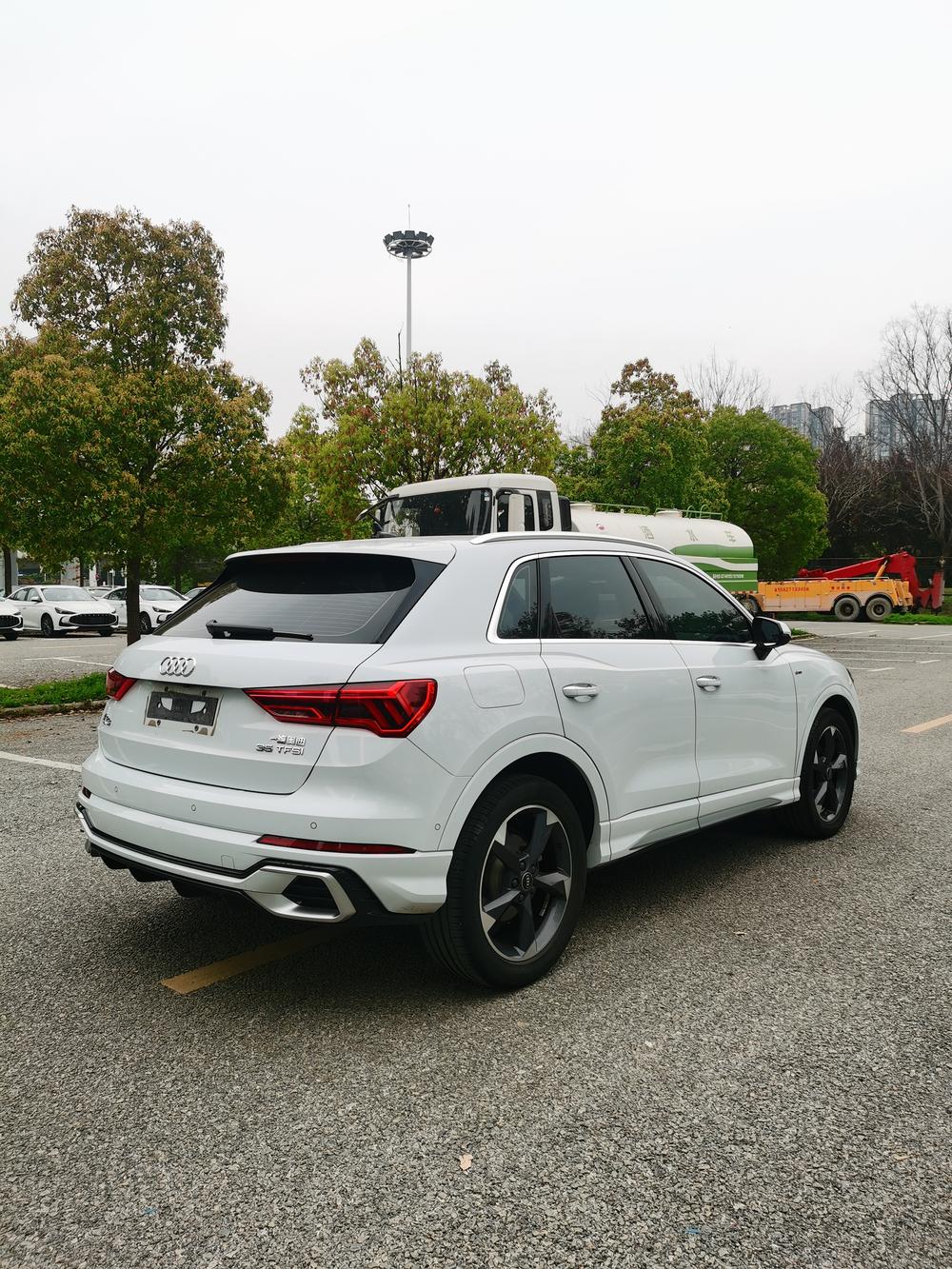
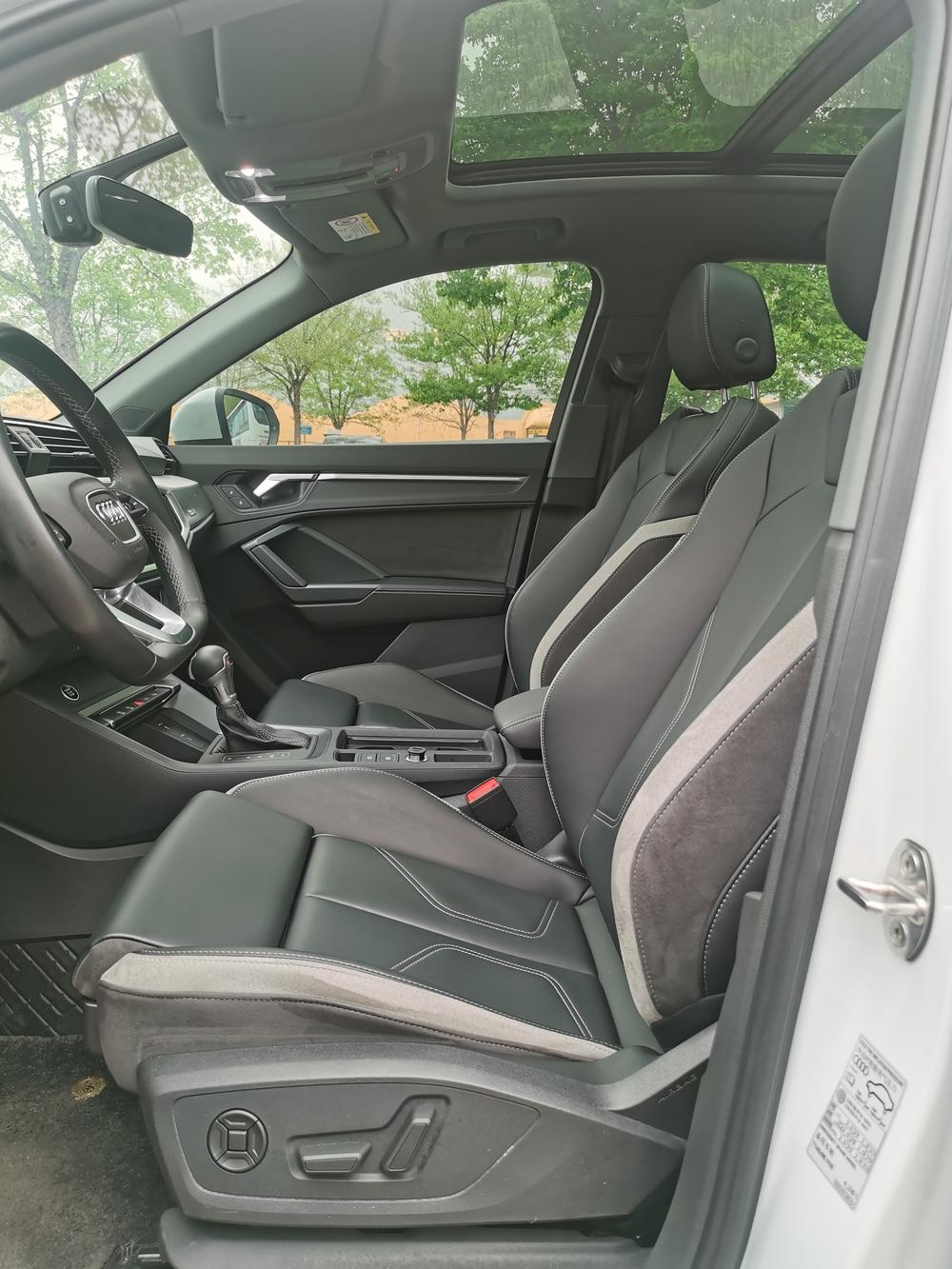
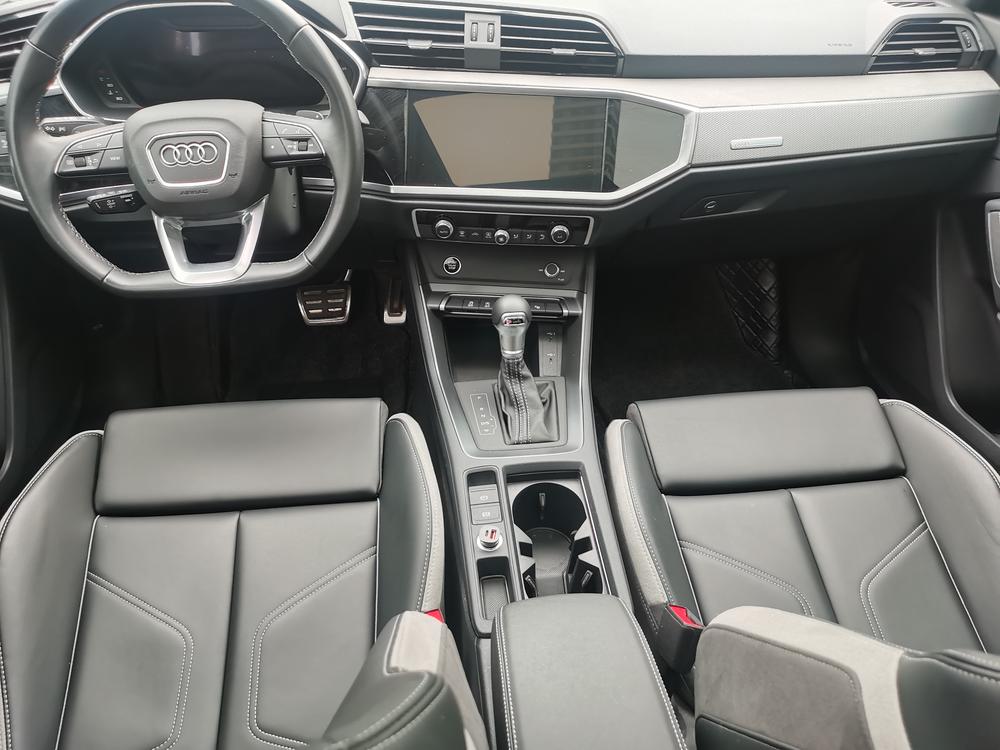
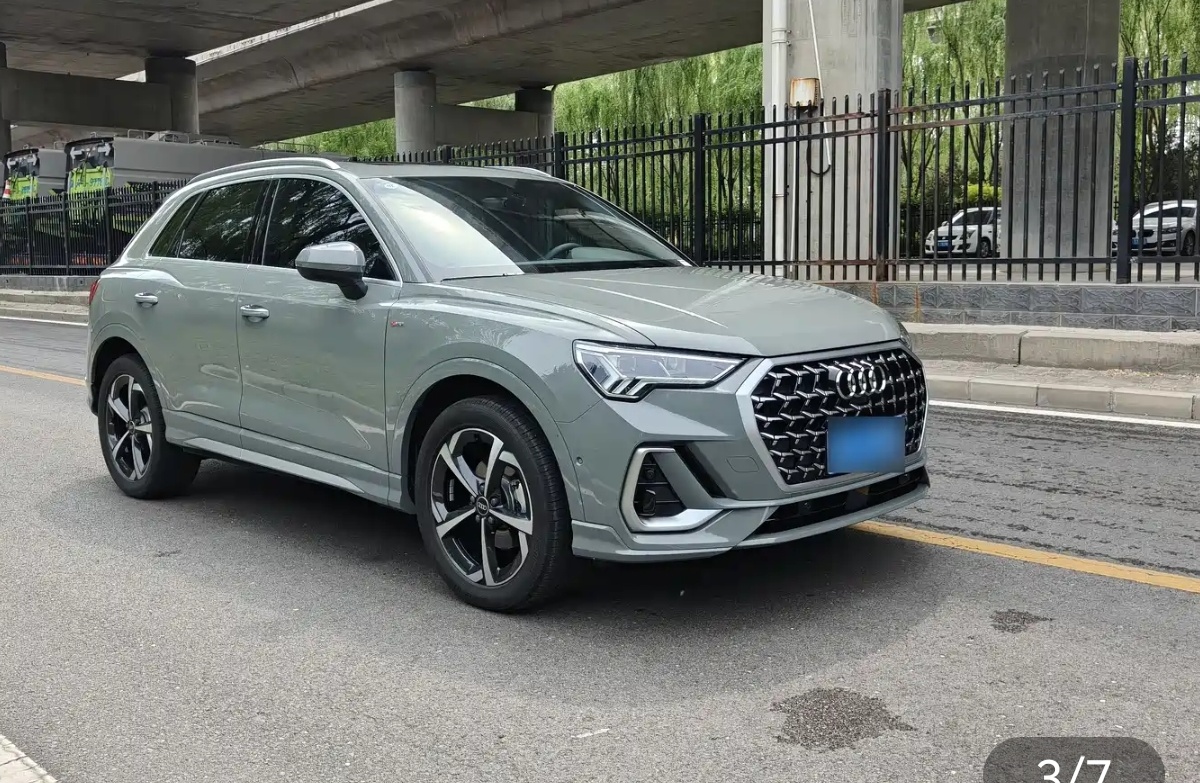
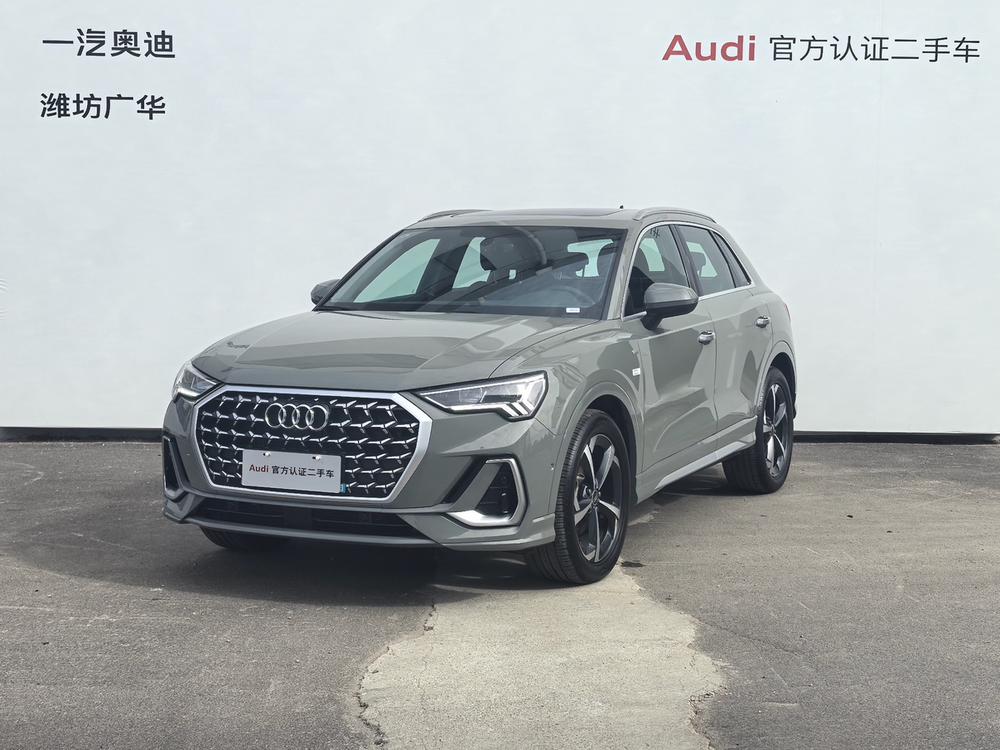
In practice, returning an imported car is extremely difficult, so your protection must be built in before payment, not after.
Once a used car has been exported, reversing the transaction involves re-export paperwork, duties, and freight costs that typically exceed any refund you'd recover. Most exporters' contracts treat the sale as final once the bill of lading is issued.
What you can realistically do:
1. If the car differs materially from the contract (wrong VIN, undisclosed accident, tampered odometer), you have grounds for a claim. Document everything and negotiate a partial refund or repair credit—full refunds are rare.
2. If the seller committed outright fraud, you can pursue legal action in China or report to the platform, but cross-border enforcement is slow and costly.
3. Some exporters offer a short arrival warranty (usually 30-90 days) covering major mechanical failures. Claims require immediate notification, third-party inspection reports, and proof the damage existed at shipment.
The practical takeaway: never rely on the possibility of a return. Spend the money on a thorough pre-shipment inspection and clear contract terms instead—it's far cheaper than a dispute.