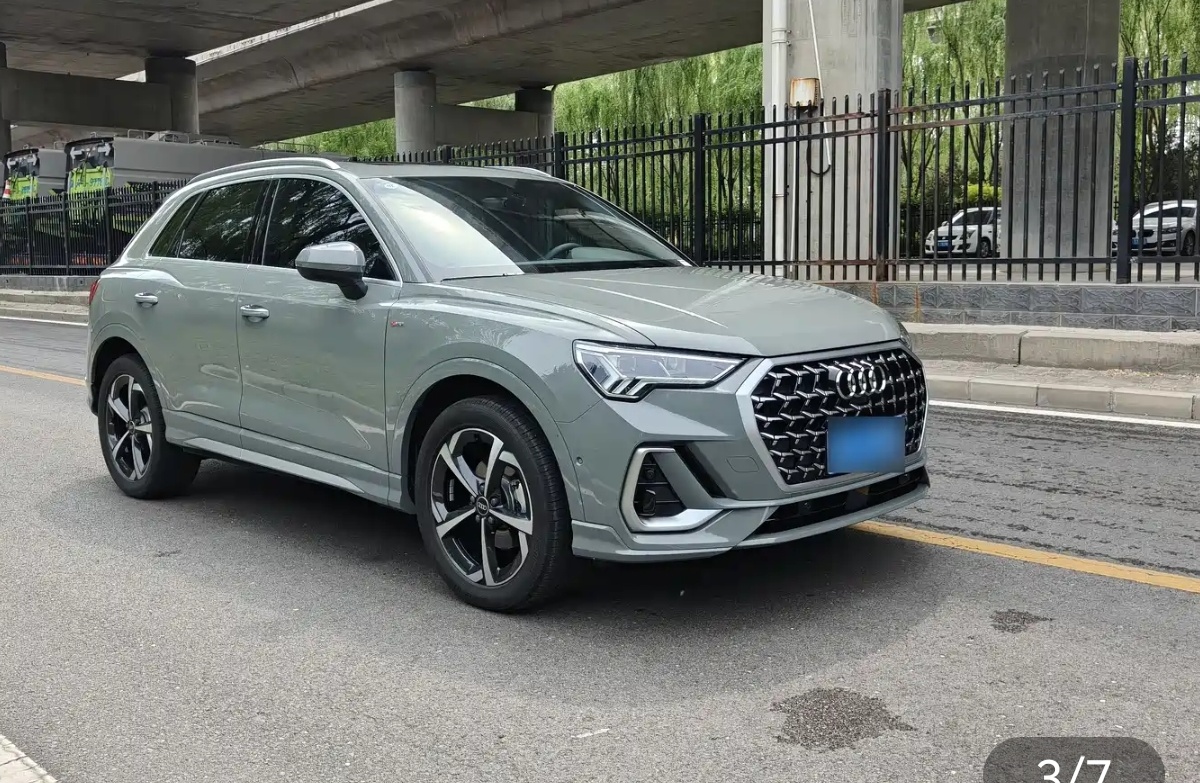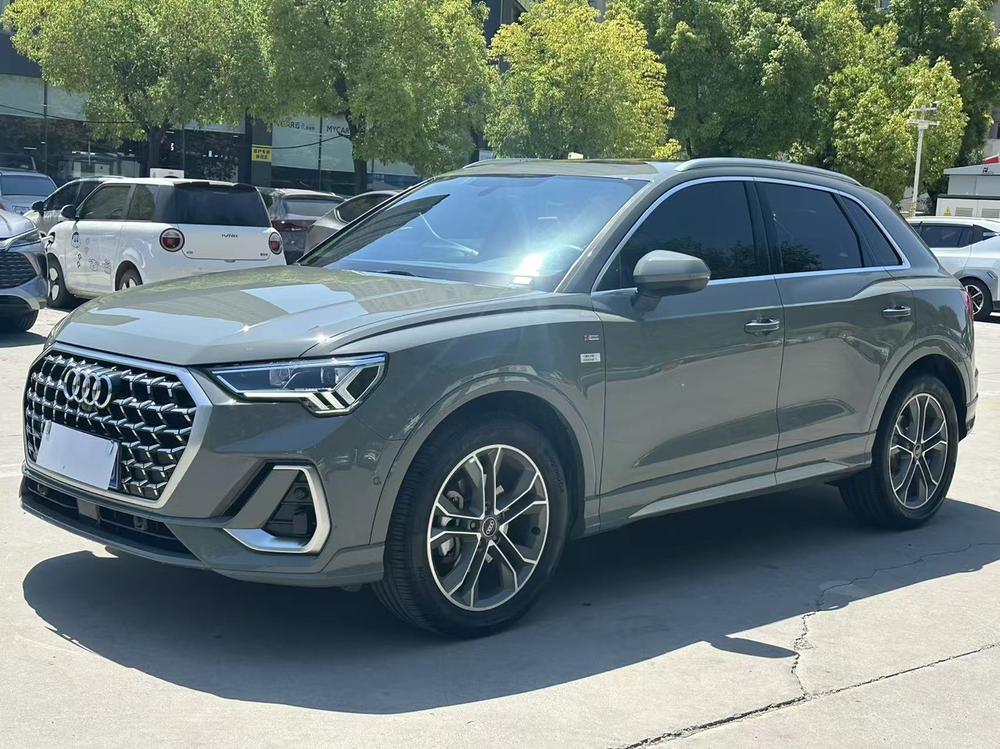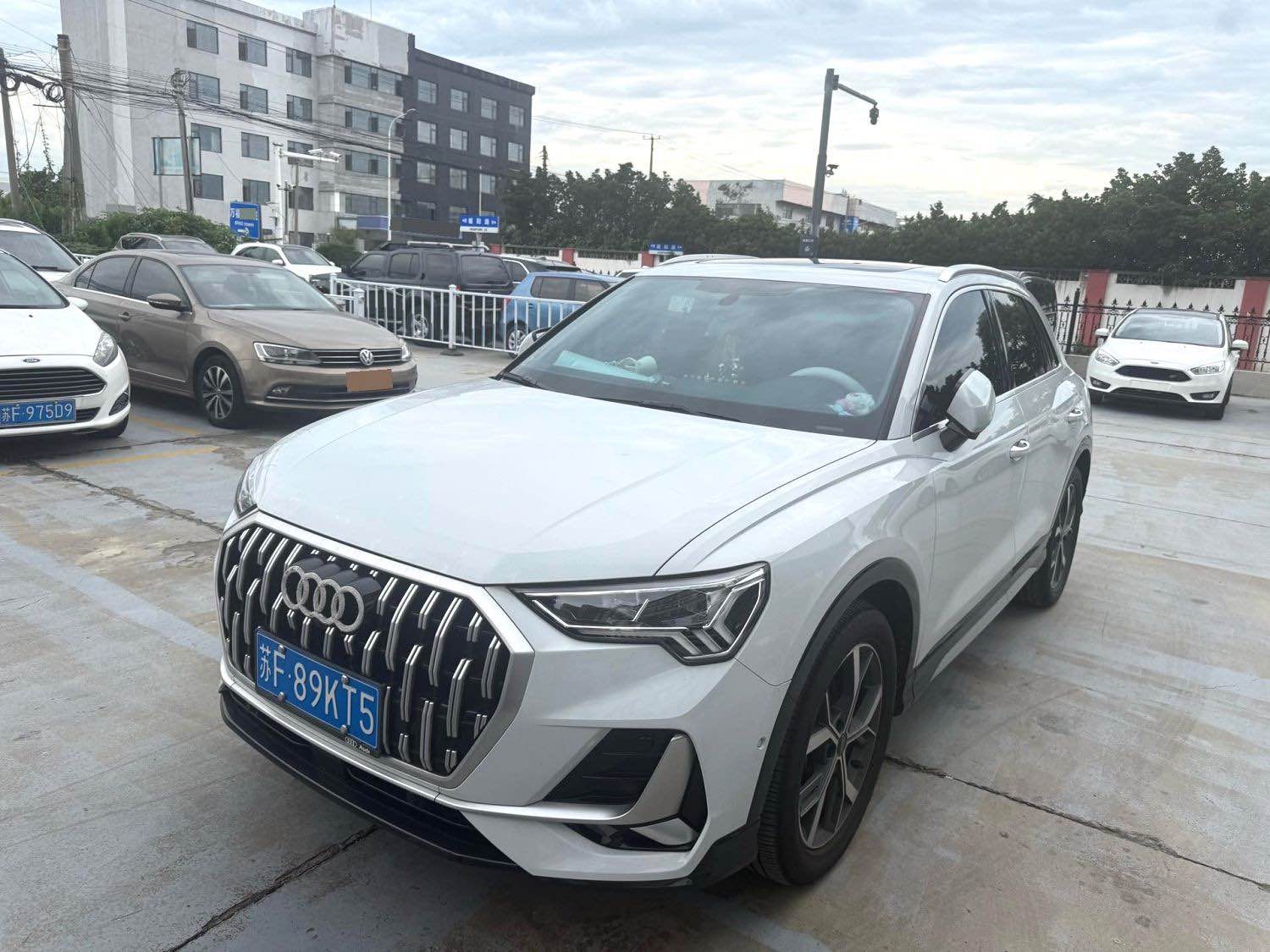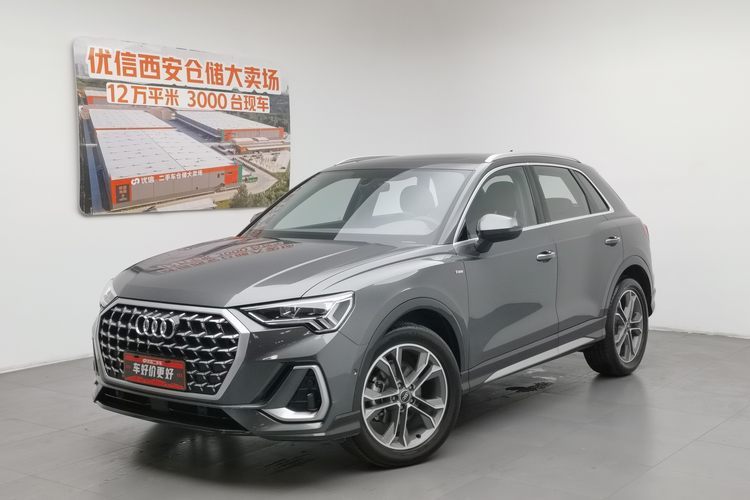



Basic Information

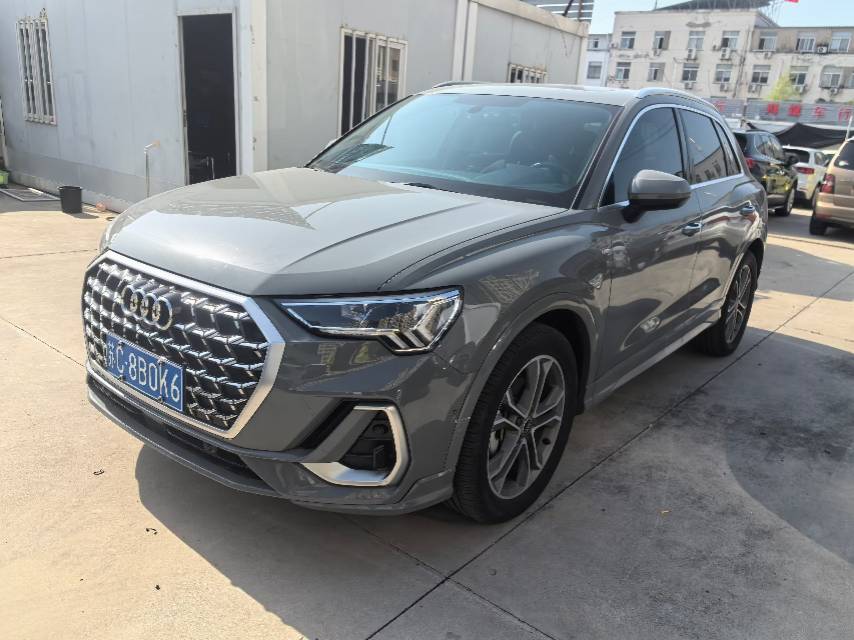
BrandAudi
SeriesQ3
Year2024
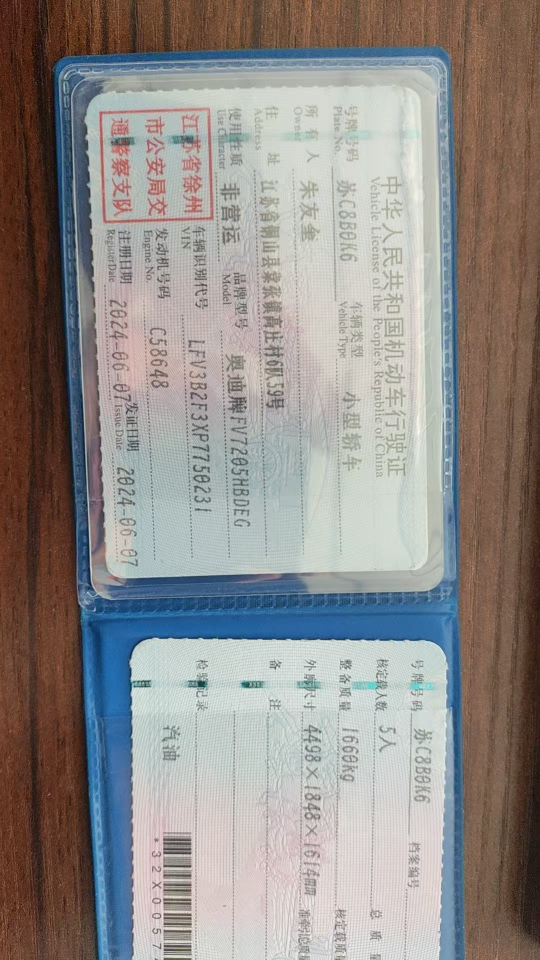
First Registration2024/06
Mileage37,000km
Transfer Count1times
FuelGasoline
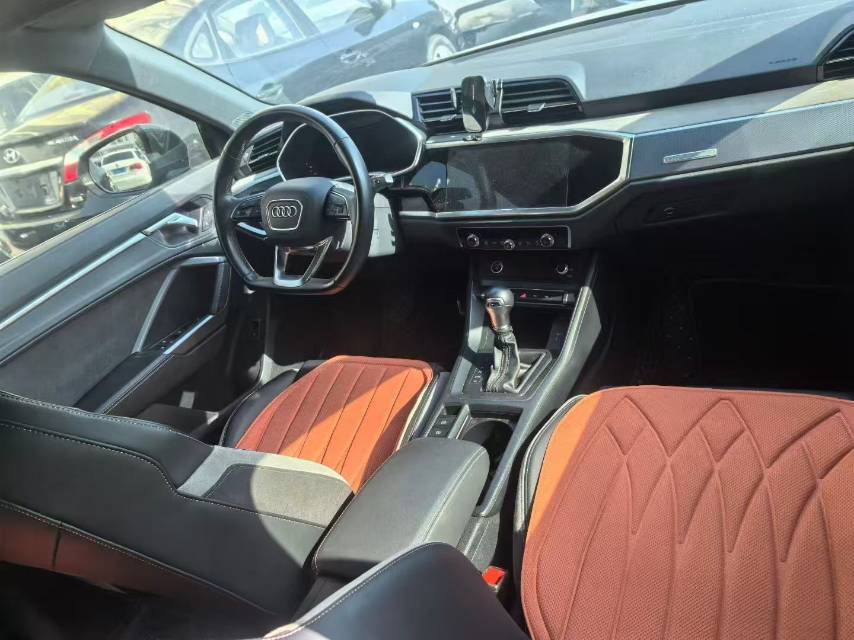
TransmissionDCT
Engine2.0T 186 L4
ColorGrey
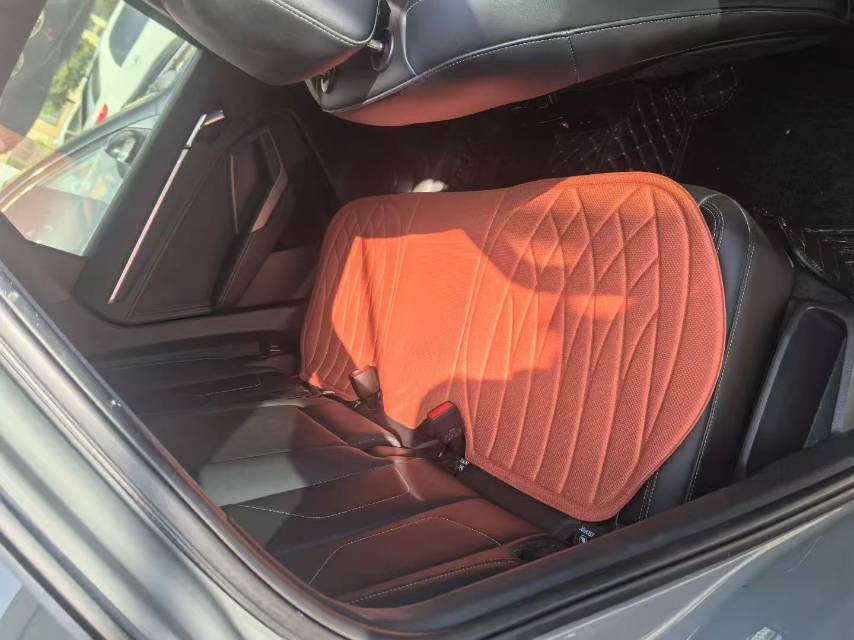
Seats-

Condition Description

燃油车
SUV
自动
维保开放
事故开放
查验开放

Configuration Highlights

✓品牌: 奥迪
✓车系: 奥迪Q3
✓车型: 2024款 40 TFSI 时尚动感型
✓车身类型: SUV
✓座位数: 5
✓排量: 2.0T
✓变速箱: 自动
✓能源类型: 燃油车
✓VIN: LFV3B2F3XP7750231
✓搜索关键词: 奥迪奥迪Q3 2024款奥迪Q340TFSI时尚动感型

Document Information

Inspection Expiry Date2028/06
Warranty Expiry Date-
Insurance Expiry Date2027/06

Q&A

More

Does the vehicle's smart car system (central control screen) have an English version? Can Google Maps or YouTube be installed?

It depends on the specific brand and model. Some brands (like BYD and MG) have native multilingual systems that can switch to English directly; however, some models designed for the Chinese domestic market only have a Chinese interface. For systems that only have Chinese, we can assist with compliant system flashing (installing international firmware) or adding modules that support Apple CarPlay/Android Auto, so you can use Google Maps. The details page will clearly indicate the language status of each vehicle's system.


What additional fees do I need to pay when picking up the car at the destination port, besides the payment to sellwellauto?

As the importer, you mainly need to bear the following costs at the destination port: import duties, VAT or GST, terminal handling charges, local customs clearance fees, and inland logistics costs from the port to your company. Please consult your local customs broker before placing an order to accurately calculate the total landing costs.

Should I ship my used car from China in a container or by roll-on/roll-off (RORO)?

It depends on the car's value, type and destination. RORO means the car is driven onto the vessel and secured on deck or in the hull. It is usually cheaper per car and does not involve container packing fees. The downside: the car sits exposed to salt air for weeks, and RORO service is limited to ports with dedicated terminals. Container shipping (one 20ft or 40ft container per 1-2 cars) costs more but gives much better protection. It is strongly recommended for electric vehicles (battery safety regulations), luxury cars, and vehicles going on long voyages or rough sea routes. Practical tips: whichever method you choose, ask for the car to be shipped with a full battery charge disconnected at the terminals, tire pressures adjusted, and a condition report with photos signed at loading. For EVs, confirm the shipping line accepts used electric vehicles and what state-of-charge limits apply.