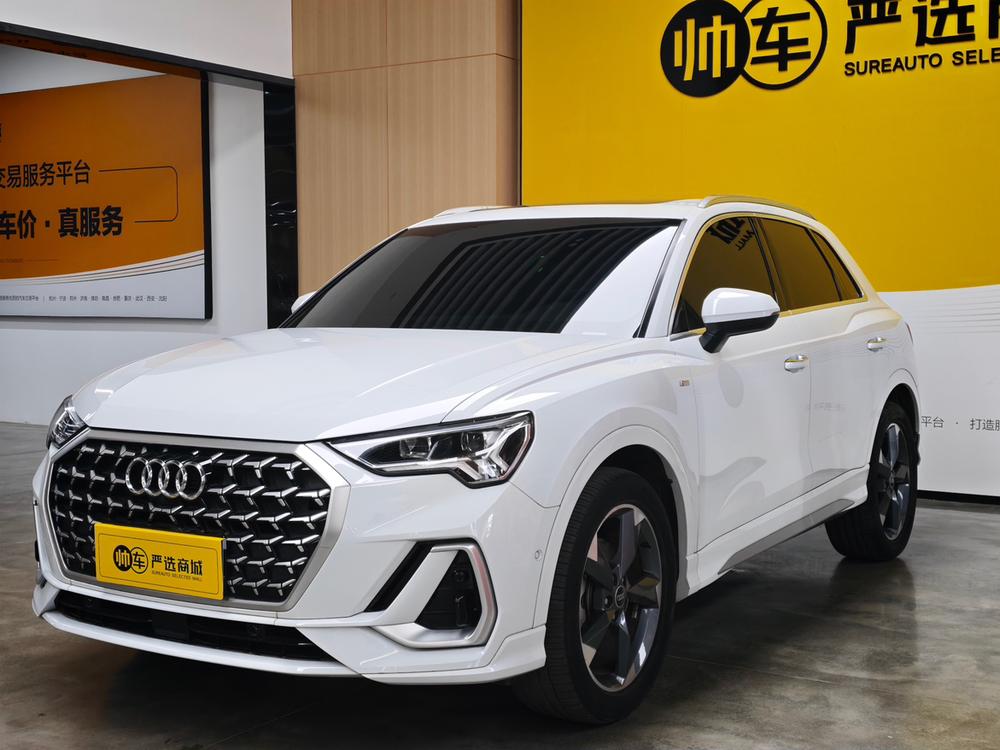
Stock

Basic Information

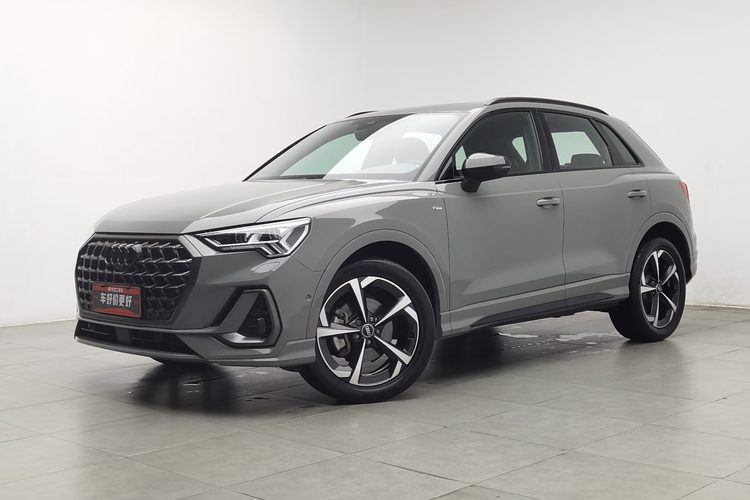
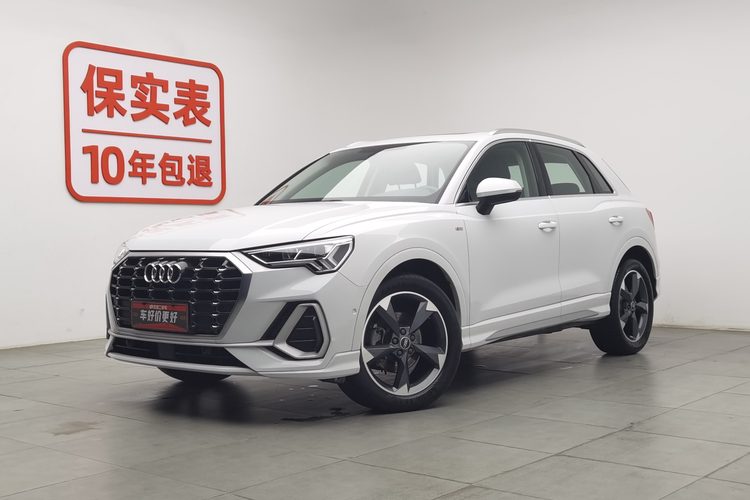
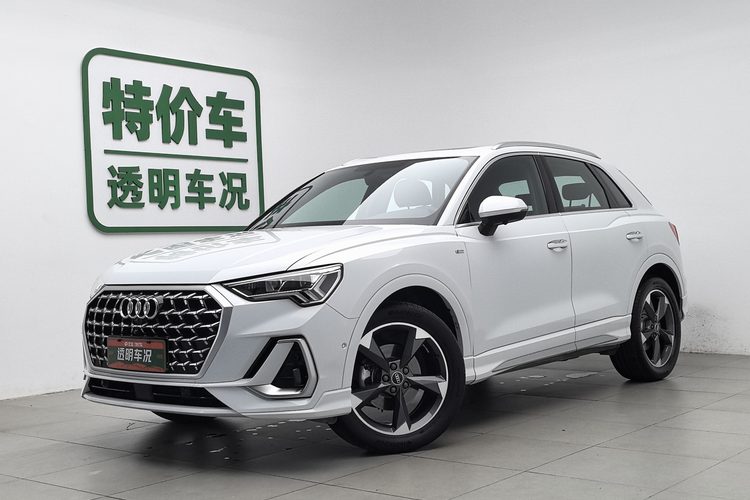
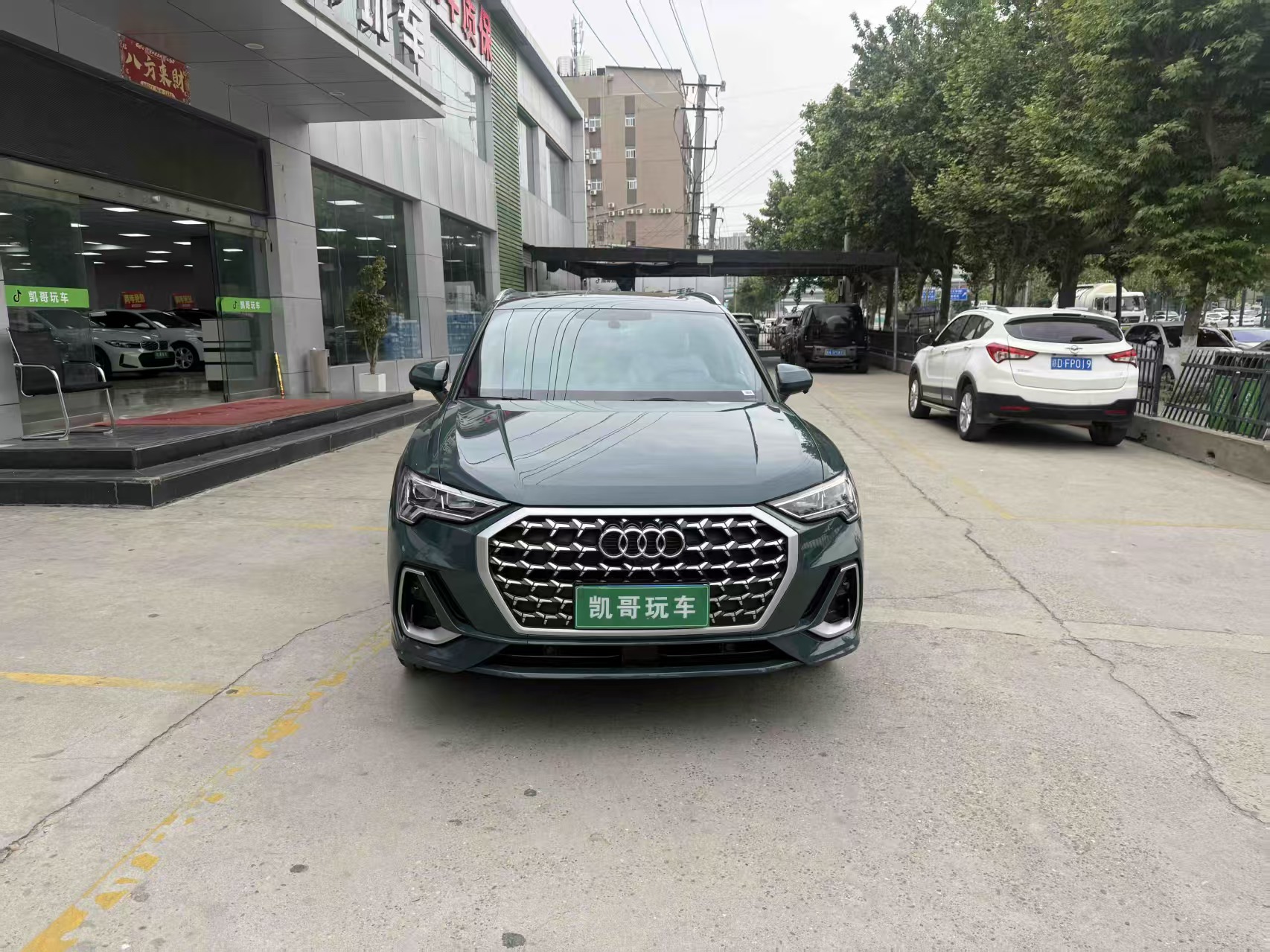
BrandAudi
SeriesQ3
Year2026
First Registration2026/05
Mileage600km
Transfer Count0times
FuelGasoline
TransmissionDCT
Engine1.5T 160 L4
Color
Seats5seats

Condition Description

官方质检 · 60天全车质保· 7天无理由有偿退车

Configuration Highlights

✓上牌时间: 2026-05
✓表显里程: 6百公里
✓车源地: 兰州
✓排放标准: 国六b
✓百公里加速: 9.6s
✓发动机: 1.5T
✓轴距: 2680mm
✓变速箱: 自动
✓功能配置: 20项
✓安全配置: 5项
✓动力类型: 前驱
✓空间舒适性: 好

Q&A

More

Do used cars exported from China come with English service manuals, and how do I source parts for repairs in my country?

Most Chinese brands provide owner manuals in Chinese only, but you can usually get an English version through three channels: ask the exporter (many keep PDF copies), download from the brand's overseas website, or use the car's built-in infotainment system which is often switchable to English. For parts, start with the VIN. Send it to the exporter and ask for the OEM part numbers you need — many parts are shared across models sold domestically and abroad. Common wear items (filters, brake pads, suspension components) are increasingly stocked by international parts platforms and can be shipped within days. For body panels and brand-specific electronics, ordering directly from China via the exporter is often the only option, so factor a 2–6 week wait into your planning. Practical tip: before buying, ask the exporter for a parts price list for the specific model. If they cannot supply one, that is a warning sign about after-sales support. Keep a small stock of common consumables in advance to avoid downtime.


How can I confirm the real mileage of a used Chinese car when I'm buying from overseas?

Odometer rollback happens everywhere, so never trust the dashboard number alone. Cross-check at least three sources: 1. Maintenance records: Chinese 4S dealerships keep service logs tied to the VIN. Ask the exporter for screenshots showing recorded mileage at each visit — the numbers should rise consistently. 2. Inspection reports: China requires periodic emissions/safety inspections, and the mileage is logged at each one. The exporter can pull the car's inspection history. 3. Tire and wear clues: Compare the claimed mileage with brake pedal rubber, steering wheel shine, seat bolster wear, and the tire production dates. A car showing 30,000 km with a polished steering wheel and second set of tires is suspicious. Also check the dashboard for uneven digits or scratches around the odometer area in photos. If maintenance and inspection records roughly agree, the reading is usually trustworthy; if the seller refuses to share records, treat the mileage as unknown and negotiate accordingly.

What should I check during a live video test drive of a used car in China, and which sounds or behaviors are red flags?

Request a live video call during the test drive rather than a pre-recorded one. Cold start first: listen for rattling or metal scraping in the first seconds — possible timing chain or hydraulic lifter issues. During acceleration, a whining from the gearbox area can mean bearing wear; hesitation or jerking in an automatic suggests transmission problems. Braking: the pedal should feel firm, not spongy, and the car must not pull to one side. Turn the wheel fully in both directions and listen for clicking — a classic CV joint fault. Insist on a highway segment too: vibrations above 100 km/h often point to unbalanced wheels or bent rims. Ask the driver to film the dashboard throughout — warning lights that flicker on briefly are still faults that OBD will record.