





Basic Information

BrandBMW
Series1 Series M
Year2012
First Registration2012/08
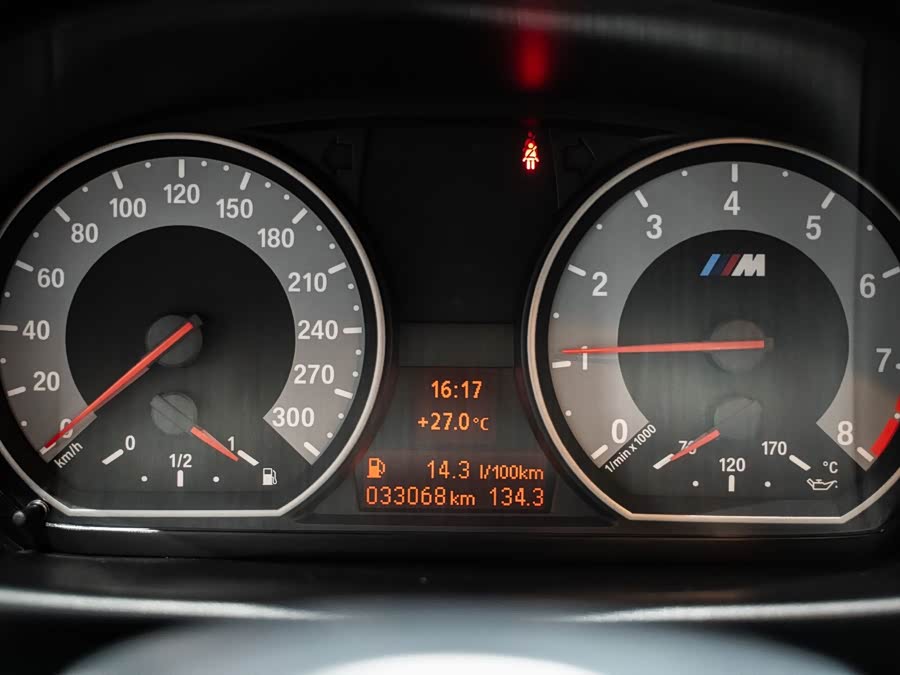
Mileage33,000km
Transfer Count1times
FuelGasoline
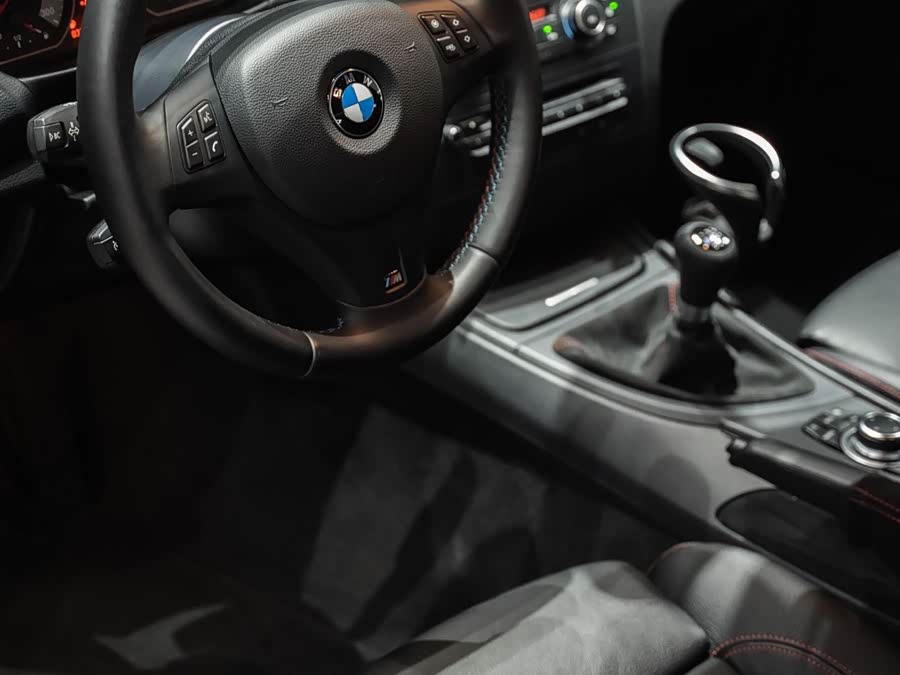
TransmissionManual
Engine3.0T 340 L6
ColorYellow
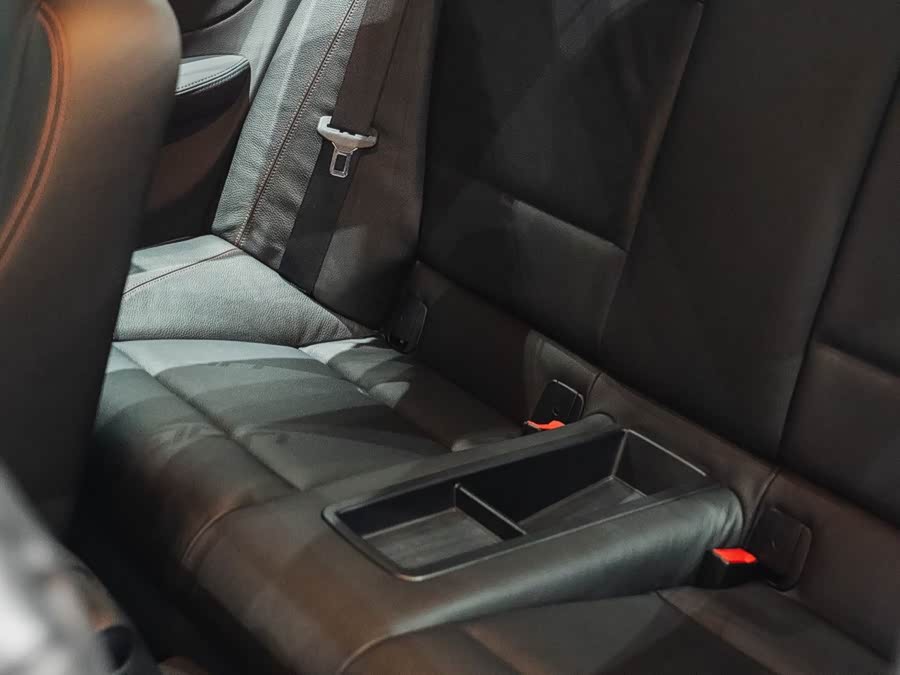
Seats4seats

Condition Description

good

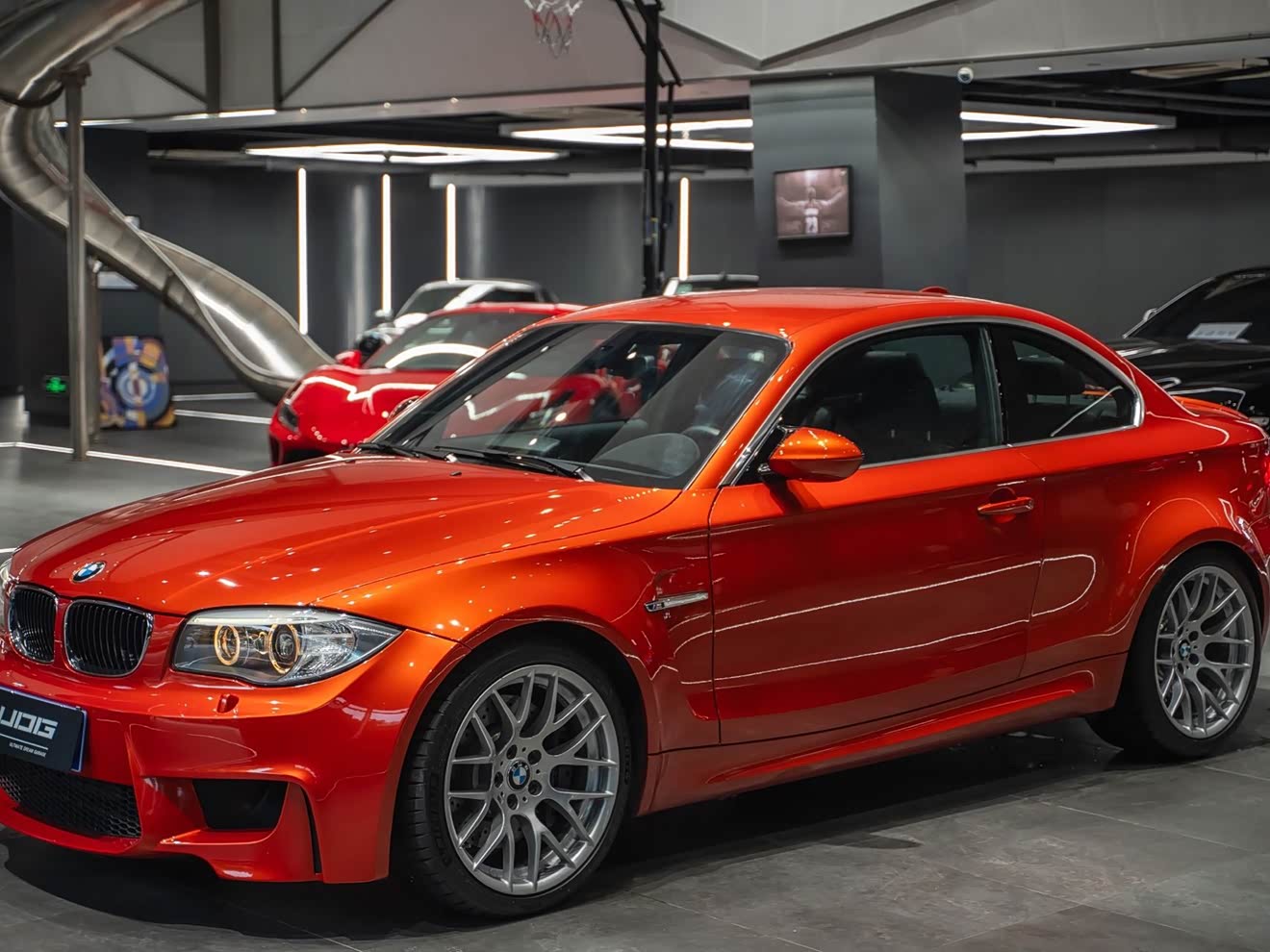
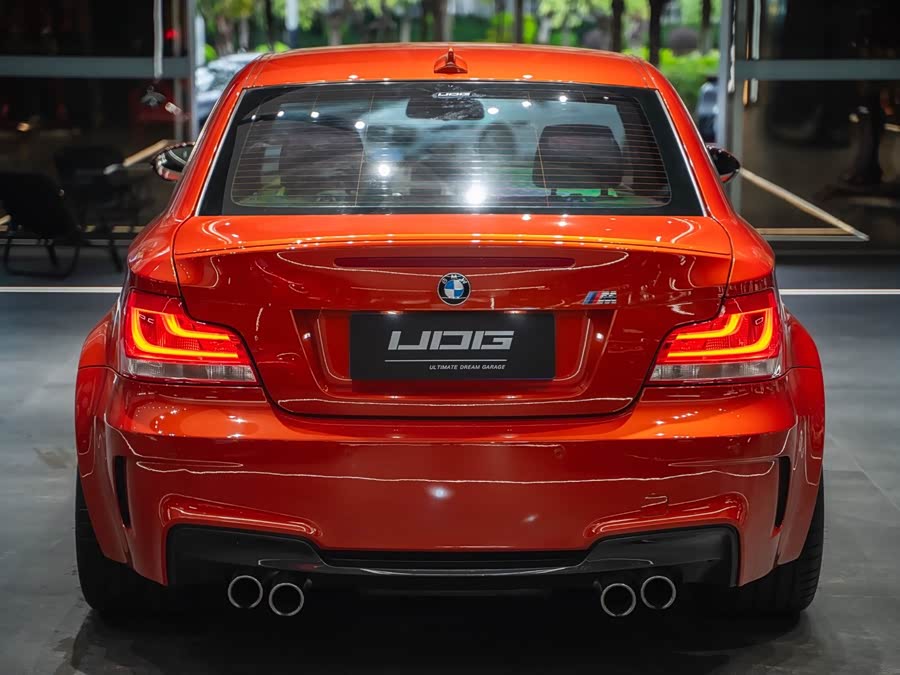
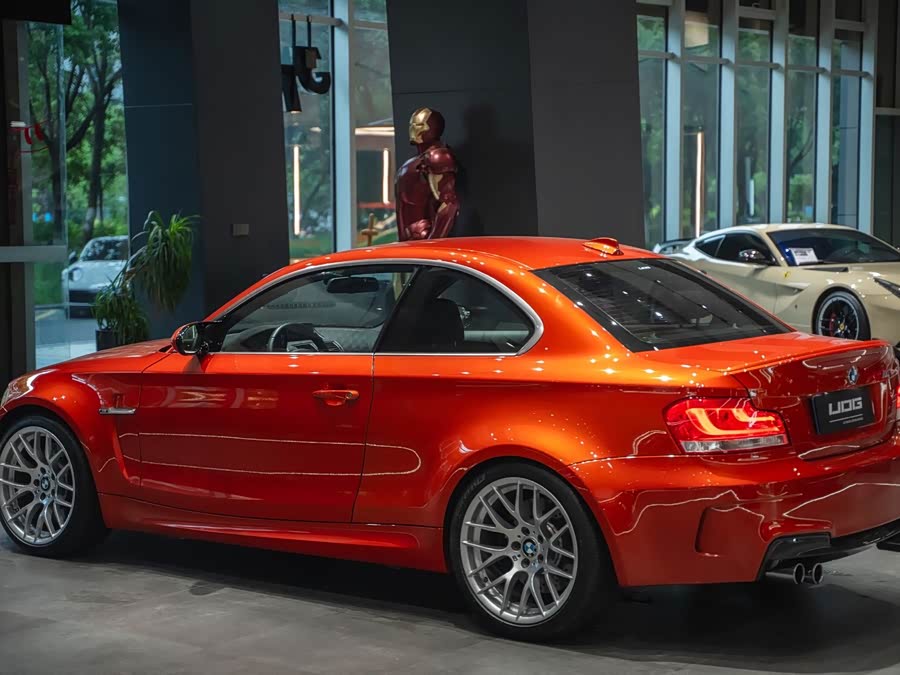
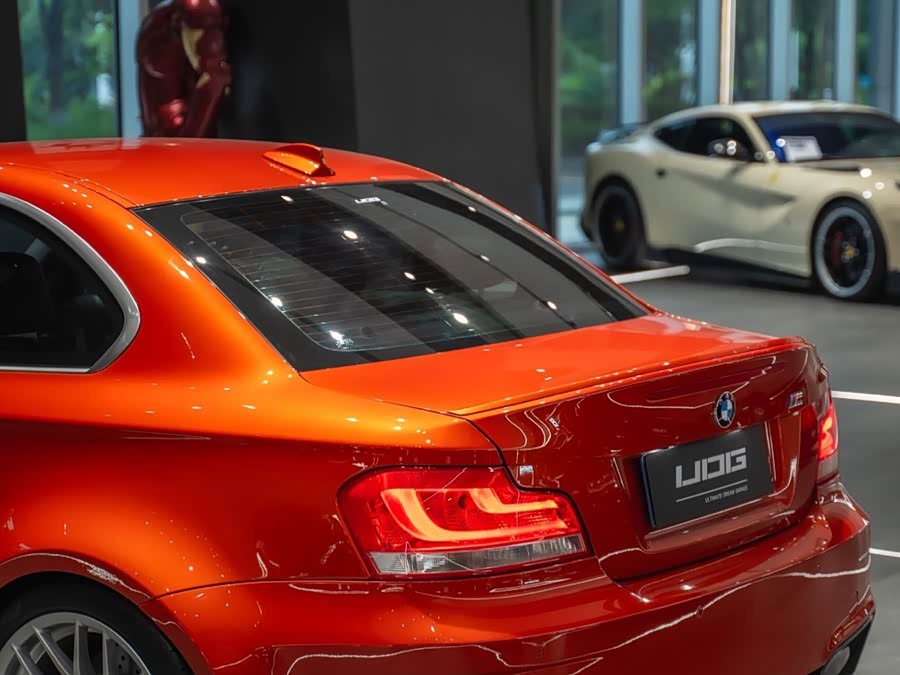
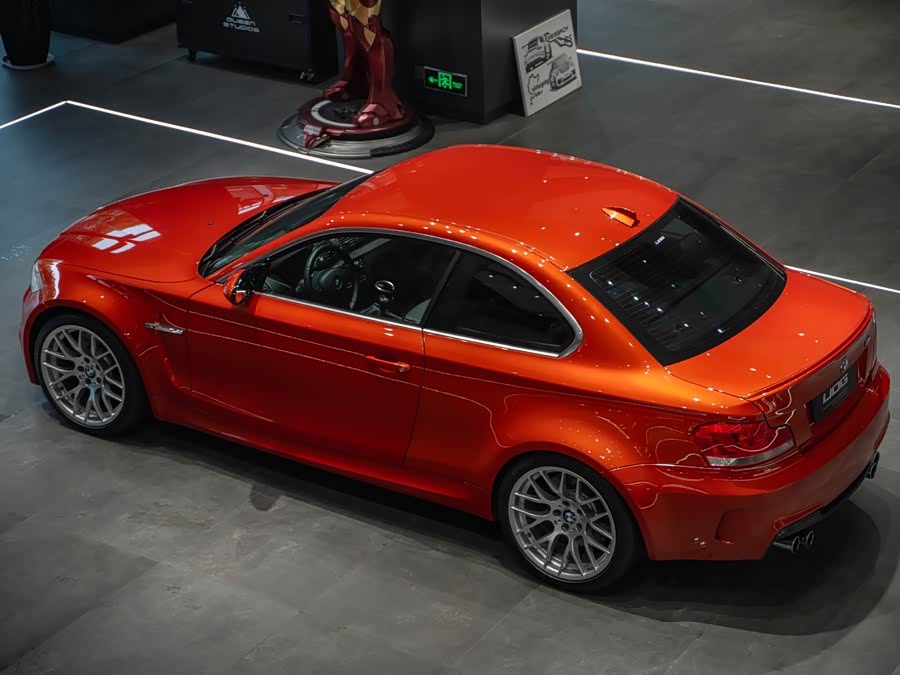
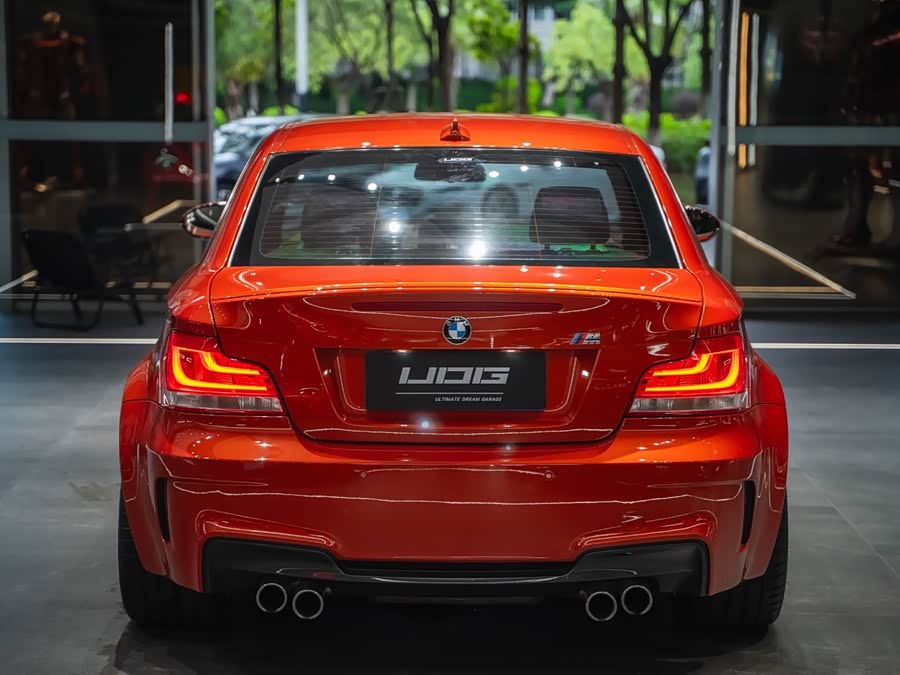
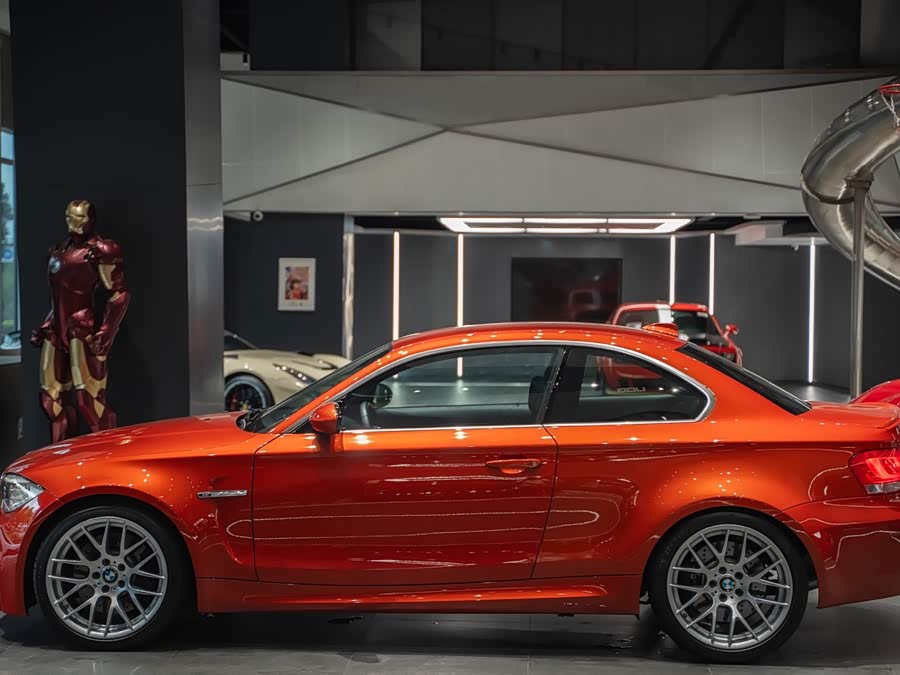
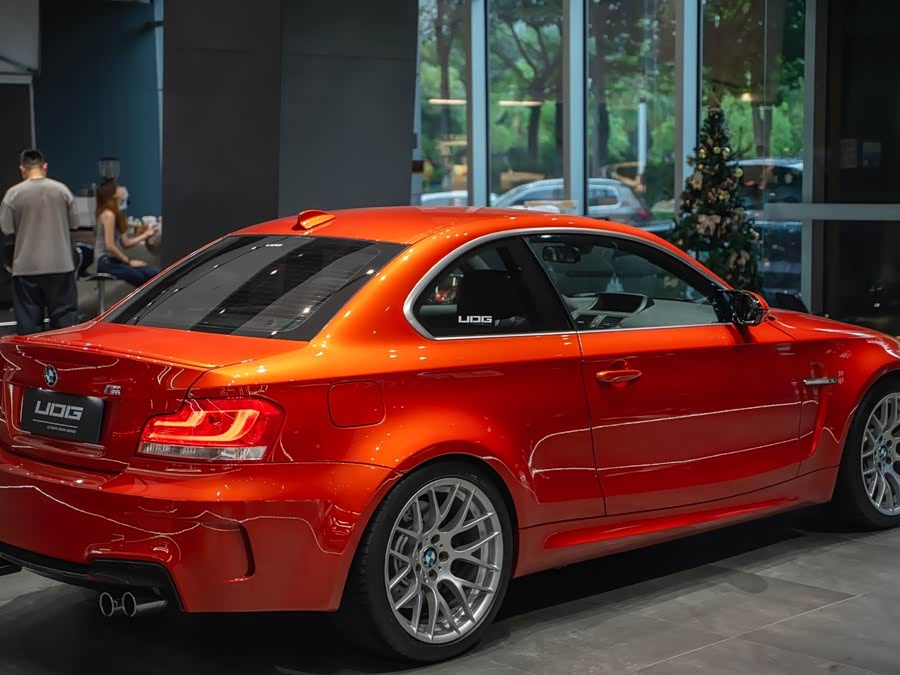
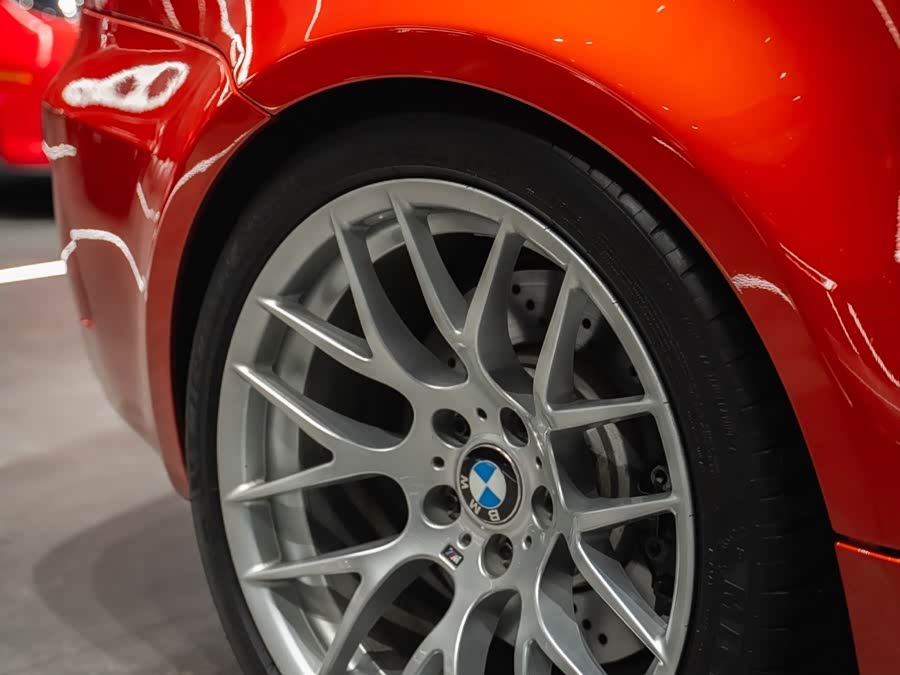
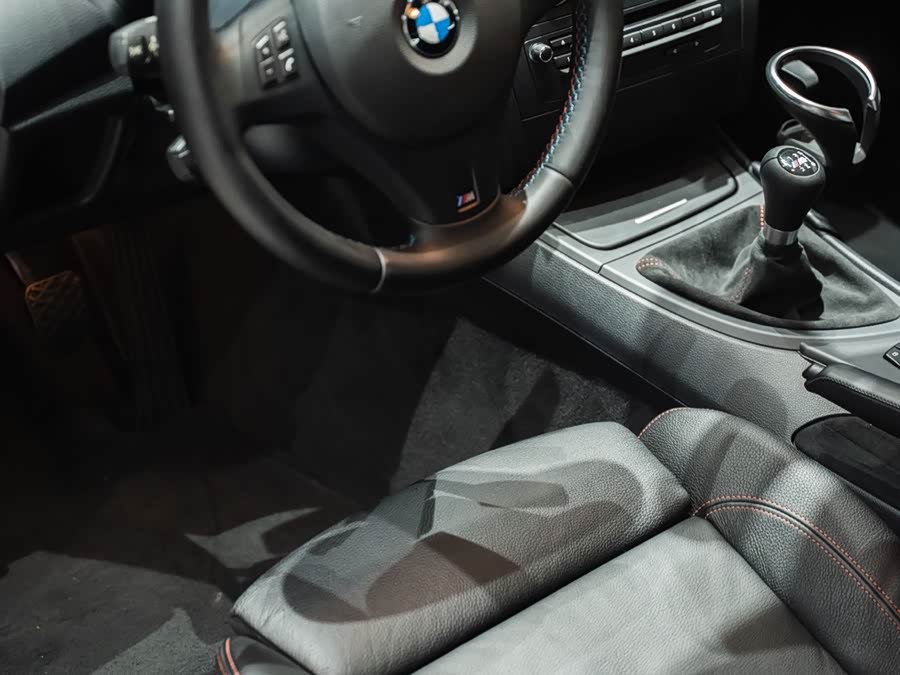
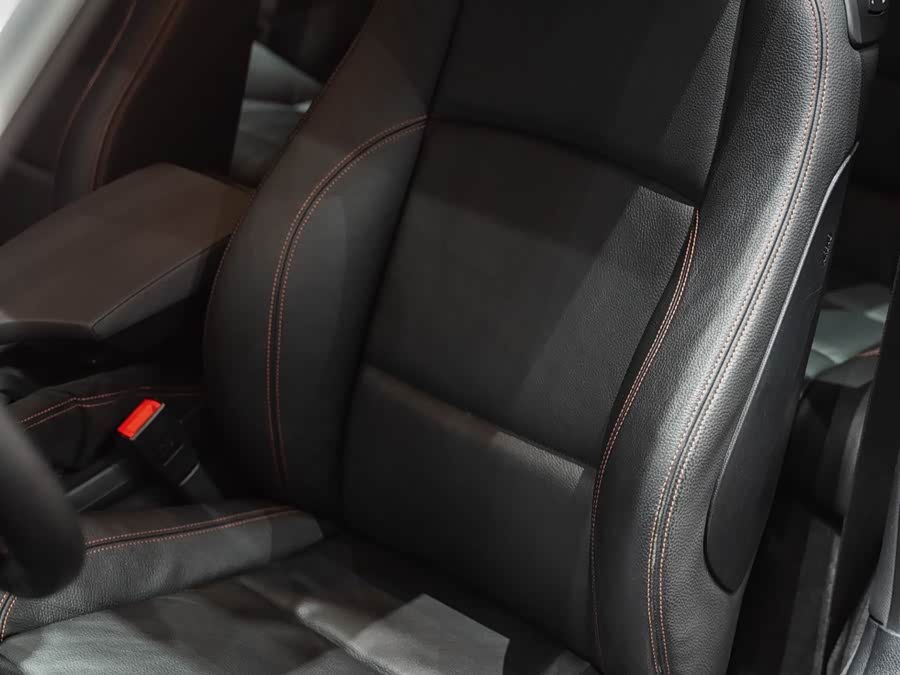
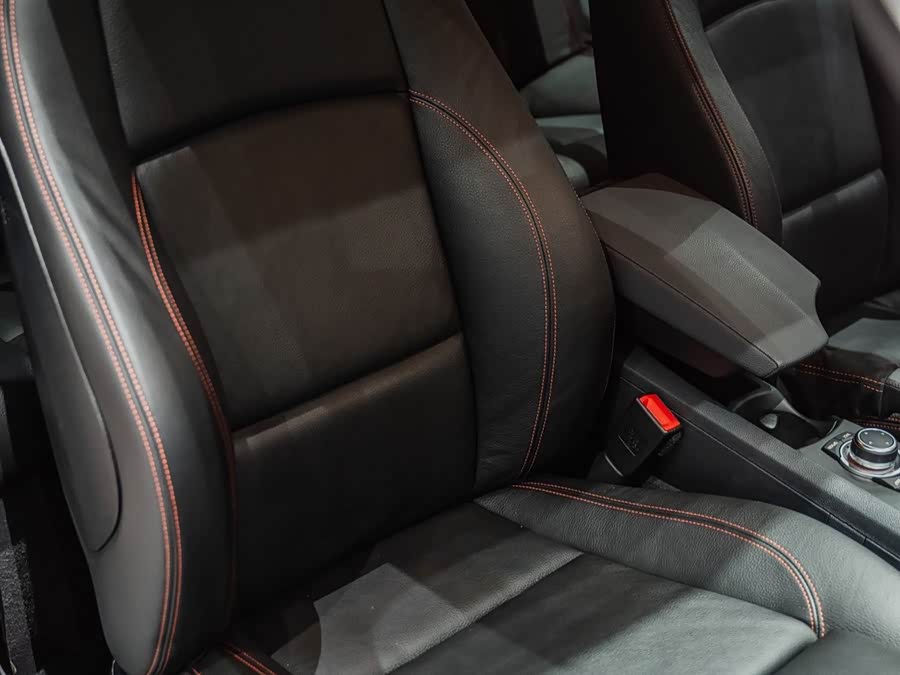
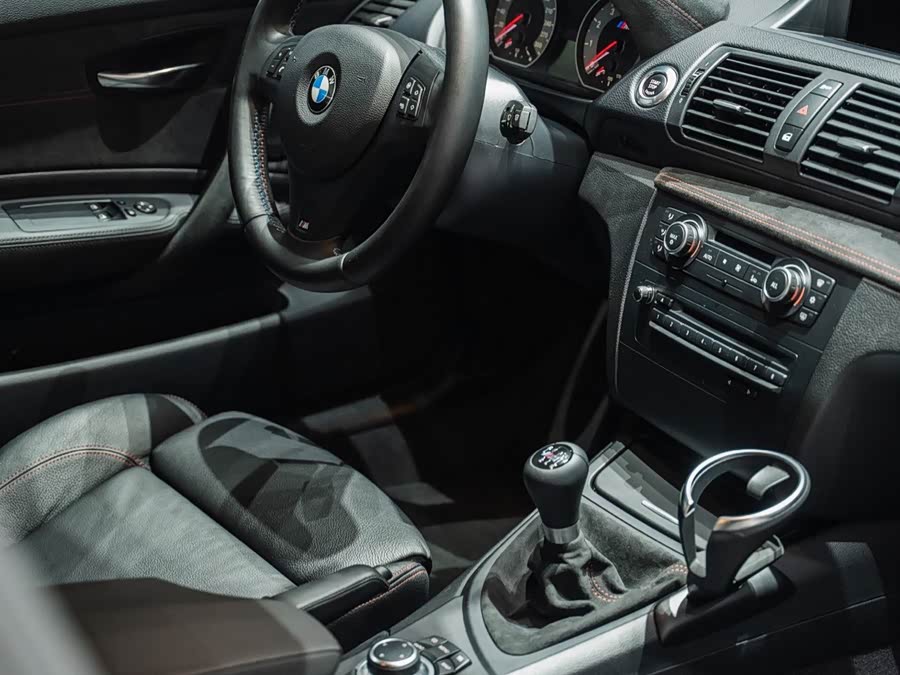
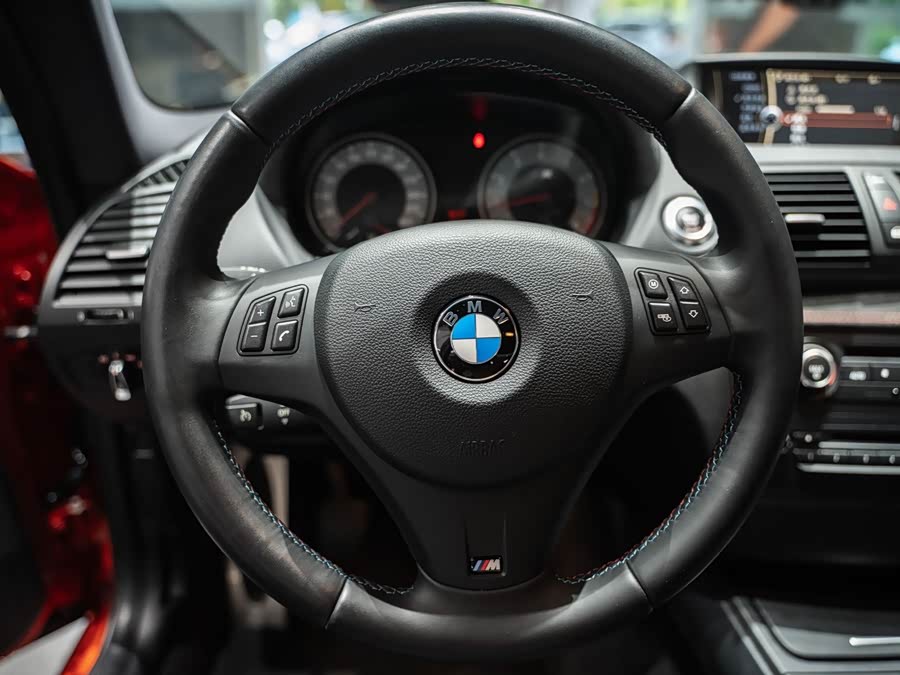
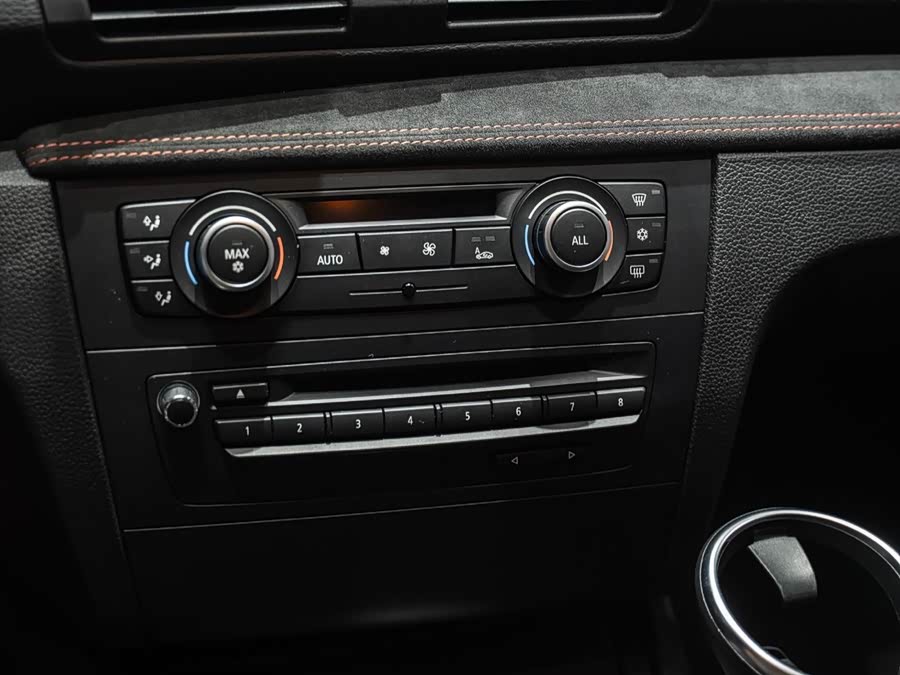
BMW 1M Condition Description: One owner, registered under my name; odometer reading 33,000 km; all services performed at 4S dealerships; almost original paint (repainted to repair scratches on the left rear fender/windshield replaced); completely unmodified, excellent condition; 99% of the time parked in underground garage.

Configuration Highlights

✓ISOFIX Child Seat Anchors
✓Keyless Start System
✓Bluetooth/Hands-free
✓Cornering Lights

Accident & Maintenance Records

Accident Record

🔗 Open Link

Maintenance Record

🔗 Open Link

Document Information

Inspection Expiry Date2025/08
Warranty Expiry Date-
Insurance Expiry Date2025/08

Q&A

More

Can I get spare parts for a Chinese-brand car in my country, and how do I order them from China?

Parts availability depends on the brand's official presence in your market, but even unsupported brands can be maintained through direct ordering. Check three channels first: the brand's official dealer network (if any), third-party importers who specialize in Chinese auto parts, and generic equivalents. For wear items like brake pads, filters, and wipers, aftermarket suppliers usually stock cross-references by VIN. For model-specific parts — headlights, sensors, control modules — order directly from China. Ask your exporter for the parts catalog by VIN, confirm OEM part numbers, and compare prices. A turbocharger that costs $900 from a local dealer often ships from China for $350 plus $80 freight. Practical tips: bundle multiple parts into one shipment to amortize freight; ask for DDP (delivered duty paid) pricing so customs clearance is handled; and always verify part numbers against your VIN before paying, as Chinese models have running changes mid-year. Keep a small stock of common wear parts — oil filters, air filters, spark plugs — to avoid a 4-6 week wait for routine maintenance.

What is a Certificate of Origin and why do I need one when importing a car from China?

A Certificate of Origin (C/O) is an official document stating where the vehicle was manufactured. Customs authorities use it to decide which tariff rates and trade agreements apply to your import. Why it matters: many countries offer preferential tariffs for certain origins. With a valid C/O, such as the ASEAN-China Form E or a GSP Form A, you may pay reduced or zero duty. Without it, you typically pay the standard, higher rate. The certificate must match the vehicle exactly: VIN, make, model and invoice details. It is usually issued by the China Council for the Promotion of International Trade (CCPIT) or customs authorities. Practical tips: request the C/O before shipment, because adding it later is slow; check that your country's customs accepts the specific C/O format; and confirm with your broker whether your vehicle category qualifies for preferential rates. This single document can save you thousands in duty.

Under FOB terms, what should I do if the overseas freight forwarder I designated is inefficient and causes delays in booking?

Under FOB terms, booking is a legal obligation of the buyer. If your freight forwarder fails to provide the shipping order (S/O) in time, resulting in vehicles exceeding the free storage period at our warehouse or port, the buyer will have to pay the high daily storage fees before shipment.

BMW 1 Series M 3.0T 340 L6

宝马1系M 2011款 1M Coupe

EXW: $90,152
Car CodeSWA1450051
Publish Date2025/08/09