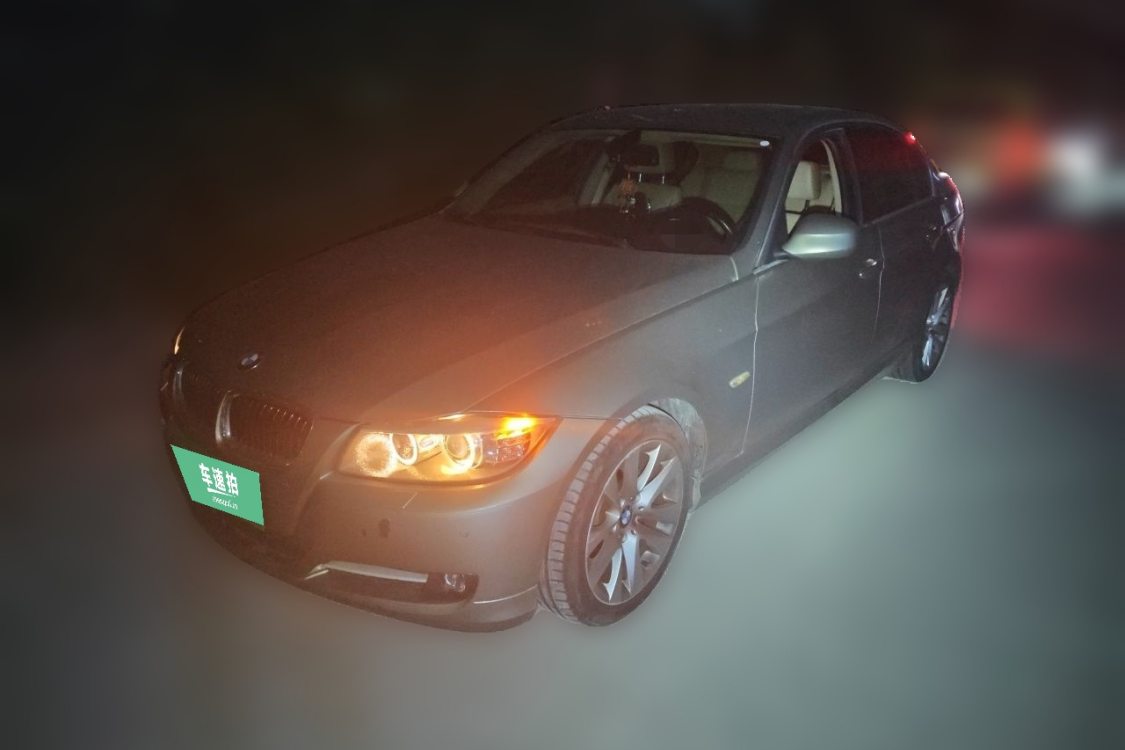
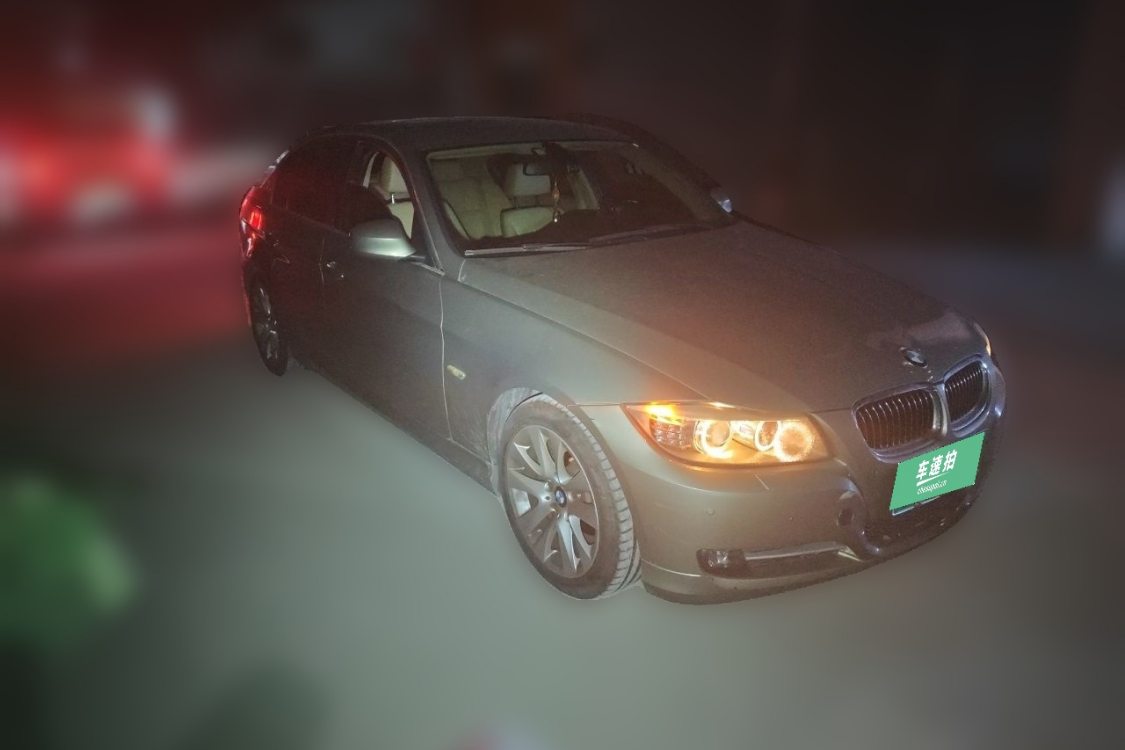
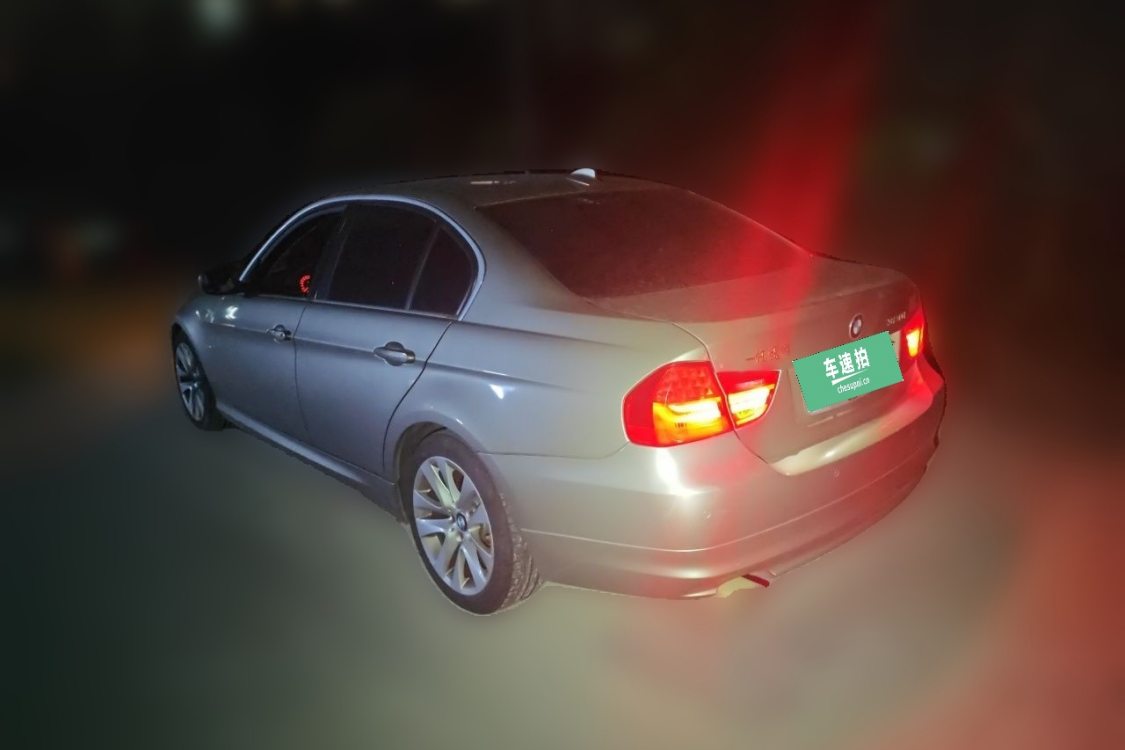
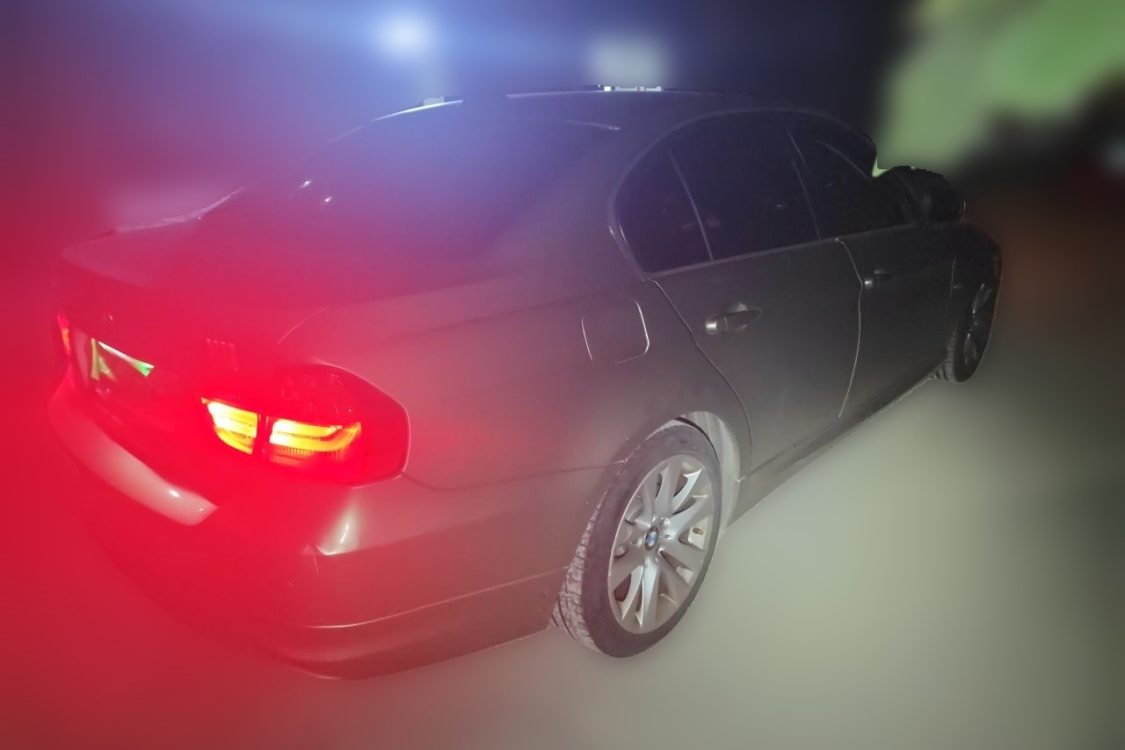



Basic Information

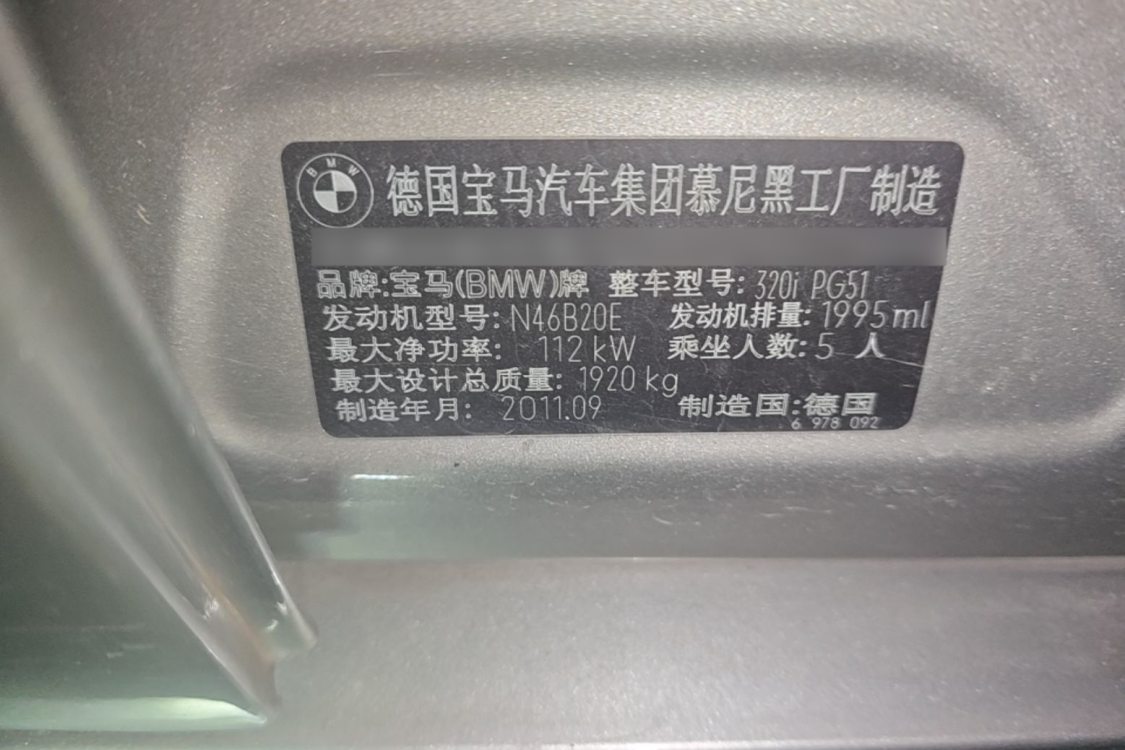
BrandBMW
Series3 Series
Year2012
First Registration2012/12
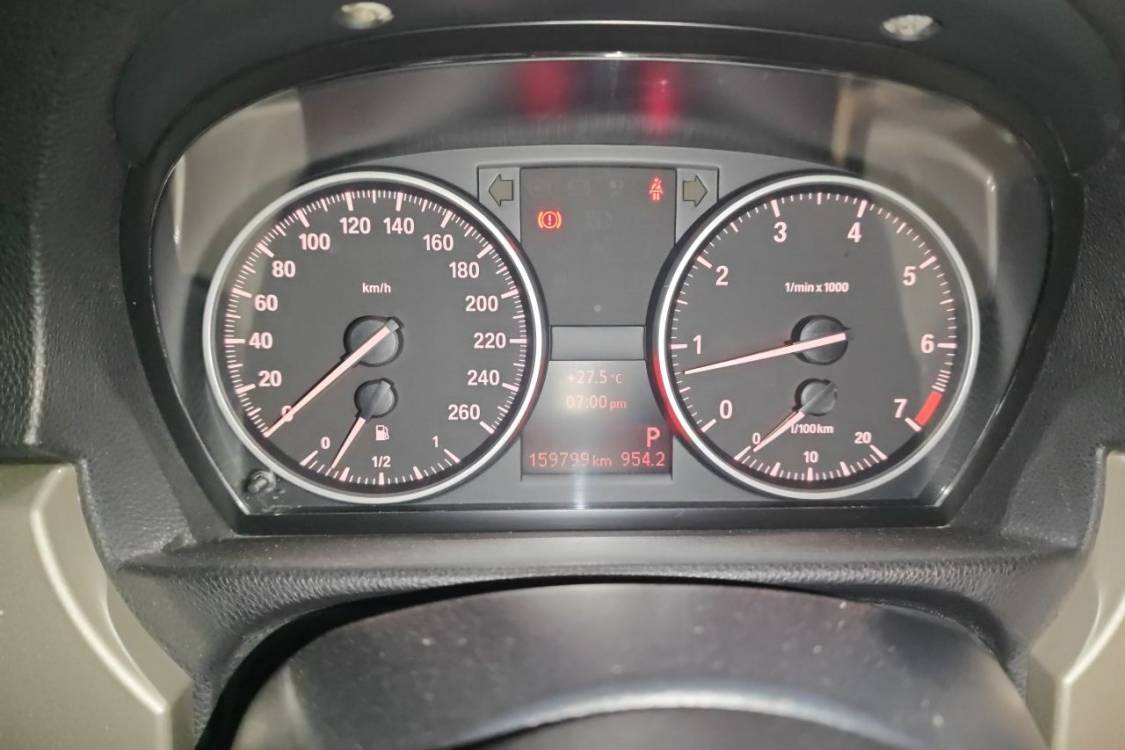
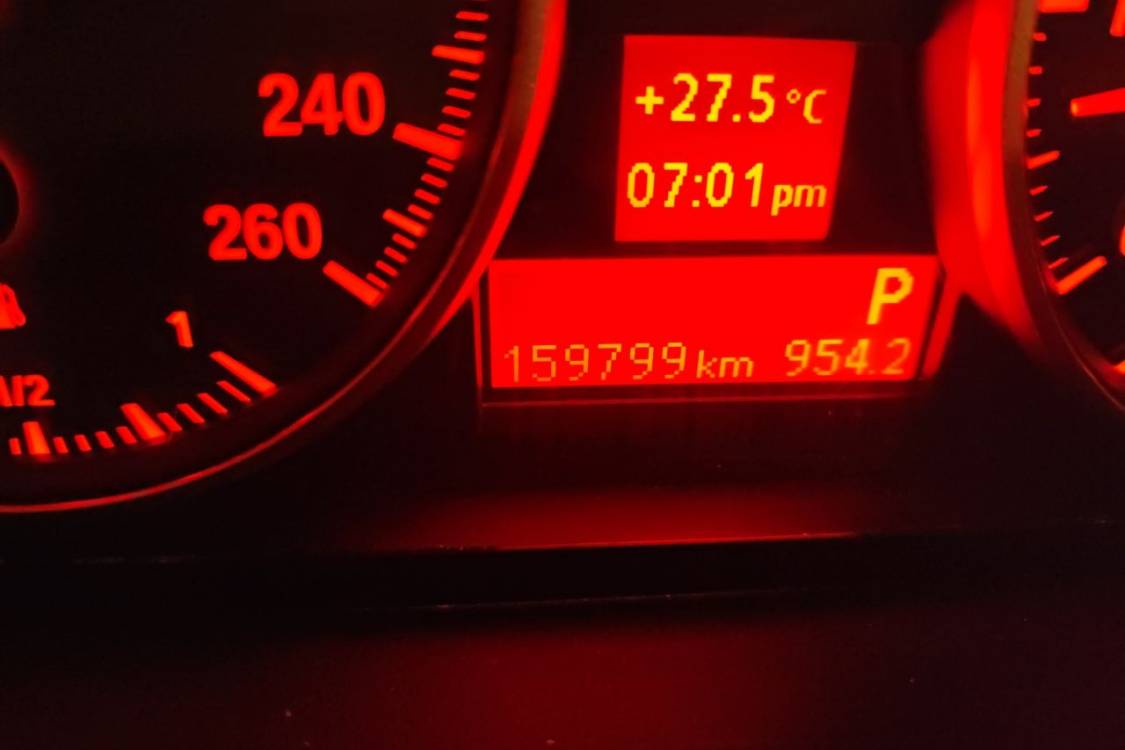
Mileage159,700km
Transfer Count1times
FuelGasoline
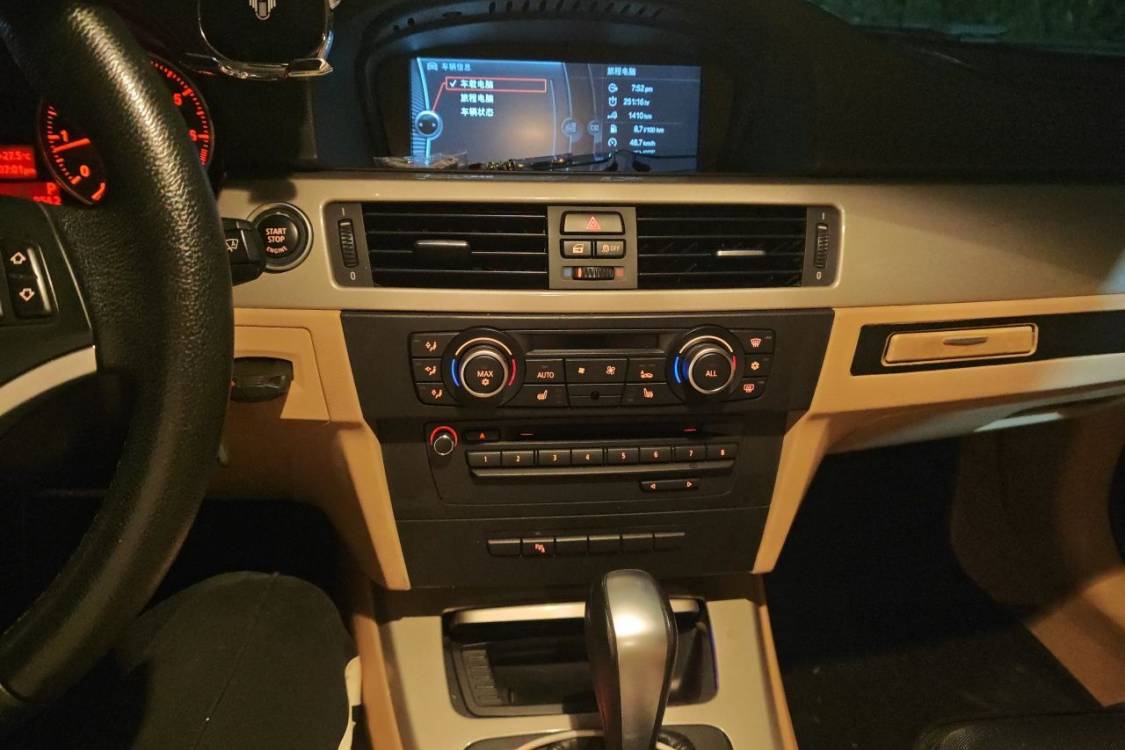
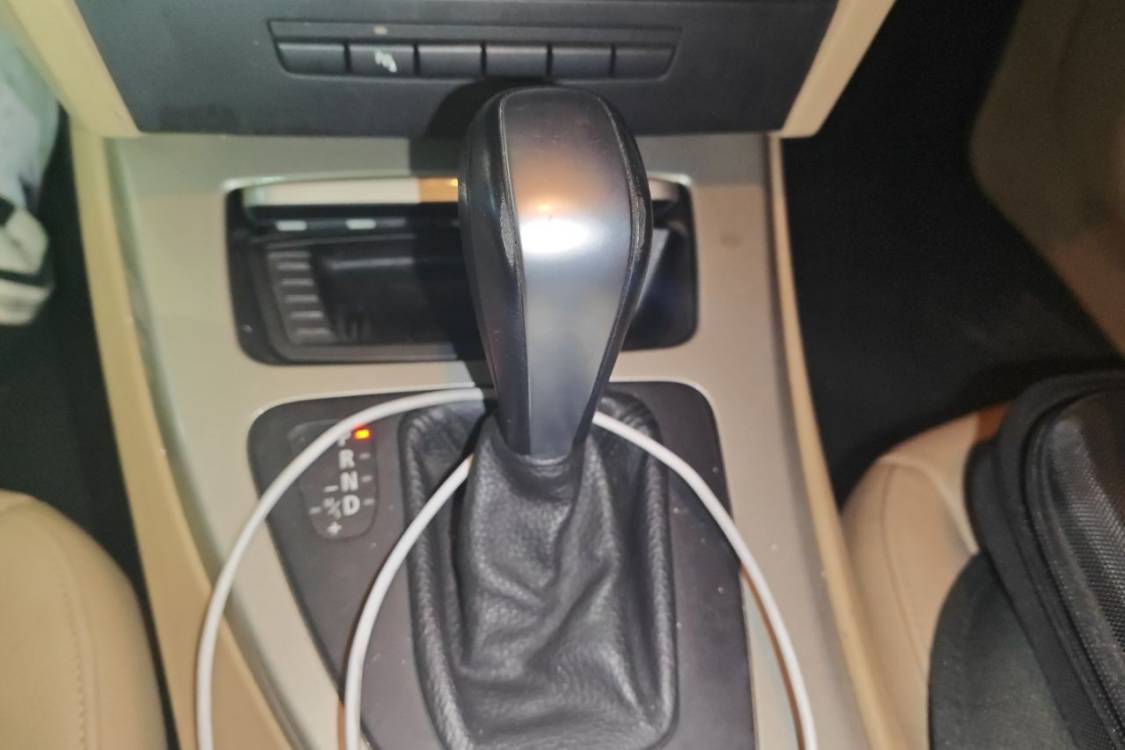
TransmissionManumatic
Engine2.0L 152 L4
ColorGrey
Seats-

Condition Description

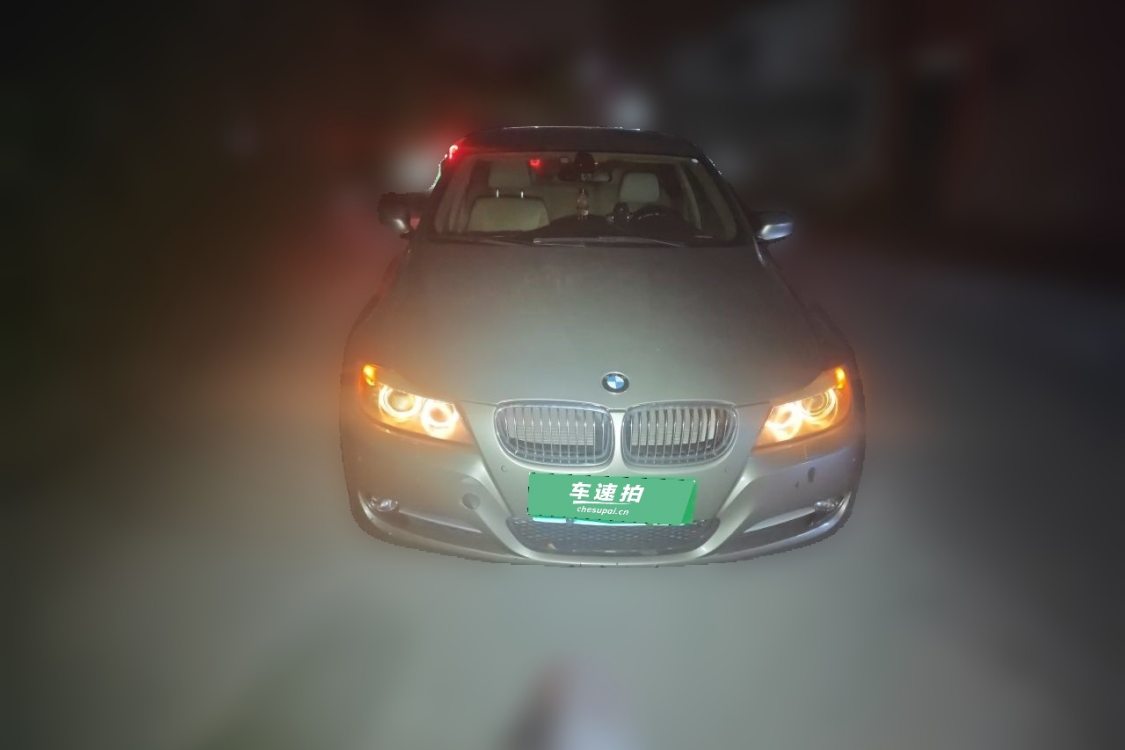
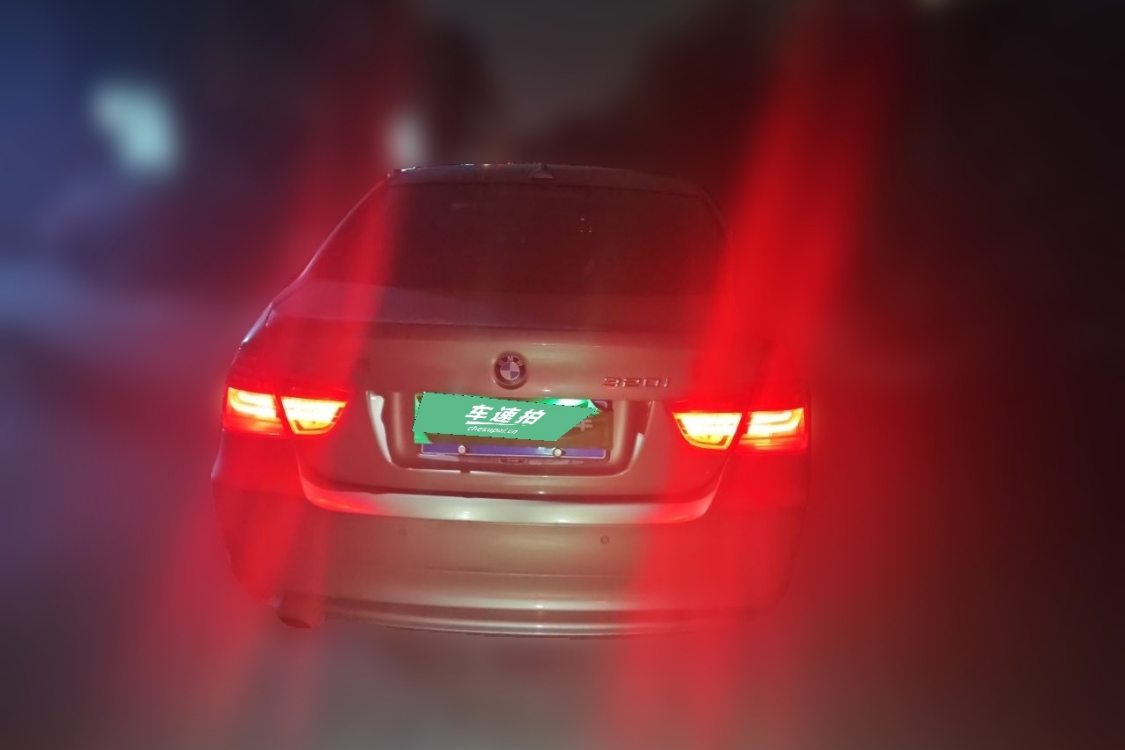
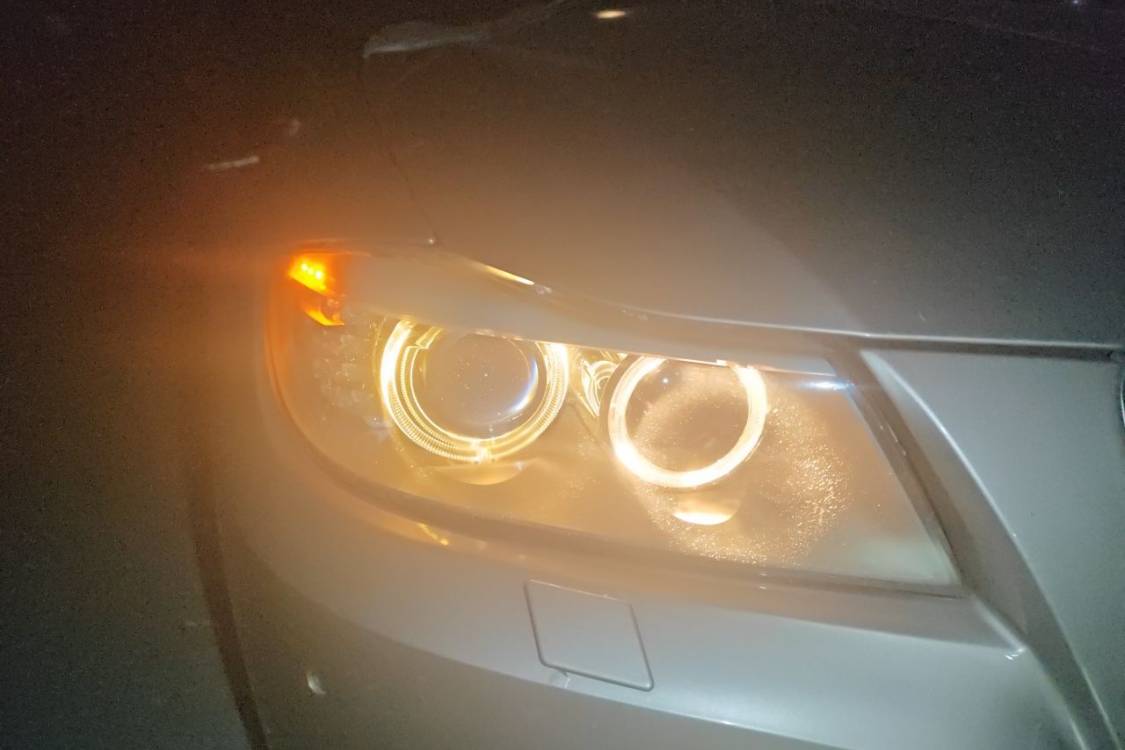
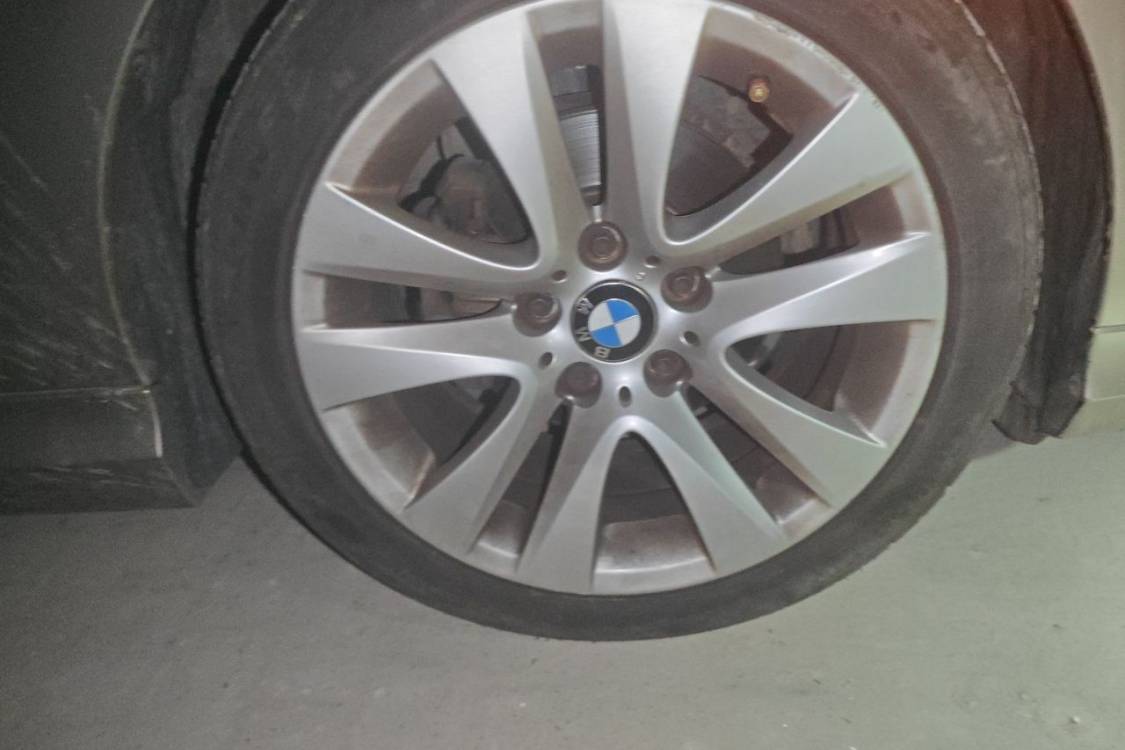
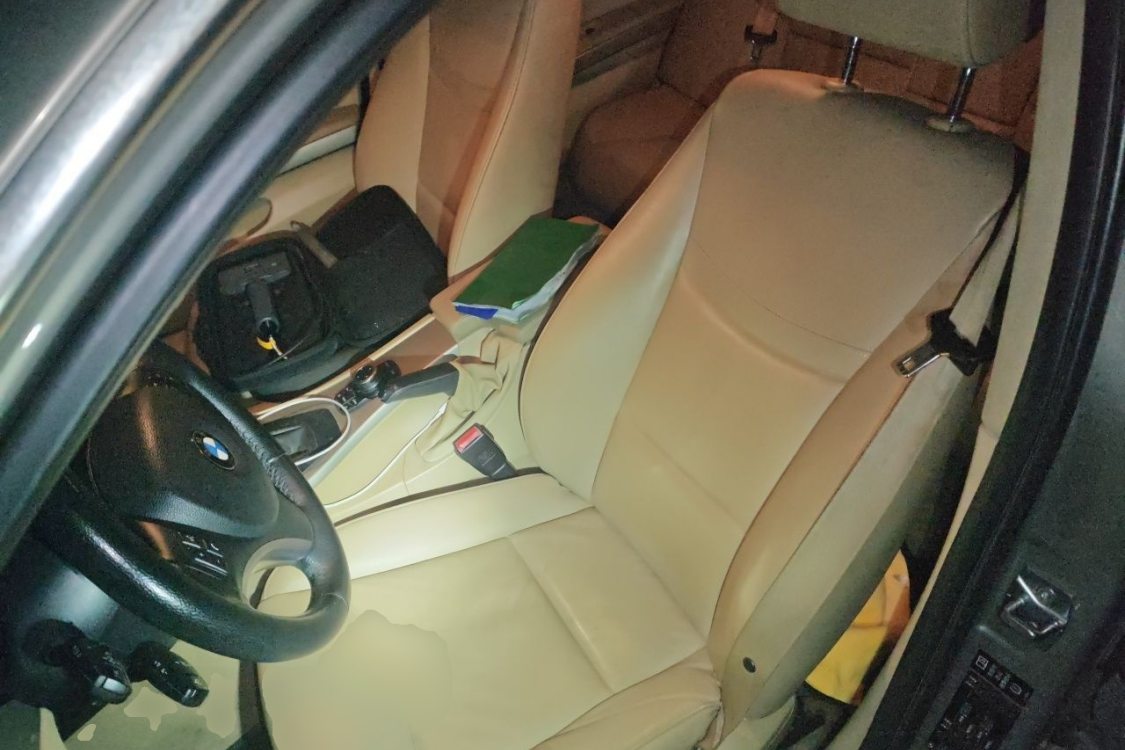
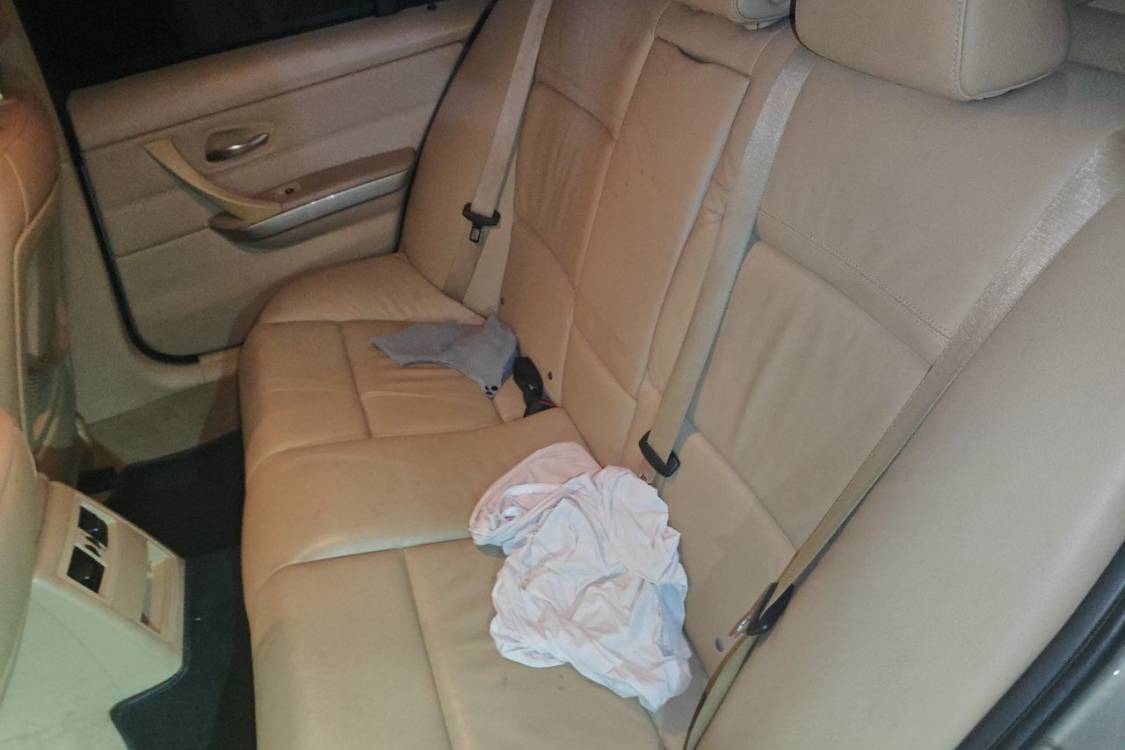
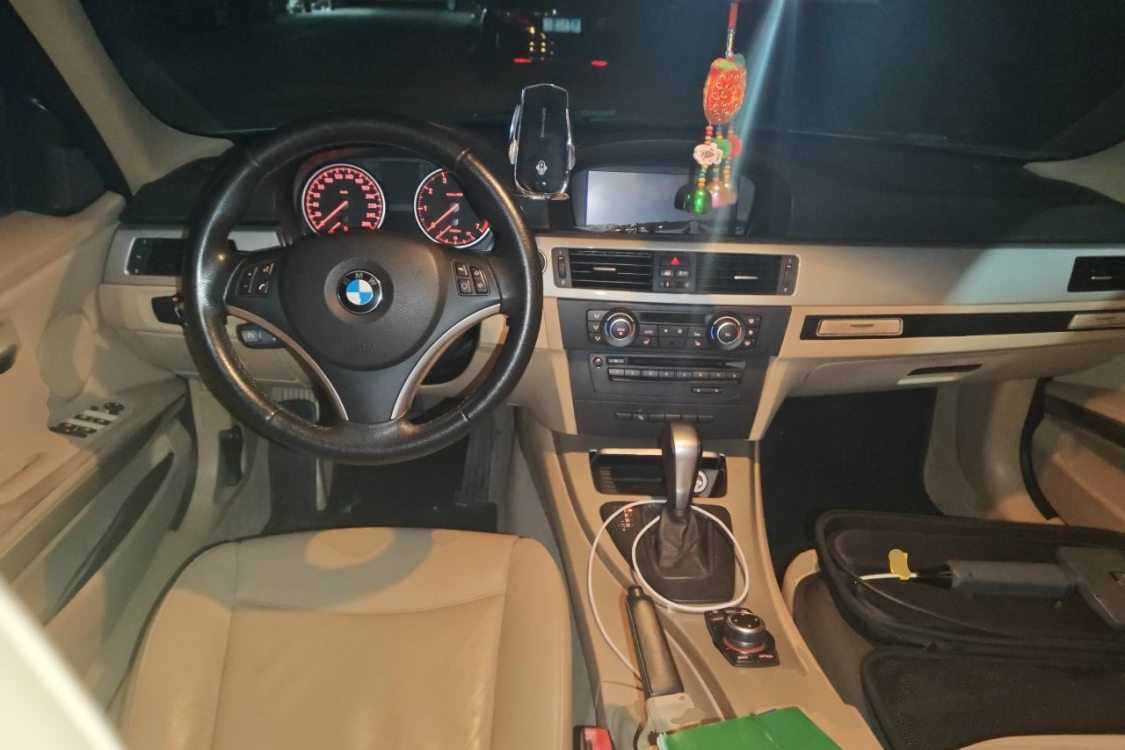
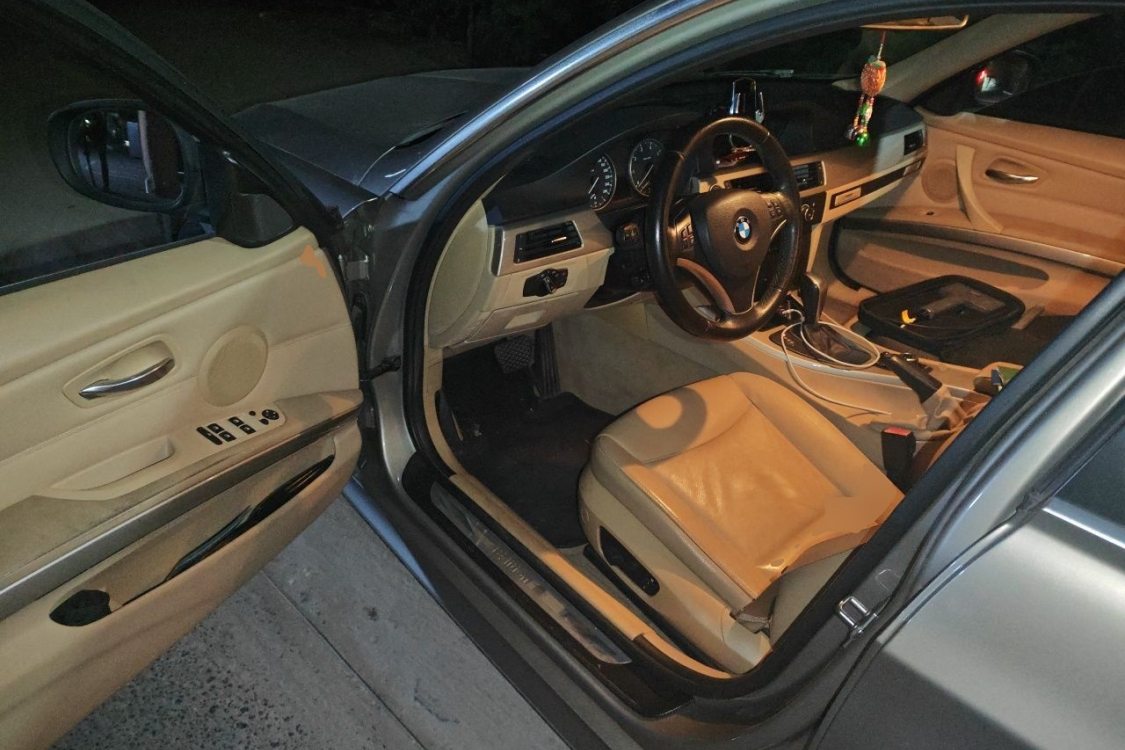
Localized body damage or repair marks present. No accident damage or repairs to structural or reinforcement components. Vehicle performance (including three-electric system) has degraded or is limited.

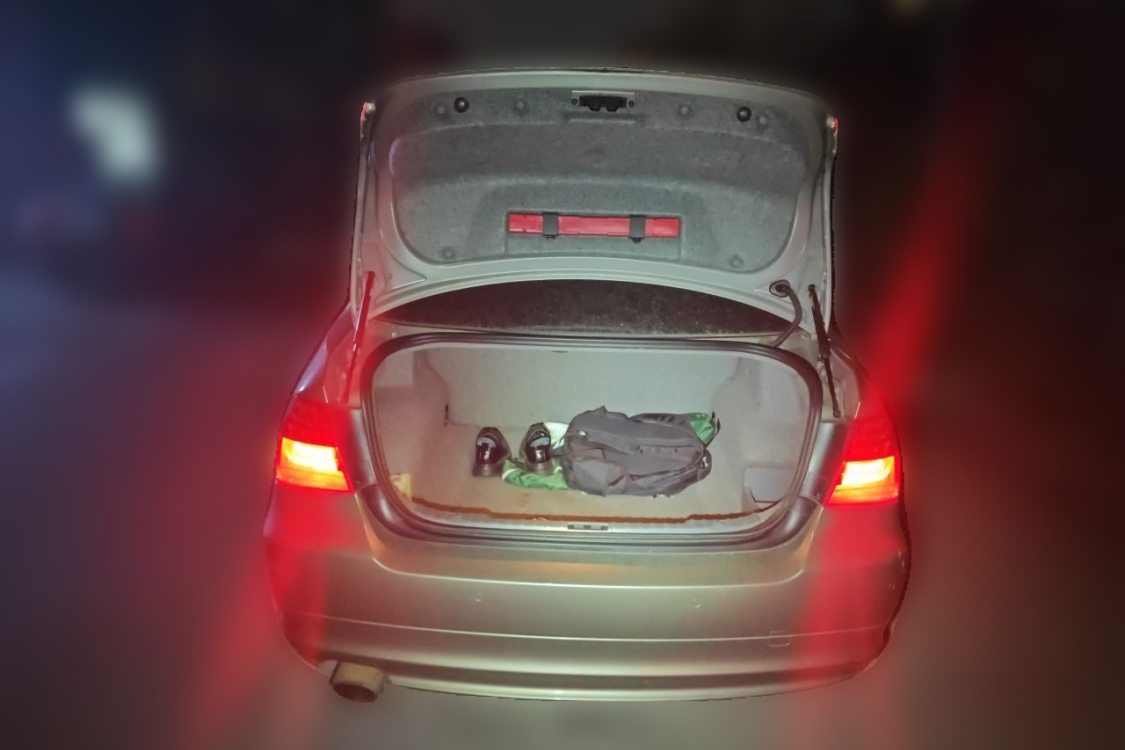
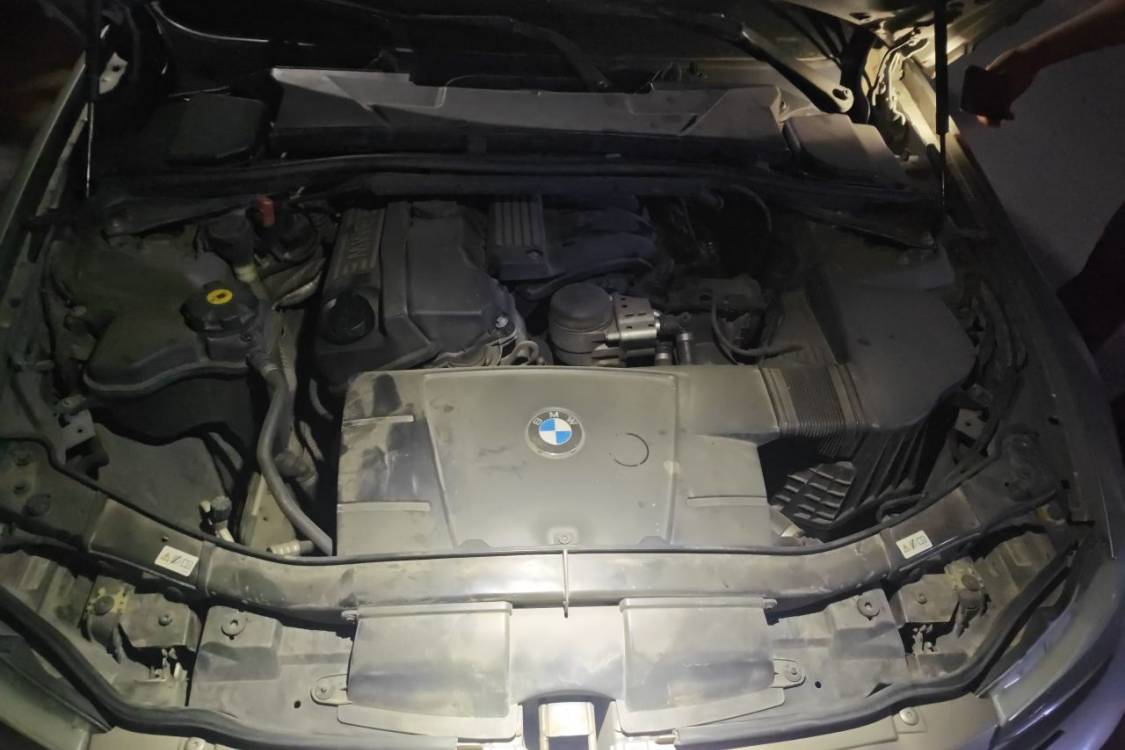
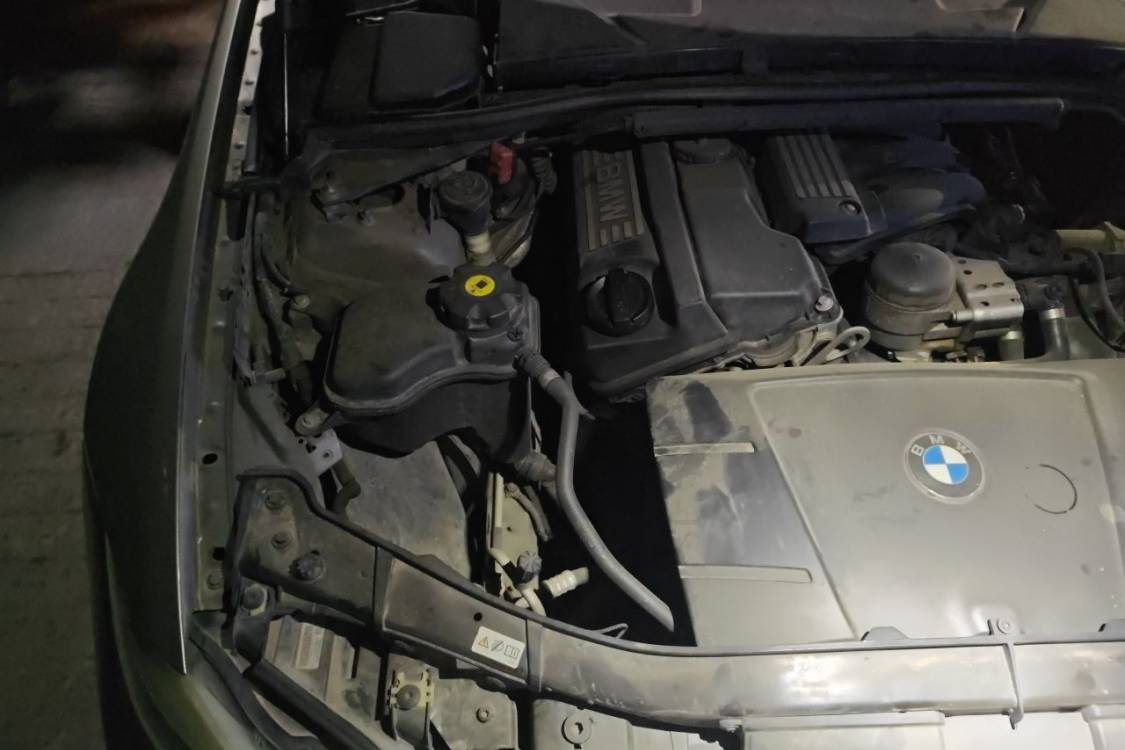
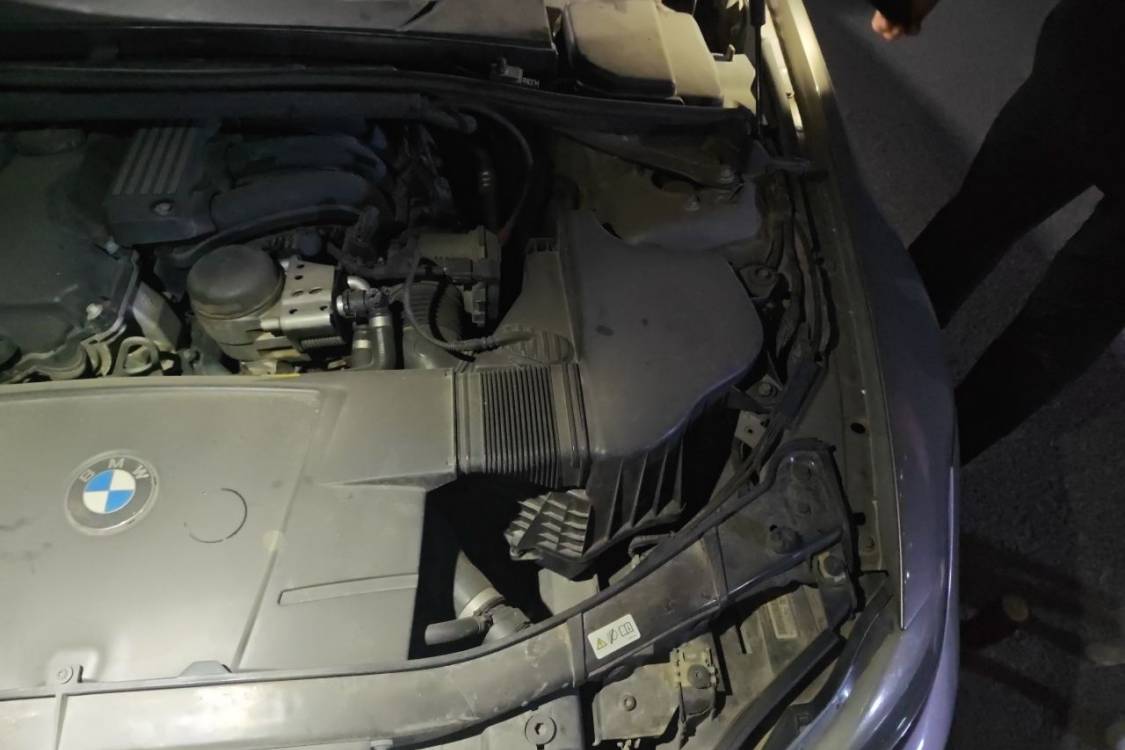
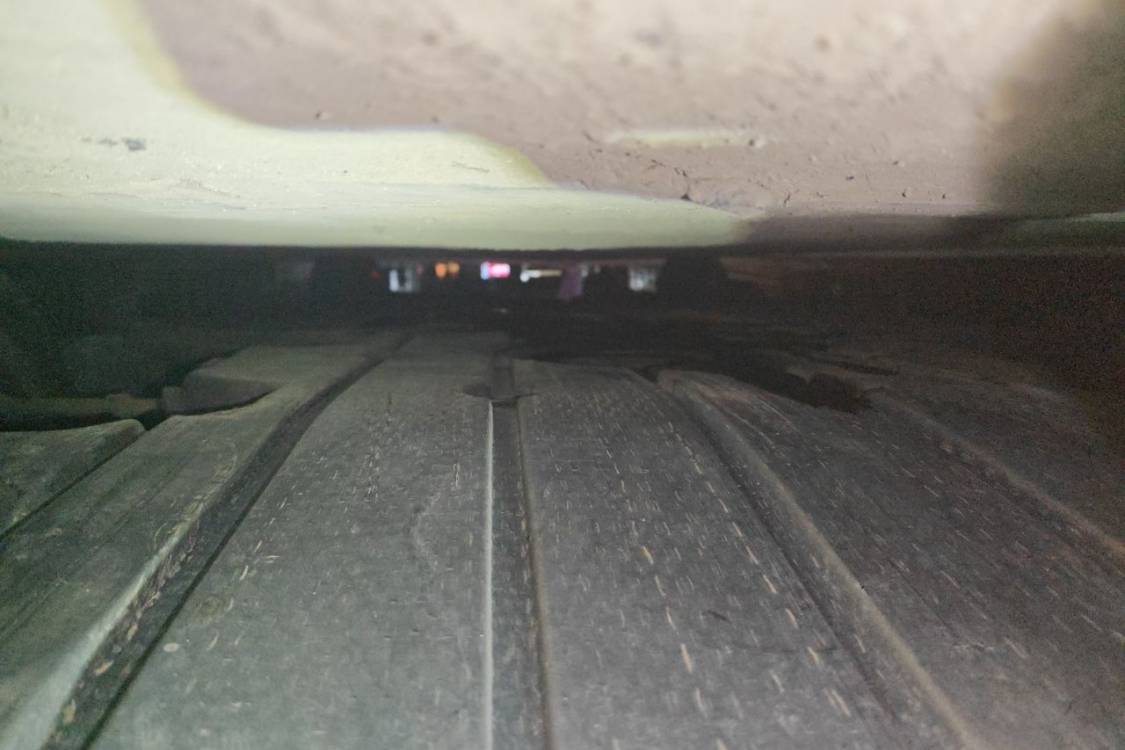
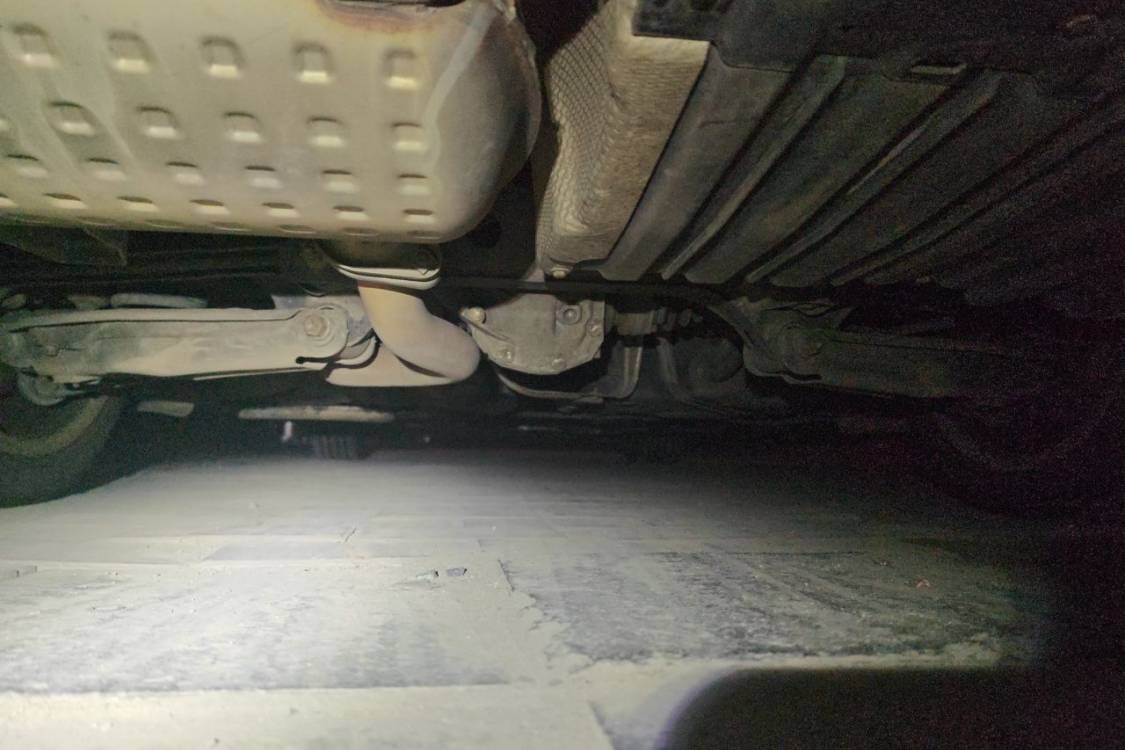
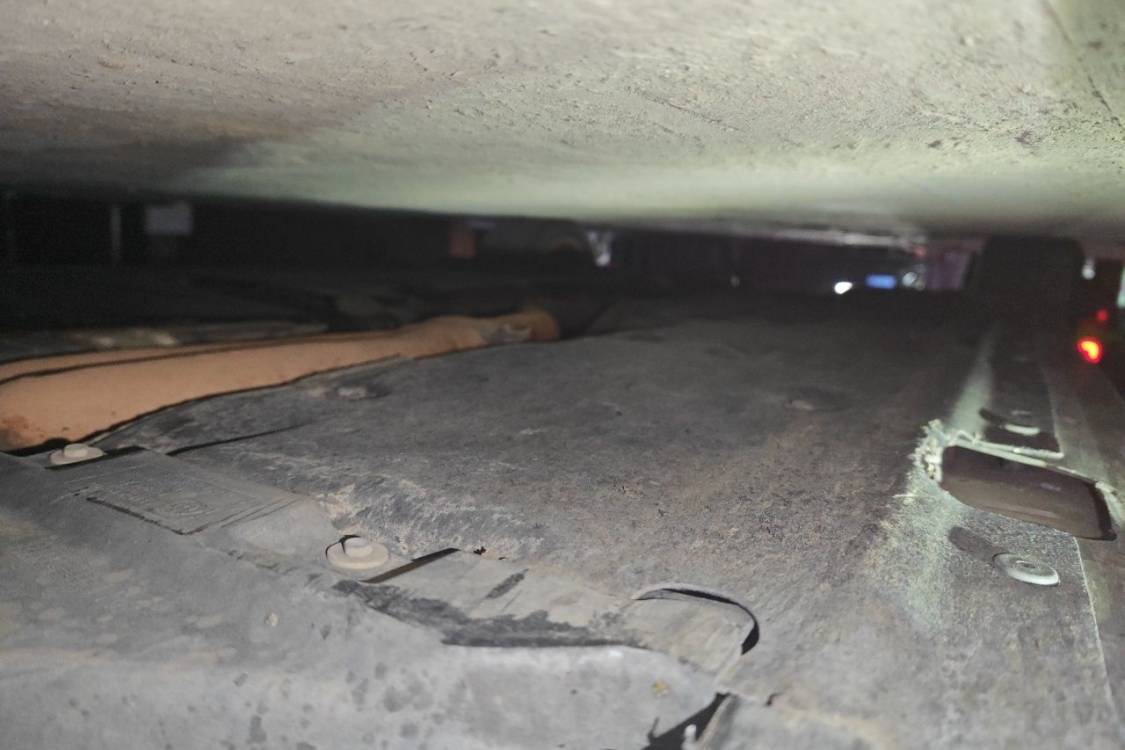
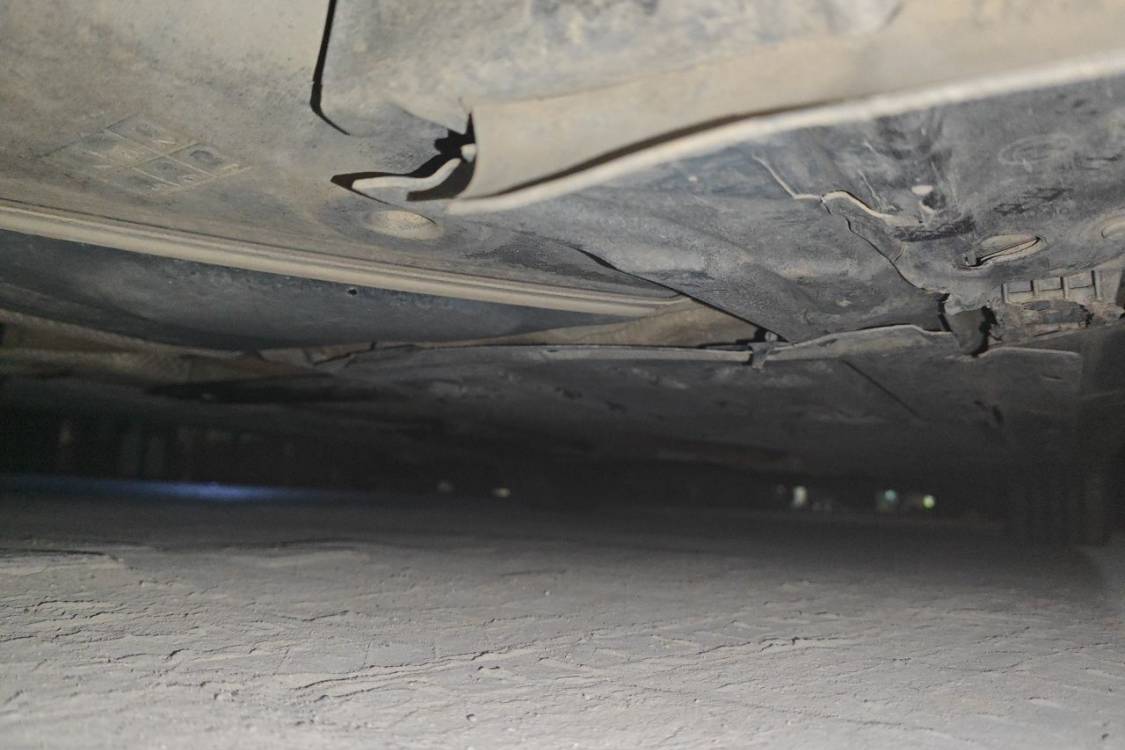
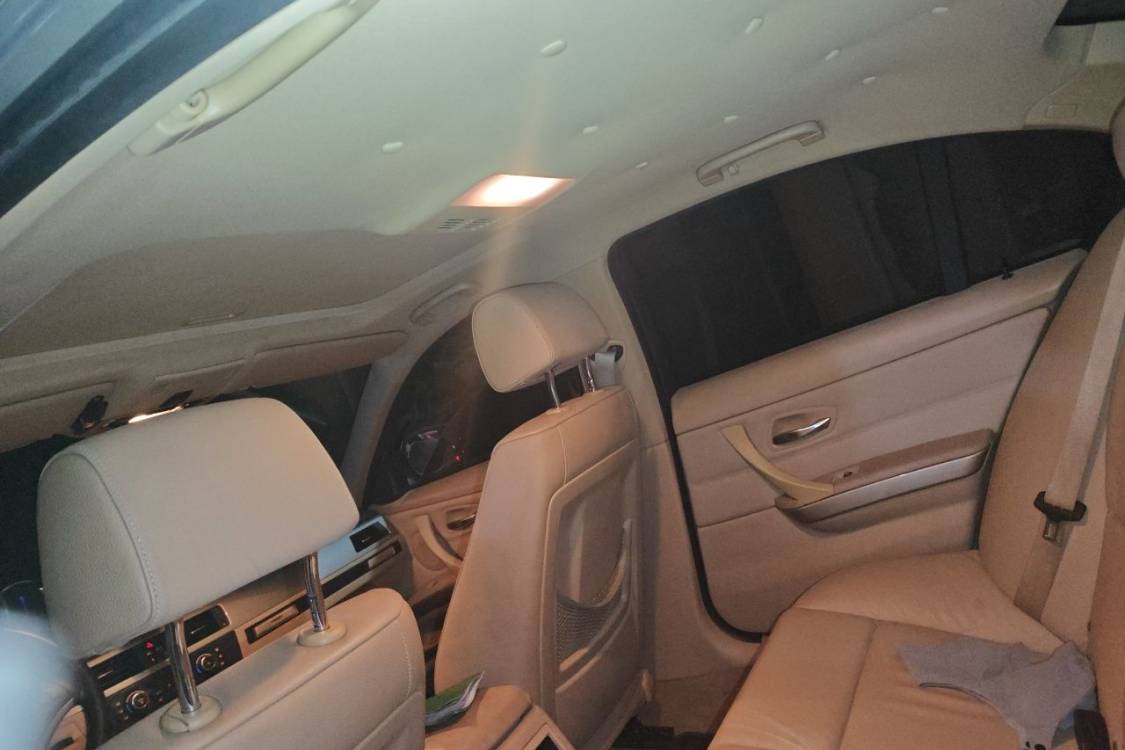
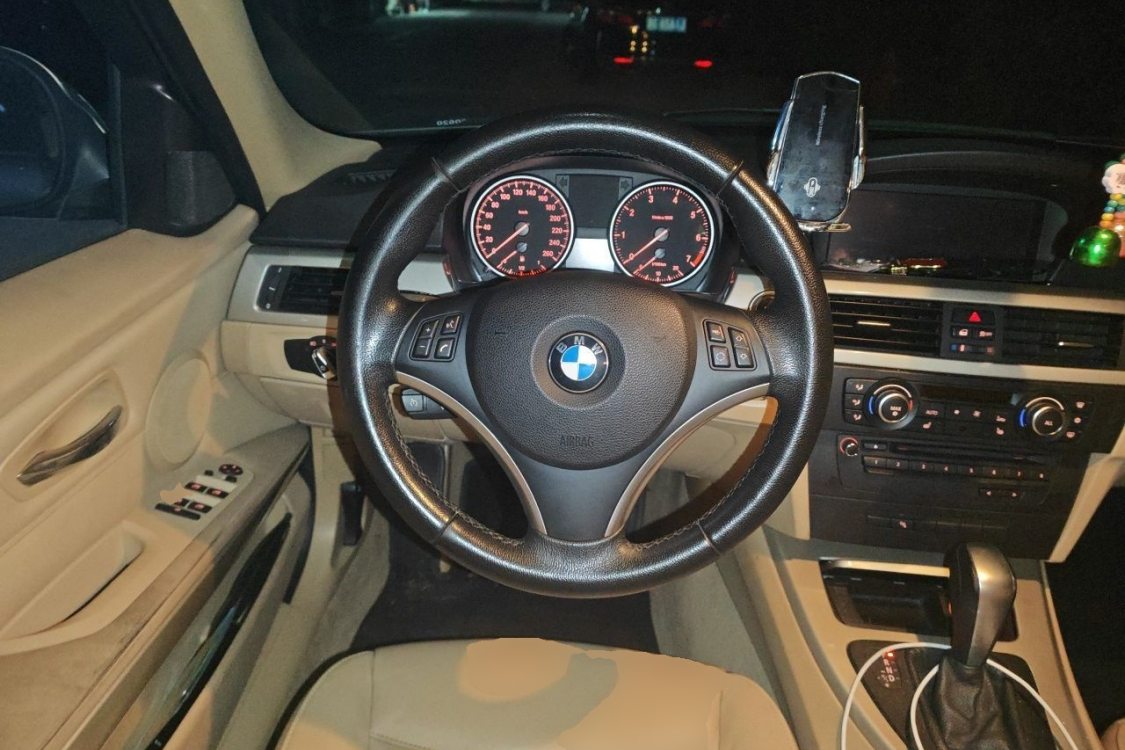
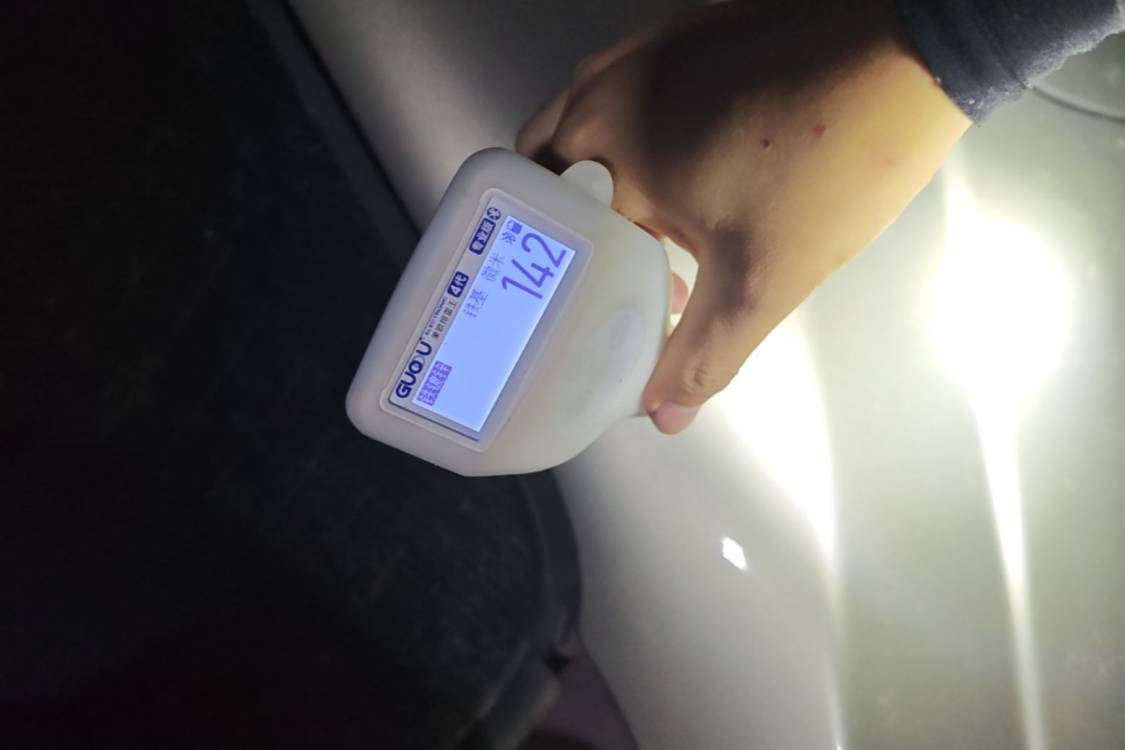
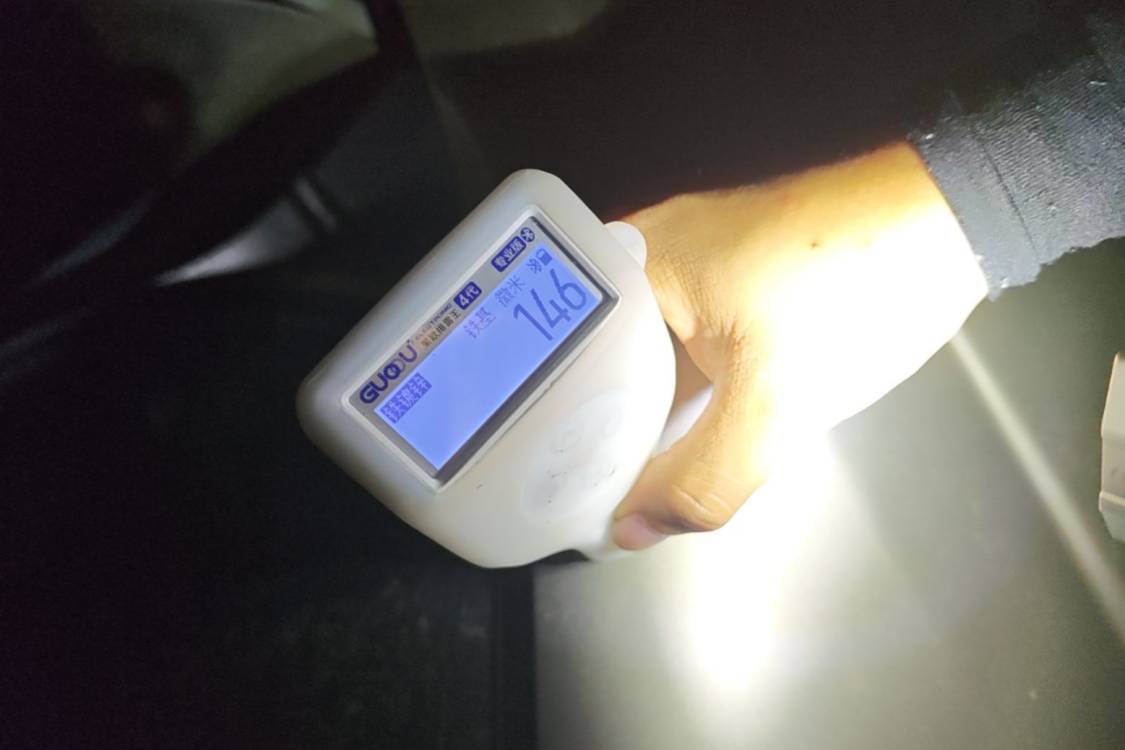
Accident inspection: main structure undamaged, reinforcement parts undamaged, cover panels damaged, hinges normal. Engine bay inspection: valve cover gasket oil leak, engine cylinder head gasket oil leak, timing cover (chain) oil leak. Exterior: 2 areas repainted. Interior: headliner falling, most features normal, airbag system normal, lighting system normal. Startup inspection: major components normal. Tool kit: missing.

电话直连
可讲价
平台物流
可转售
车主降价
新检测标准升级>
非泡水

Document Information

Inspection Expiry Date2026/12
Warranty Expiry Date-
Insurance Expiry Date2027/01

Q&A

More

What should the inspector check during a cold start test of the engine?

A cold start reveals problems that a warm engine hides. Ask your inspection agent to perform and film this sequence. First, the start itself: the engine should crank smoothly and settle into a stable idle within a few seconds. Extended cranking, blue or white smoke, or a lumpy idle suggest worn internals or head-gasket issues. Second, listen for timing-chain rattle or metallic tapping in the first ten seconds — cold top-end noise often means deferred maintenance. Third, watch the exhaust on a cold morning: brief white vapor is normal in winter, but persistent blue smoke means oil burning, and sweet-smelling white smoke can indicate coolant leaking into the cylinders. Fourth, have the inspector scan the OBD system right after the cold start; misfire counters and fuel-trim values are most honest when the engine is cold. Ask for a continuous, timestamped video from outside the car before startup through at least five minutes of idling, so you can verify the engine really was cold.


Should I choose RoRo or container shipping when importing a used car from China, and what does marine insurance actually cover?

RoRo (roll-on/roll-off) is cheaper and faster for a single car—you drive it onto the vessel and it is secured on the car deck. Container shipping costs more but offers better protection from weather, salt air, and handling damage, and allows you to load spare parts inside the car. Marine insurance is essential either way. Standard cover protects total loss and major damage, but read the exclusions: many policies do not cover pre-existing mechanical faults, cosmetic scratches below a deductible, or damage caused by improper securing (lashings). Ask for ICC(A) or All Risks coverage rather than basic total-loss-only policies. Practical tips: 1. Photograph and video the car thoroughly at loading, with the VIN visible 2. Note existing scratches on the bill of lading 3. Inspect immediately at destination—claims windows are often 3-7 days 4. For EVs, declare the battery; some insurers charge a supplement or exclude battery damage altogether

Do you provide English versions of official repair manuals or circuit diagrams for used cars from Chinese brands?

Mainstream Chinese automakers rarely publish official English versions of their underlying circuit diagrams. We can provide some models' original Chinese technical documents (PDF) for B2B clients, which you will need to translate for your local mechanics using translation software.

BMW 3 Series 2.0L 152 L4

[苏州.苏U]宝马3系 2012款 320i 豪华型

EXW: $3,939
Car CodeSWA1901591
Publish Date
