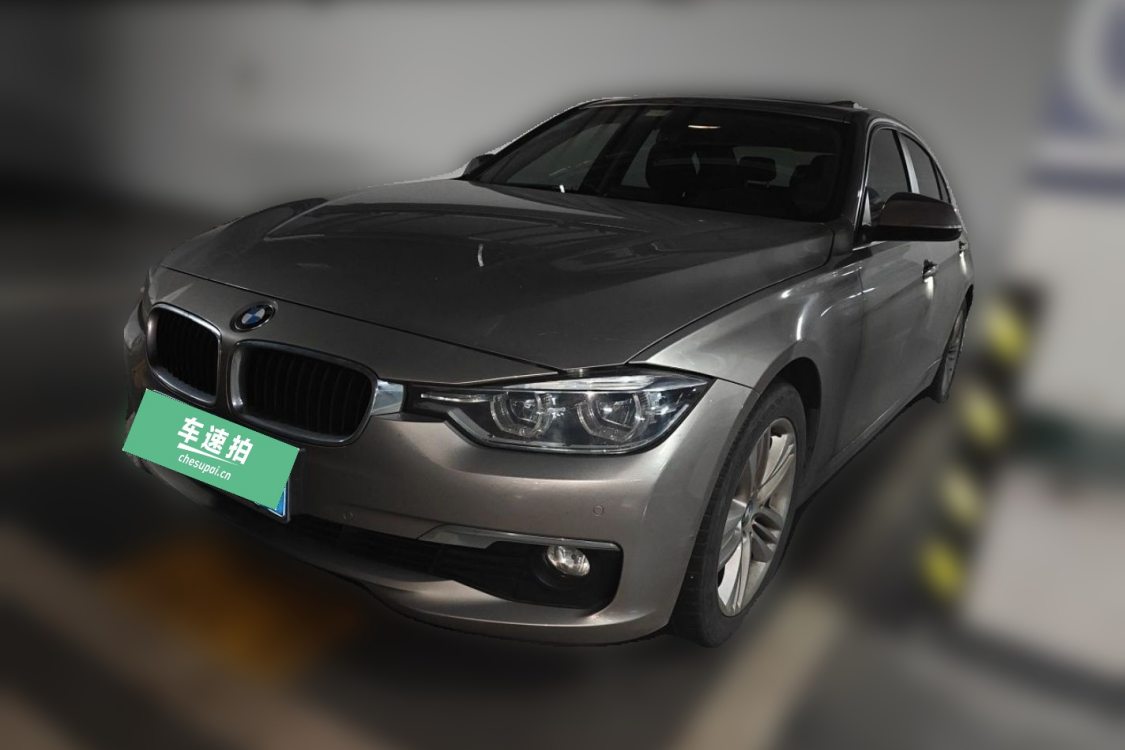
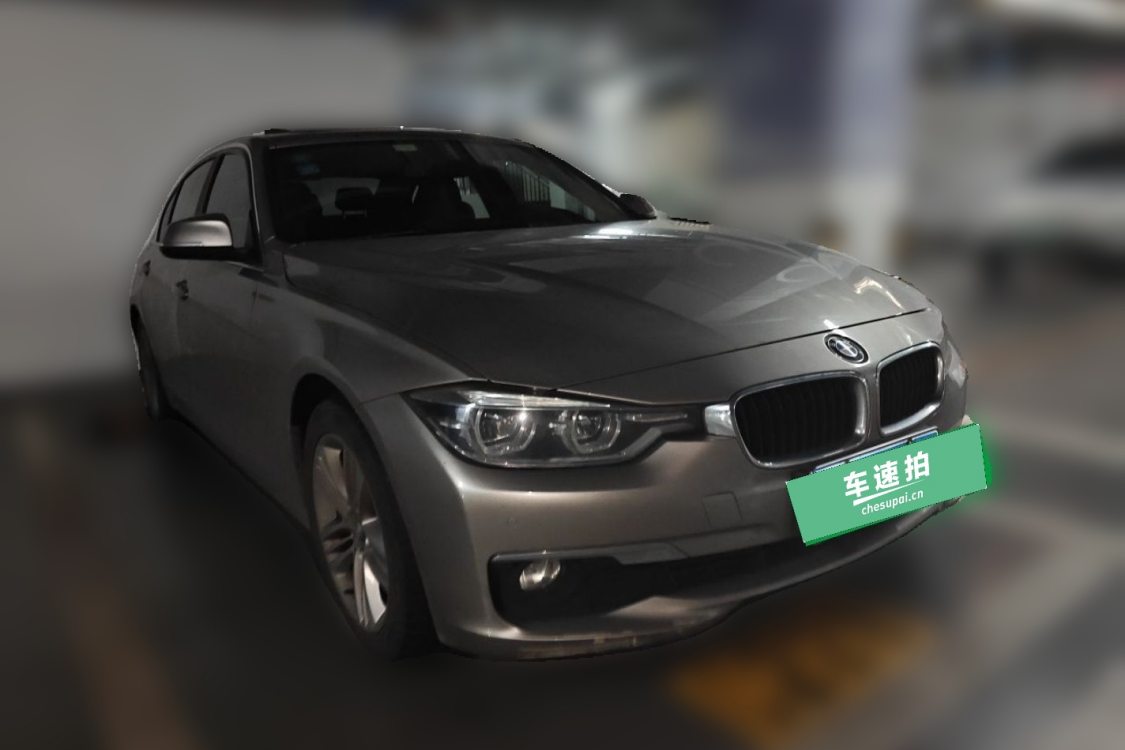
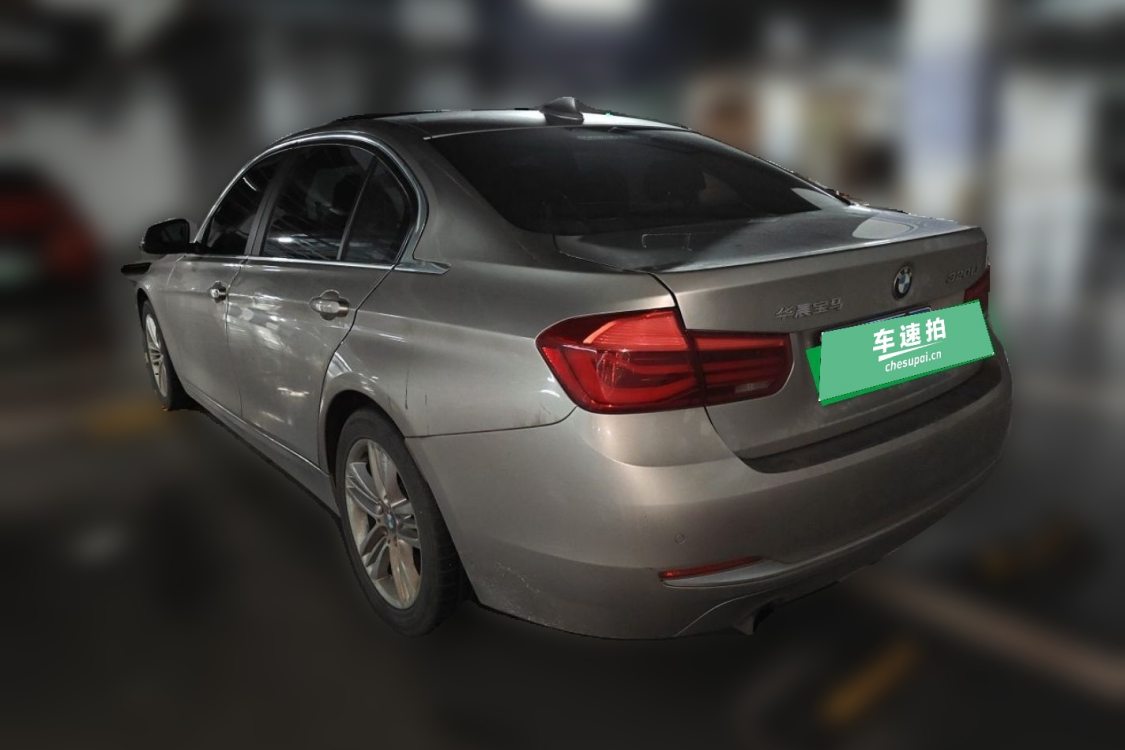
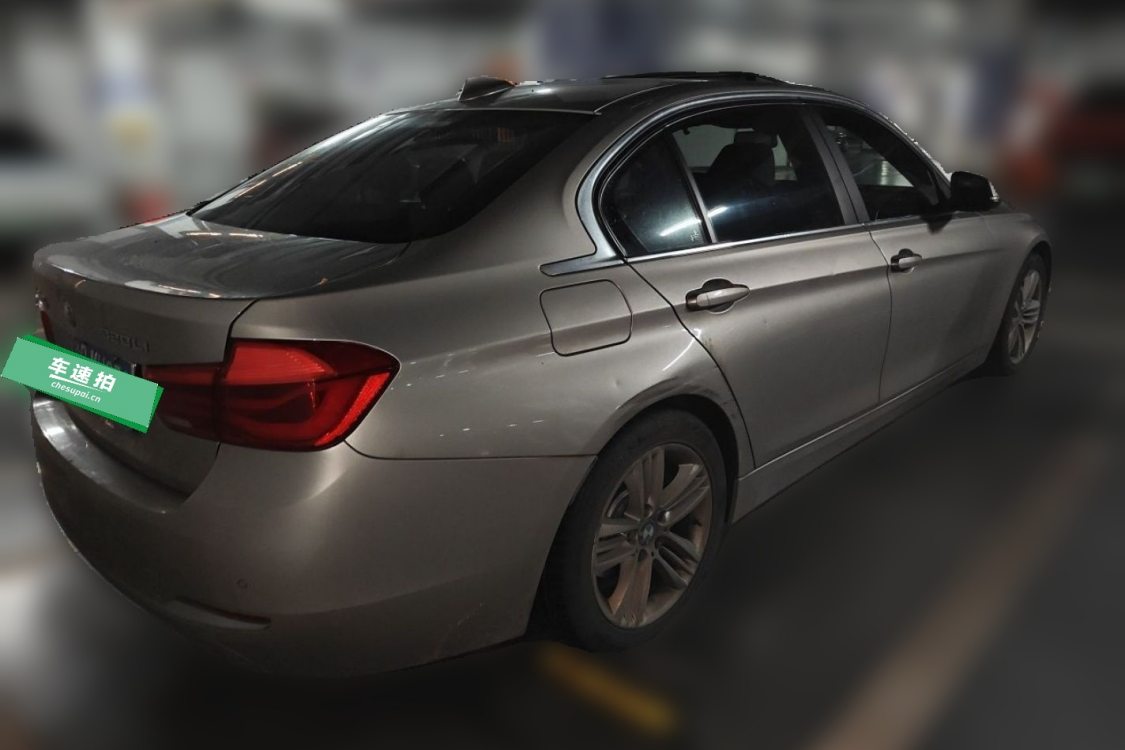
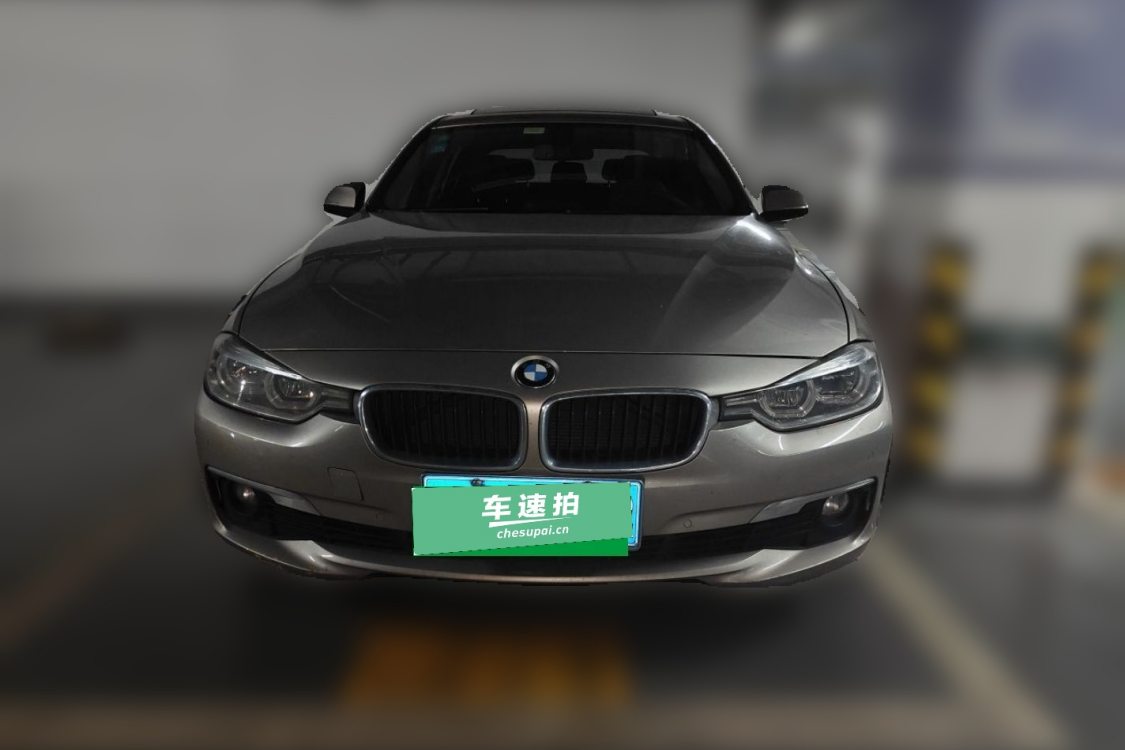
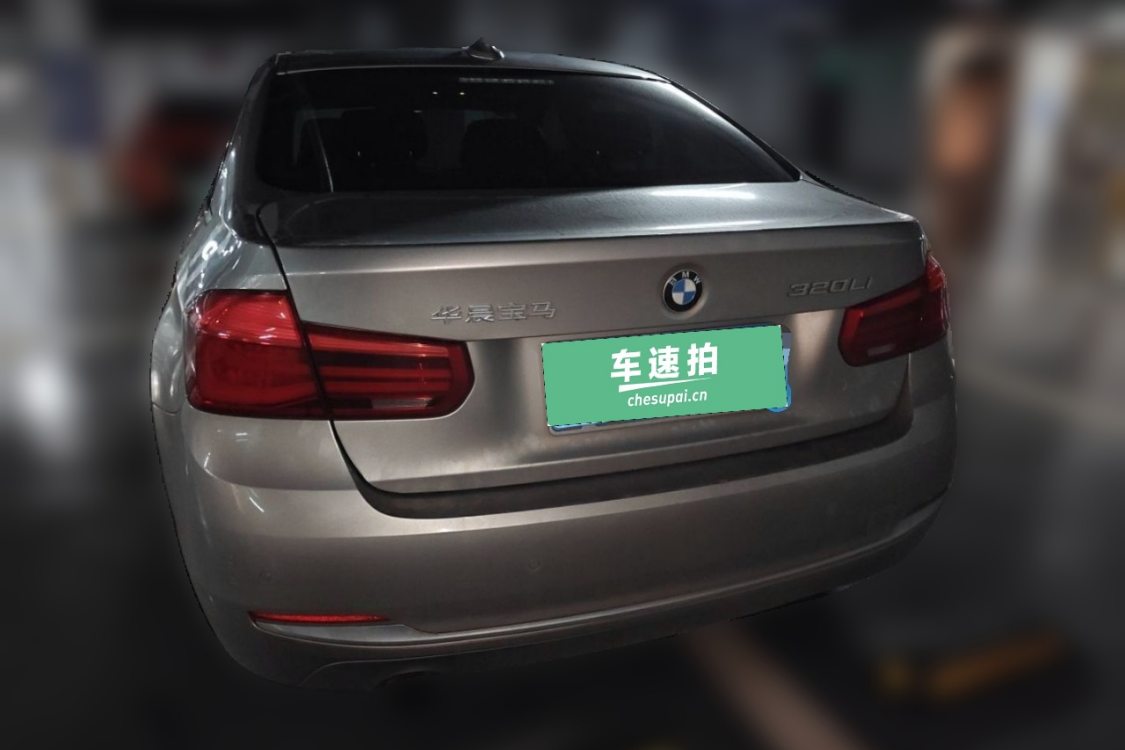
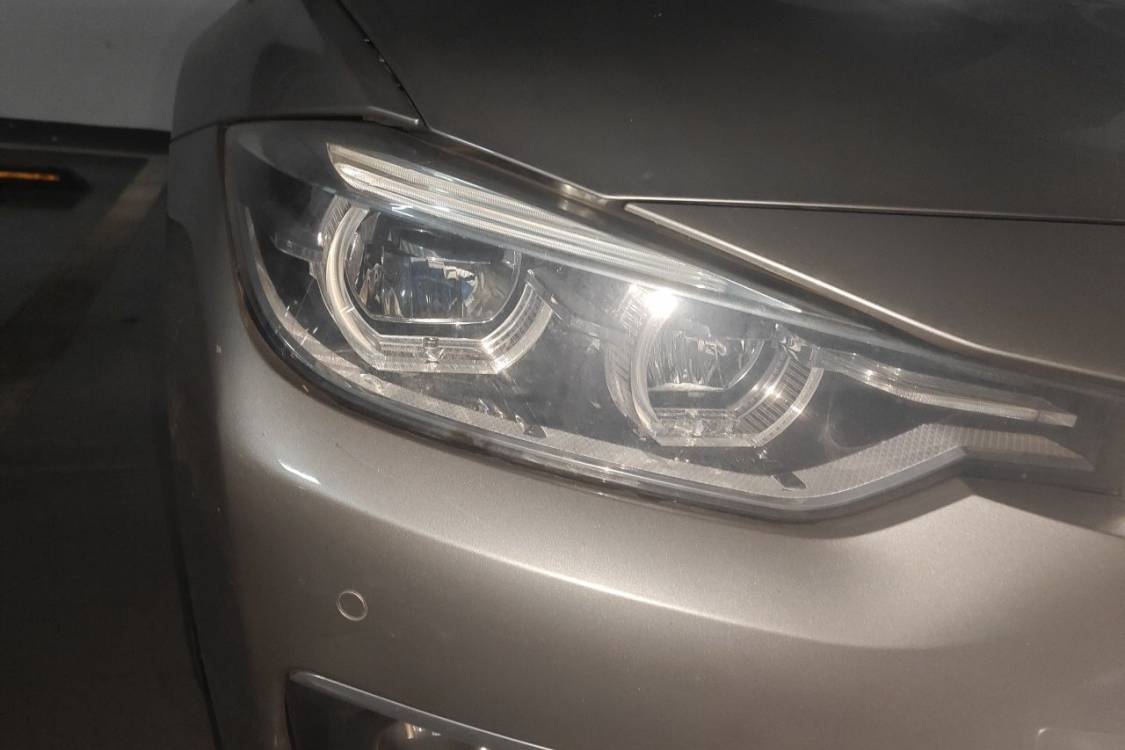
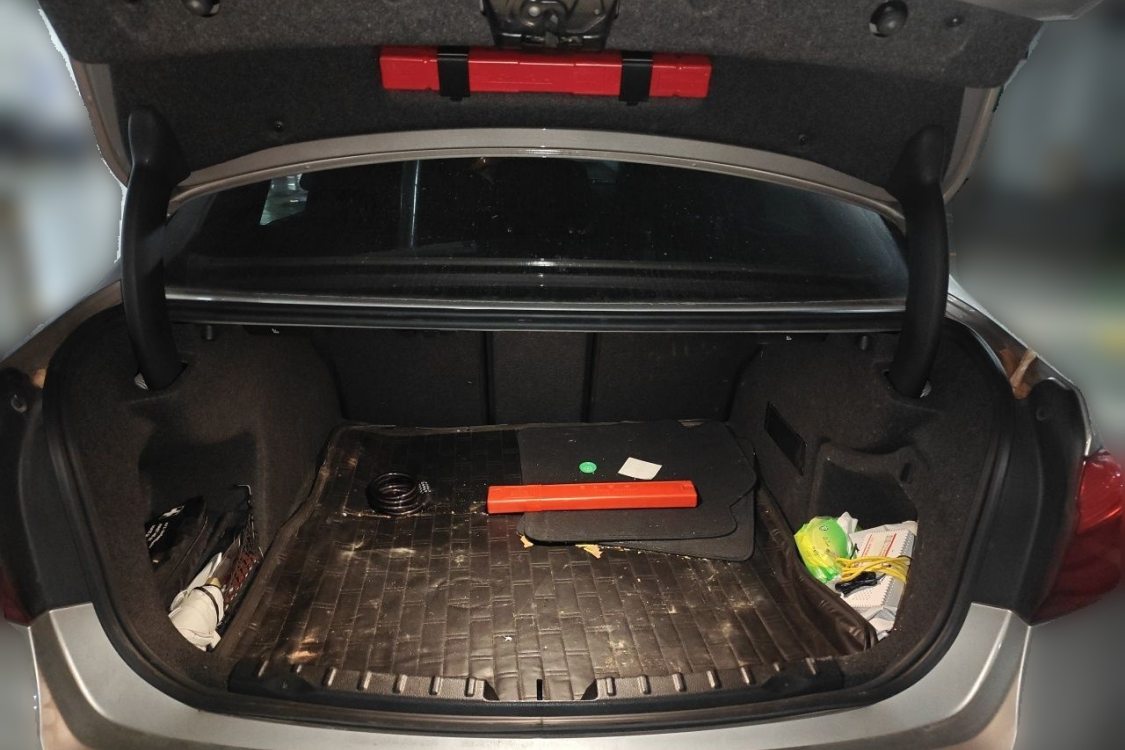



Basic Information

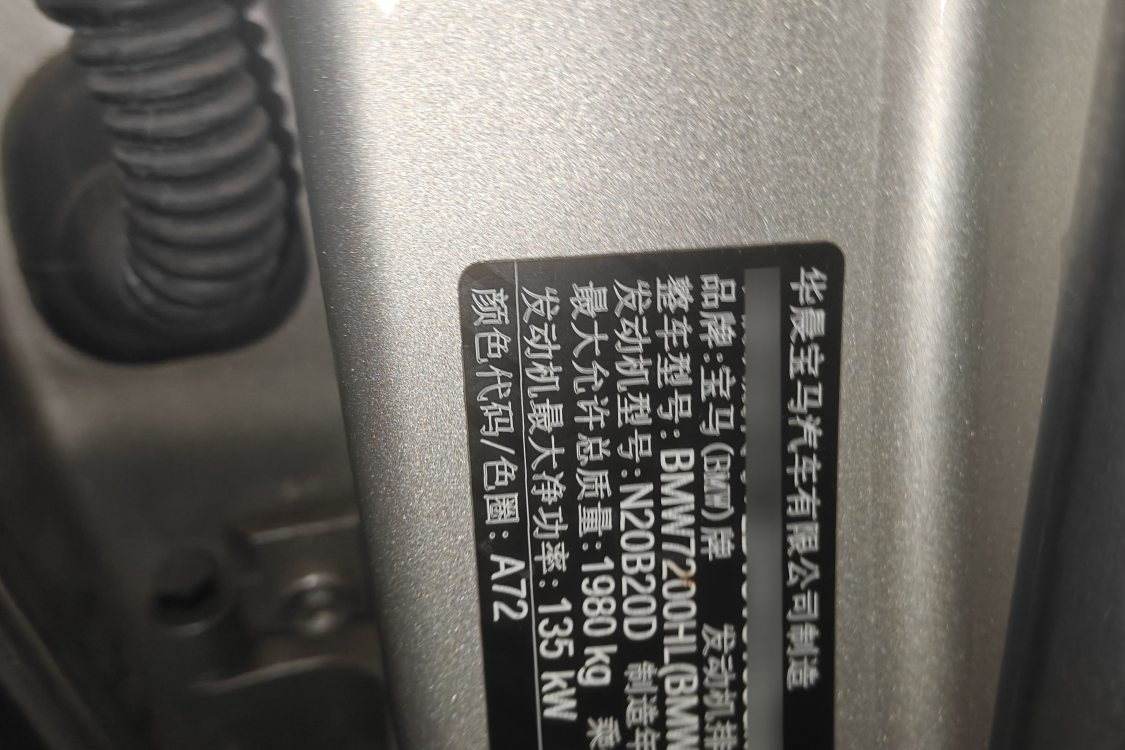
BrandBMW
Series3 Series
Year2016
First Registration2016/01
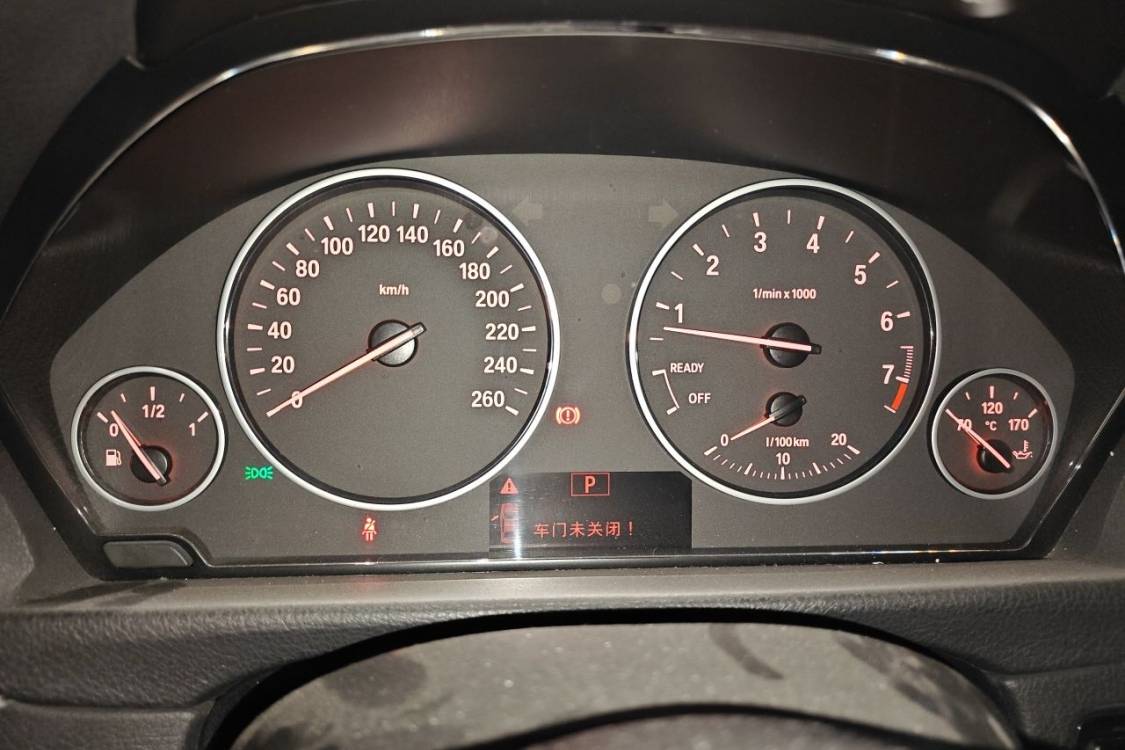
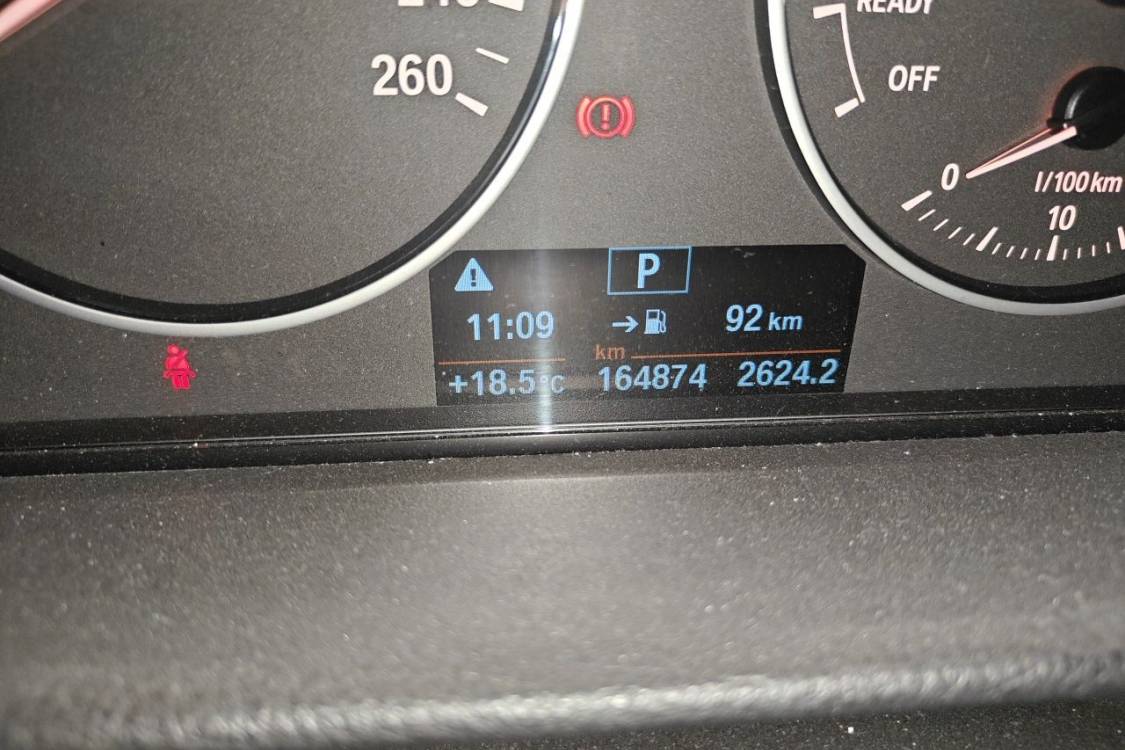
Mileage164,800km
Transfer Count-
FuelGasoline
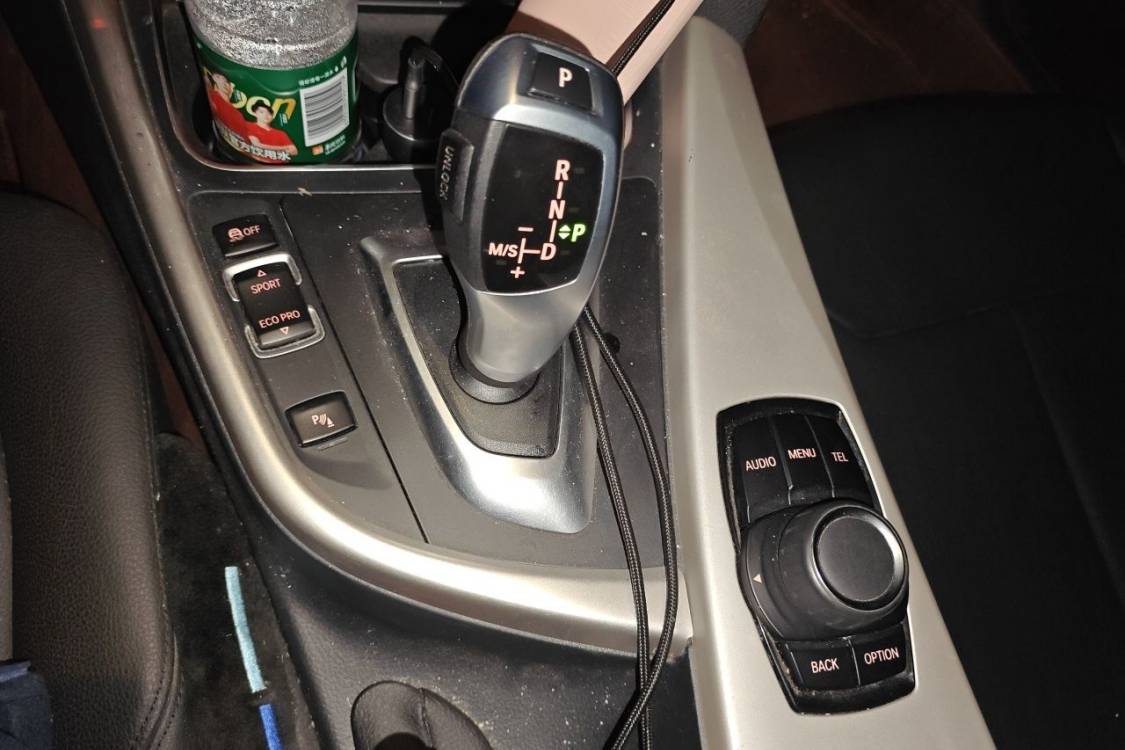
TransmissionManumatic
Engine2.0T 184 L4
ColorGrey
Seats-

Condition Description

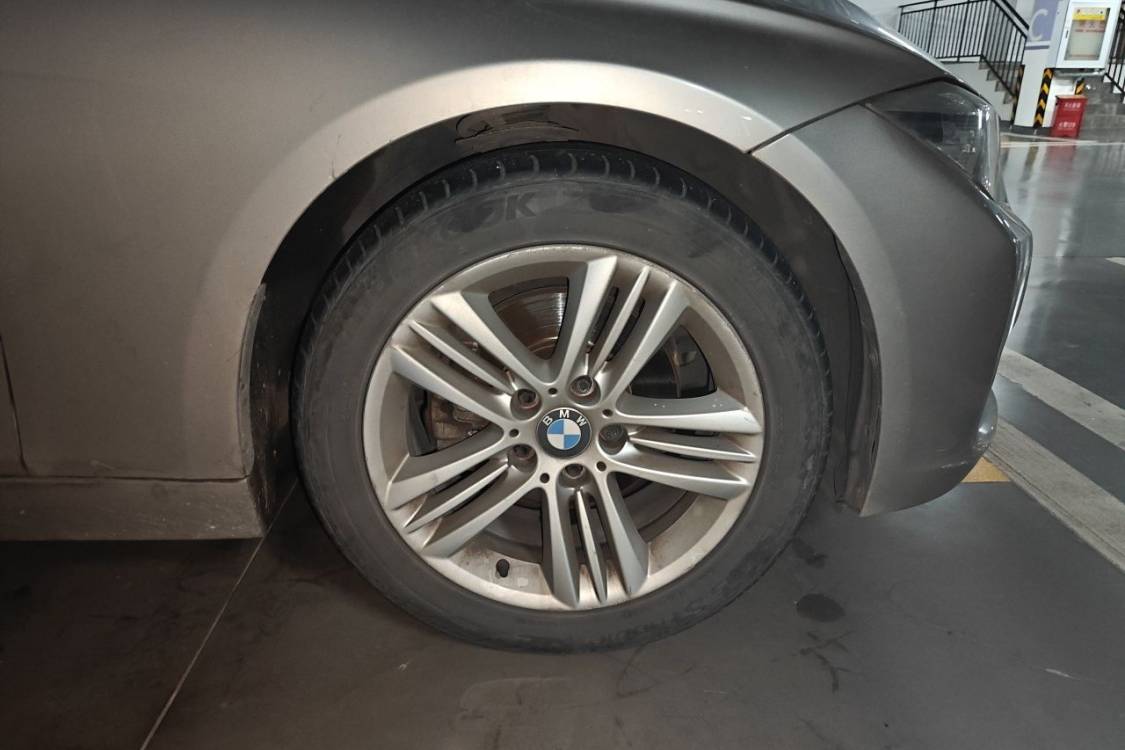
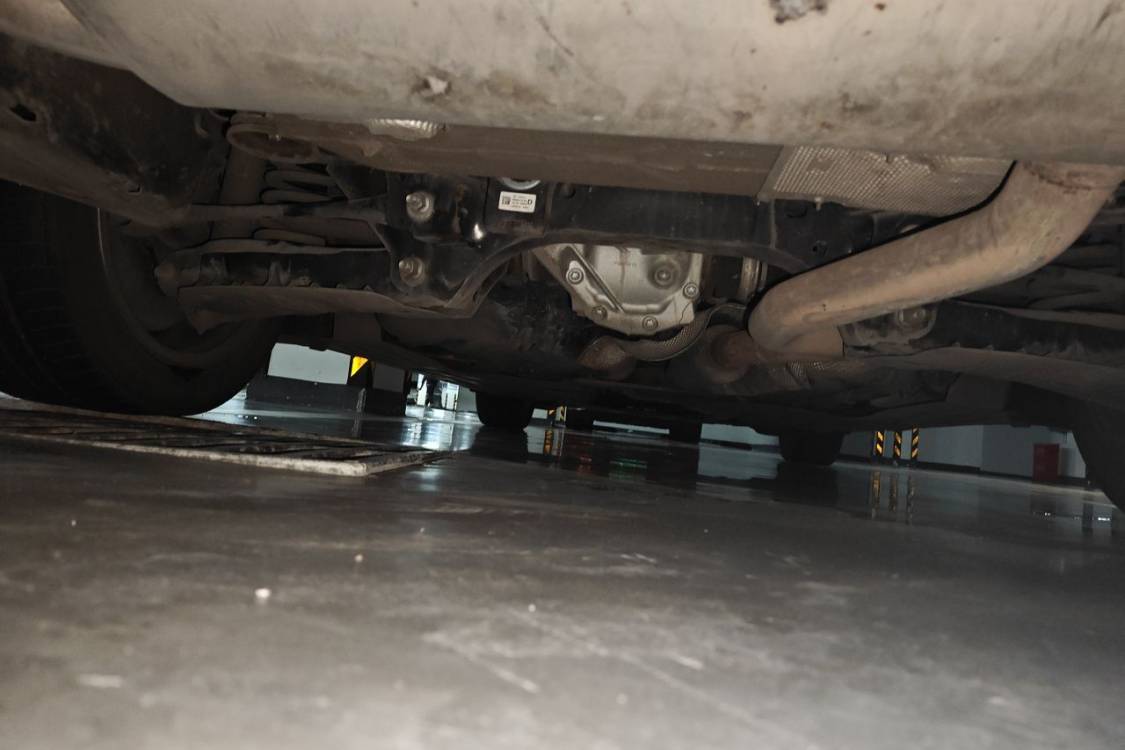
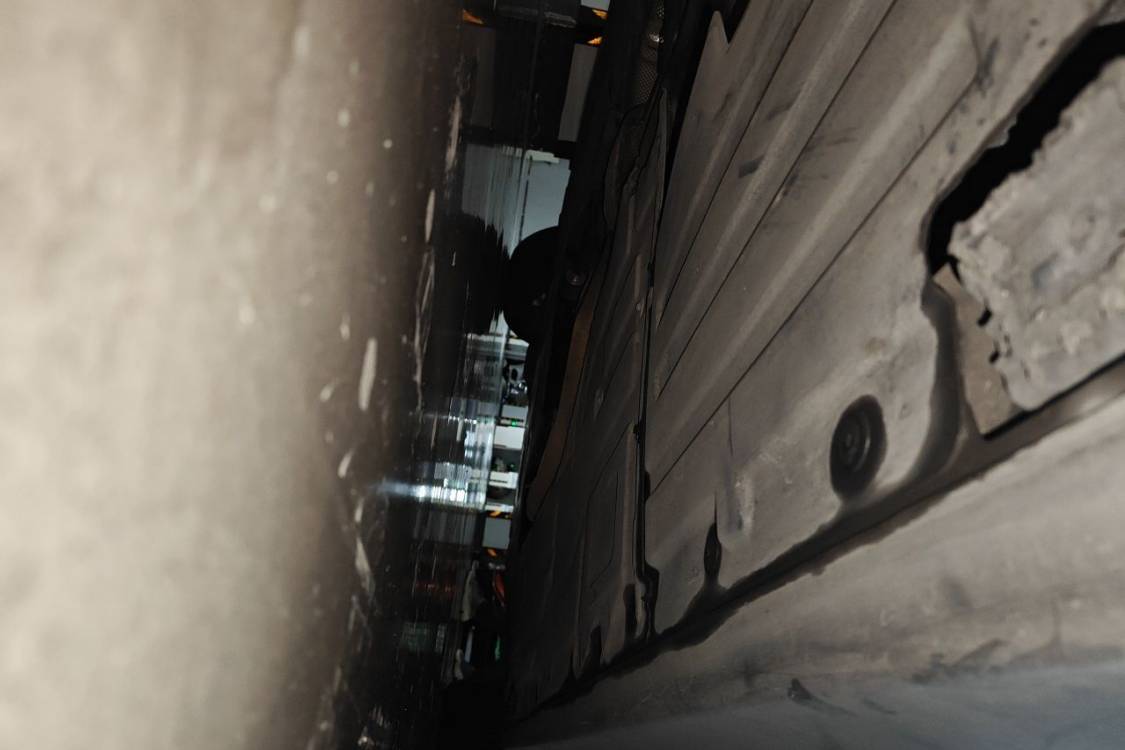
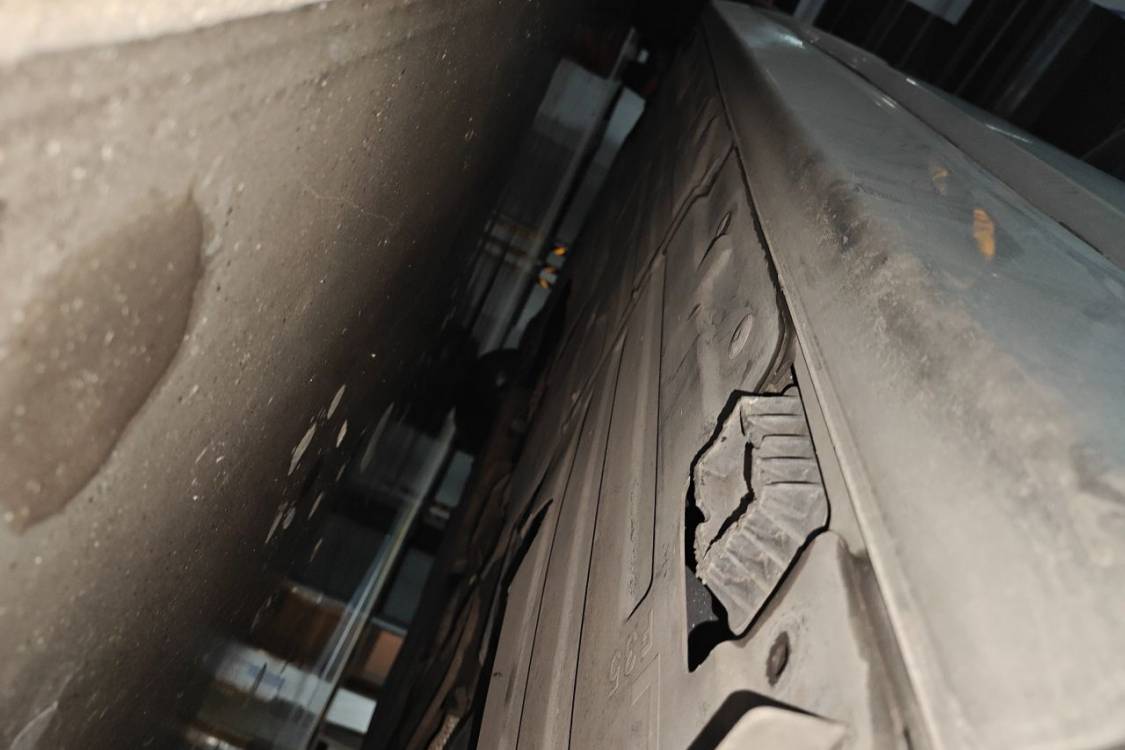
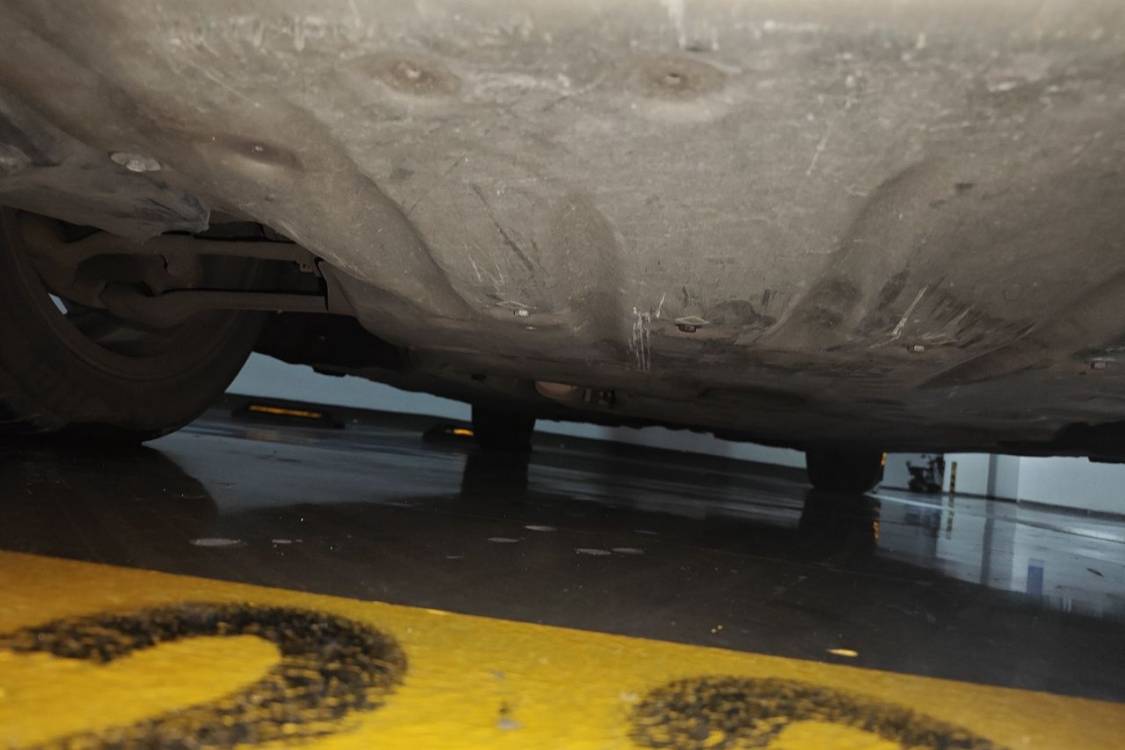
Localized body damage or repair marks present; structural and reinforcement components have no accident-related damage or repairs. Vehicle performance (including three-electric system) has degradation or limitations.

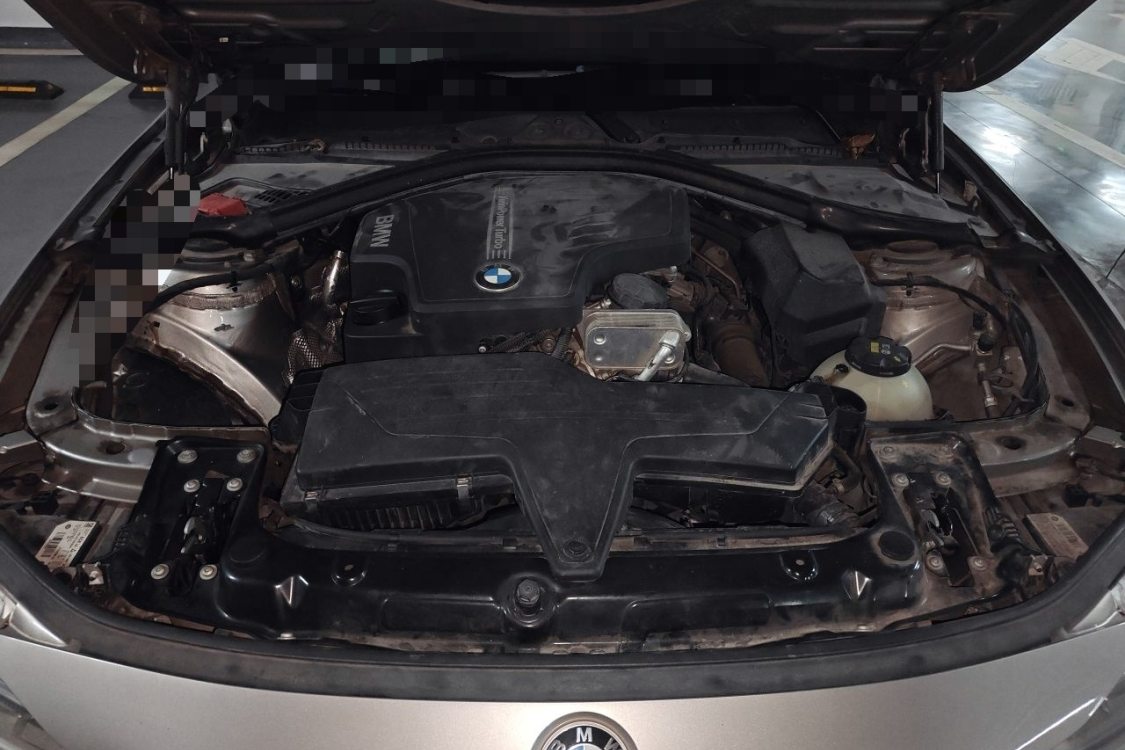
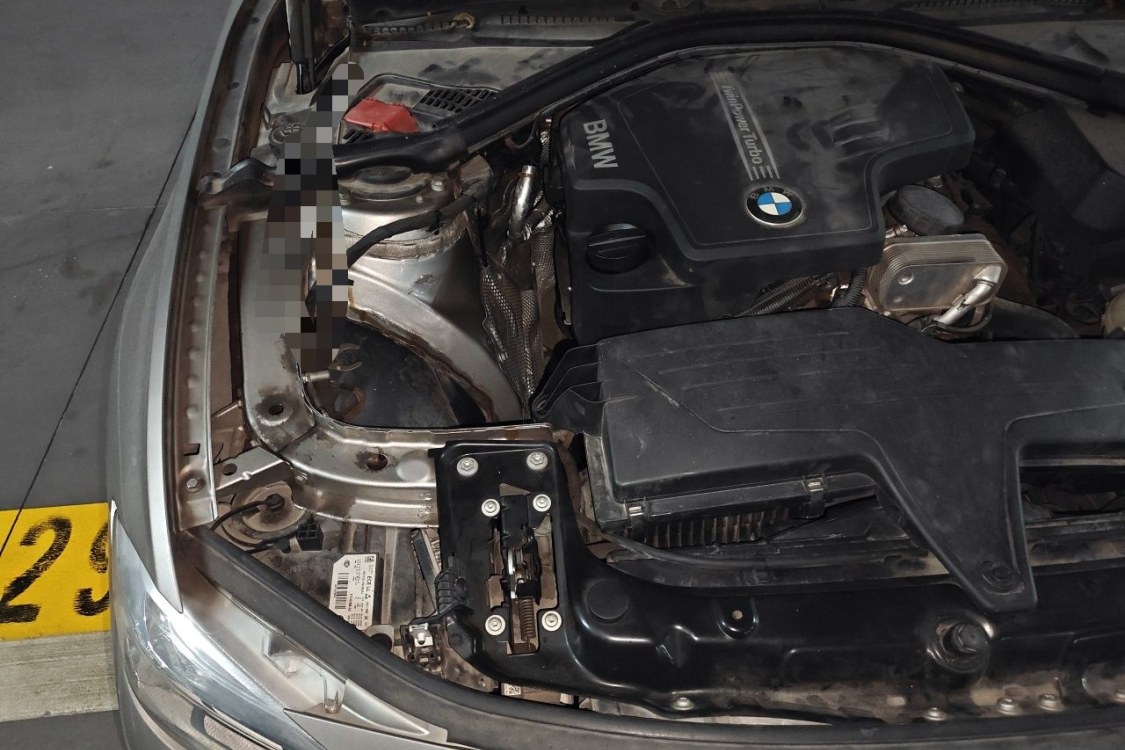
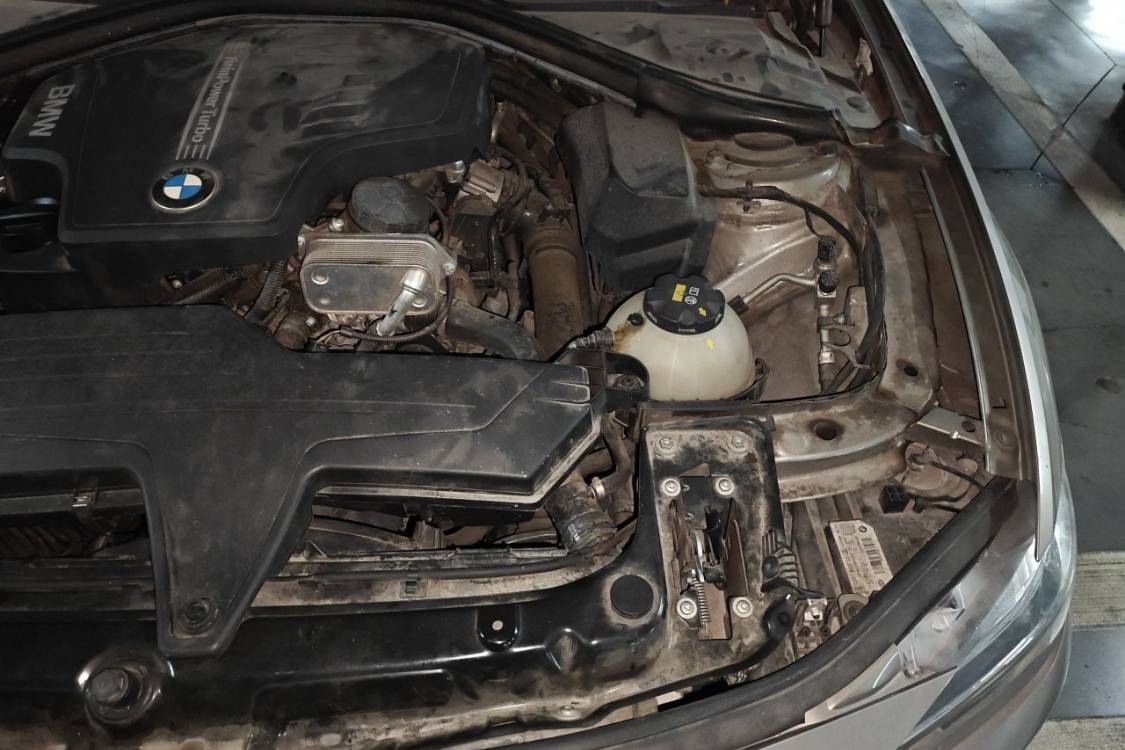
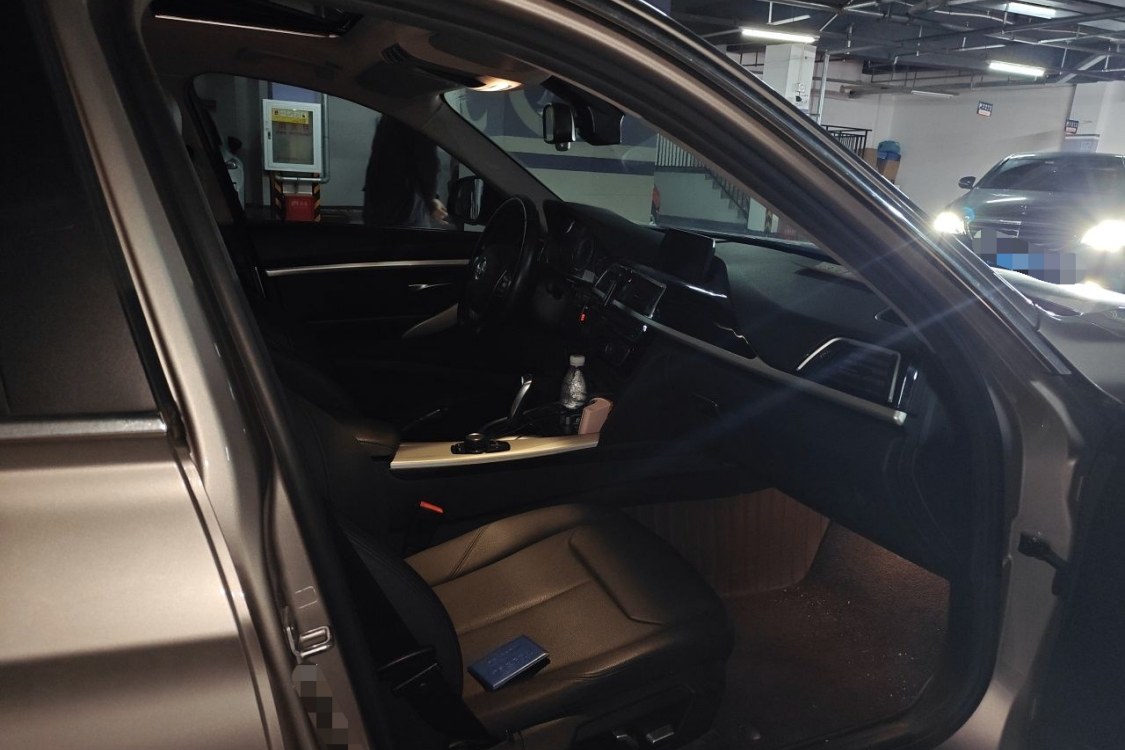
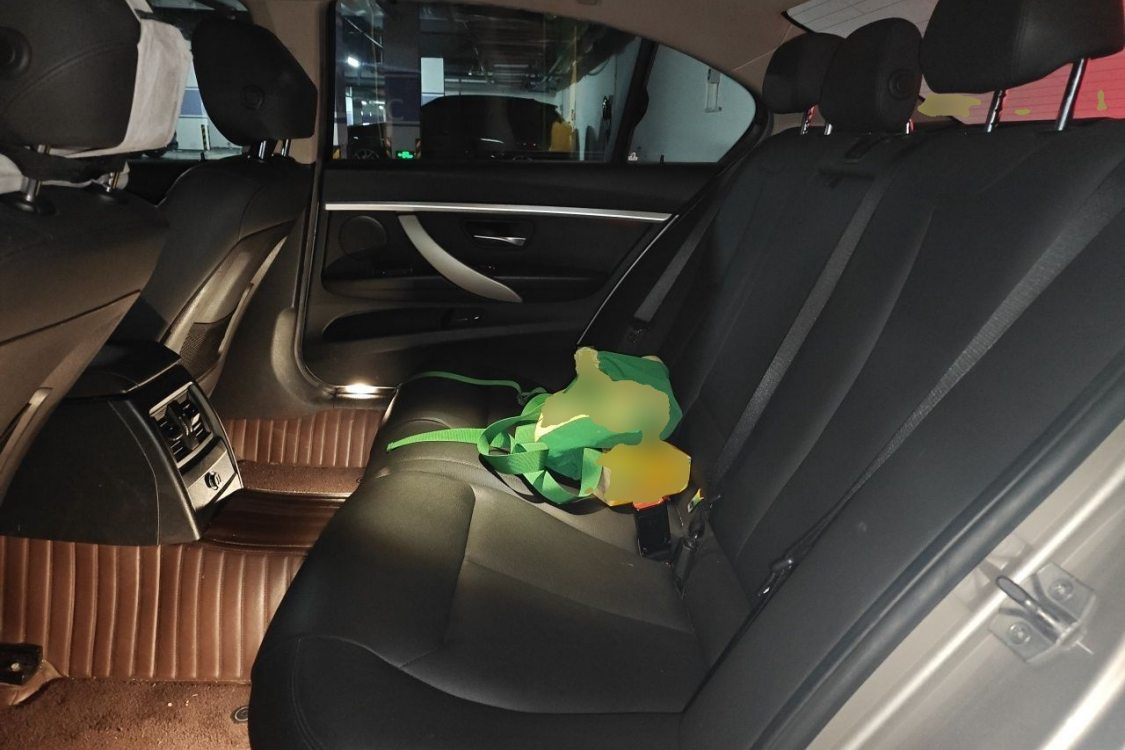
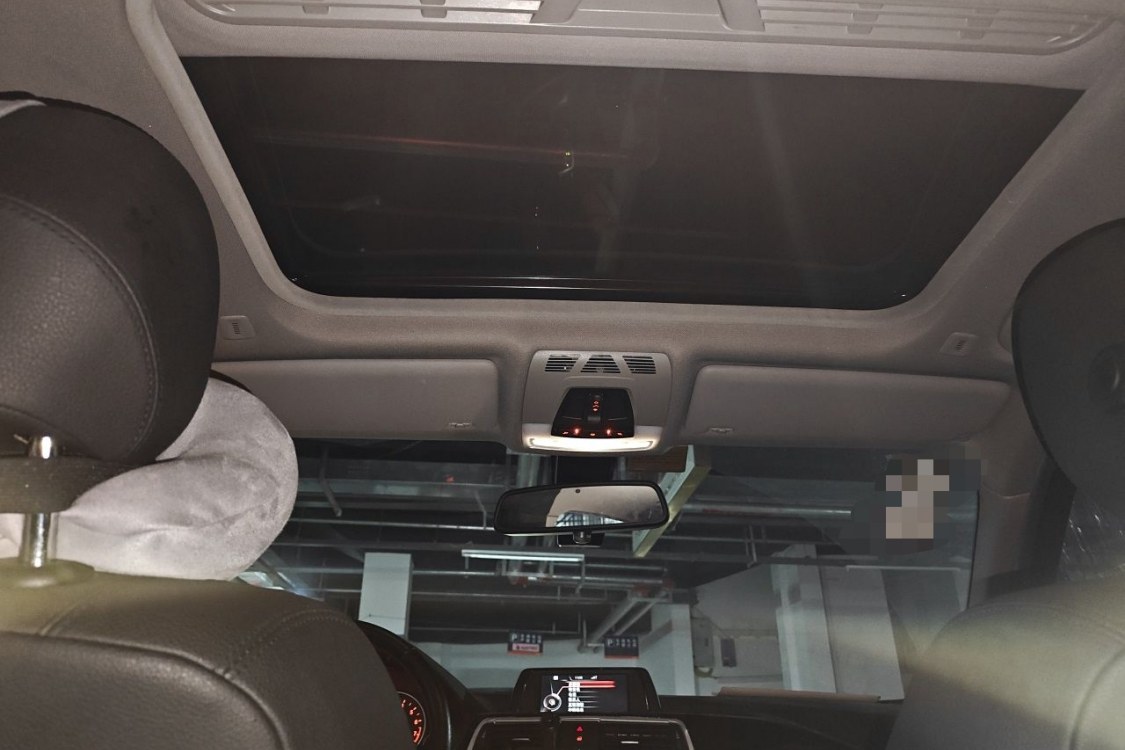
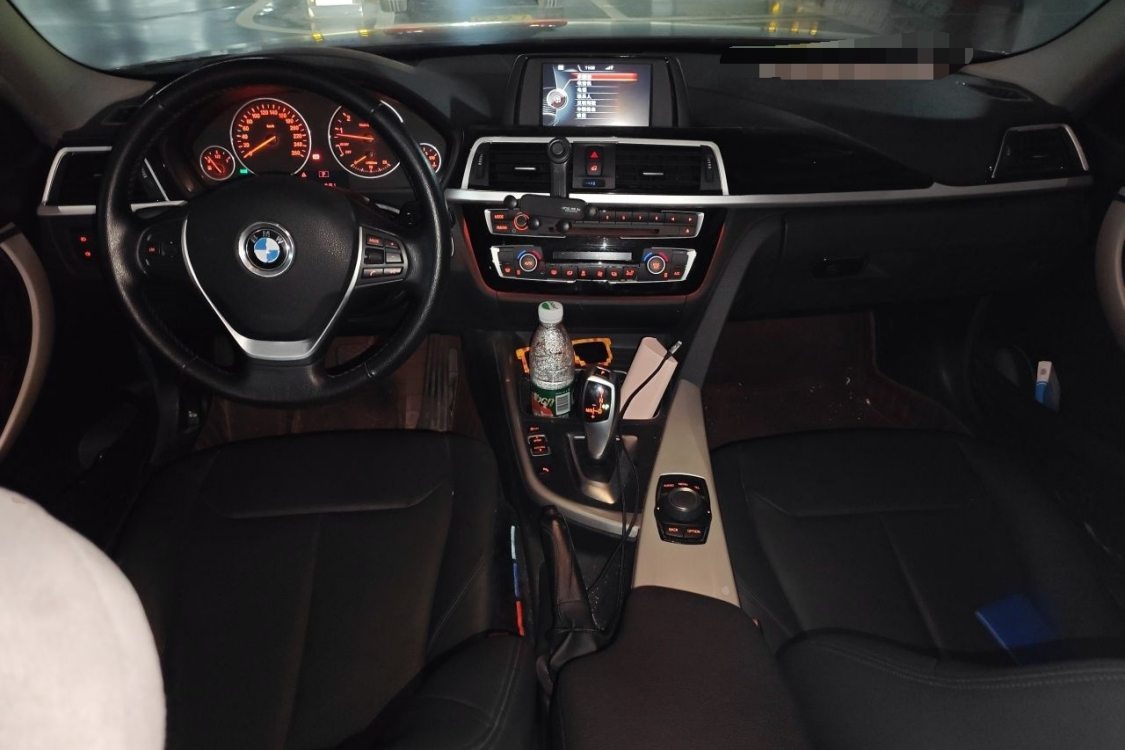
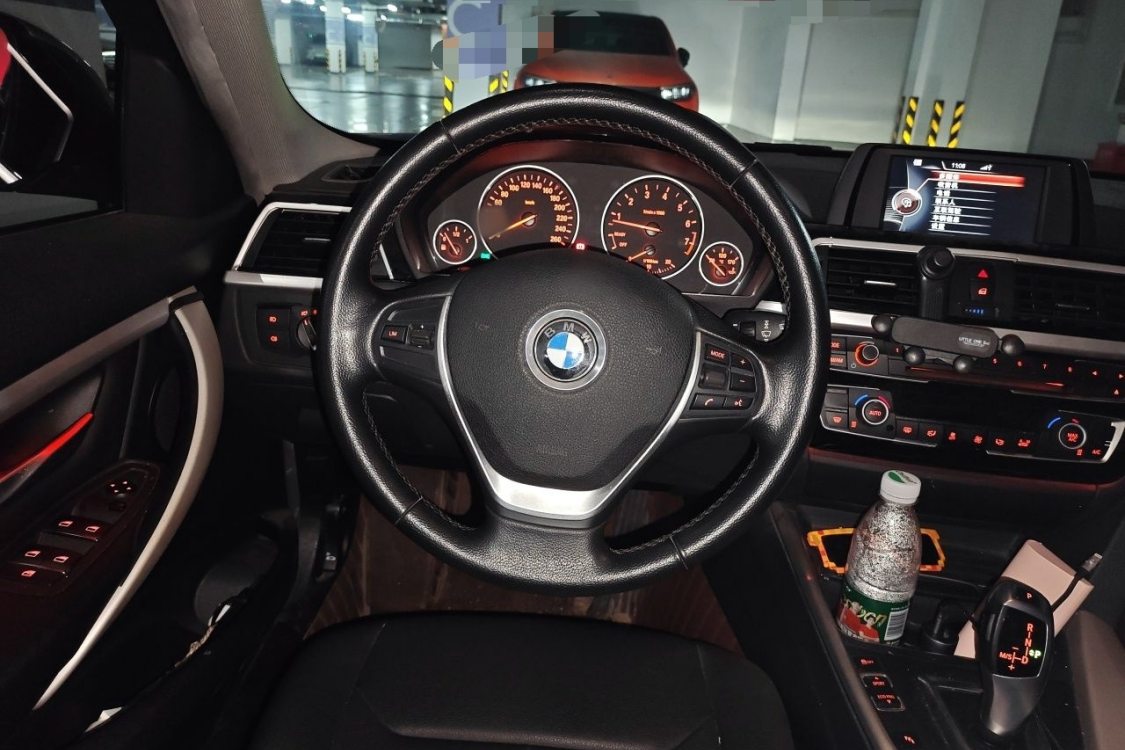
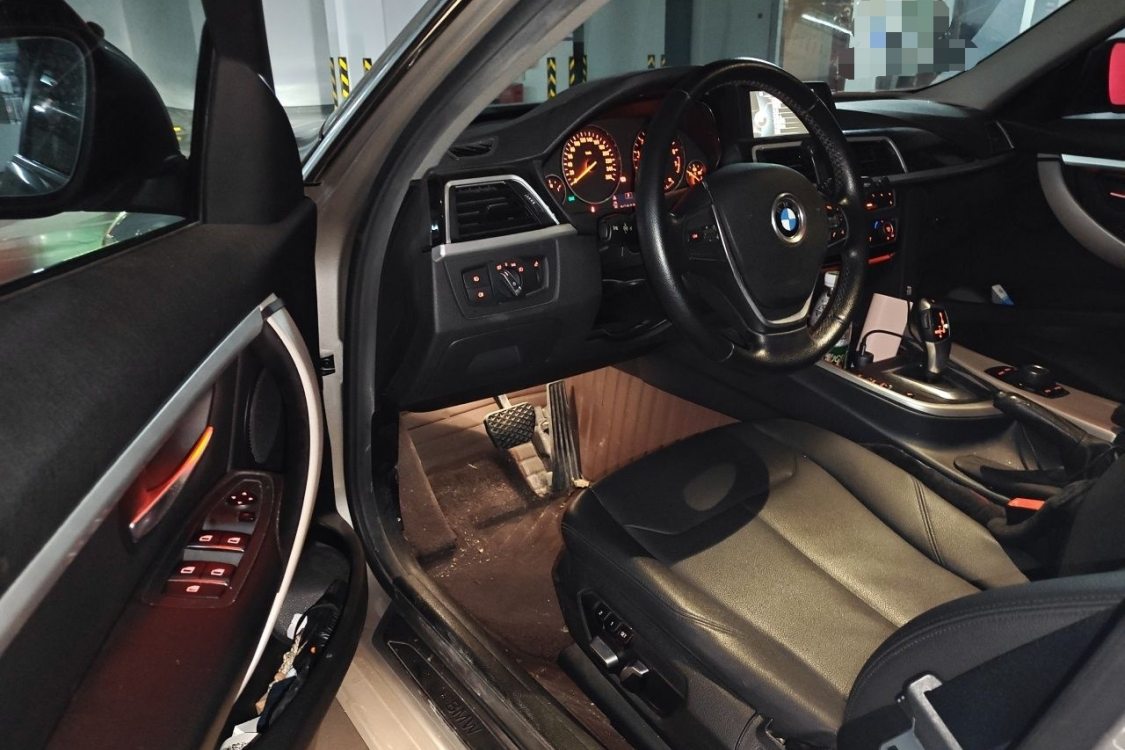
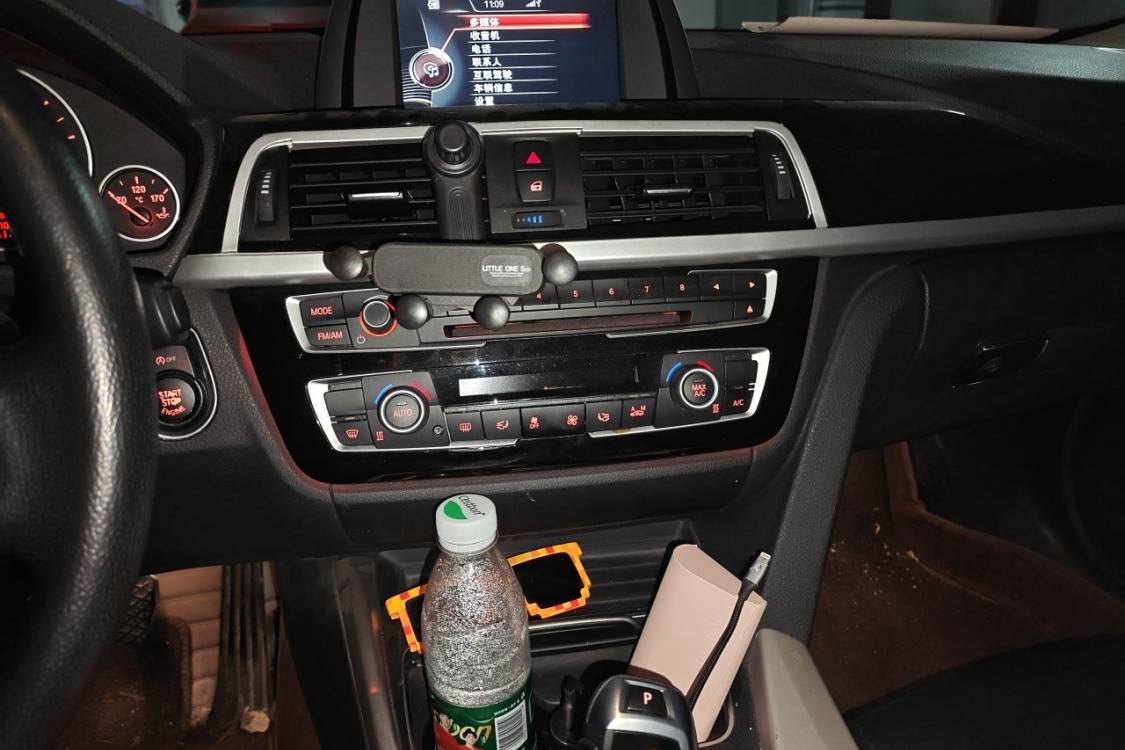
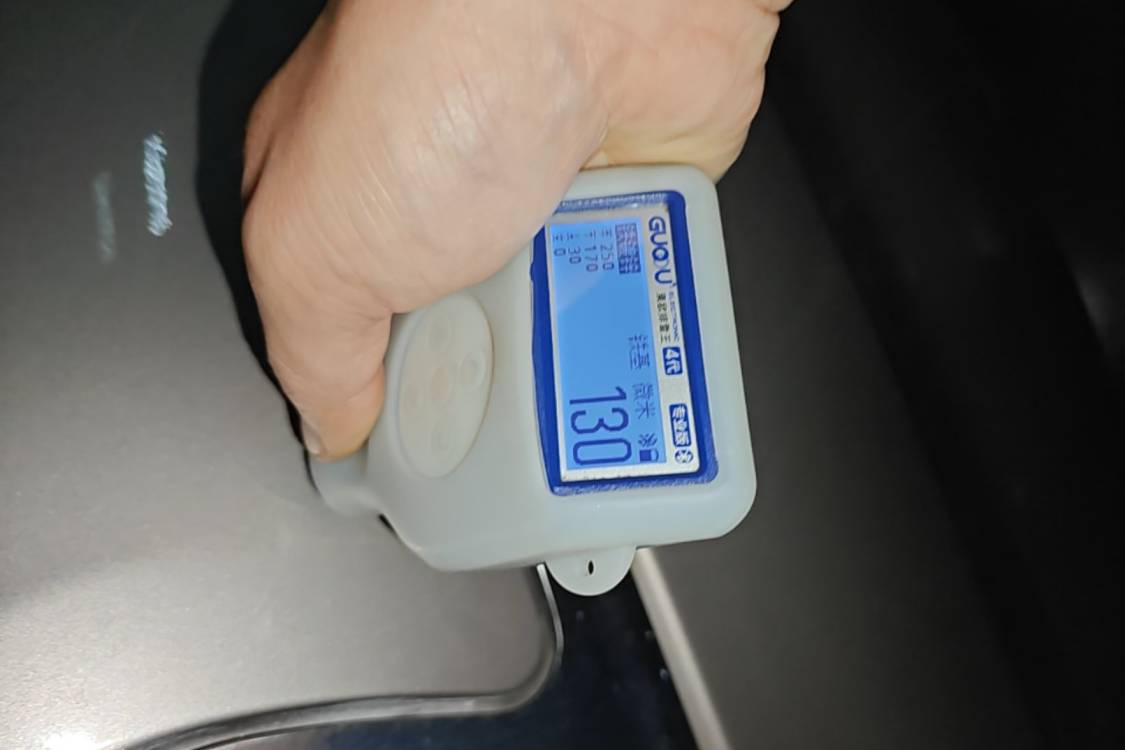
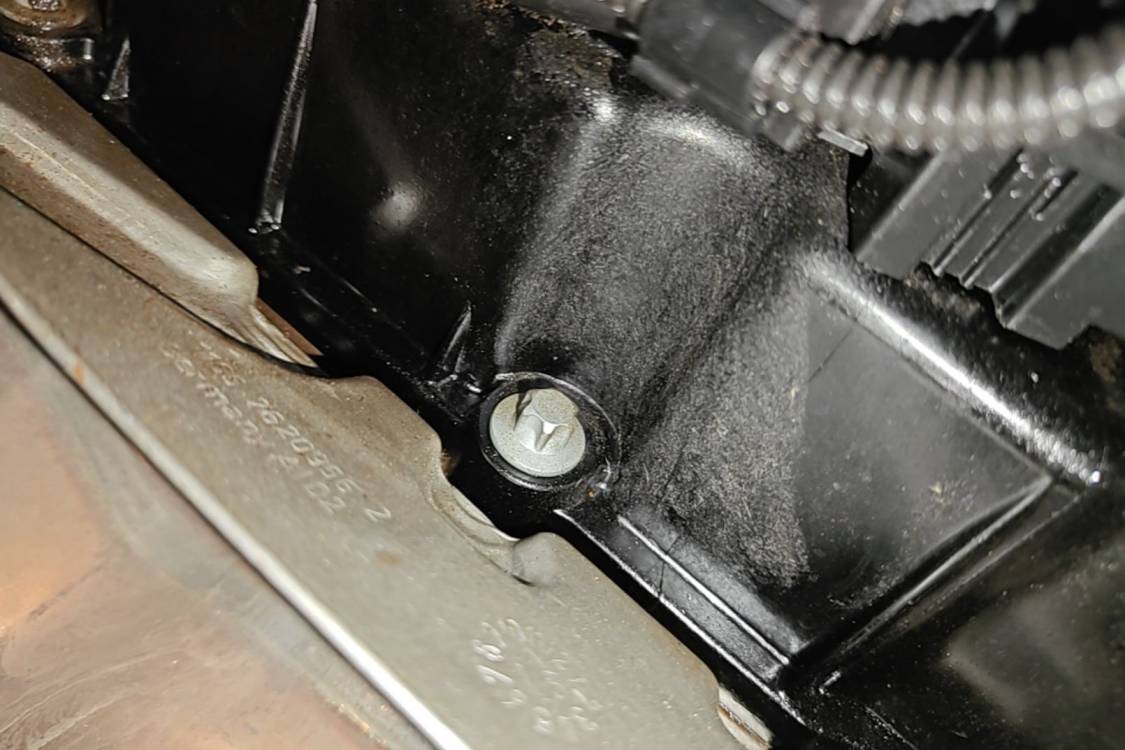
Accident inspection: main structure undamaged, reinforcement components undamaged, cover panels damaged, hinges normal. Engine bay: valve cover gasket has disassembly marks and oil seepage. Exterior: 1 area of sheet metal repair. Interior: most features normal, airbags normal, seatbelts normal, dashboard normal, instrument cluster normal, lighting system normal. Startup inspection: major components normal. Tool kit: absent.

电话直连
可讲价
平台物流
可转售
车主降价
零过户
新检测标准升级>
非泡水

Document Information

Inspection Expiry Date2027/01
Warranty Expiry Date-
Insurance Expiry Date2026/12

Q&A

More

RoRo, container, or flat rack: which shipping method should I choose for a used car from China?

RoRo (roll-on/roll-off): the cheapest per car for running vehicles. Cars are driven onto the vessel and secured on decks. Transit to major ports (Jebel Ali, Rotterdam, Karachi) takes 15 to 35 days. Downside: cars are exposed to weather and salt air, and minor handling scratches happen occasionally. Container (20ft/40ft): one 40ft high-cube fits one car with parts, or two small cars with racking. Cost is higher than RoRo but cars are sealed and protected. Best for high-value vehicles, EVs (battery safety rules often require container), or when shipping spare parts together. Flat rack: for oversized vehicles (trucks, buses, modified cars). Priced per dimensions. Practical advice: for a standard used car to a port with RoRo service, choose RoRo and add marine insurance (0.3%–0.8% of value). If your destination lacks RoRo calls or you ship an EV, use a container. Always get the booking confirmation and bill of lading copy before paying the final balance.


What is a safe payment structure for buying a used car from China remotely—how much deposit, when is the balance paid, and should I use escrow?

The industry-standard structure protects both sides. Pay 20-30% deposit after signing the contract and verifying the exporter's license—never more. The balance is paid only after your independent inspection report confirms the car matches the contract, ideally against a copy of the bill of lading so the exporter can't ship a different vehicle. For extra protection, tie payments to milestones: deposit on contract, second tranche after inspection passes, final payment when shipping documents are released. Some buyers use escrow services or trade assurance platforms for the first transaction with a new supplier; fees run 1-3% but are worth it for large amounts. Always pay to a corporate bank account matching the exporter's registered name. Keep every agreement in the written contract—verbal promises like 'we'll fix that before shipping' are unenforceable. If an exporter demands 50%+ upfront or full payment before inspection, walk away; that structure leaves you with no leverage.

Does the Chinese government provide tax rebates for used car exports? Is this subsidy reflected in the car price?

Unlike new car exports, there are currently no large national export tax rebates for used cars in China. Therefore, our FOB price is purely the vehicle's residual value plus compliant operating costs, leaving no room for price wars using subsidies.

BMW 3 Series 2.0T 184 L4

[重庆.渝B]宝马3系 2016款 320Li 进取型

EXW: $7,394
Car CodeSWA1913416
Publish Date
