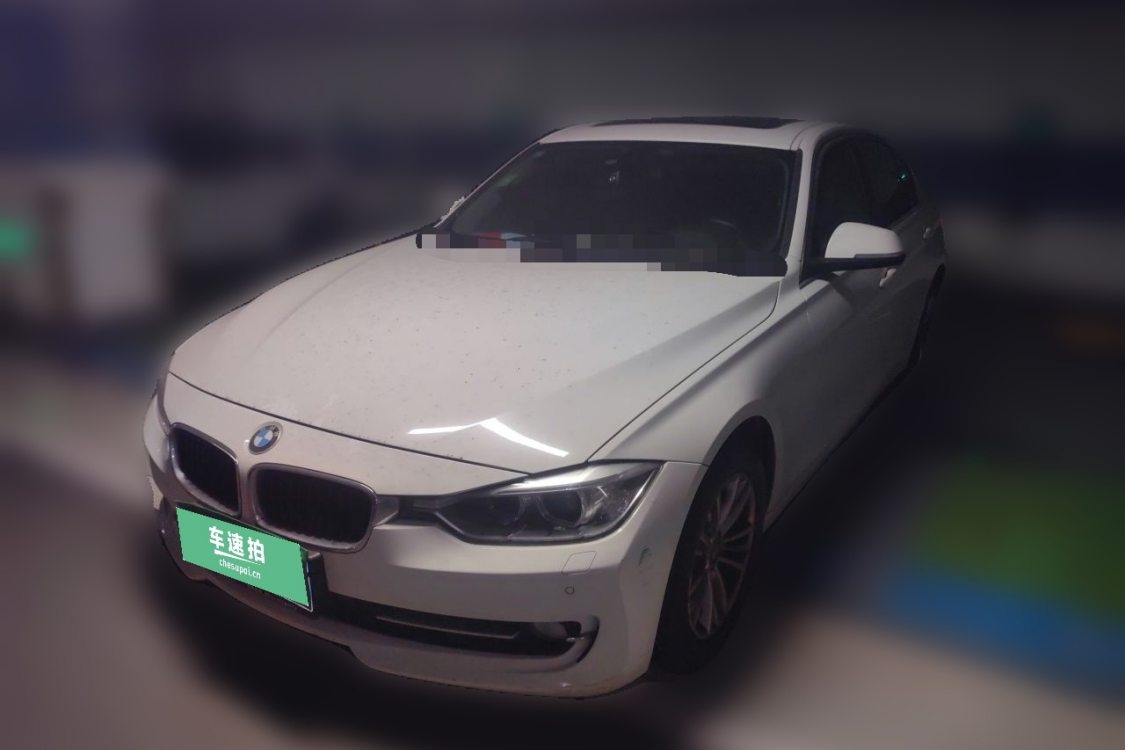
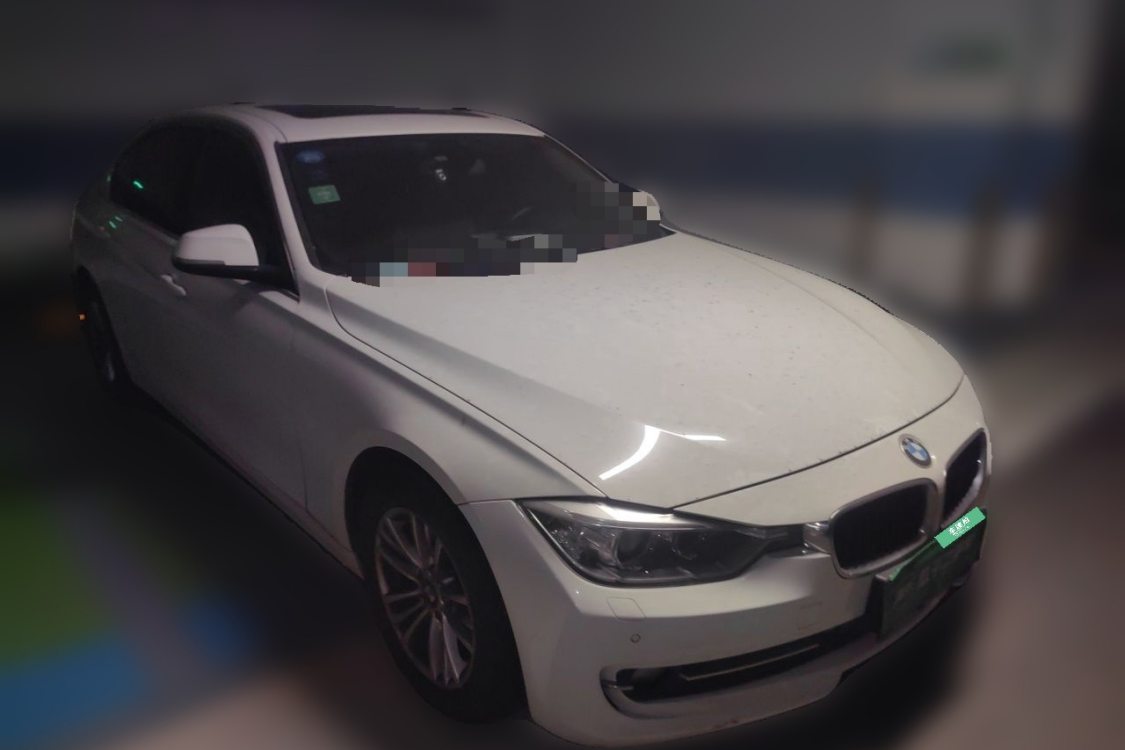
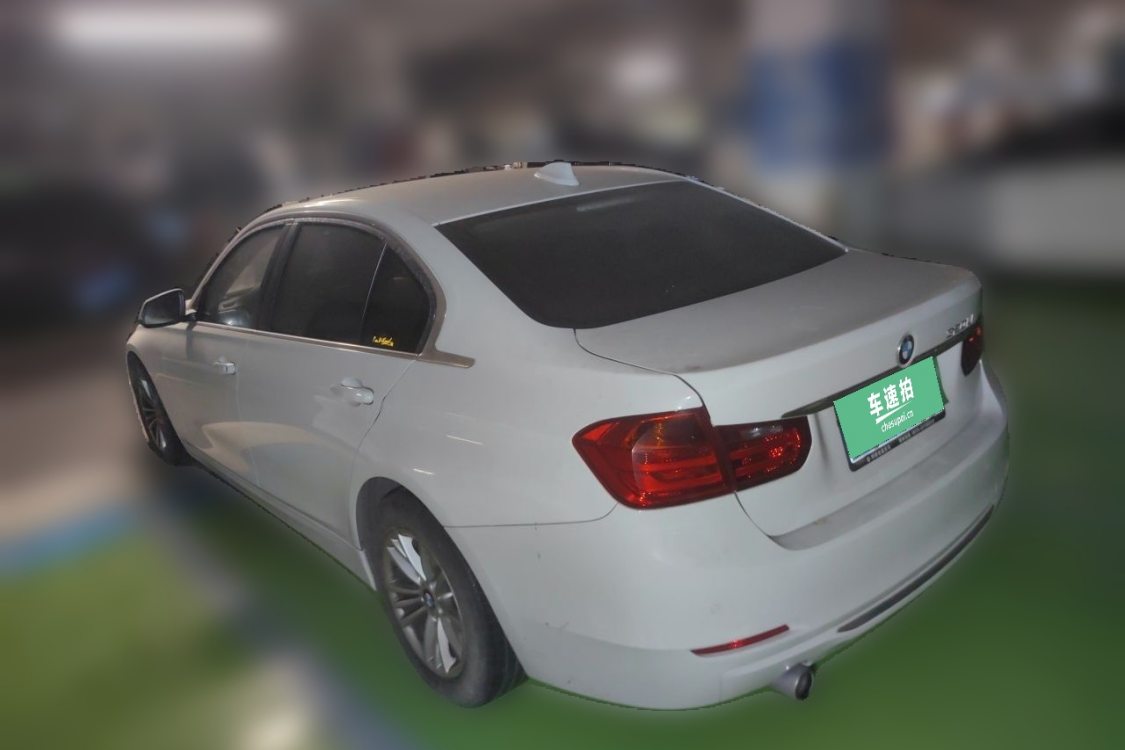
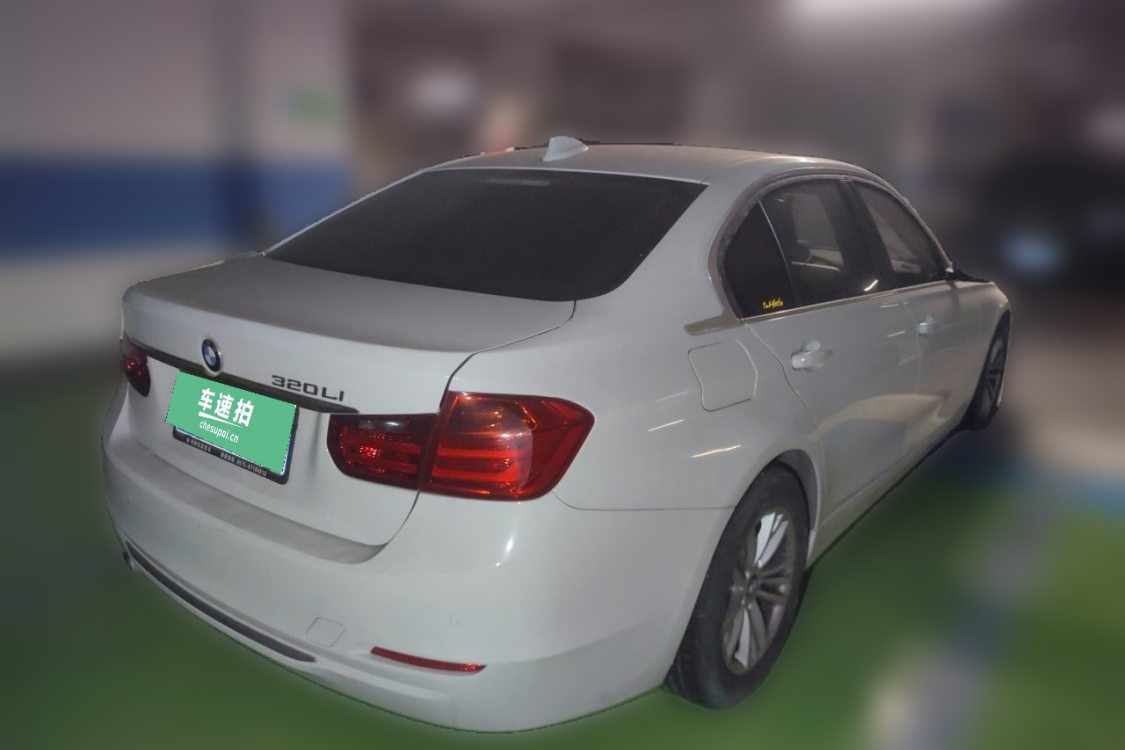
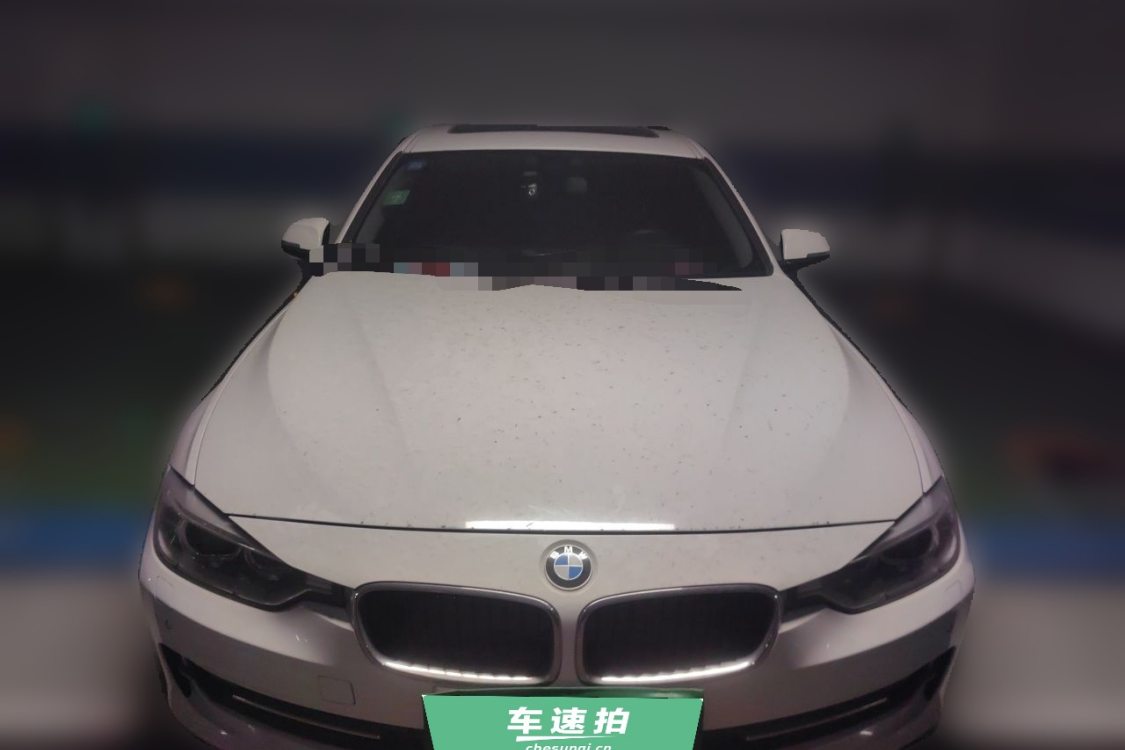
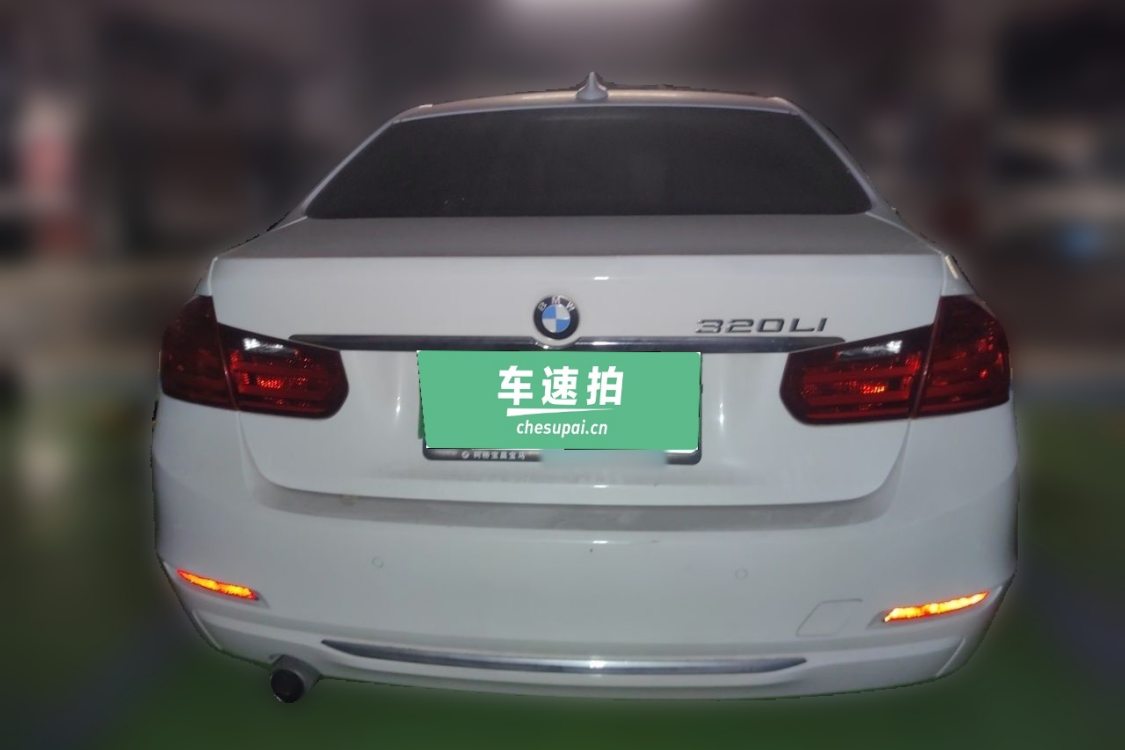
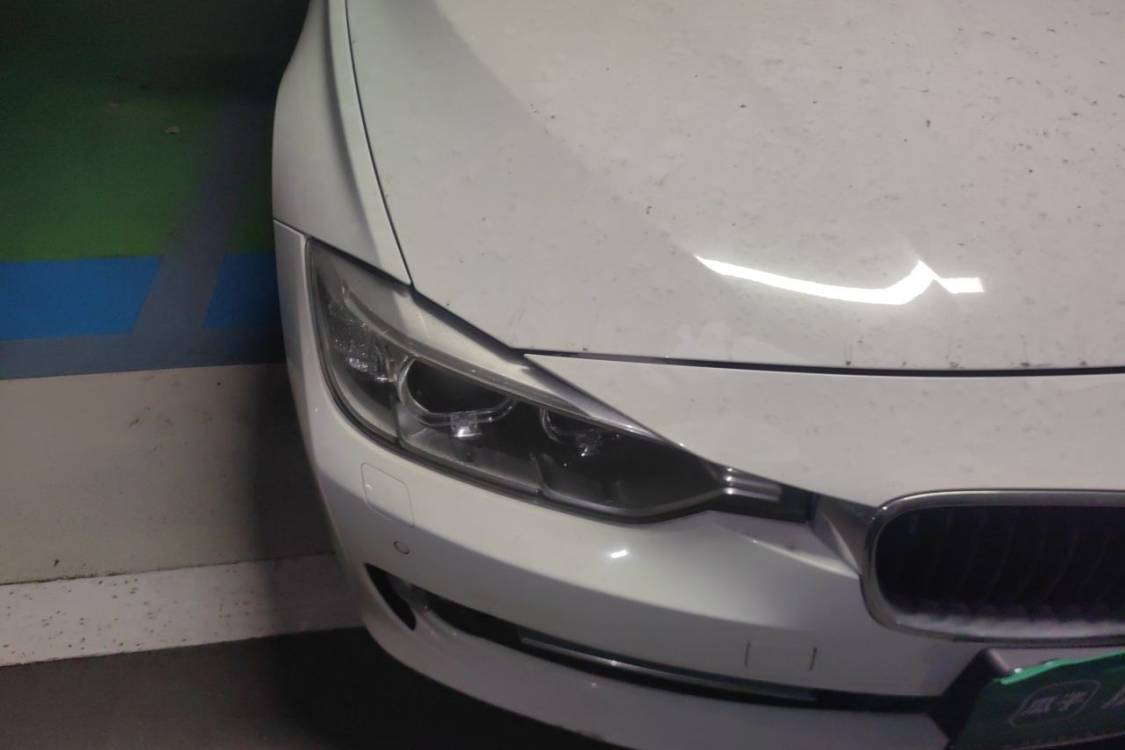
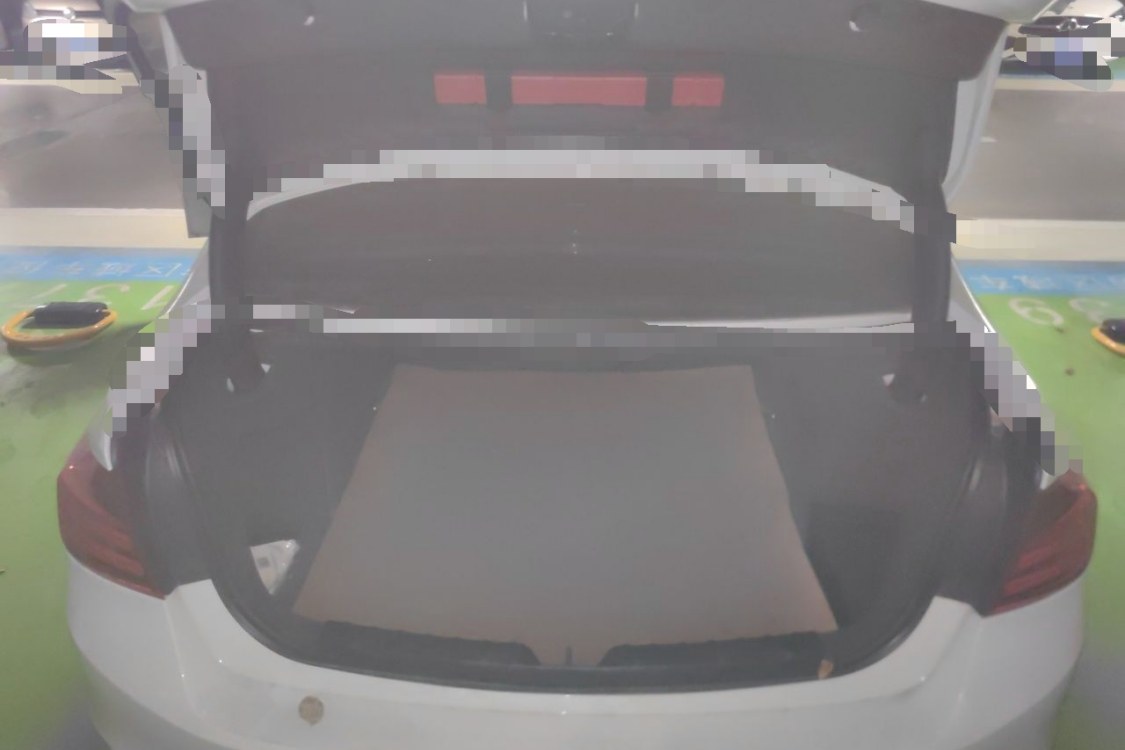
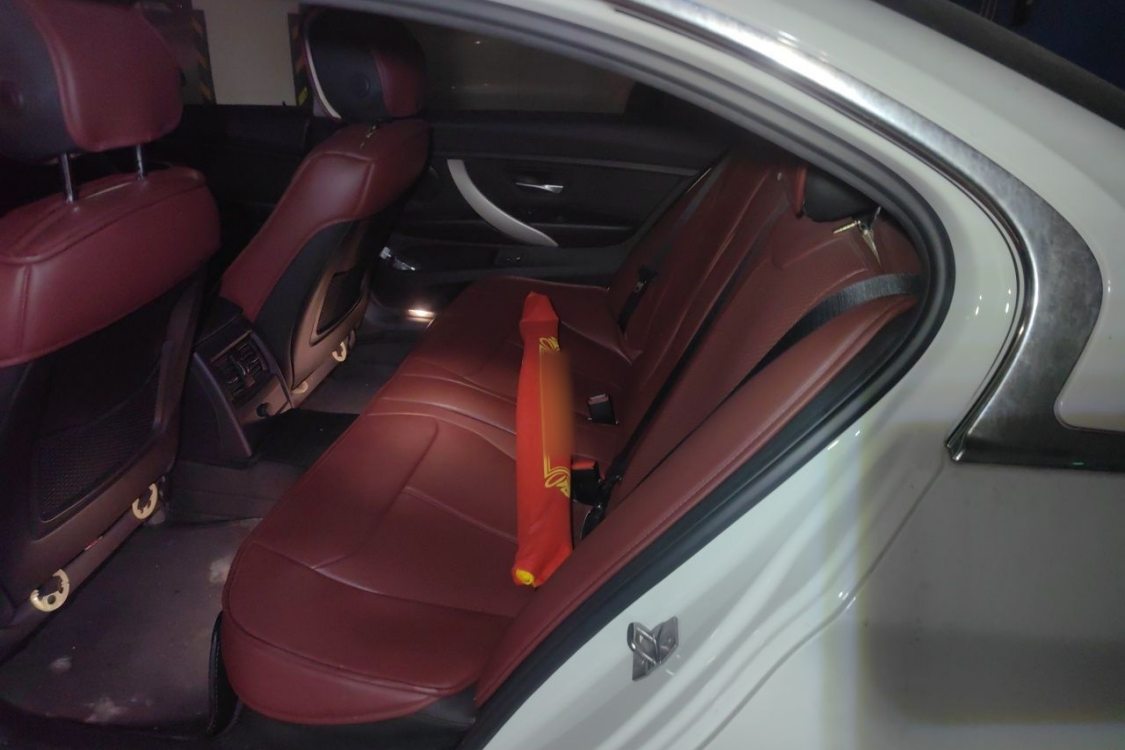
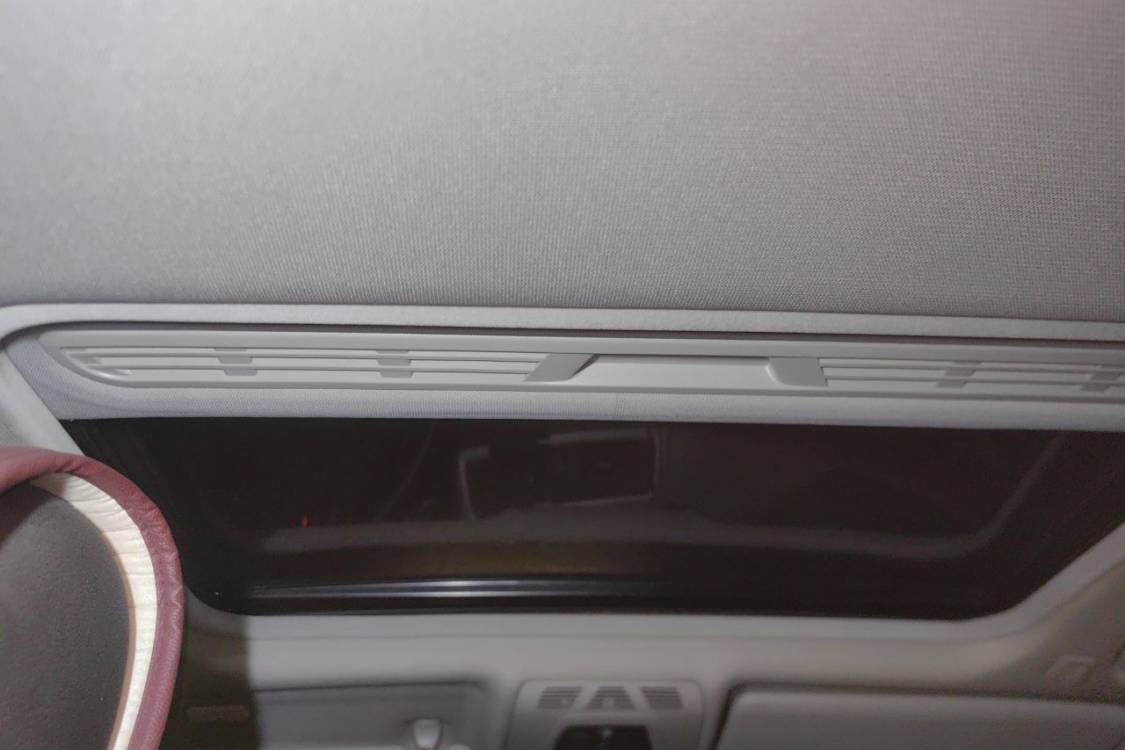
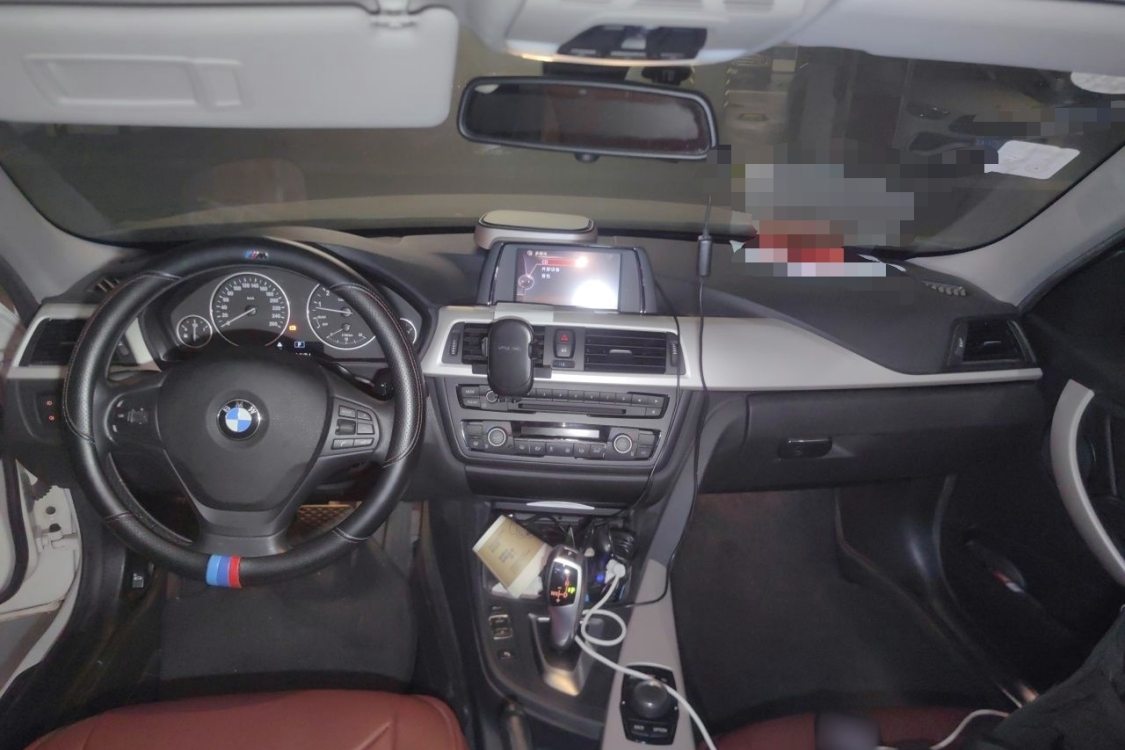
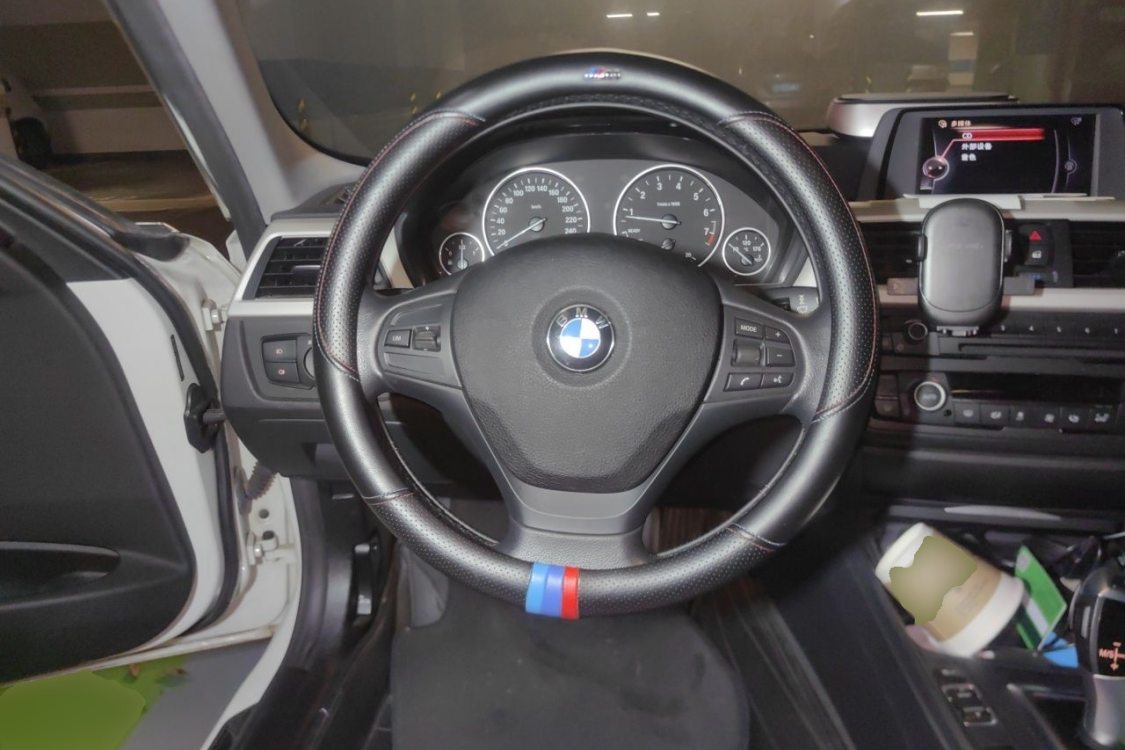



Basic Information

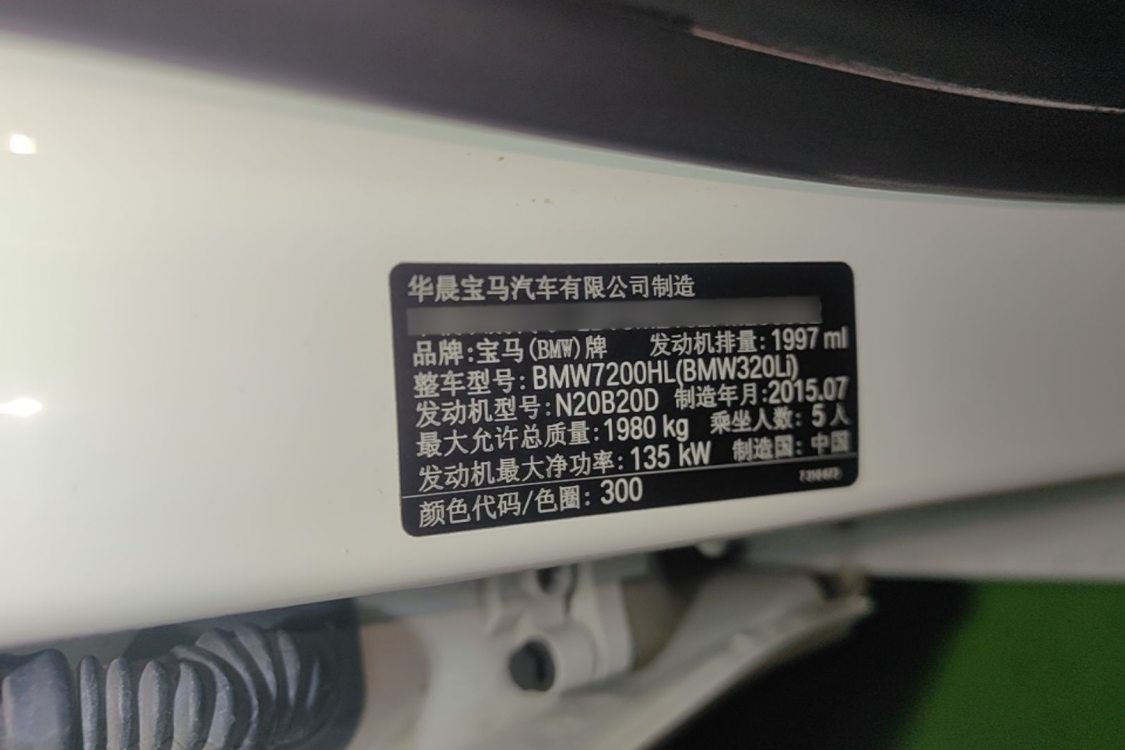
BrandBMW
Series3 Series
Year2015
First Registration2015/09
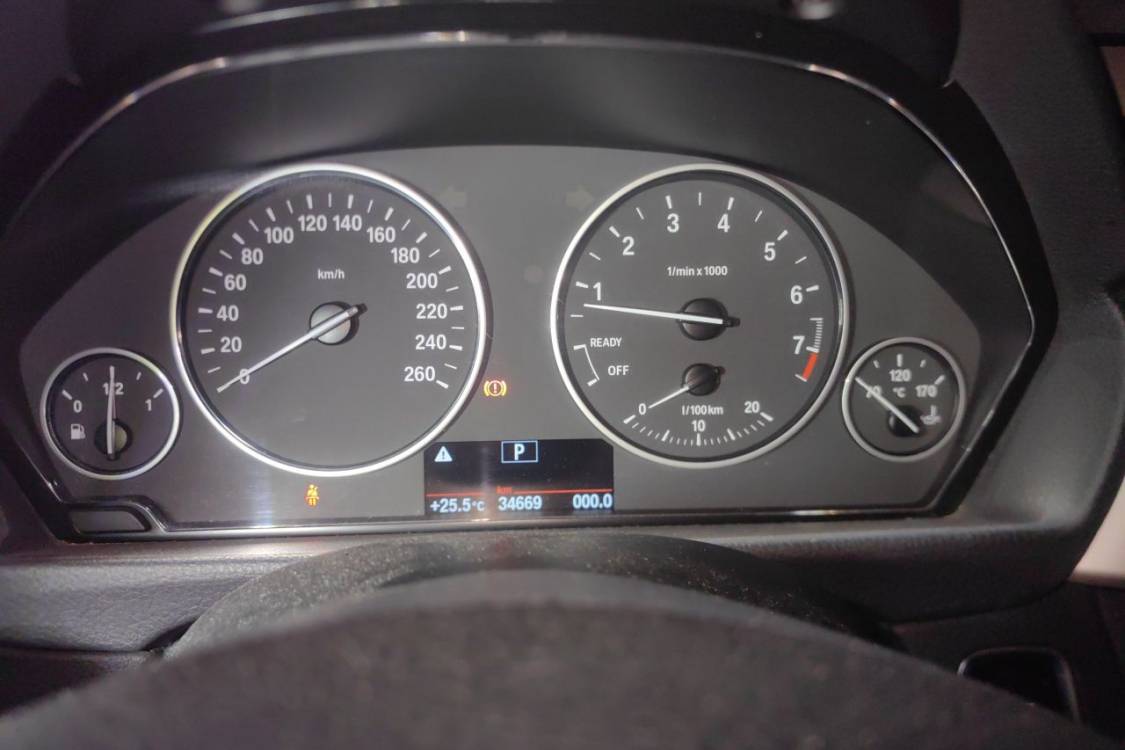
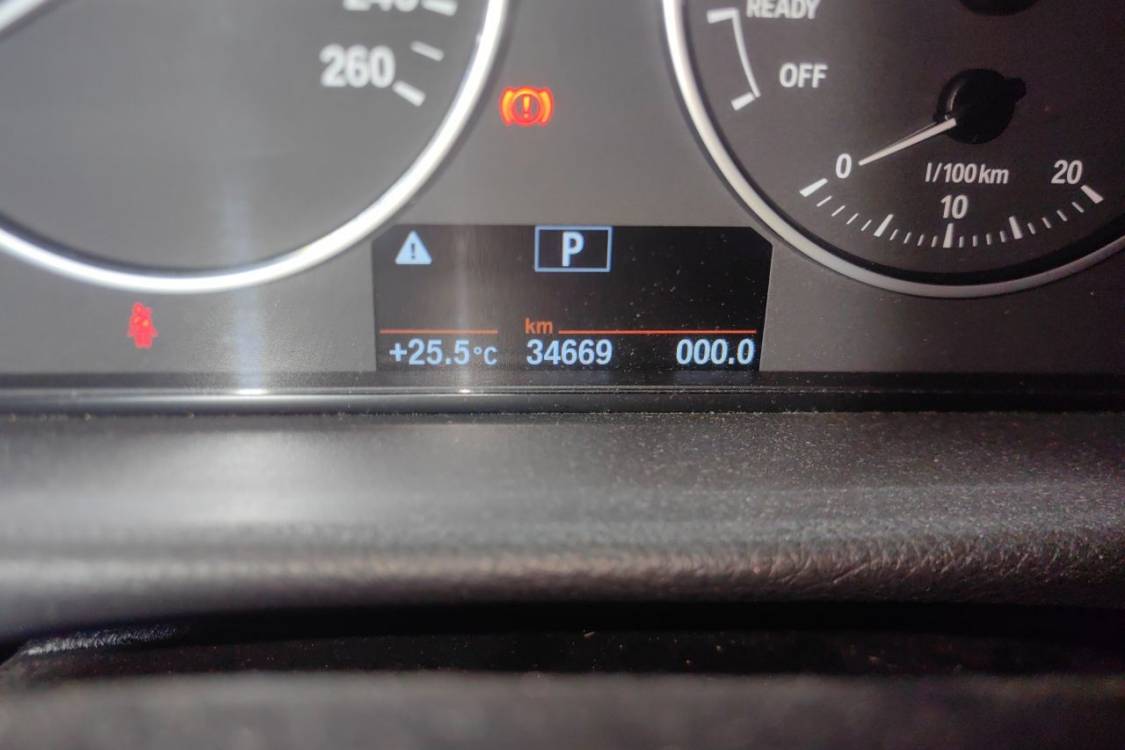
Mileage34,600km
Transfer Count-
FuelGasoline
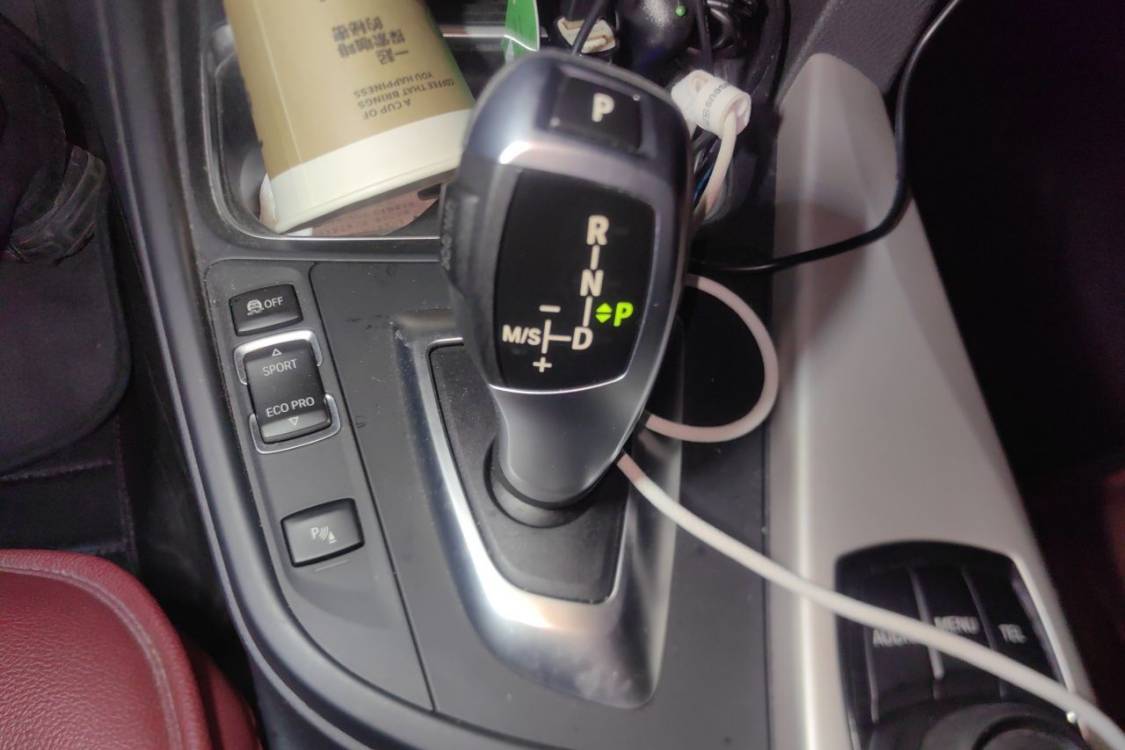
TransmissionManumatic
Engine2.0T 184 L4
ColorWhite
Seats-

Condition Description

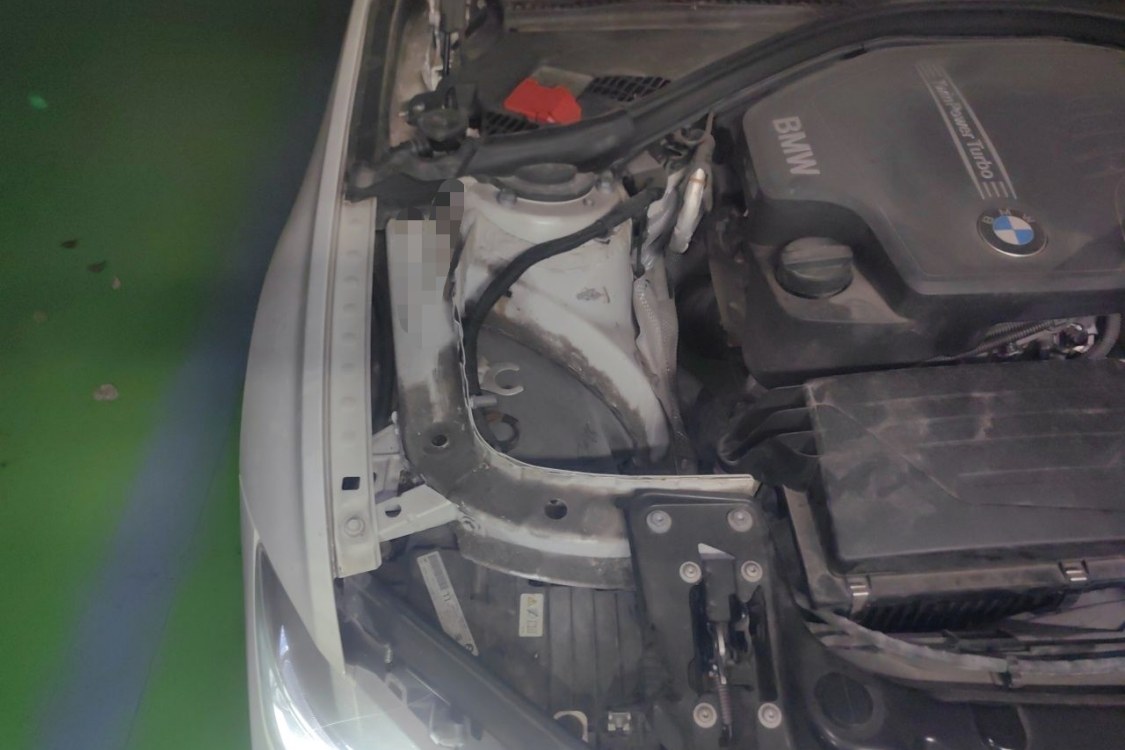
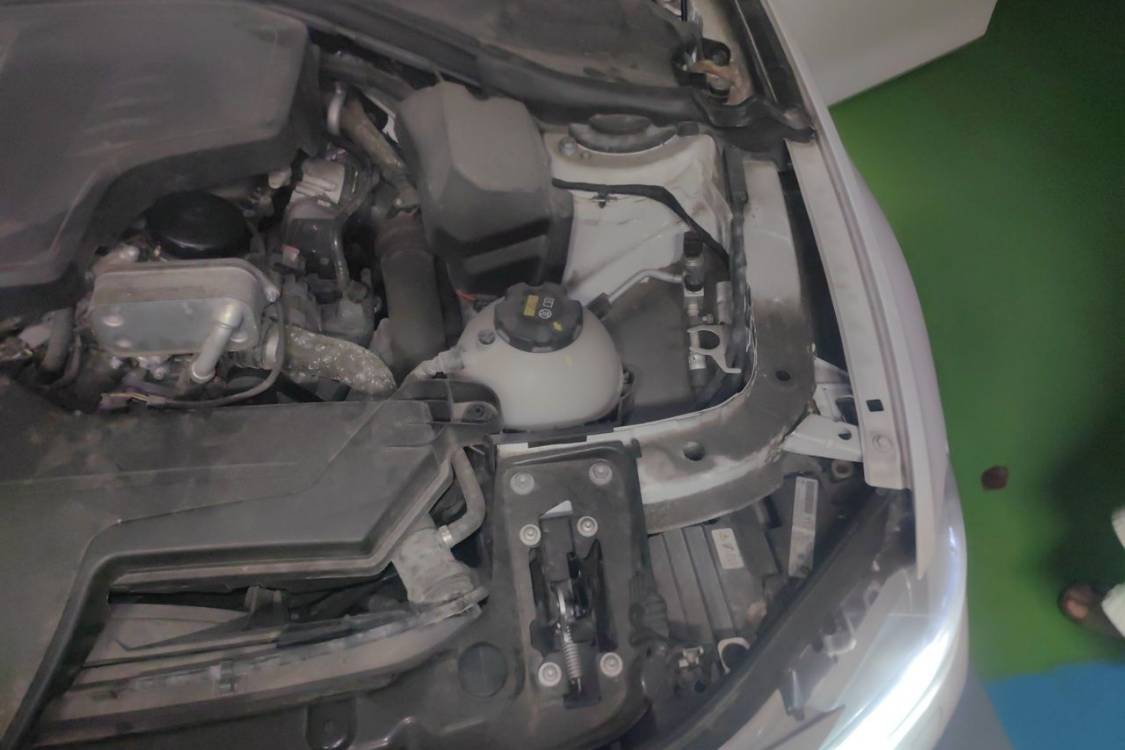
Vehicle has major accident/fire/water damage or major defects in power battery components (structural/strengthening/covering parts), repaired or unrepaired, still affecting body structural strength or safe use, with hidden fault risks.

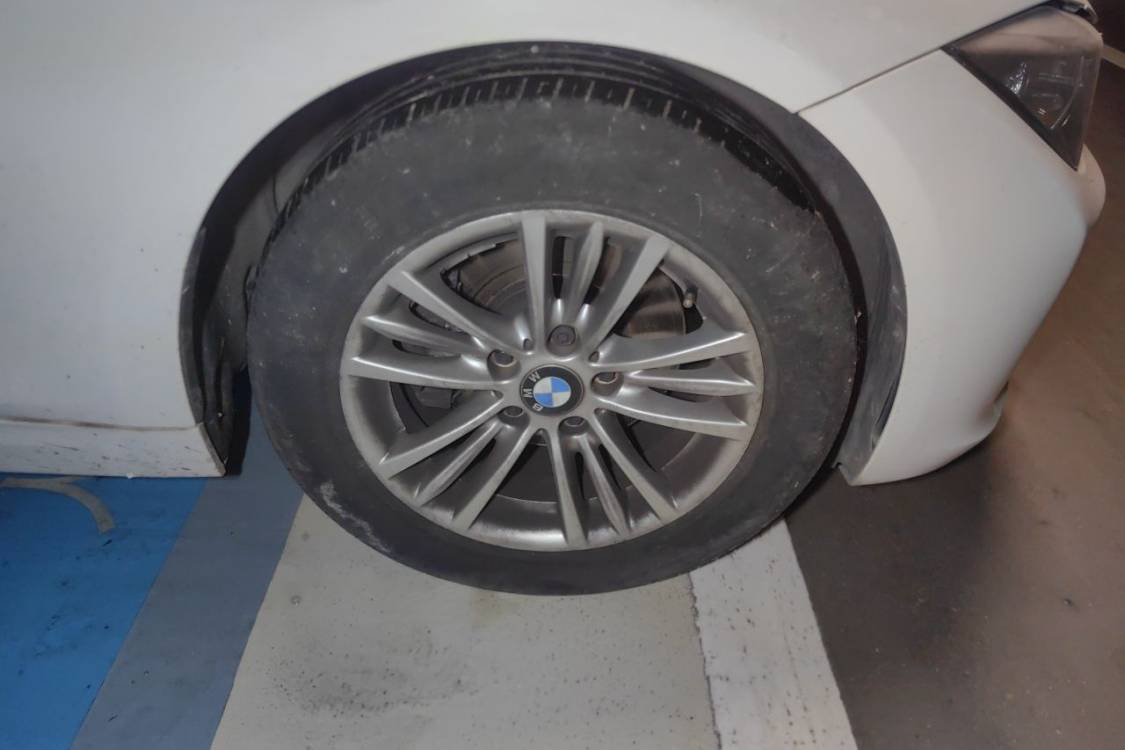
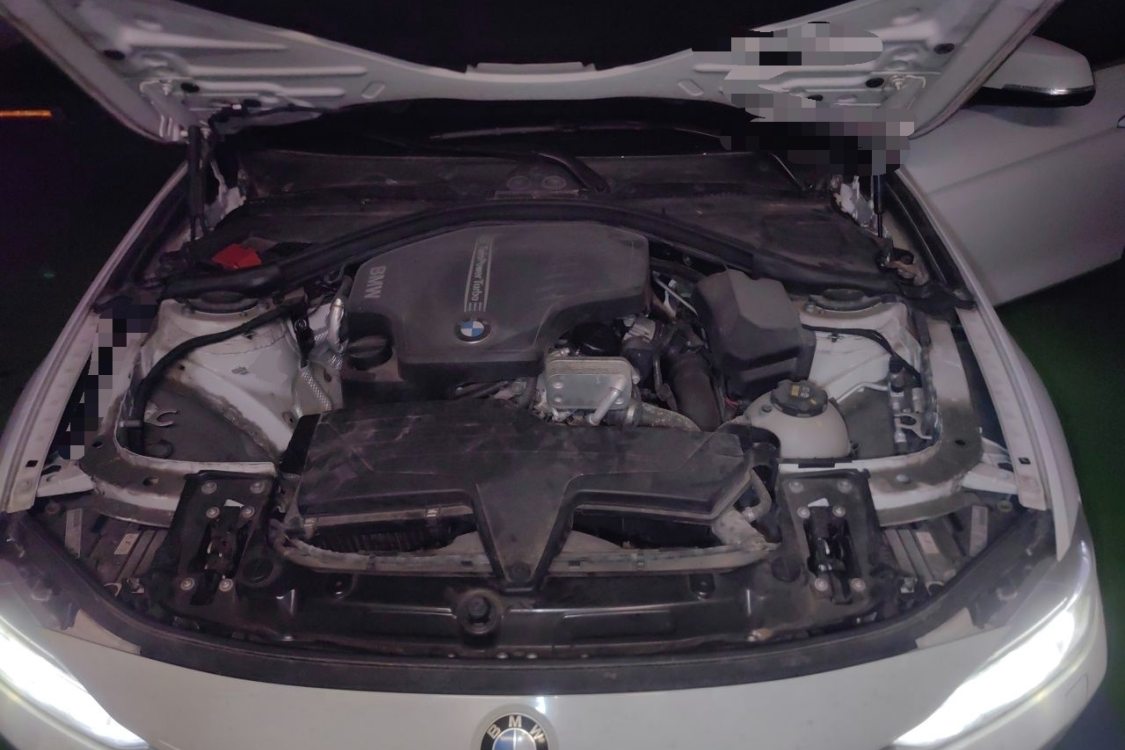
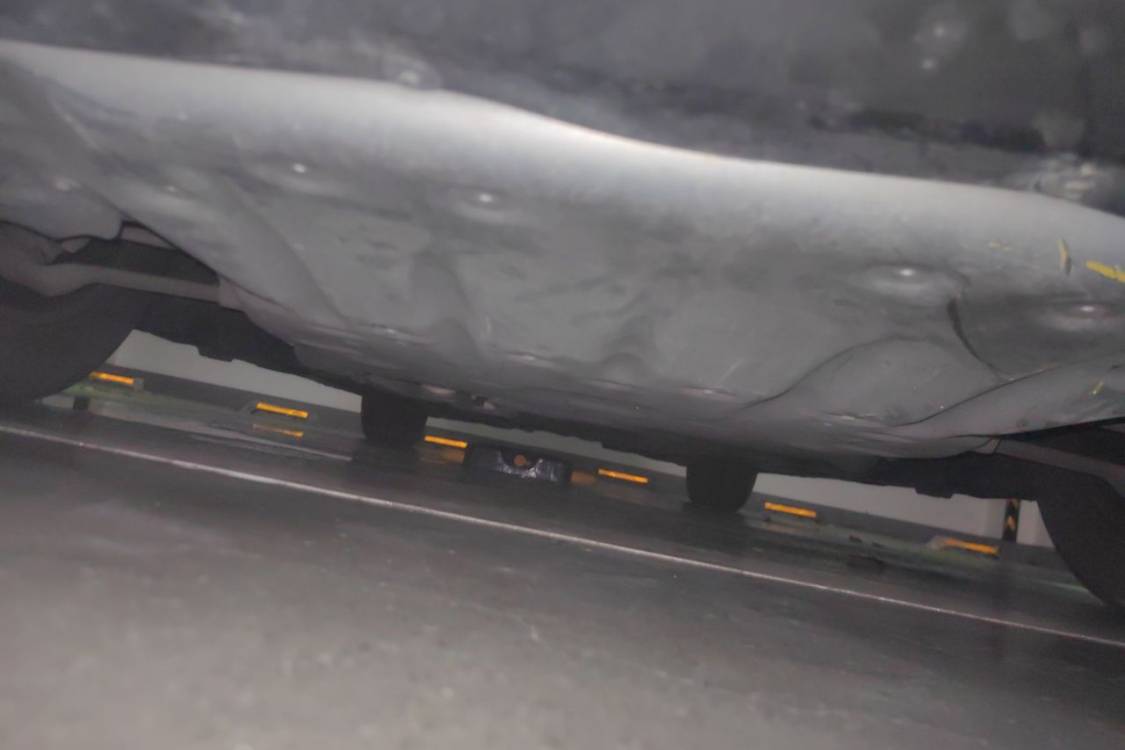
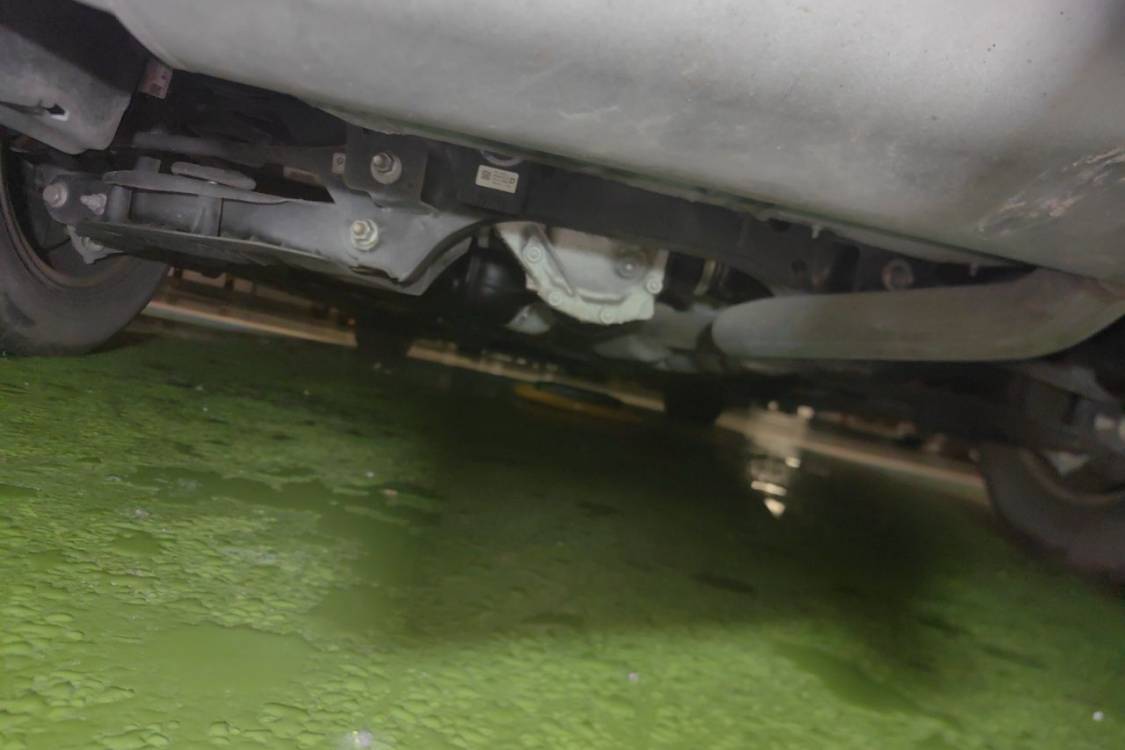
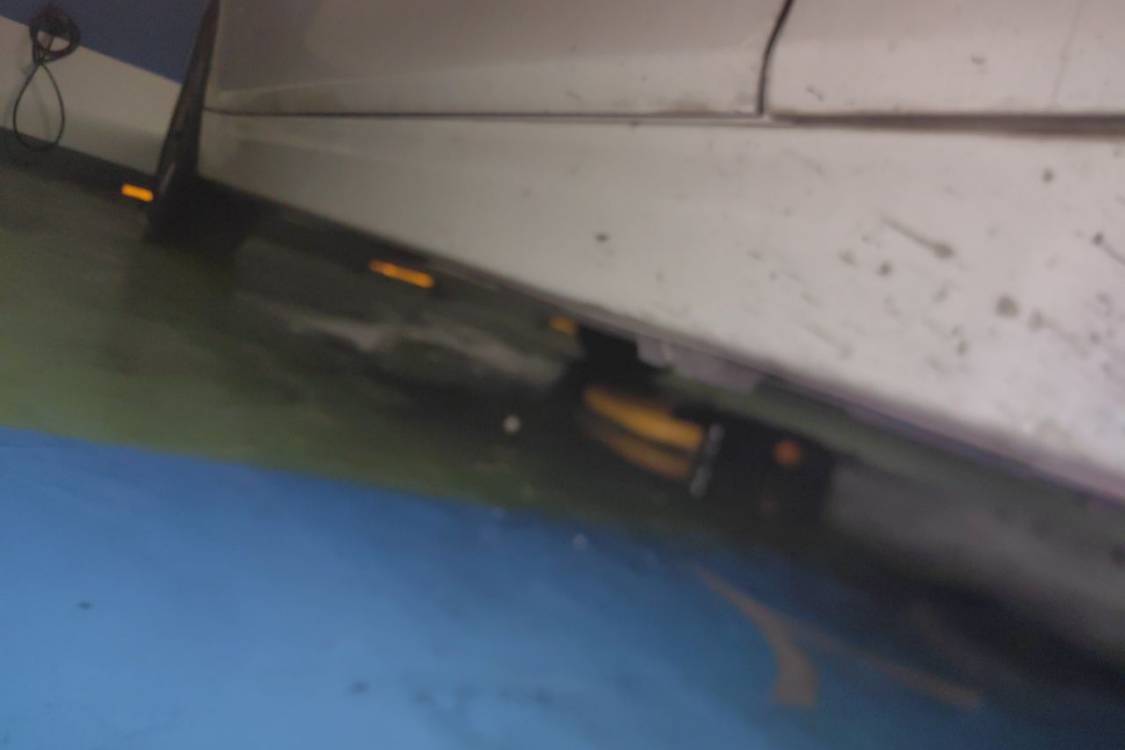
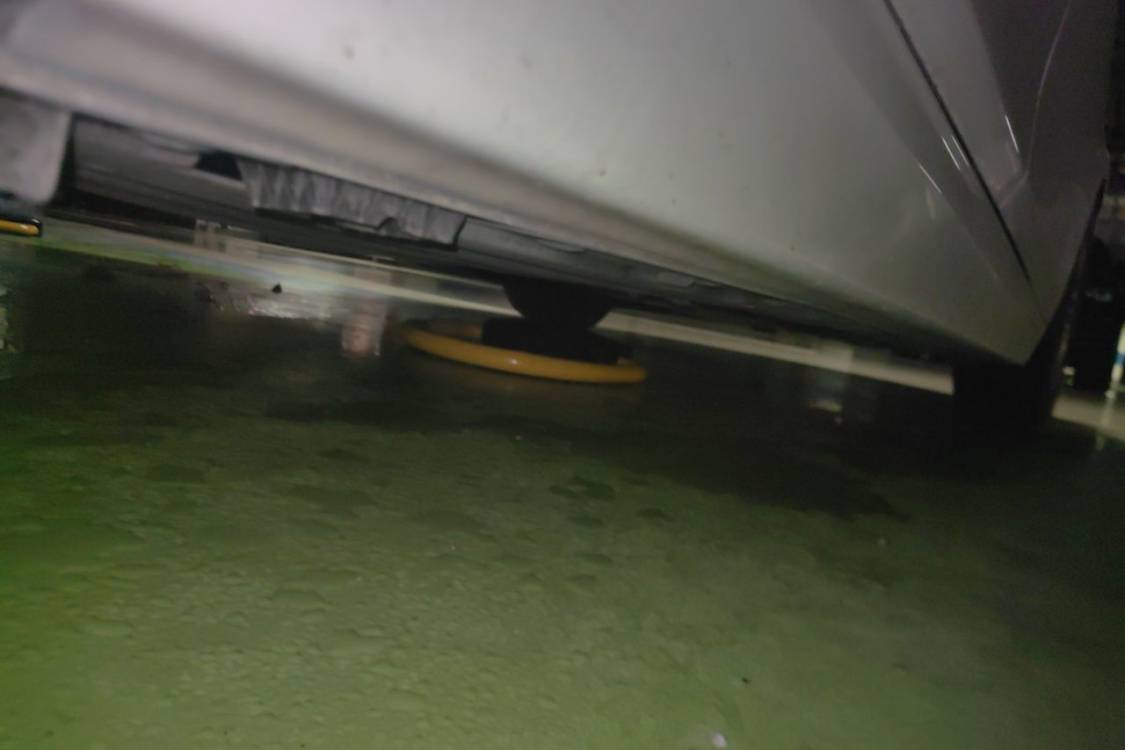
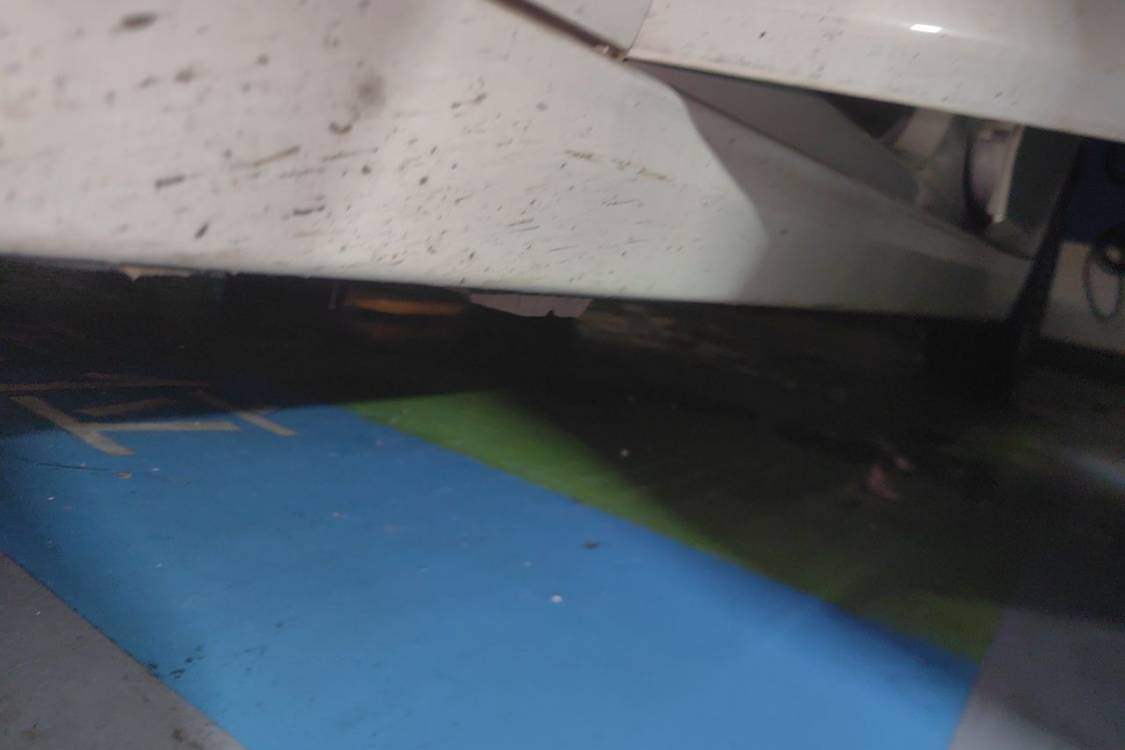
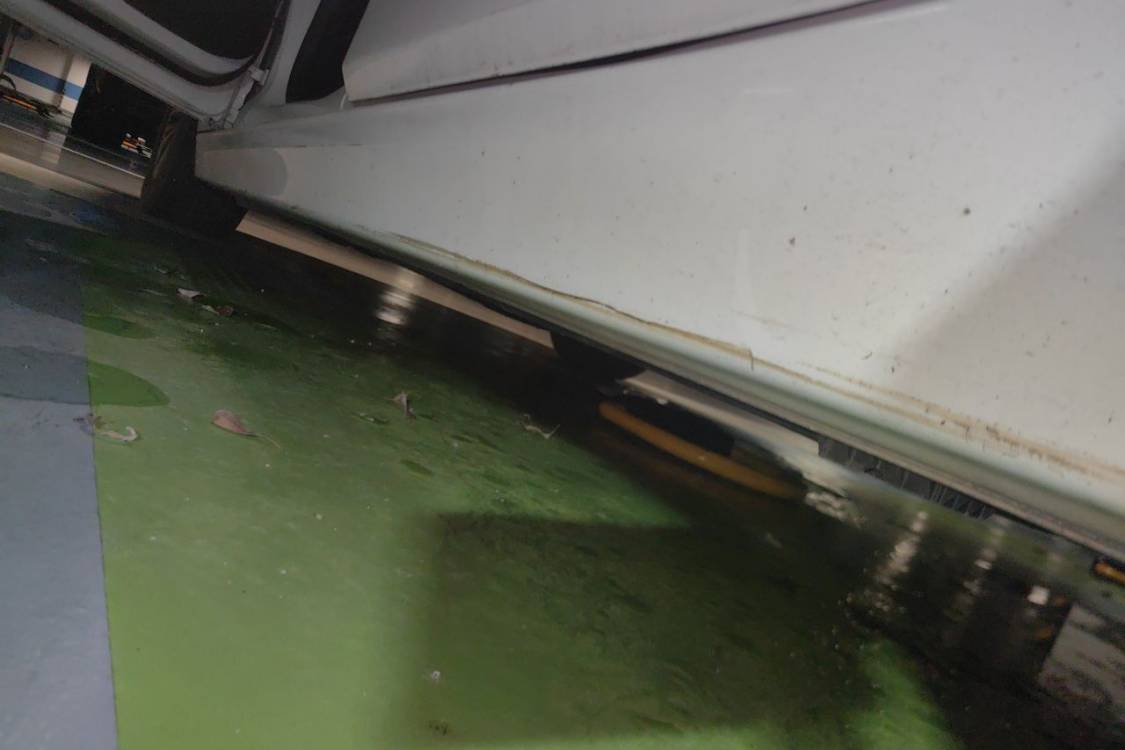
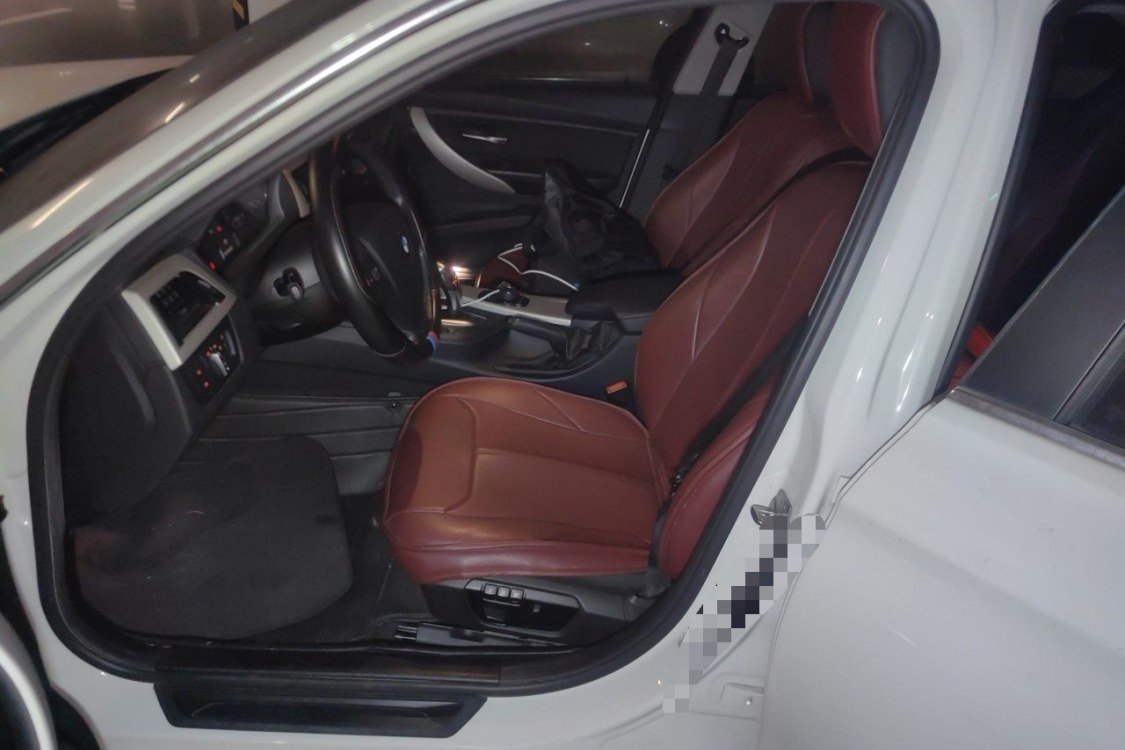
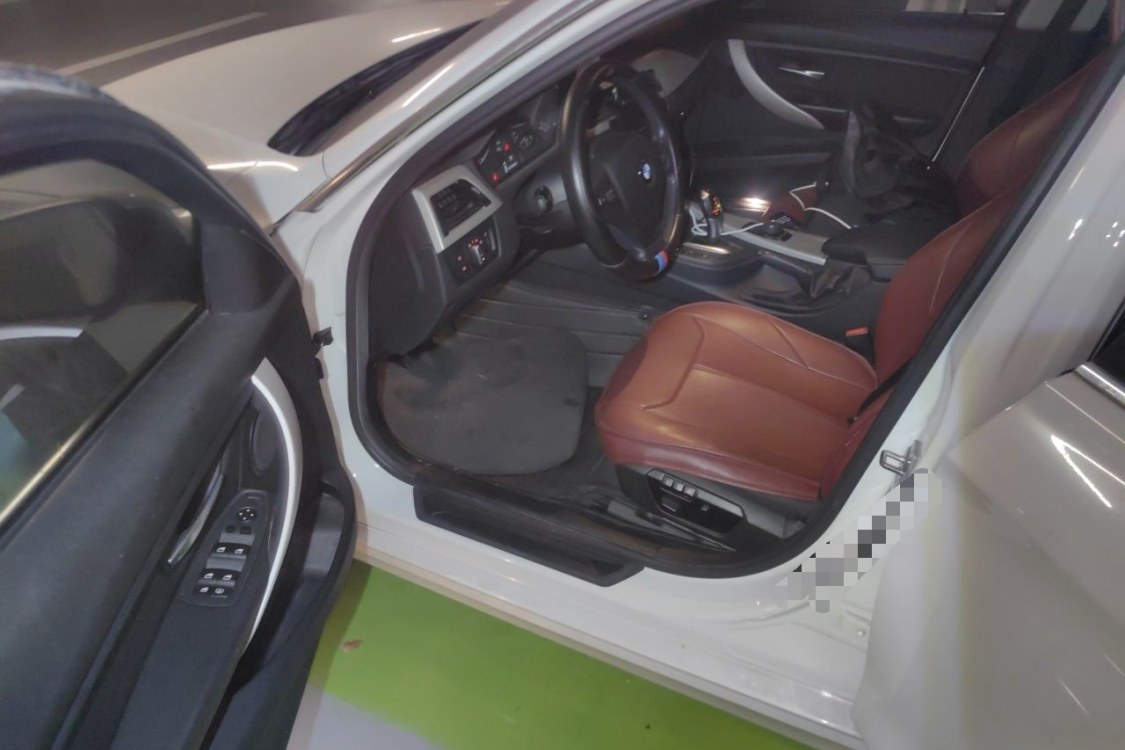
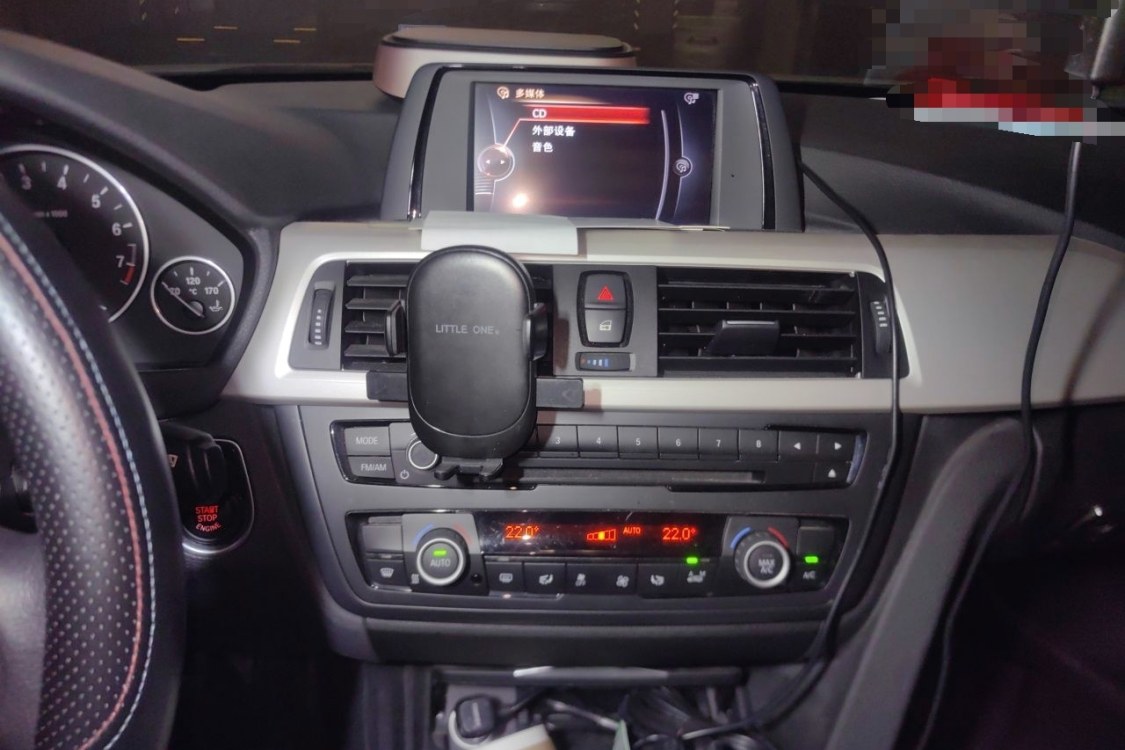
Accident inspection: main structure damaged, strengthening parts undamaged, covering parts damaged, hinges normal; engine bay: key mechanical components normal; exterior: 2 areas of sheet metal repair; interior: most functions normal, airbag, seatbelt, dashboard, instruments, and lighting systems normal; startup inspection: main components normal; onboard tools: absent.

电话直连
可讲价
平台物流
车主降价
零过户

Document Information

Inspection Expiry Date2026/09
Warranty Expiry Date-
Insurance Expiry Date2026/09

Q&A

More

How are import duties on used cars from China calculated, and which HS code applies?

Used cars are classified under HS heading 8703 (motor vehicles for transport of persons), with the last four digits determined by engine type and size. Gasoline cars usually fall in 8703.21–8703.80 depending on displacement; pure EVs fall under 8703.80; hybrids have their own subheadings. The duty amount depends on your country's tariff schedule: 1. Most countries charge duty on the CIF value (car price + freight + insurance), not the FOB price. 2. Many developing markets levy higher duties on used vehicles than new ones, and some add a surcharge based on age — older cars can cost significantly more to clear. 3. After duty, you typically pay VAT/GST on the CIF + duty total, plus port and customs fees. Practical tips: ask your exporter to state the exact HS code on the commercial invoice and confirm it with a local customs broker before shipping. A wrong code can trigger reclassification, penalties, or delays. Also budget for any excise tax tied to engine capacity — in several markets a 2.5L car clears far cheaper than a 3.5L one.


What should I do if the roll-on/roll-off vessel carrying my vehicle experiences a fire or a typhoon at sea causing damage?

Under CIF (Cost, Insurance, and Freight) terms, we will insure your vehicle with a reputable international insurance company for "All Risks" before shipment. If total loss or partial damage occurs during sea transport, the risk transfers to you once the goods cross the ship's rail. However, sellwellauto will not stand by; we will assist you in preparing complete claims documentation (such as the bill of lading, invoice, and damage photos) to initiate a cross-border claim process with the insurance company, minimizing your financial loss.

When buying a used Chinese EV, how do I read the battery health (SOH) report, and what percentage is still acceptable for import?

State of Health (SOH) tells you how much of the original battery capacity remains. Here's how to use it. Reading the report: SOH is usually shown as a percentage of original capacity. A car at 90% SOH retains roughly 90% of its original range. Also check for cell imbalance (voltage spread between modules)—a low SOH with balanced cells is often fine, but high imbalance causes sudden range drops and charging problems. Acceptable thresholds: for a car under 3 years old, expect 90%+ SOH. For 3-5 years, 85-90% is normal. Below 80% SOH, the battery may soon need replacement—replacement costs can exceed the car's value, so negotiate hard or walk away. How to verify: don't trust a screenshot. Ask for a live screen recording of the diagnostic app (like the brand's official tool) starting from the car's VIN page. Cross-check the fast-charging curve: a healthy battery charges at near-peak rate up to 60-70%; a degraded one tapers early. Finally, remember that hot climates degrade batteries faster—if the car spent its life in southern China, scrutinize SOH more carefully.

BMW 3 Series 2.0T 184 L4

[宁波.浙B]宝马3系 2015款 320Li 时尚型

EXW: $6,667
Car CodeSWA1907013
Publish Date
