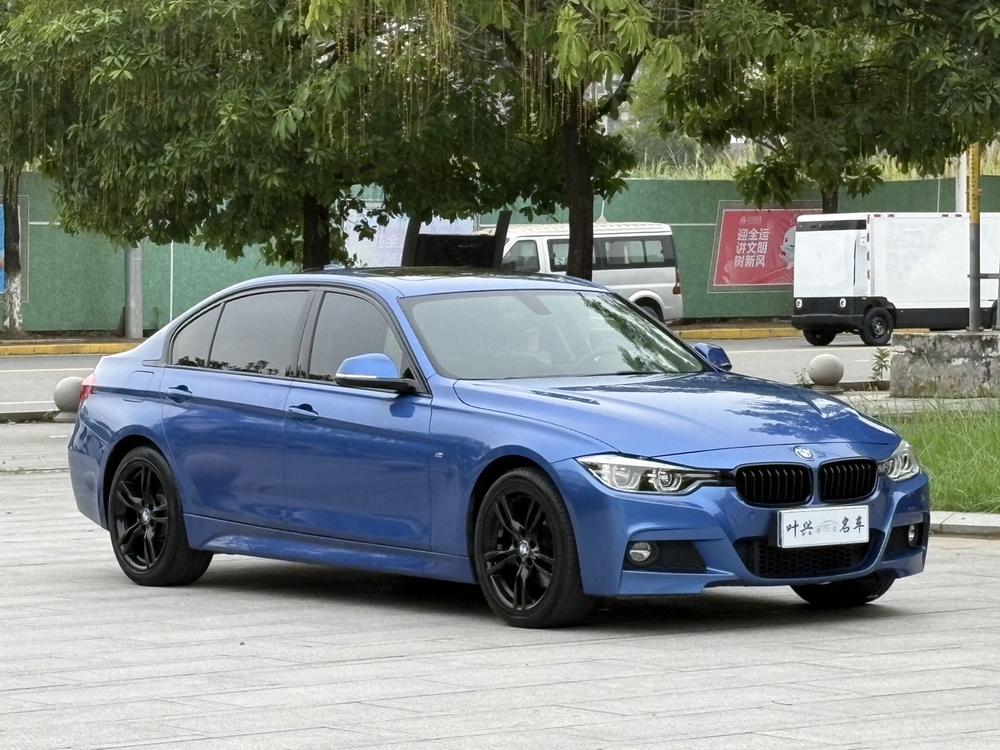
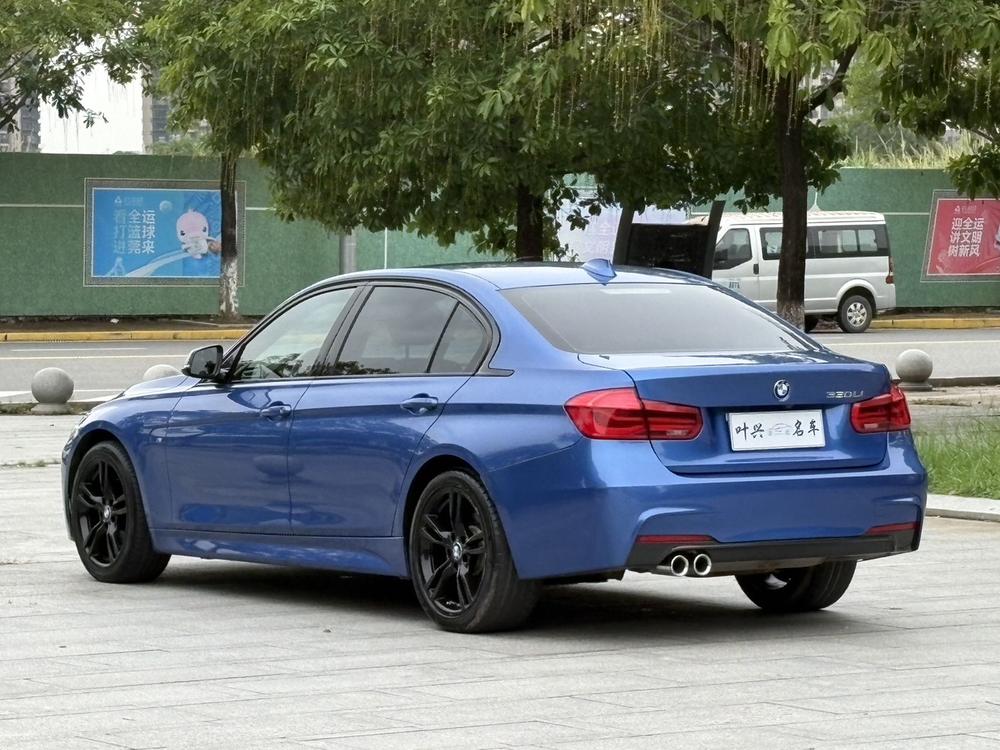
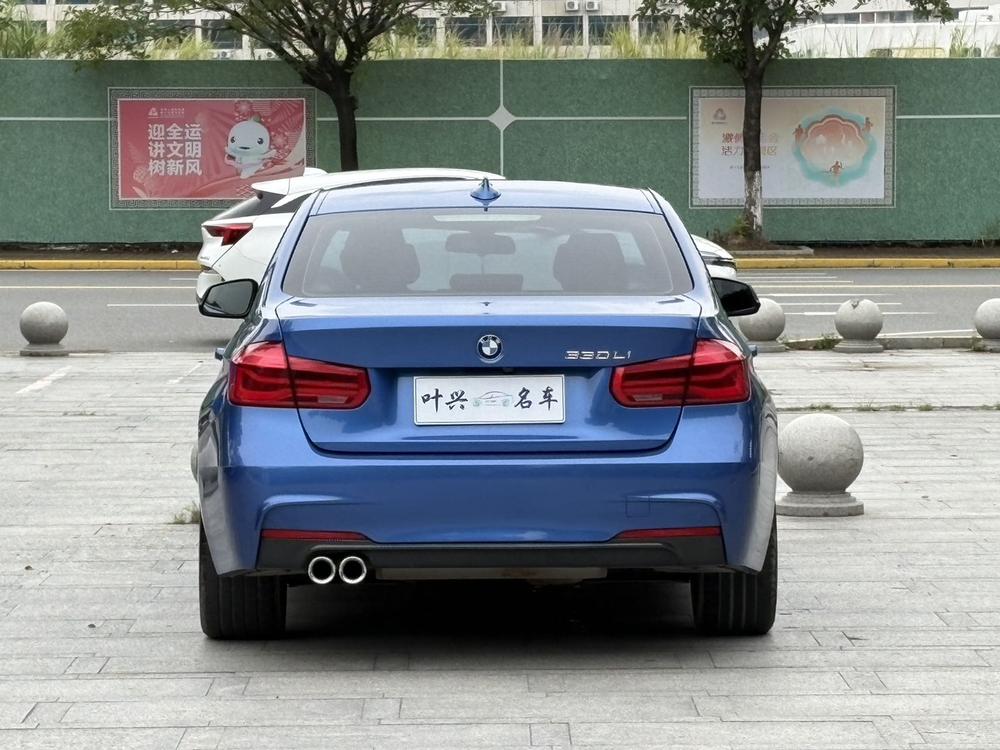
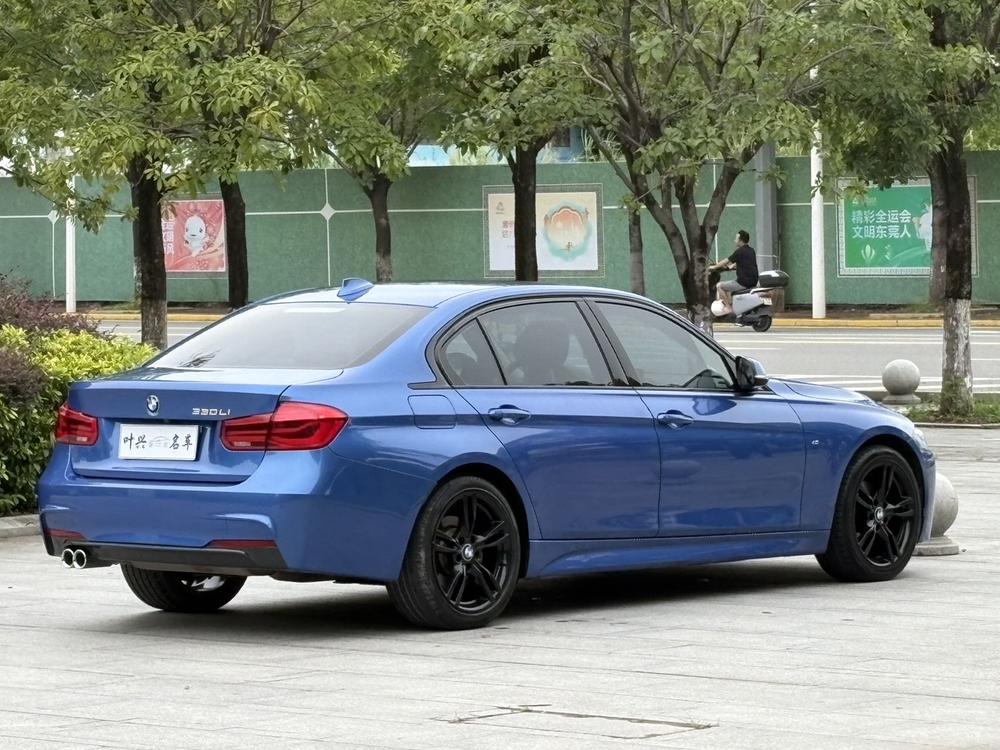
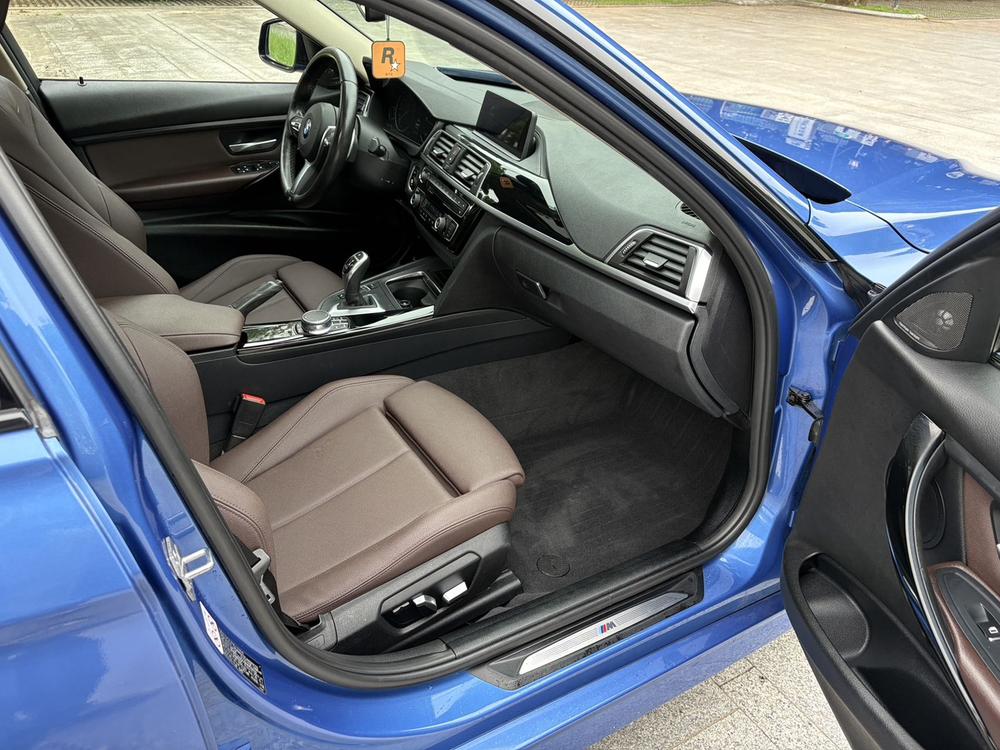
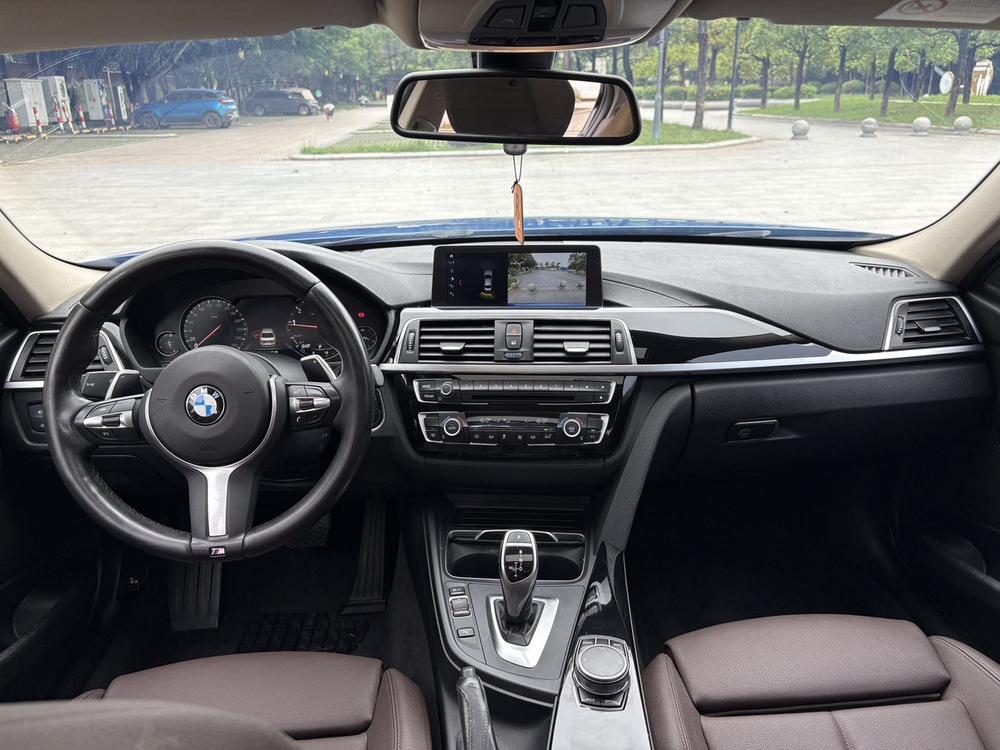
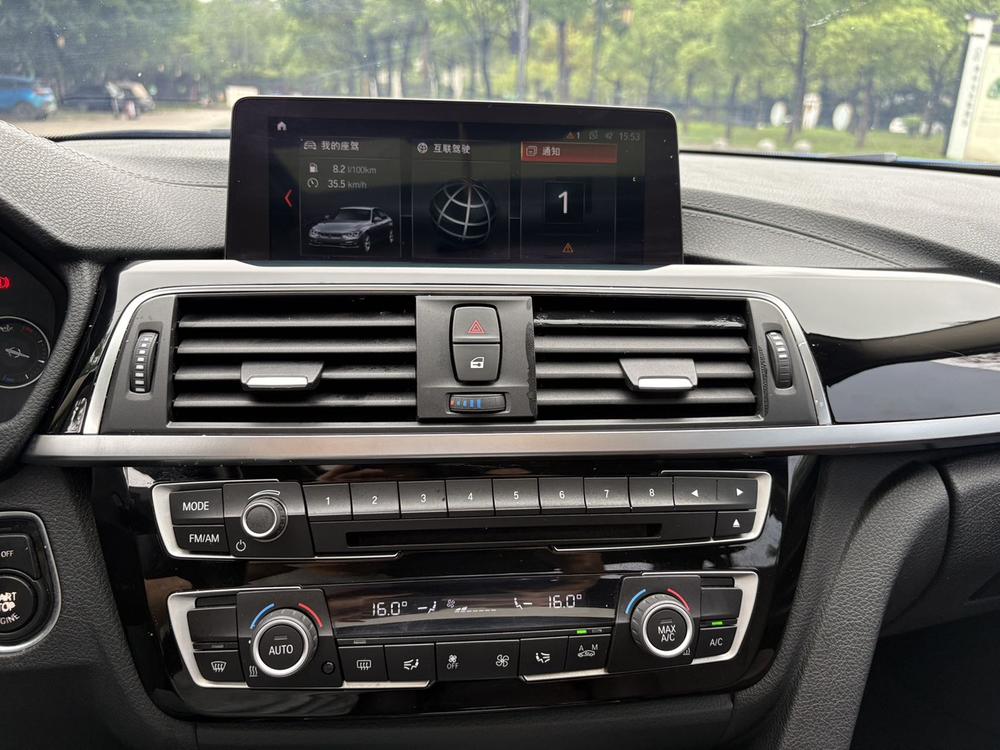
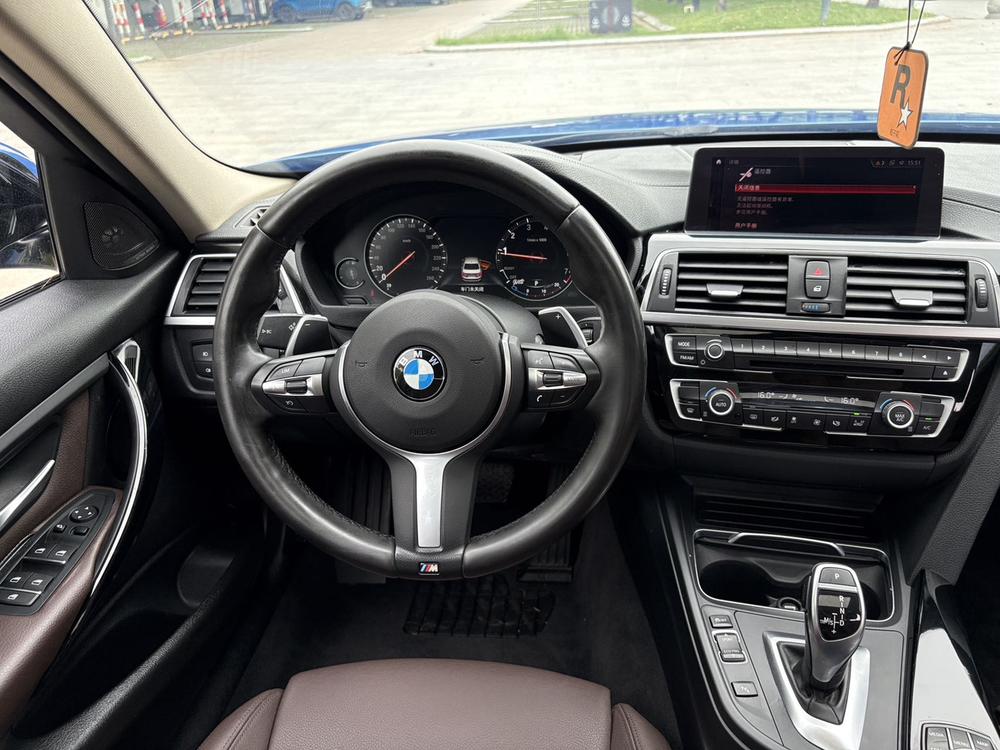
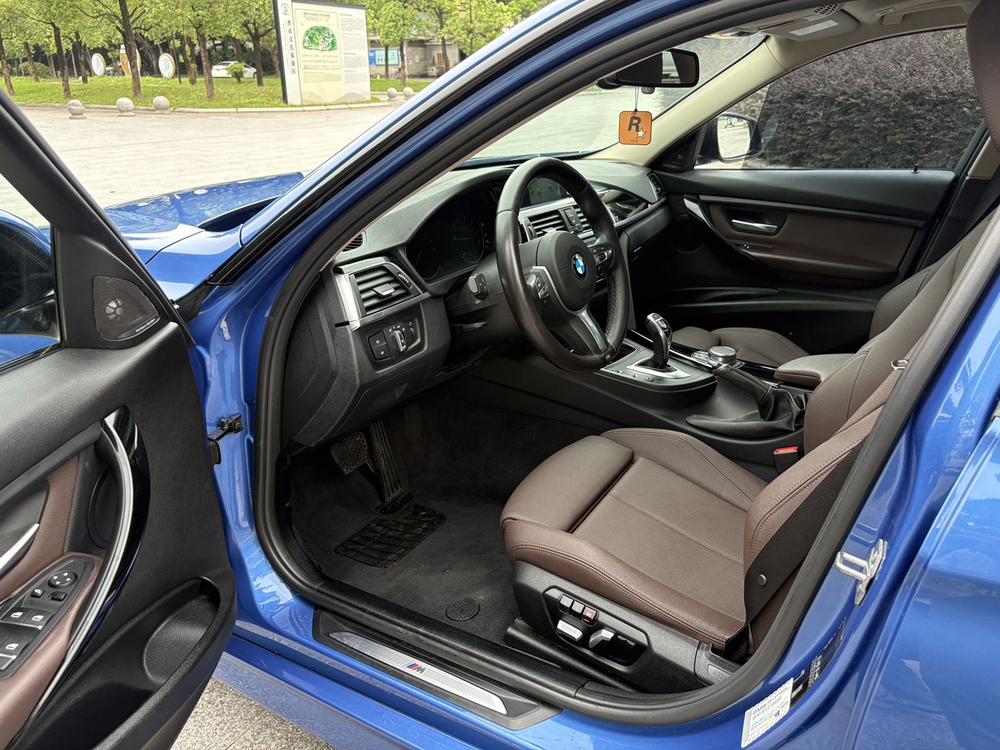
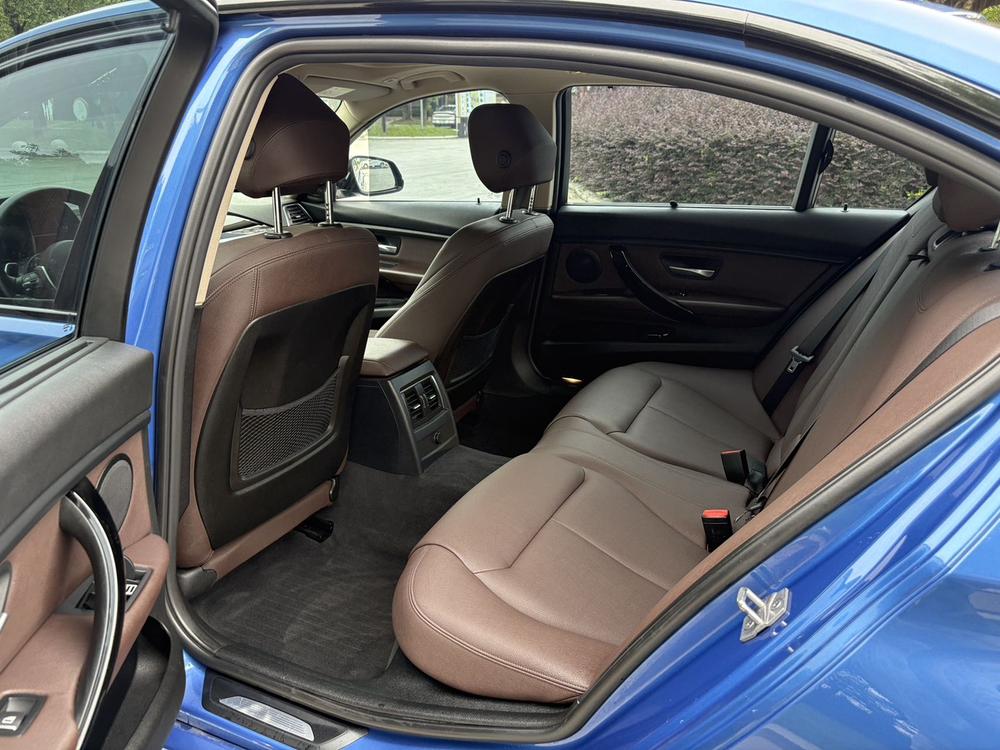
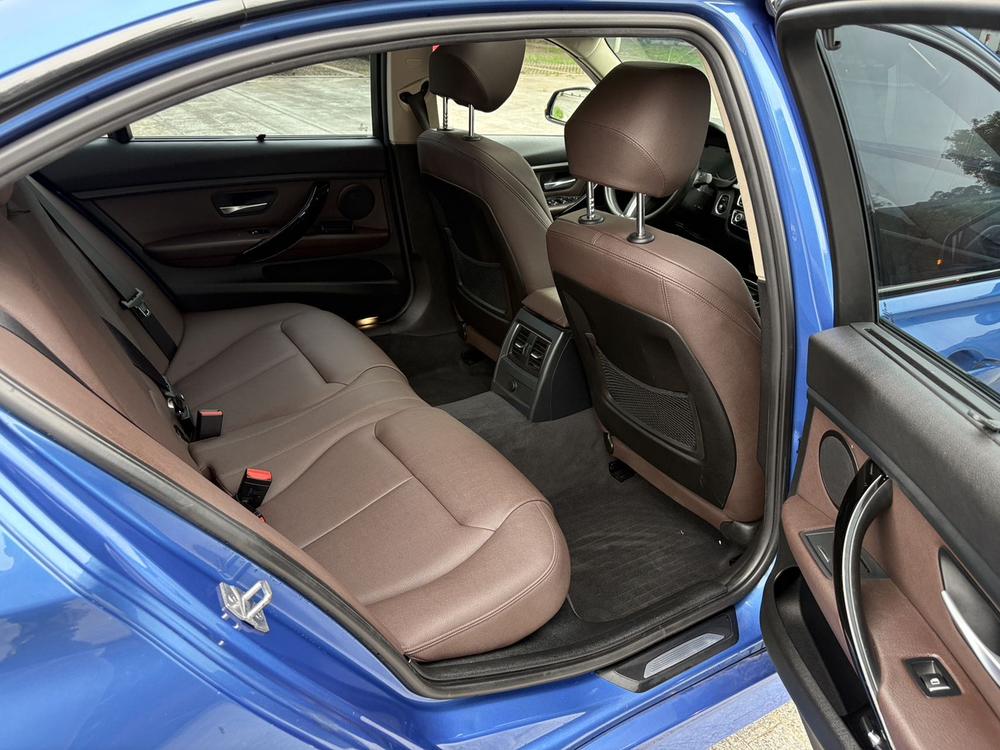
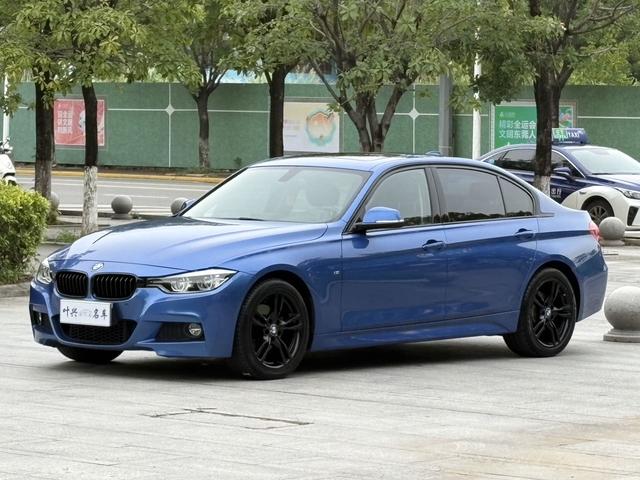
48H

Basic Information

BrandBMW
Series3 Series
Year2018
First Registration2018/01
Mileage70,000km
Transfer Count0times
FuelGasoline
TransmissionManumatic
Engine2.0T 184 L4
Color
Seats-

Condition Description

官方质检 · 60天全车质保· 7天无理由有偿退车

Configuration Highlights

✓上牌时间: 2018-01
✓表显里程: 7万公里
✓车源地: 东莞
✓排放标准: 国五
✓百公里加速: 7.9s
✓发动机: 2.0T
✓轴距: 2920mm
✓变速箱: 自动
✓功能配置: 18项
✓安全配置: 3项
✓动力类型: 后驱
✓空间舒适性: 一般

Q&A

More

Will all electronic buttons in the car (windows, air conditioning, seat adjustments) undergo electrical testing?

Testing is mandatory. Troubleshooting electrical devices in the car is part of the standard procedure. We will test the window lift motors, mirror folding, air conditioning compressor and fan, electric seat tracks, etc. Any stuttering or failure of electronic components will be recorded.

For a used hybrid or EV, what battery health checks should I demand in a pre-purchase inspection?

The battery is the most expensive component in a used EV or hybrid, so battery health deserves its own inspection stage. Ask for a professional diagnostic scan (for example, via OBD tools reading the BMS data) that reports State of Health (SOH) in percentage. For EVs, SOH above 85% is generally good; below 75% means meaningful capacity loss and reduced driving range. Request a full charge and discharge test where possible: charge to 100%, drive or discharge to near 0%, and compare actual range against the original rated range. A battery delivering less than 70% of rated range is a concern. Check for battery cell imbalance — the diagnostic report should show voltage differences between cell groups. A spread above 0.05V indicates uneven aging. Also verify thermal management: confirm the battery cooling/heating system works, especially for cars destined for hot climates, and check whether the car has any active battery recall or warranty extension programs. Always get these results in writing or screenshots before paying the balance.

How can I decode a Chinese VIN, and what does it tell me about a used car's origin and specs?

A Chinese-market VIN has 17 characters, and several positions are genuinely useful. Characters 1-3 are the WMI: the first character L confirms the car was built in China, and the next two identify the manufacturer (for example LFV for FAW-VW, LSV for SAIC-VW, LGX for BYD). Character 10 is the model year code, and character 11 usually identifies the assembly plant. Cross-check the decoded data against the vehicle nameplate on the B-pillar and the Chinese registration certificate. If the decoded plant or year contradicts the paperwork, walk away — relabeled VIN plates are a classic sign of a rebuilt or cloned vehicle. Generic online decoders cover Chinese domestic models poorly. In practice, ask your exporter or inspection agent to pull the manufacturer's build sheet using the VIN: it lists factory options, battery supplier and production date, which is far more reliable than any free decoder.
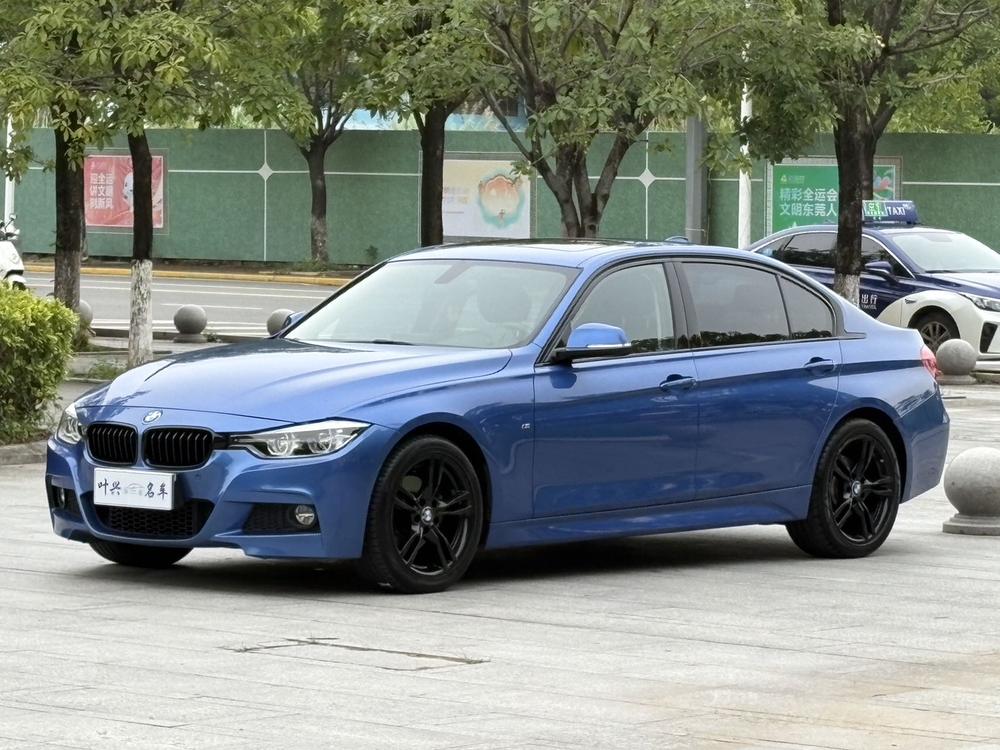
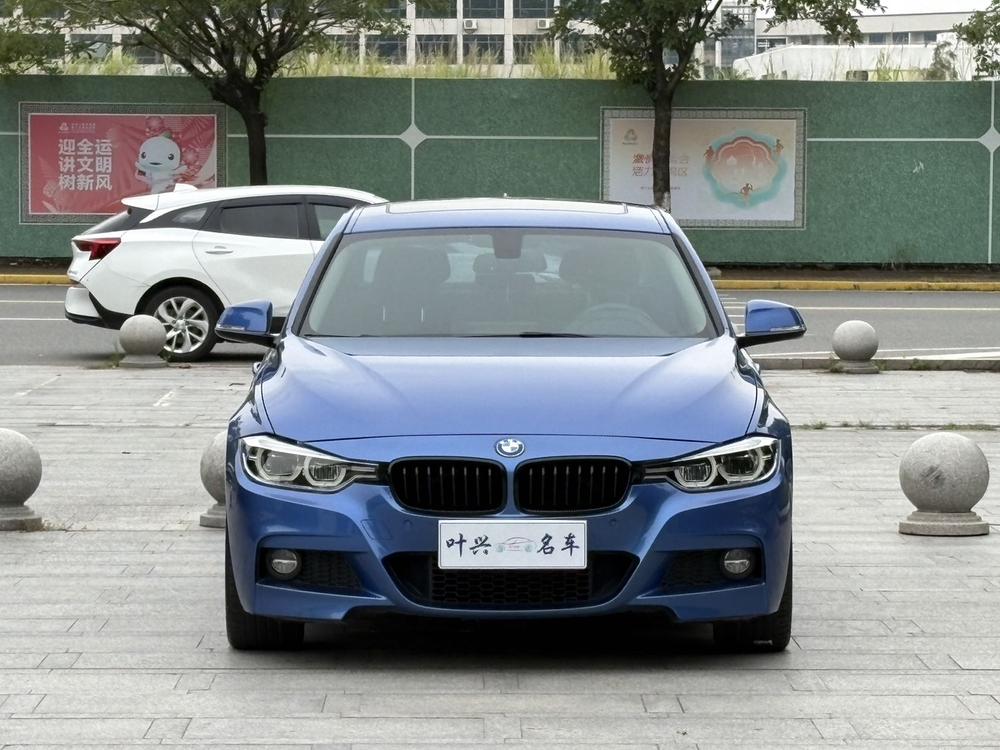
BMW 3 Series 2.0T 184 L4

宝马3系 2018款 320Li 领先型M运动套装

EXW: $12,133
Car CodeSWA1920821
Publish Date