
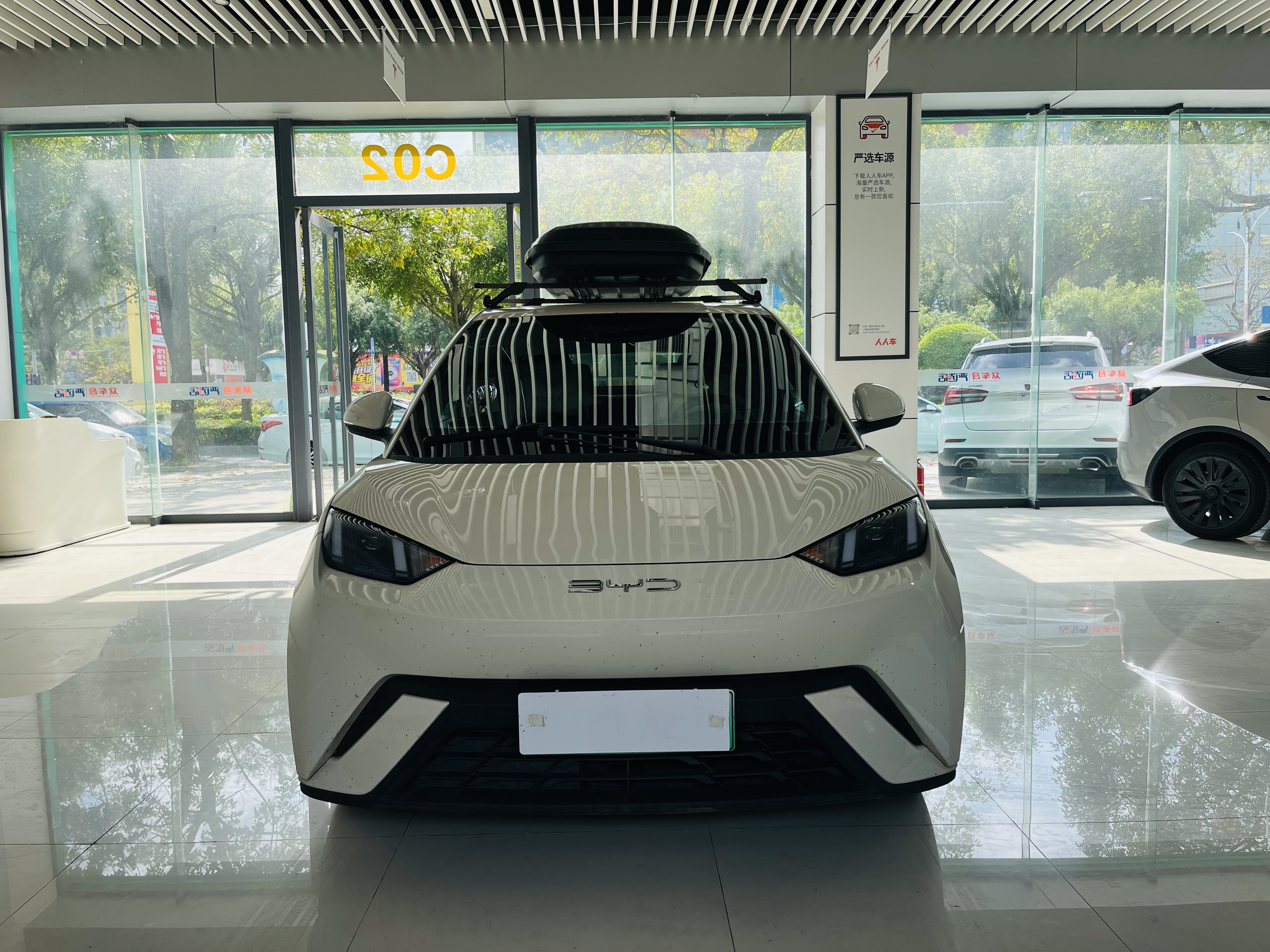

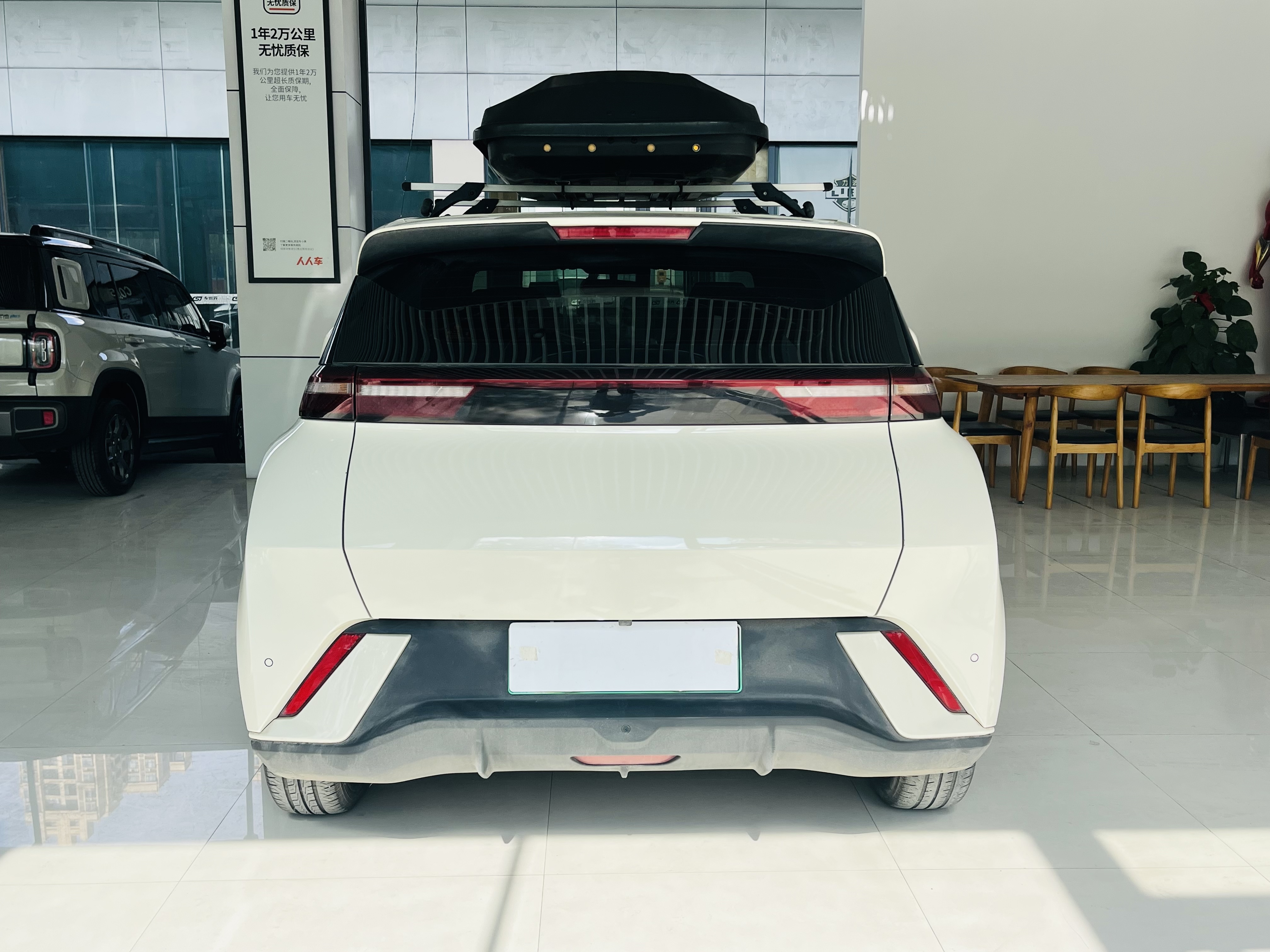
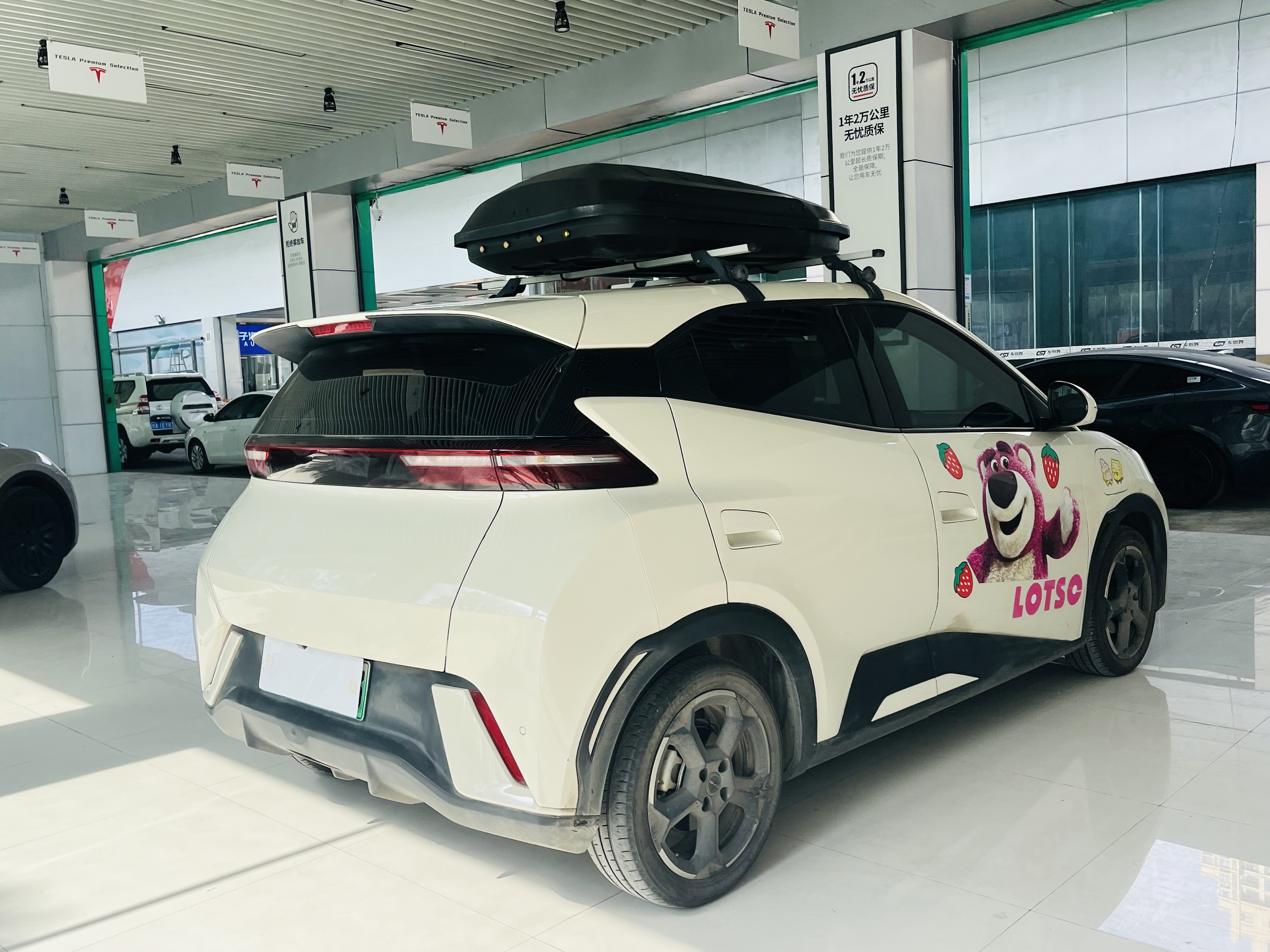
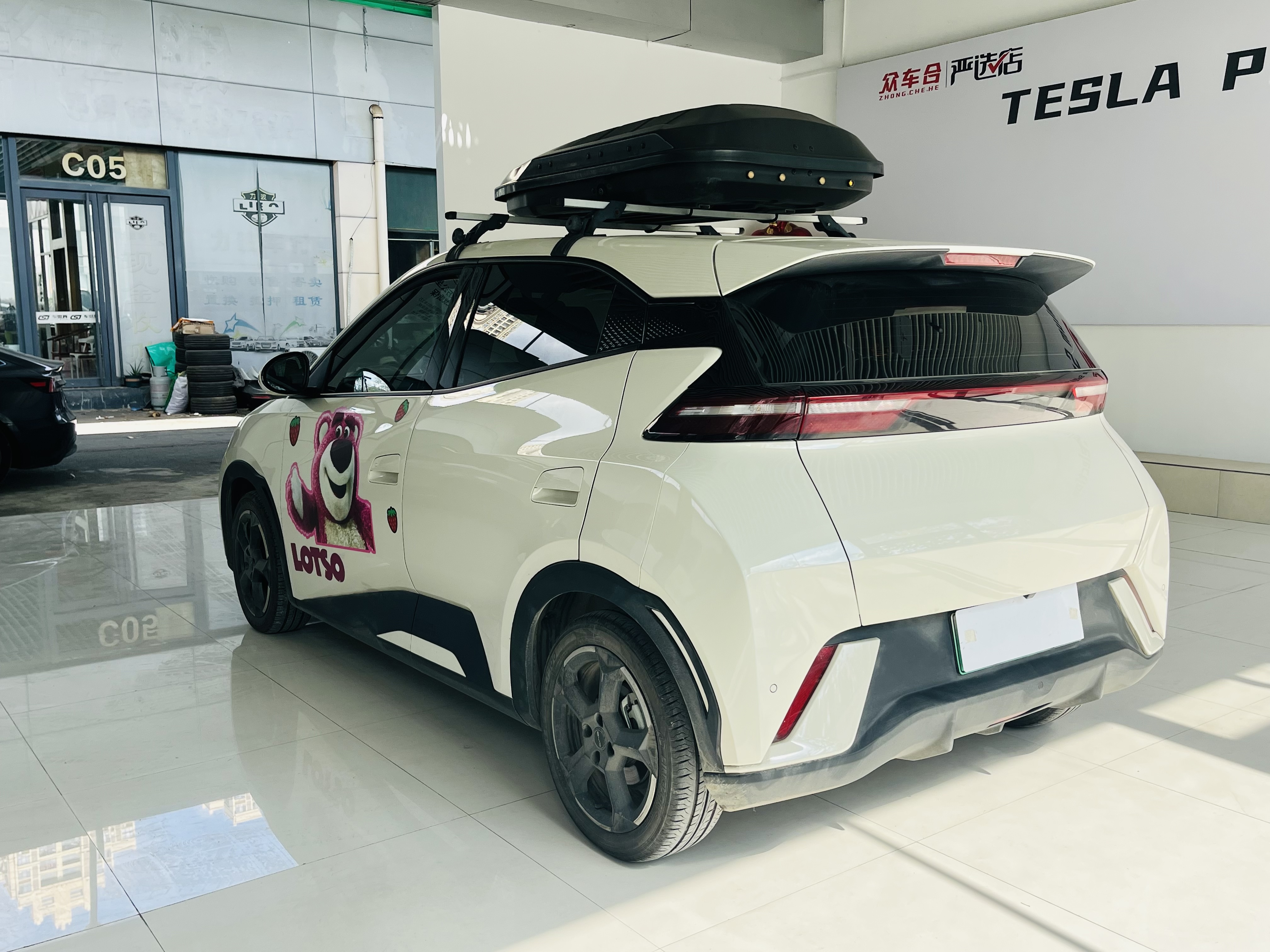
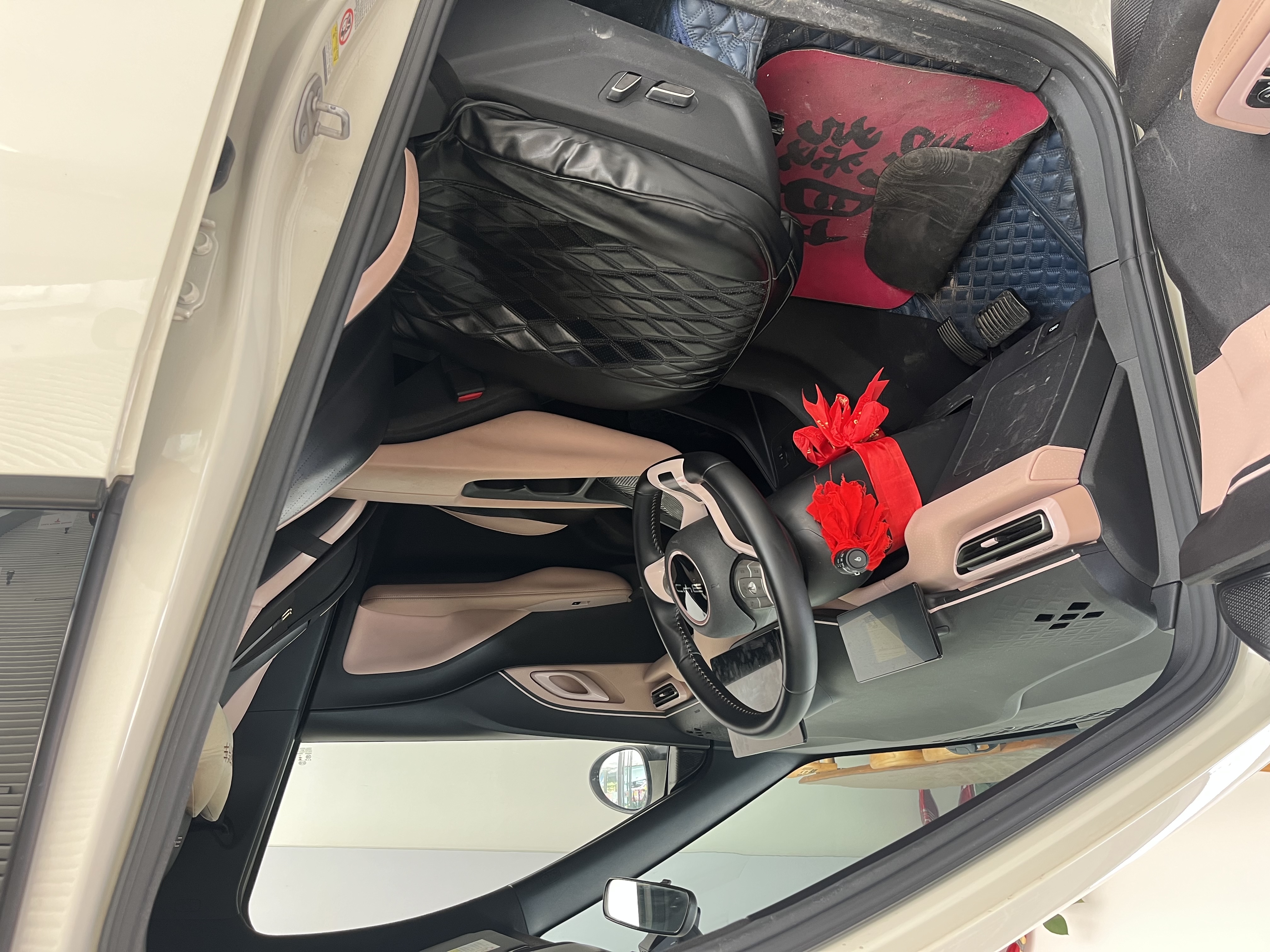
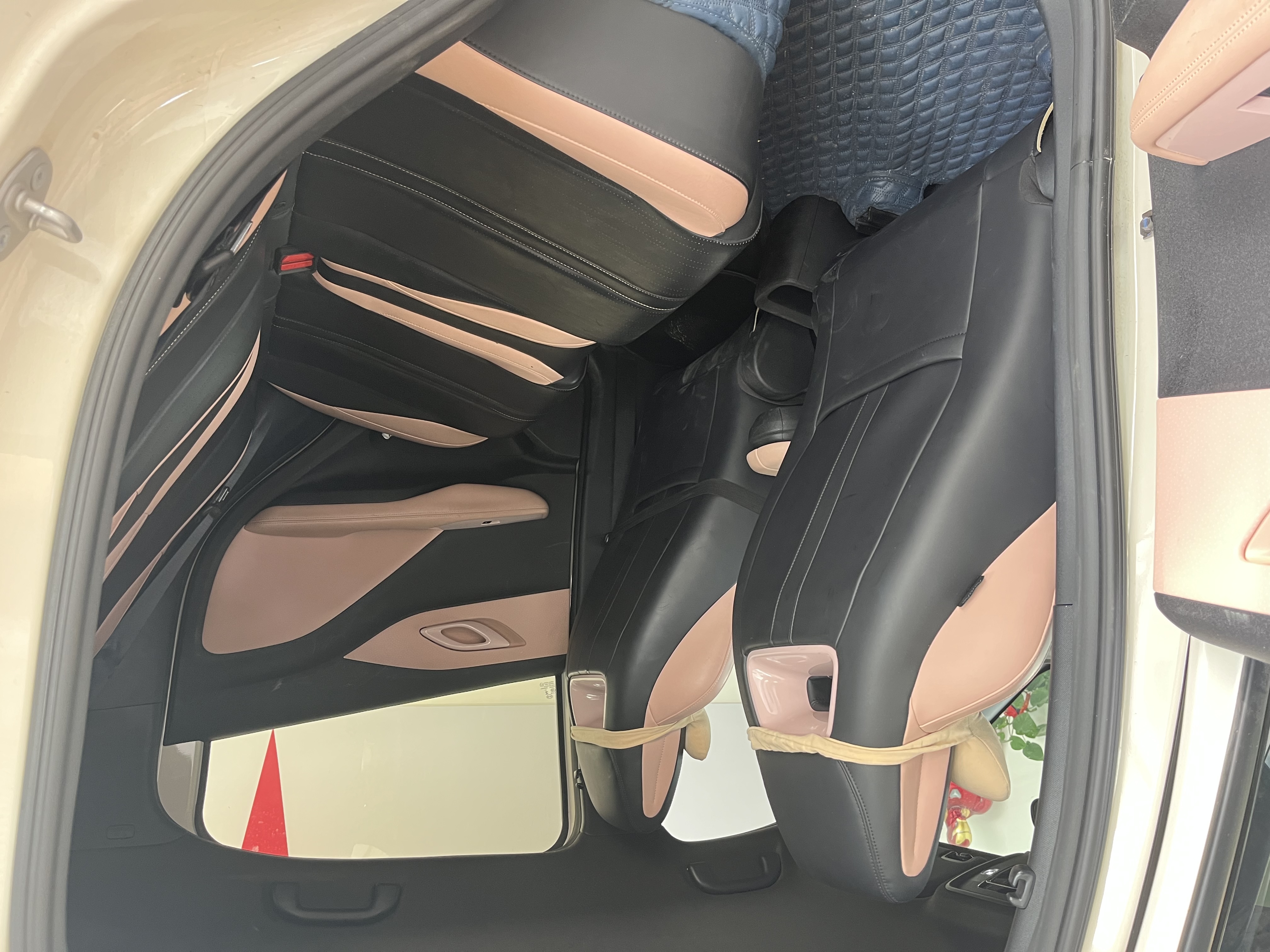
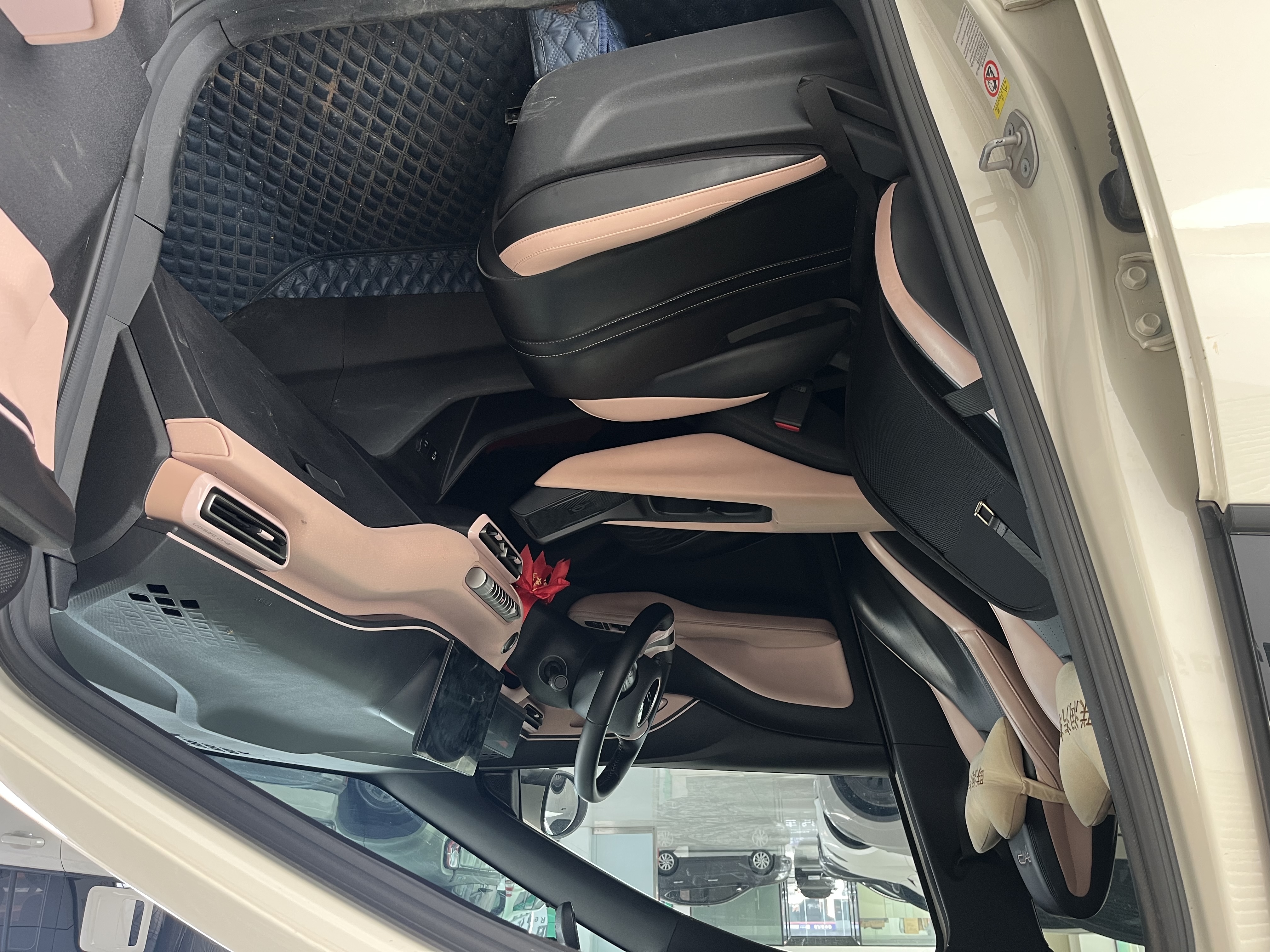
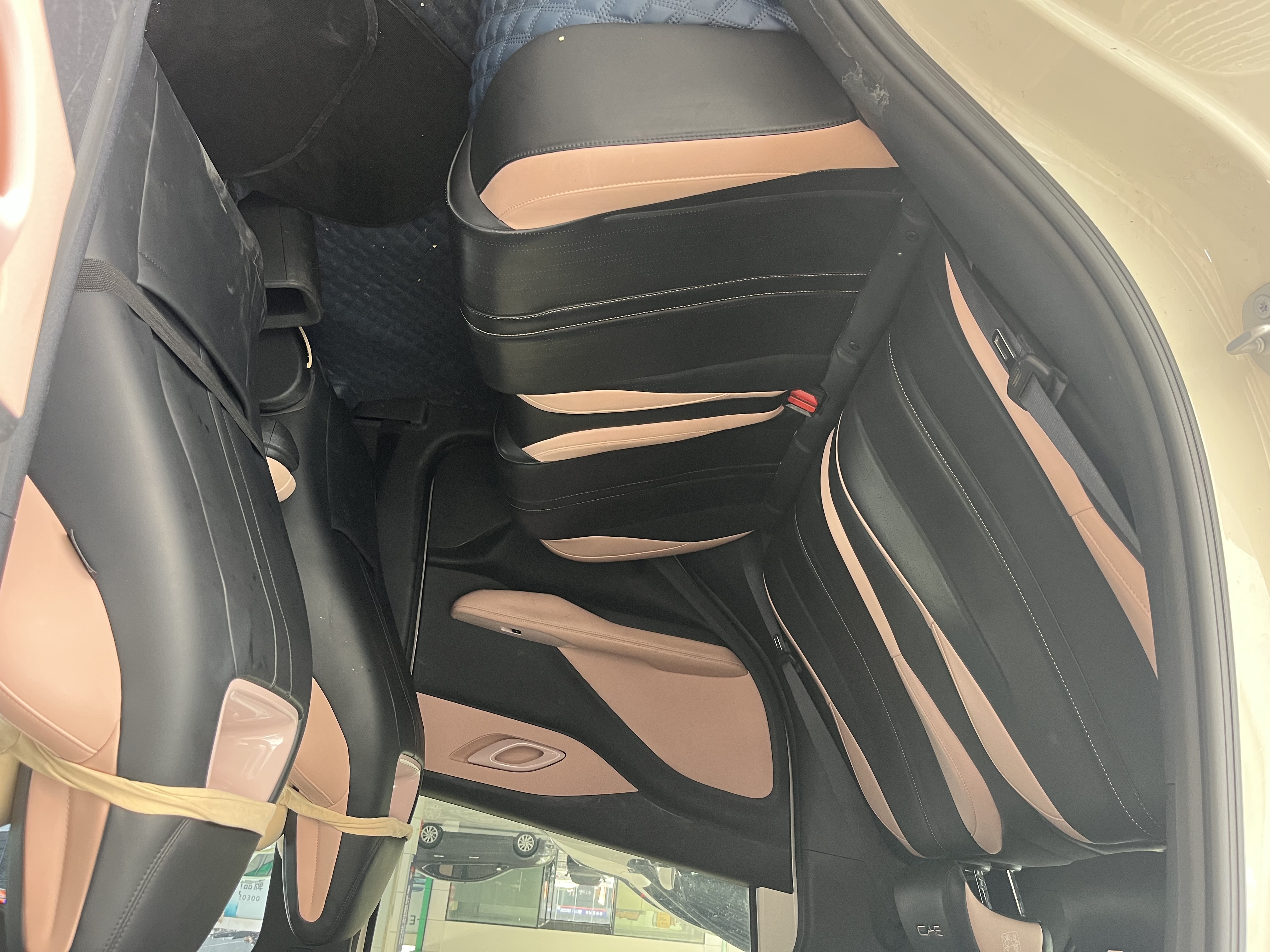



Basic Information

BrandBYD
SeriesSeagull
Year2023
First Registration2023/06
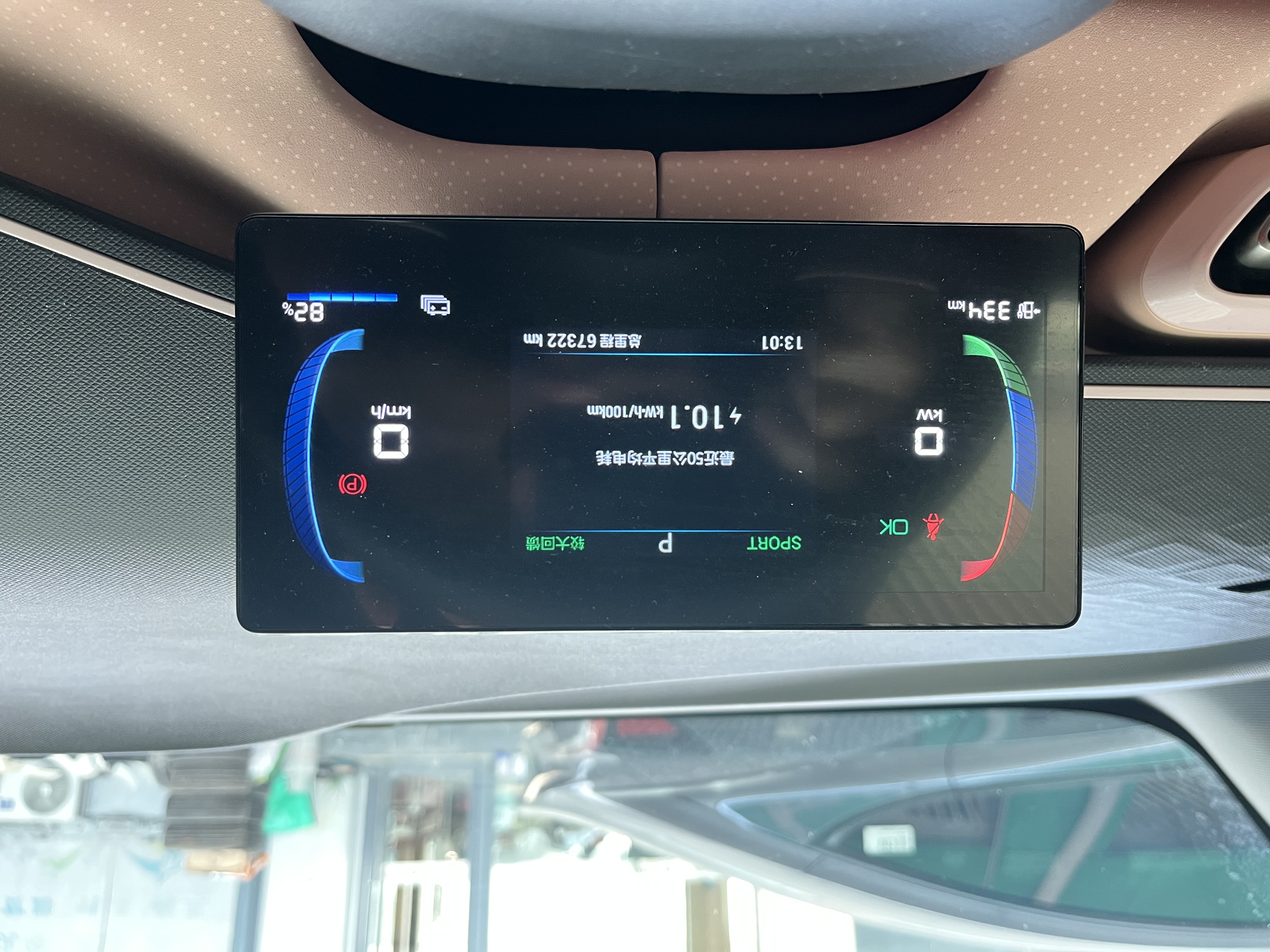
Mileage6.7km
Transfer Count-
FuelOther
TransmissionOther
Engine-
ColorWhite
Seats-

Condition Description

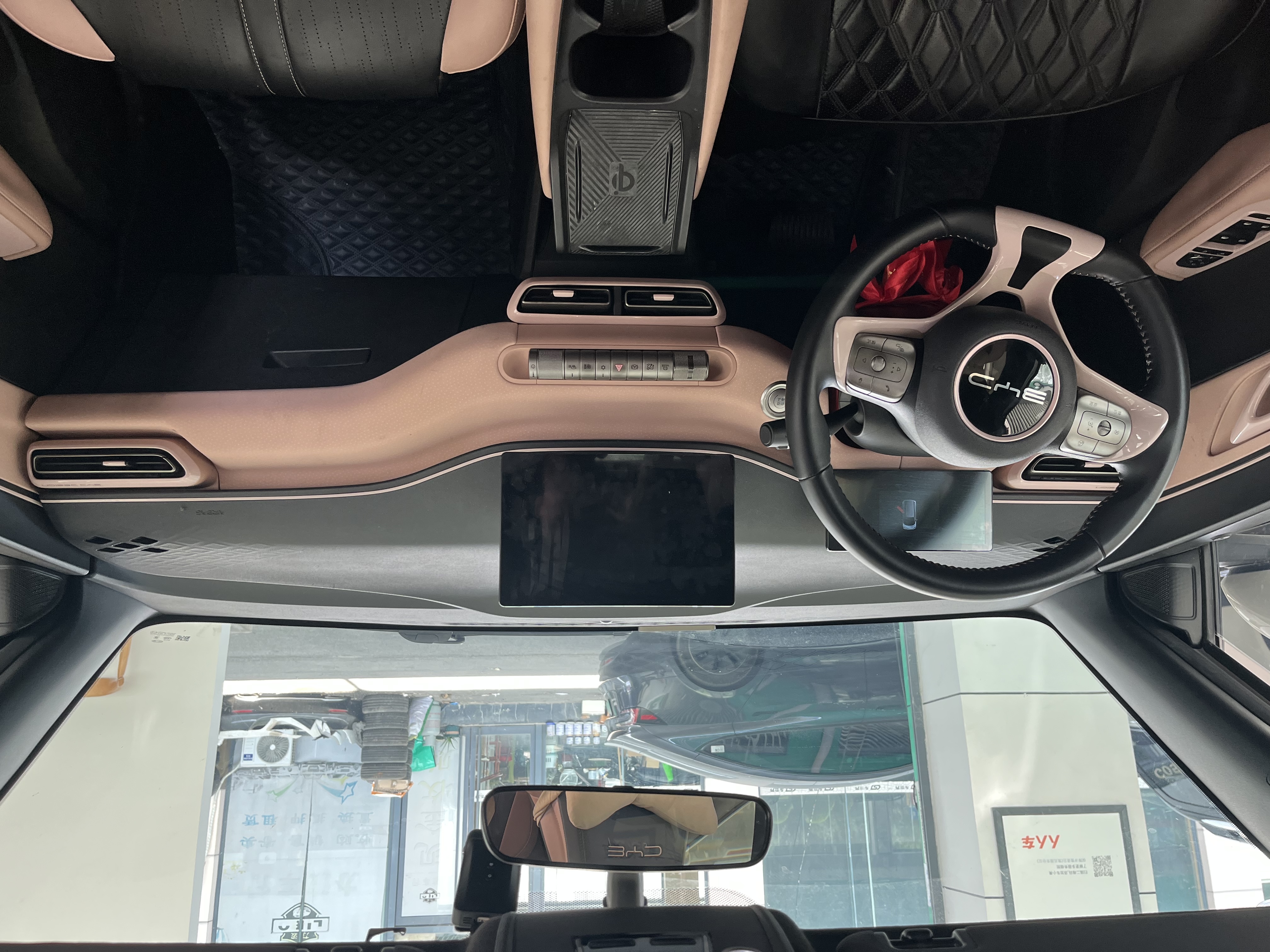
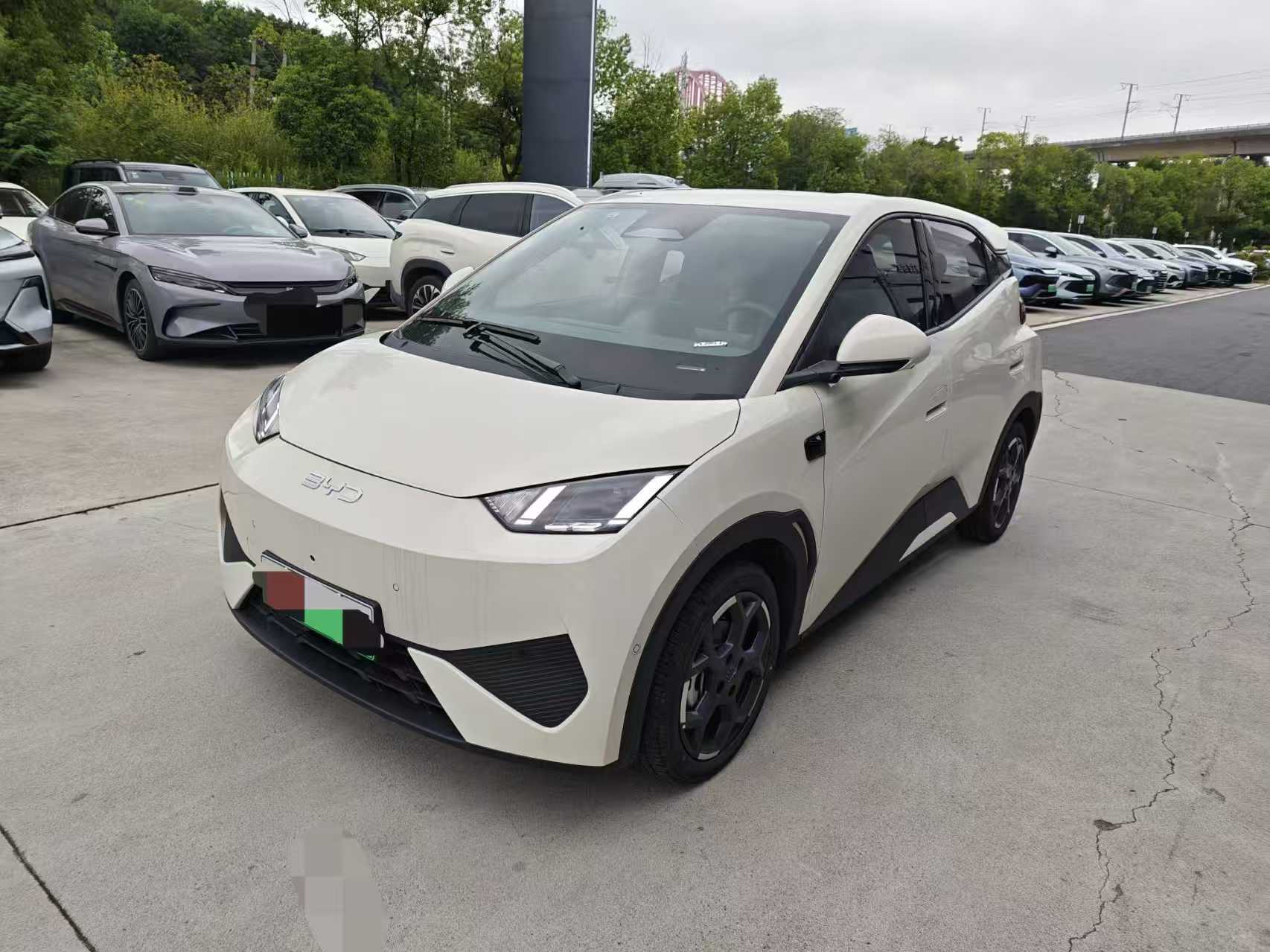
Vehicle Model: BYD Seagull 2023 Flying Edition 405 Color: White Interior: Black Registration Date: 2023-06 Insurance Date: 2026-06 Annual Inspection Date: 2027-06 Mileage: 67,000 km Landed/Unsecured: Loaned, unsecured vehicle registration certificate in hand Usage Type: Non-commercial Public/Public Ownership: Individual Number of Ownership Transfers: 0 Basic Condition: Tailgate replaced, accident photos available Paint: [Not specified] Bodywork: Right front flap, right front door, right rear door Replacement: Tailgate Care: [Not specified] Highlight Features: [Not specified]

Configuration Highlights

✓Driver/Passenger Airbags
✓Front/Rear Side Airbags
✓Front/Rear Curtain Airbags
✓Tire Pressure Monitoring
✓ISOFIX Child Seat Anchors
✓Keyless Start System
✓Keyless Entry System
✓ABS Anti-lock Braking
✓Electronic Brake Distribution
✓Electronic Stability Control
✓Hill Start Assist
✓Auto Hold
✓Multifunction Steering Wheel
✓Seat Material
✓Driver/Passenger Power Seats
✓GPS Navigation
✓Low Beam Headlights
✓Daytime Running Lights
✓Auto Headlights
✓Adjustable Headlight Height
✓Power Windows
✓Anti-pinch Windows
✓Climate Control Type

Q&A

More

How long will the seat heating and ventilation features undergo continuous power testing before export?

To prevent intermittent failures due to aging of the resistance wire, we will start the engine and set the seat heating/ventilation to maximum for at least 5 minutes, confirming significant temperature changes or airflow output in the cushion and backrest using an infrared thermometer or body sensor.

How can we ensure that the electronic parking brake (EPB) servo motor does not seize the brake disc due to rust after long sea transport?

This is a common issue with sea transport. If the vehicle is parked at a humid dock, the EPB can easily rust to the brake disc. In addition to testing its release before shipping, we try to ask dock workers to secure the wheels with chocks instead of fully engaging the electronic parking brake.

After the vehicle arrived at the port, it was found that the rubber parts of the chassis (such as dust covers and engine mounts) had extensive cracking. Does this fall under the compensation for "certain repair parts compensation"?

Absolutely not. The aging and cracking of rubber parts are inevitable over time and are a normal manifestation of vehicle depreciation. Our compensation only covers sudden and catastrophic mechanical failures, such as engine cylinder scoring or transmission gear breakage.