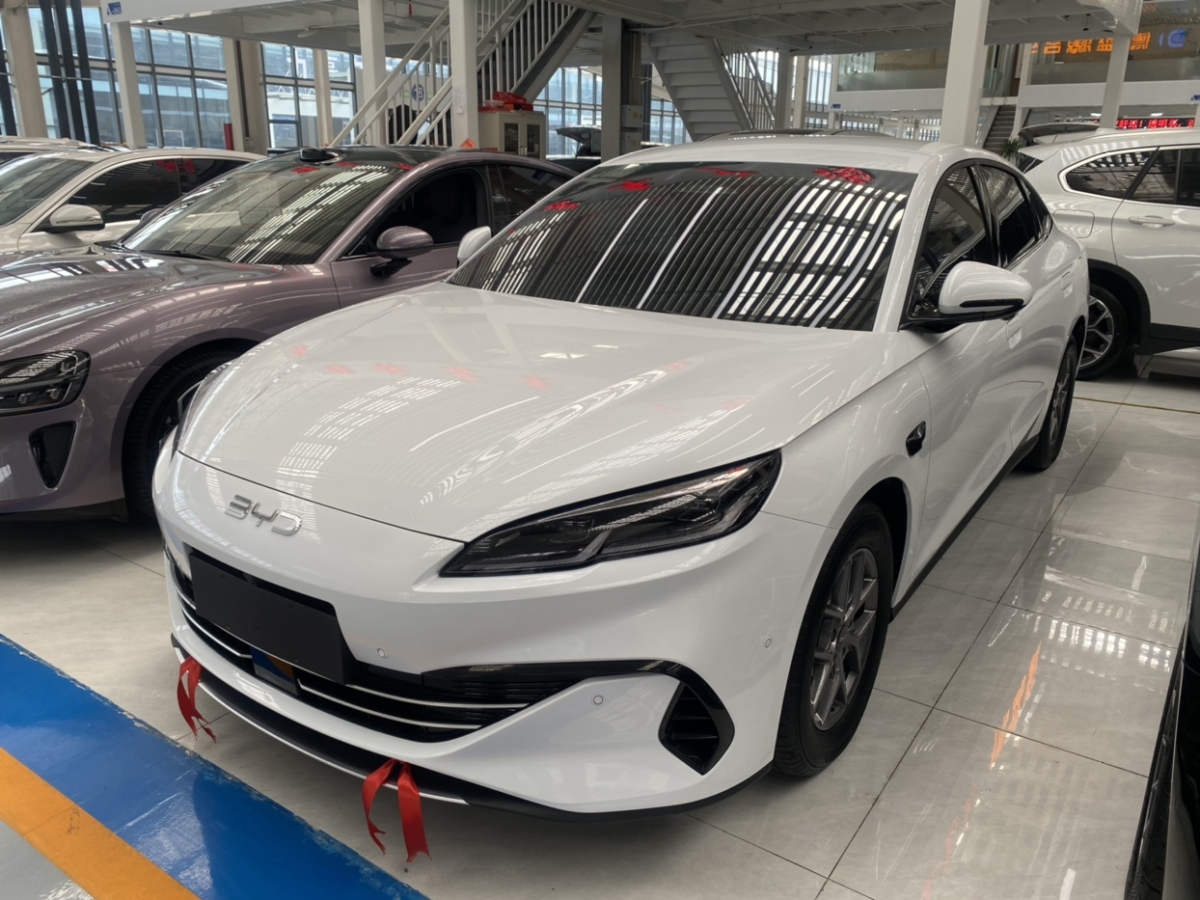
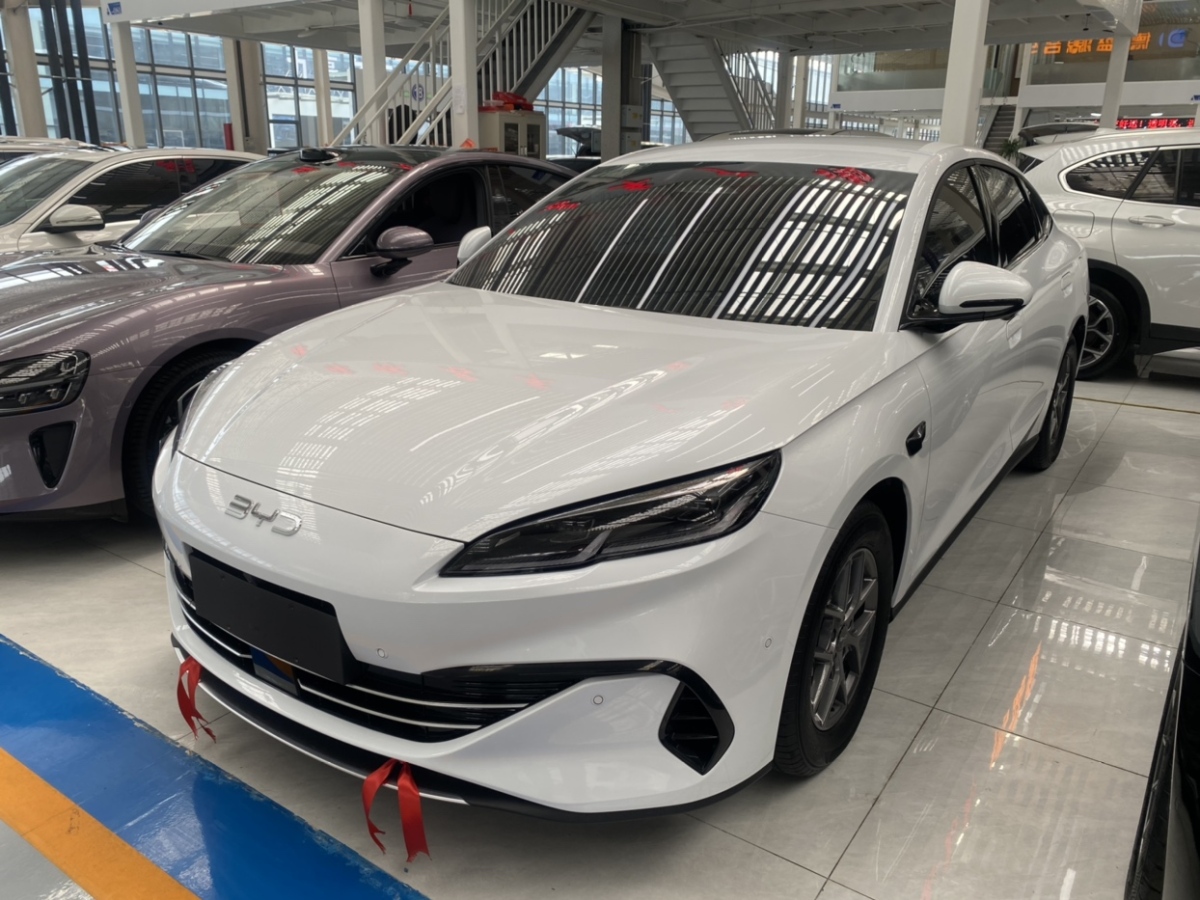
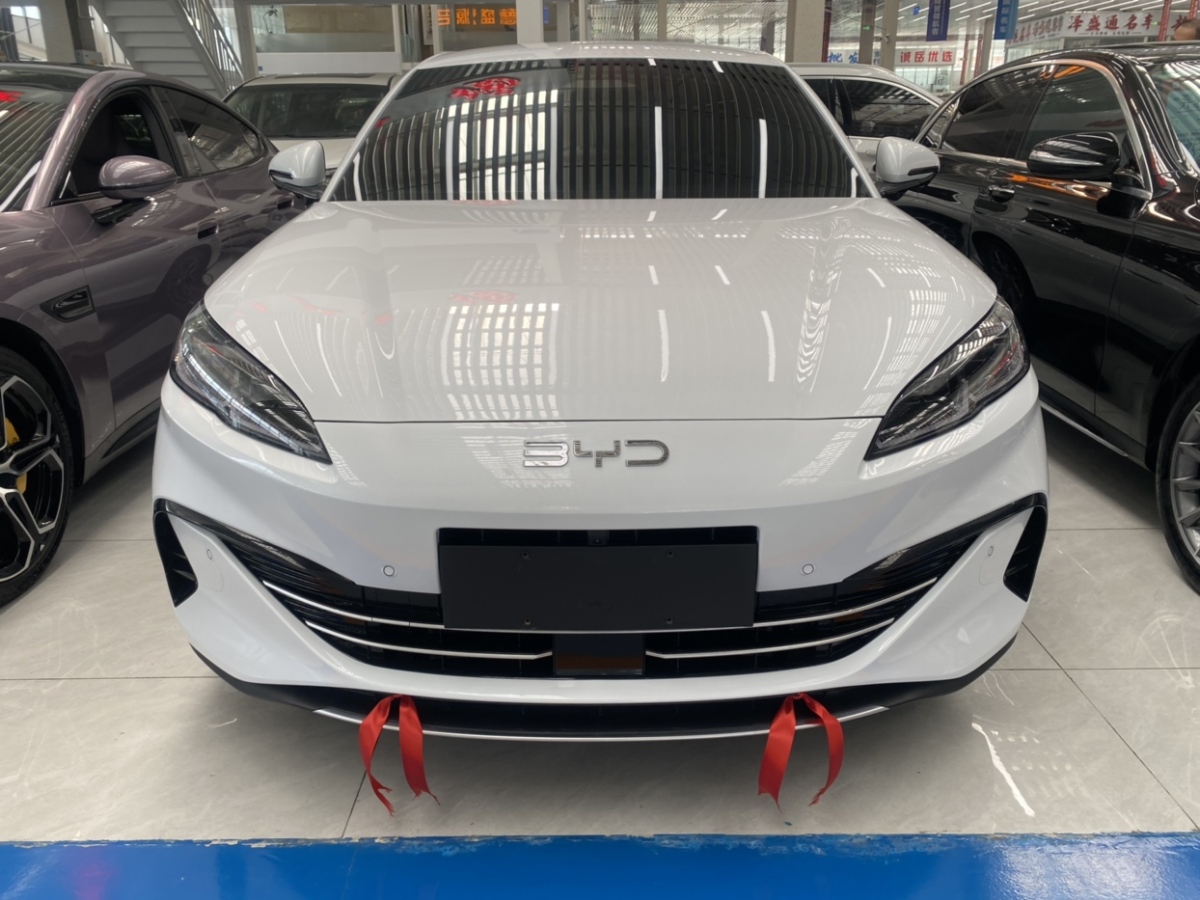
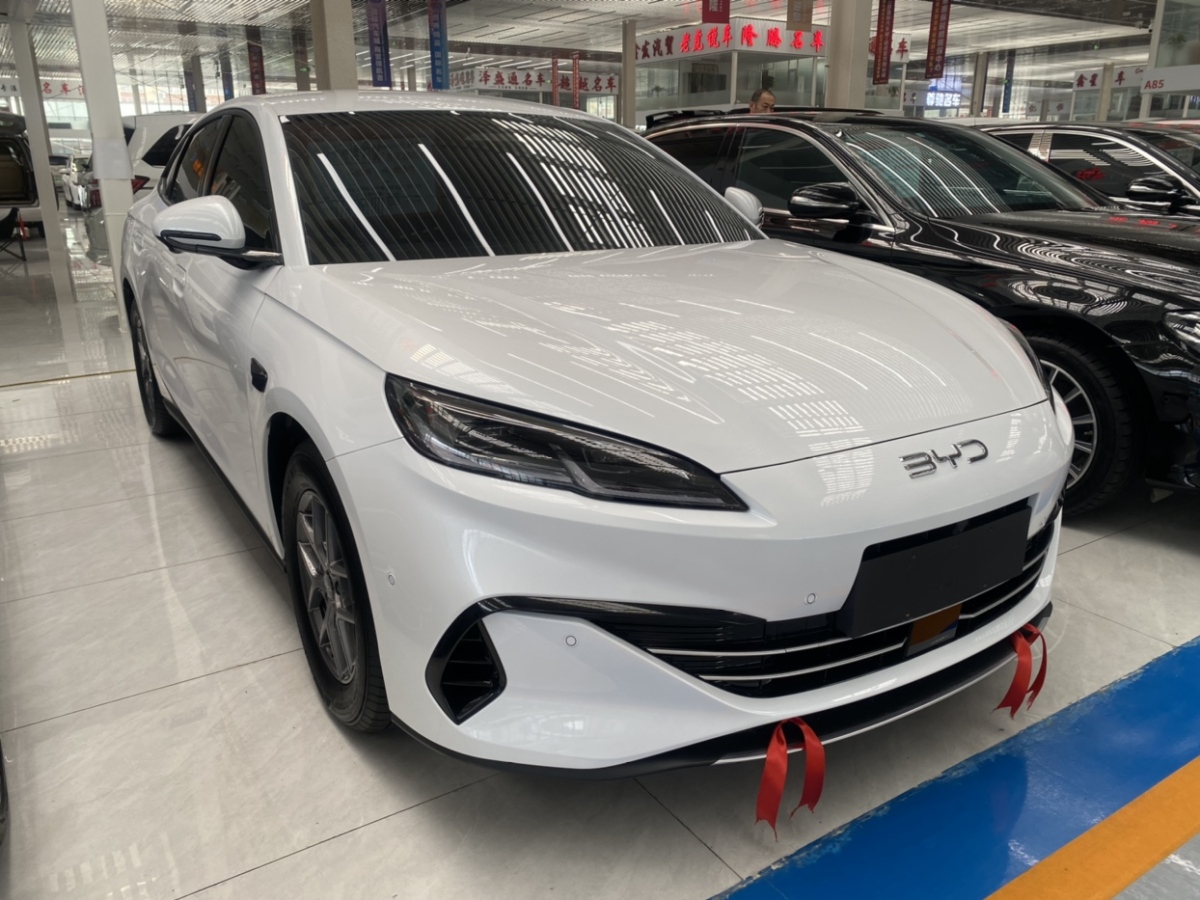
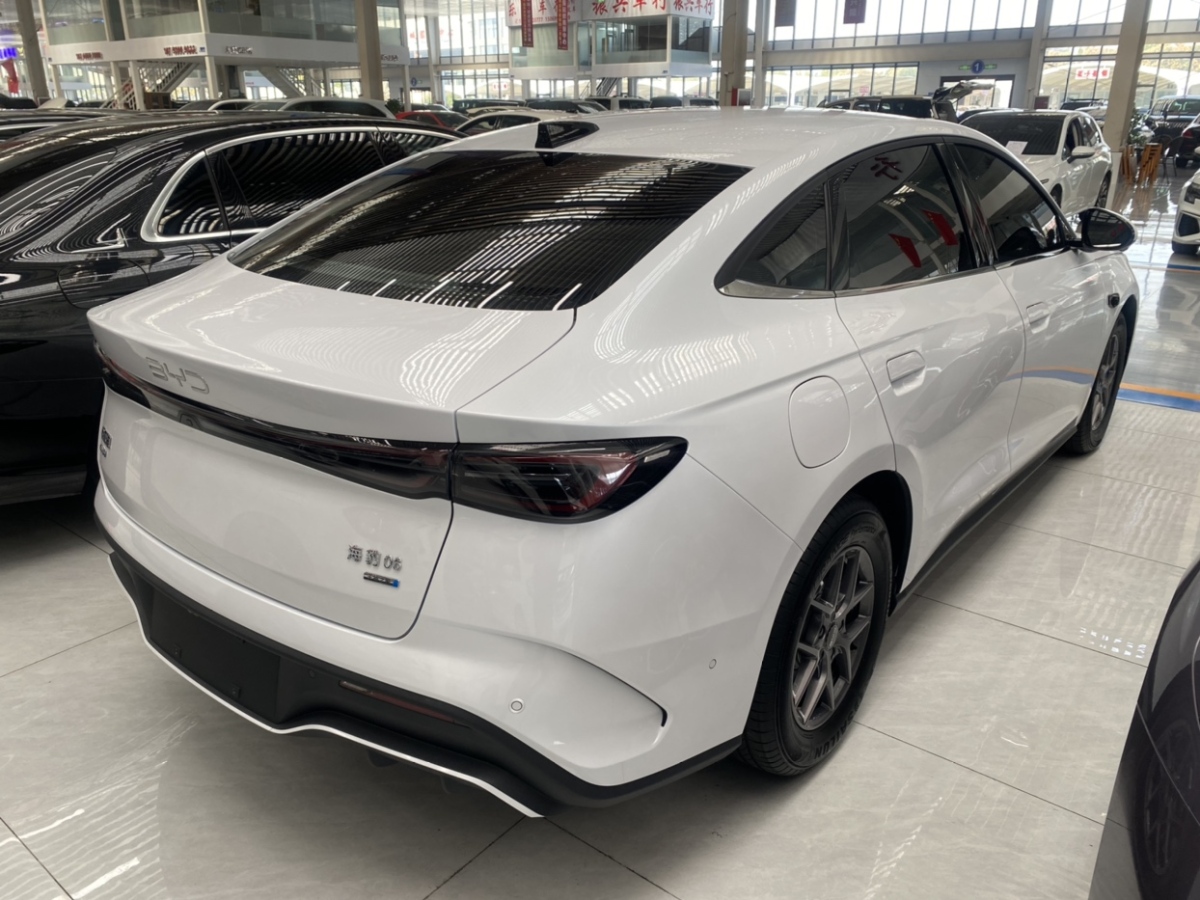
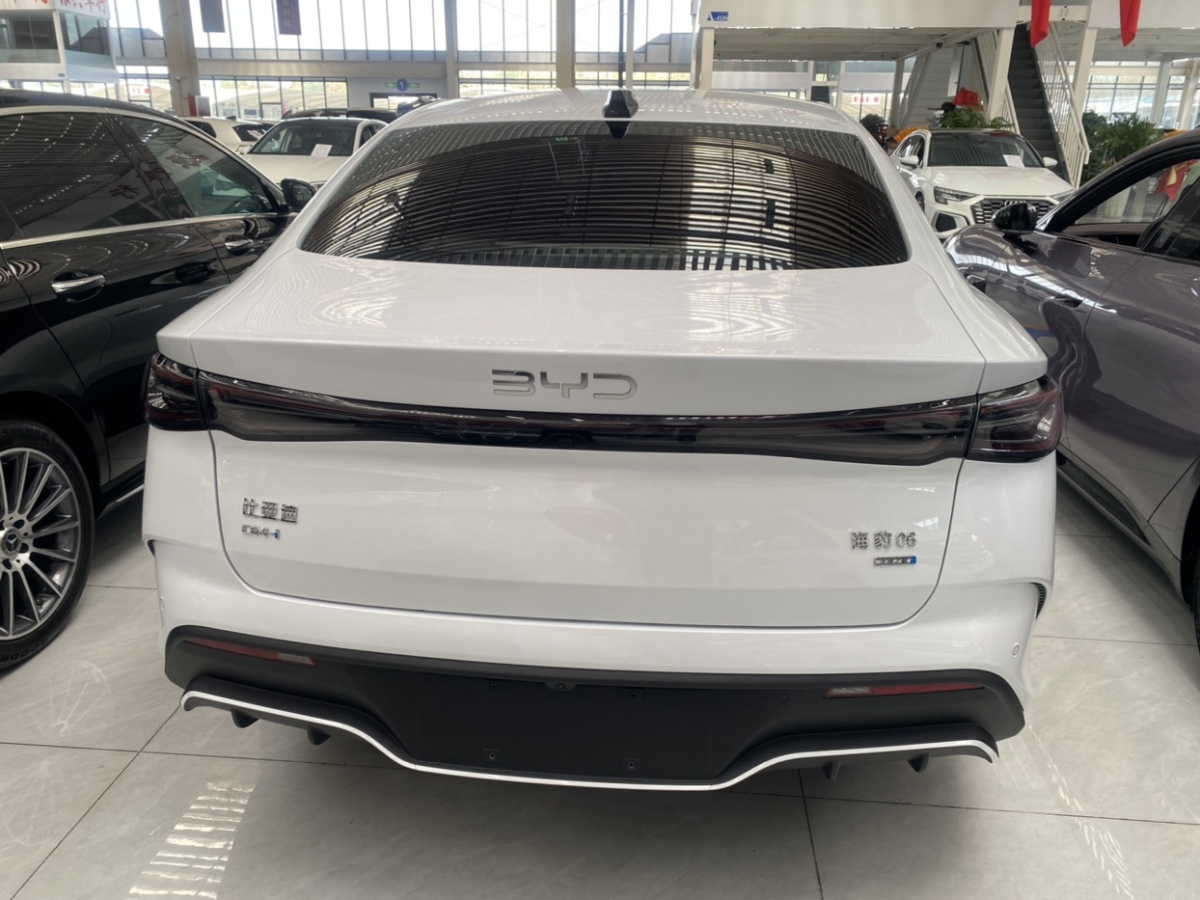



Basic Information

BrandBYD
SeriesSeal 06 DM-i
Year2025
First Registration2025/08
Mileage3,000km
Transfer Count0times
FuelPHEV
TransmissionE-CVT
Engine1.5L 101 L4
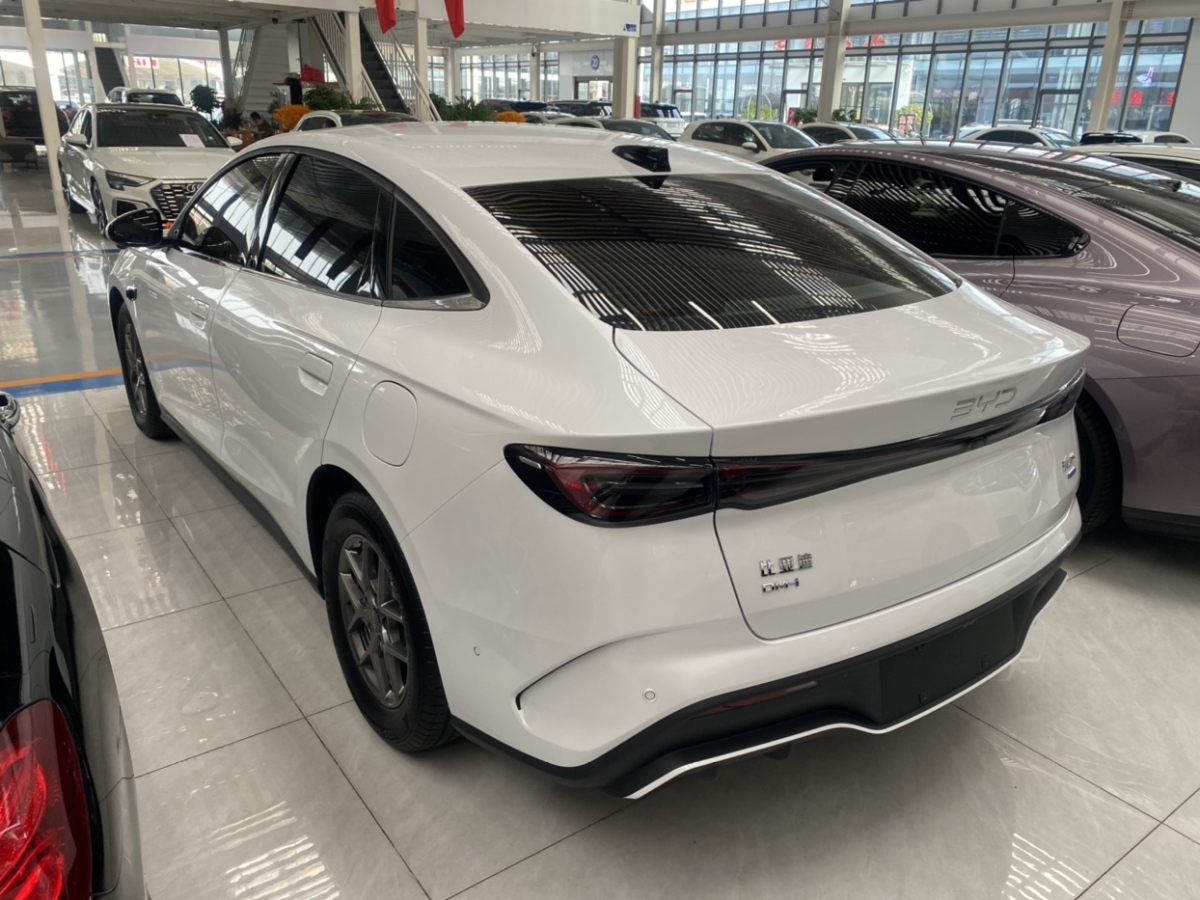
ColorWhite
Seats5seats

Condition Description

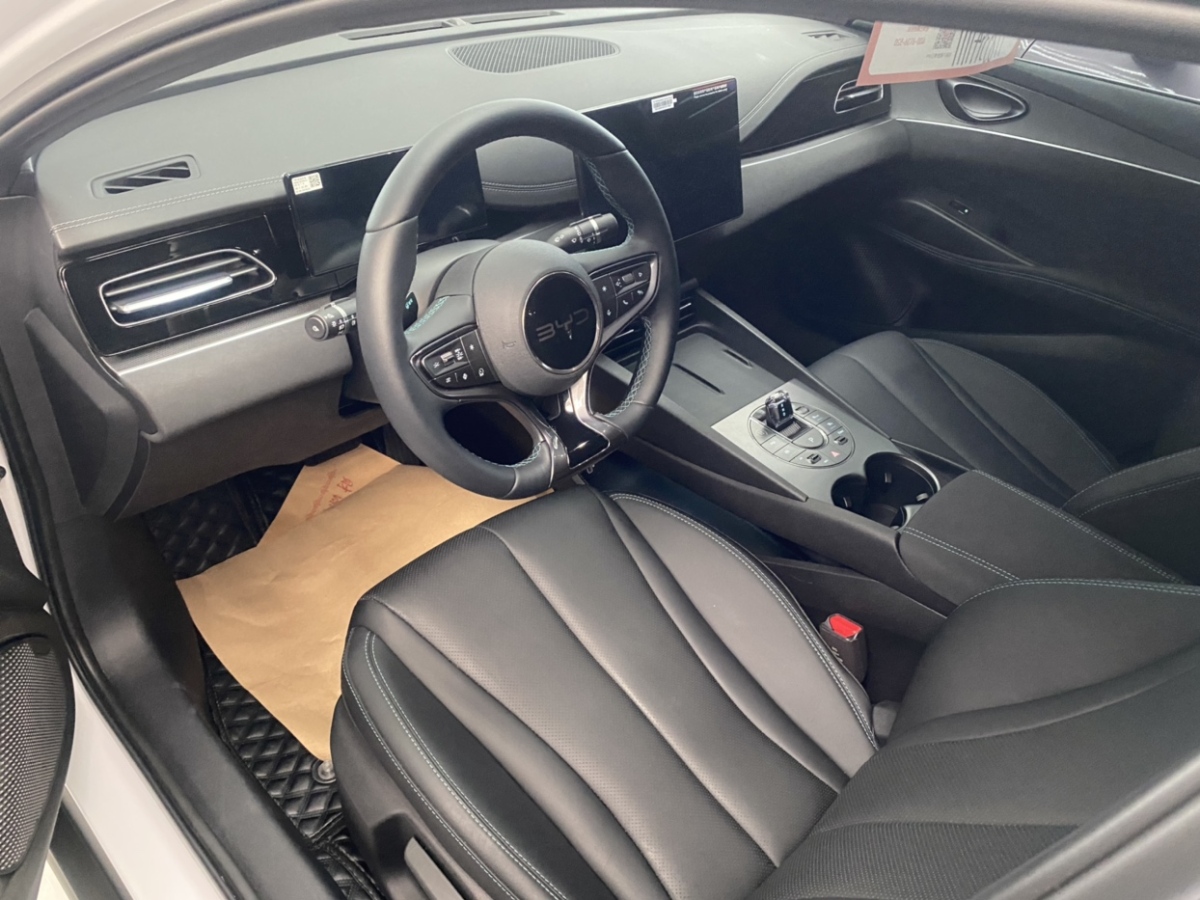
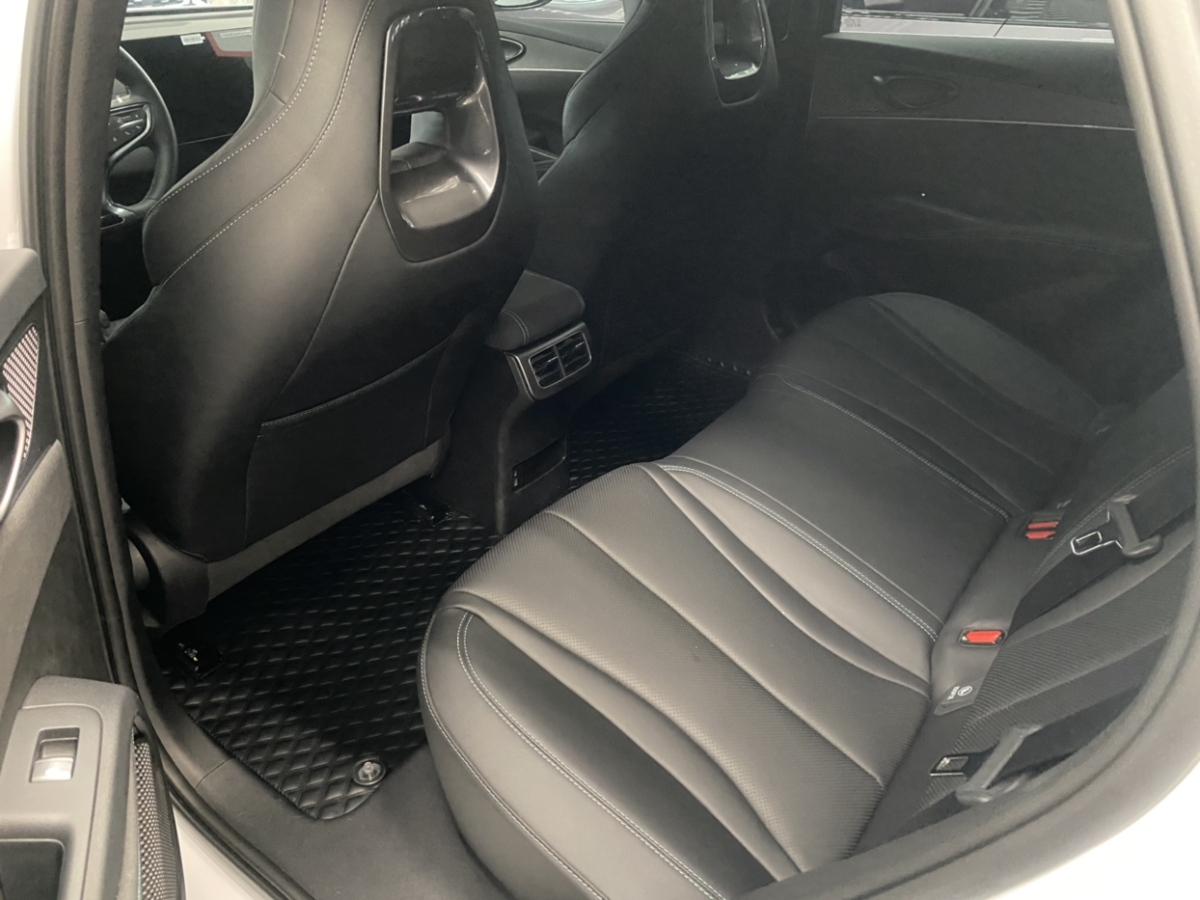
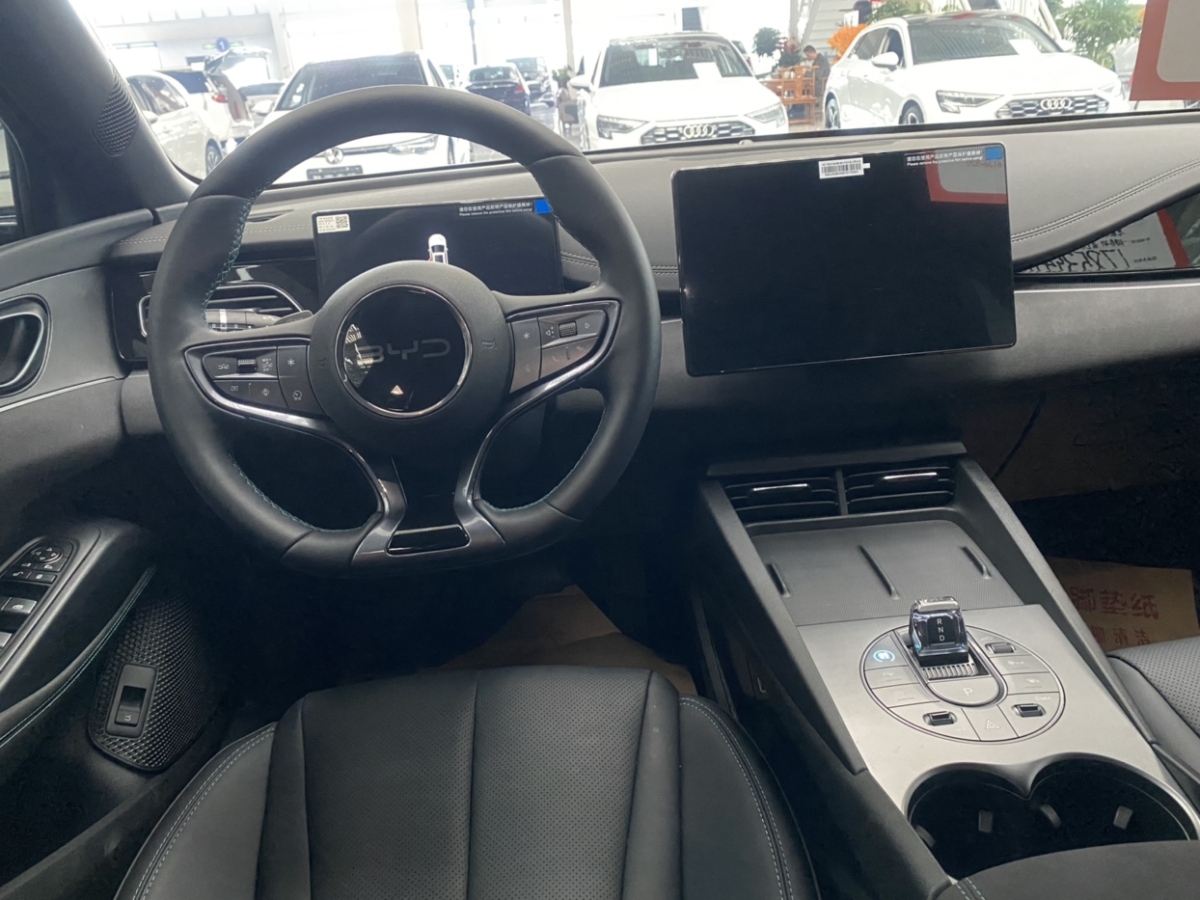
2006 Seal (2006 model), original paint, one owner, local, features tire pressure monitoring, lane departure warning, collision avoidance warning, sentry mode, multiple driving modes, 360-degree surround view, front and rear parking sensors, adaptive cruise control, LED headlights, etc. Interested parties please contact ☎️ 155****3111

Near-new car
Quality guarantee

Configuration Highlights

✓Automatic Climate Control
✓Sport Seats

Q&A

More

What is a battery SOH certificate and why does it matter when buying a used EV from China?

SOH (State of Health) measures the battery's remaining capacity as a percentage of its original capacity. Two EVs with the same mileage can have very different SOH depending on charging habits and climate exposure, and since the battery represents 30-50% of a used EV's value, the SOH number is effectively the real price tag. A proper certificate includes current SOH percentage, cell voltage balance, charge cycle counts, battery management system fault codes, and often a projected range estimate. In hot-climate markets like the Gulf, a degraded battery degrades even faster, so a documented SOH above 85-90% is strongly recommended. Exporters who provide verified SOH certificates close deals faster and command better prices, so treat the certificate as a core purchase document, not an extra.

Does your technical testing include highway road tests (high-speed driving tests), or is it only low-speed driving in a closed area?

Due to legal restrictions preventing unregistered vehicles from high-speed driving on public roads in China, most of our dynamic tests are conducted in a closed area (with a maximum speed of around 60 km/h). This is sufficient to test for suspension noise and low gear smoothness, but it cannot simulate high-speed wind noise and tire balance vibrations at 120 km/h.

What is a Certificate of Origin and why do I need one when importing a car from China?

A Certificate of Origin (C/O) is an official document stating where the vehicle was manufactured. Customs authorities use it to decide which tariff rates and trade agreements apply to your import. Why it matters: many countries offer preferential tariffs for certain origins. With a valid C/O, such as the ASEAN-China Form E or a GSP Form A, you may pay reduced or zero duty. Without it, you typically pay the standard, higher rate. The certificate must match the vehicle exactly: VIN, make, model and invoice details. It is usually issued by the China Council for the Promotion of International Trade (CCPIT) or customs authorities. Practical tips: request the C/O before shipment, because adding it later is slow; check that your country's customs accepts the specific C/O format; and confirm with your broker whether your vehicle category qualifies for preferential rates. This single document can save you thousands in duty.

BYD Seal 06 DM-i 1.5L 101 L4

比亚迪 海豹06 DM-i DM-i 智驾版 80KM豪华型

EXW: $11,667
Car CodeSWA1457433
Publish Date2025/11/09