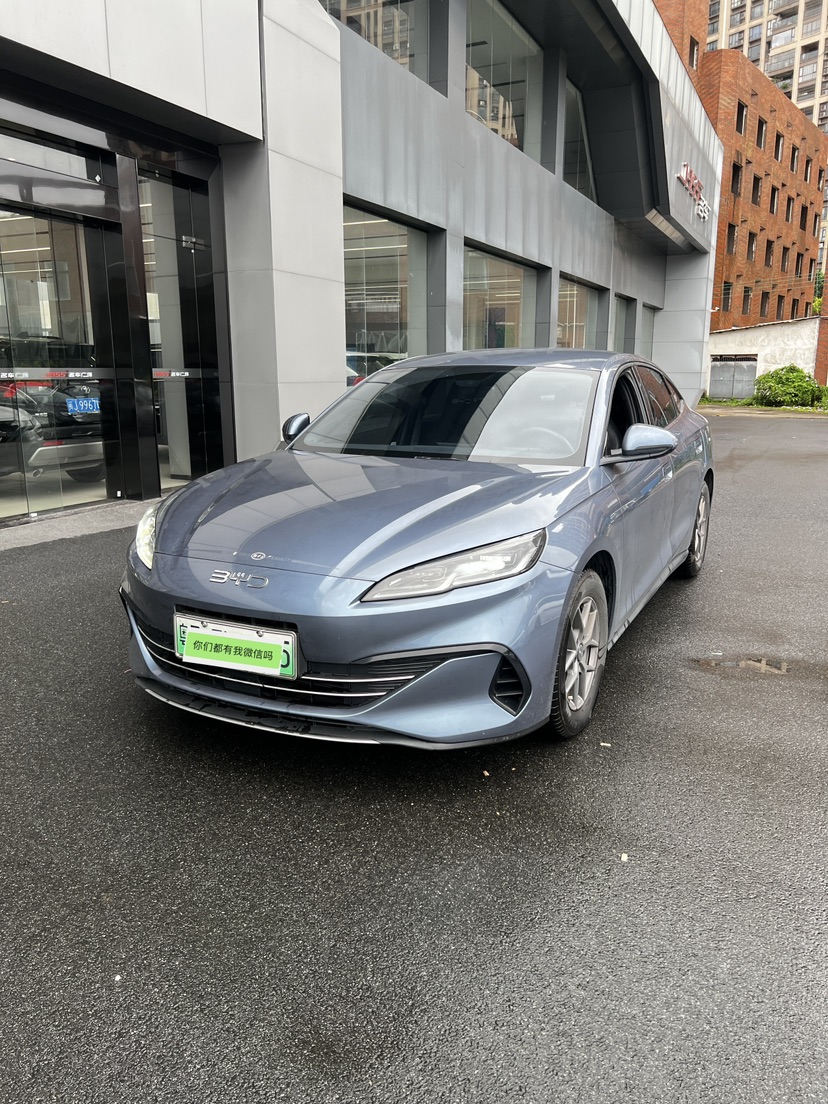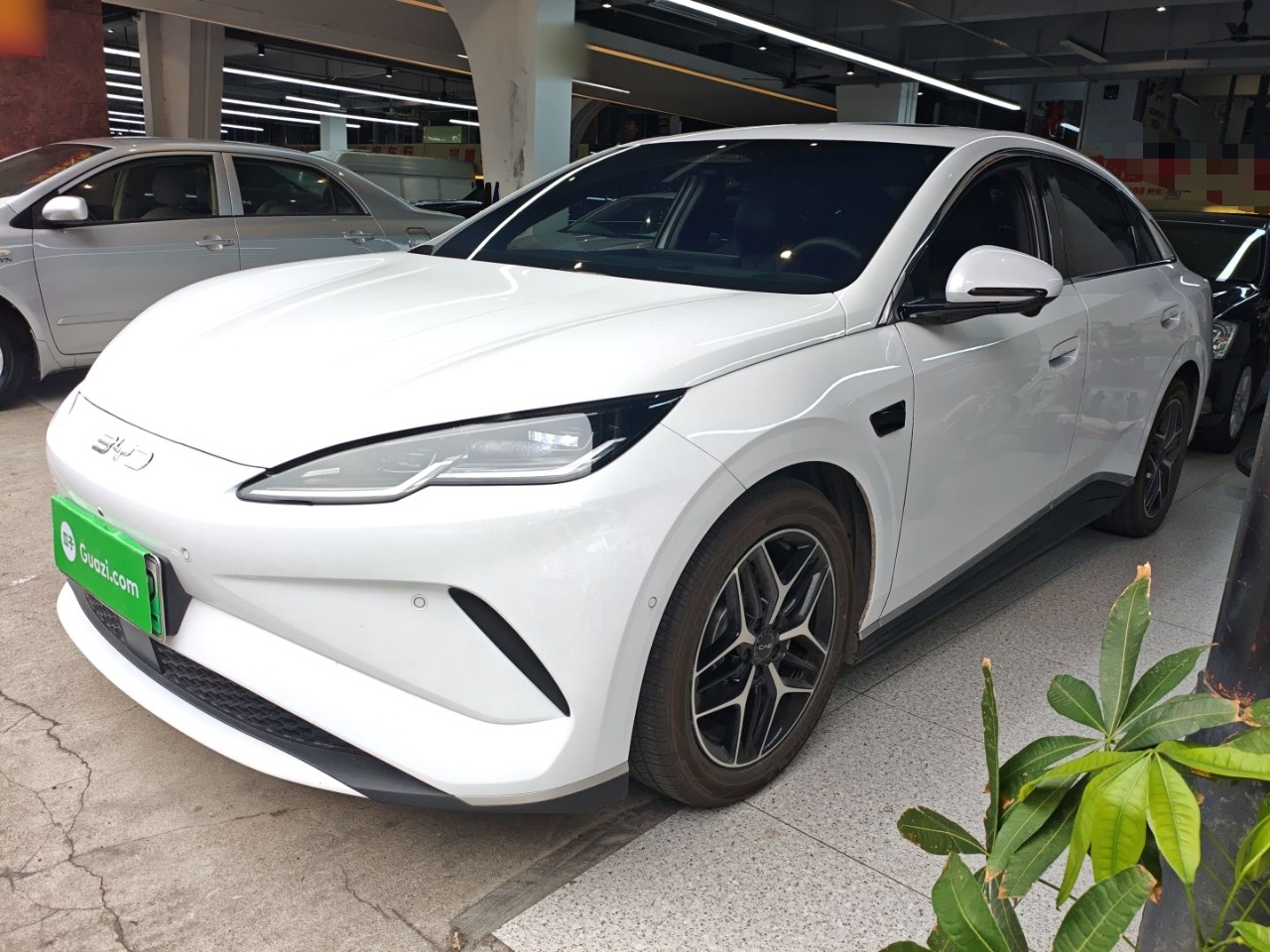
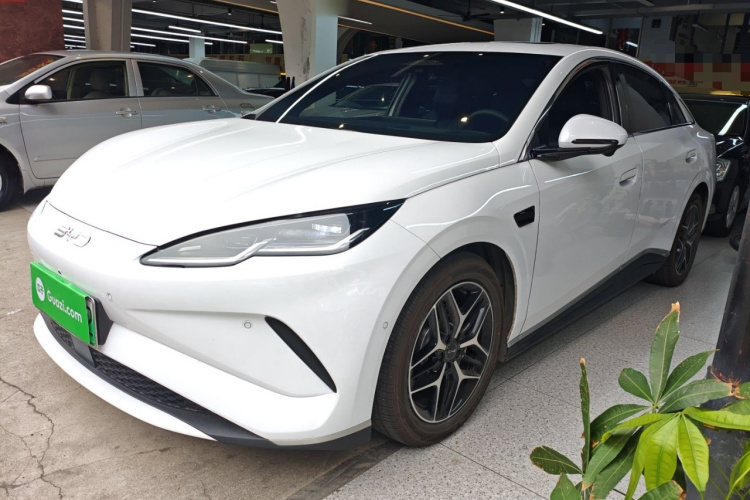
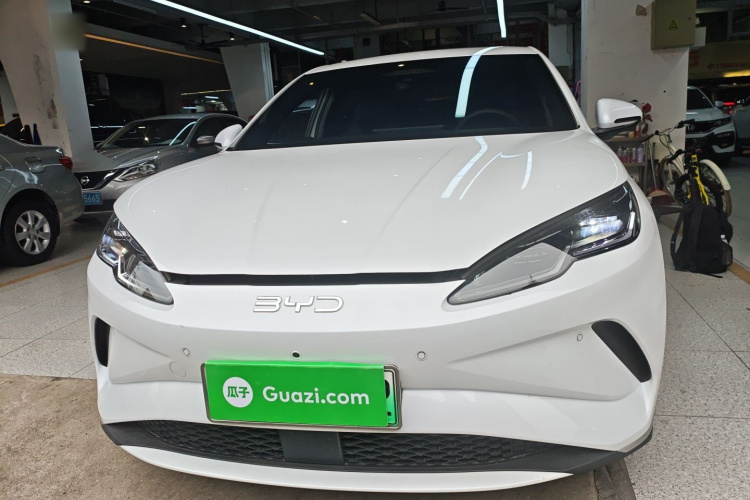
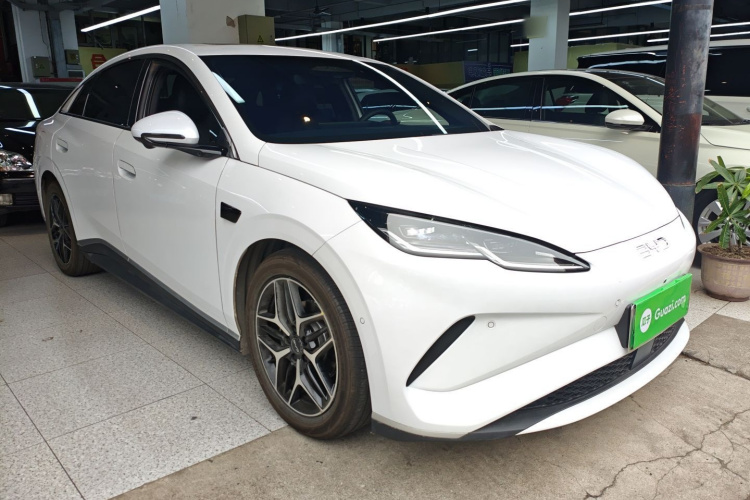
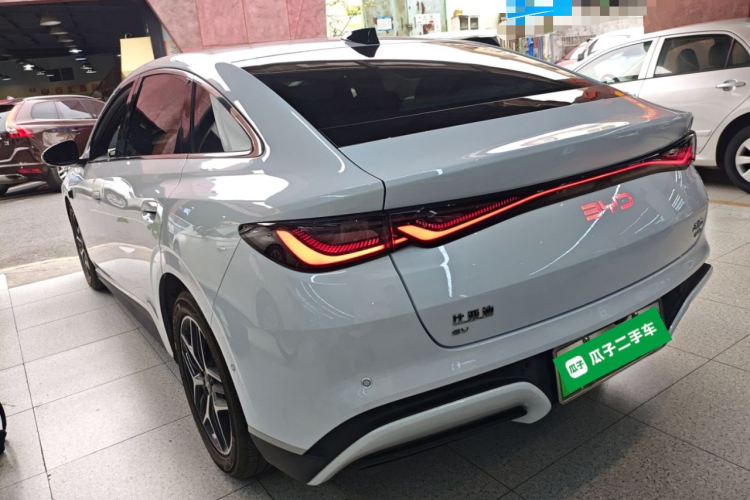
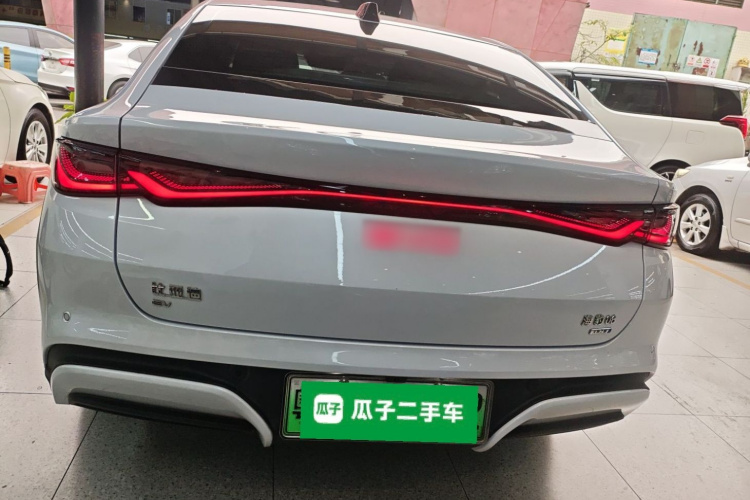
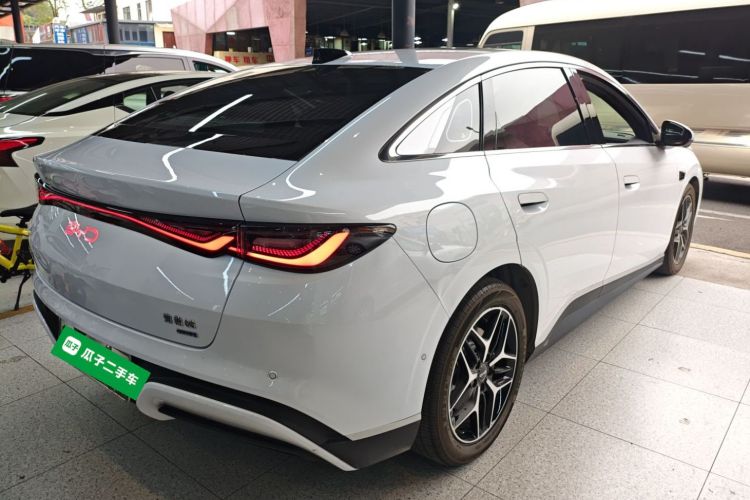




Basic Information

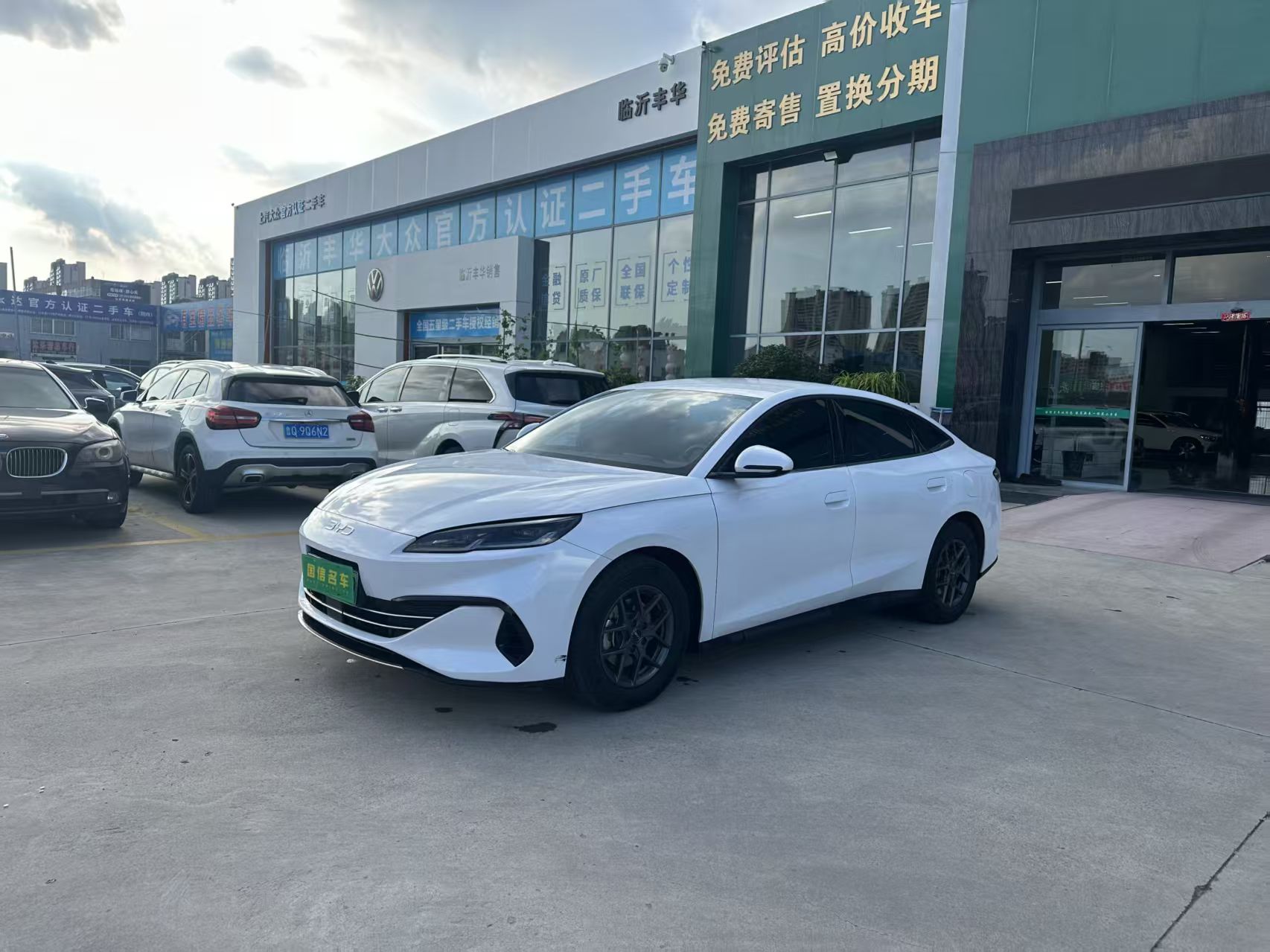
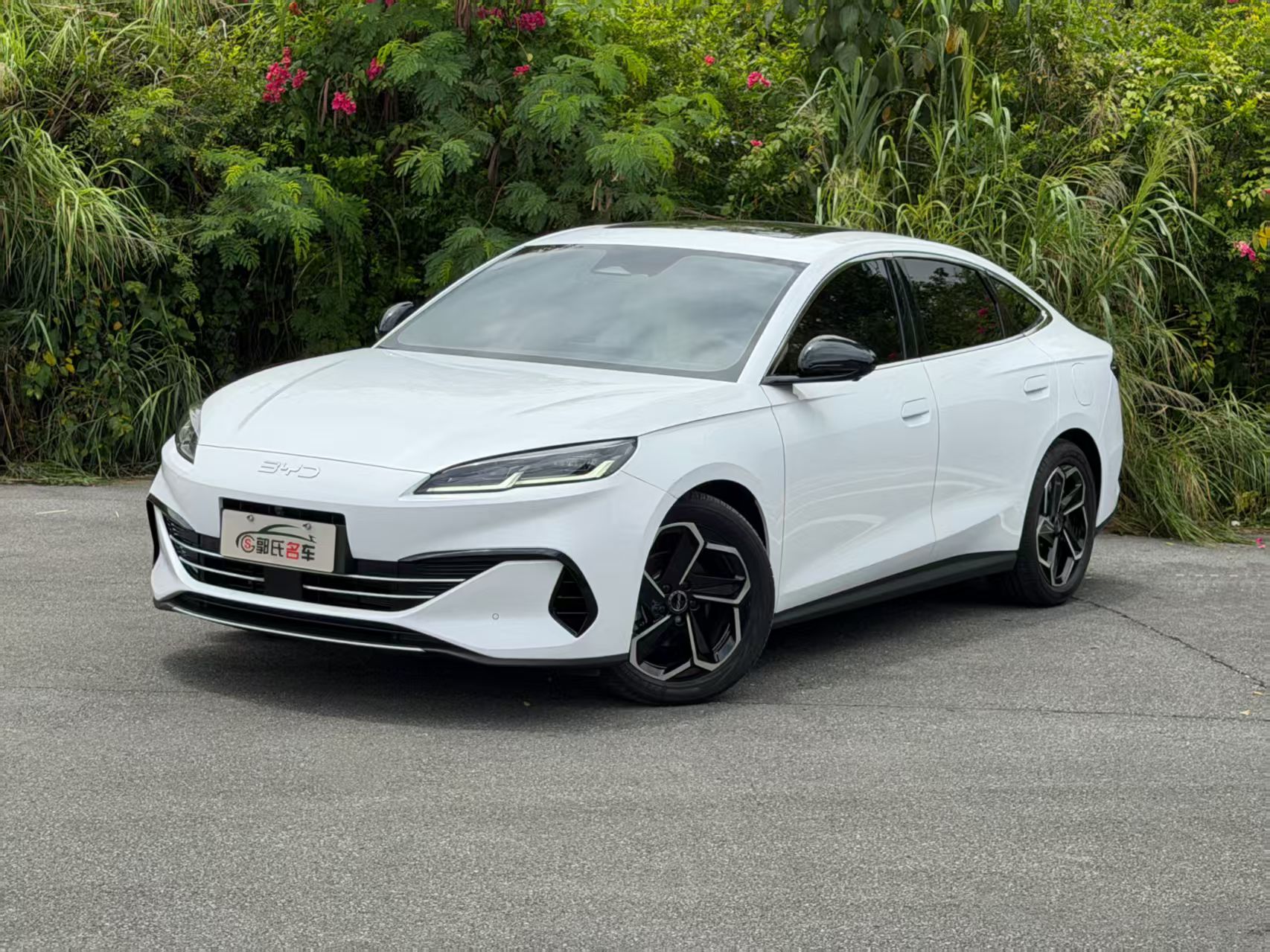
BrandBYD
SeriesSeal 06 New Energy
Year2025
First Registration2025/10
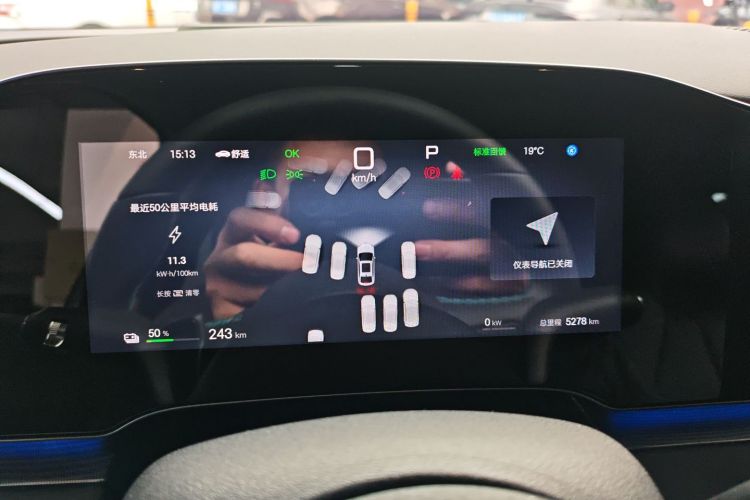
Mileage5,300km
Transfer Count-
FuelElectric
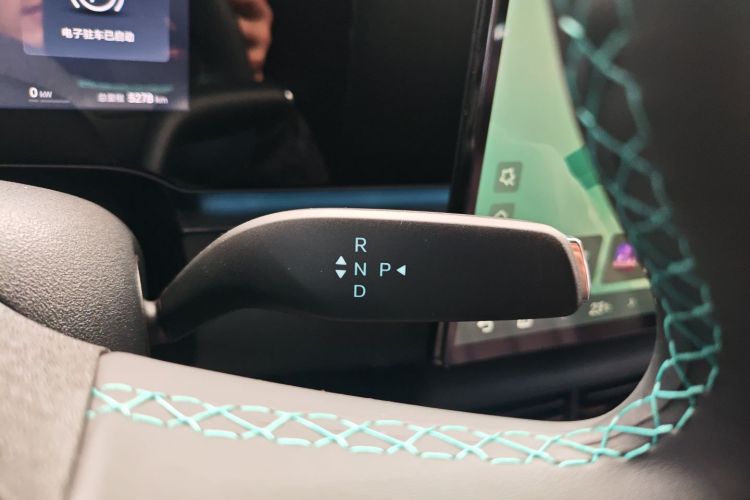
TransmissionOther
Engine-
ColorWhite
Seats5seats

Condition Description

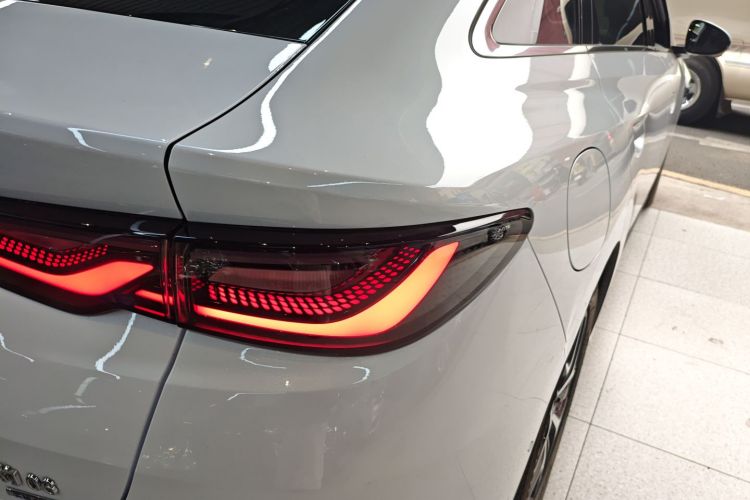
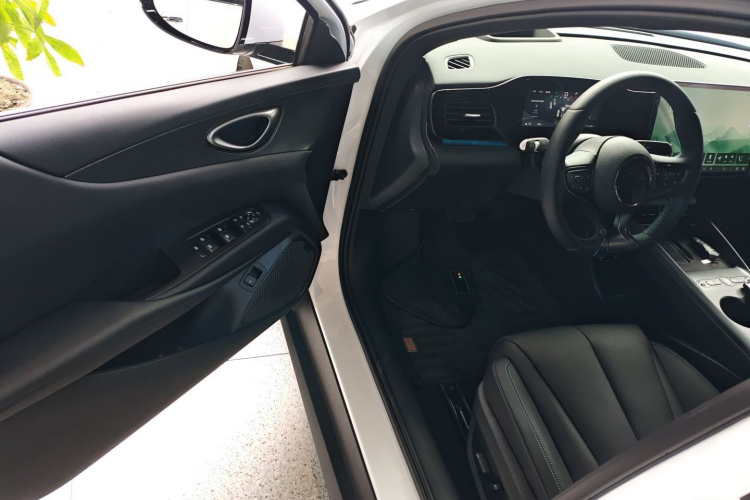
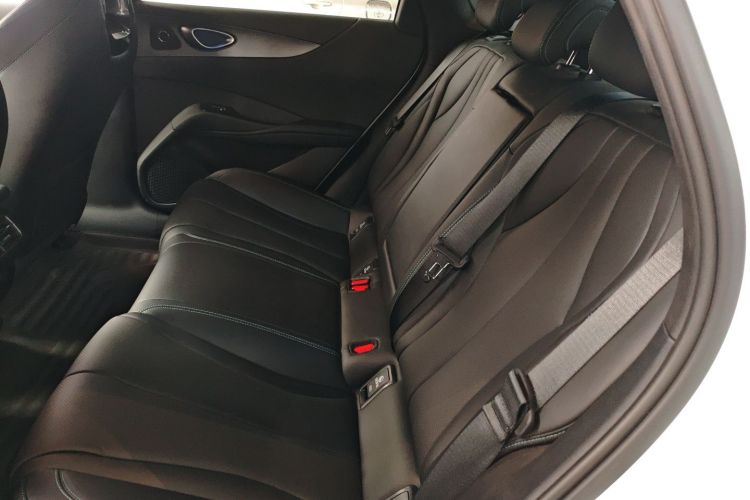
Excellent vehicle condition. Inspection passed. Vehicle condition better than 95% of vehicles for sale. Excellent vehicle condition. 0 claims. 0 ownership transfers.

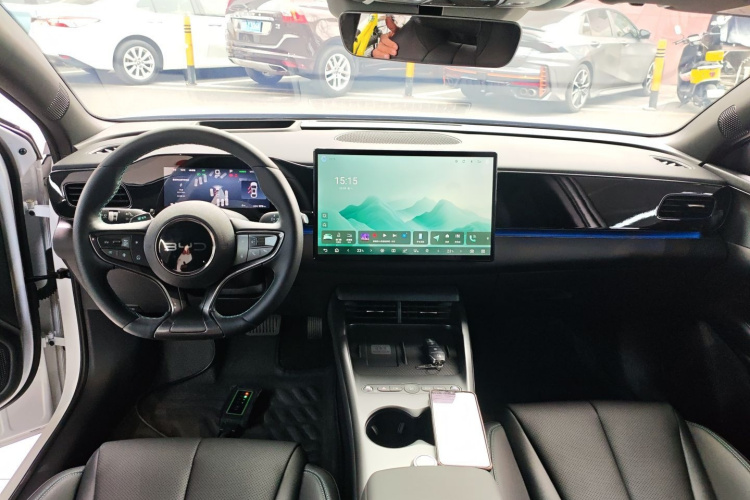
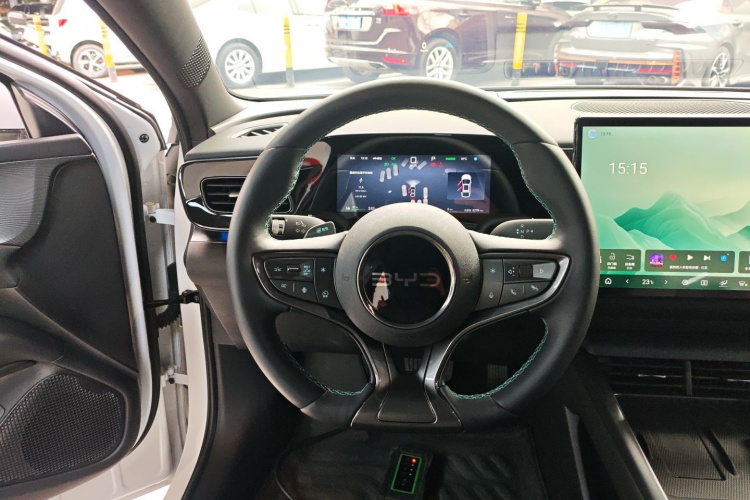
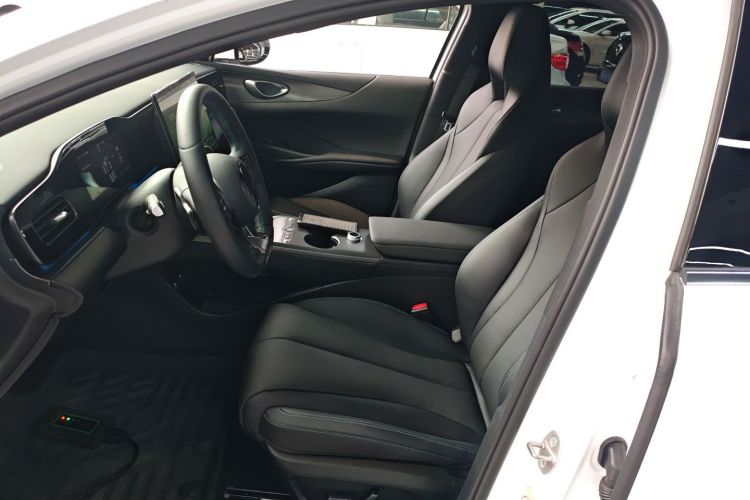
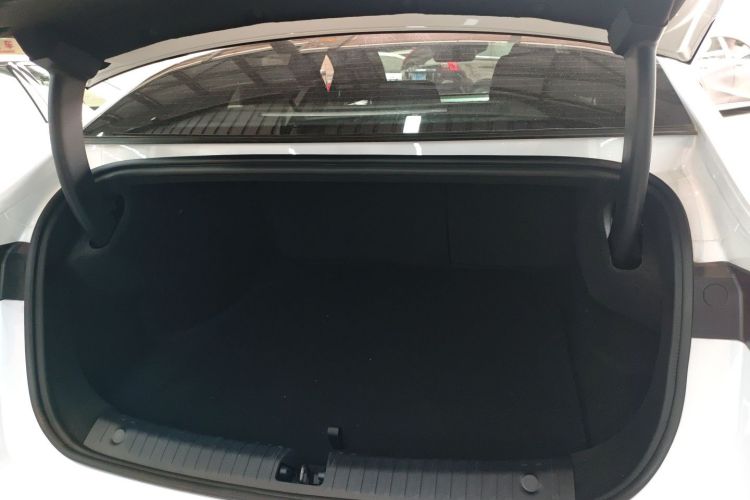
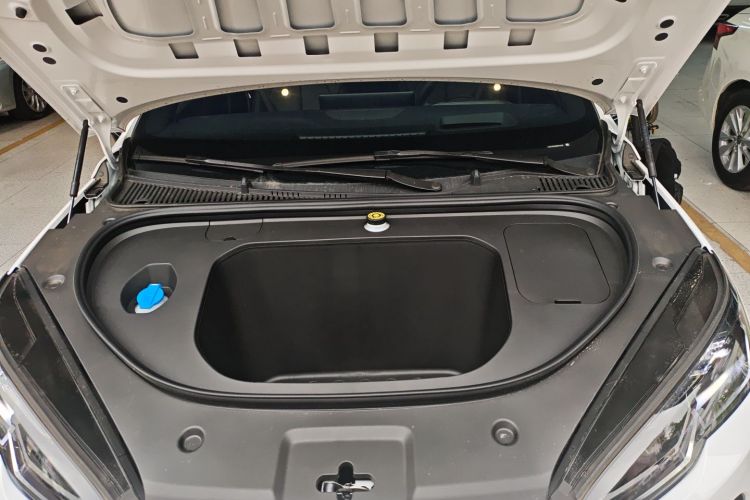
This vehicle is 1 year old, with a relatively short usage period and an average annual mileage of 5,300 kilometers. It has a low frequency of daily use and has never been transferred to another owner, making it a good first-hand vehicle. The exterior is in excellent condition, with a glossy paint and no obvious signs of use. The interior is clean and tidy, with no obvious signs of use. The overall body frame is intact and without any abnormalities. The fluids are normal with no leaks, and the power system operates smoothly without any abnormalities.

Configuration Highlights

✓Adaptive Cruise Control
✓Adaptive Suspension
✓Adaptive Headlights
✓Blind Spot Assist
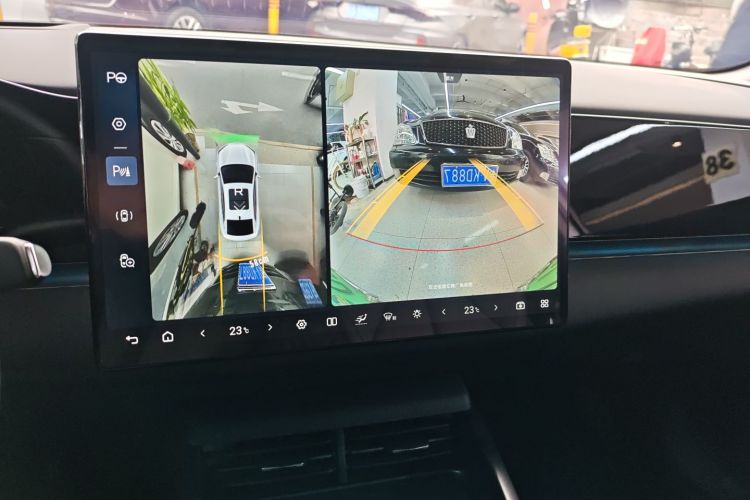
✓Surround View Camera
✓Lane Departure Warning
✓Digital Instrument Cluster
✓Panoramic Sunroof
✓Auto Park
✓Driver Seat Memory
✓Ambient Lighting
✓High Beam Assist
✓Front Radar
✓Auto Hold
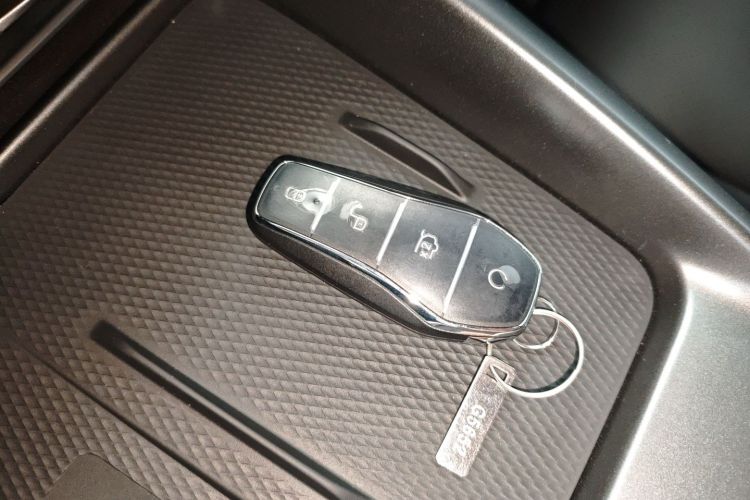
✓Keyless Entry
✓Rain-sensing Wipers
✓High-definition Low Beam
✓Power Folding Mirrors
✓Power Seats
✓Auto Headlights
✓Keyless Start
✓Rear Air Vents
✓Tire Pressure Monitoring
✓Heated Mirrors
✓Hill Start Assist
✓Rear Parking Sensors
✓Anti-pinch Windows

Q&A

More

Beyond the car price, what costs should I budget when importing a used car from China?

A realistic budget has several layers beyond the vehicle price. First, inland logistics in China: moving the car to the export port typically costs $300-$800. Second, export handling: inspection, customs declaration and paperwork usually add $500-$1,000. Third, ocean freight. A 20ft container to most destinations runs $1,200-$3,000 depending on route; RoRo shipping can be cheaper for driveable cars. Add marine insurance, usually 0.3%-0.5% of the car value. Fourth, destination charges: port handling, customs duties, VAT/GST and local registration fees. These vary widely; some countries charge duties of 20%-80% of the vehicle value plus an excise based on engine capacity. Finally, any compliance work: inspection certificates, modifications to meet local standards, or homologation. Ask your exporter for a full CIF quote and have a local customs broker confirm destination taxes before you commit.
Will you replace the built-in dashcam storage card for free if it is damaged?

If the system reports "storage card error," we will consider it as damage or loss of the original owner's personal items, and the platform will not provide a new high-speed TF card for free; the buyer must purchase a replacement after arriving at the port.

What does a pre-shipment inspection include, and is it worth the cost?

A professional pre-shipment inspection typically costs a small fraction of the vehicle price and routinely pays for itself. A thorough inspection covers: paint thickness measurement across 30+ points to map body repairs; structural assessment of pillars, rails and crossmembers for accident damage; engine and transmission operation; a full electronic scan for fault codes; suspension and underbody checks for leaks and rust; and, for EVs, battery SOH and thermal management performance. You receive a written report with photos before the car is loaded — if the car fails, you can stop the shipment or renegotiate. Skipping the inspection to save a small fee is the classic false economy in used car importing: discovering a problem after arrival is far more expensive than preventing it at origin.