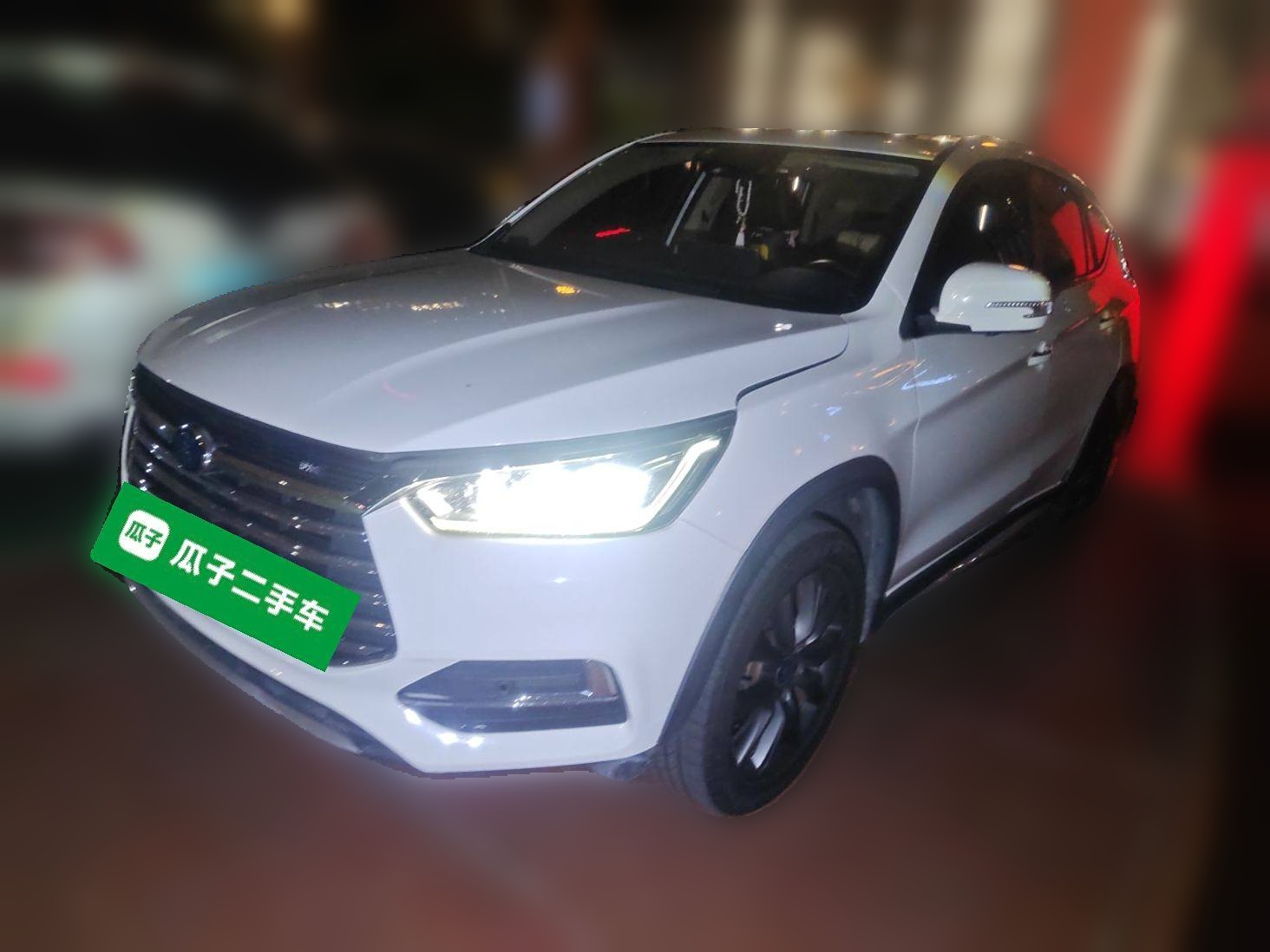
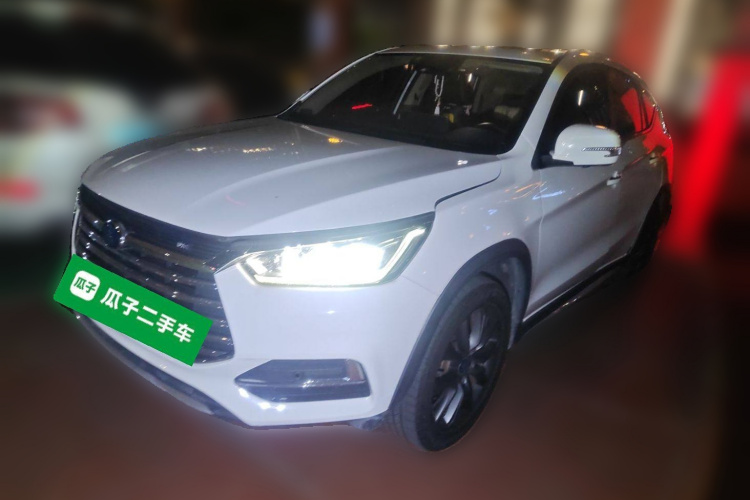
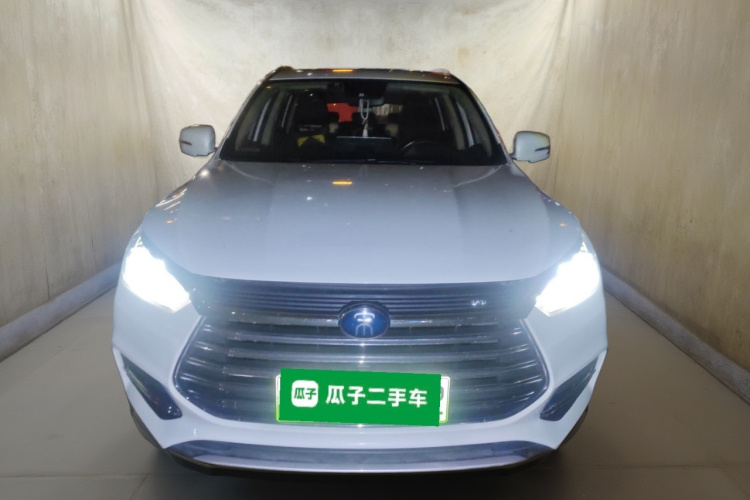
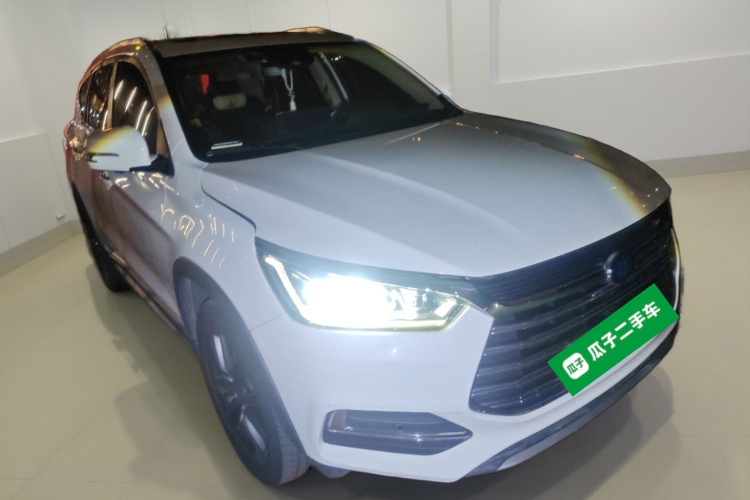
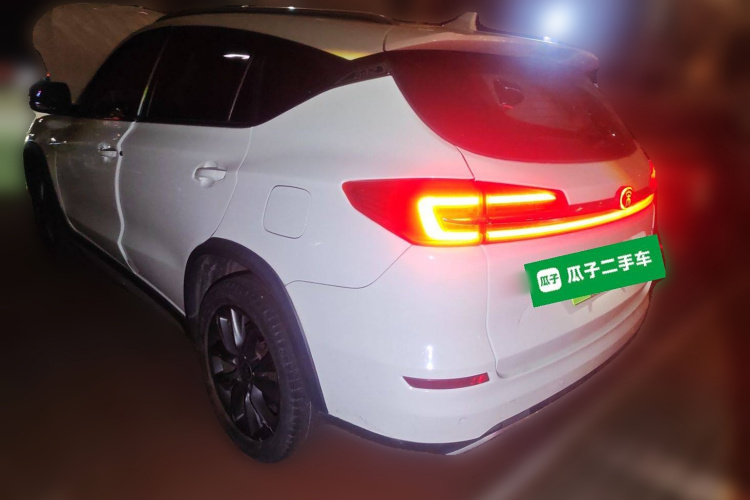
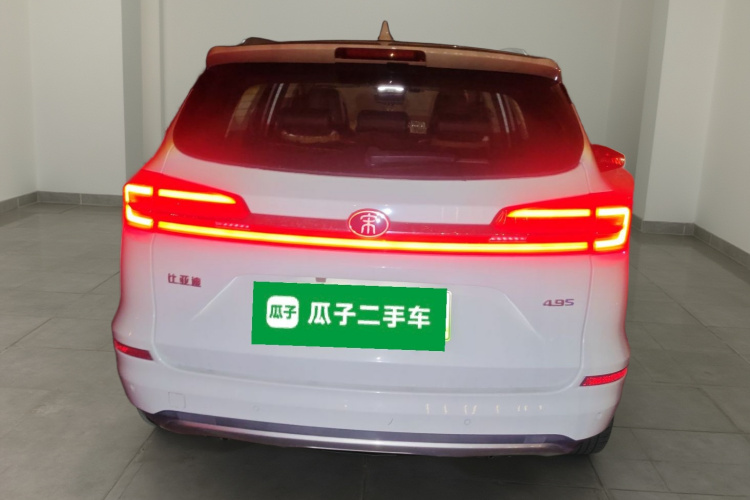
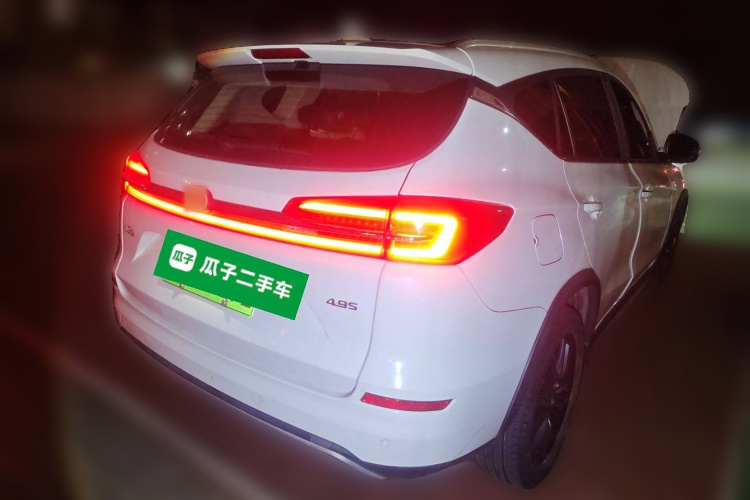
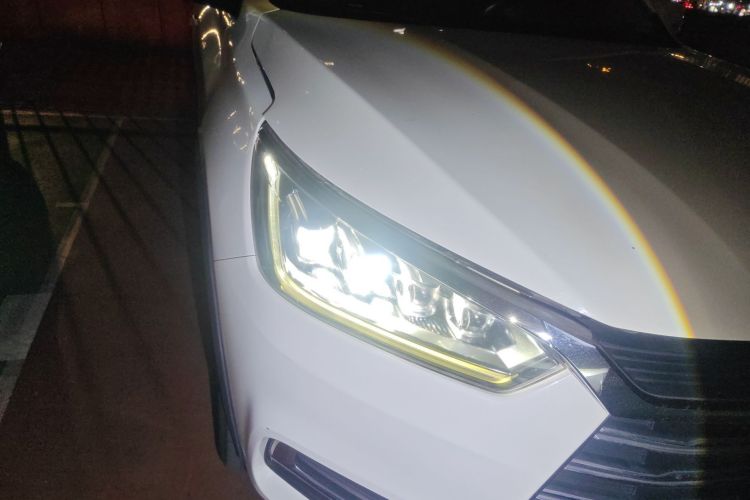
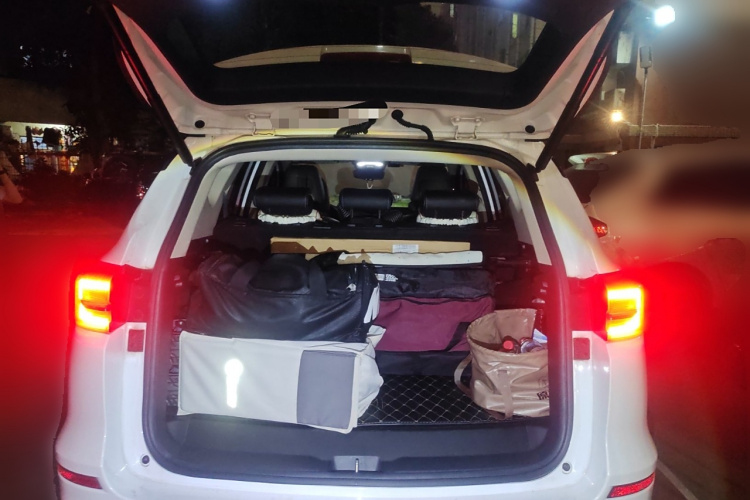
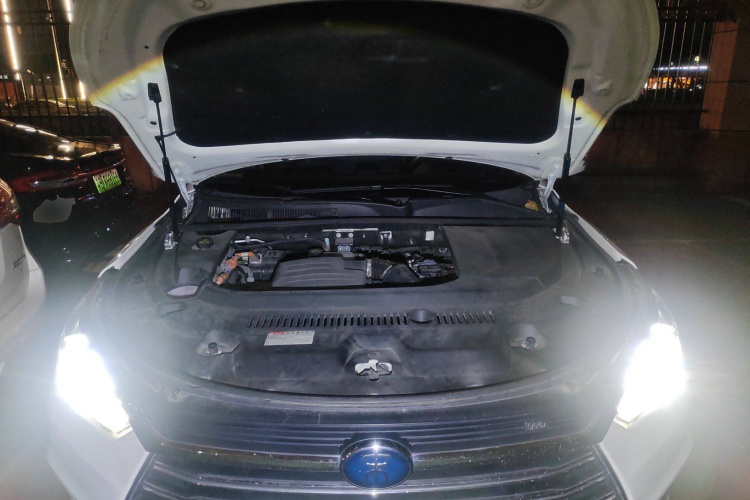



Basic Information

BrandBYD
SeriesSong New Energy
Year2018
First Registration2018/10
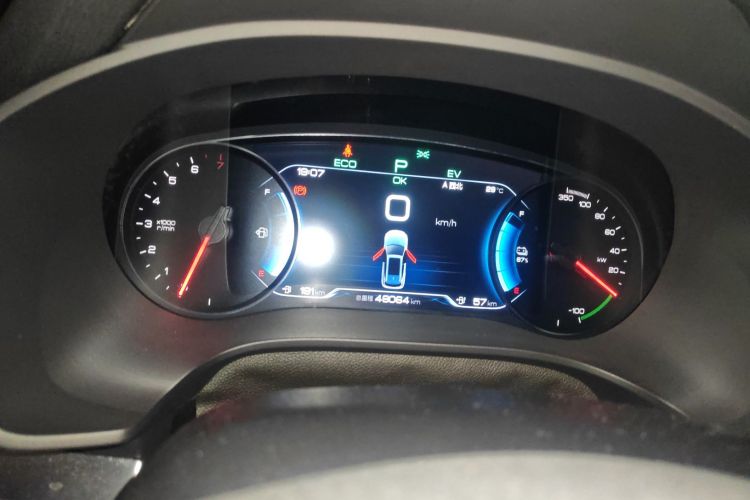
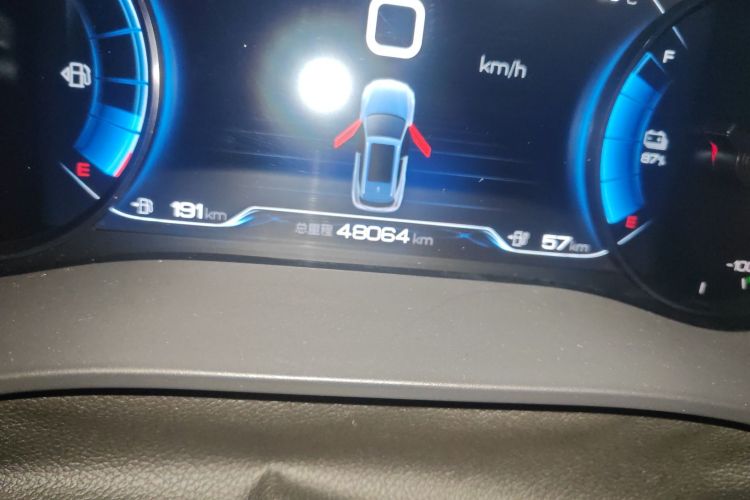
Mileage48,100km
Transfer Count-
FuelPHEV
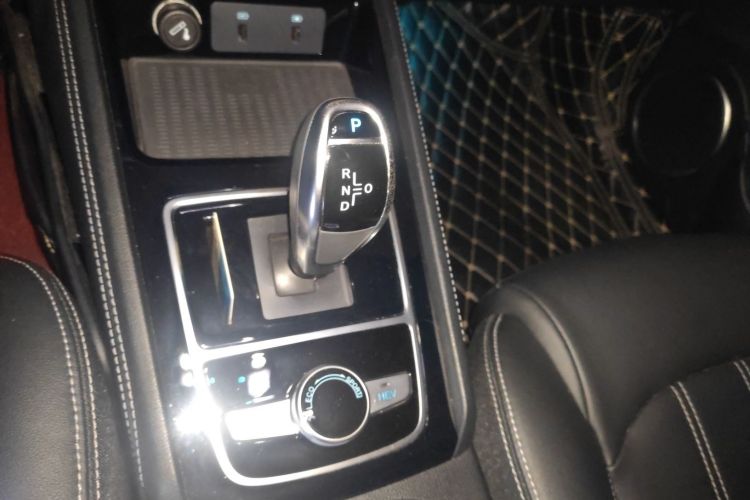
TransmissionDCT
Engine1.5T 154 L4
ColorWhite
Seats5seats

Condition Description

Excellent vehicle condition, passed inspection, better than 80% of vehicles for sale, excellent condition, 6 claims, 0 ownership transfers.

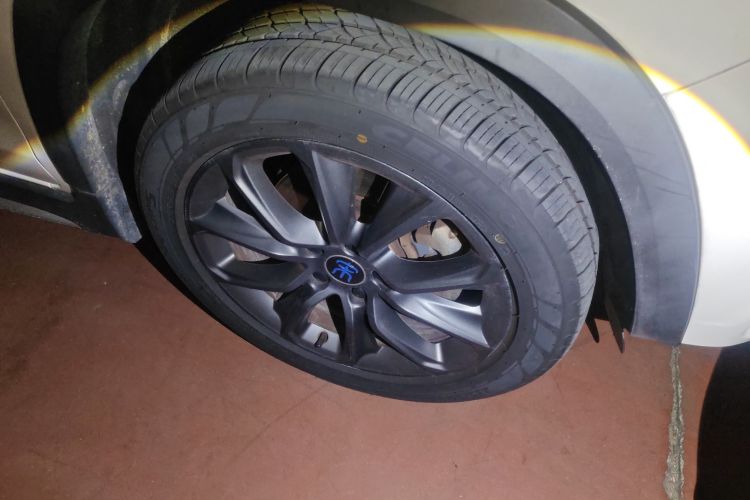
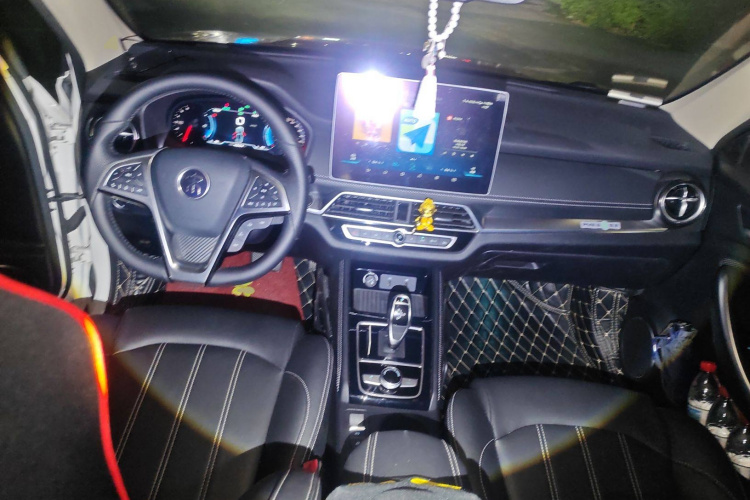
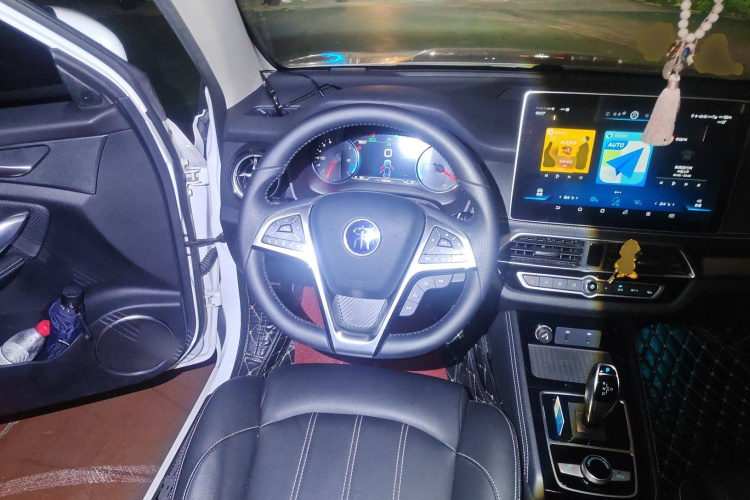
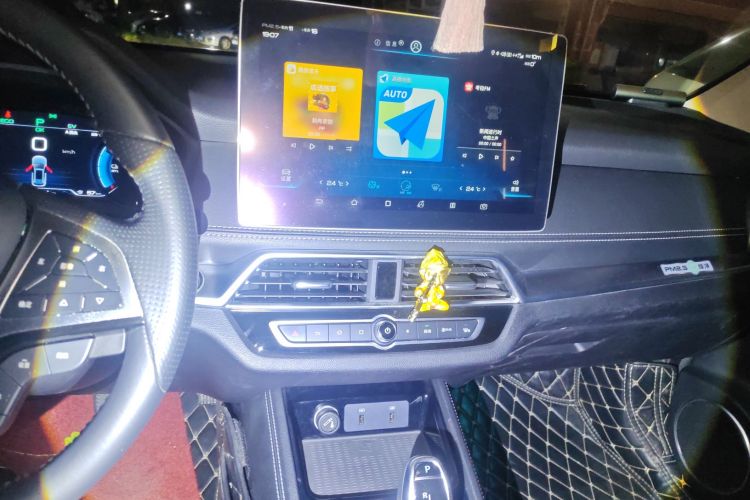
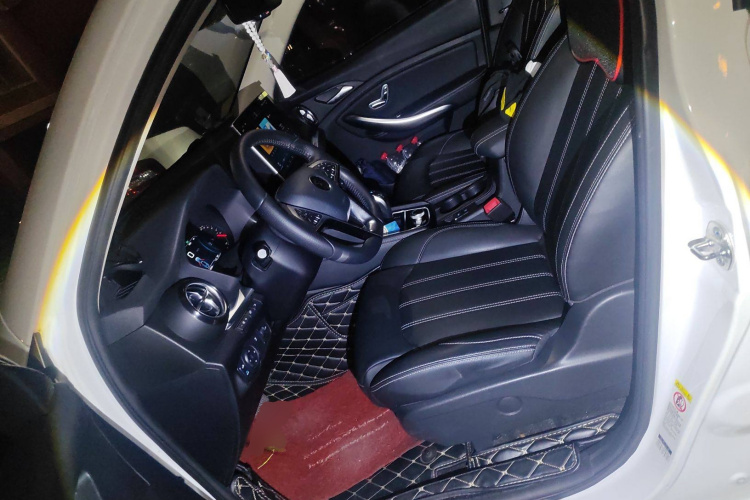
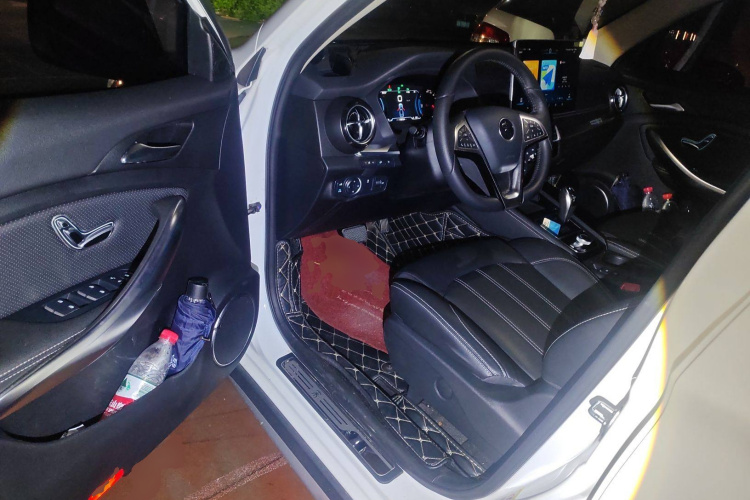
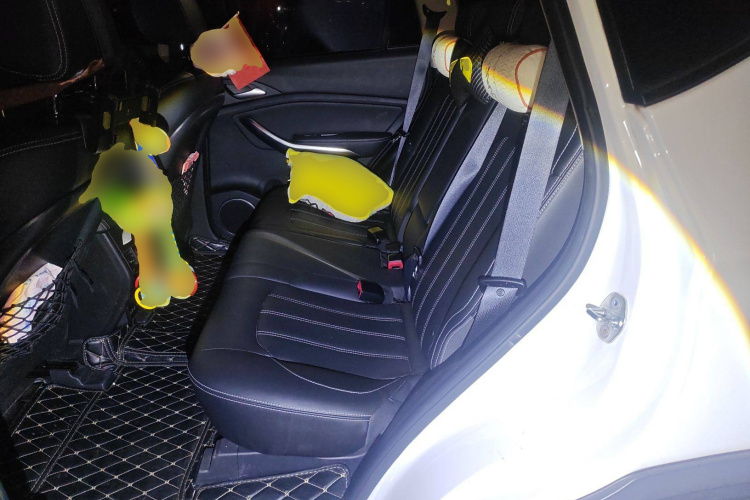
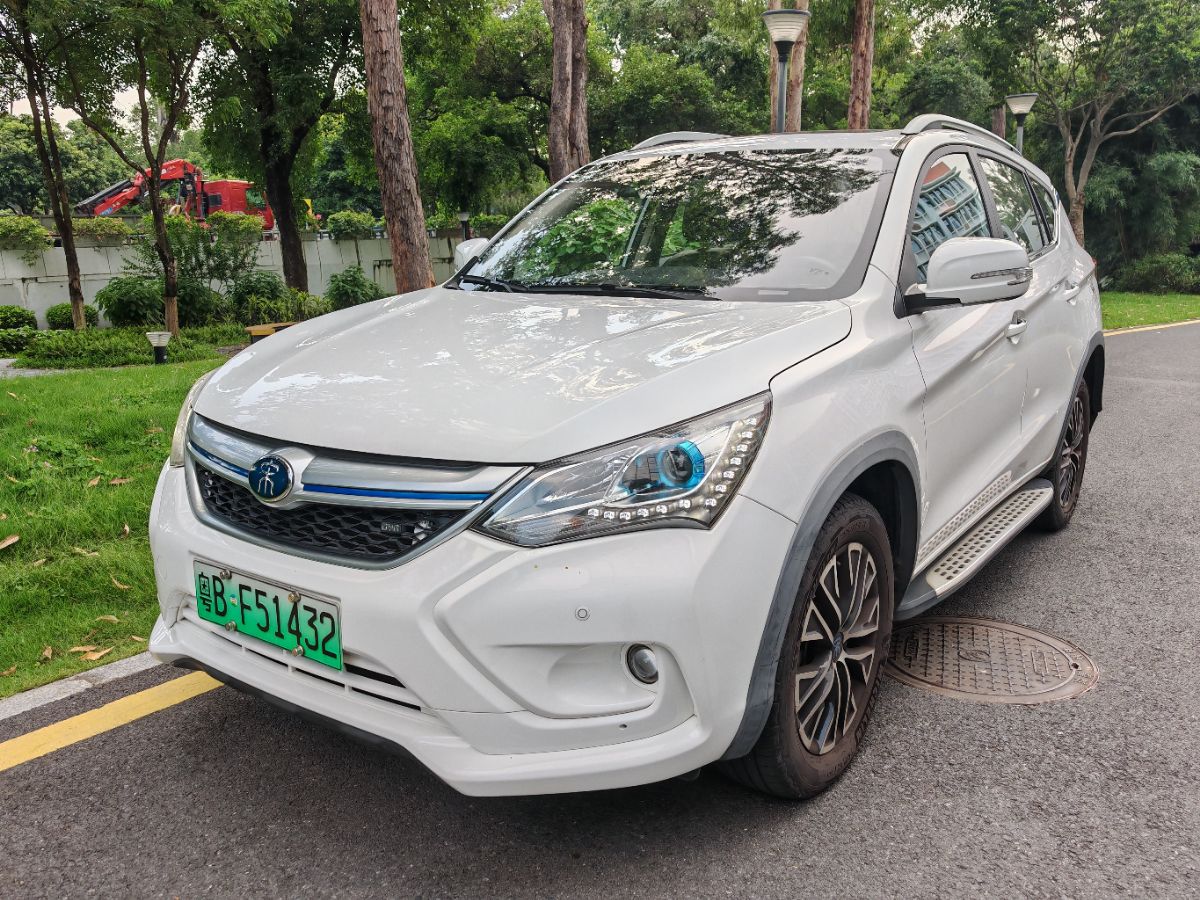
This vehicle is 7 years old, with an average annual mileage of 6,900 kilometers. It has a low frequency of daily use and has never been transferred to another owner, making it a good first-hand vehicle. The exterior paint is in good condition, although there may be a few minor marks. The interior is clean and tidy, with minor signs of use. The overall body frame is intact and without any abnormalities. The fluids are normal, and the powertrain operates smoothly without any abnormalities.

Configuration Highlights

✓Kick-sensor Trunk
✓Surround View Camera
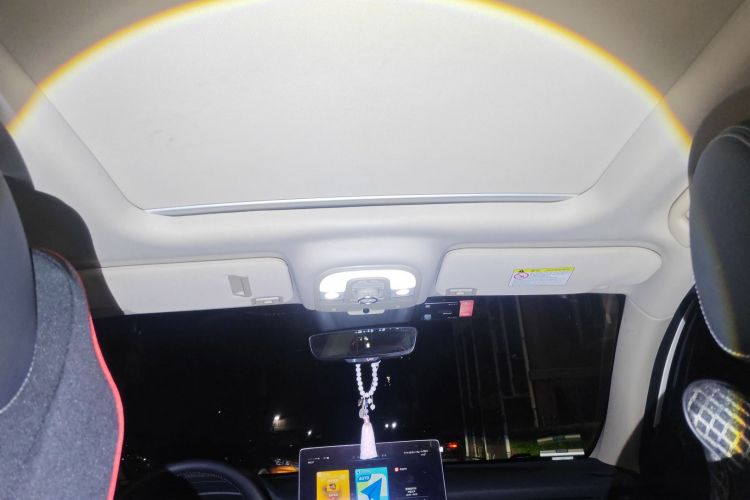
✓Panoramic Sunroof
✓4WD System
✓Power Trunk
✓High Beam Assist
✓Front Radar
✓Keyless Entry
✓High-definition Low Beam
✓Power Folding Mirrors
✓Power Seats
✓Auto Headlights
✓Cruise Control
✓Keyless Start
✓Rear Air Vents
✓Tire Pressure Monitoring
✓Heated Mirrors
✓Hill Start Assist
✓Rear Parking Sensors
✓Anti-pinch Windows

Q&A

More

What is a battery SOH certificate and why does it matter when buying a used EV from China?

SOH (State of Health) measures the battery's remaining capacity as a percentage of its original capacity. Two EVs with the same mileage can have very different SOH depending on charging habits and climate exposure, and since the battery represents 30-50% of a used EV's value, the SOH number is effectively the real price tag. A proper certificate includes current SOH percentage, cell voltage balance, charge cycle counts, battery management system fault codes, and often a projected range estimate. In hot-climate markets like the Gulf, a degraded battery degrades even faster, so a documented SOH above 85-90% is strongly recommended. Exporters who provide verified SOH certificates close deals faster and command better prices, so treat the certificate as a core purchase document, not an extra.

What is a Certificate of Origin and why do I need one when importing a car from China?

A Certificate of Origin (C/O) is an official document stating where the vehicle was manufactured. Customs authorities use it to decide which tariff rates and trade agreements apply to your import. Why it matters: many countries offer preferential tariffs for certain origins. With a valid C/O, such as the ASEAN-China Form E or a GSP Form A, you may pay reduced or zero duty. Without it, you typically pay the standard, higher rate. The certificate must match the vehicle exactly: VIN, make, model and invoice details. It is usually issued by the China Council for the Promotion of International Trade (CCPIT) or customs authorities. Practical tips: request the C/O before shipment, because adding it later is slow; check that your country's customs accepts the specific C/O format; and confirm with your broker whether your vehicle category qualifies for preferential rates. This single document can save you thousands in duty.

What should I do if the consignee information on the Bill of Lading is incorrect?

Be sure to verify the draft Bill of Lading as soon as possible after the ship departs. Once the original is issued, changes will incur high amendment fees and may prevent the customer from picking up the goods.

BYD Song New Energy 1.5T 154 L4

比亚迪 宋新能源 2019款 宋DM 1.5TID 智联锐享型

EXW: $7,258
Car CodeSWA1577123
Publish Date