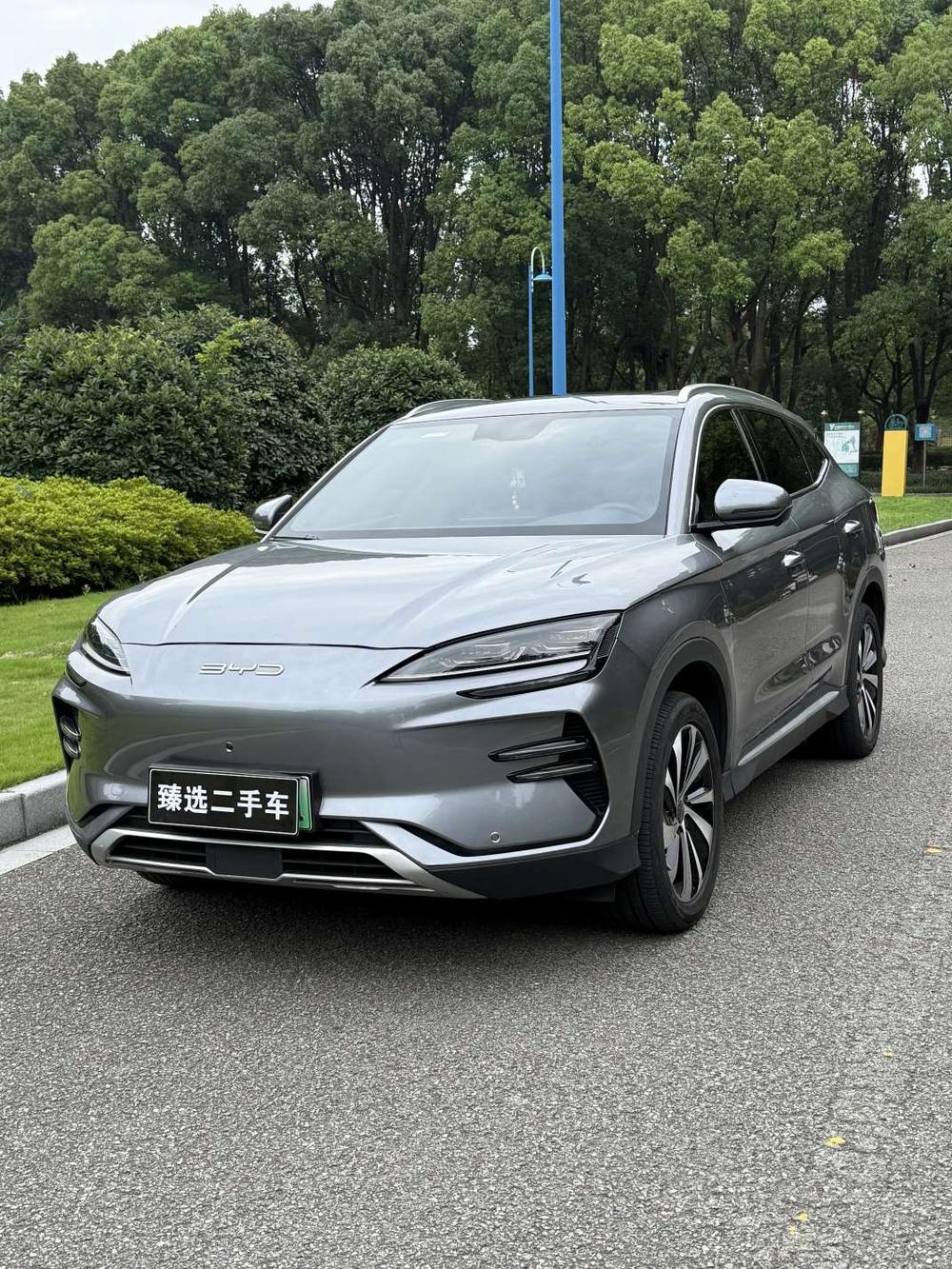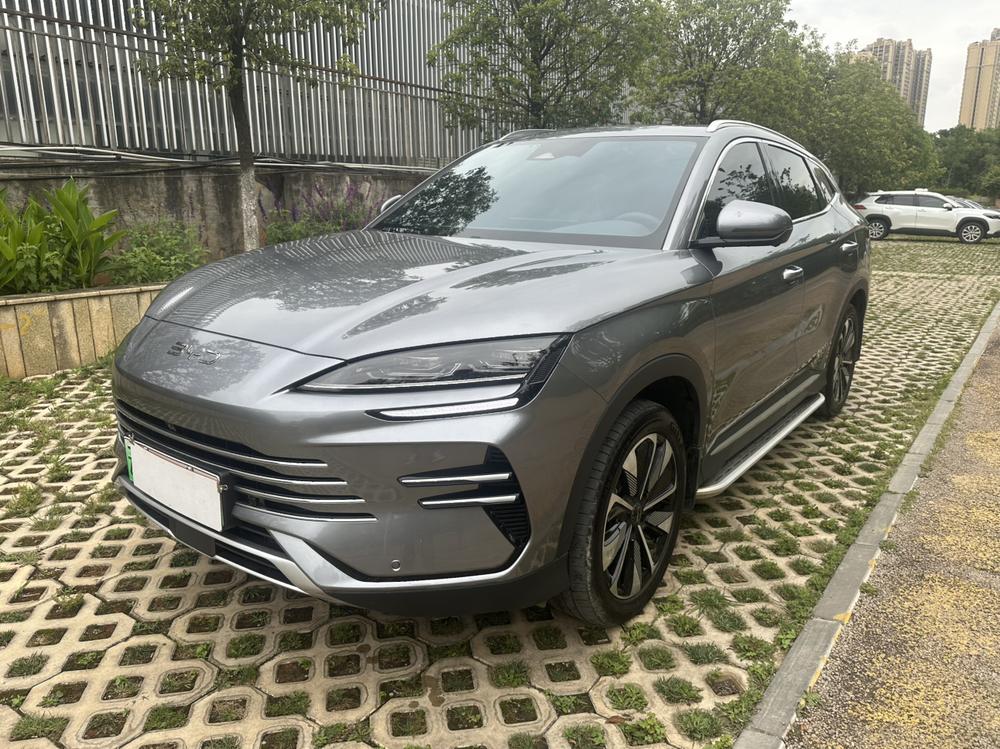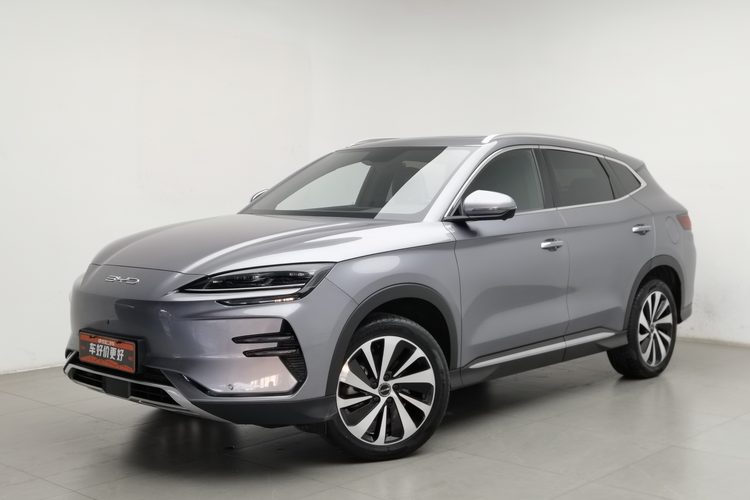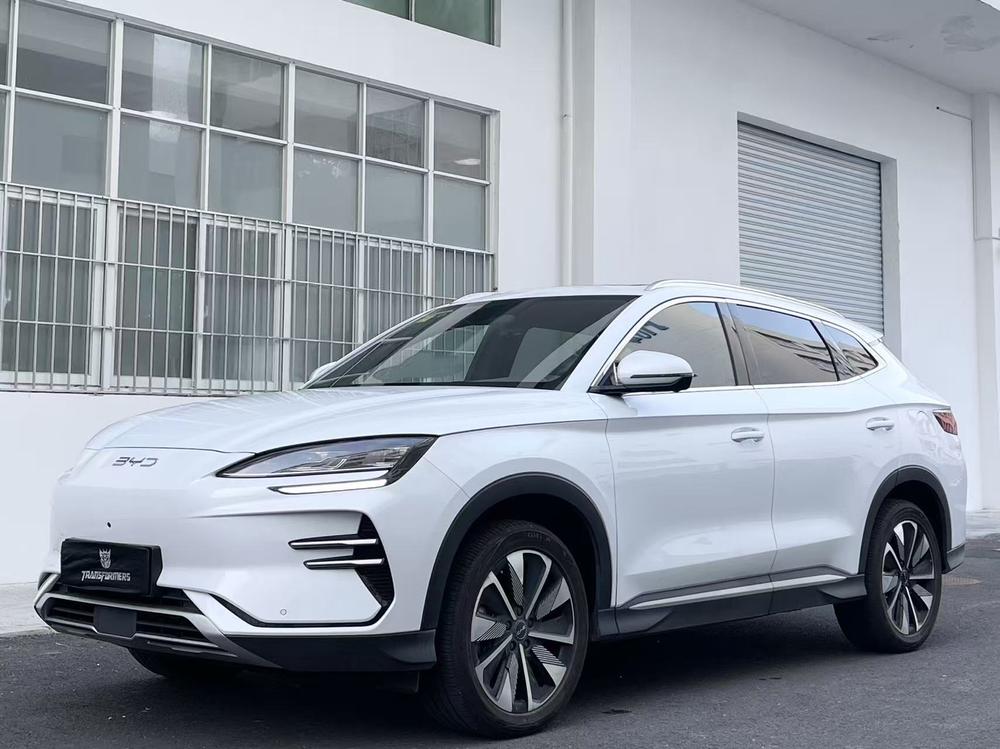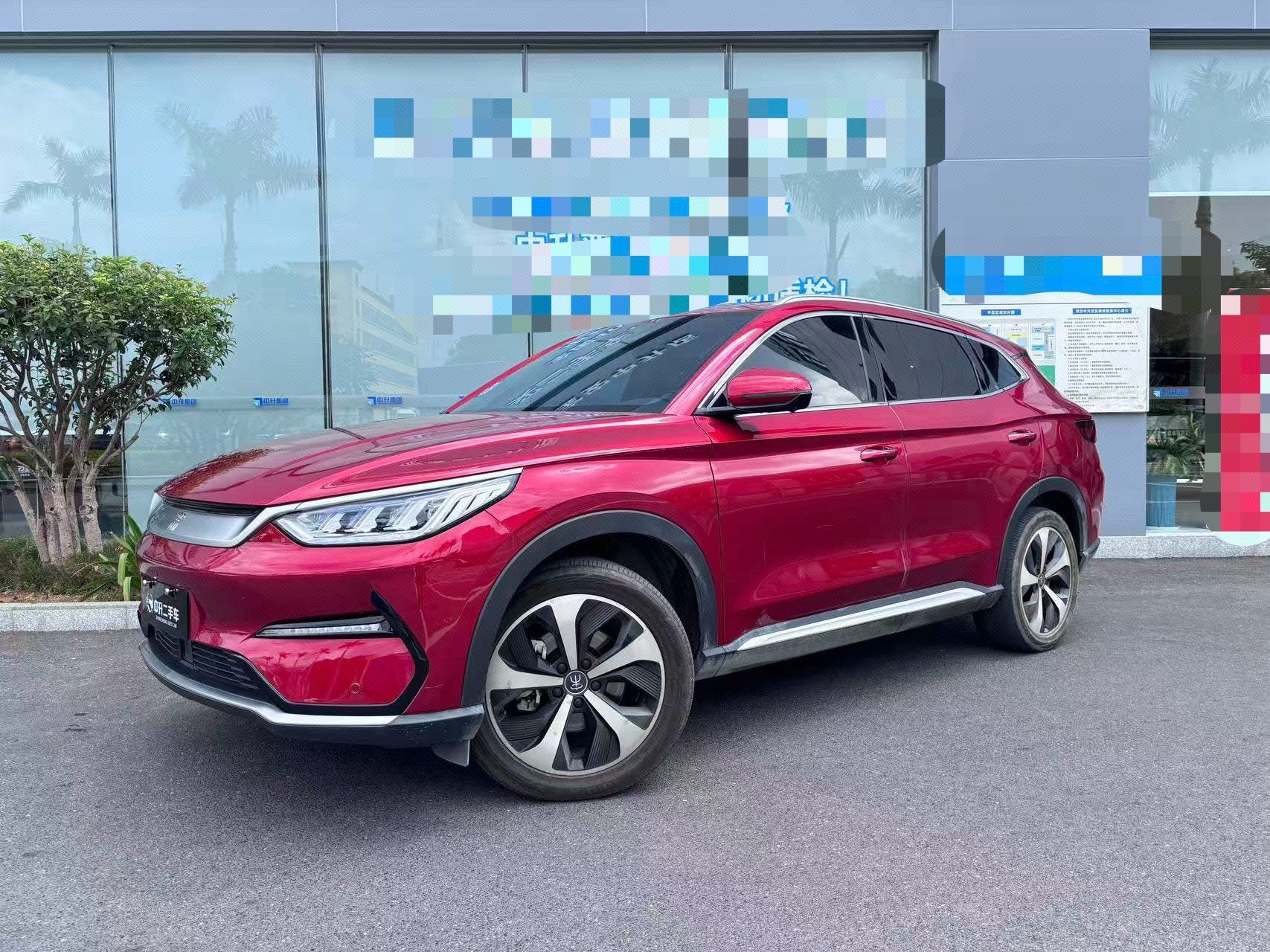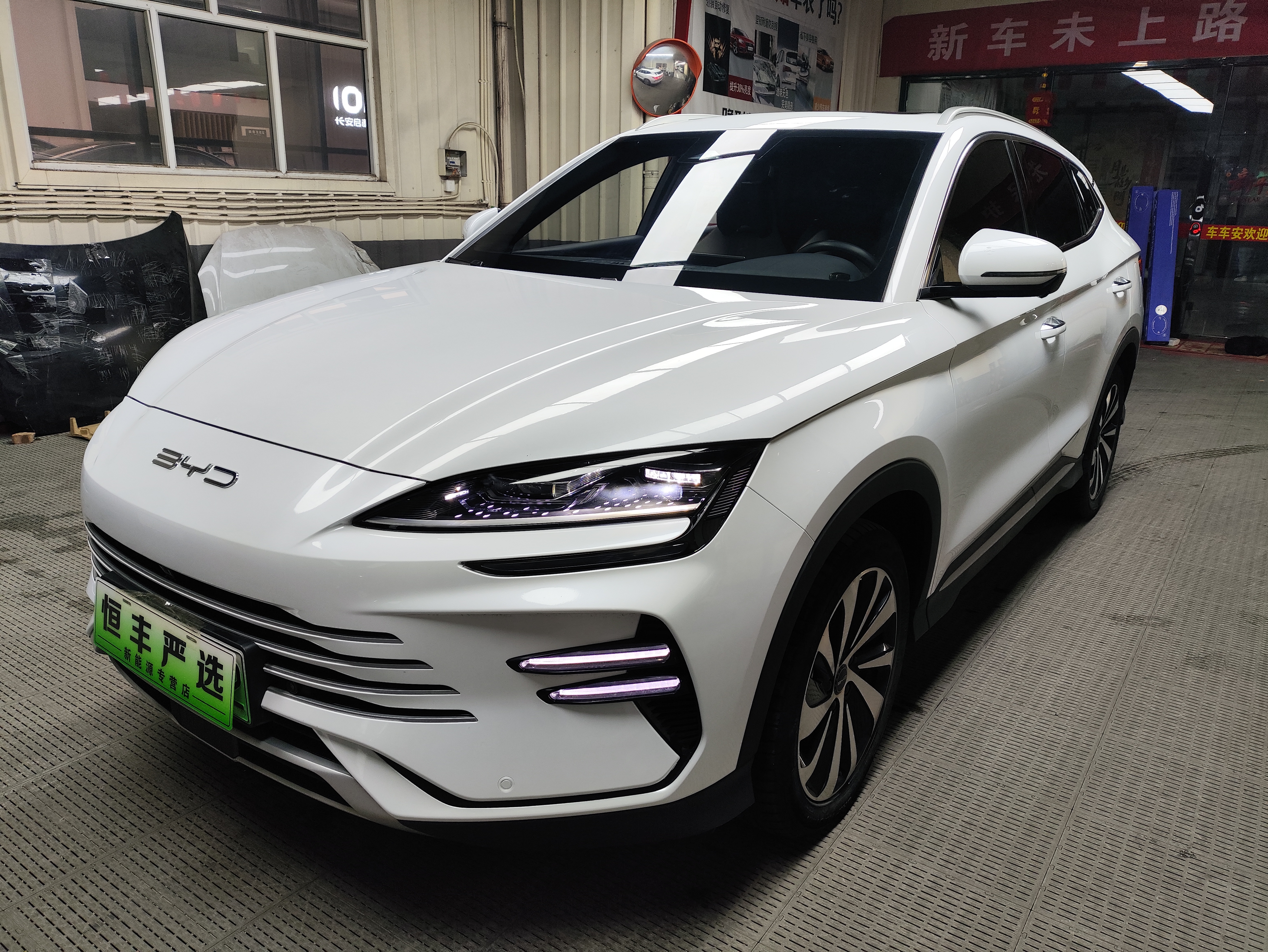
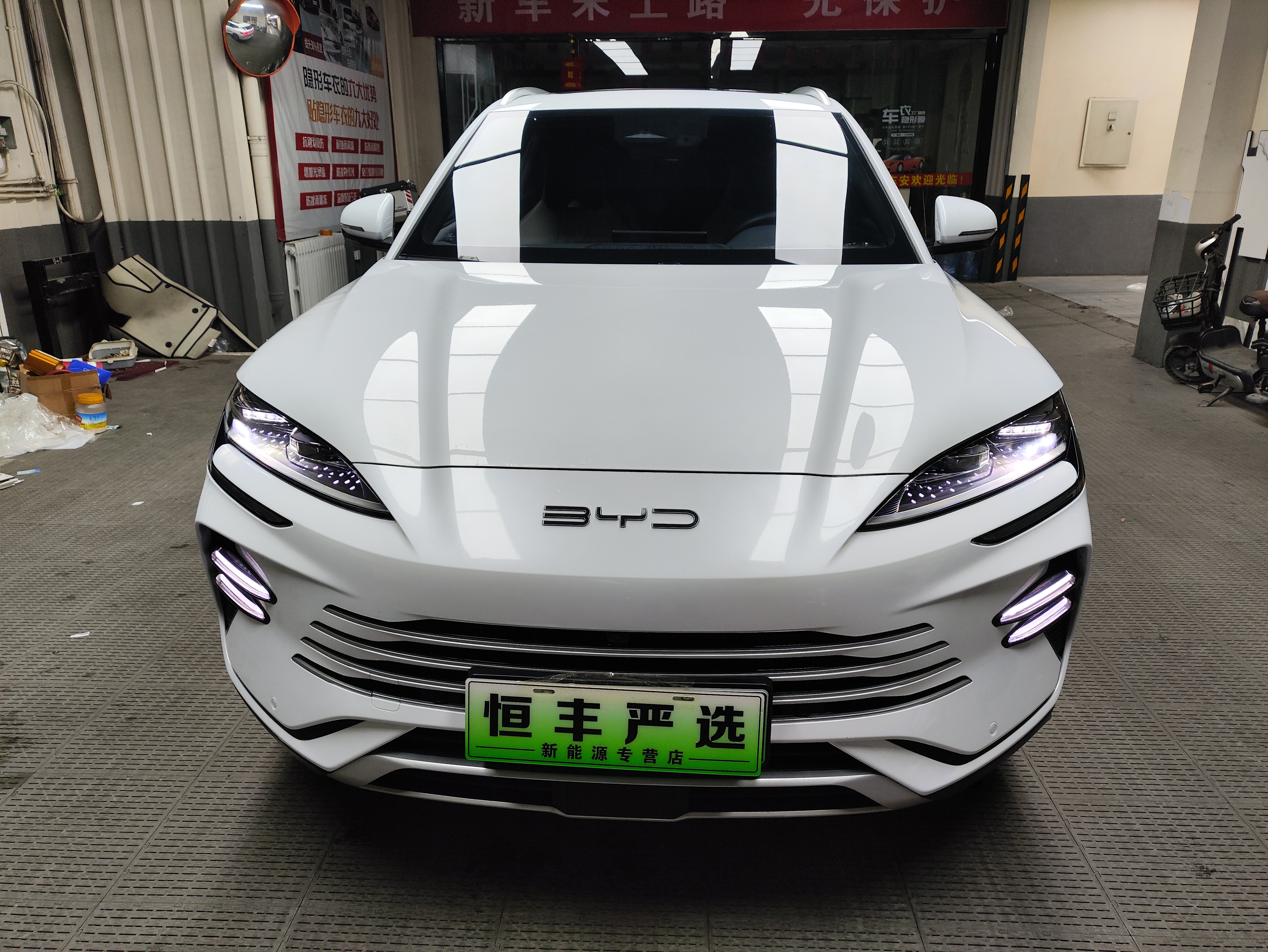
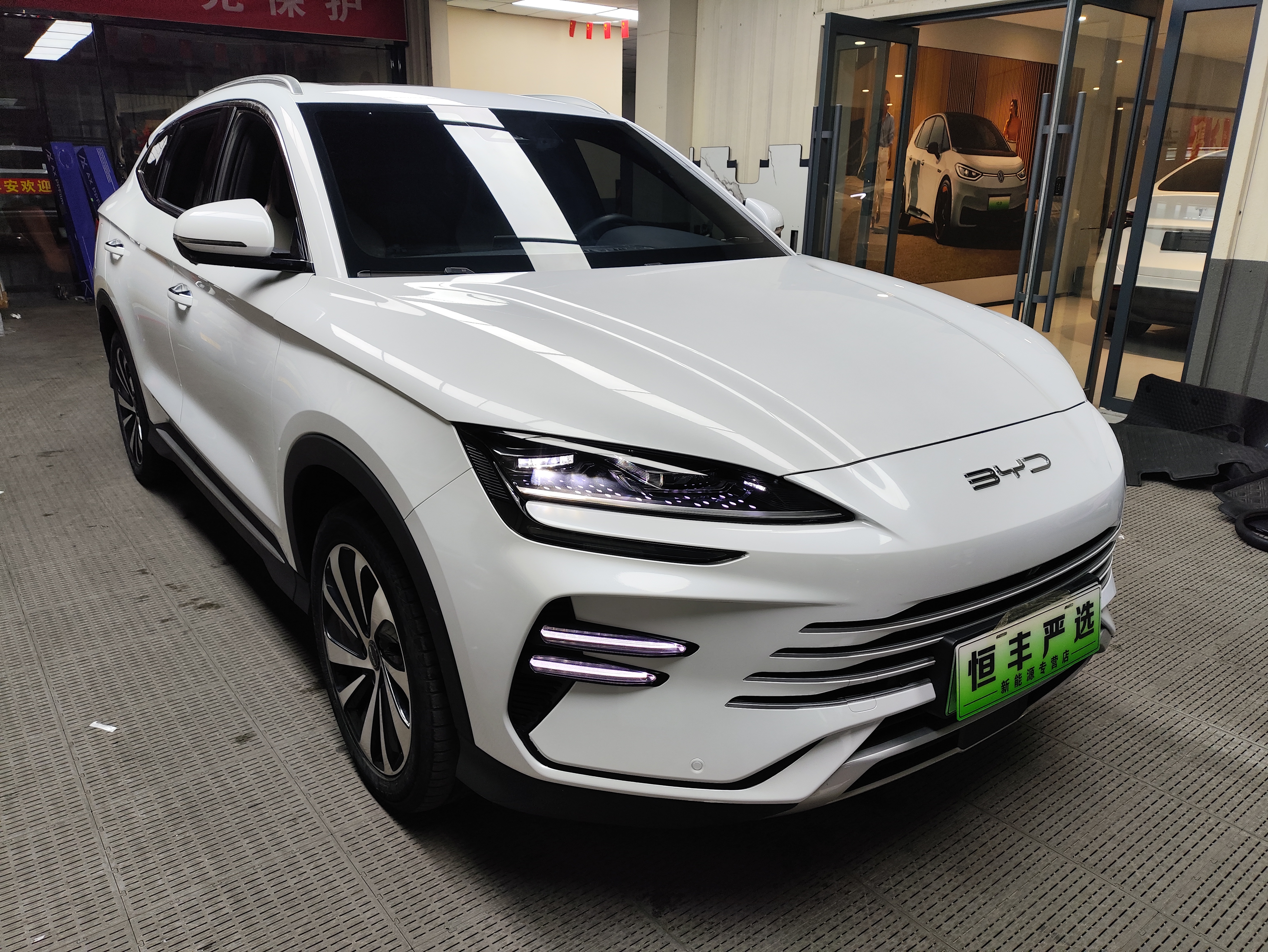
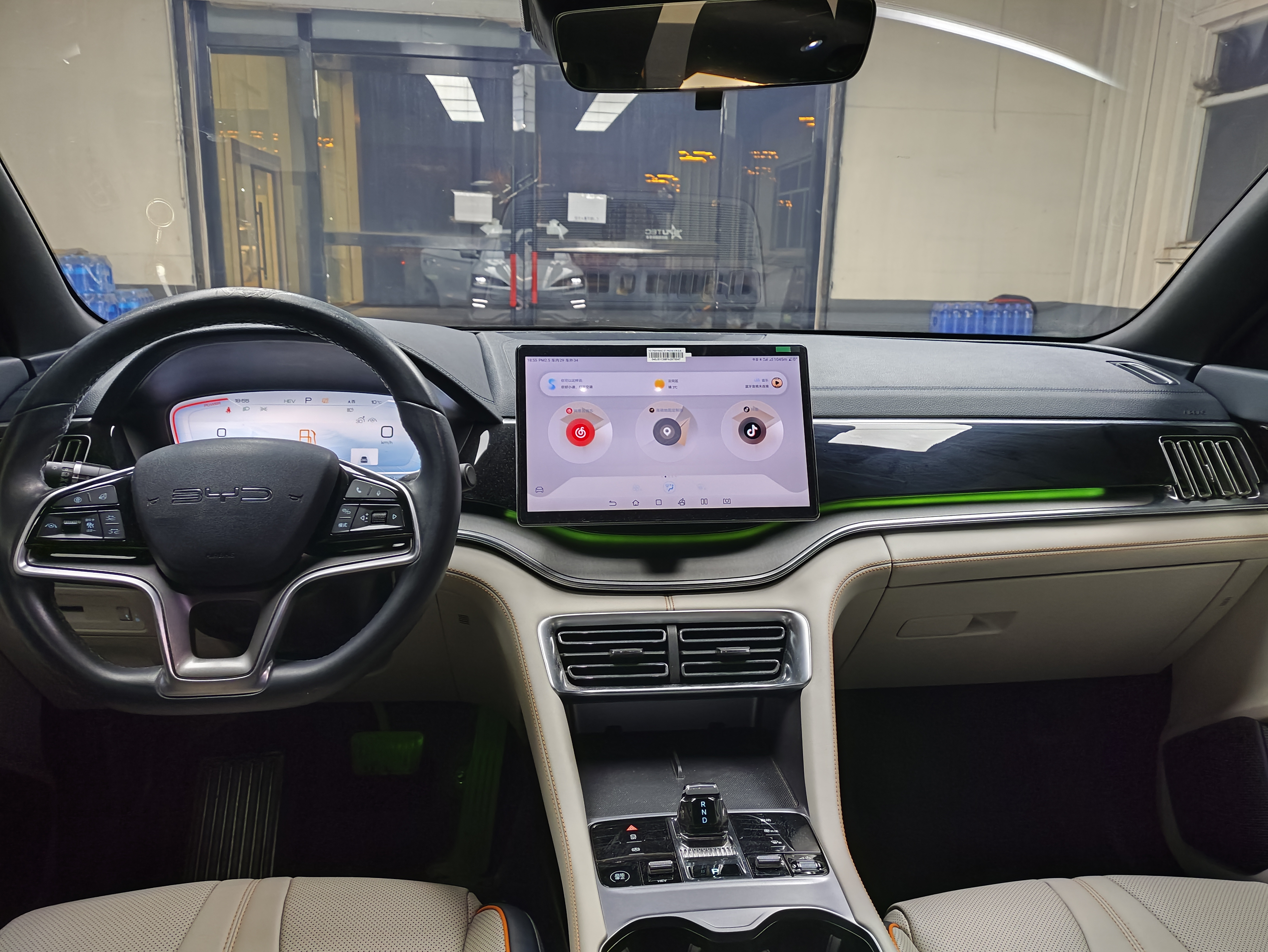
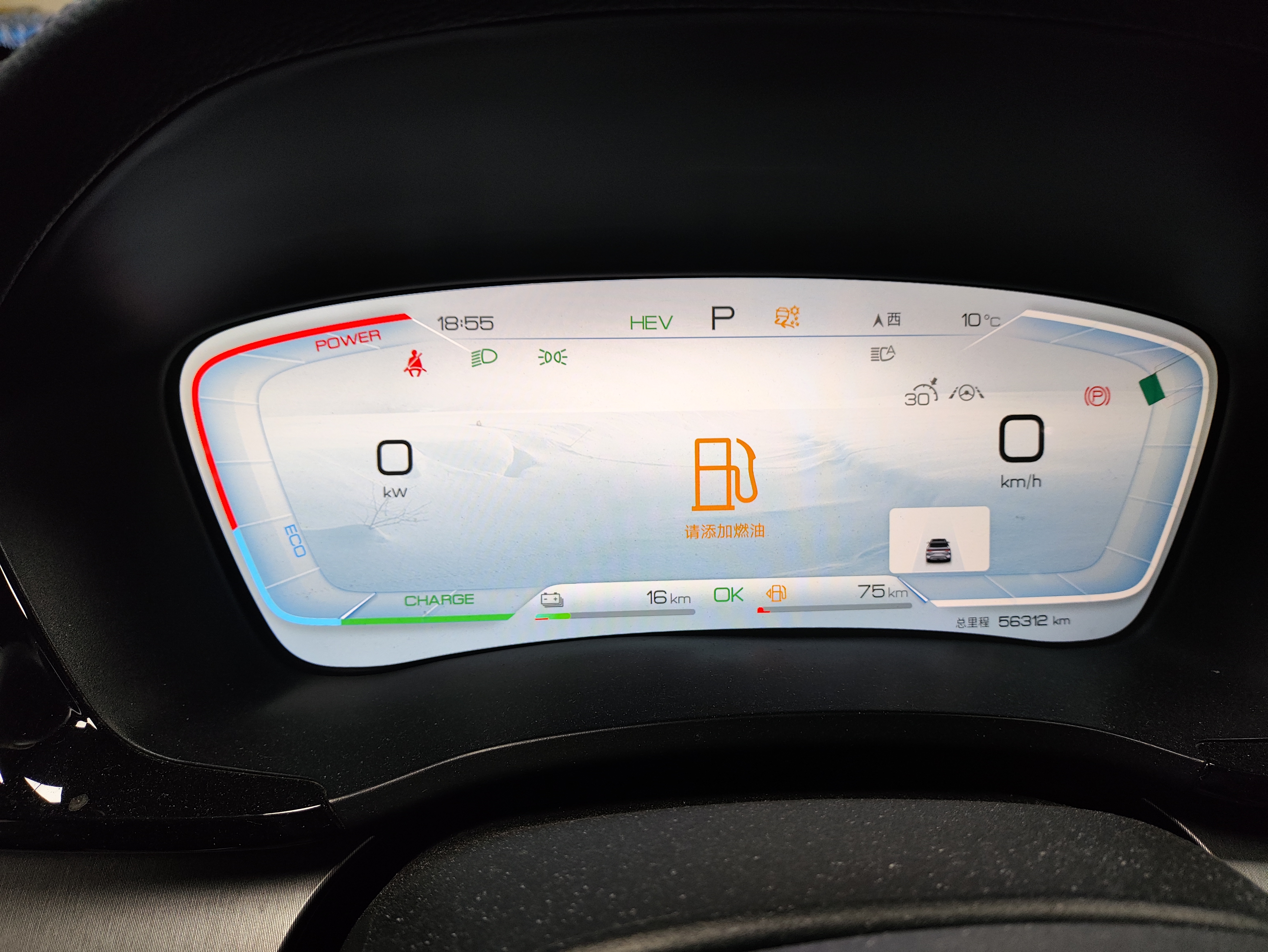



Basic Information

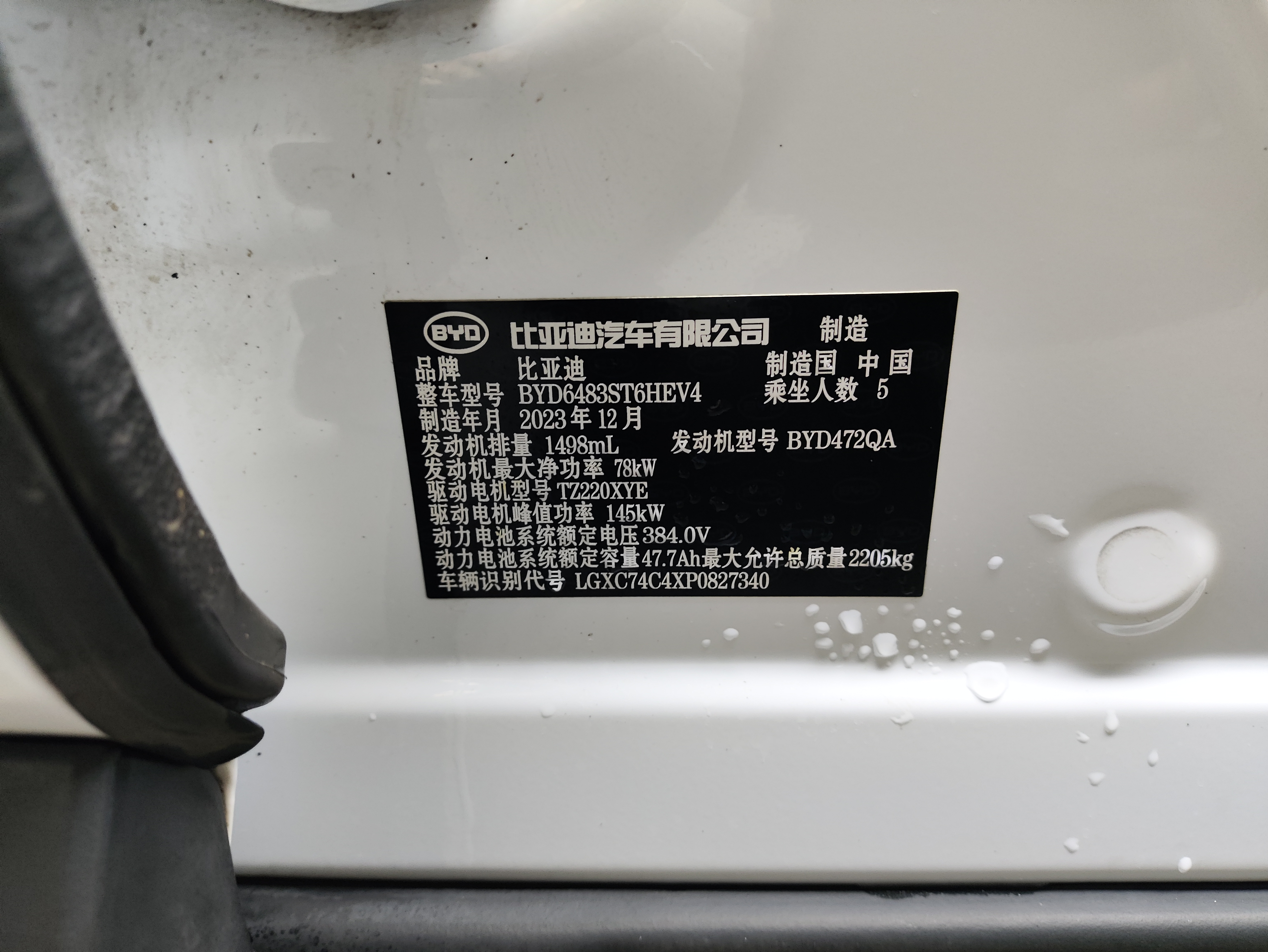
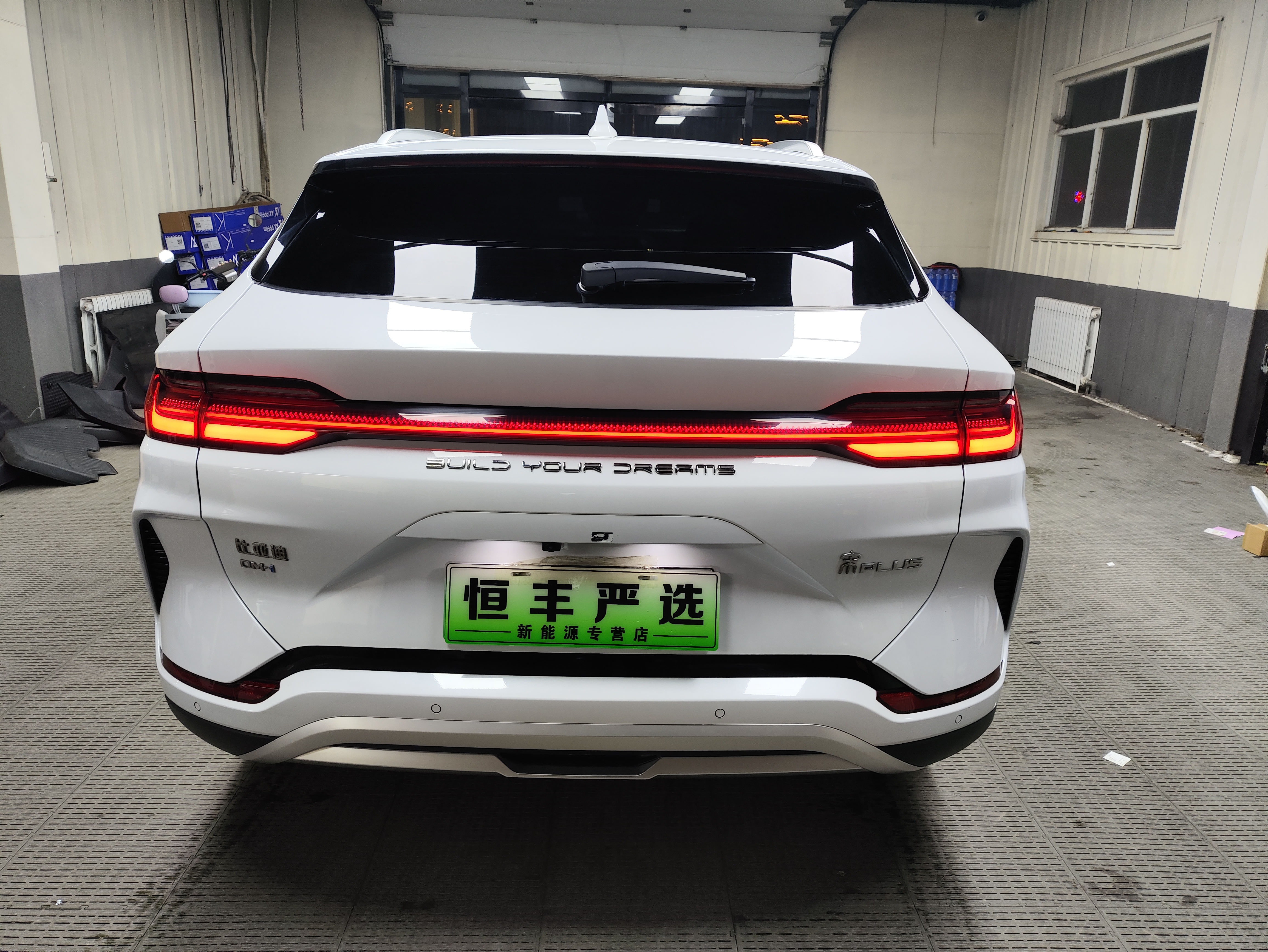
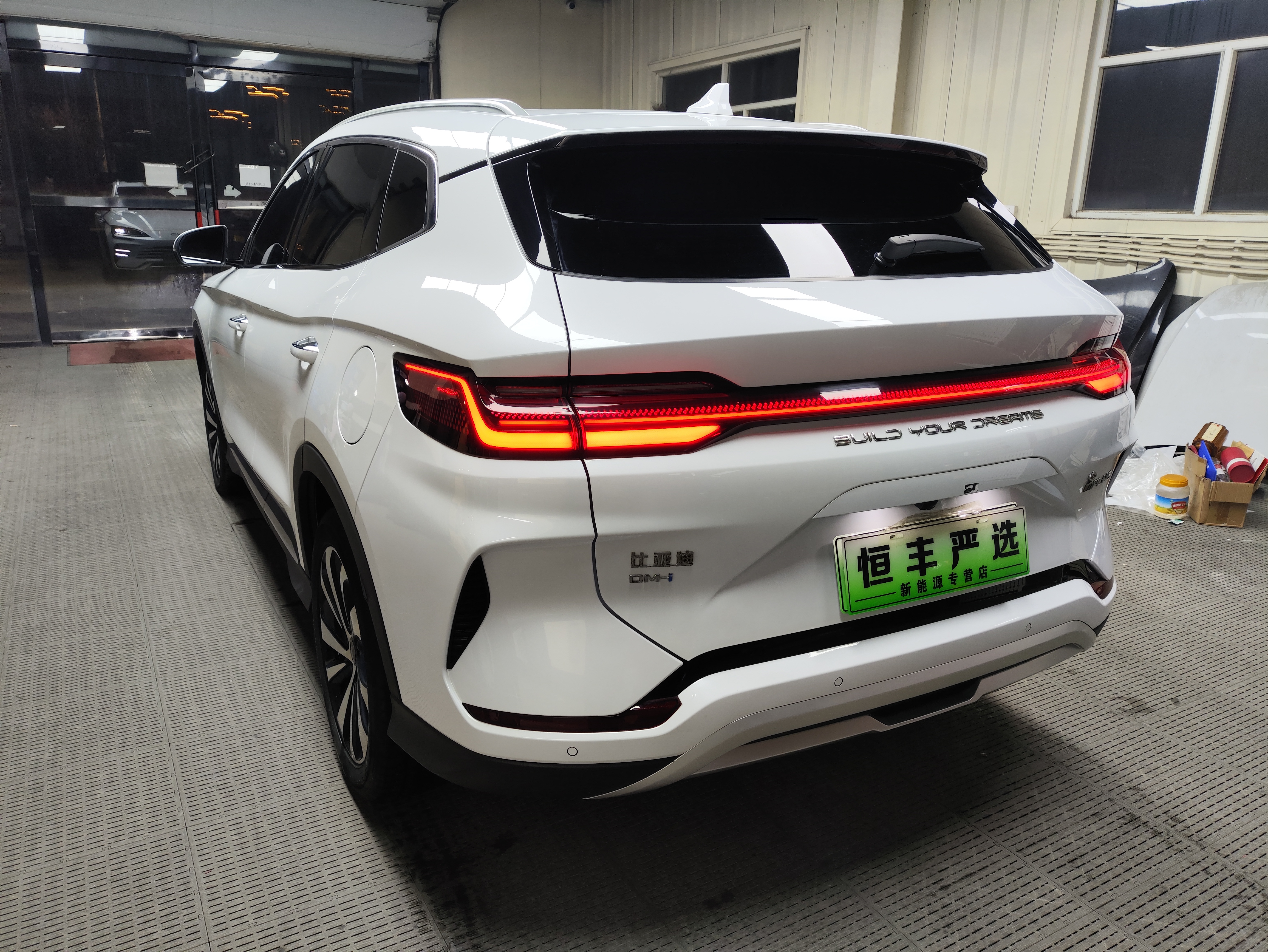
BrandBYD
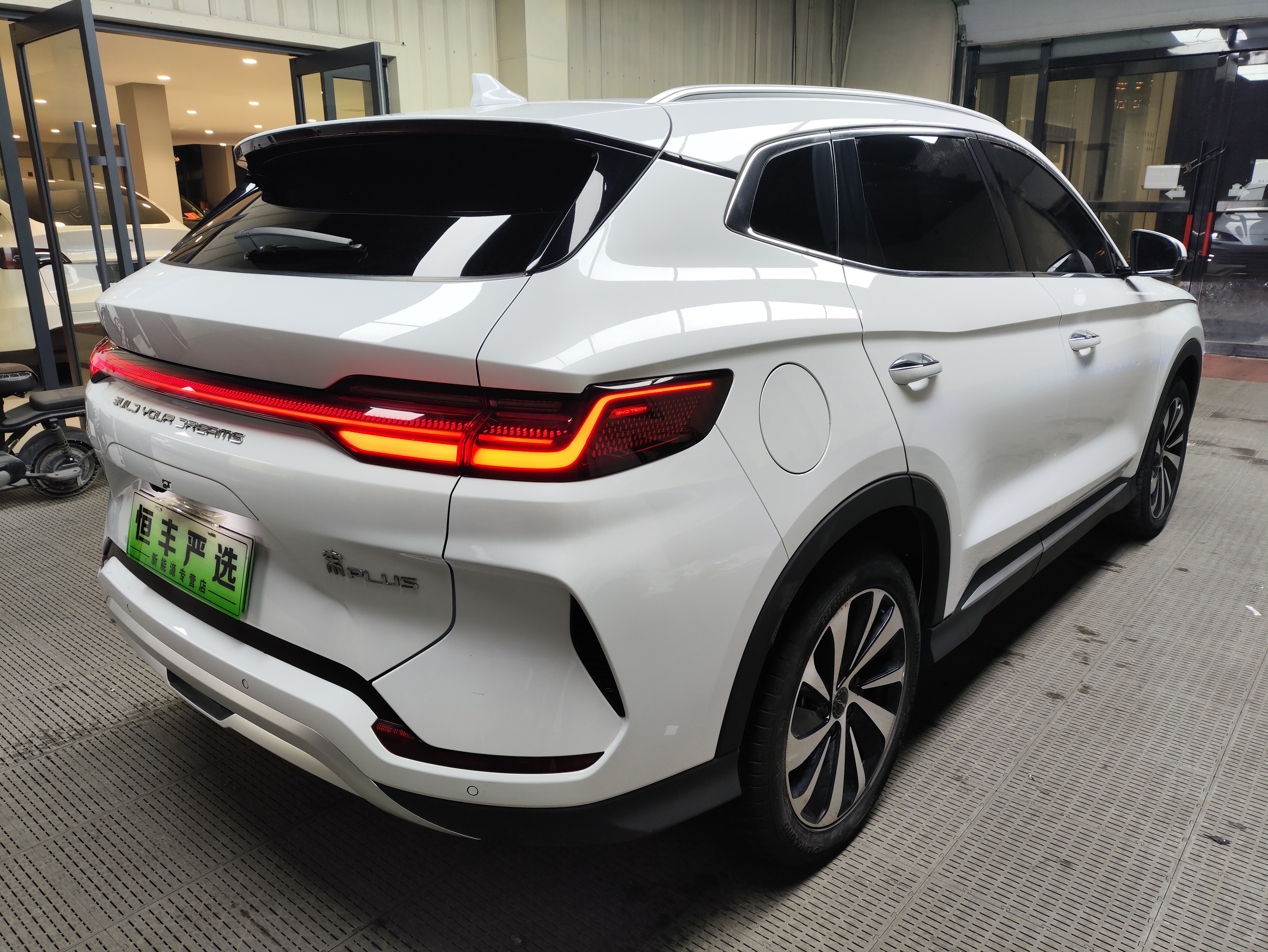
SeriesSong Plus New Energy
Year2024
First Registration2024/02
Mileage5.6km
Transfer Count-
FuelPHEV
TransmissionE-CVT
Engine1.5L 110 L4
ColorWhite
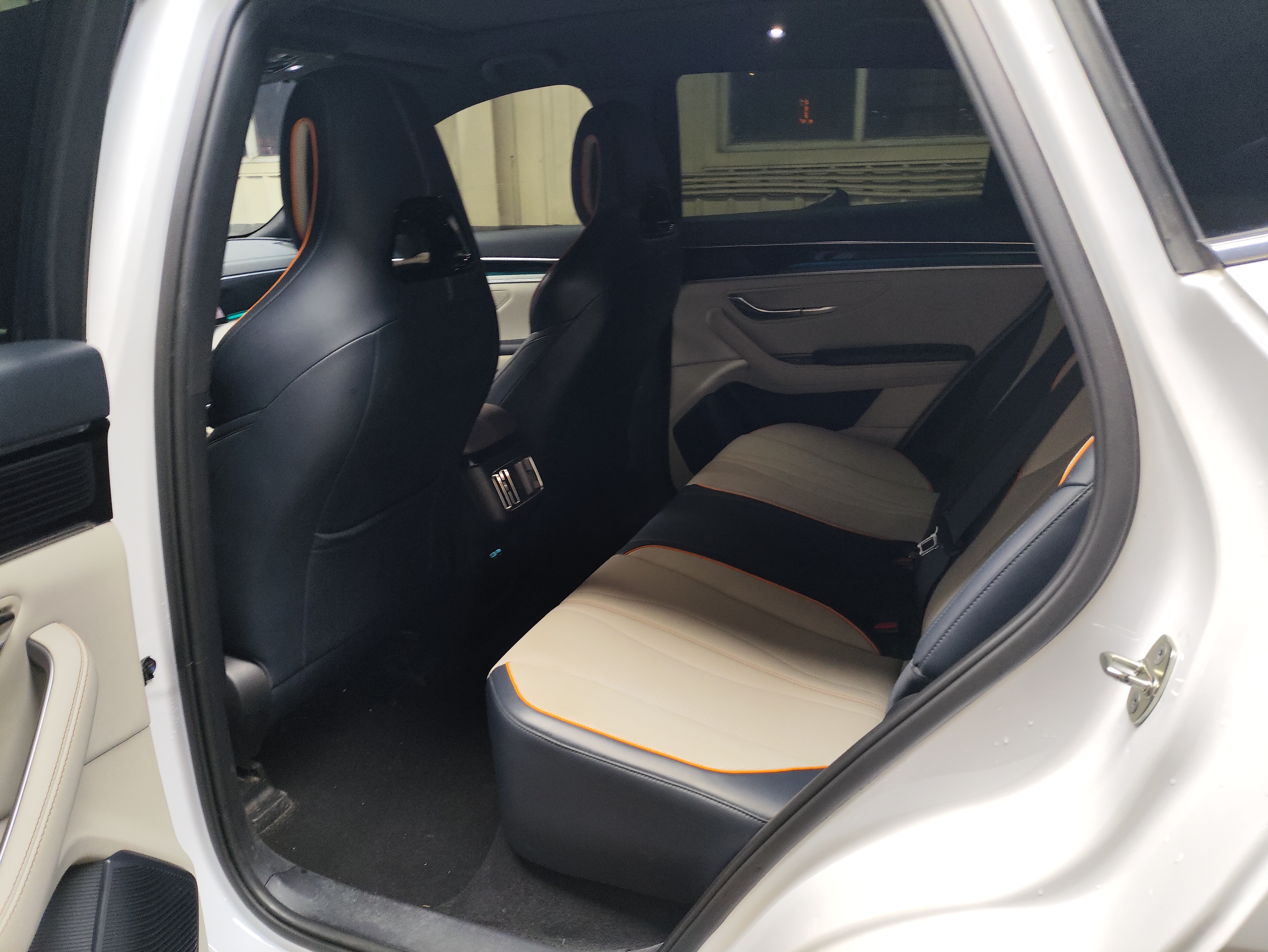
Seats-

Configuration Highlights

Driver/Passenger Airbags
Front/Rear Side Airbags
Front/Rear Curtain Airbags
Tire Pressure Monitoring
ISOFIX Child Seat Anchors
Keyless Start System
Keyless Entry System
ABS Anti-lock Braking
Electronic Brake Distribution
Electronic Stability Control
Hill Start Assist
Auto Hold
Hill Descent Control
Panoramic Sunroof
Power Trunk
Roof Rack
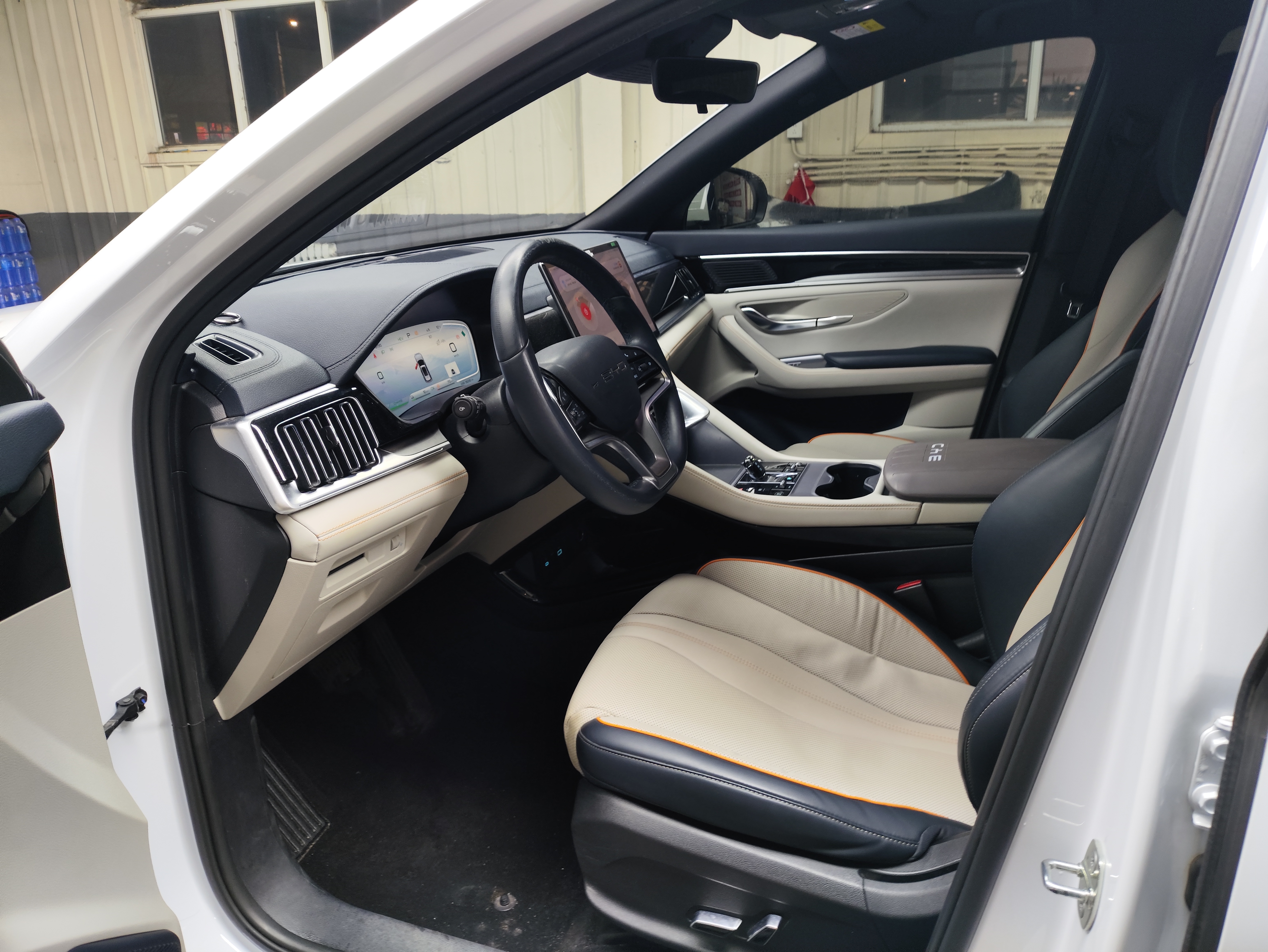
Multifunction Steering Wheel
Front Parking Sensors
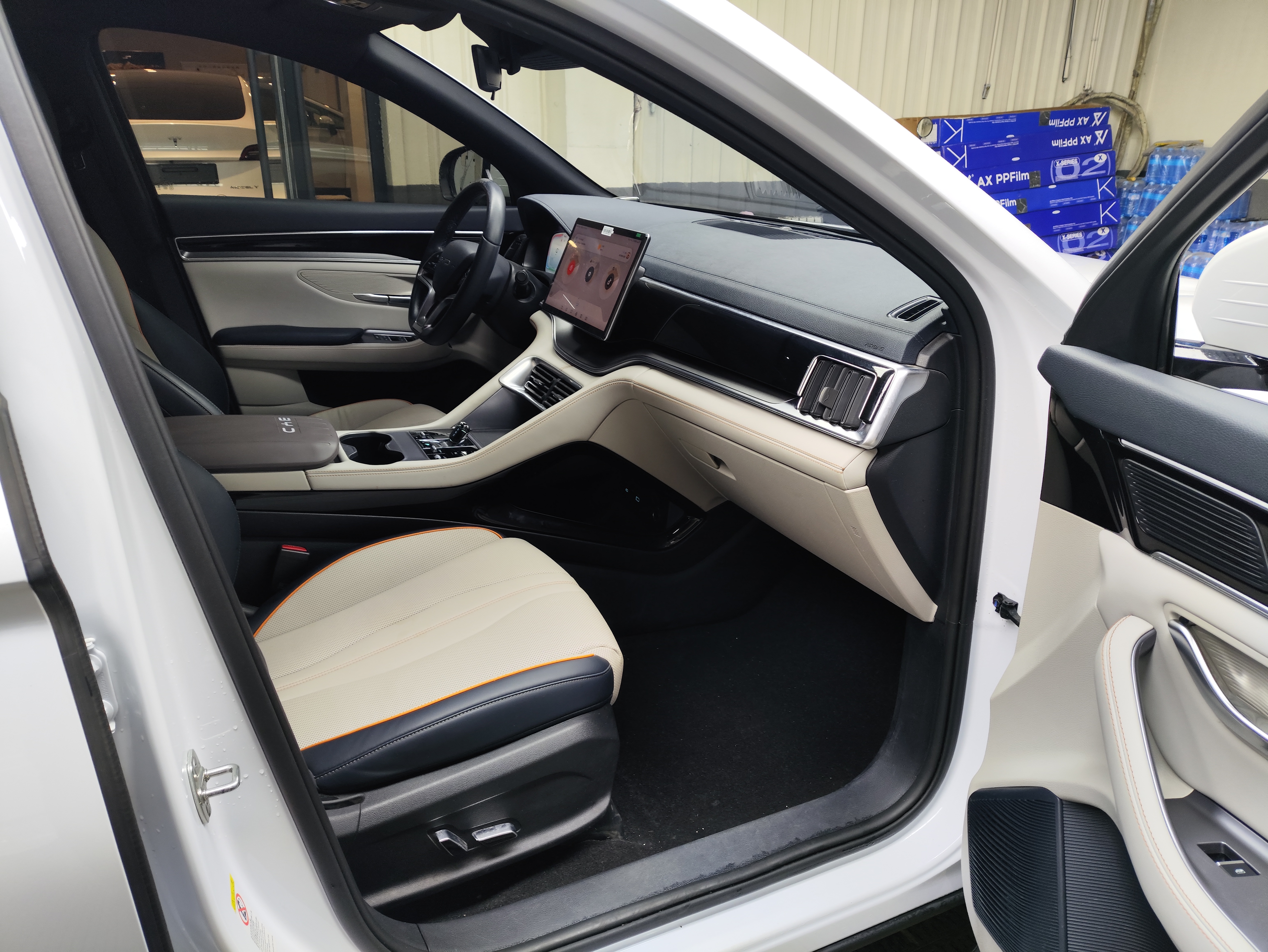
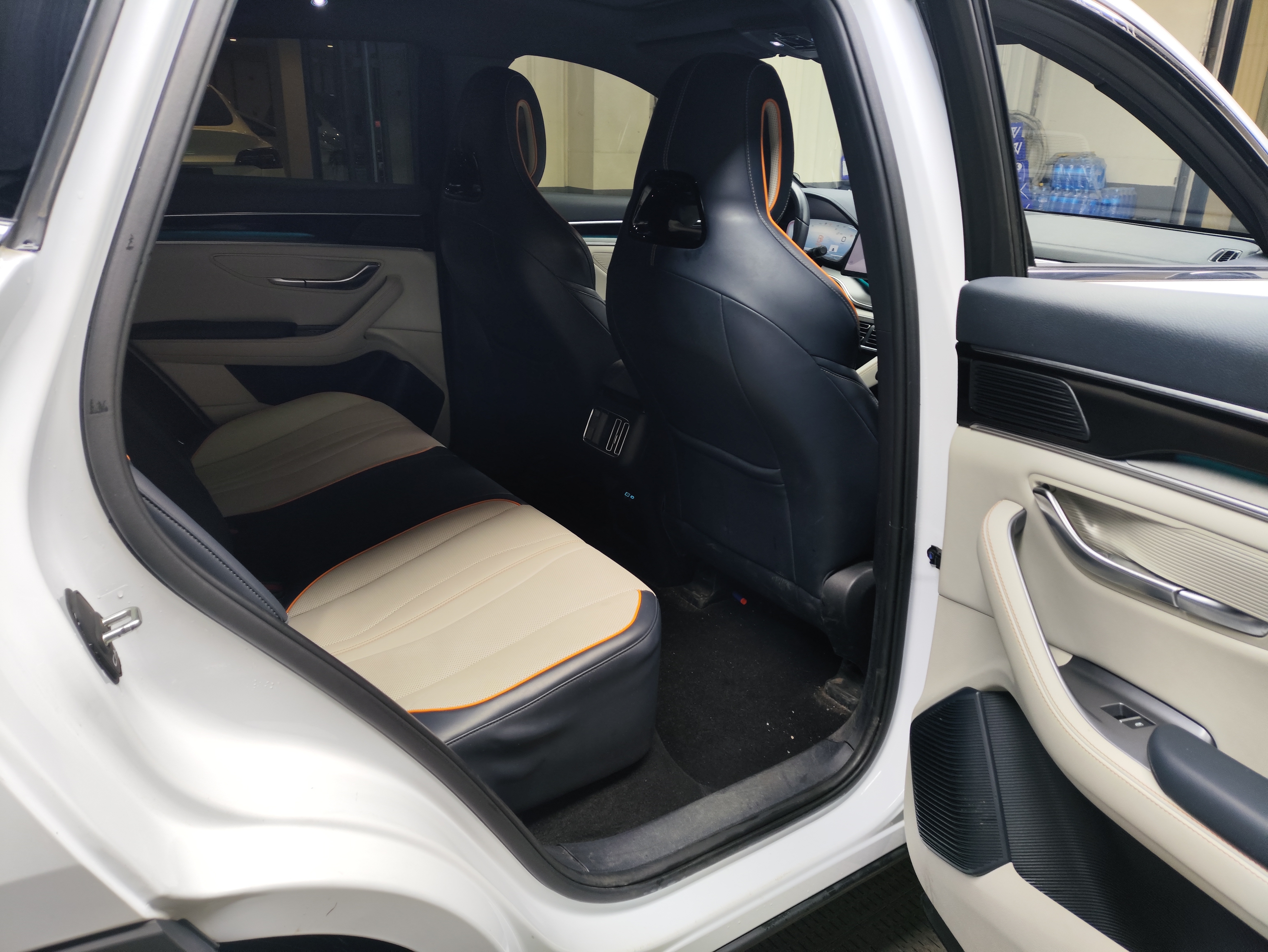
Seat Material
Driver/Passenger Power Seats
Rear Cupholders
GPS Navigation
Low Beam Headlights
Daytime Running Lights
Auto Headlights
Adjustable Headlight Height
Power Windows
Anti-pinch Windows
Climate Control Type
Rear Air Vents
Lane Departure Warning
Active Safety System
Split-screen Display

Q&A

More

After the vehicle arrived at the port, it was found that the rubber parts of the chassis (such as dust covers and engine mounts) had extensive cracking. Does this fall under the compensation for "certain repair parts compensation"?

Absolutely not. The aging and cracking of rubber parts are inevitable over time and are a normal manifestation of vehicle depreciation. Our compensation only covers sudden and catastrophic mechanical failures, such as engine cylinder scoring or transmission gear breakage.

Is there a specific testing process for the smooth transition between the engine and motor in hybrid (HEV/PHEV) vehicles?

Yes. For hybrid vehicles, technicians will conduct forced switching tests between EV (electric) and HEV (hybrid) modes, focusing on the sensation of clutch engagement and reading the hybrid system's specific fault codes to ensure the complex dual power system operates correctly.

Does your technical testing include highway road tests (high-speed driving tests), or is it only low-speed driving in a closed area?

Due to legal restrictions preventing unregistered vehicles from high-speed driving on public roads in China, most of our dynamic tests are conducted in a closed area (with a maximum speed of around 60 km/h). This is sufficient to test for suspension noise and low gear smoothness, but it cannot simulate high-speed wind noise and tire balance vibrations at 120 km/h.