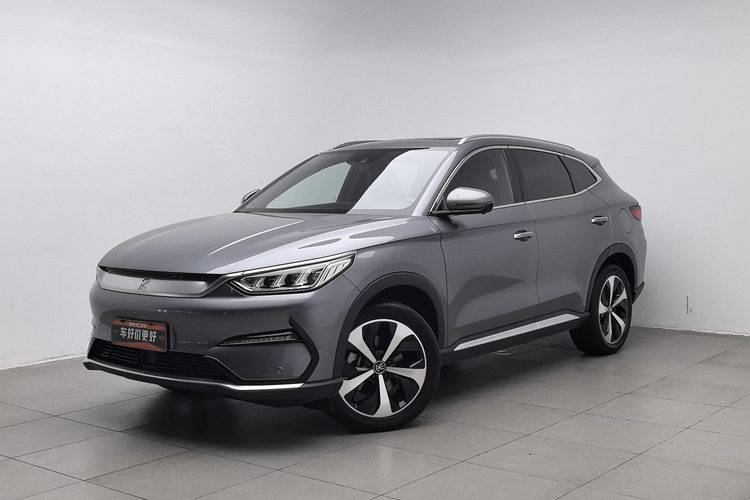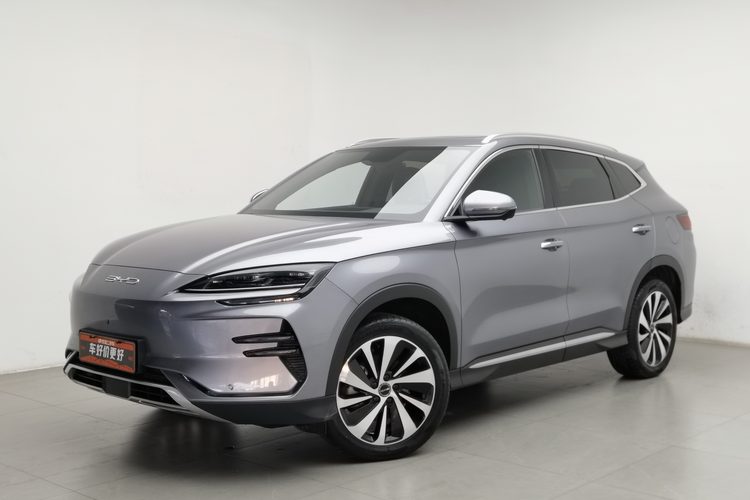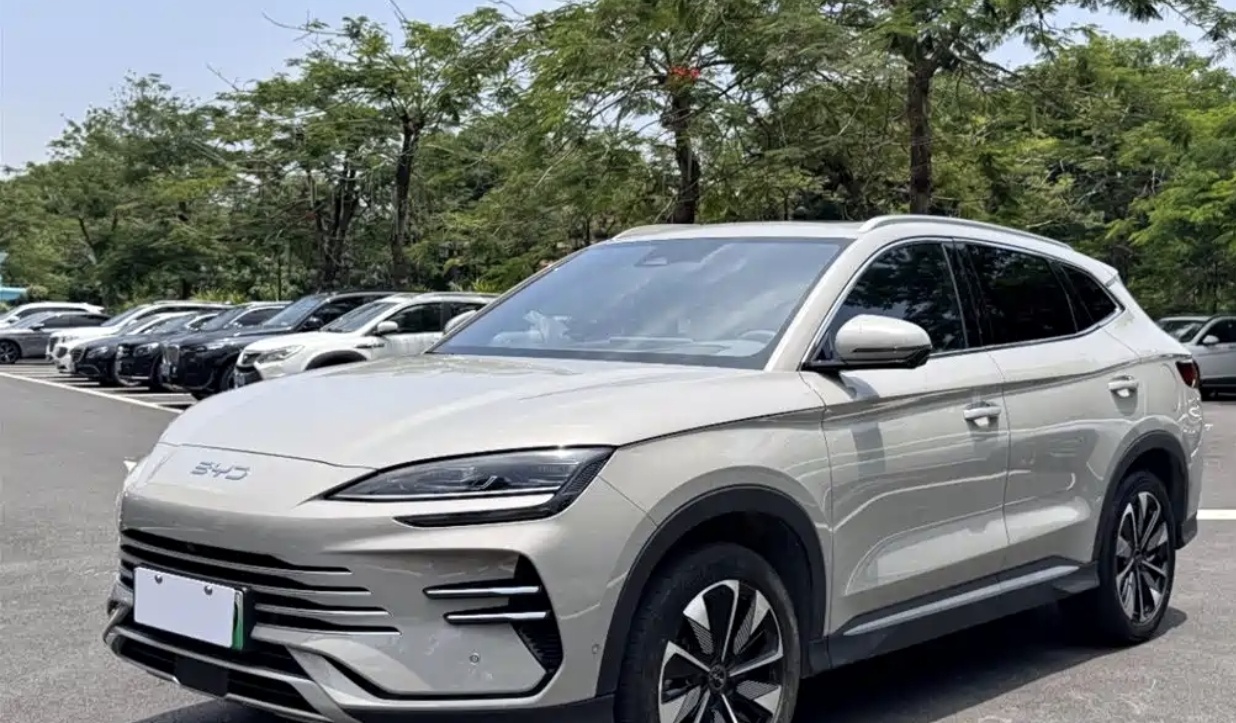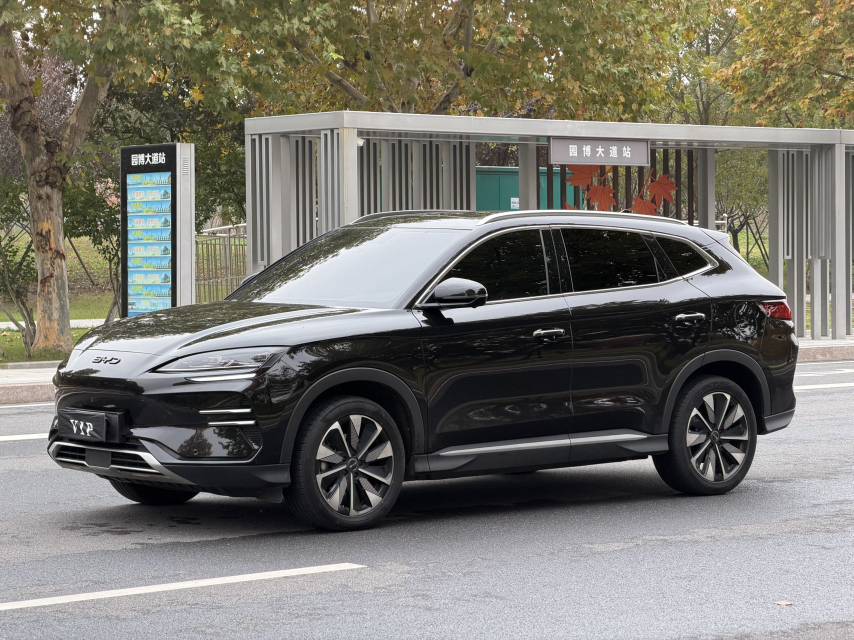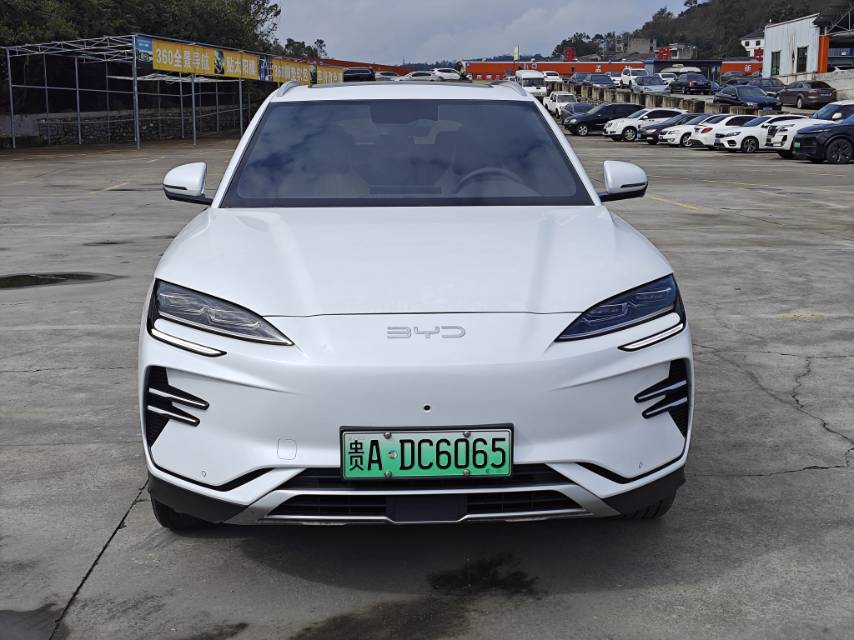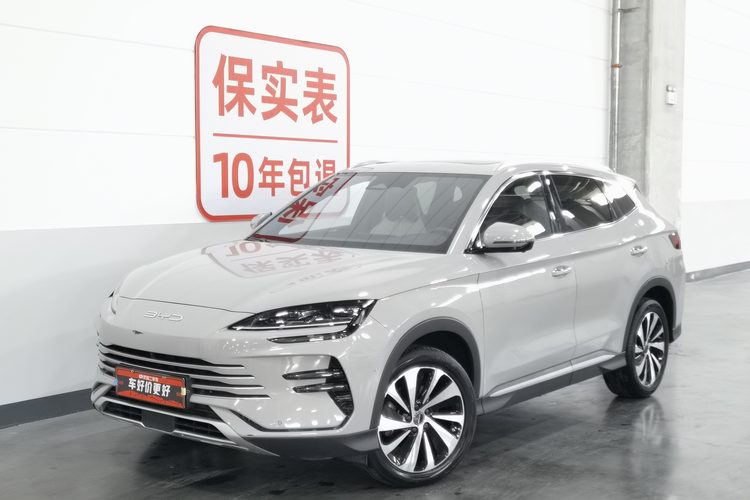
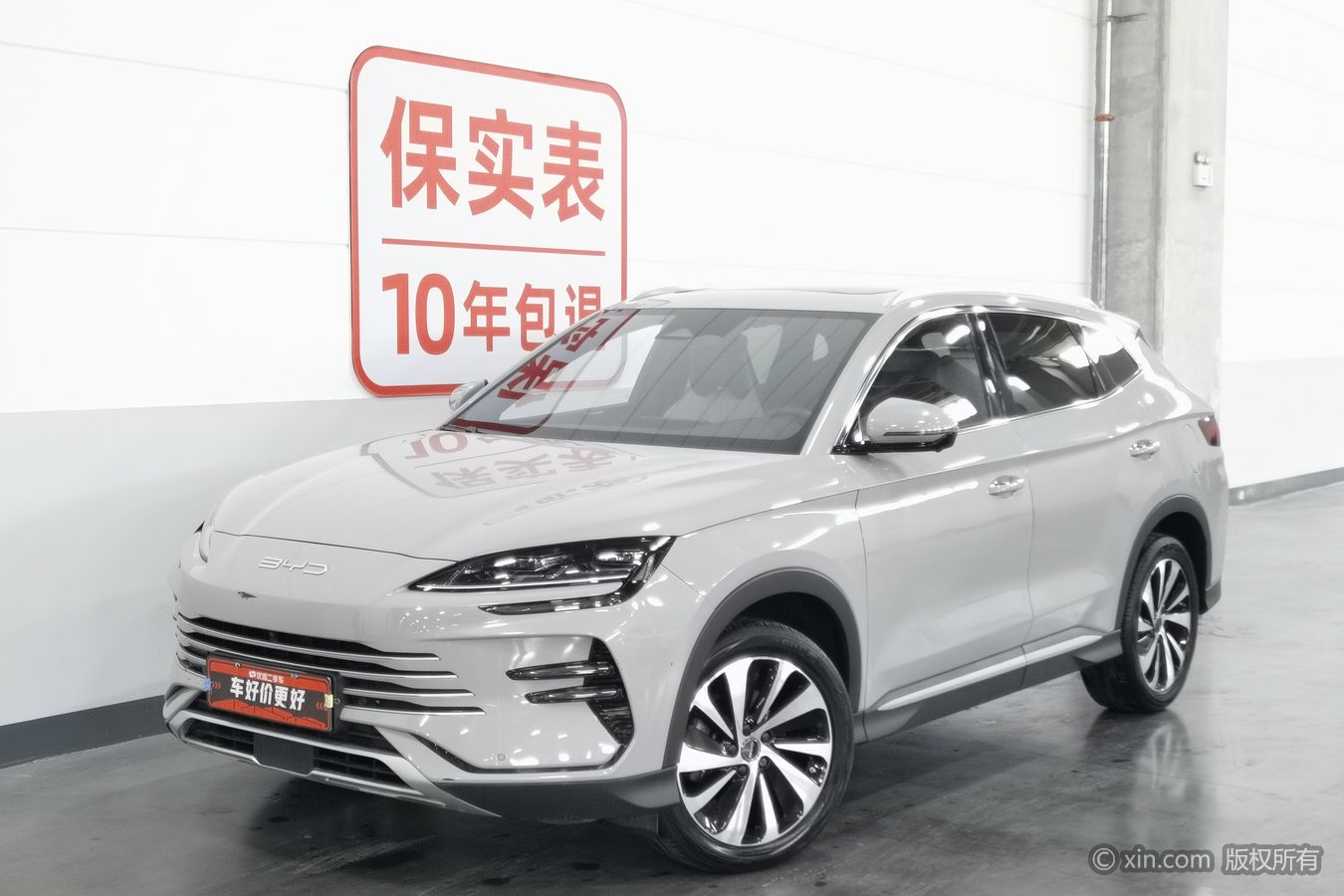

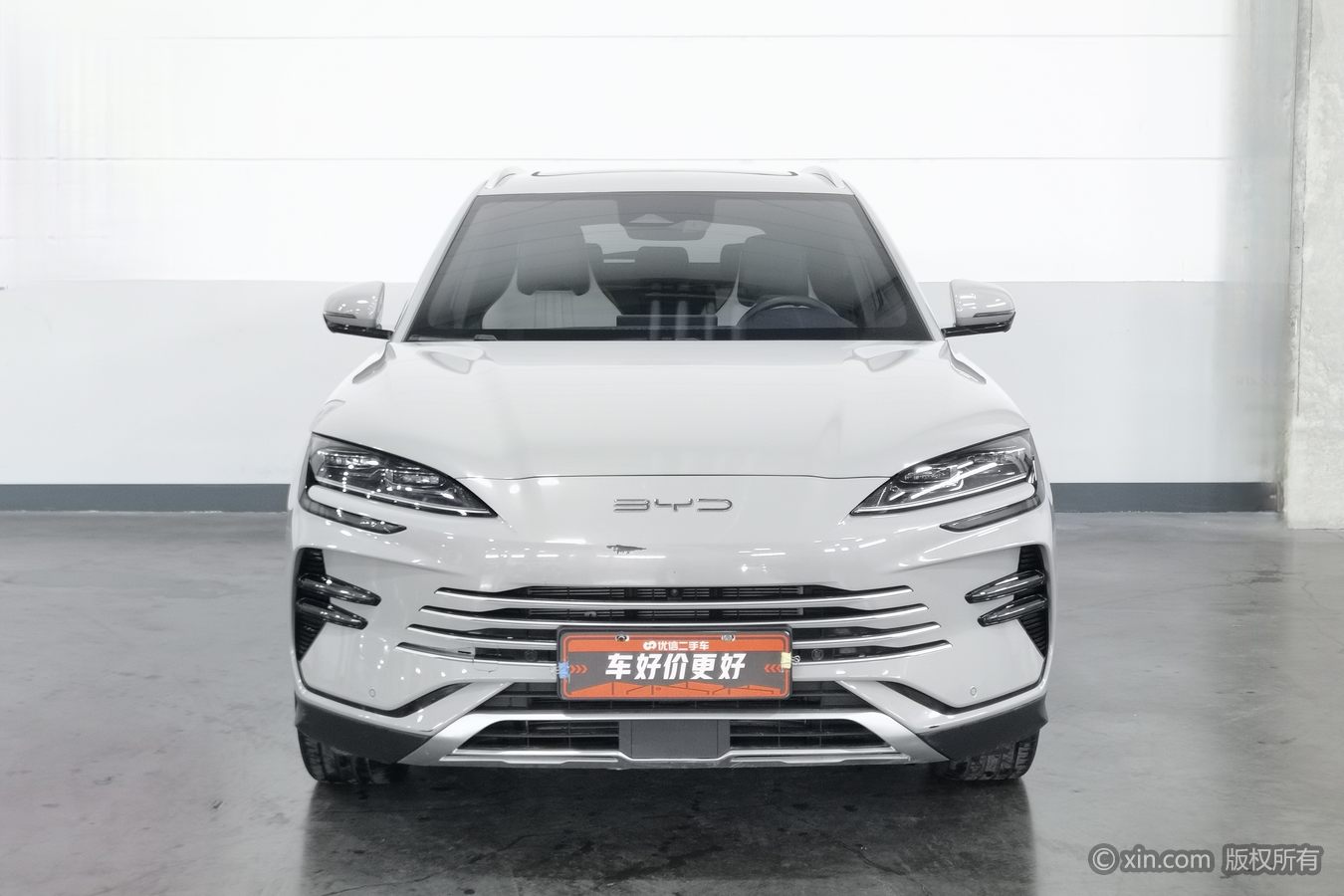
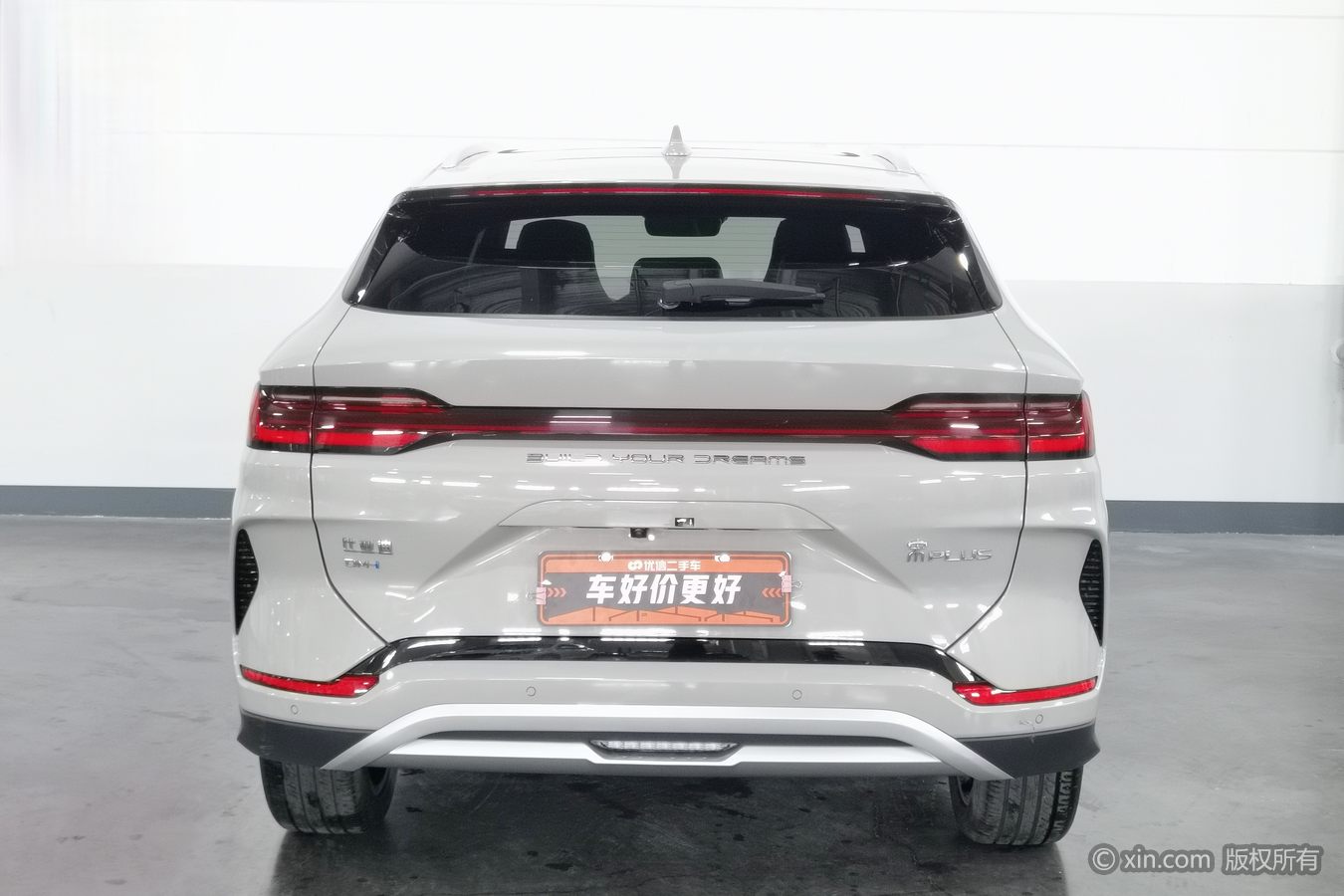
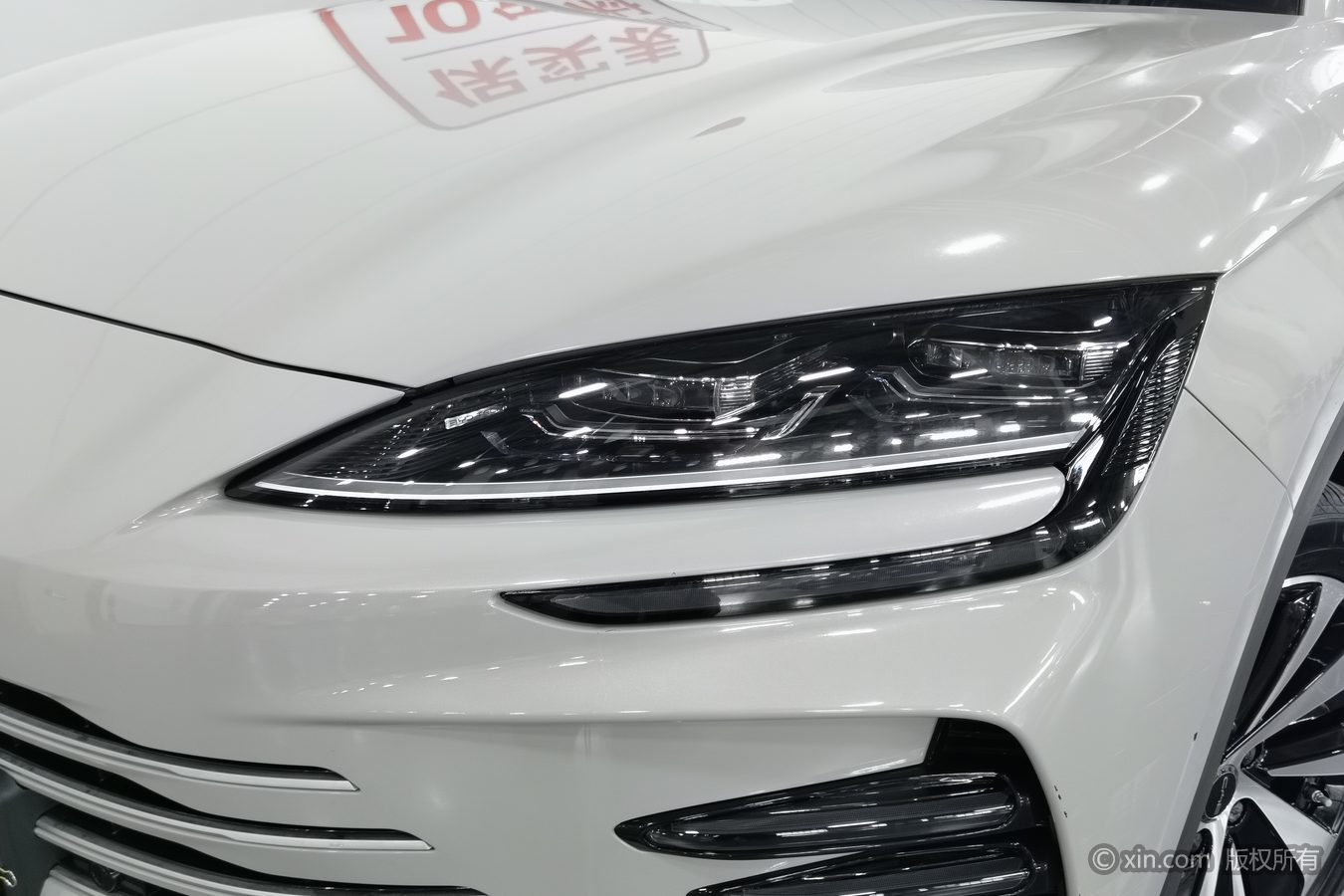
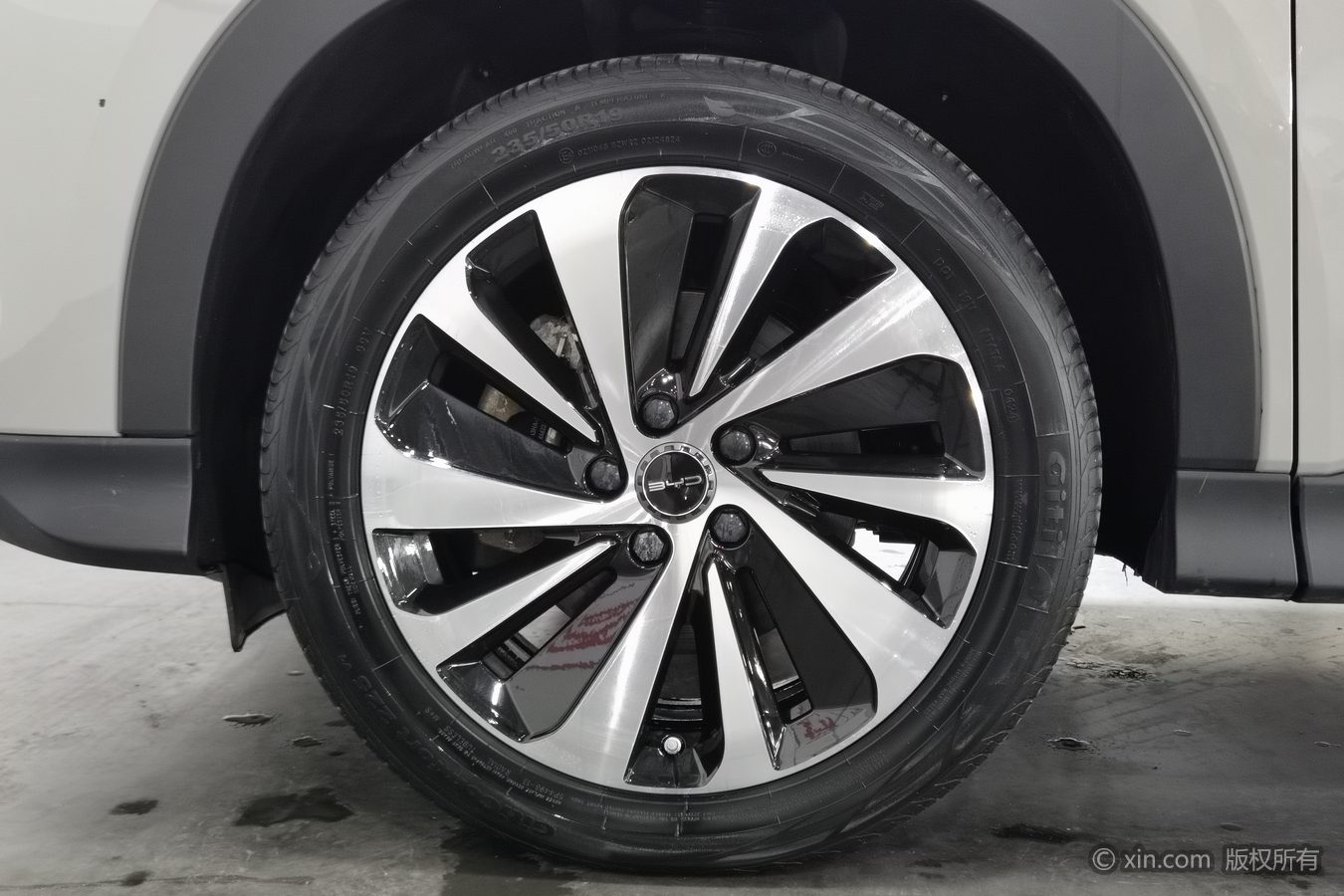
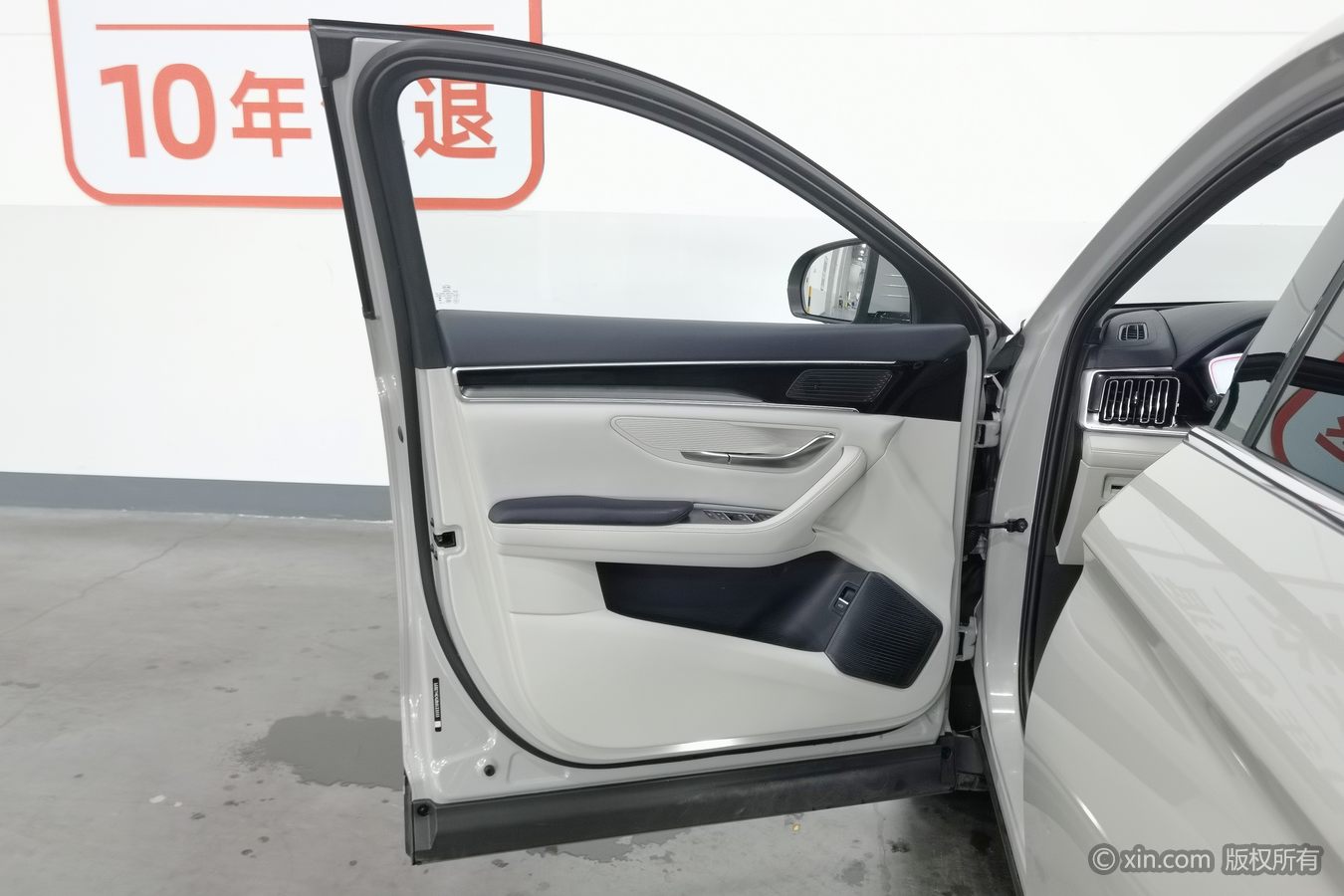
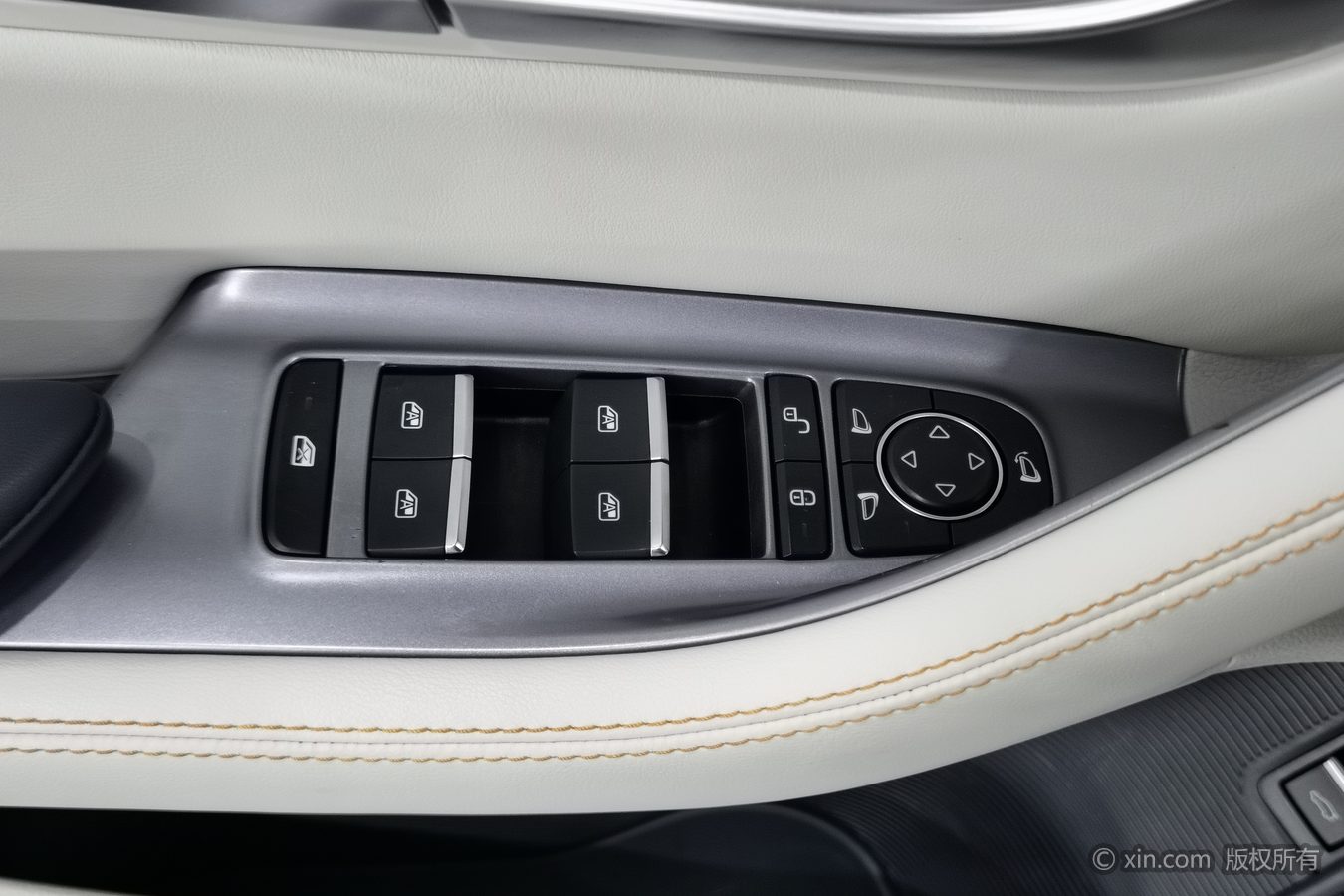
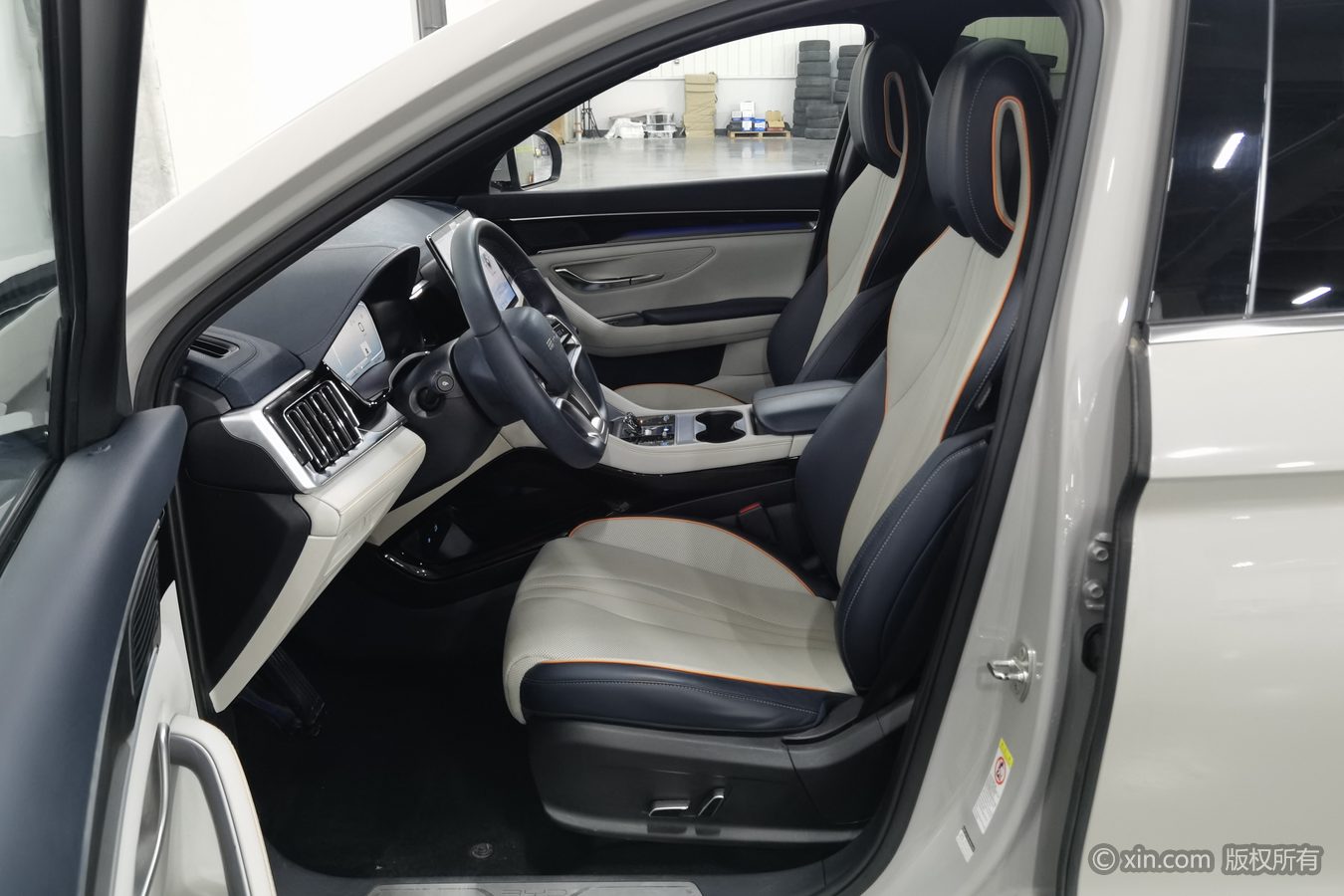
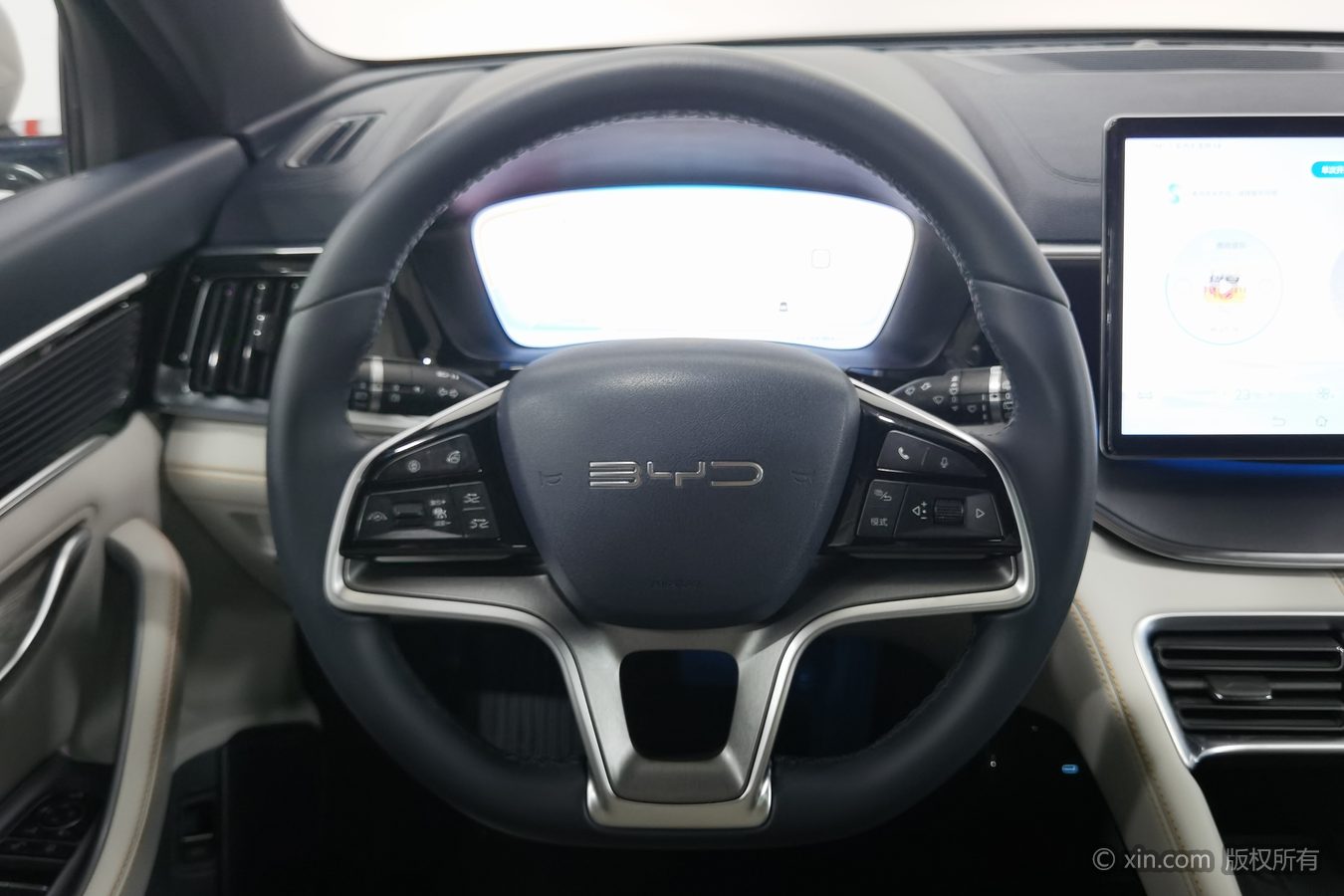
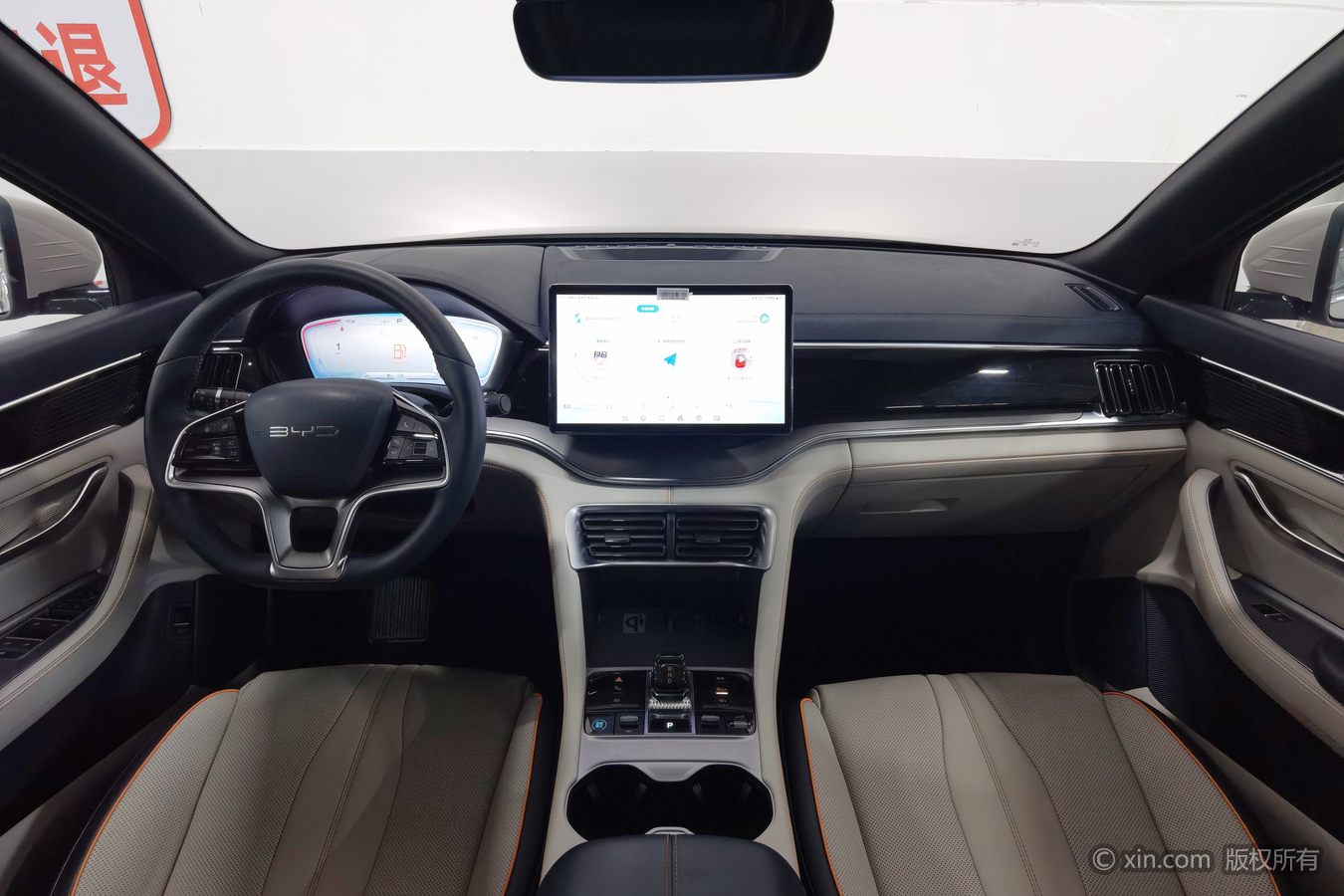
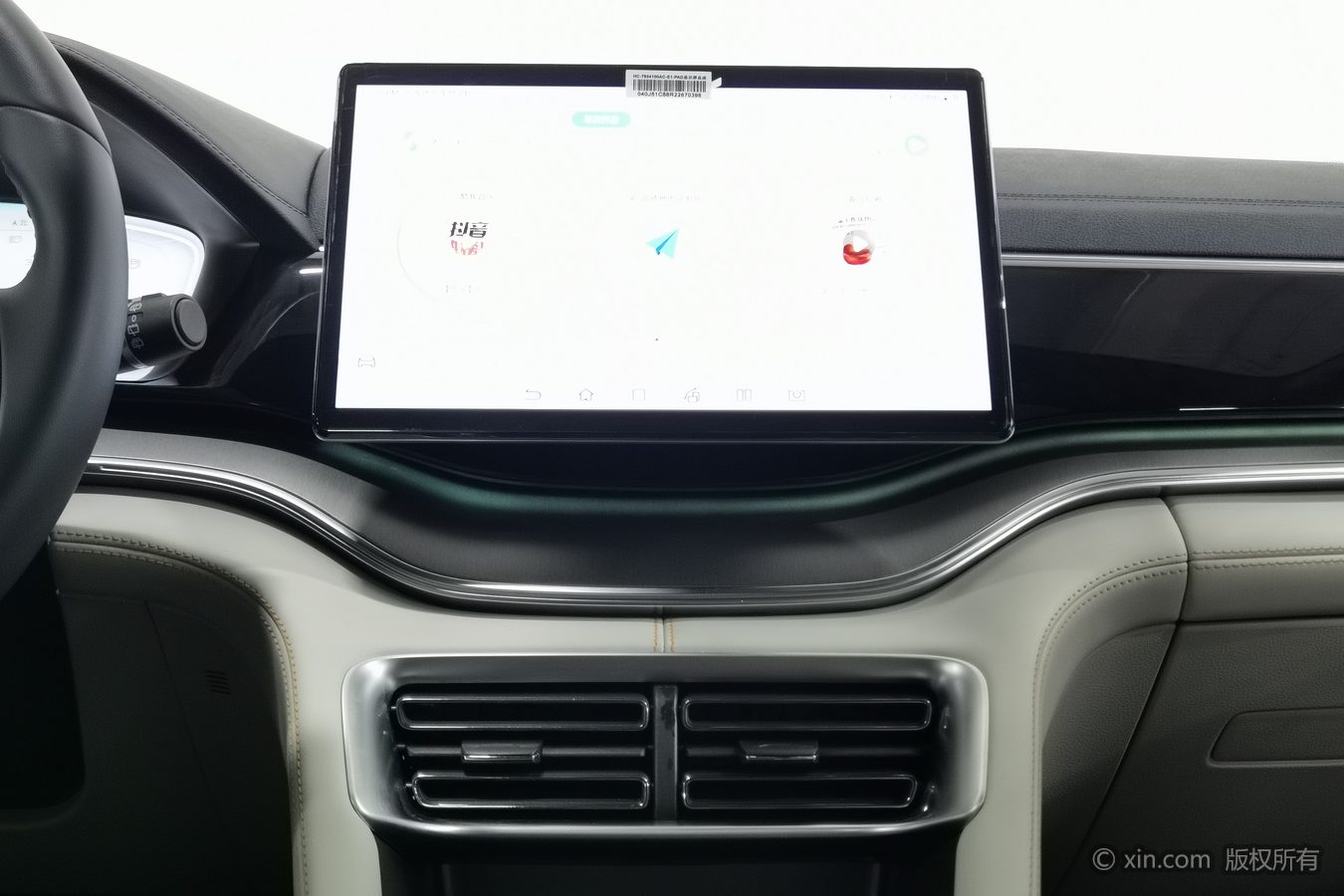
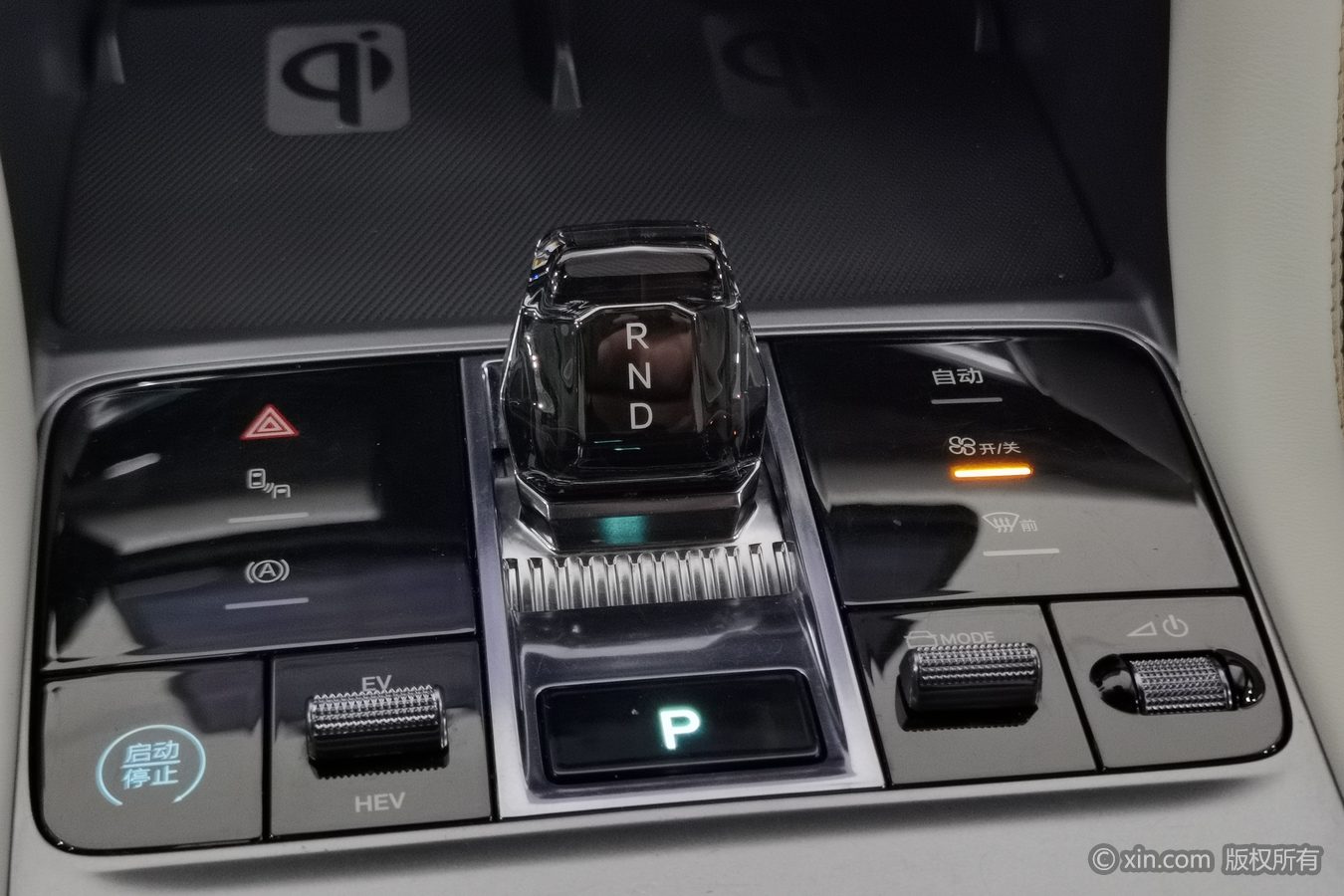
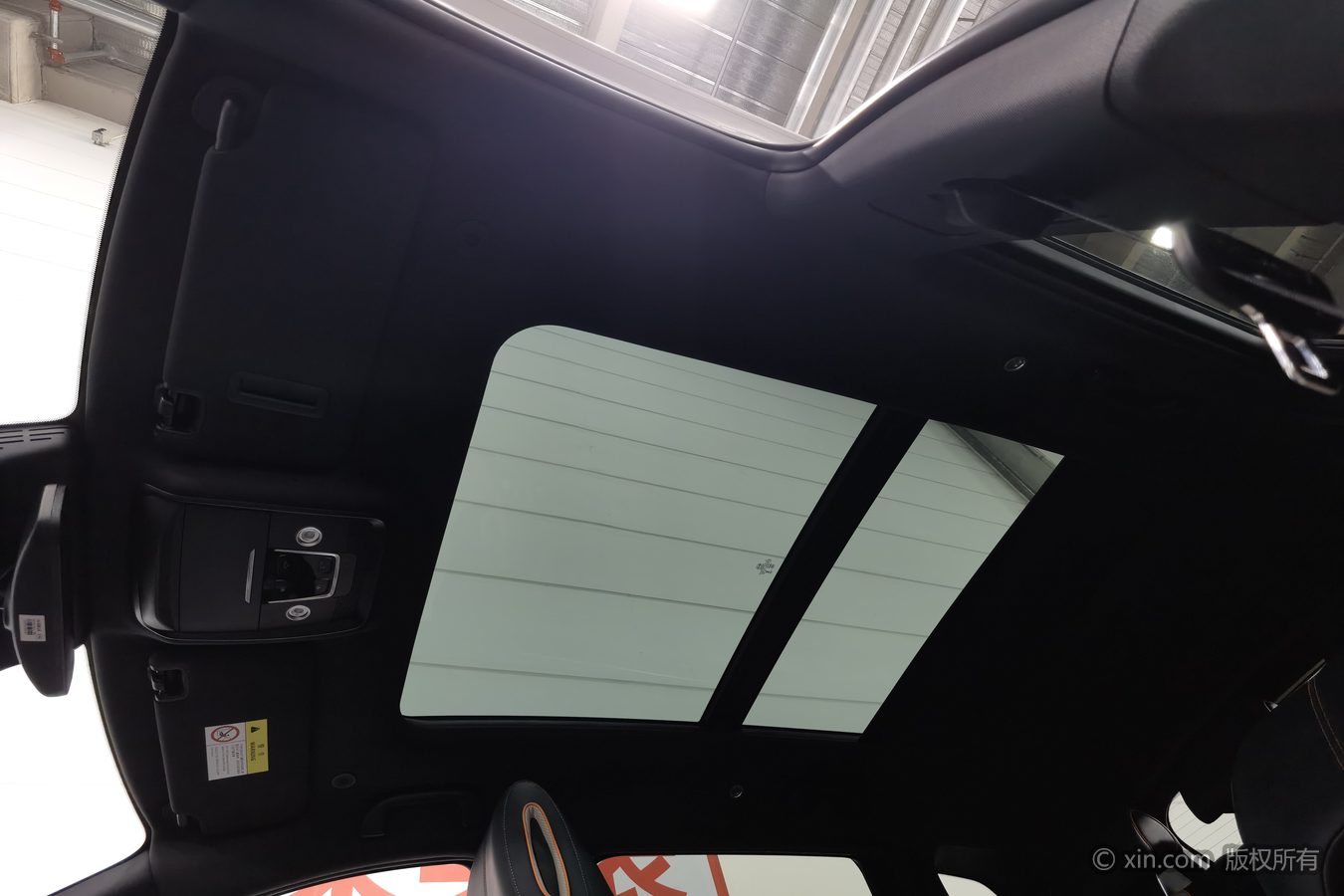
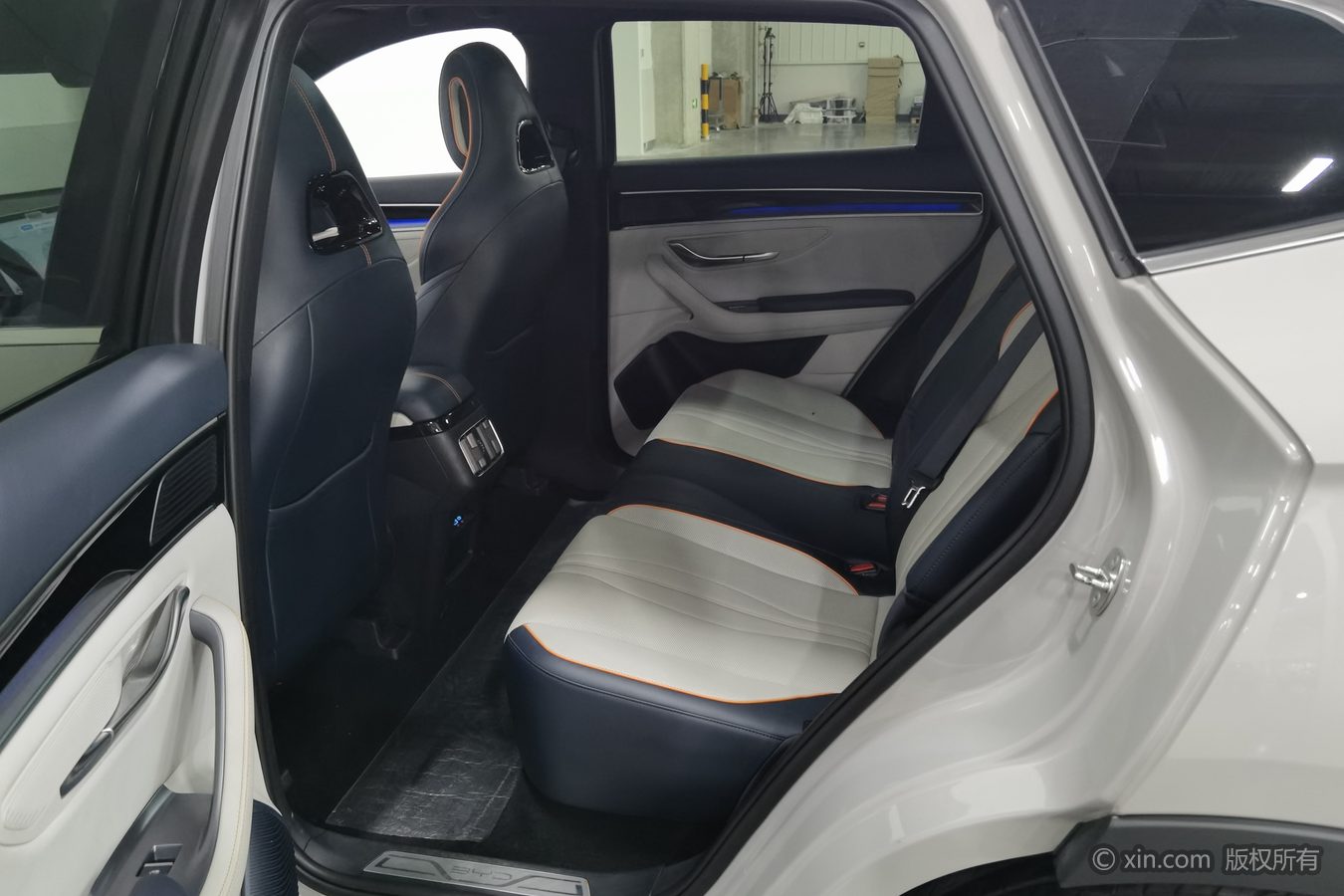
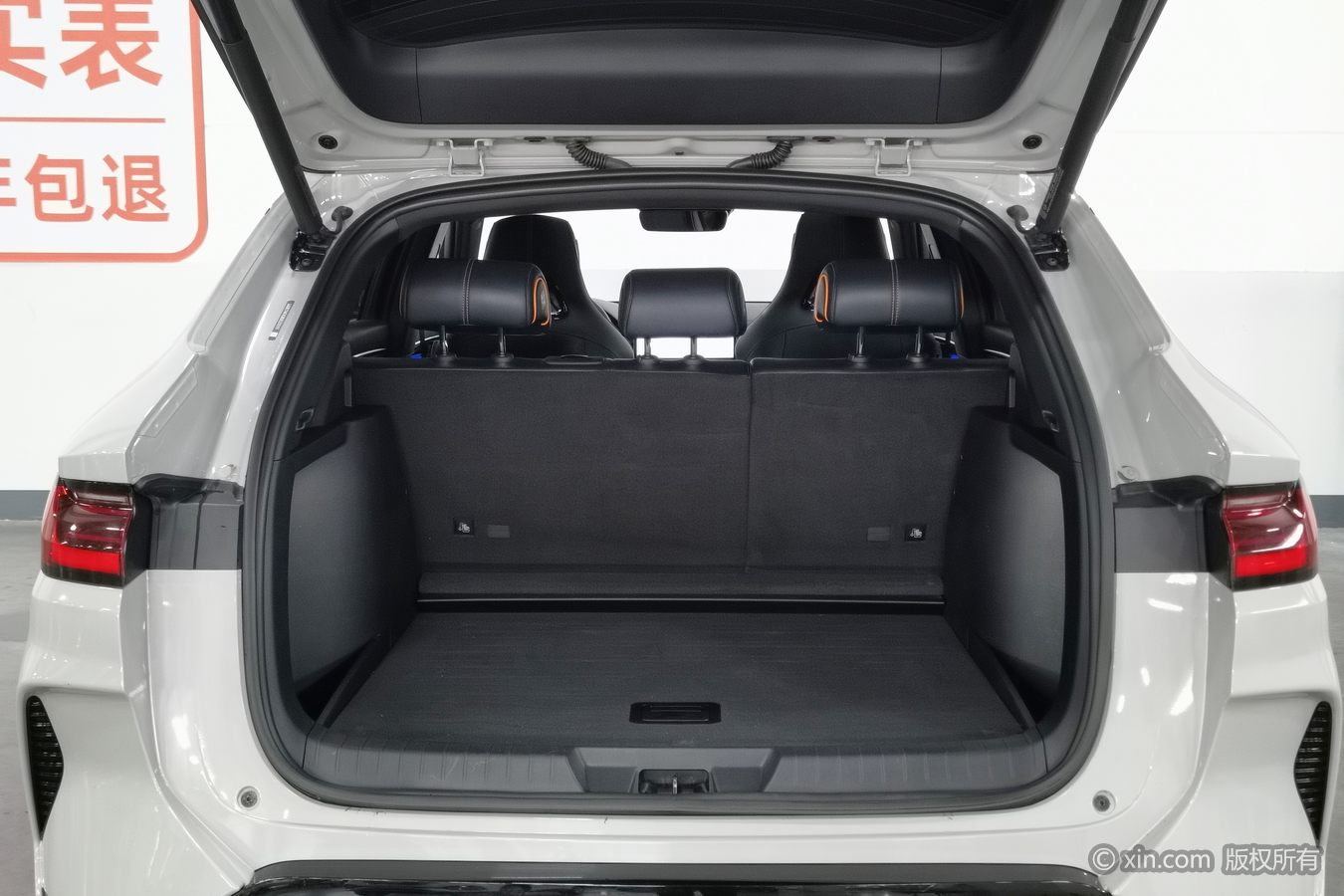
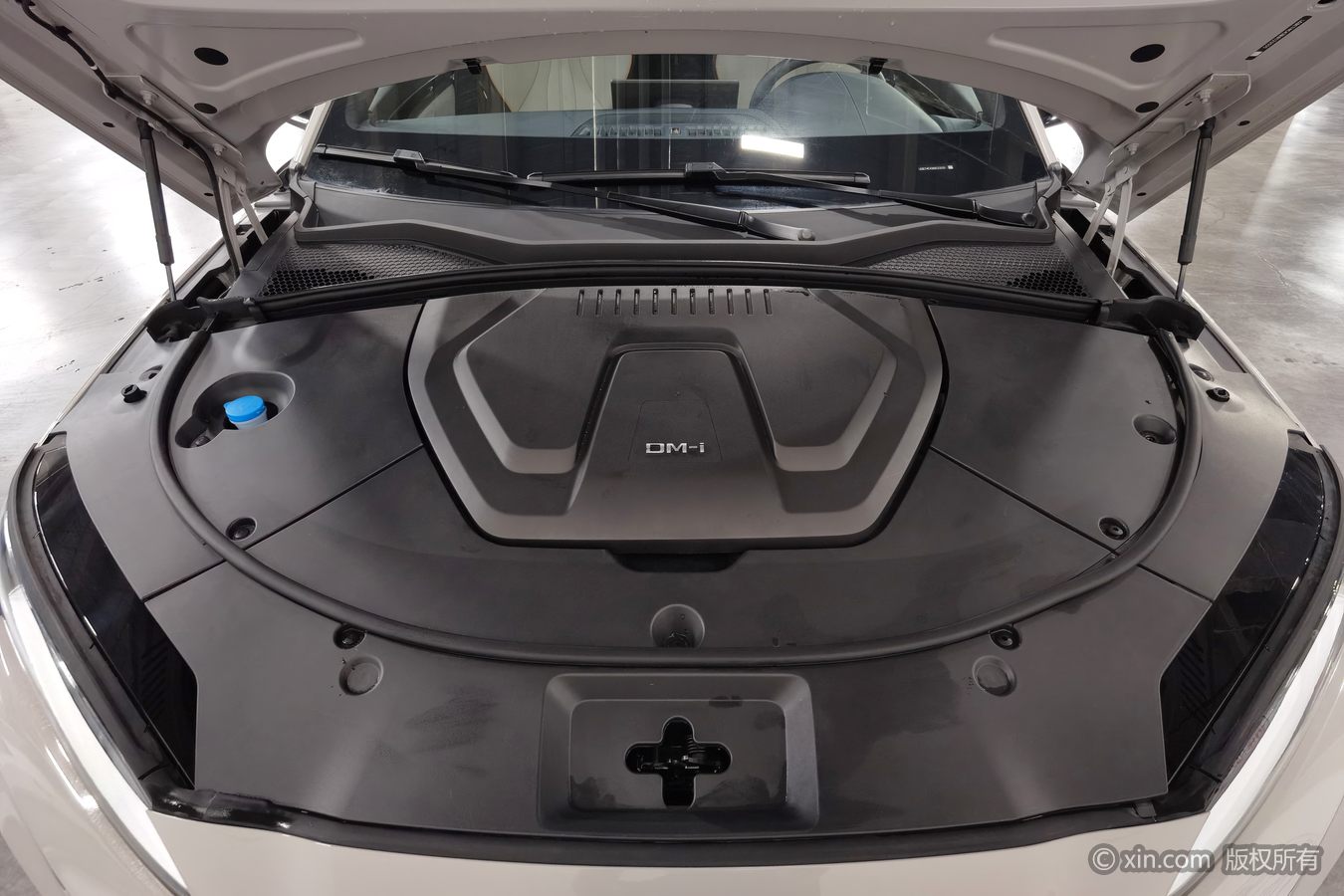
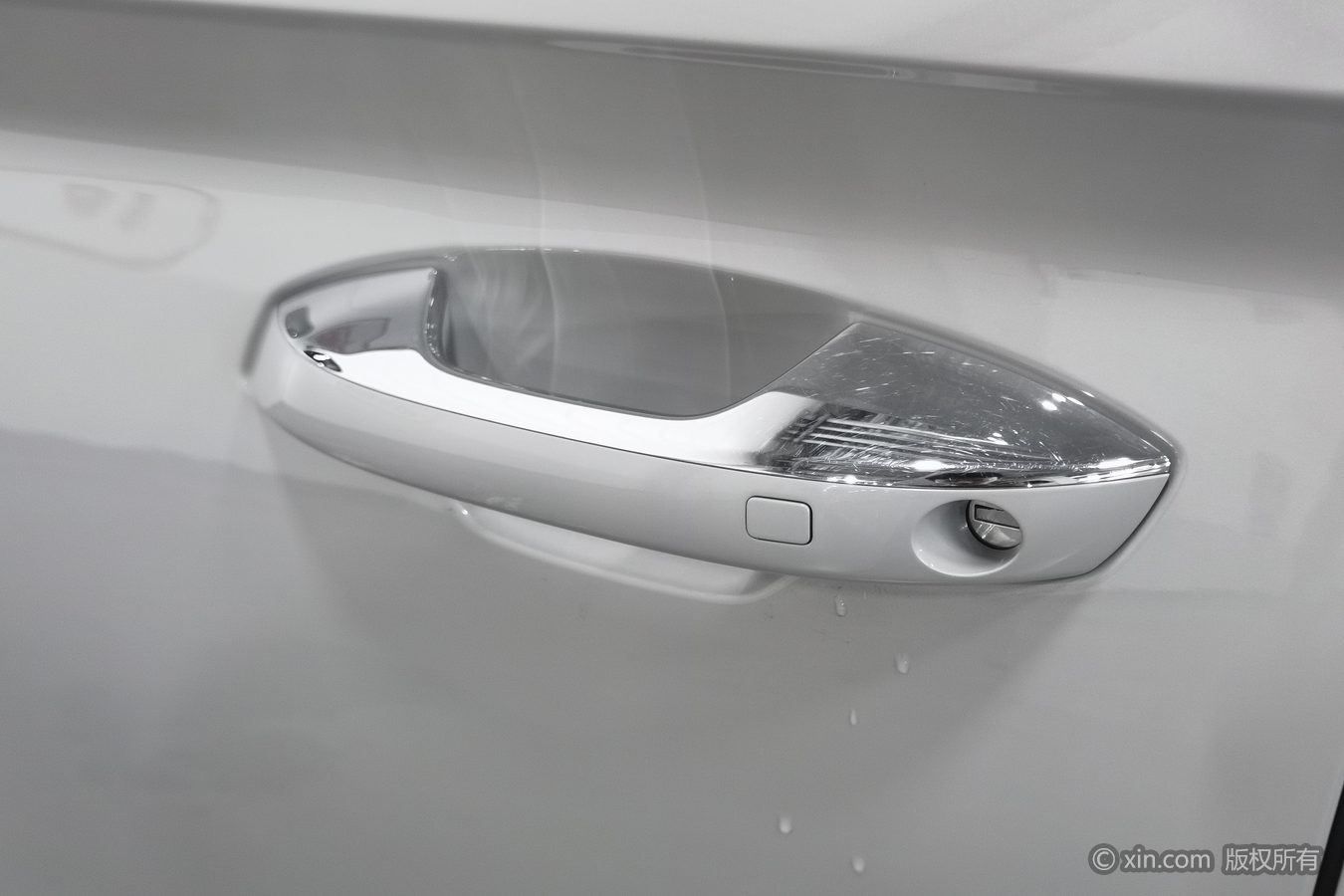
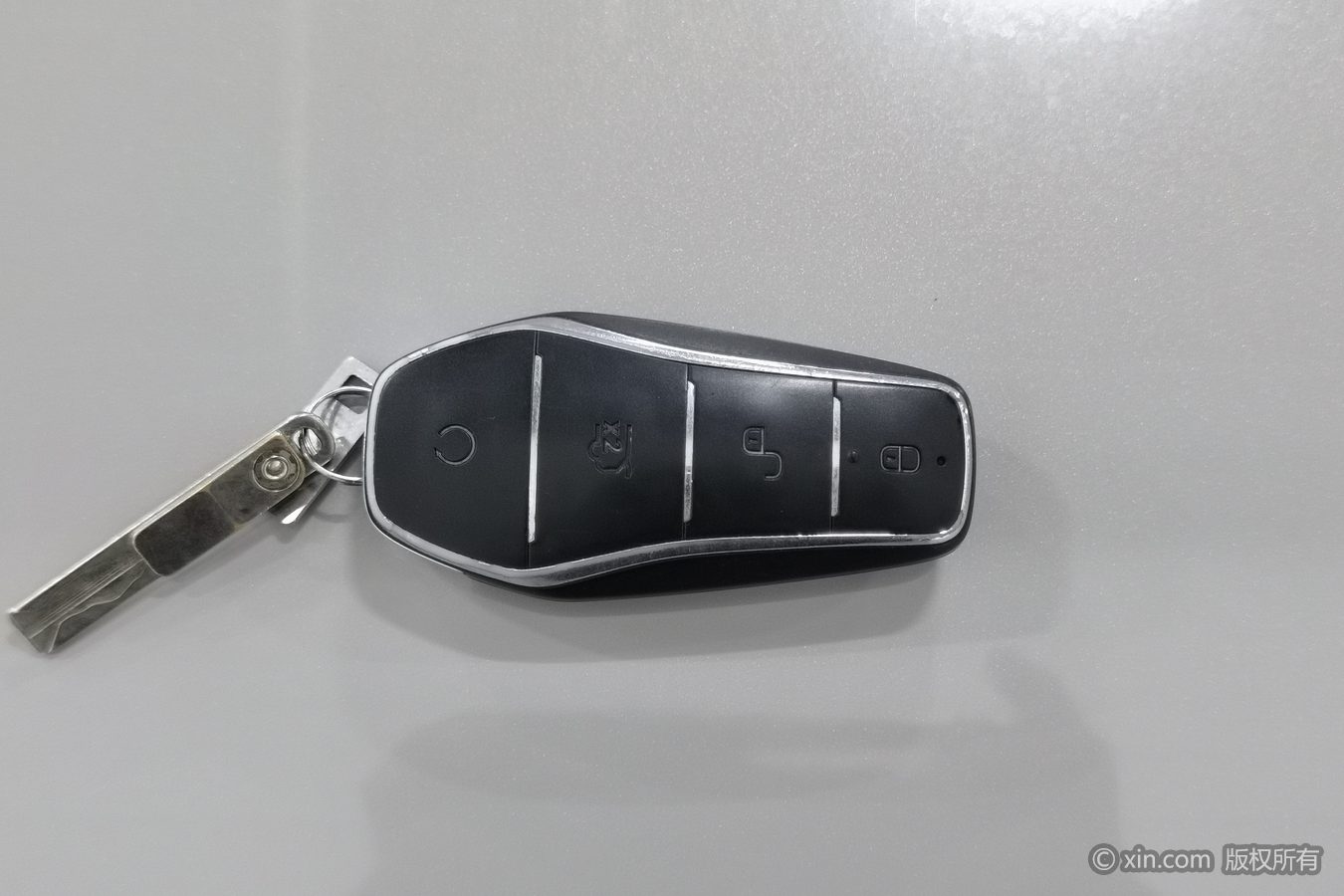
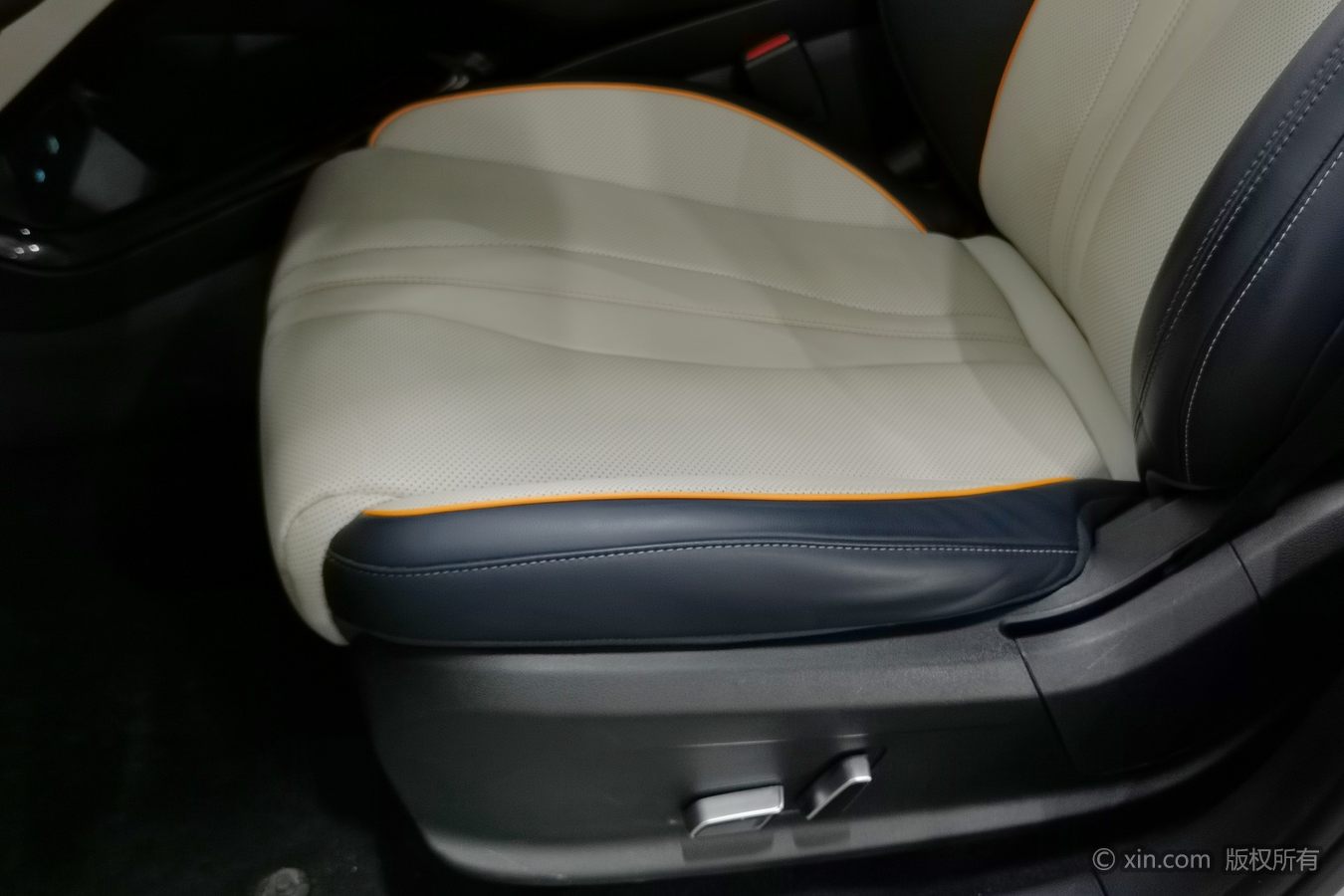
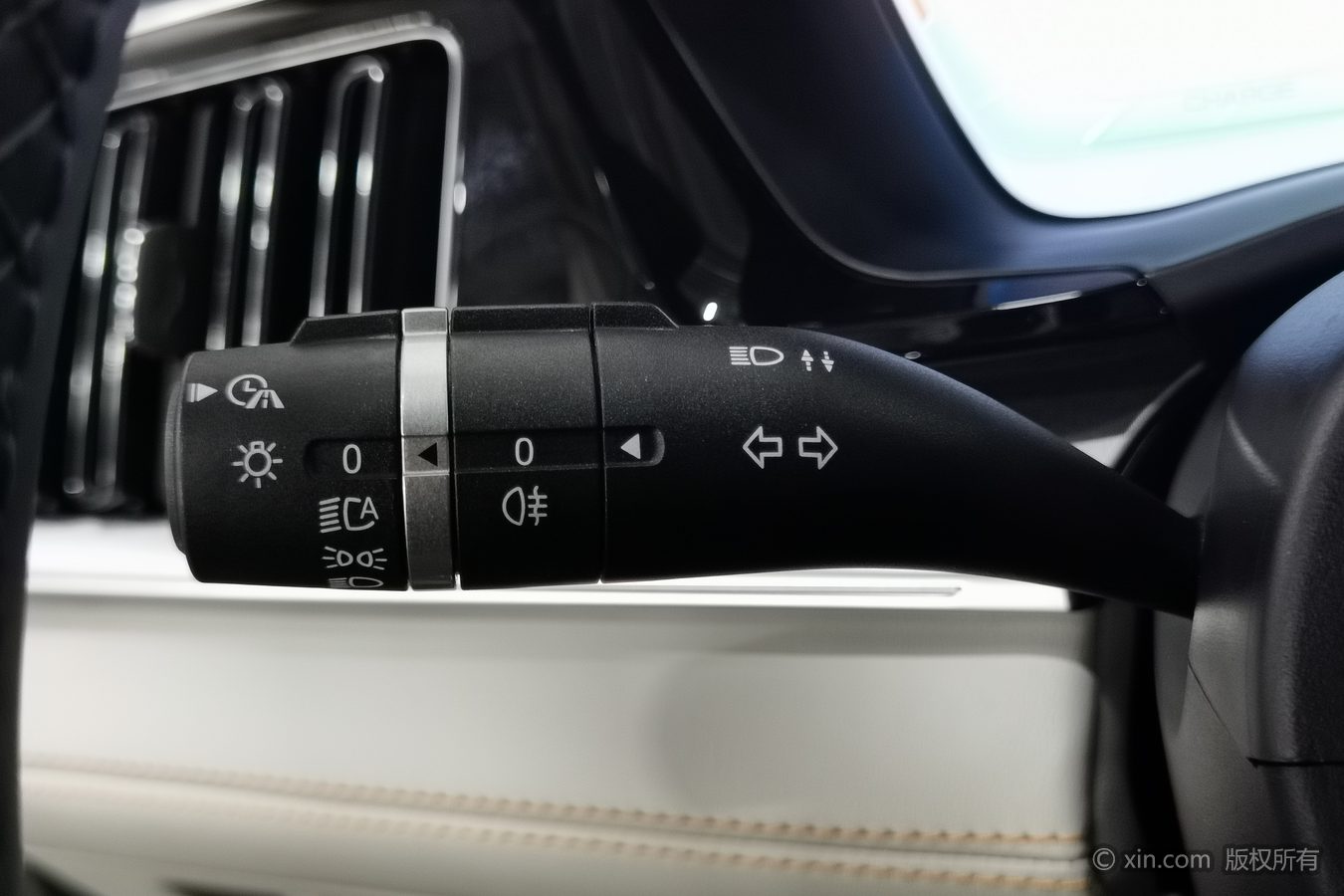
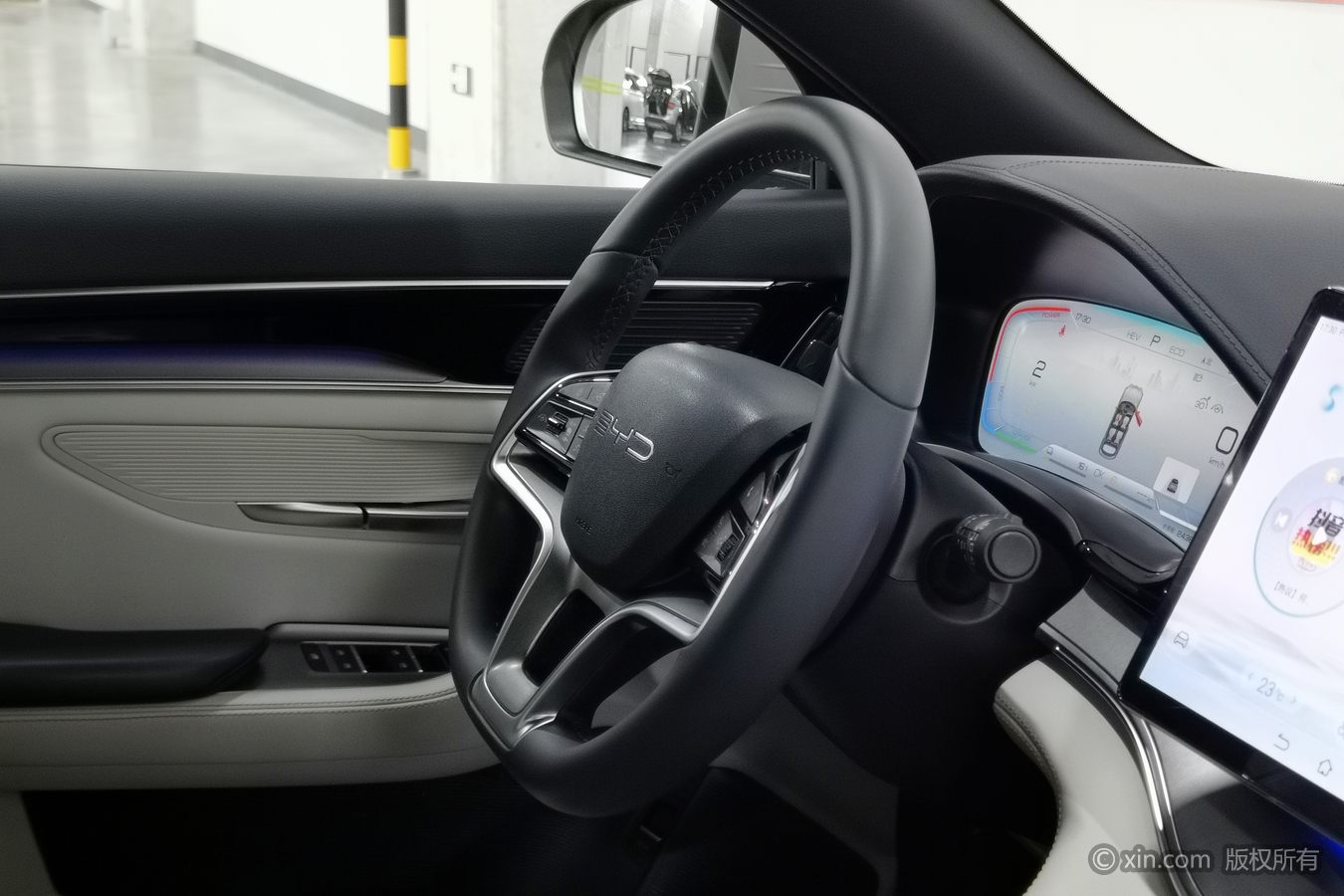
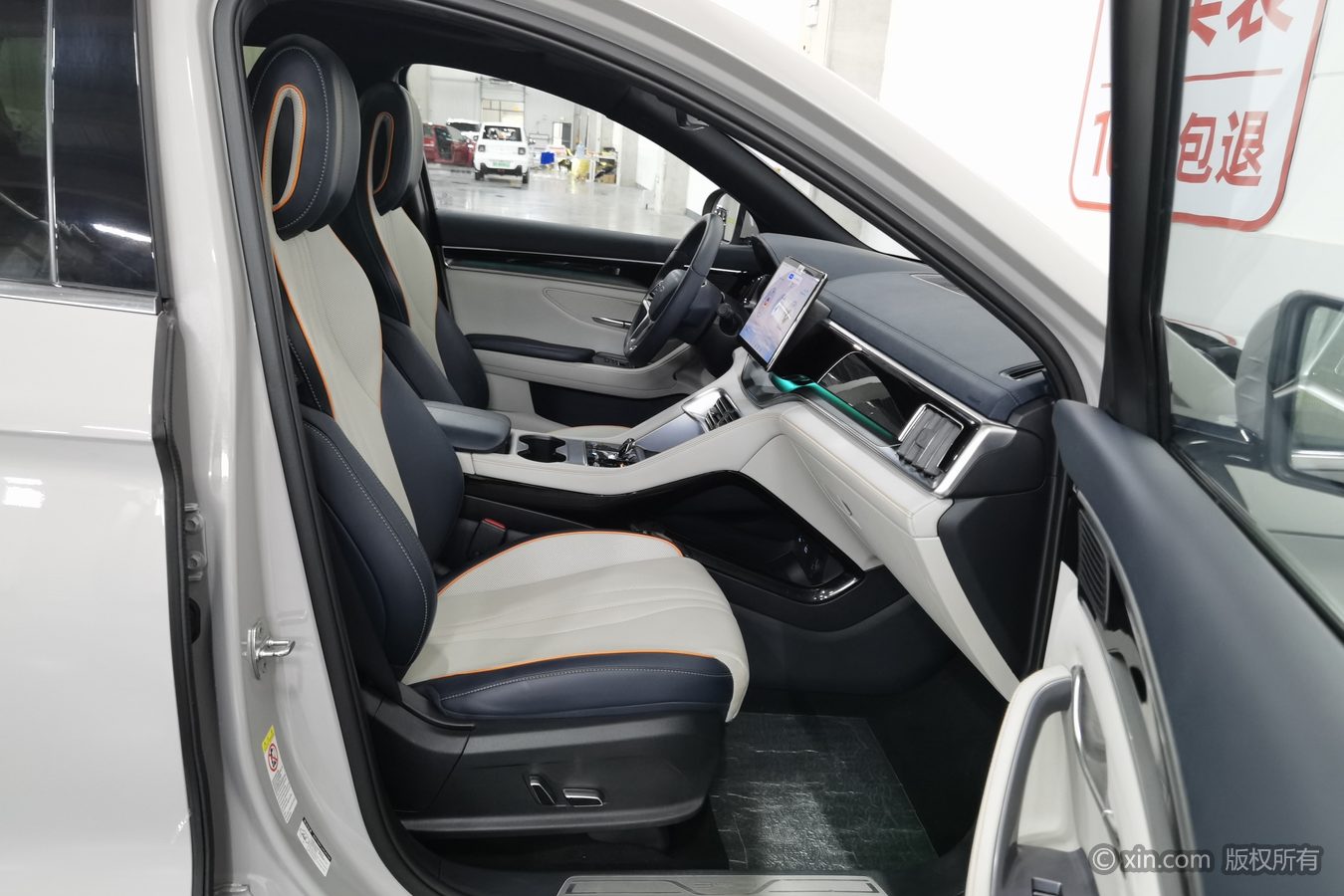



Basic Information

BrandBYD
SeriesSong Plus New Energy
Year2024
First Registration2024/06
Mileage24,000km
Transfer Count0times
FuelPHEV
TransmissionE-CVT
Engine1.5L 110 L4
ColorGrey
Seats-

Condition Description

Has sheet metal work and repaint.

Configuration Highlights

✓Lane Keep Assist
✓前碰撞预警
✓Adaptive Cruise Control
✓液晶仪表盘

Document Information

Inspection Expiry Date2026/06
Warranty Expiry Date-
Insurance Expiry Date-

Q&A

More

What can a cold-start video tell me about a used Chinese car's engine, and what should raise concern?

A cold start is when hidden engine problems show up most clearly, so ask the seller for a video filmed after the car has sat overnight. Have them film the dashboard first (warning lights should illuminate, then go out after start), then the engine bay and exhaust. What to listen for: a brief rattle for the first second or two can be normal (timing chain tensioner), but persistent knocking, metallic tapping or grinding means walk away. The idle should settle smoothly within 30-60 seconds; shaking or hunting RPM suggests ignition, injection or mount problems. What to look for: thick blue smoke at startup points to oil burning, and white smoke that doesn't clear suggests coolant issues. If the video is long enough, watch how quickly the coolant temperature rises. One video can't replace a proper inspection, but a seller who refuses to provide a genuine cold-start video is telling you something too.


What charging adapters or equipment will I need to charge a used Chinese EV in my country?

Chinese EVs ship with GB/T charging ports, which are not used in Europe (Type 2/CCS2), North America (J1772/CCS1/NACS), or most of Latin America. Plan for these extras: 1. GB/T to local standard adapter or converter box: this lets you charge at public stations. A simple passive adapter works for AC charging; DC fast charging needs an active converter, which is expensive — many owners skip it and rely on AC. 2. Portable charger swap: the included travel charger has a GB/T plug. Buy a local wallbox or a portable EVSE with your country's plug instead. 3. Home electrical check: confirm your home circuit can handle 7–11 kW, and have an electrician install a dedicated line if needed. Ask the exporter for the car's charging port photos and on-board charger capacity before buying. Budget roughly a few hundred dollars for adapters and a wallbox. Without planning, you may end up with a car that can only trickle-charge from a wall socket.

How is liability defined if the battery pack is damaged during long-distance sea transport due to extreme temperatures?

This is considered a force majeure risk. We will require the vehicle's state of charge (SOC) to be maintained in a safe dormant range of 30%-50% before loading, and we will insure you for all marine risks under CIF terms. If the battery suffers thermal runaway total loss due to abnormal cargo hold temperatures, the insurance company will compensate.