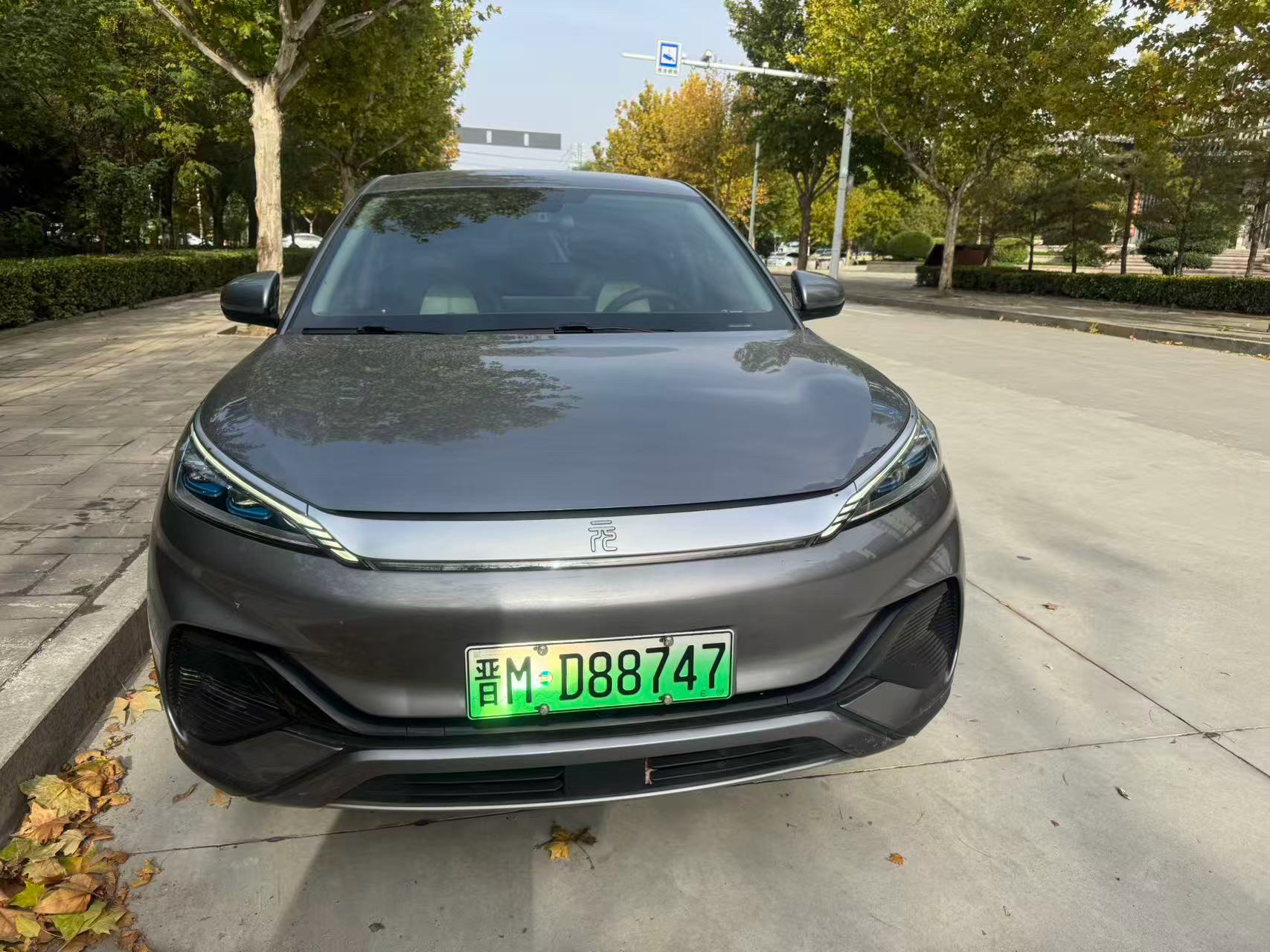
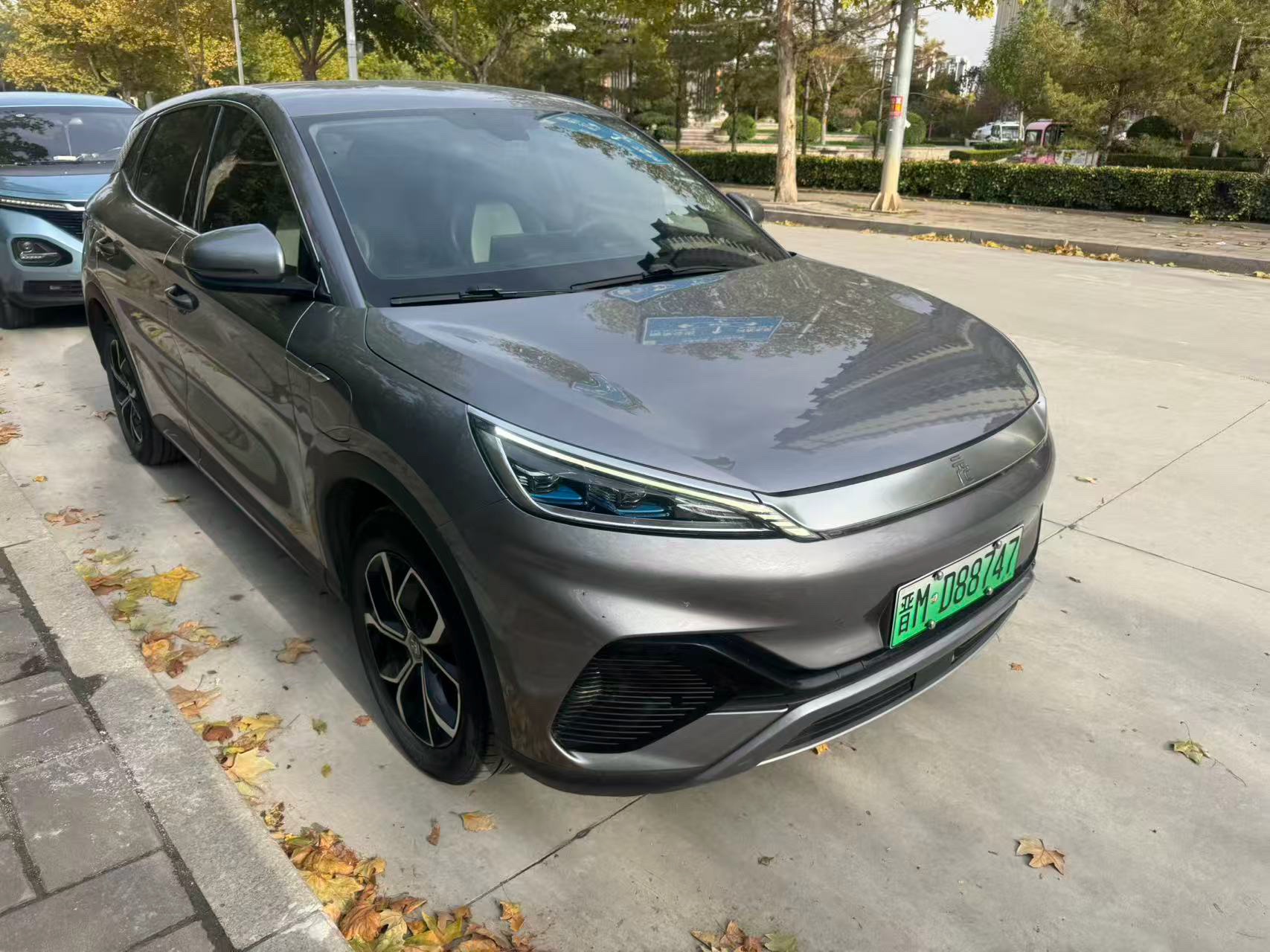
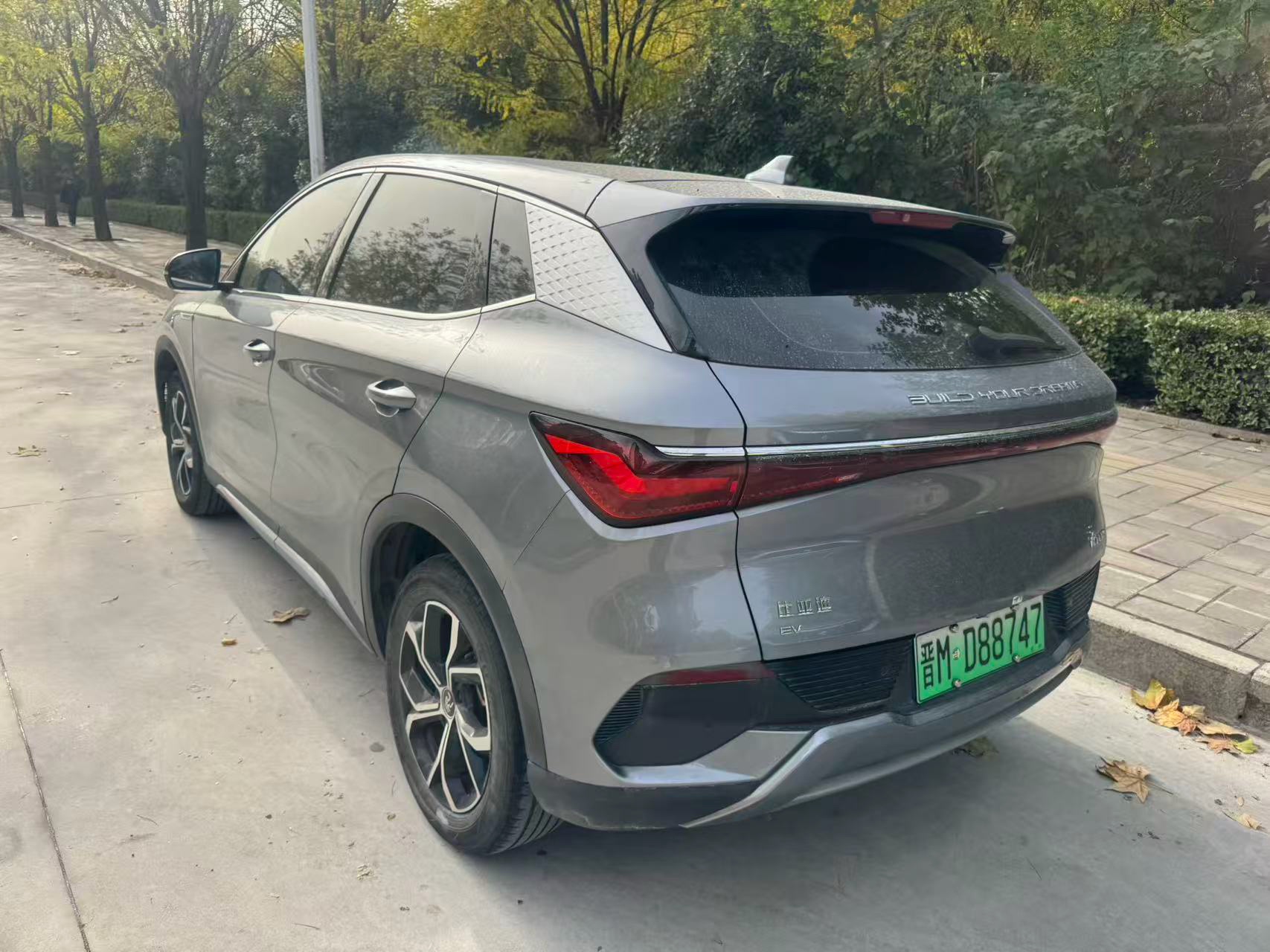
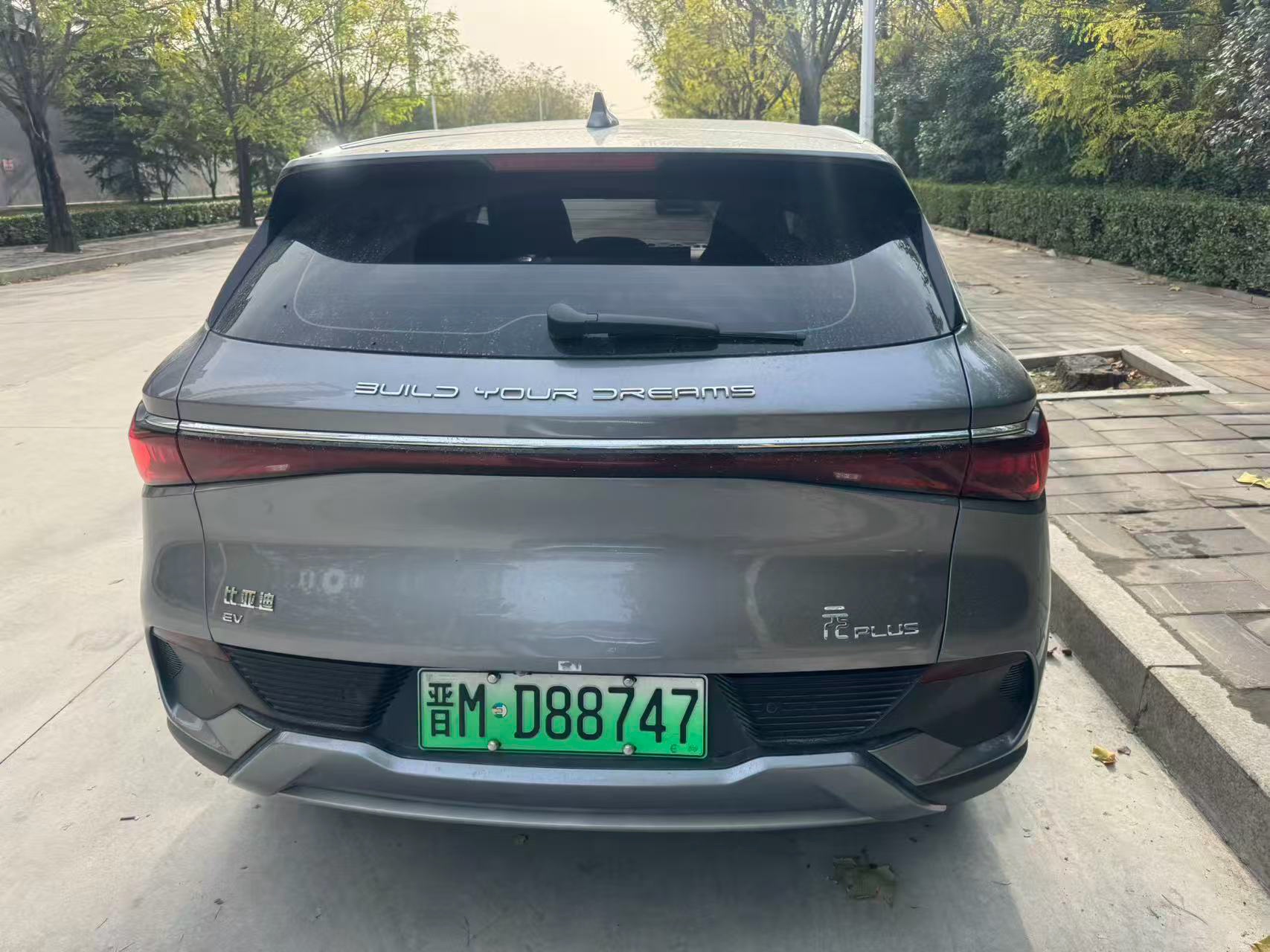



48H

Basic Information

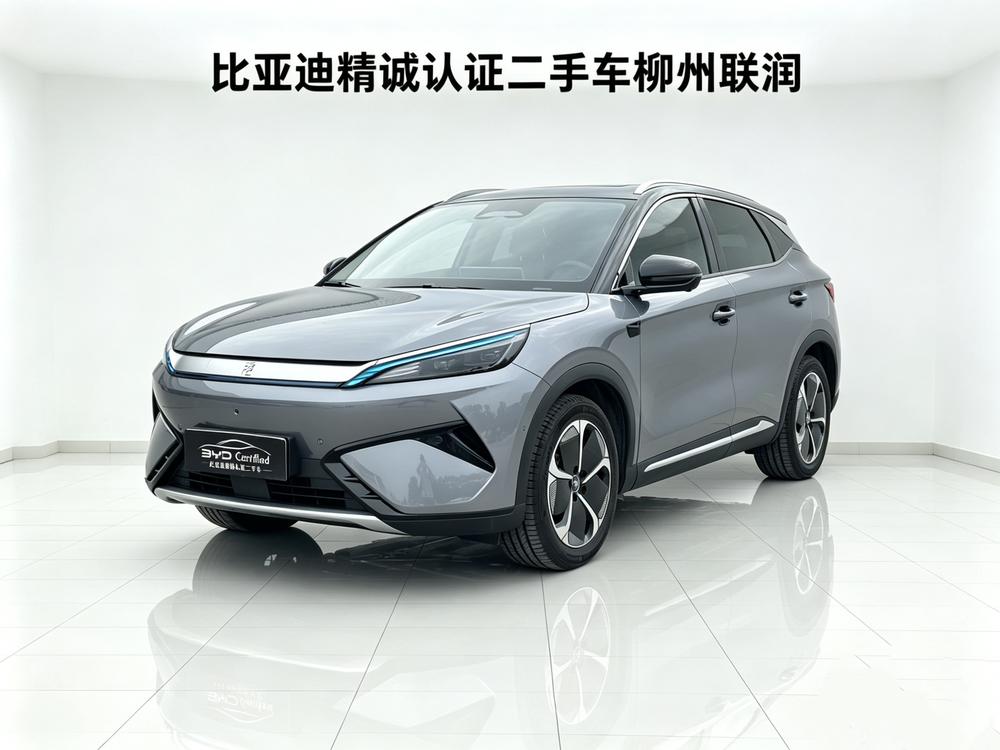
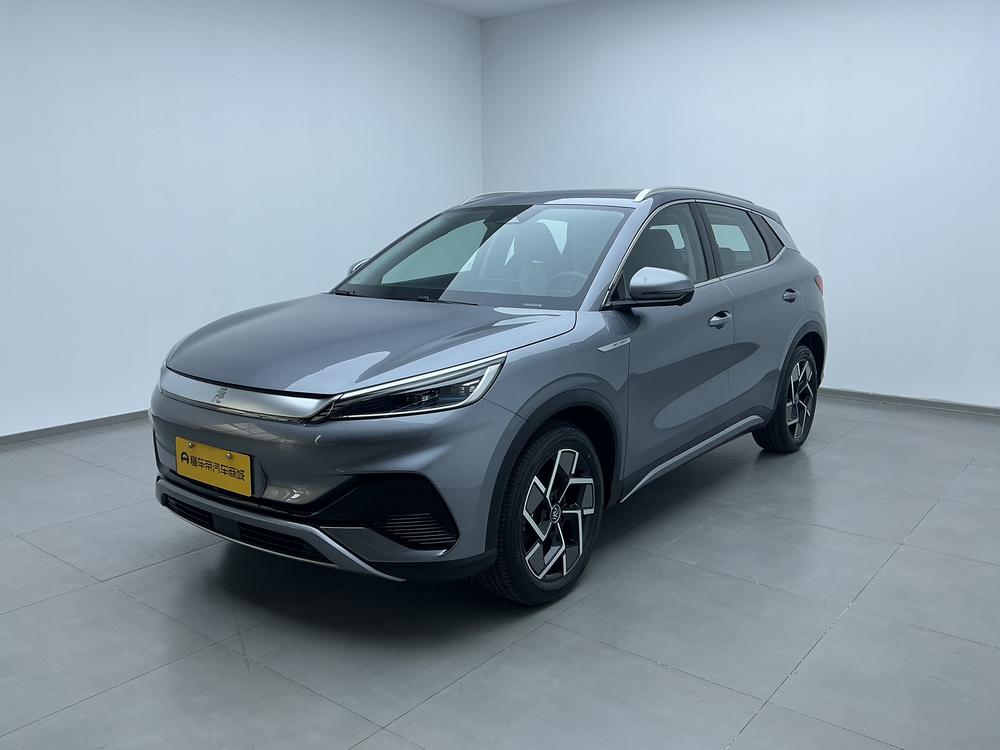
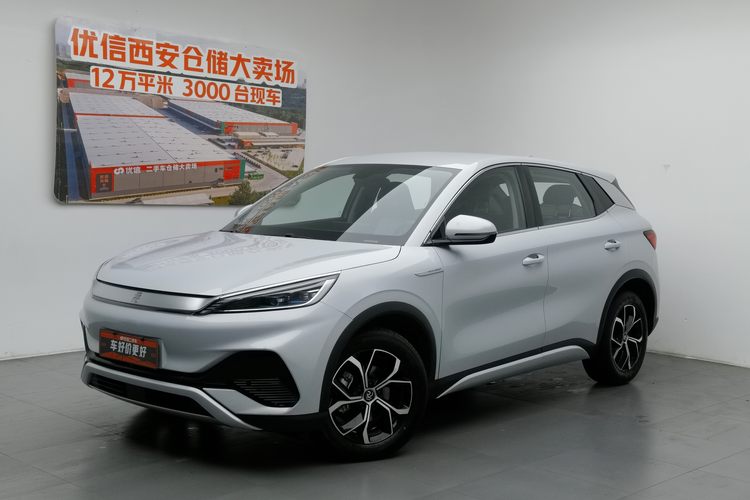
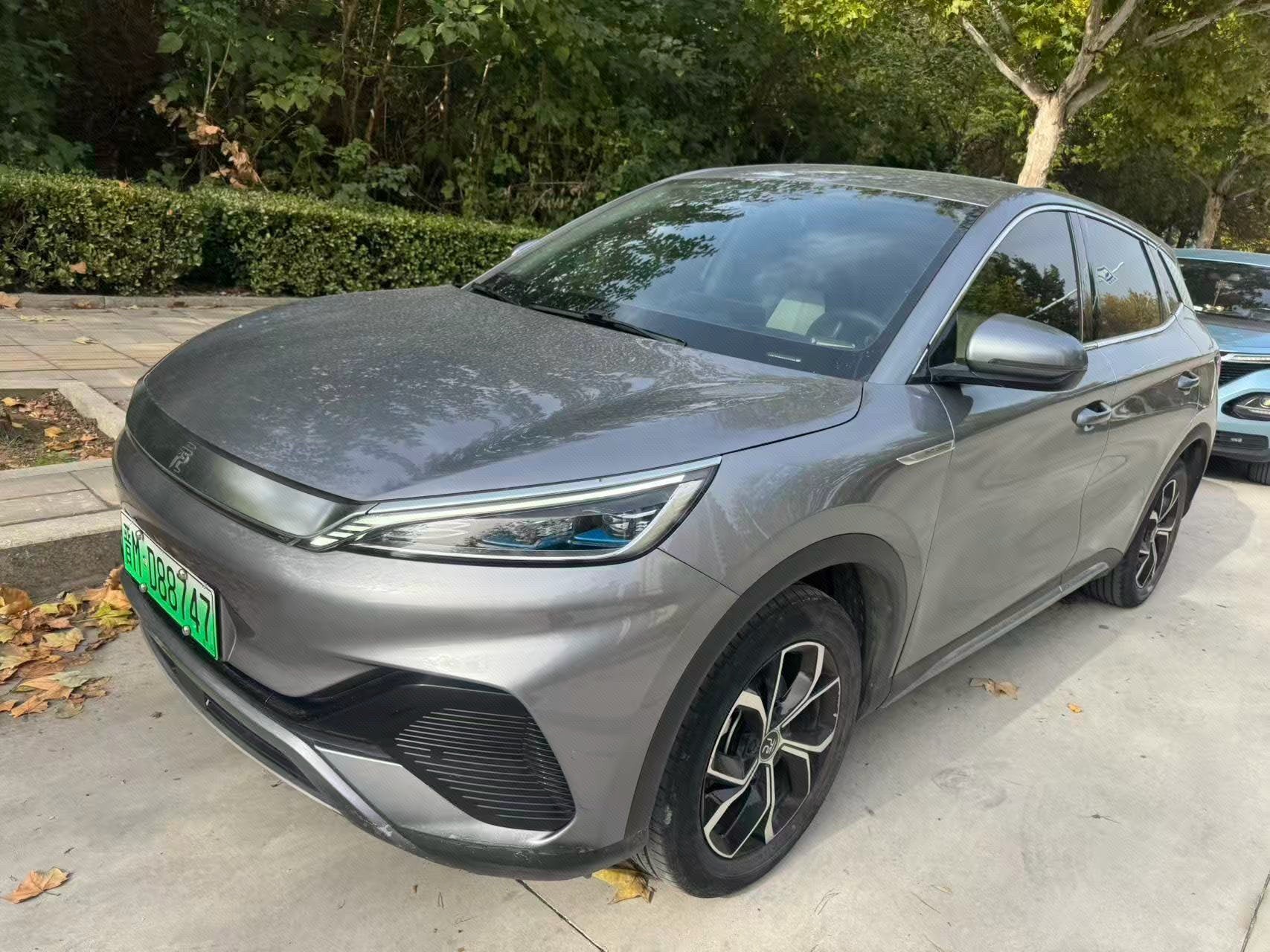
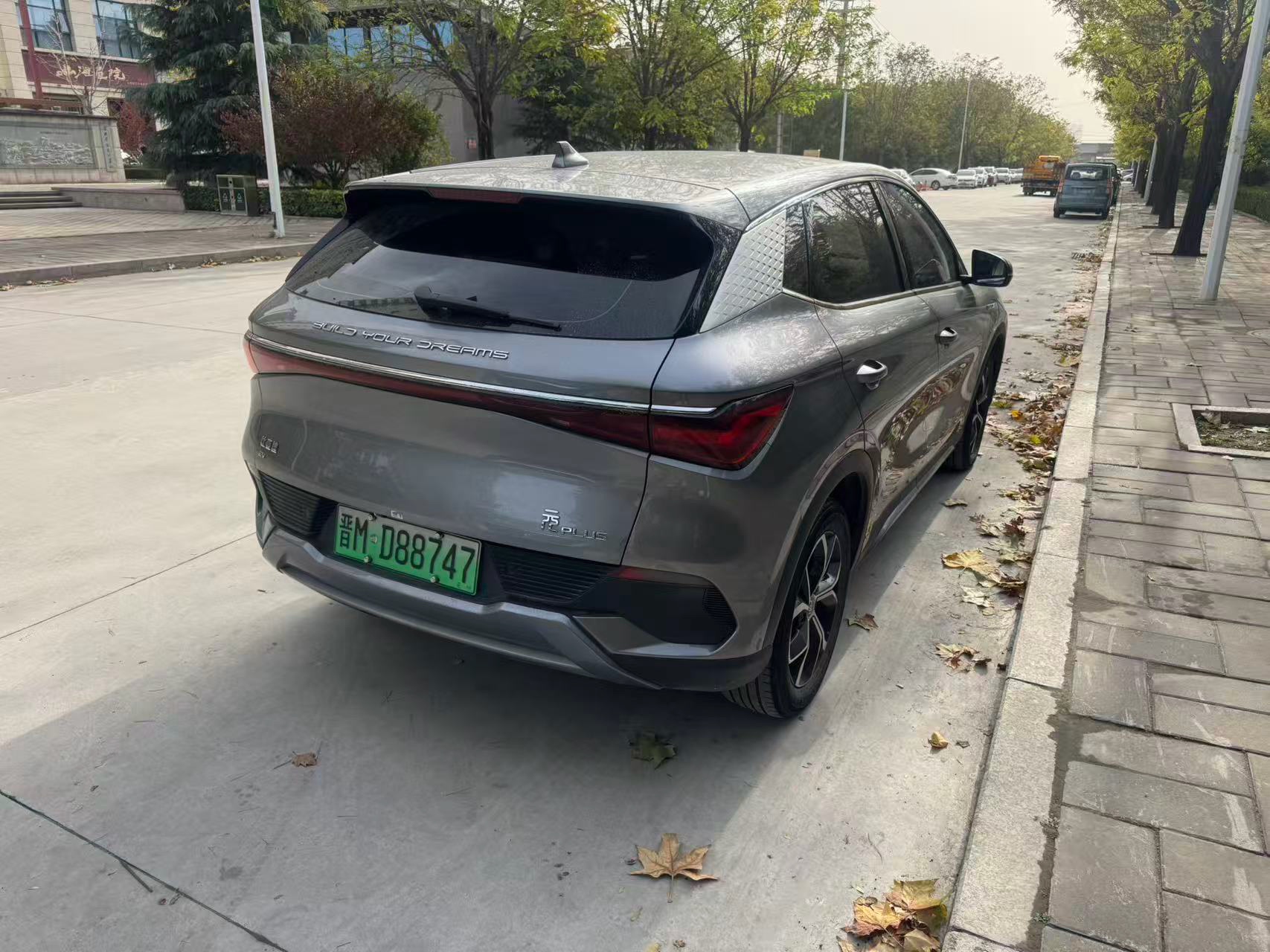
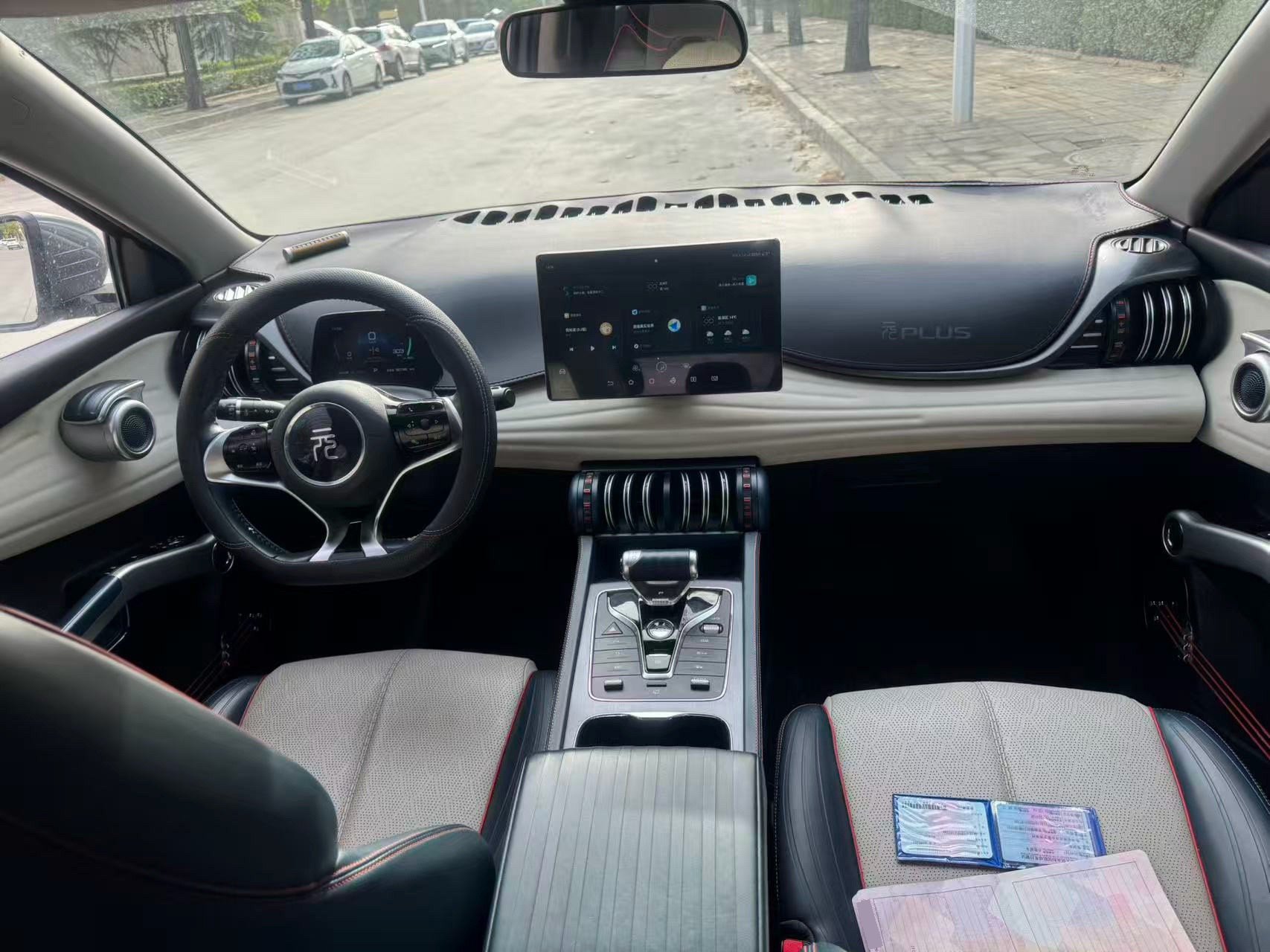
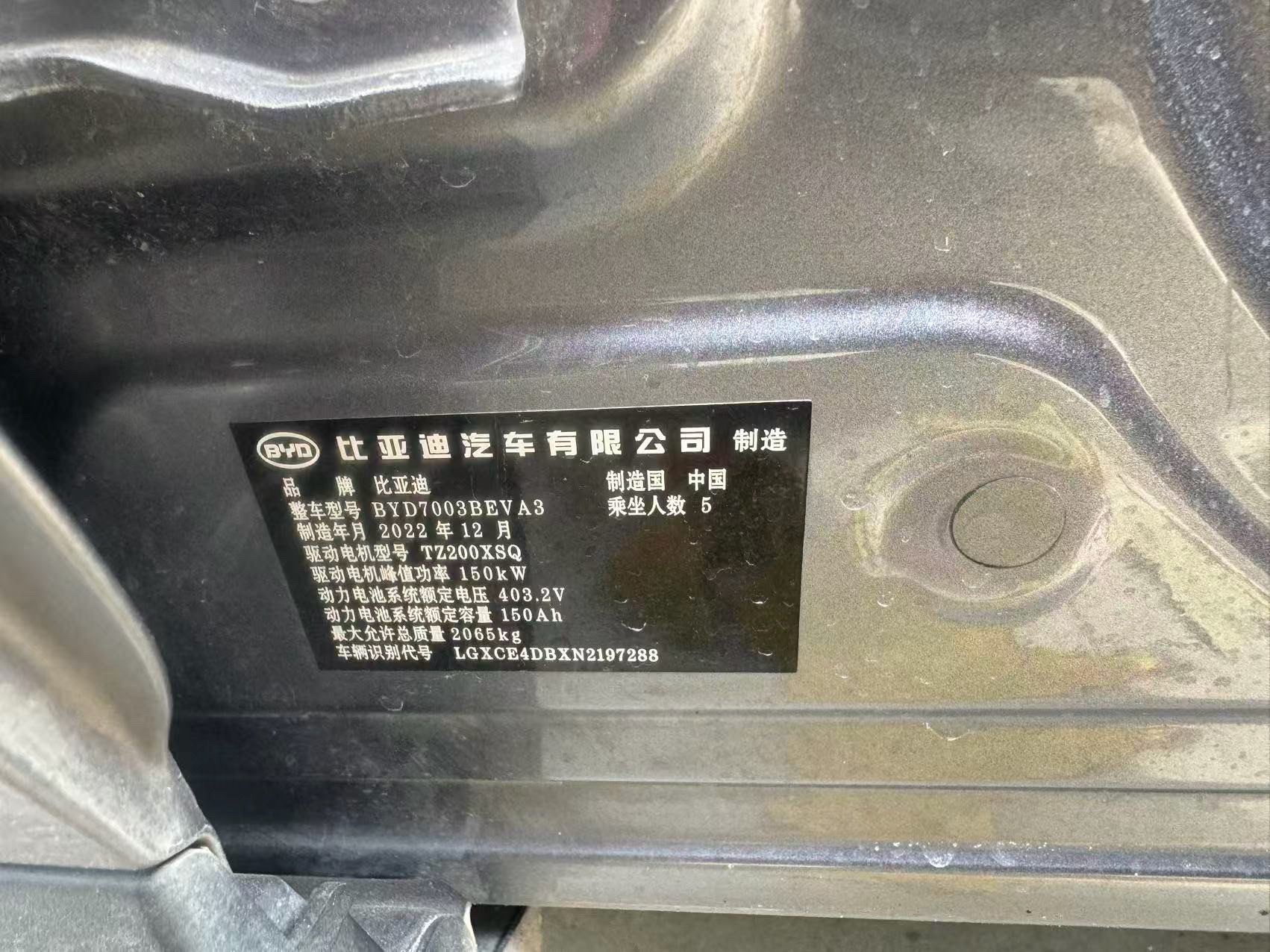
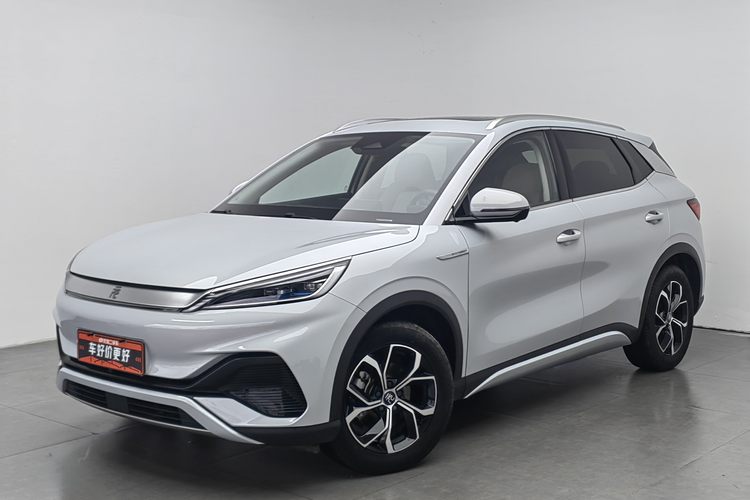
BrandBYD
SeriesYuan Plus
Year2022
First Registration2022/12
Mileage90,000km
Transfer Count0times
FuelOther
TransmissionOther
Engine-
ColorGrey
Seats-

Condition Description

Original condition, original paint on metal parts.

Document Information

Inspection Expiry Date-
Warranty Expiry Date-
Insurance Expiry Date2026/12

Q&A

More

Are all external lighting systems of the vehicle (headlights, taillights, turn signals) confirmed to be functioning properly before leaving the factory?

Yes, all external lighting sources, including low beams, high beams, fog lights, daytime running lights, reverse lights, and brake lights, are included in the mandatory power-on testing.
Which documents should I receive from a Chinese exporter before my used car ships, and how do I verify each one?

Before shipping you should hold: the sales contract and commercial invoice, the export declaration (customs form showing the VIN), the vehicle registration certificate, and the bill of lading or rail waybill once cargo is loaded. Verify them like this. The VIN on the invoice, the export declaration, and the waybill must be identical, character for character. The registration certificate should show a clear ownership chain with the seller as the current owner; ask for a scan before payment. The export declaration proves the car legally left China and is essential for customs clearance at destination. If the exporter cannot provide the registration certificate or hesitates on the VIN check, pause the deal. Also confirm who handles the document courier: originals should arrive before or with the vessel, because many ports will not release a car without original bills of lading.

What is a Certificate of Origin and why do I need one when importing a car from China?

A Certificate of Origin (C/O) is an official document stating where the vehicle was manufactured. Customs authorities use it to decide which tariff rates and trade agreements apply to your import. Why it matters: many countries offer preferential tariffs for certain origins. With a valid C/O, such as the ASEAN-China Form E or a GSP Form A, you may pay reduced or zero duty. Without it, you typically pay the standard, higher rate. The certificate must match the vehicle exactly: VIN, make, model and invoice details. It is usually issued by the China Council for the Promotion of International Trade (CCPIT) or customs authorities. Practical tips: request the C/O before shipment, because adding it later is slow; check that your country's customs accepts the specific C/O format; and confirm with your broker whether your vehicle category qualifies for preferential rates. This single document can save you thousands in duty.