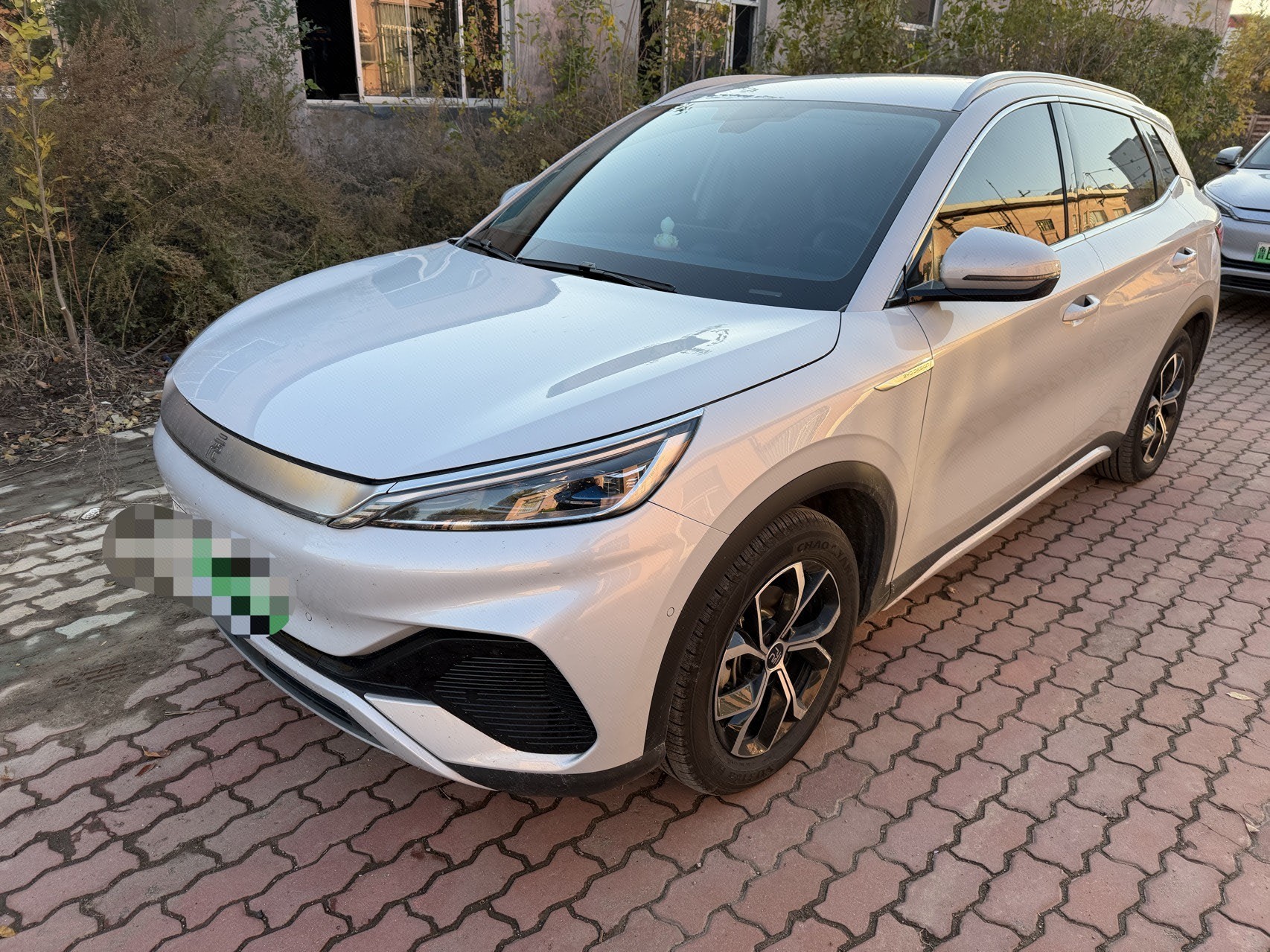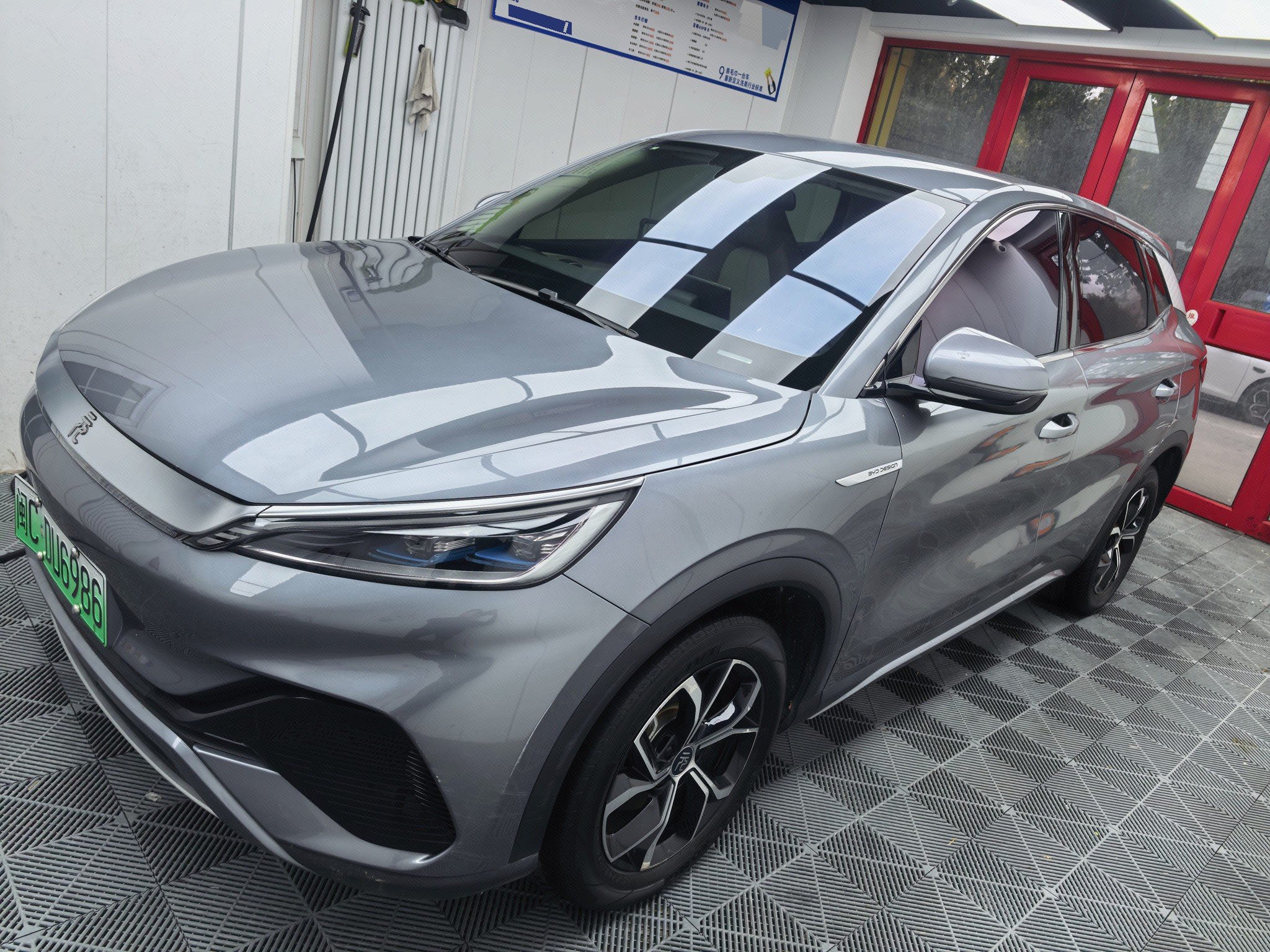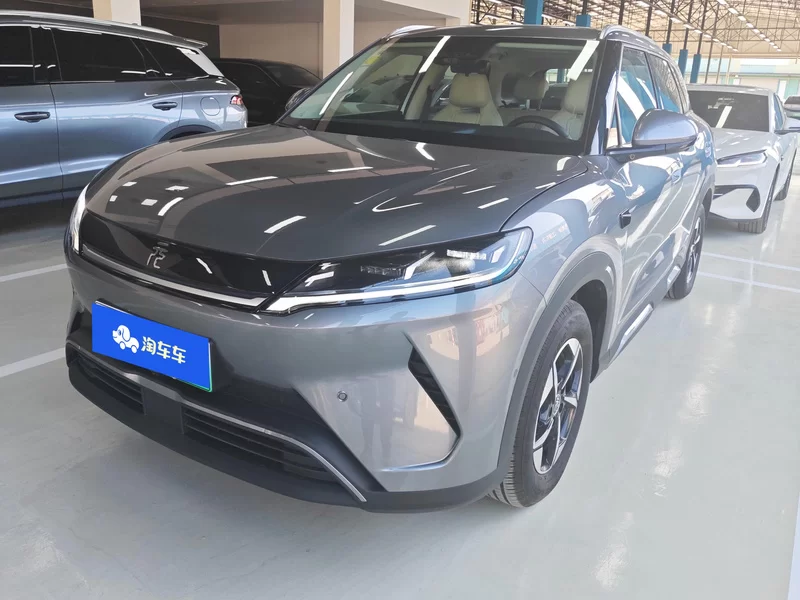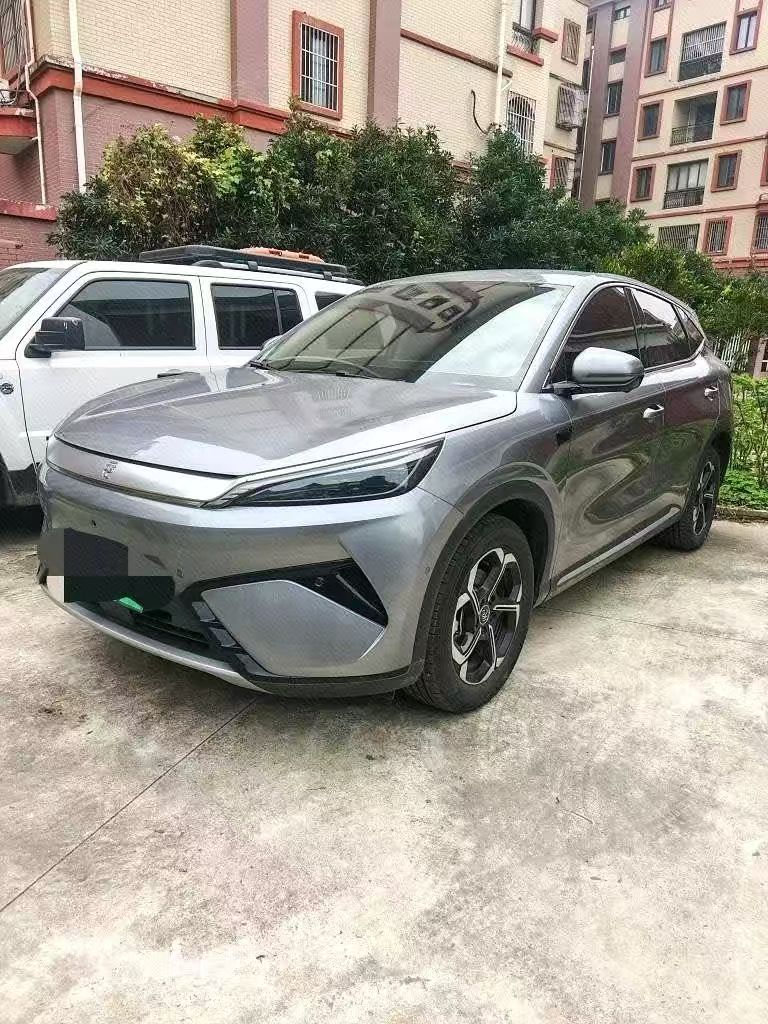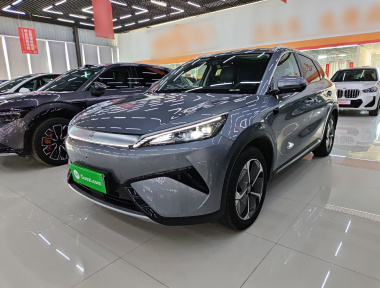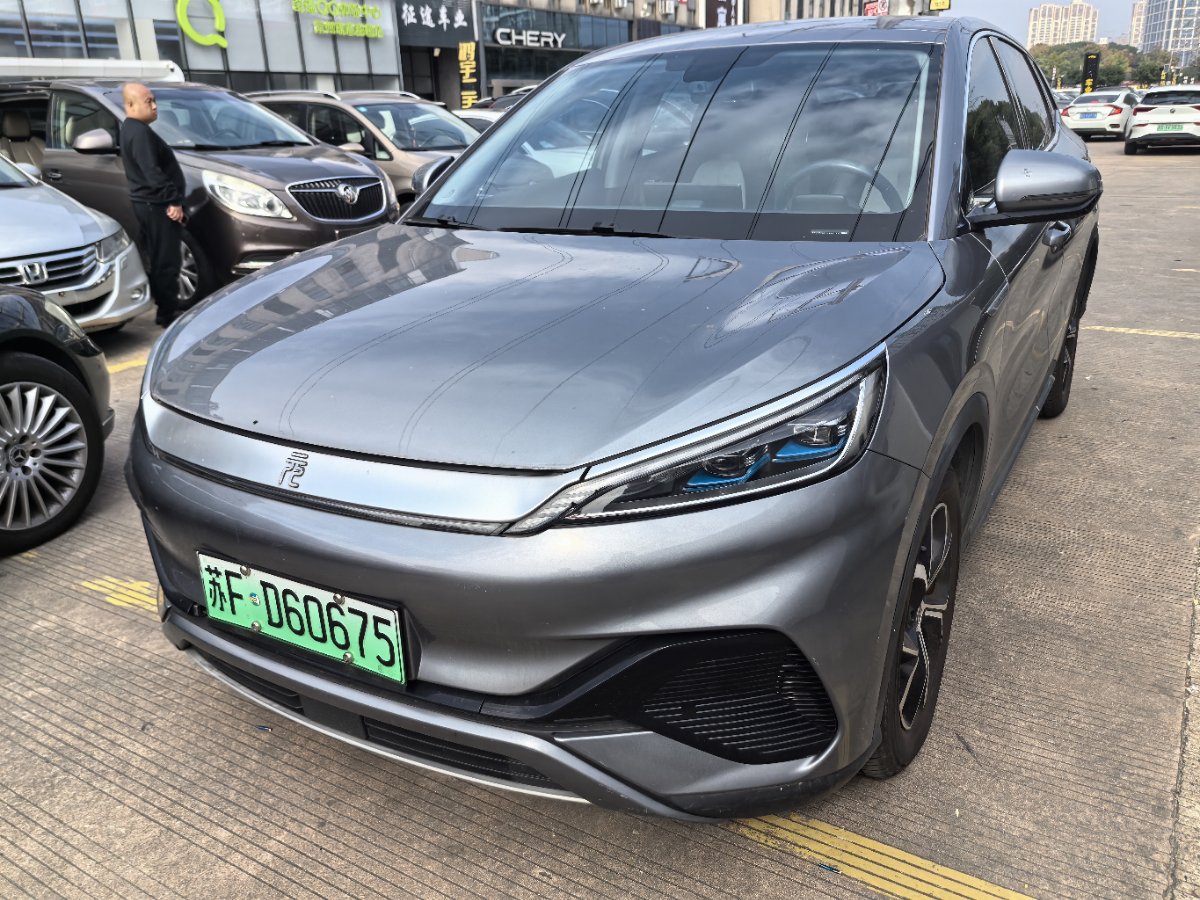
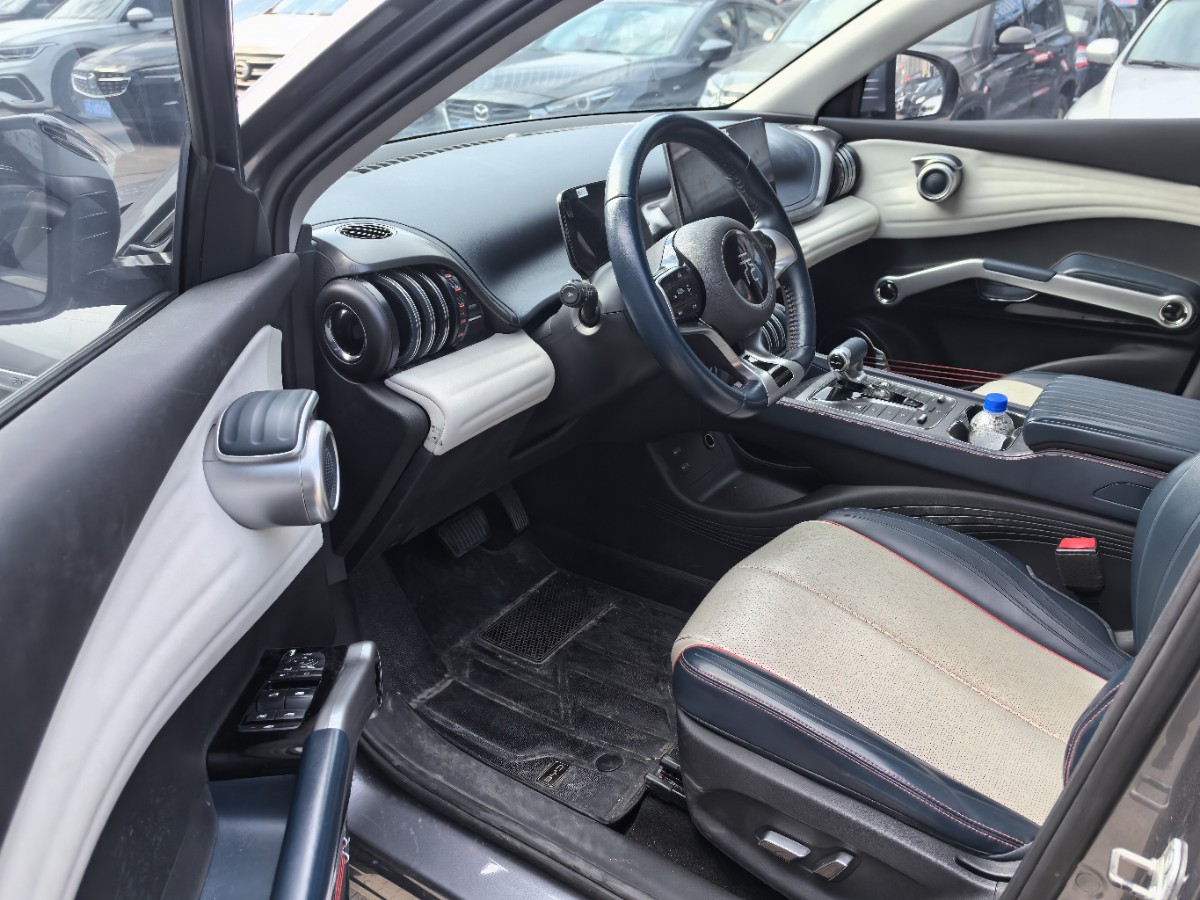
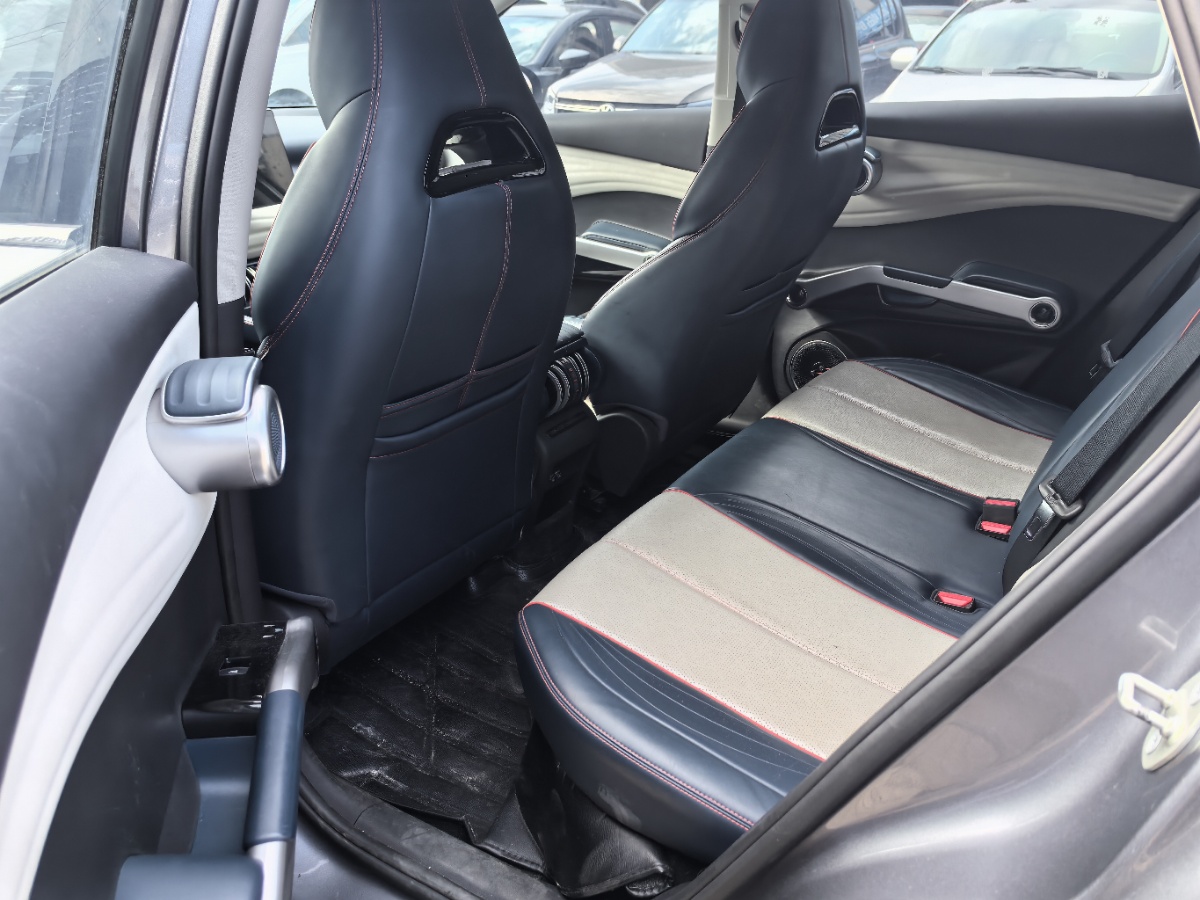
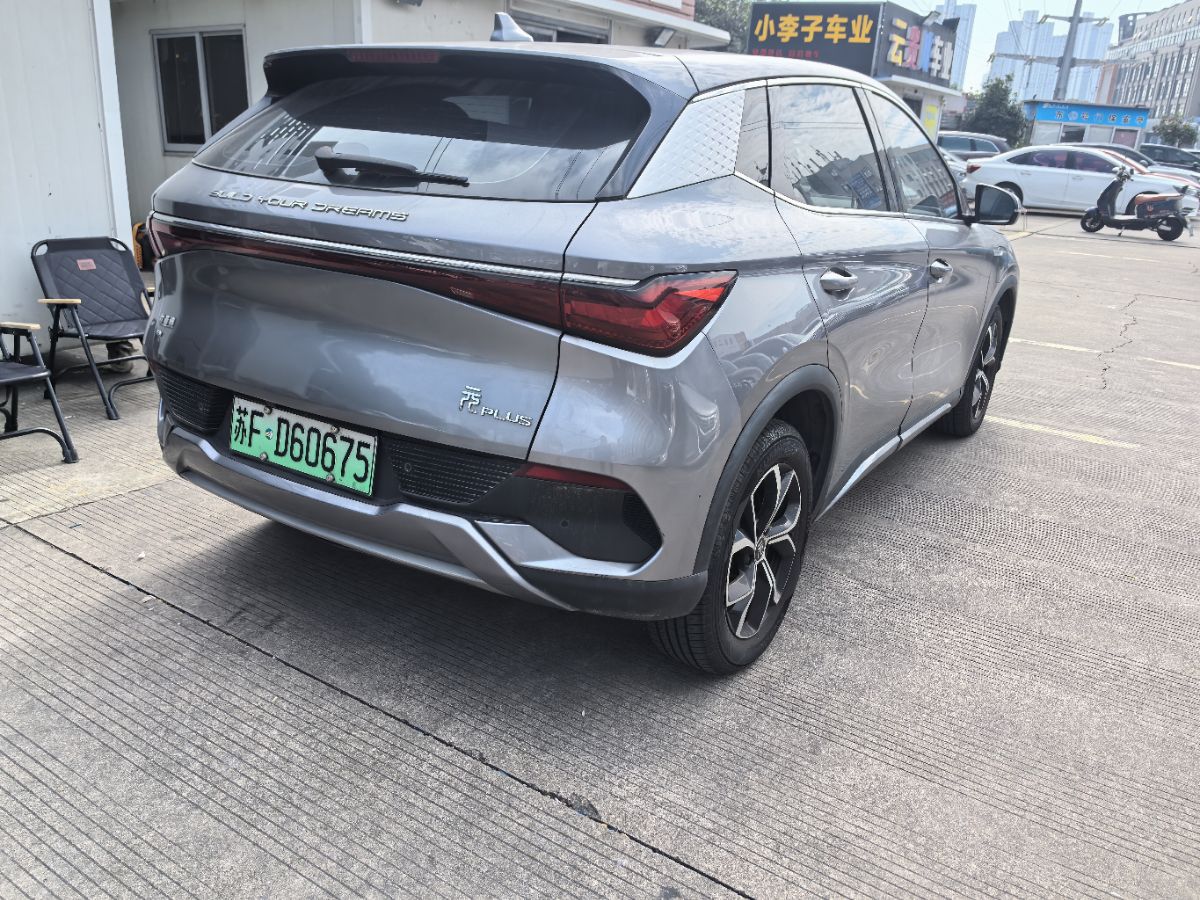
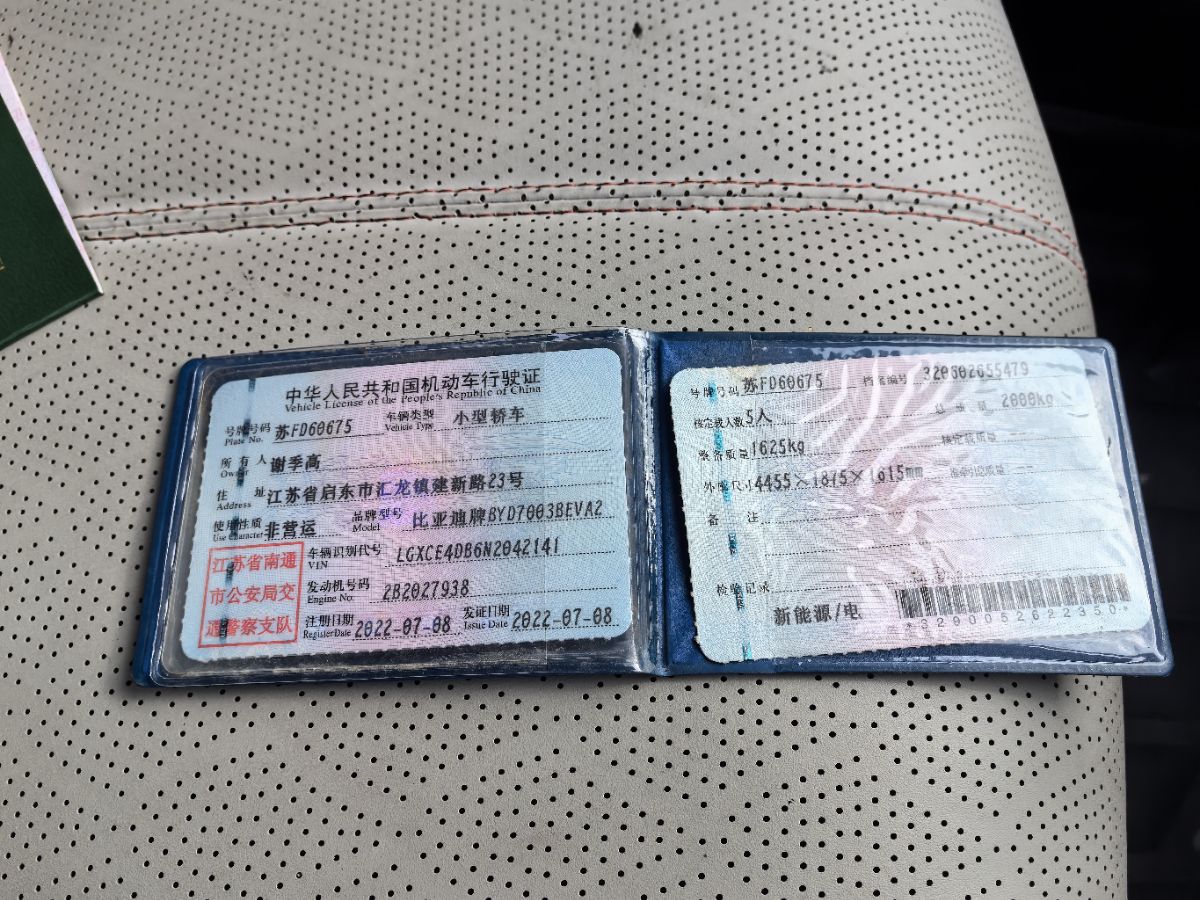



Basic Information

BrandBYD
SeriesYuan Plus
Year2022
First Registration2022/07
Mileage50,000km
Transfer Count1times
FuelOther
TransmissionOther
Engine-
ColorGrey
Seats-

Condition Description

Range 430, fees paid until June next year, half original paint, 54,000 km

新能源
SUV
自动
维保开放
事故开放
查验开放

Configuration Highlights

✓品牌: 比亚迪
✓车系: 元PLUS
✓车型: 2022款 430KM 尊贵型
✓车身类型: SUV
✓座位数: 5
✓排量: 0.0L
✓变速箱: 自动
✓能源类型: 新能源
✓VIN: LGXCE4DB6N2042141
✓搜索关键词: 比亚迪元PLUS 2022款元PLUS430KM尊贵型

Document Information

Inspection Expiry Date2028/07
Warranty Expiry Date-
Insurance Expiry Date2027/07

Q&A

More

What charging adapters or equipment will I need to charge a used Chinese EV in my country?

Chinese EVs ship with GB/T charging ports, which are not used in Europe (Type 2/CCS2), North America (J1772/CCS1/NACS), or most of Latin America. Plan for these extras: 1. GB/T to local standard adapter or converter box: this lets you charge at public stations. A simple passive adapter works for AC charging; DC fast charging needs an active converter, which is expensive — many owners skip it and rely on AC. 2. Portable charger swap: the included travel charger has a GB/T plug. Buy a local wallbox or a portable EVSE with your country's plug instead. 3. Home electrical check: confirm your home circuit can handle 7–11 kW, and have an electrician install a dedicated line if needed. Ask the exporter for the car's charging port photos and on-board charger capacity before buying. Budget roughly a few hundred dollars for adapters and a wallbox. Without planning, you may end up with a car that can only trickle-charge from a wall socket.


I need a complete historical background report on this car. Can you provide an English version?

The core background report we provide (including basic information, mileage verification, and accident investigation conclusions) supports both Chinese and English outputs to ensure that overseas buyers or your end customers can read it without barriers.

Which export documents should the Chinese seller provide, and how do I verify they are authentic?

The standard set: commercial invoice, packing list, bill of lading, export customs declaration, certificate of origin, and a copy of the vehicle title/registration. How to verify: the bill of lading number should be trackable on the shipping line's website; the certificate of origin is verifiable through CCPIT's online system; and the VIN must match across all documents, the inspection report, and the car itself. Ask for scans of everything before paying the balance, and have a freight forwarder review the set. Mismatched VINs, missing title copies, or vague promises that "documents will follow" are red flags worth pausing the deal over.