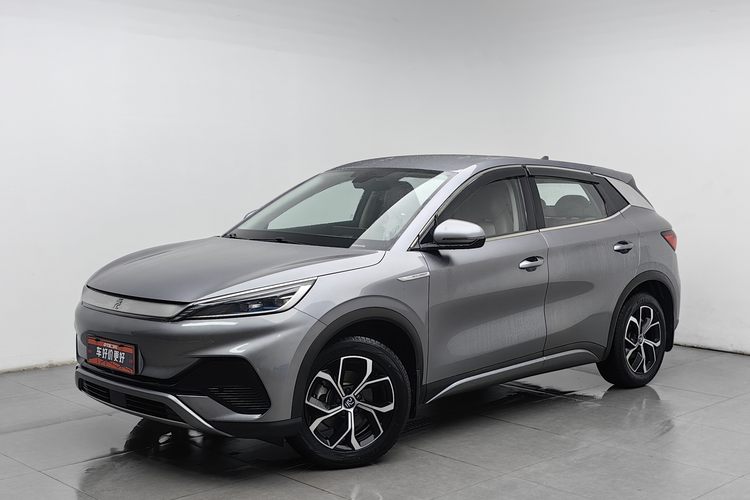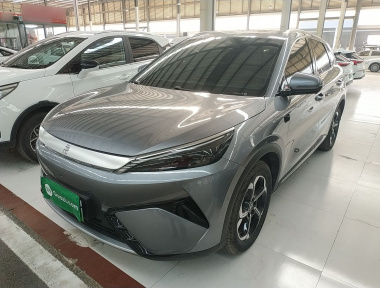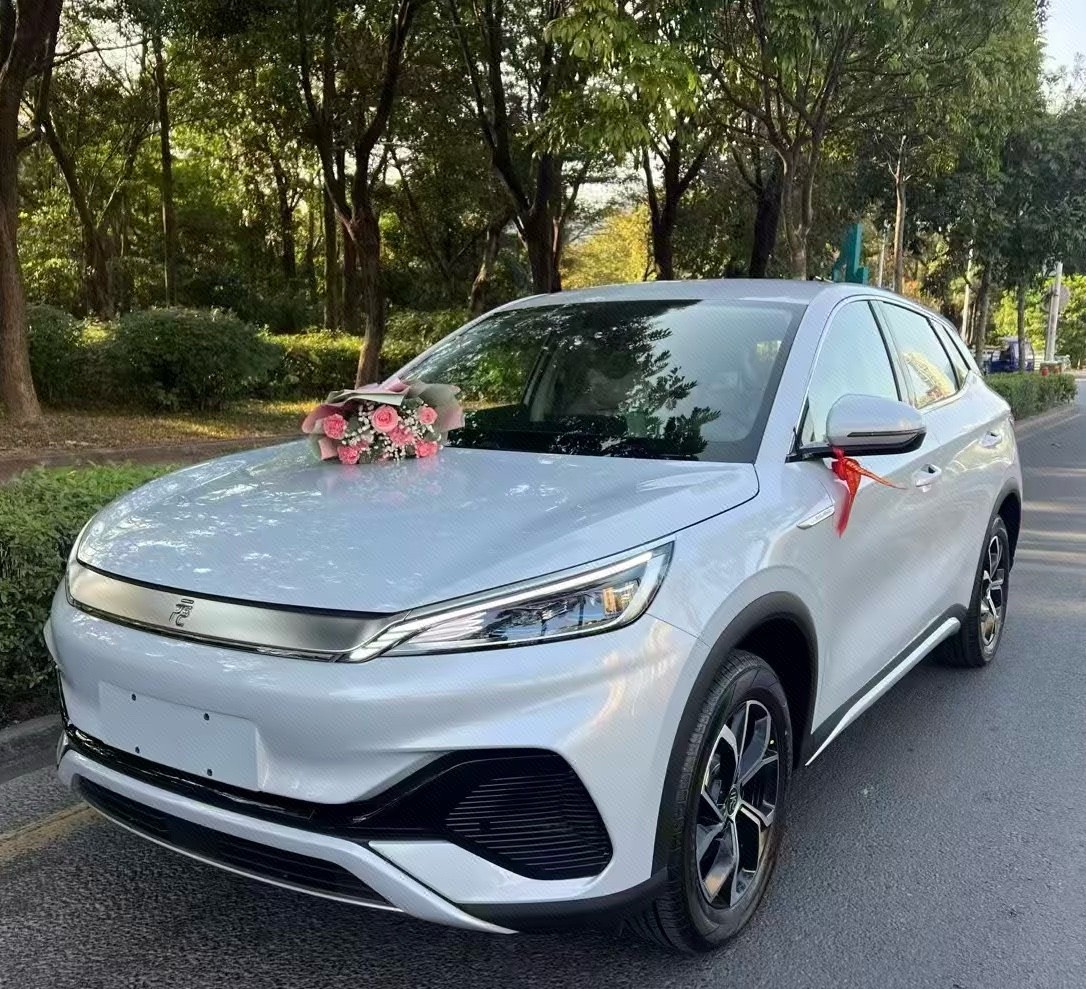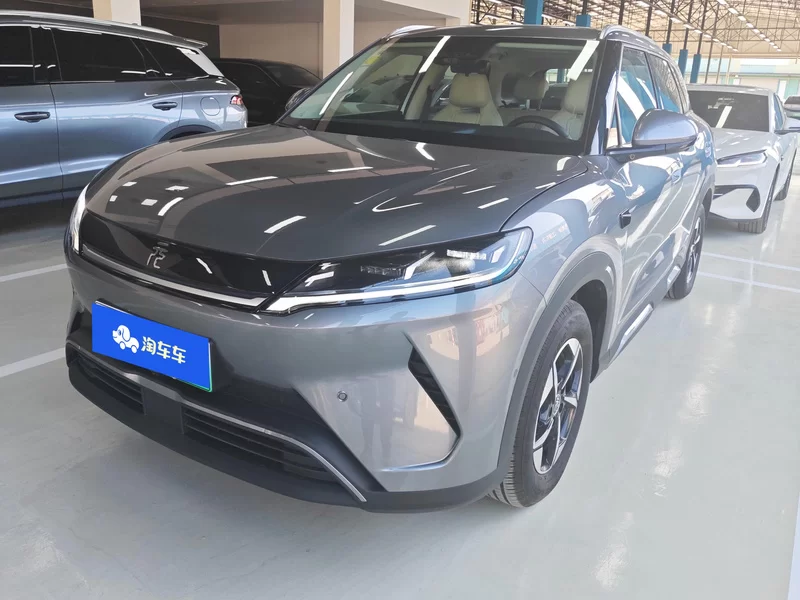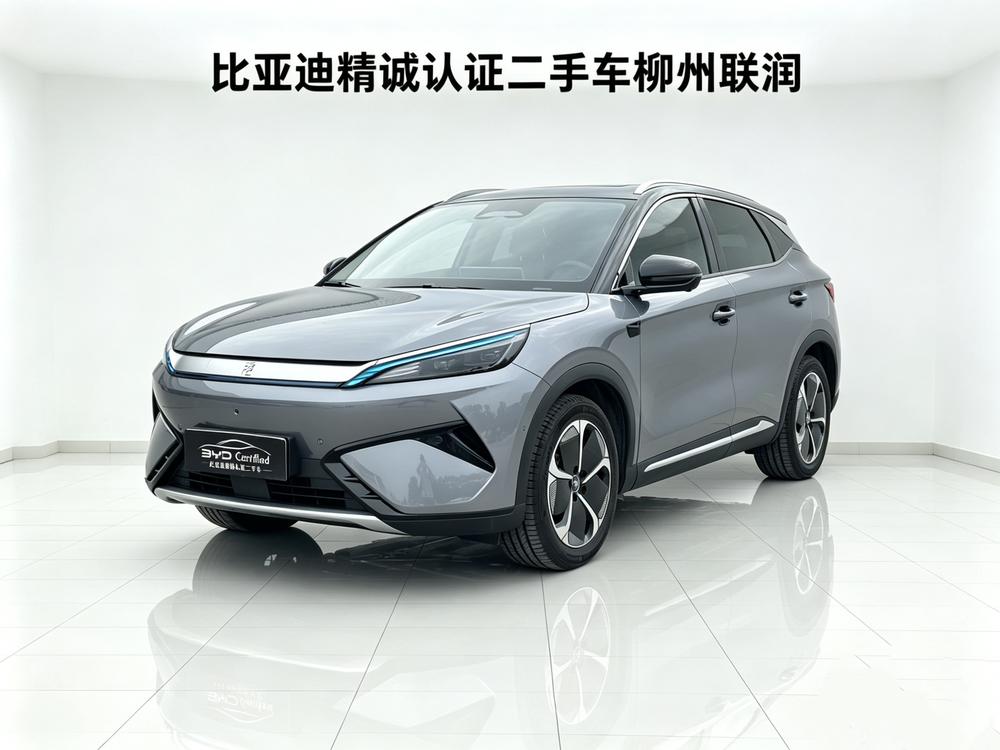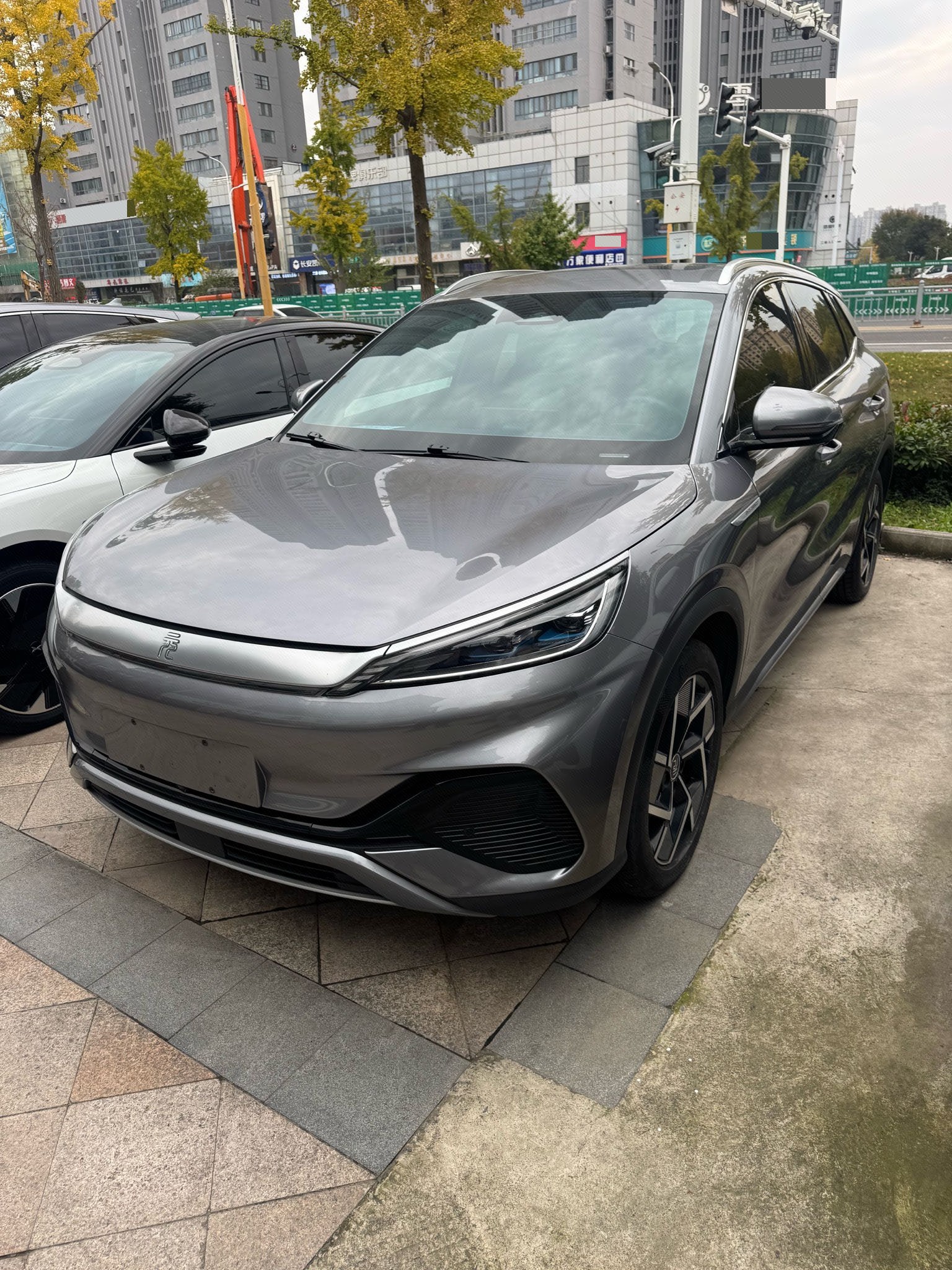
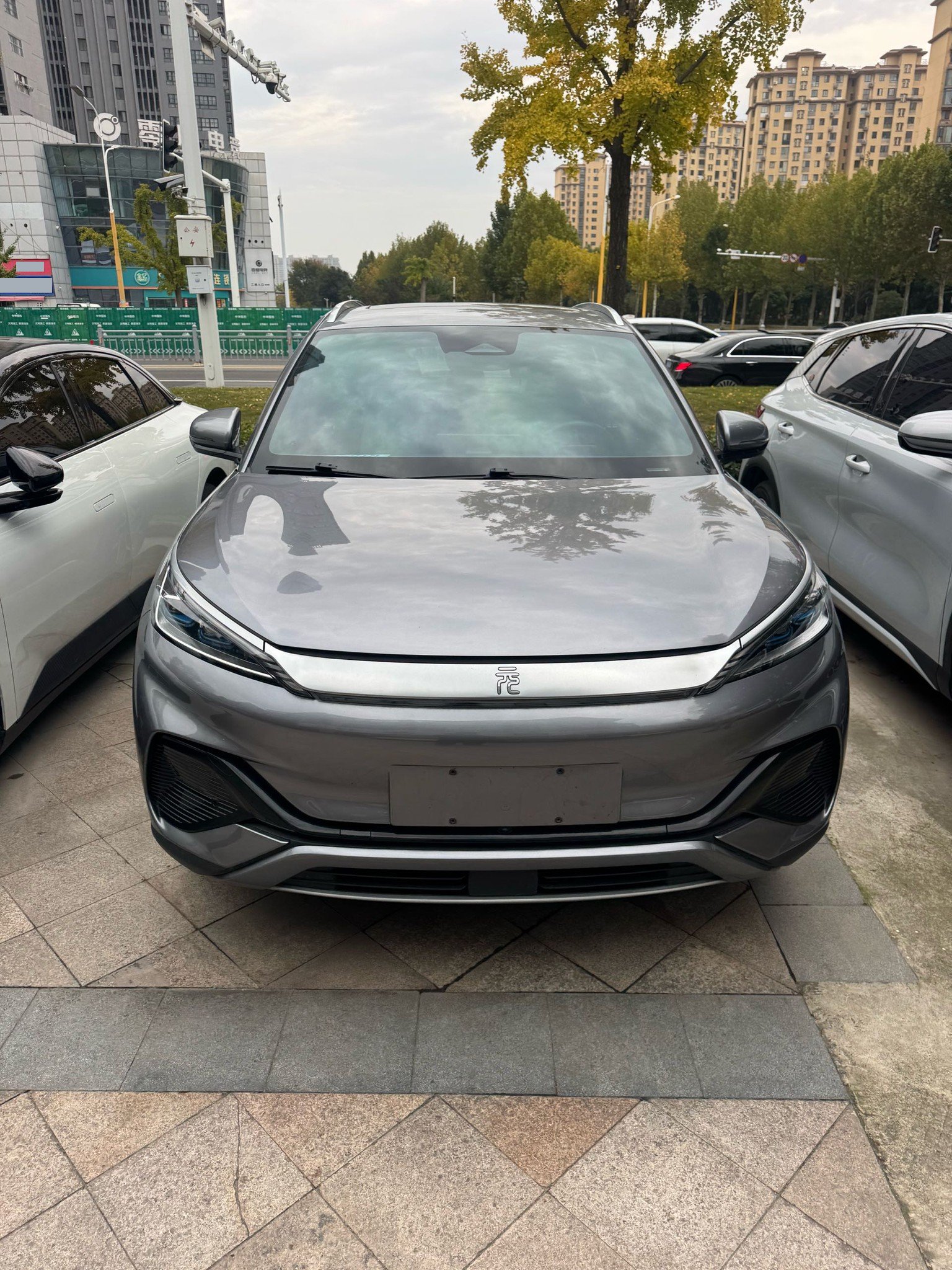
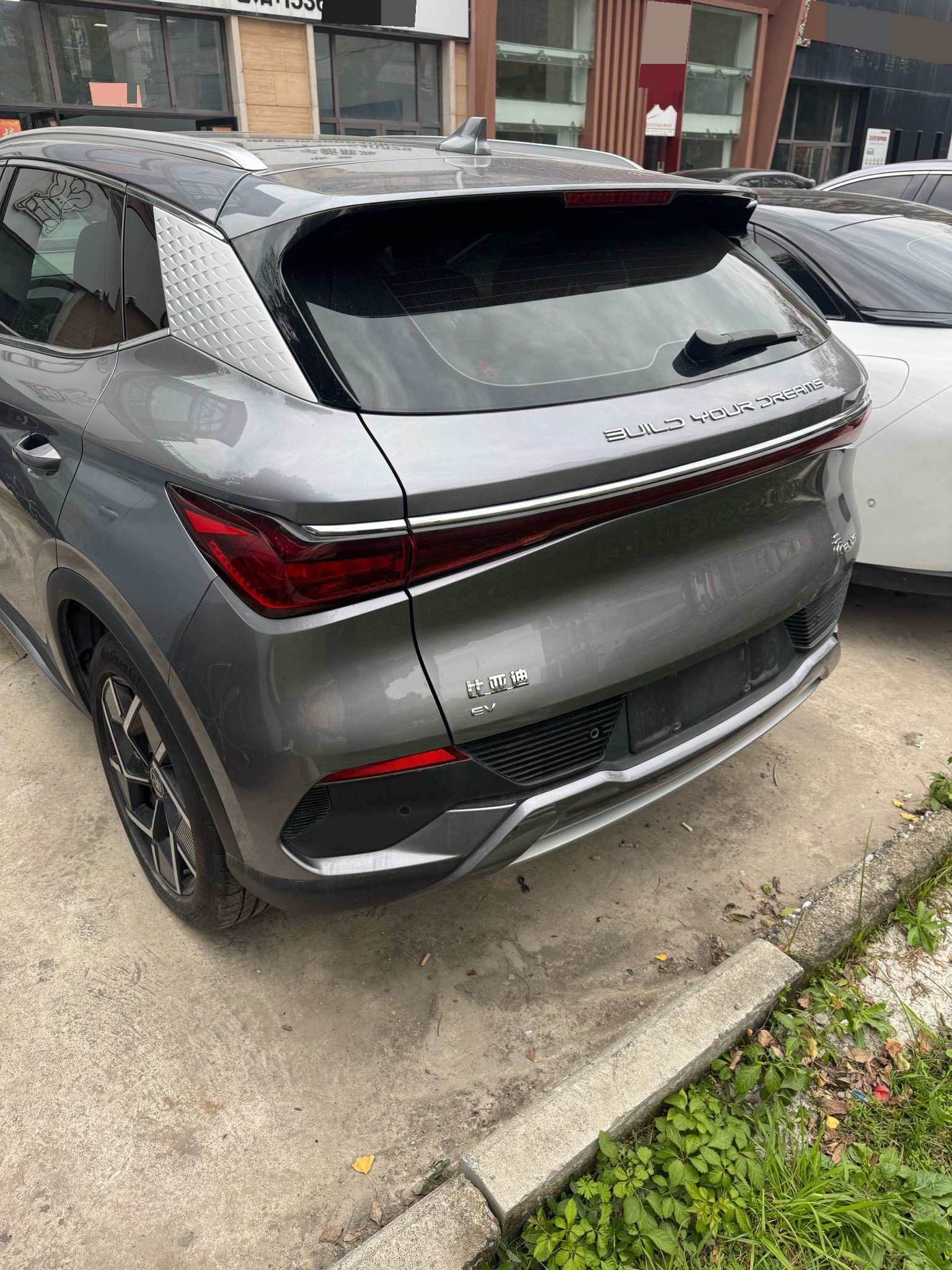
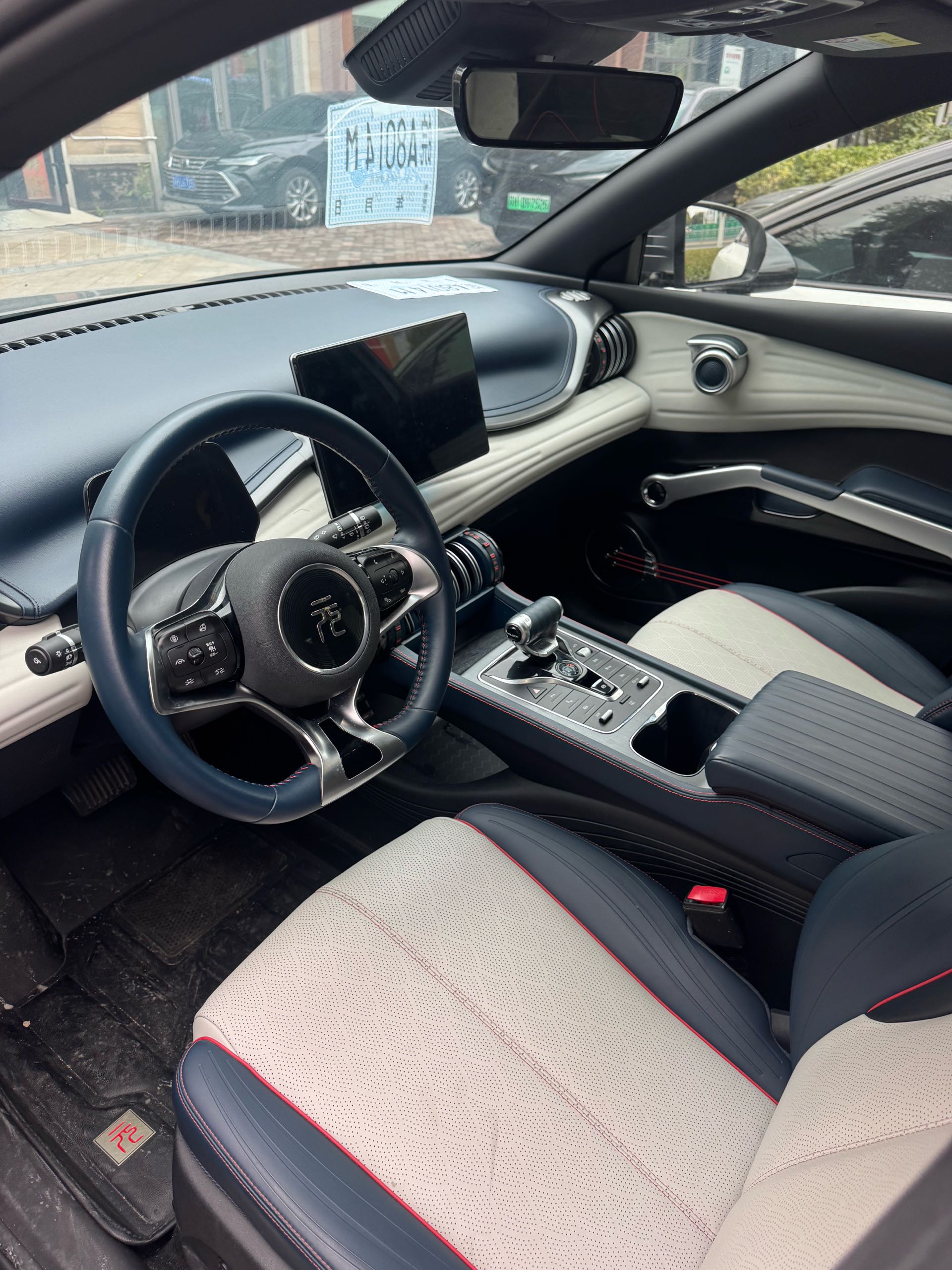
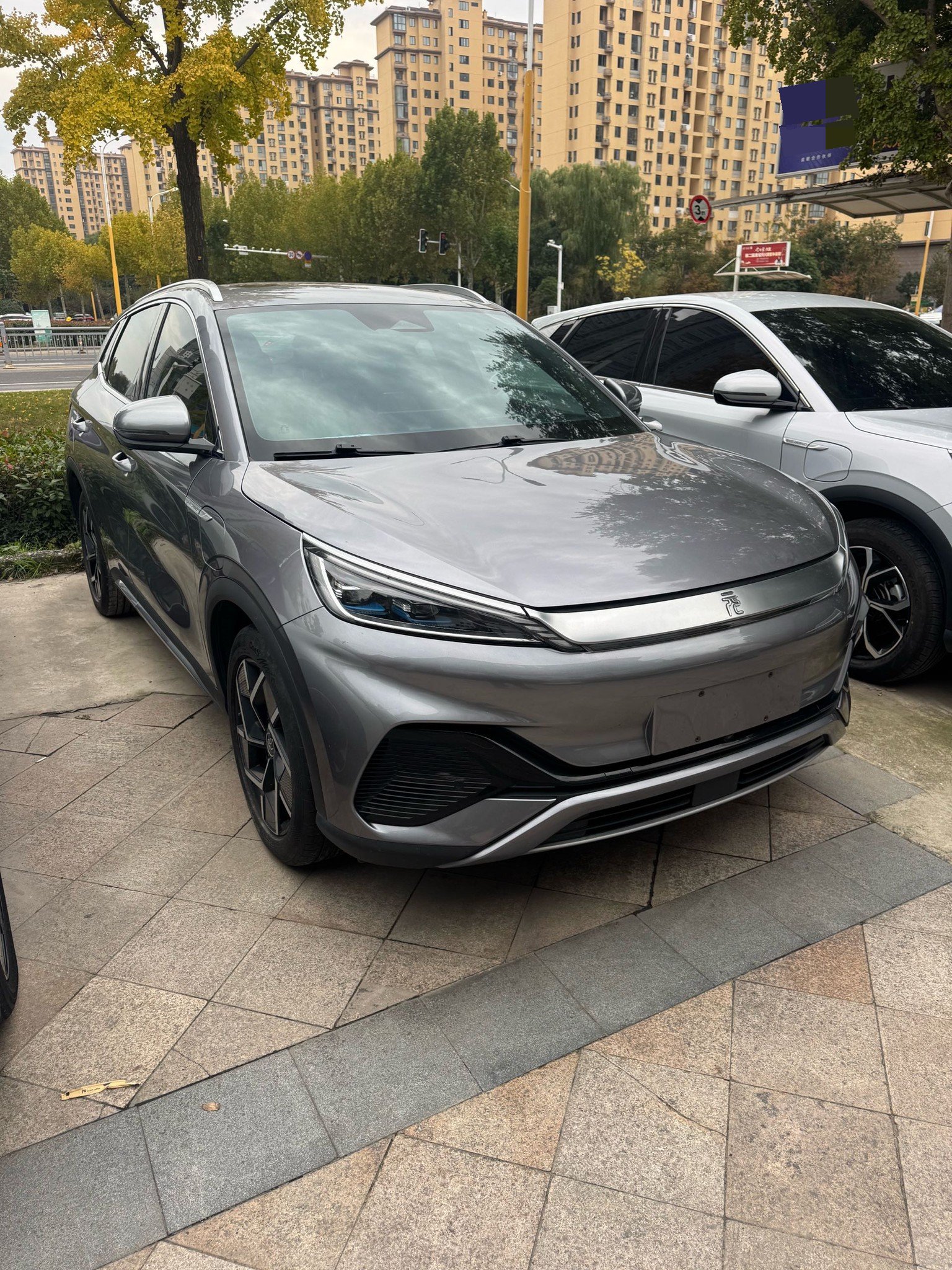



Basic Information

BrandBYD
SeriesYuan Plus
Year2022
First Registration2022/04
Mileage80,000km
Transfer Count0times
FuelOther
TransmissionOther
Engine-
ColorGrey
Seats-

Condition Description

First-hand ownership, all original paint, inspected by Chaboshi with grade S.

Document Information

Inspection Expiry Date-
Warranty Expiry Date-
Insurance Expiry Date2027/04

Q&A

More

What insurance should I arrange when shipping a used car from China, and what do Incoterms like FOB and CIF mean for me?

Two separate protections matter: cargo insurance and contractual risk transfer. Cargo insurance: for container or RoRo shipments, buy marine cargo insurance covering total loss and damage, typically 110% of the CIF value (average cost 0.3%–0.8%). Check exclusions — many policies exclude pre-existing damage, so a pre-shipment inspection report is essential to prove the car's condition at loading. Incoterms define who bears risk and cost at each stage: 1. FOB (Free On Board): exporter pays until the car is loaded on the vessel; risk passes to you at that point. You pay ocean freight and insurance. Common and usually cheapest if you have your own freight forwarder. 2. CIF (Cost, Insurance and Freight): exporter pays freight and minimum insurance to your port. Convenient but the insurance coverage is basic — consider topping it up. 3. EXW (Ex Works): you handle everything from the exporter's yard; only choose this if you have a trusted agent in China. Put the agreed Incoterm and port clearly in the contract, and never release final payment before the Bill of Lading is issued.


Which export documents does the Chinese seller provide, and which import documents do I need to prepare myself?

From the Chinese seller, expect these documents: 1. Vehicle registration certificate (the green book) 2. Driving license/registration card for the vehicle 3. Commercial invoice and sales contract 4. Export declaration documents (packing list, declaration forms handled by their forwarder) 5. Bill of lading, issued once the car is on the vessel You prepare on your side: 1. Import permit or approval, if your country requires one 2. Proof of compliance - emissions, safety, or type-approval certificates your customs authority asks for 3. Bill of lading release documents (original B/L or telex release) 4. Customs declaration through your broker, with your tax ID 5. Payment records - keep the bank transfer receipt, as some customs offices verify the declared value Practical tips: insist the seller removes any lien from the green book before export; verify the VIN on all documents matches the physical car; and confirm your country's age/emissions limits before paying a deposit, not after.

How do I evaluate interior wear on a used car from China to estimate real mileage and usage intensity?

Interior wear is harder to fake than an odometer and often reveals true usage better than any document. Focus on high-contact points the seller rarely restores. The driver's seat bolster shows creasing and cracking by 80,000-100,000 km even with covers. Steering wheel leather polishes smooth and darkens with hand oils; a shiny wheel with low claimed mileage is a red flag. Pedal rubbers wear through at similar rates — check accelerator, brake, and clutch depth. Second-row wear patterns tell you how the car was used: heavy child-seat indentations suggest family use (usually gentler), while uniform rear wear with clean front suggests commercial or ride-hailing duty. Check seat rails for rust (indicates water ingress) and look under floor mats for moisture staining or musty smell — flood cars often hide it there. Also examine the infotainment and instrument cluster: Chinese EVs log usage data internally, and a dealer diagnostic readout can cross-check driving hours against mileage. Request close-up, well-lit photos of these specific points during your live video inspection rather than relying on the seller's gallery.