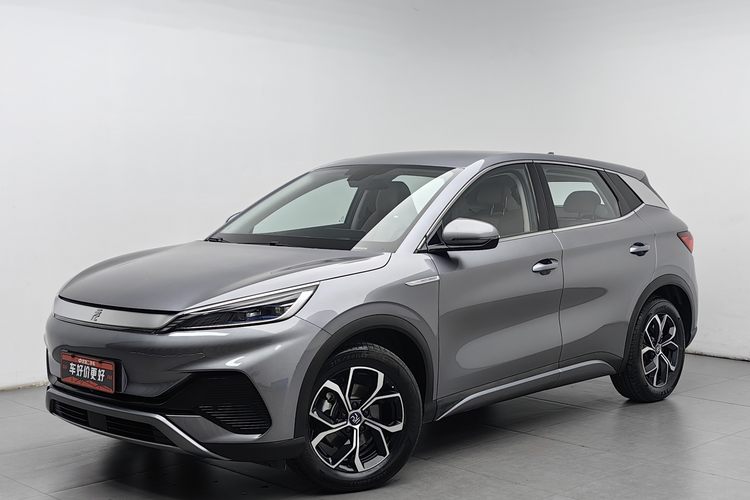
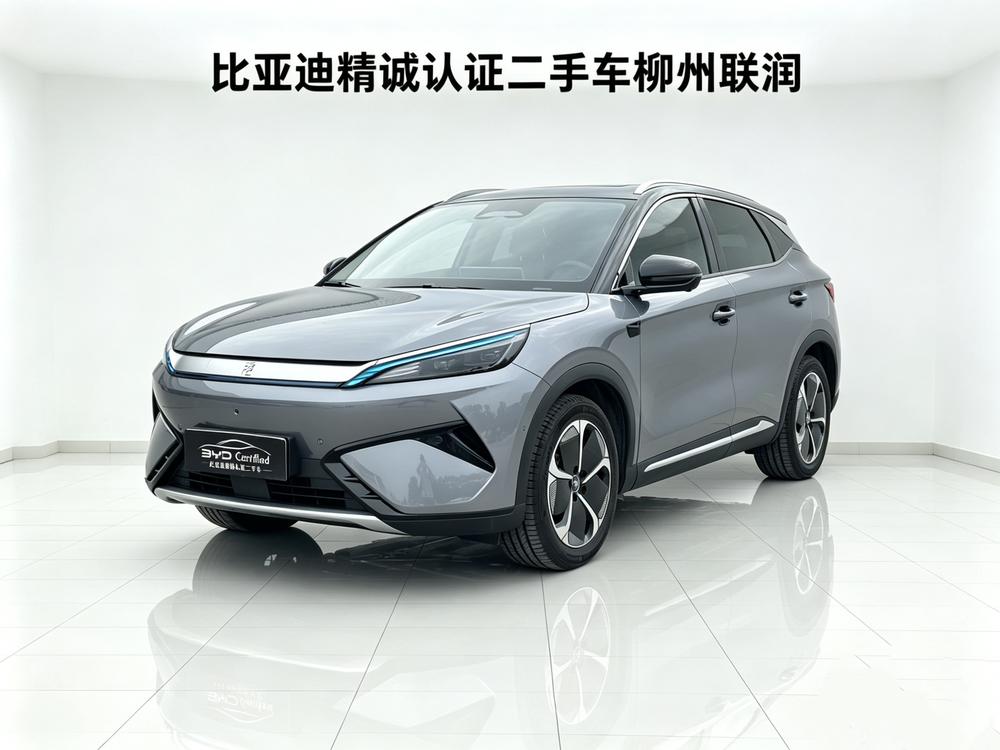
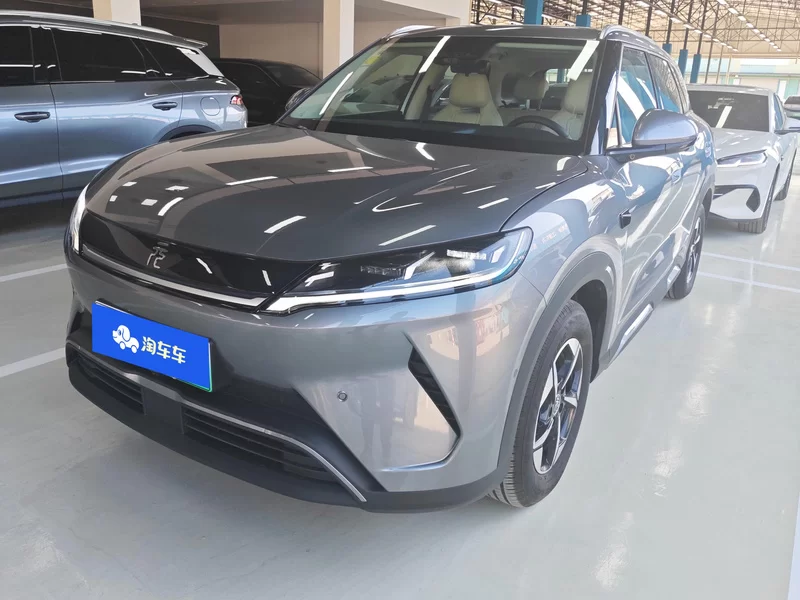
Basic Information

BrandBYD
SeriesYuan Plus
Year2022
First Registration2022/08
Mileage130,000km
Transfer Count0times
FuelOther
TransmissionOther
Engine-
ColorWhite
Seats-

Condition Description

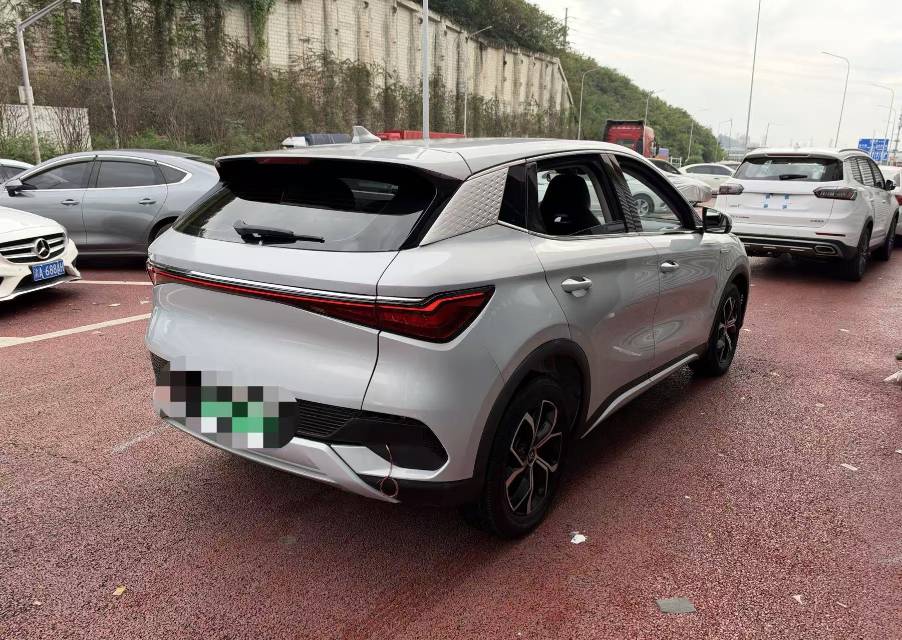
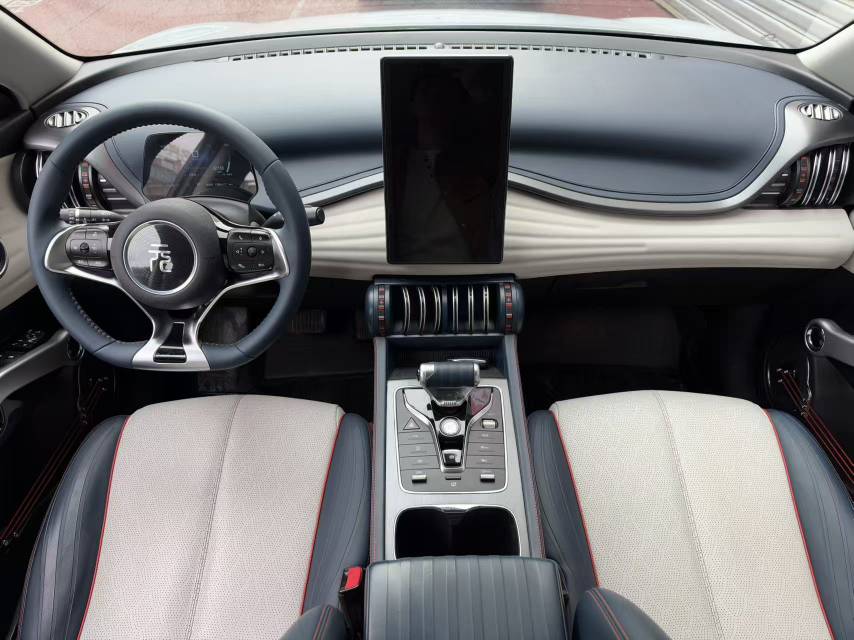
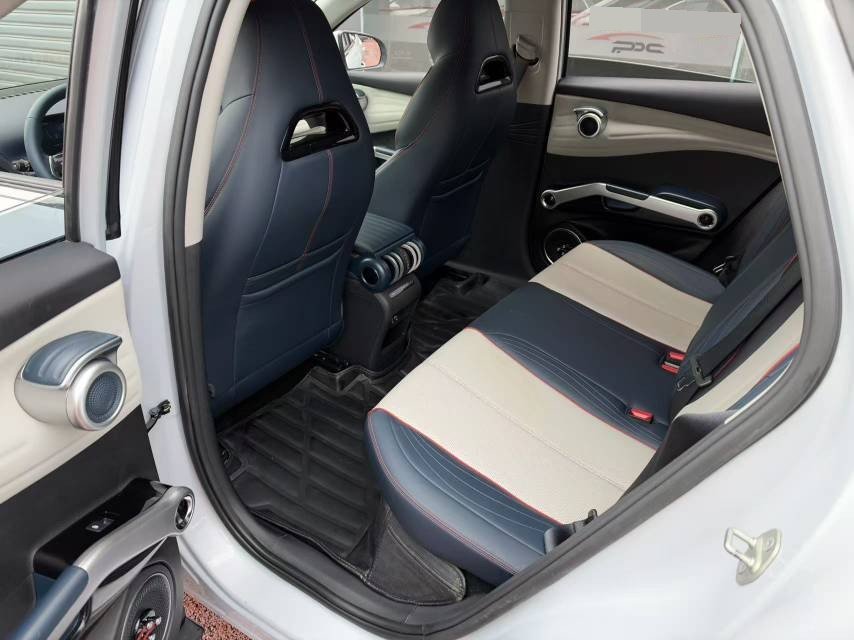
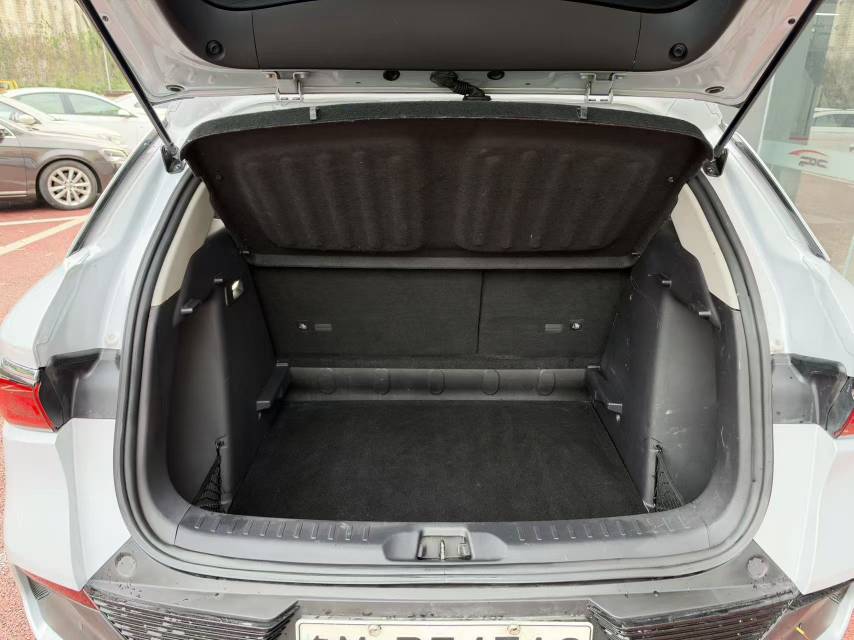
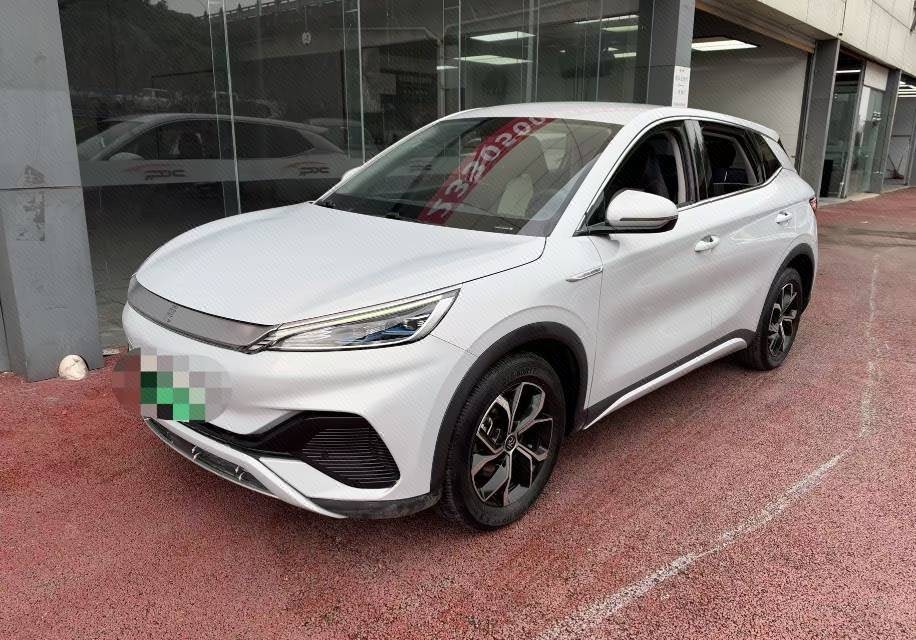
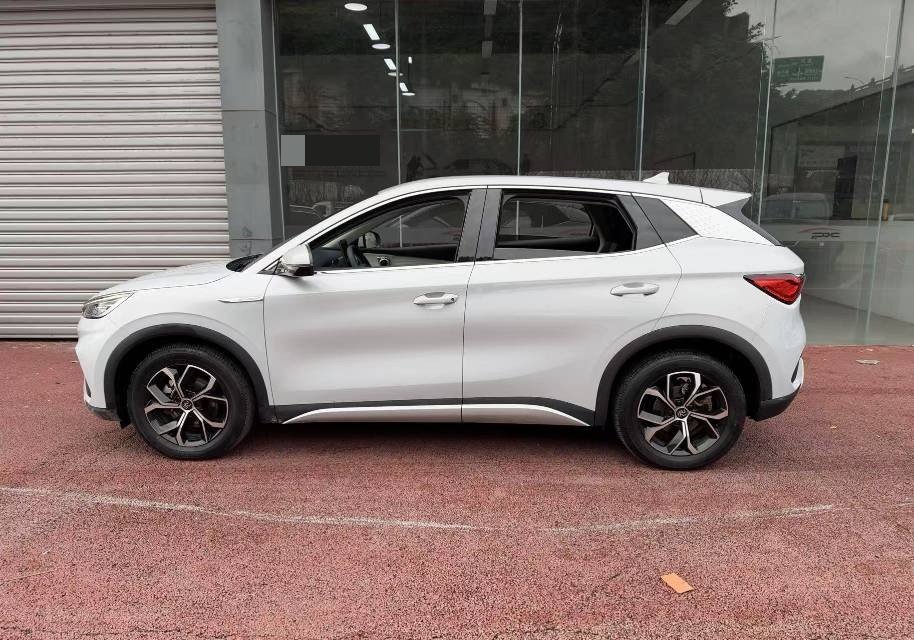
Registered August 2022, one private owner, 130,000 km mileage. Some scratches and dents, minor accident repaired. Good appearance and good mechanical condition.

Document Information

Inspection Expiry Date-
Warranty Expiry Date-
Insurance Expiry Date2027/08

Q&A

More

Does the vehicle comply with UNECE regulations? Is there an EC certificate?

Verify if the vehicle model is within the manufacturer's EU certification scope. If not, contact the certification company for single model certification; otherwise, it cannot be registered in Europe.

Do I need an import permit before shipping a used car from China, and who applies for it?

It depends on your country's rules. Some markets (for example, Kenya, Ethiopia, Egypt, and several Central Asian countries) require an import permit or pre-import approval issued to you as the importer before the car can ship. Others only check compliance documents at customs after arrival. The permit is always applied for by you, the buyer, through your country's trade or transport authority—the Chinese exporter cannot do it for you. Processing takes anywhere from a few days to several weeks. Practical advice: before paying any deposit, confirm with a local customs broker or your transport ministry whether a permit is needed and what the requirements are (age limit, emissions, left-hand drive). Sending a car that requires a permit you don't have can mean seizure or forced re-export at your expense.
Should I ship my used car from China in a container or by roll-on/roll-off (RORO)?

It depends on the car's value, type and destination. RORO means the car is driven onto the vessel and secured on deck or in the hull. It is usually cheaper per car and does not involve container packing fees. The downside: the car sits exposed to salt air for weeks, and RORO service is limited to ports with dedicated terminals. Container shipping (one 20ft or 40ft container per 1-2 cars) costs more but gives much better protection. It is strongly recommended for electric vehicles (battery safety regulations), luxury cars, and vehicles going on long voyages or rough sea routes. Practical tips: whichever method you choose, ask for the car to be shipped with a full battery charge disconnected at the terminals, tire pressures adjusted, and a condition report with photos signed at loading. For EVs, confirm the shipping line accepts used electric vehicles and what state-of-charge limits apply.