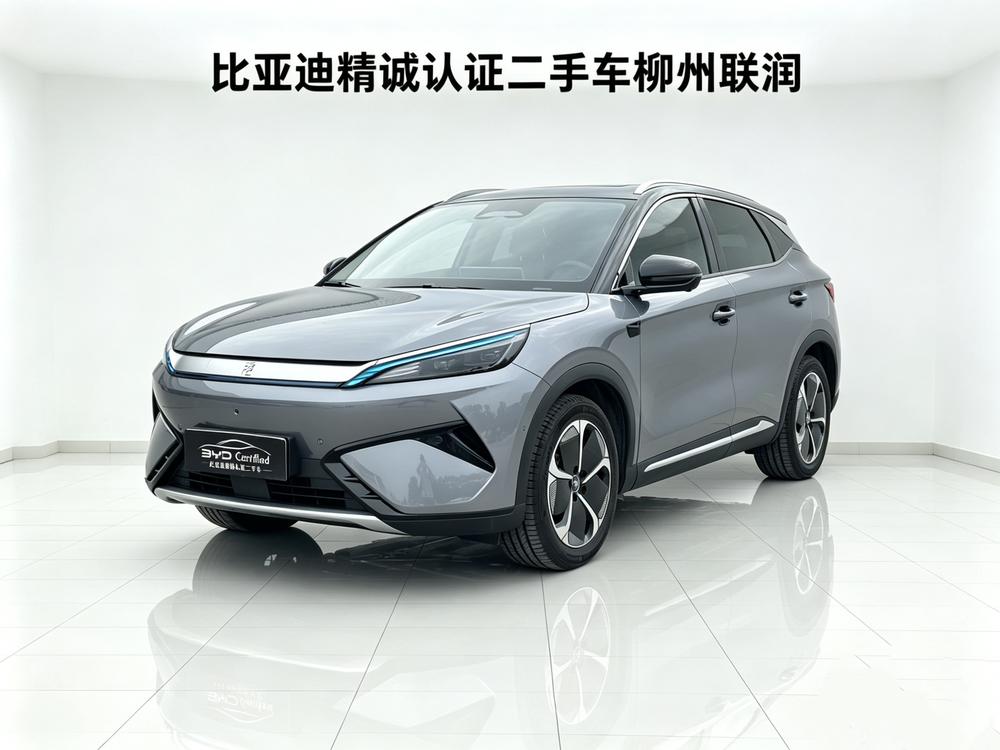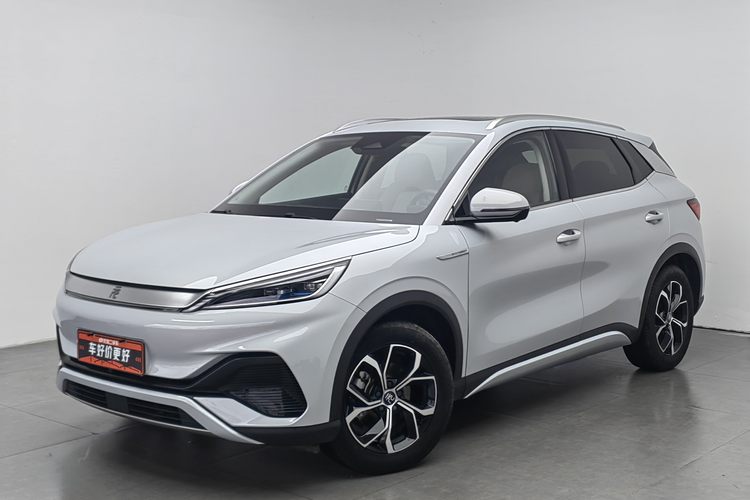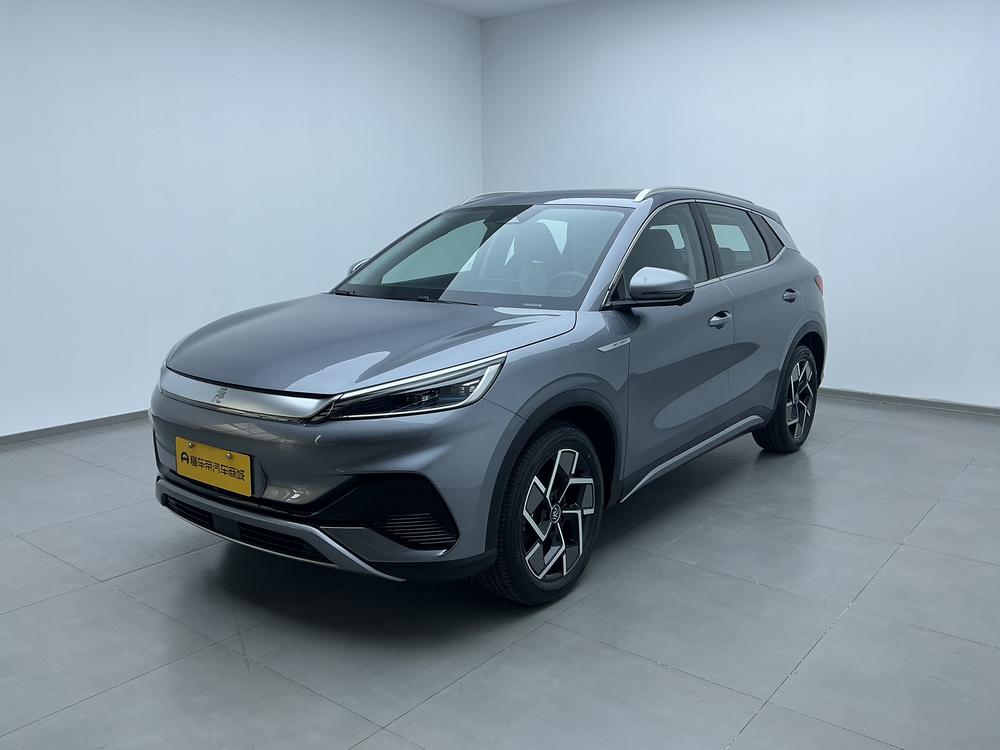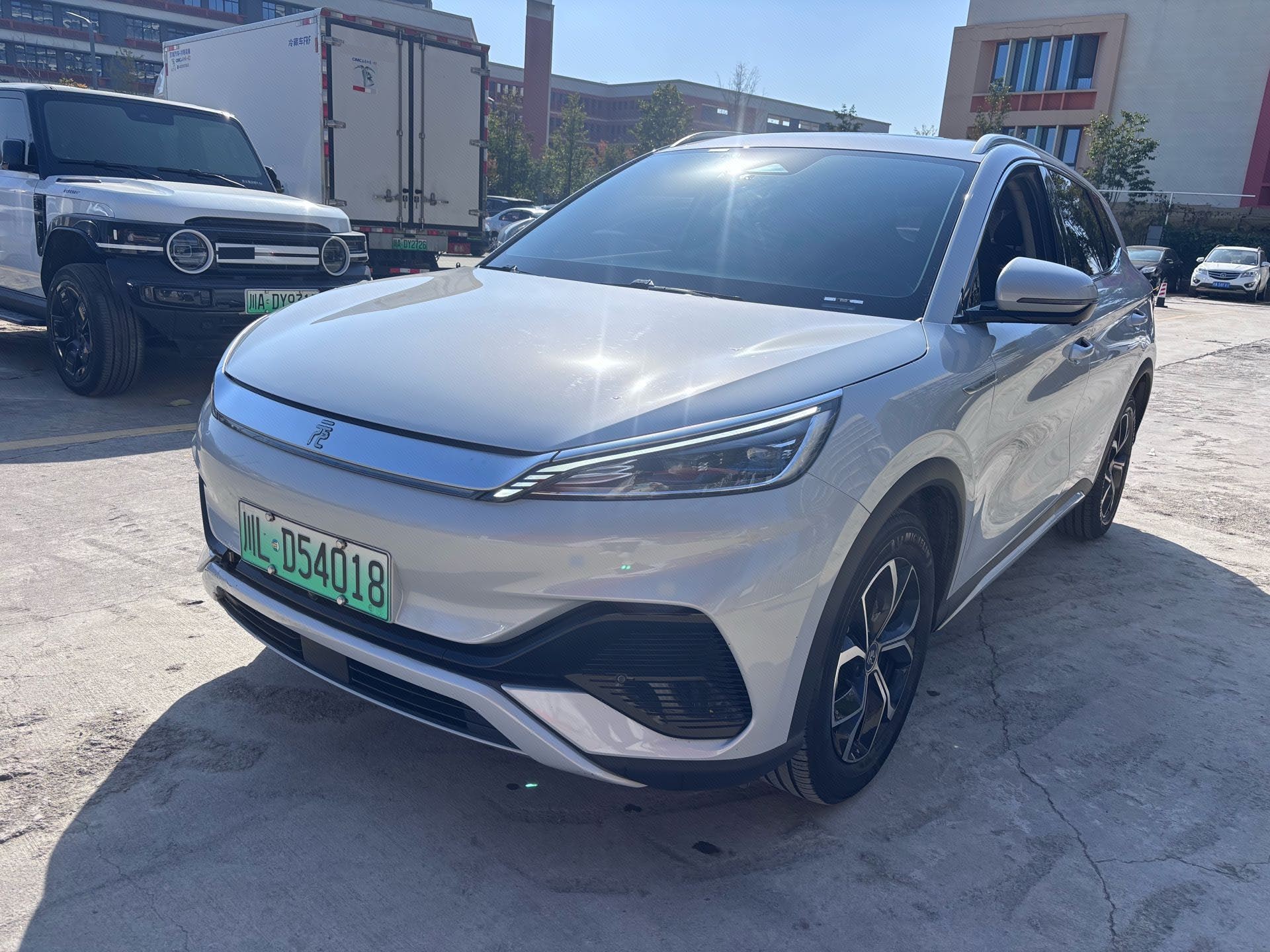
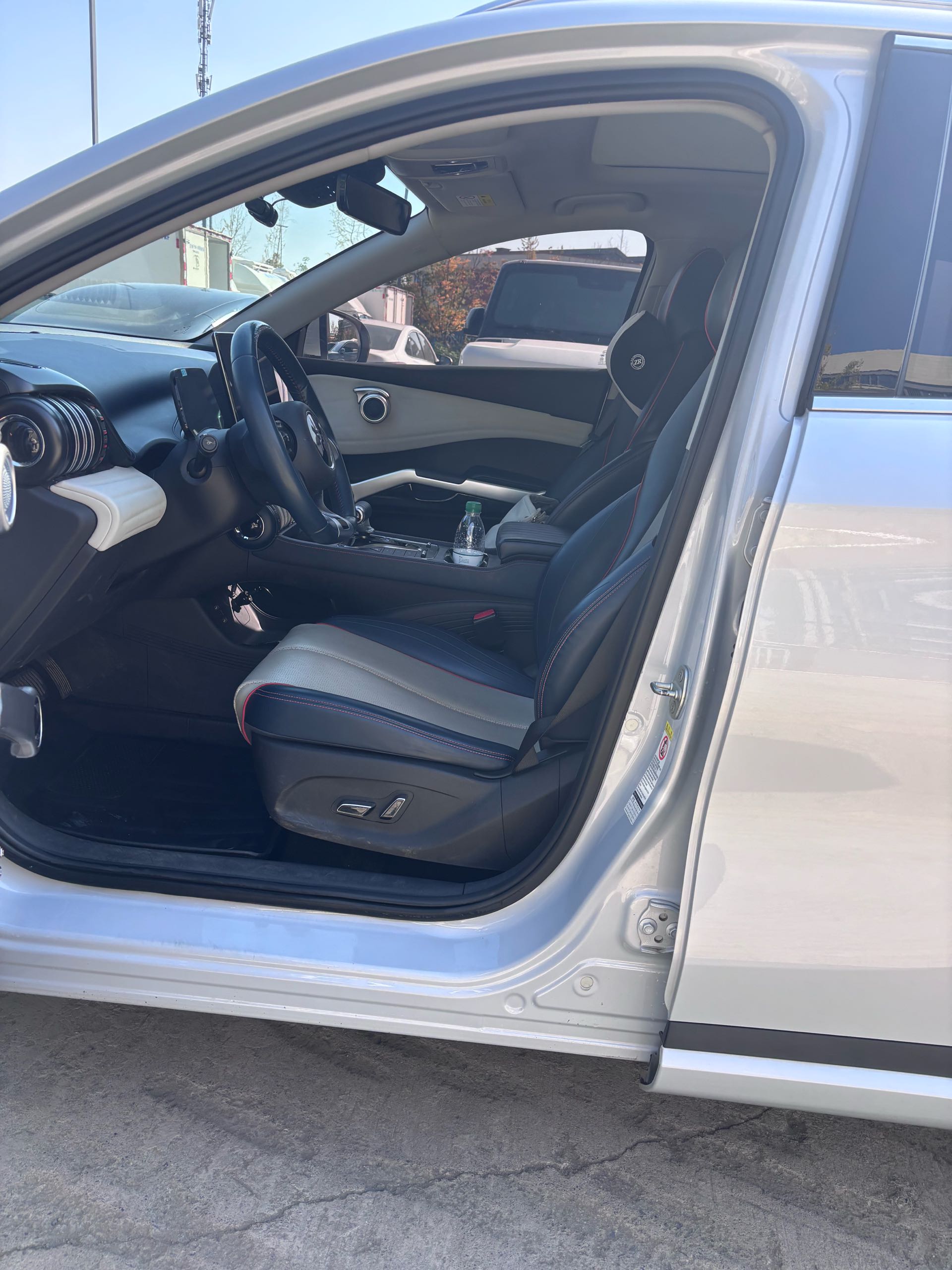
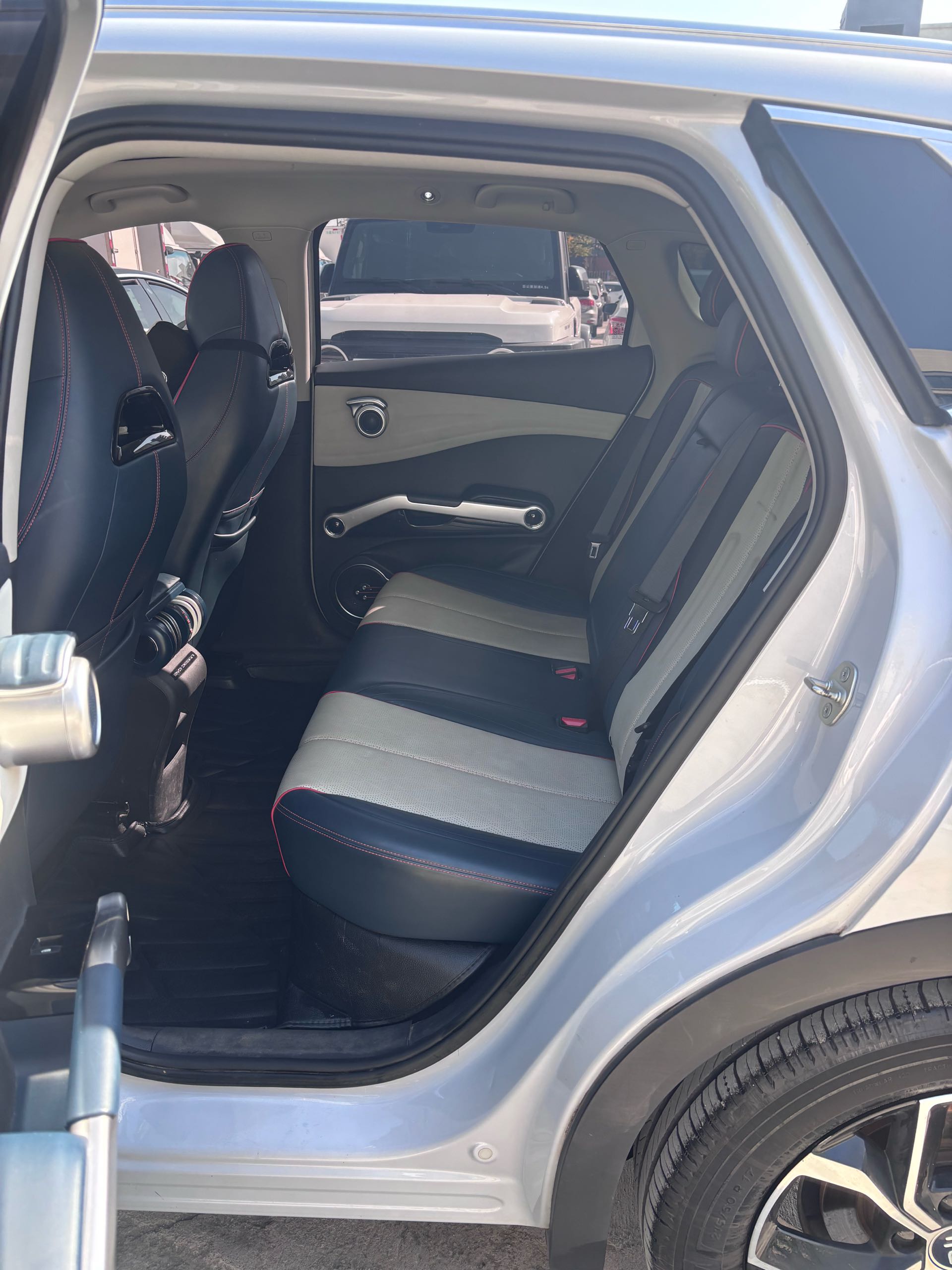
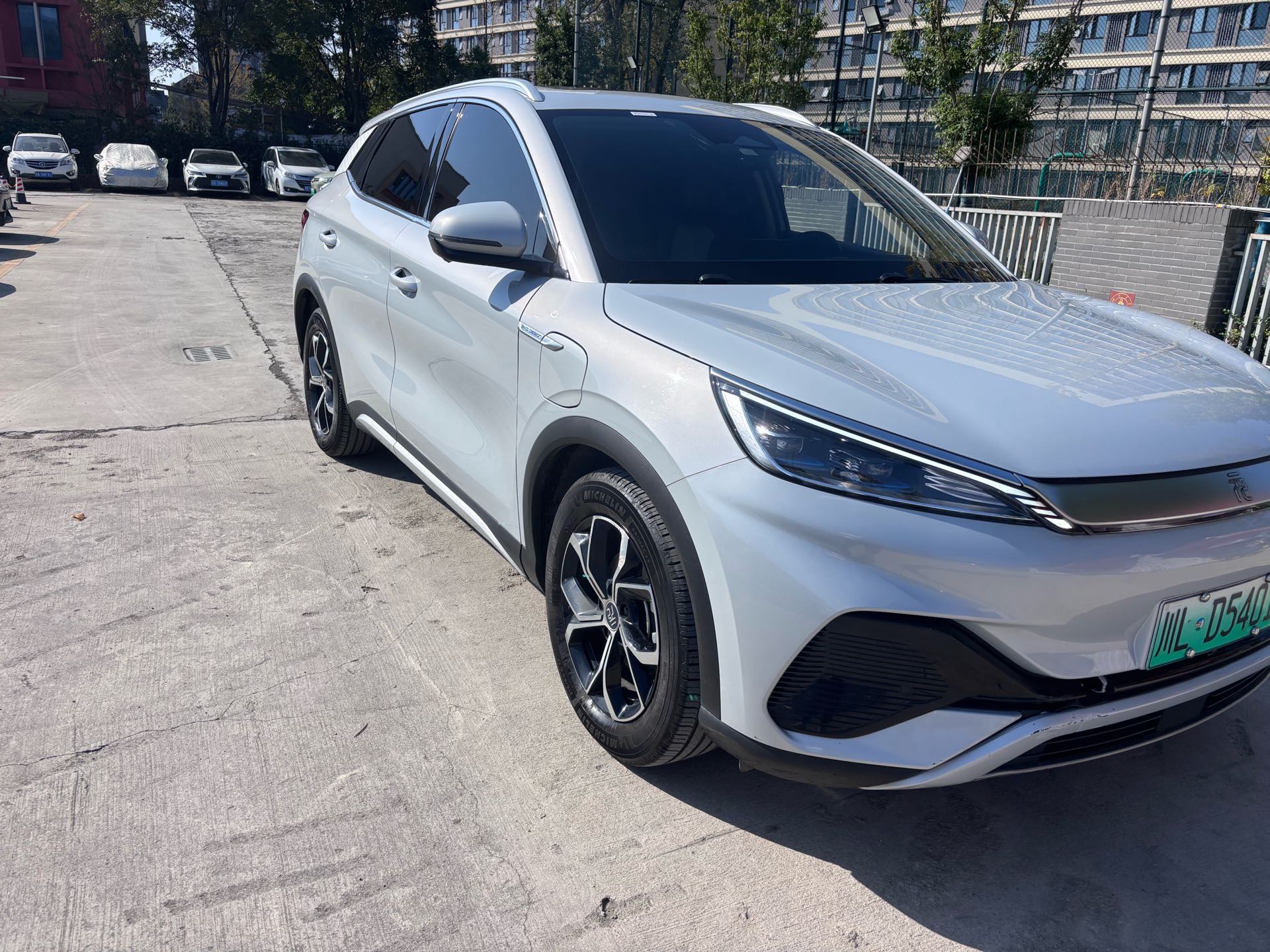
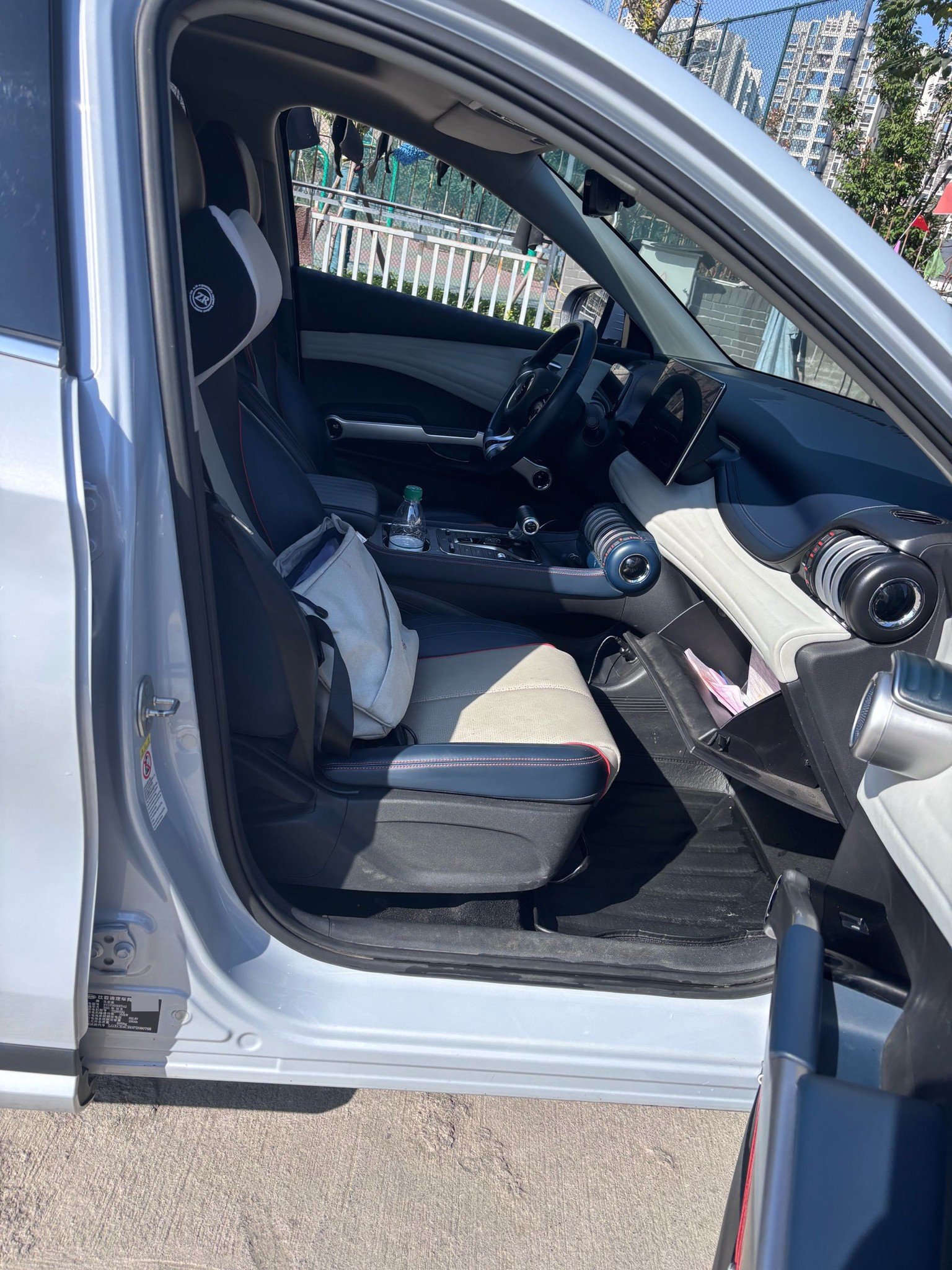
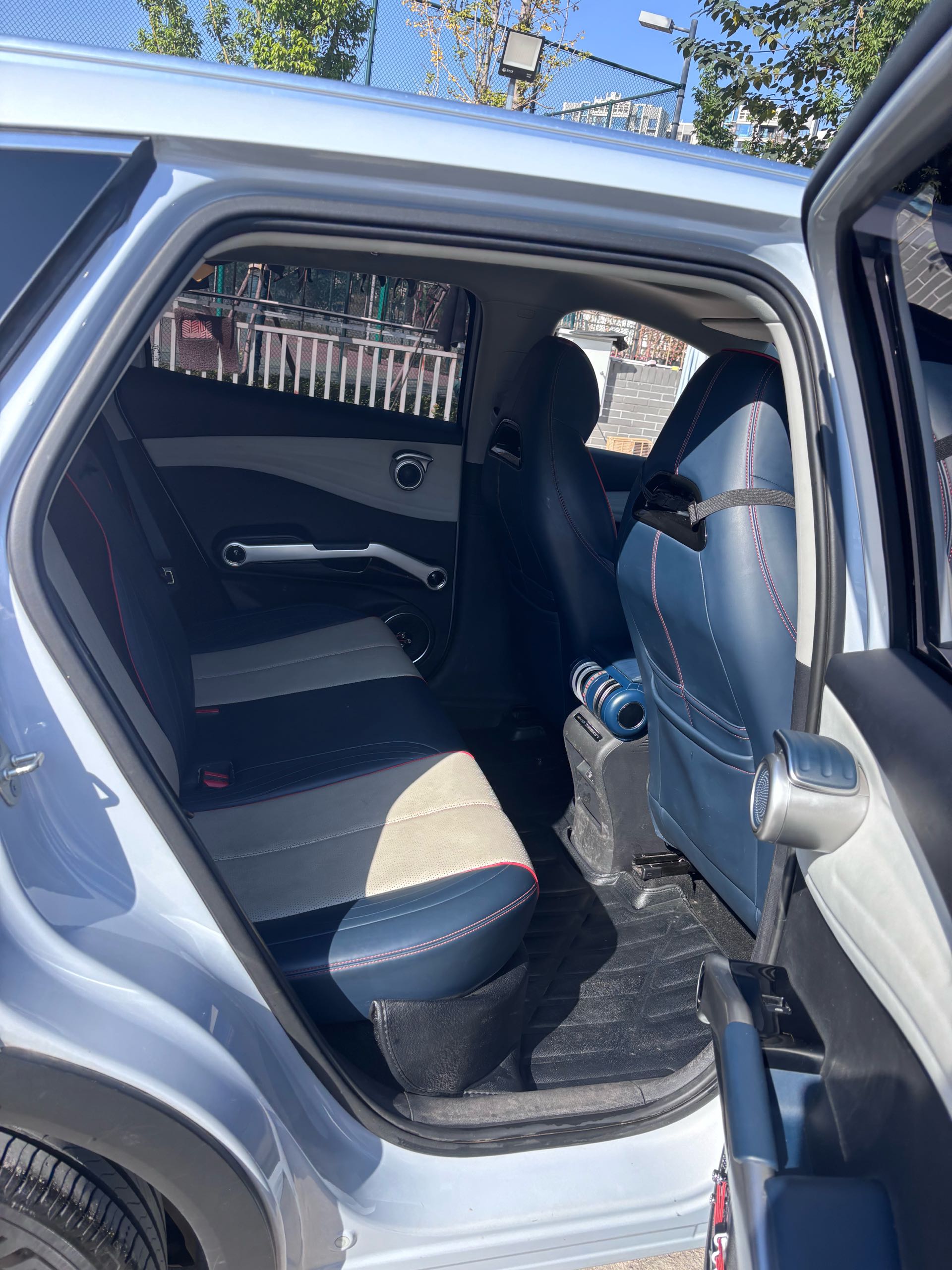
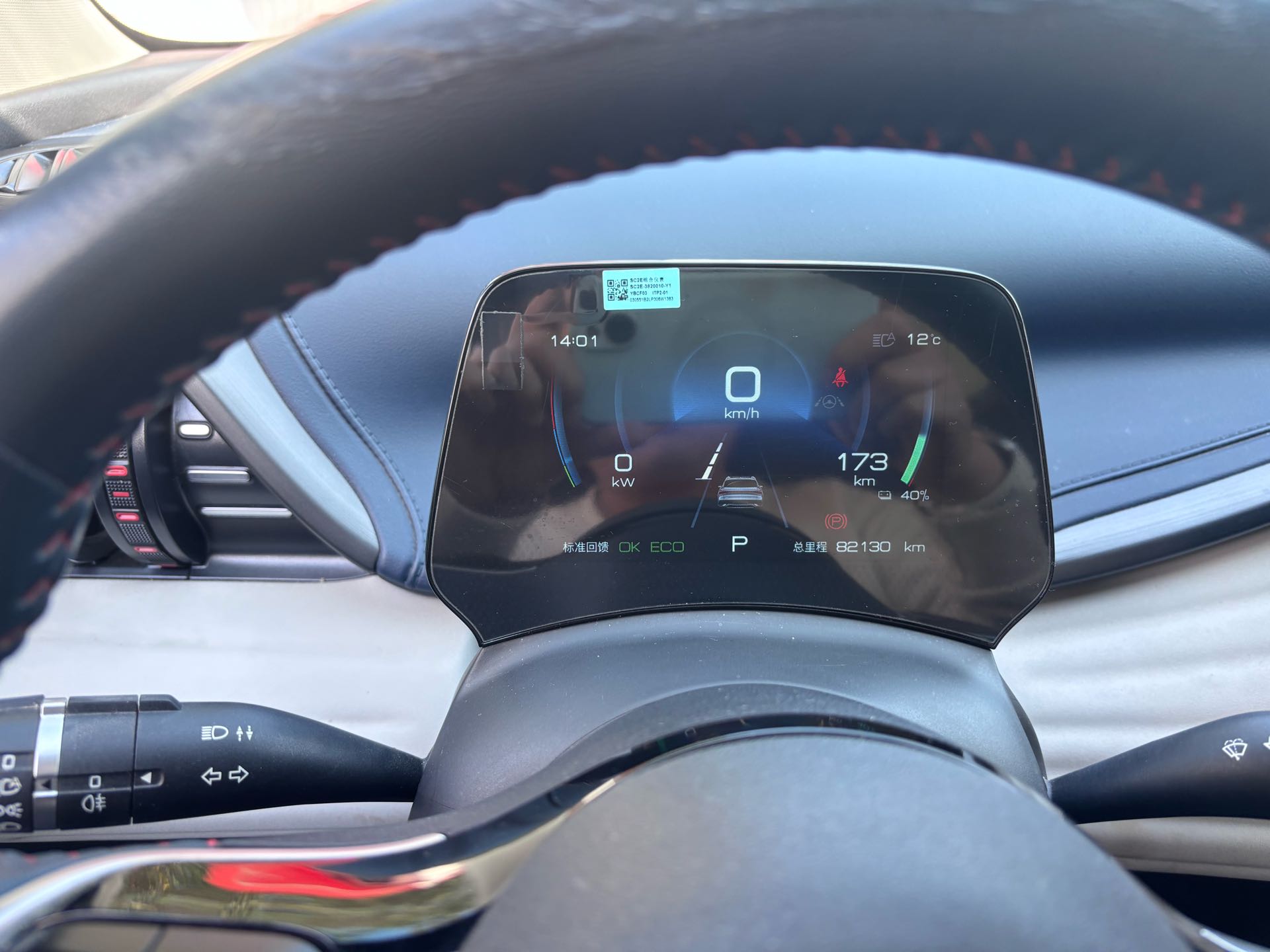
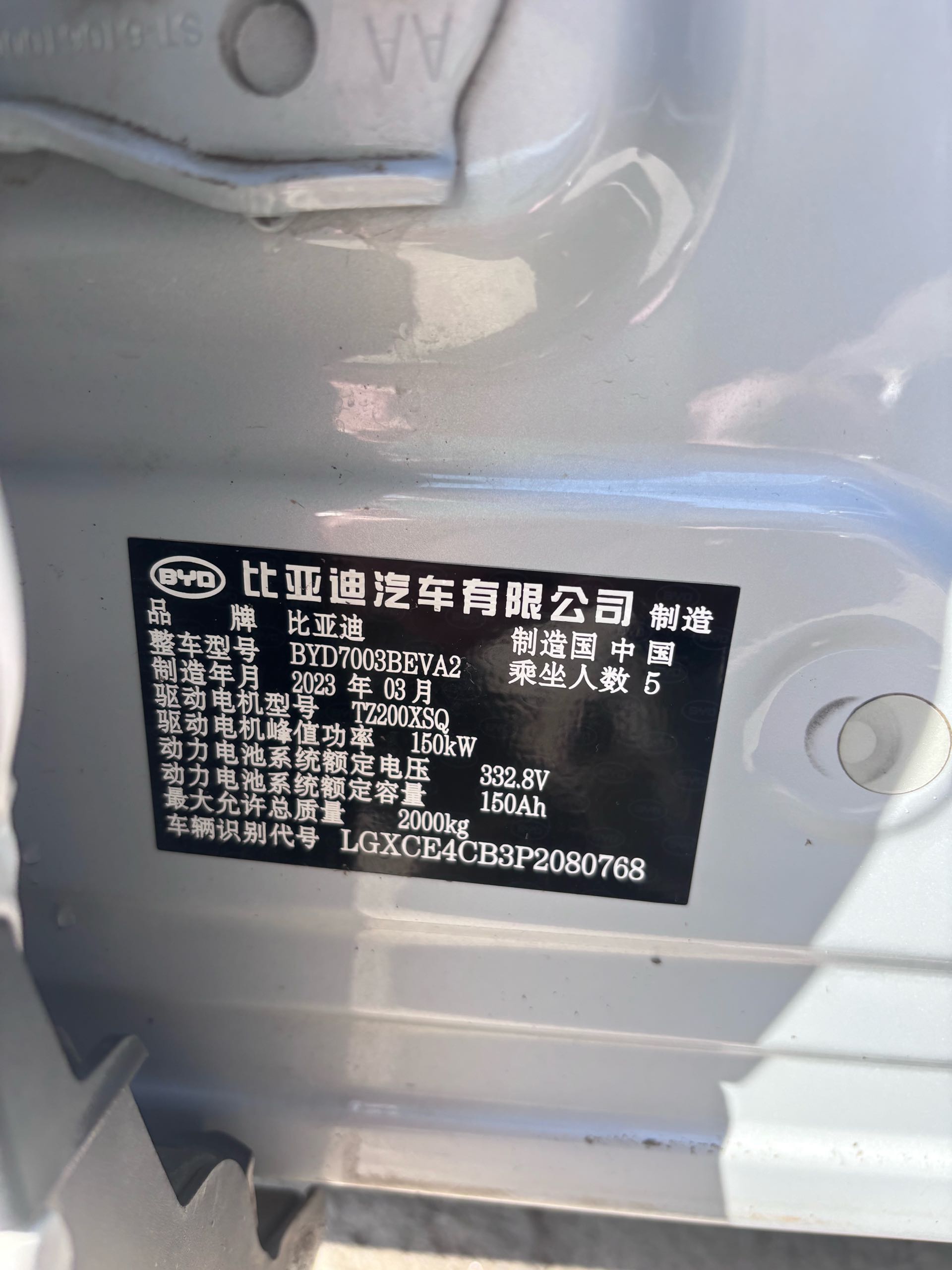



Basic Information

BrandBYD
SeriesYuan Plus
Year2023
First Registration2023/04
Mileage82,000km
Transfer Count0times
FuelOther
TransmissionOther
Engine-
ColorOther
Seats-

Condition Description

Original condition, 0 accidents.

Document Information

Inspection Expiry Date-
Warranty Expiry Date-
Insurance Expiry Date2027/04

Q&A

More

Should I pay the Chinese exporter in USD or RMB, and how do exchange rates affect the final price?

Most exporters quote in USD for international buyers, but some accept RMB (CNY). Key points: 1. USD payment is standard and easiest; the exchange-rate risk usually sits with the exporter, so the price may be slightly higher. 2. Paying in RMB can save 1-3% if you have access to CNY through your bank or a trading company. 3. Lock the exchange rate in the contract: agree the final amount is fixed in the invoicing currency on the invoice date. 4. Always pay by corporate bank transfer (T/T) to the exporter's company account — never to personal accounts. Ask for a proforma invoice with a validity date (usually 7-15 days) so you know exactly how much to wire, and confirm who bears the bank transfer fees.


Can I combine several cars into one container to save on freight when importing from China, and how does consolidation work?

Yes, consolidation is common and can cut freight cost per car significantly, especially for shared purchases or small-volume importers. How it works: 1. A 40ft high-cube container typically fits 2-4 cars depending on size and loading method (standard loading vs. specialized racking that allows 4+ cars). Confirm the loading plan with your forwarder in writing. 2. Cars are secured with wheel chocks, straps, and padded braces. Professional loading with photos before the doors close is essential — request a photo report for insurance purposes. 3. One container means one bill of lading and one customs entry, but each car still needs its own invoice, export documents, and destination customs declaration. Things to watch: - Liability: if one car shifts and damages another in transit, insurance claims get complicated. Take out proper cargo insurance covering both vehicles. - Timing: all cars in the container must be ready at the same port at the same time, or you pay storage fees. - For EVs, check the shipping line's battery and state-of-charge rules — they may limit how many EVs go in one box. For a single car, RoRo or a 20ft container is usually simpler; consolidation mainly pays off from 2+ cars.

How do I compare quotes from different Chinese exporters, and why is the cheapest offer often risky?

Comparing quotes properly means comparing the same thing: 1. Normalize the scope: some quotes include inland transport, export clearance, inspection and ocean freight, others are FOB only. Ask each exporter for a line-item breakdown so you can compare like with like. 2. Check what is excluded: port charges at destination, customs duties, homologation and registration are almost always on you. Get a written list of everything NOT included. 3. Look beyond the number: a quote 10-15% below the market usually means the car has an issue (accident history, rolled-back mileage, pending lien) or the exporter plans to cut corners on inspection and loading. 4. Verify the exporter: business license, export qualification, recent shipment records, and references from buyers in your region. A realistic quote from a verifiable exporter is worth more than a bargain that turns into a dispute. Always pay against milestones with inspection before balance payment.