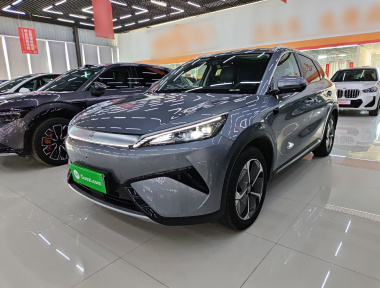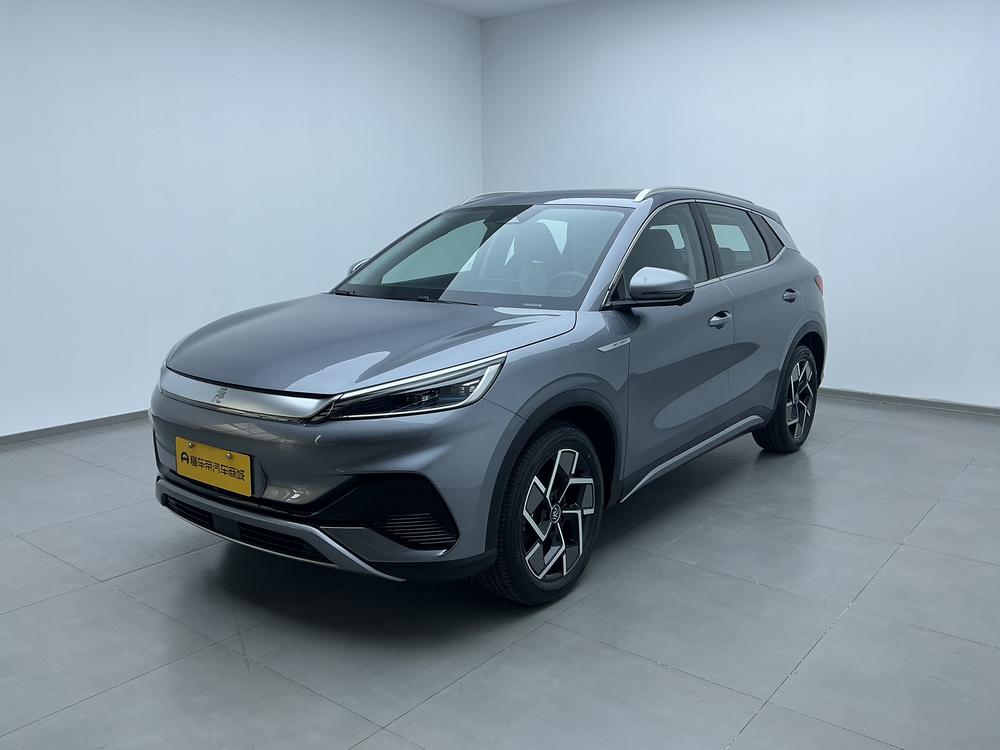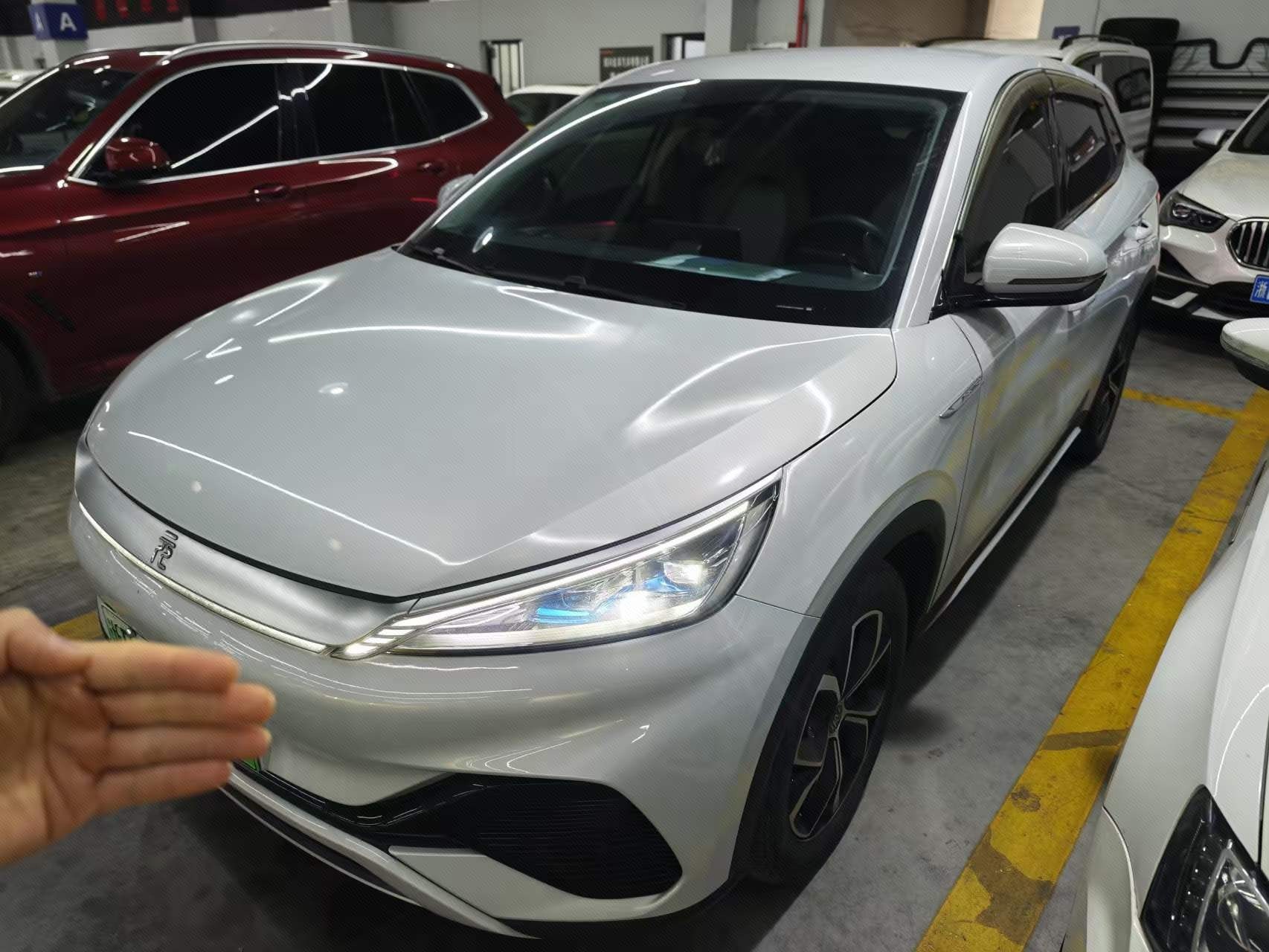
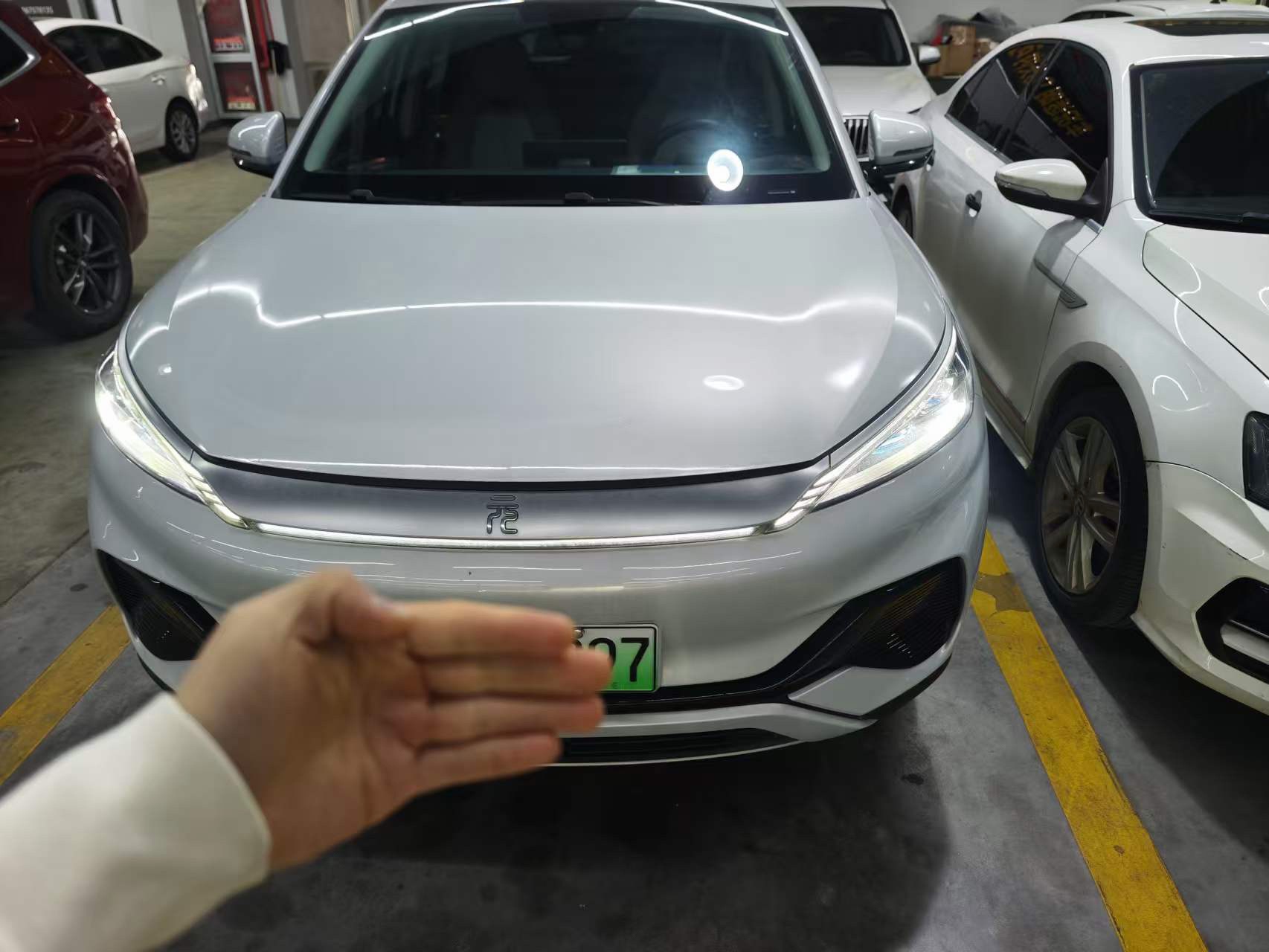
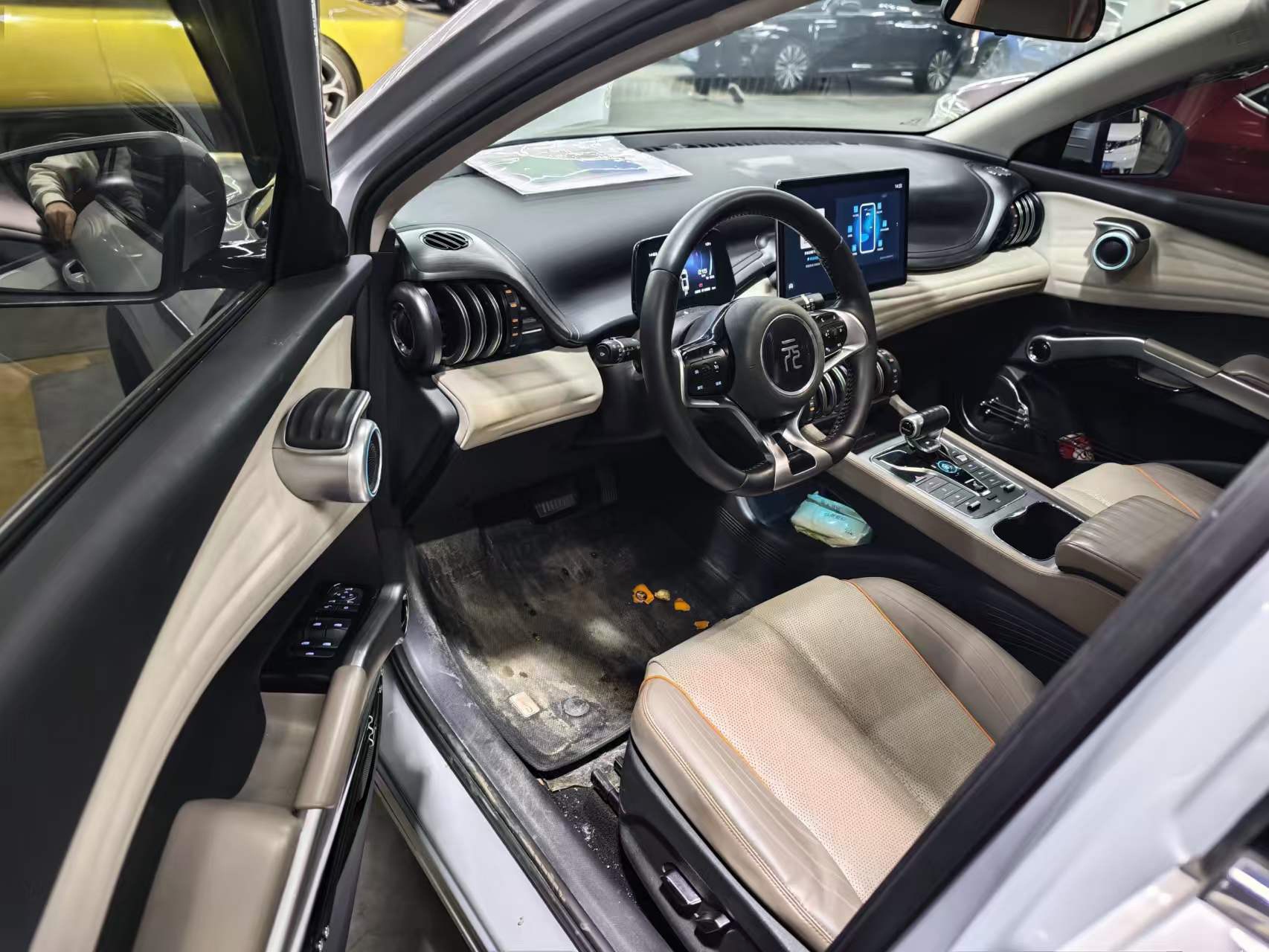
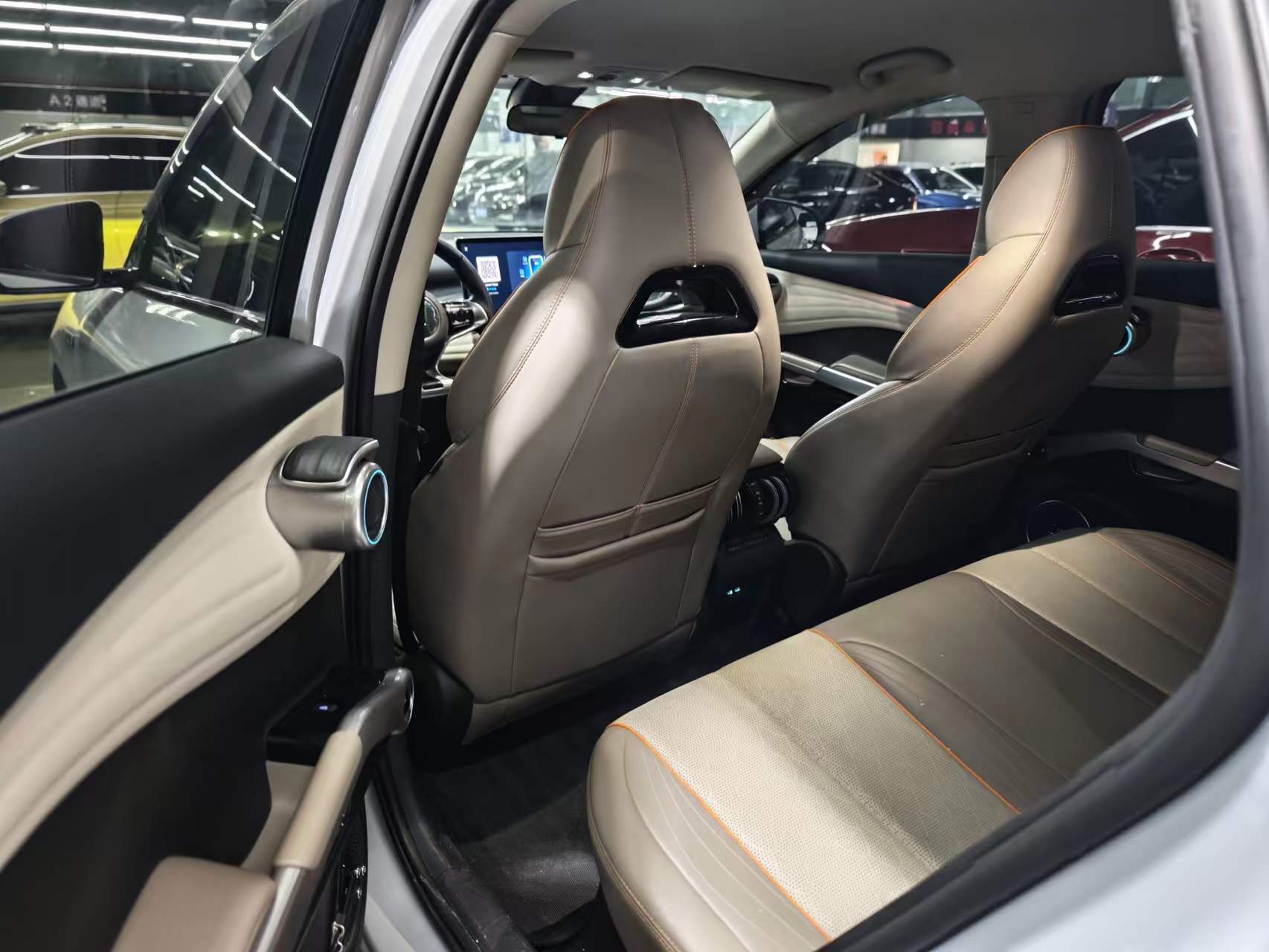
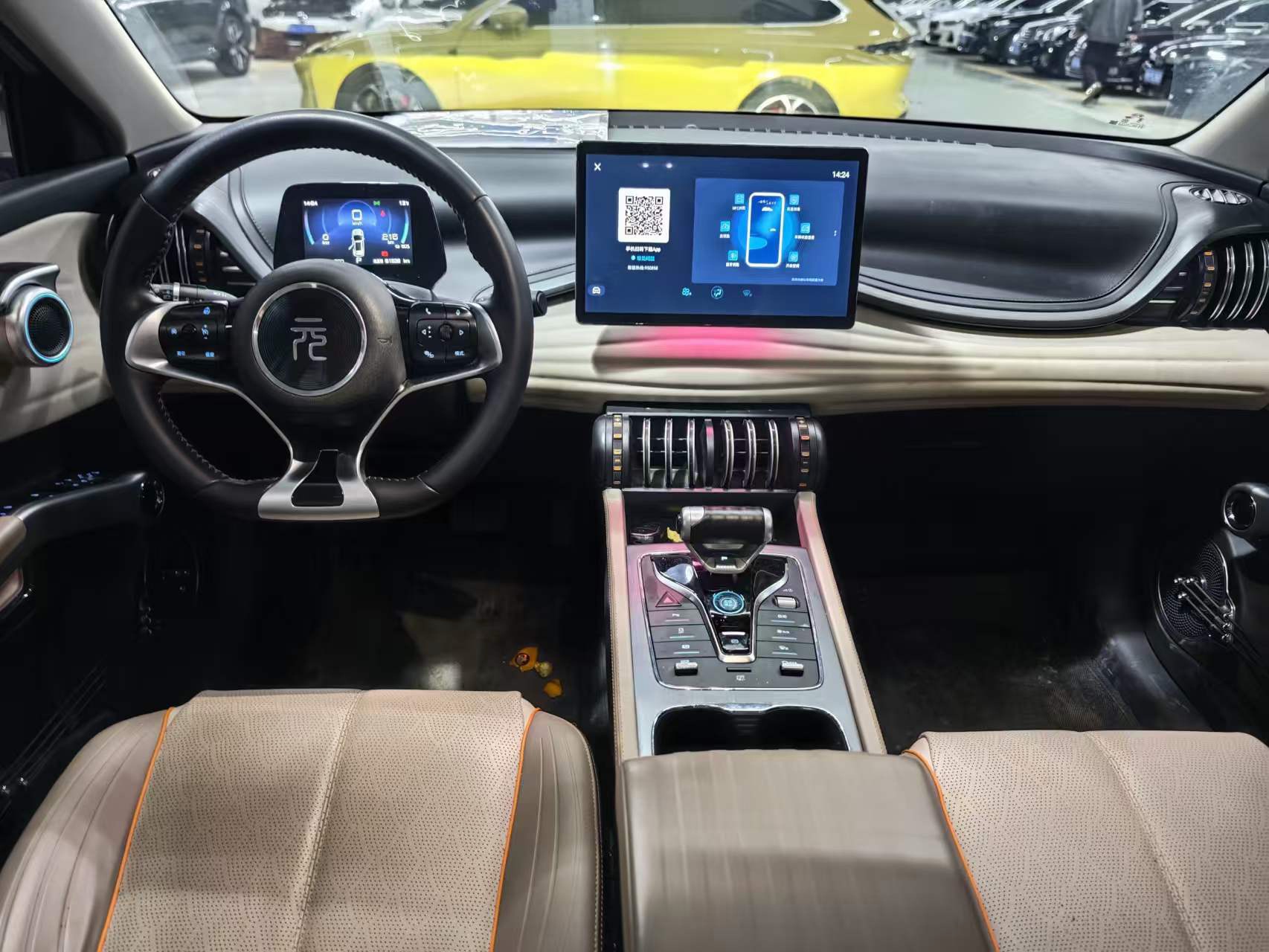
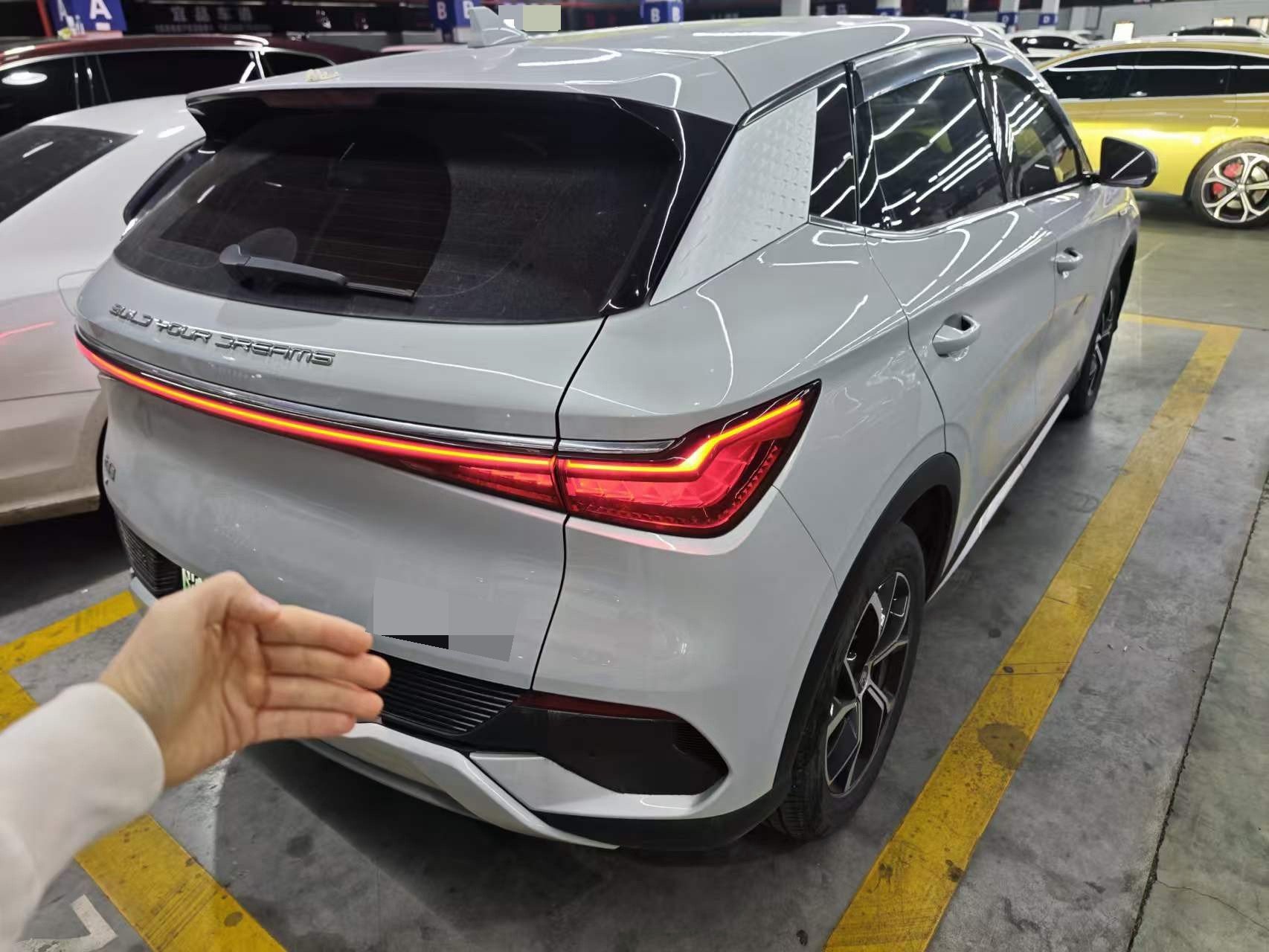
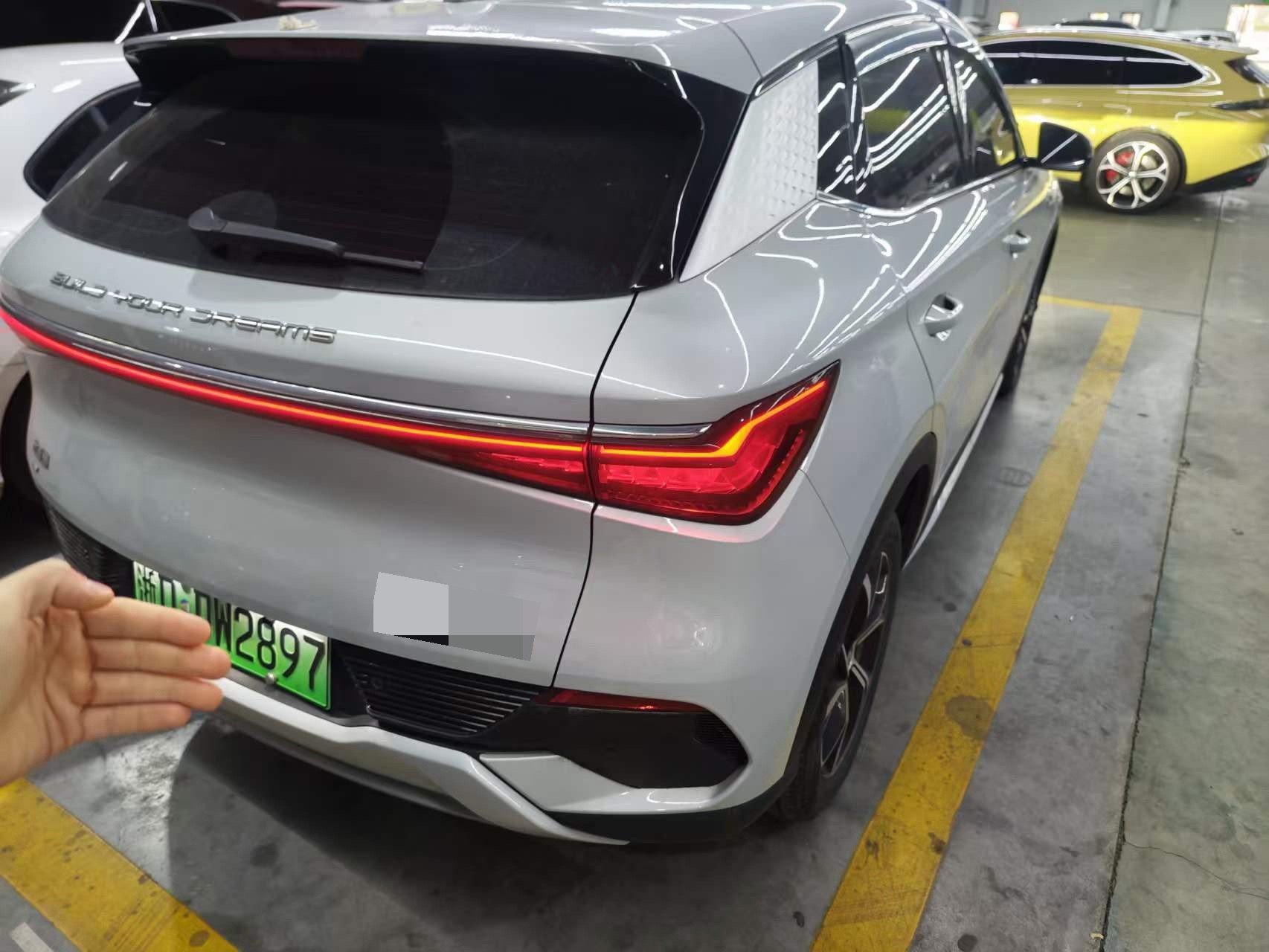
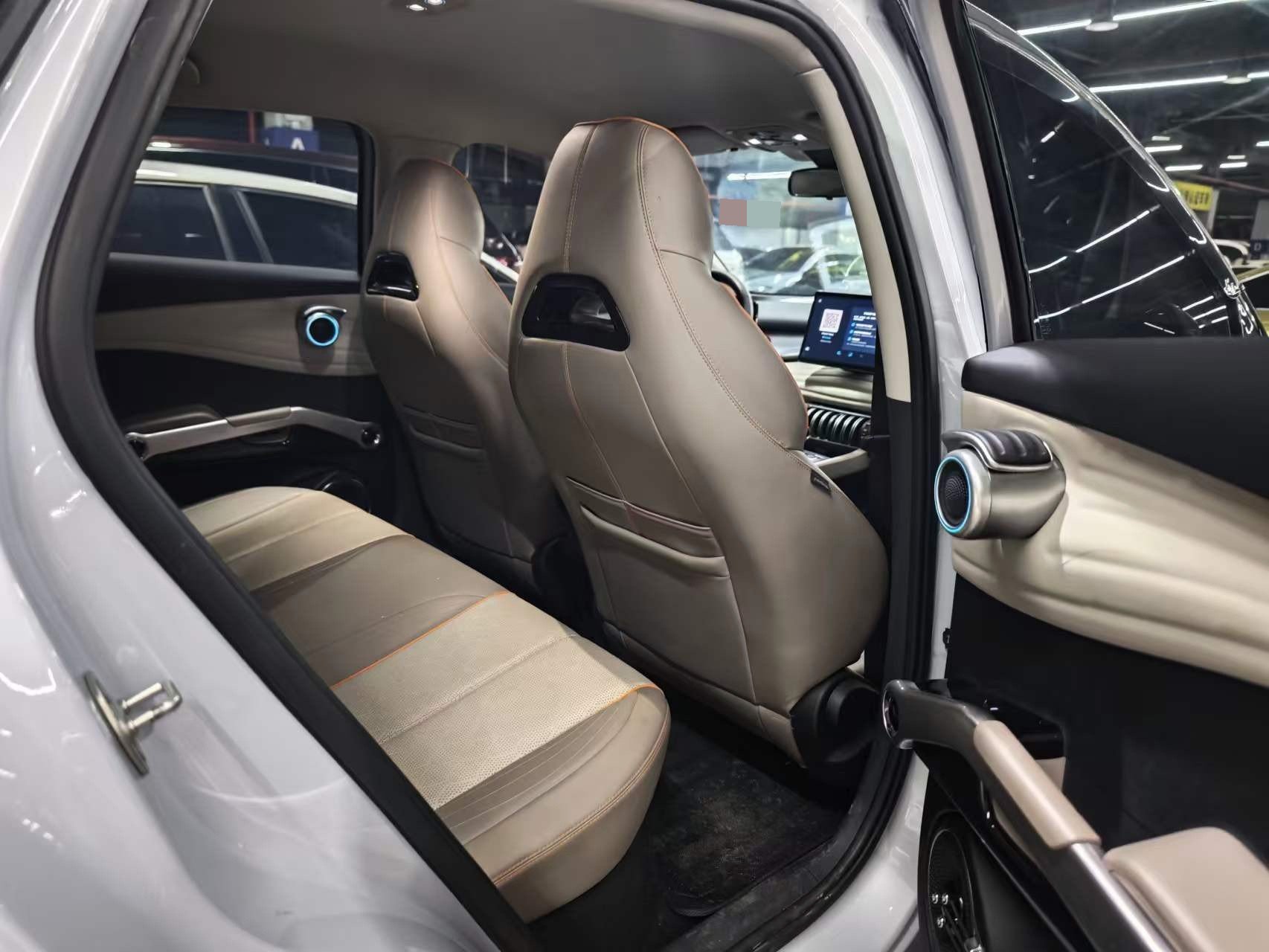
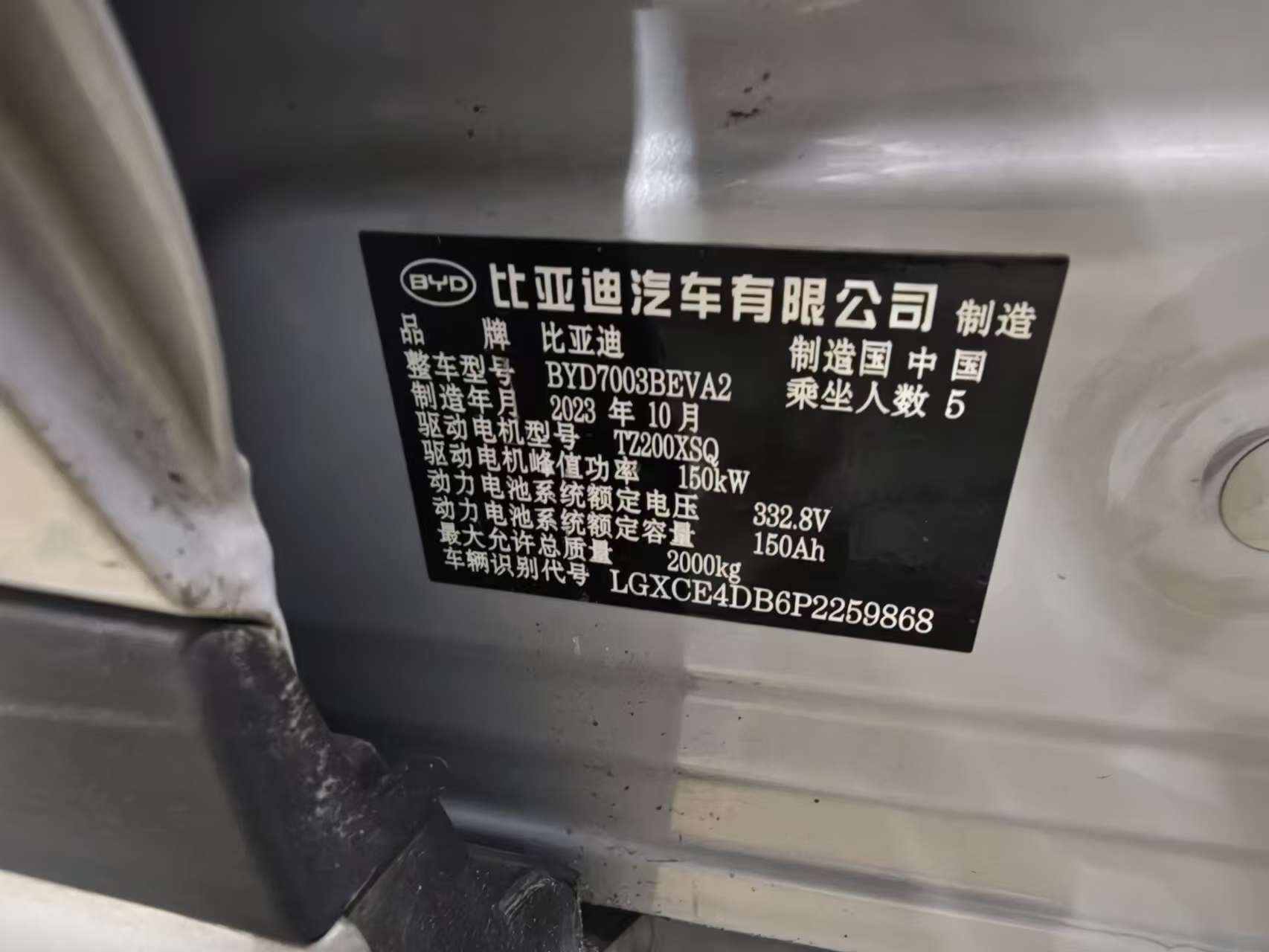




Basic Information

BrandBYD
SeriesYuan Plus
Year2023
First Registration2023/12
Mileage60,000km
Transfer Count0times
FuelElectric
TransmissionOther
Engine-
ColorBlue
Seats5seats

Condition Description

Right front fender and right front door repainted; left front door repainted; left front fender and hood replaced. Passed inspection.

Document Information

Inspection Expiry Date-
Warranty Expiry Date-
Insurance Expiry Date2026/12

Q&A

More

What's the difference between RoRo and container shipping when importing a used car from China?

RoRo (roll-on/roll-off) means your car is driven onto the vessel and secured on an open deck. It's usually the cheapest option and has frequent sailings from Chinese ports like Shanghai and Guangzhou. The downside: the car is exposed to sea air and handling, and you typically can't load spare parts inside the car. Container shipping puts the car in a 20ft or 40ft container. It costs more per car (a 40ft can fit 2-4 cars if you share with other buyers), but the car is sealed and protected, and you can pack spare parts, tools, or personal items inside. Container is the better choice for high-value cars, EVs with sensitive electronics, or harsh-route destinations. Practical tips: RoRo requires the car to be drivable and the battery disconnected per shipping rules; EVs often must ship at low state of charge. Either way, photograph the car at the port of loading and buy marine insurance. Transit time difference between the two modes is usually small - port congestion matters more than the mode itself.


Should I ship my used car from China in a container or by roll-on/roll-off (RORO)?

It depends on the car's value, type and destination. RORO means the car is driven onto the vessel and secured on deck or in the hull. It is usually cheaper per car and does not involve container packing fees. The downside: the car sits exposed to salt air for weeks, and RORO service is limited to ports with dedicated terminals. Container shipping (one 20ft or 40ft container per 1-2 cars) costs more but gives much better protection. It is strongly recommended for electric vehicles (battery safety regulations), luxury cars, and vehicles going on long voyages or rough sea routes. Practical tips: whichever method you choose, ask for the car to be shipped with a full battery charge disconnected at the terminals, tire pressures adjusted, and a condition report with photos signed at loading. For EVs, confirm the shipping line accepts used electric vehicles and what state-of-charge limits apply.

Will there be a thorough inspection of the aging and damaged wiring harness of older vehicles to prevent spontaneous combustion?

For older vehicles or those used in high temperature and humidity areas, we will focus on opening the hood to check if the insulation of the wiring harness in the high-temperature area of the engine compartment is cracked or brittle, to identify potential short circuit risks that could lead to spontaneous combustion.