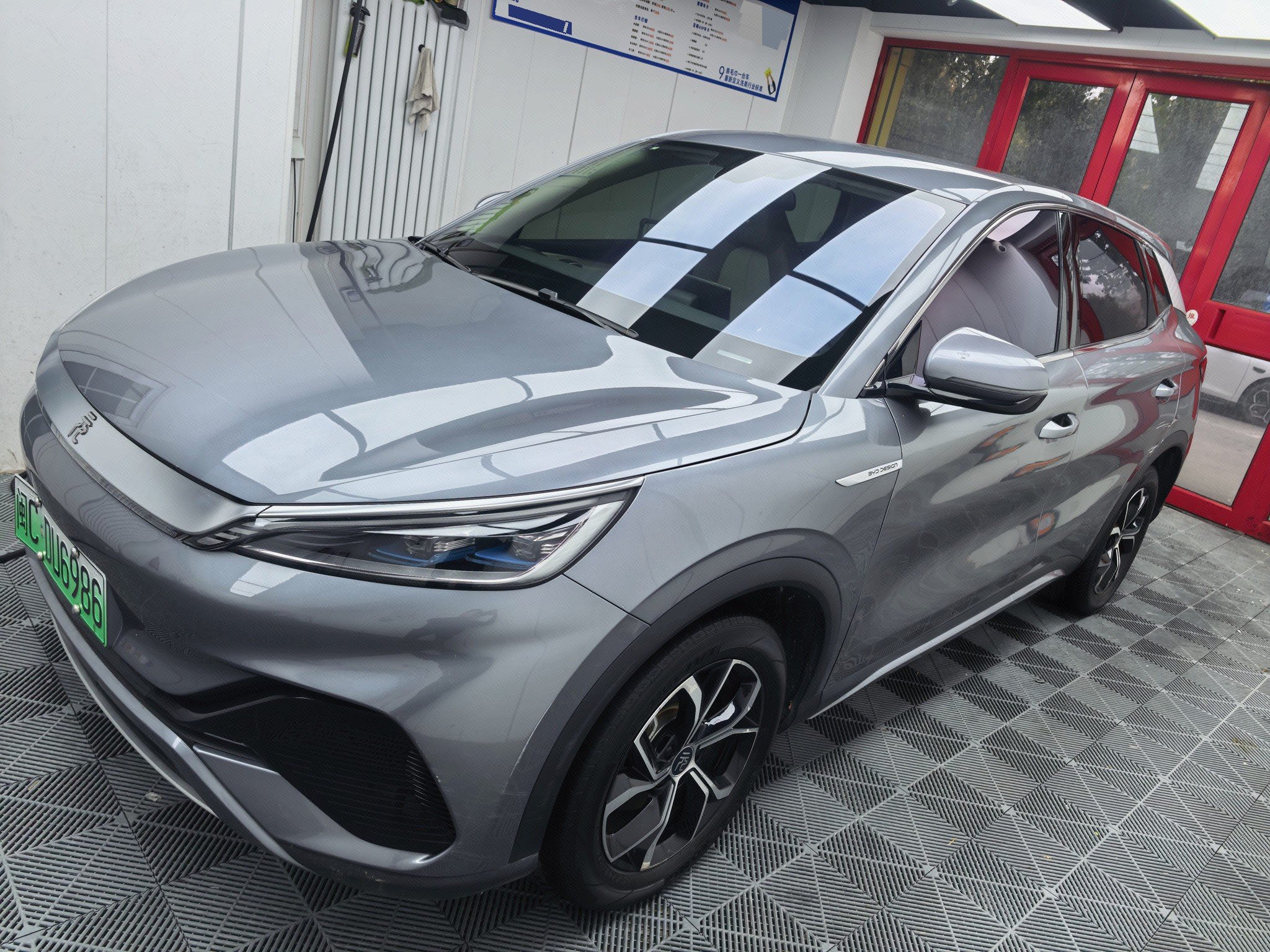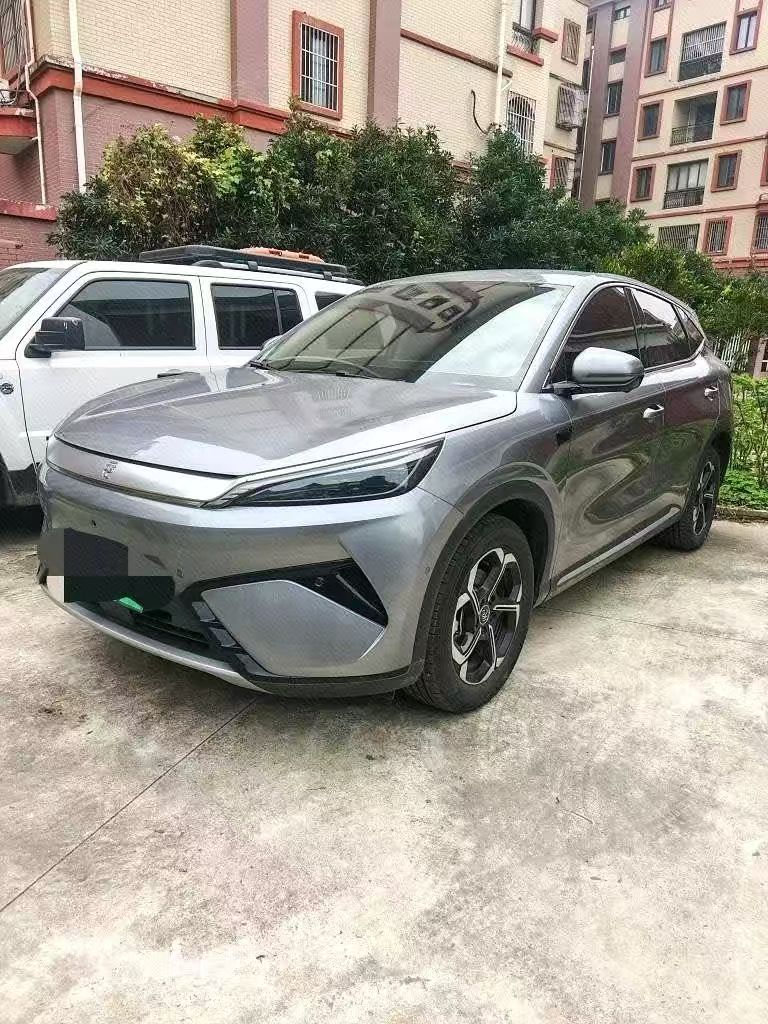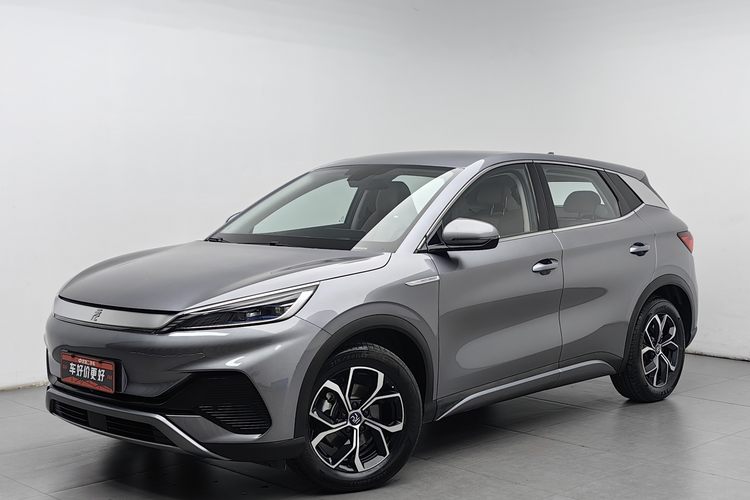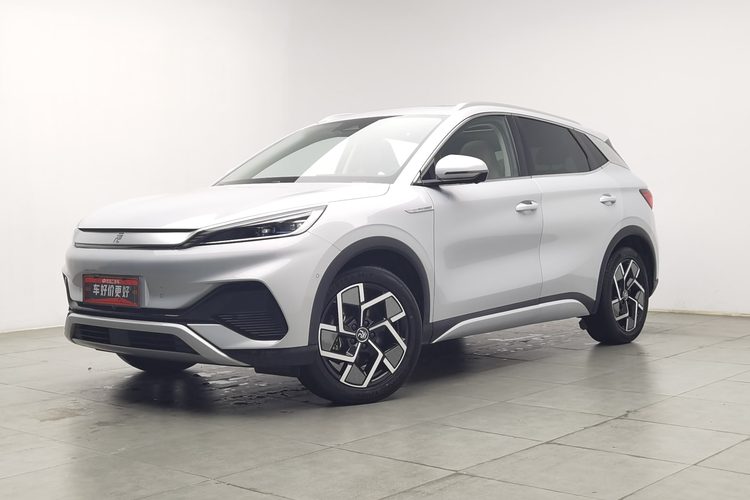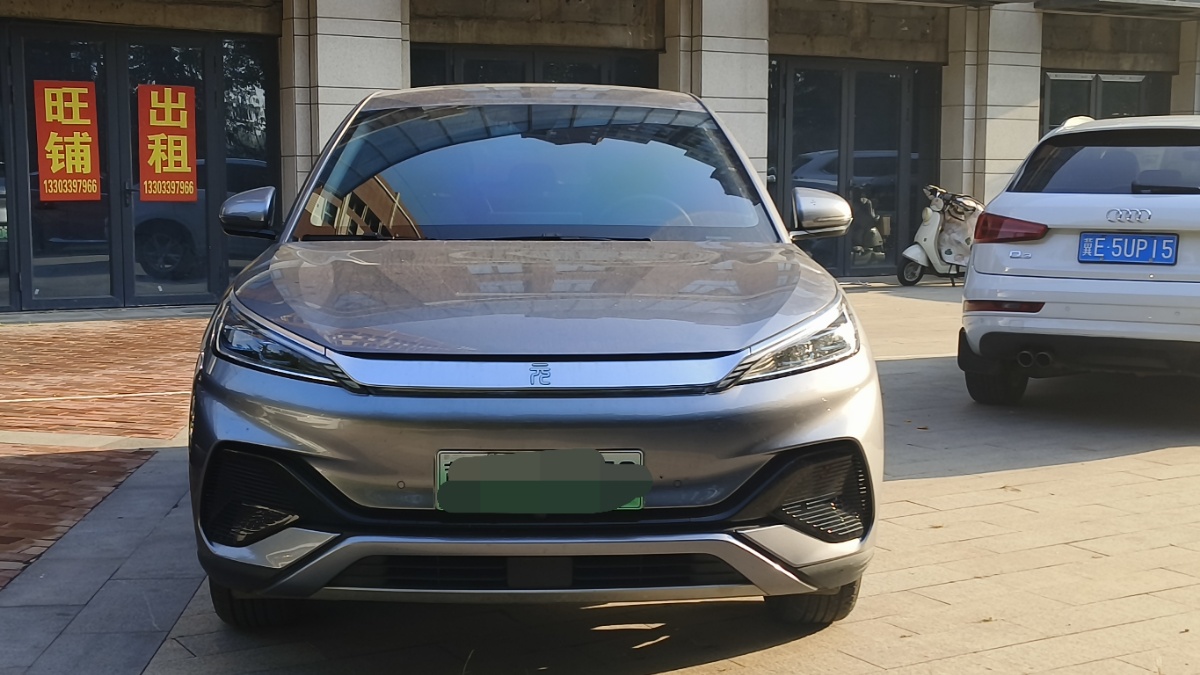
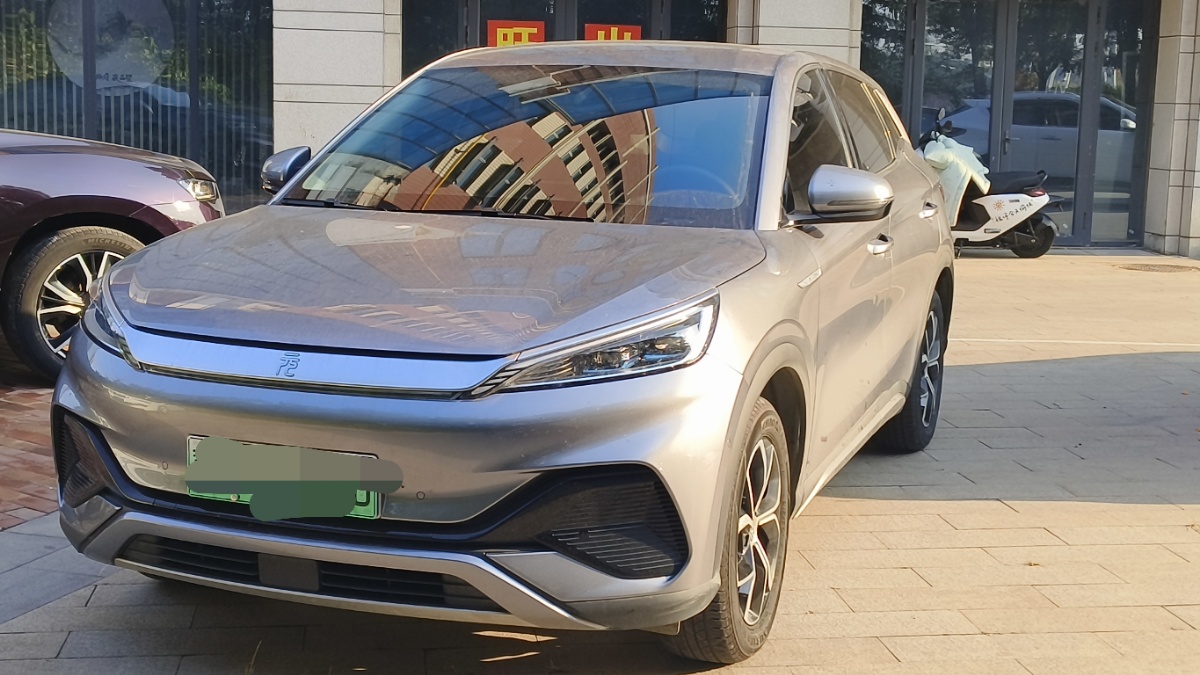
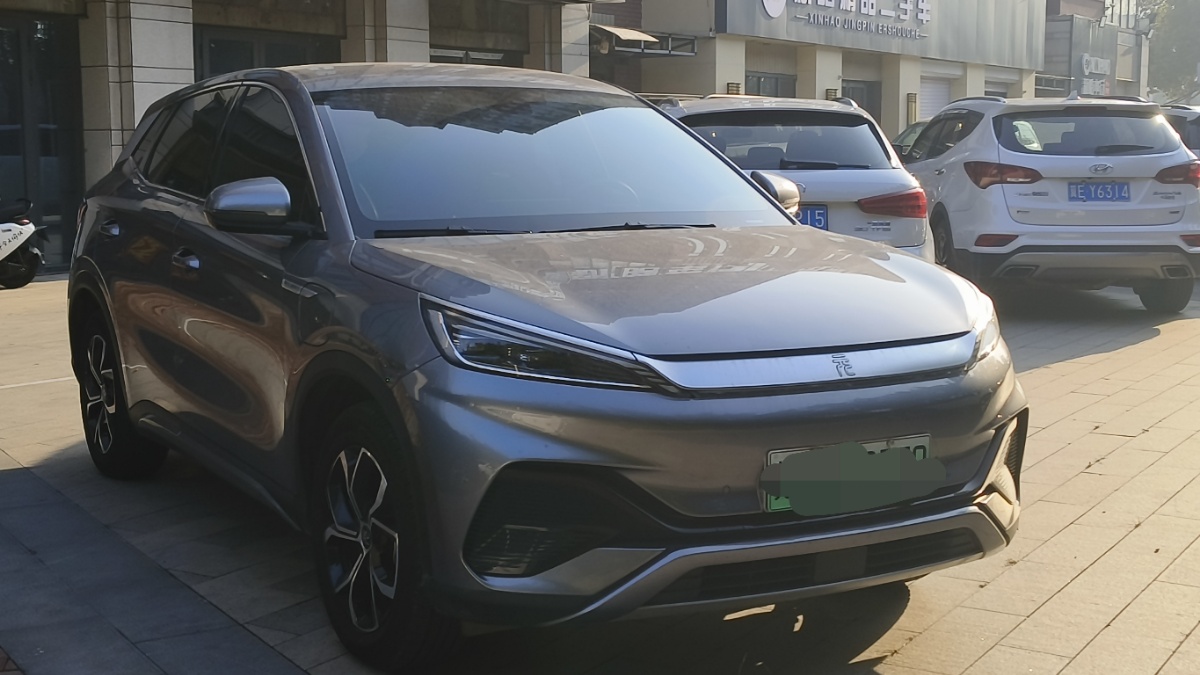
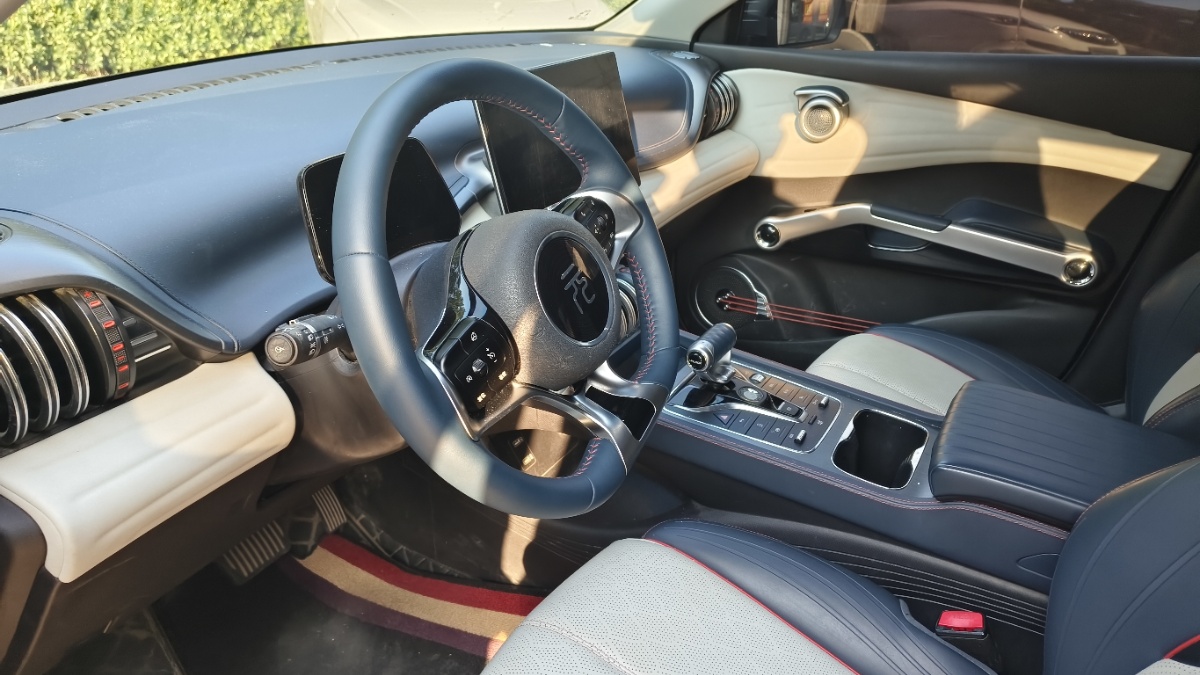
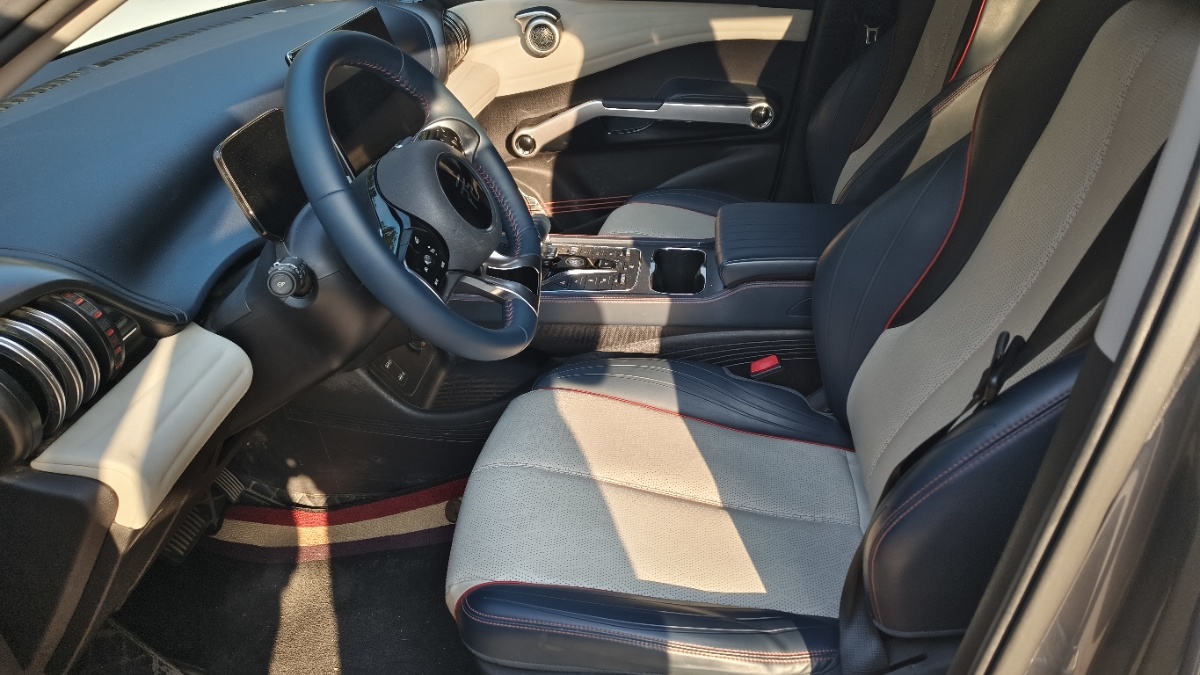
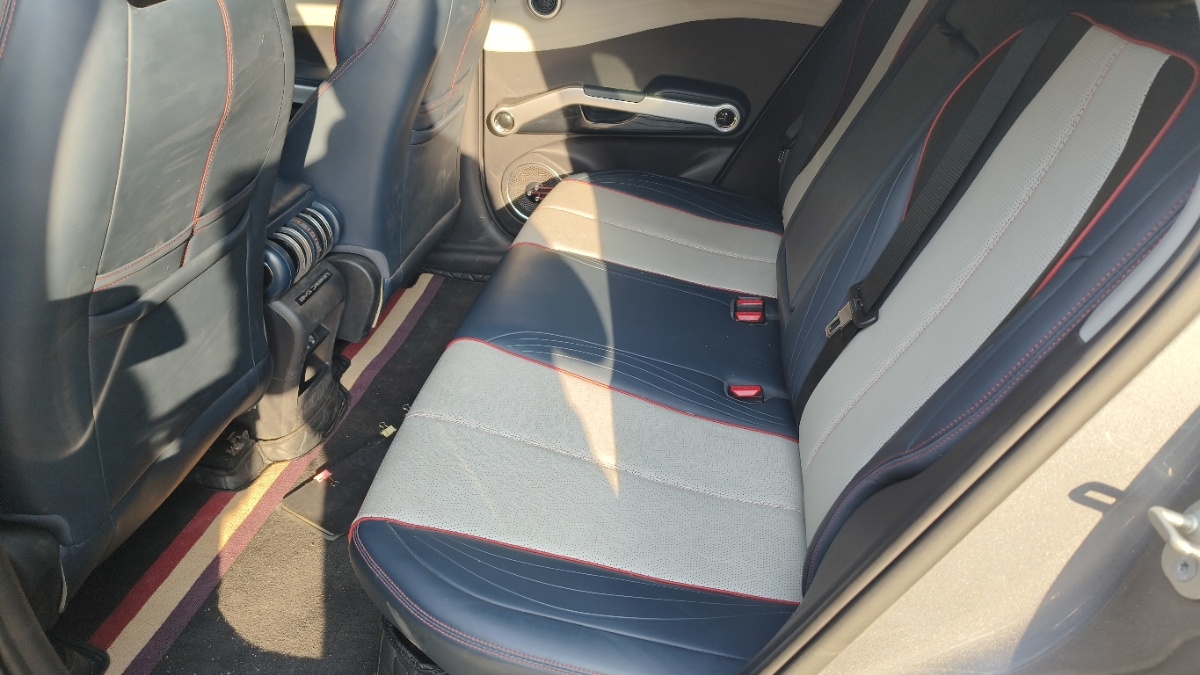
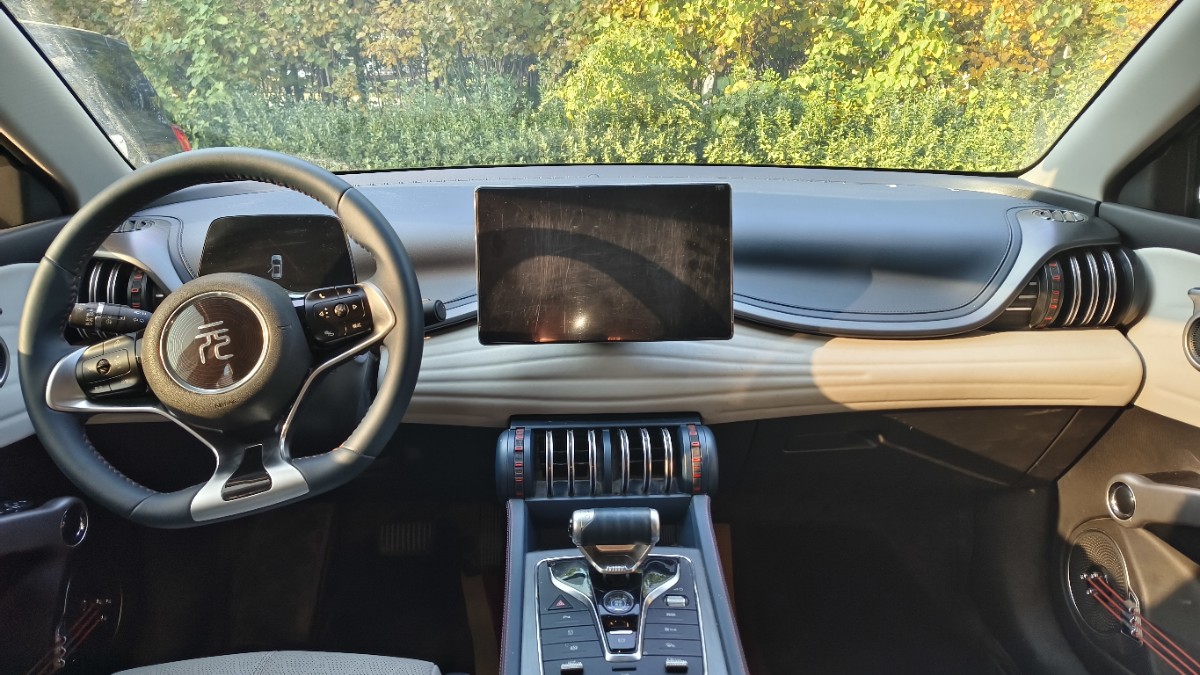
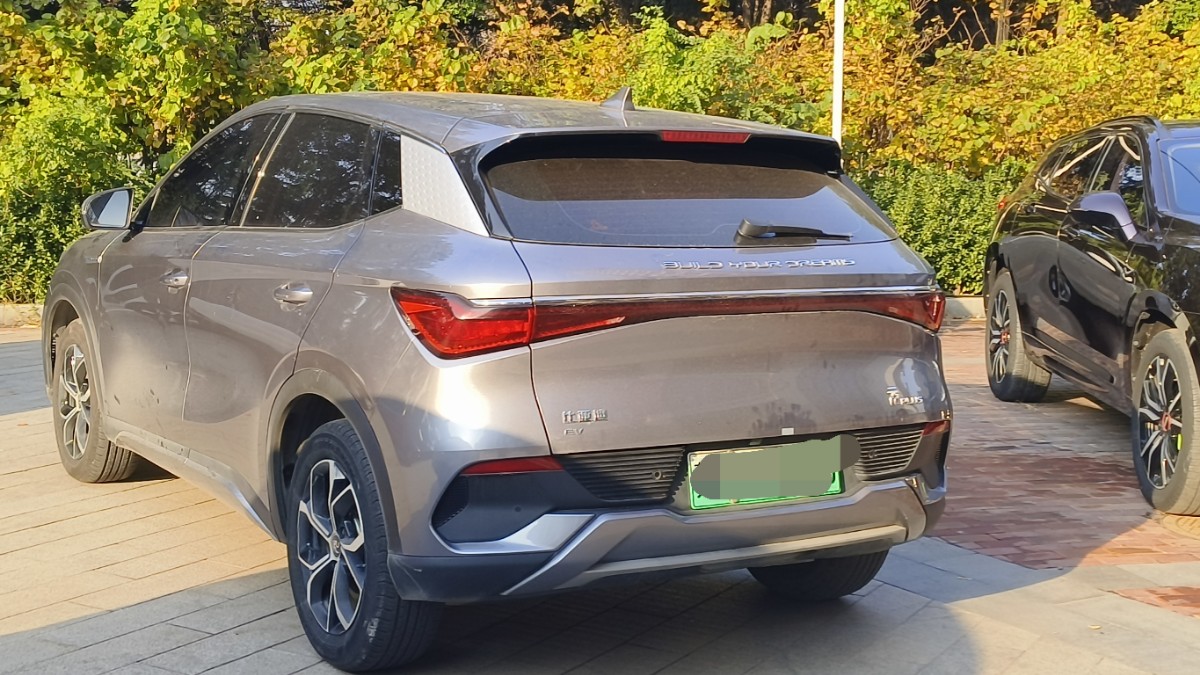



Basic Information

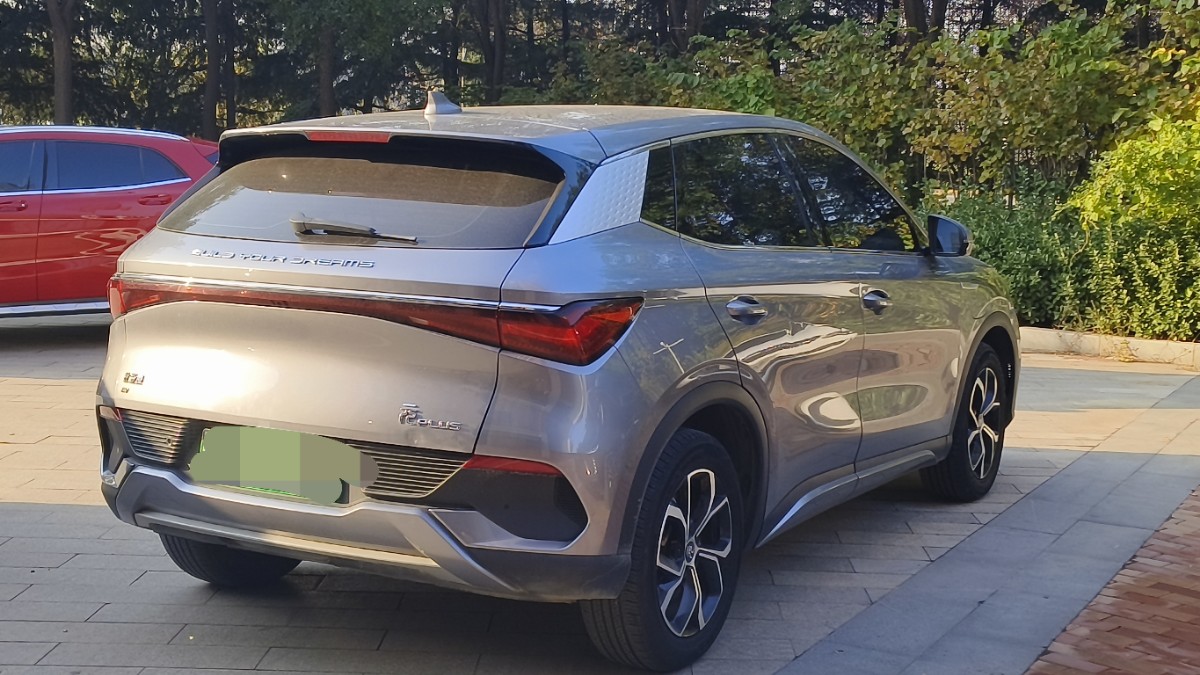
BrandBYD
SeriesYuan Plus
Year2023
First Registration2023/09
Mileage70,000km
Transfer Count1times
FuelOther
TransmissionOther
Engine-
ColorGrey
Seats-

Condition Description

Left front and left rear fenders repainted, front bumper replaced. Third-party inspection completed, grade S, report available. Battery health 92%. One owner, zero transfers.

新能源
SUV
自动
维保开放
事故开放
查验开放

Configuration Highlights

✓品牌: 比亚迪
✓车系: 元PLUS
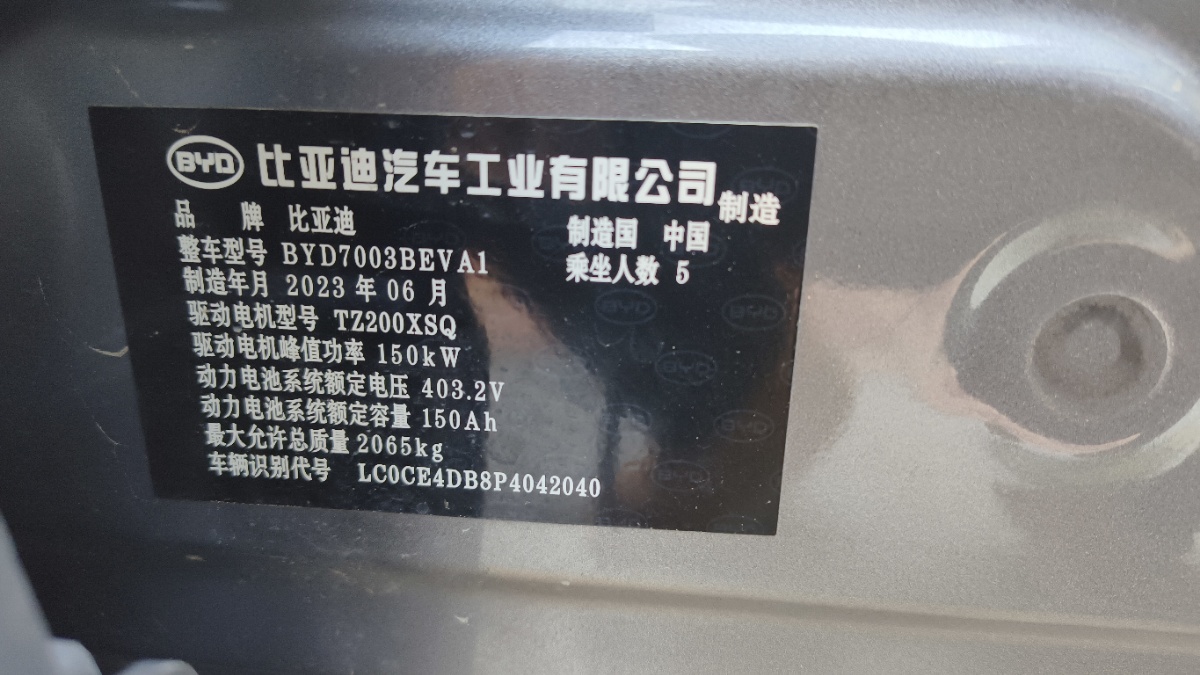
✓车型: 2023款 冠军版 510KM 领先型
✓车身类型: SUV
✓座位数: 5
✓排量: 0.0T
✓变速箱: 自动
✓能源类型: 新能源
✓VIN: LC0CE4DB8P4042040
✓搜索关键词: 比亚迪元PLUS 2023款元PLUS冠军版510KM领先型

Q&A

More

Which documents should I receive from a Chinese exporter before my used car ships, and how do I verify each one?

Before shipping you should hold: the sales contract and commercial invoice, the export declaration (customs form showing the VIN), the vehicle registration certificate, and the bill of lading or rail waybill once cargo is loaded. Verify them like this. The VIN on the invoice, the export declaration, and the waybill must be identical, character for character. The registration certificate should show a clear ownership chain with the seller as the current owner; ask for a scan before payment. The export declaration proves the car legally left China and is essential for customs clearance at destination. If the exporter cannot provide the registration certificate or hesitates on the VIN check, pause the deal. Also confirm who handles the document courier: originals should arrive before or with the vessel, because many ports will not release a car without original bills of lading.


How do I check the battery health (SOH) of a used Chinese EV before buying?

Battery condition is the single biggest value factor in a used EV, and it can be measured — do not accept a verbal "battery is fine" without data. First, ask for a battery health certificate: brands like BYD, NIO, XPeng and Li Auto can generate an official state-of-health report from the VIN, usually within minutes at a dealer or via the brand's app. Look for SOH above 85% for a car under five years old. Second, request a charge-and-discharge test during inspection: the displayed range at 100% charge compared with the original rated range gives a practical health estimate. Third, check battery warranty status. Most Chinese brands offer 8 years or 150,000–200,000 km on the battery pack, and the remaining warranty usually transfers with the car — get this in writing. Fourth, for cars heading to hot climates, confirm the battery cooling system works; overheating is a common killer of battery life. Add a minimum SOH guarantee to your purchase contract so you have recourse if the battery underperforms.

Why are the shipping costs for used electric vehicles (EVs) usually higher than for internal combustion engine vehicles (ICEs)?

Pure electric vehicles are classified as Class 9 Dangerous Goods due to their large lithium batteries, leading to strict shipping regulations. Shipping companies have high requirements for the loading position and fire isolation measures for dangerous goods, and some roll-on/roll-off ships refuse to accept used EVs. As a result, EVs often require more expensive special container shipping and incur additional handling fees for hazardous materials.