


Sold

Basic Information

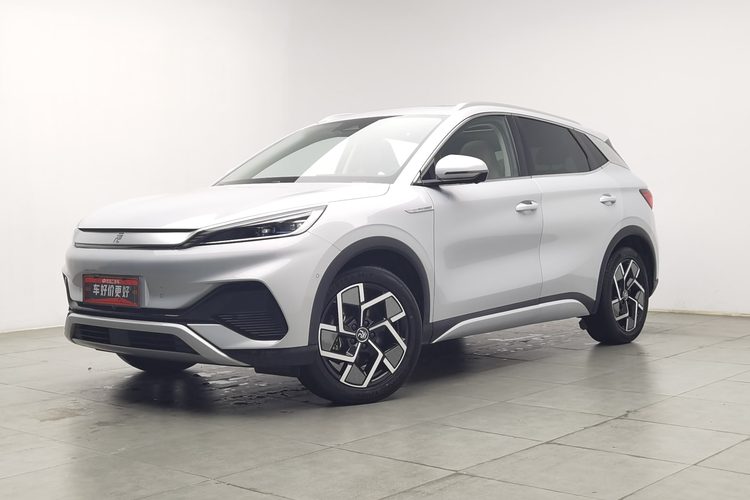
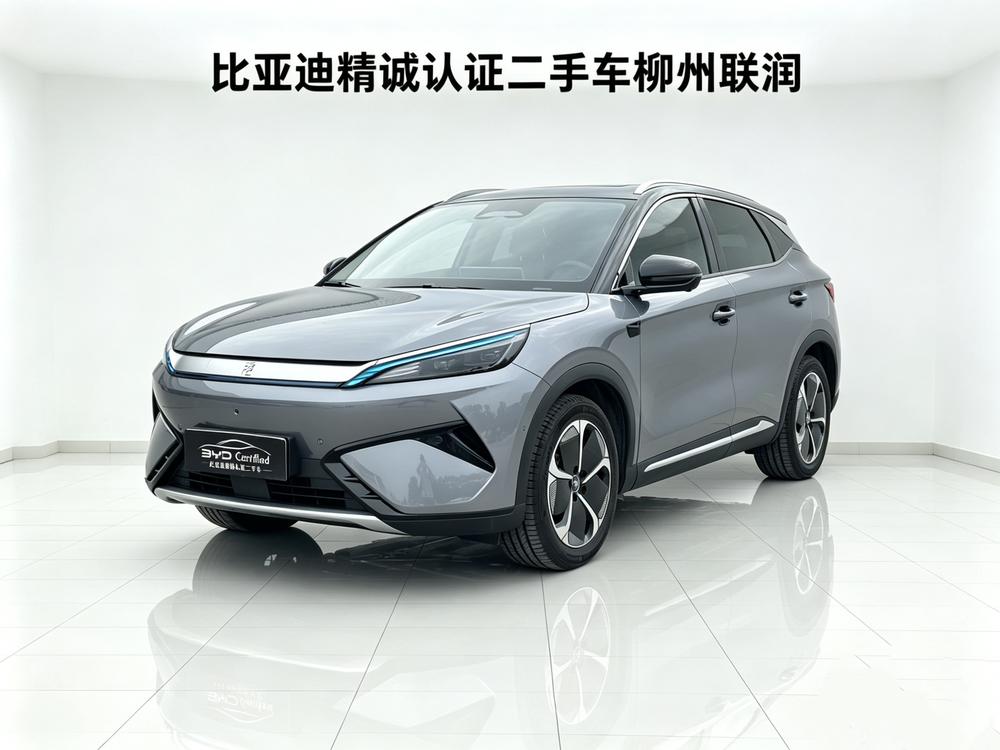
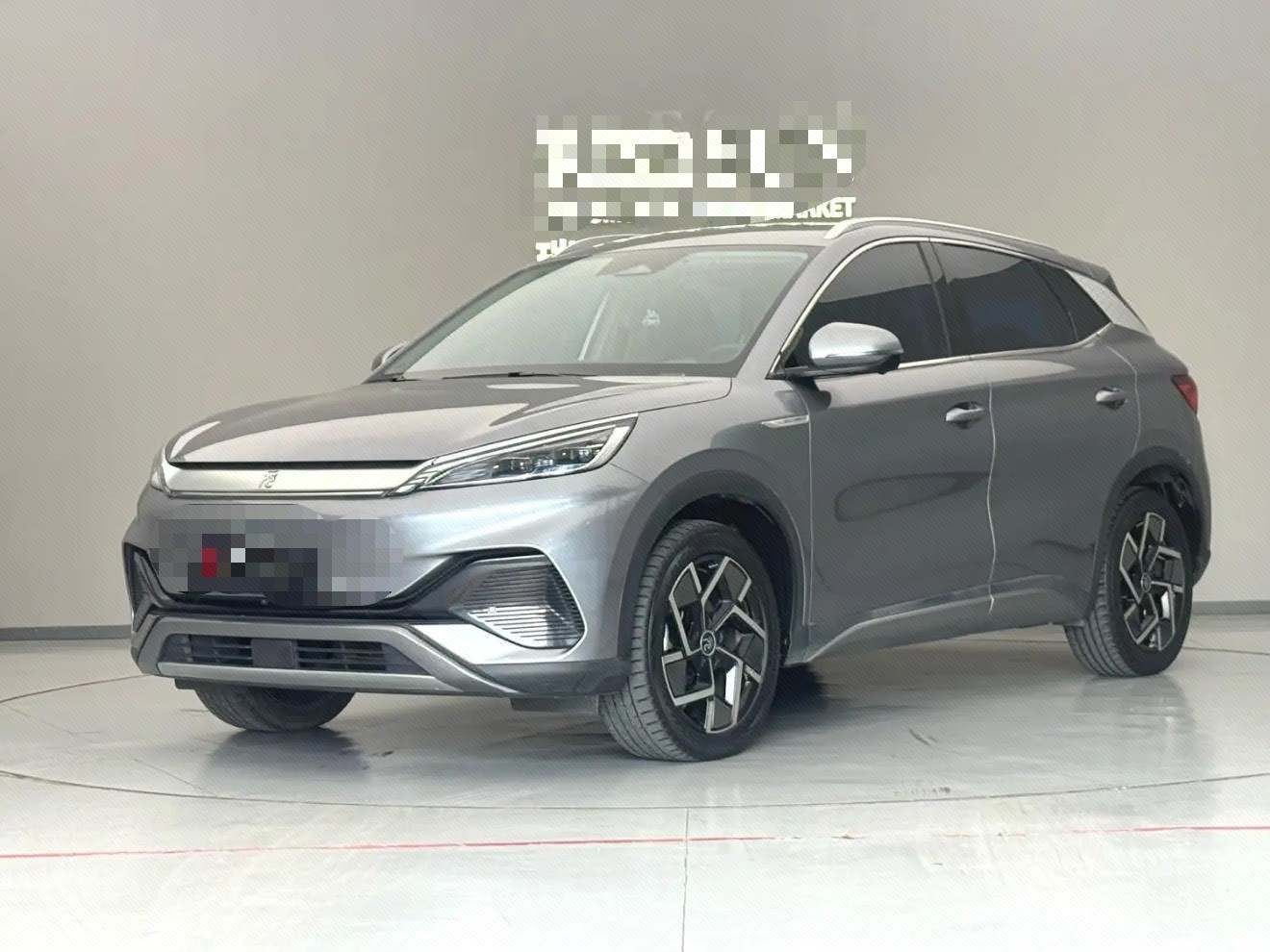
BrandBYD
SeriesYuan Plus
Year2023
First Registration2023/01
Mileage120,000km
Transfer Count0times
FuelOther
TransmissionOther
Engine-
ColorGrey
Seats-

Condition Description

Original paint, one owner, actual mileage 120,000 km, third-party inspection completed, all fees in order.

Document Information

Inspection Expiry Date-
Warranty Expiry Date-
Insurance Expiry Date2027/01

Q&A

More

What is a Certificate of Origin and why do I need one when importing a car from China?

A Certificate of Origin (C/O) is an official document stating where the vehicle was manufactured. Customs authorities use it to decide which tariff rates and trade agreements apply to your import. Why it matters: many countries offer preferential tariffs for certain origins. With a valid C/O, such as the ASEAN-China Form E or a GSP Form A, you may pay reduced or zero duty. Without it, you typically pay the standard, higher rate. The certificate must match the vehicle exactly: VIN, make, model and invoice details. It is usually issued by the China Council for the Promotion of International Trade (CCPIT) or customs authorities. Practical tips: request the C/O before shipment, because adding it later is slow; check that your country's customs accepts the specific C/O format; and confirm with your broker whether your vehicle category qualifies for preferential rates. This single document can save you thousands in duty.


Which Chinese ports are best for exporting used cars, and how do I choose the right one for my destination?

The main export hubs are Shanghai, Guangzhou/Shenzhen, Qingdao, Tianjin, and Ningbo. Shanghai has the most RoRo and container sailings to Europe, Africa, and the Americas. Southern China (Guangzhou/Shenzhen) is best for Southeast Asia and Oceania. Qingdao and Tianjin serve Korea, Japan, and northern routes efficiently. Choose based on three factors: sailing frequency to your port (weekly is ideal), total inland logistics cost from the car's location to the port, and whether your exporter has used-car export qualification at that port—some only operate from one or two ports. Also confirm the terminal handles used-car export declarations, since not every port processes them. Your exporter should recommend the optimal port-to-port combination with a written quote breakdown.

When buying a used Chinese EV, how do I read the battery health (SOH) report, and what percentage is still acceptable for import?

State of Health (SOH) tells you how much of the original battery capacity remains. Here's how to use it. Reading the report: SOH is usually shown as a percentage of original capacity. A car at 90% SOH retains roughly 90% of its original range. Also check for cell imbalance (voltage spread between modules)—a low SOH with balanced cells is often fine, but high imbalance causes sudden range drops and charging problems. Acceptable thresholds: for a car under 3 years old, expect 90%+ SOH. For 3-5 years, 85-90% is normal. Below 80% SOH, the battery may soon need replacement—replacement costs can exceed the car's value, so negotiate hard or walk away. How to verify: don't trust a screenshot. Ask for a live screen recording of the diagnostic app (like the brand's official tool) starting from the car's VIN page. Cross-check the fast-charging curve: a healthy battery charges at near-peak rate up to 60-70%; a degraded one tapers early. Finally, remember that hot climates degrade batteries faster—if the car spent its life in southern China, scrutinize SOH more carefully.