


24H

Basic Information

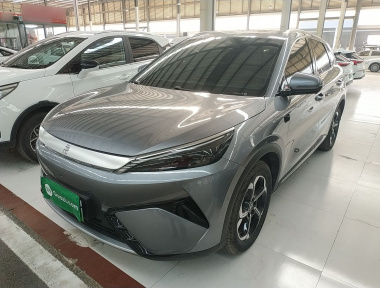
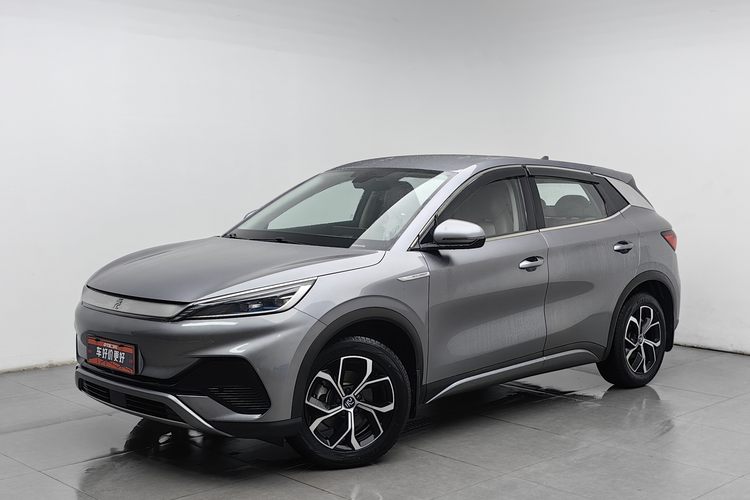
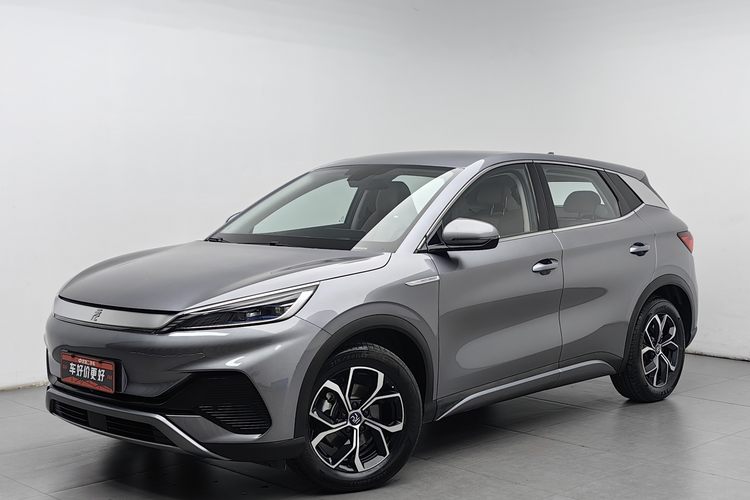
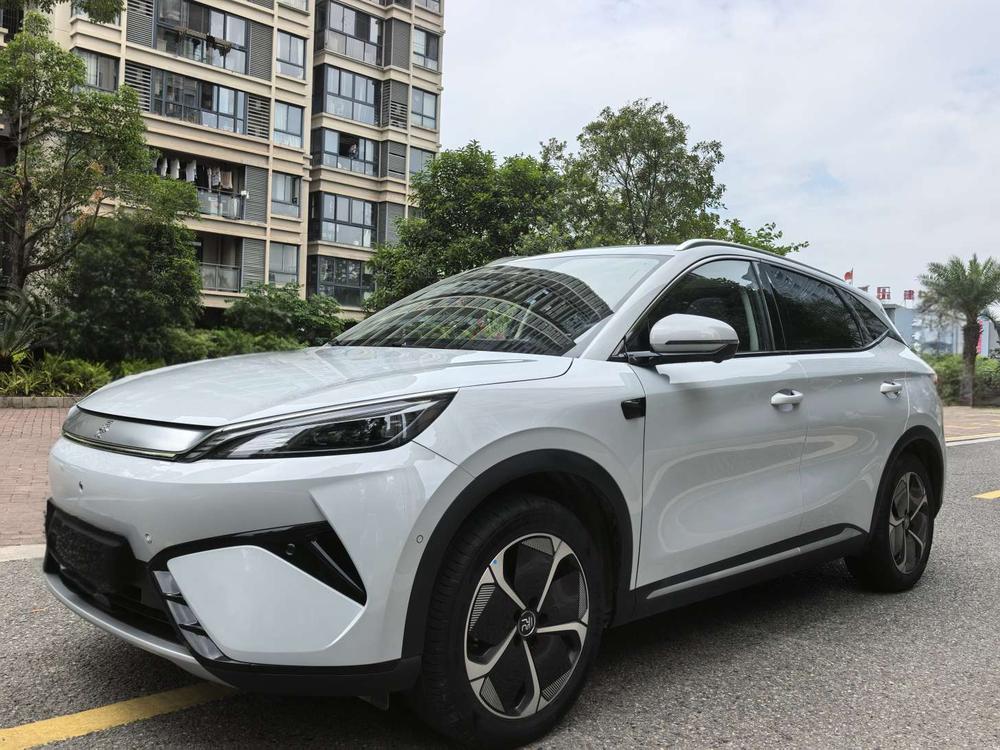
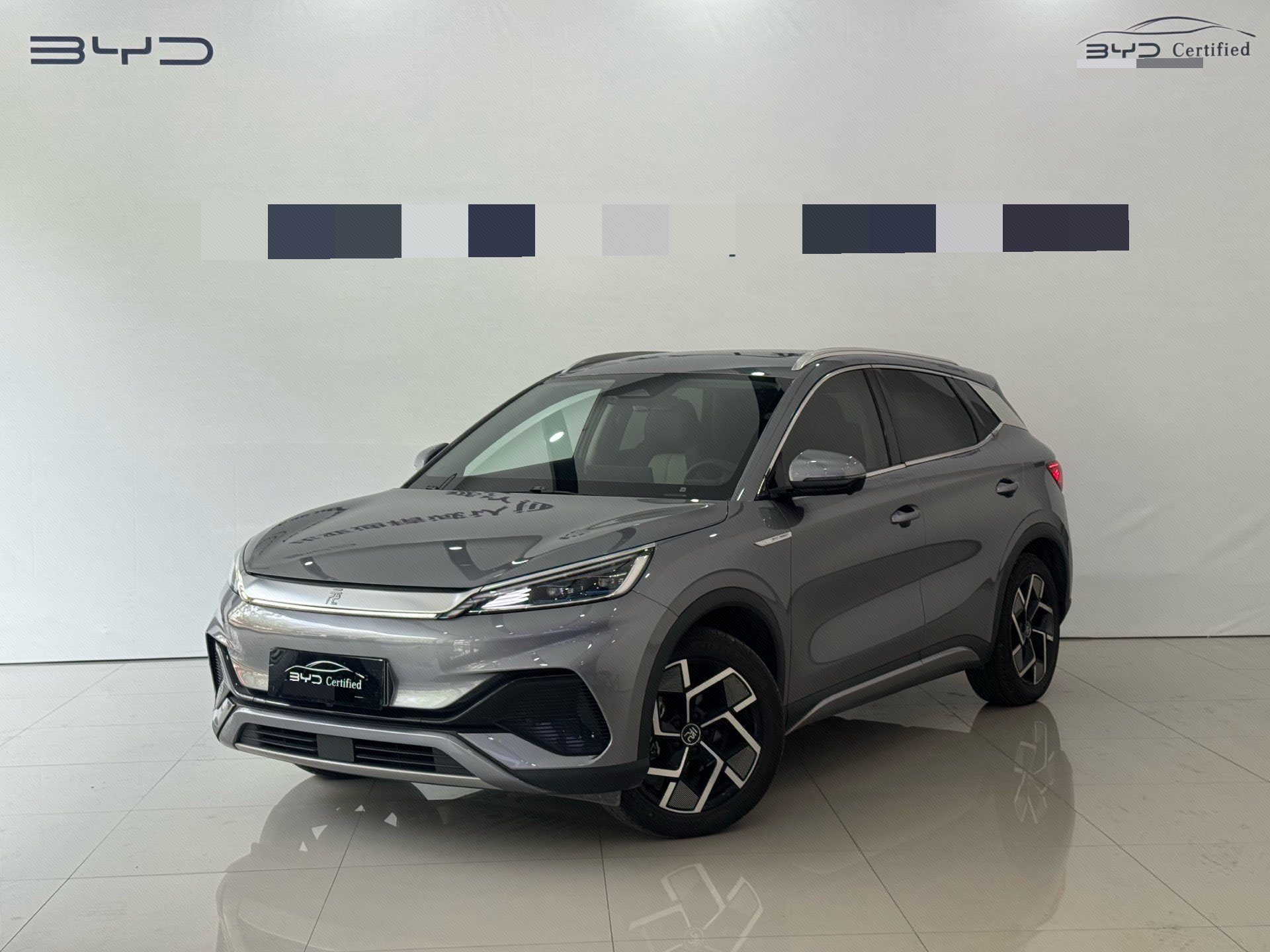
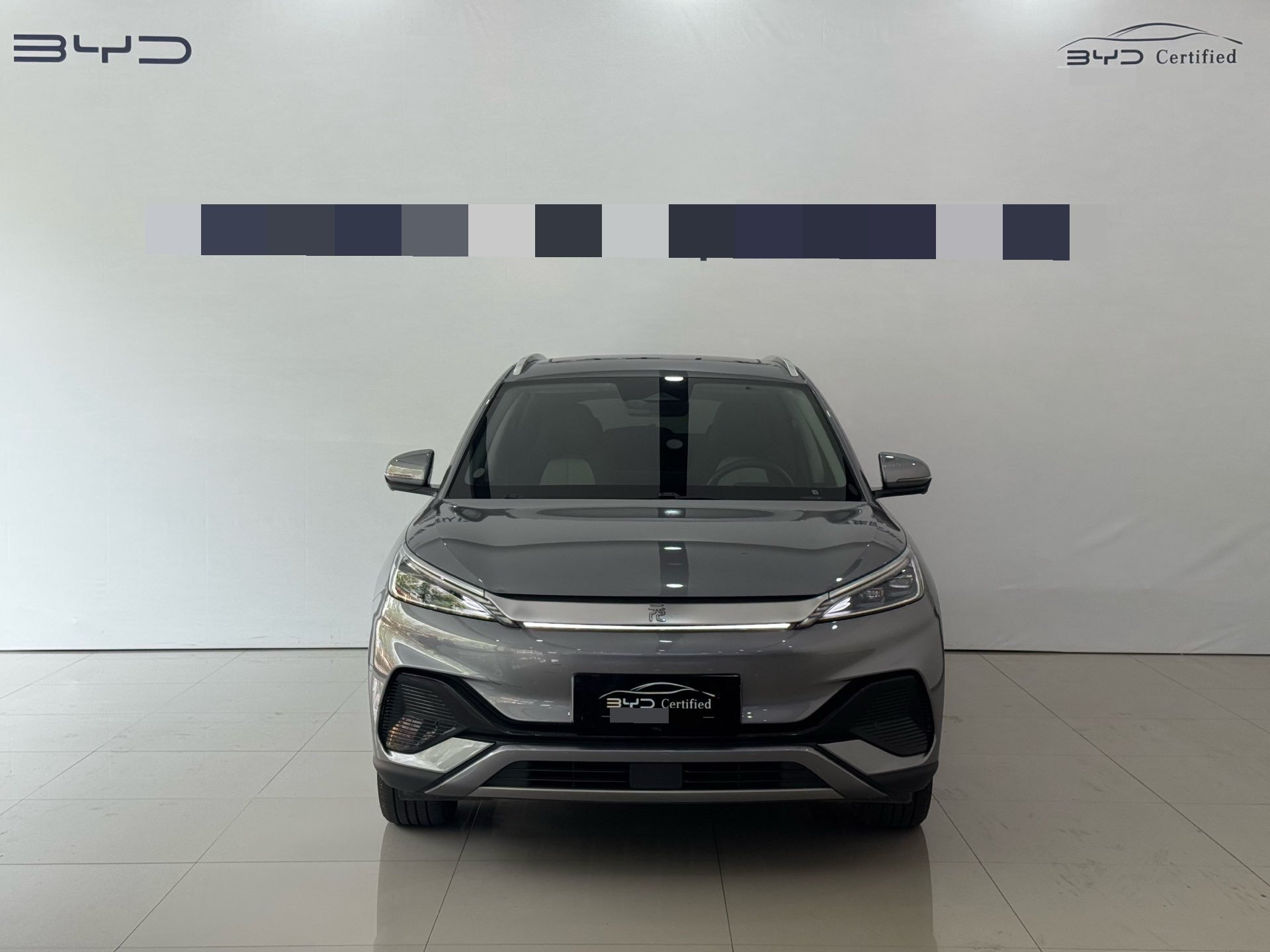
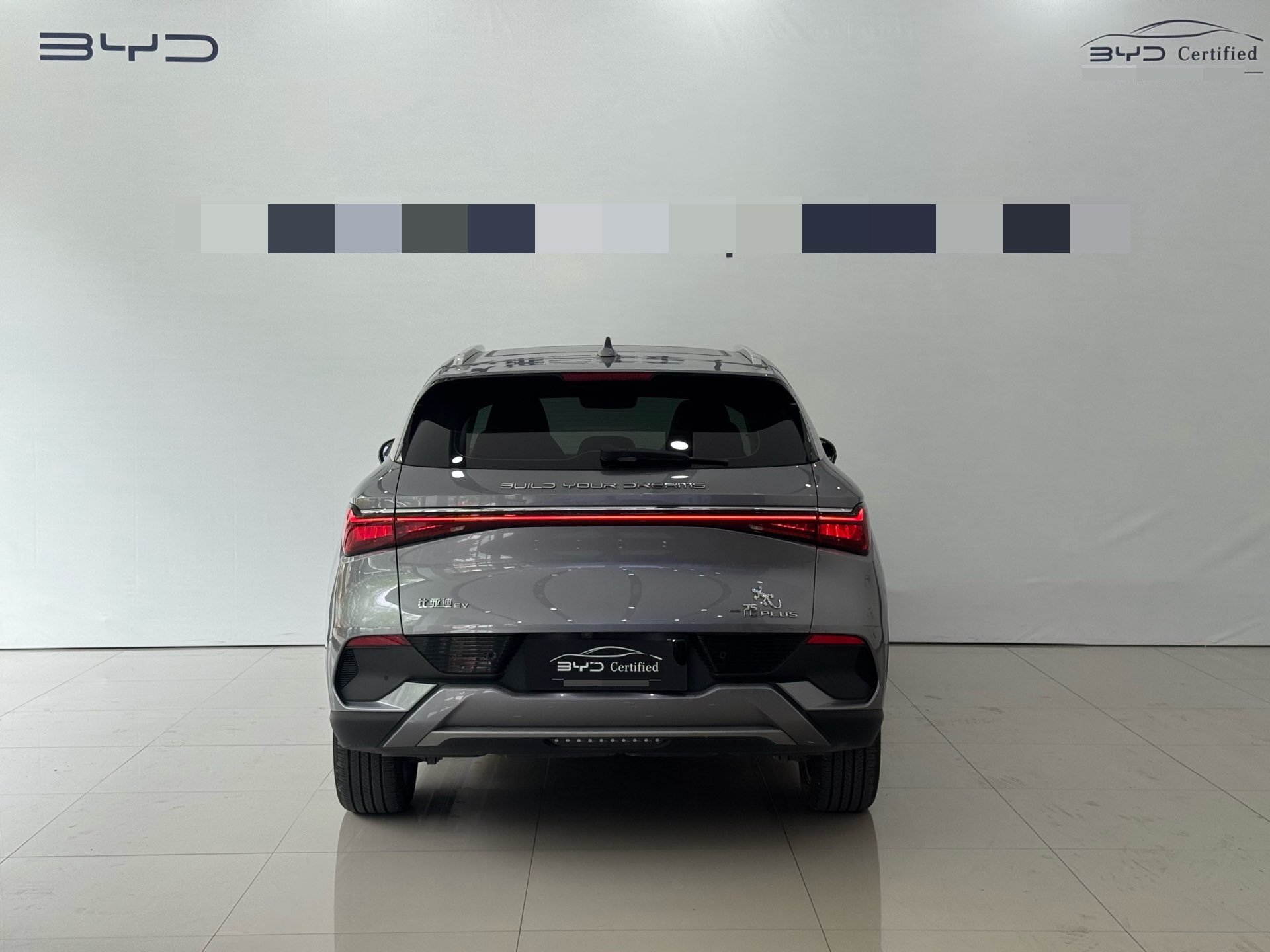
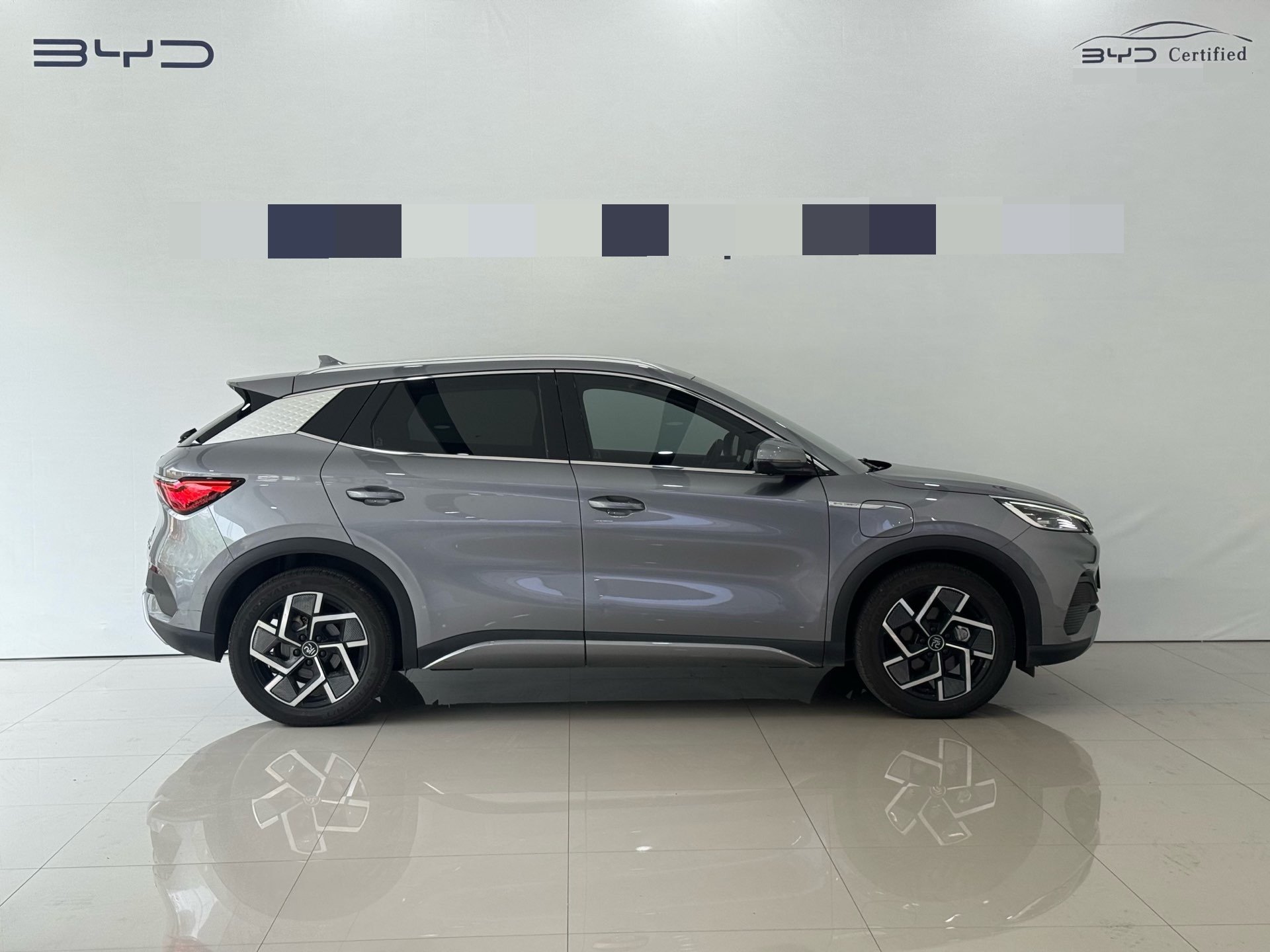
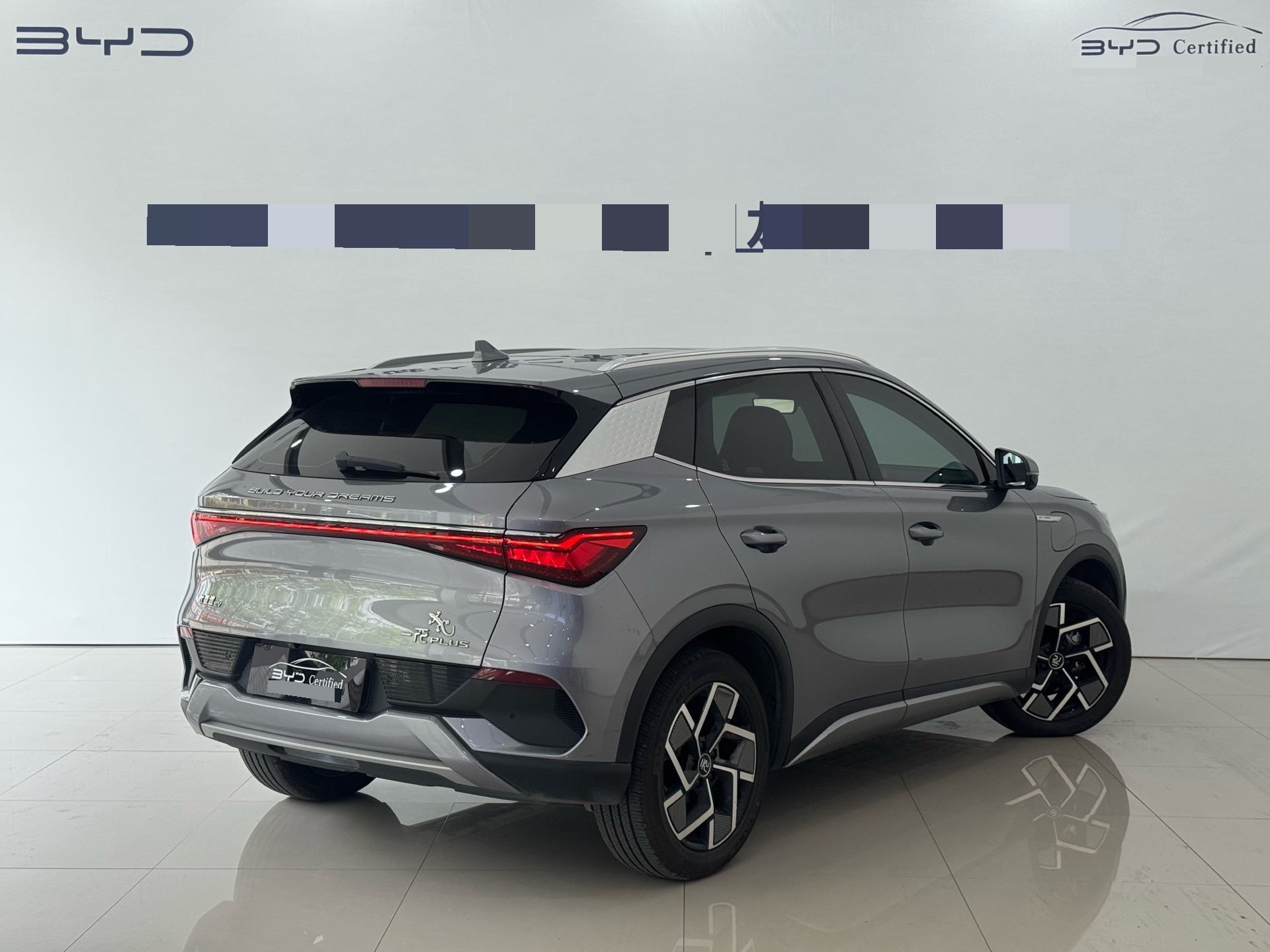
BrandBYD
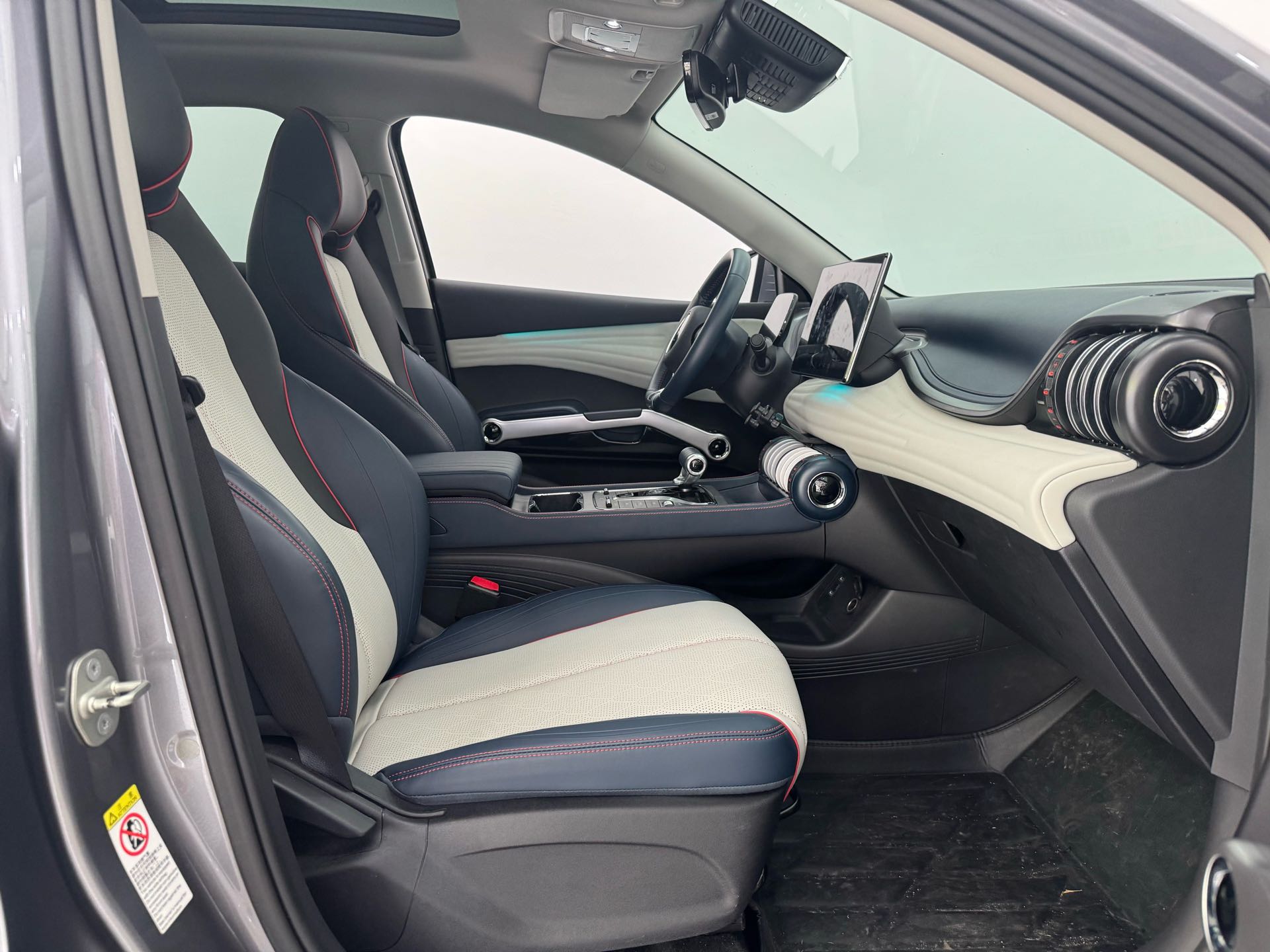
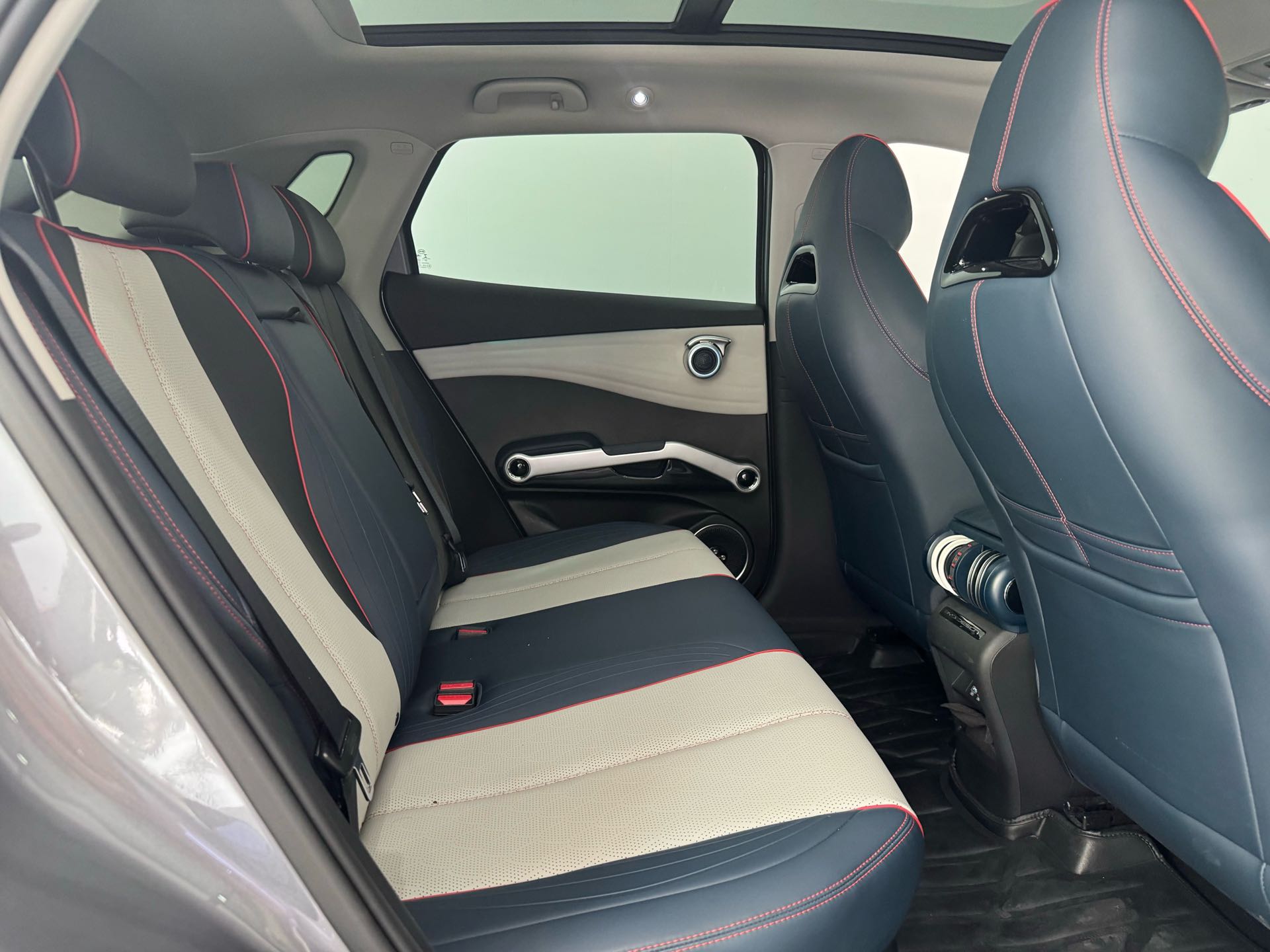
SeriesYuan Plus
Year2023
First Registration2023/02
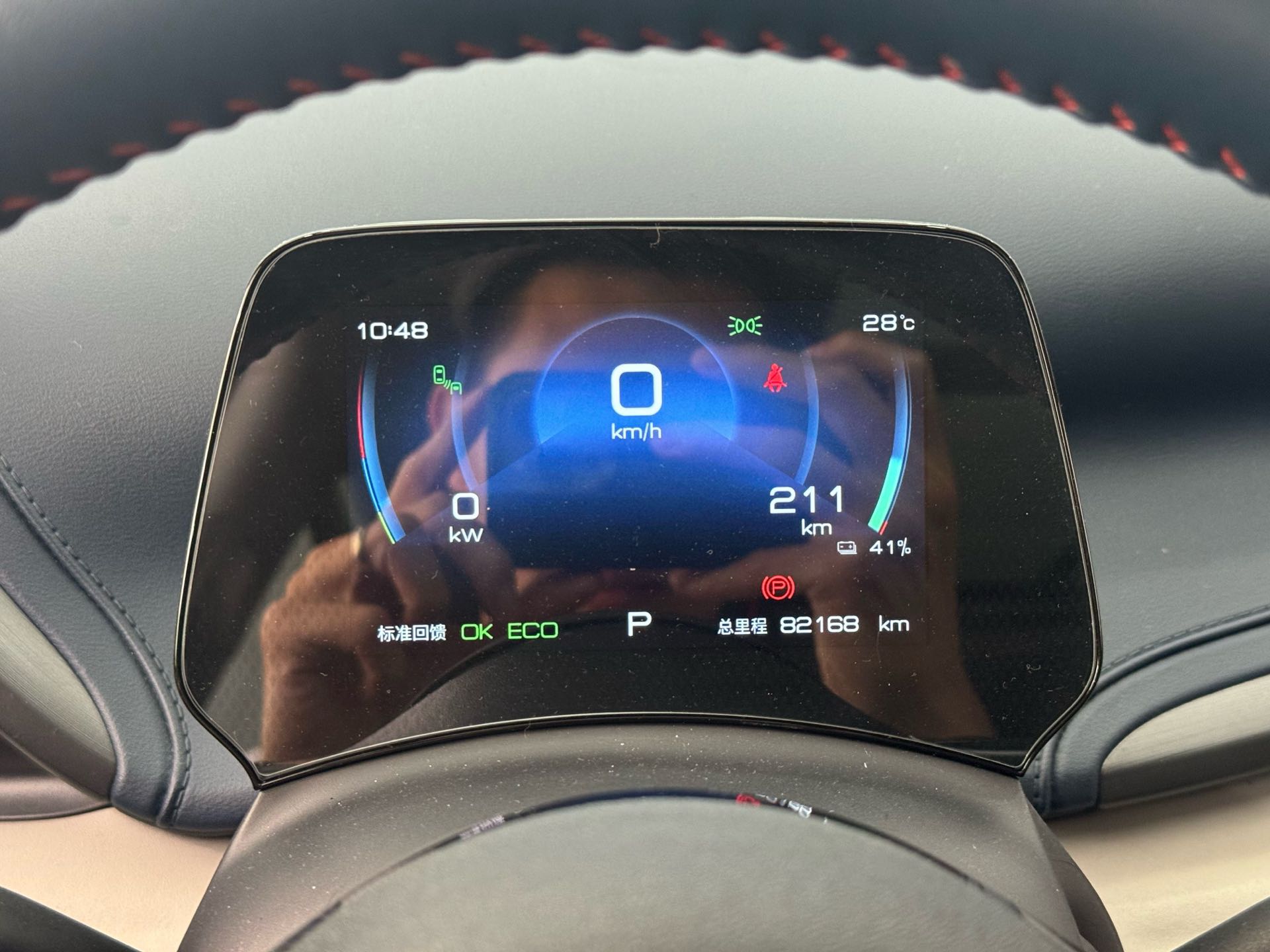
Mileage82,000km
Transfer Count0times
FuelOther
TransmissionOther
Engine-
ColorGrey
Seats-

Condition Description

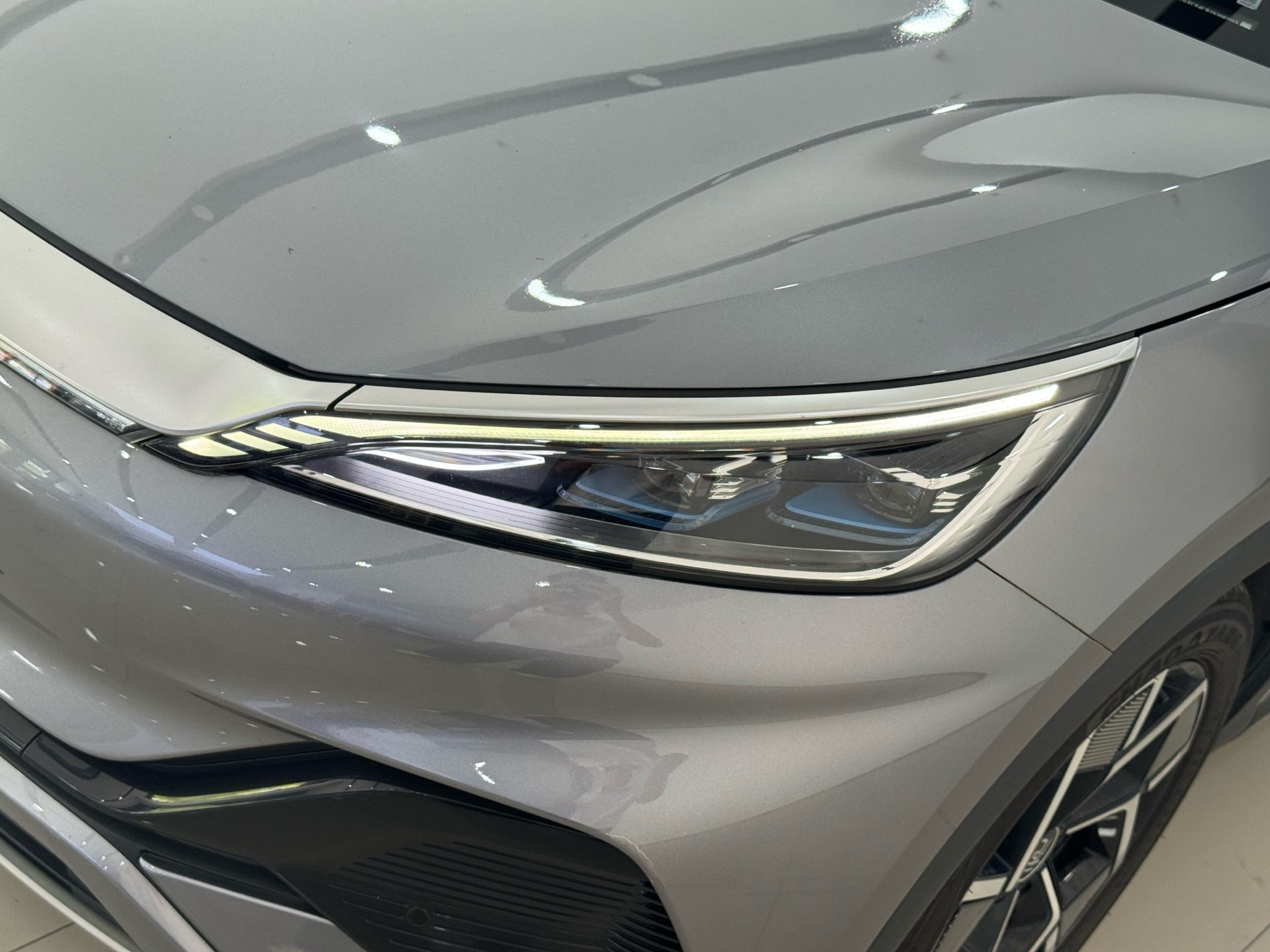
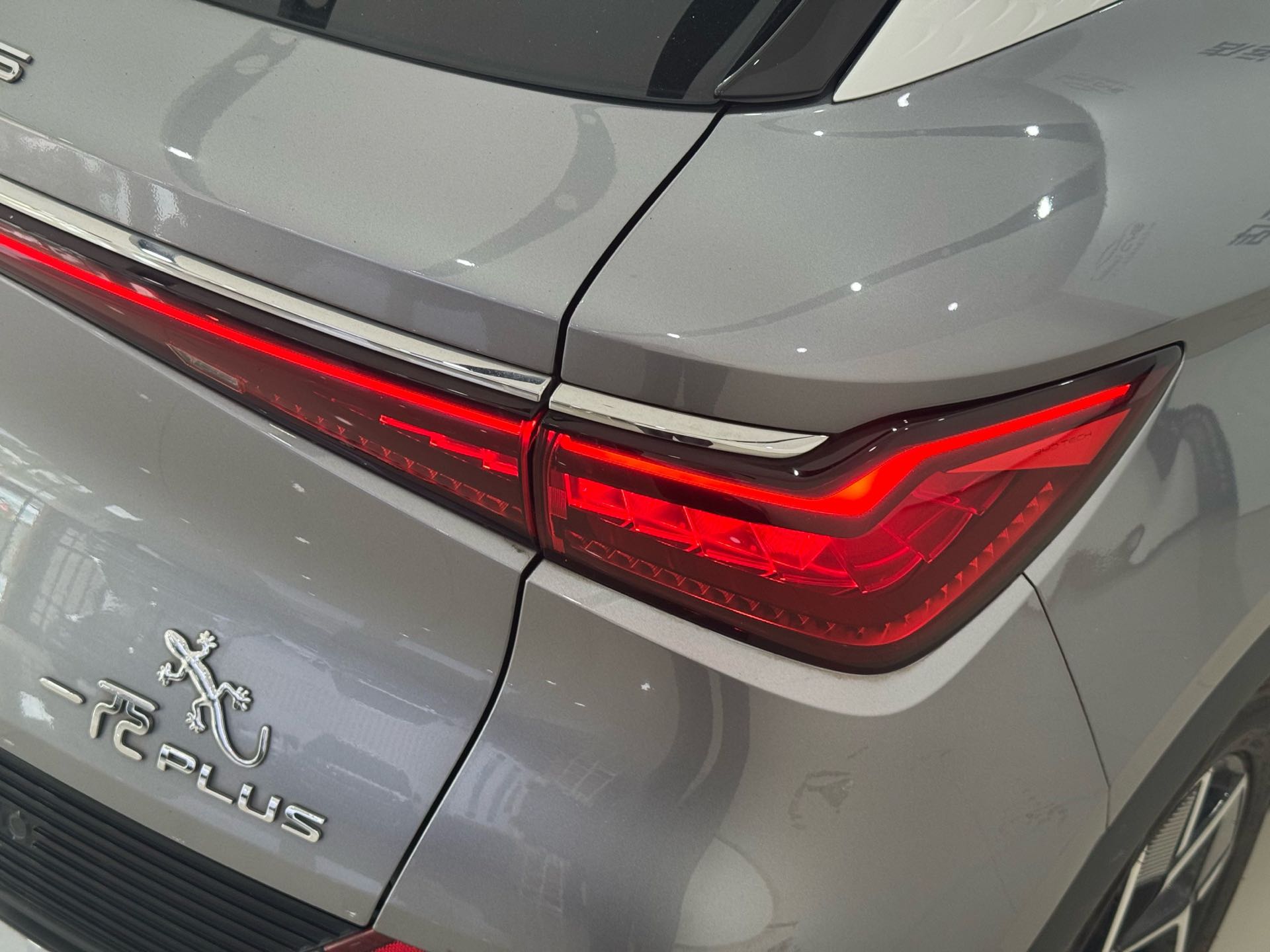
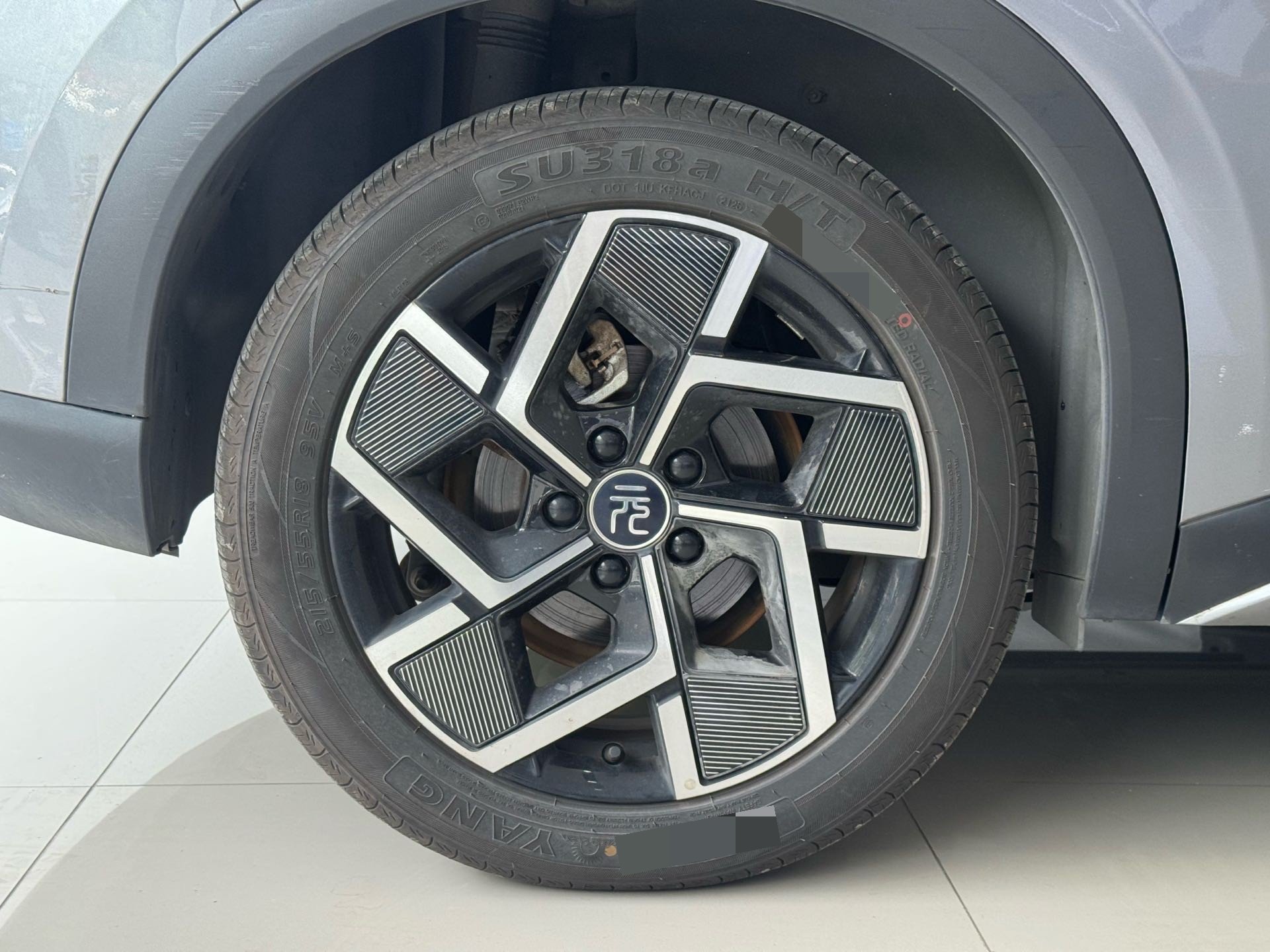
Full original paint, with paint protection film.

Document Information

Inspection Expiry Date-
Warranty Expiry Date-
Insurance Expiry Date2027/02

Q&A

More

If I want to upgrade the factory halogen headlights to LED headlights and it causes the vehicle's BCM (Body Control Module) to lock, can you assist in unlocking it?

It's extremely difficult. Unauthorized modifications can lead to module current overload protection, resulting in a lock. In China, you need to use the factory online engineer account to reprogram it. It's basically impossible to perform online decoding overseas. We strongly warn against blindly modifying the electrical systems of modern integrated circuit vehicles.


What is a Certificate of Origin and do I need one to import a used car from China?

A Certificate of Origin (CO) is an official document stating where the vehicle was manufactured. For imports from China, it matters more than many buyers expect. First, customs value: many countries apply duty rates based on the country of manufacture, not where you bought the car. A CO proves the vehicle is Chinese-built, which determines the correct tariff line—skipping it can mean reassessment, fines, or seizure at destination. Second, trade agreements: some countries have preferential tariffs for Chinese goods that only apply with a valid CO. Request a CO issued by the China Council for the Promotion of International Trade (CCPIT) or China Customs, not a self-printed form. Check that the VIN, engine number, and buyer details match your purchase documents exactly. Make receiving the CO a condition before your final payment, and keep the original—customs at destination will ask for it.

What should a pre-purchase inspection in China include if I cannot be there in person?

A proper third-party inspection has four parts, and you should insist on all of them. 1. Lift inspection: the car goes on a hoist to examine the underbody, frame rails, suspension arms and oil pan for impact damage or leaks — areas no photo set can cover. 2. Paint thickness check: a gauge reading from every panel. Inconsistent or very high values reveal repainting; structural points like the A/B/C pillars matter most because they indicate accident repairs. 3. OBD diagnostics: fault codes and live data from the engine, transmission, ABS and airbag modules. Stored historical codes often tell the truth the dashboard hides. 4. Road test: cold and warm driving to check shifting, braking and unusual noises. The report should carry the VIN, inspection date and the agency's stamp or digital signature. It costs very little compared to the price of the car, and it filters out most problem vehicles before your money moves.