



48H

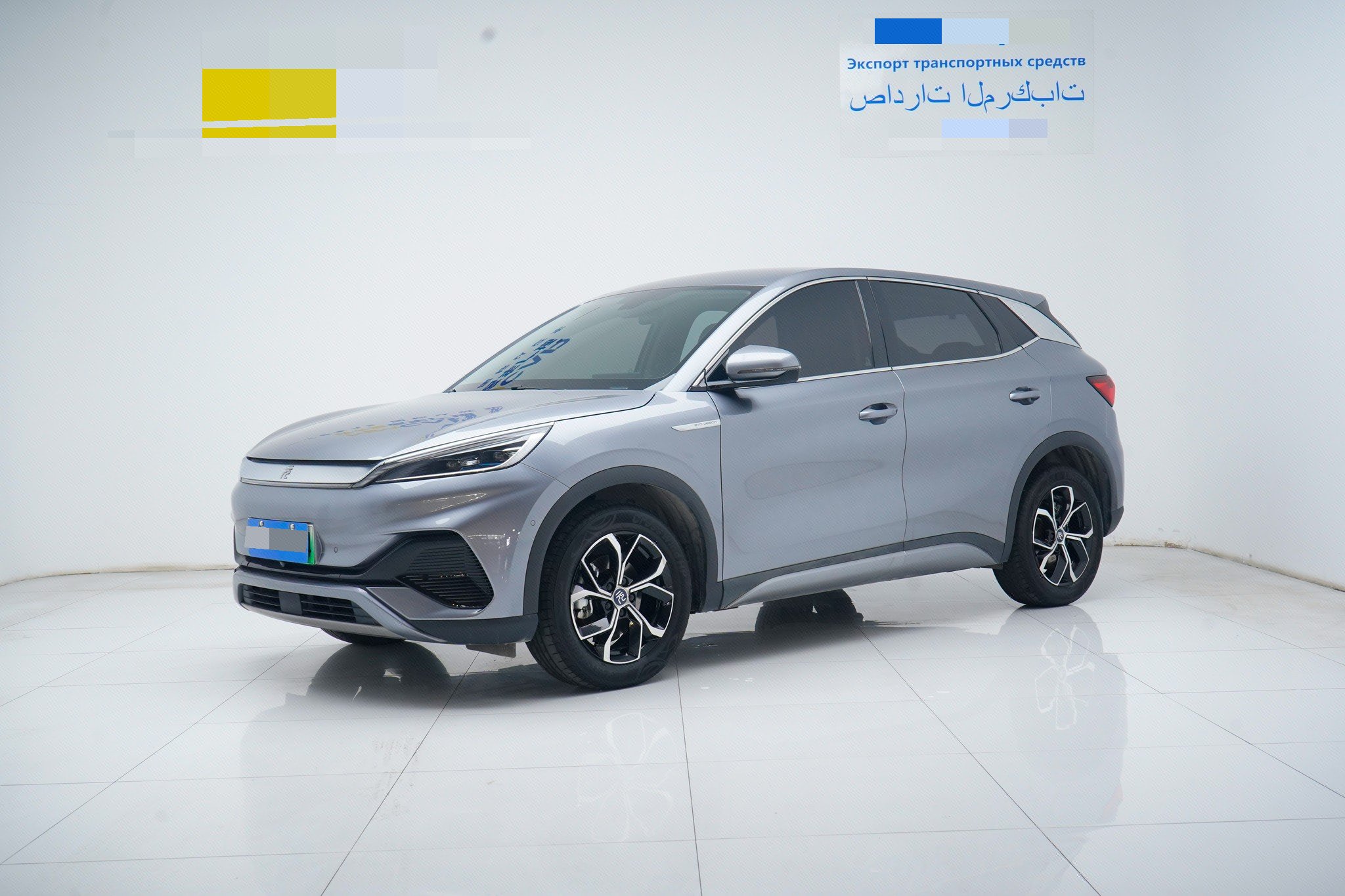
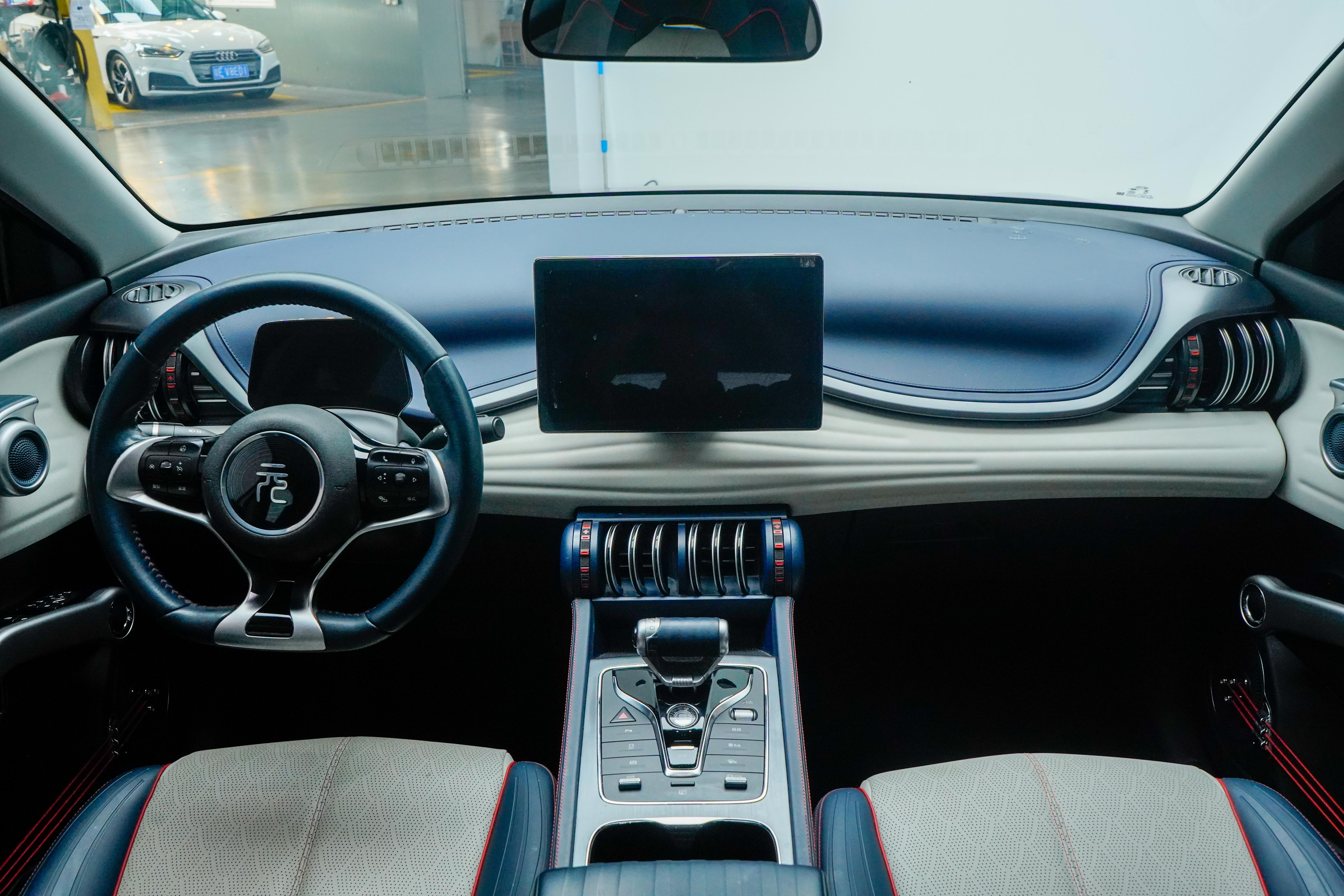
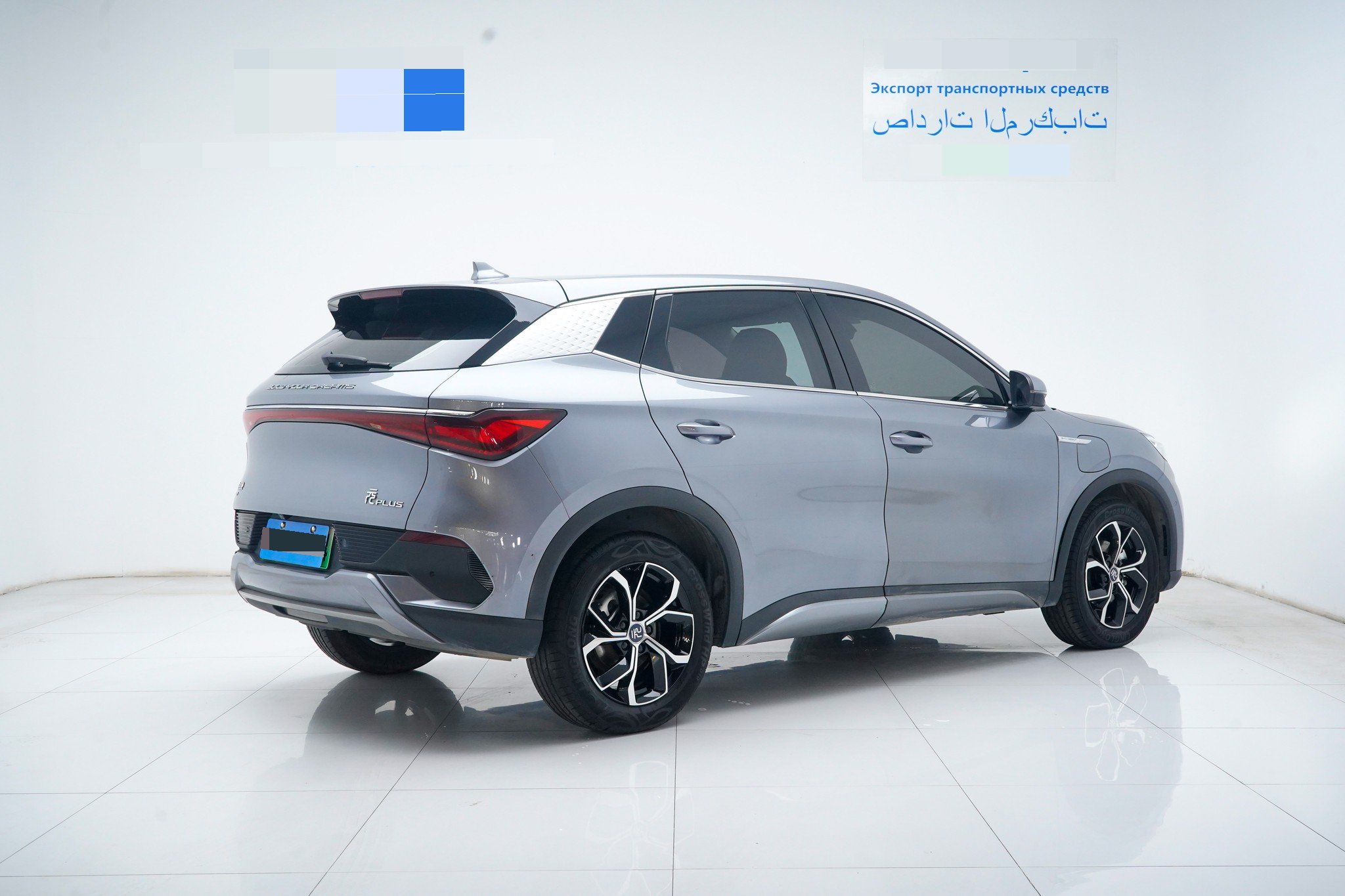
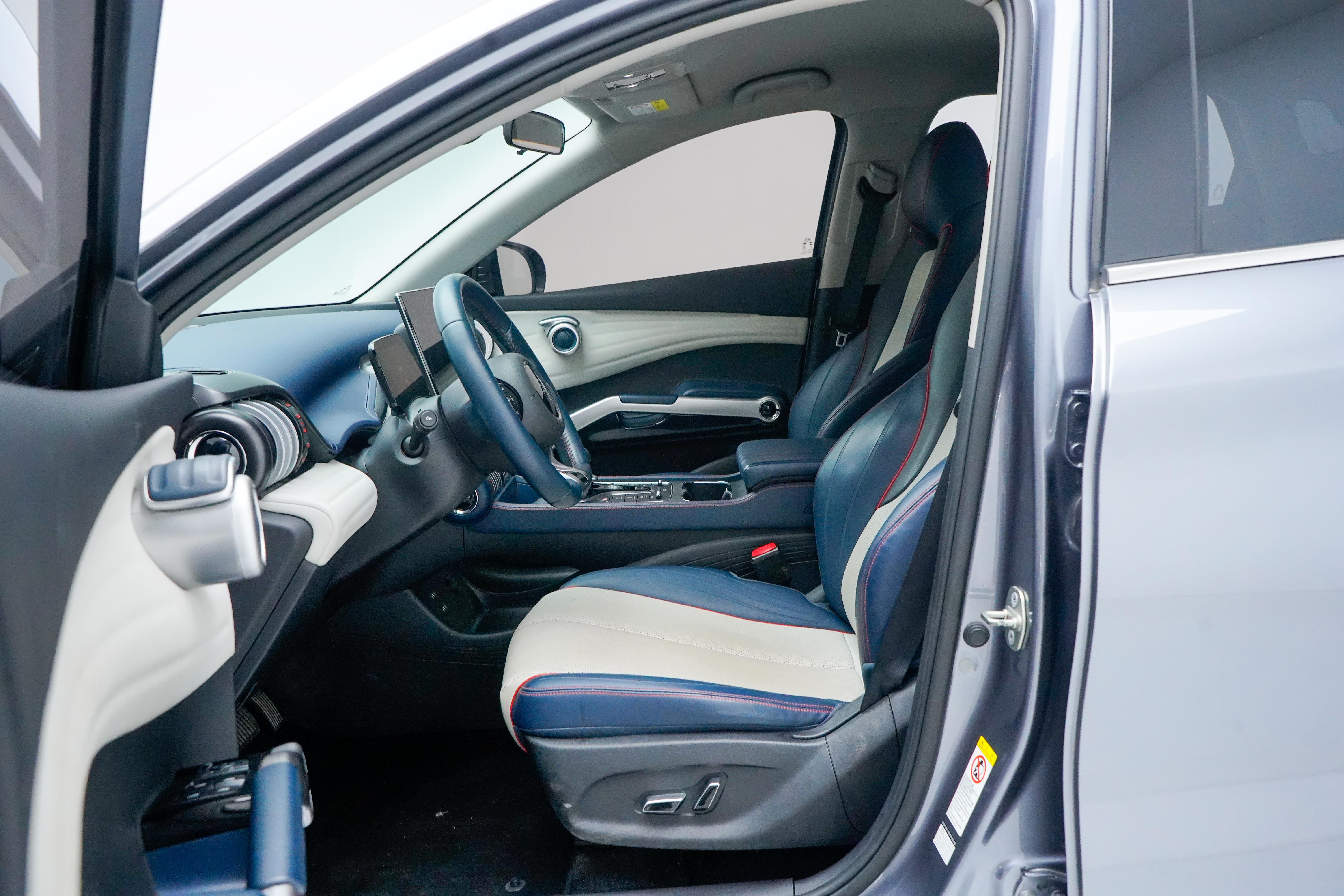
Basic Information

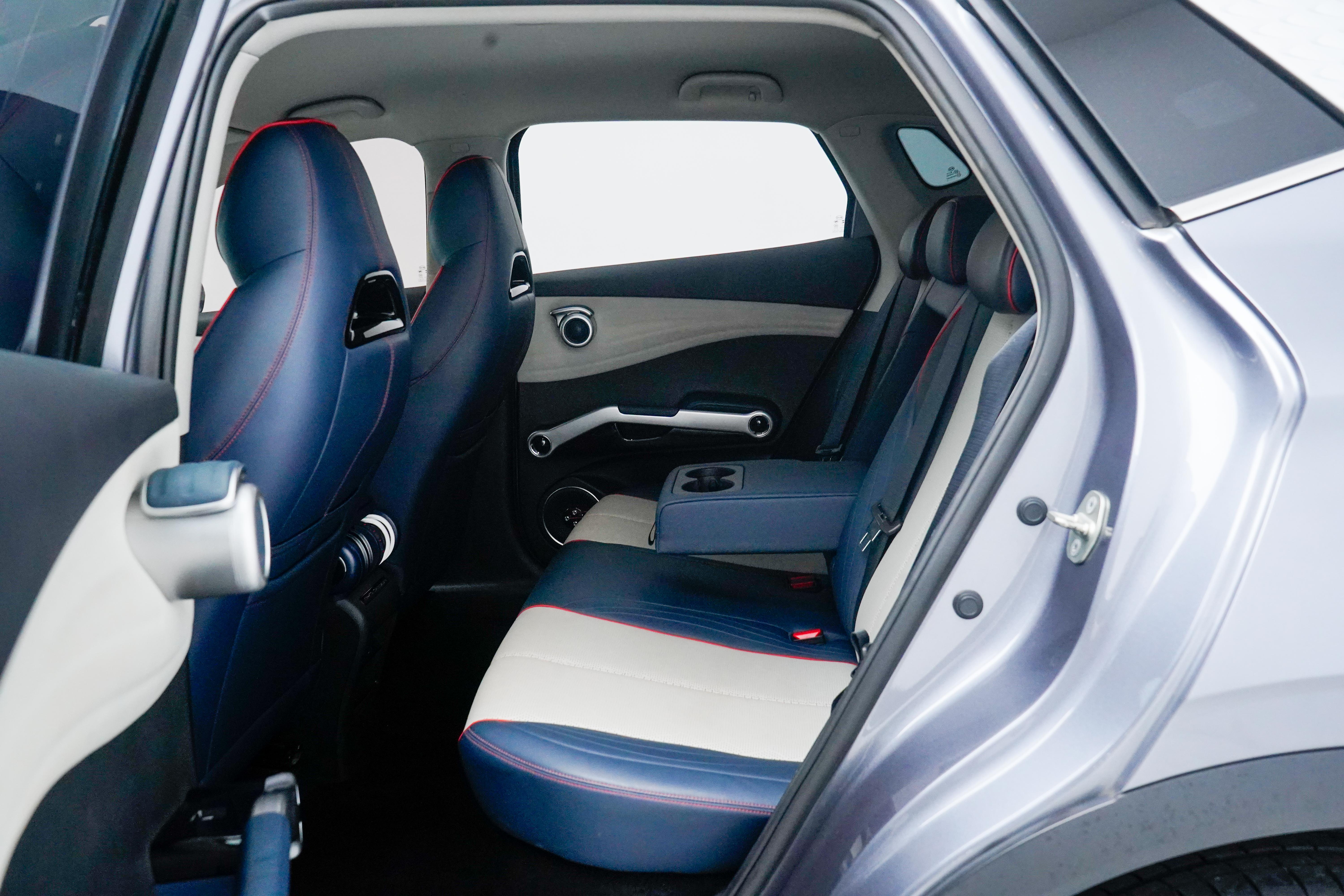
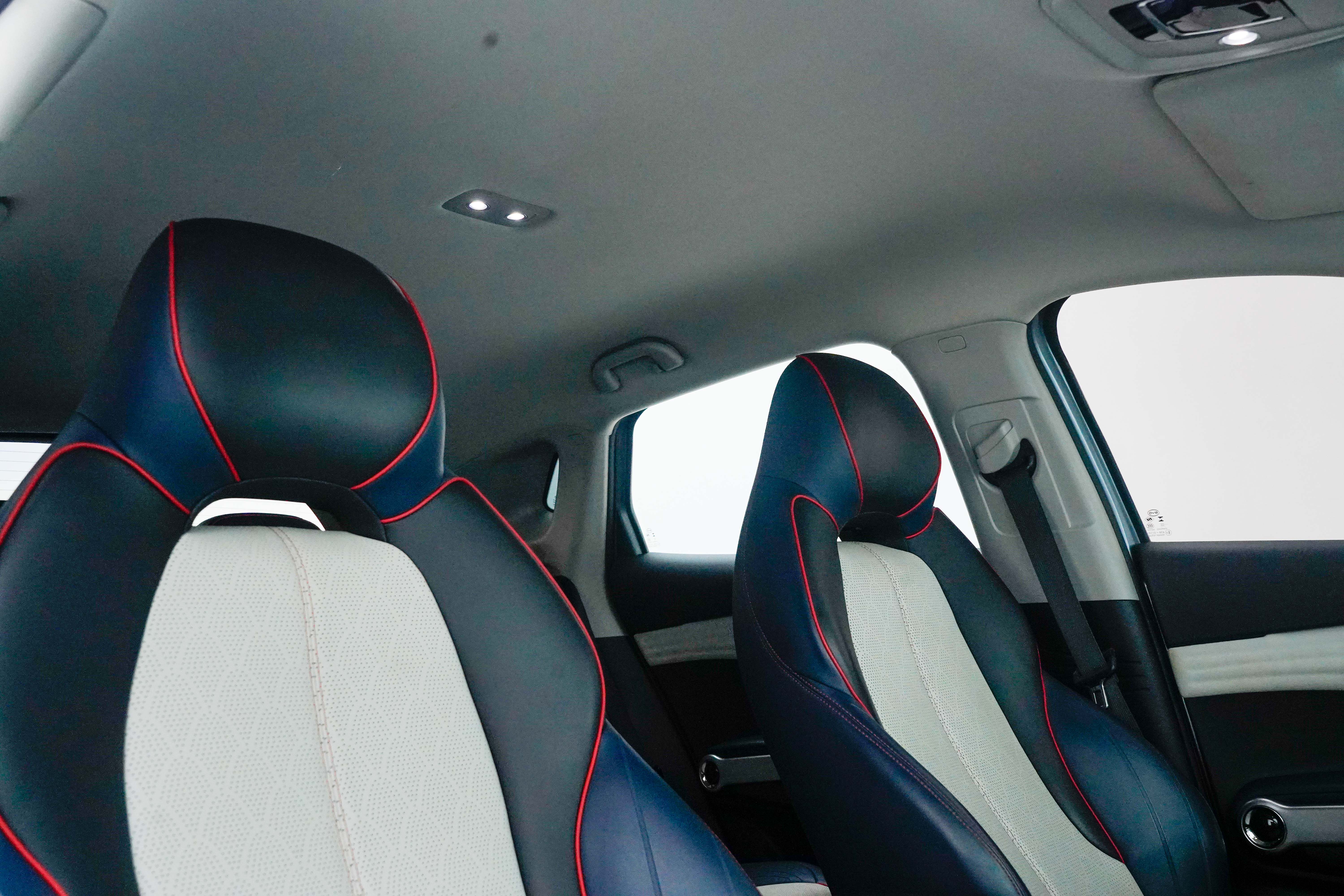
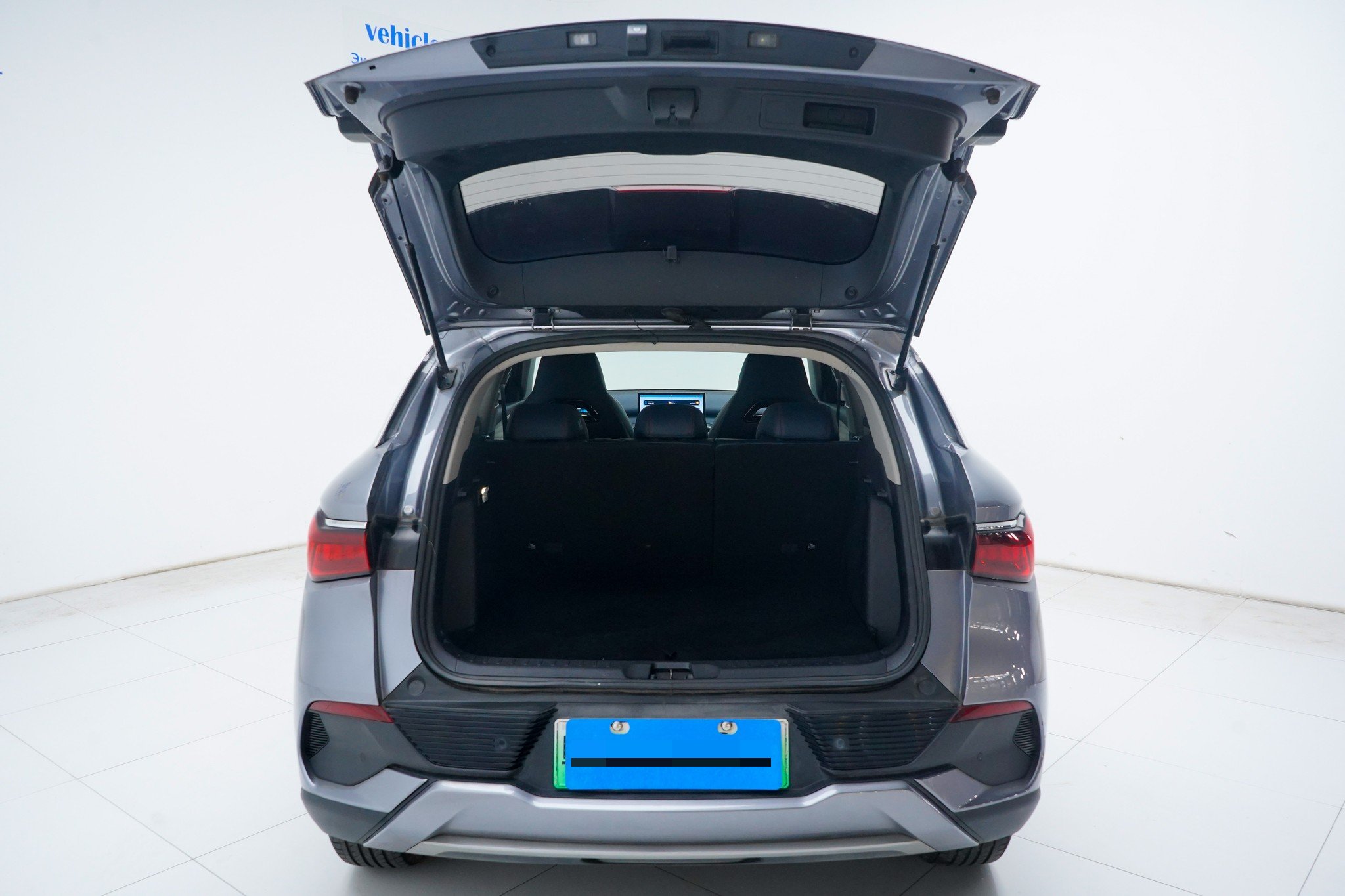
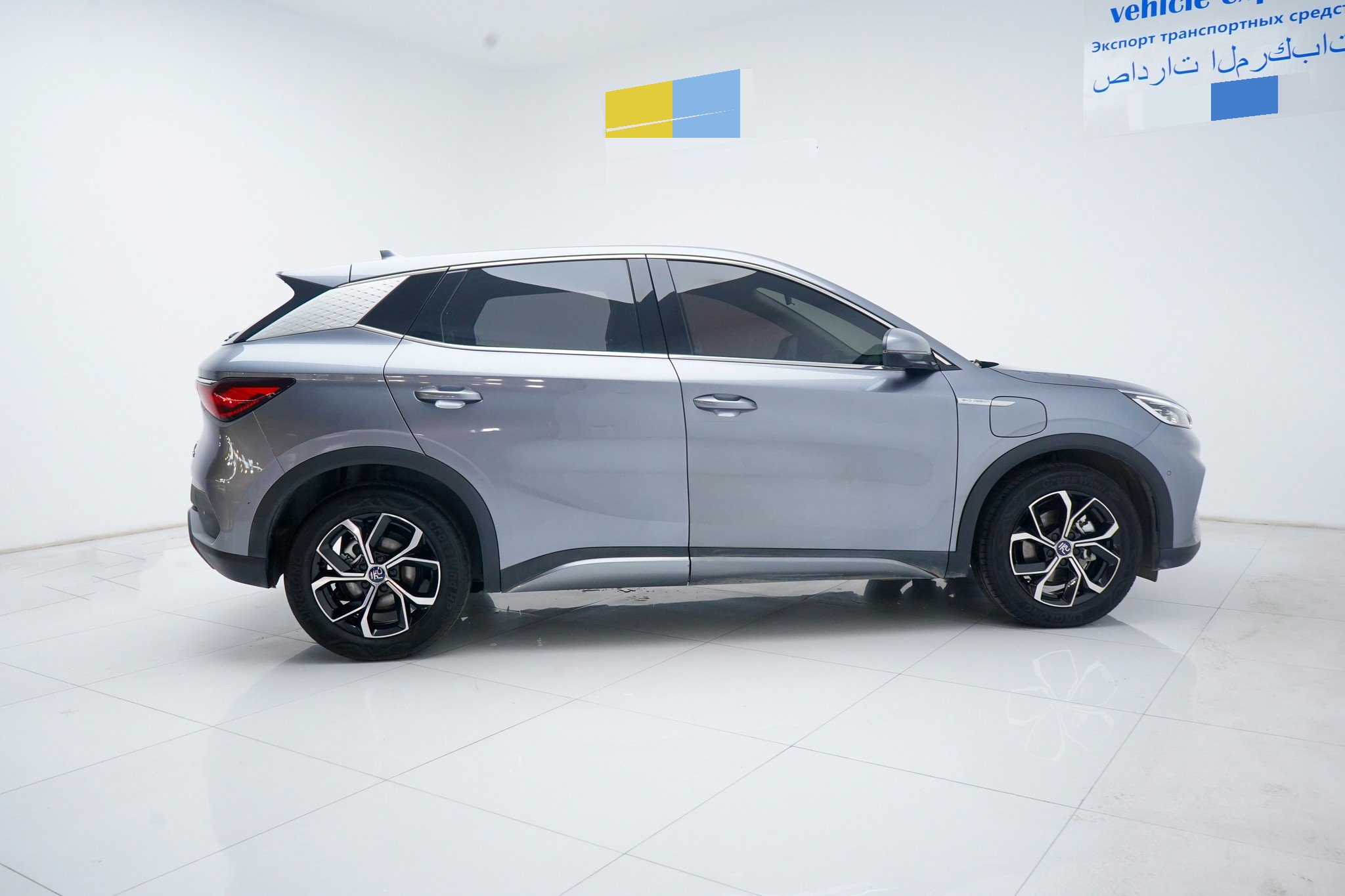
BrandBYD
SeriesYuan Plus
Year2023
First Registration2023/03
Mileage15,000km
Transfer Count0times
FuelOther
TransmissionOther
Engine-
ColorGrey
Seats-

Document Information

Inspection Expiry Date-
Warranty Expiry Date-
Insurance Expiry Date2027/03

Q&A

More

Why is there a time difference between the production date on the vehicle nameplate and the first registration date on the registration certificate?

The nameplate date is the absolute time when the vehicle leaves the factory; the registration date is when the vehicle is registered with the traffic management department after sale. The difference represents the time the vehicle spent in the dealer's warehouse or logistics. If the time difference exceeds 6-8 months, the vehicle is considered a "stock vehicle," and we pay special attention to the natural aging of its rubber components.


When buying remotely, how do I assess the engine, transmission, brakes, and tires of a used car from China over a live video call?

A structured live video inspection can catch most mechanical problems. Ask the seller to do the following in order: Cold start: film the engine bay before starting — check for leaks, cracked hoses, and corrosion. Then start from cold and listen for rattling or knocking during the first minute; abnormal noises on cold start often mean worn internals. Fluids: pull the oil dipstick — milky or foamy oil suggests head gasket issues. Check coolant color and level. Transmission: with the car warmed up, film each gear shift, forward and reverse. Hesitation, harsh jerks, or slipping RPM are red flags. Brakes: test at low speed in a safe area — the pedal should feel firm, not spongy, and the car must not pull to one side. Tires: walk around and film each tire's sidewall and tread. Uneven wear suggests alignment or suspension problems. Combine this with an independent pre-shipment inspection for a professional report — the video call is your first filter, not the final verdict.

If a vessel encounters a maritime disaster before arriving at port, does the buyer need to pay extra for General Average?

If General Average is triggered, all cargo owners must share the rescue costs. If you purchased marine insurance with a "General Average included" clause under CIF terms through us, the insurance company will cover this high shared cost for you; if you are an uninsured FOB buyer, you will need to pay it yourself.