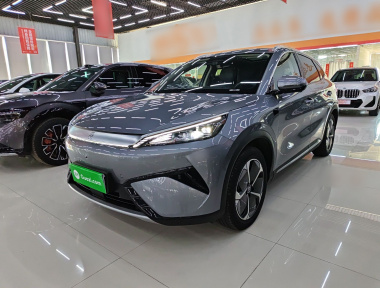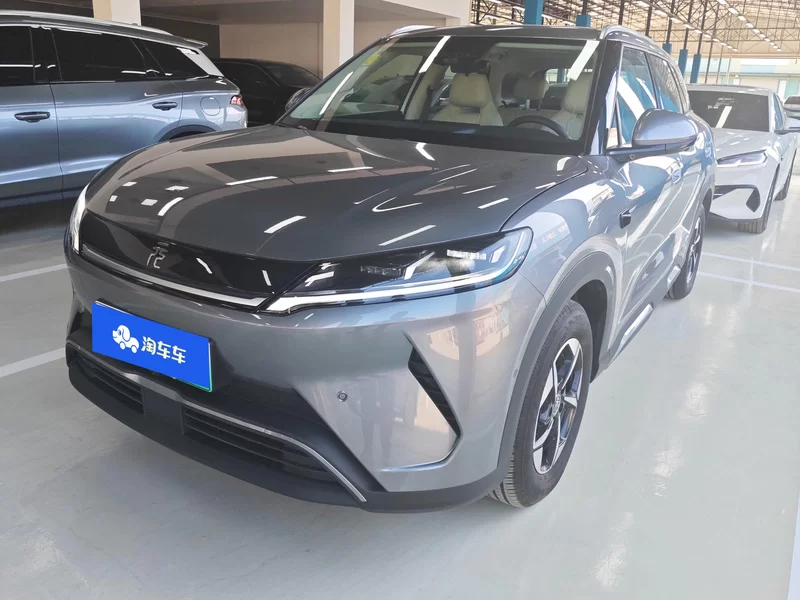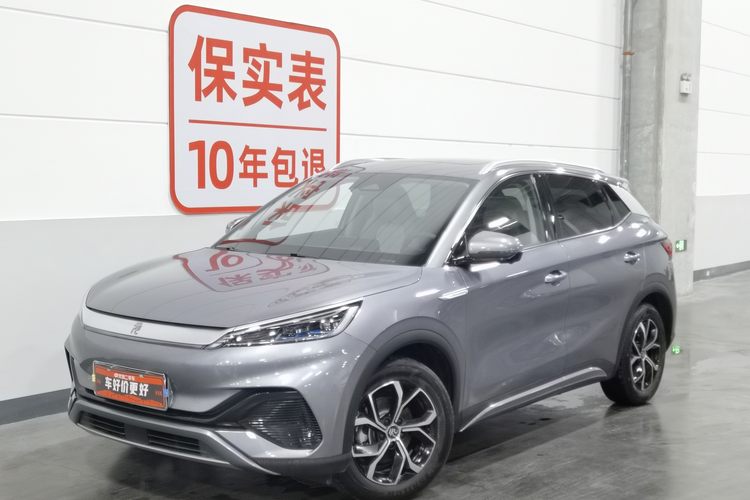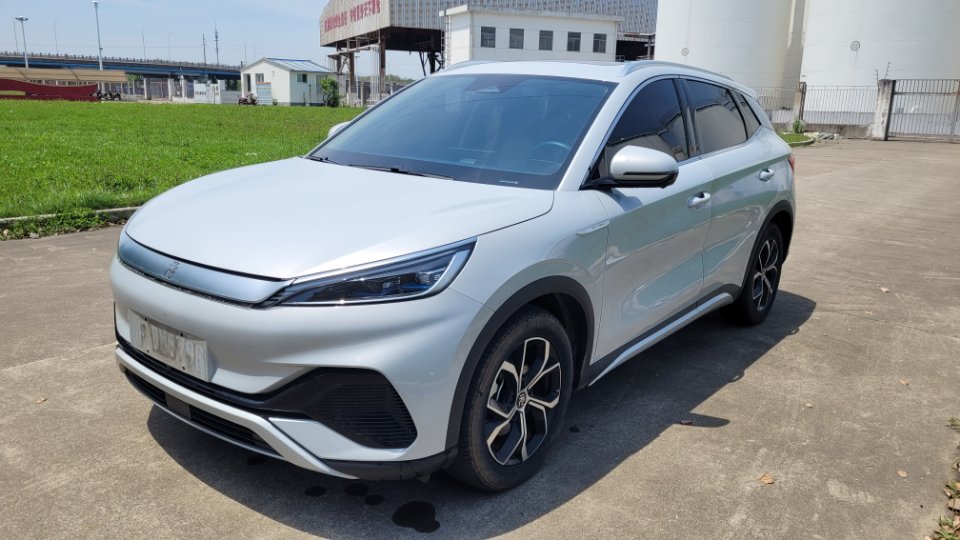
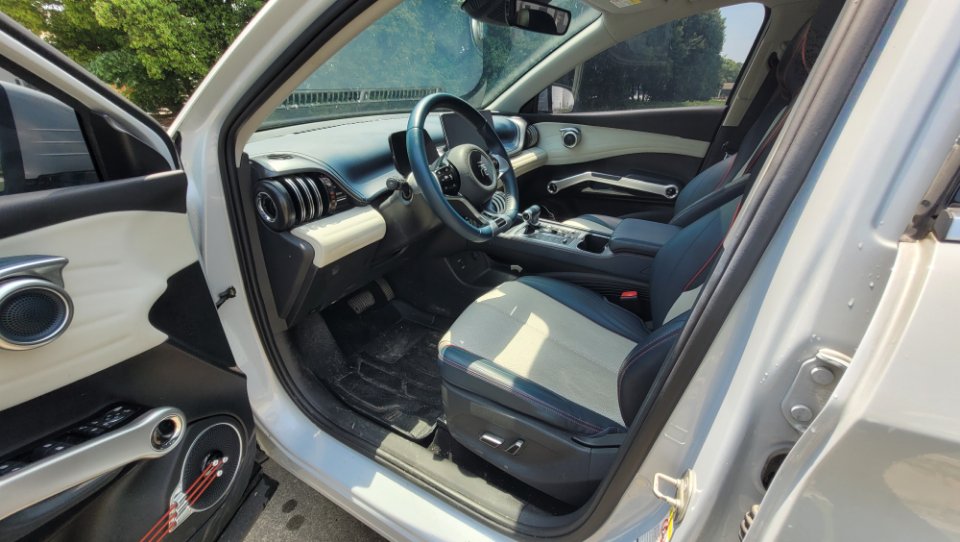
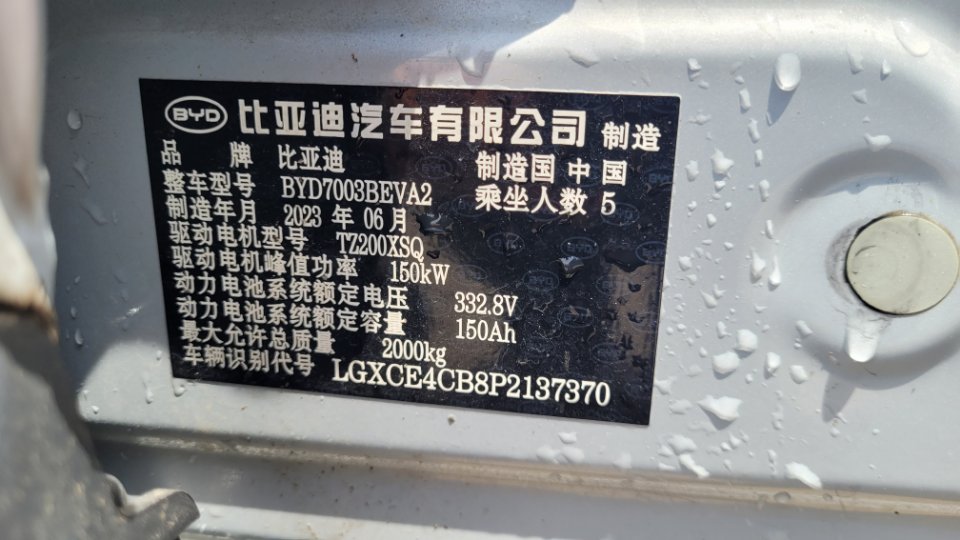
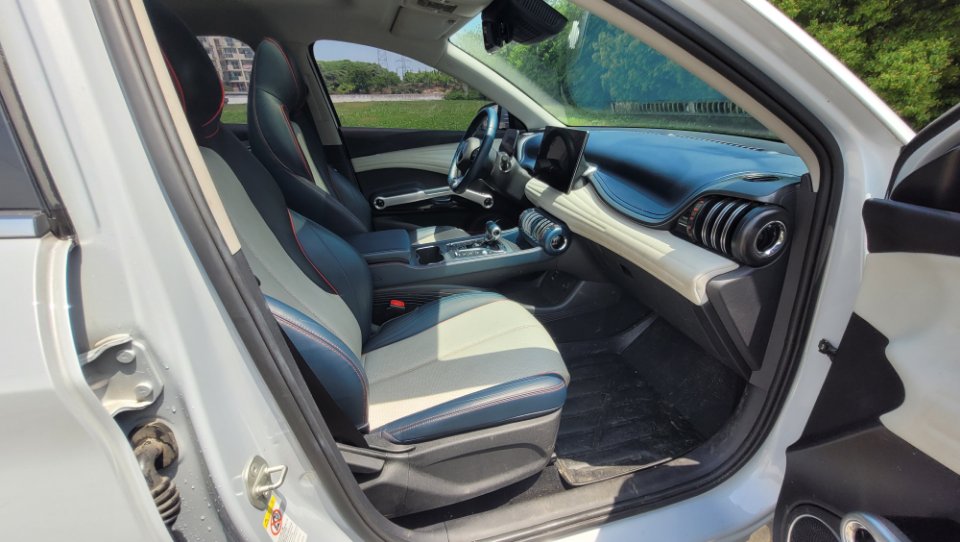
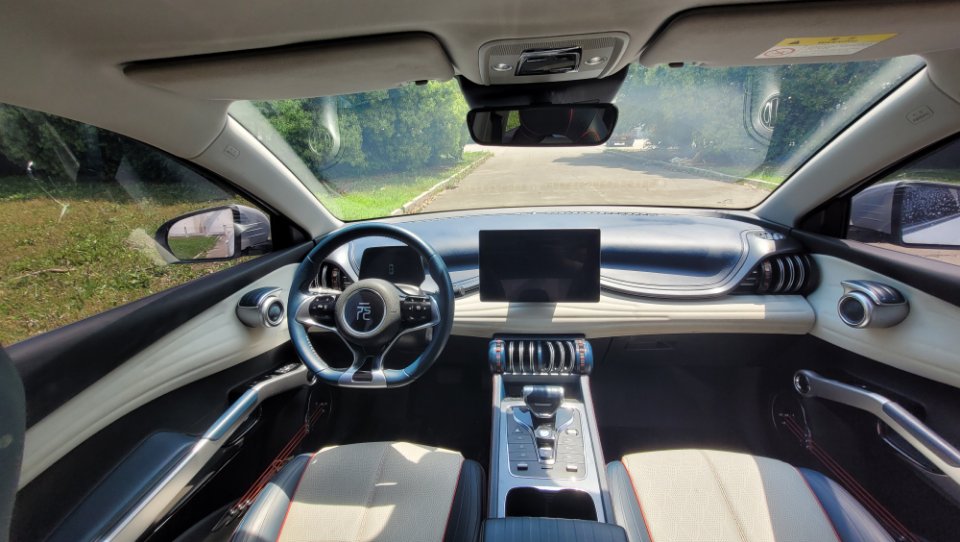
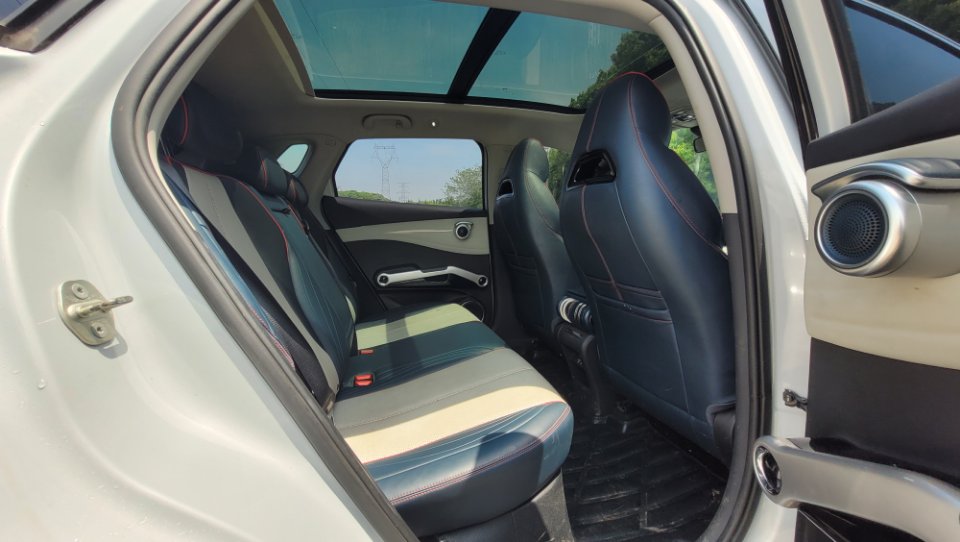
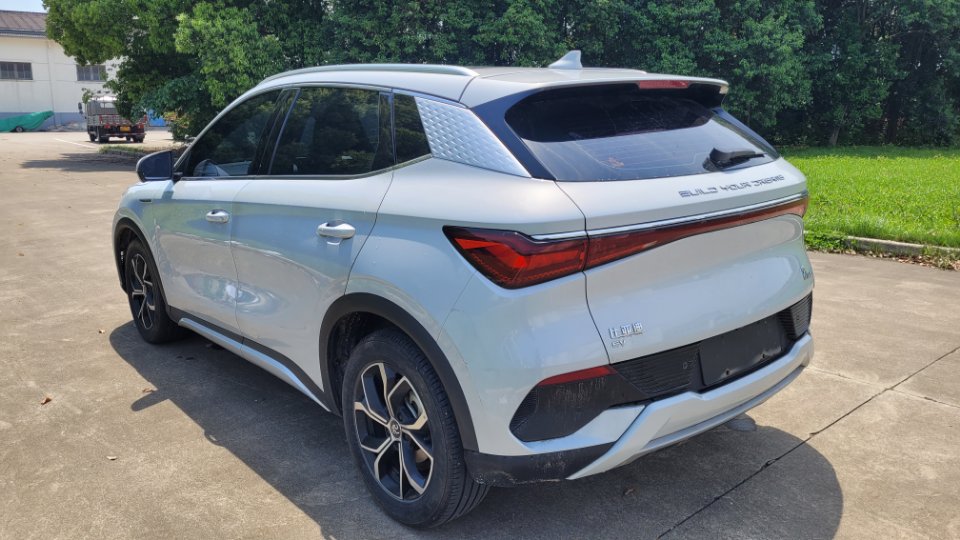
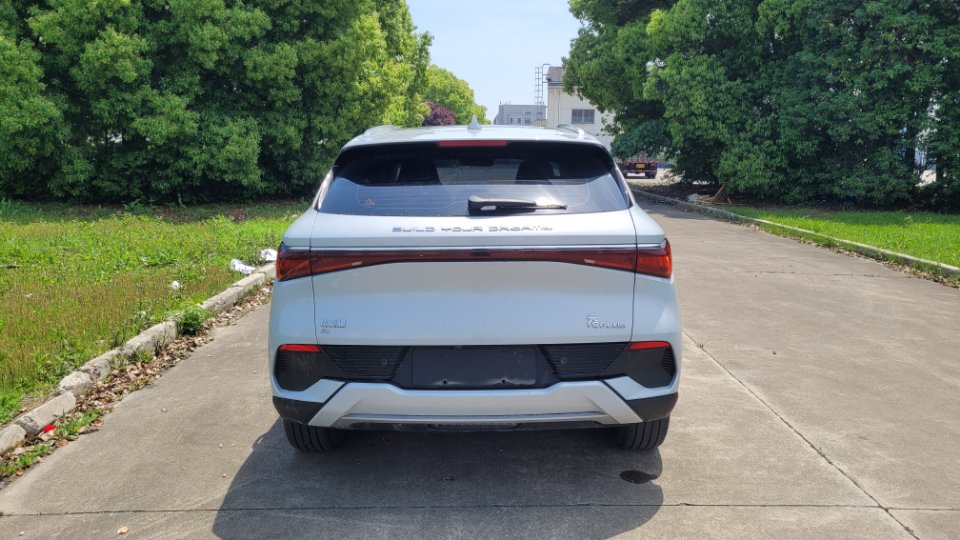
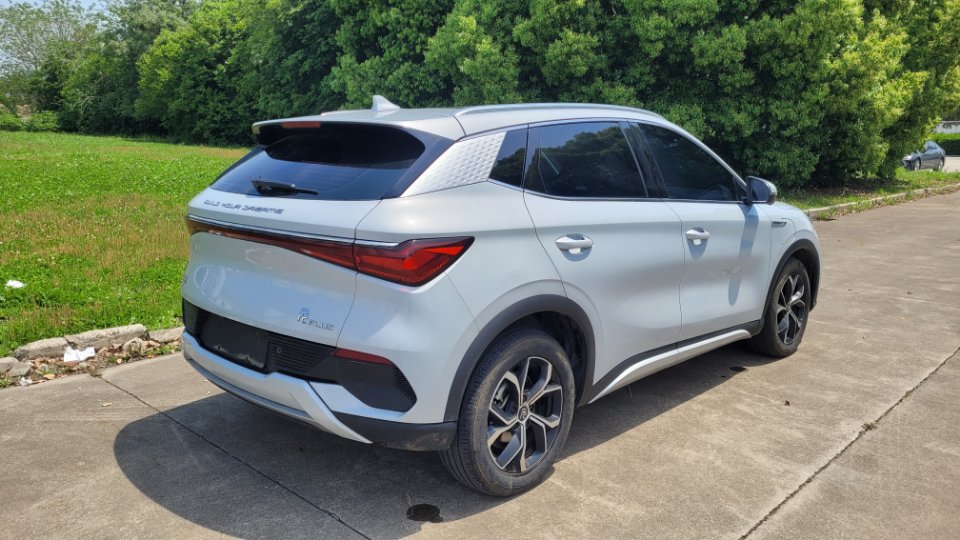
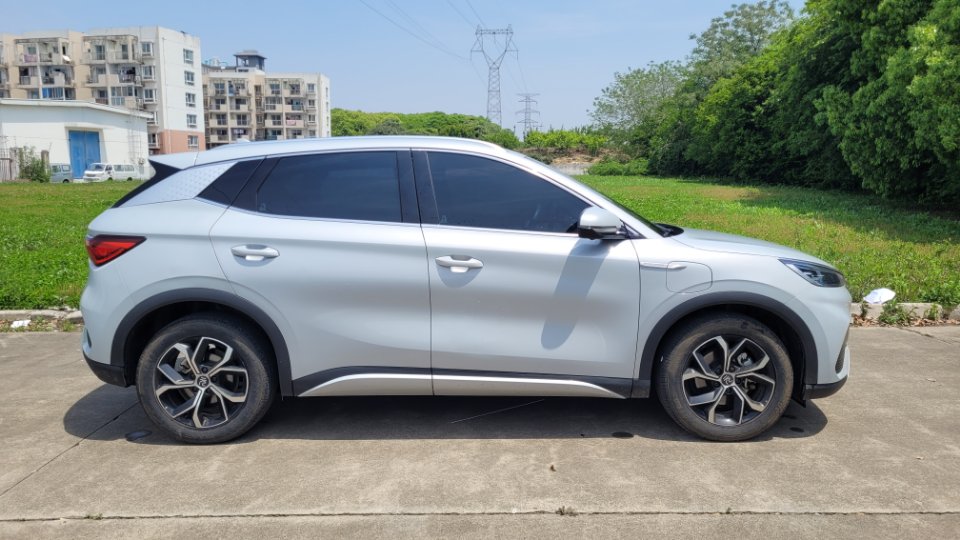
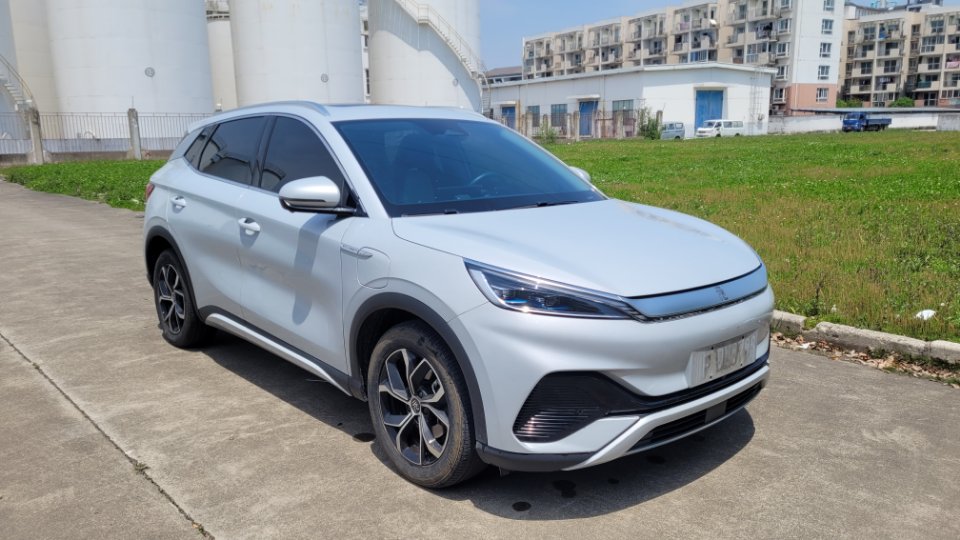
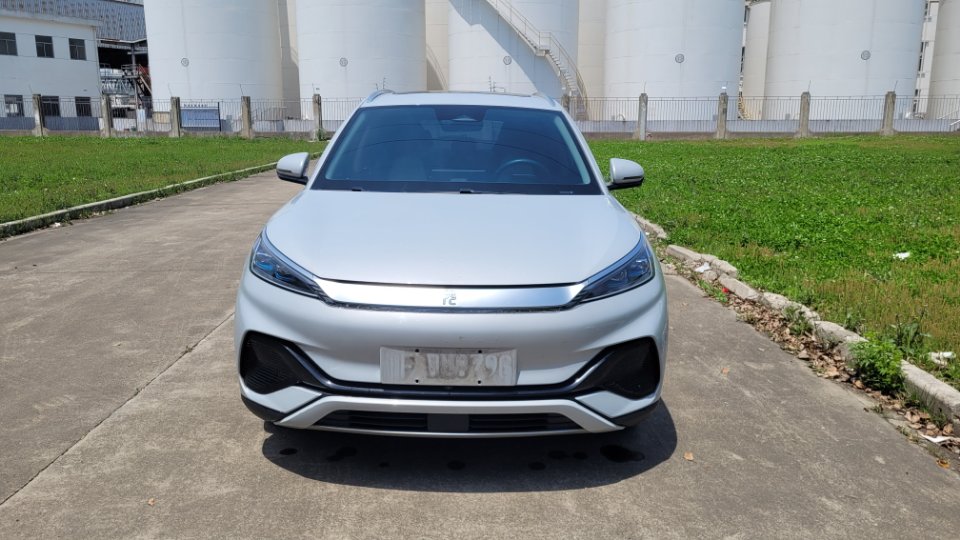



Basic Information

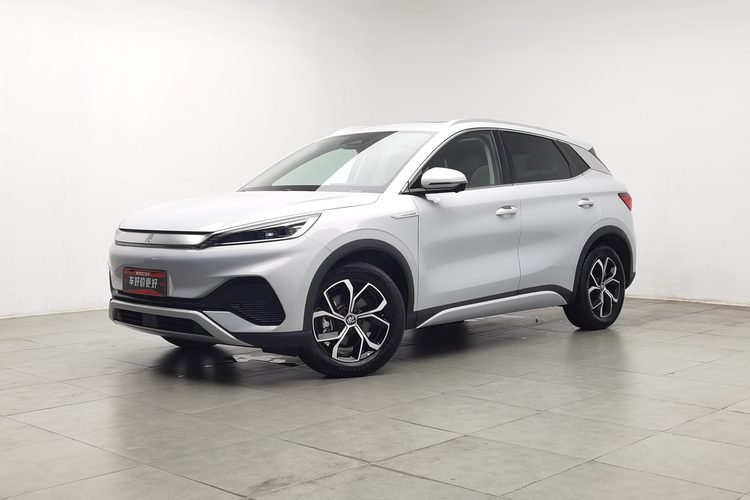
BrandBYD
SeriesYuan Plus
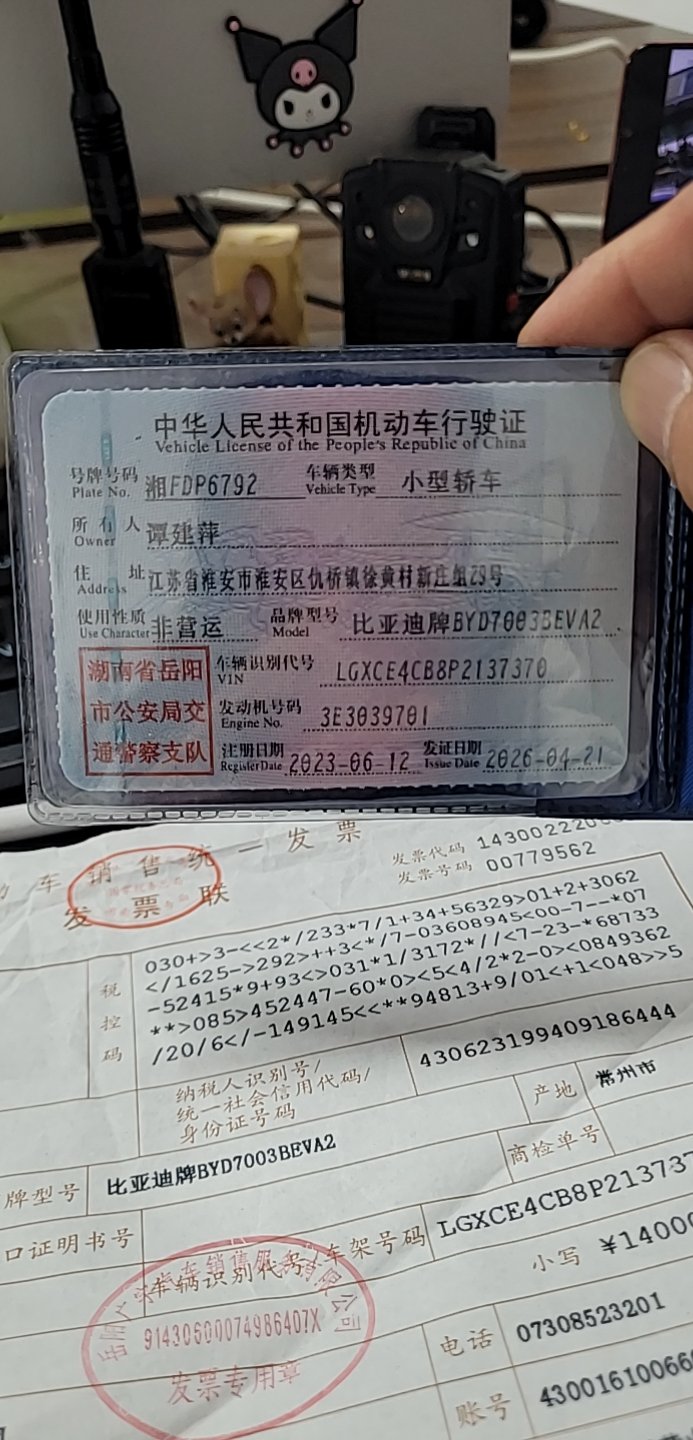
Year2023
First Registration2023/06
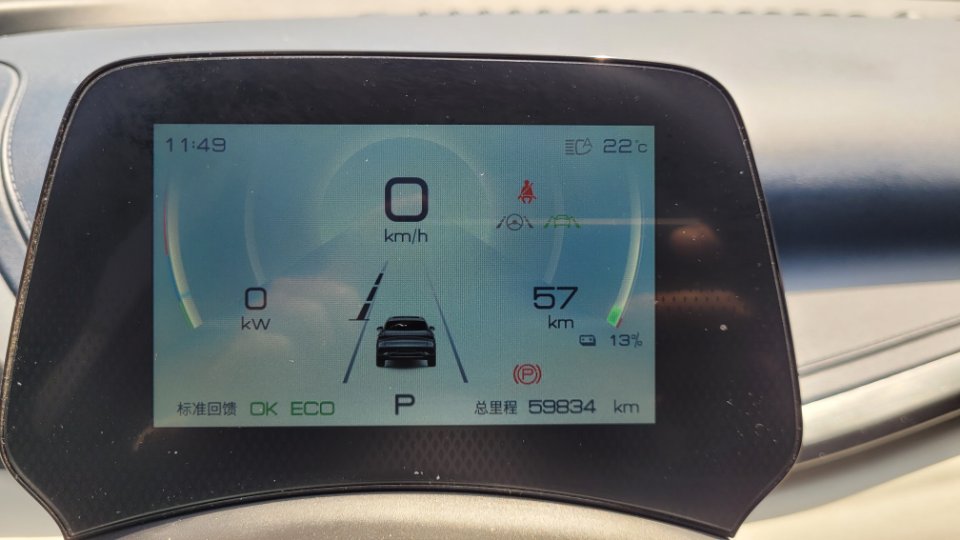
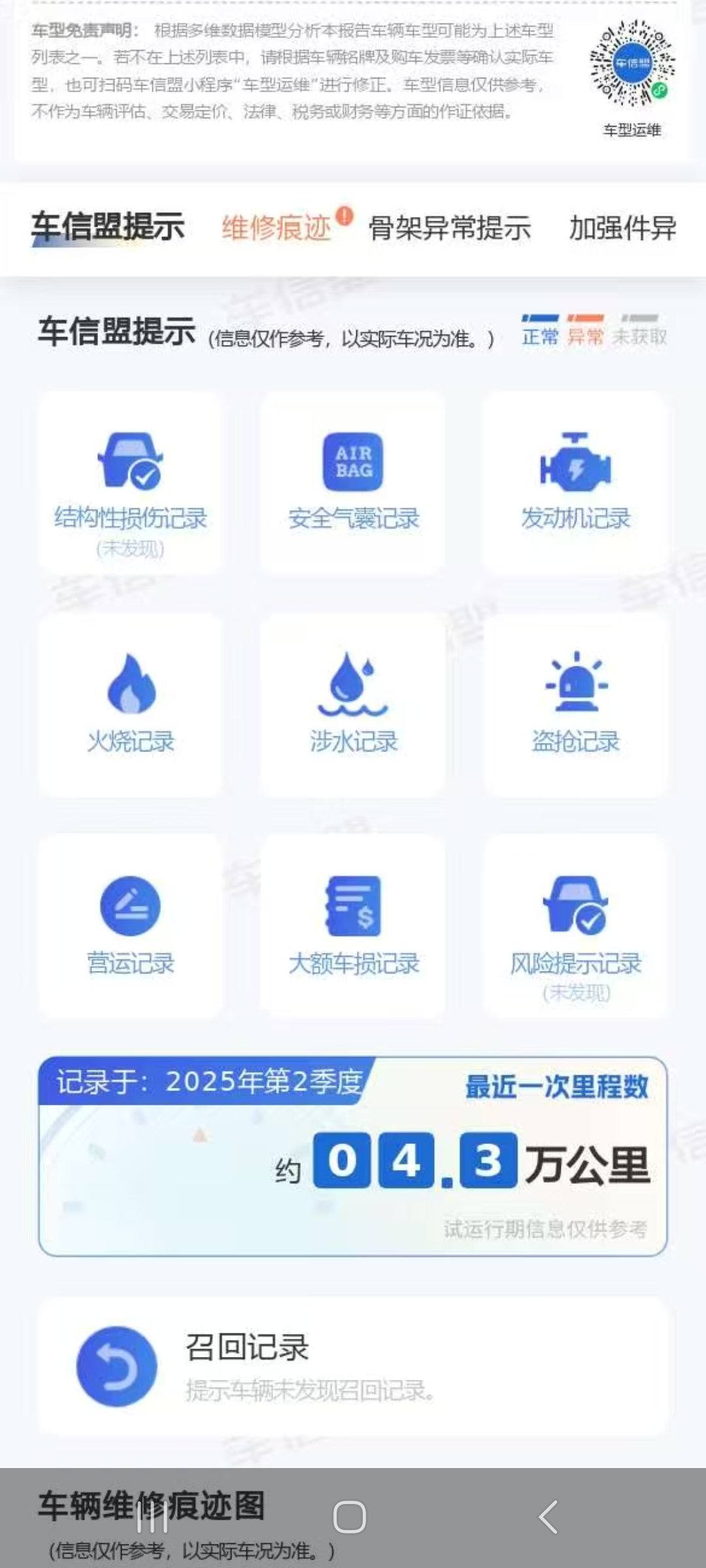
Mileage59,000km
Transfer Count1times
FuelOther
TransmissionOther
Engine-
ColorWhite
Seats-

Condition Description

General vehicle condition.

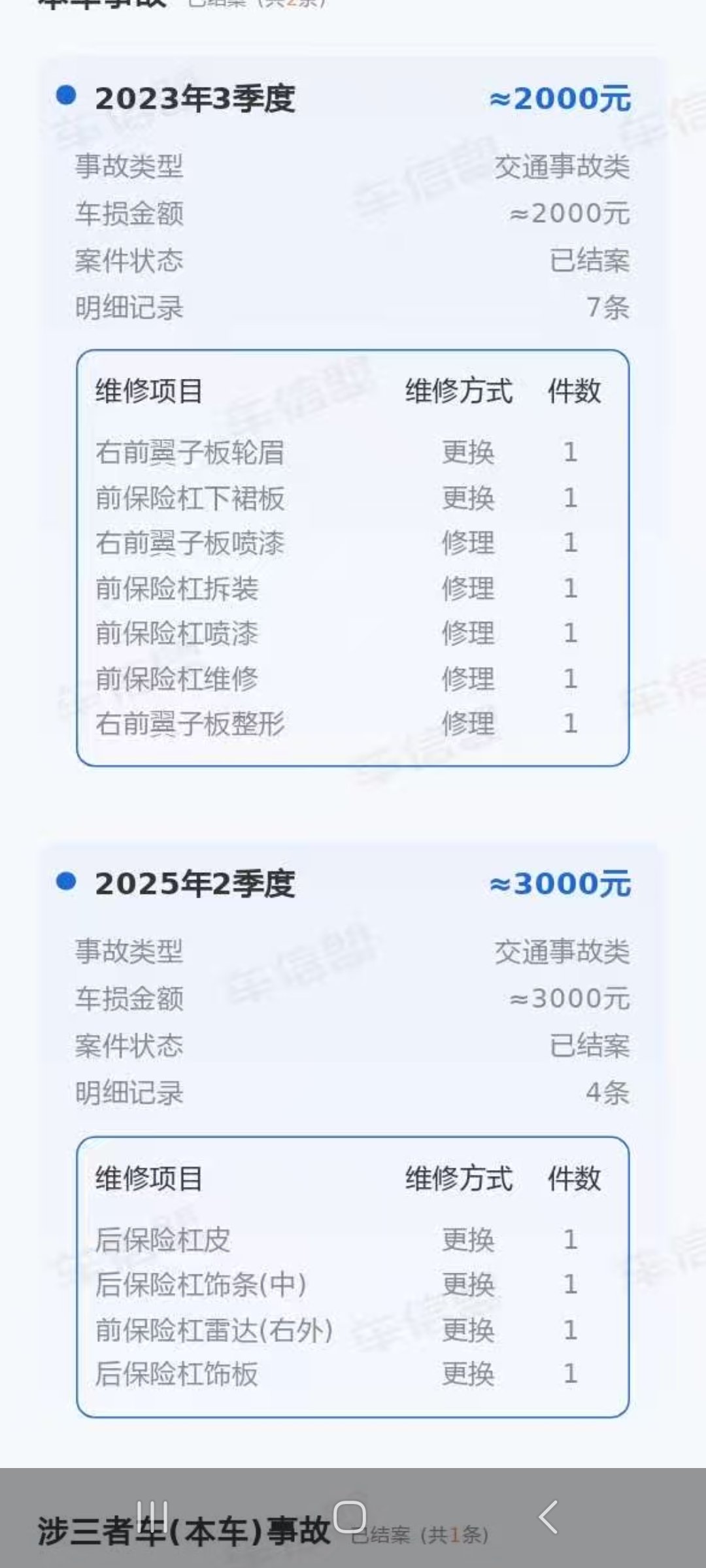
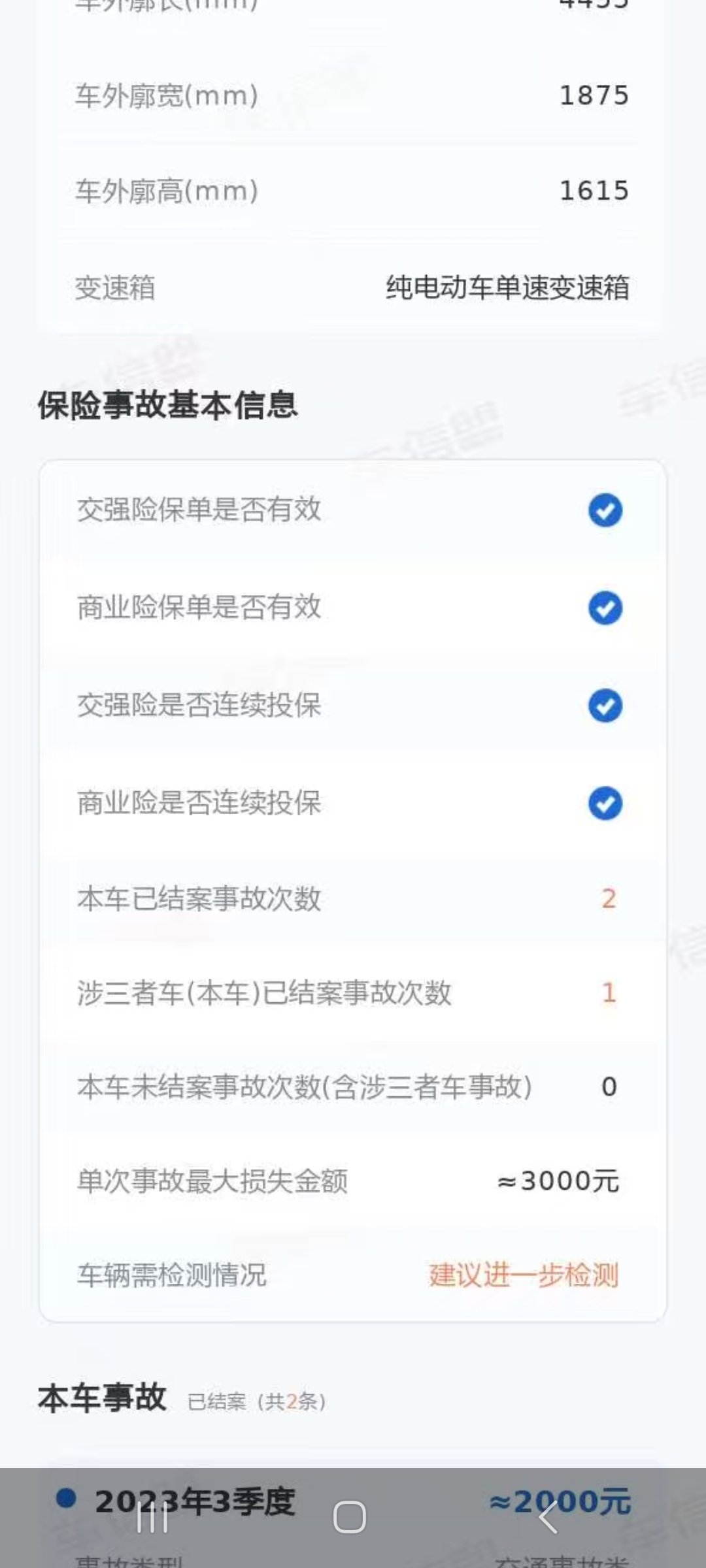
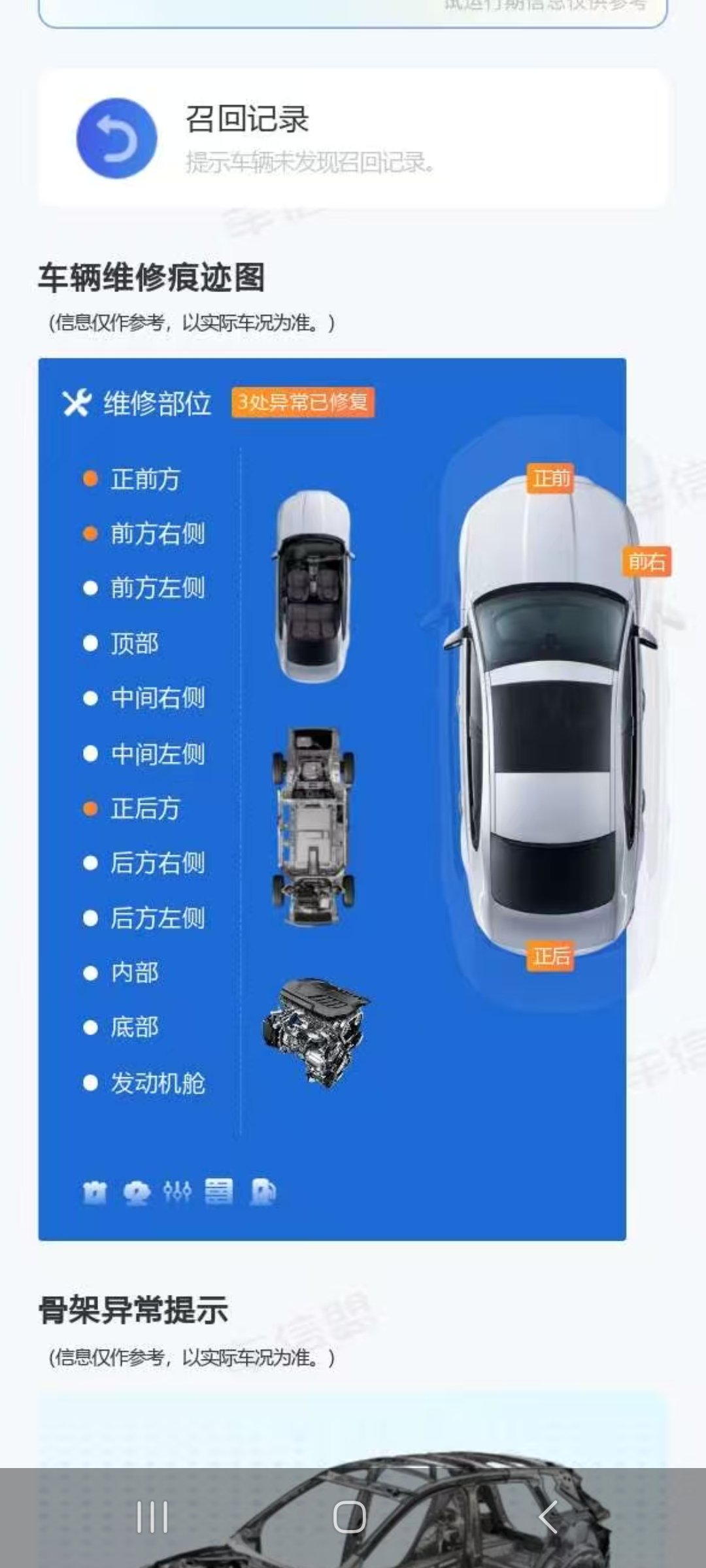
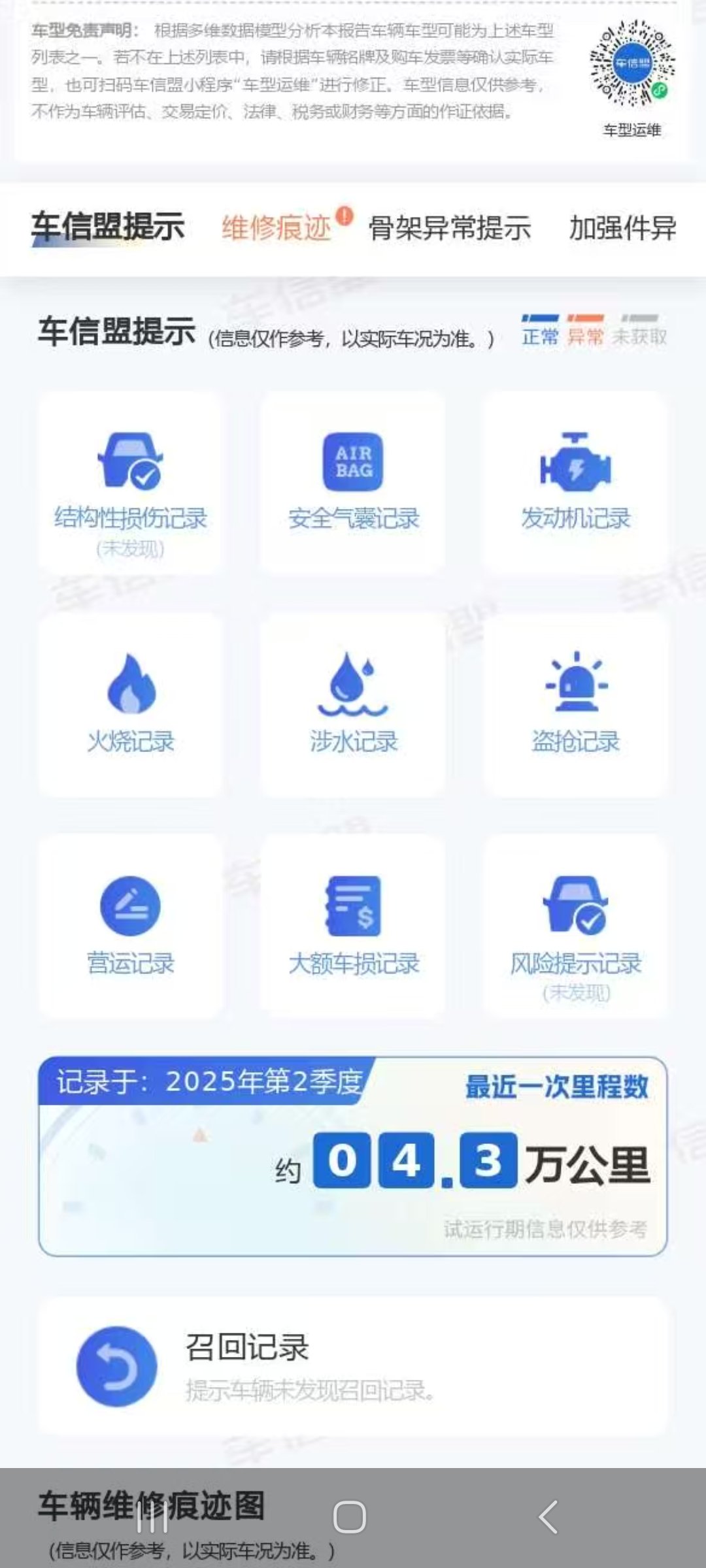
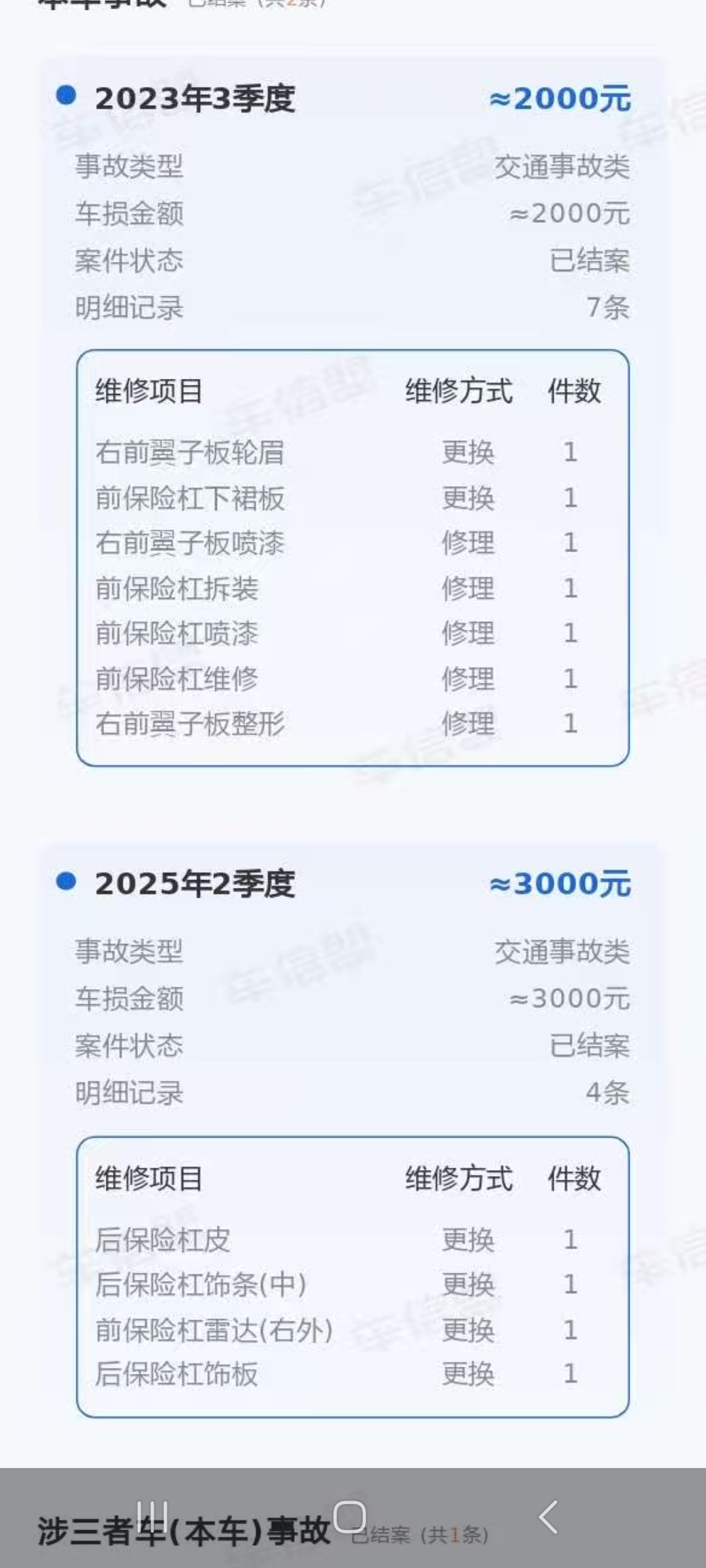
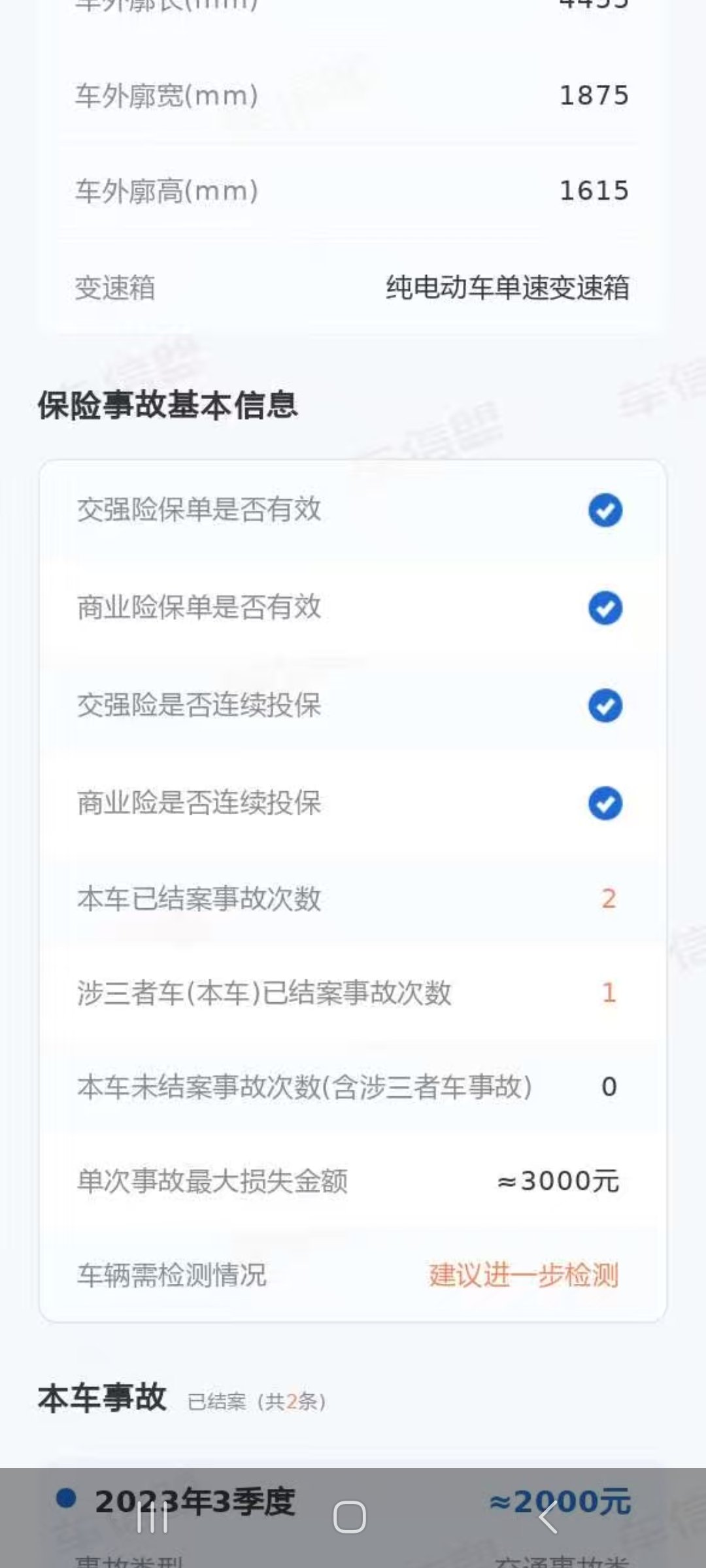
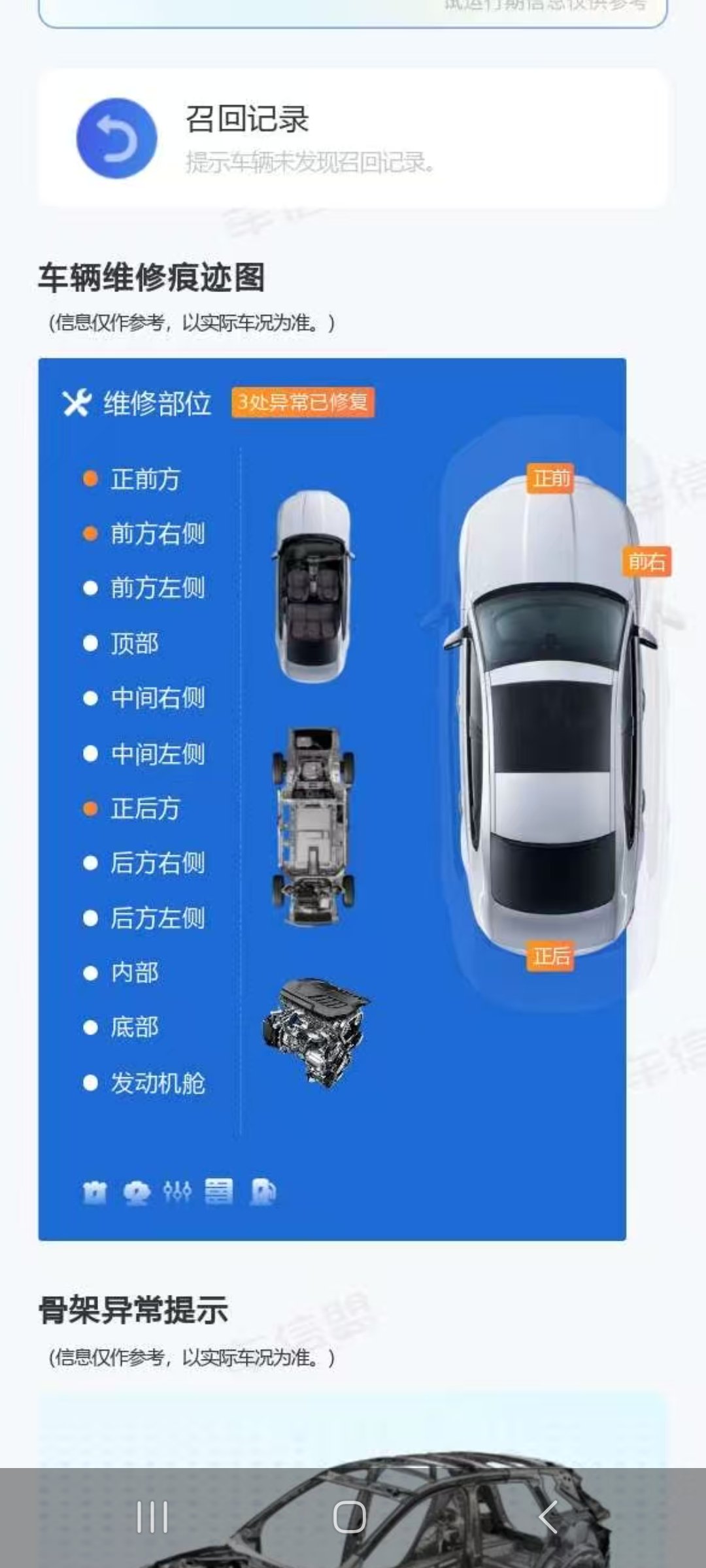
Several areas have been repainted. There is a record of insurance claims. Maintenance can be scheduled before June.

可议价
已上架

Configuration Highlights

✓品牌: 比亚迪
✓车系: 元PLUS
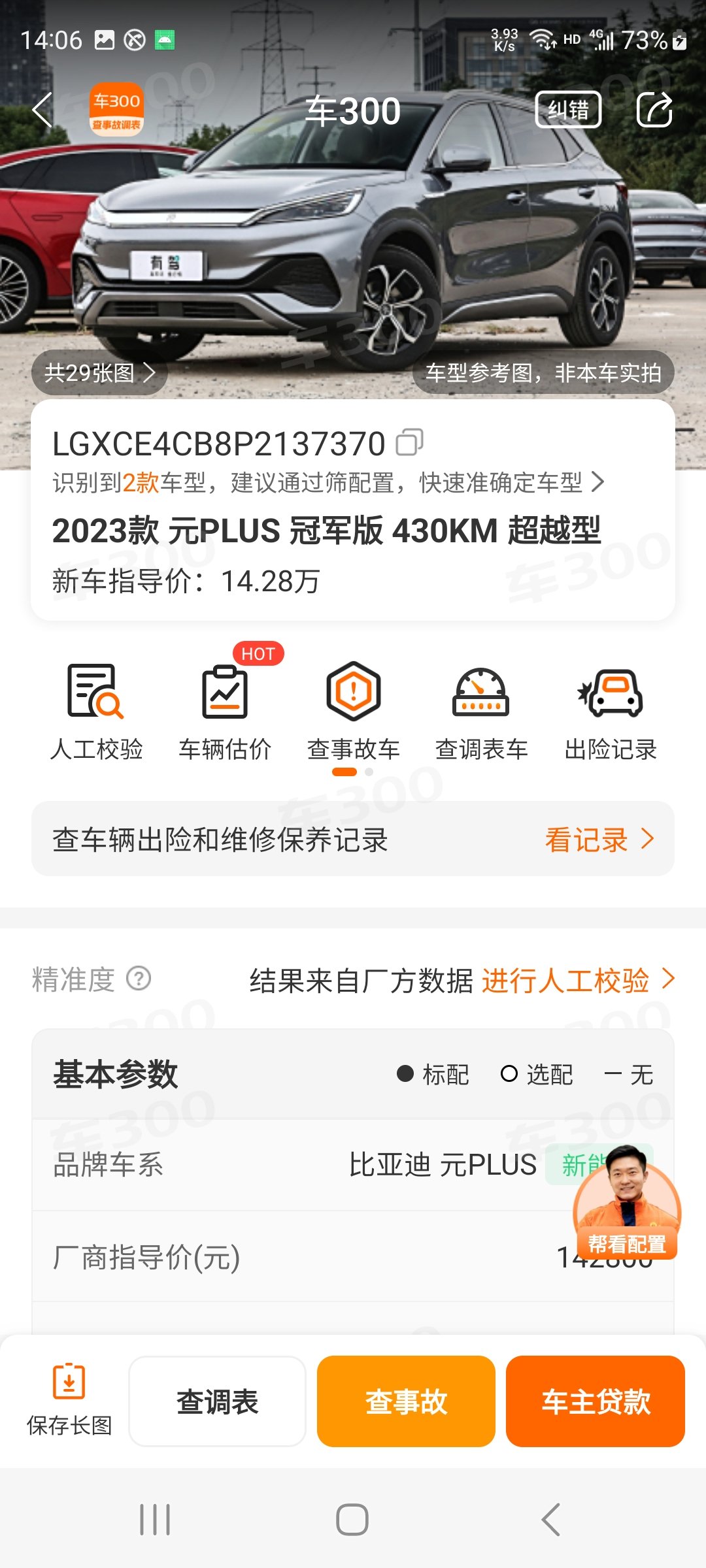
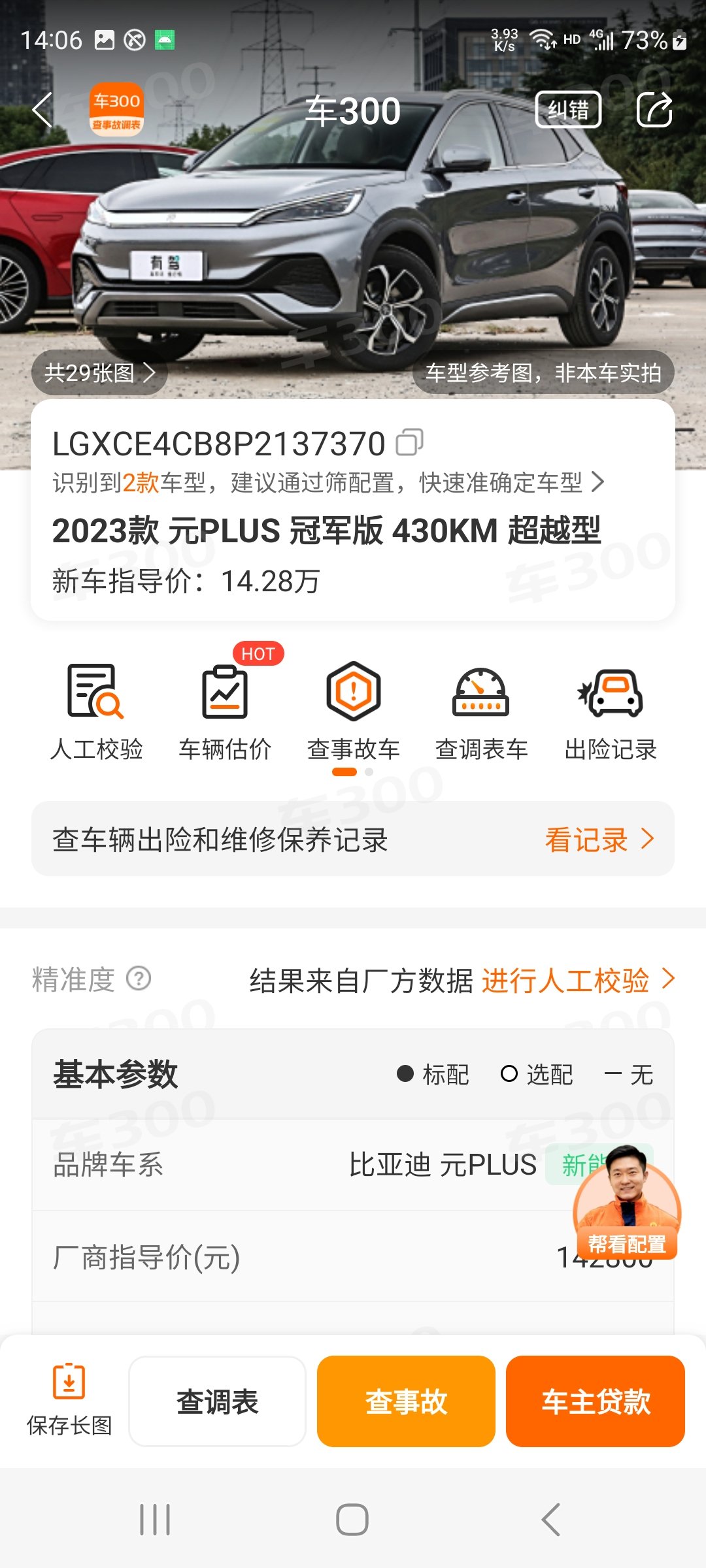
✓车型: 元PLUS 2023款 冠军版 430KM 超越型
✓能源类型: 新能源
✓发动机: 新能源
✓驱动方式: 前置前驱
✓排放标准: 其他
✓指导价: 14.28万
✓纯电续航: 430km
✓电池容量: 49.92kWh
✓车源编号: 12724501
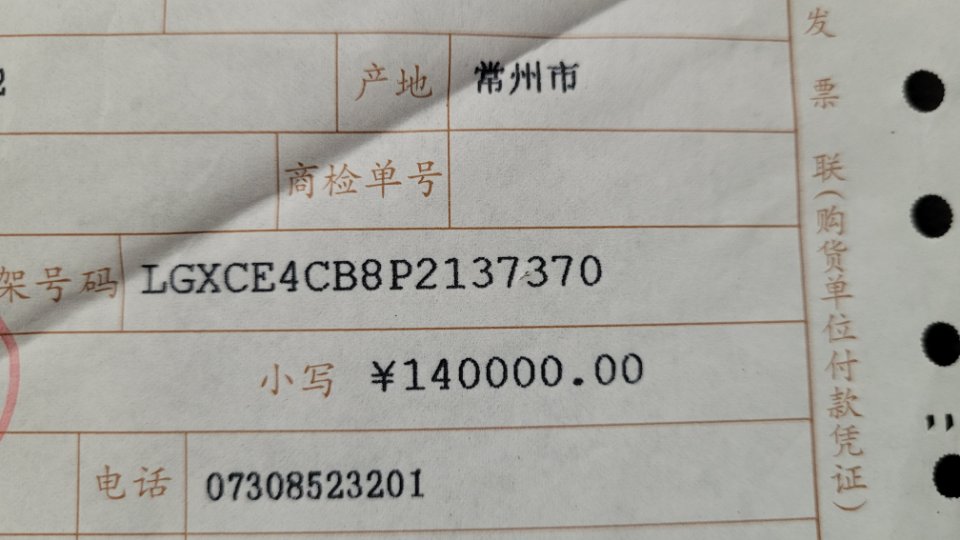
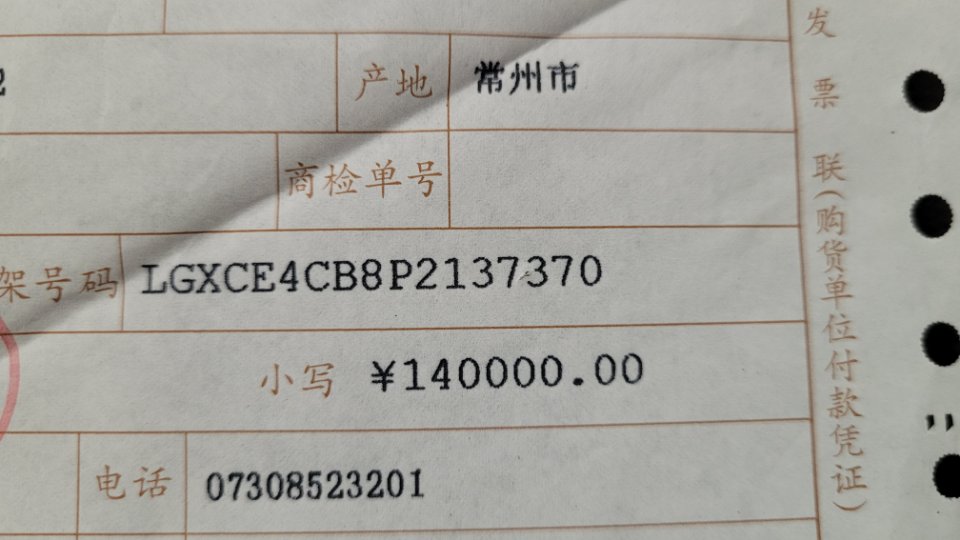
✓VIN: LGXCE4CB8P2137370

Document Information

Inspection Expiry Date2029/06
Warranty Expiry Date-
Insurance Expiry Date2026/06

Q&A

More

If the destination country requires a "Certificate of Conformity (COC)" for the vehicle, can used cars from China provide the original factory COC?

Vehicles sold domestically in China only have the "Environmental Information List" and the "Vehicle Qualification Certificate," which are not the COC of the European system. We will provide a notarized English translation of the Chinese qualification certificate. If local customs strictly require the original European COC, the vehicle will not be able to clear customs.
Will OTA remote upgrades and mobile app control still work after the vehicle is exported overseas?

We must inform you objectively: Most Chinese car manufacturers' connected services (cloud servers) are restricted by data security regulations and overseas network limitations. Once the vehicle leaves China, the factory-installed SIM card will become inactive. This means that official OTA upgrades and factory mobile app remote controls (like pre-cooling the car or unlocking doors) typically cannot be used overseas. The vehicle will operate as a standalone version, but this will not affect basic driving and physical button functions.

If the record of a vehicle's first maintenance is missing from the system, how do you determine its early wear condition?

Many car owners do not have their first maintenance done at authorized dealerships, leading to gaps in early data. In such cases, we do not blindly trust the odometer; instead, we analyze the tire production dates and wear levels, as well as the depth of grooves on the brake disc edges, using the "gold standard" of physical wear to infer the intensity of early use.