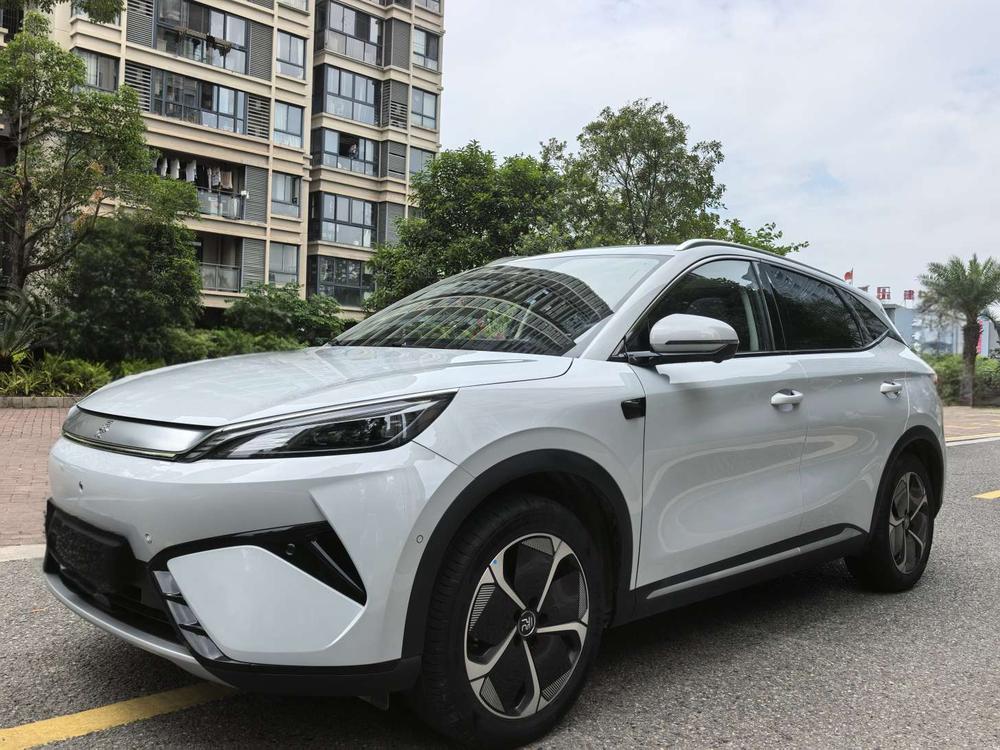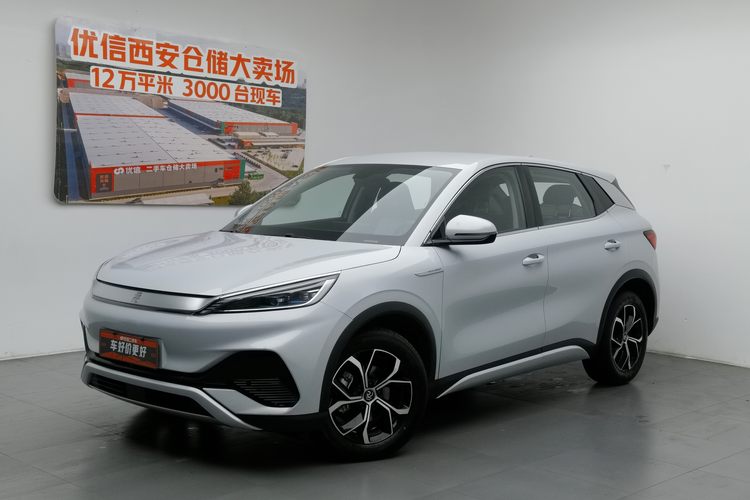


Basic Information

BrandBYD
SeriesYuan Plus
Year2023
First Registration2023/08
Mileage33,400km
Transfer Count-
FuelOther
TransmissionOther
Engine-
ColorWhite
Seats-

Condition Description

Localized body damage or repair marks present. No accident-related damage or repairs to structural or reinforcing components. Vehicle performance (including three-electric system) has degraded or is limited.

Accident inspection: main structure undamaged, reinforcing components undamaged, cover panels damaged, hinges normal. Three-electric system inspection: power battery underbody shield missing. Engine bay inspection: key mechanical components normal. Exterior: 3 replaced parts, 3 panel repairs, 1 repaint. Interior: most features normal, airbags normal, seatbelts normal, dashboard normal, instrument readings normal, lighting system normal. Startup inspection: main components normal. Onboard tools: none.

Fixed price
VIP车源
新能源
零过户
非泡水

Document Information

Inspection Expiry Date2026/08
Warranty Expiry Date-
Insurance Expiry Date2026/08

Q&A

More

If customs delays due to the upgrade of the Chinese customs system cause a missed shipping schedule, who will cover the storage fees?

If the delays are due to policy-related force majeure like customs system upgrades, or if our documentation errors lead to short shipments, all additional demurrage and storage fees incurred at ports within China will be borne by sellwellauto, and the buyer will not have to pay a cent.
Is the shipping insurance rate for used new energy vehicles higher than that for traditional fuel vehicles? What is the deductible?

Yes. Due to the significant difficulty in extinguishing lithium battery fires, insurance companies typically charge 20%-40% higher rates for comprehensive coverage on used EVs compared to ICE vehicles. Additionally, the absolute deductible for minor scratches on the body will also be increased accordingly.

When calculating the total cost of a used car, what percentage of the car price do you recommend setting aside for "unforeseen local preparation costs"?

Based on practical risk assessment, we strongly recommend setting aside 3% to 5% of the car price as a buffer fund for even the highest-rated used cars, to cover oil changes, new tires, minor shipping scratches, and local inspection labor costs.