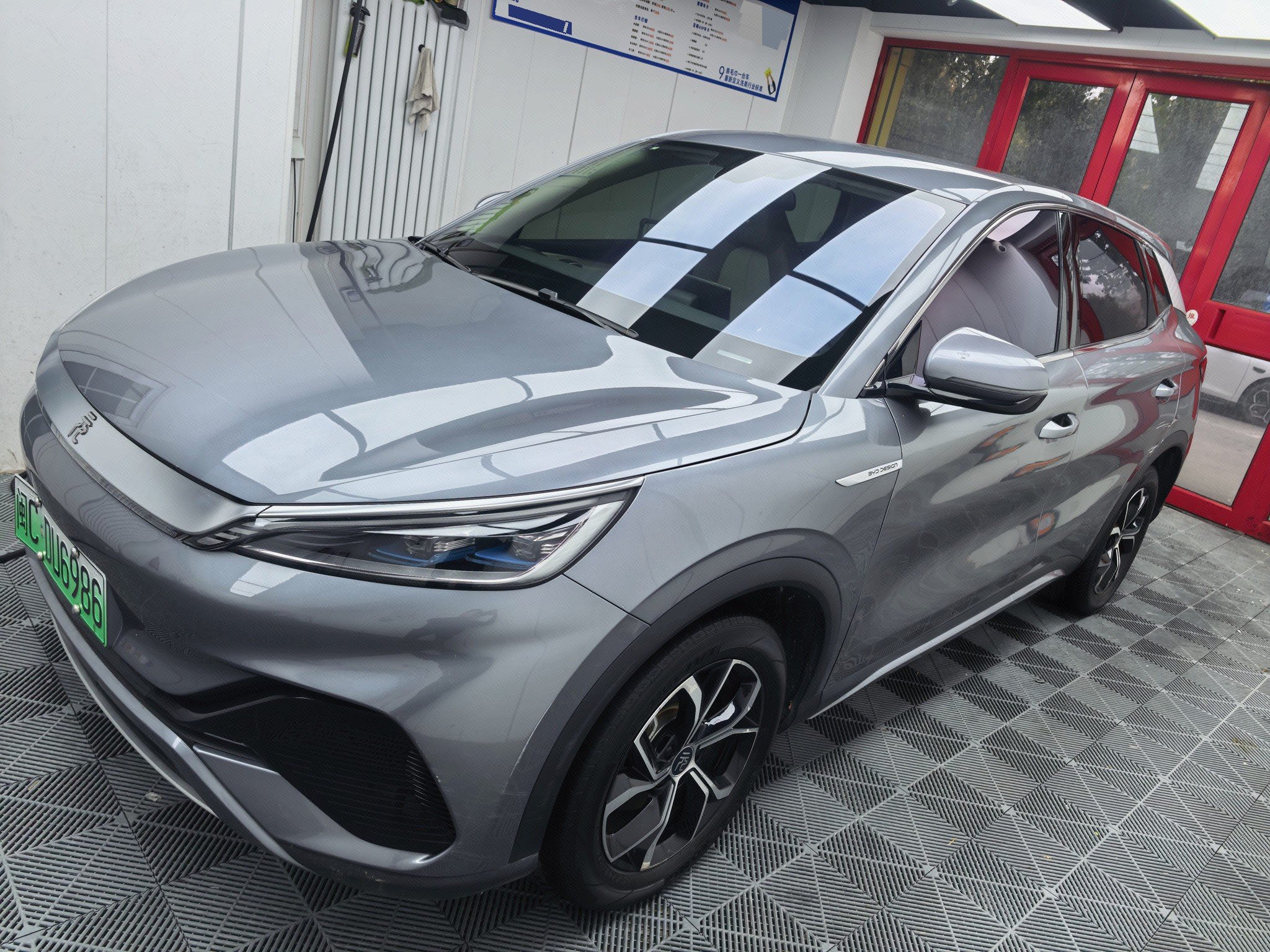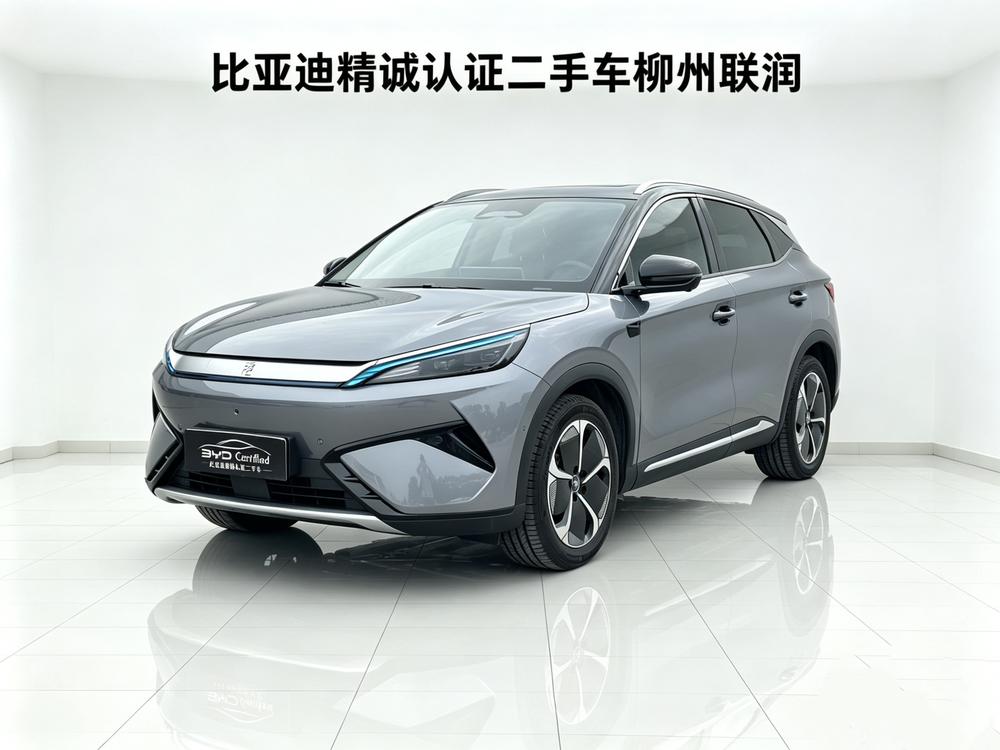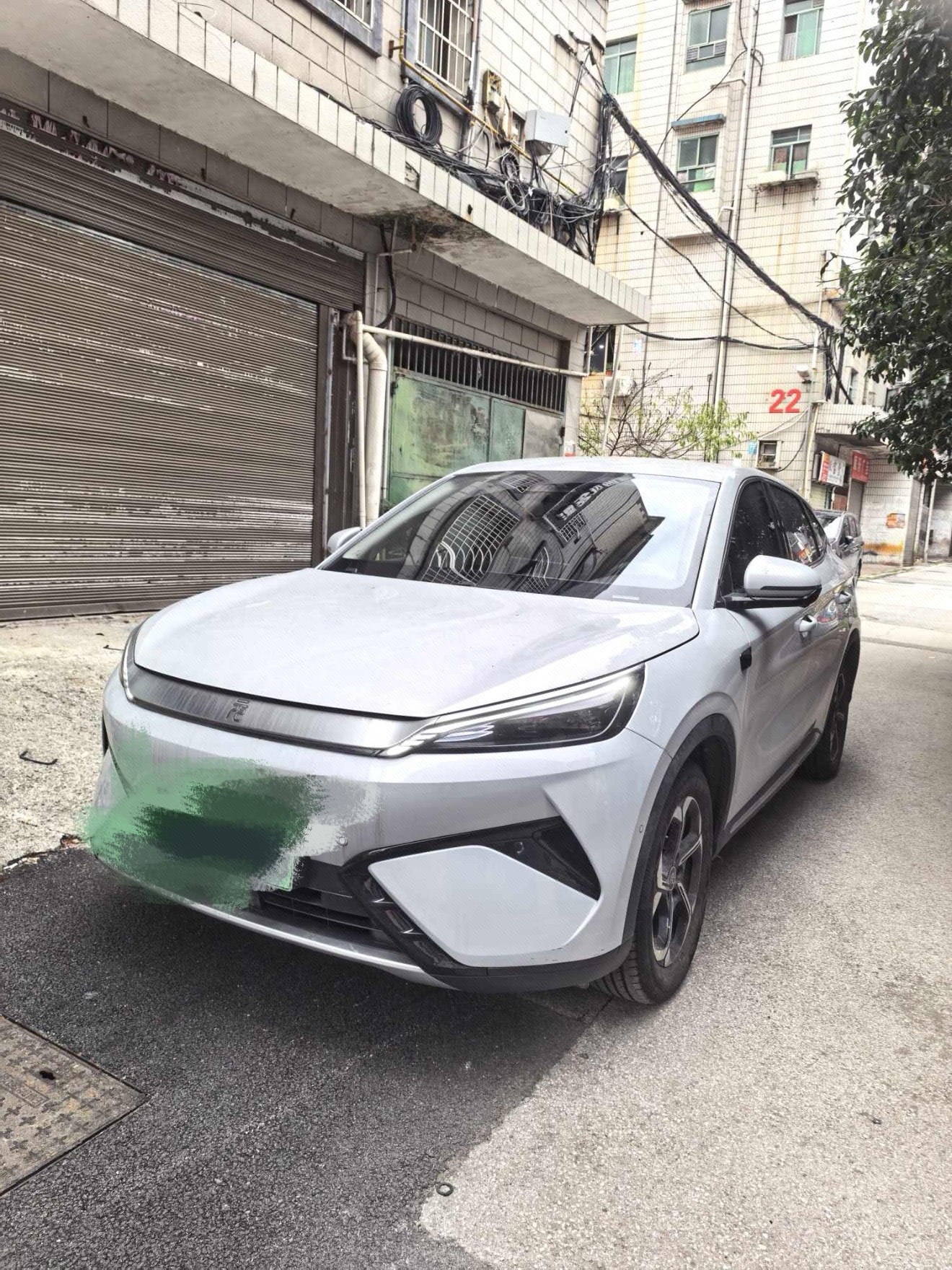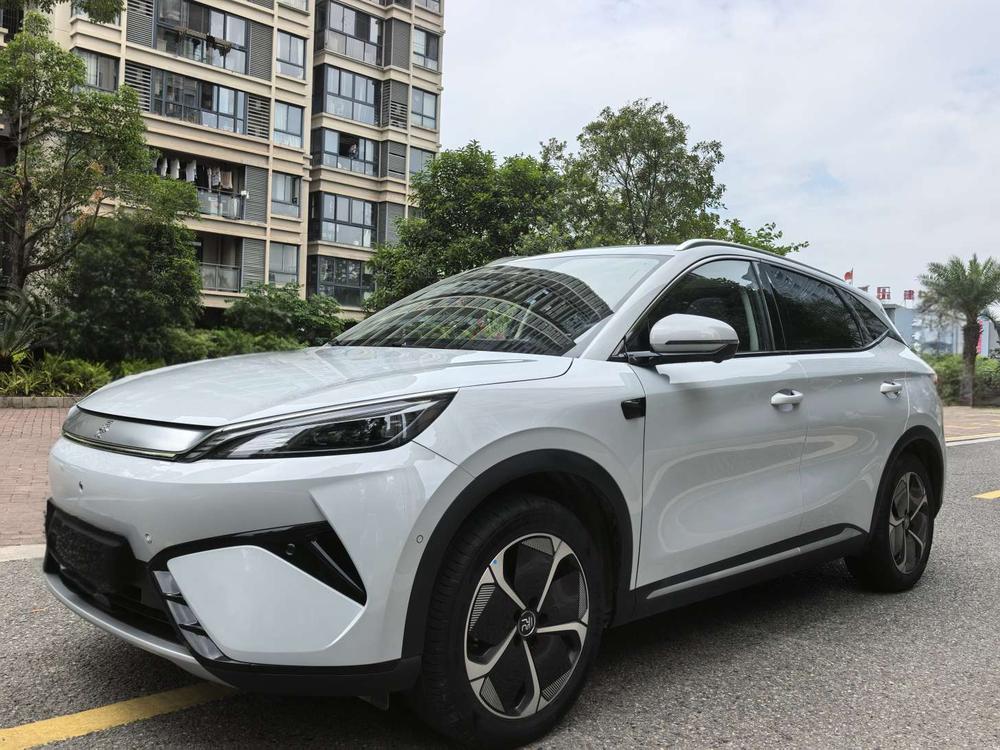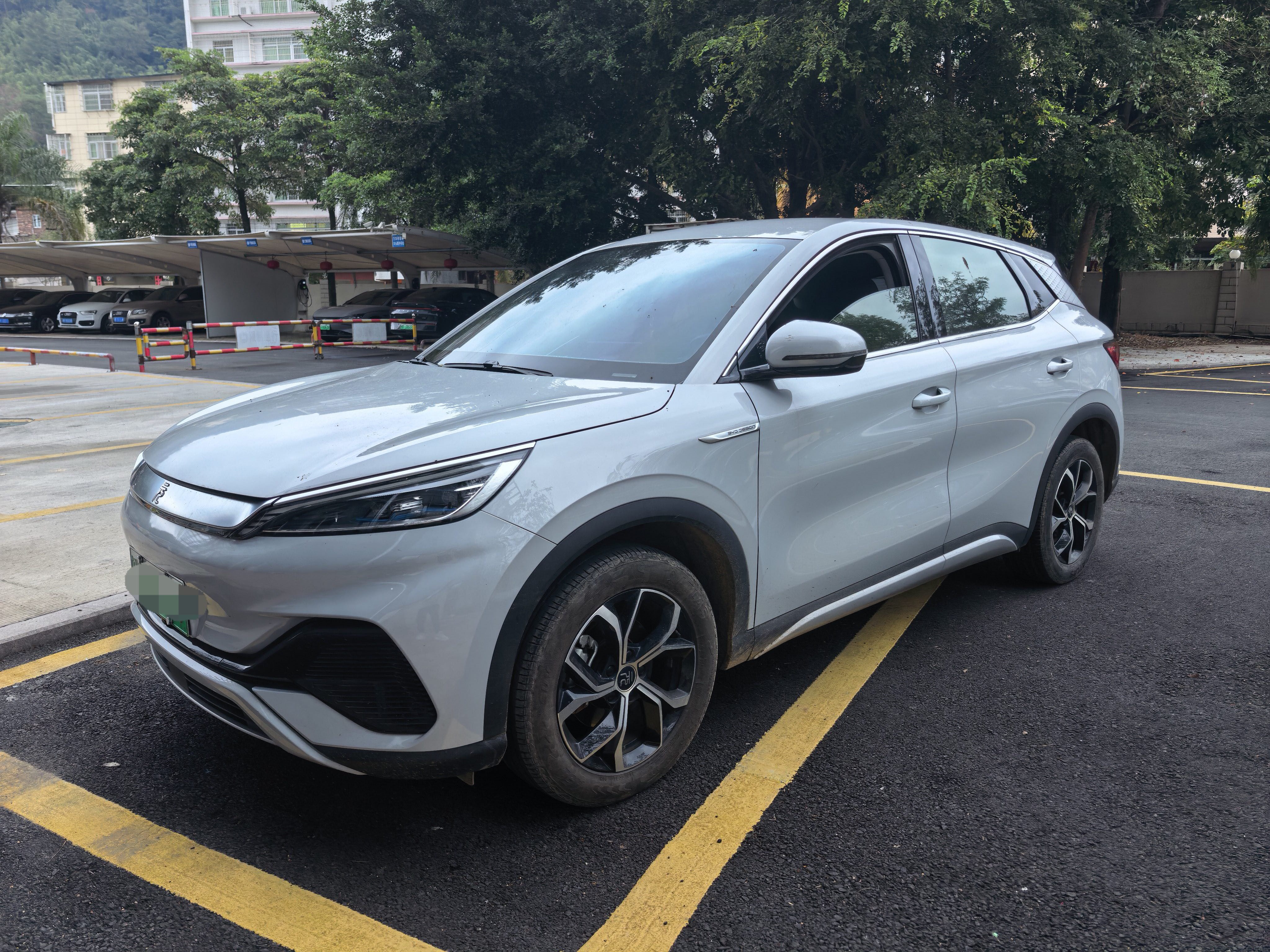
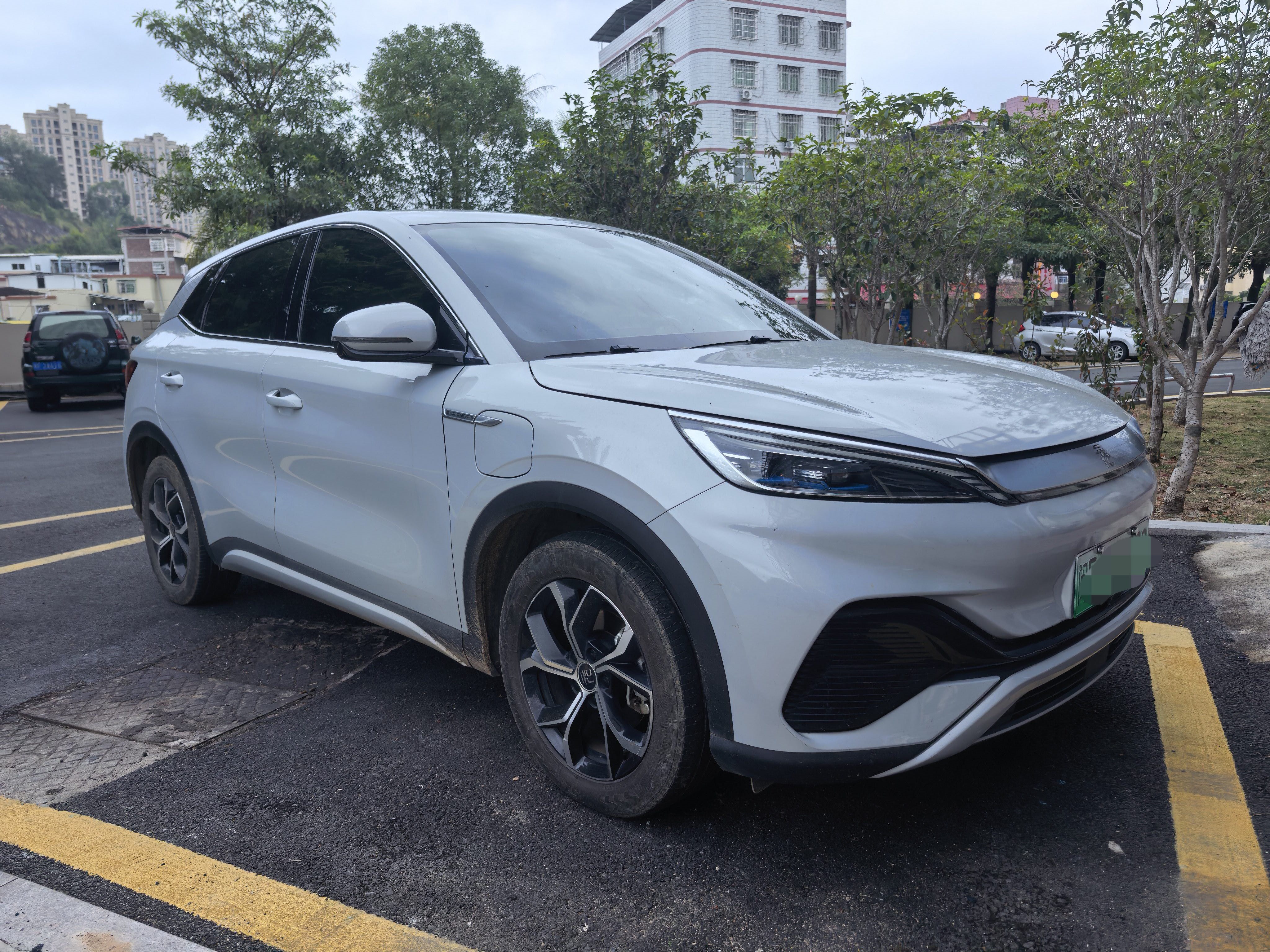
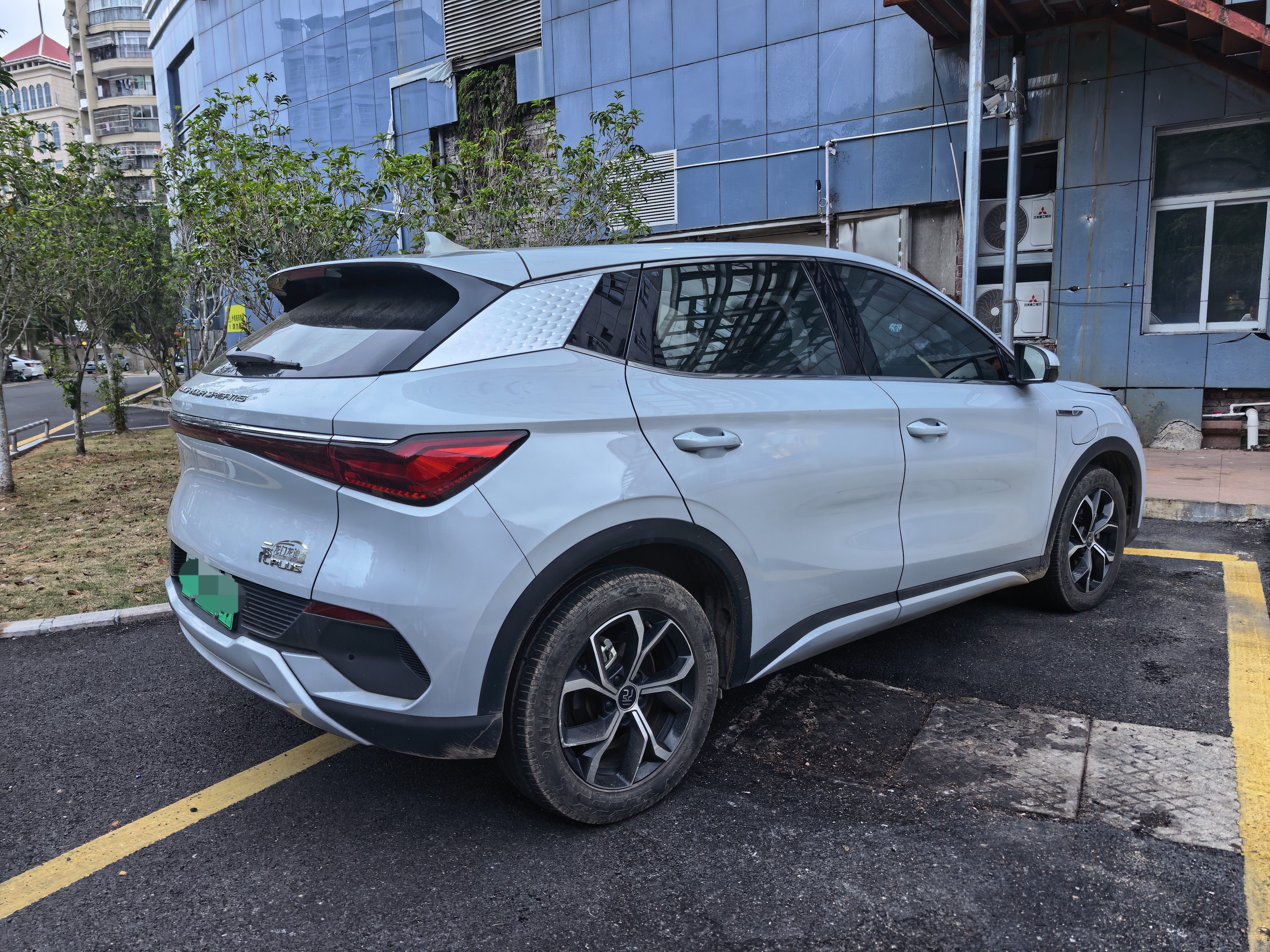
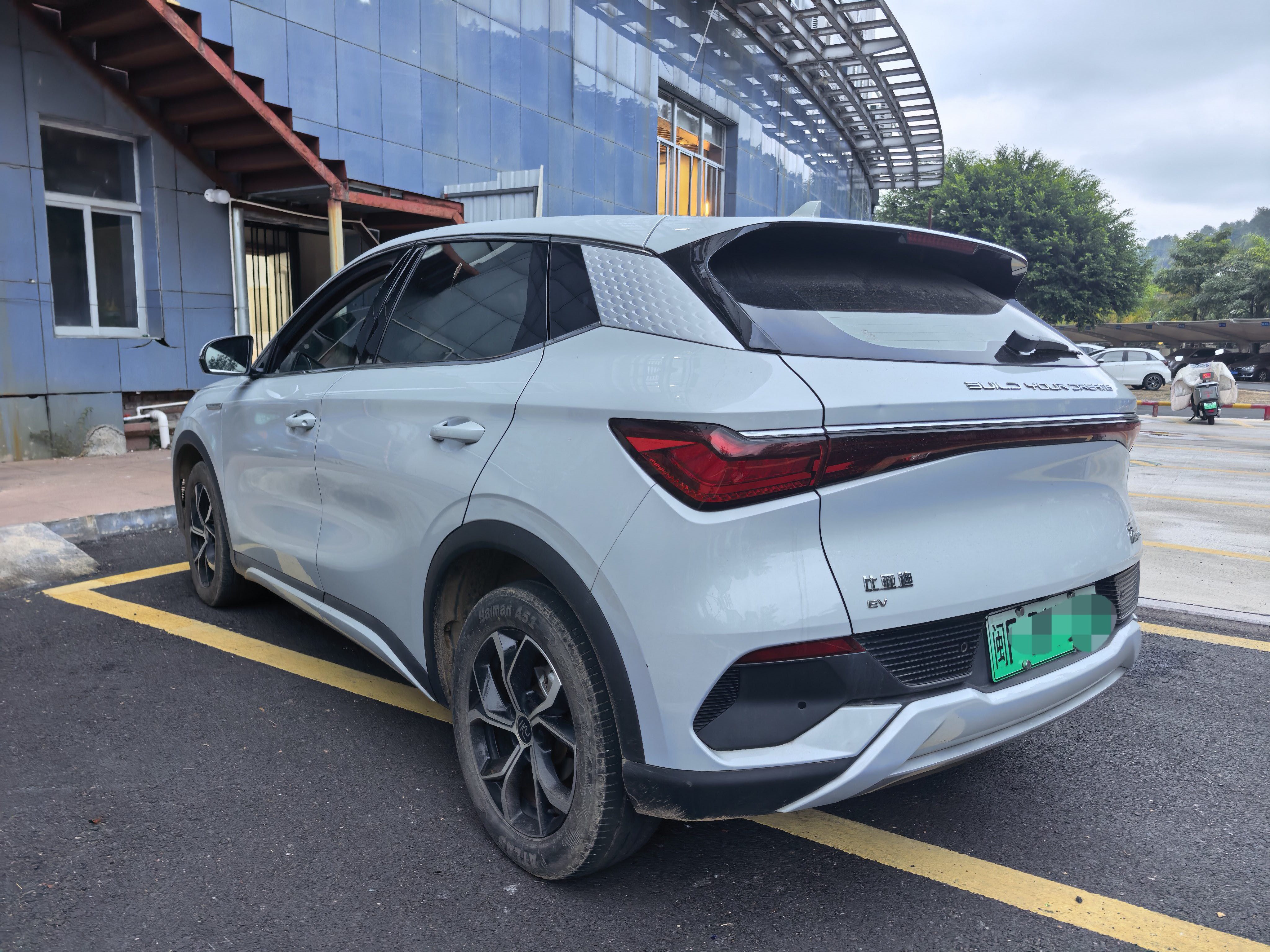
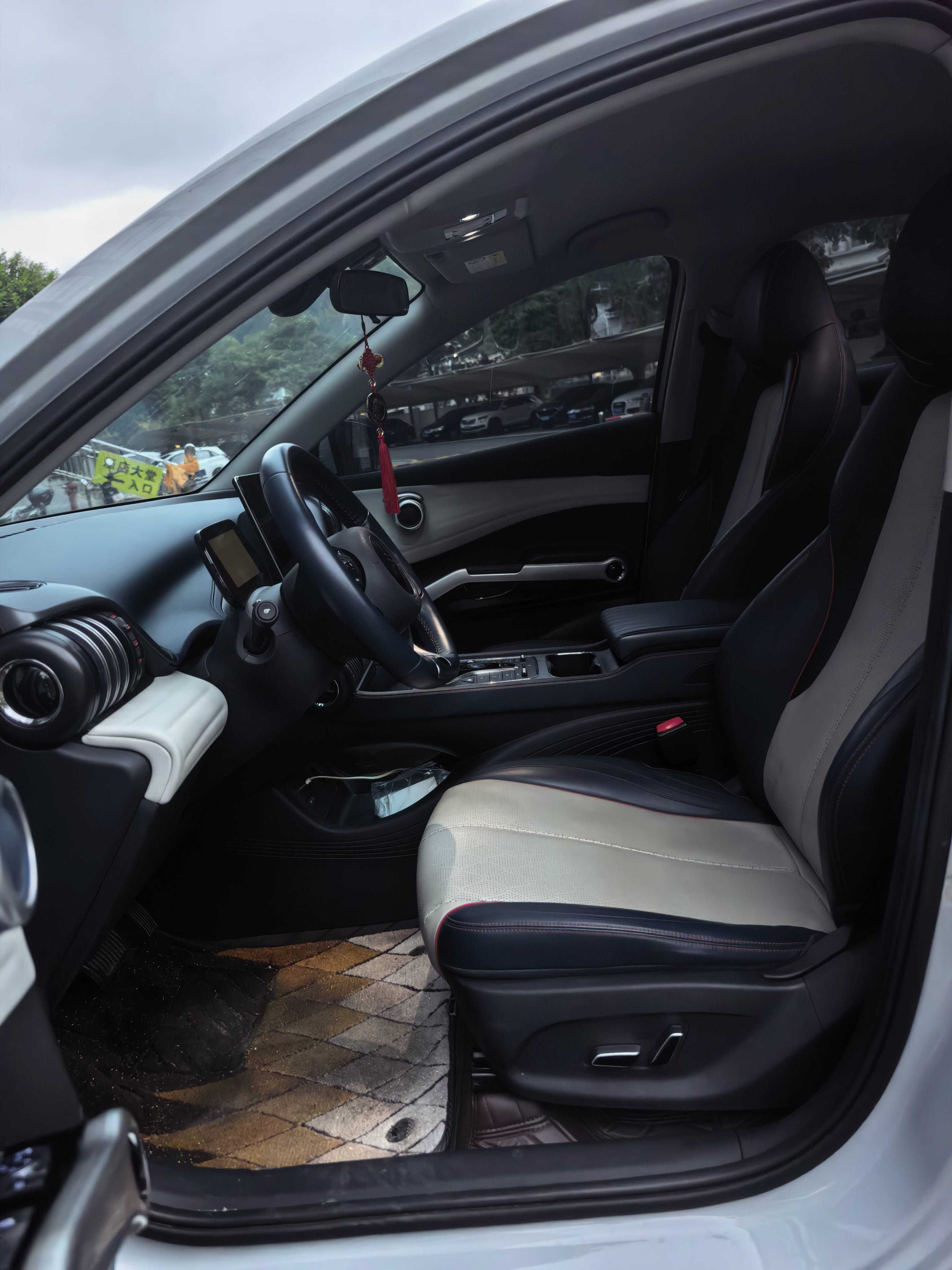
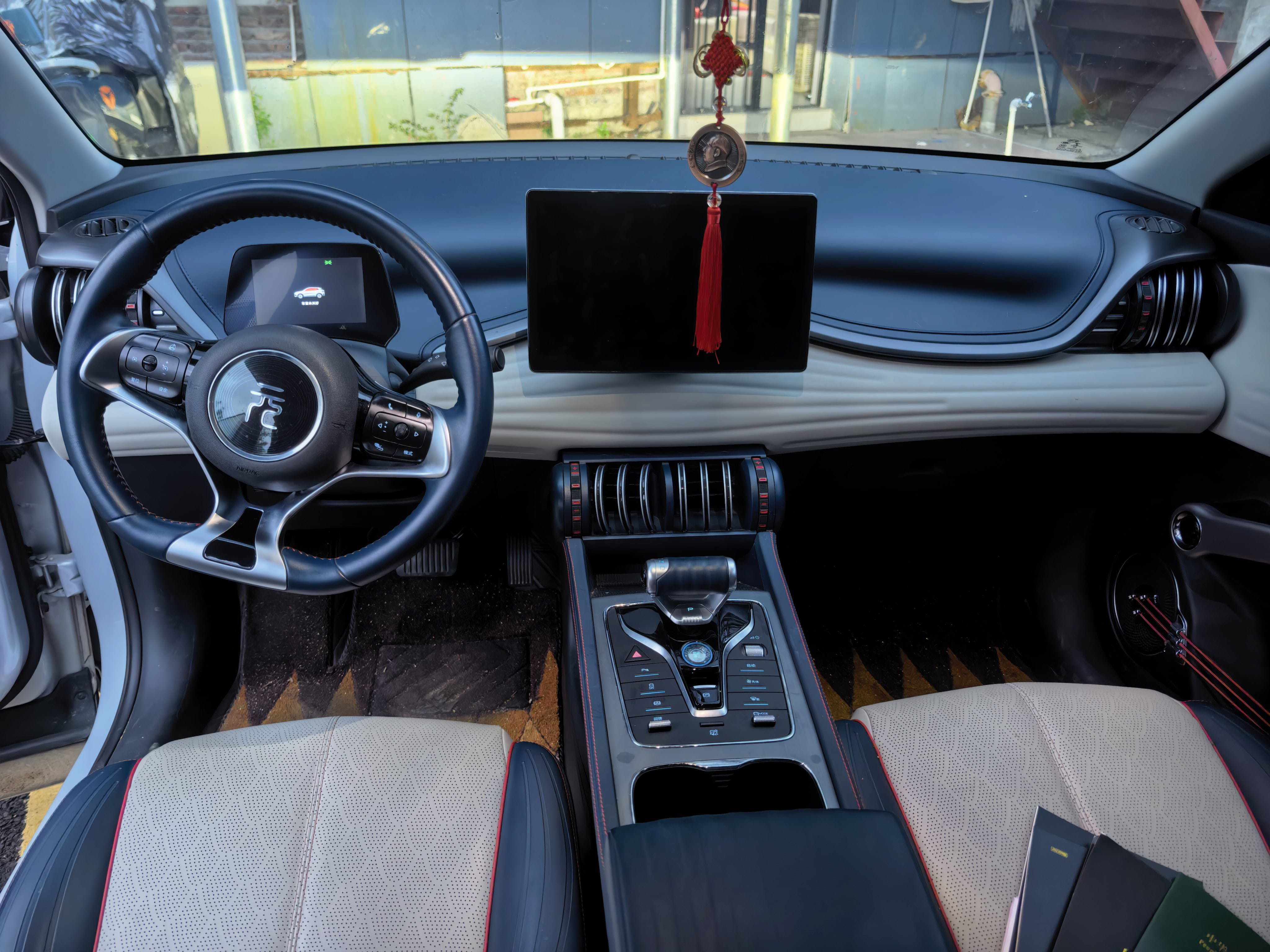
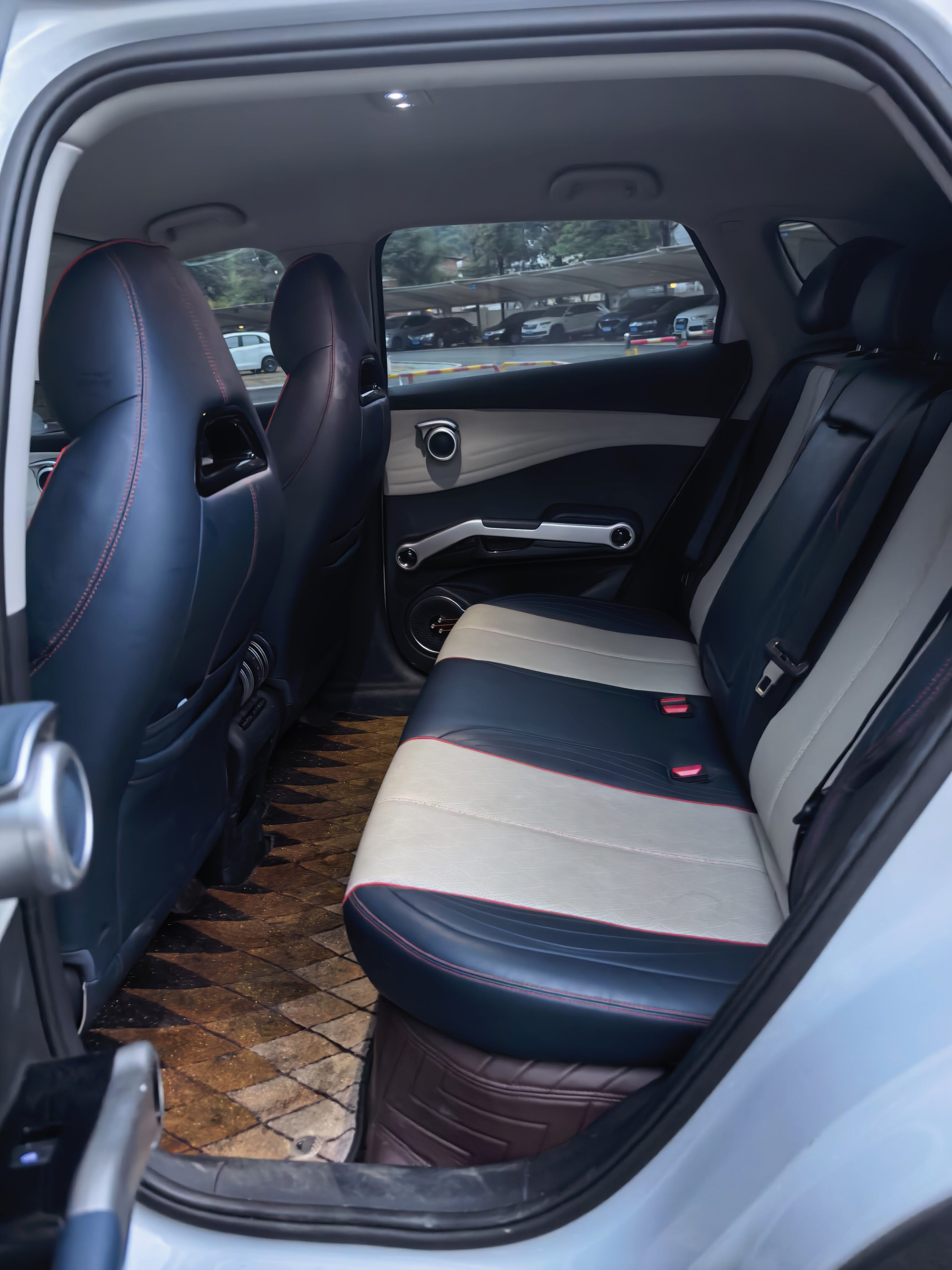
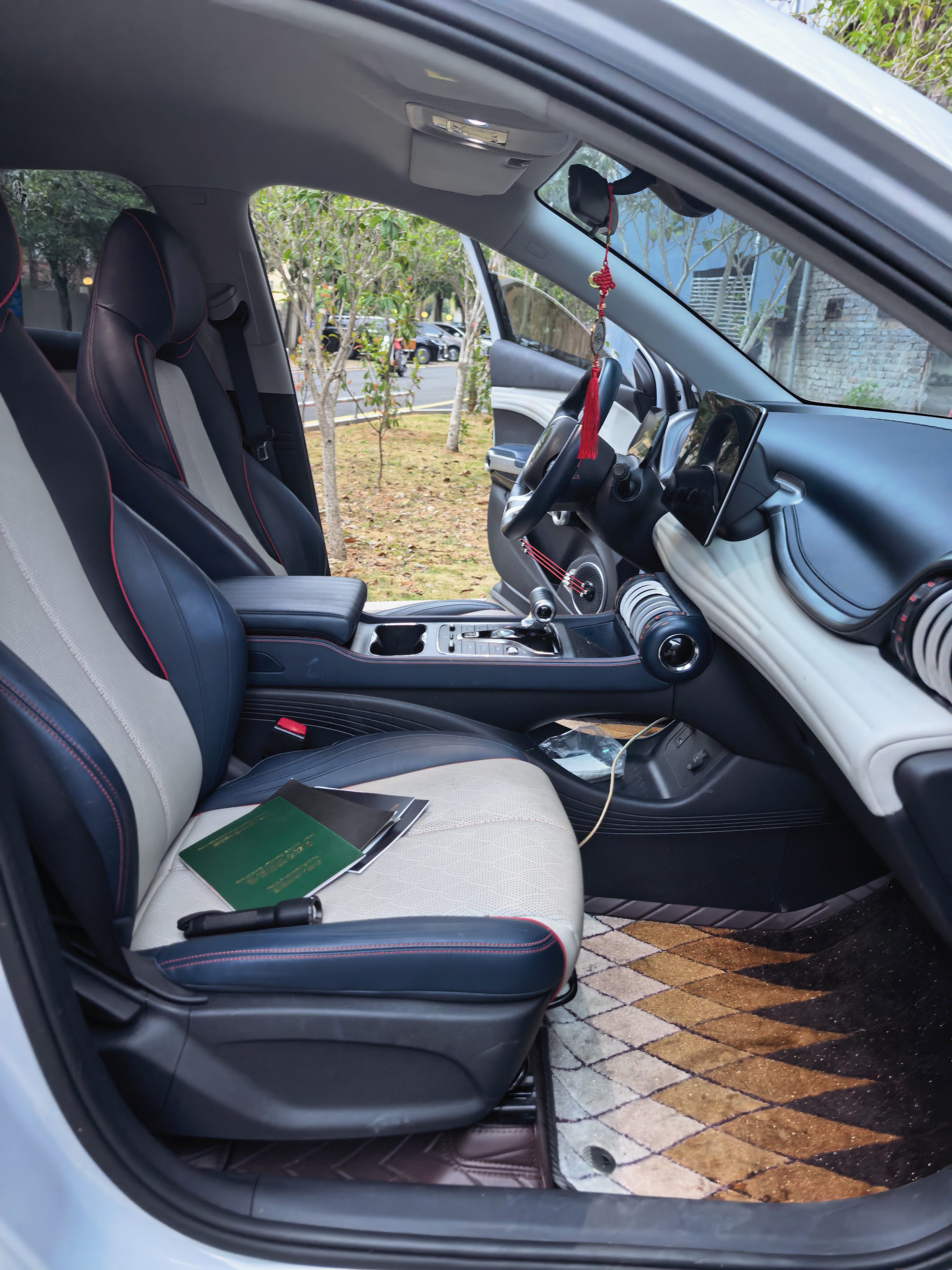



Basic Information

BrandBYD
SeriesYuan Plus
Year2023
First Registration2023/01
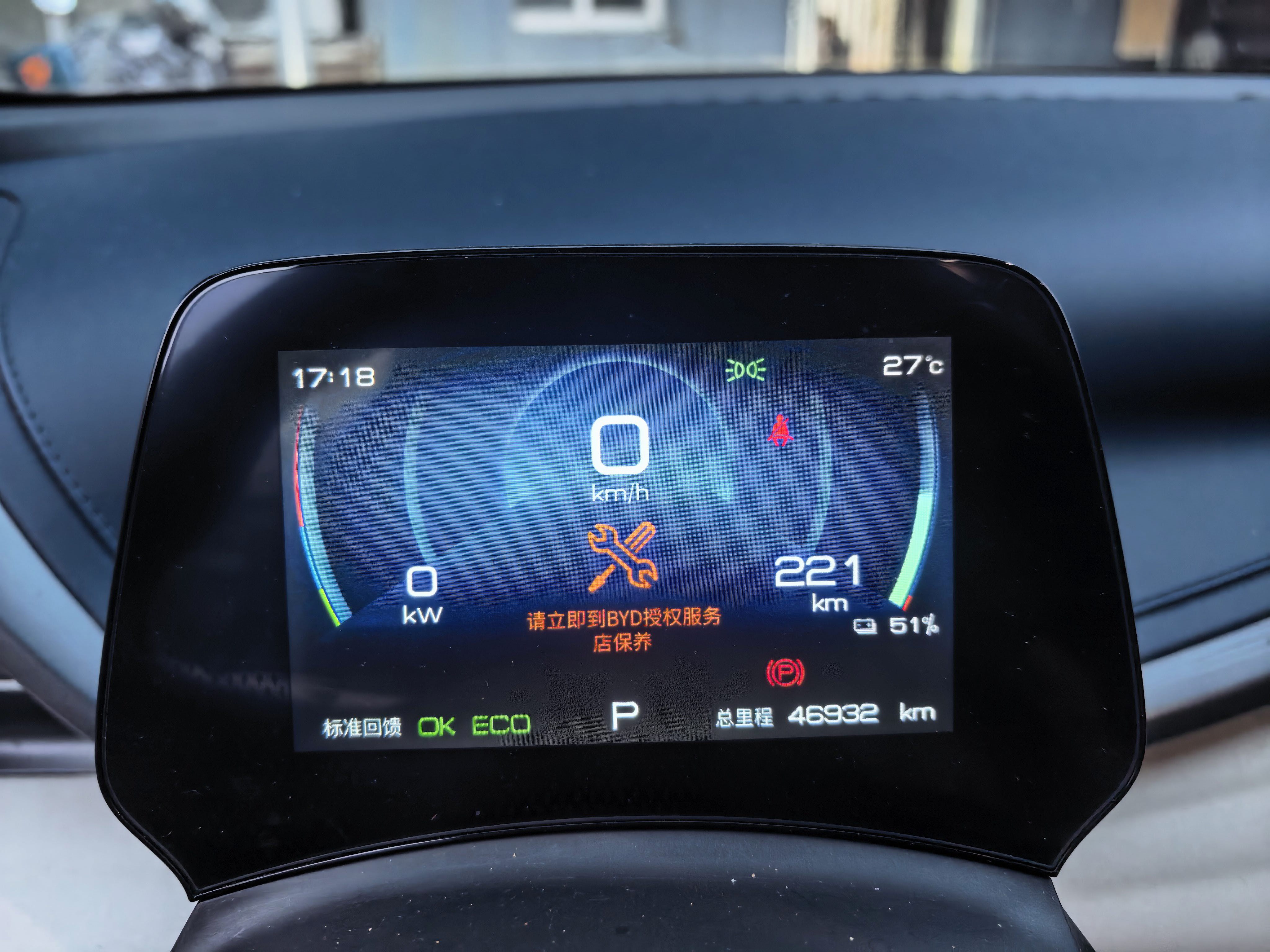
Mileage44,000km
Transfer Count1times
FuelOther
TransmissionOther
Engine-
ColorWhite
Seats-

Condition Description

Original condition with two repainted panels, zero insurance claims, actual mileage.

新能源
SUV
自动
维保开放
事故开放
查验开放

Configuration Highlights

✓品牌: 比亚迪
✓车系: 元PLUS
✓车型: 2022款 430KM 豪华型
✓车身类型: SUV
✓座位数: 5
✓排量: 0.0L
✓变速箱: 自动
✓能源类型: 新能源
✓VIN: LGXCE4DB7N2144399
✓搜索关键词: 比亚迪元PLUS 2022款元PLUS430KM豪华型

Document Information

Inspection Expiry Date2027/01
Warranty Expiry Date-
Insurance Expiry Date2027/01

Q&A

More

How do you assess the leak risk of vehicles with panoramic sunroofs?

We maintain an absolute skeptical attitude. In addition to regular visual inspections, we focus on checking for sediment accumulation around the sunroof drainage channels and look for water stains under the A-pillar trim and front floor mats. This is the only effective physical evidence to determine if the sunroof drainage holes are blocked, leading to hidden leaks.


How long does sea freight from China take to major destinations, and what shipping methods are available?

Two main shipping methods are used for used cars from China: 1) Container shipping: the car is loaded into a 20ft or 40ft container. Safer, protects from weather and damage, and allows personal items inside the car. Slightly more expensive. 2) RoRo (roll-on/roll-off): the car is driven onto the ship. Cheaper for single units, but no protection and no personal belongings allowed. Typical transit times from major Chinese ports (Shanghai, Guangzhou, Shenzhen, Qingdao): - Middle East: 12-20 days - Europe: 25-40 days - East/West Africa: 30-45 days - South America: 35-50 days - Southeast Asia: 5-12 days Add 5-10 days on each side for port handling, customs, and inland delivery. Peak season (before Chinese New Year and summer) can add delays, so book space 2-3 weeks ahead.

How do I evaluate interior wear on a used car from China to estimate real mileage and usage intensity?

Interior wear is harder to fake than an odometer and often reveals true usage better than any document. Focus on high-contact points the seller rarely restores. The driver's seat bolster shows creasing and cracking by 80,000-100,000 km even with covers. Steering wheel leather polishes smooth and darkens with hand oils; a shiny wheel with low claimed mileage is a red flag. Pedal rubbers wear through at similar rates — check accelerator, brake, and clutch depth. Second-row wear patterns tell you how the car was used: heavy child-seat indentations suggest family use (usually gentler), while uniform rear wear with clean front suggests commercial or ride-hailing duty. Check seat rails for rust (indicates water ingress) and look under floor mats for moisture staining or musty smell — flood cars often hide it there. Also examine the infotainment and instrument cluster: Chinese EVs log usage data internally, and a dealer diagnostic readout can cross-check driving hours against mileage. Request close-up, well-lit photos of these specific points during your live video inspection rather than relying on the seller's gallery.