


24H

Basic Information

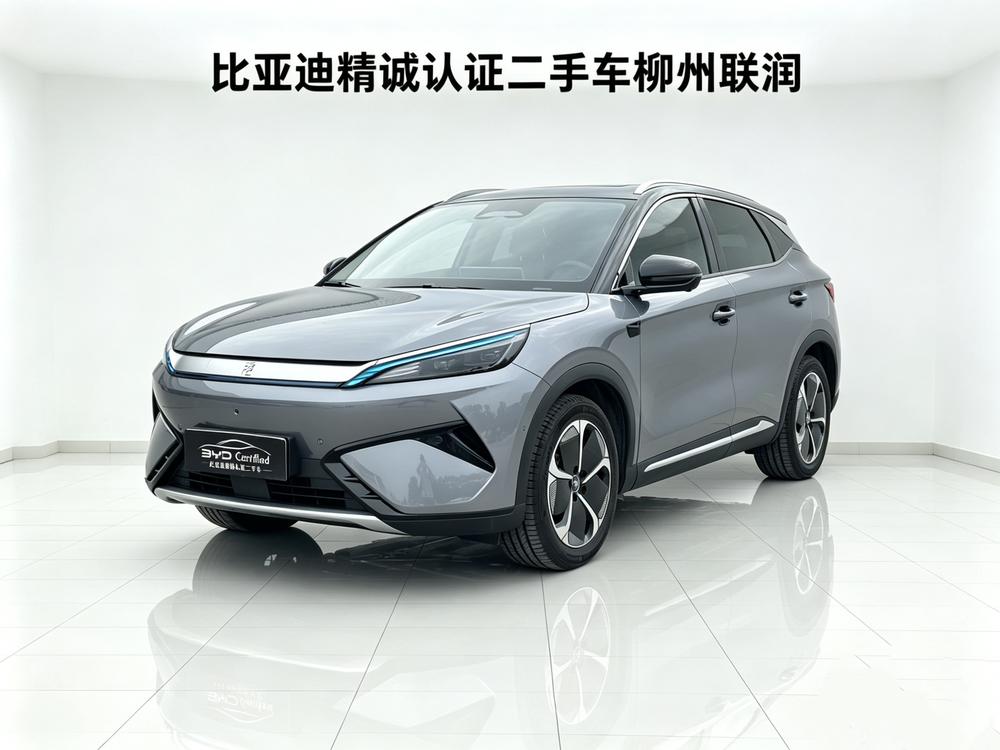
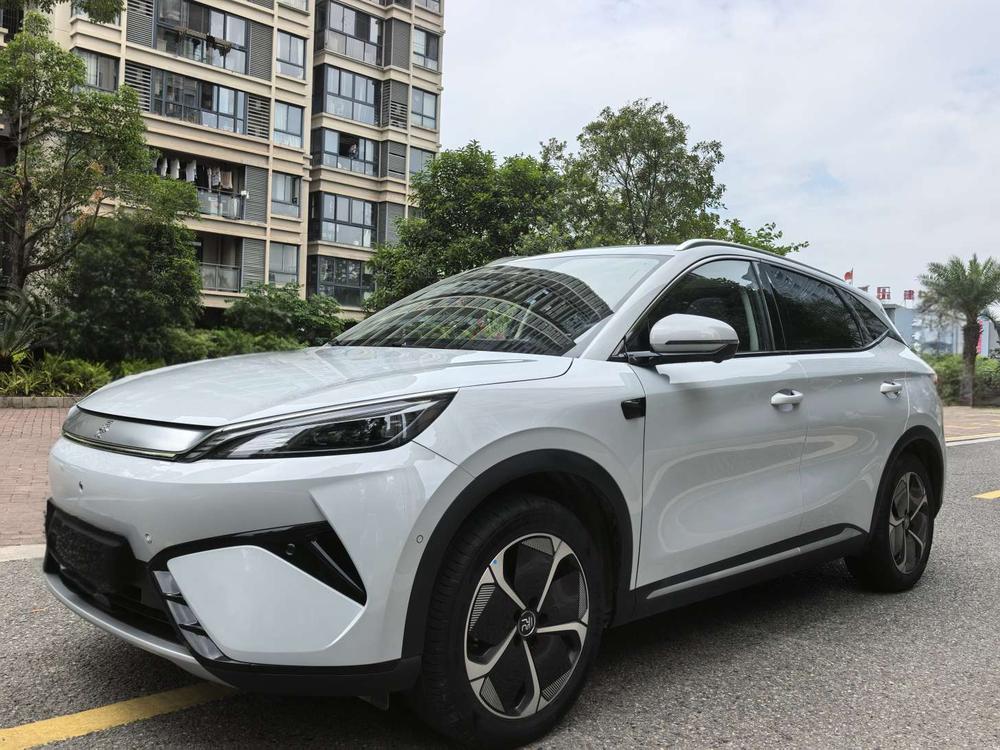
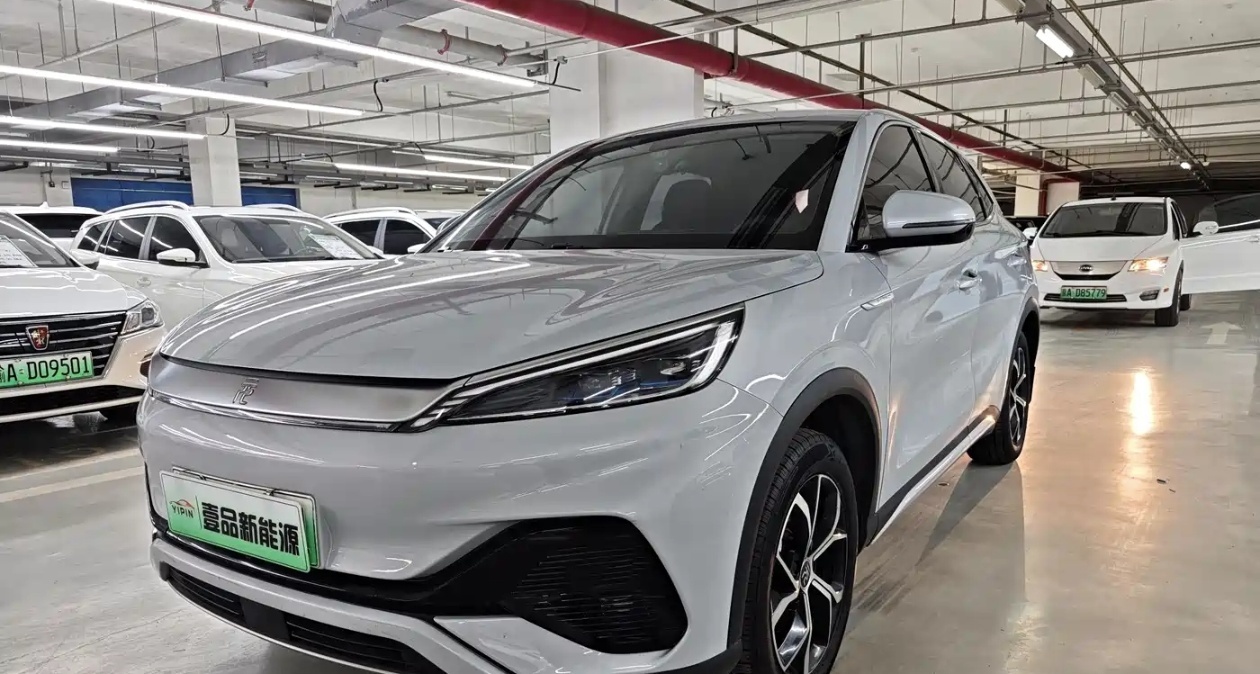
BrandBYD
SeriesYuan Plus
Year2023
First Registration2023/03
Mileage30,000km
Transfer Count0times
FuelOther
TransmissionOther
Engine-
ColorWhite
Seats-

Condition Description

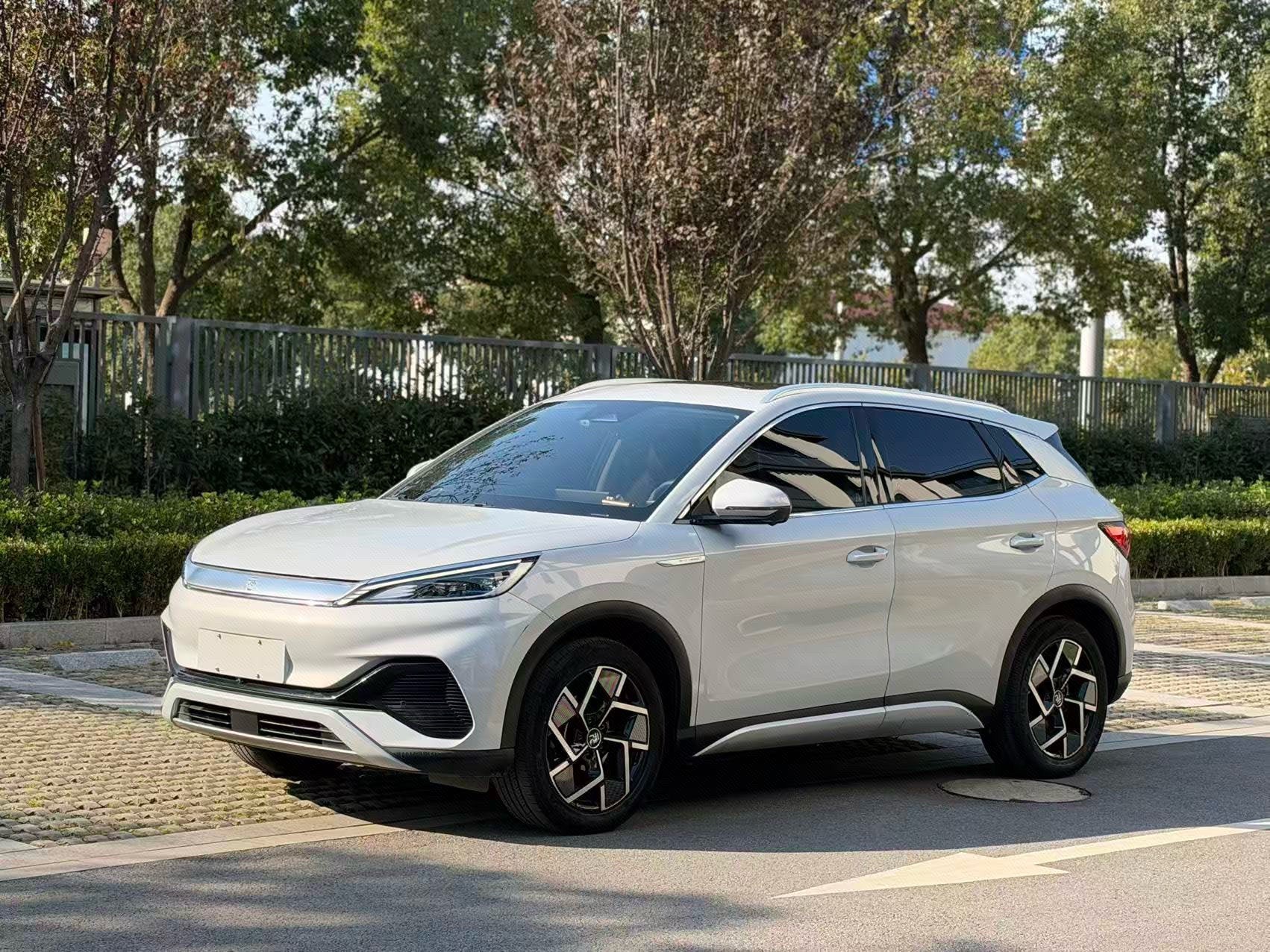
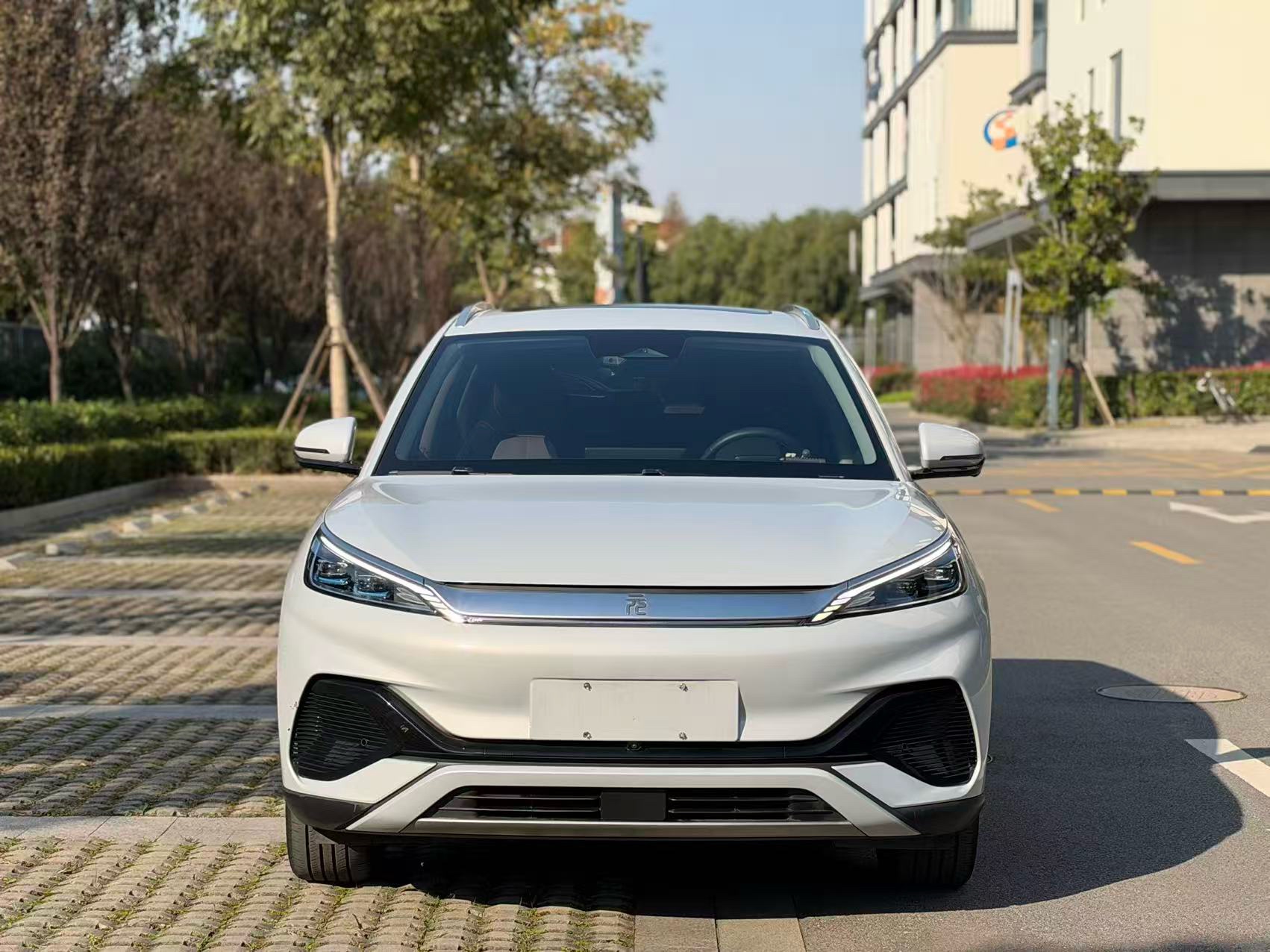
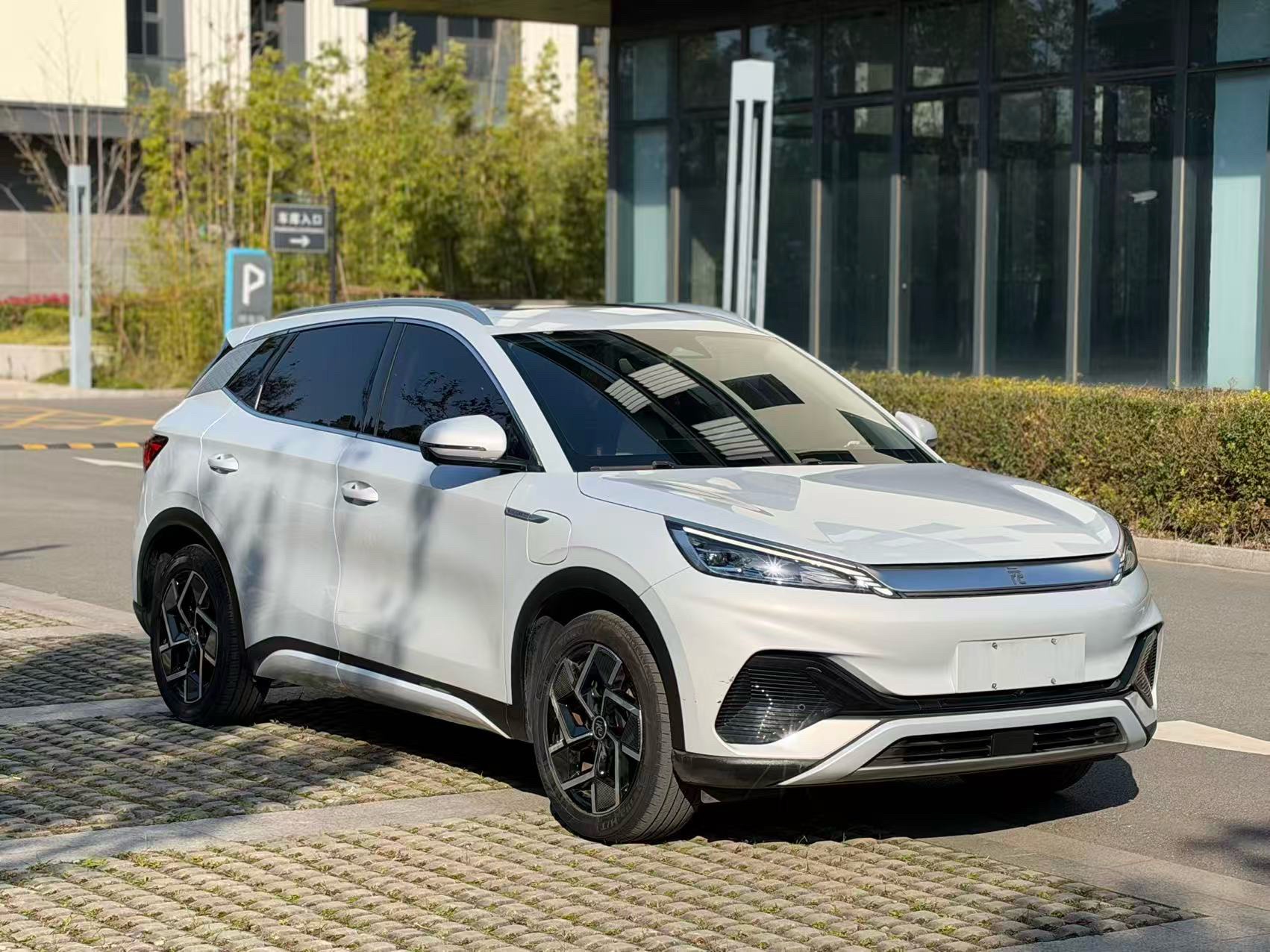
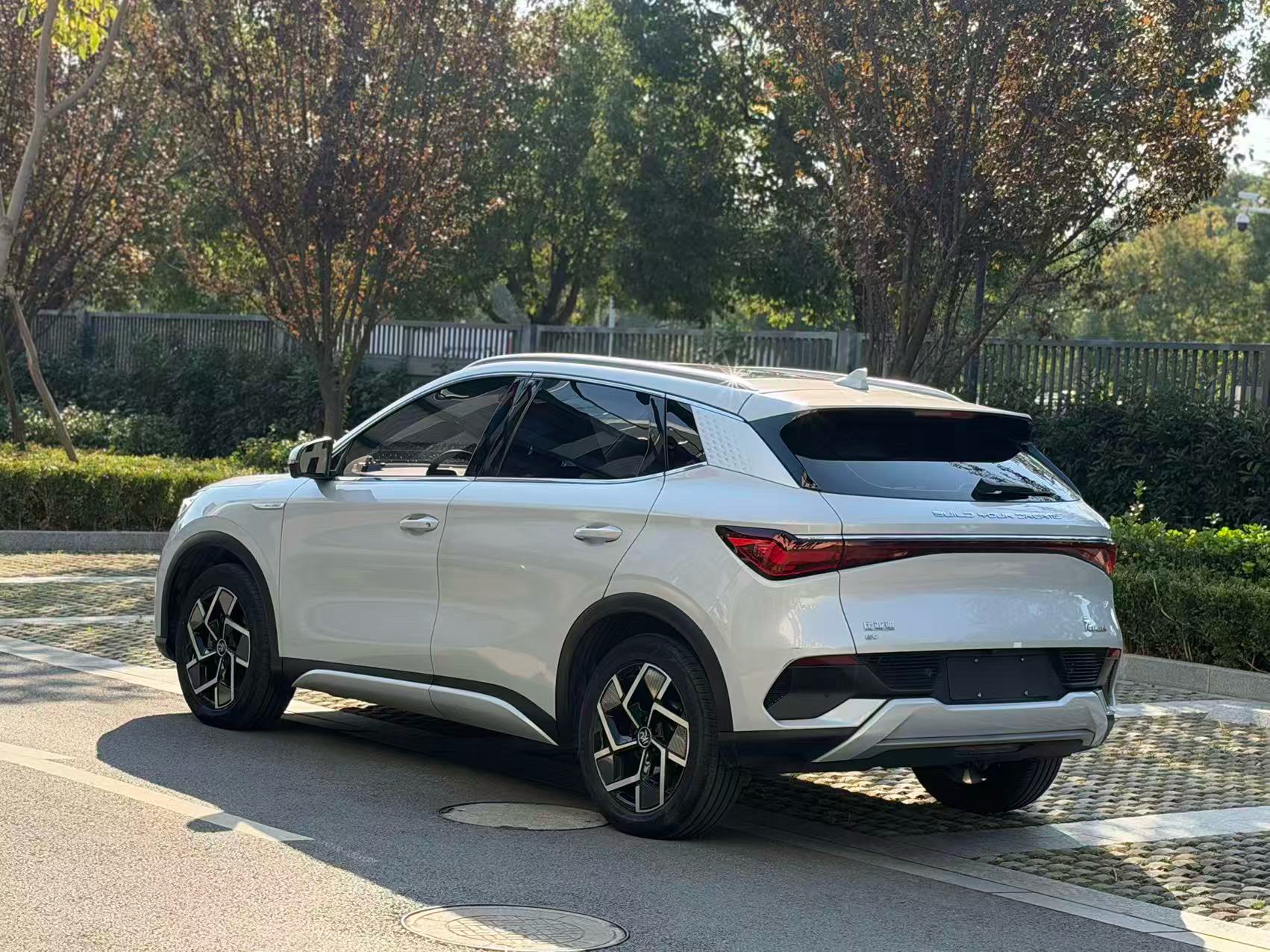
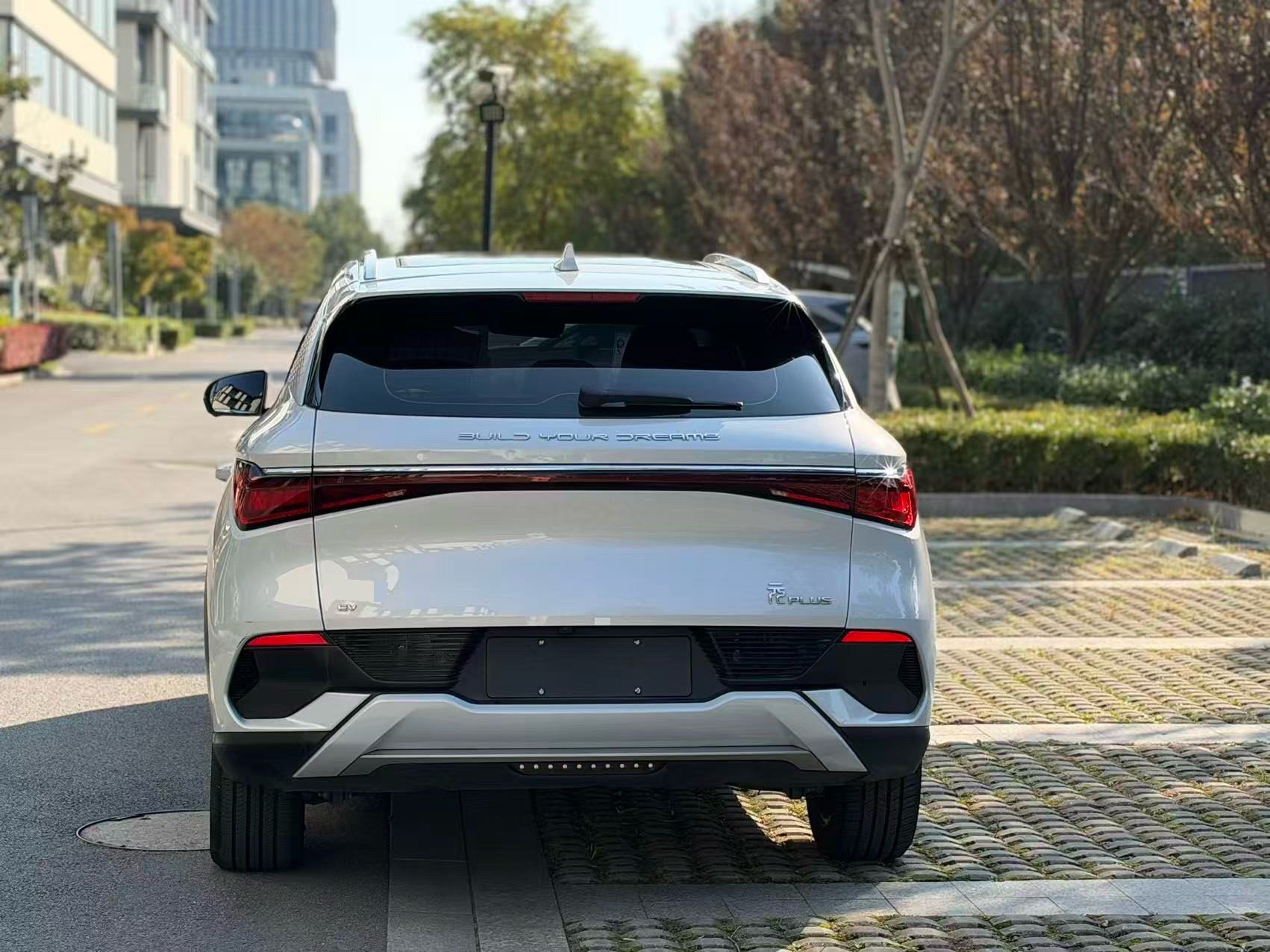
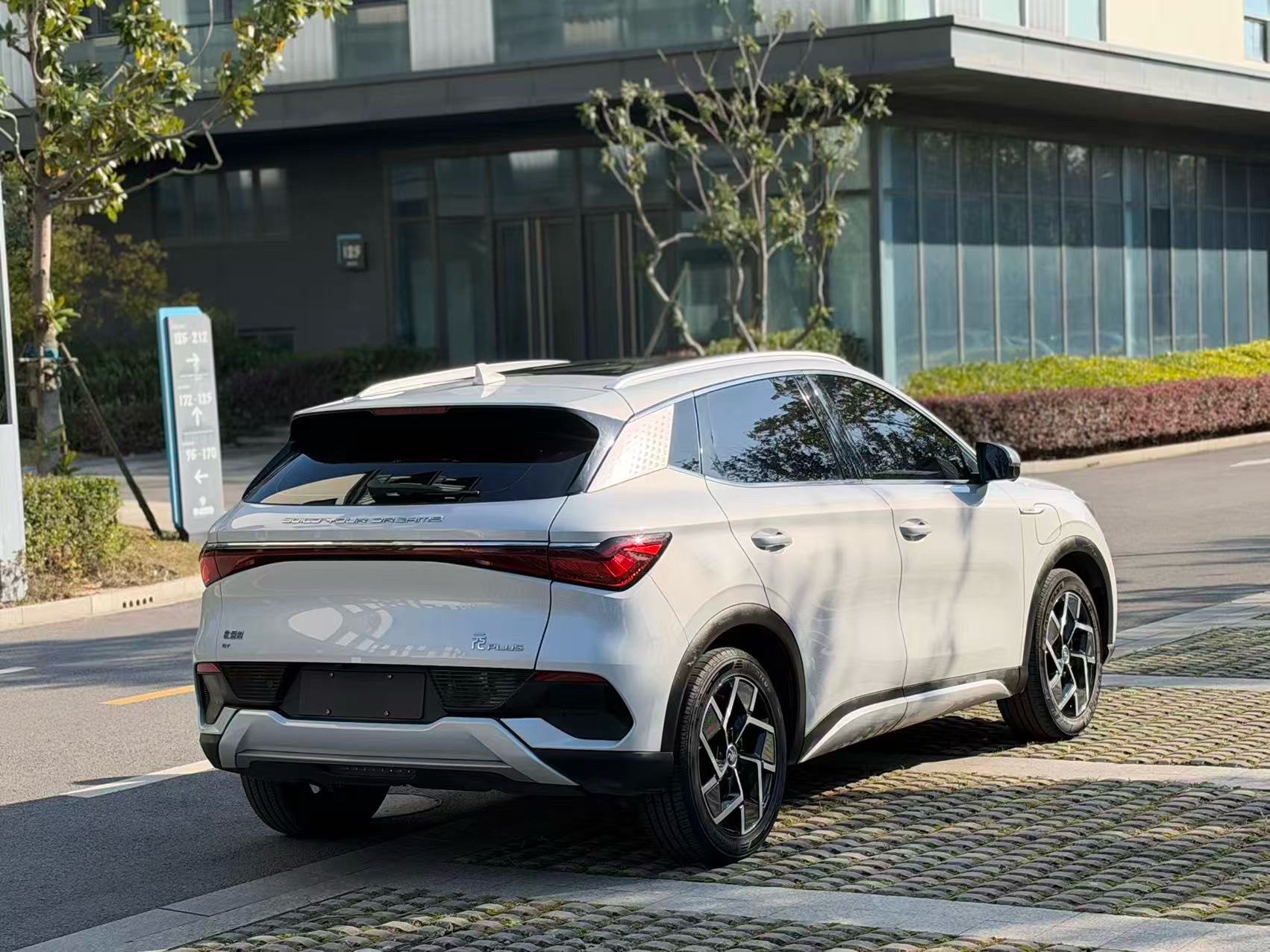
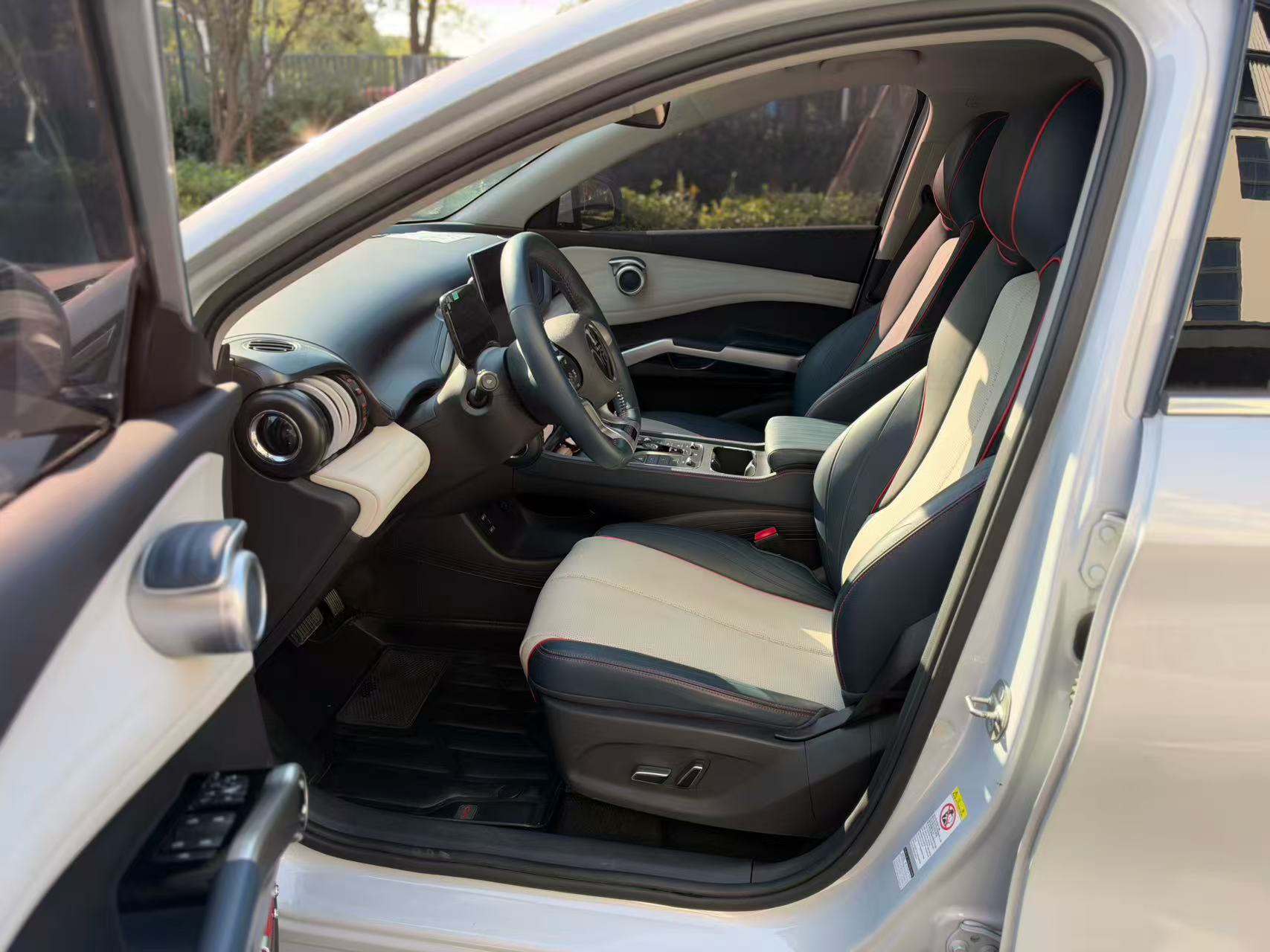
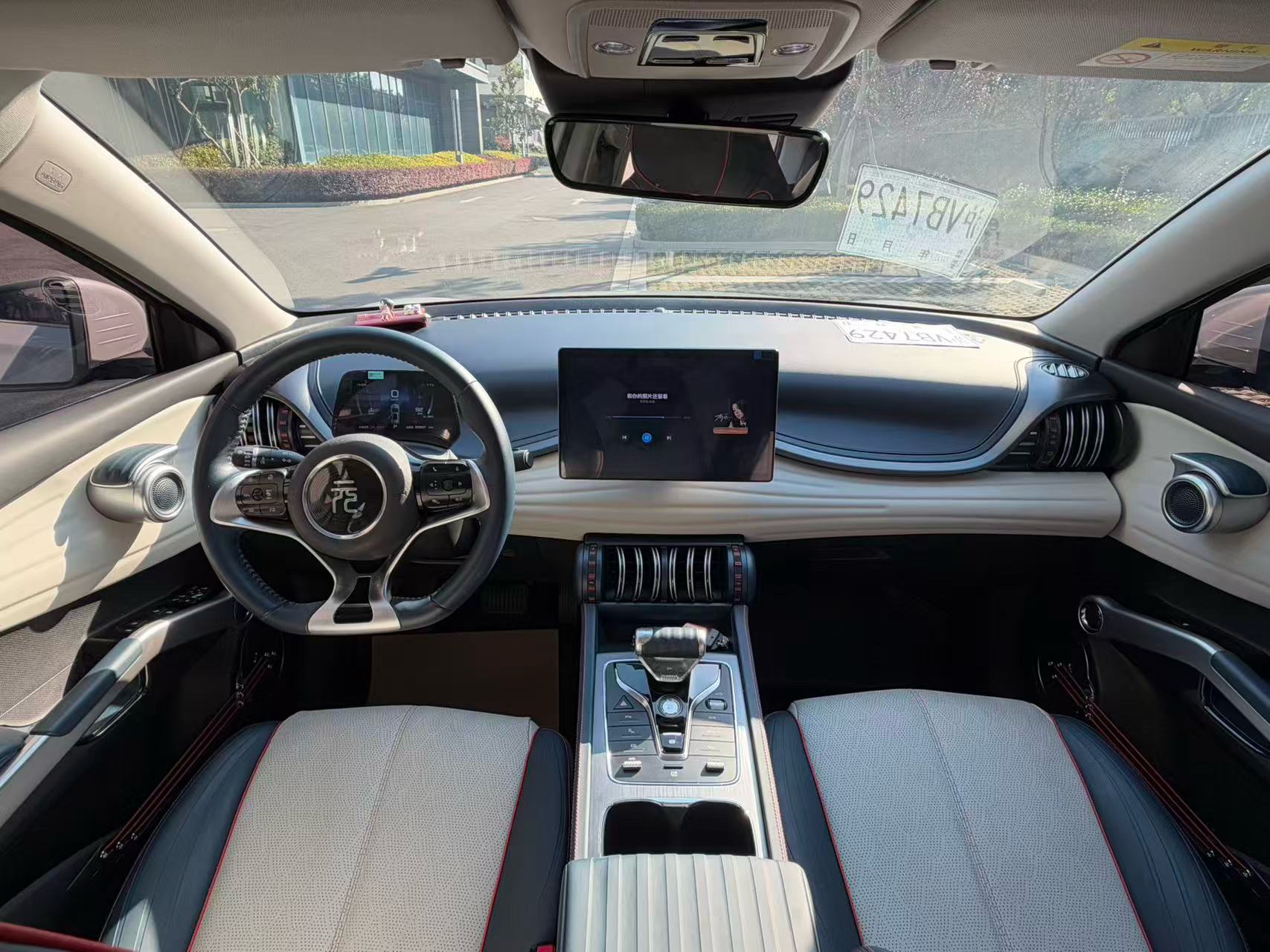
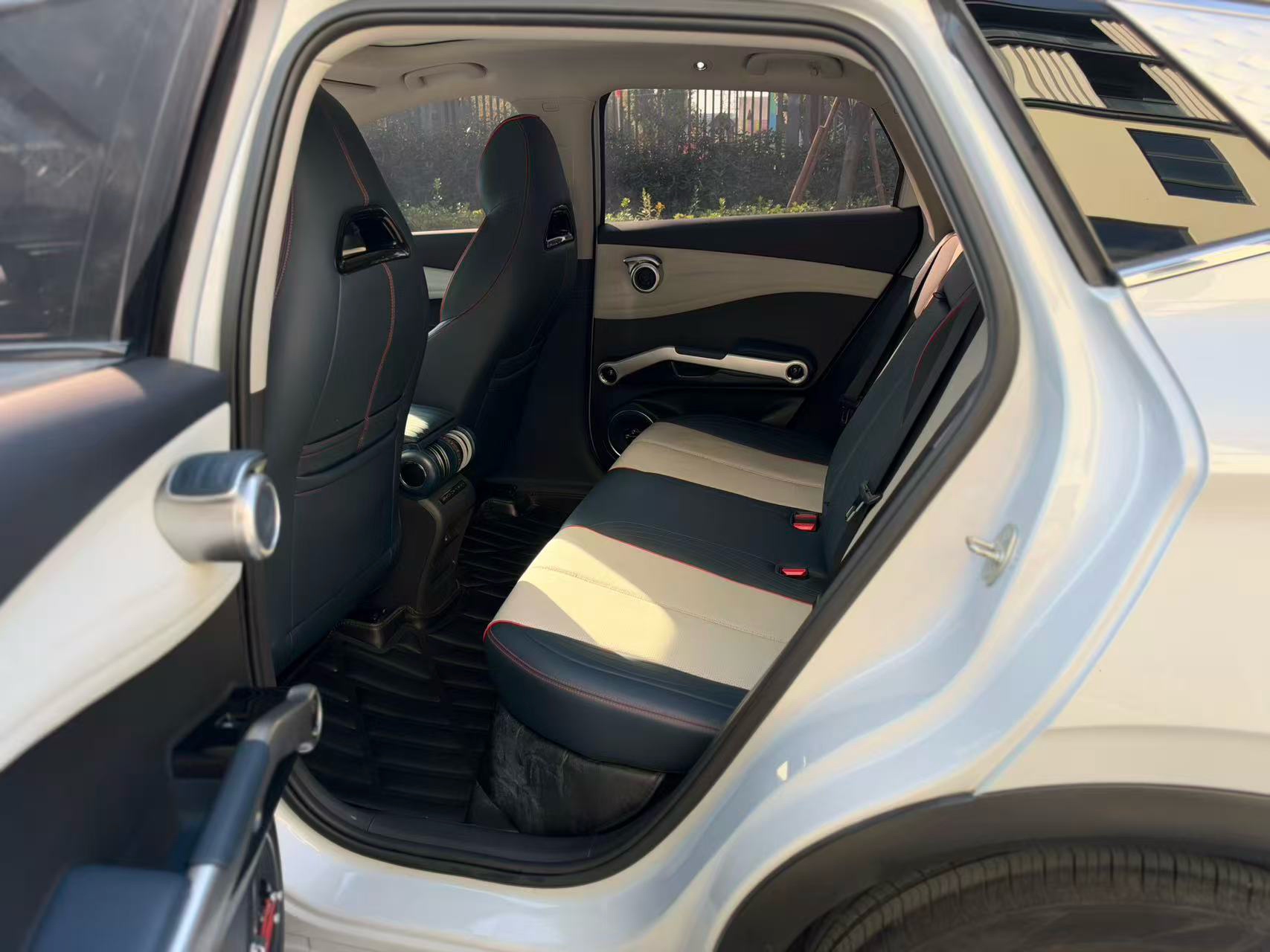
Original condition, two panels repainted, Chaboshi Ss grade, private car, actual mileage, zero accidents.

Document Information

Inspection Expiry Date-
Warranty Expiry Date-
Insurance Expiry Date2027/03

Q&A

More

What export documents come with a used car shipped from China, and which ones do customs in my country require?

A compliant shipment from China includes a standard document set. Verify you receive all of them before the ship departs, because correcting documents mid-transit is slow and expensive. The core set: commercial invoice, bill of lading (original, if your country requires presentation for customs), packing list, certificate of origin, and the export customs declaration. For used cars, also expect the Chinese registration certificate copy, deregistration proof, and a condition/inspection report. Some destinations require additional certificates — GCC states need GSO conformity, EU countries need COC or individual approval, several African nations require BESC/ECTN tracking numbers issued before loading. Your customs broker will typically need the invoice and bill of lading at minimum, plus proof of vehicle age and emissions where age limits apply. Ask your exporter for scanned copies the day the vessel sails, not when it arrives: pre-clearance can cut port storage fees significantly. One caution: the invoice value must match your payment records. Under-declaring to save duties is customs fraud in most countries and risks seizure.


What should I check during a live video test drive of a used car in China, and which sounds or behaviors are red flags?

Request a live video call during the test drive rather than a pre-recorded one. Cold start first: listen for rattling or metal scraping in the first seconds — possible timing chain or hydraulic lifter issues. During acceleration, a whining from the gearbox area can mean bearing wear; hesitation or jerking in an automatic suggests transmission problems. Braking: the pedal should feel firm, not spongy, and the car must not pull to one side. Turn the wheel fully in both directions and listen for clicking — a classic CV joint fault. Insist on a highway segment too: vibrations above 100 km/h often point to unbalanced wheels or bent rims. Ask the driver to film the dashboard throughout — warning lights that flicker on briefly are still faults that OBD will record.

How can I verify the odometer reading is genuine on a Chinese used car from abroad?

Odometer fraud exists everywhere, but cross-checking several data points makes it hard to fake: 1) Maintenance records: ask for service history with mileage entries. Gaps or resets are red flags. 2) Tire wear: a car showing 30,000 km should not have nearly bald tires. Compare tread depth against the claimed mileage. 3) Pedals, steering wheel, and seat bolsters: heavy wear on these with low odometer readings is a classic mismatch. 4) Diagnostic scan: request an OBD readout. Many control modules store mileage data internally — if the ECU shows 120,000 km while the dash shows 40,000, you have your answer. 5) Vehicle history report: in China, apps and platforms can pull insurance claim records and registration history, which often reveal the true mileage trail. Always request a live video showing the odometer with the engine running, and have the number written into your contract.