


24H

Basic Information

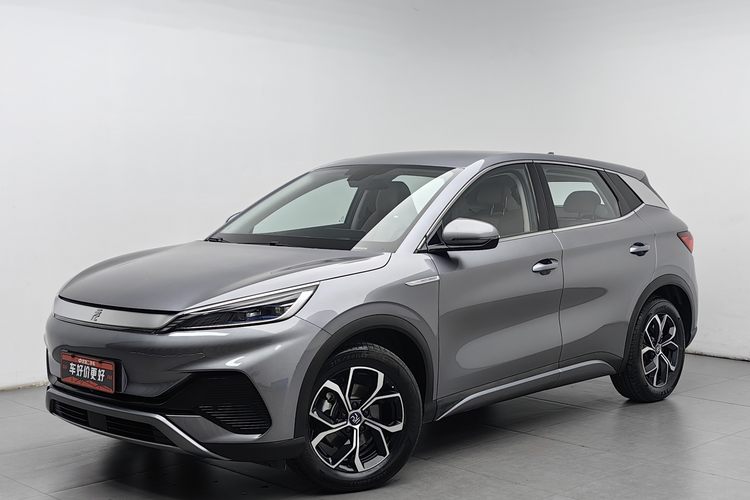
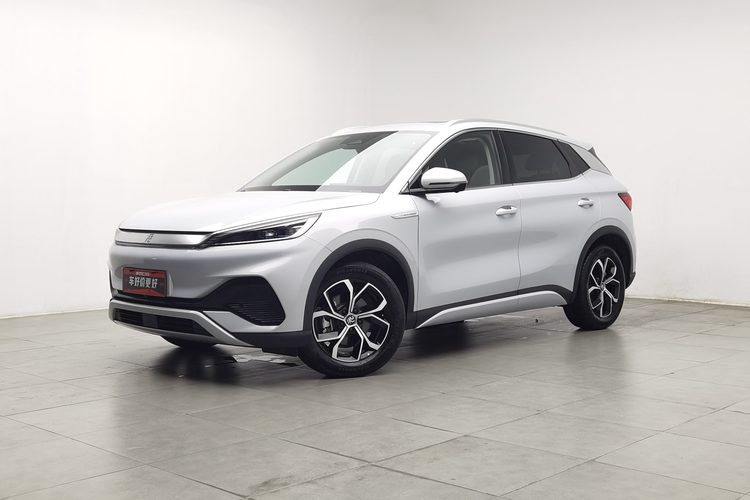
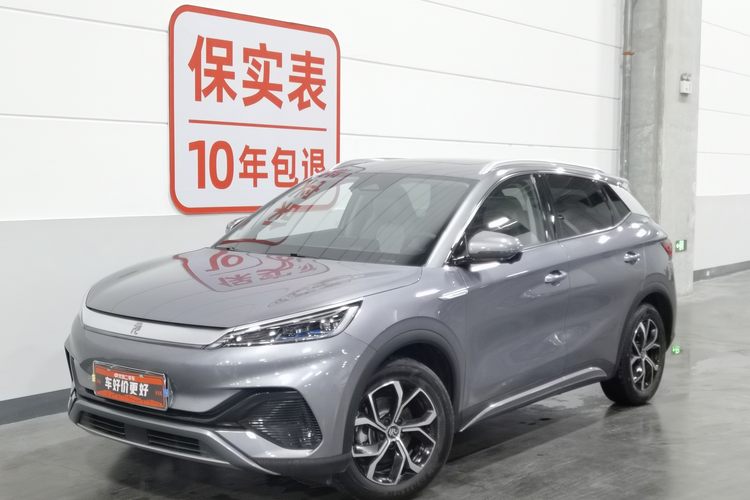
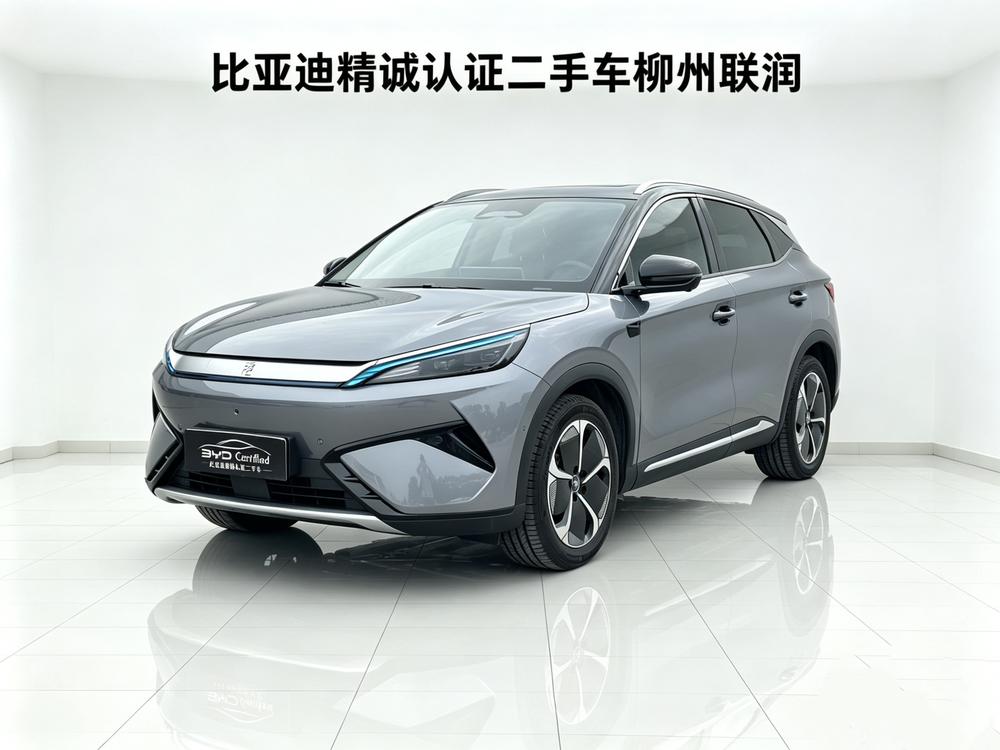
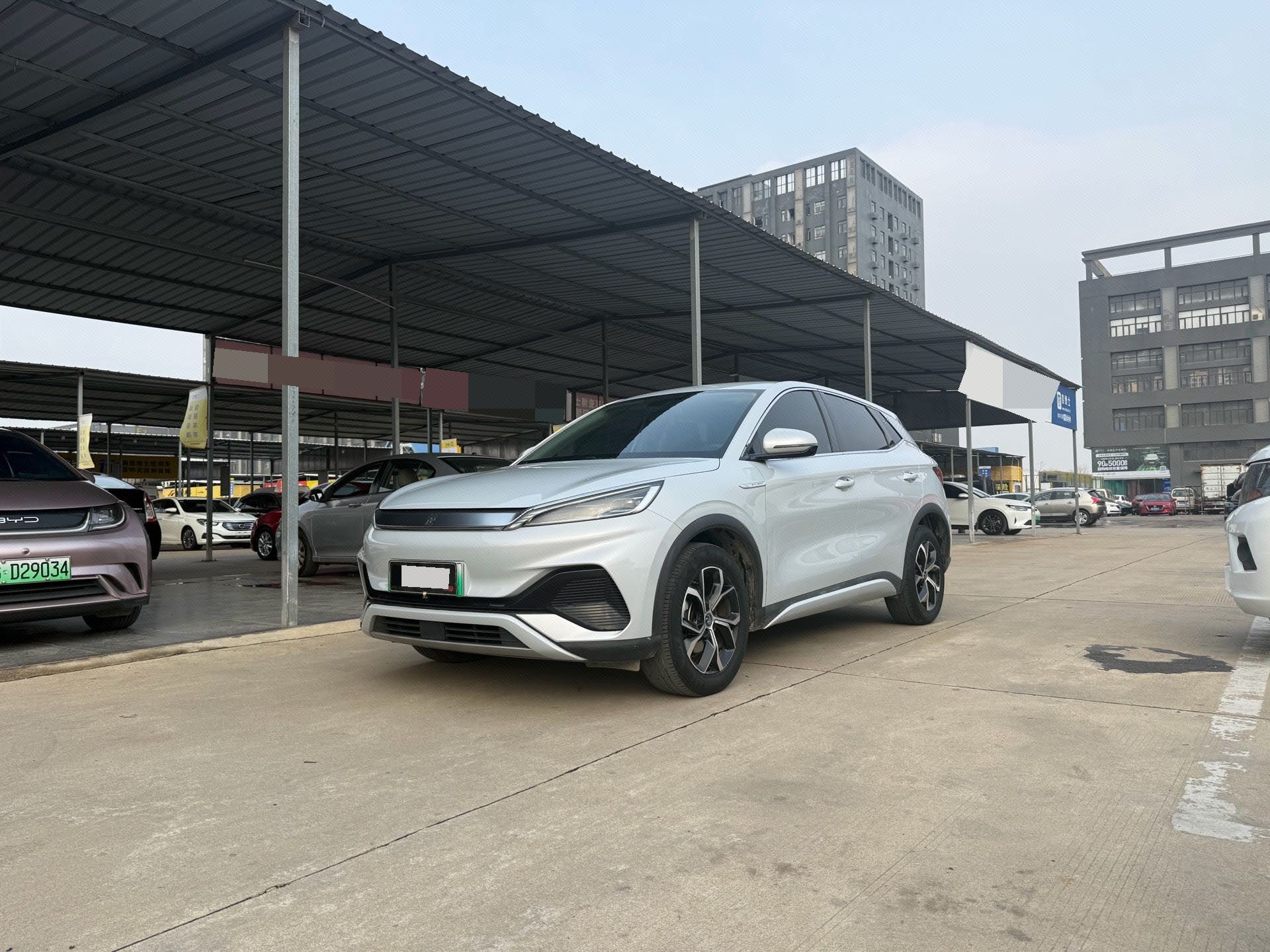
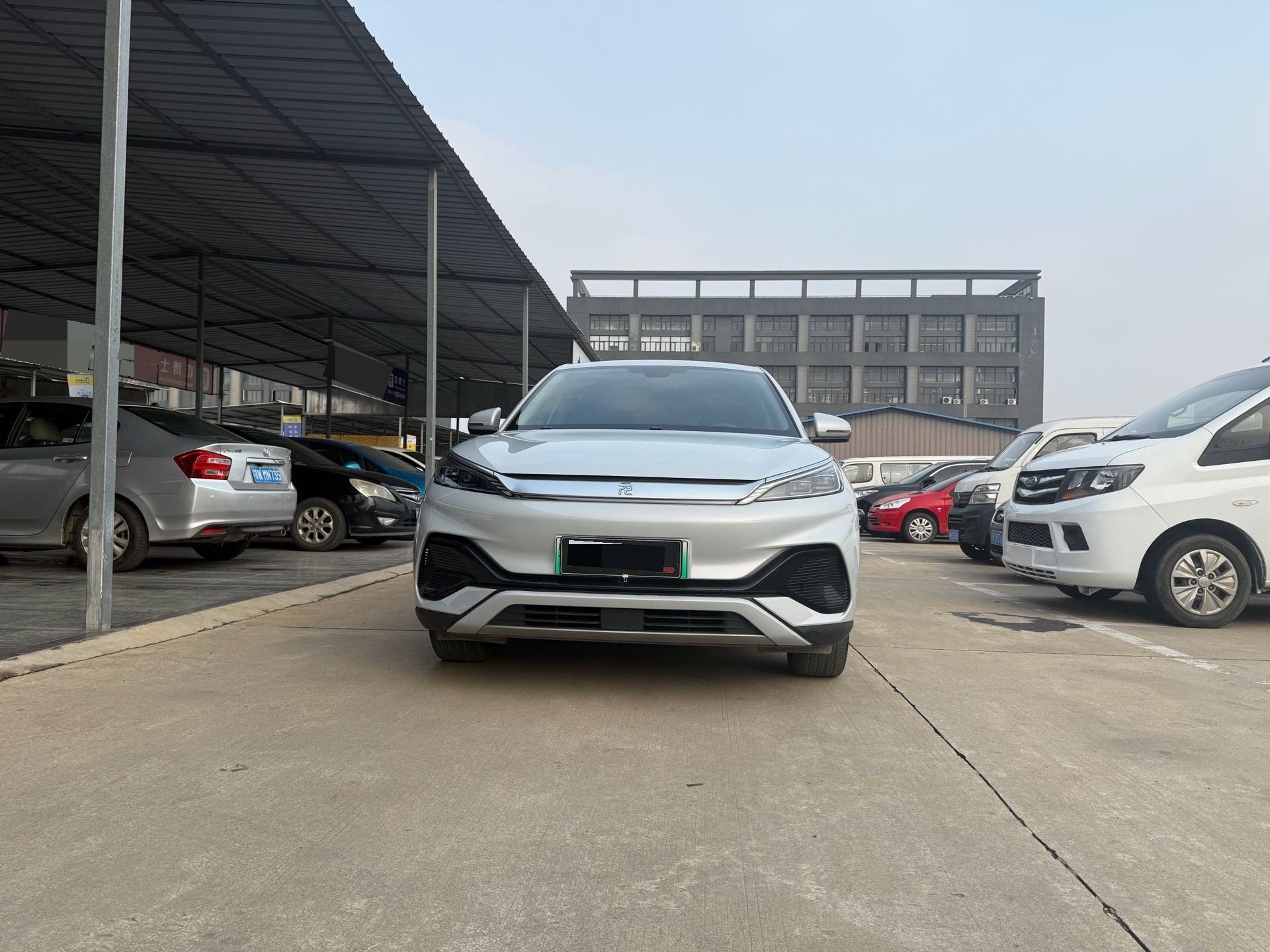
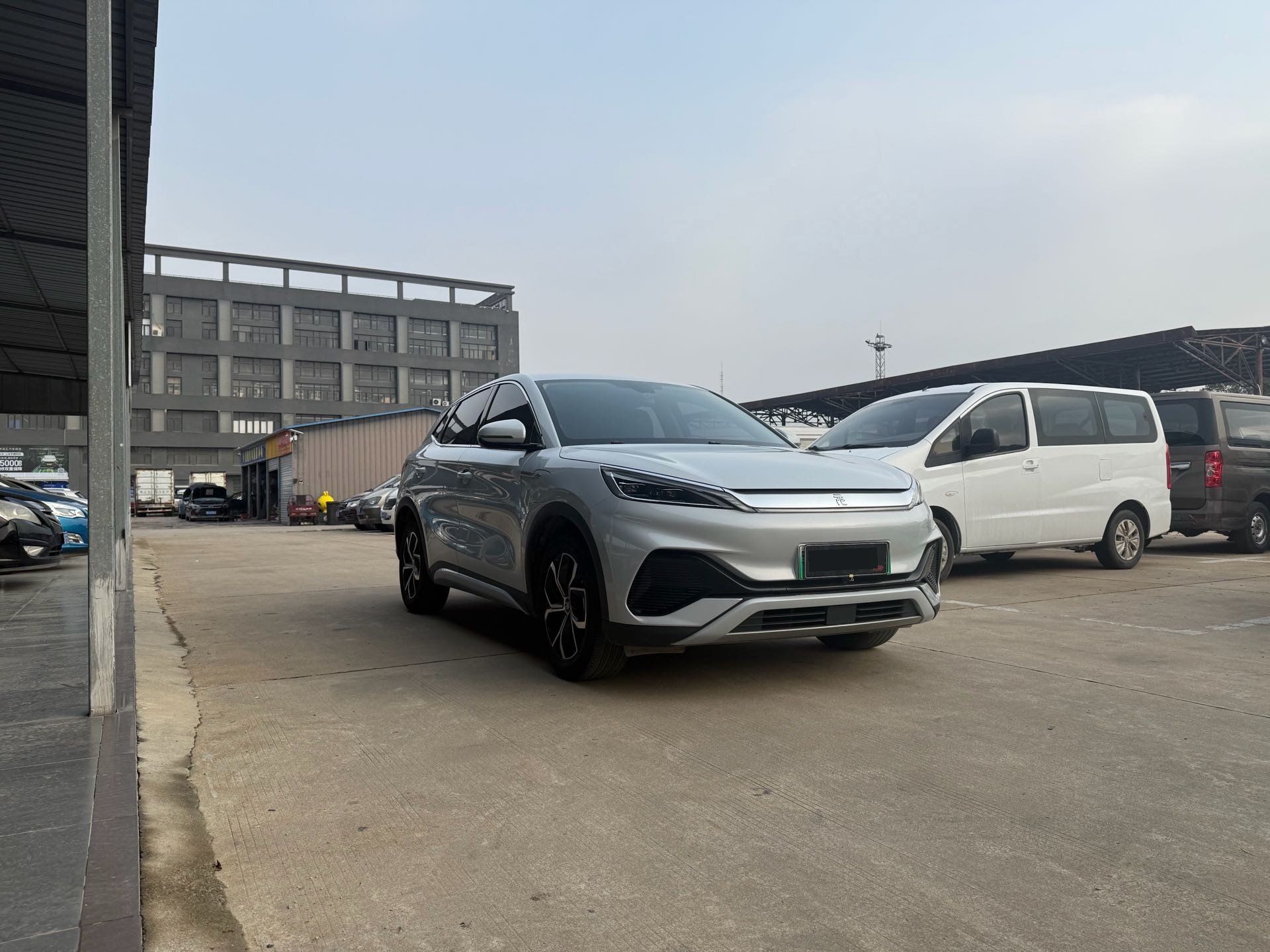
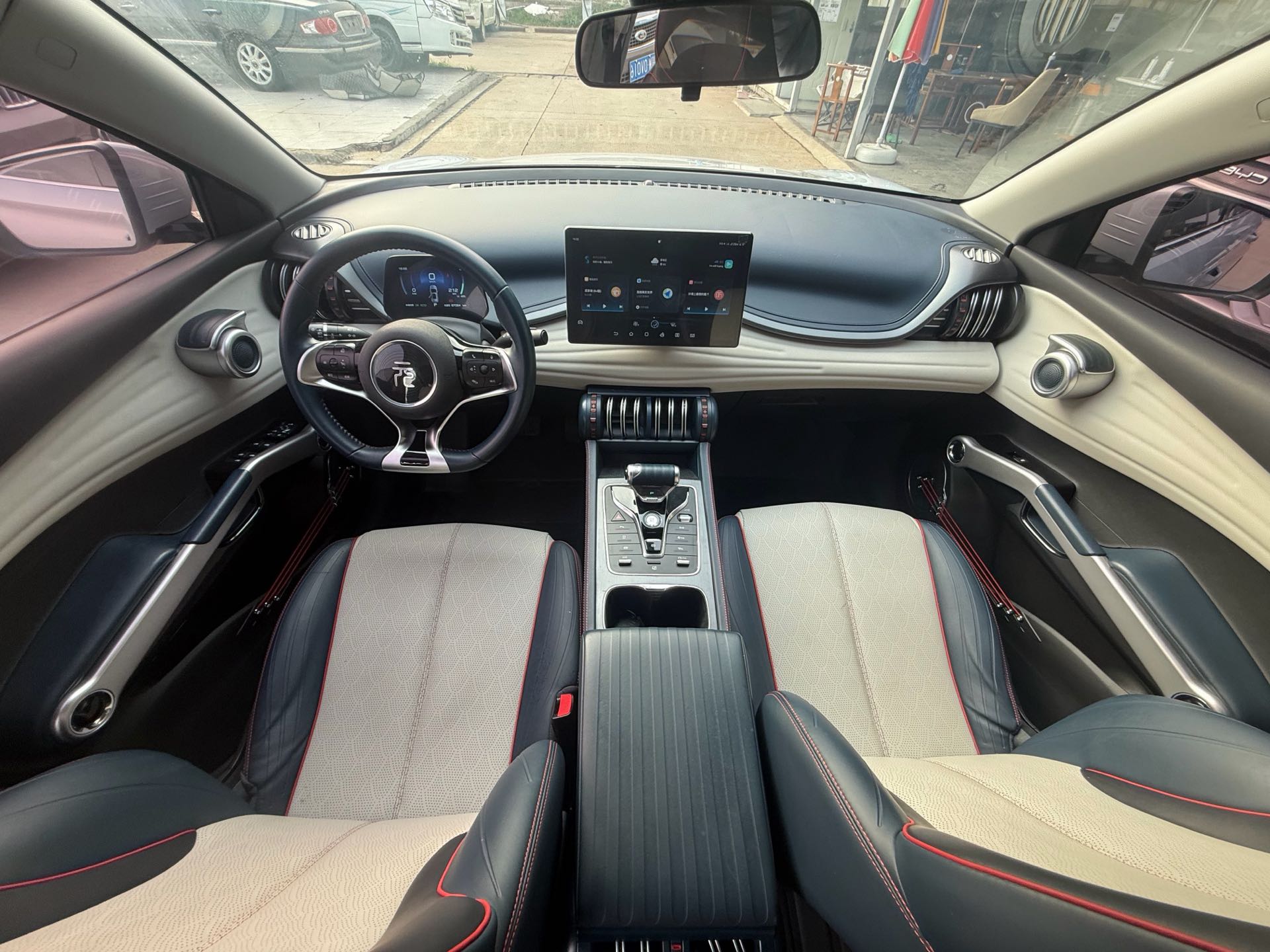
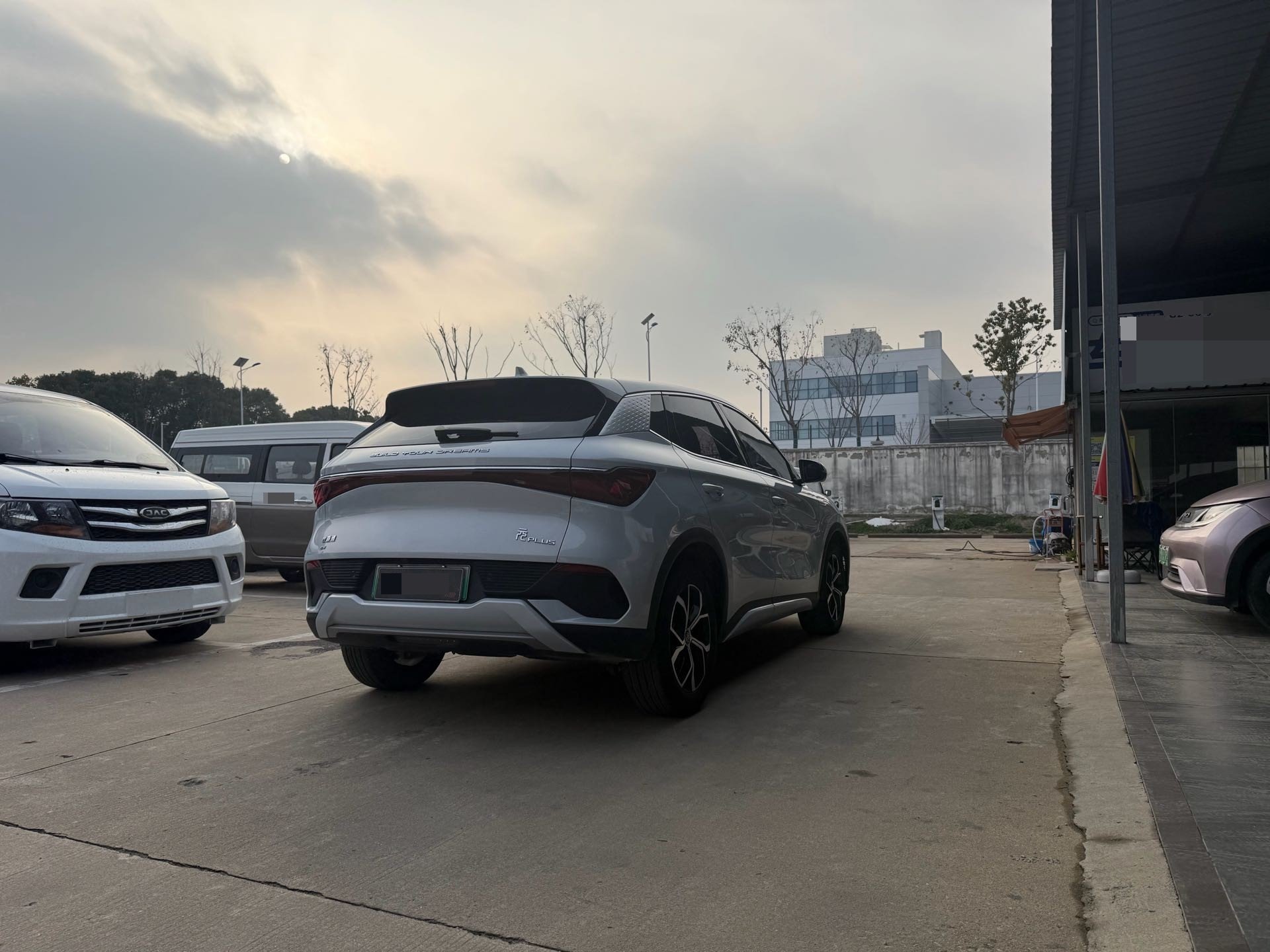
BrandBYD
SeriesYuan Plus
Year2023
First Registration2023/02
Mileage110,000km
Transfer Count0times
FuelOther
TransmissionOther
Engine-
ColorWhite
Seats-

Condition Description

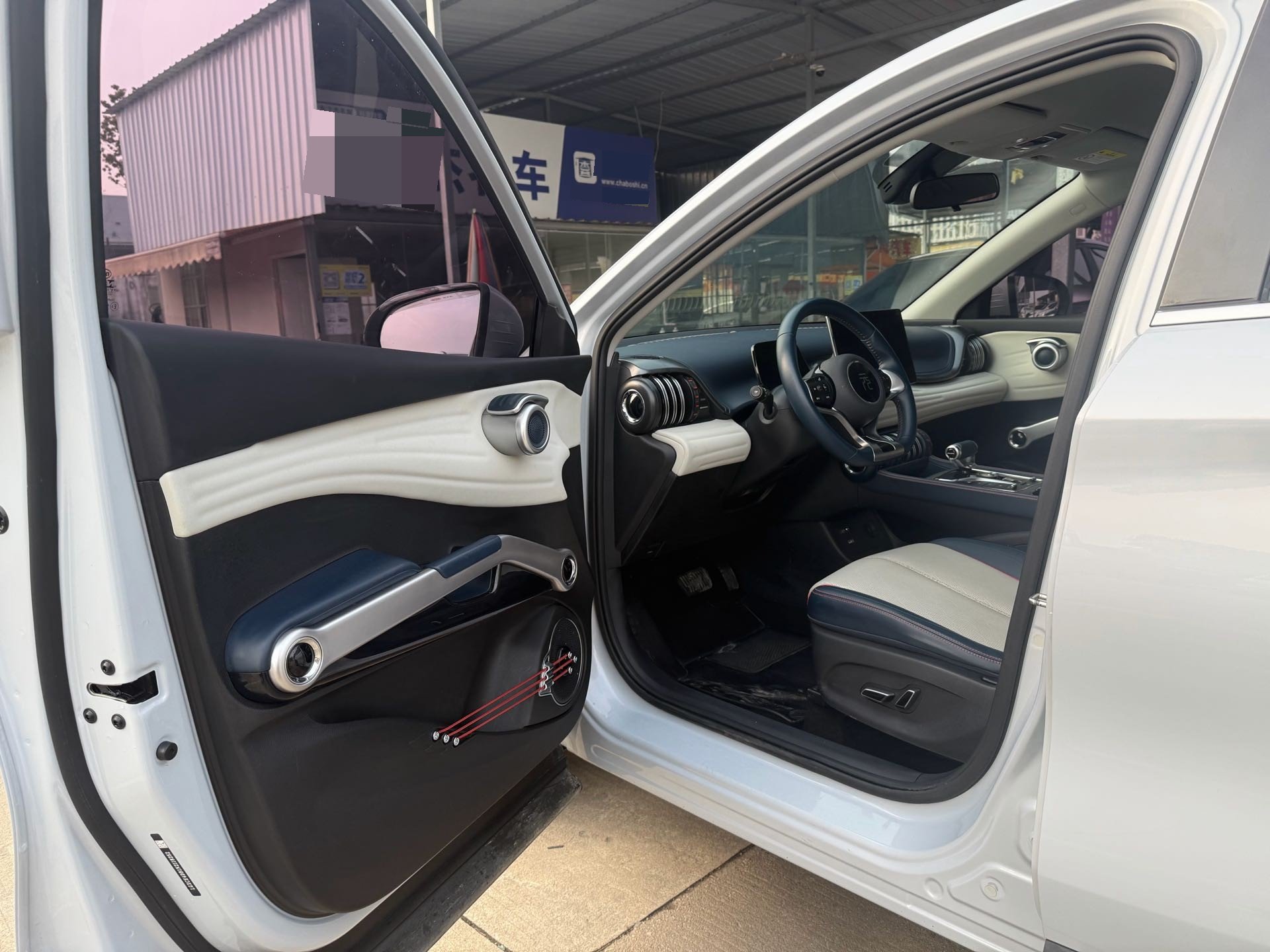
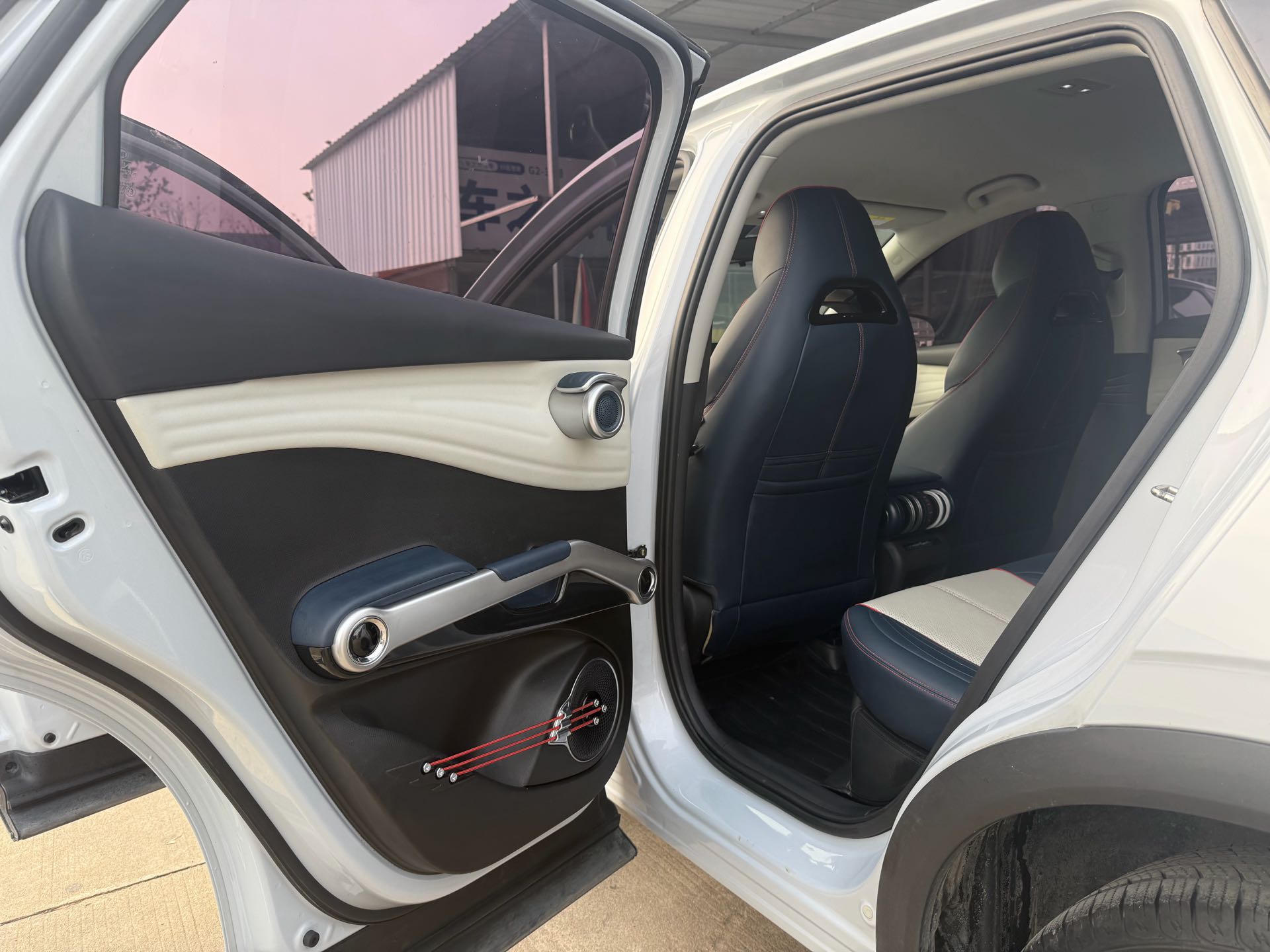
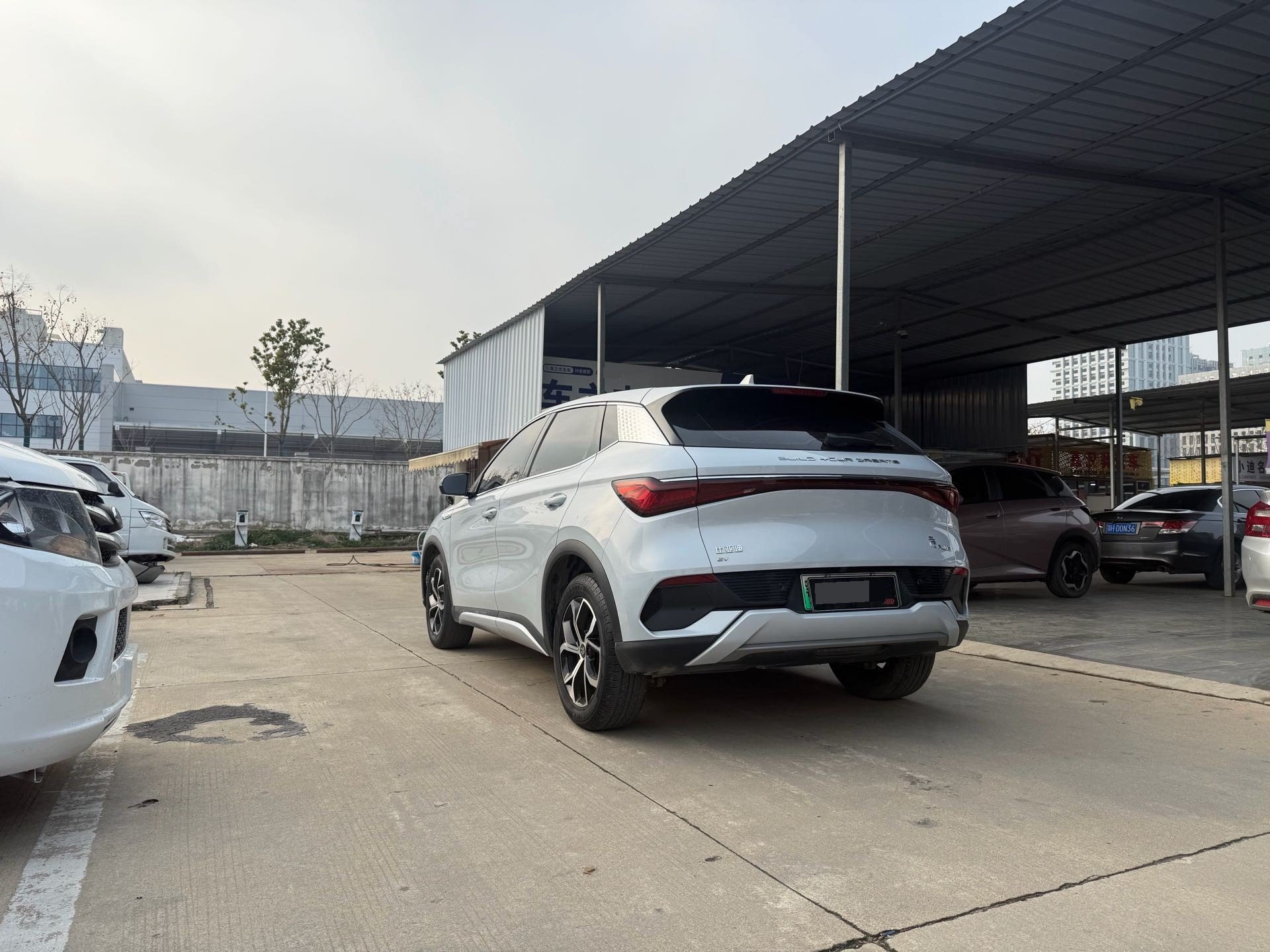
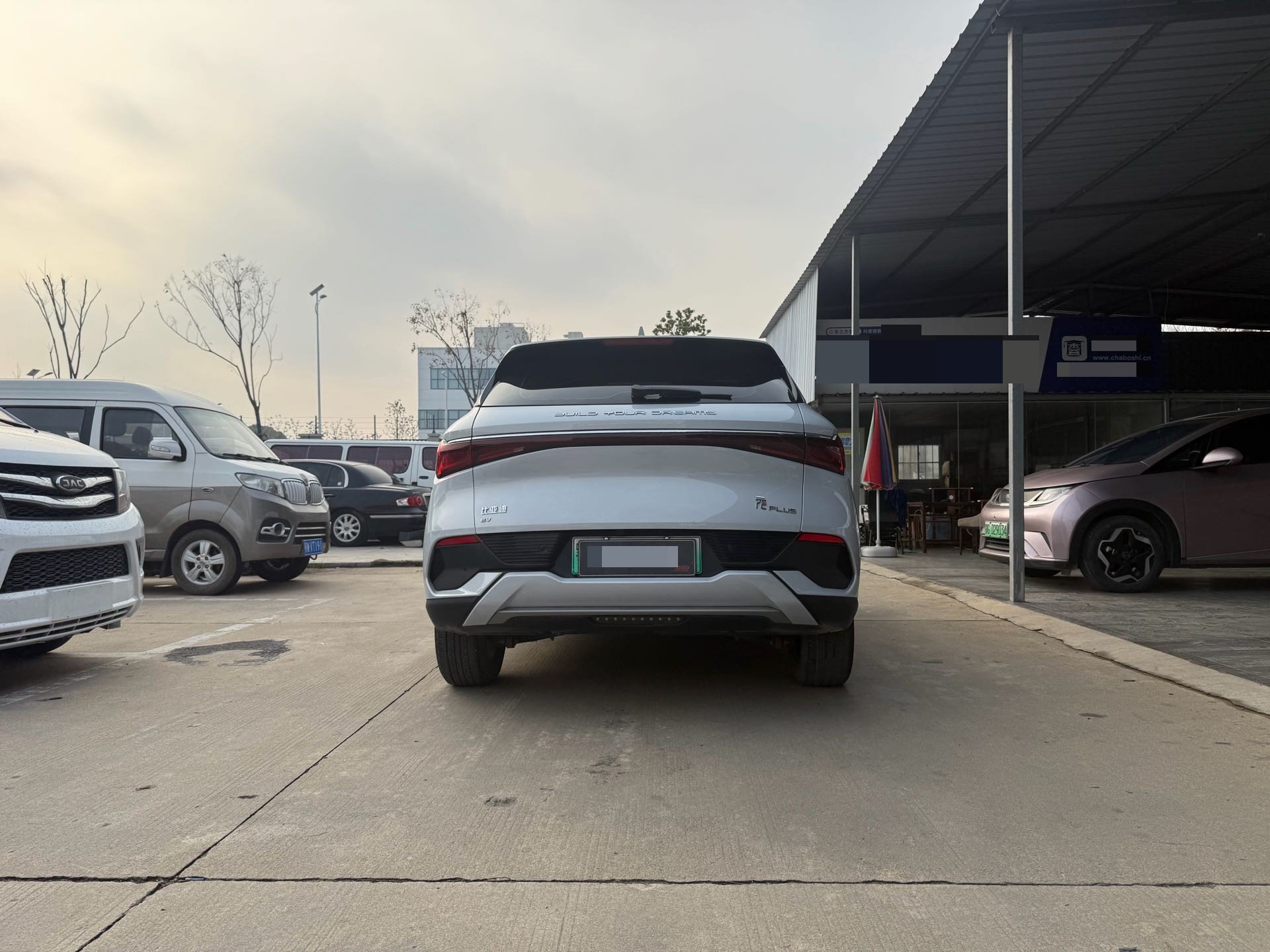
2 panels repainted

Document Information

Inspection Expiry Date-
Warranty Expiry Date-
Insurance Expiry Date2027/02

Q&A

More

What is a Certificate of Origin and why do I need one when importing a car from China?

A Certificate of Origin (C/O) is an official document stating where the vehicle was manufactured. Customs authorities use it to decide which tariff rates and trade agreements apply to your import. Why it matters: many countries offer preferential tariffs for certain origins. With a valid C/O, such as the ASEAN-China Form E or a GSP Form A, you may pay reduced or zero duty. Without it, you typically pay the standard, higher rate. The certificate must match the vehicle exactly: VIN, make, model and invoice details. It is usually issued by the China Council for the Promotion of International Trade (CCPIT) or customs authorities. Practical tips: request the C/O before shipment, because adding it later is slow; check that your country's customs accepts the specific C/O format; and confirm with your broker whether your vehicle category qualifies for preferential rates. This single document can save you thousands in duty.


What is a safe payment schedule when buying a used car from China, and why should I never pay 100% upfront?

The standard structure protects both sides and looks like this: Deposit: 20–30% after signing the contract and confirming the car's inspection report. This commits the exporter to reserve the car and start export procedures. Pay by bank transfer (T/T) to the company's corporate account — never to a personal account. Balance: 70–80% after the car is loaded on the vessel, against verifiable proof — the bill of lading copy, the booking confirmation, and ideally loading photos/video with the container or vessel number visible. Why not 100% upfront? Because once you pay in full, your only leverage is gone. Common real-world problems: the exporter ships a different car than inspected, delays shipment by months, or becomes unreachable. Withholding the balance until loading is documented keeps pressure on them to perform. Red flags: demands for full payment before inspection, 'discounts' for paying 100% immediately, requests to split payment between company and personal accounts, or pressure to use informal channels (crypto, gift cards, money transfer apps). For deals above $20,000, consider a letter of credit or an escrow service. The 1–3% extra cost is cheap insurance.

What situations are usually included in "minor cosmetic wear" as stated on the details page?

It usually refers to very small stone chips on the hood from high-speed driving, nail scratches on the inside of door handles, slight curb scratches on the edges of wheels, and minor wear on interior plastic parts. These do not affect the vehicle's functionality or corrosion resistance.