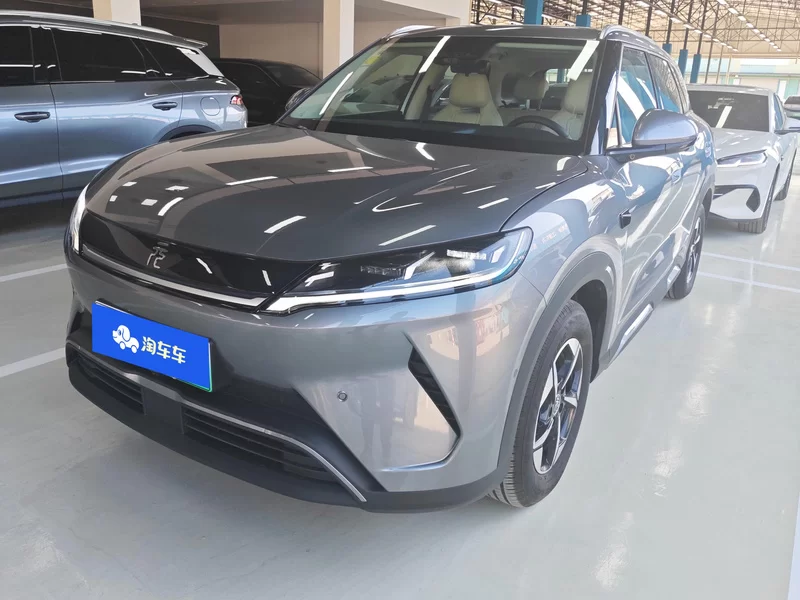
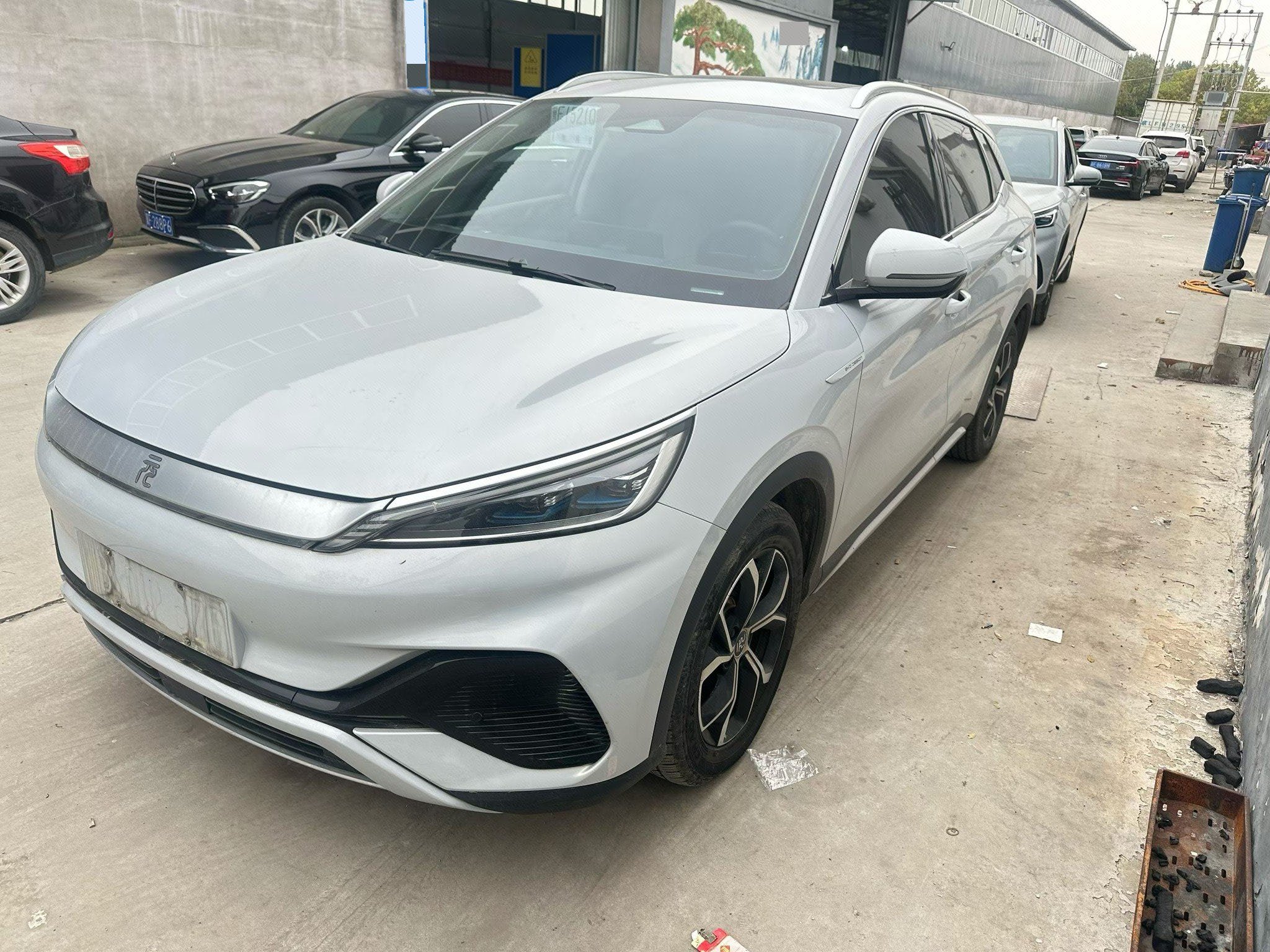
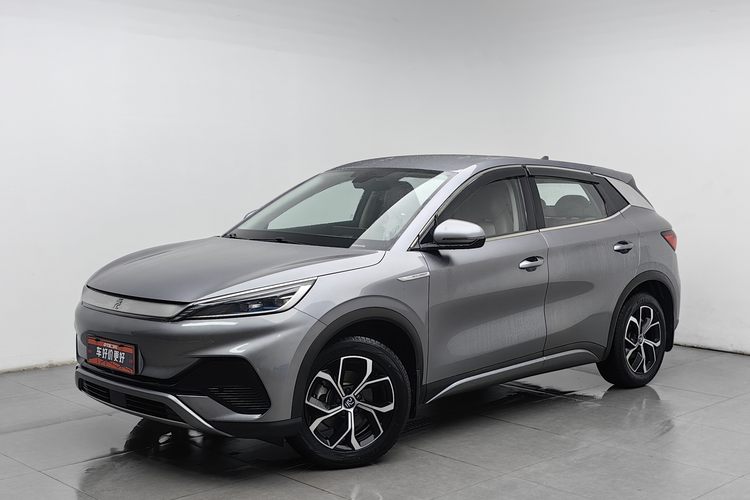
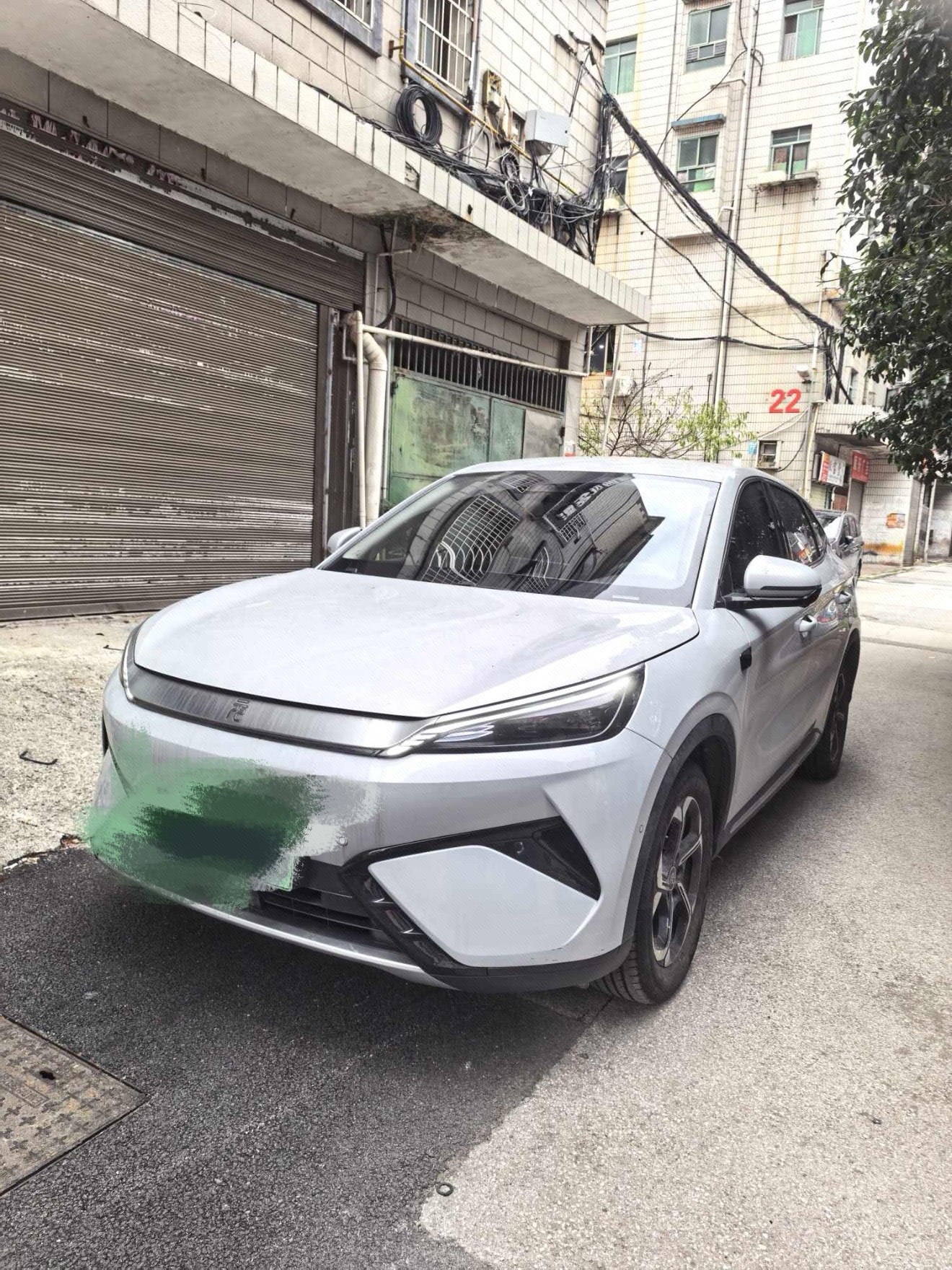
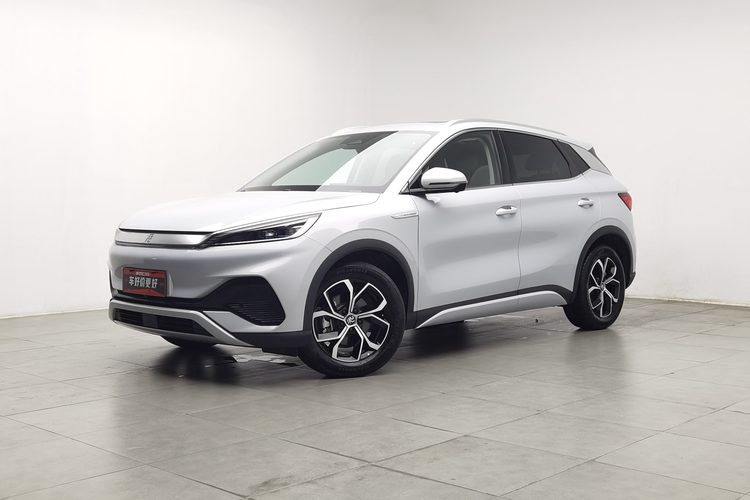
Basic Information

BrandBYD
SeriesYuan Plus
Year2024
First Registration2024/04
Mileage61,700km
Transfer Count-
FuelOther
TransmissionOther
Engine-
ColorOther
Seats-

Condition Description

Vehicle performance is good. No accident-related damage or repairs to structural, reinforcing, or covering panels. Battery/motor/electronic control system has no damage.

Accident inspection: no damage to main structure, reinforcing parts, or covering panels; hinges normal. Battery/motor/electronic control system inspection: normal. Engine bay inspection: key mechanical components normal. Exterior: none. Interior: most functions normal; airbags, seatbelts, dashboard, and instrument cluster normal; lighting system normal. Startup inspection: main components normal. Onboard tools: none.

电话直连
可讲价
平台物流
可转售
车主降价
新能源
零过户
非泡水

Document Information

Inspection Expiry Date2030/04
Warranty Expiry Date-
Insurance Expiry Date2027/04

Q&A

More

How can I detect signs of flood or water damage inside a used car from China during a remote inspection?

Water damage is one of the most common hidden problems in used cars, and it often escapes basic photo reviews. During a live video inspection, ask the inspector to check these specific points: 1. Smell test: A musty or moldy odor inside the cabin is the first red flag. Have them open all doors, run the AC briefly, and smell the air from the vents—musty AC often indicates water in the HVAC system. 2. Under the carpets: Lift the floor mats and look for water lines, rust stains, or dampness on the carpet backing and the metal floor underneath. Sediment or silt residue is a giveaway. 3. Seat rails and bolts: Pull the seats fully forward and backward. Rust on seat rails or fresh-looking bolts suggests the seats were removed for cleaning after flooding. 4. Trunk area: Check the spare tire well and under the trunk carpet for standing water marks or rust. 5. Electronics: Test every window, seat adjustment, and the infotainment screen—water-damaged electronics behave erratically. Also request a scan report: flood cars often store history codes for multiple control modules that failed simultaneously. Cross-check the car's origin; vehicles from flood-prone southern regions deserve extra scrutiny.


How can I check a used car's history in China before buying—accident records, mileage, and ownership?

China's vehicle data is less centralized than in the US or Europe, but you can still verify a lot: 1. Ask the exporter for the VIN and order a third-party history report from Chinese services; they aggregate insurance claims and repair records. 2. Cross-check the registration date on the title with the odometer—a 3-year-old car showing 30,000 km but registered as a ride-hailing vehicle is a red flag. 3. Request maintenance records from the brand's dealer network; digital records are increasingly common. 4. Verify the seller legally owns the car: the registration certificate name should match the exporter's business license. Gaps are common, so treat the history report as one input, not proof. Combine it with an independent pre-purchase inspection, and hold back part of the payment until the inspection passes.

Am I allowed to place other goods (like tires or mats) purchased from China inside the vehicle before shipping it?

Absolutely prohibited. Chinese customs requires a "bare car" declaration for used car exports. If undeclared goods are found inside the vehicle, it could lead to inspection and detention, or even smuggling charges. We refuse any form of concealment requests.