


48H

Basic Information

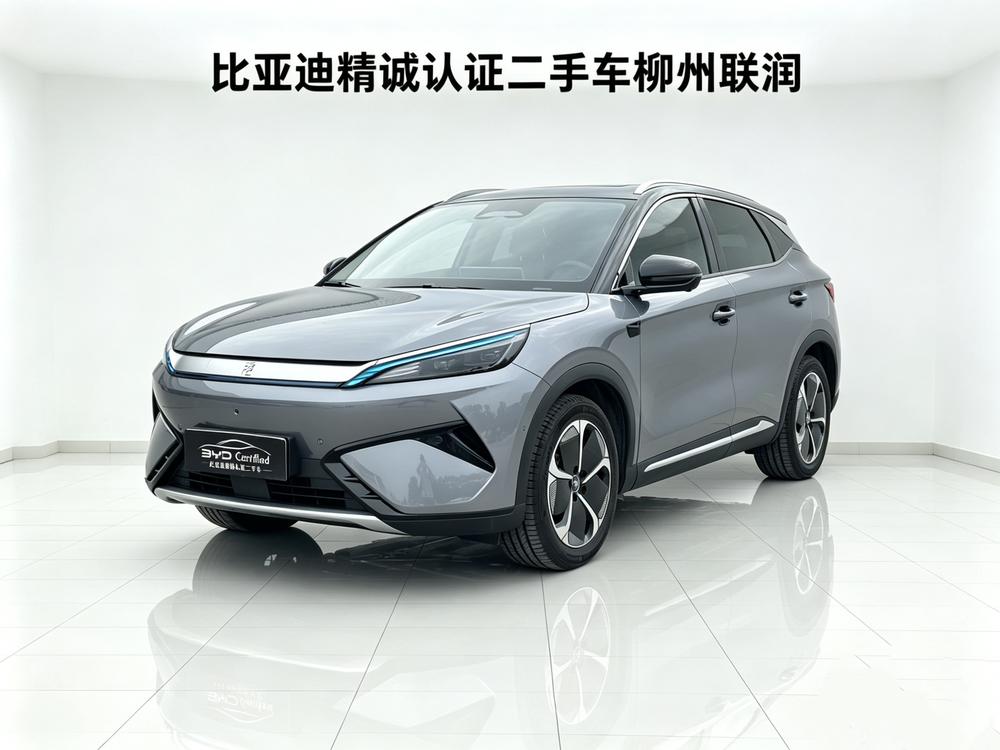
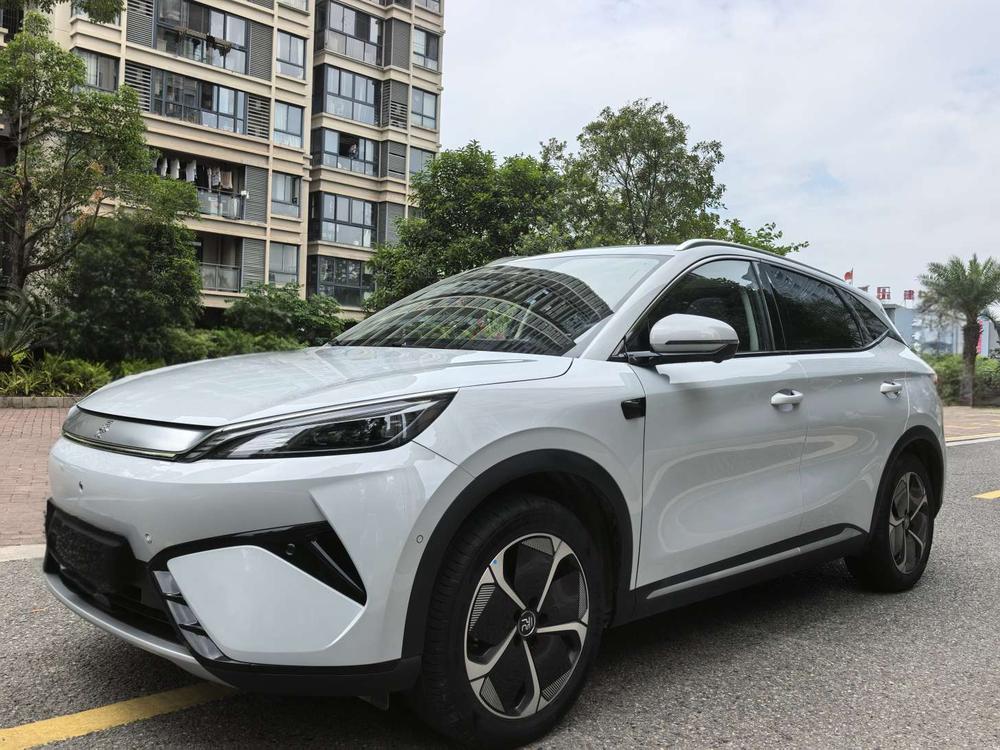
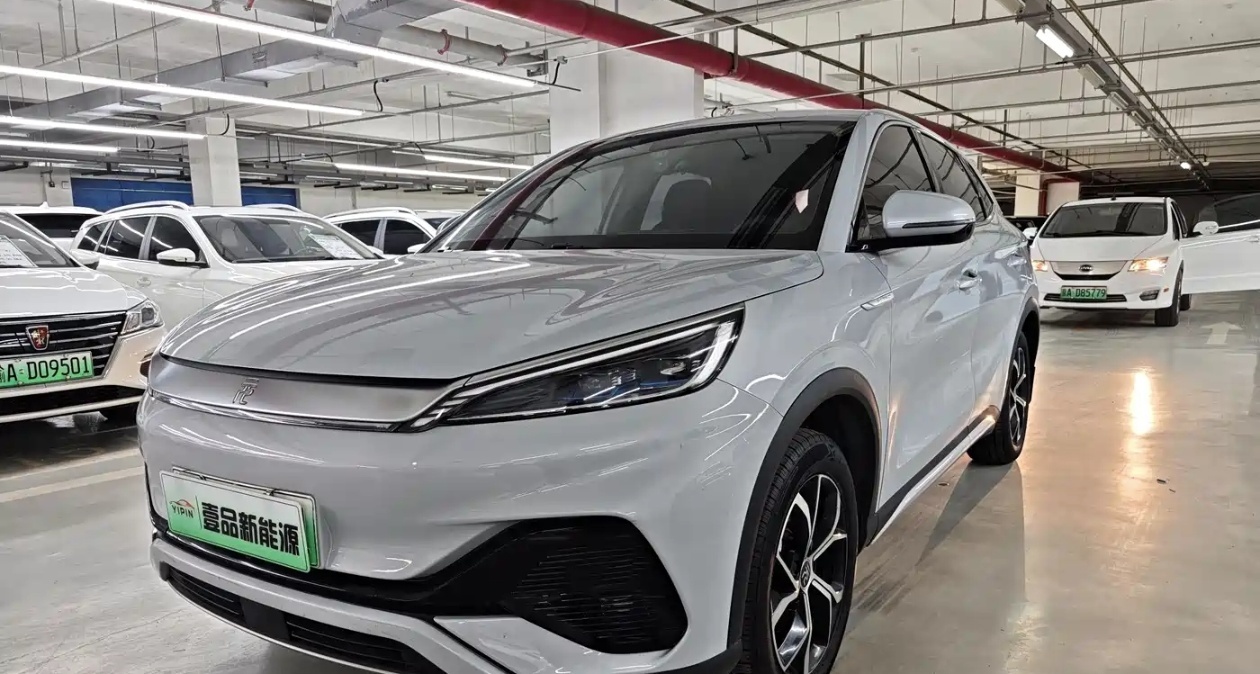
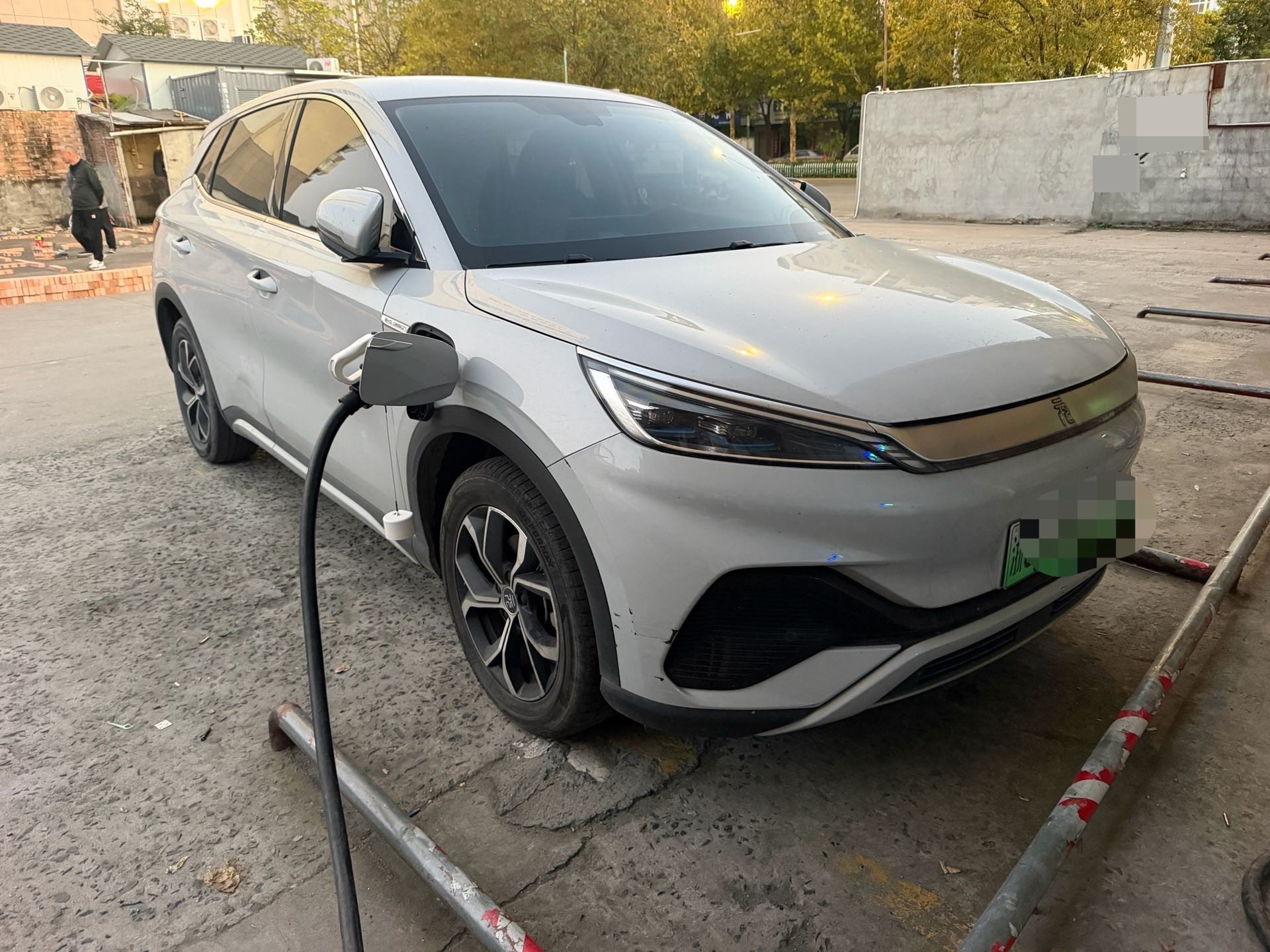
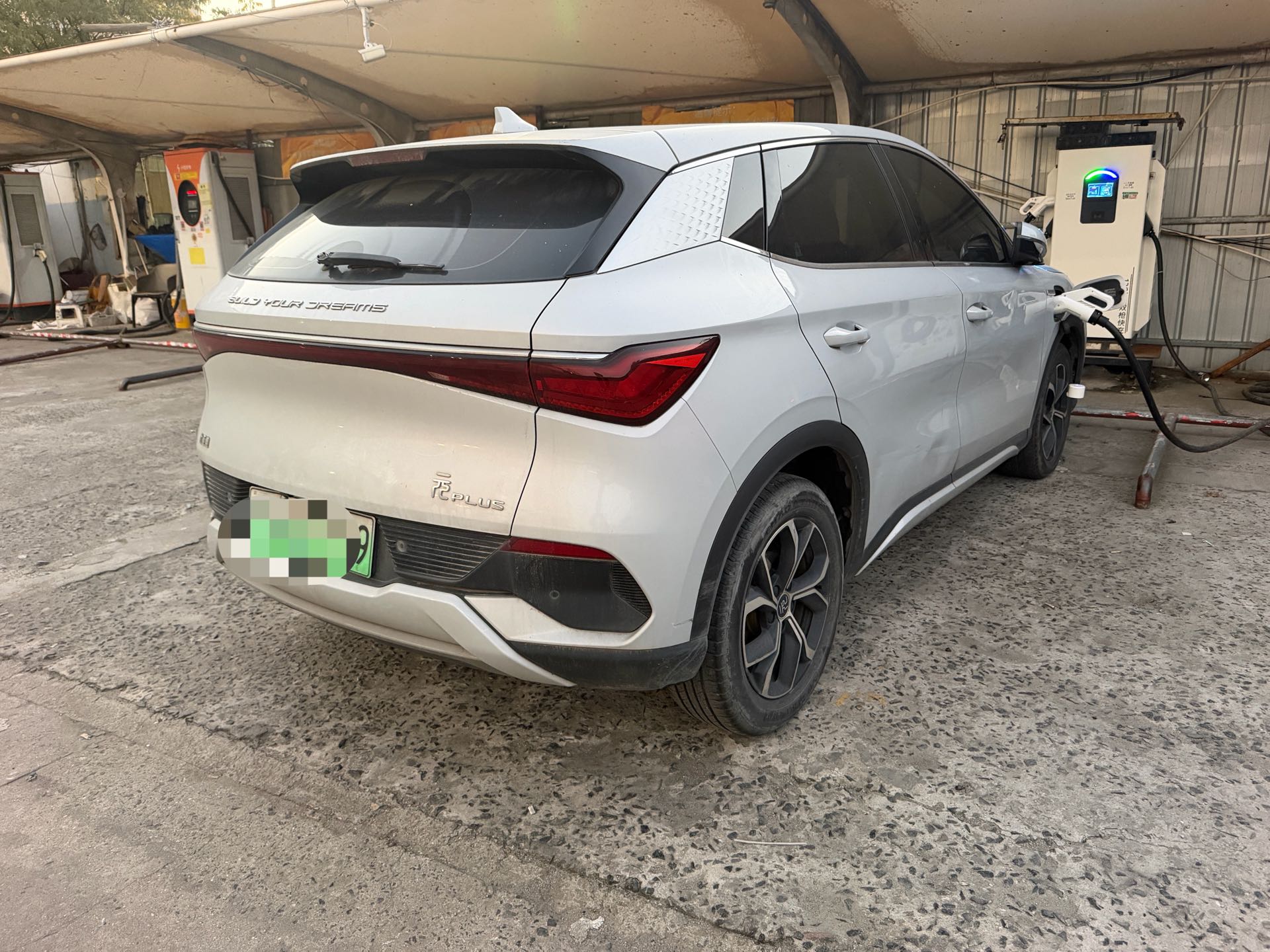
BrandBYD
SeriesYuan Plus
Year2024
First Registration2024/05
Mileage88,000km
Transfer Count0times
FuelOther
TransmissionOther
Engine-
ColorOther
Seats-

Condition Description

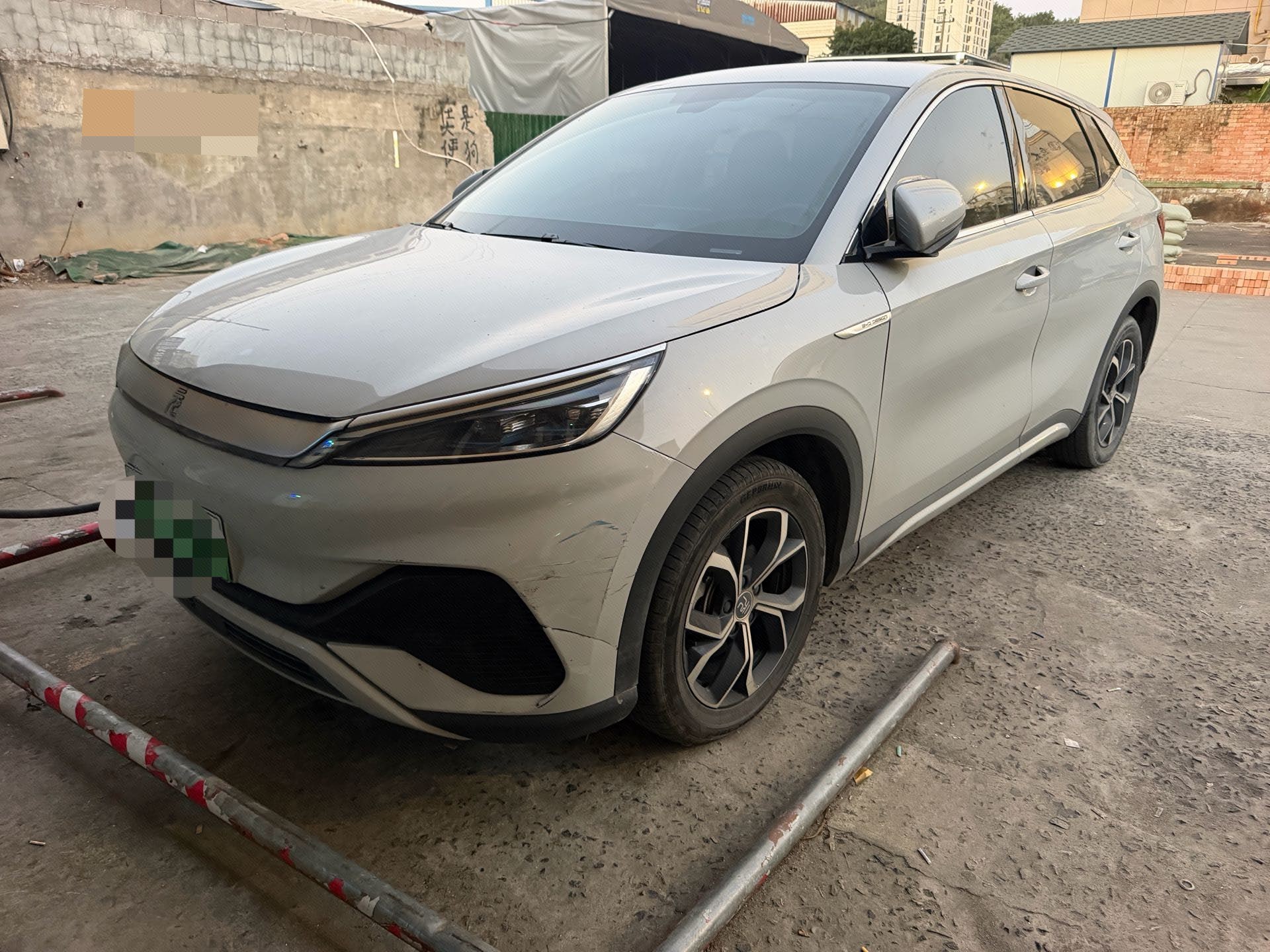
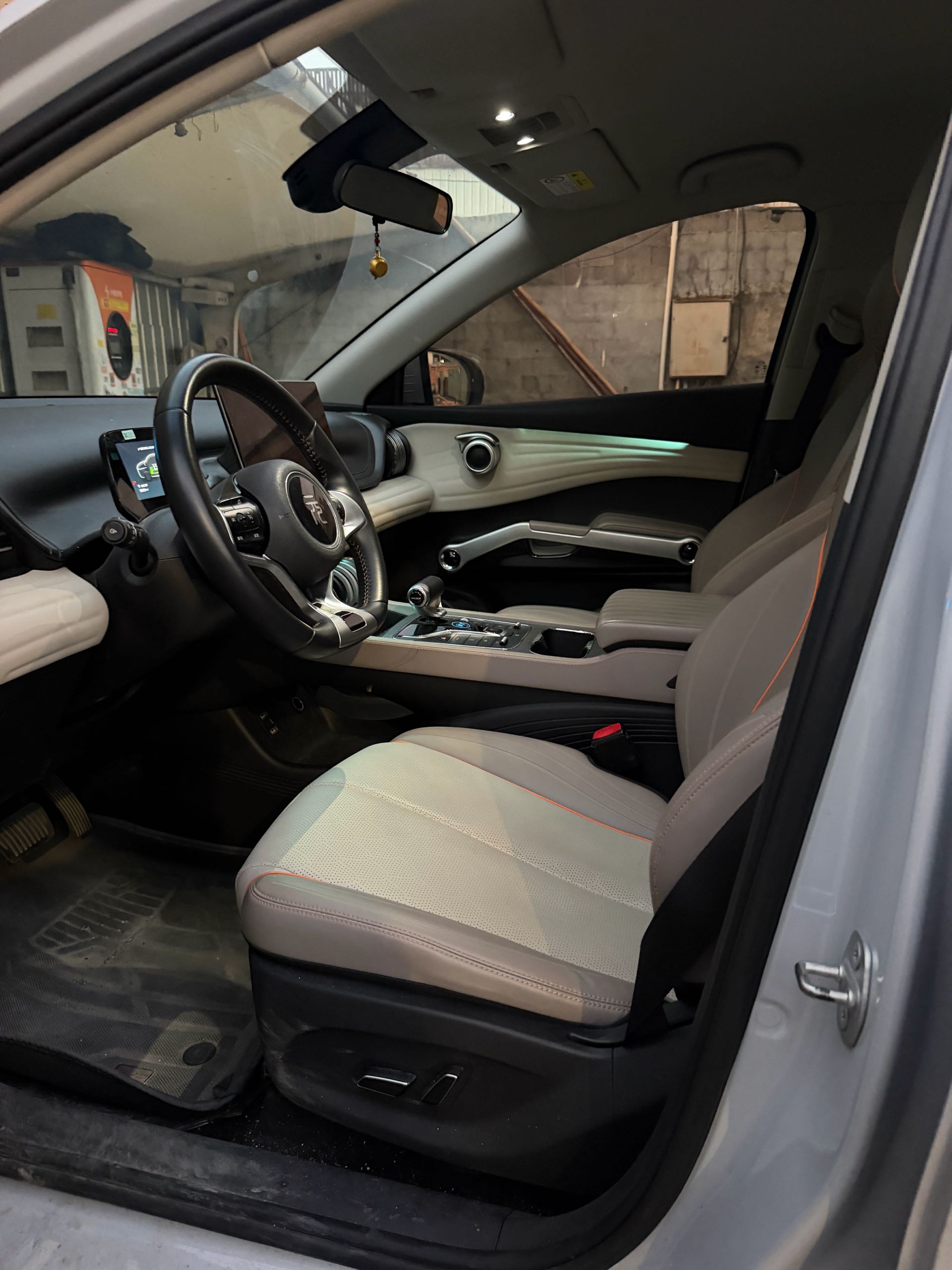
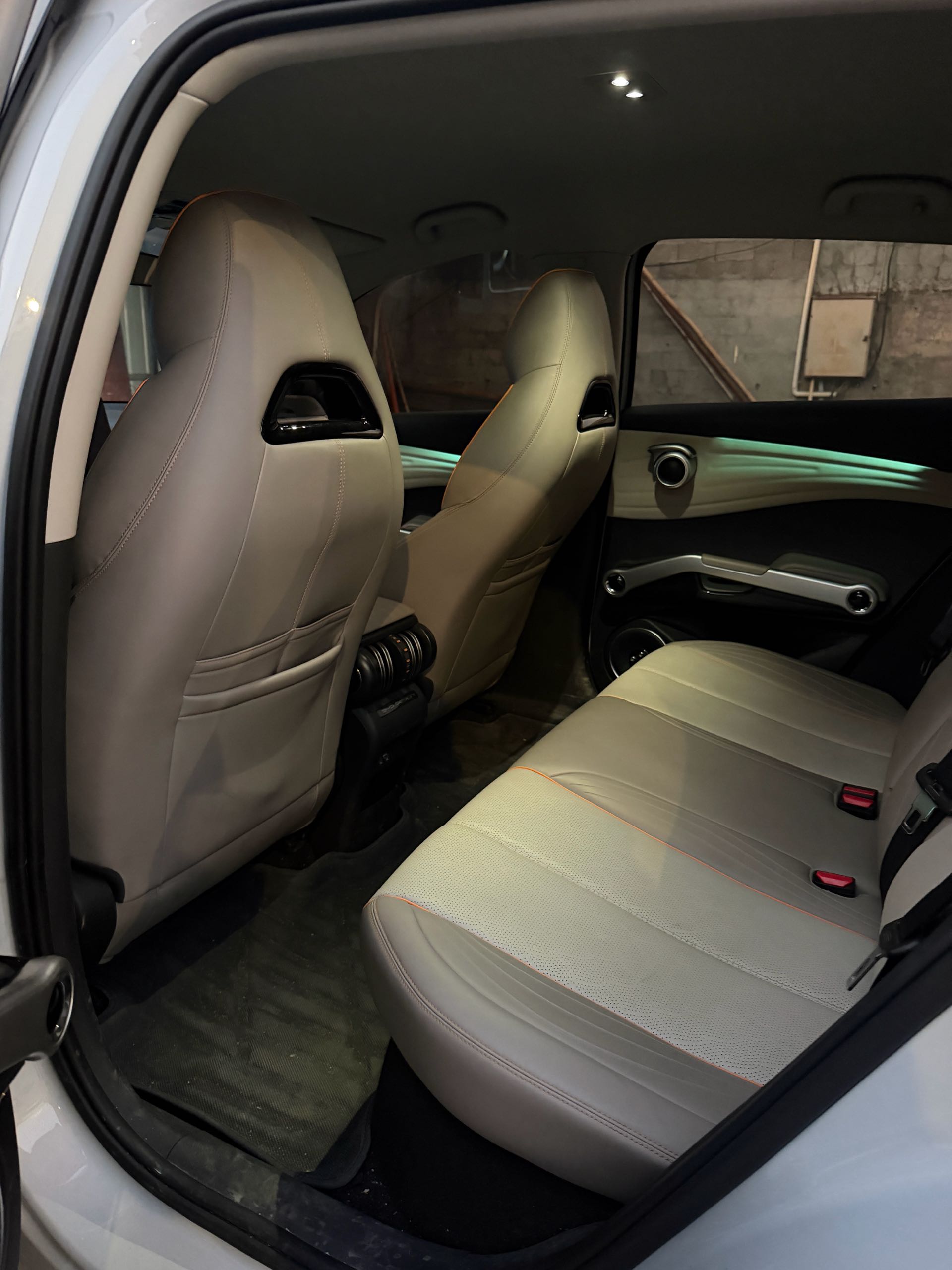
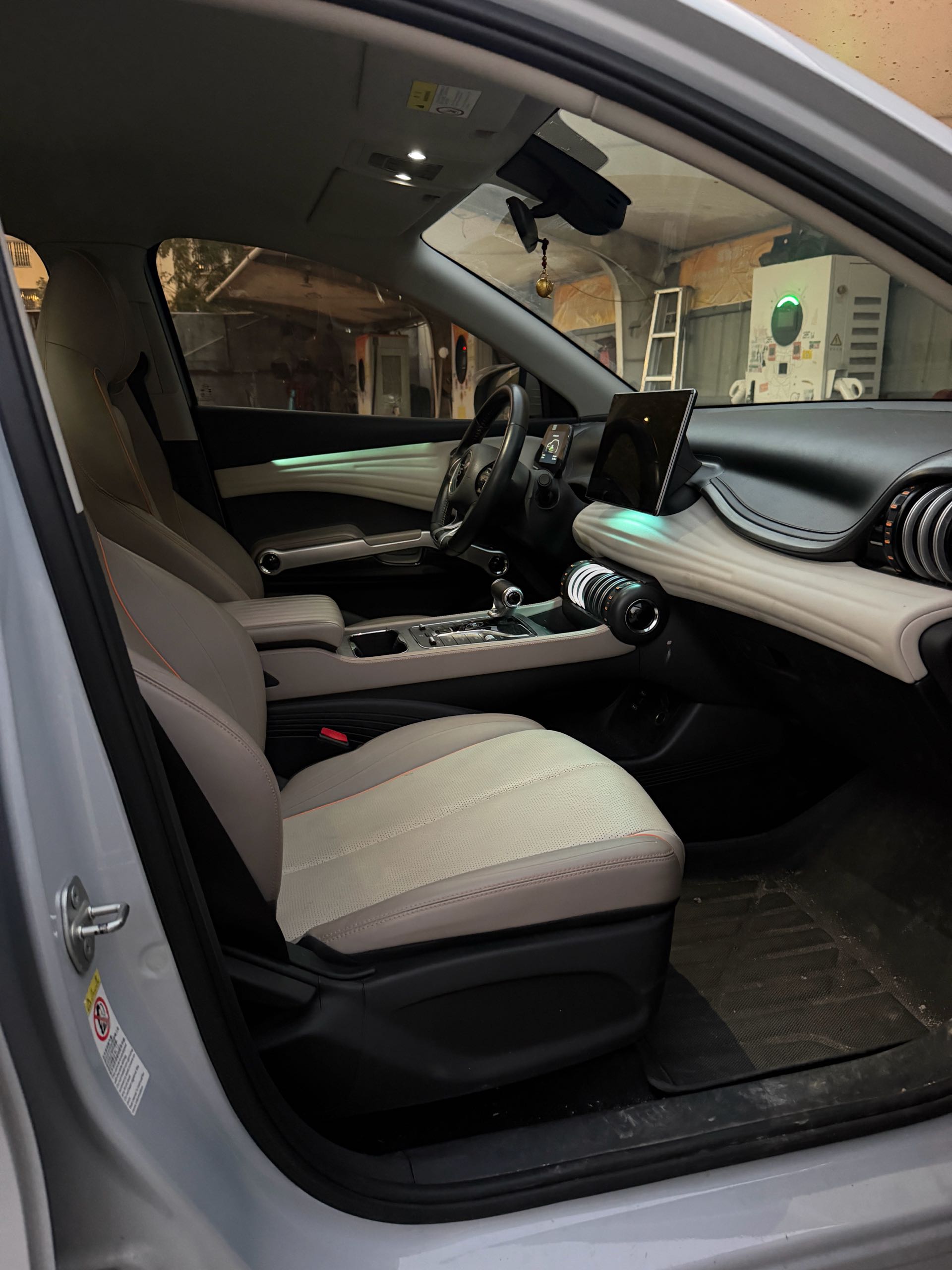
Ride-hailing taxi; original body, one repainted panel.

Document Information

Inspection Expiry Date-
Warranty Expiry Date-
Insurance Expiry Date2027/05

Q&A

More

How are the refrigerant pressure, compressor operation, and heating effect of the air conditioning system deeply tested?

The technician will start the vehicle and turn on the air conditioning system, measuring the actual temperature at the vents at the lowest and highest settings with a thermometer; at the same time, they will connect a manifold pressure gauge to check if the refrigerant pressure in the high and low pressure lines is within the normal range, determining if there is a chronic refrigerant leak.


What's the difference between RoRo and container shipping when importing a used car from China?

RoRo (roll-on/roll-off) means your car is driven onto the vessel and secured on an open deck. It's usually the cheapest option and has frequent sailings from Chinese ports like Shanghai and Guangzhou. The downside: the car is exposed to sea air and handling, and you typically can't load spare parts inside the car. Container shipping puts the car in a 20ft or 40ft container. It costs more per car (a 40ft can fit 2-4 cars if you share with other buyers), but the car is sealed and protected, and you can pack spare parts, tools, or personal items inside. Container is the better choice for high-value cars, EVs with sensitive electronics, or harsh-route destinations. Practical tips: RoRo requires the car to be drivable and the battery disconnected per shipping rules; EVs often must ship at low state of charge. Either way, photograph the car at the port of loading and buy marine insurance. Transit time difference between the two modes is usually small - port congestion matters more than the mode itself.

If a third-party inspection report misses significant technical defects and they are discovered upon arrival at the destination port, how is liability determined?

This is a key legal issue. If the inspection is conducted by a third party appointed by us, we will be the primary responsible party and provide limited compensation to you, after which we will seek reimbursement from the inspection agency; if the inspection agency is designated by you personally (such as SGS), you will need to file a claim directly with that agency according to its service terms.