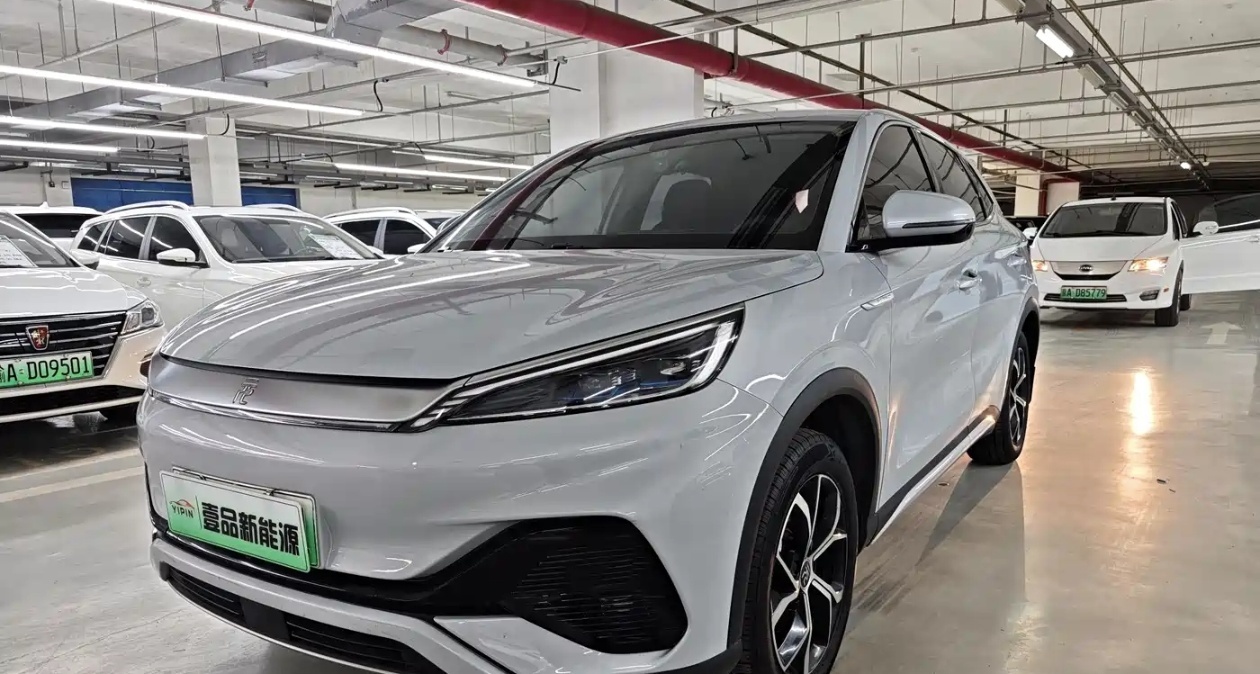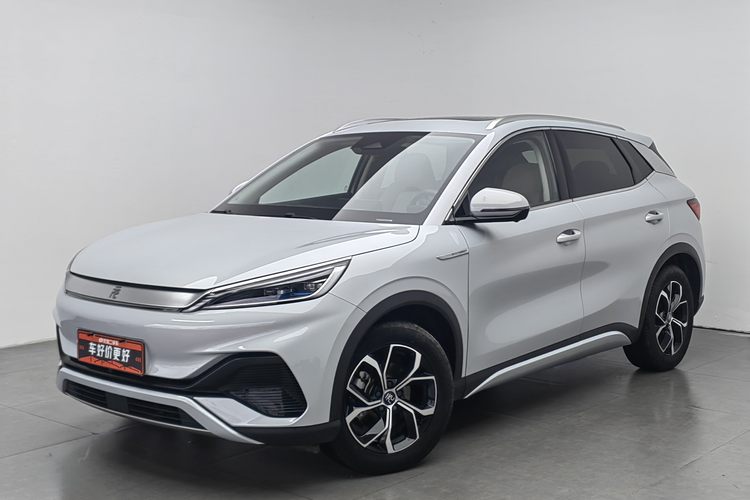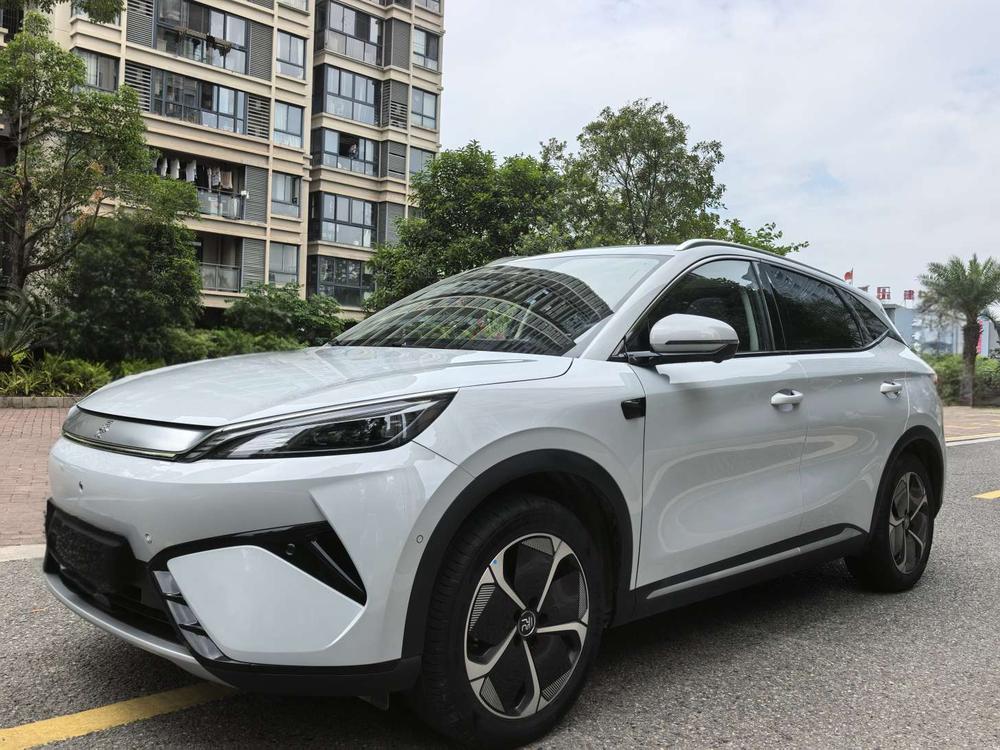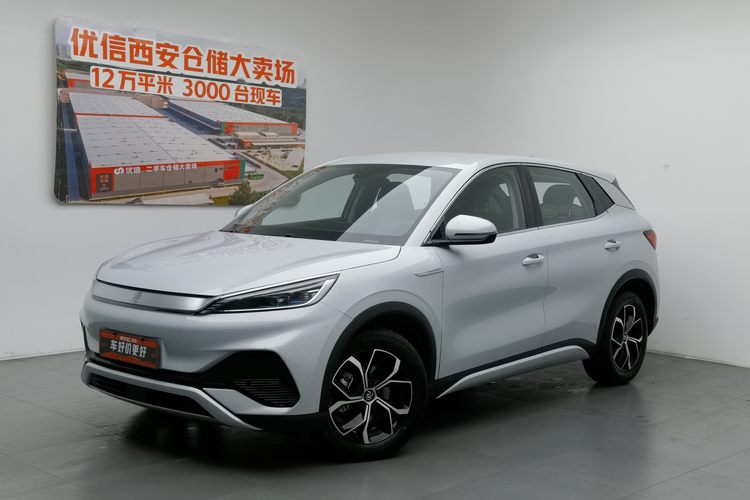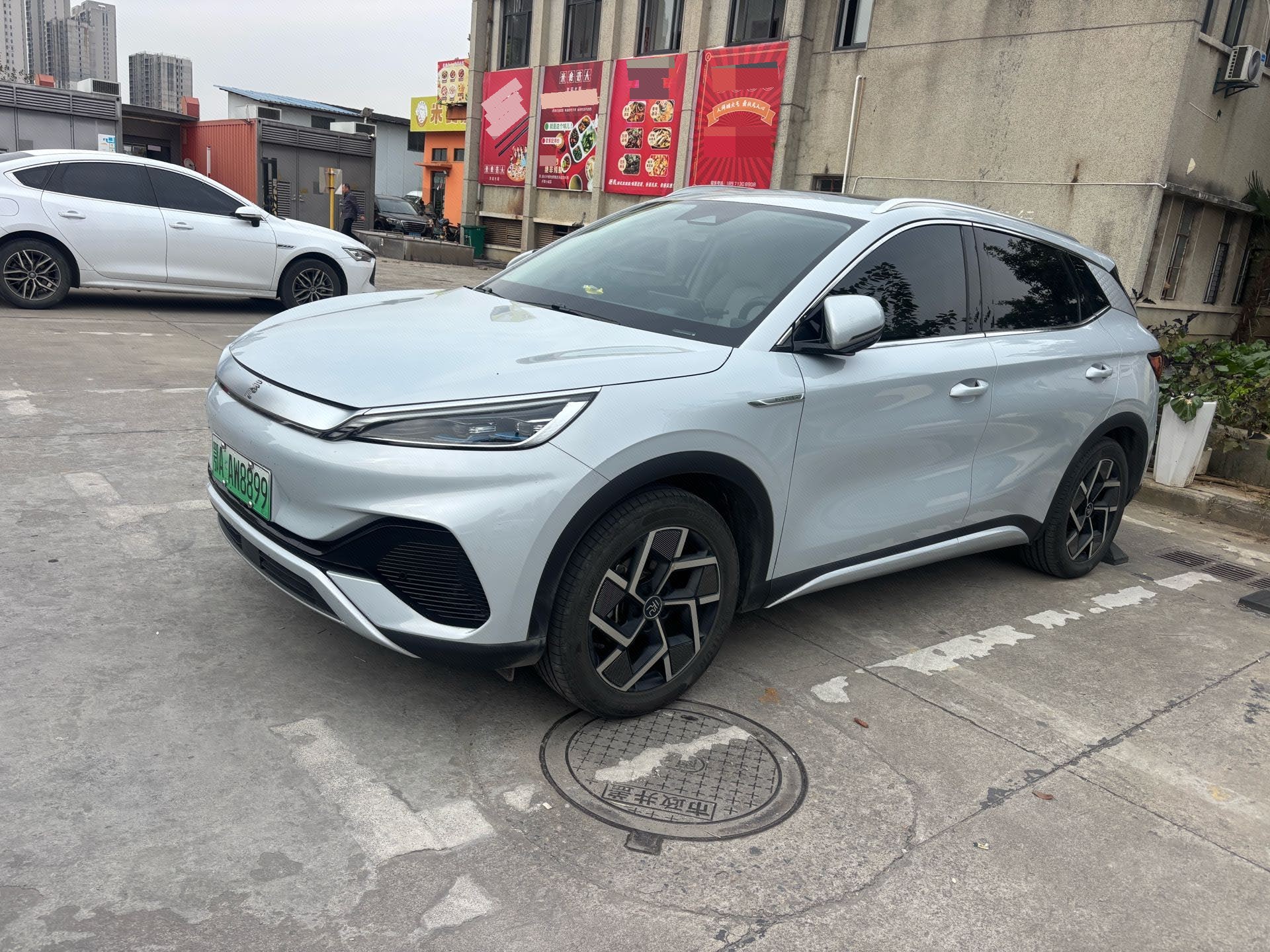
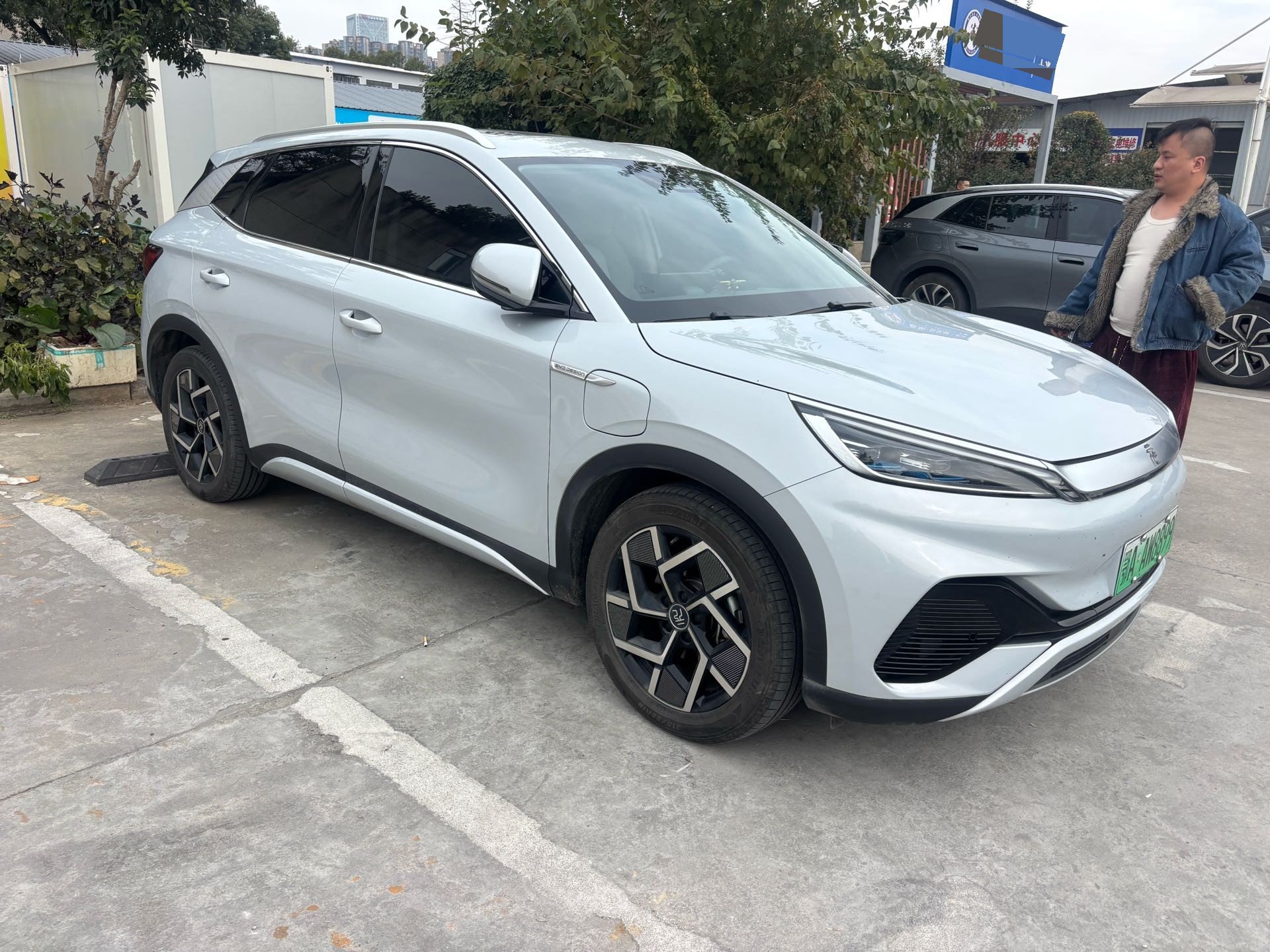
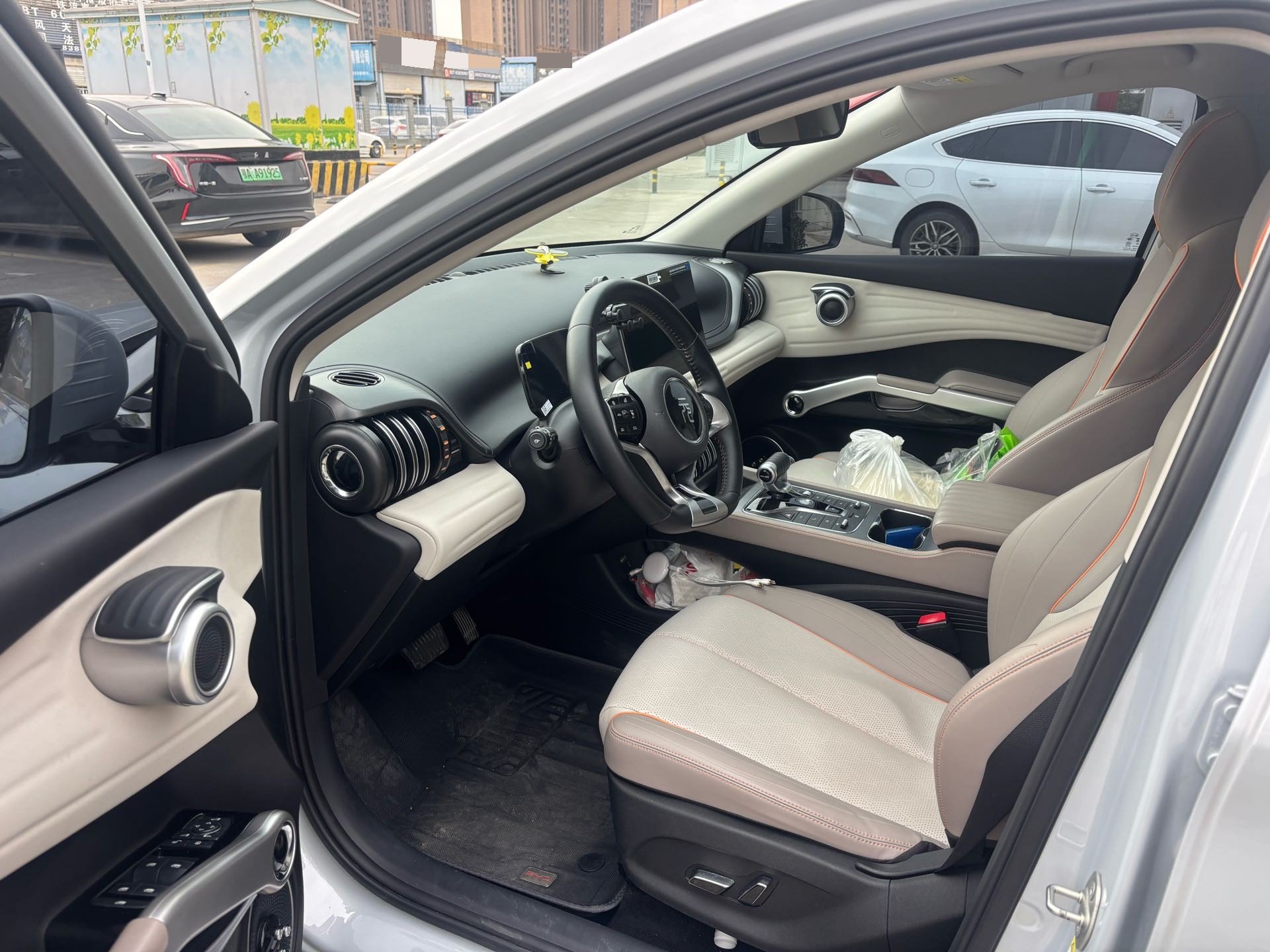
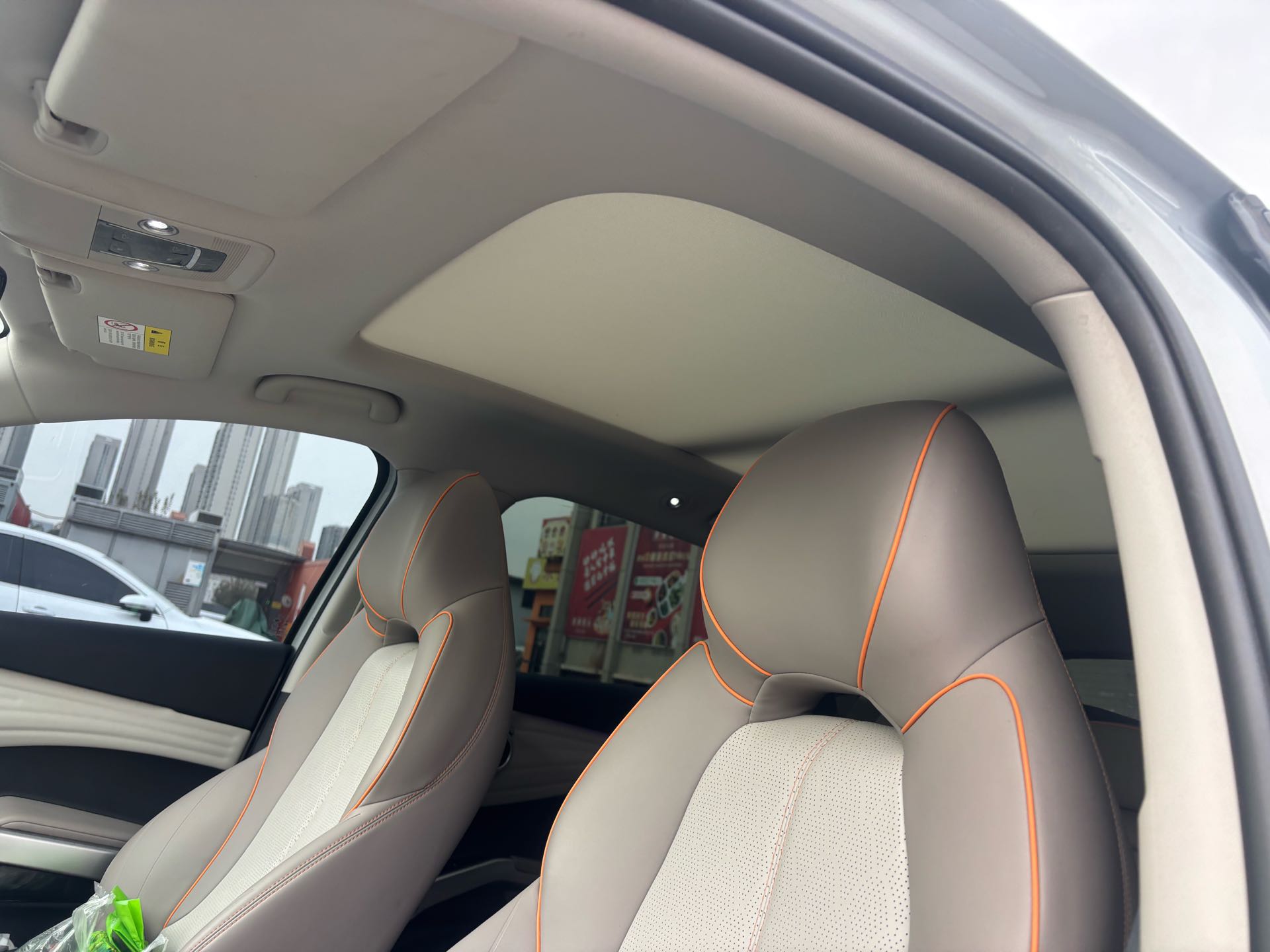
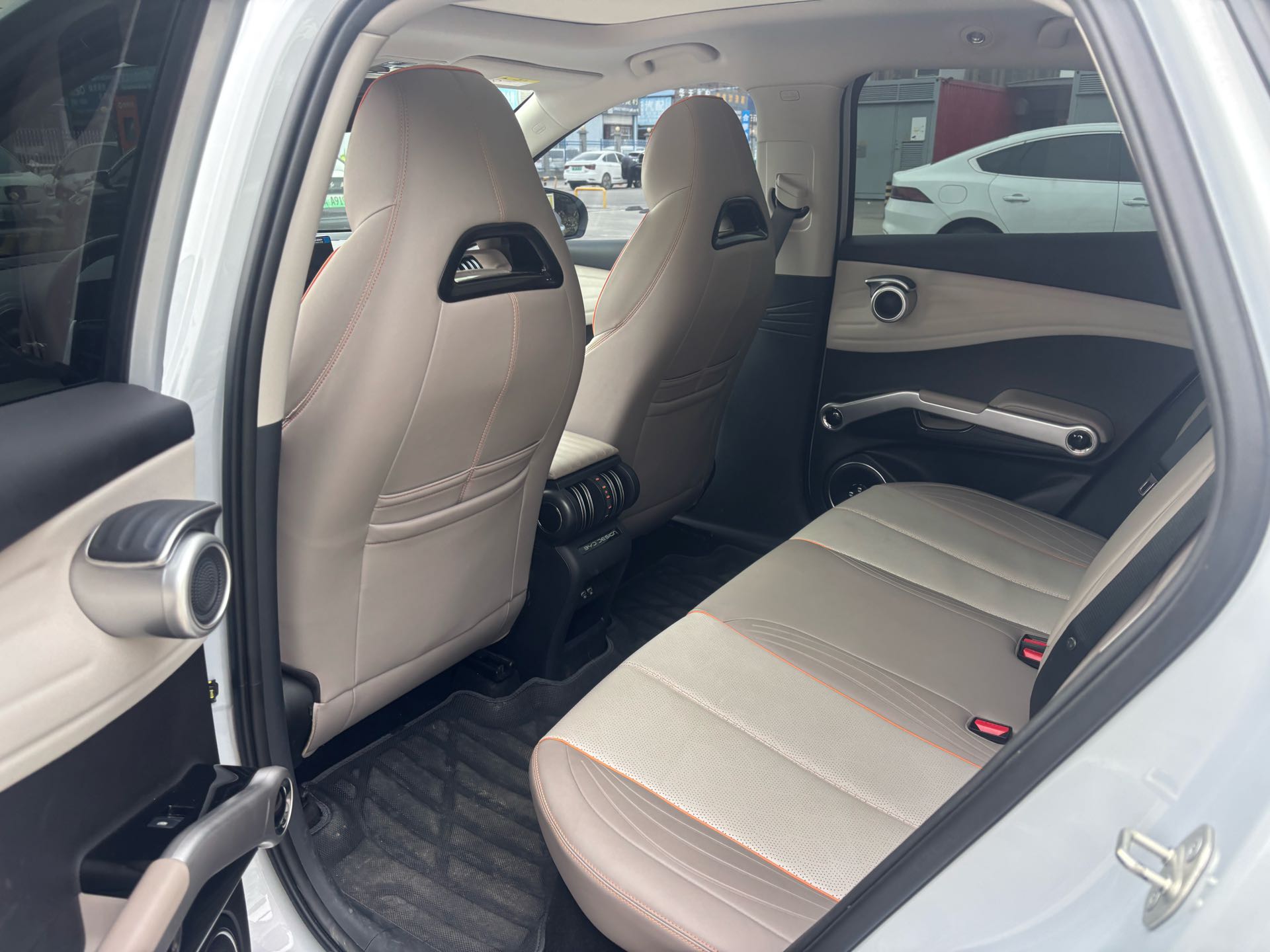



Basic Information

BrandBYD
SeriesYuan Plus
Year2024
First Registration2024/09
Mileage30,000km
Transfer Count0times
FuelElectric
TransmissionOther
Engine-
ColorGrey
Seats5seats

Condition Description

Original condition, one spot repainted.

Document Information

Inspection Expiry Date-
Warranty Expiry Date-
Insurance Expiry Date2027/09

Q&A

More

How do I read and interpret a Chinese vehicle history report—what do the records and codes mean, and which findings should stop the deal?

A Chinese history report (查博士, 精真估, or 4S-shop records) usually contains several sections. Here's how to read them. Accident records: entries tagged 重大事故 (major accident) or listings at an insurance payout above 30% of the car's value are serious red flags. Airbag deployment is a deal-breaker for most buyers. Mileage timeline: check that mileage increases logically between service visits. A sudden drop between two dates means odometer tampering—walk away. Ownership count: more than 3 owners in 5 years suggests a problem car. Also check the 使用性质 field: a car registered as 营运 (commercial/taxi use) has a much shorter legal lifespan. Maintenance entries: consistent 4S dealership records are a good sign; long gaps aren't necessarily fatal if the owner used independent shops, but ask for receipts. Cross-check the report against the VIN plate, registration certificate, and physical inspection. If the report shows no accidents but paint thickness readings say otherwise, trust the metal, not the paper.


Can the e-SIM card in China's new energy vehicle system be physically removed and replaced with a local SIM card from an overseas operator?

Most new car manufacturers' e-SIMs are directly soldered onto the T-Box motherboard (surface-mounted) and cannot be removed and replaced like a phone. Unauthorized desoldering of the motherboard may cause complete communication failure in the vehicle, and we strictly prohibit this operation.

How are import duties on used cars from China calculated, and which HS code applies?

Used cars are classified under HS heading 8703 (motor vehicles for transport of persons), with the last four digits determined by engine type and size. Gasoline cars usually fall in 8703.21–8703.80 depending on displacement; pure EVs fall under 8703.80; hybrids have their own subheadings. The duty amount depends on your country's tariff schedule: 1. Most countries charge duty on the CIF value (car price + freight + insurance), not the FOB price. 2. Many developing markets levy higher duties on used vehicles than new ones, and some add a surcharge based on age — older cars can cost significantly more to clear. 3. After duty, you typically pay VAT/GST on the CIF + duty total, plus port and customs fees. Practical tips: ask your exporter to state the exact HS code on the commercial invoice and confirm it with a local customs broker before shipping. A wrong code can trigger reclassification, penalties, or delays. Also budget for any excise tax tied to engine capacity — in several markets a 2.5L car clears far cheaper than a 3.5L one.