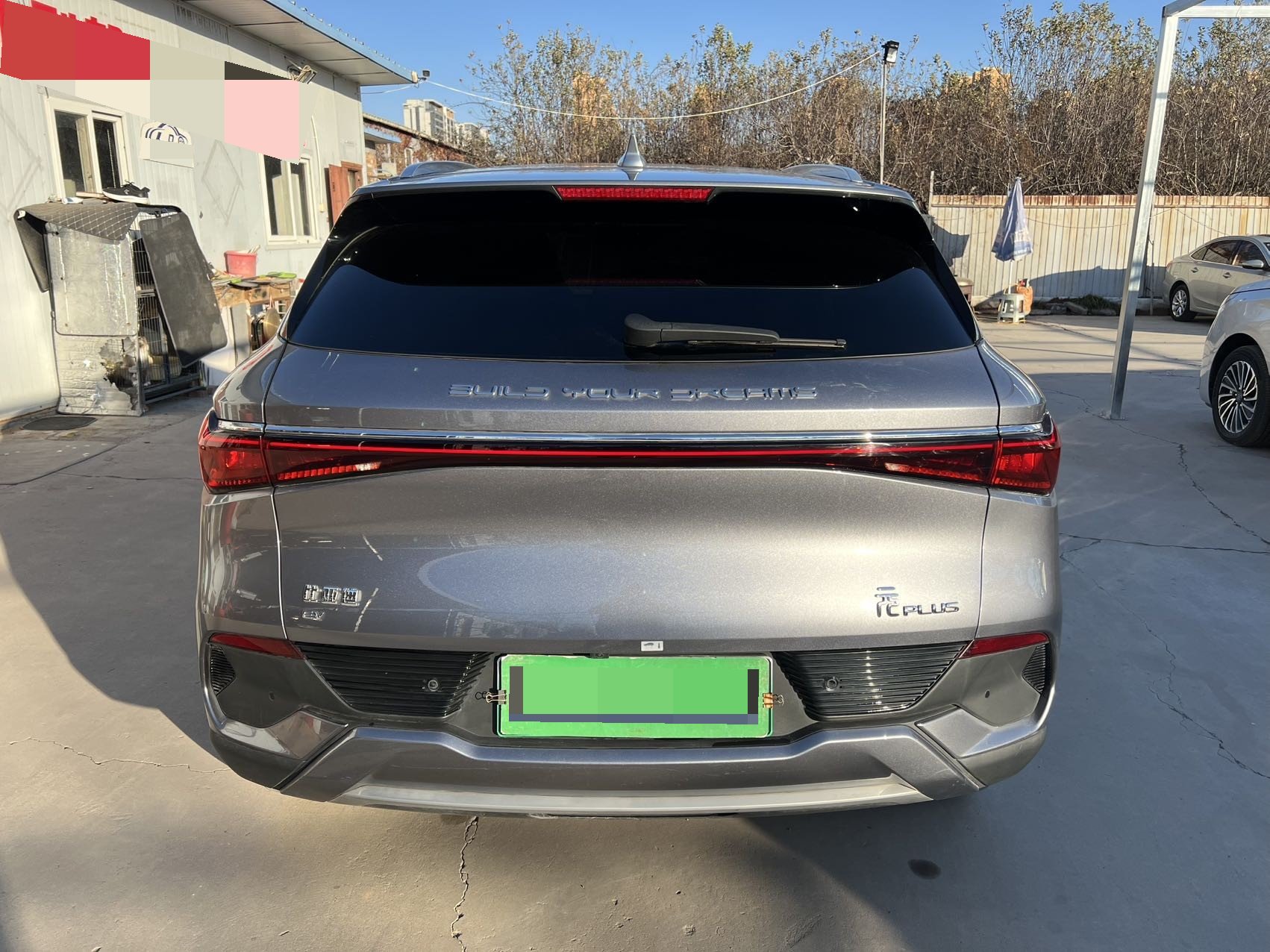
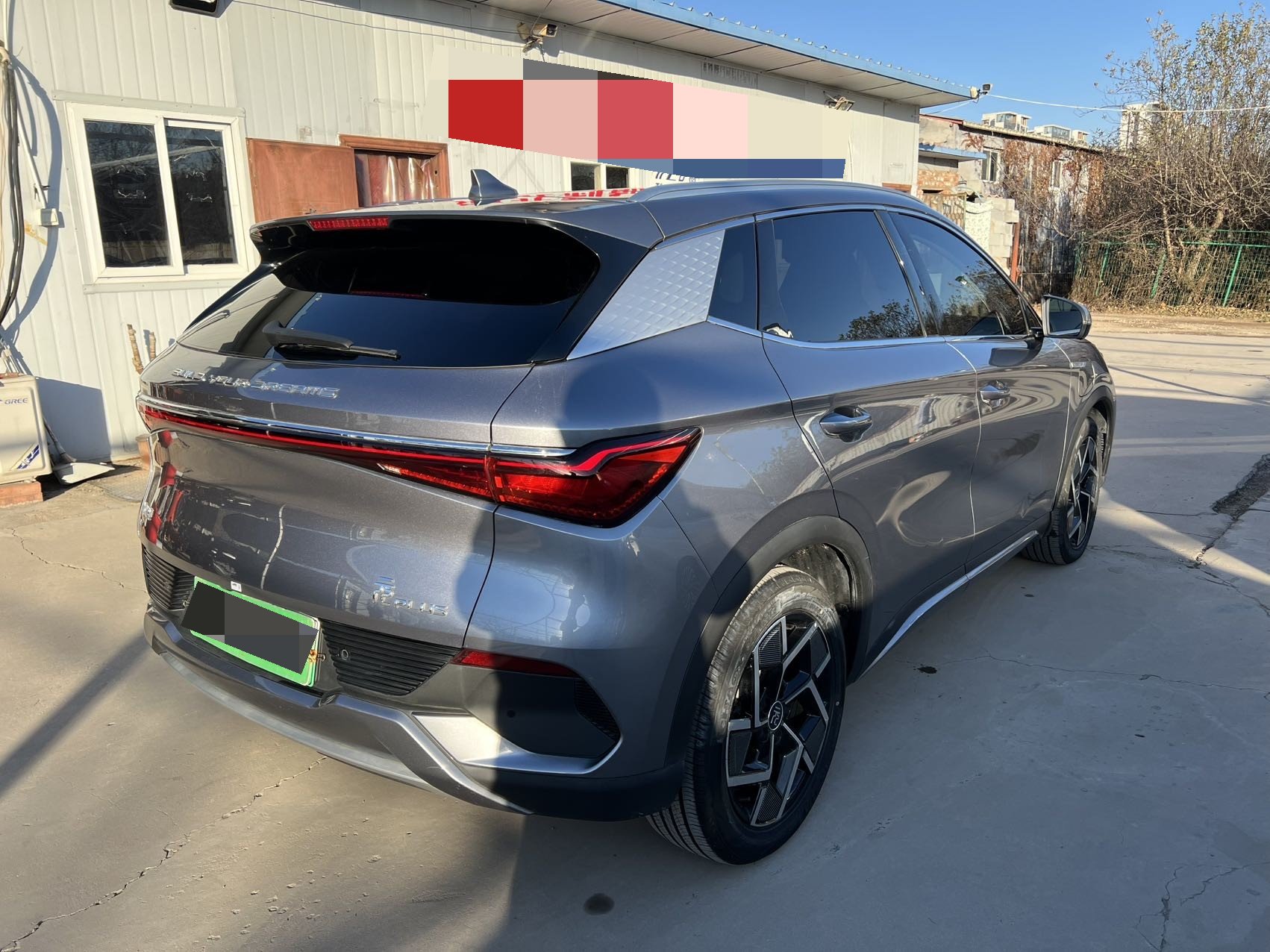



48H

Basic Information

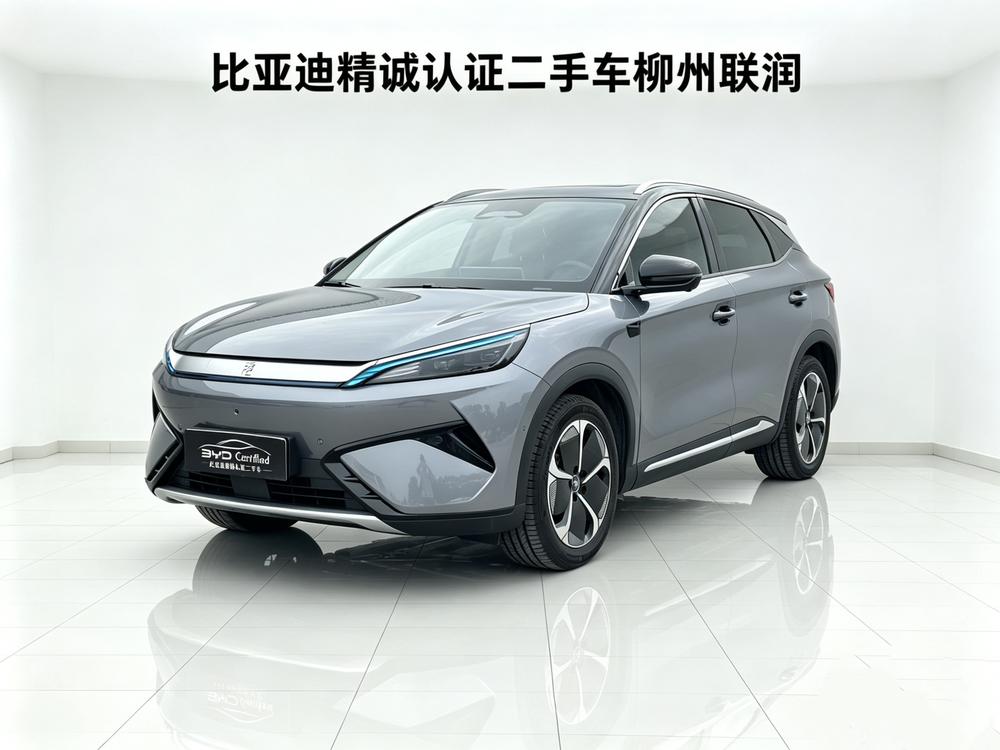
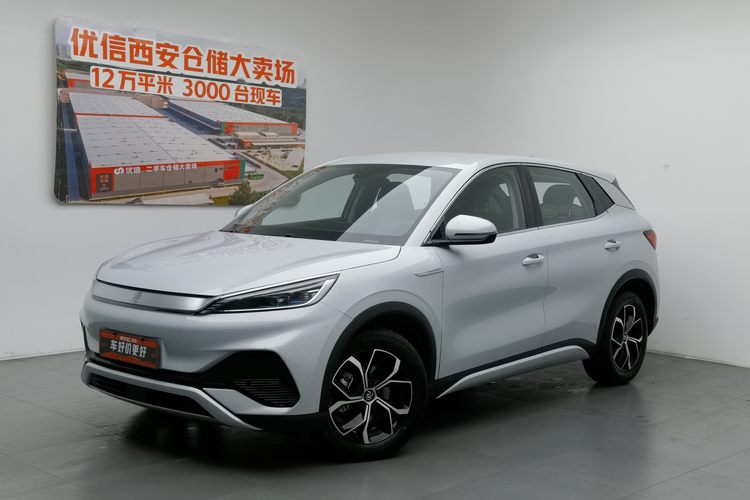
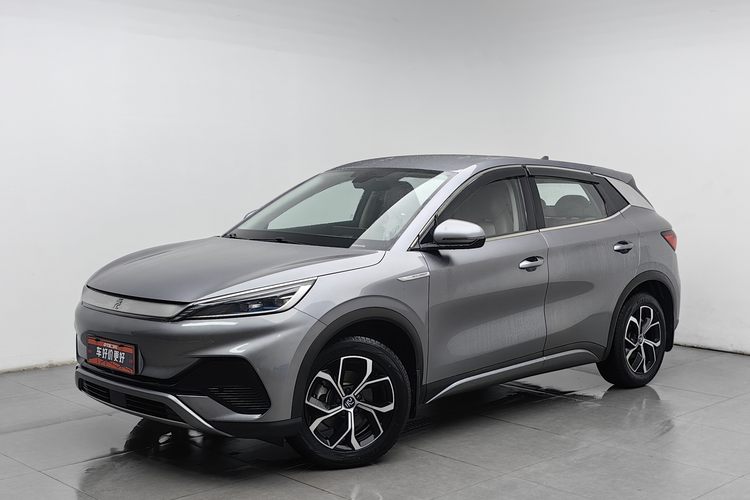
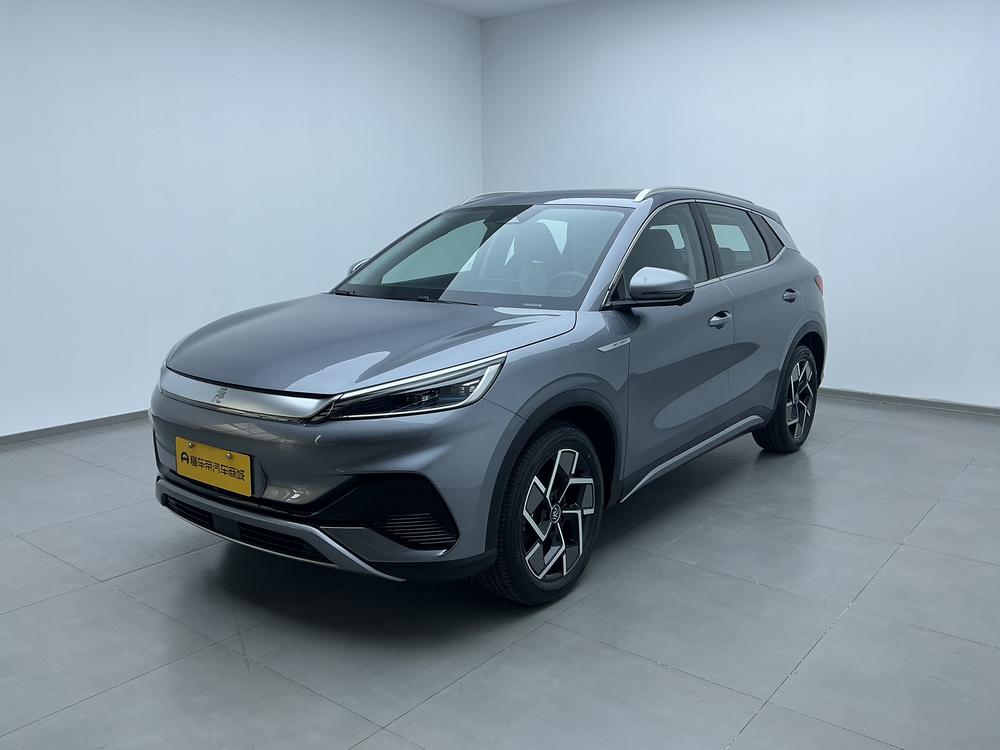
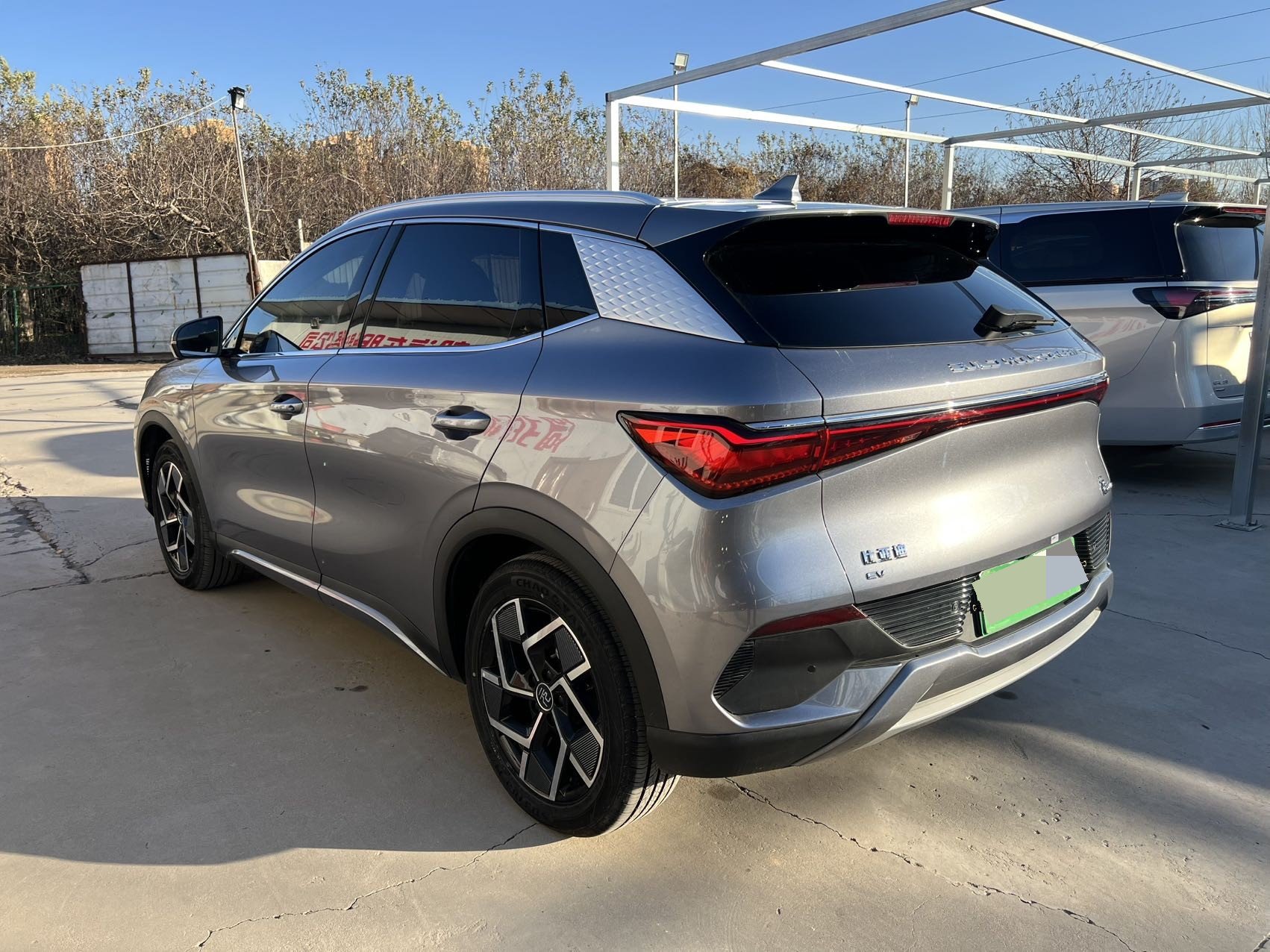
BrandBYD
SeriesYuan Plus
Year2024
First Registration2024/09
Mileage8,000km
Transfer Count0times
FuelElectric
TransmissionOther
Engine-
ColorGrey
Seats5seats

Condition Description

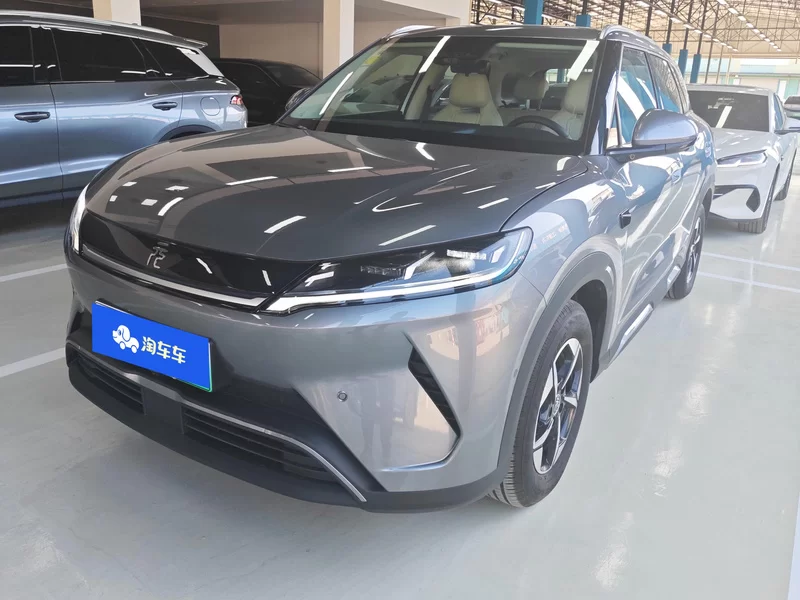
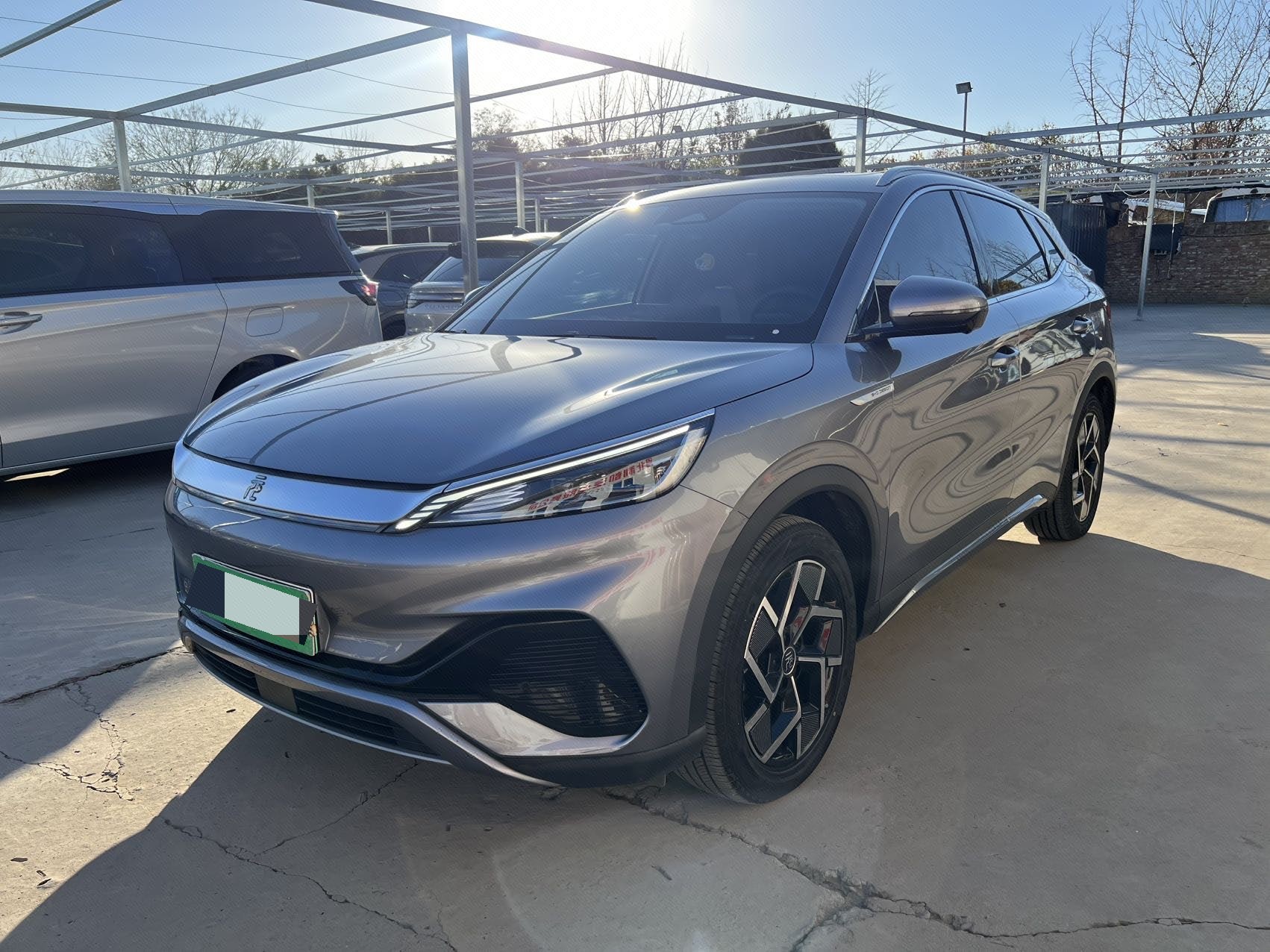
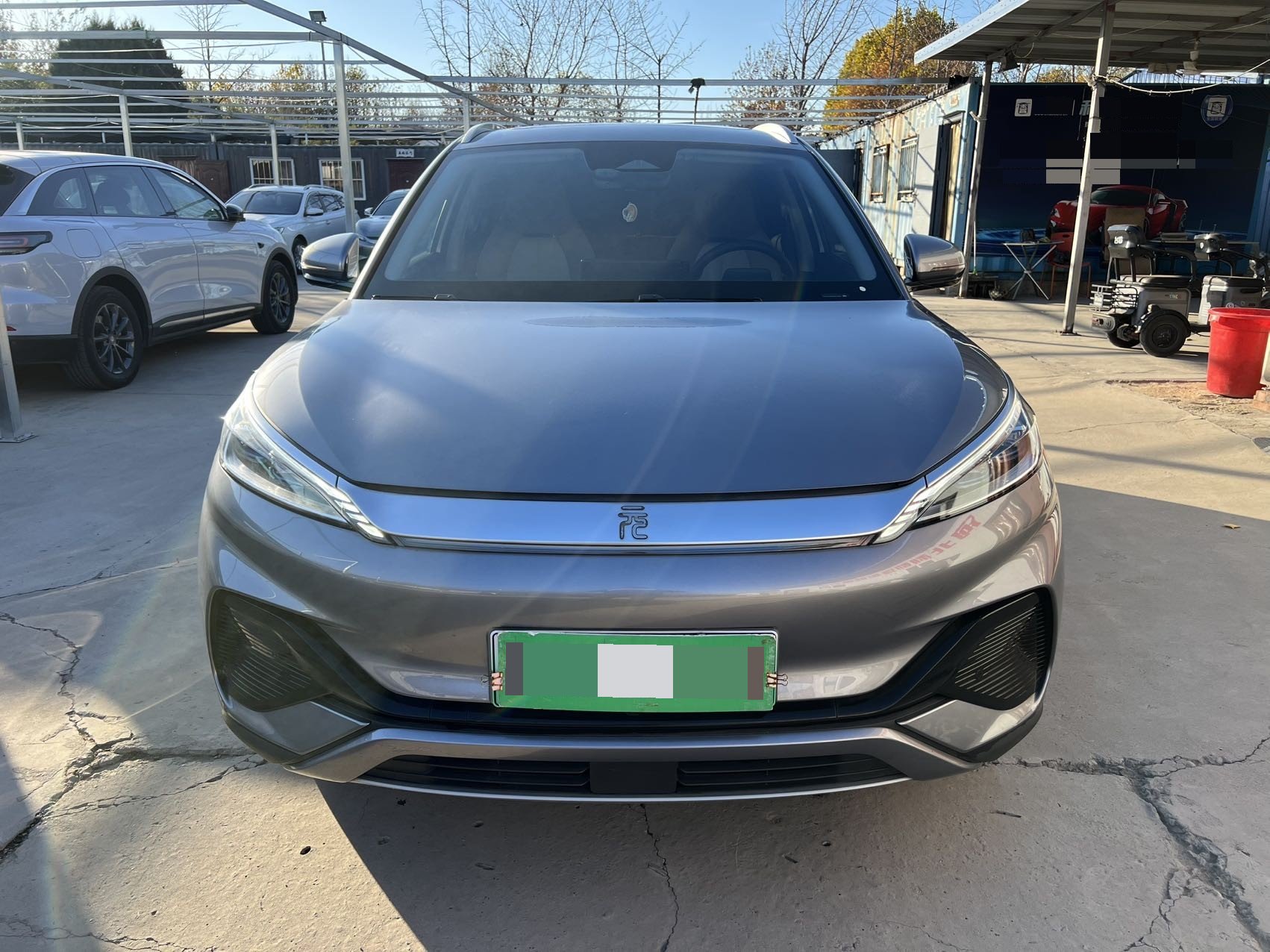
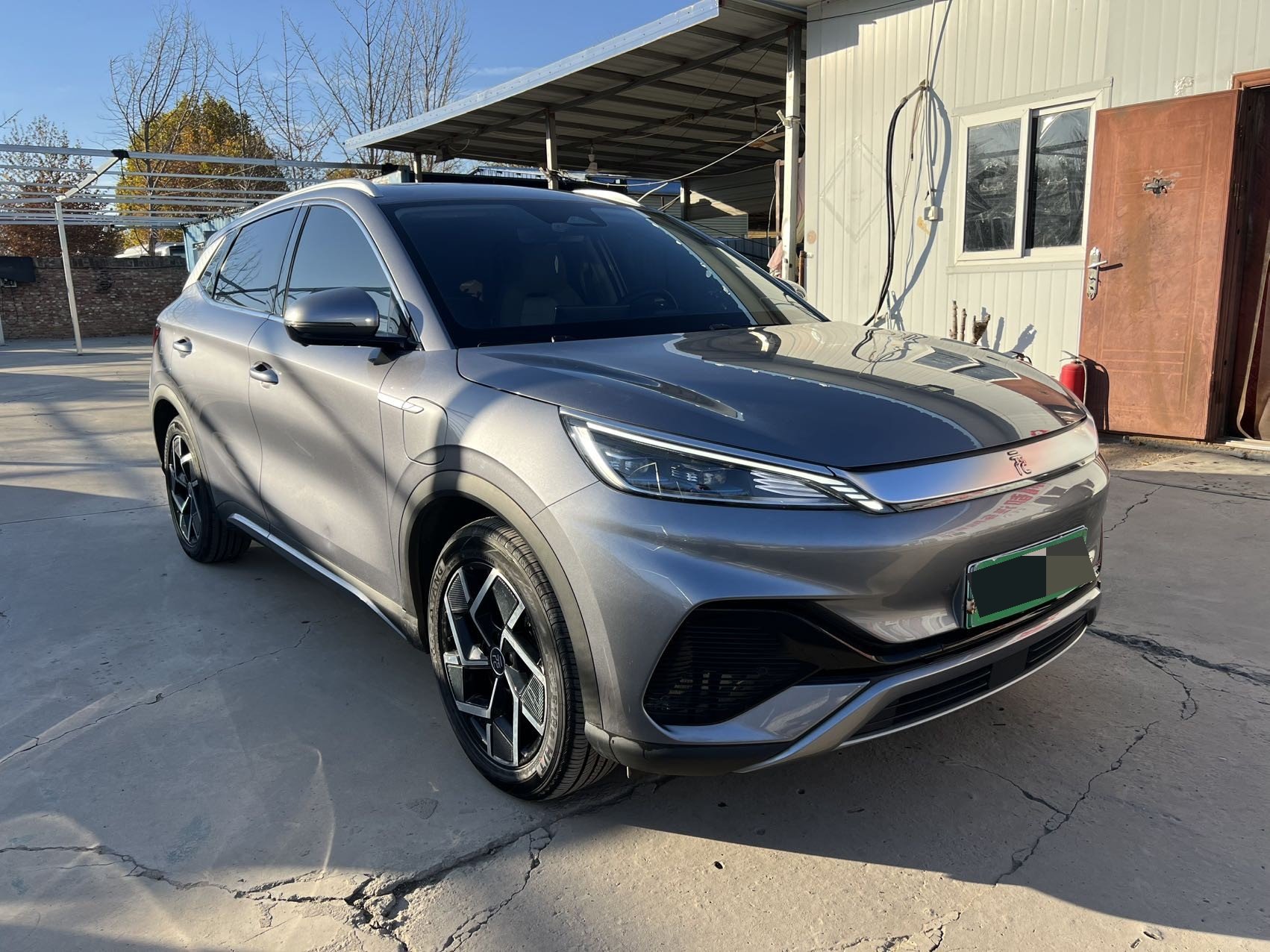
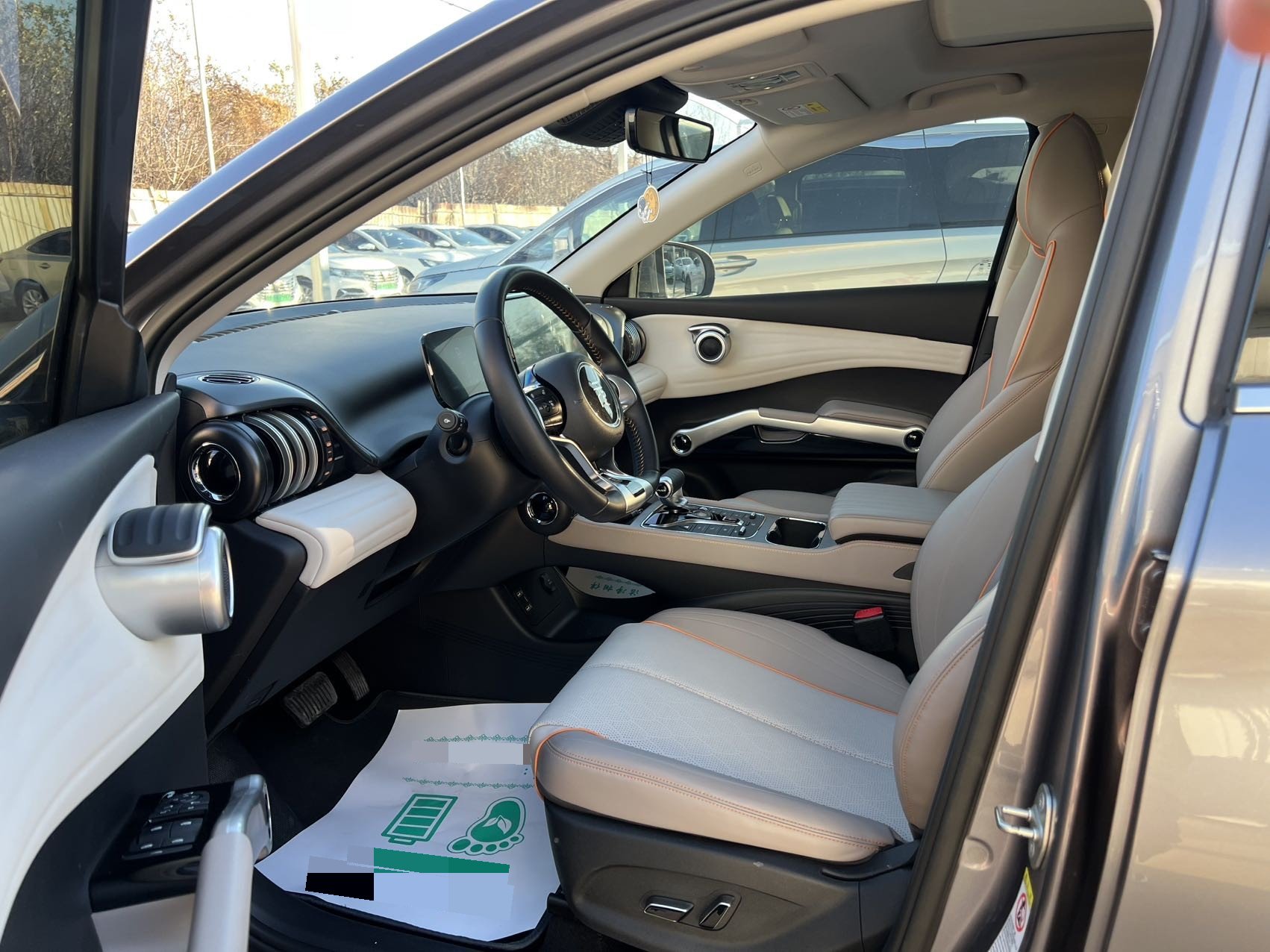
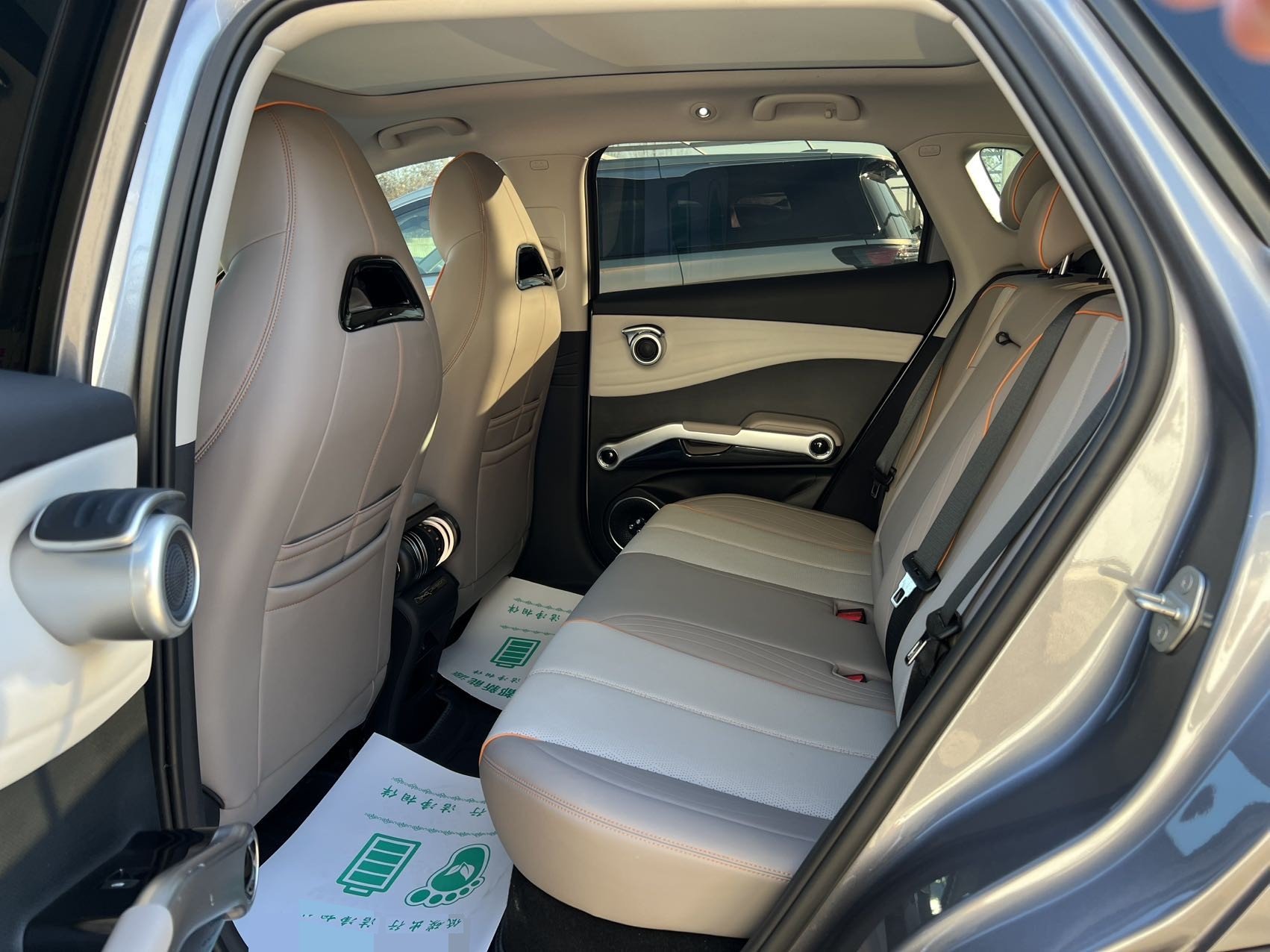
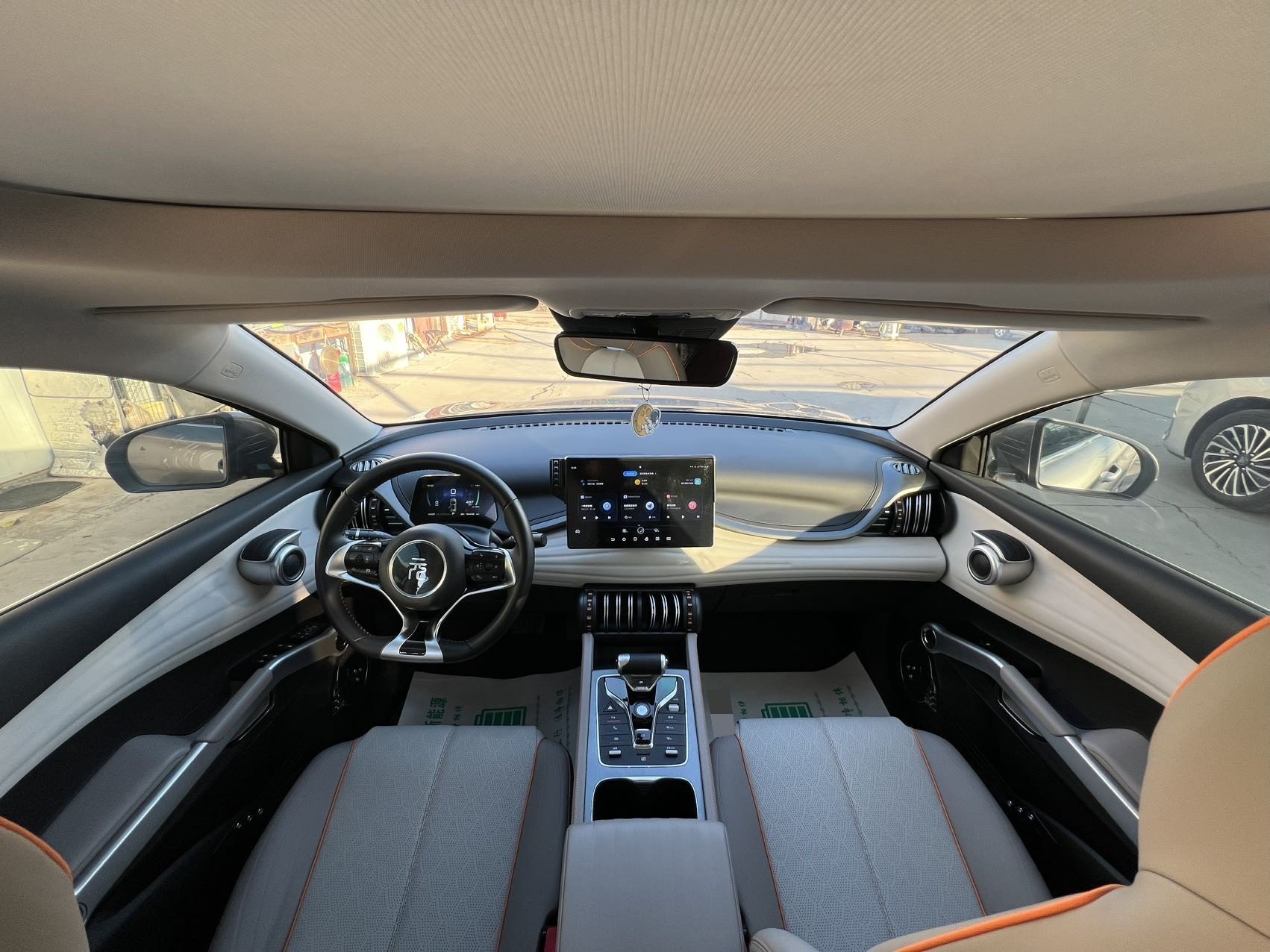
Original vehicle, all original paint, Chaboshi double SS grade.

Document Information

Inspection Expiry Date-
Warranty Expiry Date-
Insurance Expiry Date2027/09

Q&A

More

How should I compare quotes from multiple Chinese exporters to find the real best price?

Comparing headline prices alone will mislead you—quotes often bundle or exclude different items. Build a like-for-like comparison before deciding. Request every exporter to break their quote into: vehicle price, domestic transport in China, export handling and documentation fees, inspection fee, ocean freight to your port, and insurance. Then add what they exclude: your country's customs duty, VAT/GST, port charges, and local delivery. Watch for common padding: "service fees" of 3-8% that appear only in the final invoice, inflated inland transport (a truck from Guangzhou to a port should rarely exceed a few hundred dollars), and freight quotes that assume a shared container while charging you for a full one. Ask each exporter to state validity (7-14 days is normal) and whether the price is FOB or CIF. Once normalized, the cheapest quote usually isn't the lowest number—it's the one with the shortest list of exclusions and the clearest terms.


How long is your quotation valid? What is the basis for re-quoting after it expires?

Our FOB vehicle quotes are typically valid for 72 hours (as domestic retail vehicle sources can be sold at any time); sea freight quotes are valid for 7 to 14 days (depending on shipping line changes). After expiration, prices need to be recalculated based on real-time exchange rates and domestic procurement conditions.

What brake system checks should a pre-shipment inspection of a used car from China include?

Brakes are safety-critical, yet many basic inspections only glance at pad thickness. A proper inspection should cover: 1. Pad and disc measurement: front pads below 3 mm or discs below the minimum thickness stamped on the disc hat mean replacement before shipping. 2. Brake fluid: test moisture content with a strip or meter. Over 3 percent water content means a full fluid flush, especially important for sea freight in humid containers. 3. Hydraulic check: the inspector presses the pedal firmly for 30 seconds; a sinking pedal indicates a master cylinder or hose leak. 4. ABS and stability systems: a diagnostic scan should show no fault codes, and on a short test drive the ABS self-test should complete normally. 5. Parking brake: hold the car on a slope in both directions, particularly important for automatics shipped on RoRo ramps. Ask for photos of each measurement with the tool visible, not just a brakes-OK summary.