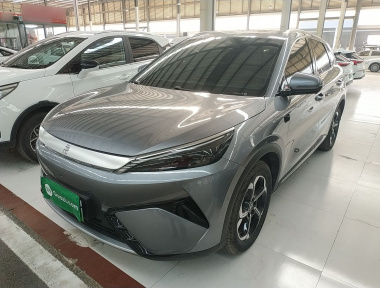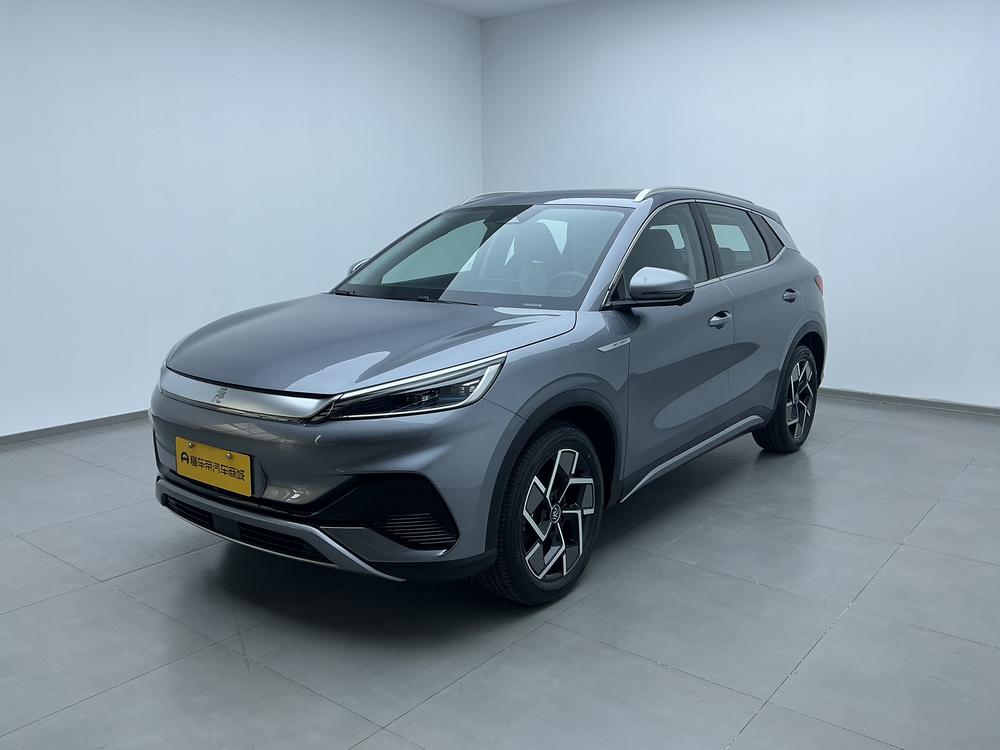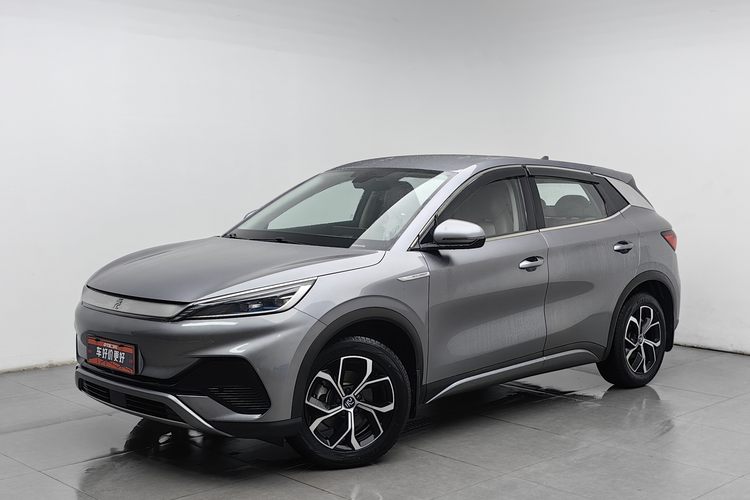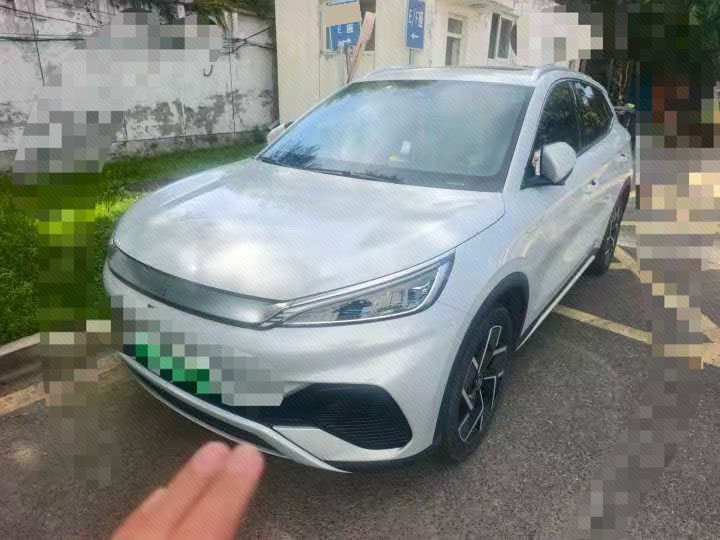



Basic Information

BrandBYD
SeriesYuan Plus
Year2024
First Registration2024/03
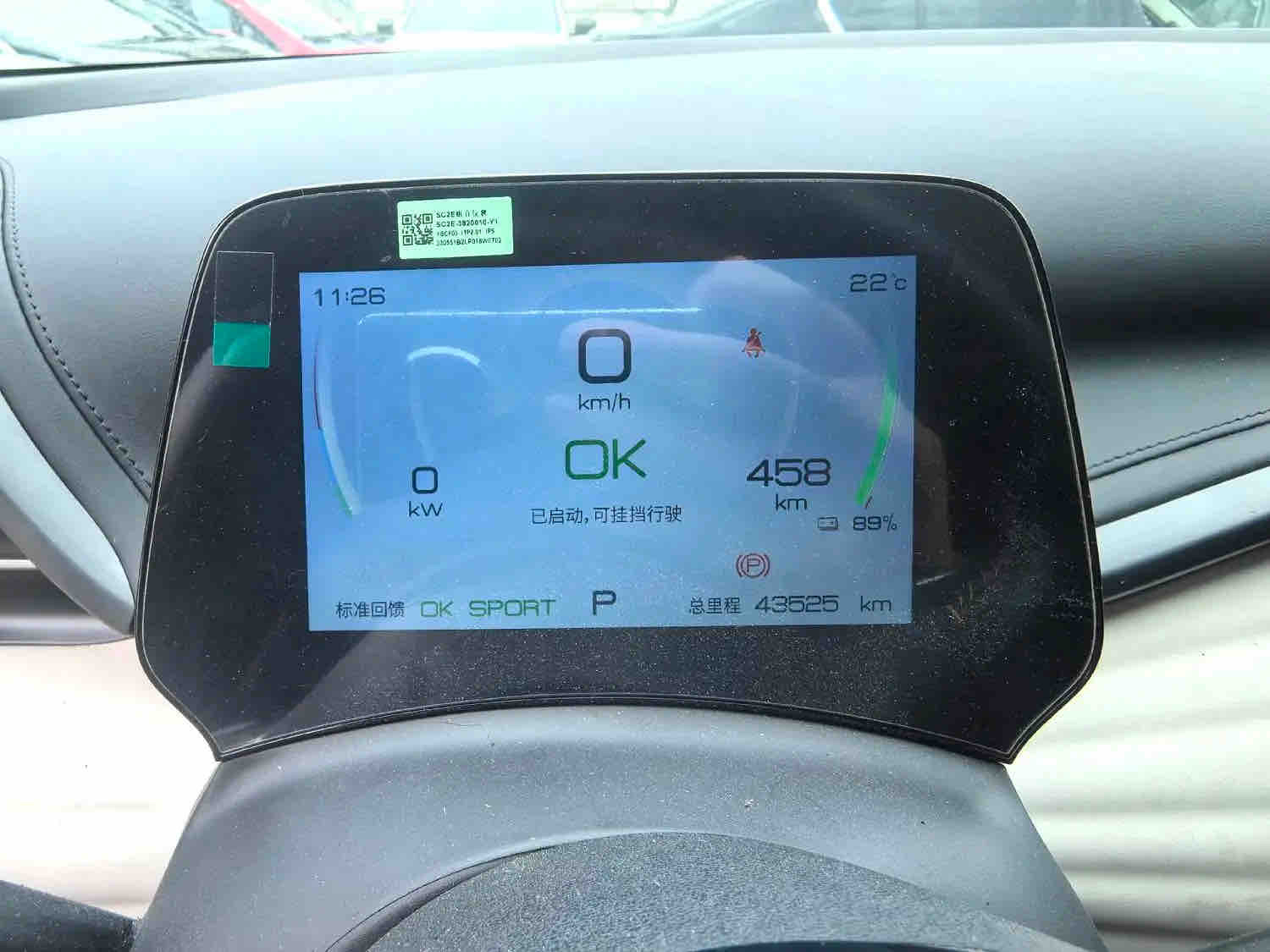
Mileage40,000km
Transfer Count0times
FuelOther
TransmissionOther
Engine-
ColorWhite
Seats-

Condition Description

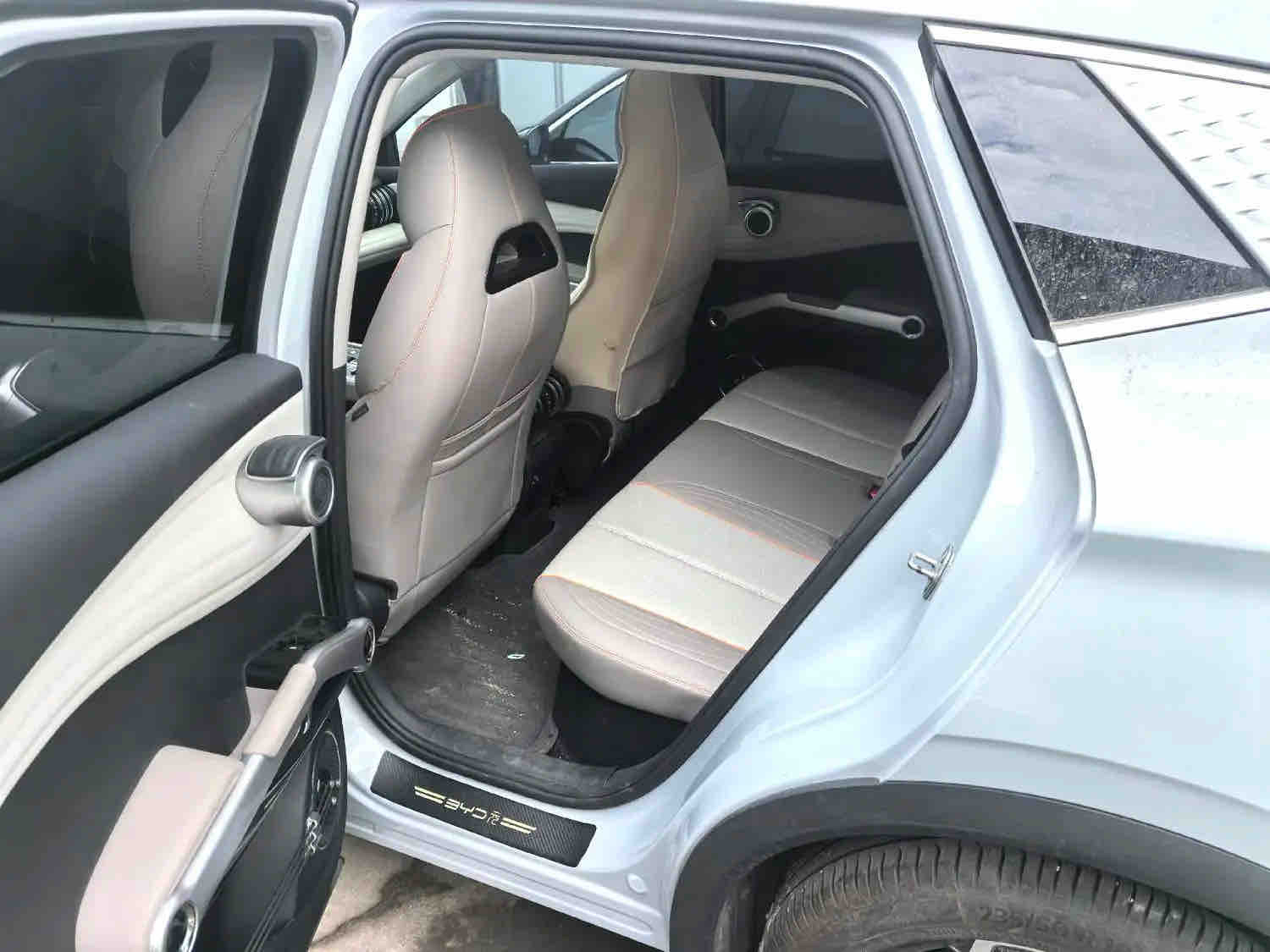
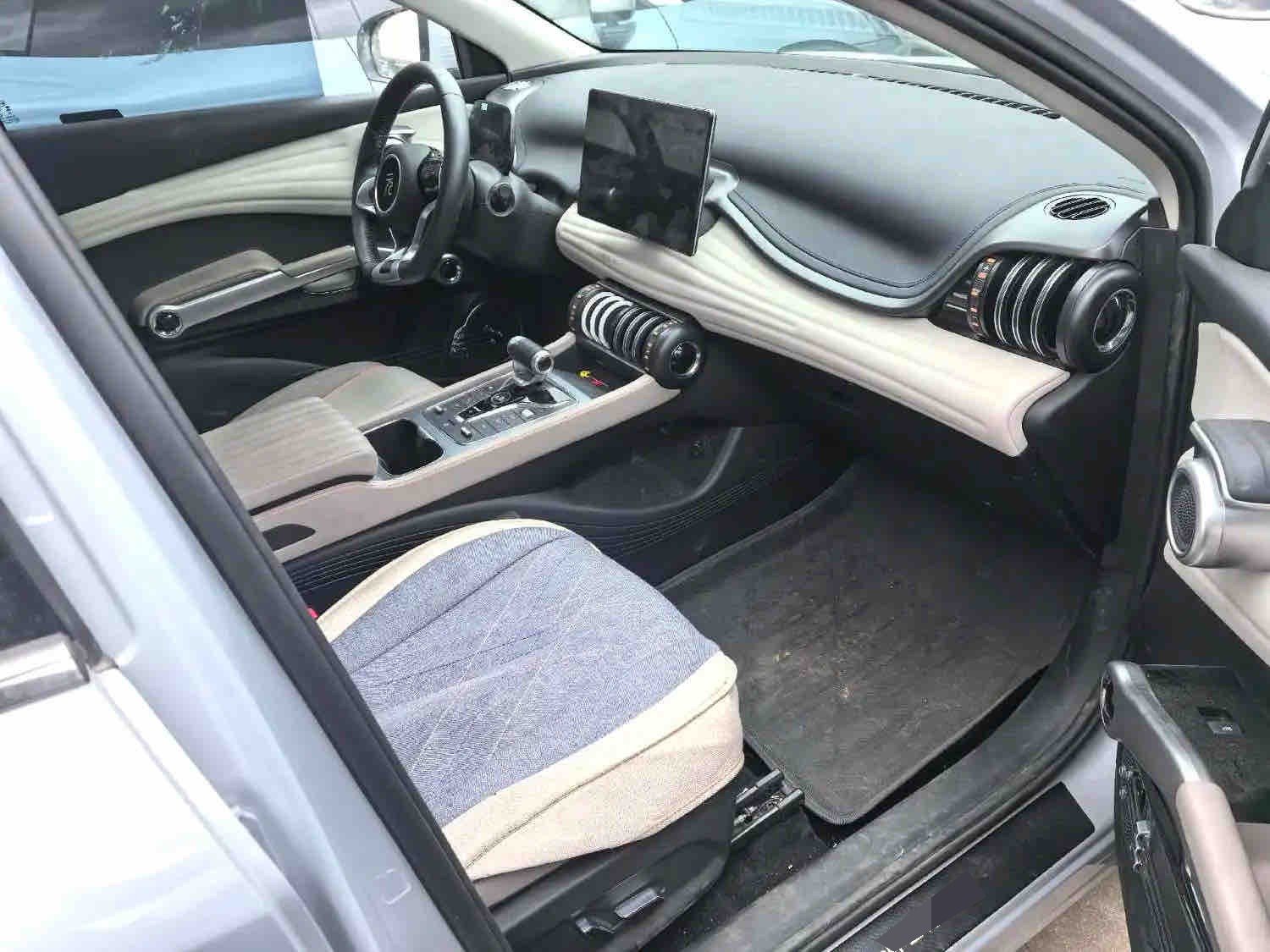
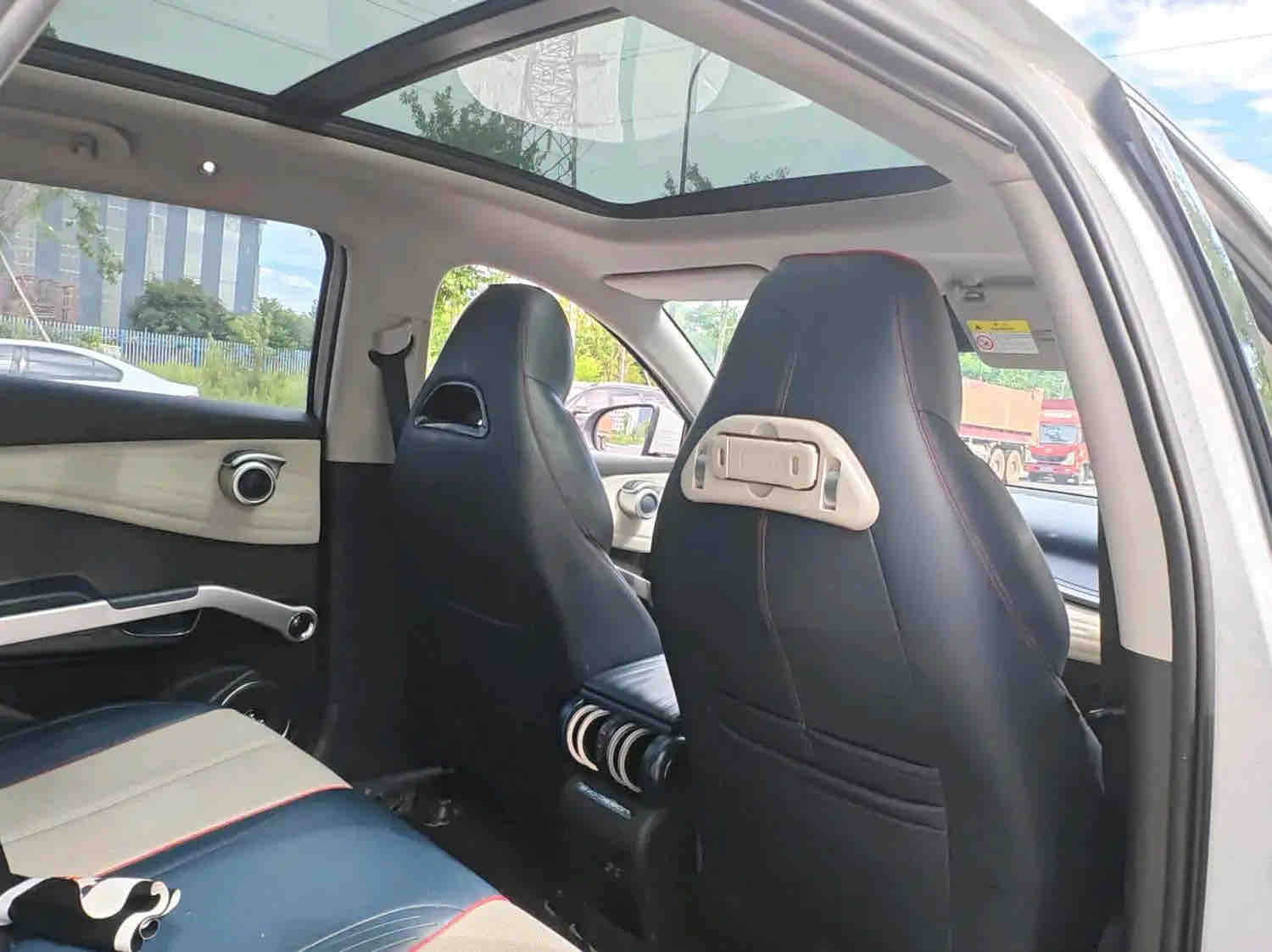
Actual mileage, one-owner vehicle, converted from commercial to non-commercial use. Front-end accident, front nose and airbags replaced. Rear maintenance records show replacement of three lights.

Document Information

Inspection Expiry Date-
Warranty Expiry Date-
Insurance Expiry Date2027/03

Q&A

More

What core export documents will you provide to ensure smooth customs clearance locally?

After receiving the final payment, we will send you the complete set of original customs clearance documents via DHL or FedEx, which typically includes: - Bill of Lading (B/L) - Commercial Invoice - Packing List - Certificate of Origin (CO) - Used Vehicle Export License issued by the Ministry of Commerce of China Note: If your local customs requires additional documents (such as VIN consistency certificate), please inform us in advance before shipping.


What maintenance schedule should I follow for my imported Chinese car, and where can I find the official service intervals?

Start with the owner's manual for your exact model and year—it lists the official service intervals and the required fluid specifications. If the manual is only in Chinese, ask the exporter for the English version, or check the manufacturer's website and owner community forums for your region. After the car arrives, do a baseline service even if the seller says it was just serviced: engine oil and filter, air filter, cabin filter, brake fluid check, coolant, and a 12V battery test. From then on, follow the "severe" or "extreme conditions" schedule rather than the normal one—dusty roads, short trips, and hot or very cold climates all count as severe duty, and intervals are usually shorter. Keep every invoice and record. A documented maintenance history makes warranty claims easier and protects resale value.

Will the insect bodies and willow catkins on the vehicle's water tank and condenser surface be forcibly washed away with a high-pressure water gun before inspection?

Do not use a high-pressure water gun directly! The high-pressure water can instantly damage the fragile aluminum fins of the condenser, leading to a permanent decrease in cooling efficiency. We can only use a low-pressure air gun or a soft brush for surface cleaning.