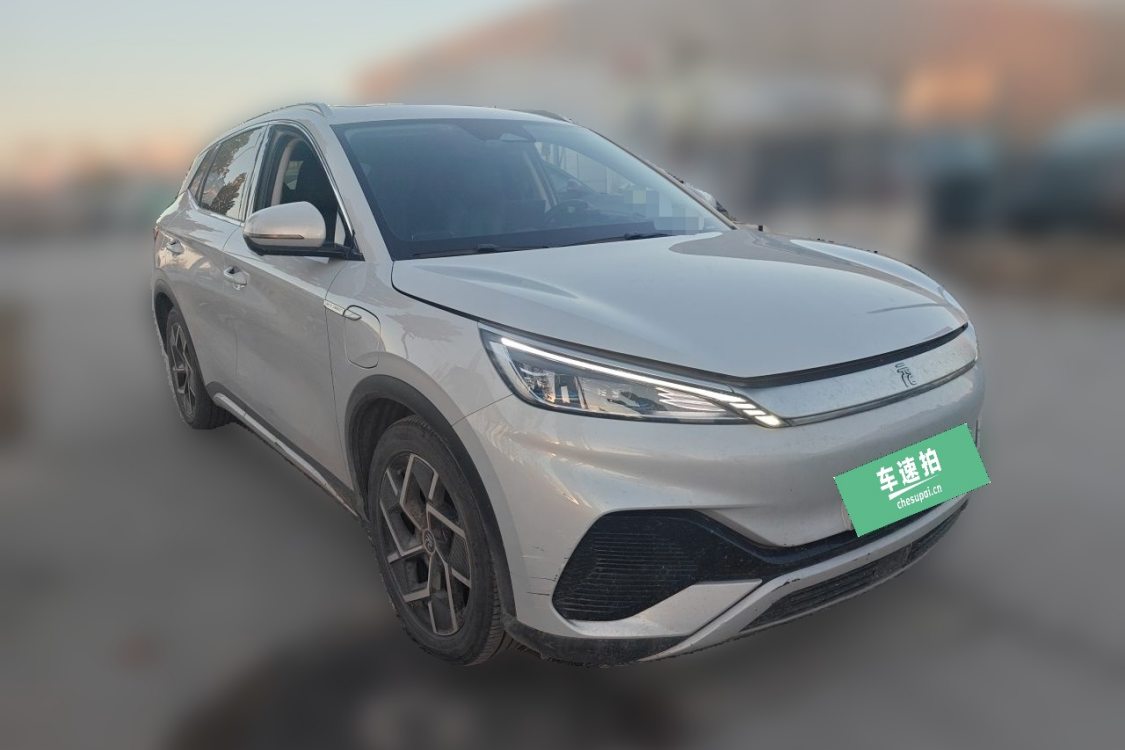
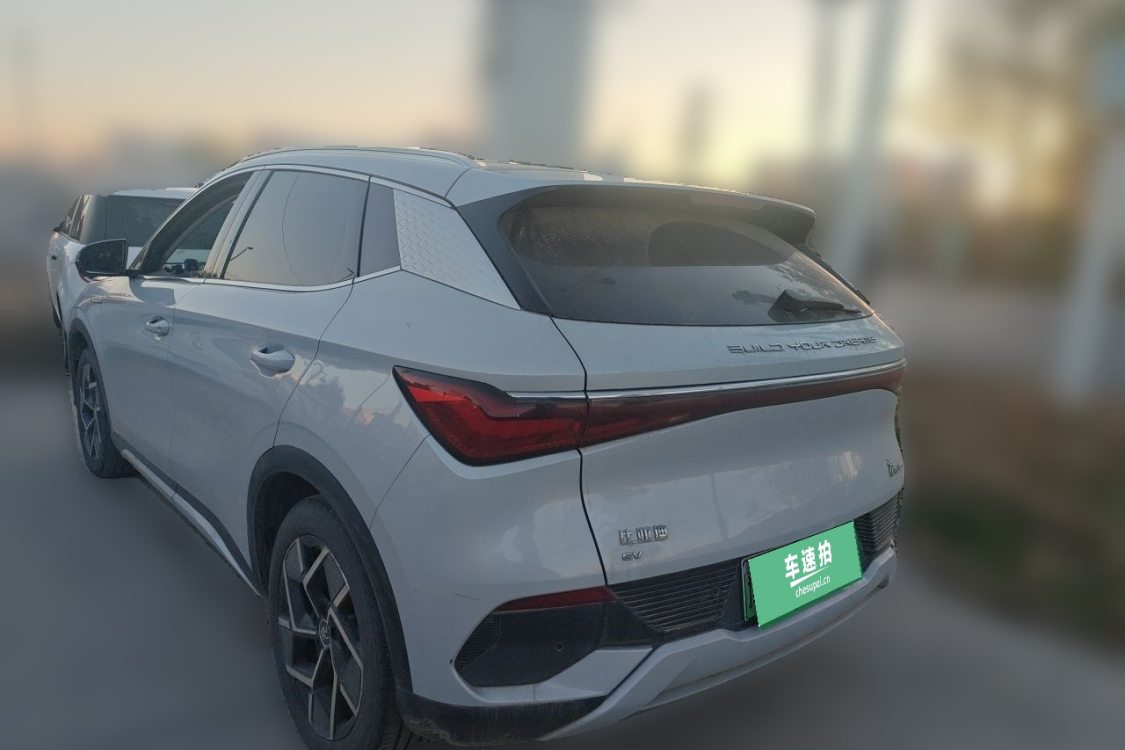
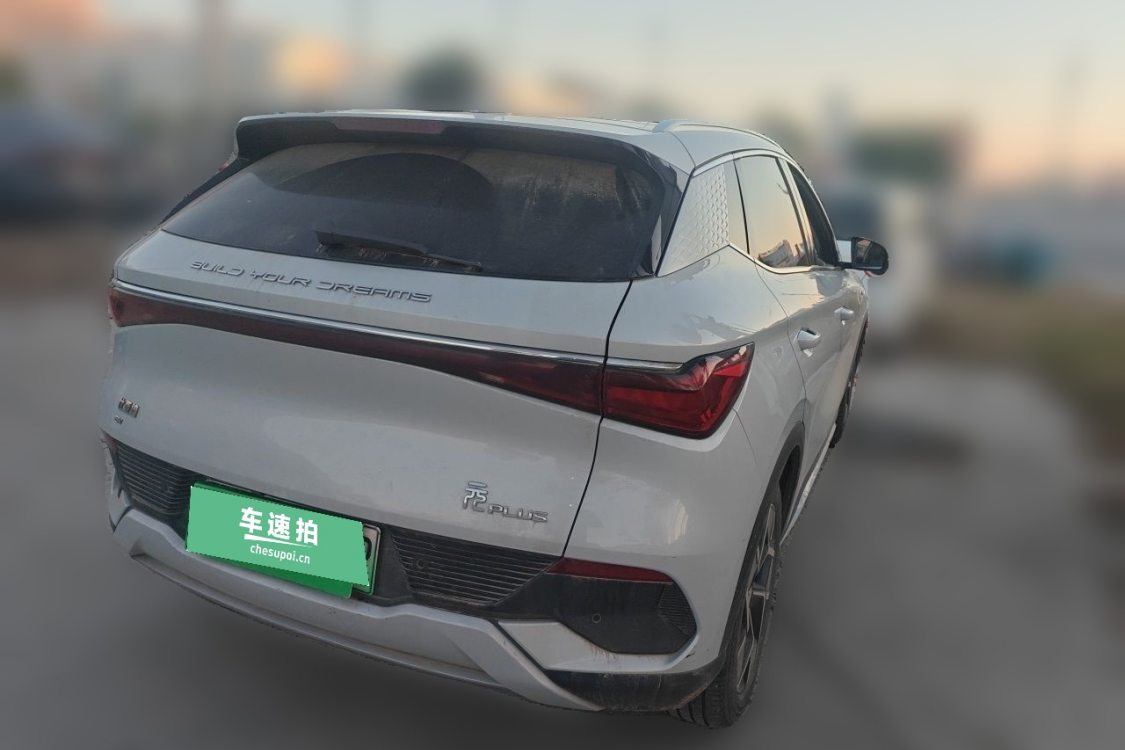
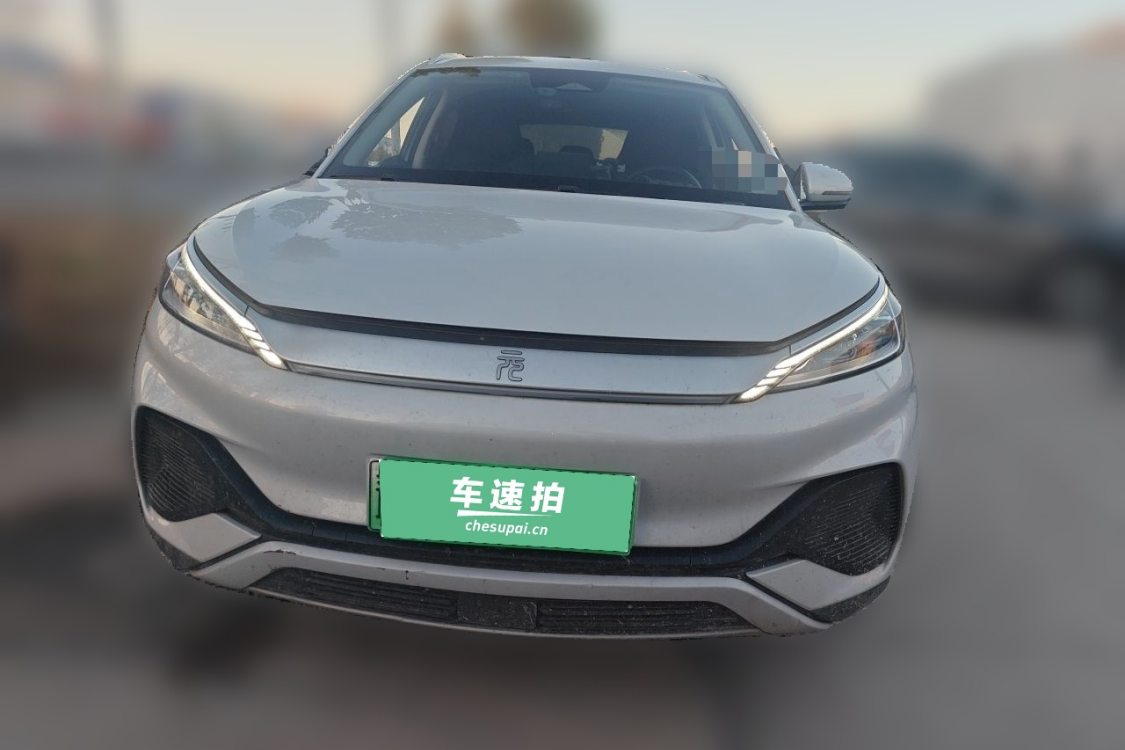
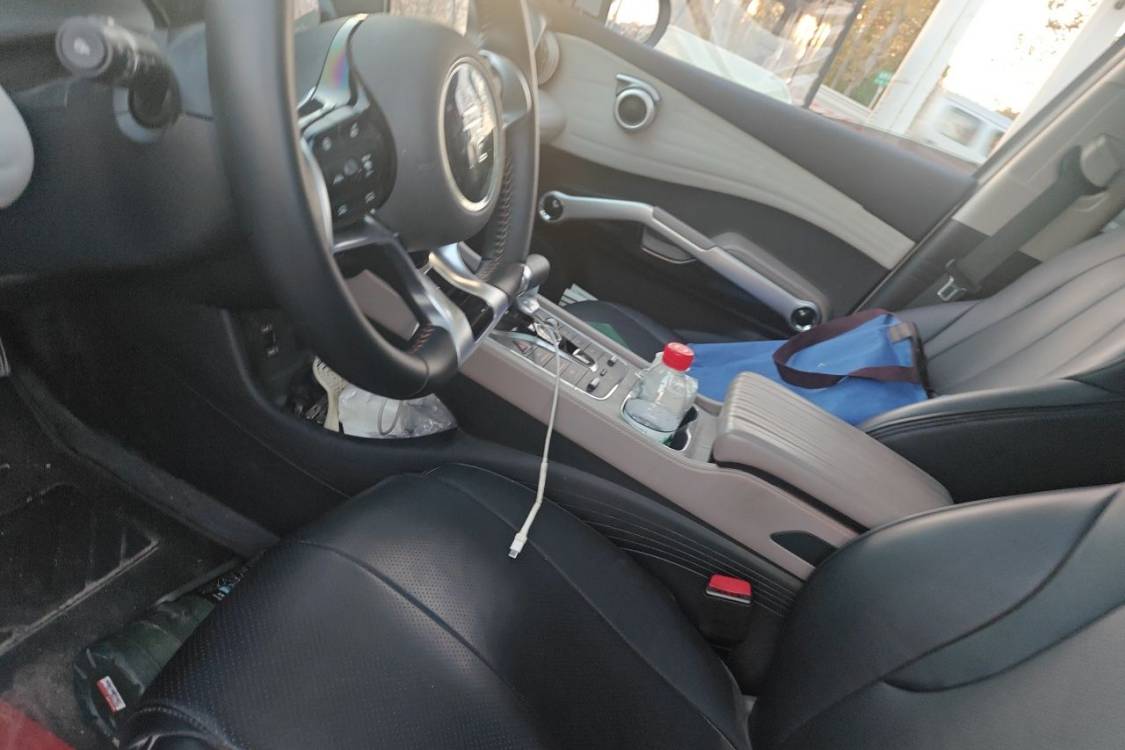
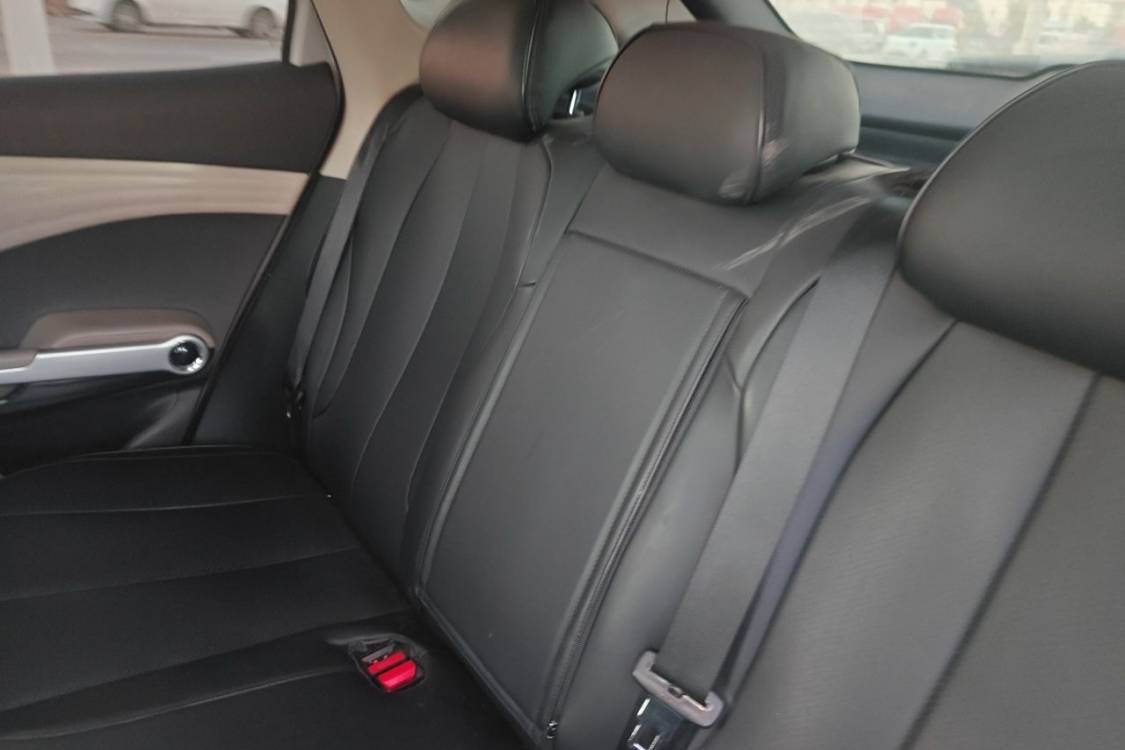
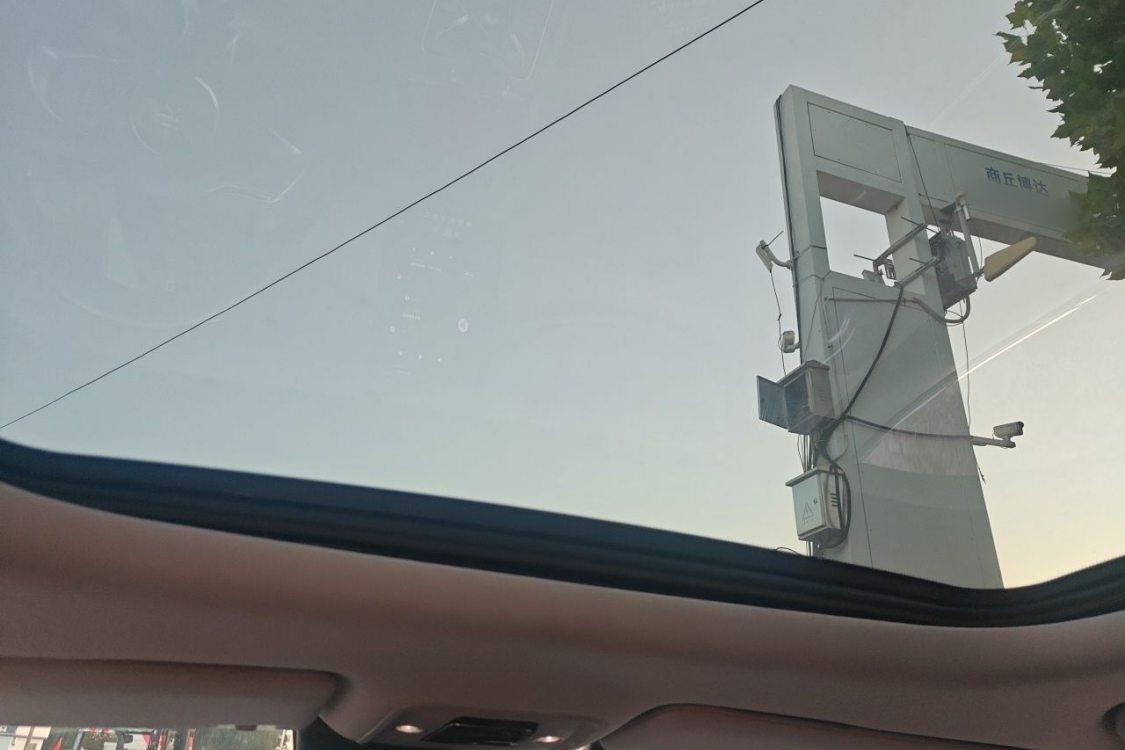
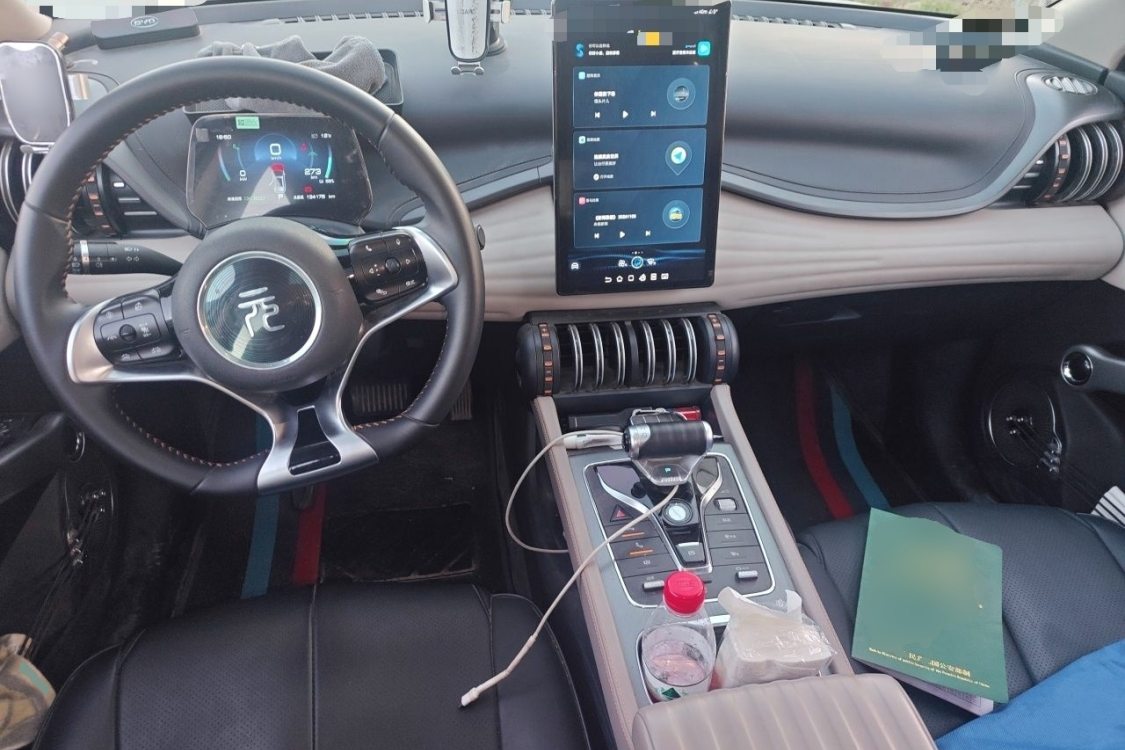
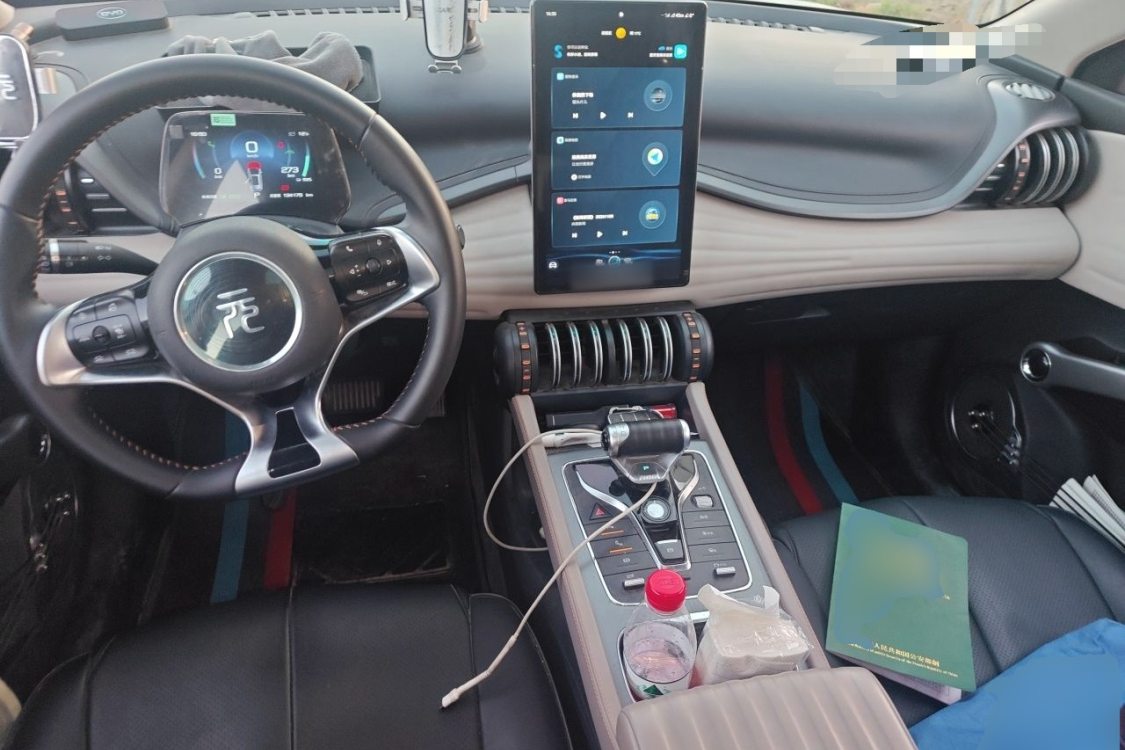
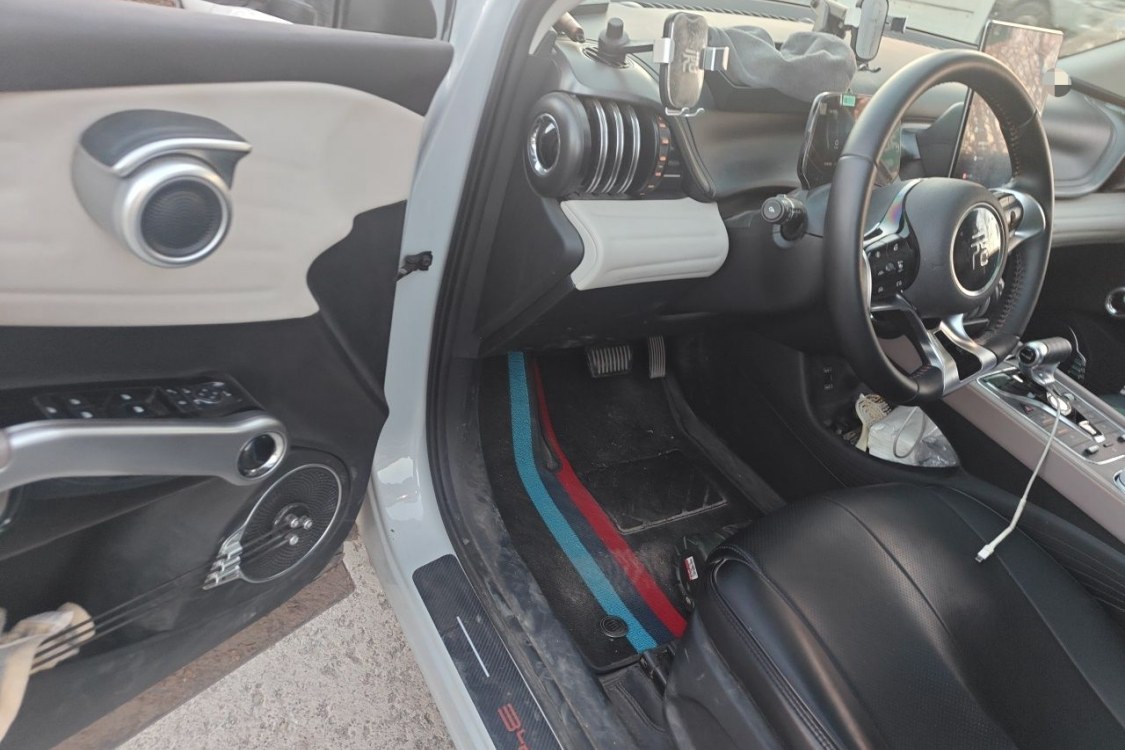
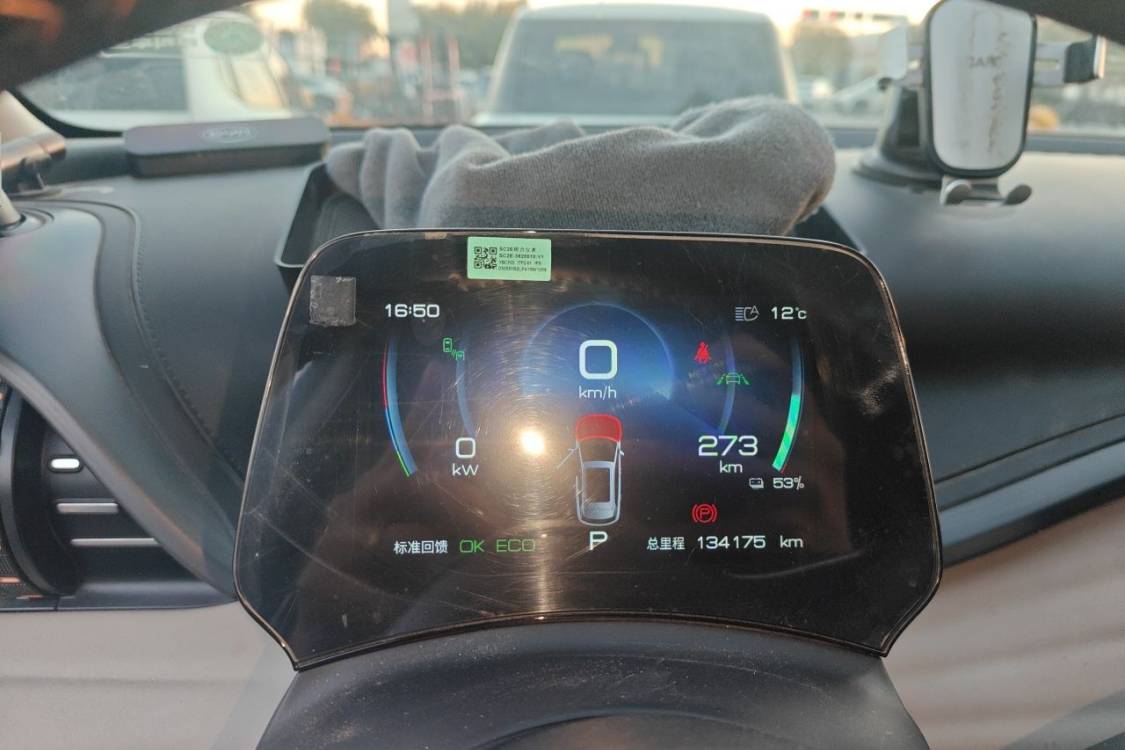
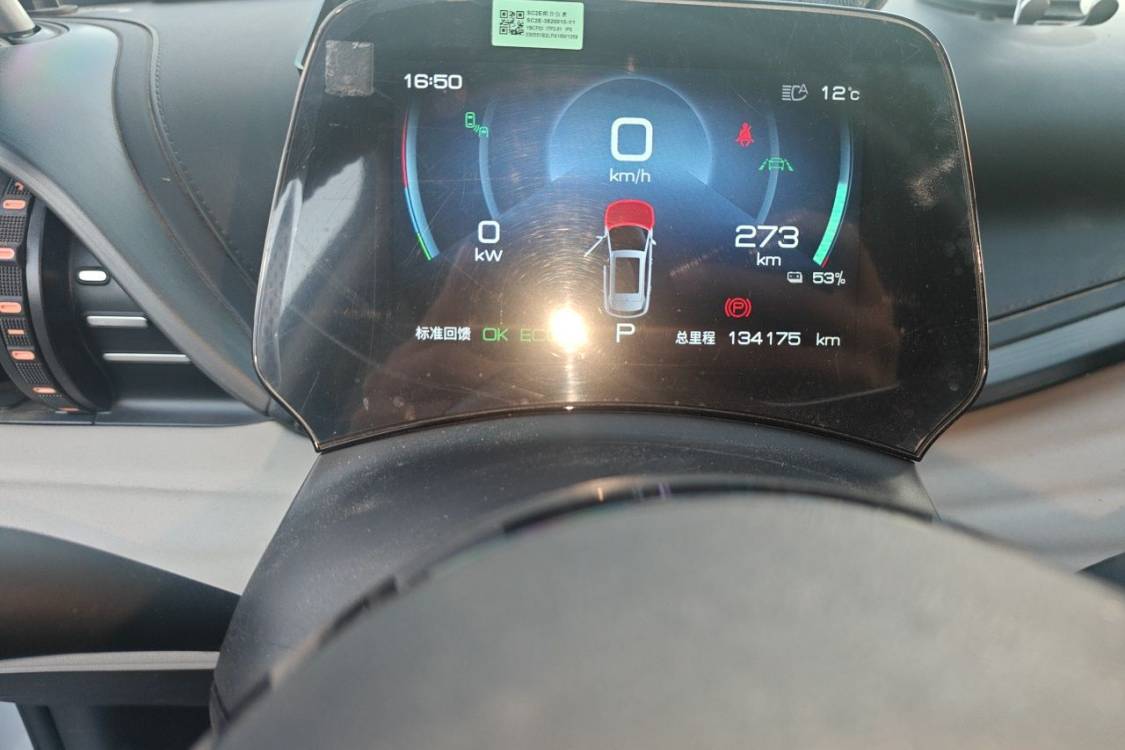
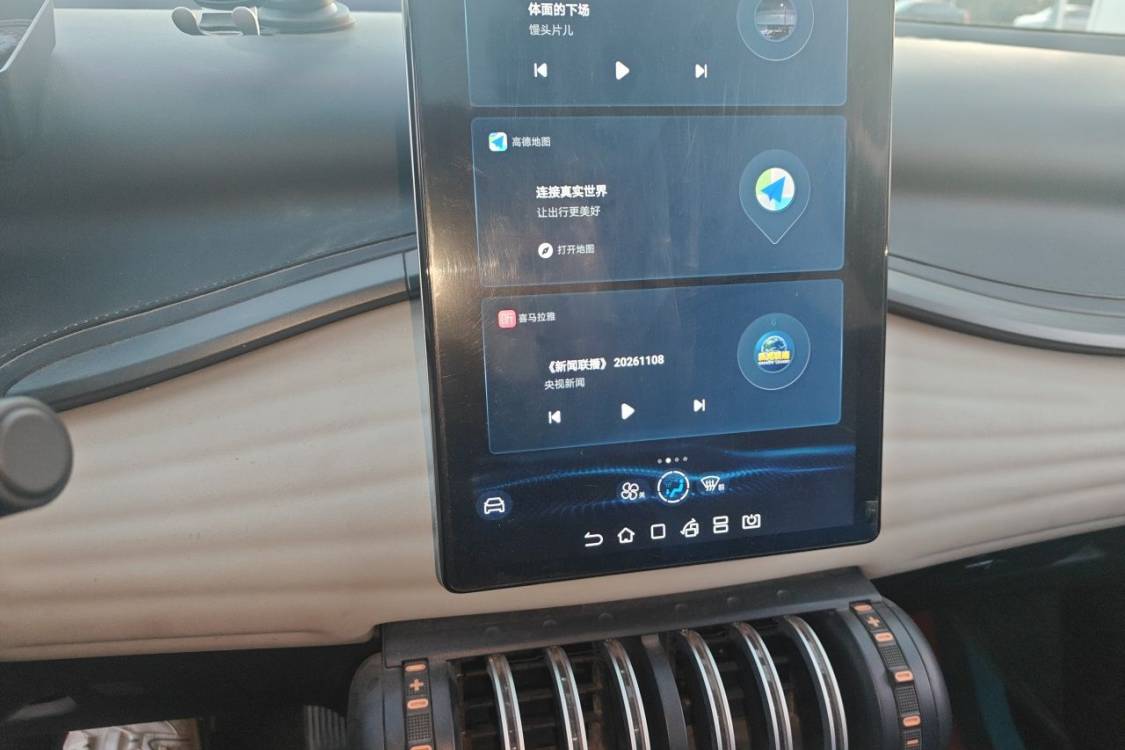
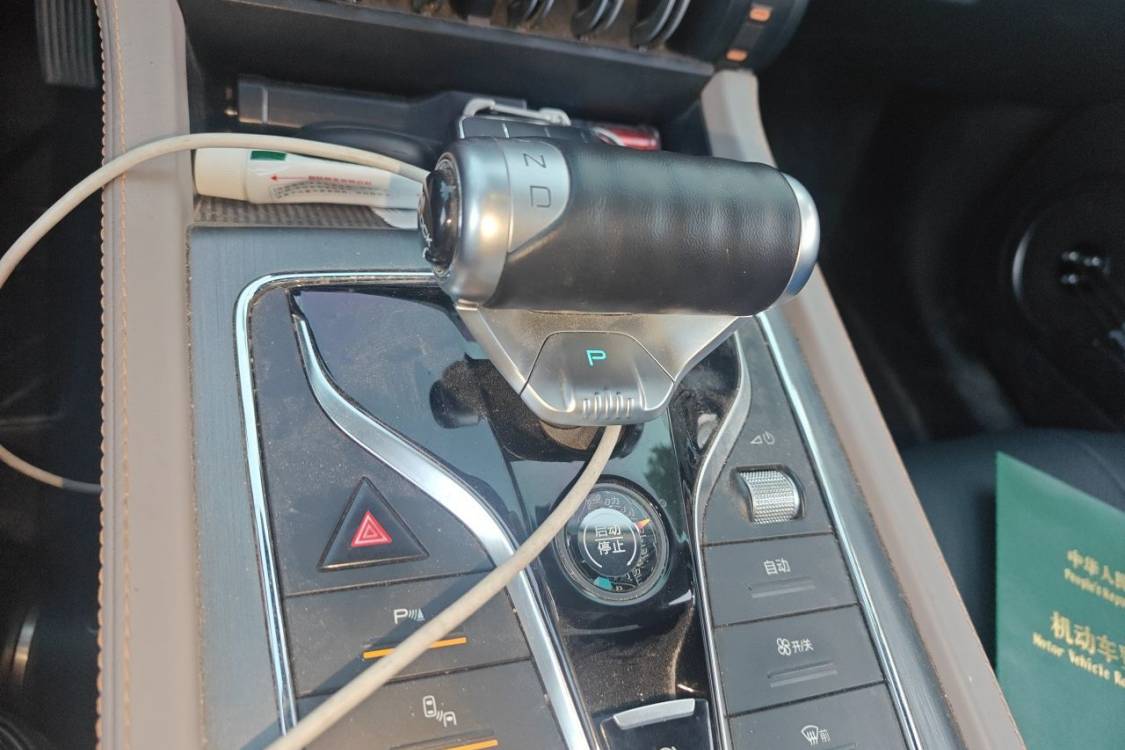
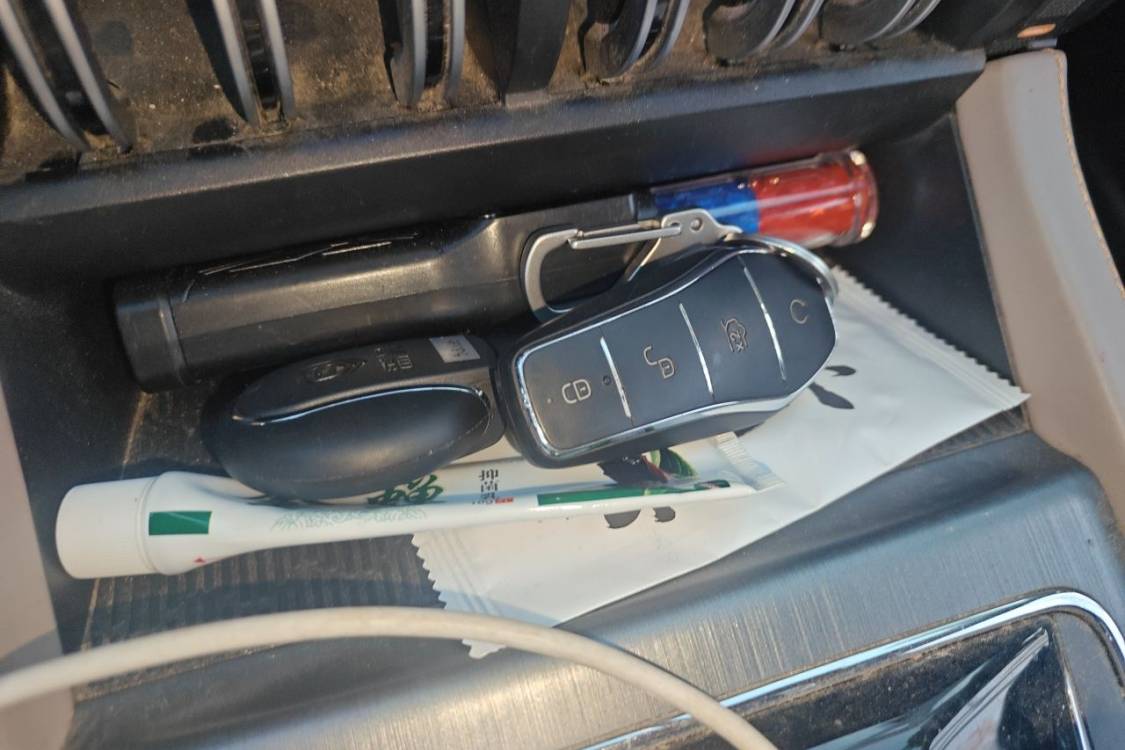
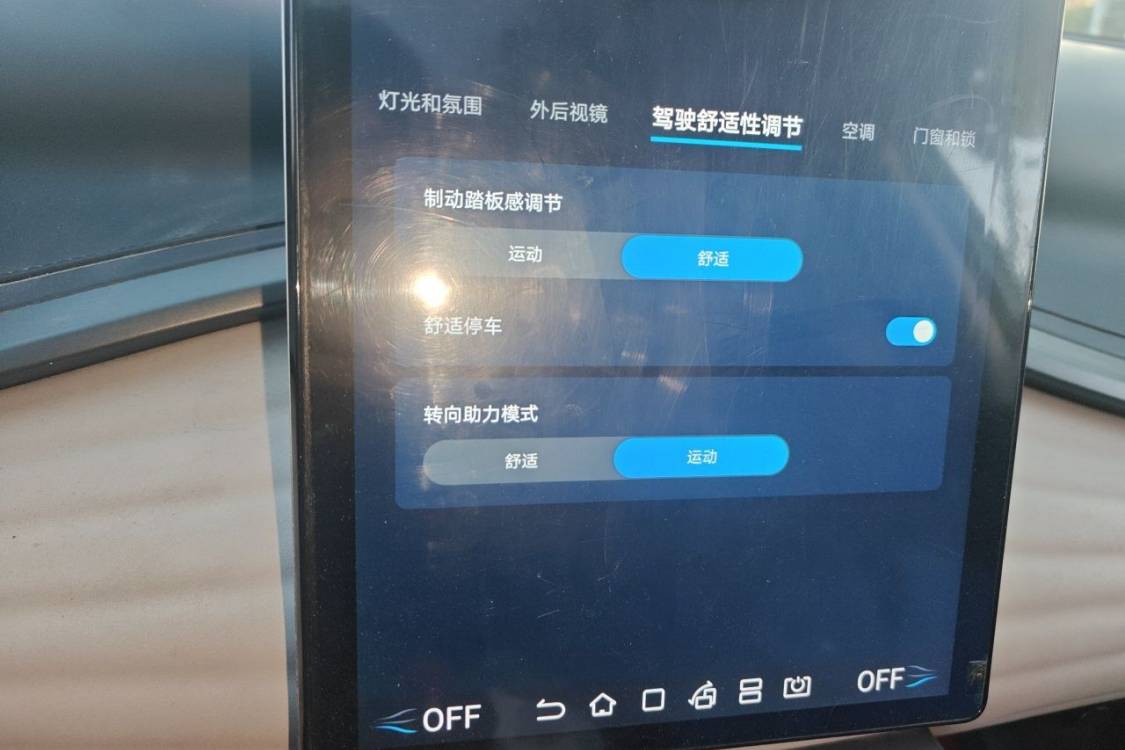



48H

Basic Information

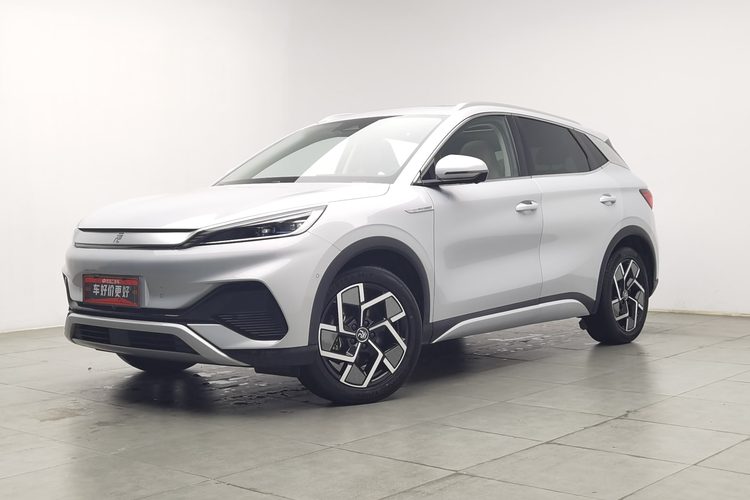
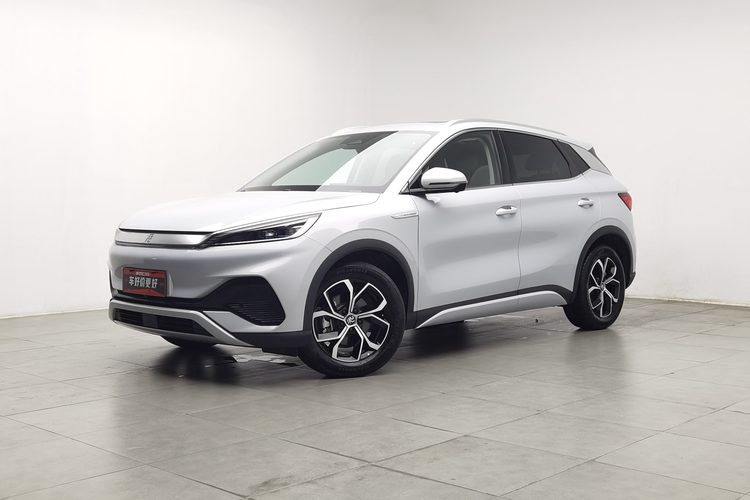
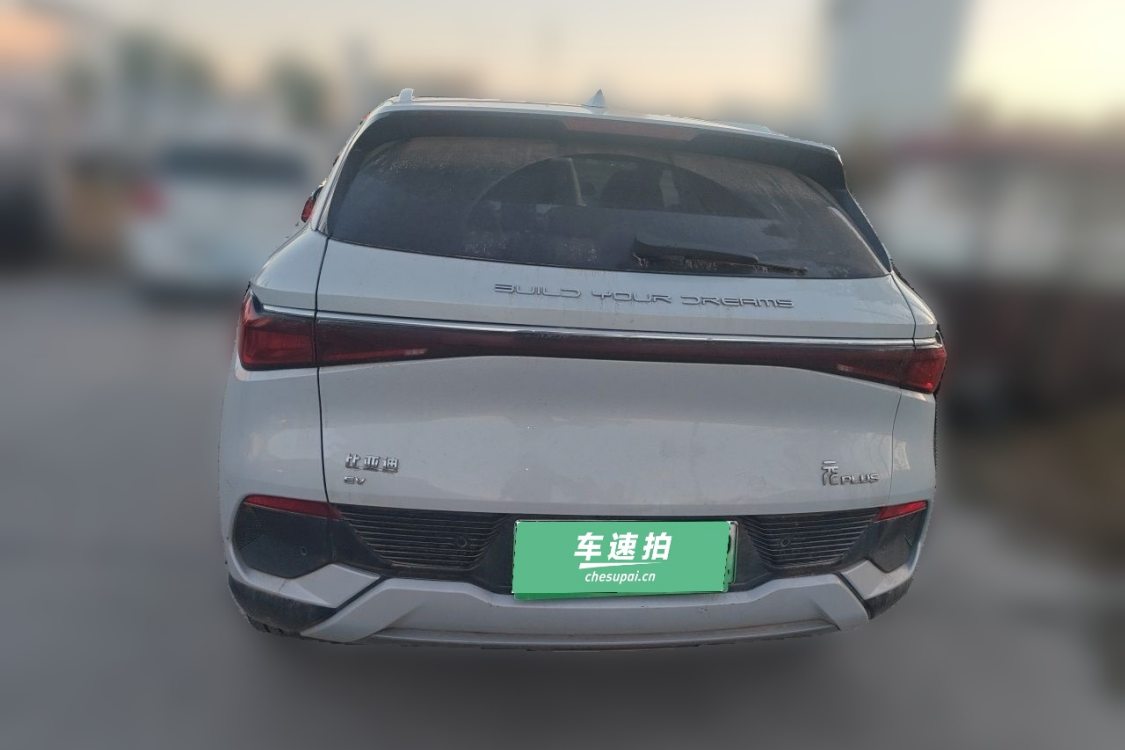
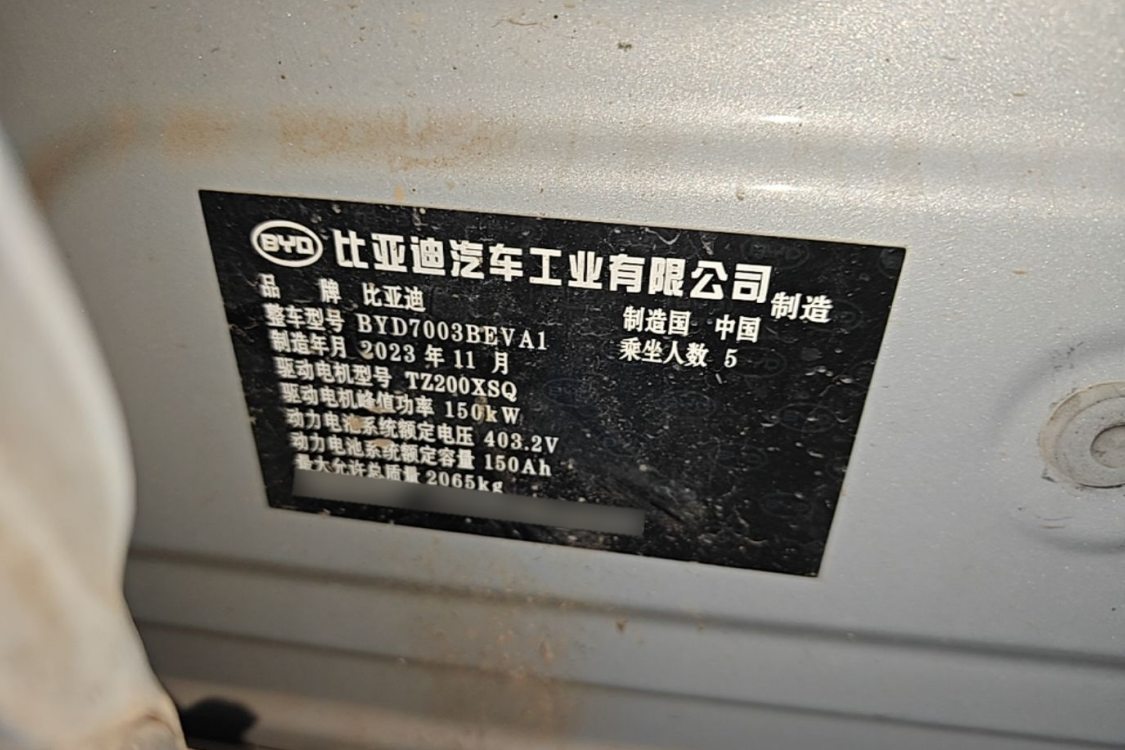
BrandBYD
SeriesYuan Plus
Year2024
First Registration2024/04
Mileage134,200km
Transfer Count-
FuelOther
TransmissionOther
Engine-
ColorWhite
Seats-

Condition Description

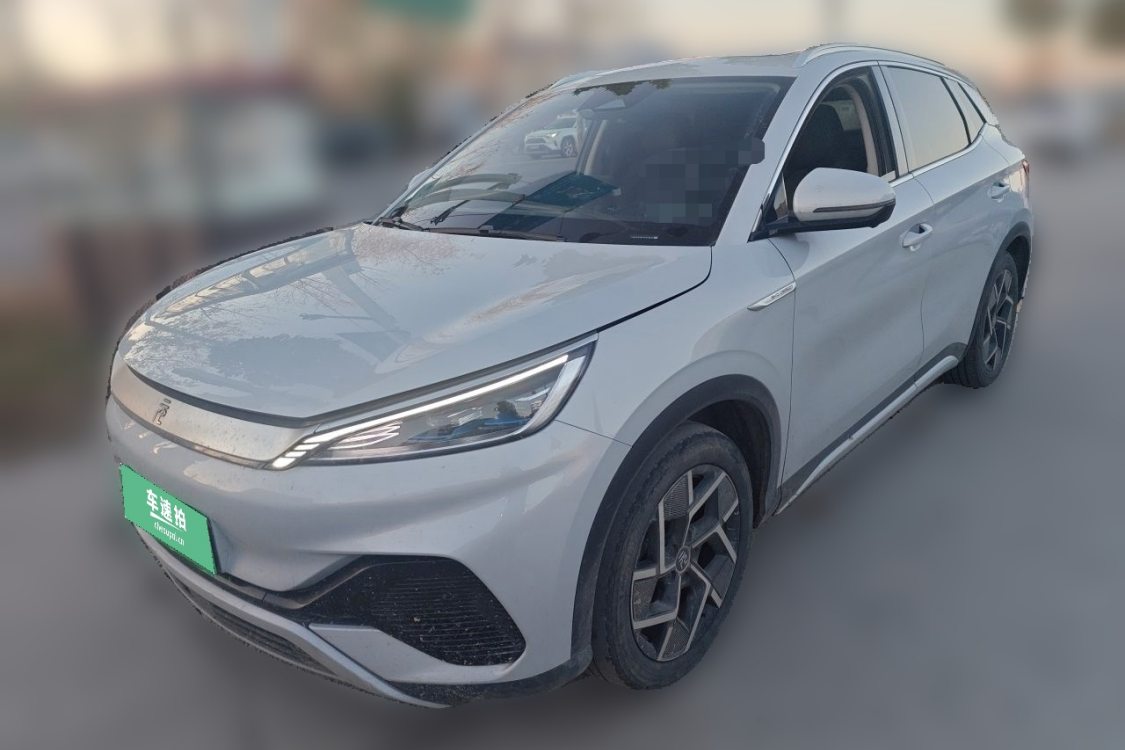
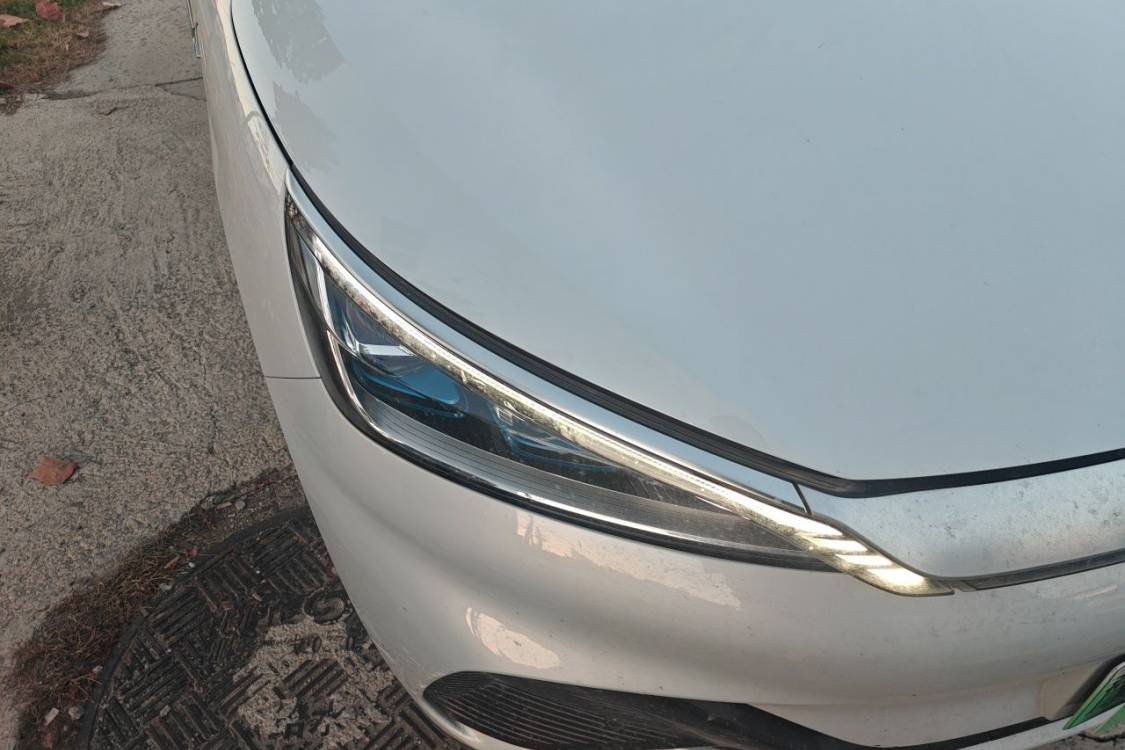
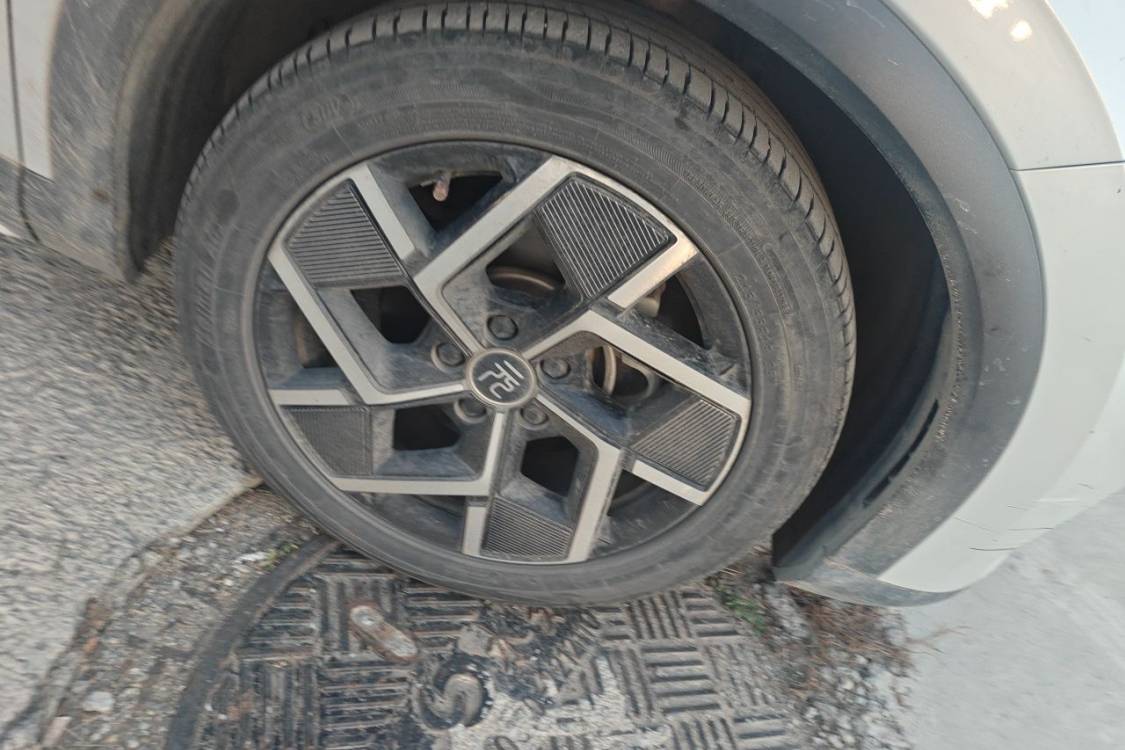
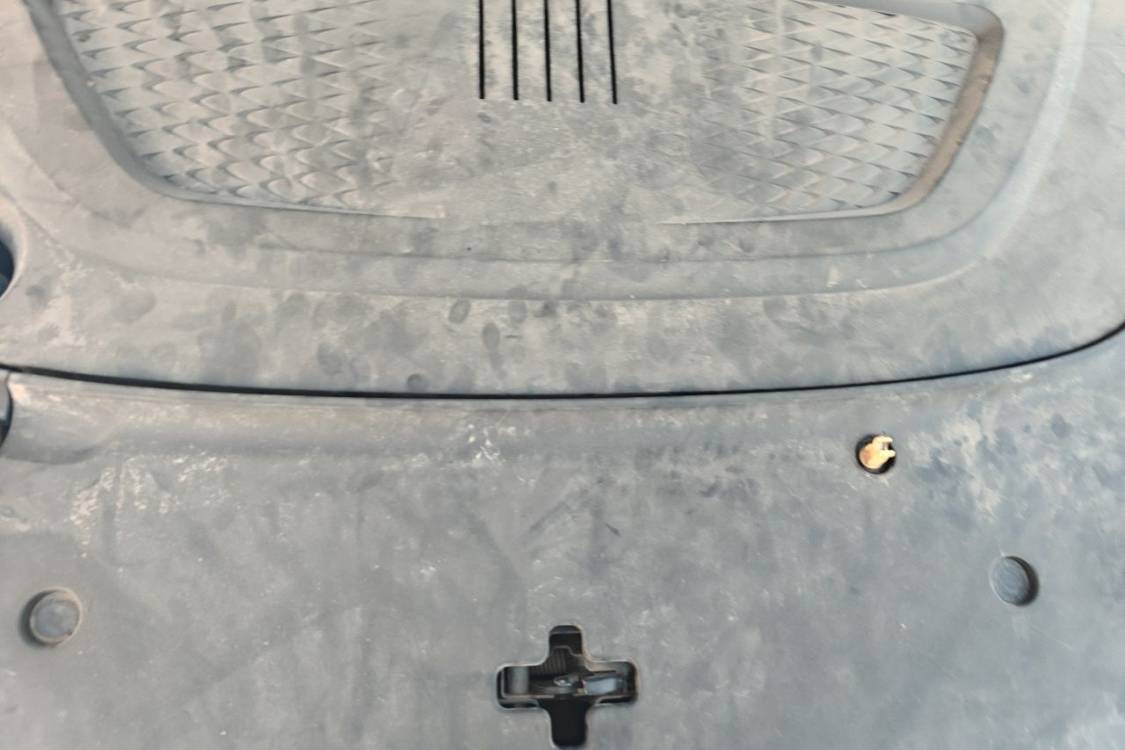
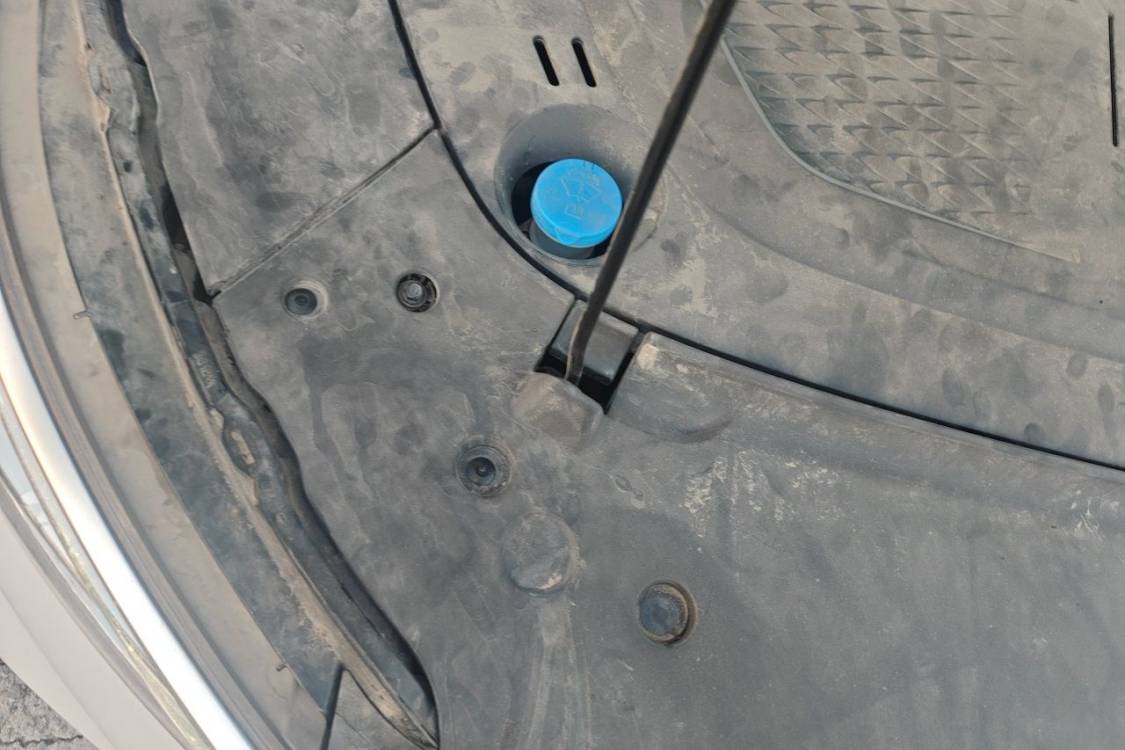
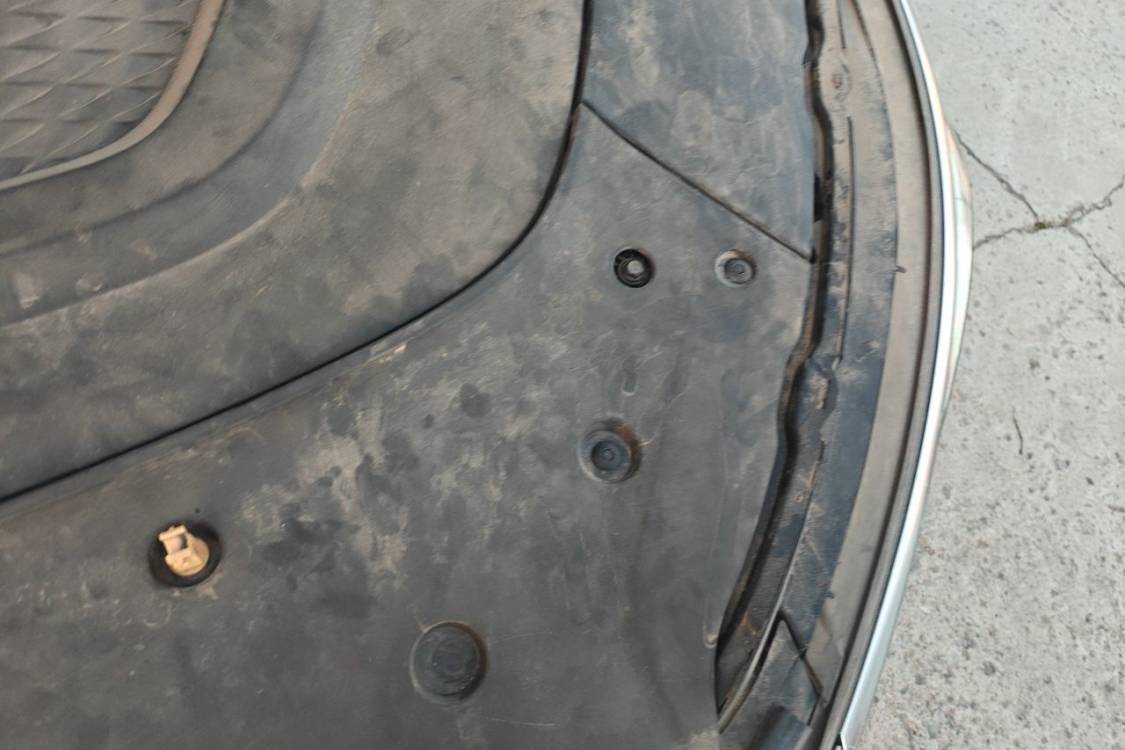
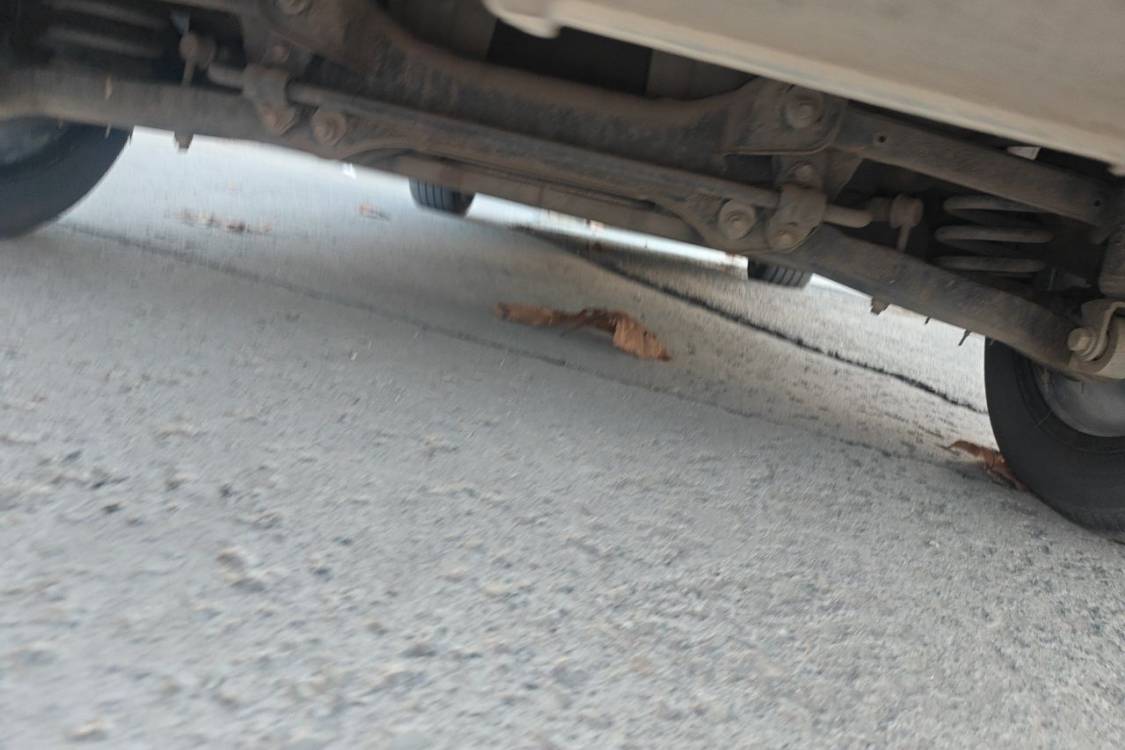
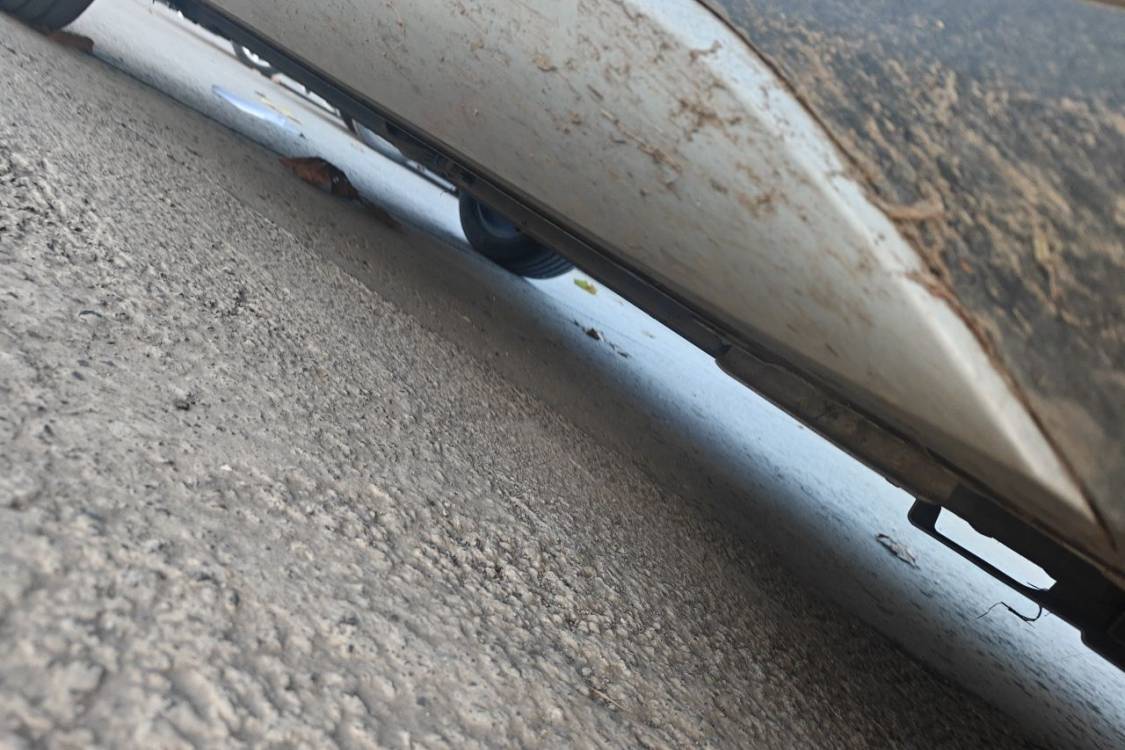
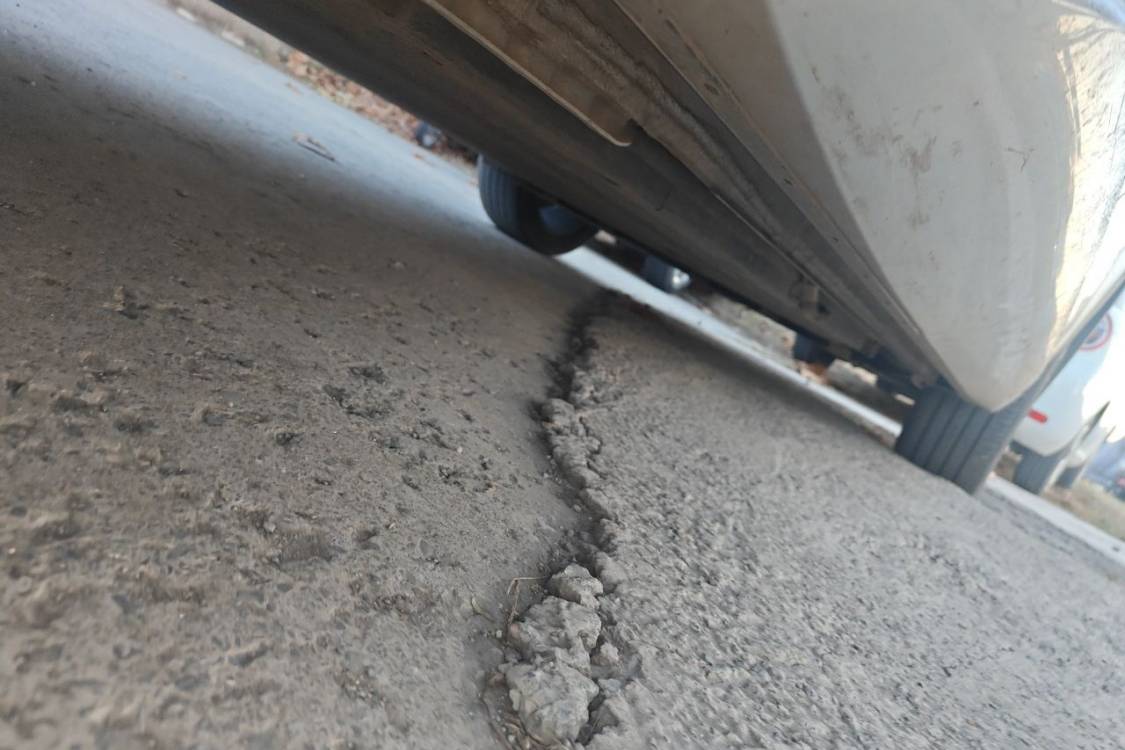
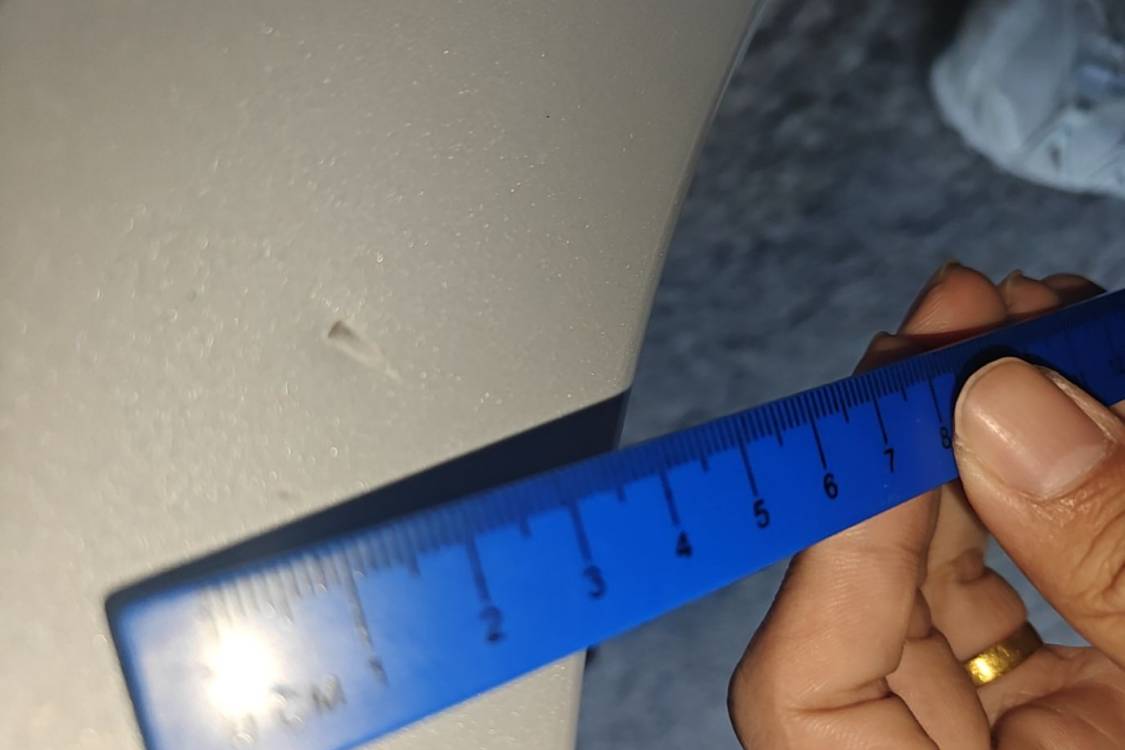
Localized body damage or repair marks present; no accident-related damage or repairs to structural or reinforcement components. Vehicle performance (including battery, motor, and electronic controls) has degraded or is limited.

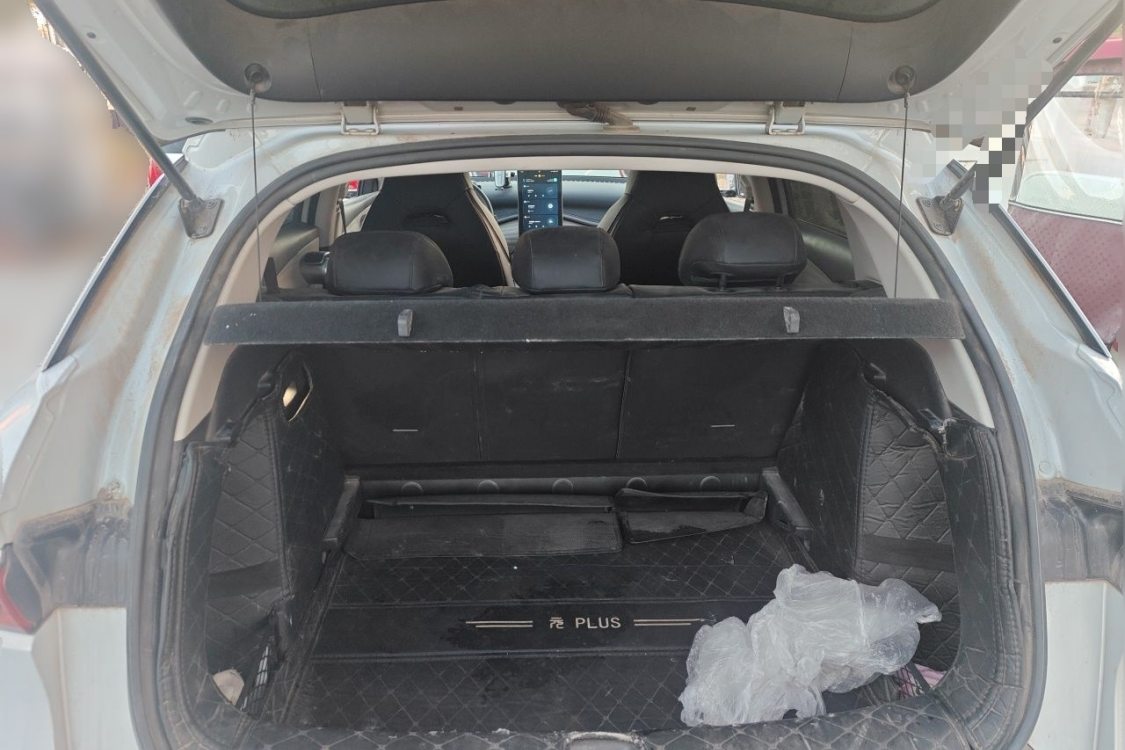
Accident inspection: main structure damaged, reinforcement components undamaged, cover panels undamaged, hinges normal. Battery, motor, and electronic controls inspection: power battery box bottom plate scraped. Engine bay inspection: key mechanical components inside engine bay normal. Exterior: none. Interior: most features normal, airbags normal, seatbelts normal, dashboard normal, instrument cluster normal, lighting system normal. Startup inspection: major components normal. Onboard tools: none.

独家上新
电话直连
可讲价
平台物流
可转售
新能源
零过户
新检测标准升级>
非泡水

Document Information

Inspection Expiry Date2028/04
Warranty Expiry Date-
Insurance Expiry Date2027/04

Q&A

More

For PHEV plug-in hybrid models, are you responsible if overseas technicians do not follow the dedicated hybrid mode for exhaust during oil changes, leading to engine overheating?

This is a typical case of "secondary damage caused by unprofessional rescue." Many hybrid vehicles require access to "maintenance mode" via engineering computers to allow the water pump to run at full speed for exhaust. We do not bear any moral or financial responsibility for cylinder damage caused by local technicians' misoperation.


How to confirm that the car windows are all original factory parts and not replaced due to an accident?

The technician will check the production date codes and brand logos in the lower left corner of all the car's glass (including the windshield, four doors, and rear window) to see if they match the vehicle's factory date on the nameplate. If any glass is found to have a date later than the vehicle's production date, it will be recorded as evidence of a "previous damage replacement."

How do I decode a Chinese VIN and what can it tell me about a used car before I buy?

A Chinese VIN is 17 characters, and decoding it takes minutes but reveals a lot. Positions 1-3 are the World Manufacturer Identifier. Cars sold domestically in China usually start with L (for example LFV for FAW-VW, LGB for Dongfeng Nissan), which tells you it was built in China rather than imported. Position 10 is the model year letter or number. Positions 4-8 describe the model, body type, and drivetrain, so you can verify the seller's description matches the actual car. Cross-check the VIN in three places: the plate at the base of the windshield, the sticker on the door jamb or B-pillar, and the registration certificate. Mismatched VINs or signs the plates were re-riveted are a serious red flag for a cloned or rebuilt vehicle. Use the VIN to pull a history report from a Chinese data provider and to verify recall status with the manufacturer. Any seller who hesitates to share the full VIN is telling you something important.