


48H

Basic Information

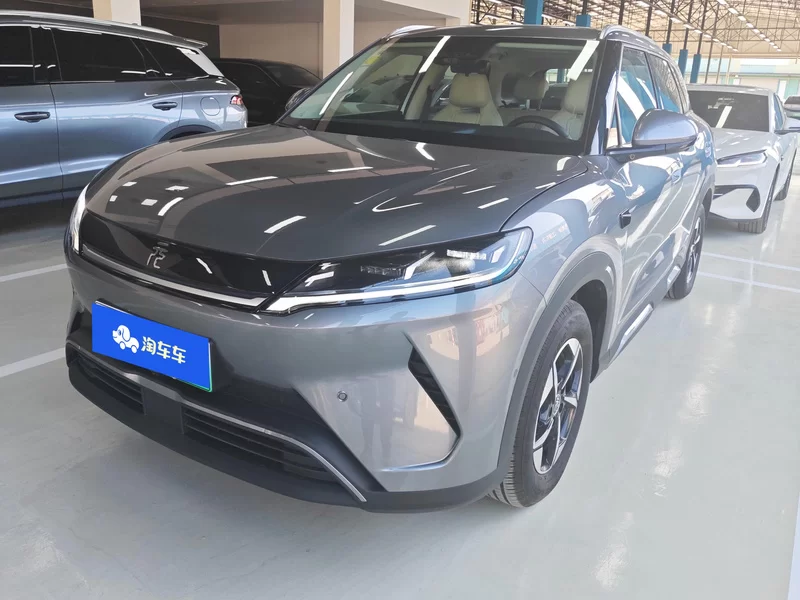
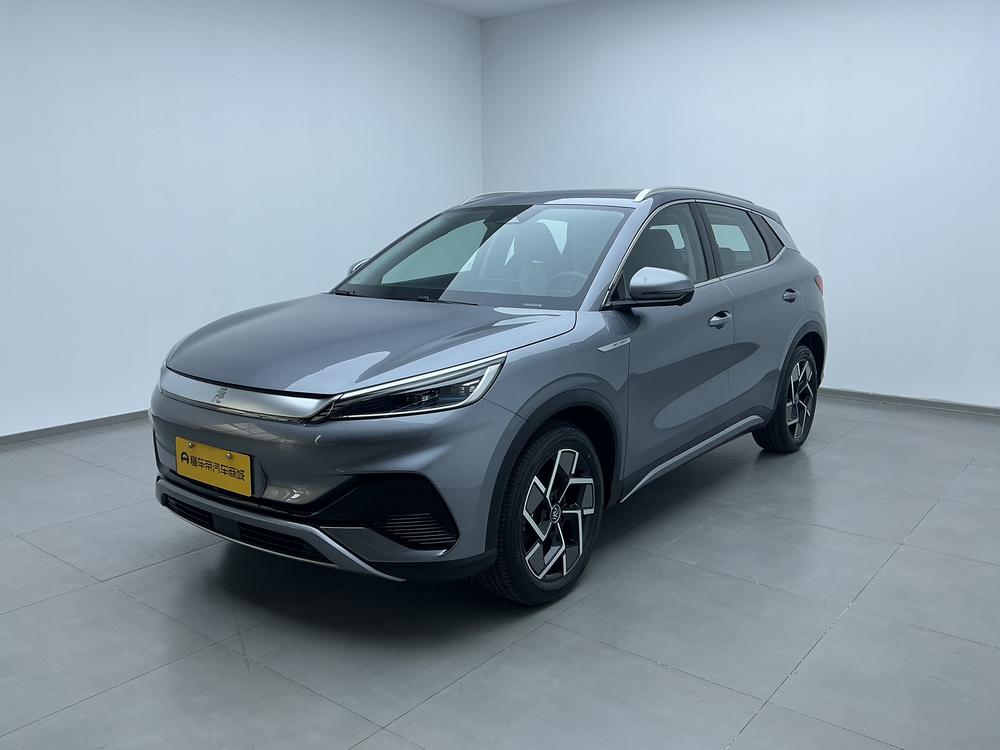
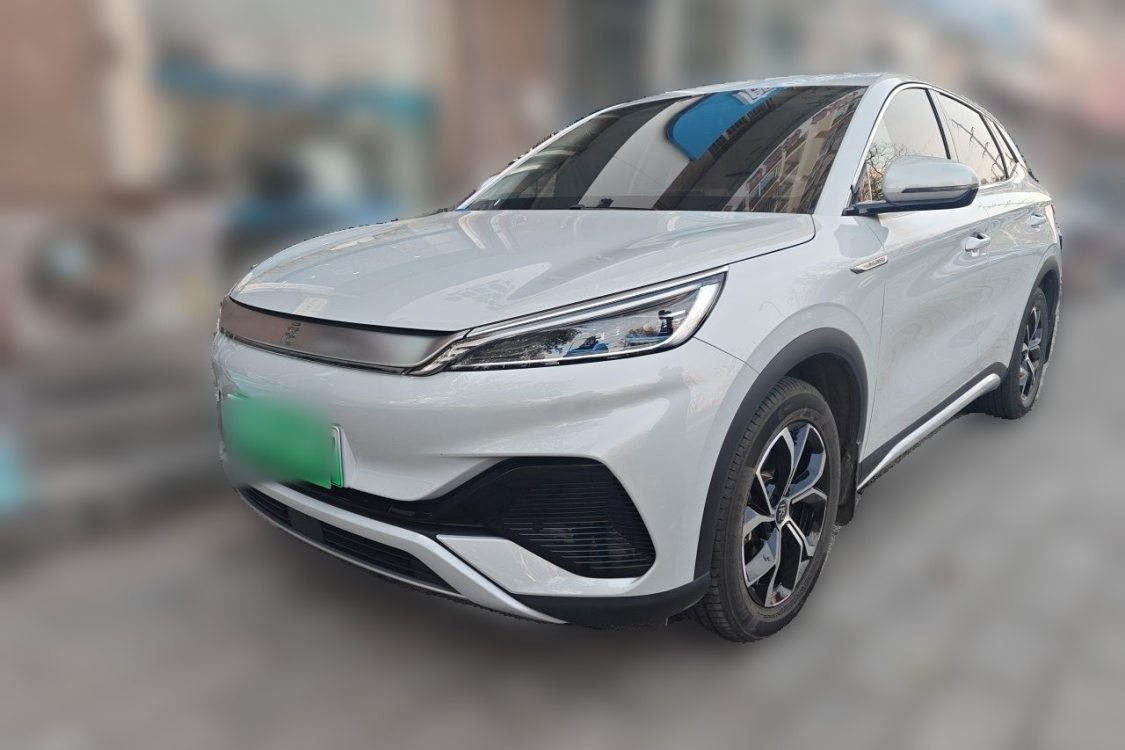
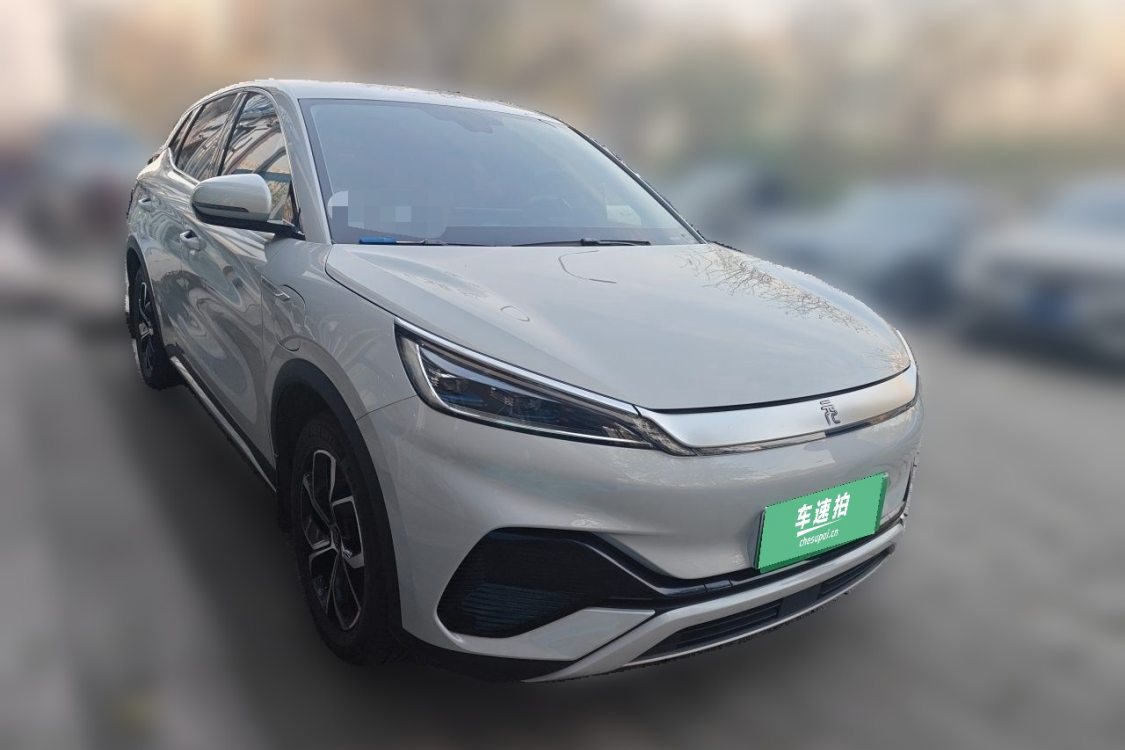
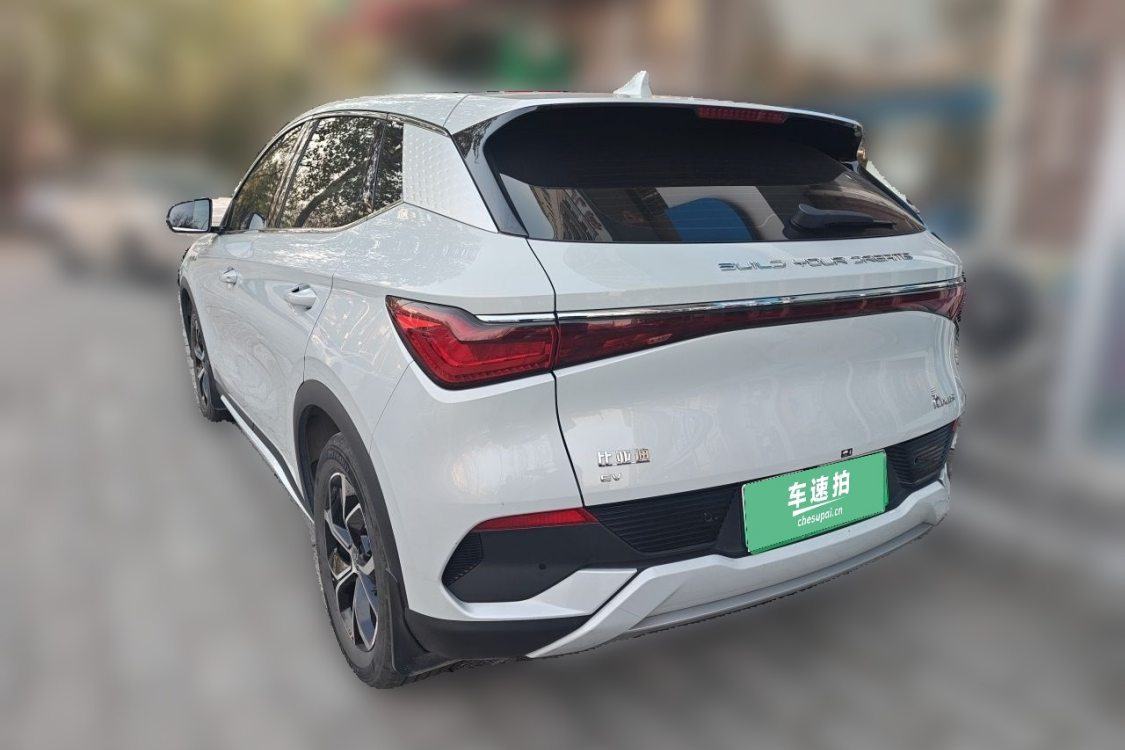
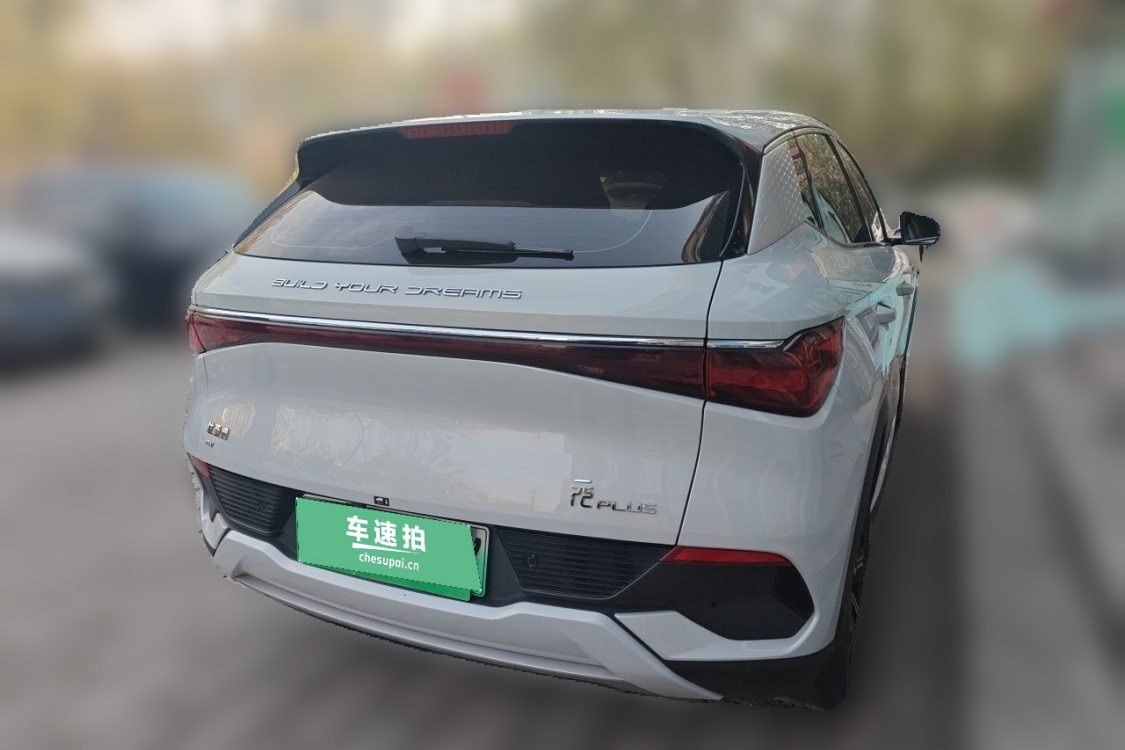
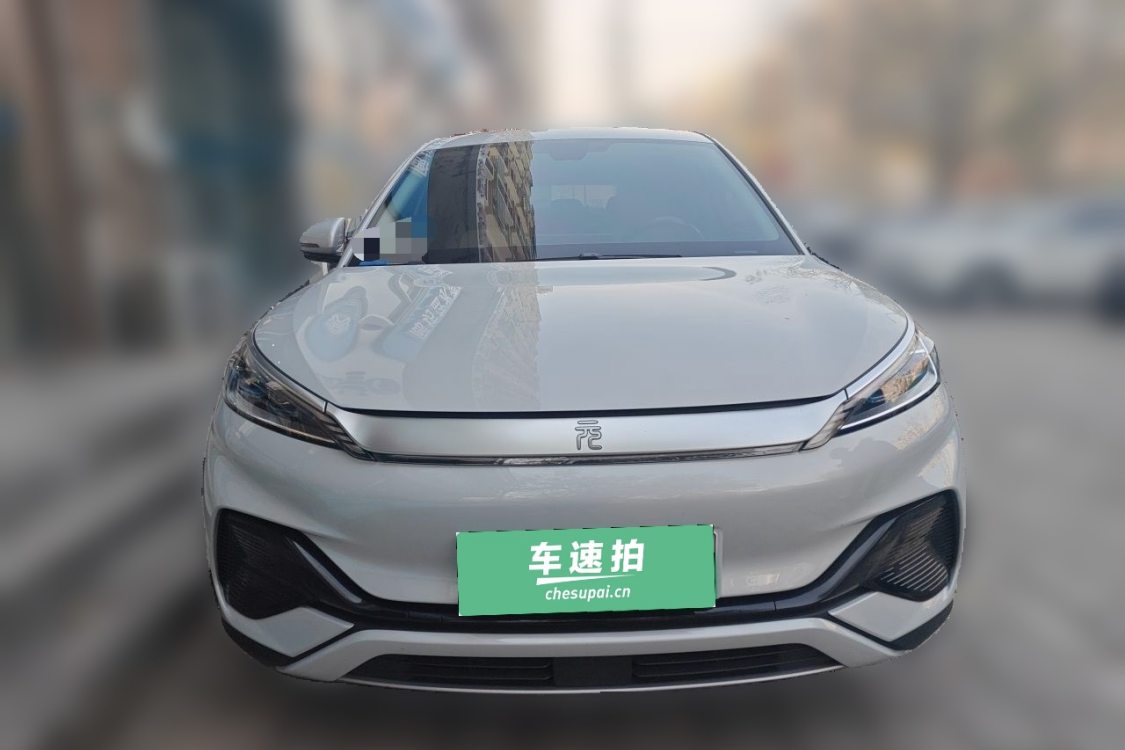
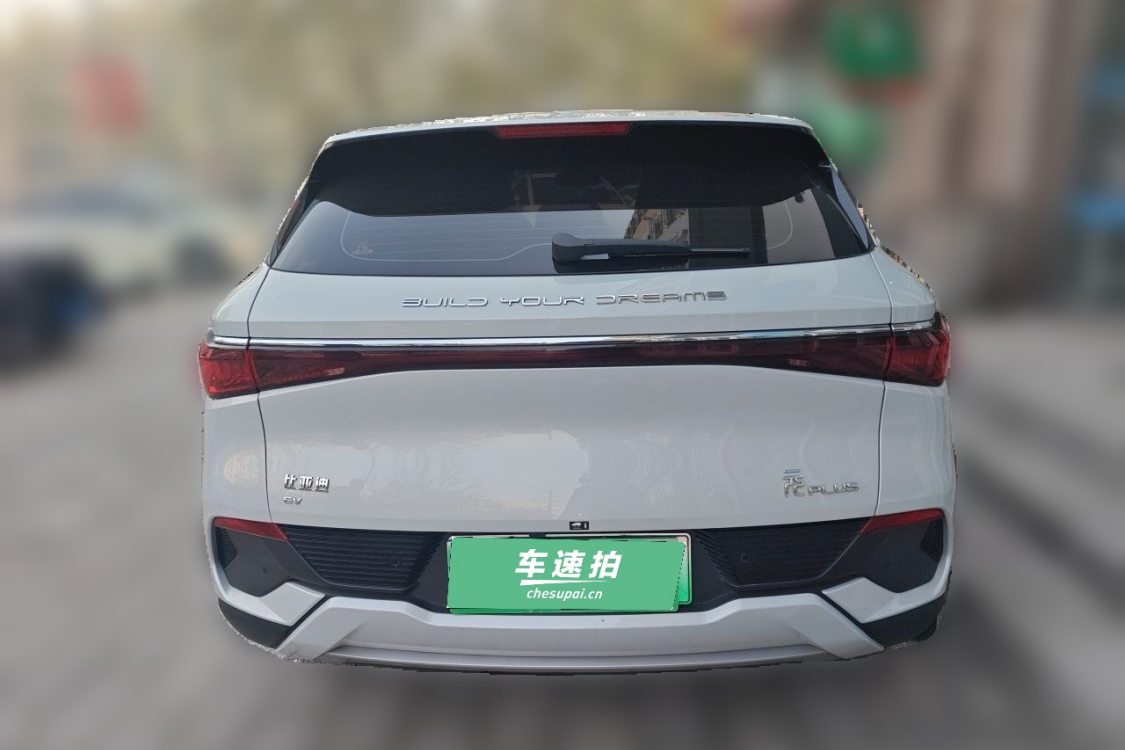
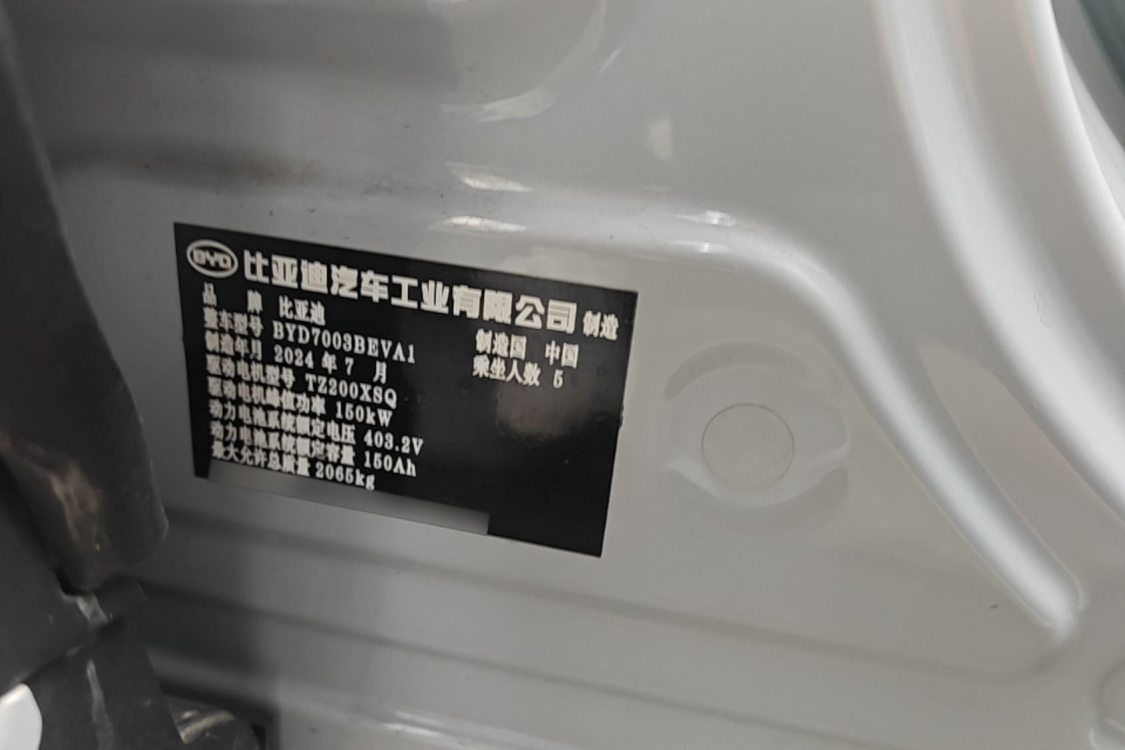
BrandBYD
SeriesYuan Plus
Year2024
First Registration2024/08
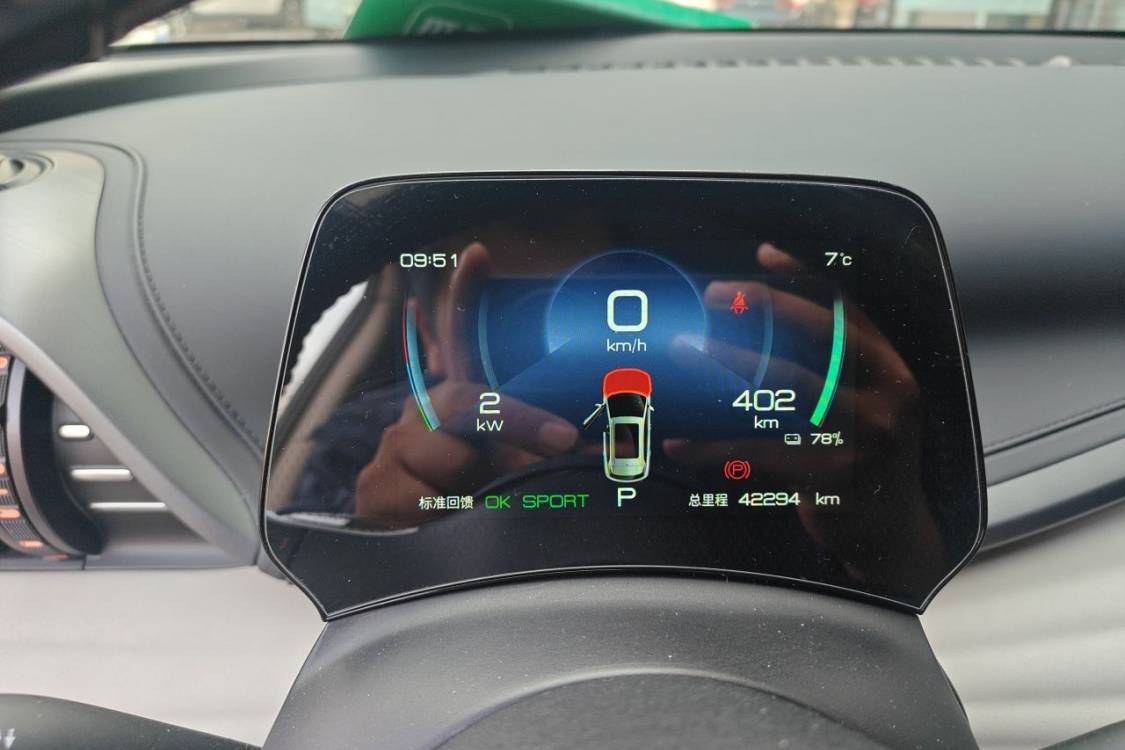
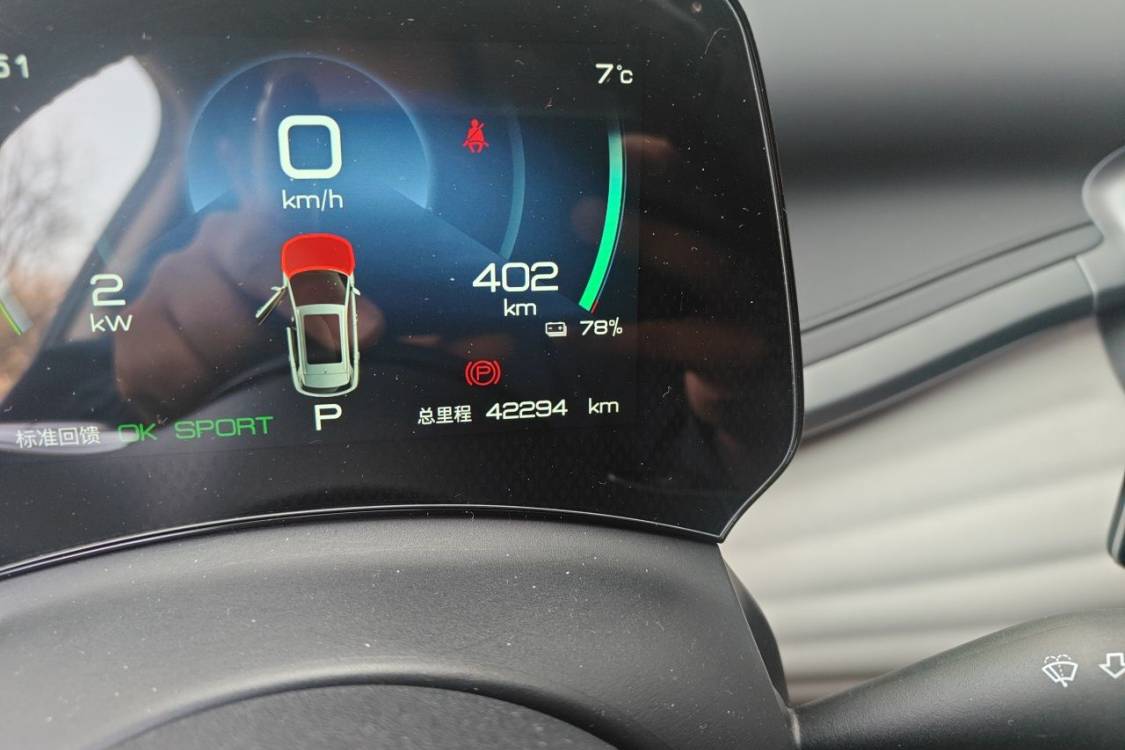
Mileage42,300km
Transfer Count-
FuelElectric
TransmissionOther
Engine-
ColorWhite
Seats5seats

Condition Description

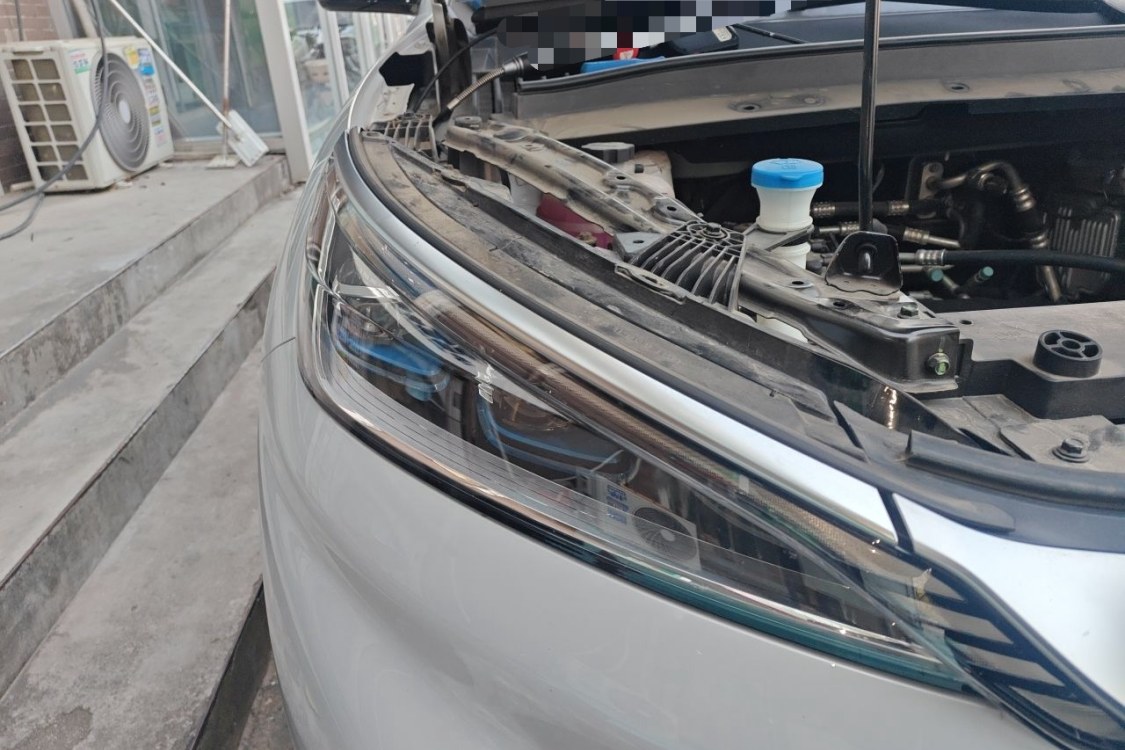
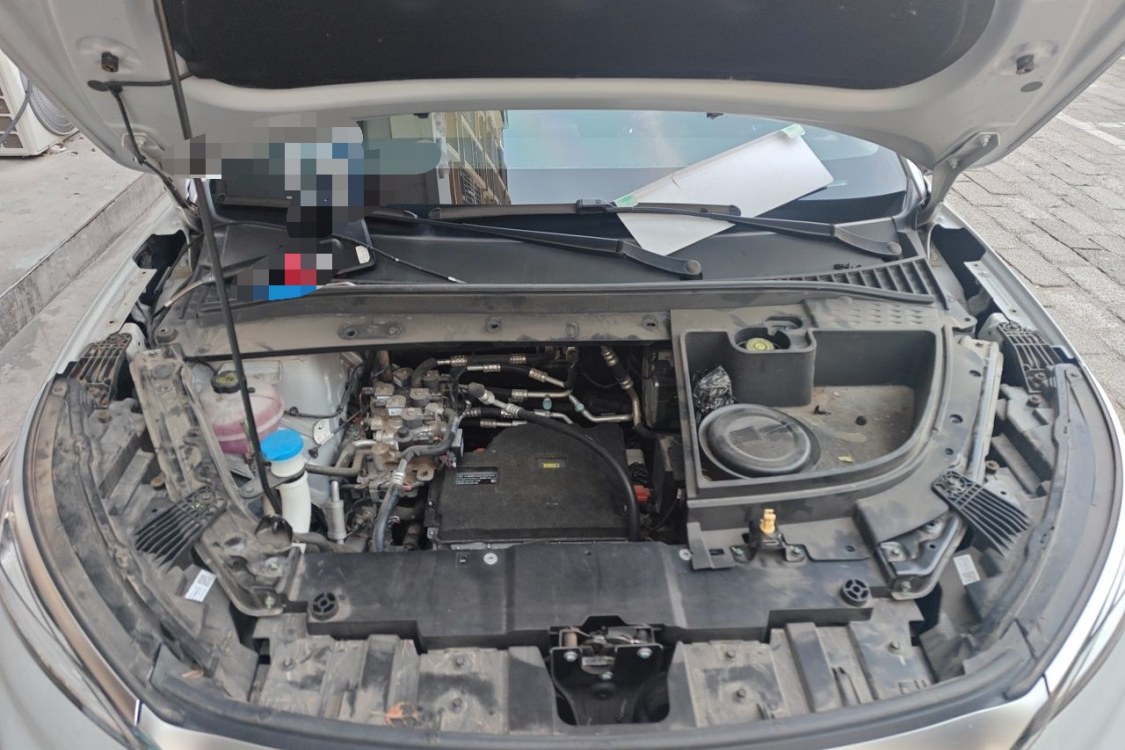
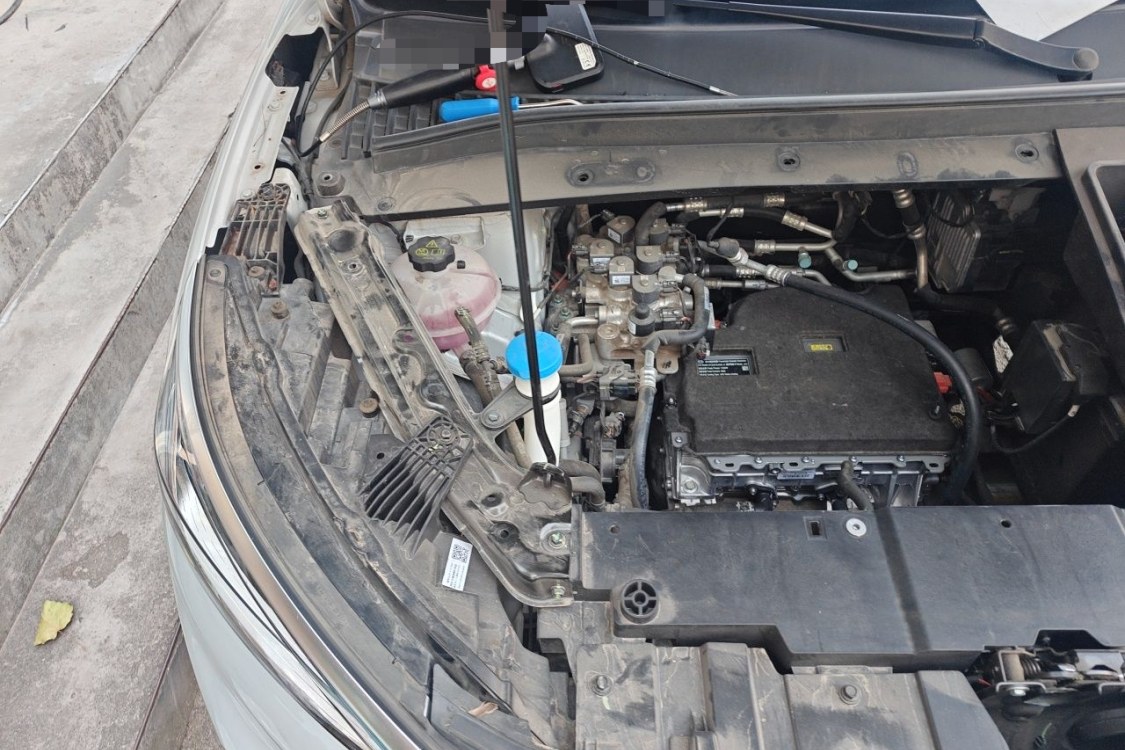
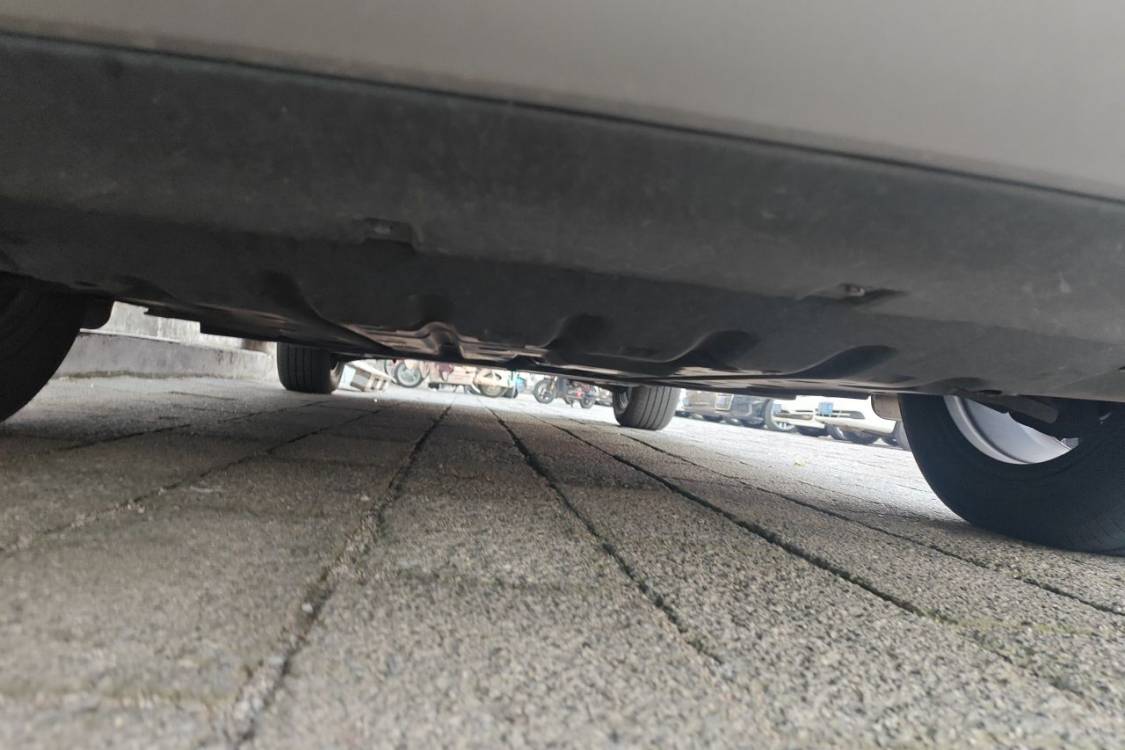
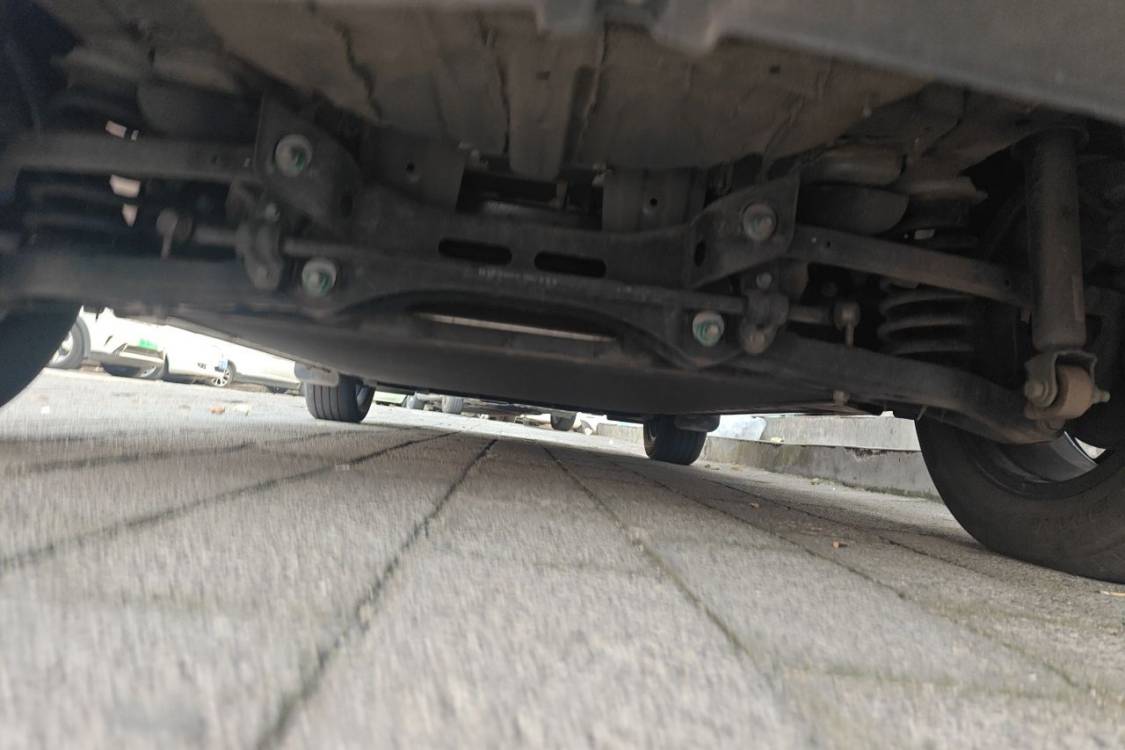
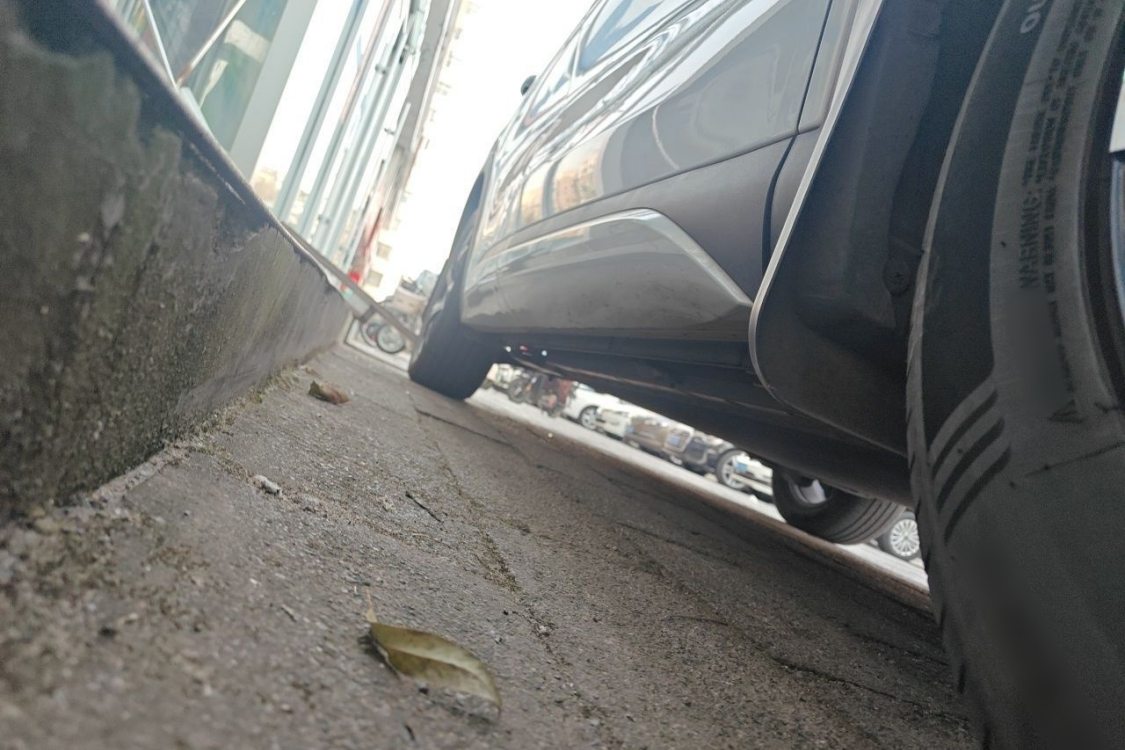
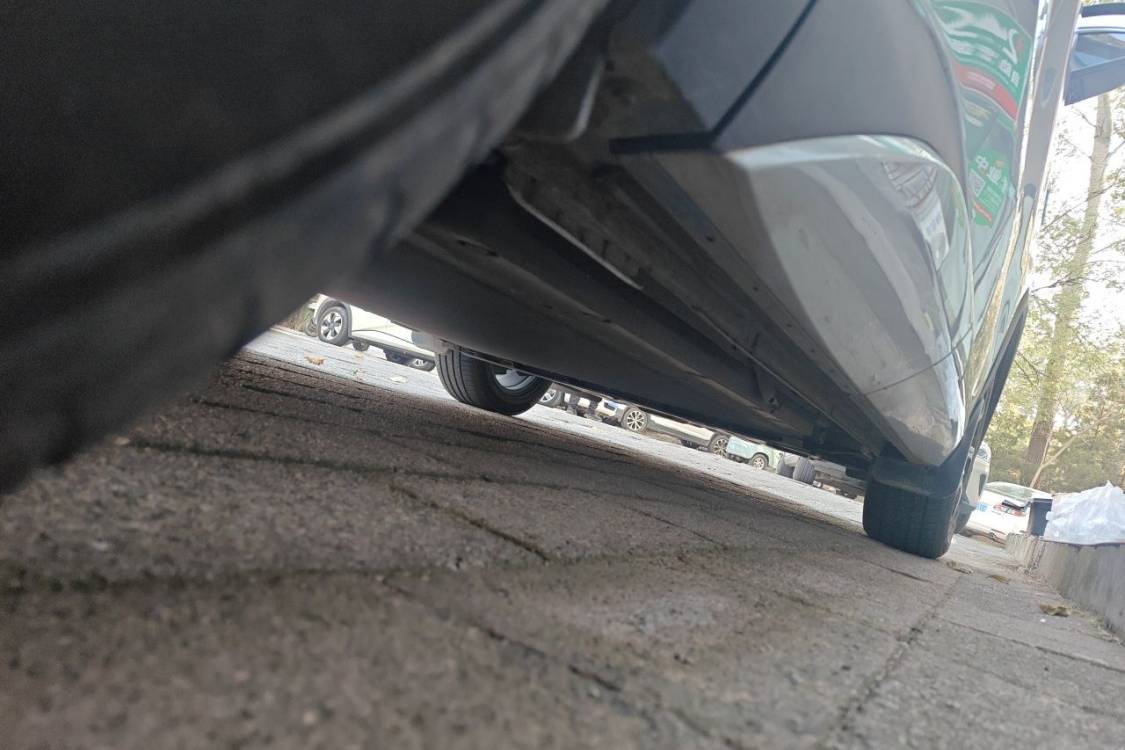
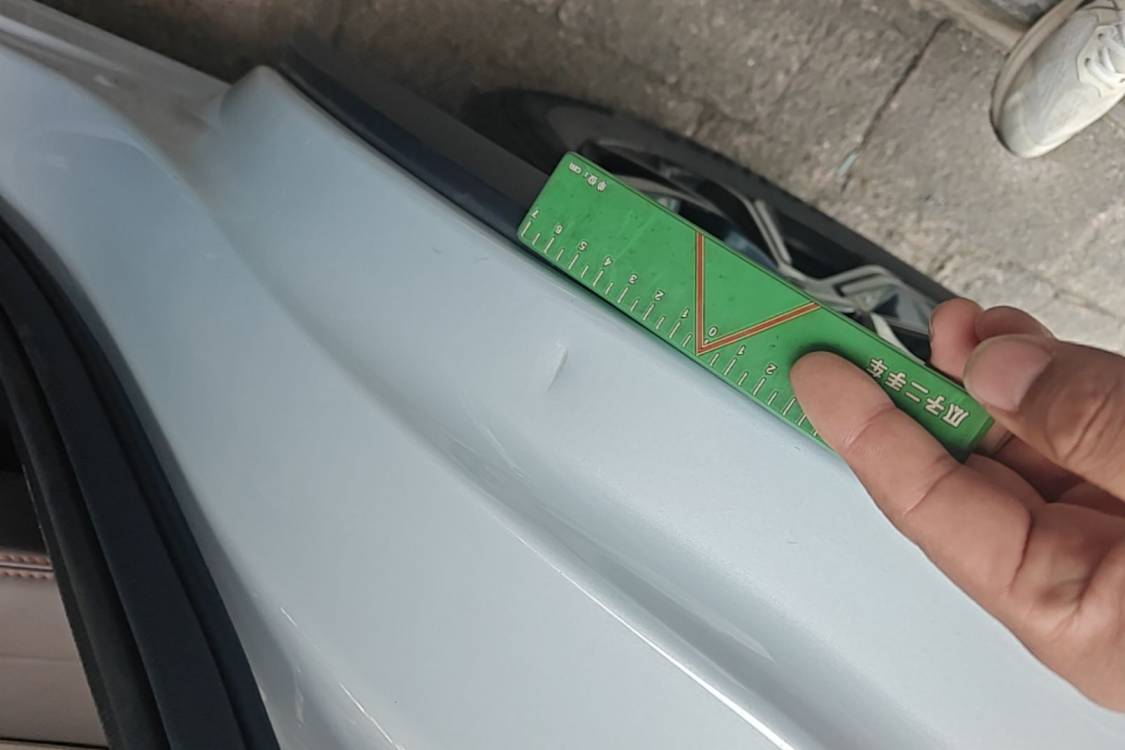
Structural, reinforced, or panel components have accident-related damage; passive safety devices are defective; vehicle performance (including battery, motor, and electronic control systems) is degraded or remains limited after repairs.

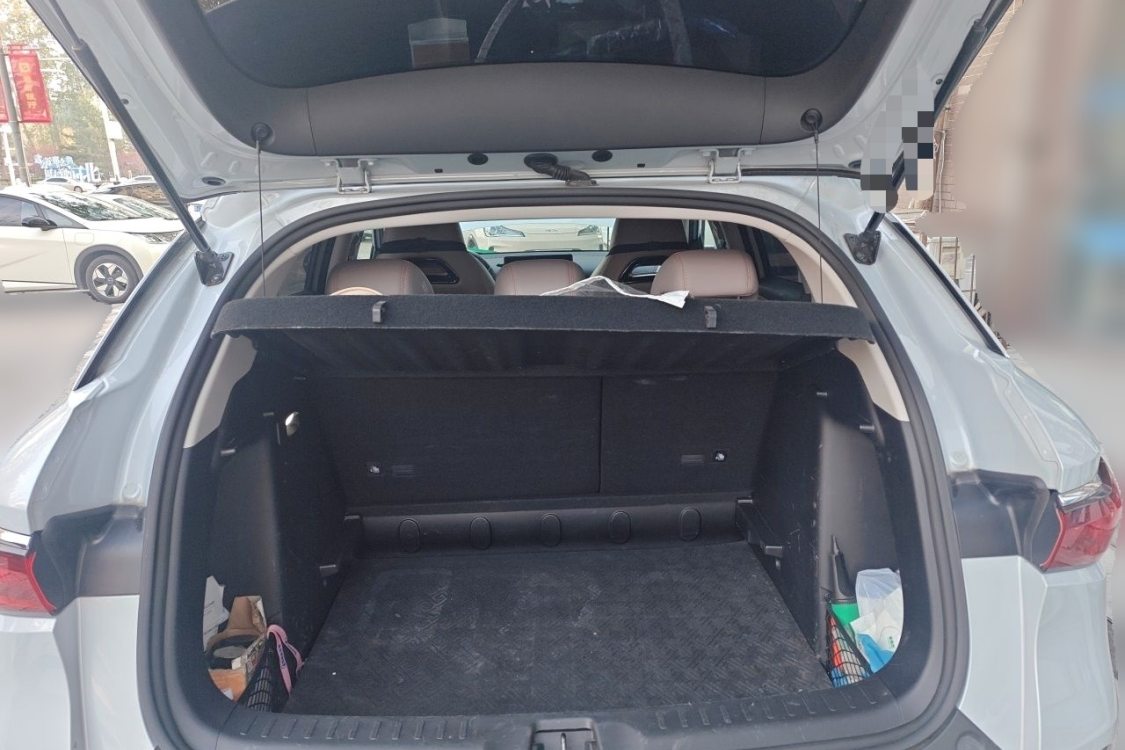
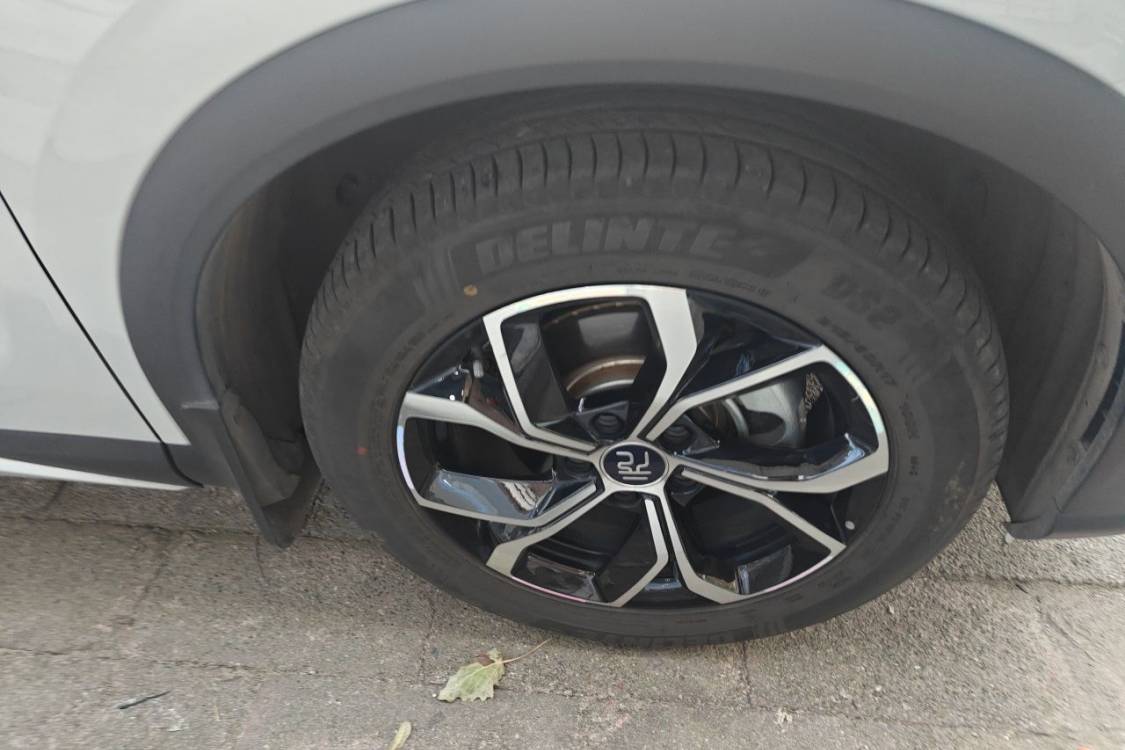
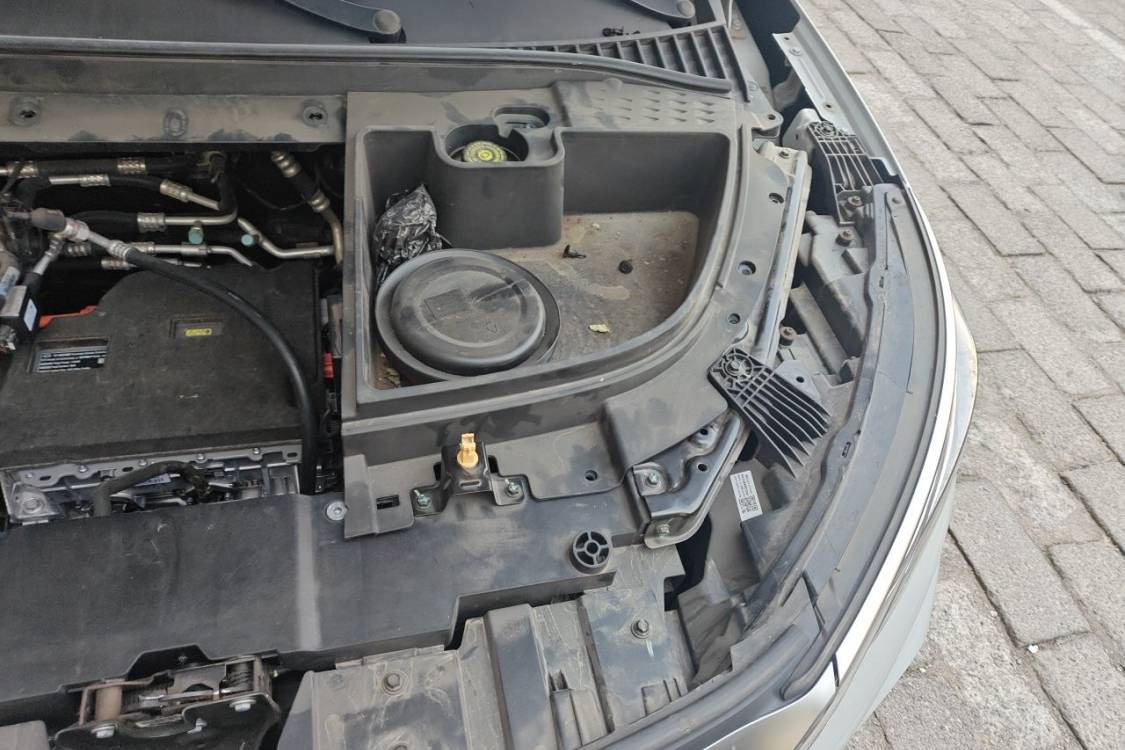
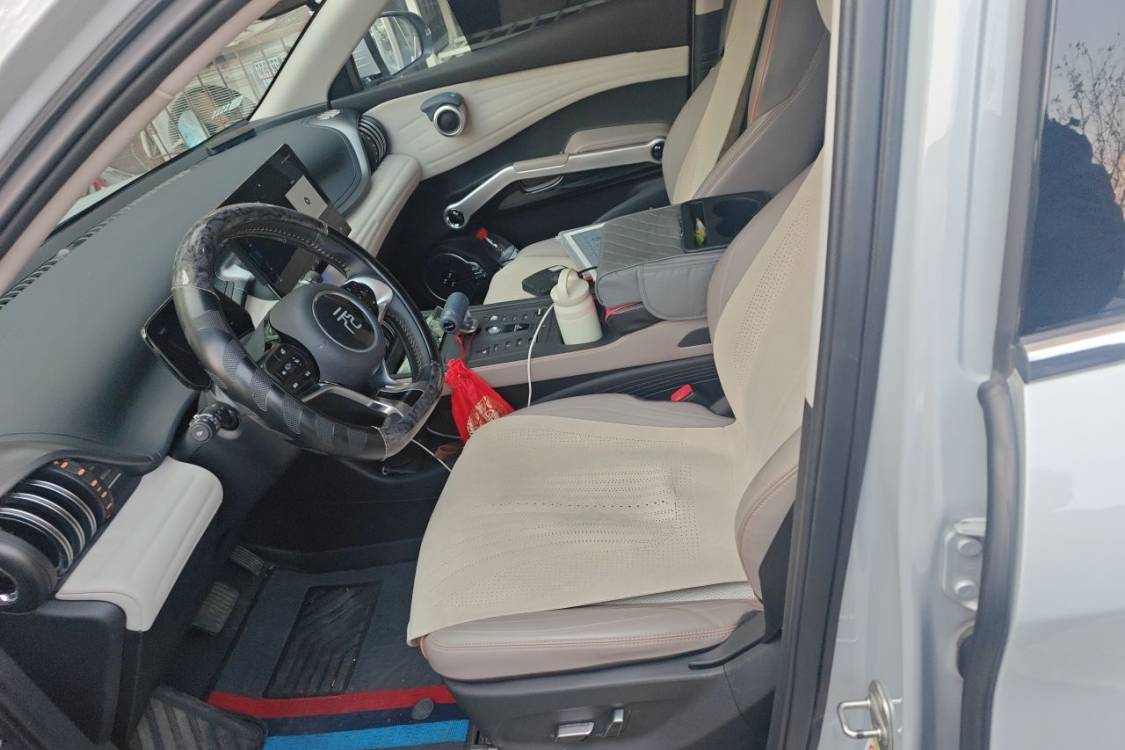
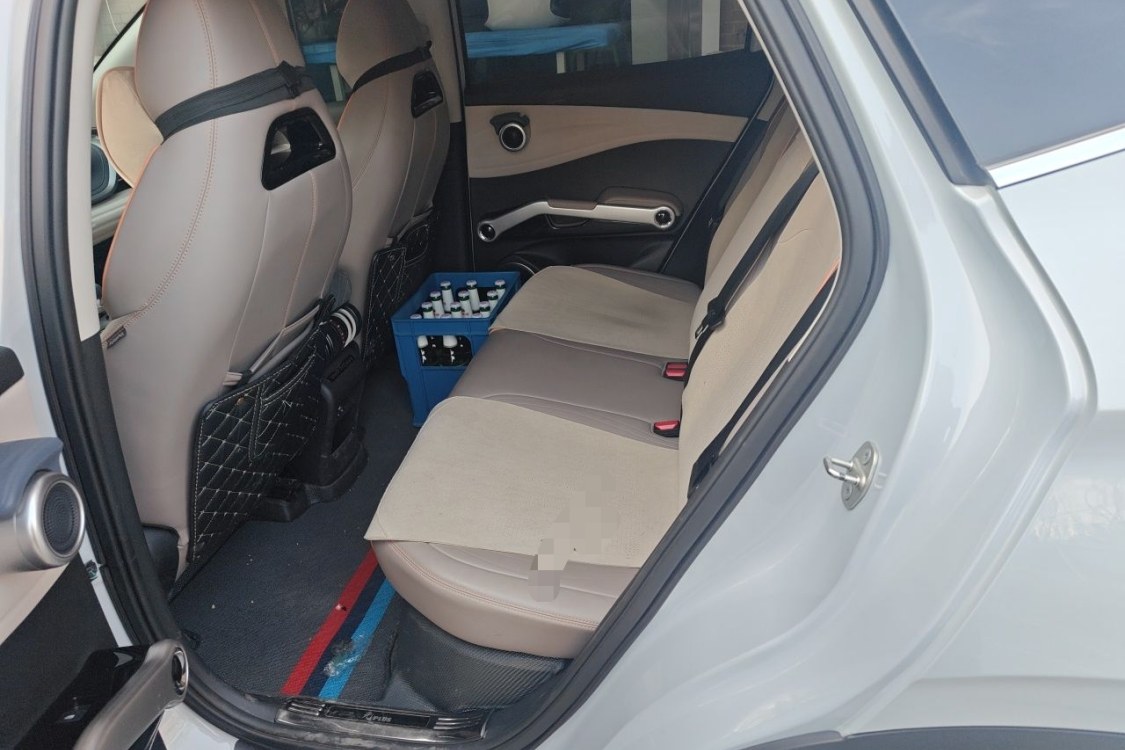
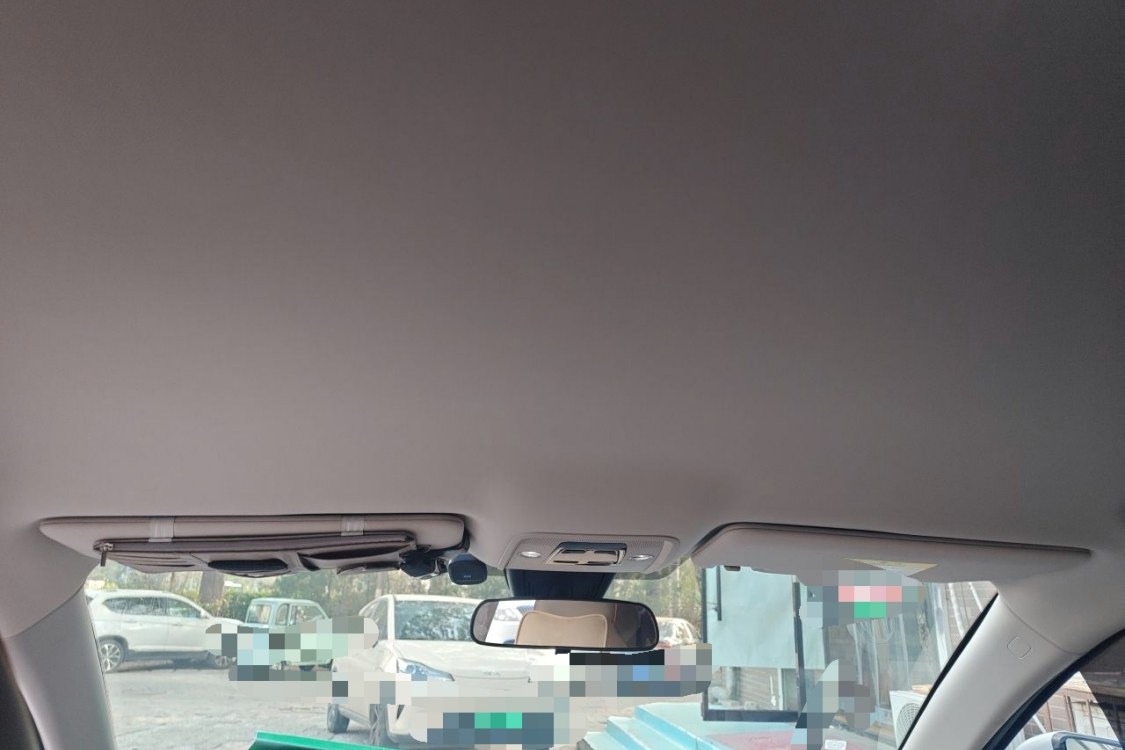
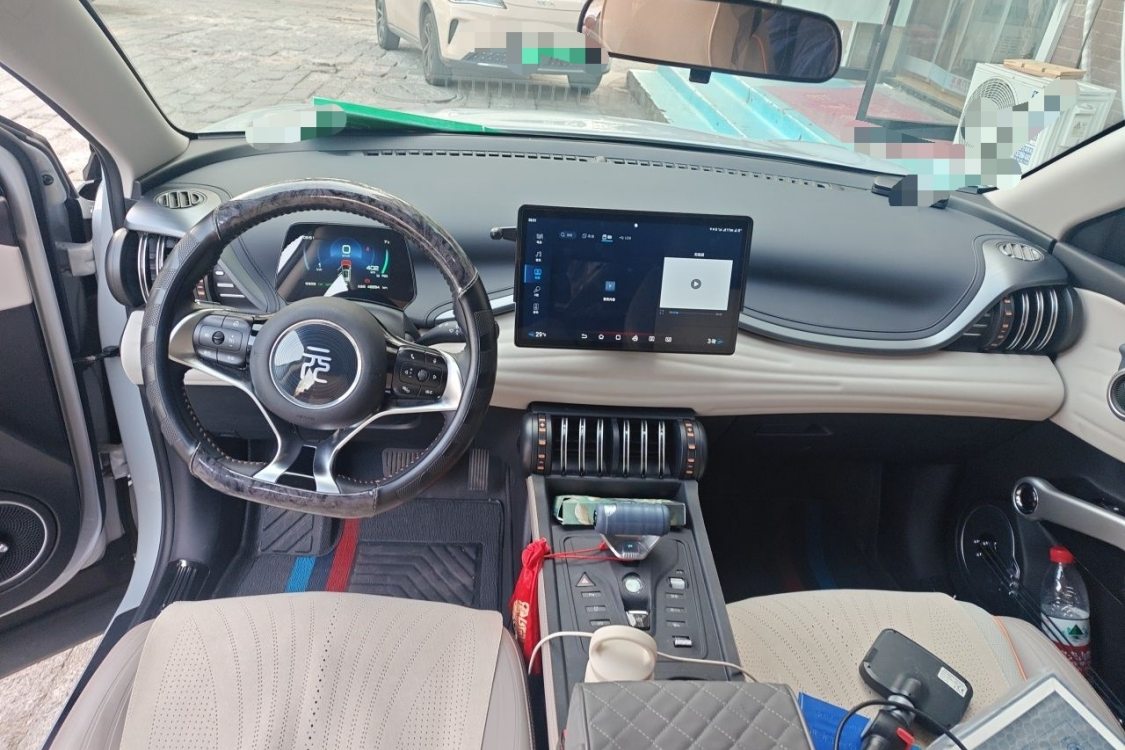
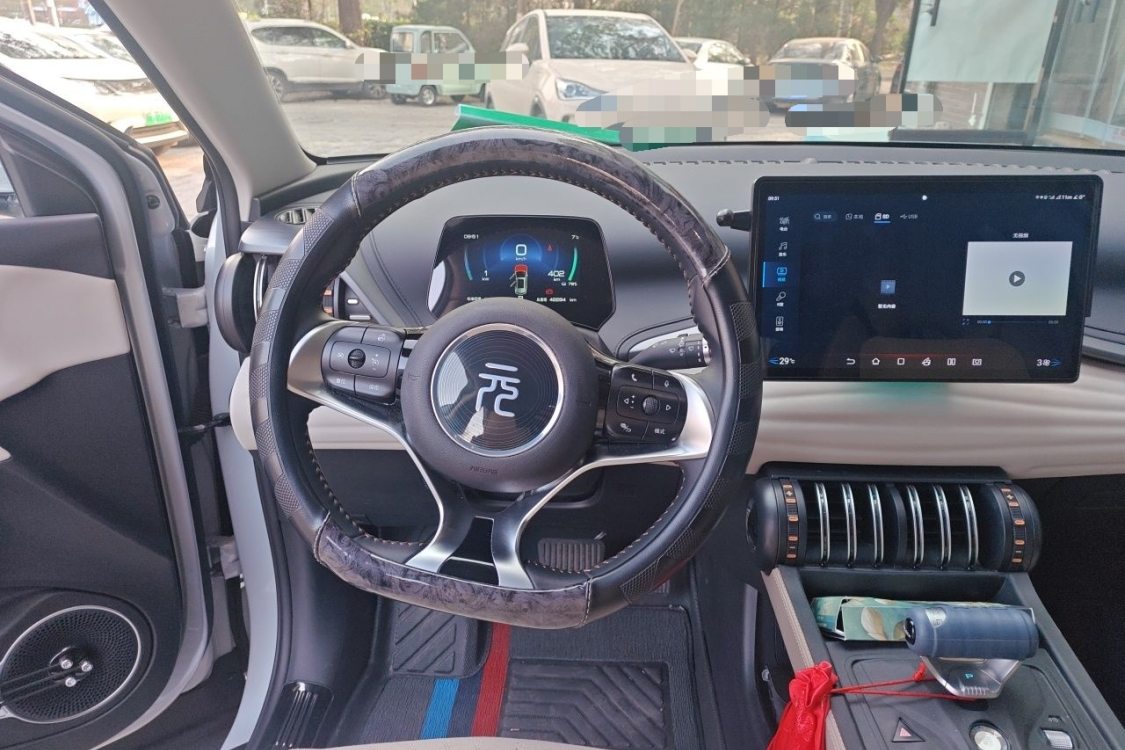
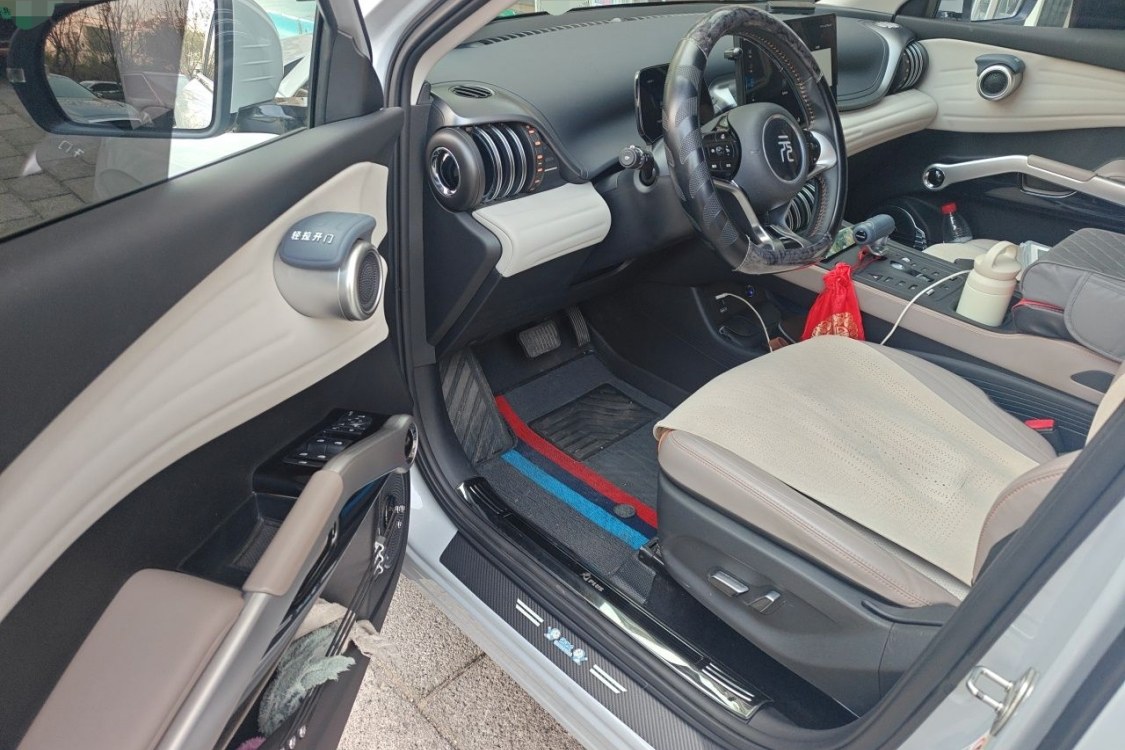
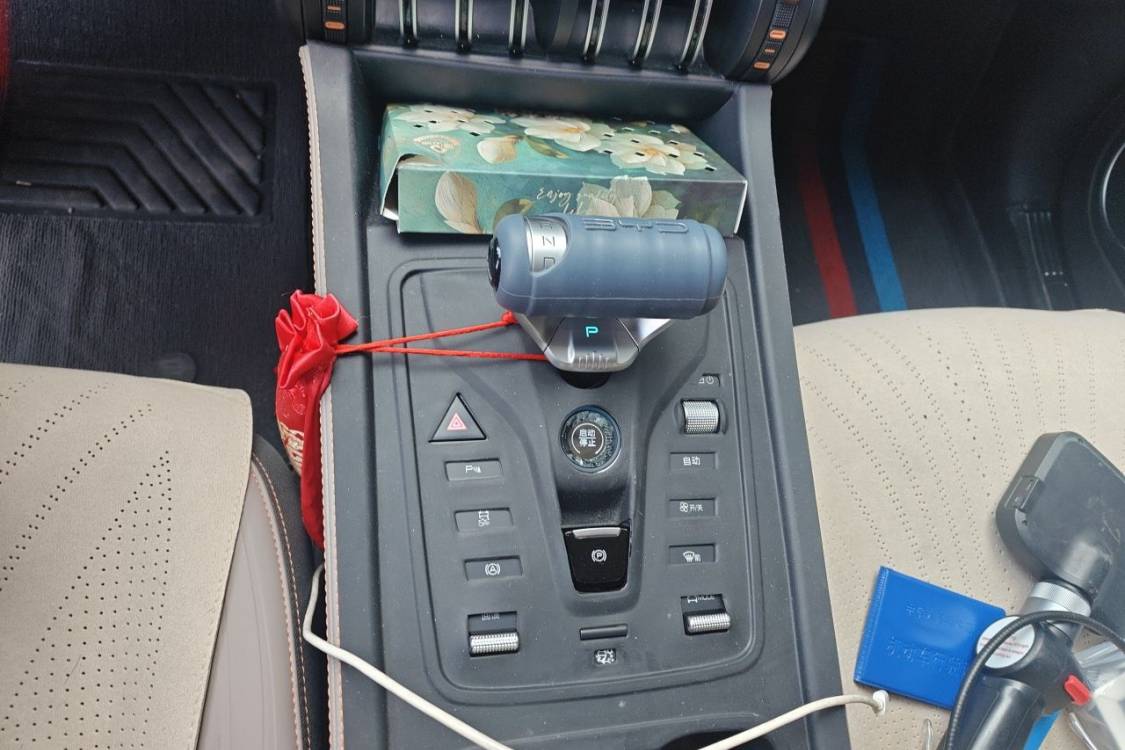
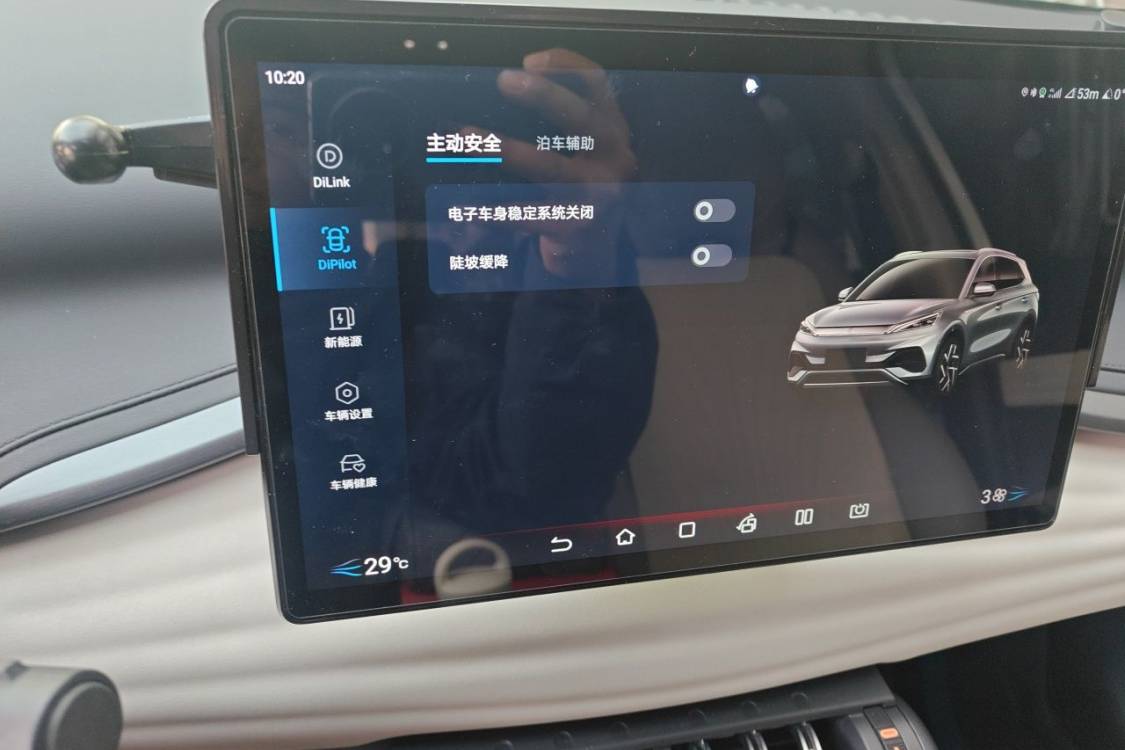
Accident inspection: main structure damaged, reinforcement parts undamaged, panels undamaged, hinges normal. Battery/motor/electronic control inspection: no record of electronic controller (control system) removal. Engine bay inspection: key mechanical components normal. Exterior: none. Interior: scratches on left and right trunk side trim panels; most features normal; airbag system normal; lighting system normal. Startup inspection: main components normal. Onboard tools: none.

独家上新
电话直连
可讲价
平台物流
可转售
7个工作日内过户
新能源
零过户
新检测标准升级>
非泡水

Document Information

Inspection Expiry Date2027/08
Warranty Expiry Date-
Insurance Expiry Date2027/07

Q&A

More

How can I confirm the real mileage of a used Chinese car when I'm buying from overseas?

Odometer rollback happens everywhere, so never trust the dashboard number alone. Cross-check at least three sources: 1. Maintenance records: Chinese 4S dealerships keep service logs tied to the VIN. Ask the exporter for screenshots showing recorded mileage at each visit — the numbers should rise consistently. 2. Inspection reports: China requires periodic emissions/safety inspections, and the mileage is logged at each one. The exporter can pull the car's inspection history. 3. Tire and wear clues: Compare the claimed mileage with brake pedal rubber, steering wheel shine, seat bolster wear, and the tire production dates. A car showing 30,000 km with a polished steering wheel and second set of tires is suspicious. Also check the dashboard for uneven digits or scratches around the odometer area in photos. If maintenance and inspection records roughly agree, the reading is usually trustworthy; if the seller refuses to share records, treat the mileage as unknown and negotiate accordingly.


How can I detect signs of flood or water damage inside a used car from China during a remote inspection?

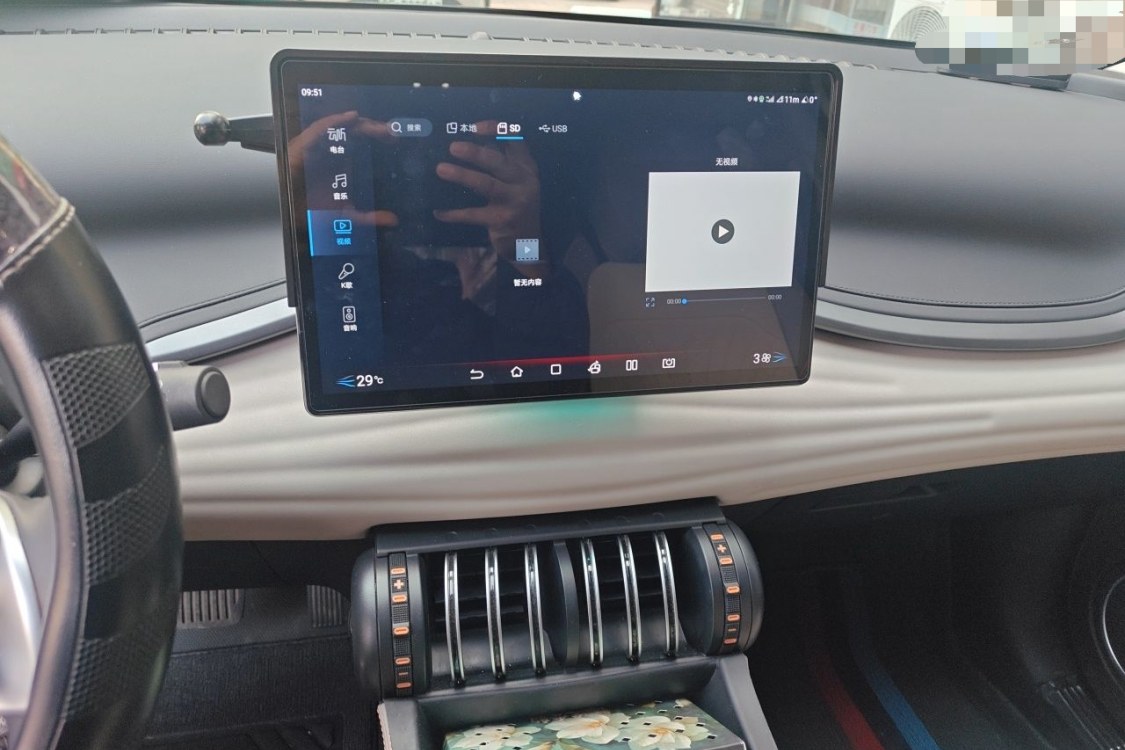
Water damage is one of the most common hidden problems in used cars, and it often escapes basic photo reviews. During a live video inspection, ask the inspector to check these specific points: 1. Smell test: A musty or moldy odor inside the cabin is the first red flag. Have them open all doors, run the AC briefly, and smell the air from the vents—musty AC often indicates water in the HVAC system. 2. Under the carpets: Lift the floor mats and look for water lines, rust stains, or dampness on the carpet backing and the metal floor underneath. Sediment or silt residue is a giveaway. 3. Seat rails and bolts: Pull the seats fully forward and backward. Rust on seat rails or fresh-looking bolts suggests the seats were removed for cleaning after flooding. 4. Trunk area: Check the spare tire well and under the trunk carpet for standing water marks or rust. 5. Electronics: Test every window, seat adjustment, and the infotainment screen—water-damaged electronics behave erratically. Also request a scan report: flood cars often store history codes for multiple control modules that failed simultaneously. Cross-check the car's origin; vehicles from flood-prone southern regions deserve extra scrutiny.

How can I judge the interior condition of a used Chinese car remotely to estimate real usage?

Ask the seller for detailed close-up video, not photos — video is harder to edit. Check: 1) Driver's seat bolster and steering wheel leather for wear matching the claimed mileage — a shiny, polished wheel at 30,000 km is a red flag; 2) Pedal rubbers — worn-through pedals contradict low mileage; 3) Buttons and knobs — faded or shiny climate and window controls suggest heavy use; 4) Seat rails and tracks — rust or heavy dirt means possible water exposure; 5) Headliner and seat backs — stains or sagging. Compare logically: wear should be consistent across the cabin. A car showing 50,000 km should have light wear everywhere, not a destroyed driver's seat with a pristine passenger side. Also ask for the odometer photo with the ignition on, plus the car's system info screen, which often logs total mileage independently.