






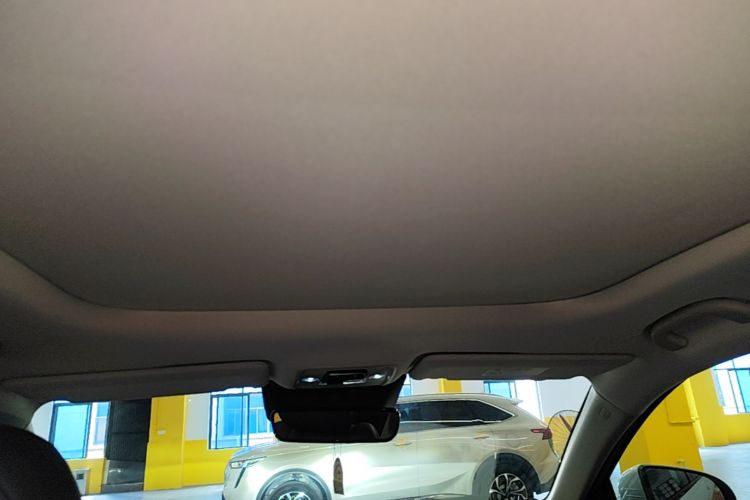
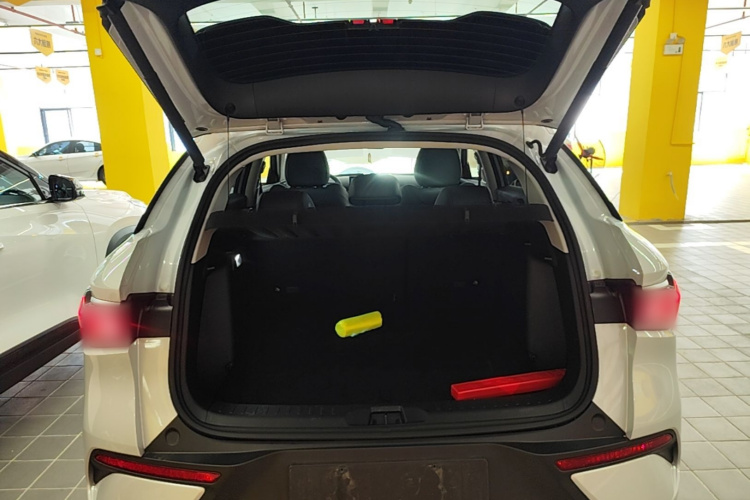
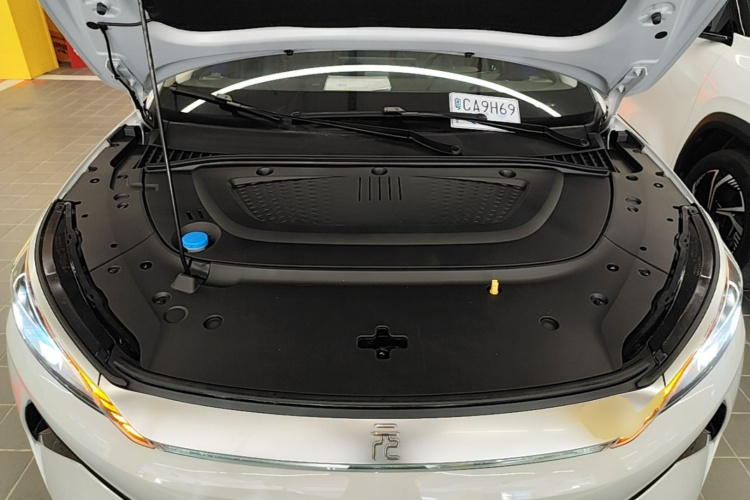



24H

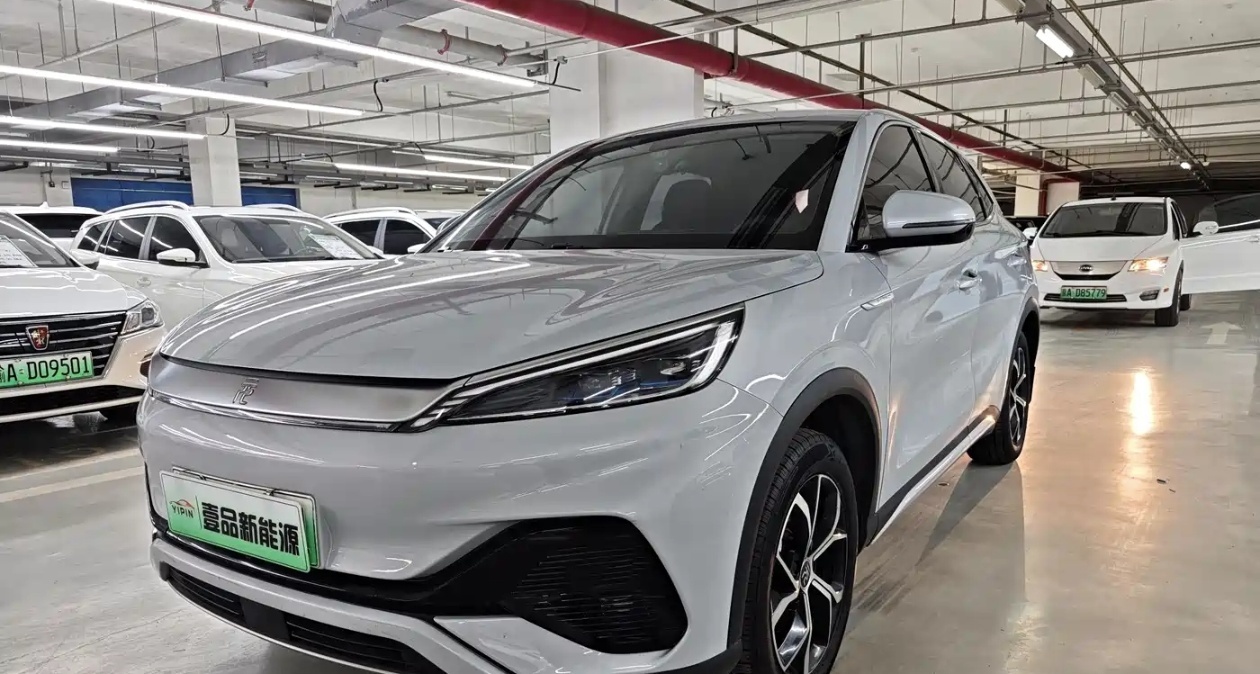
Basic Information

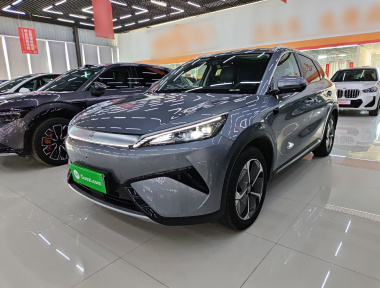
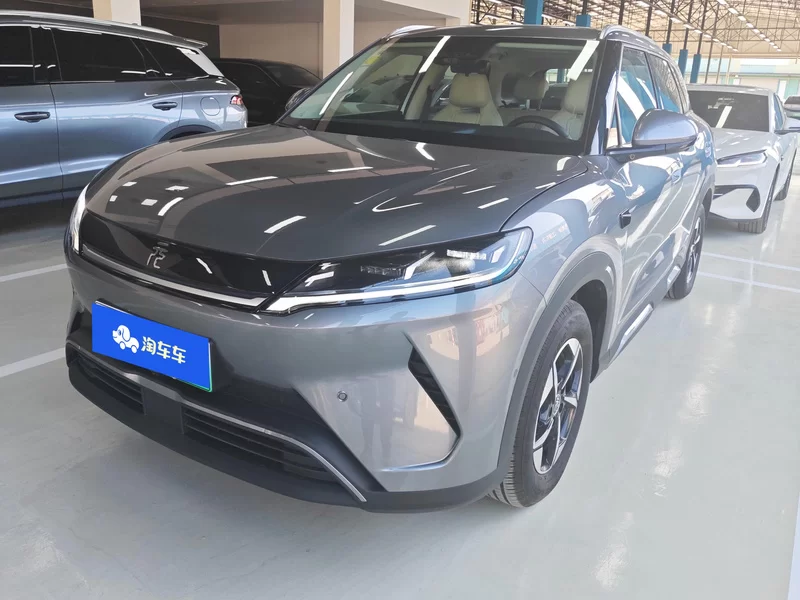
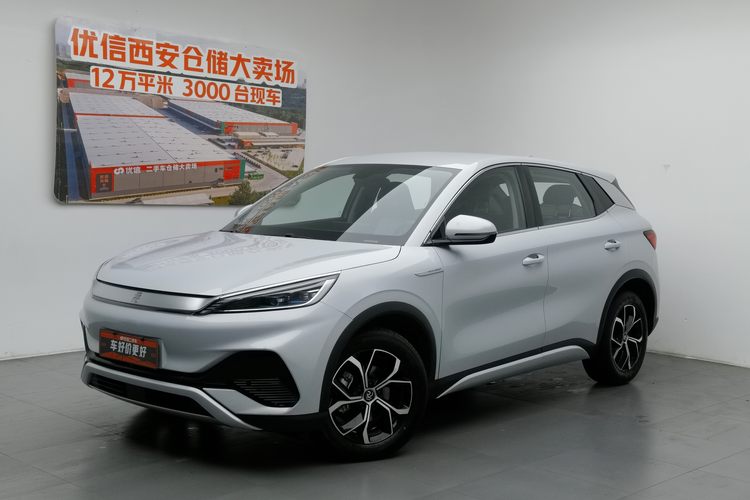
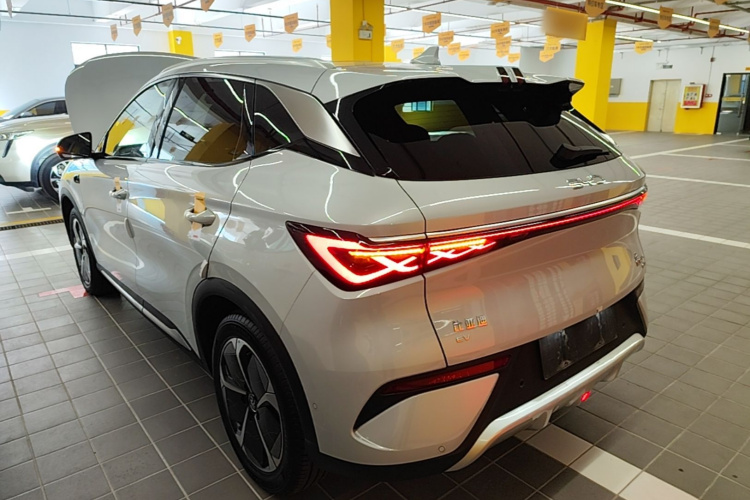
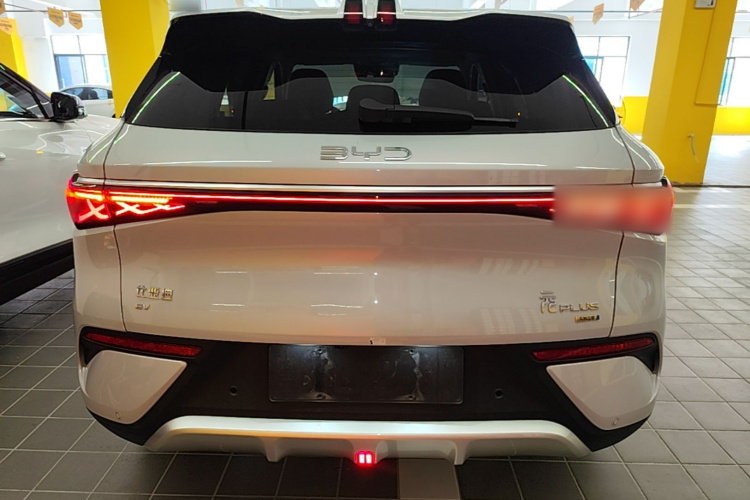
BrandBYD
SeriesYuan Plus
Year2025
First Registration2025/02
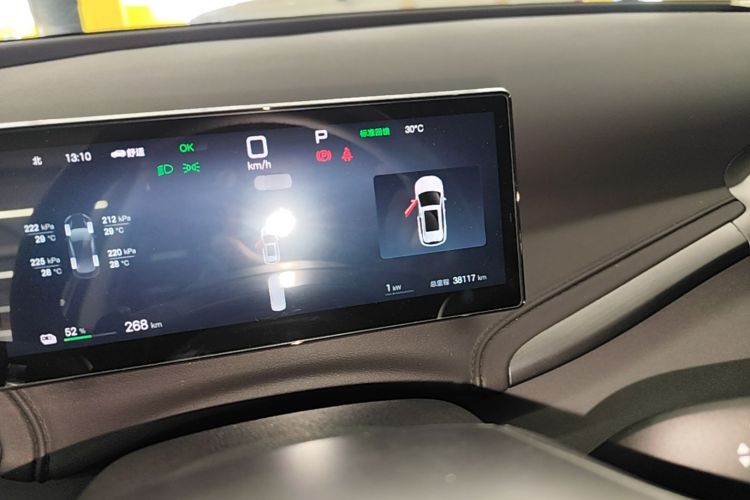
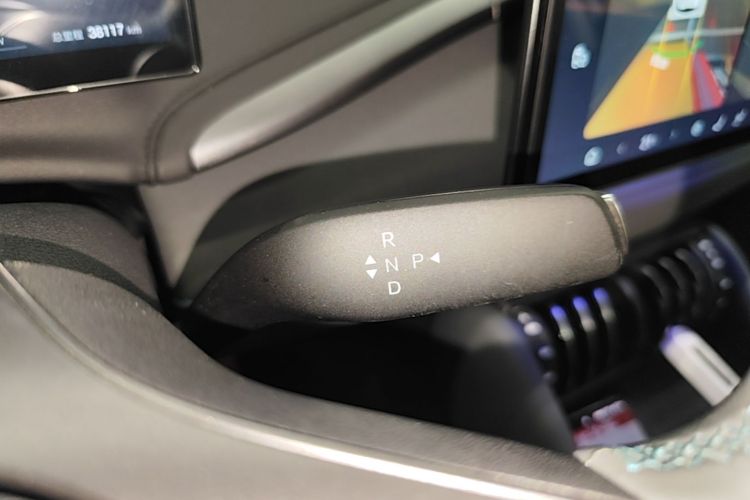
Mileage38,100km
Transfer Count2times
FuelElectric
TransmissionOther
Engine-
Color
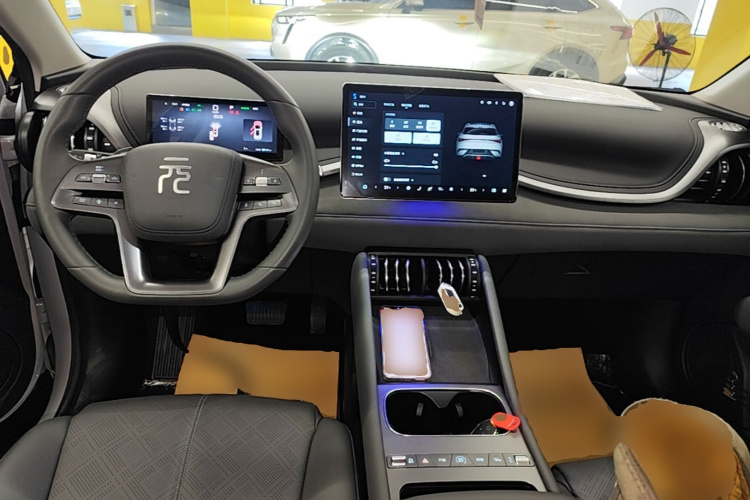
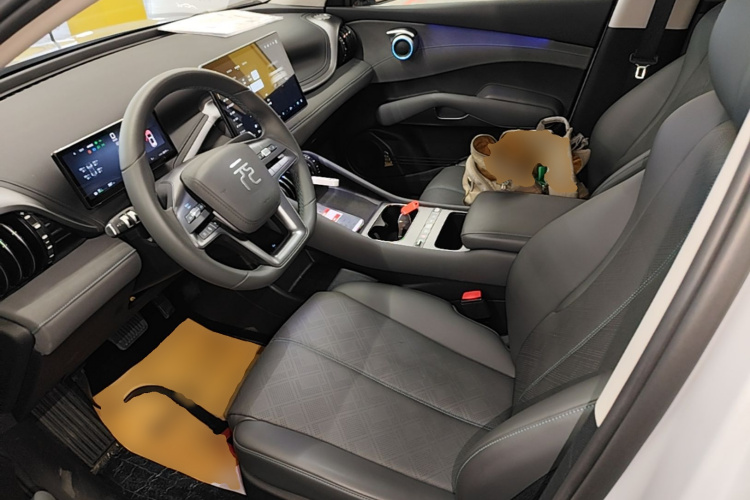
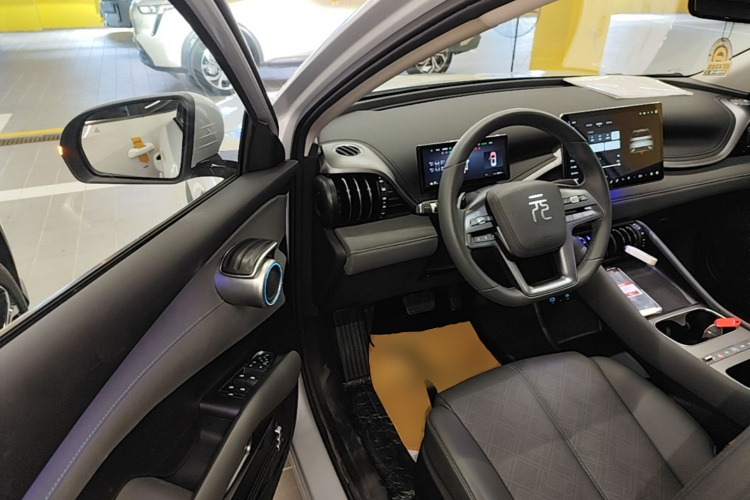
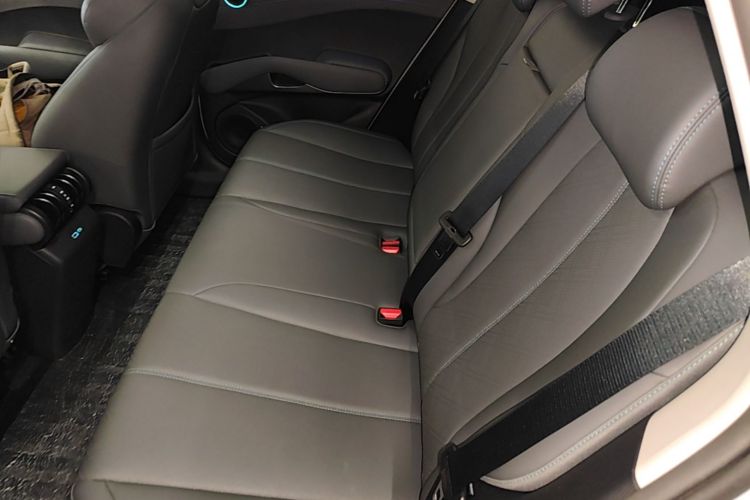
Seats5seats

Condition Description

Battery health 95% | 0 insurance claims | 2 ownership transfers

Q&A

More

What is a Certificate of Origin and why do I need one when importing a car from China?

A Certificate of Origin (C/O) is an official document stating where the vehicle was manufactured. Customs authorities use it to decide which tariff rates and trade agreements apply to your import. Why it matters: many countries offer preferential tariffs for certain origins. With a valid C/O, such as the ASEAN-China Form E or a GSP Form A, you may pay reduced or zero duty. Without it, you typically pay the standard, higher rate. The certificate must match the vehicle exactly: VIN, make, model and invoice details. It is usually issued by the China Council for the Promotion of International Trade (CCPIT) or customs authorities. Practical tips: request the C/O before shipment, because adding it later is slow; check that your country's customs accepts the specific C/O format; and confirm with your broker whether your vehicle category qualifies for preferential rates. This single document can save you thousands in duty.
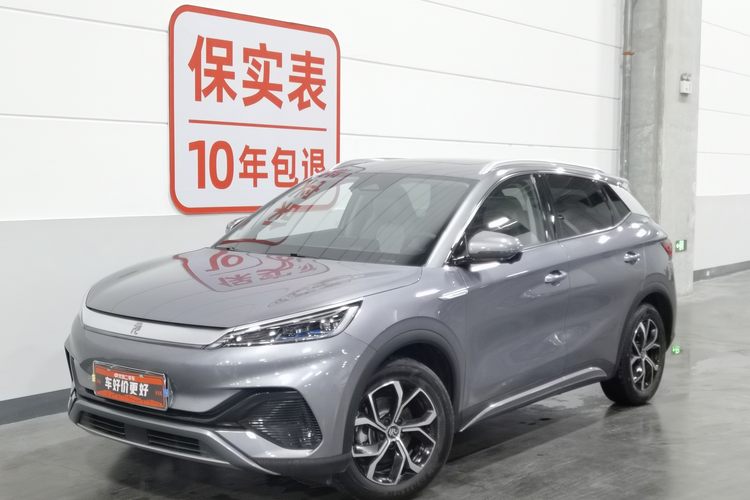
After picking up the car, I found the tire pressure warning (TPMS). How can I reset the tire pressure sensor myself?

Temperature differences during sea transport can easily trigger the tire pressure warning. After inflating the tires to the standard pressure (usually 2.5 Bar), most vehicles will automatically clear the warning after driving a few kilometers; some models require manually clicking "Tire Pressure Reset" in the "Vehicle Settings" on the central screen.

How to ensure quality consistency for a batch of over ten vehicles during B2B bulk purchasing?

For B2B large customer orders, a "sampling + full inspection" dual regulation is adopted. Core parameters (no major accidents, no water damage or fire) are subject to 100% inspection per vehicle; appearance and condition are uniformly graded (e.g., uniformly purchasing Grade A), and panoramic images of all vehicles in the batch along with a core indicators comparison list are provided before shipment.