


24H

Basic Information

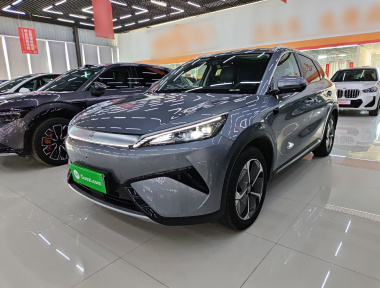
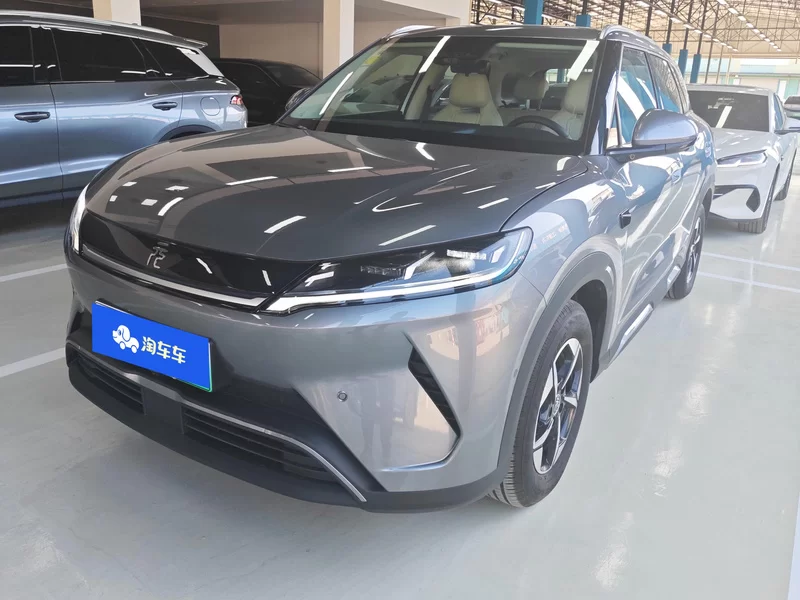
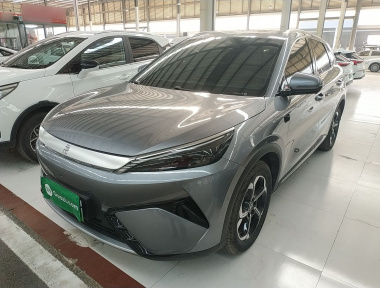
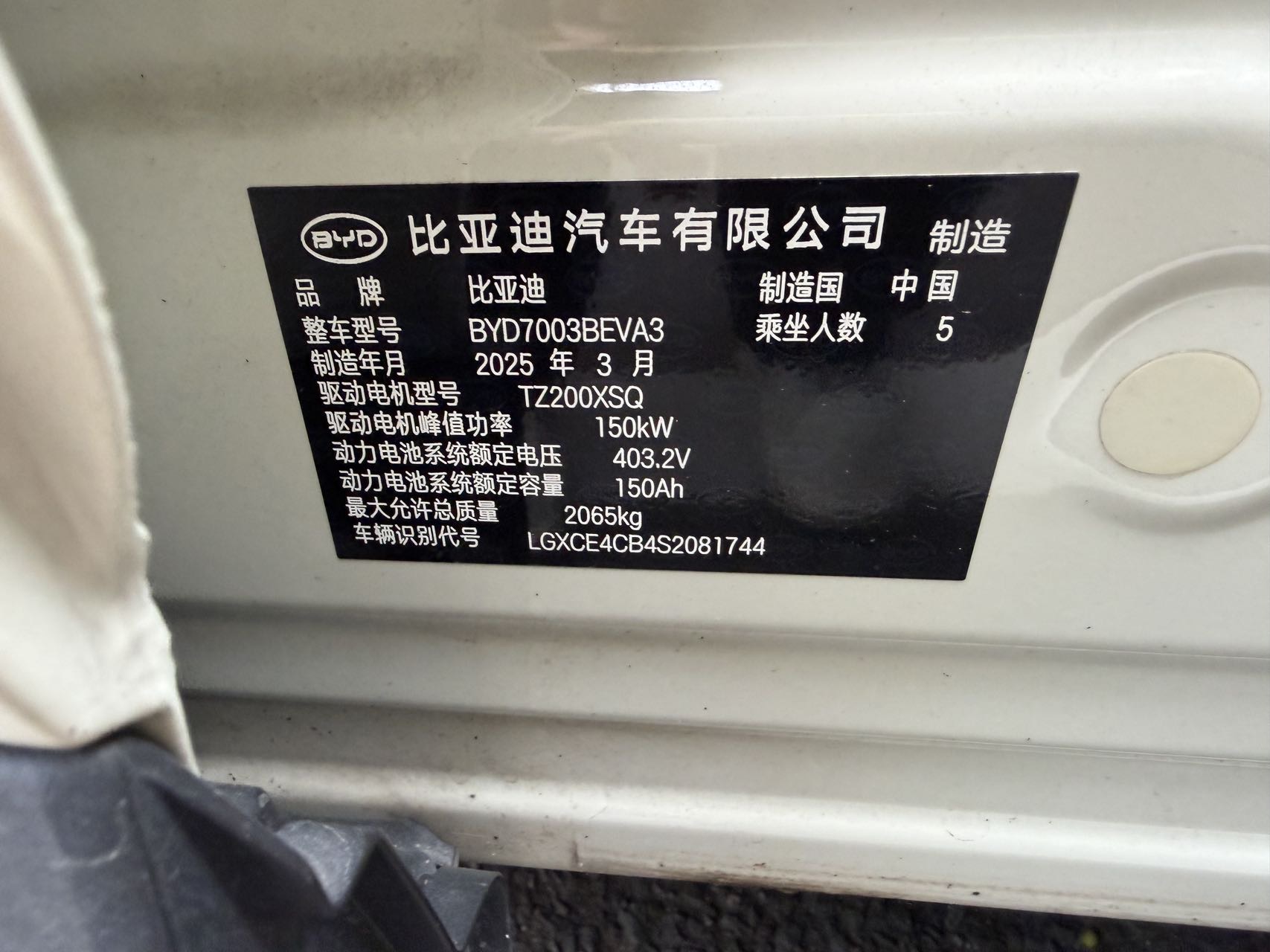
BrandBYD
SeriesYuan Plus
Year2025
First Registration2025/04
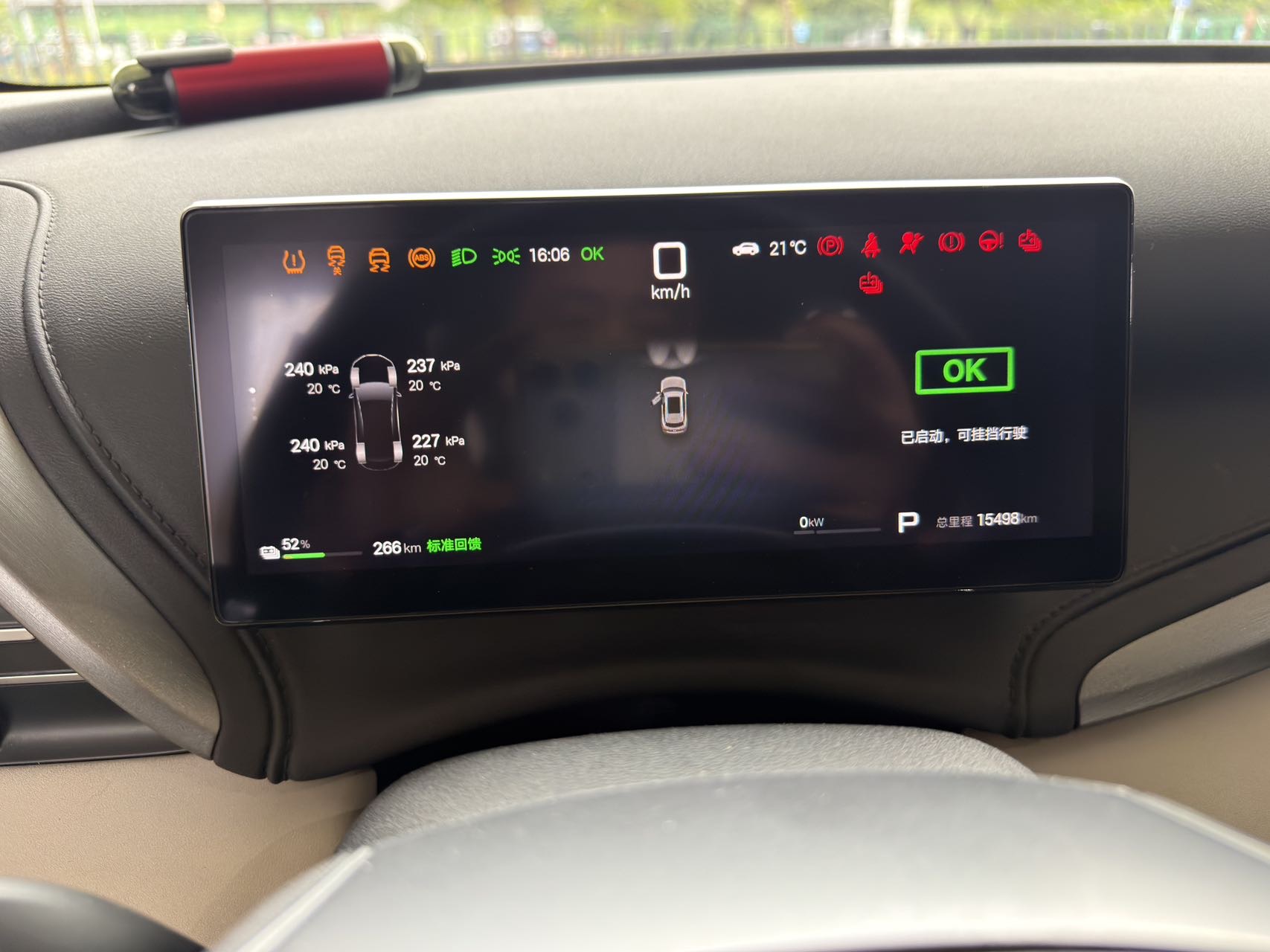
Mileage16,000km
Transfer Count0times
FuelElectric
TransmissionOther
Engine-
ColorOther
Seats5seats

Condition Description

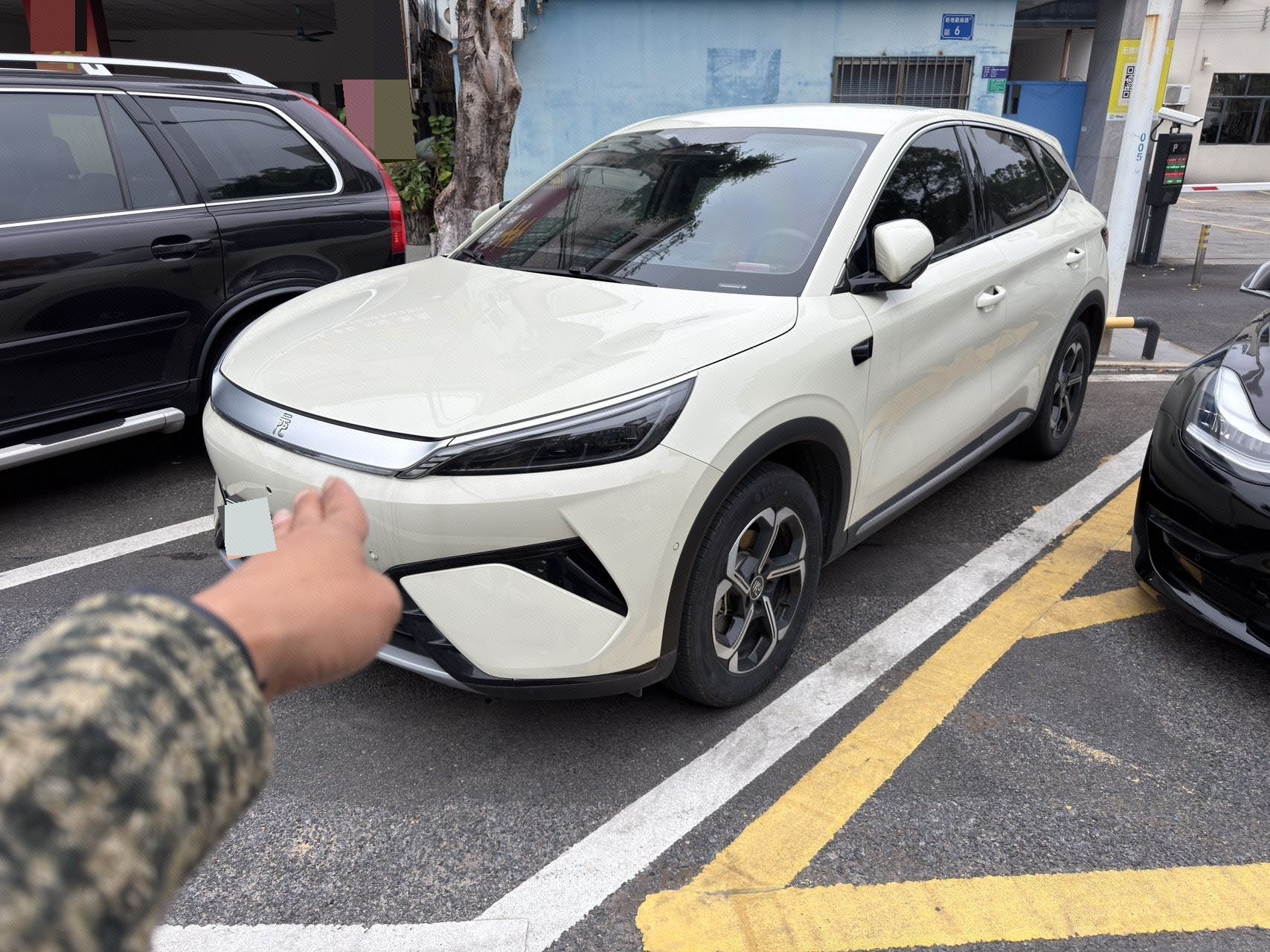
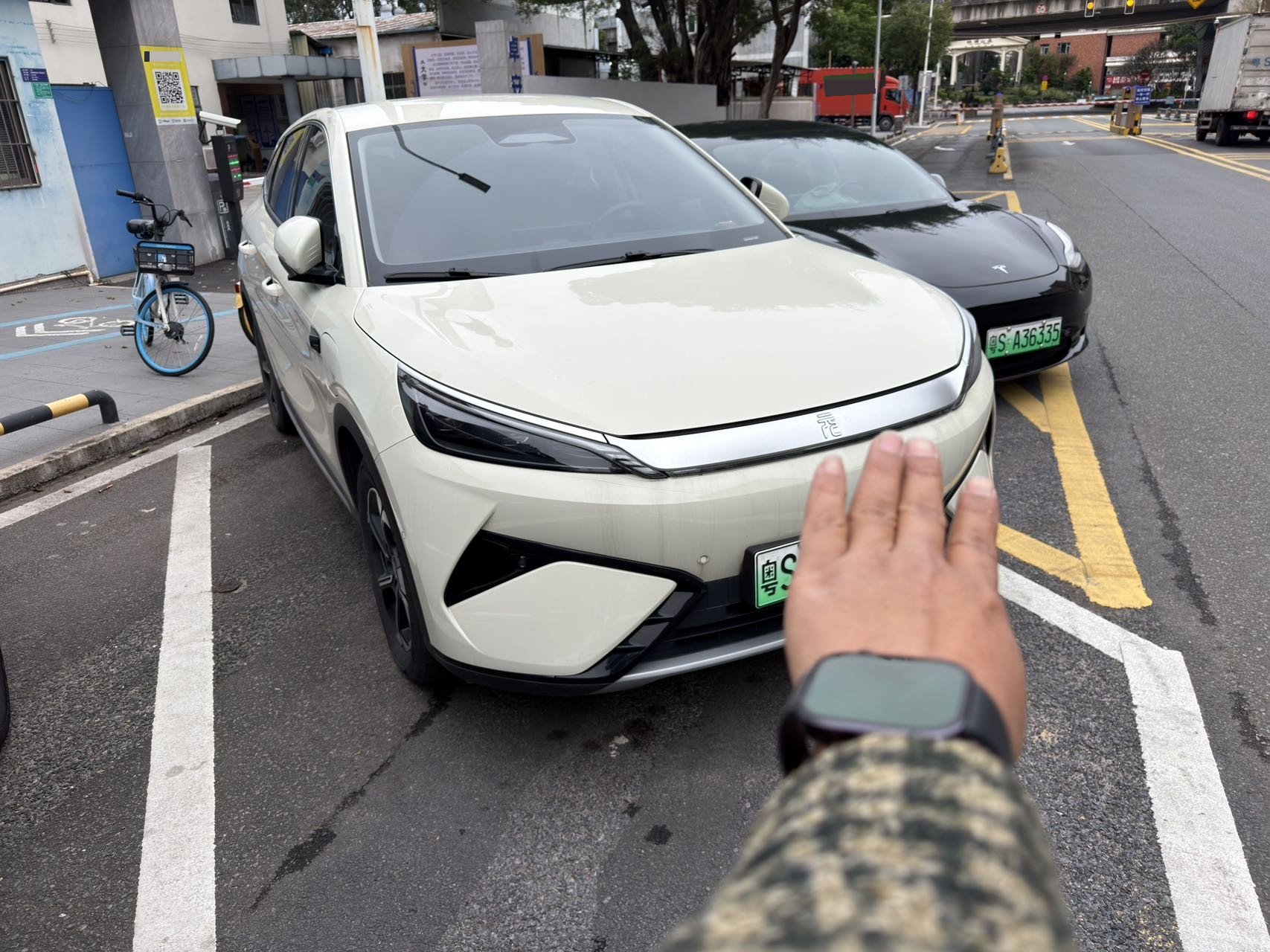
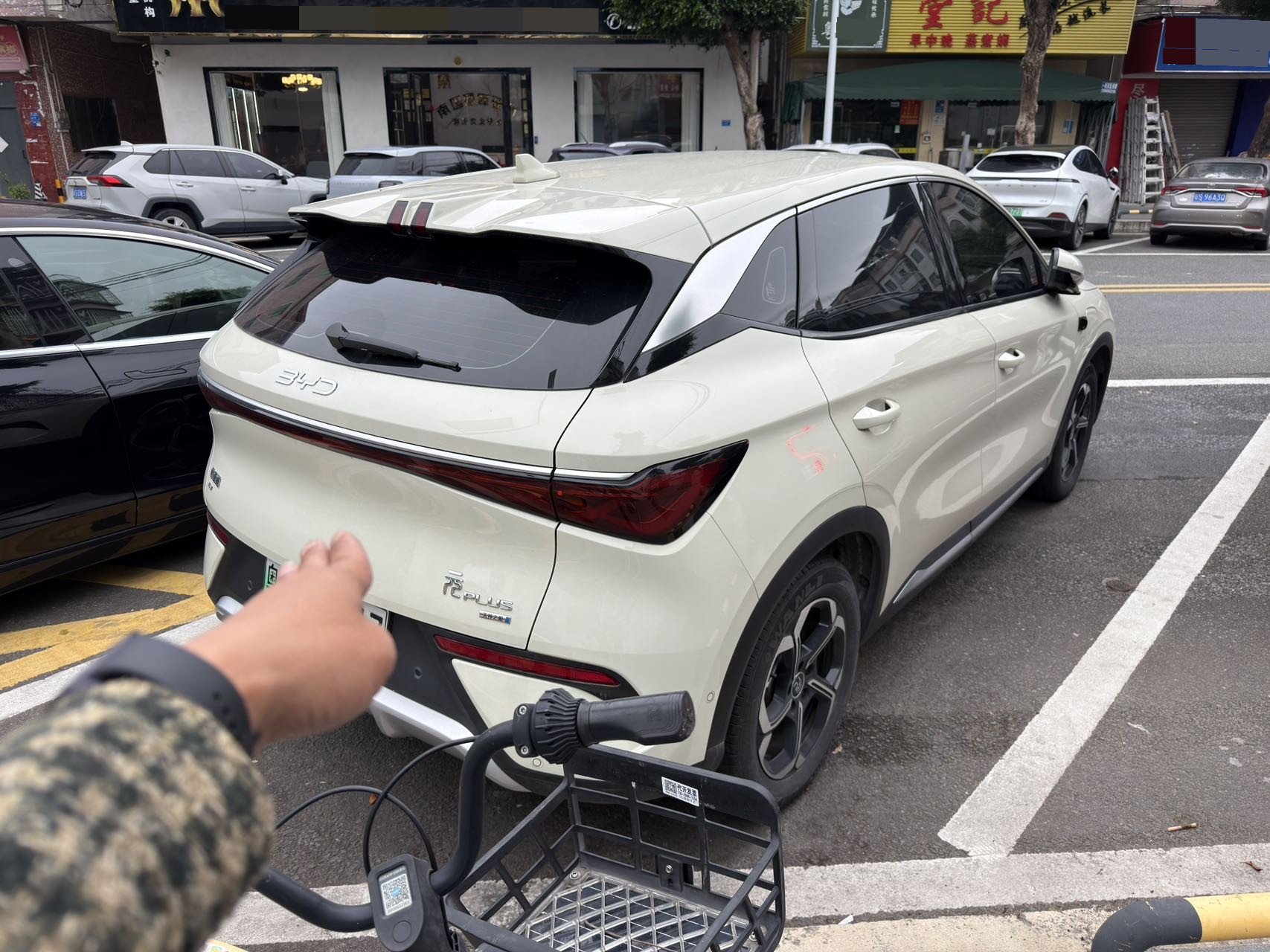
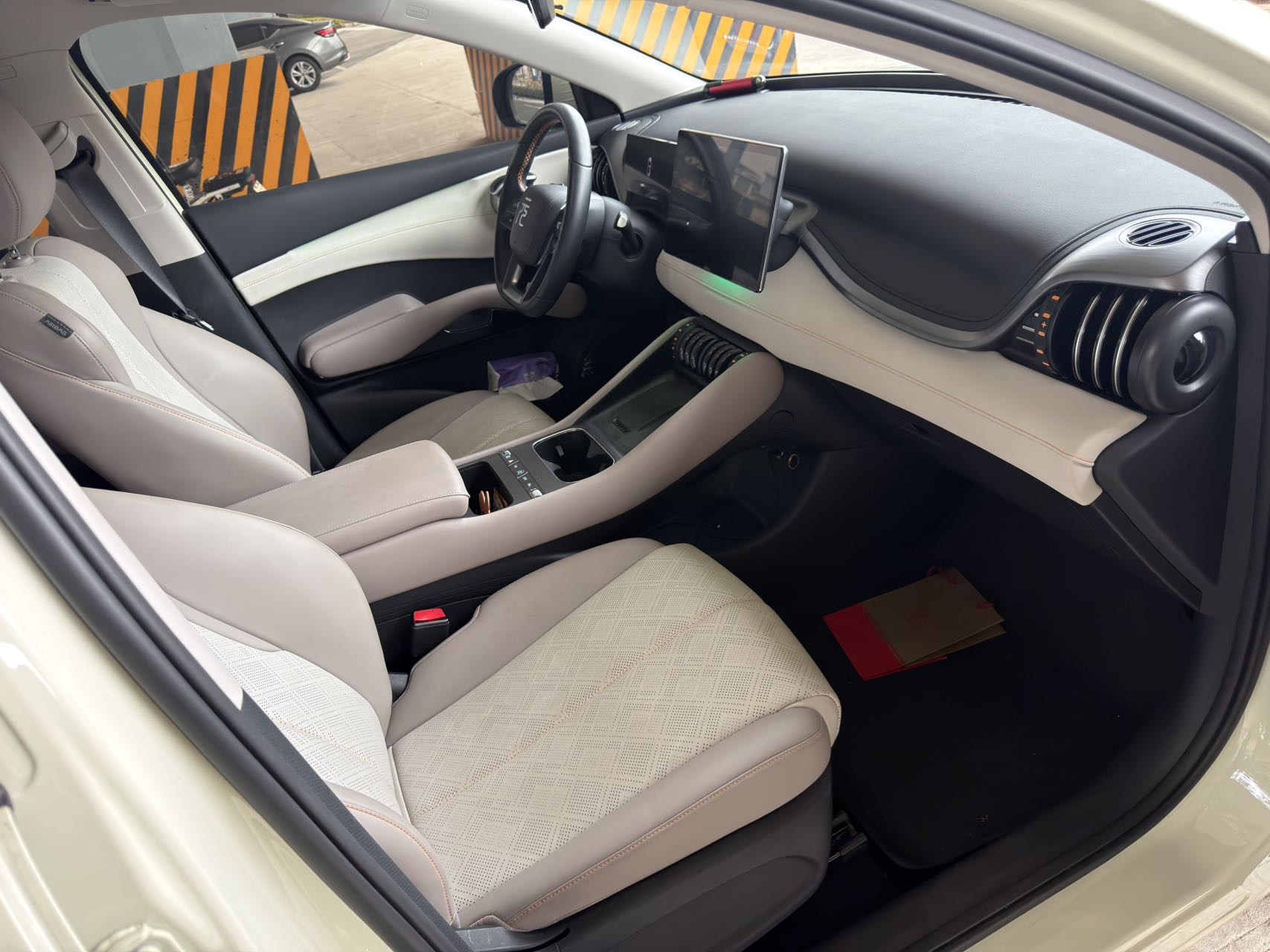
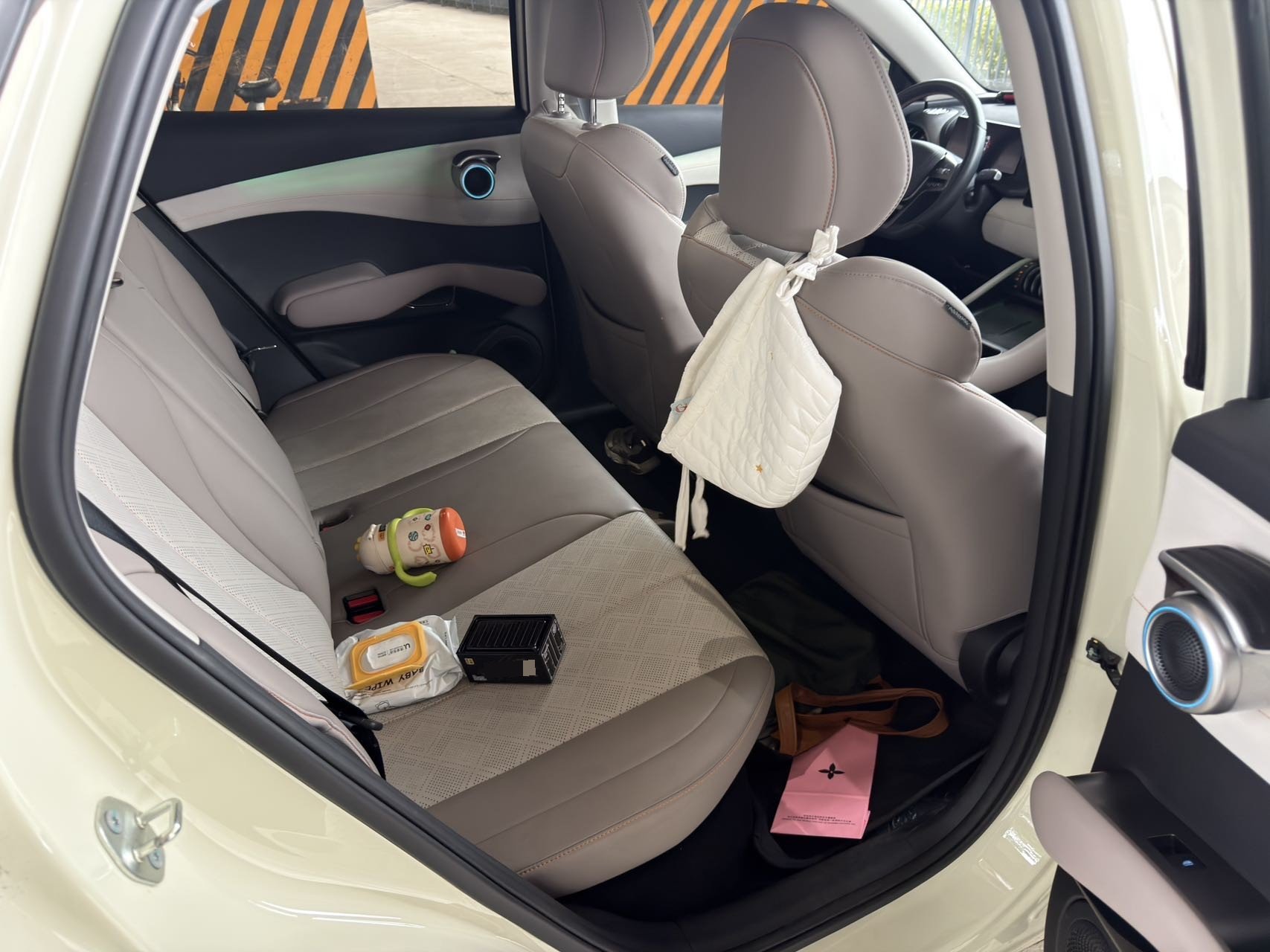
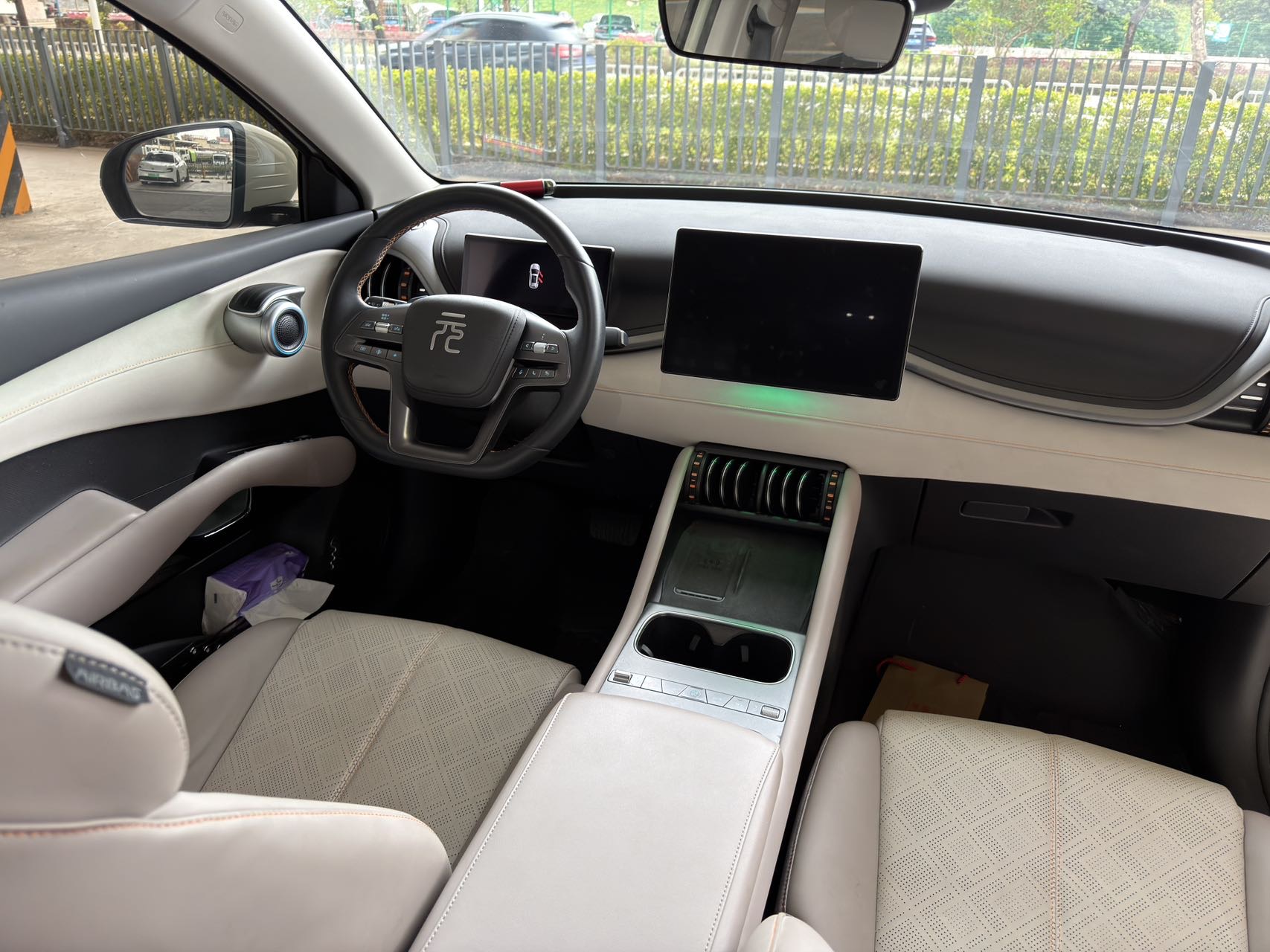
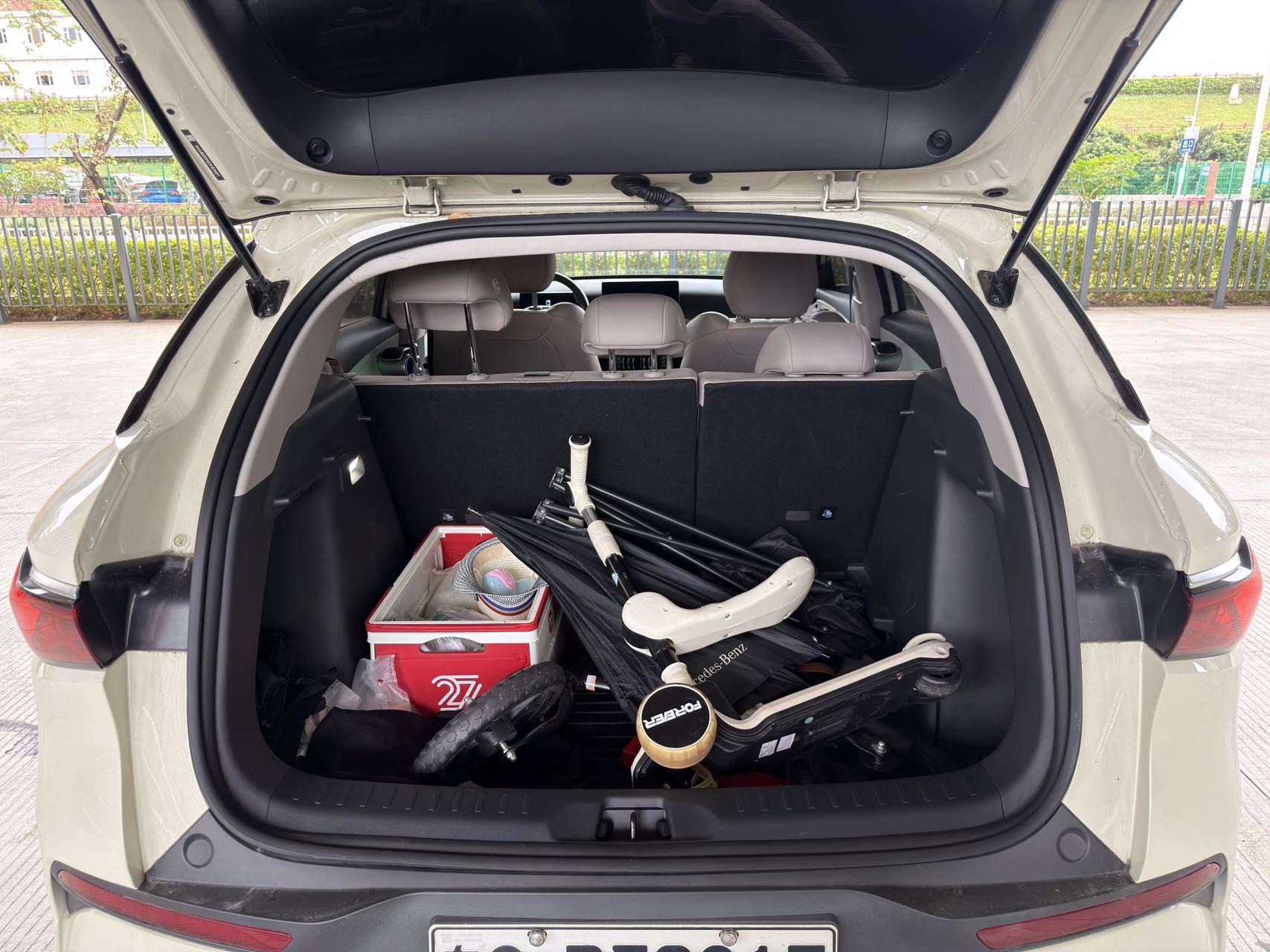
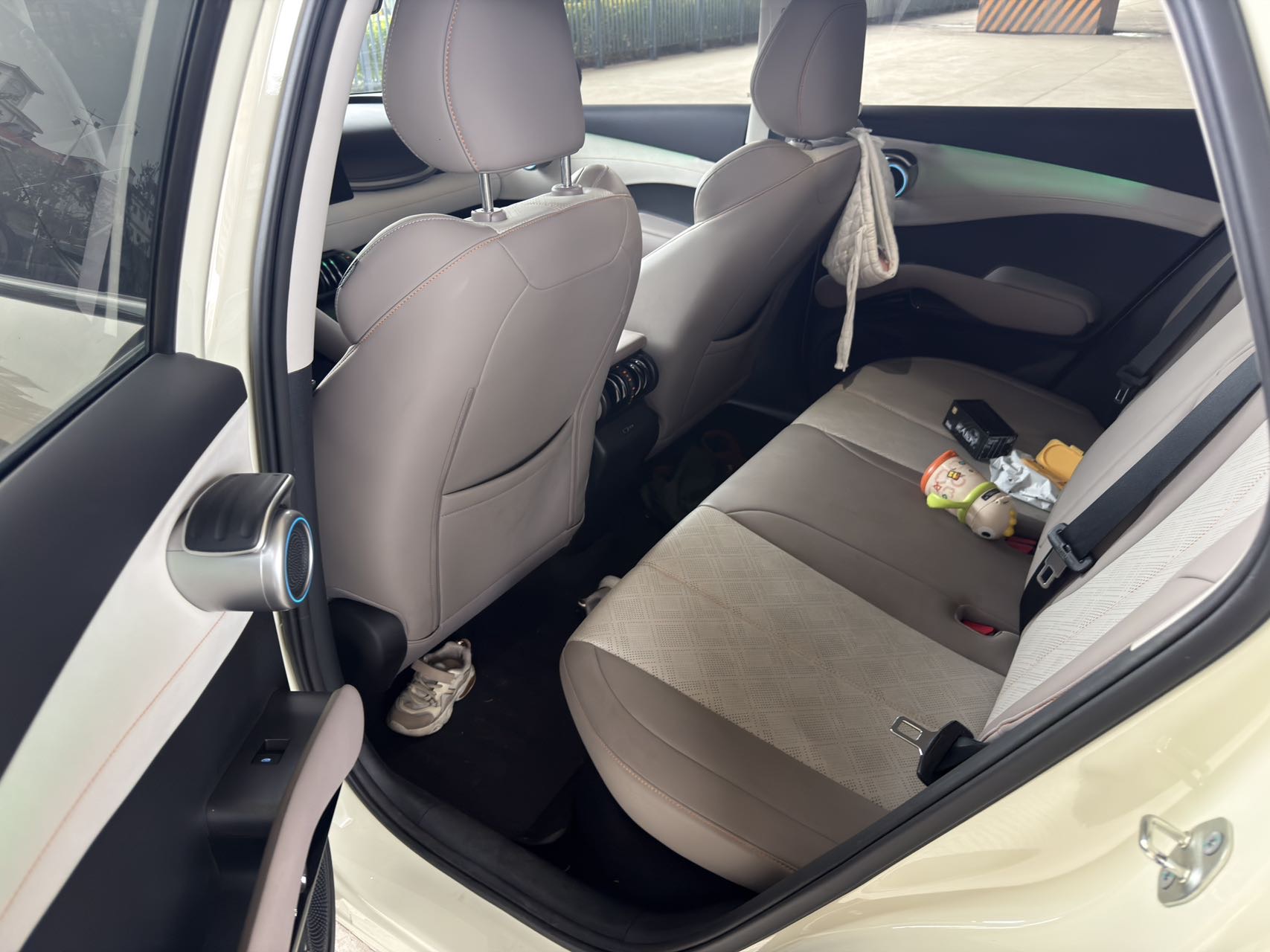
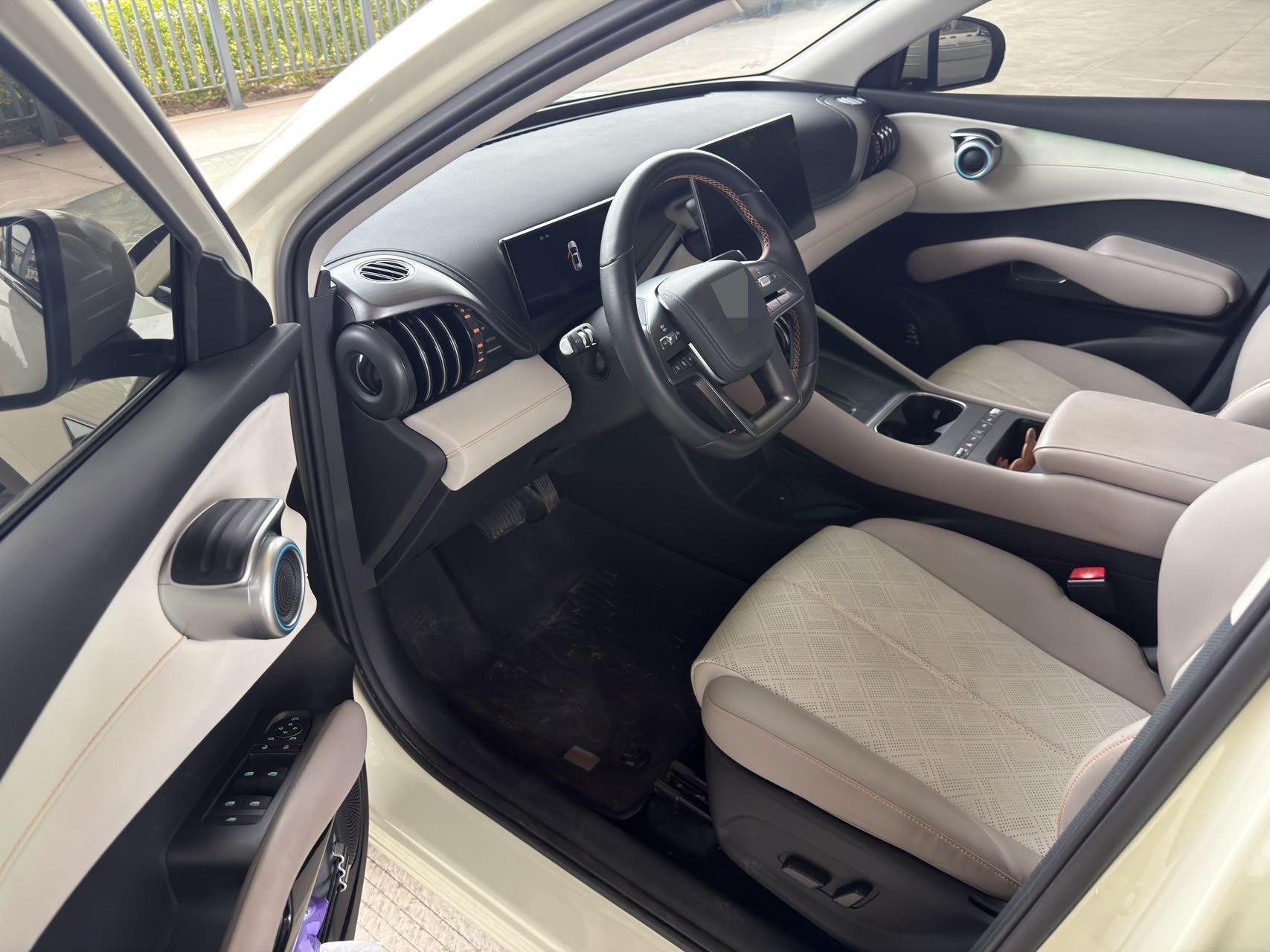
First-hand car, actual odometer reading. Left front door repainted; all other panels original paint.

Document Information

Inspection Expiry Date-
Warranty Expiry Date-
Insurance Expiry Date2027/04

Q&A

More

How can I verify the mileage and accident history of a used car from China?

Start with the paperwork: the vehicle registration certificate lists every ownership transfer, and the service book plus dealer maintenance records help confirm mileage. For digital verification, ask the seller for a live video walkaround plus a diagnostic scan report showing the ECU-recorded mileage, which is hard to manipulate. For EVs, request a battery state-of-health (SOH) report — it reveals real usage patterns far better than the odometer. Finally, a pre-shipment inspection by a third party should include structural checks (pillars, chassis rails) to rule out accident repairs. Build "no major accident, no flood or fire damage" into your purchase contract with a refund clause if the inspection contradicts it.


Should I ship my car from China in a container or by RoRo vessel?

Both are common, and the right choice depends on budget and destination: 1. Container shipping (20ft/40ft): The car is sealed inside a container, offering better protection and allowing you to load spare parts inside the car. Typical cost from Shanghai to major world ports: $1,500-$3,000 per car. Best for long distances and high-value vehicles. 2. RoRo (roll-on/roll-off): The car is driven onto the ship and secured on deck. Cheaper ($800-$1,800 to most ports) and faster to load, but exposed to weather and port handling. Not all routes offer RoRo service. Transit time examples: to the Gulf 15-25 days, to West Africa 30-45 days, to Latin America 25-40 days, to Europe 20-35 days. Ask your exporter which option serves your destination port, and always insure the shipment for full value.

What maintenance schedule should I follow for a used Chinese car during its first year after import?

Treat the first year as a baseline period. Do a full fluid service immediately after registration: engine oil and filter, coolant, brake fluid, and transmission fluid, since you don't know when they were last changed in China. First 1,000 km: check for loose trim, retorque wheel nuts, and listen for new noises as the car adapts to local fuel and roads. At 5,000-10,000 km: inspect brake pads and rotors, rotate tires, and scan the ECU for stored fault codes even if no warning light shows. Annually or every 15,000 km: replace the cabin and engine air filters, check the battery health (especially for hybrids and EVs), and verify that software updates from the Chinese brand's international channel apply to your car. Keep a simple log with dates and receipts. It protects any warranty claim and makes the car far easier to sell later.