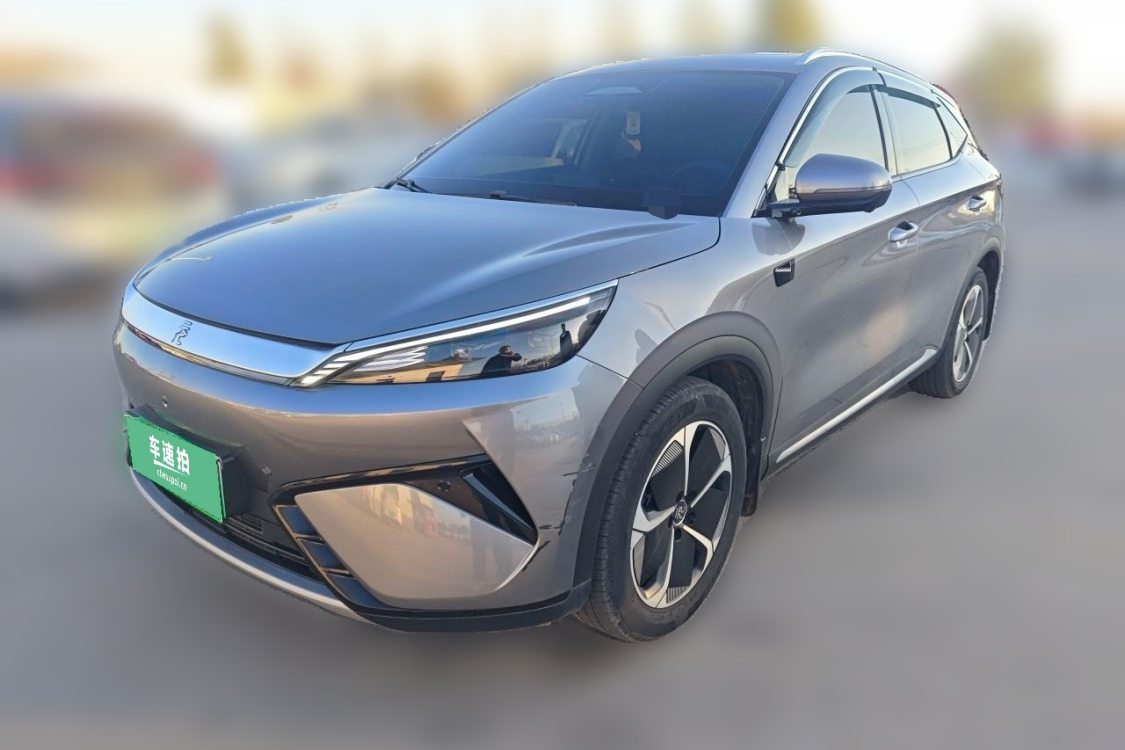
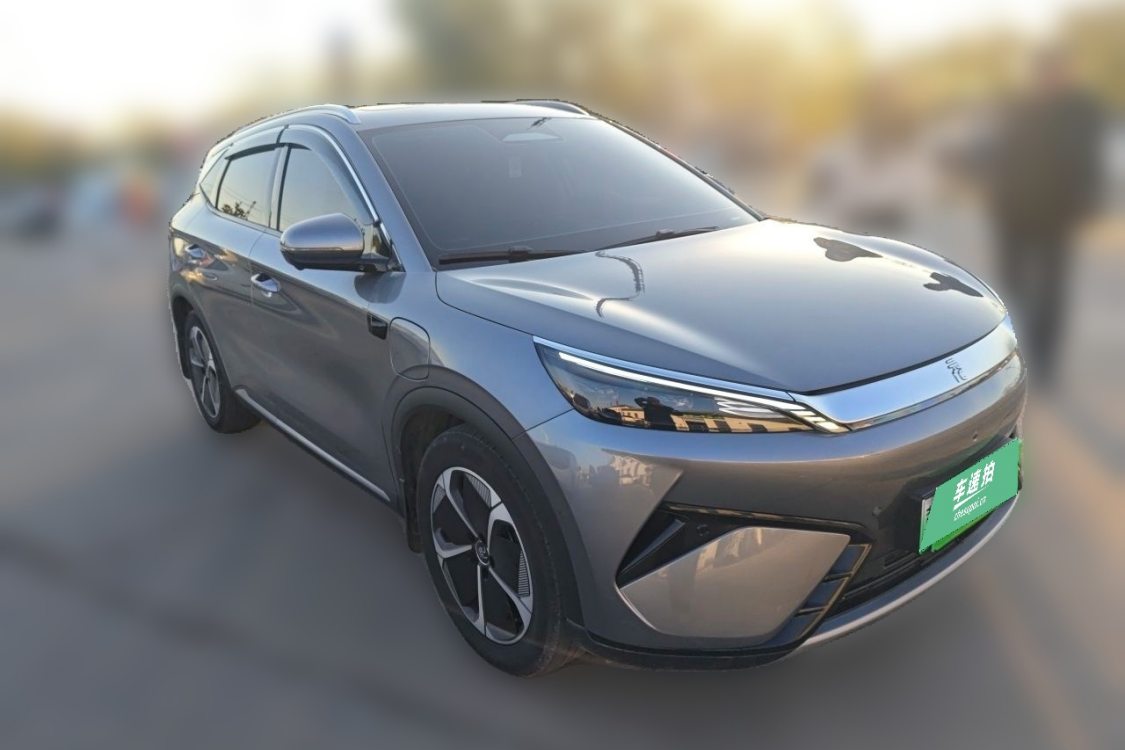
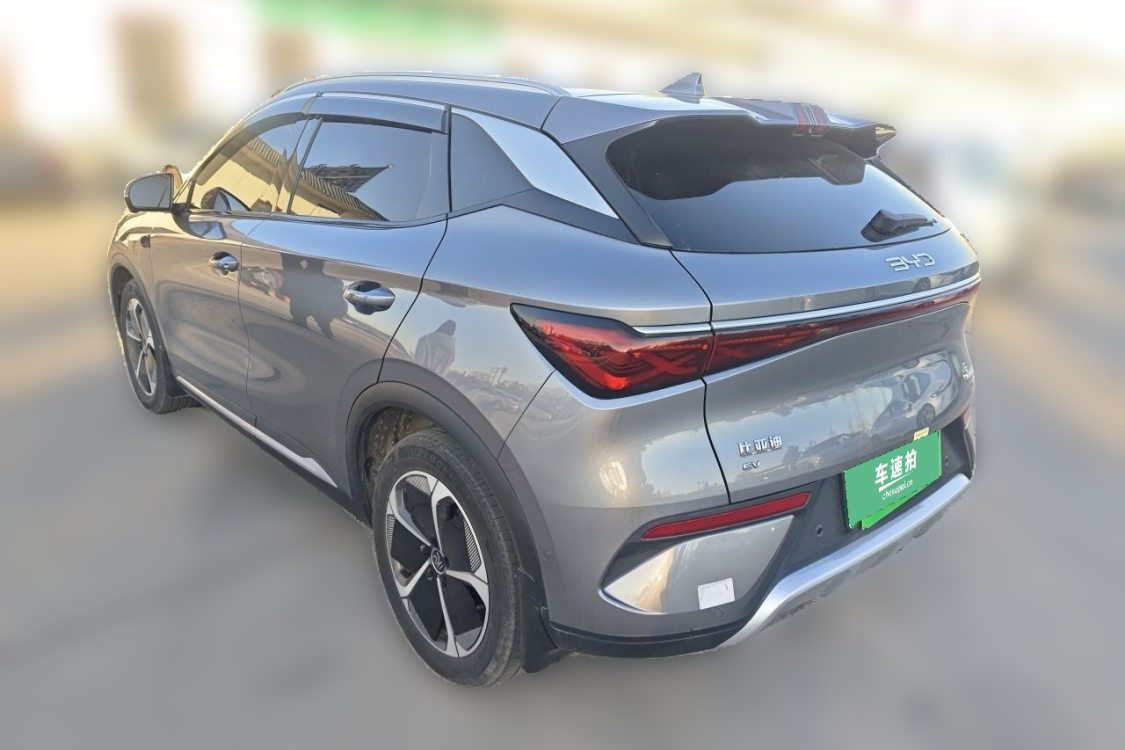
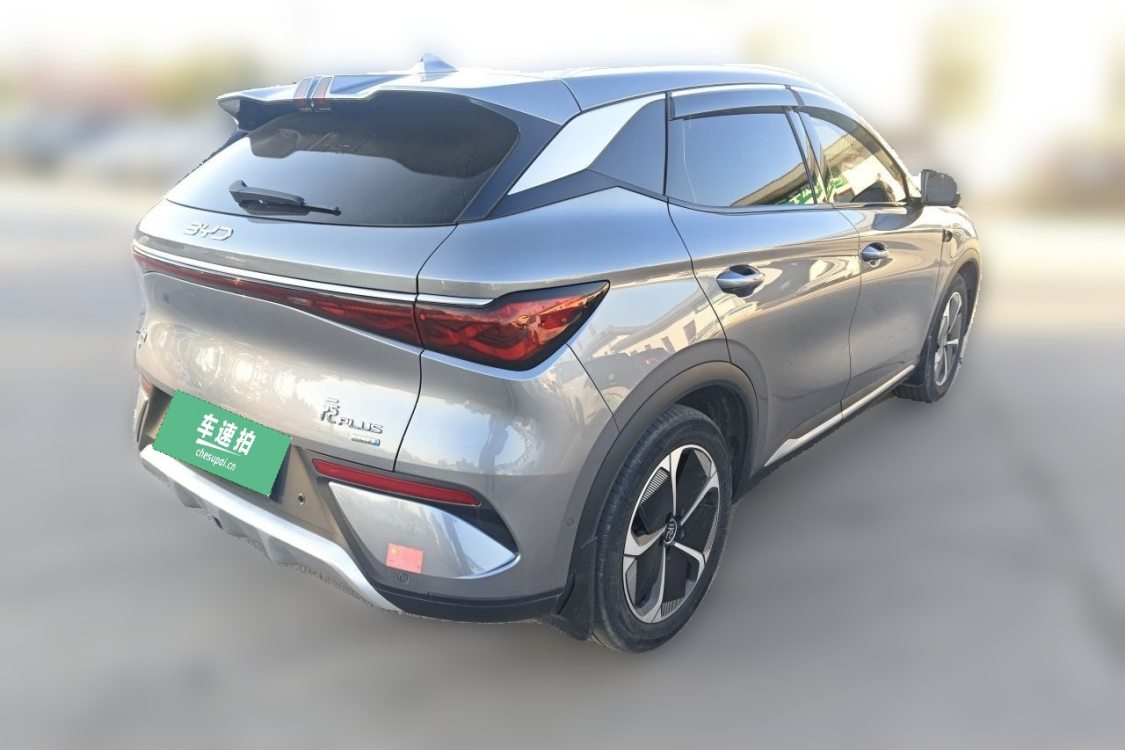
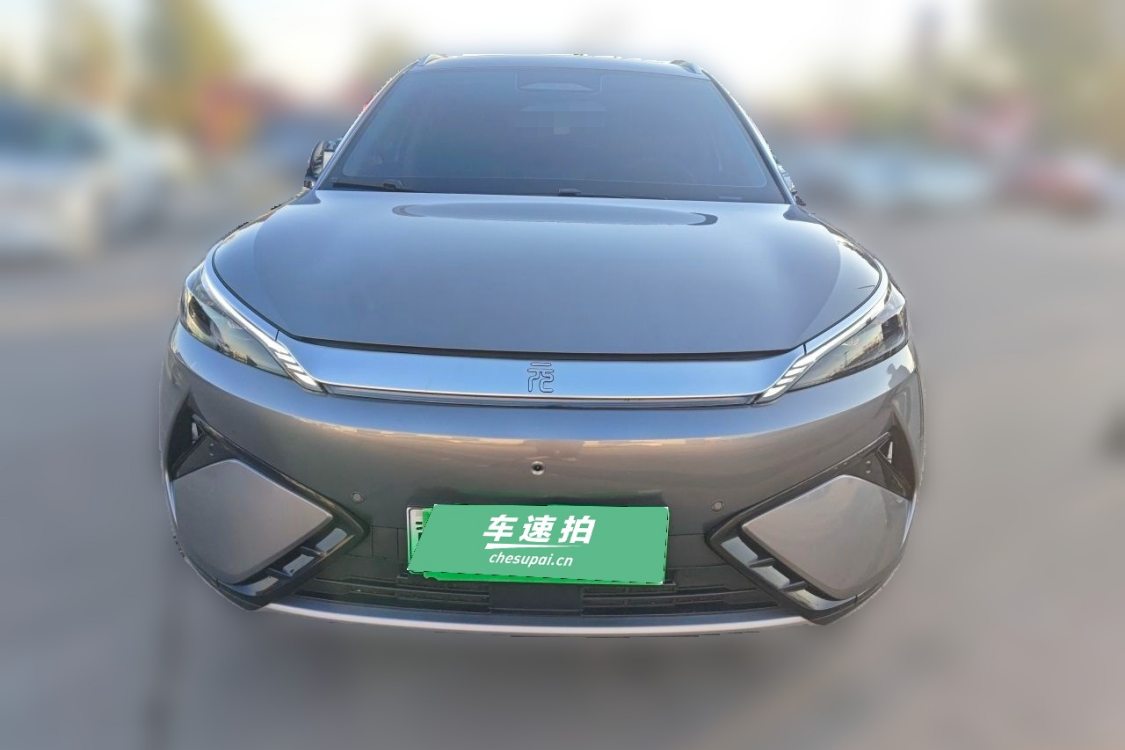
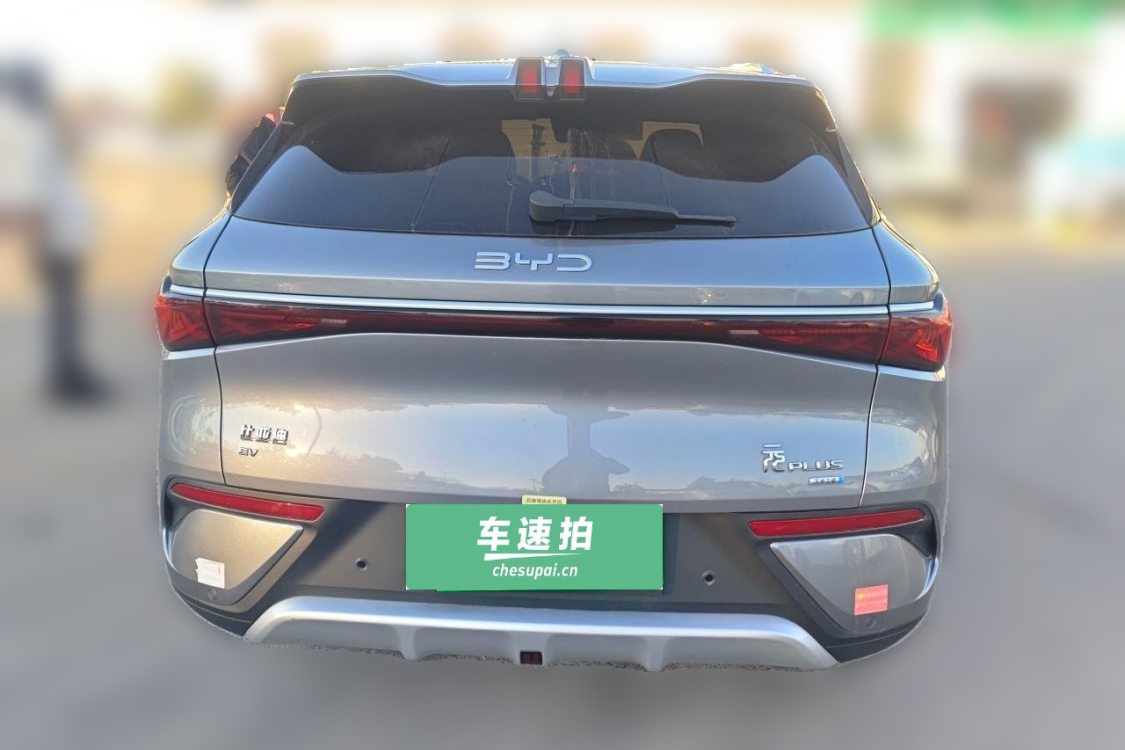
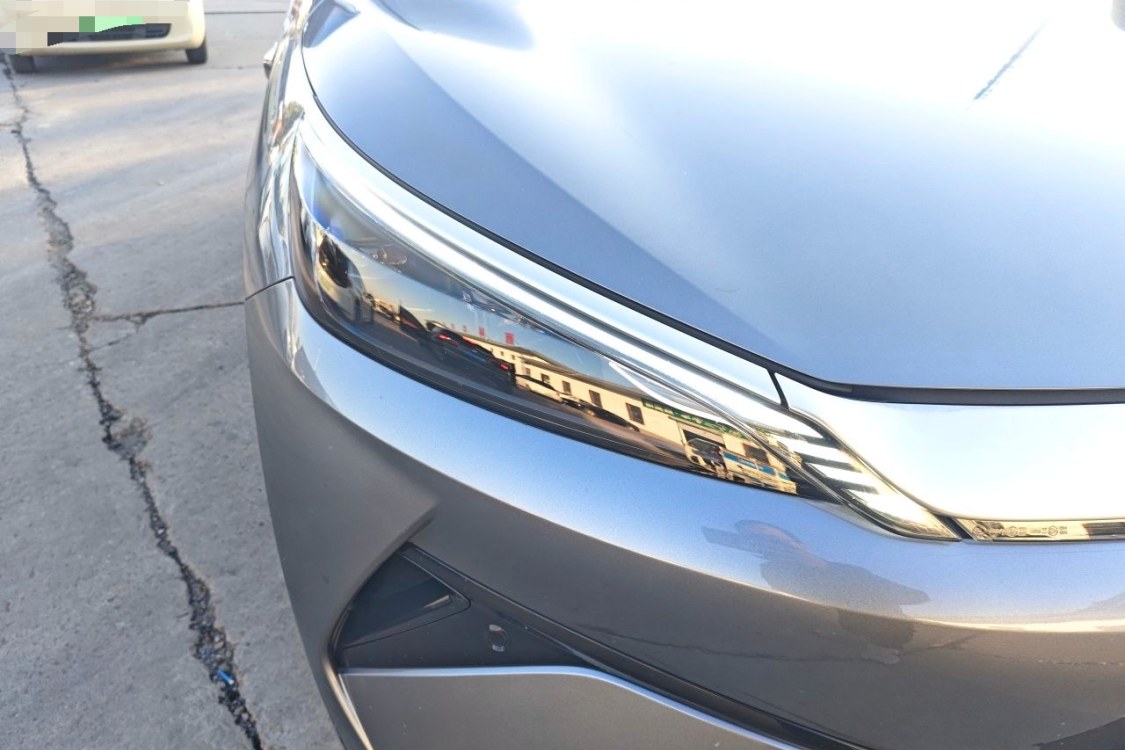
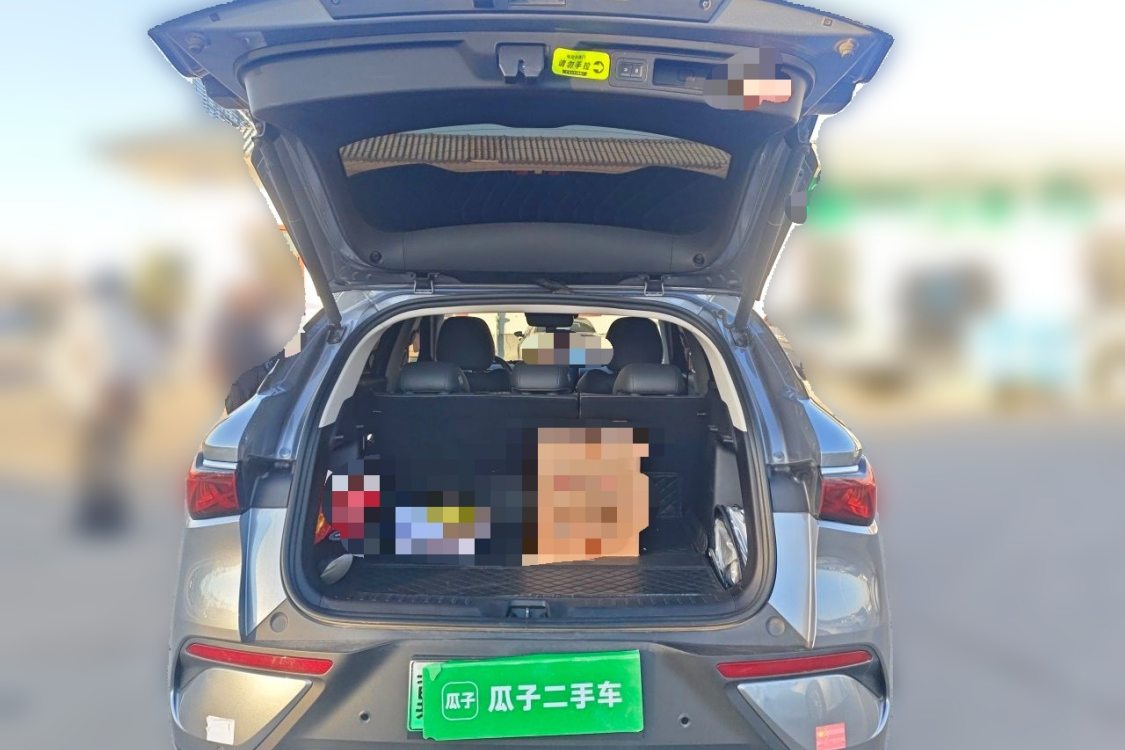
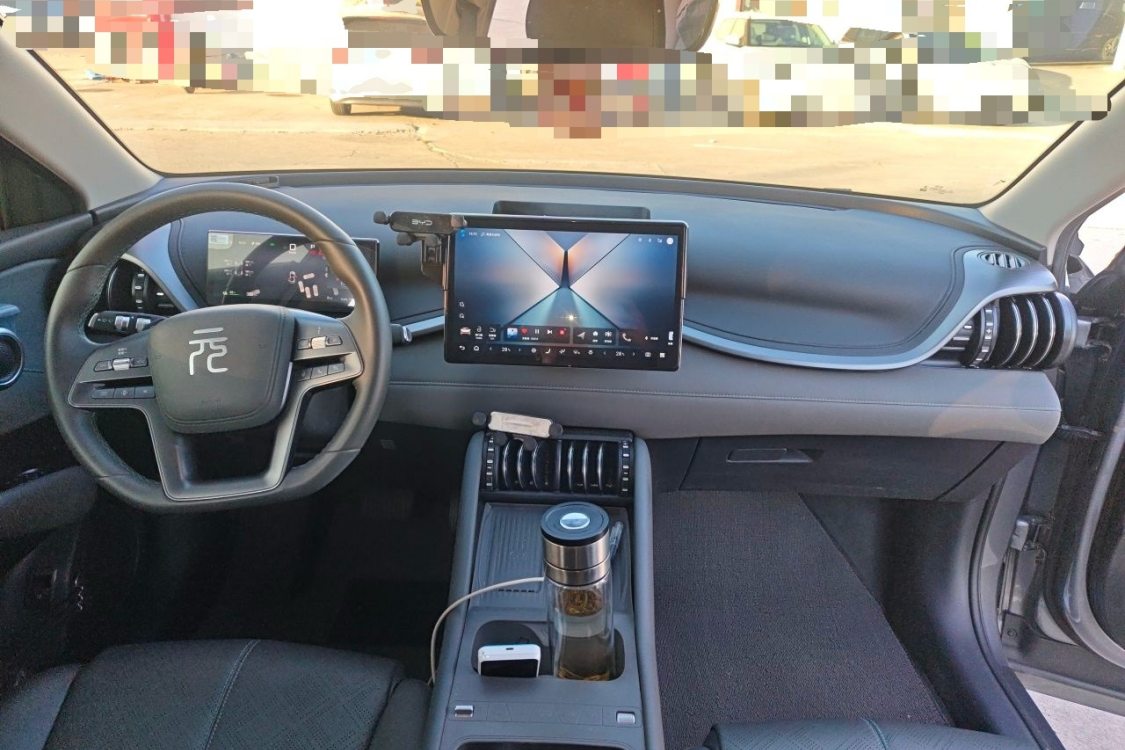
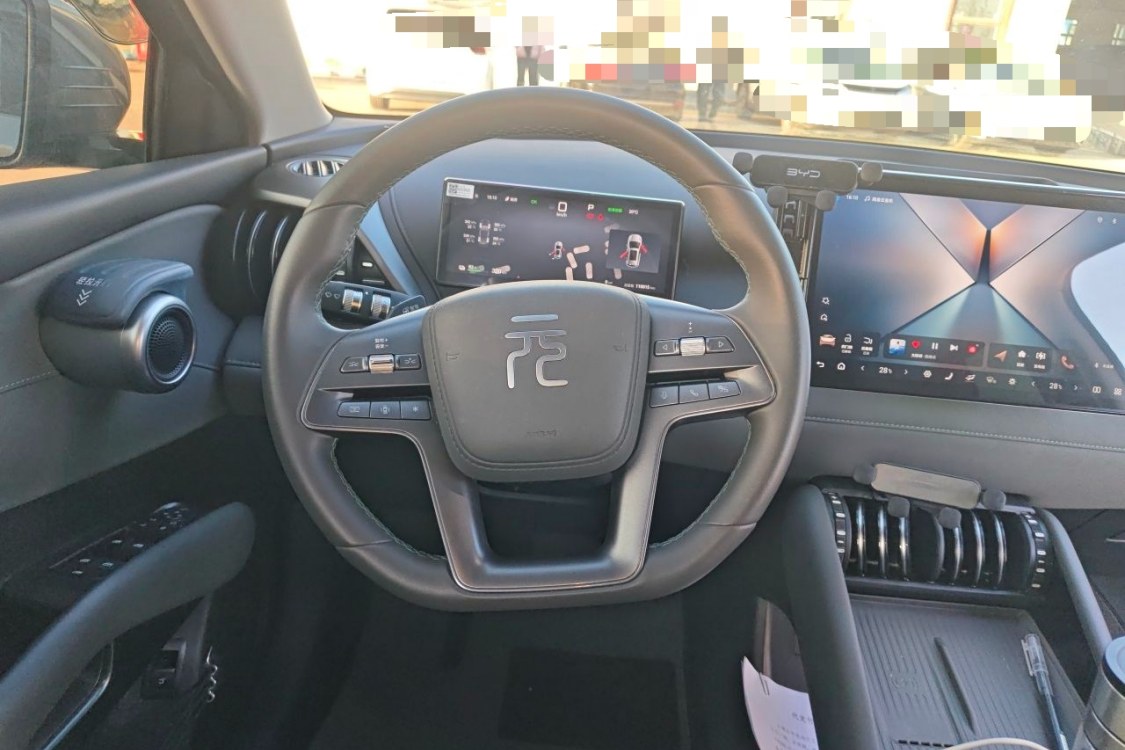
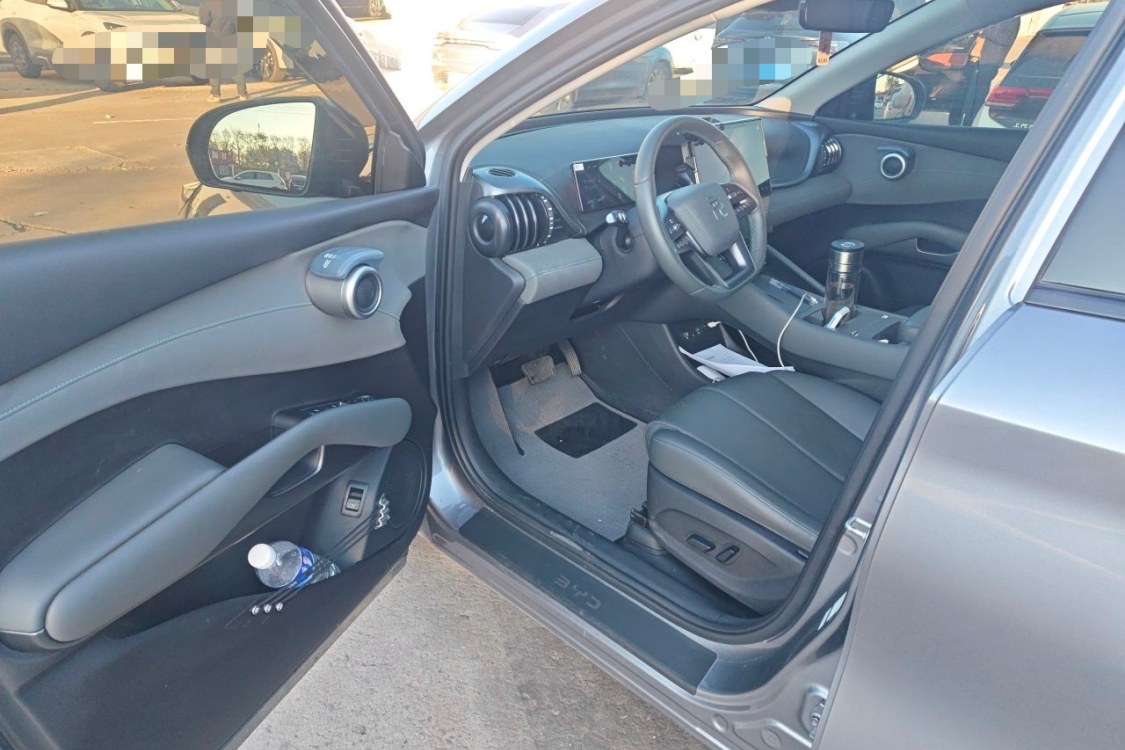
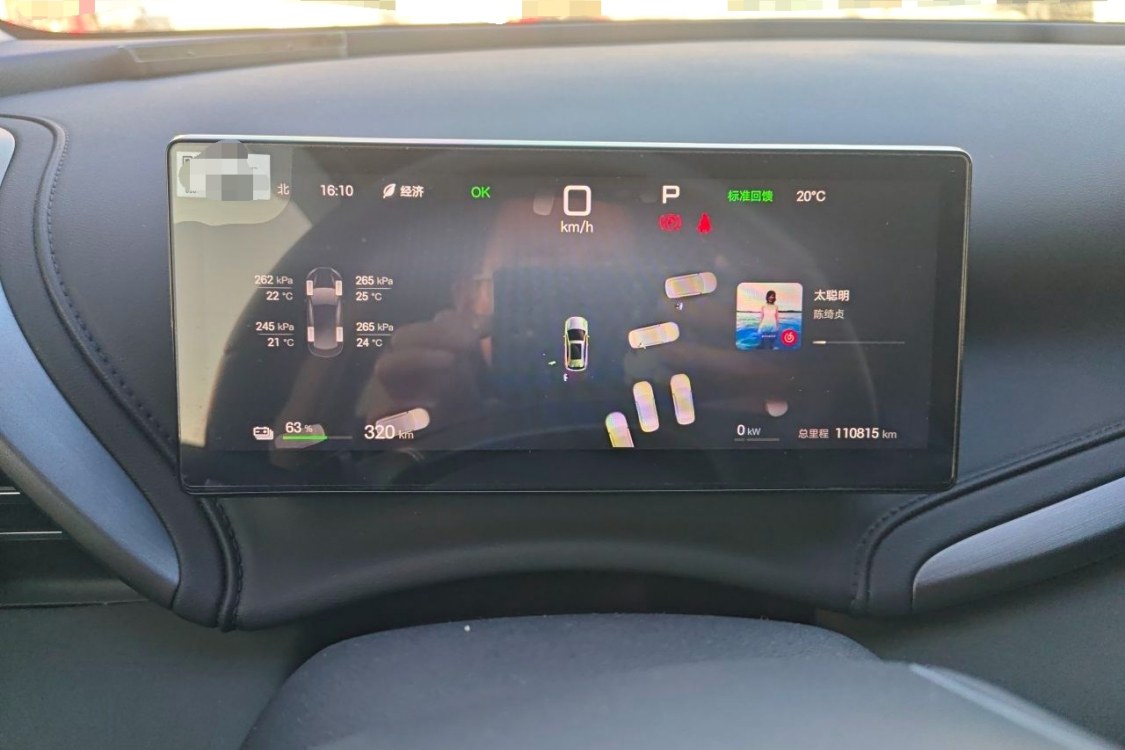



Basic Information

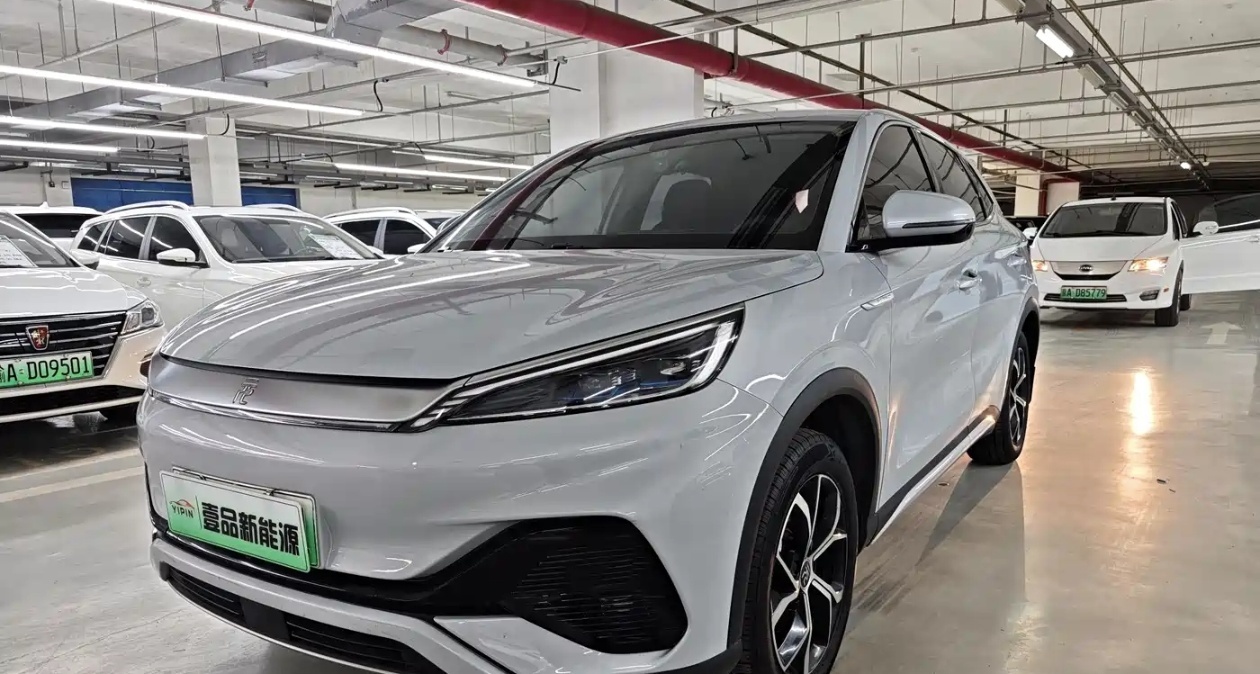
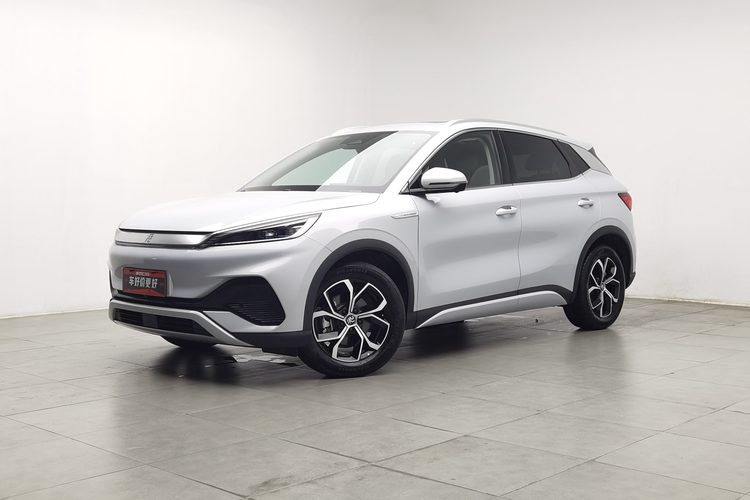
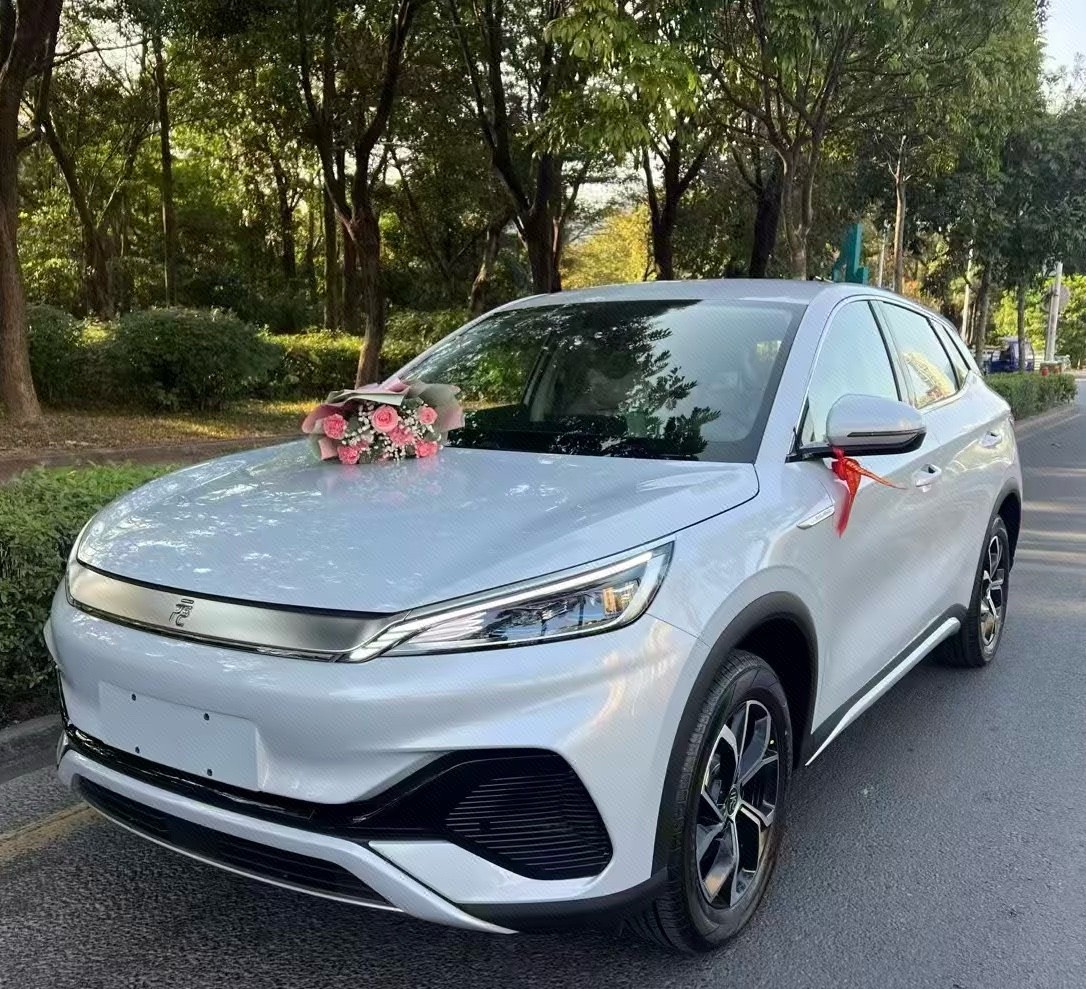
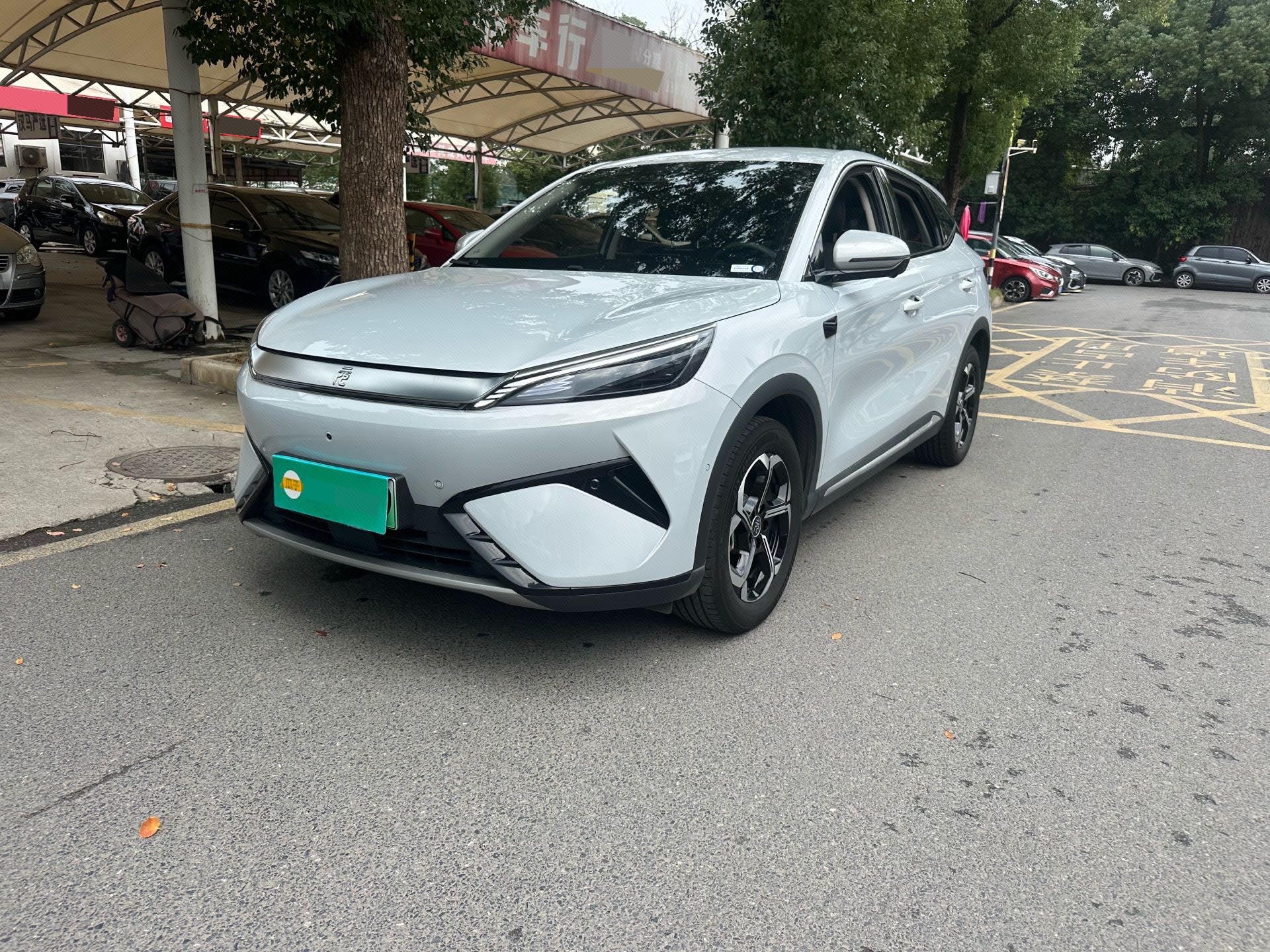
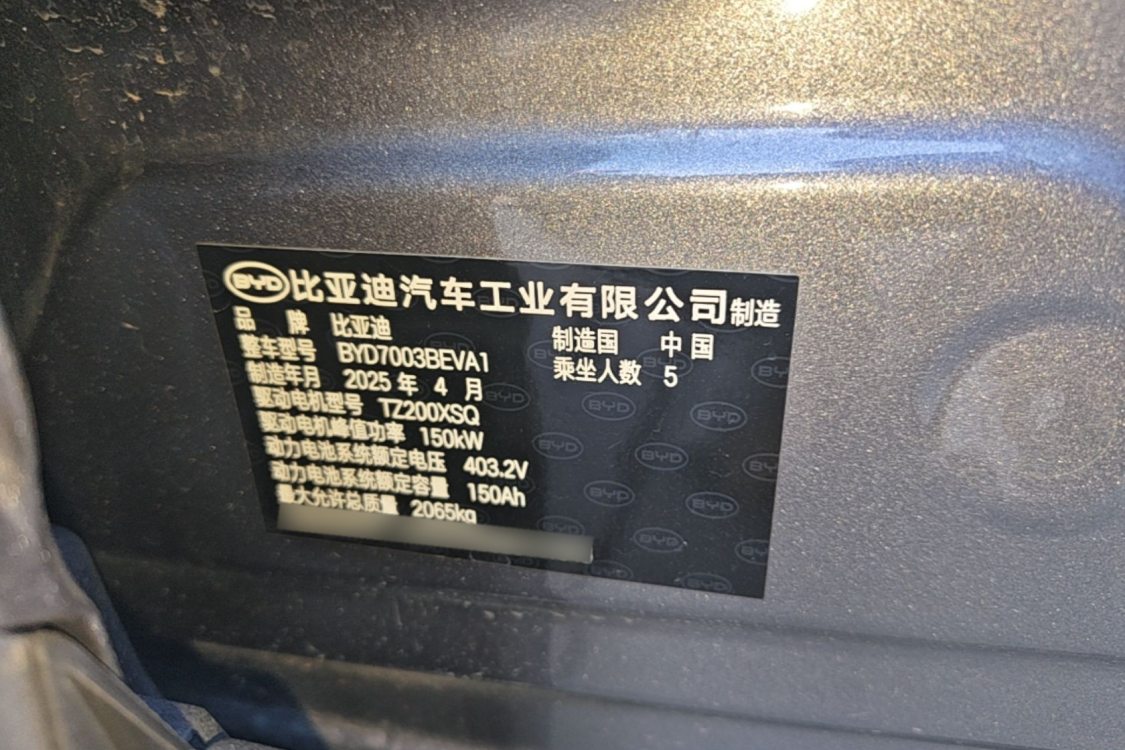
BrandBYD
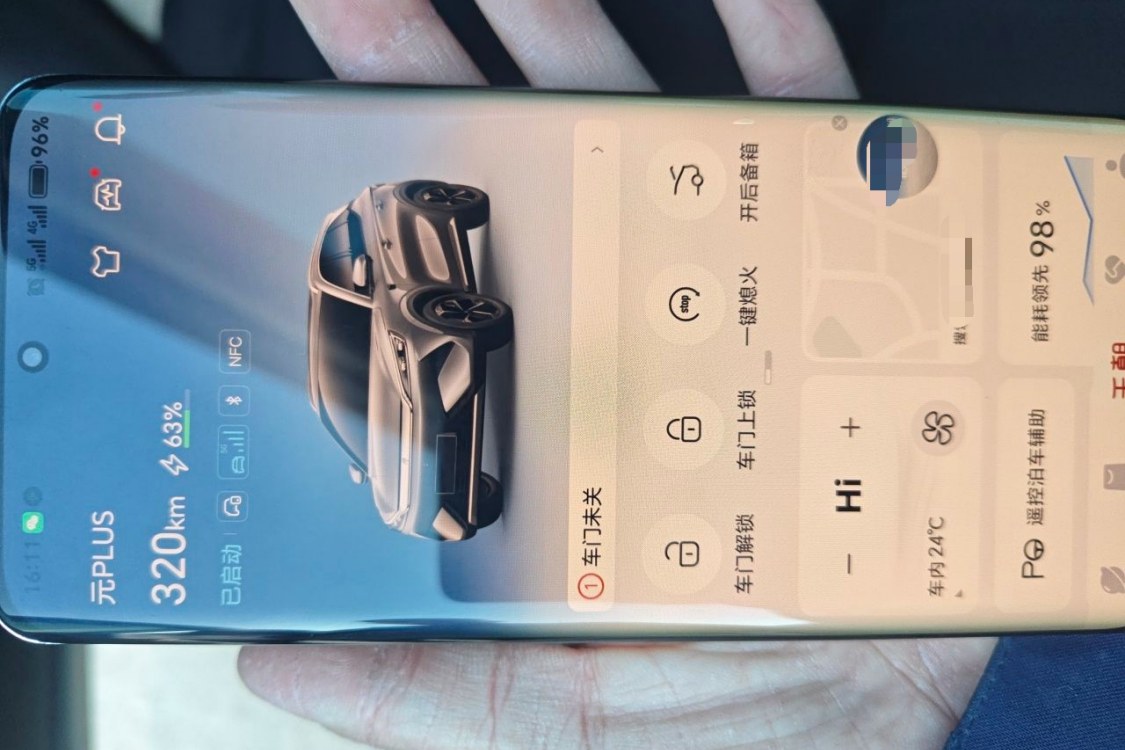
SeriesYuan Plus
Year2025
First Registration2025/09
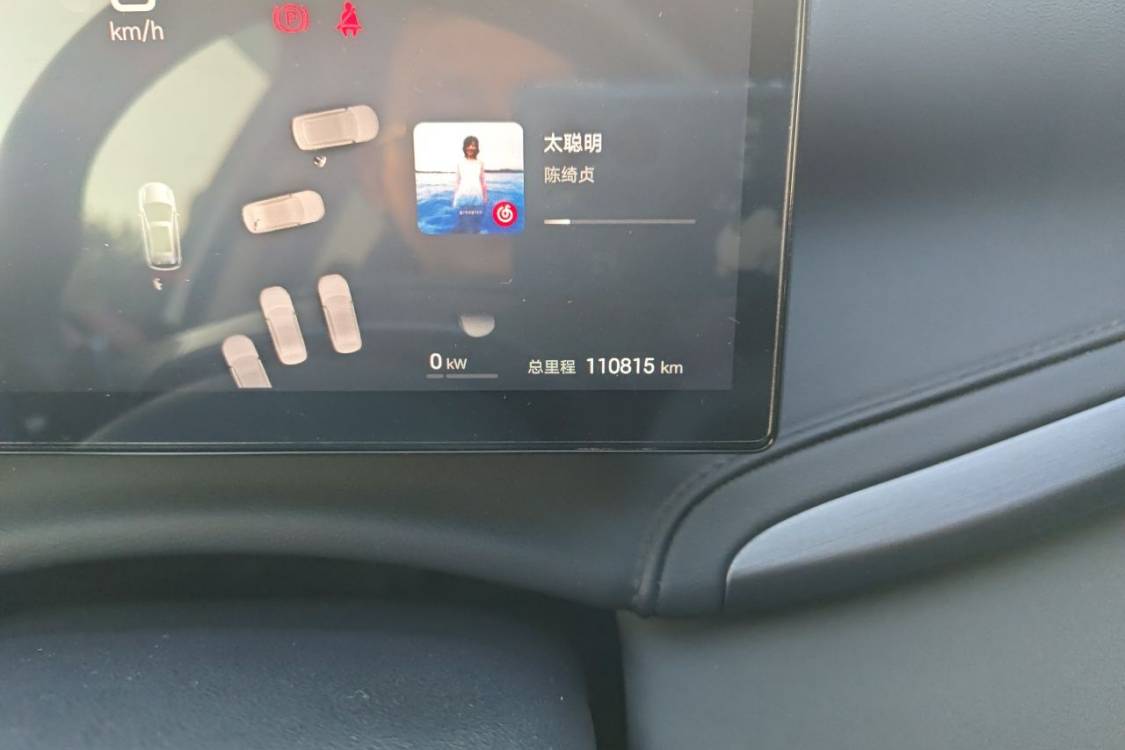
Mileage110,800km
Transfer Count-
FuelElectric
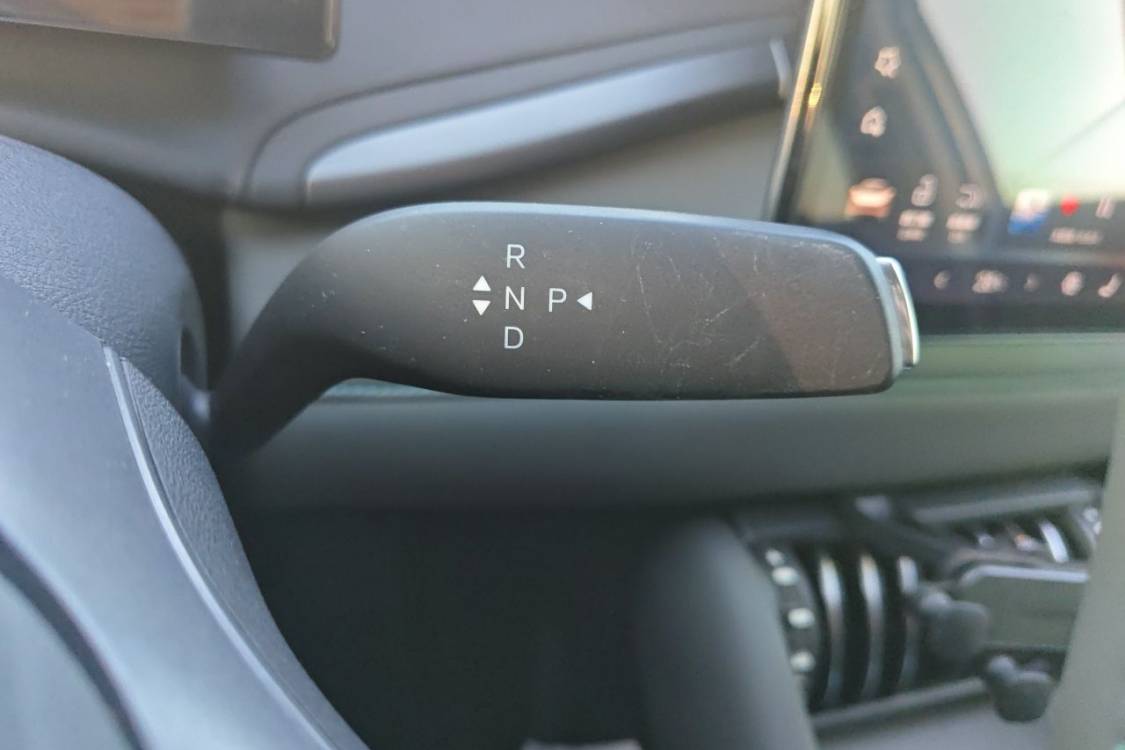
TransmissionOther
Engine-
ColorGrey
Seats5seats

Condition Description

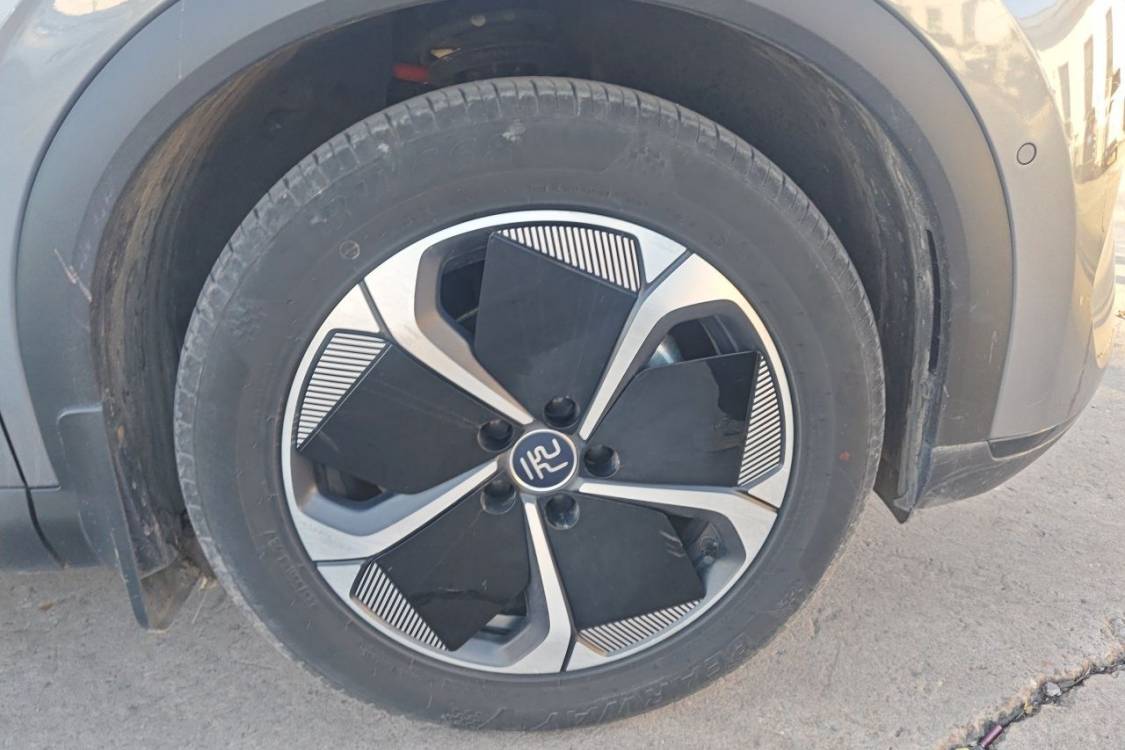
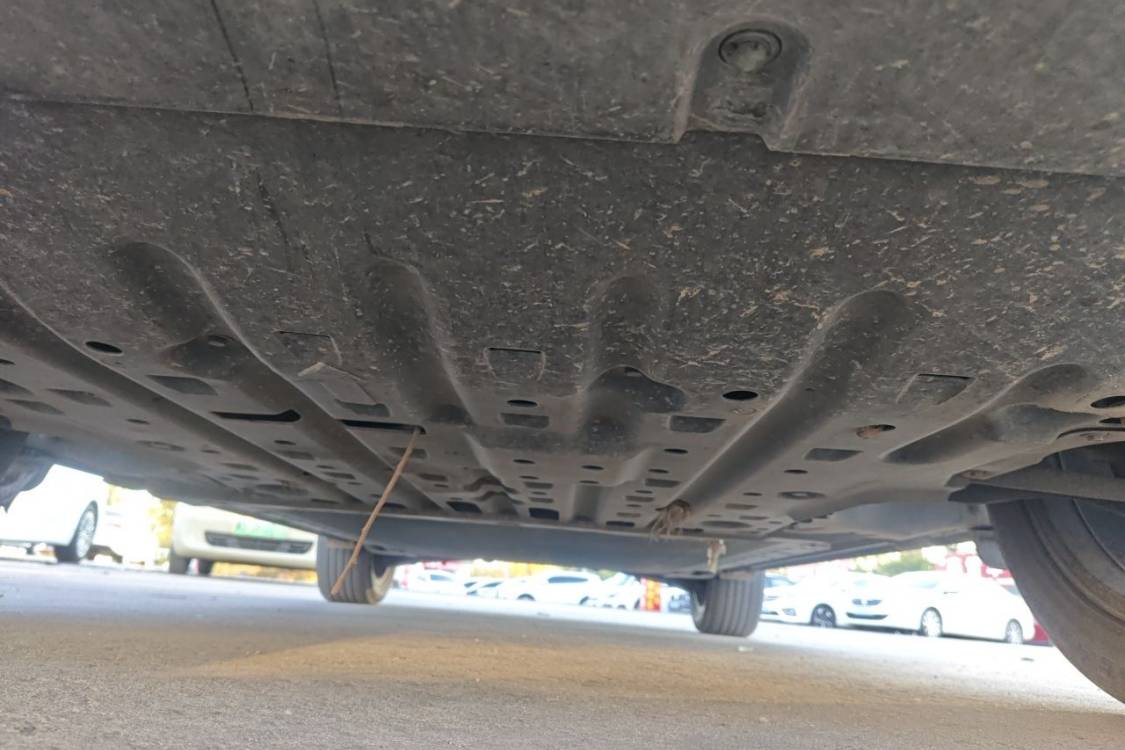
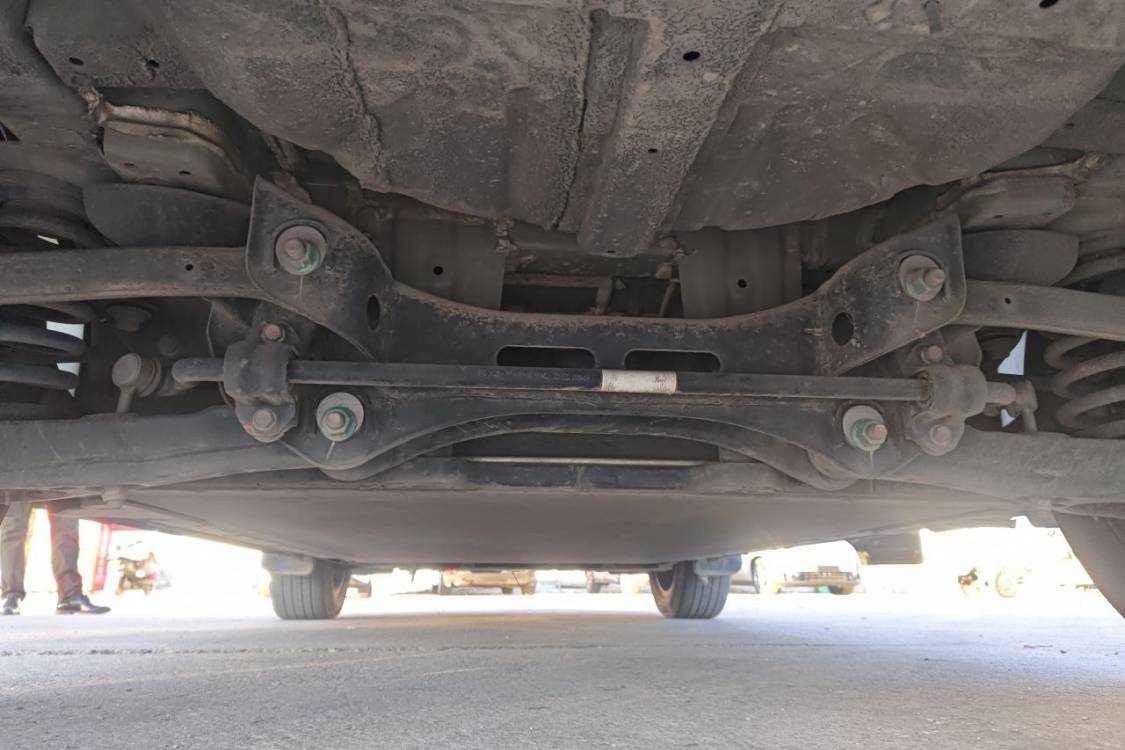
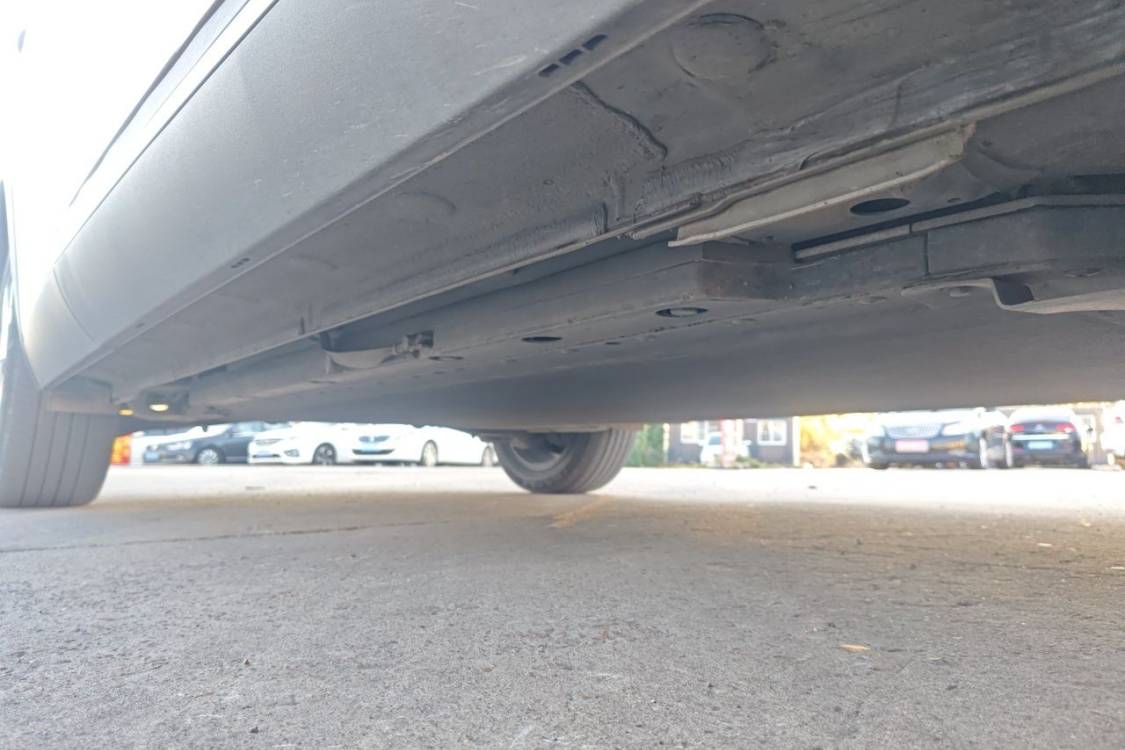
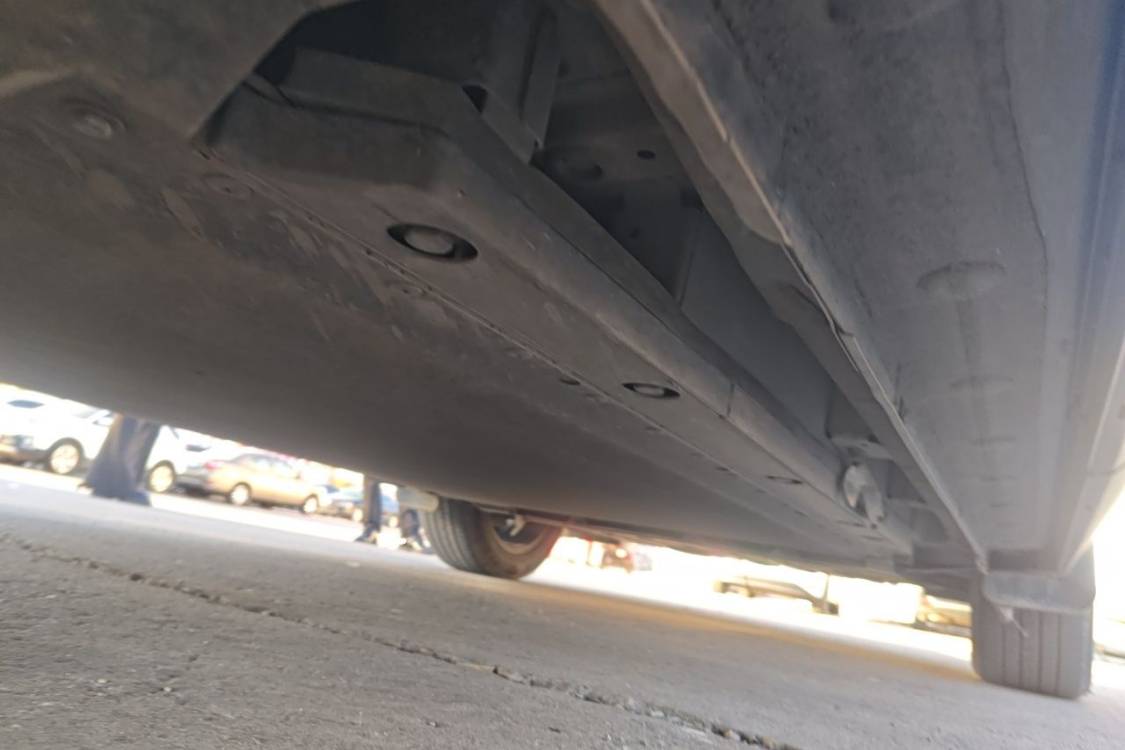
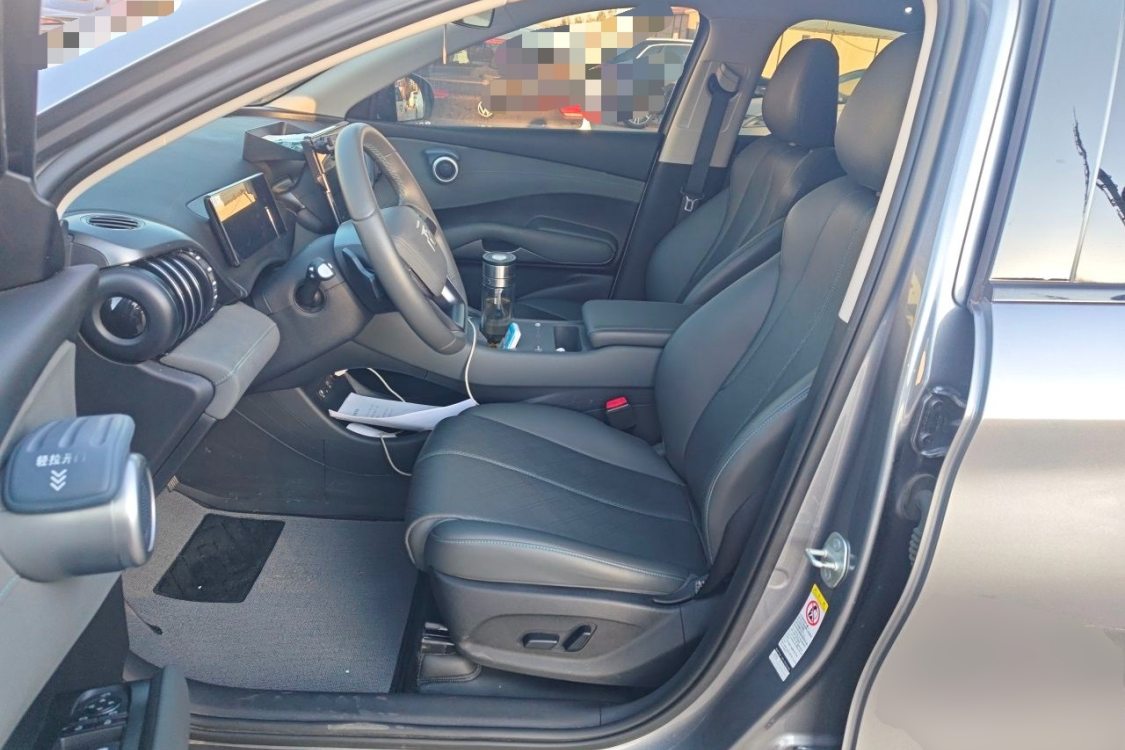
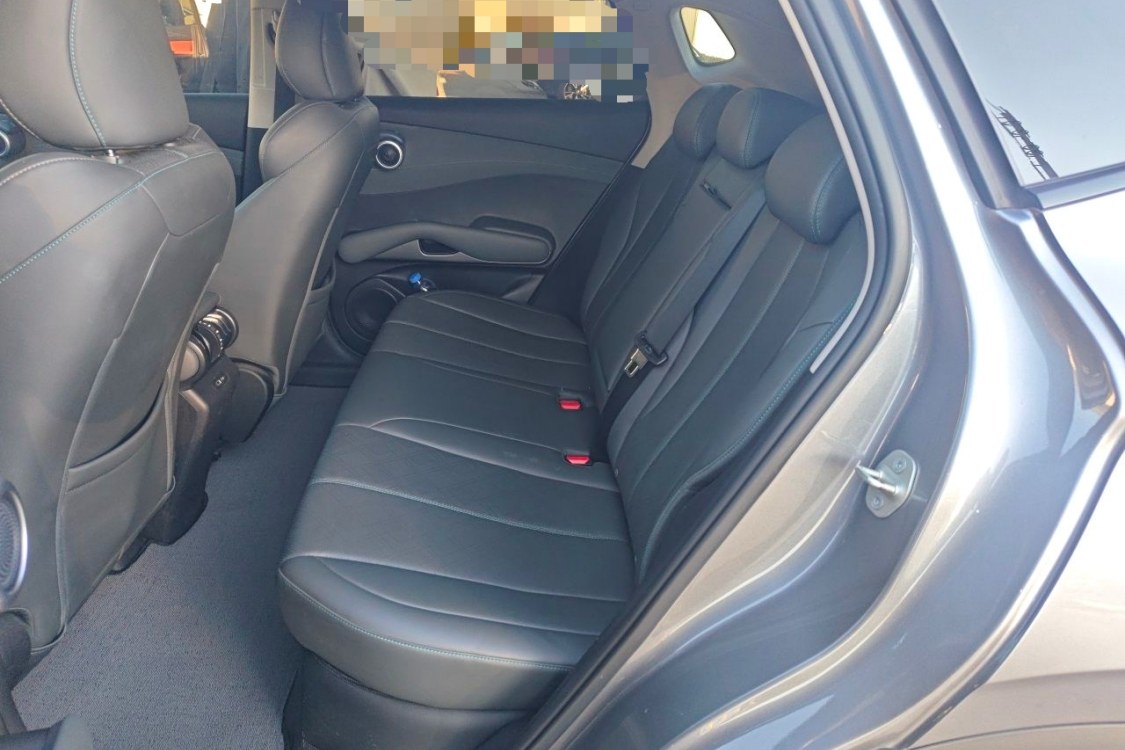
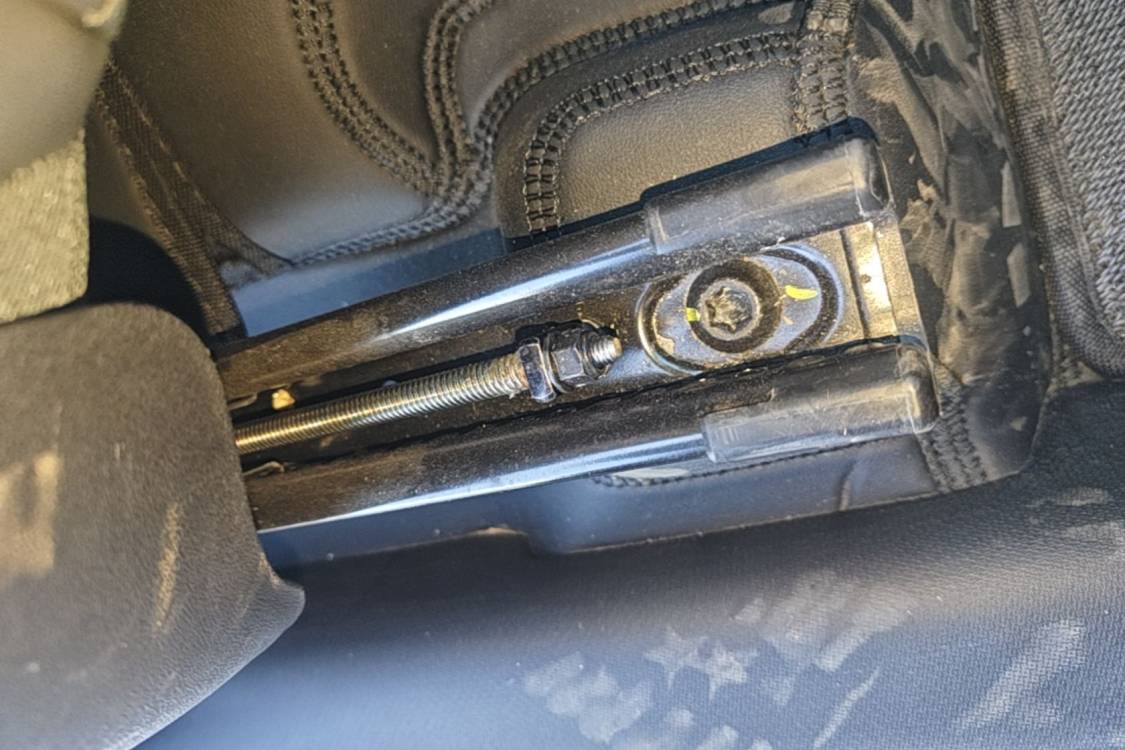
Localized body damage or repair marks present; no accident-related damage or repairs to structural or reinforcing components. Vehicle performance (including three-electric systems) has degraded or is limited.

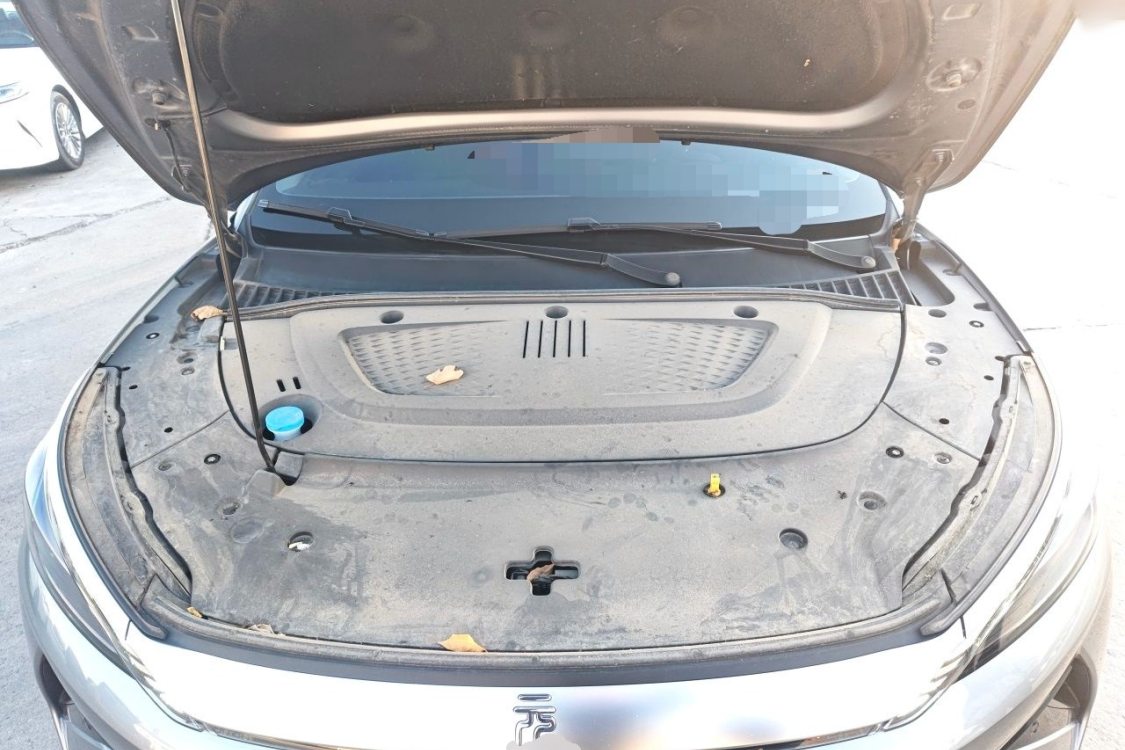
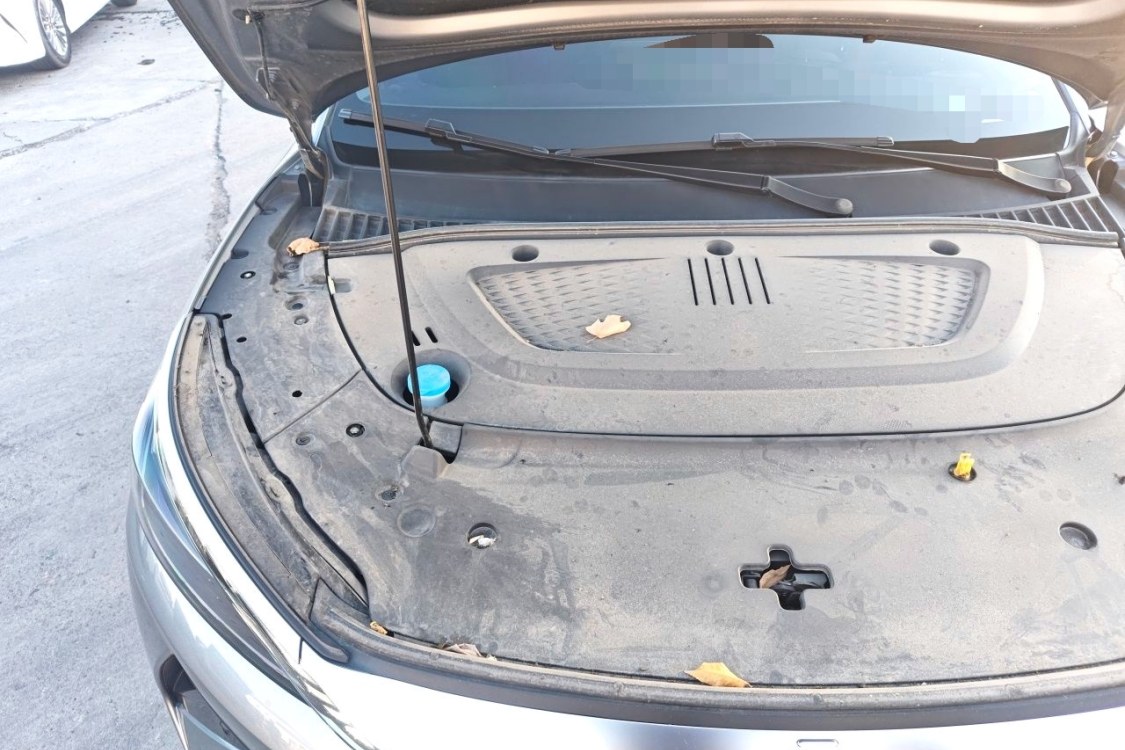
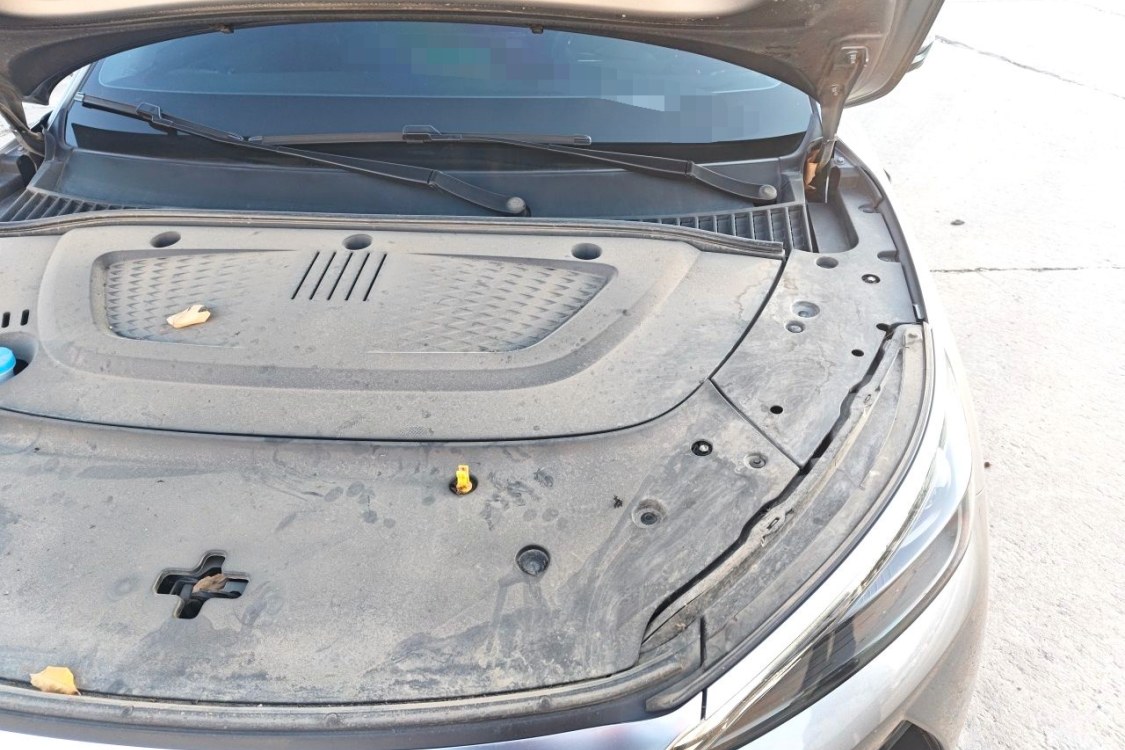
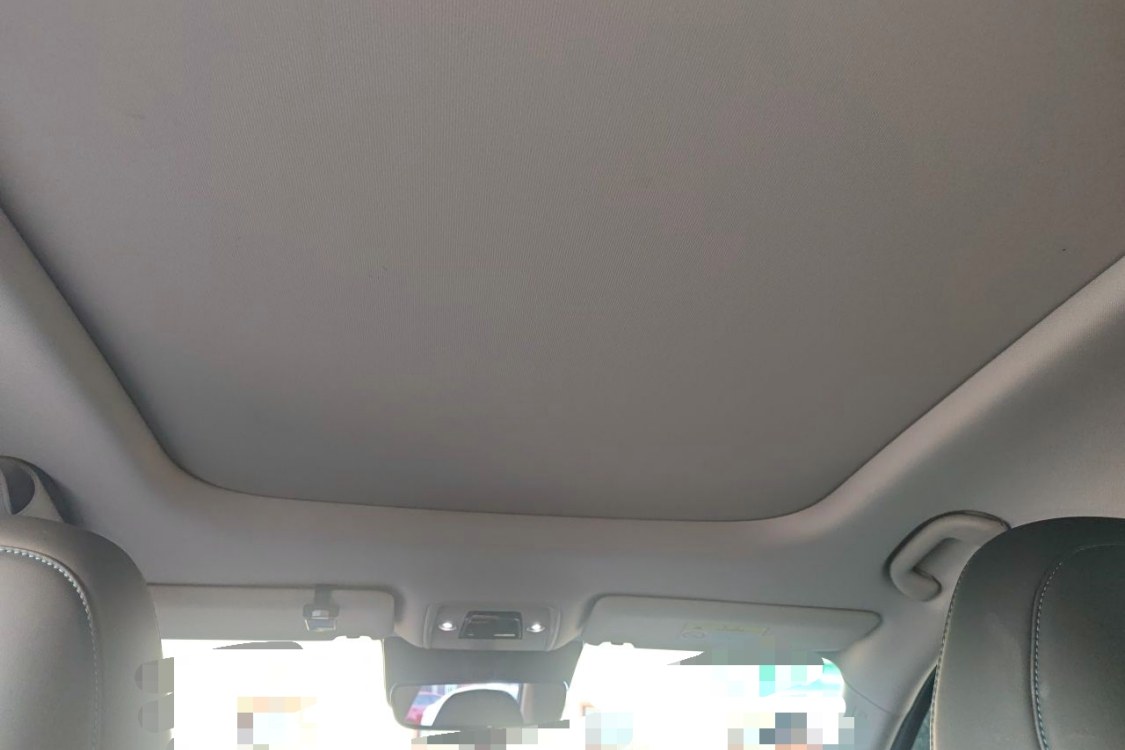
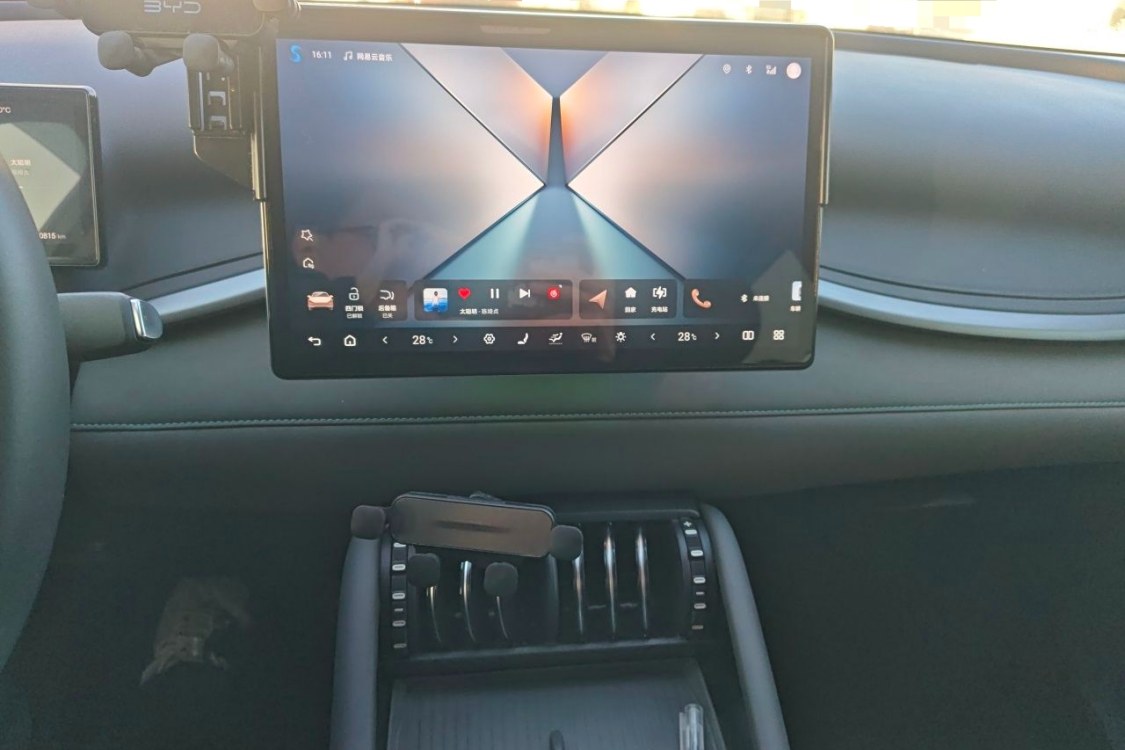
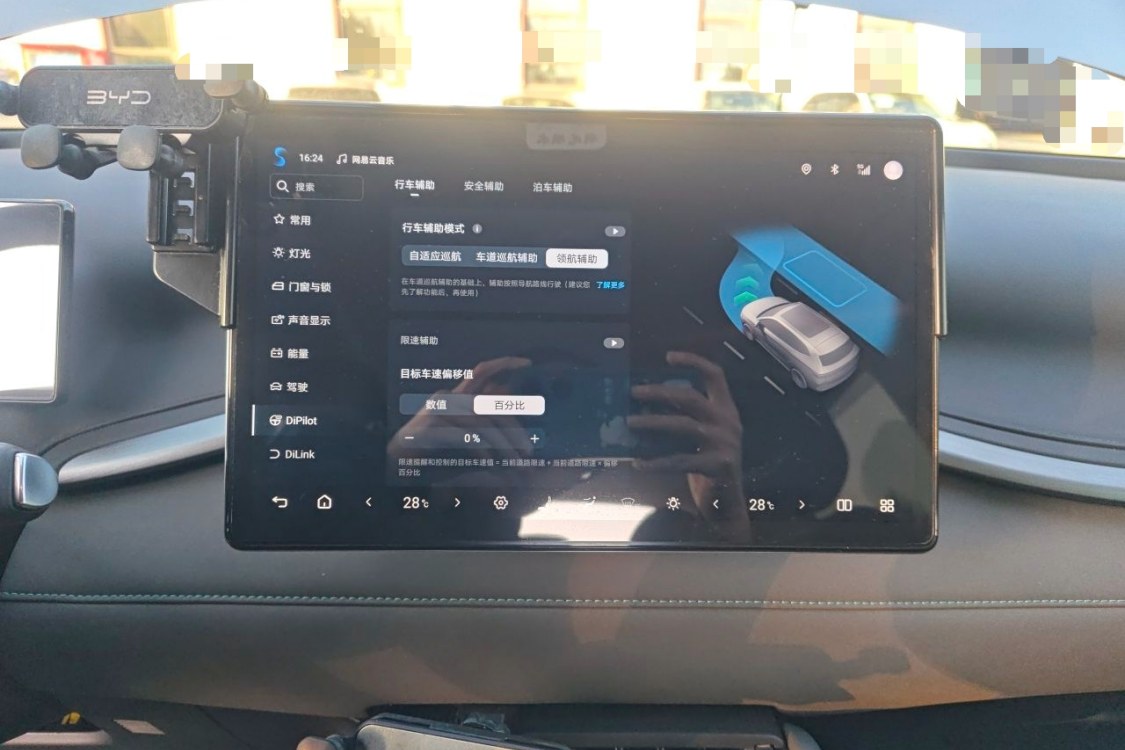
Accident inspection: no damage to main structure, reinforcing parts, or panels; hinges normal. Three-electric inspection: power battery box bottom plate scratched. Engine bay inspection: key mechanical components normal. Exterior: none. Interior: most features normal; airbags, seatbelts, dashboard, and instrument readings normal; lighting system normal. Startup inspection: major components normal. Onboard tools: none.

独家上新
电话直连
可讲价
平台物流
可转售
3个工作日内过户
新能源
抵押车
零过户
新检测标准升级>
非泡水

Document Information

Inspection Expiry Date2027/09
Warranty Expiry Date-
Insurance Expiry Date2027/09

Q&A

More

How many previous owners has this car had? Does a high number of transfers indicate poor condition?

We will provide the transfer record from the vehicle registration certificate. A high number of transfers does not necessarily indicate poor condition (for example, internal transfers within a family for quota purposes), but we will consider it a risk factor and conduct a more thorough physical inspection to verify its actual condition.


How long does it usually take from when I pay the full amount to when the vehicle is loaded at the port in China?

Under normal circumstances, it takes 15 to 25 working days. This includes: domestic transfer of ownership (3-5 days), applying for an export license (3-5 days), inland trucking to the port (2-5 days), customs inspection and waiting for loading schedule (5-10 days). Do not trust false promises from other channels claiming 'loading within a week.'

How do I evaluate rust and corrosion on a used car from China, especially for coastal cities or snowy regions?

Rust is a deal-breaker that photos can hide, so be systematic. High-risk areas to check: 1. Underbody and frame rails—surface rust is normal, but flaking or bubbling paint means advanced corrosion 2. Wheel arches and rocker panels—these trap mud and salt 3. Door bottoms and the trunk floor—water collects here; lift the trunk mat and look for dampness or repair welds 4. Around the windshield and sunroof drains—leaks cause hidden rust in the A-pillars Ask the inspector to do a magnet test: filler-repaired areas won't hold a magnet, indicating past accident repairs. A paint thickness gauge reveals resprayed sections—uniform readings around 80-150 microns are normal; spikes over 300 suggest bodywork. Cars from northern China (salted roads in winter) or coastal cities need extra scrutiny on the underbody. If structural members show corrosion, walk away—repairs rarely restore original strength.