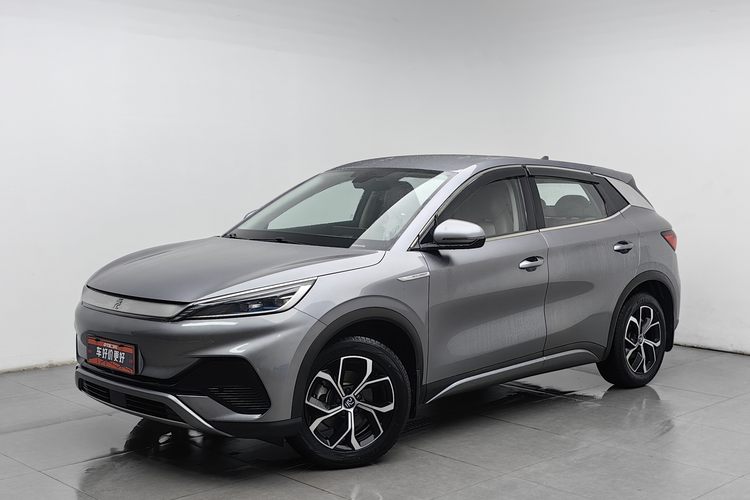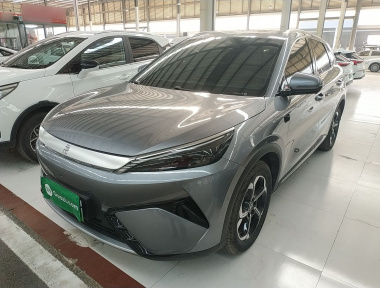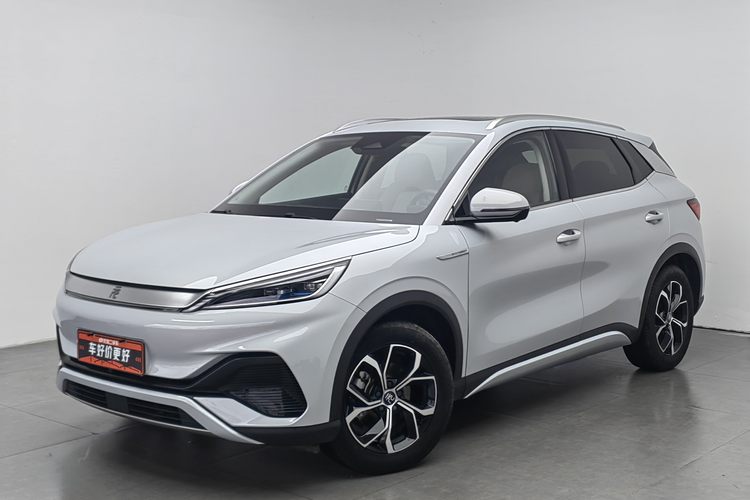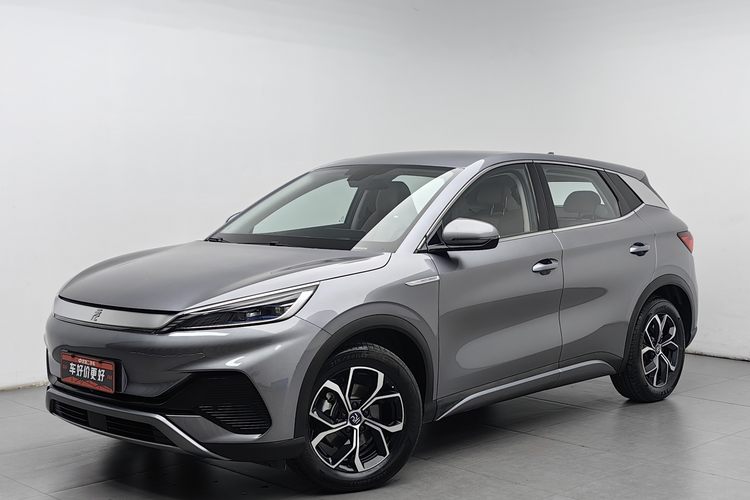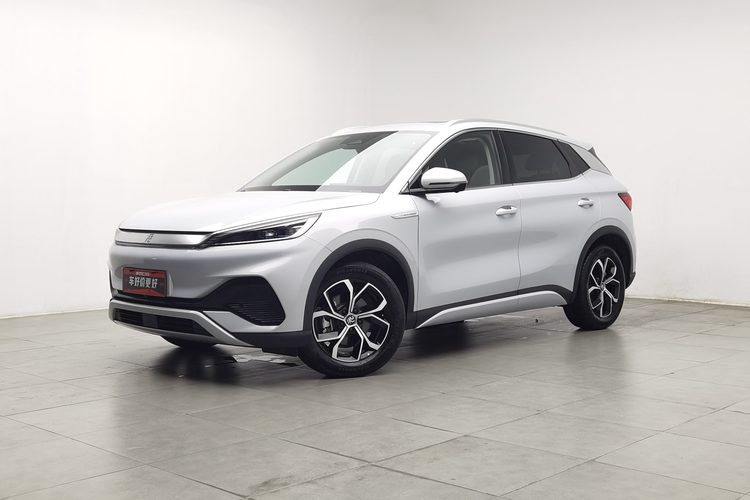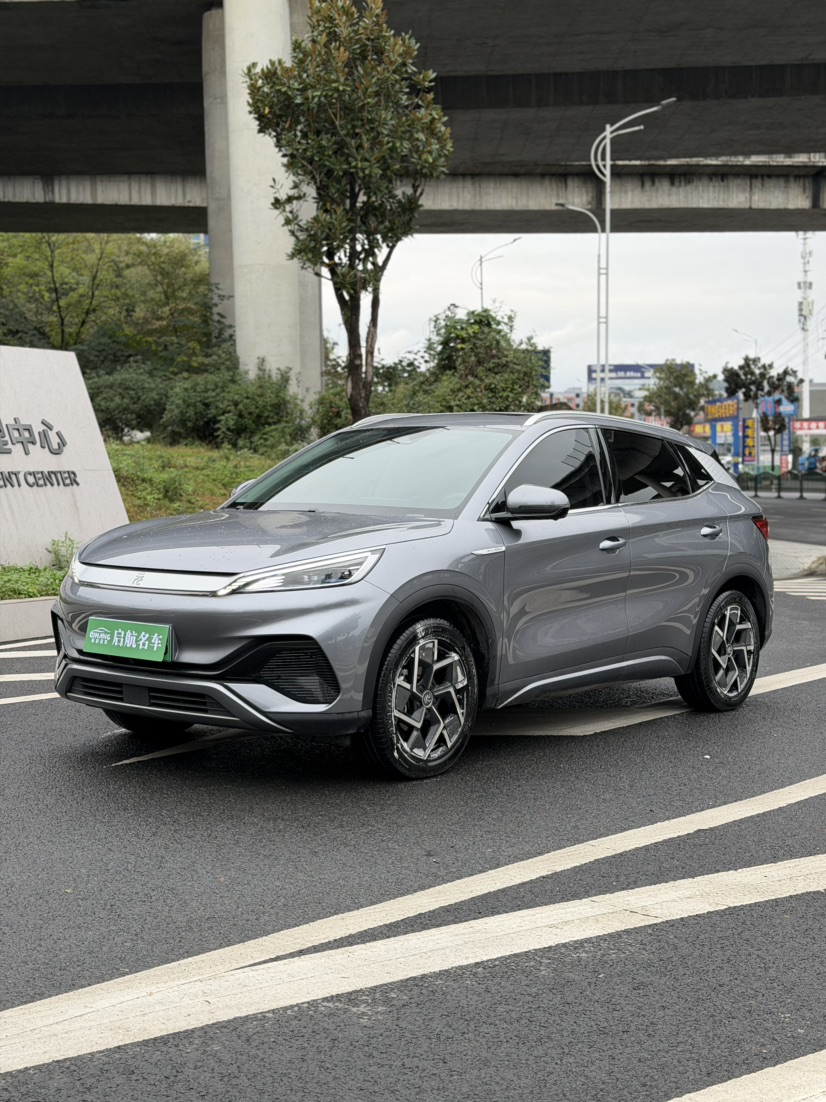
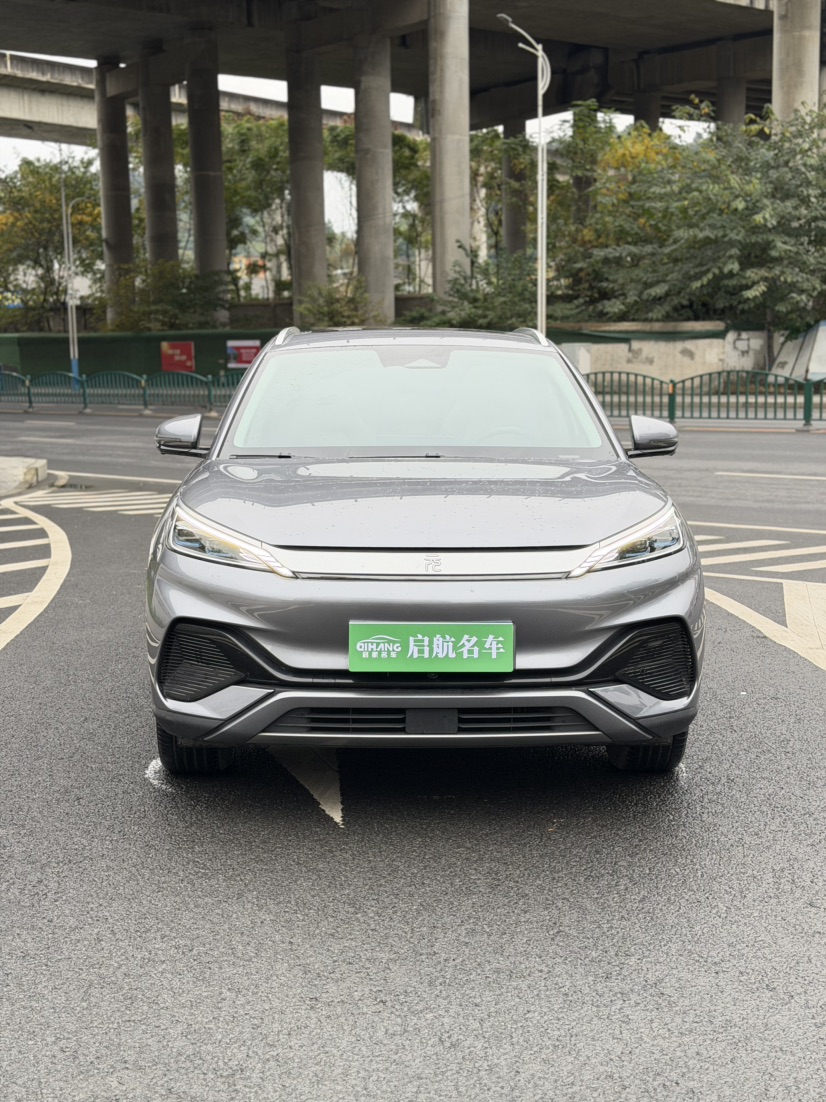
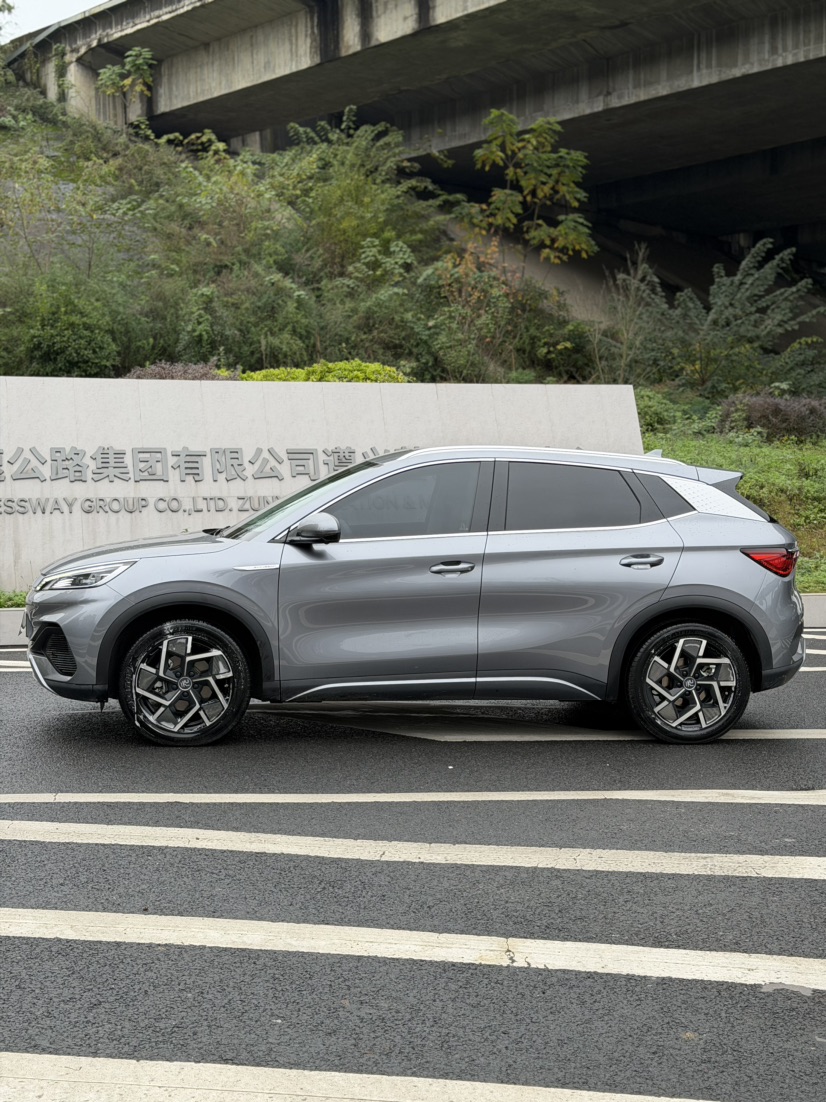
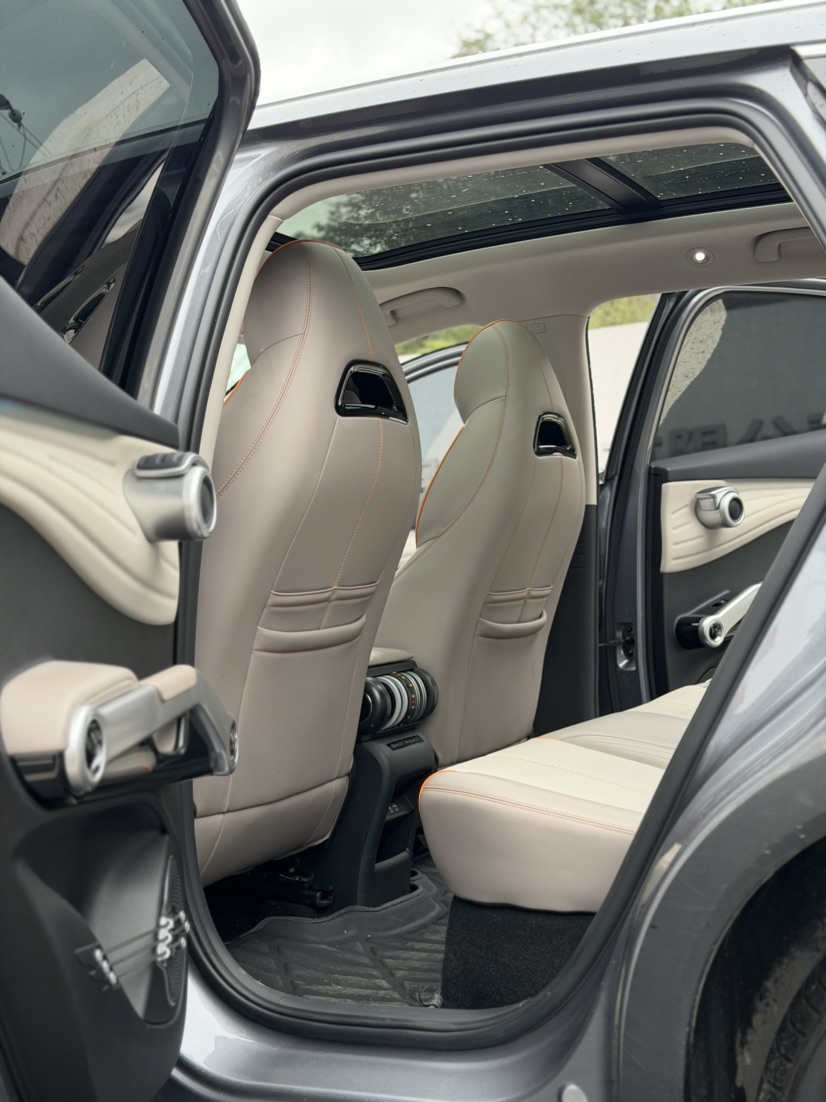
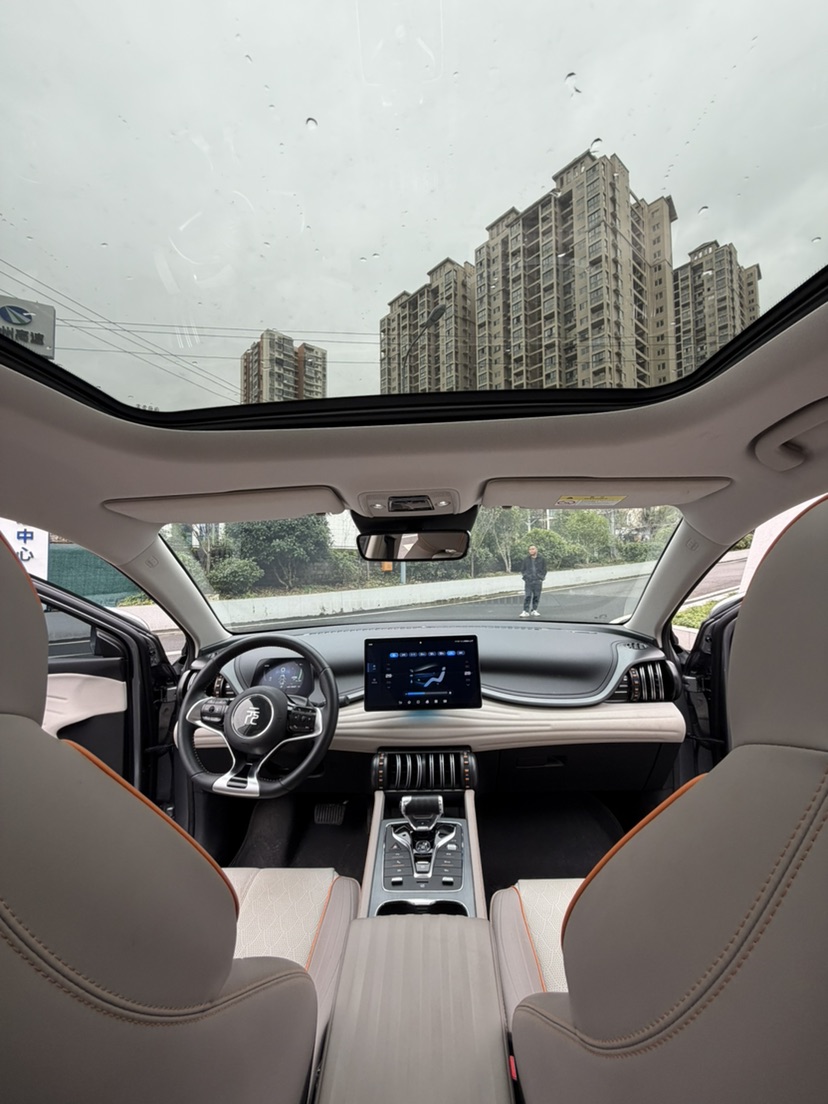
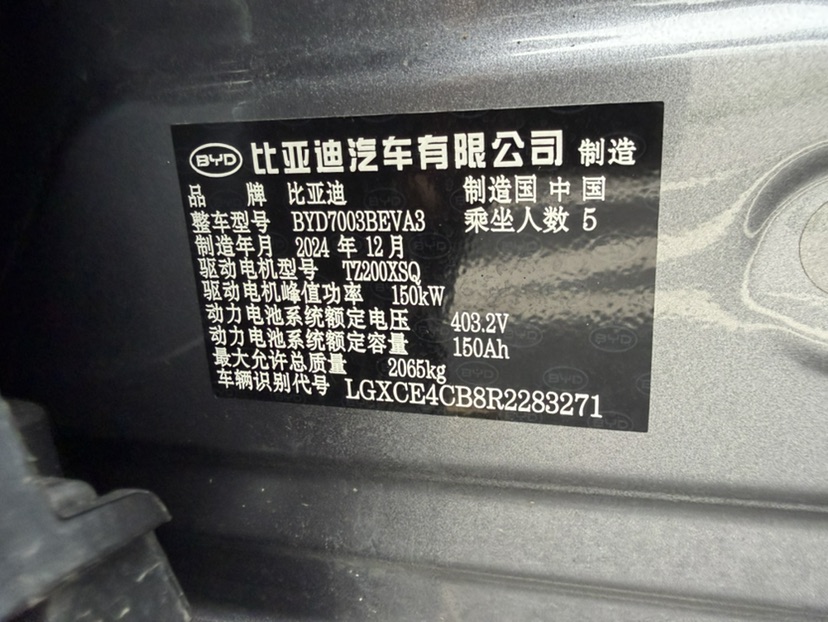



Basic Information

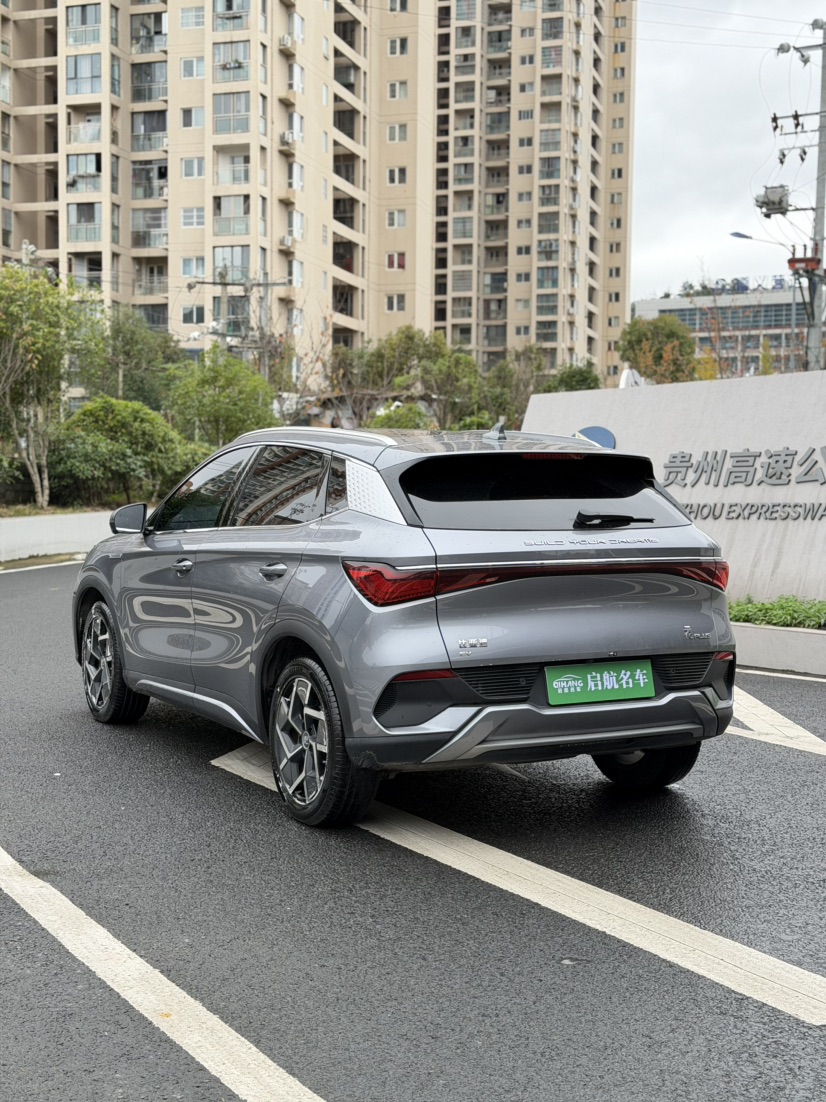
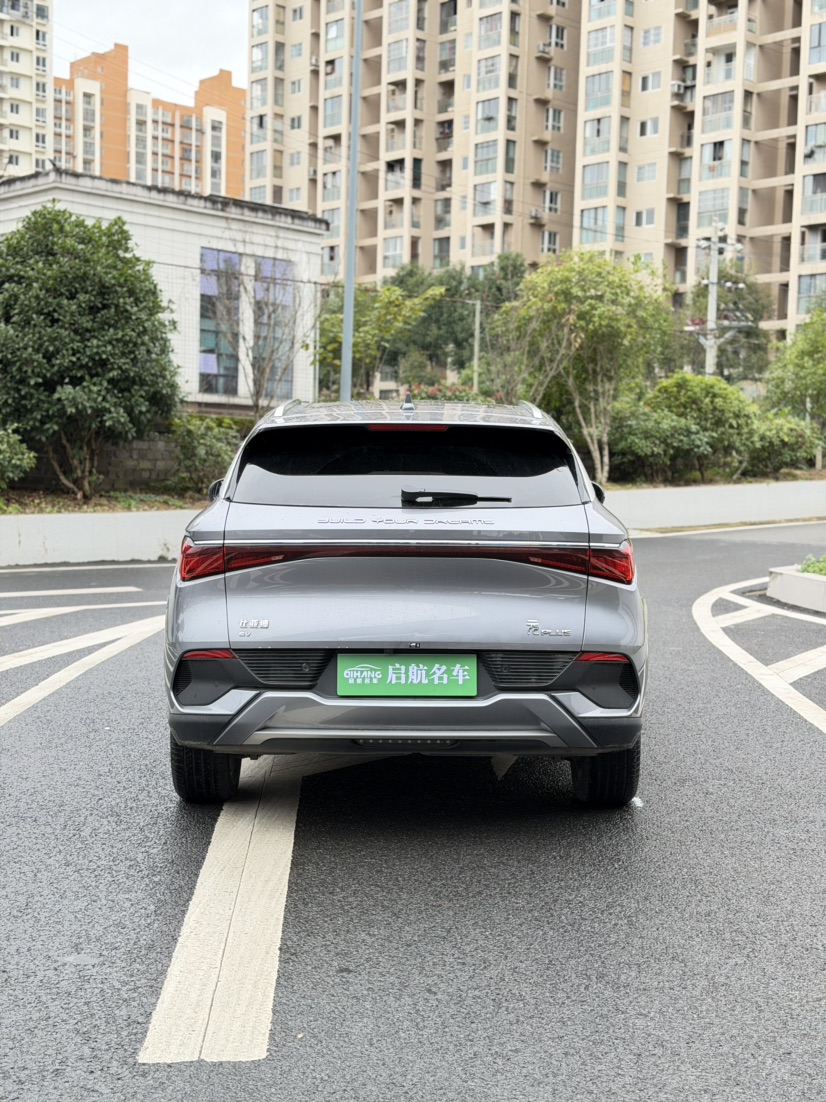
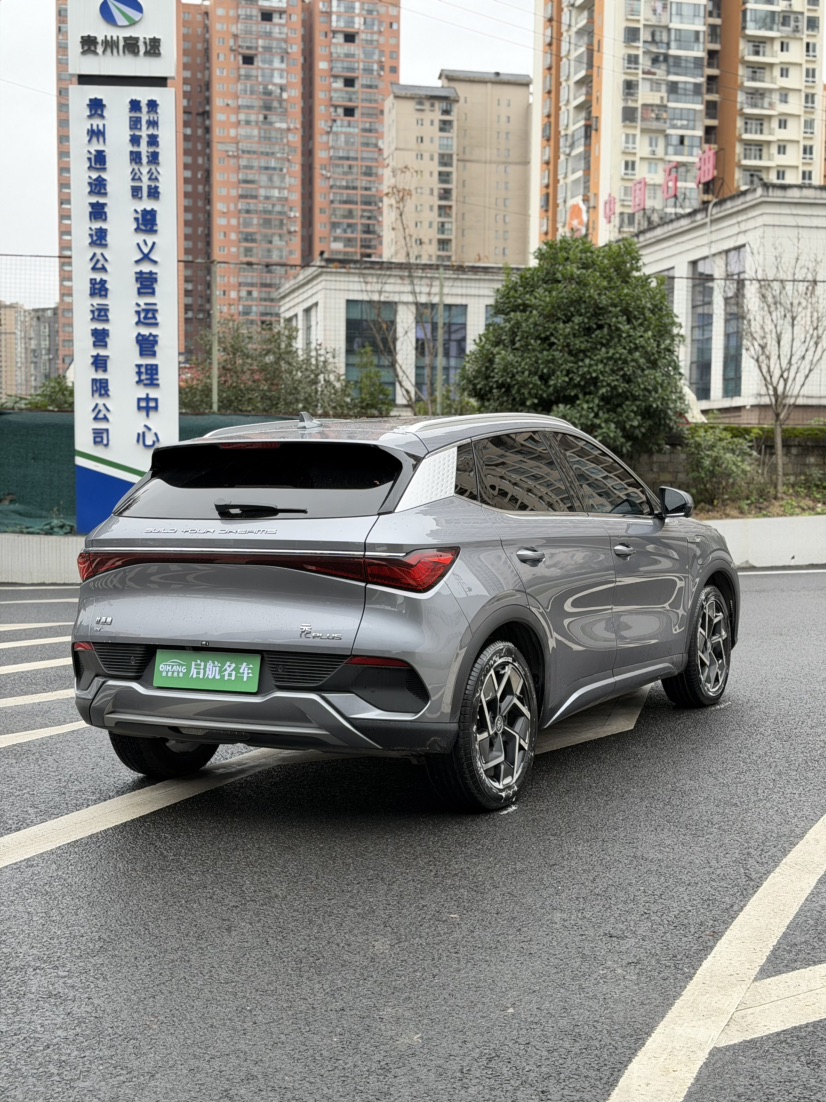
BrandBYD
SeriesYuan Plus
Year2025
First Registration2025/03
Mileage59,000km
Transfer Count1times
FuelElectric
TransmissionOther
Engine-
ColorGrey
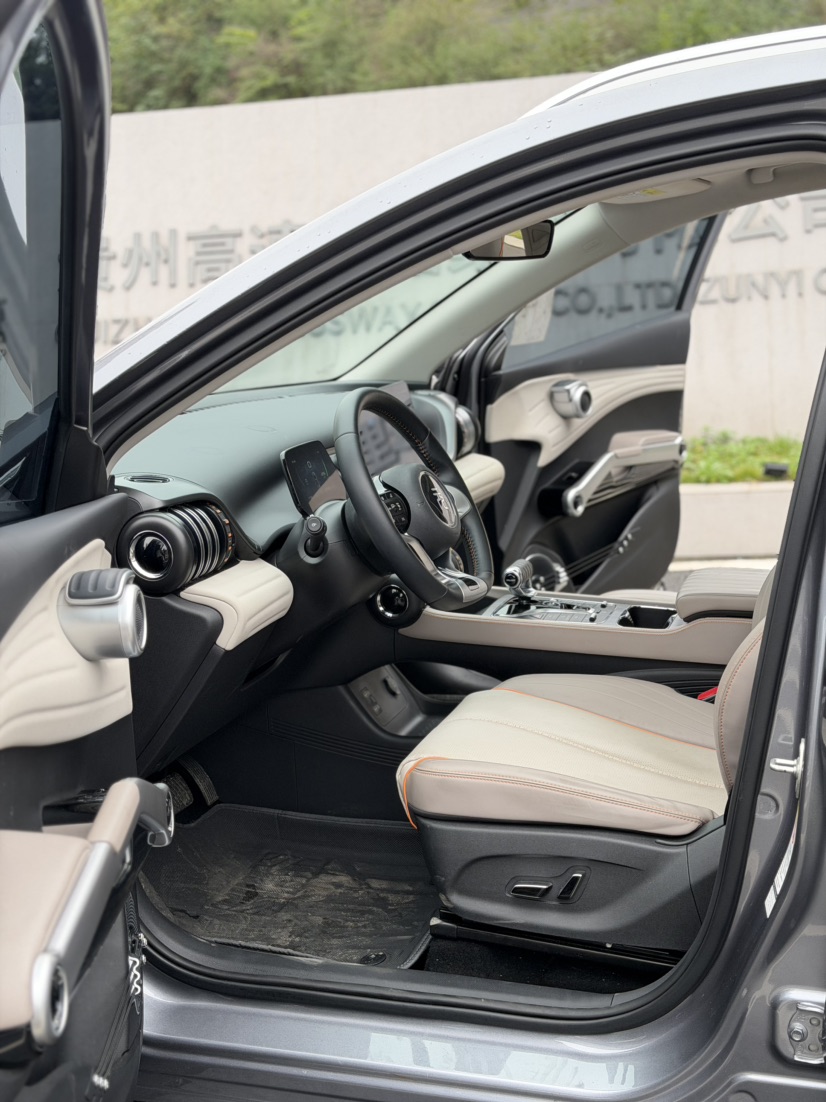
Seats5seats

Condition Description

Passed Cha Boshi SS-level inspection.

新能源
SUV
自动
维保开放
事故开放
查验开放

Configuration Highlights

✓品牌: 比亚迪
✓车系: 元PLUS
✓车型: 2024款 荣耀版 510KM 超越型
✓车身类型: SUV
✓座位数: 5
✓排量: 0.0L
✓变速箱: 自动
✓能源类型: 新能源
✓VIN: LGXCE4CB8R2283271
✓搜索关键词: 比亚迪元PLUS 2024款元PLUS荣耀版510KM超越型

Q&A

More

What hidden costs should I budget for when importing a used car from China beyond the FOB price?

Beyond the FOB price, expect: ocean freight (typically $800–2,500 depending on destination), marine insurance (about 0.3–0.5% of the car's value), port handling charges at both ends, customs duty and import tax/VAT in your country, compliance or homologation certification, and inland delivery to your city. Add currency transfer fees and the inspection fee if you hire a third party. Ask the exporter for a landed-cost breakdown and confirm exactly what the quote includes. A cheap FOB price with everything else shifted to you can add 30–50% to the real total. Budget a 15% buffer on top of the estimate, and get fixed quotes for freight and insurance in writing before paying the balance.


If I accidentally lose my only smart key while overseas, can you provide the key code remotely?

It's extremely difficult. The security level of Chinese brand immobilizers is very high, and you must connect a specialized factory computer to the vehicle's OBD and be online with the domestic server to match it. Losing all keys usually means you need to replace the entire lock cylinder and anti-theft control module while overseas.

What maintenance schedule should I follow for a used Chinese car during its first year after import?

Treat the first year as a baseline period. Do a full fluid service immediately after registration: engine oil and filter, coolant, brake fluid, and transmission fluid, since you don't know when they were last changed in China. First 1,000 km: check for loose trim, retorque wheel nuts, and listen for new noises as the car adapts to local fuel and roads. At 5,000-10,000 km: inspect brake pads and rotors, rotate tires, and scan the ECU for stored fault codes even if no warning light shows. Annually or every 15,000 km: replace the cabin and engine air filters, check the battery health (especially for hybrids and EVs), and verify that software updates from the Chinese brand's international channel apply to your car. Keep a simple log with dates and receipts. It protects any warranty claim and makes the car far easier to sell later.