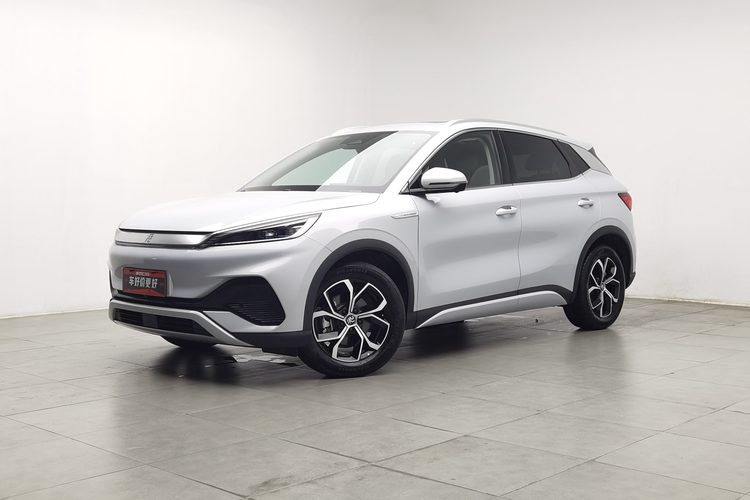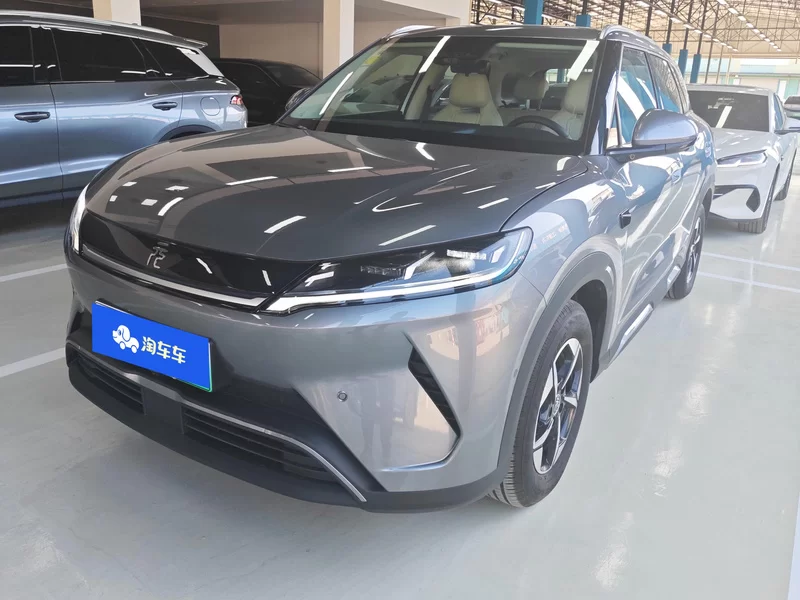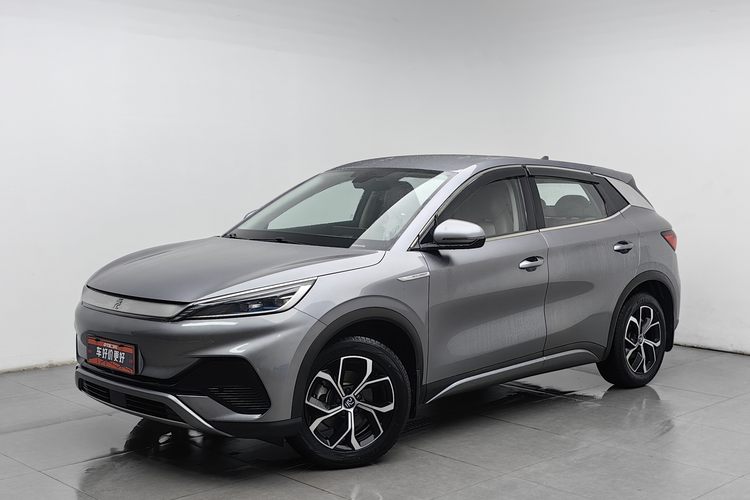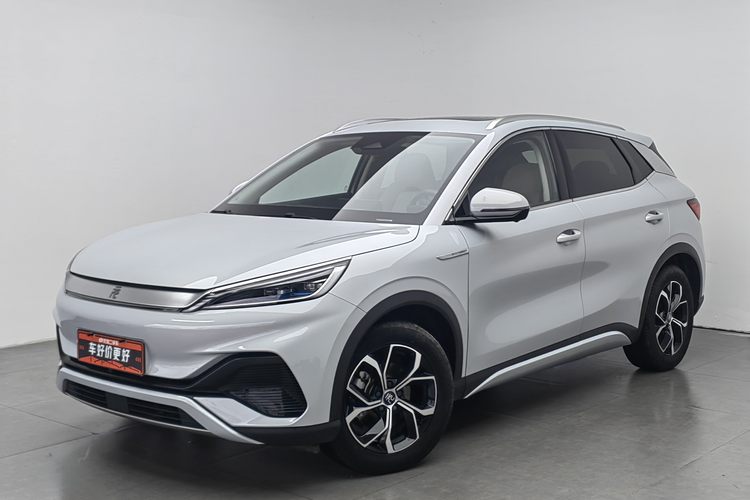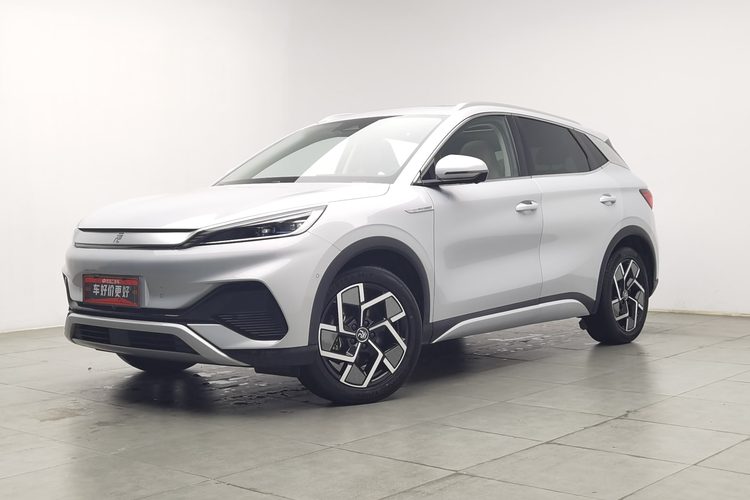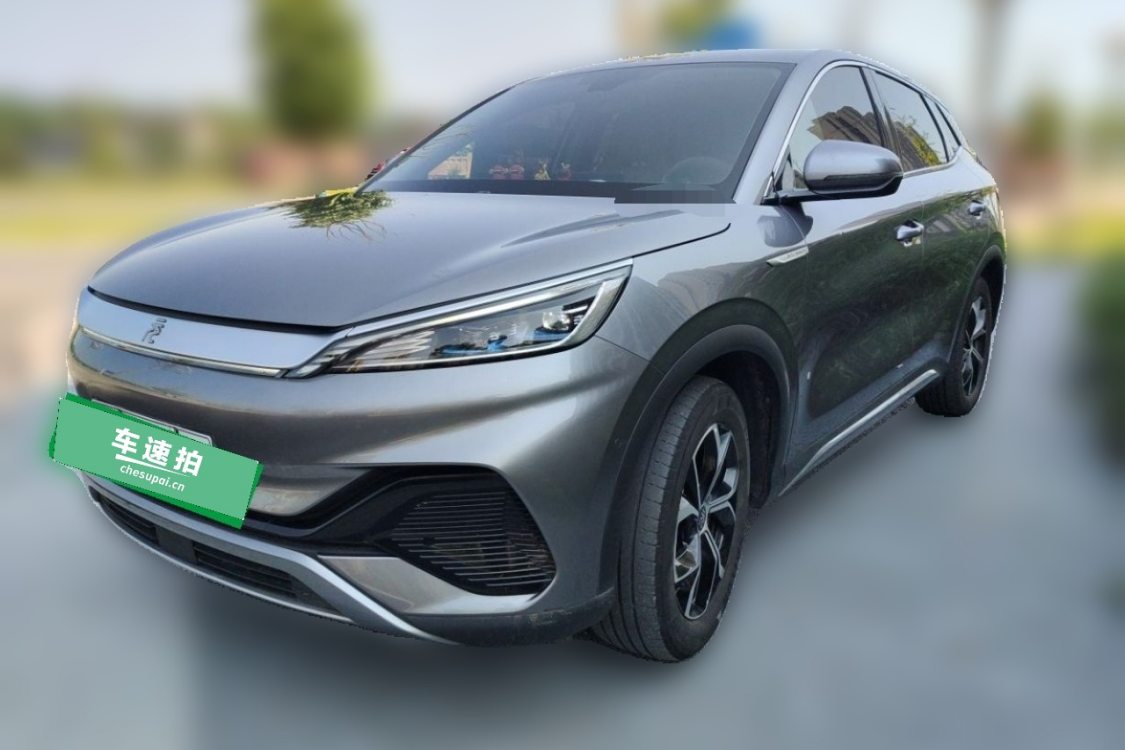
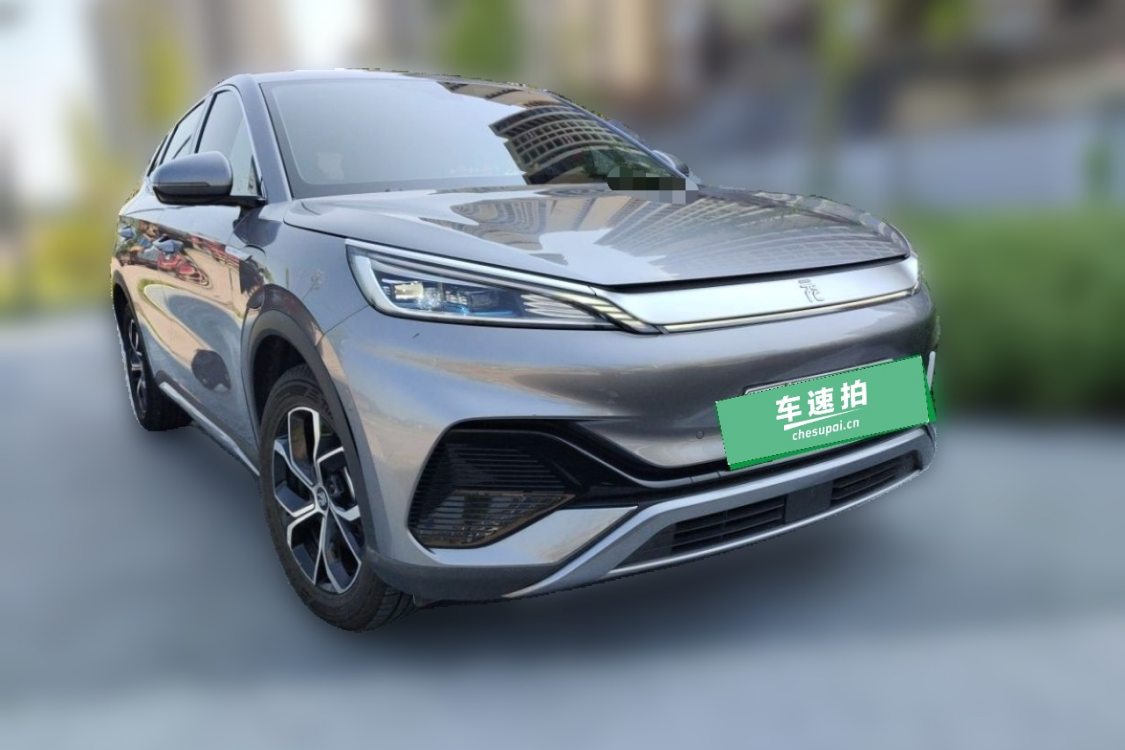
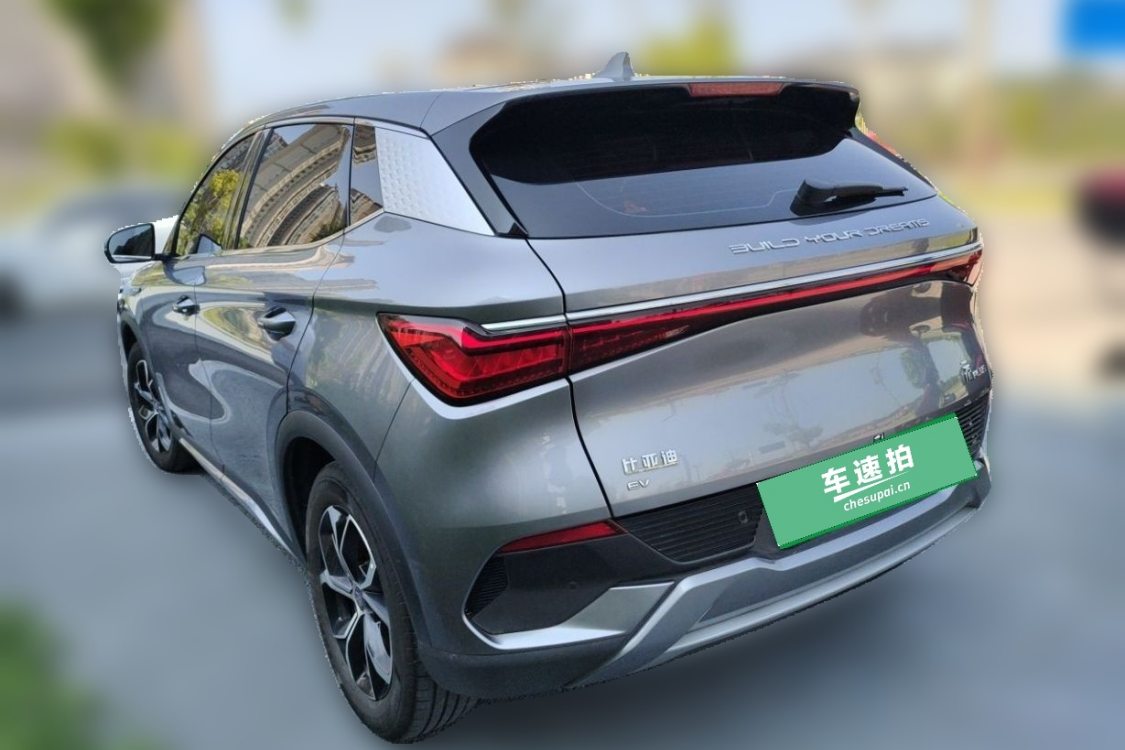




Basic Information

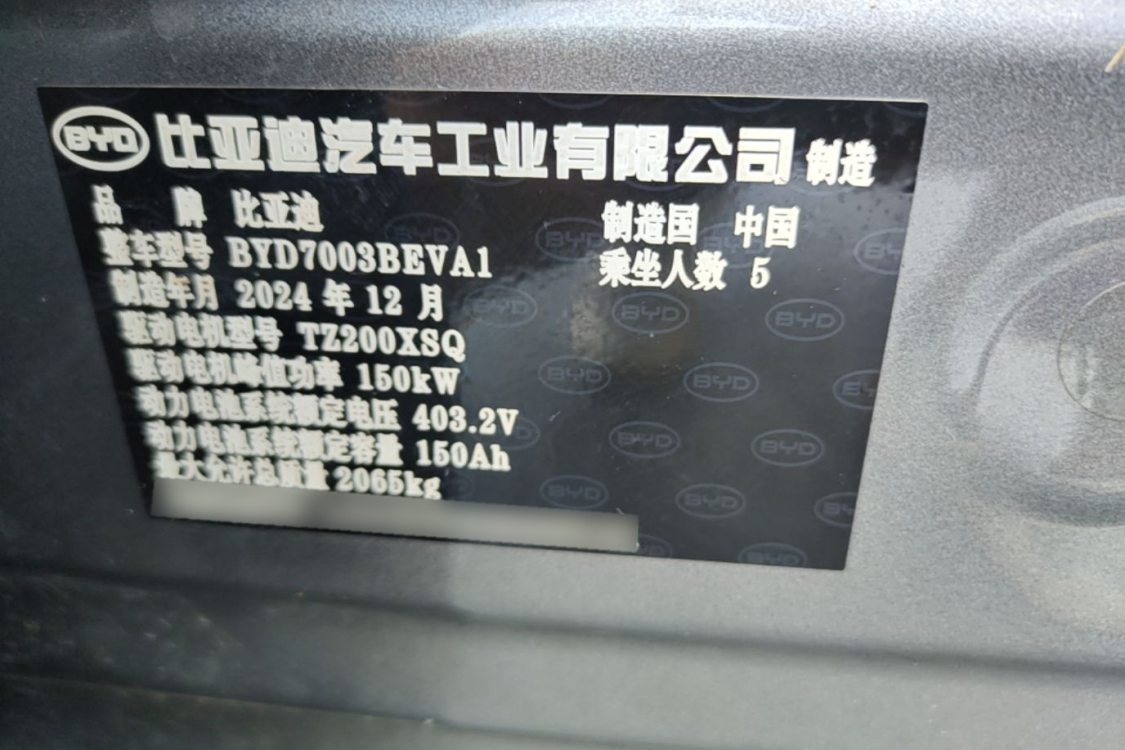
BrandBYD
SeriesYuan Plus
Year2025
First Registration2025/02
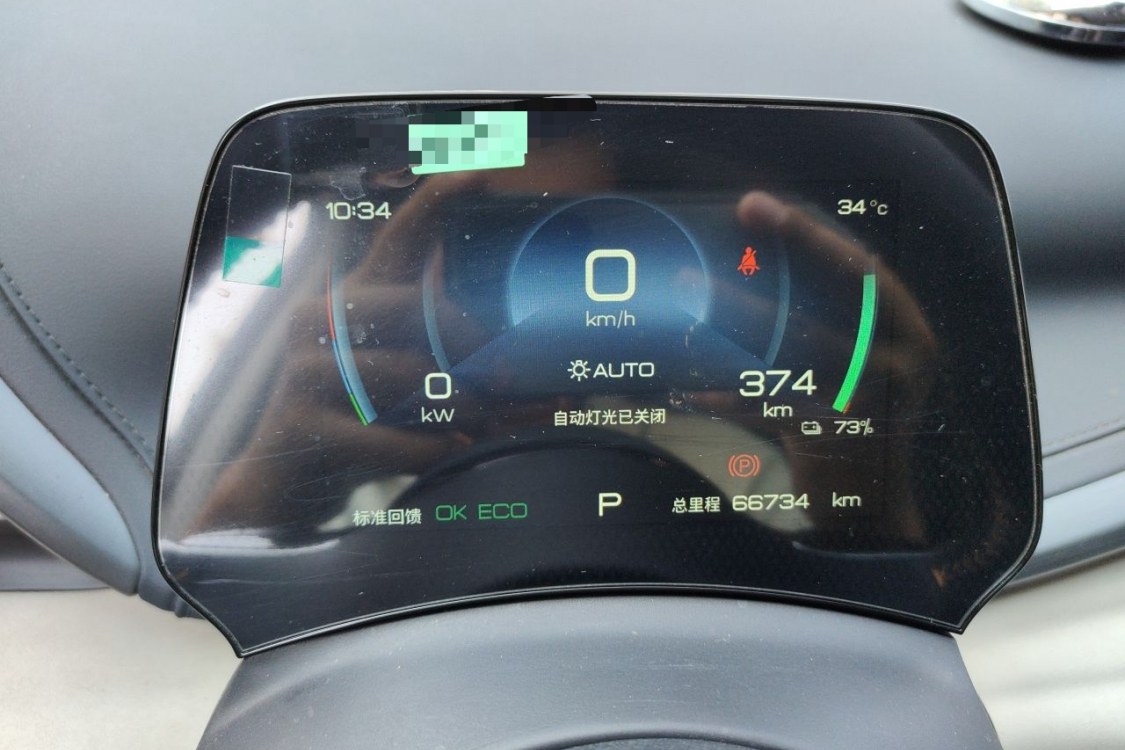
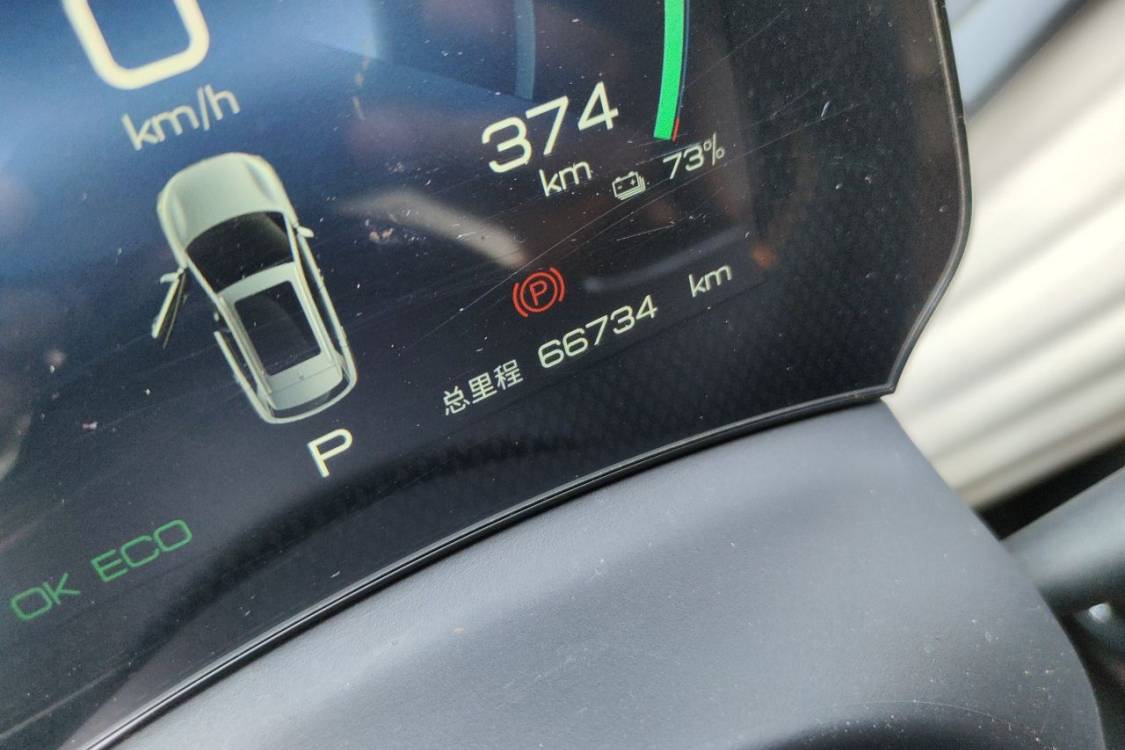
Mileage66,700km
Transfer Count-
FuelElectric
TransmissionOther
Engine-
ColorGrey
Seats5seats

Condition Description

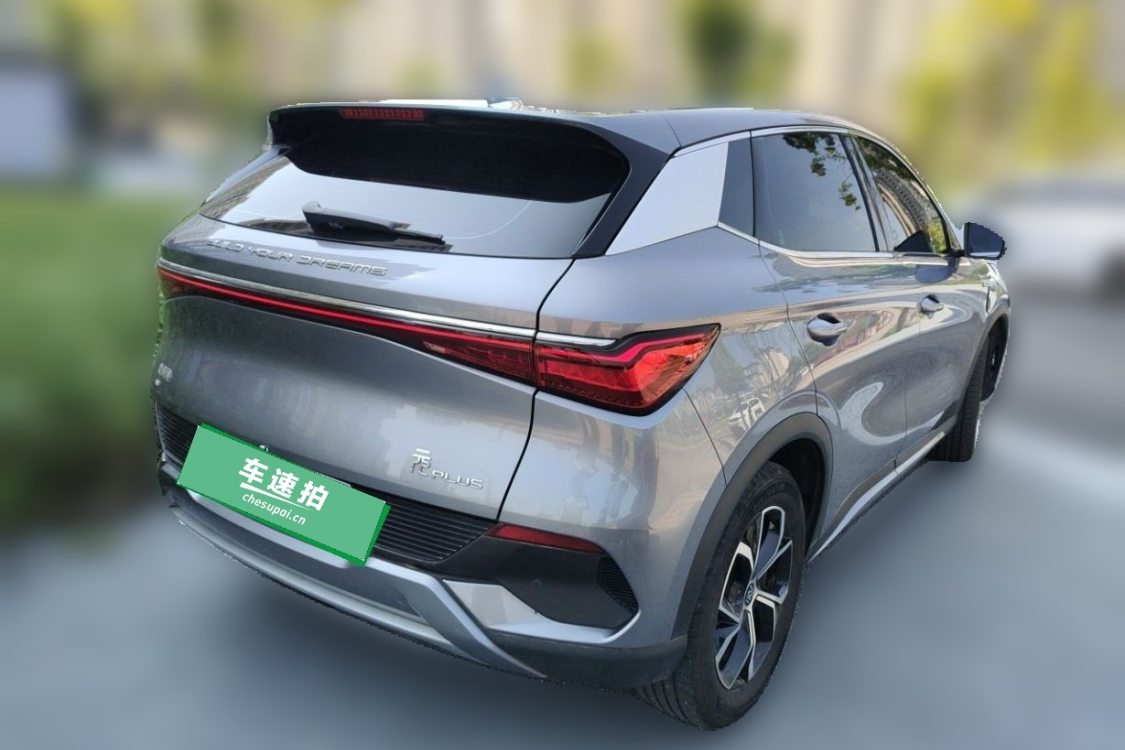
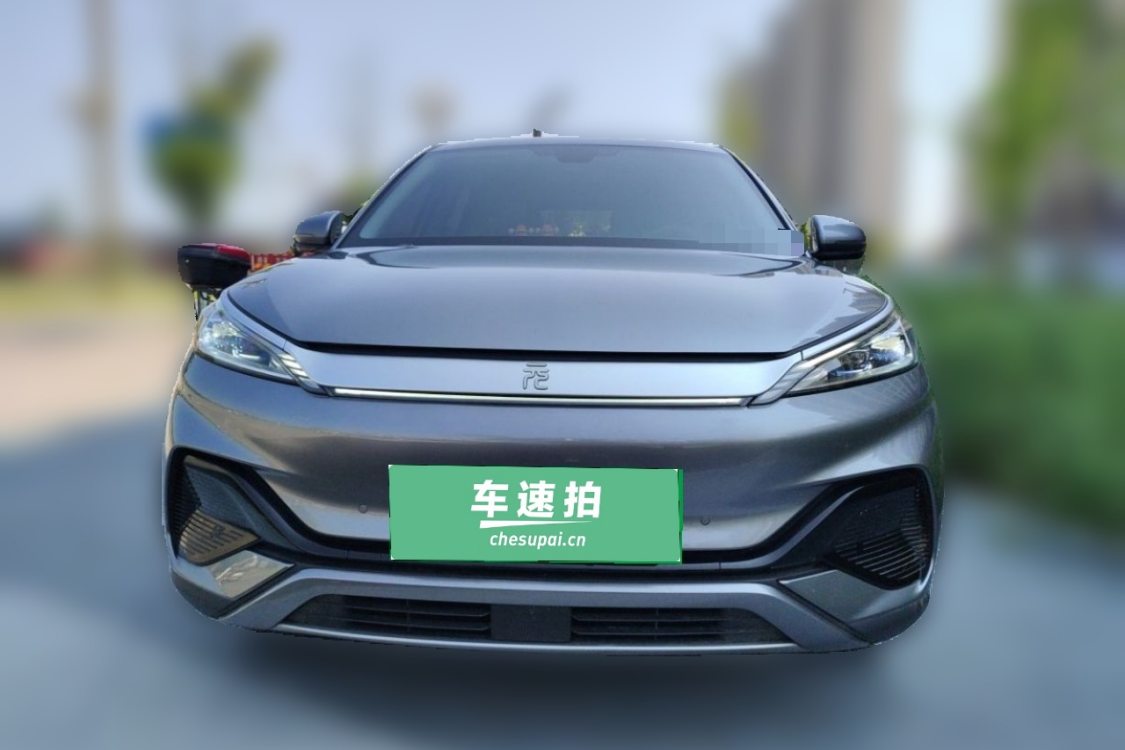
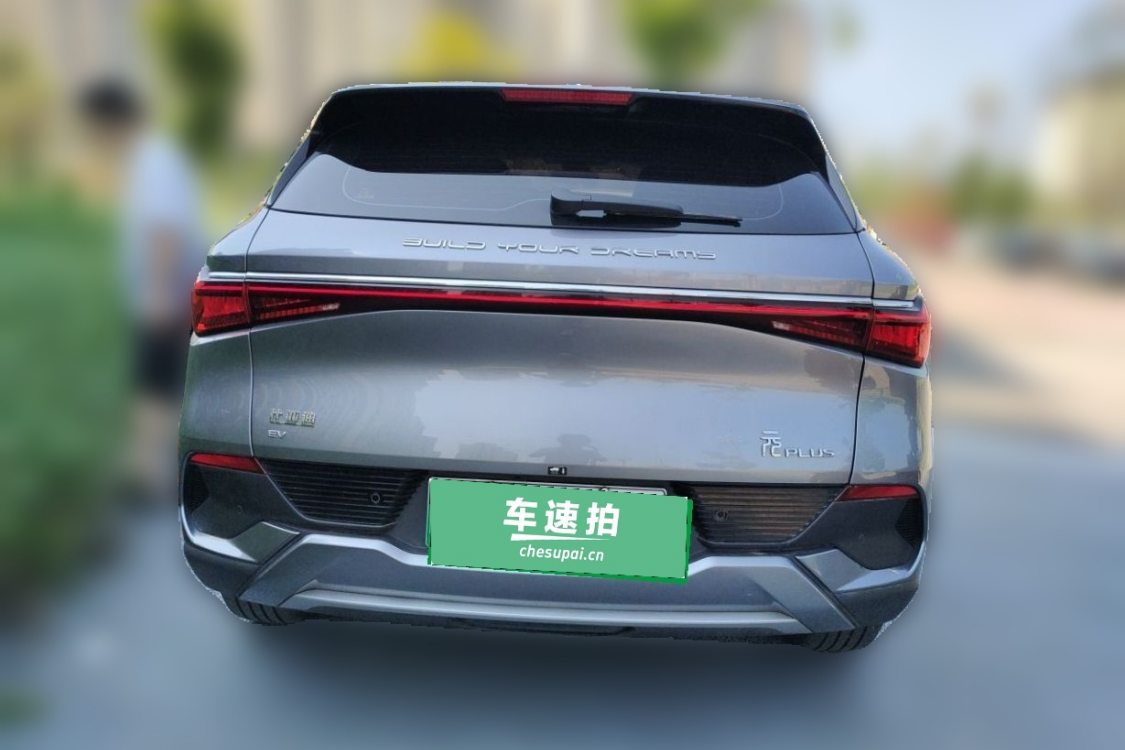
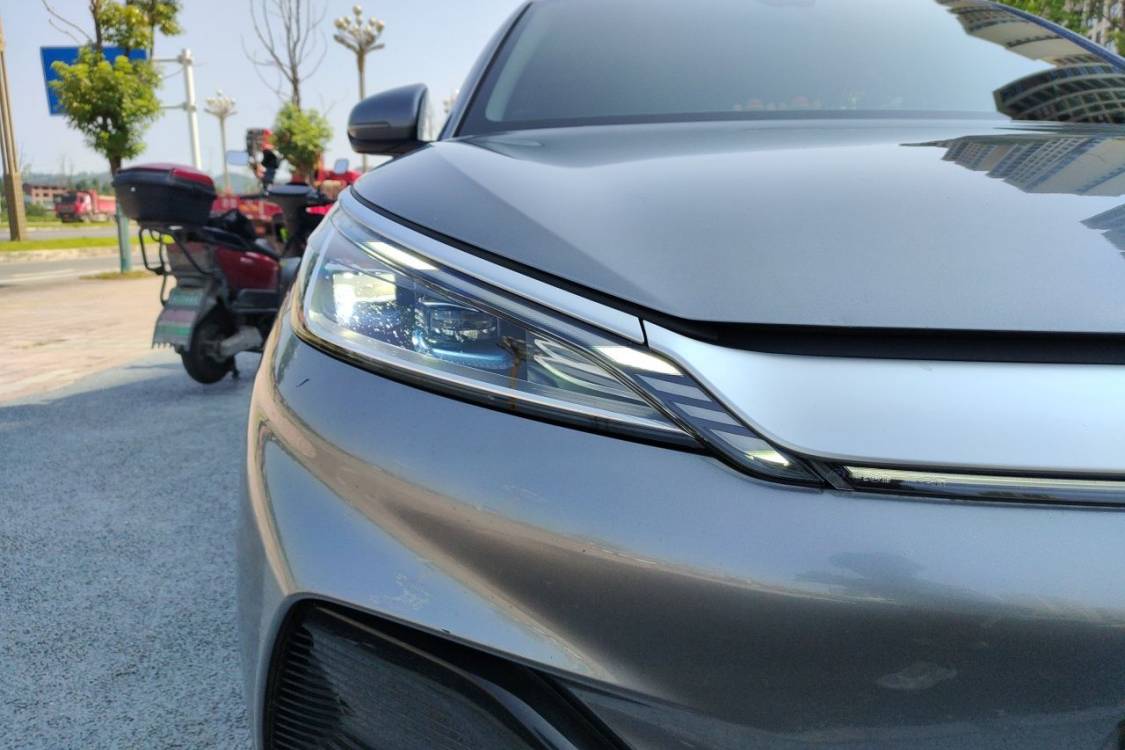
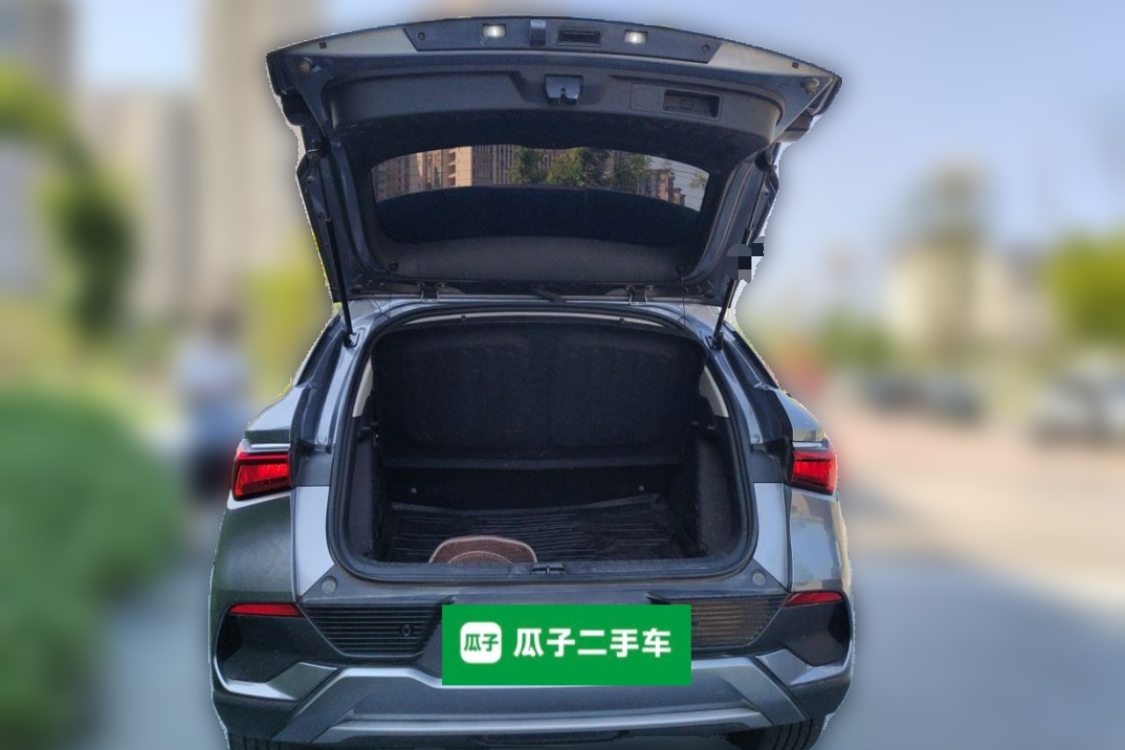
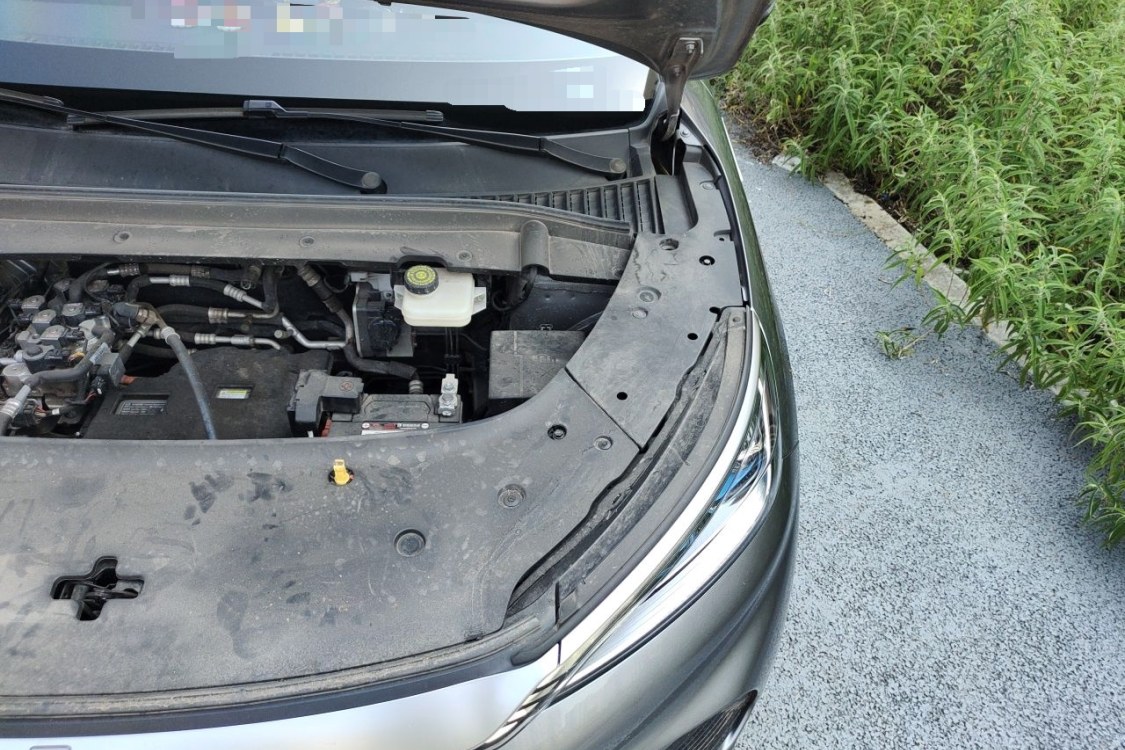
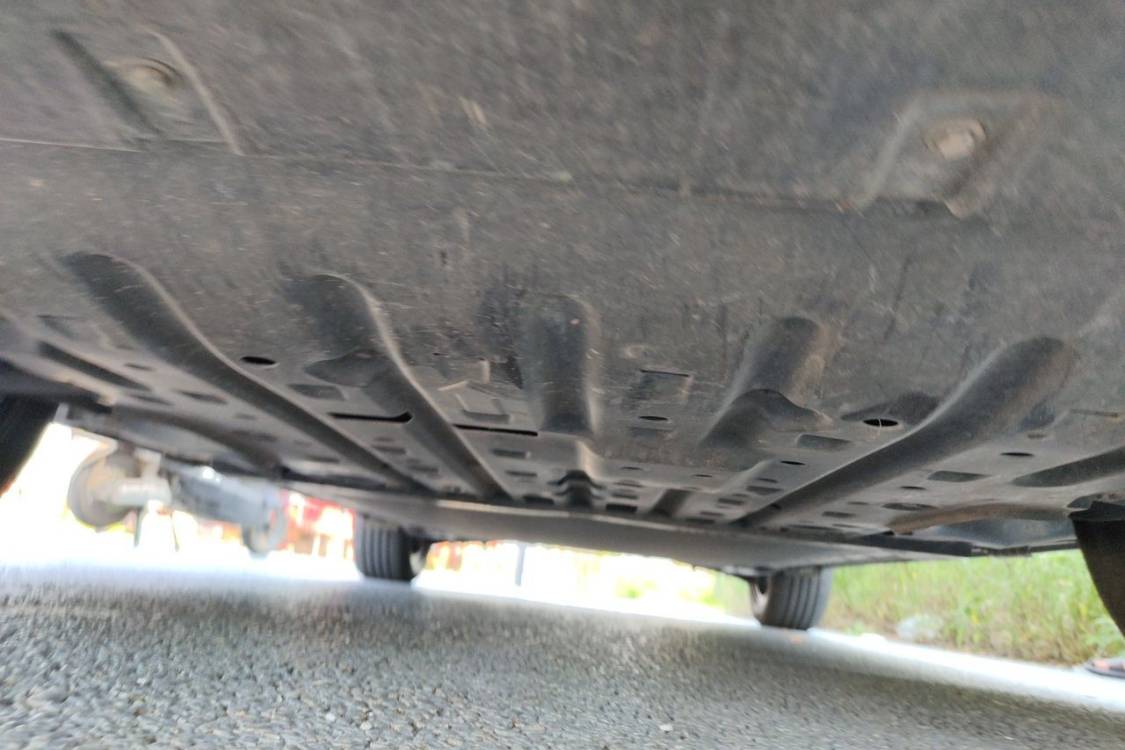
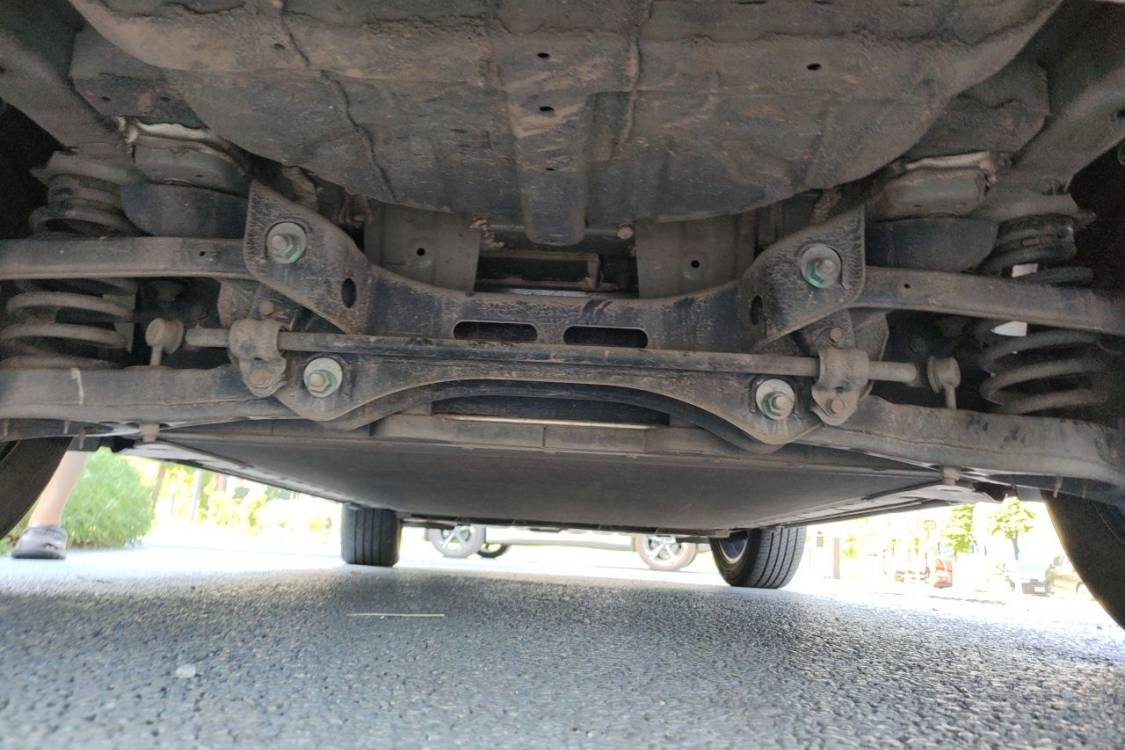
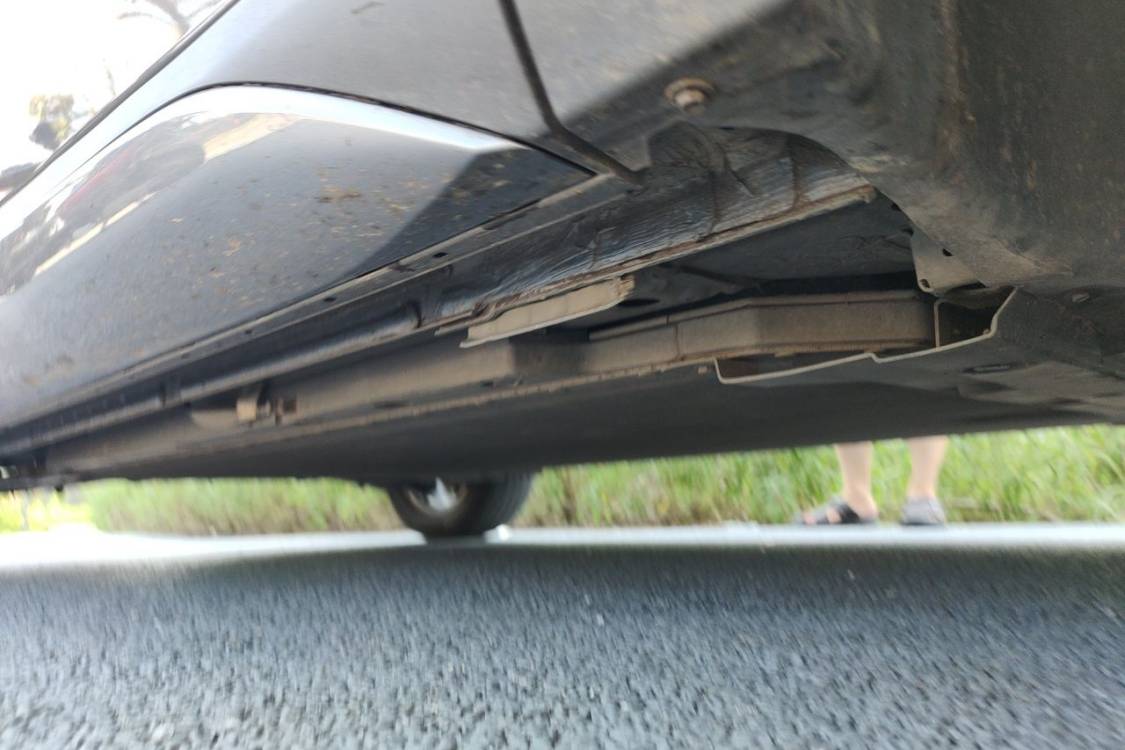
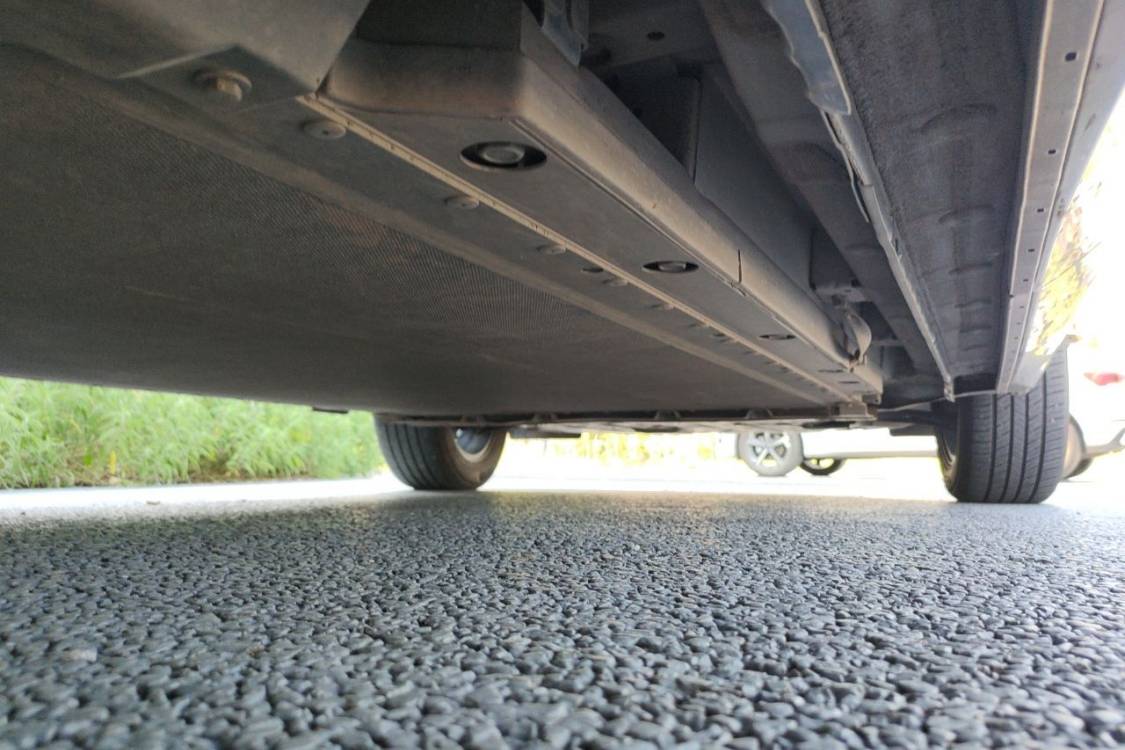
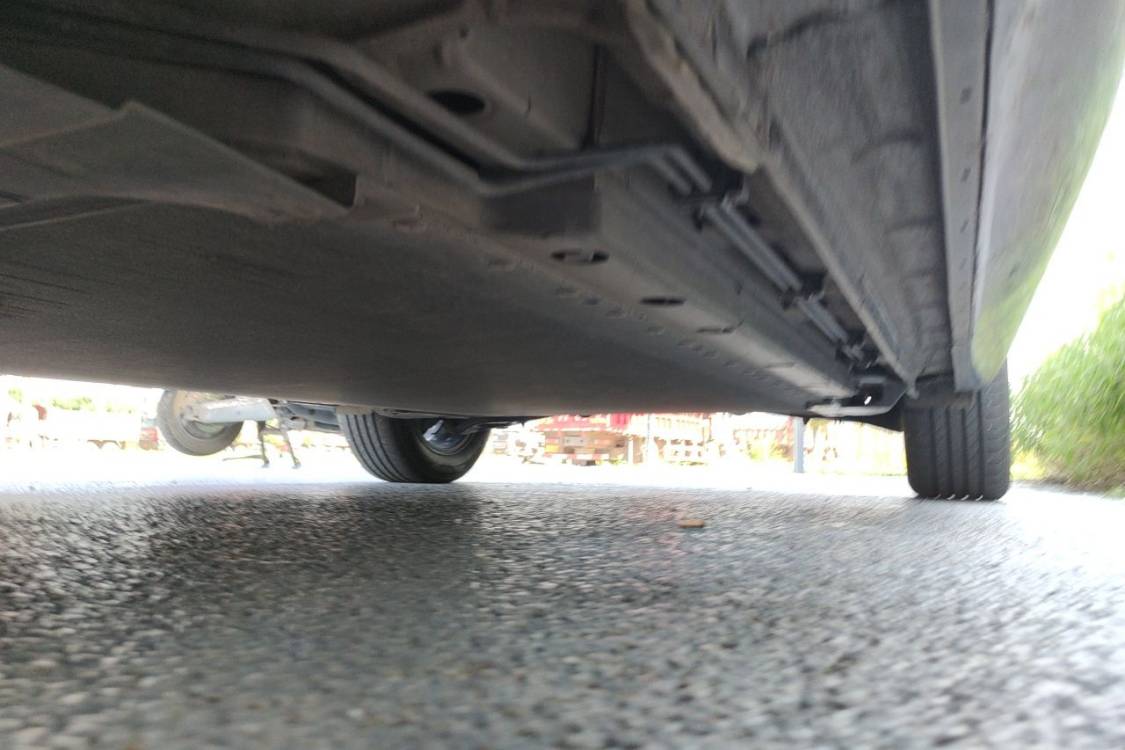
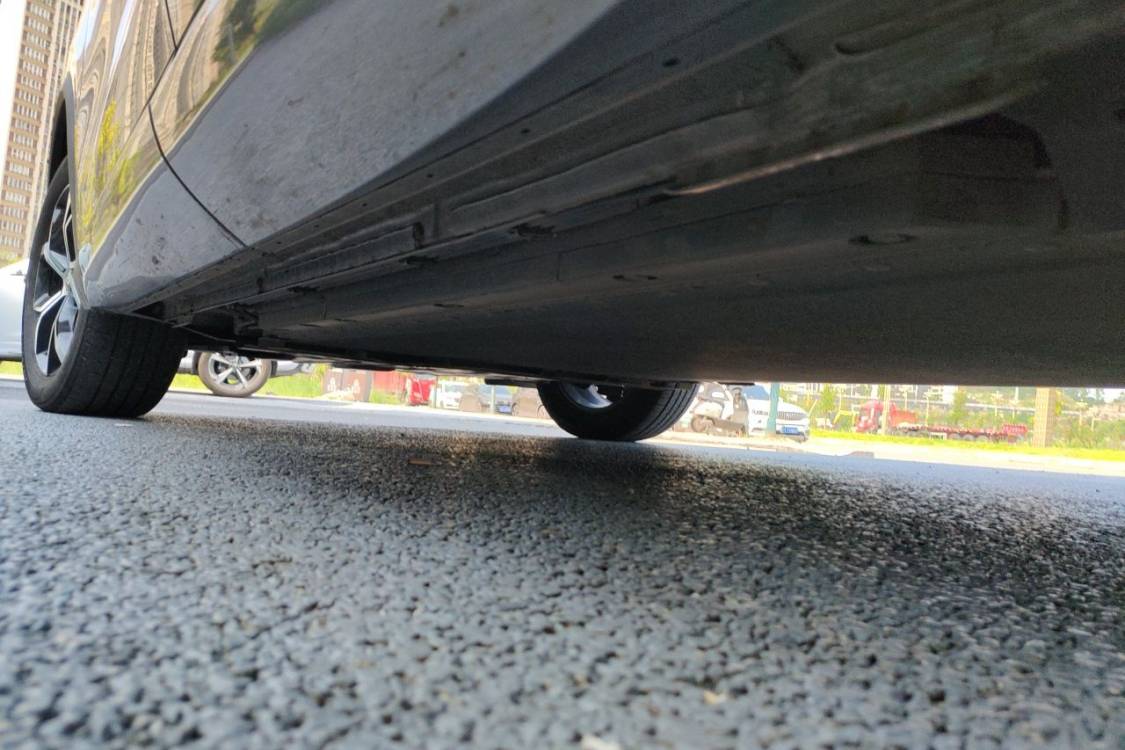
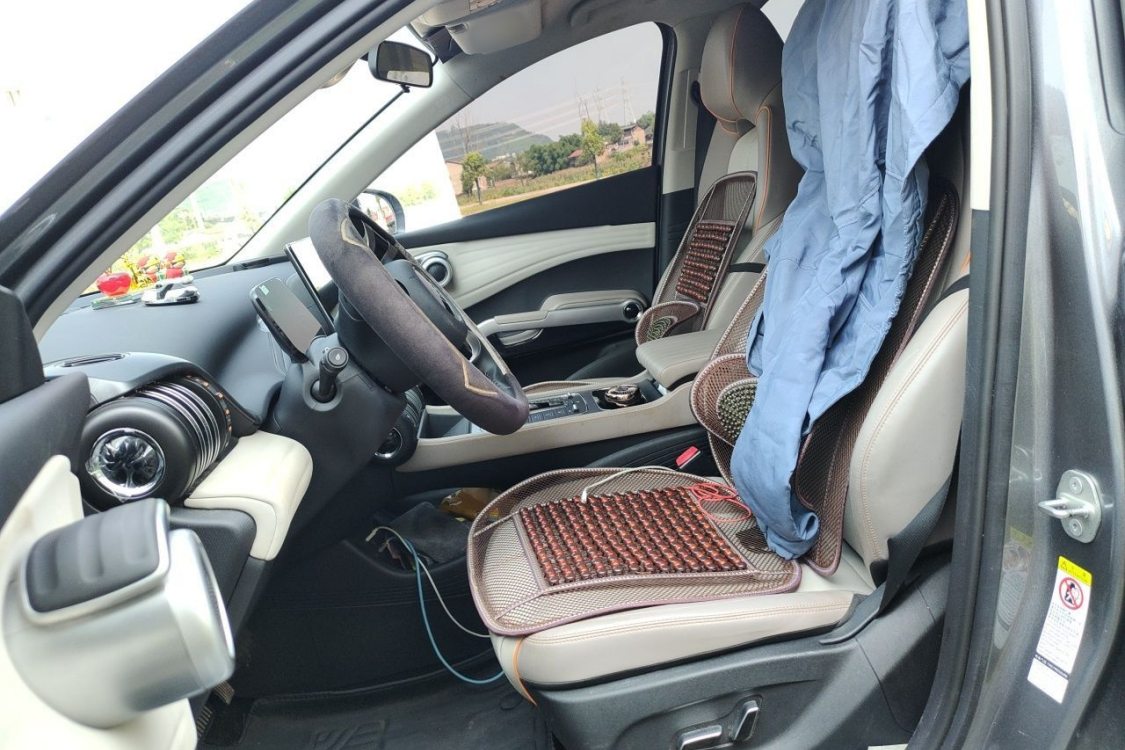
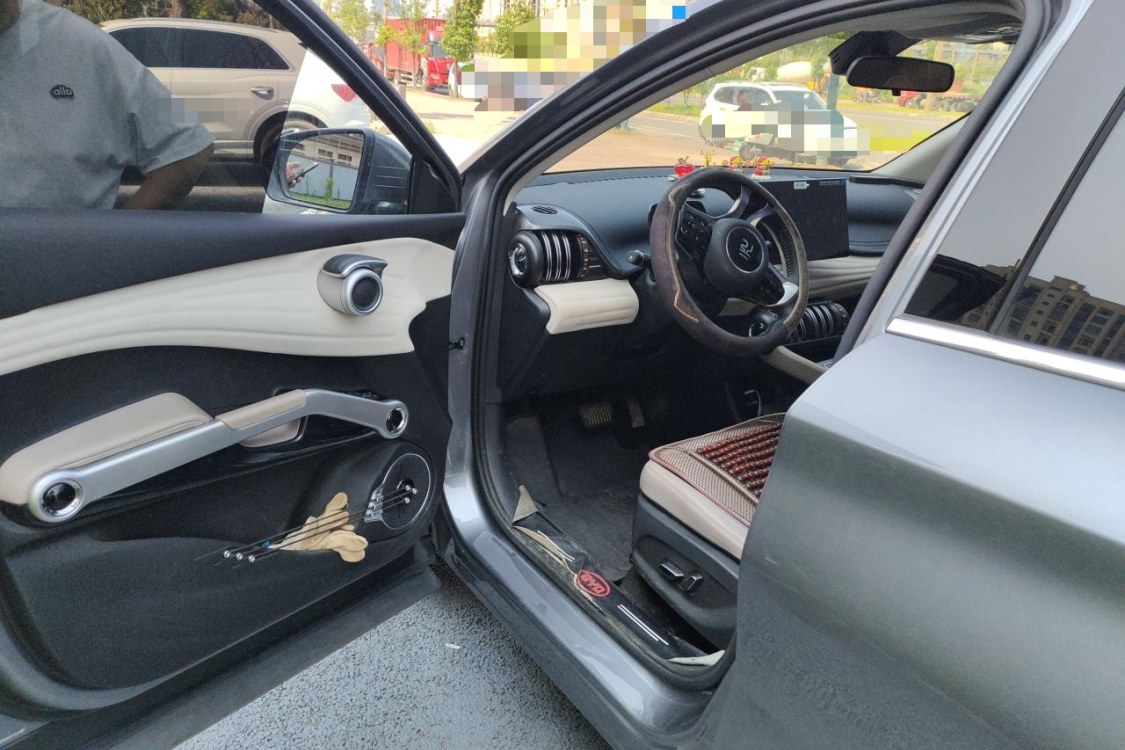
Body components (structural/reinforcing/panels) have accident-type damage; passive safety devices are defective; vehicle performance (including battery, motor, and electronic control systems) is degraded or remains performance-limited after repairs.

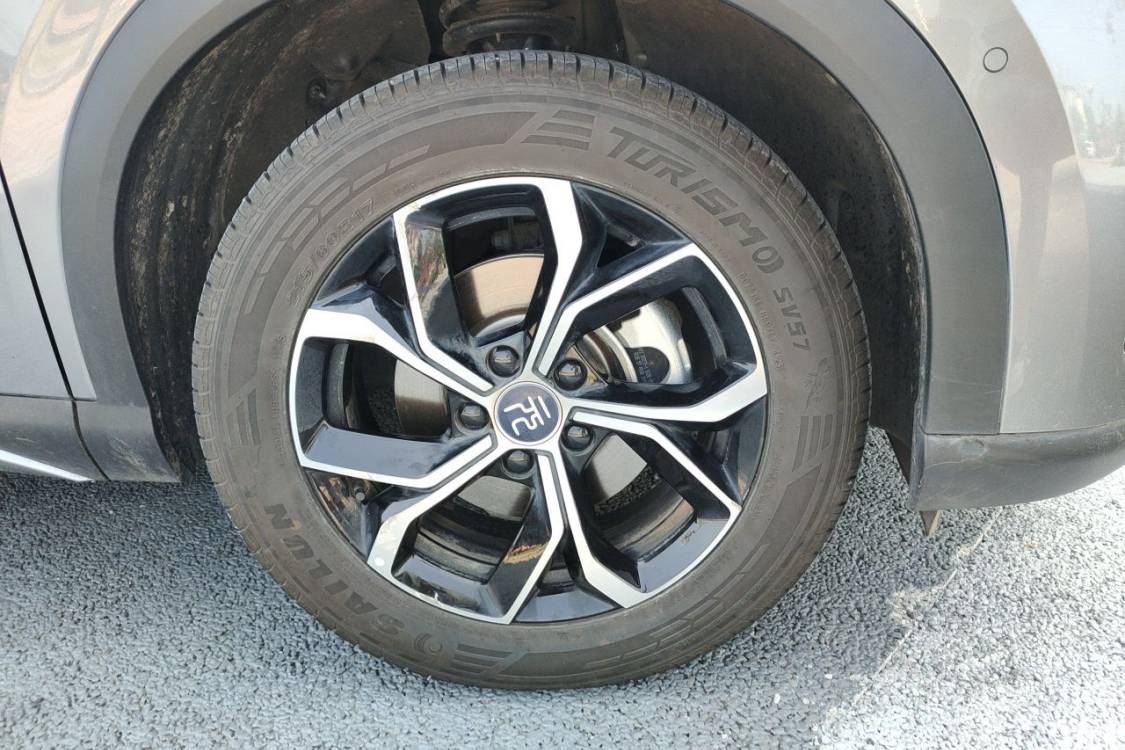
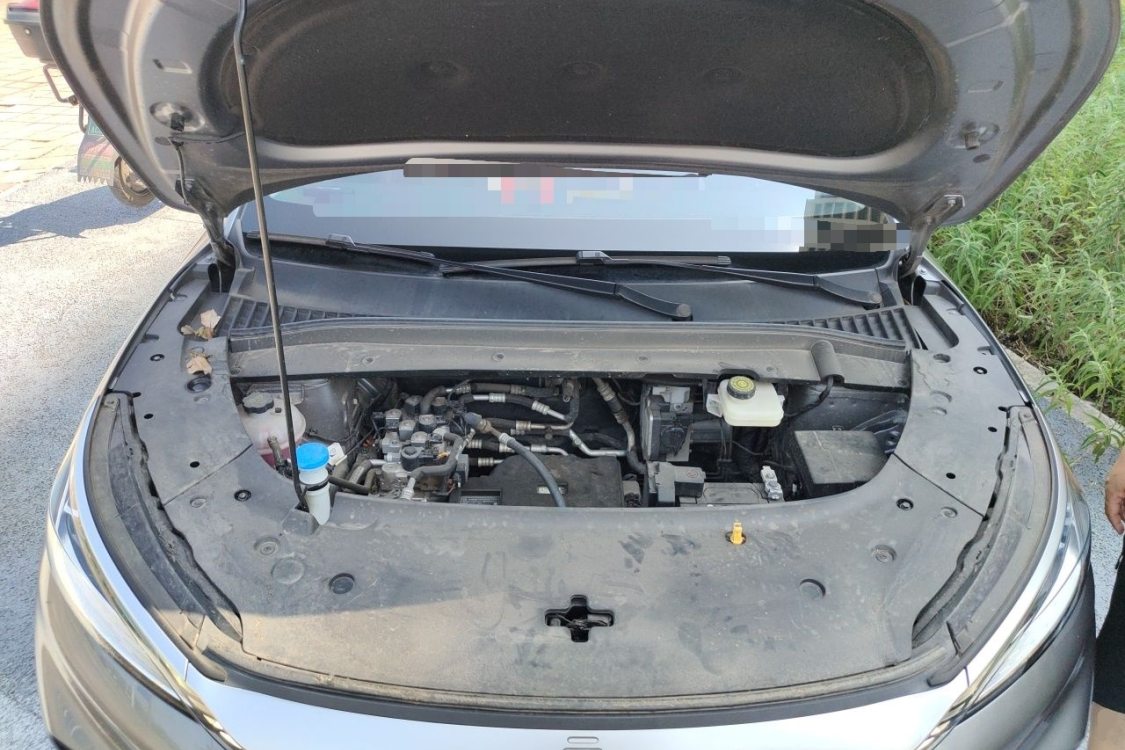
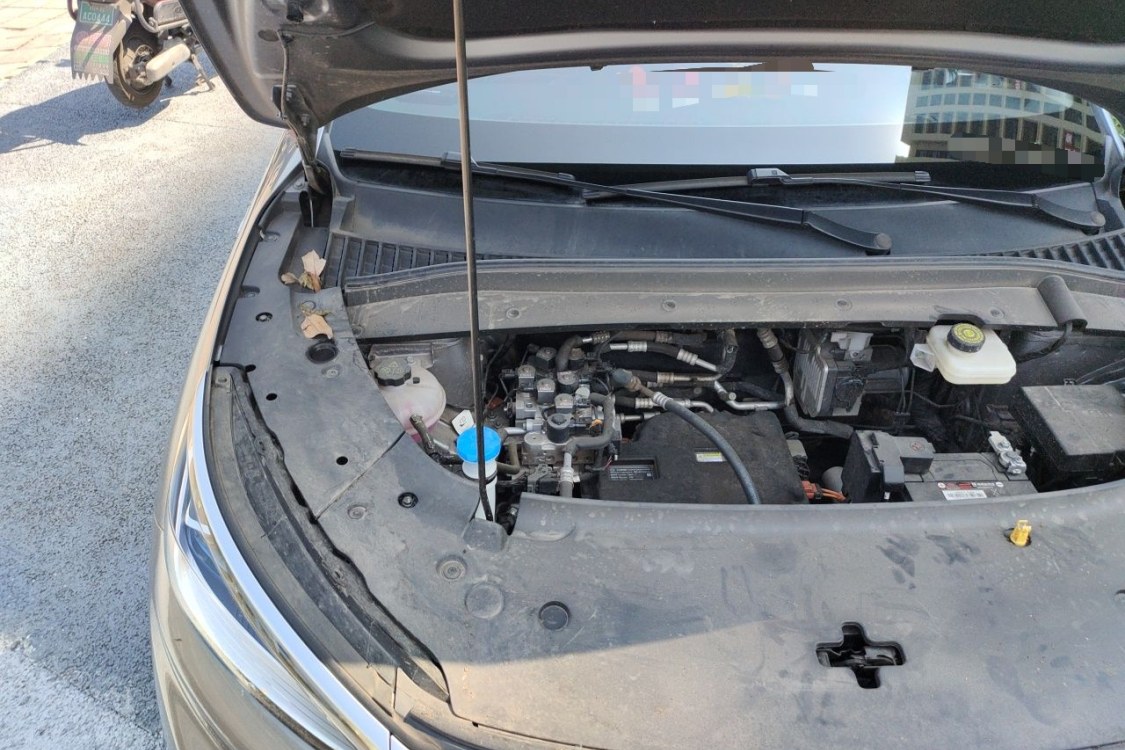
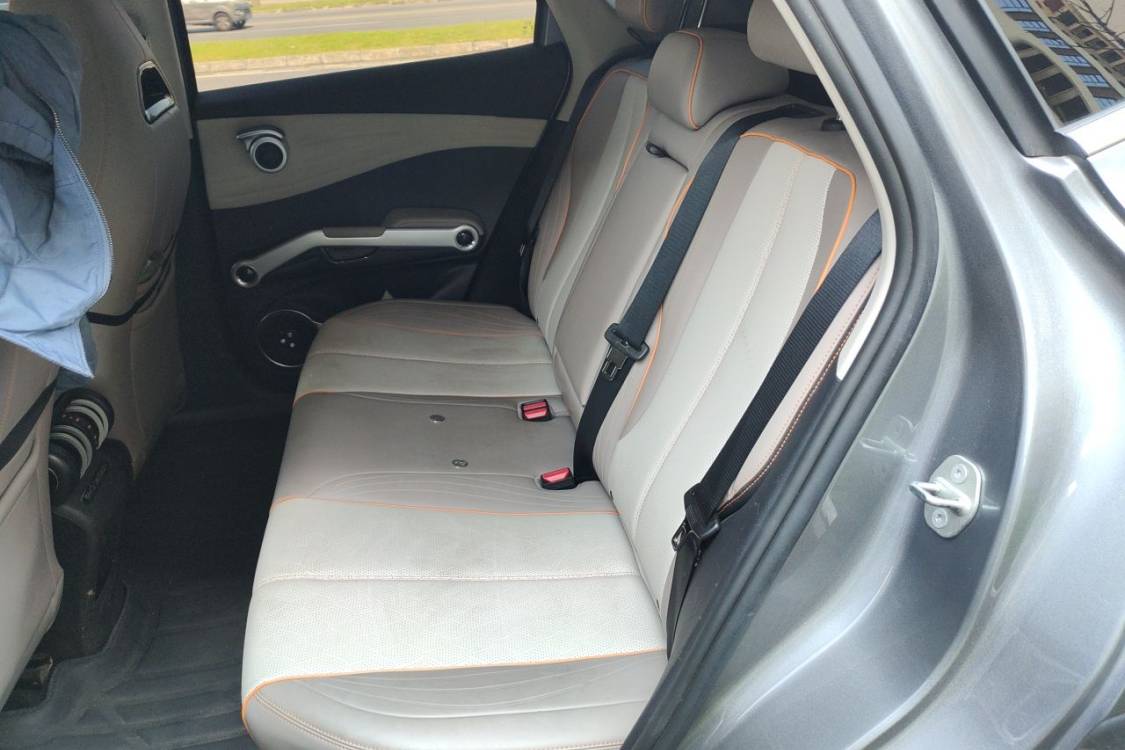
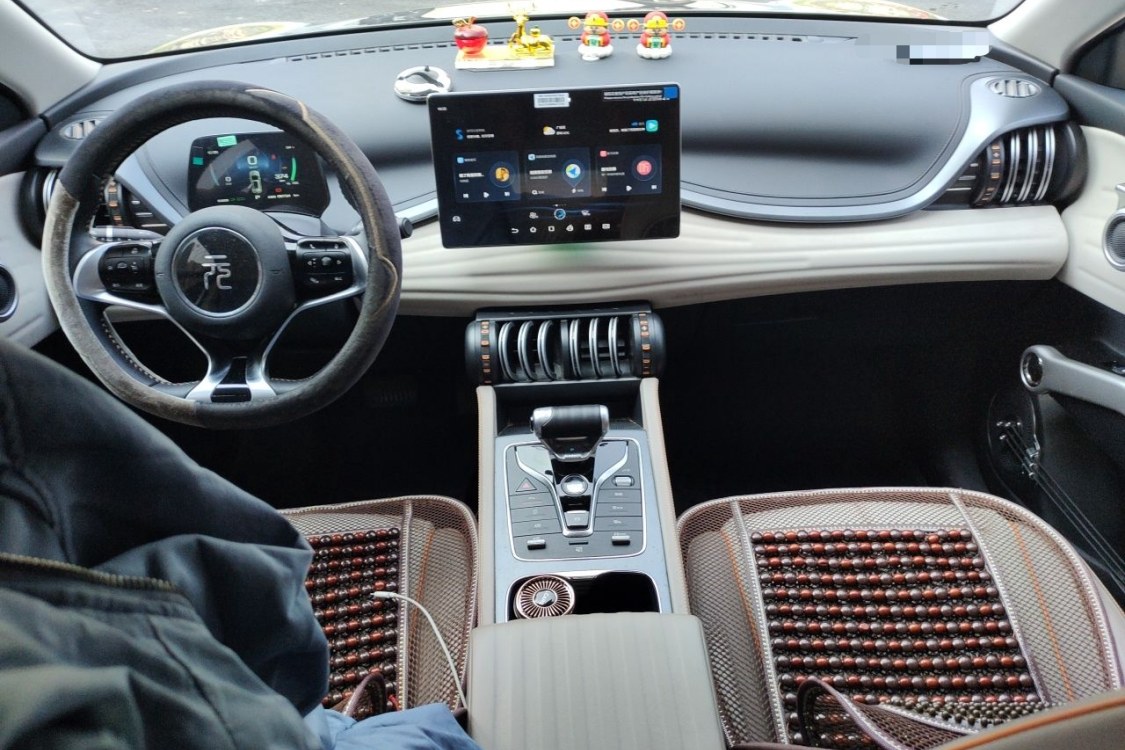
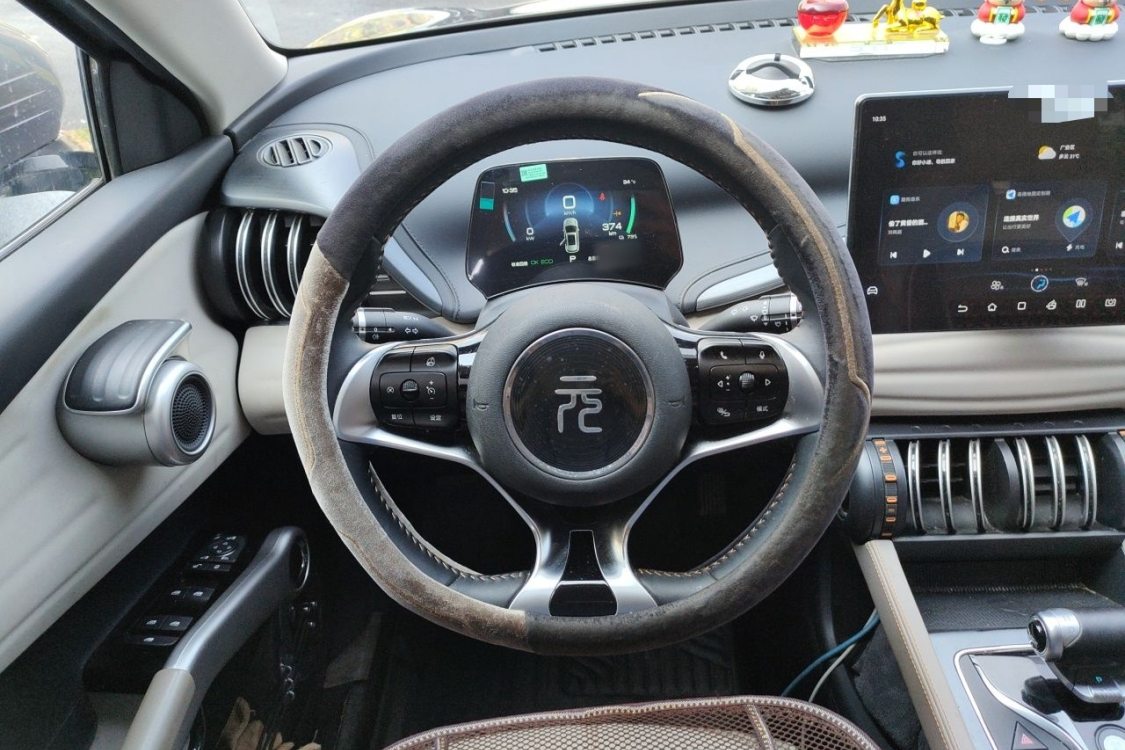
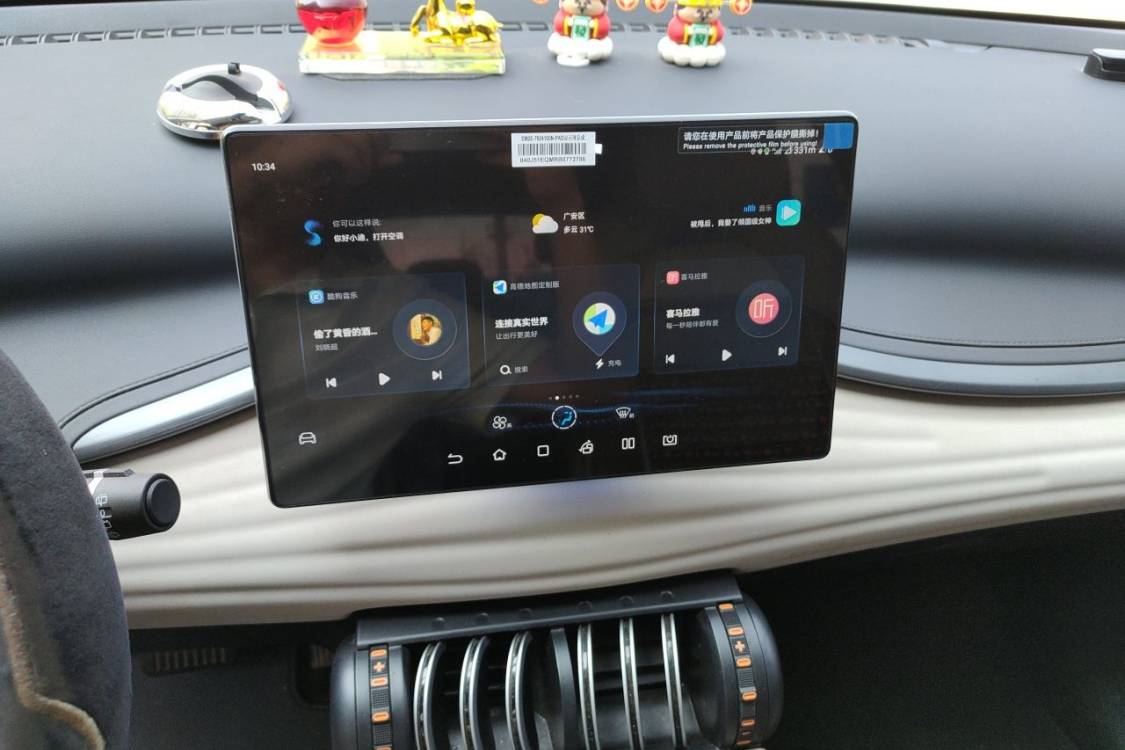
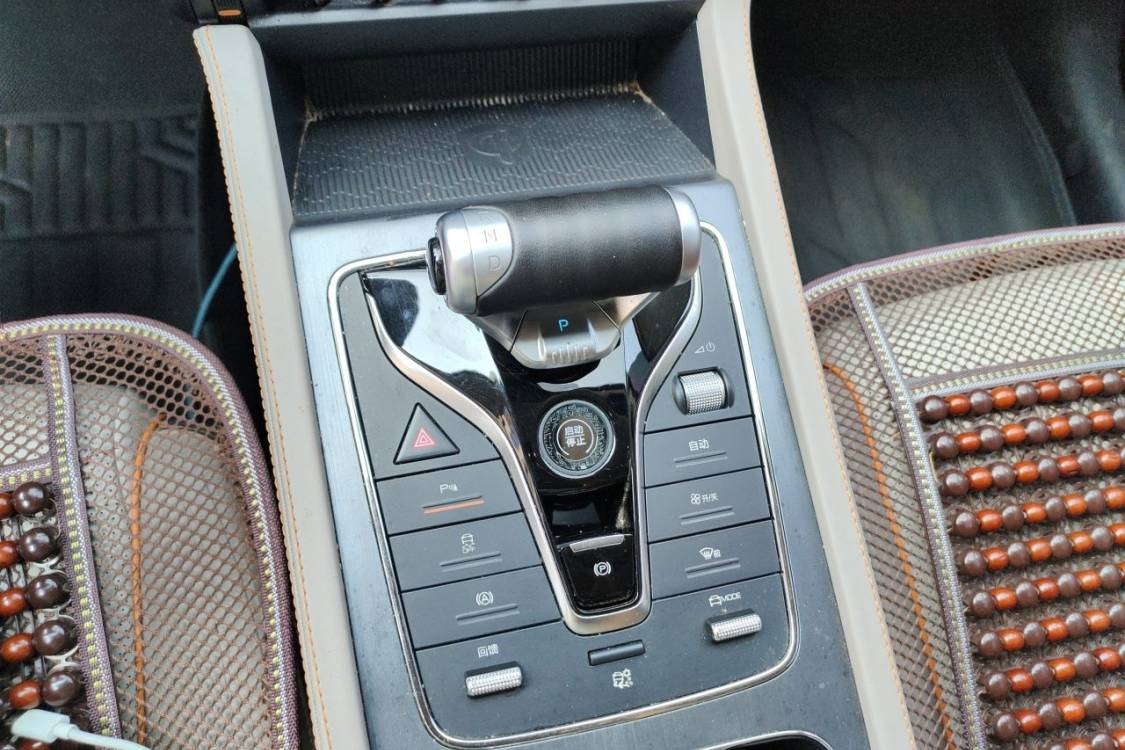
Accident inspection: main structure undamaged, reinforcing parts damaged, panels undamaged, hinges abnormal. Battery/motor/electronic control inspection: power battery box bottom guard scratched, power battery box bottom plate scratched, charging port opening fault. Engine bay inspection: key mechanical components in engine bay normal. Exterior: 1 replacement, 1 repaint. Interior: most features normal, airbags normal, seatbelts normal, dashboard normal, instrument cluster normal, lighting system normal. Start-up inspection: main components normal. Onboard tools: none.

电话直连
可讲价
平台物流
可转售
车主降价
新能源
抵押车
零过户
非泡水

Document Information

Inspection Expiry Date2031/02
Warranty Expiry Date-
Insurance Expiry Date2027/02

Q&A

More

Can I request the original factory parameter sheet for the vehicle (such as the standard camber angles and toe values) from your after-sales service so I can do a four-wheel alignment locally?

This is after-sales support we are very happy to provide. Since overseas alignment machines often lack databases for Chinese brand vehicles, we will send you screenshots of the core chassis parameters from the service manual, making it easier for your technician to manually input the data for precise adjustments.


What maintenance schedule should I follow for a used Chinese car during its first year after import?

Treat the first year as a baseline period. Do a full fluid service immediately after registration: engine oil and filter, coolant, brake fluid, and transmission fluid, since you don't know when they were last changed in China. First 1,000 km: check for loose trim, retorque wheel nuts, and listen for new noises as the car adapts to local fuel and roads. At 5,000-10,000 km: inspect brake pads and rotors, rotate tires, and scan the ECU for stored fault codes even if no warning light shows. Annually or every 15,000 km: replace the cabin and engine air filters, check the battery health (especially for hybrids and EVs), and verify that software updates from the Chinese brand's international channel apply to your car. Keep a simple log with dates and receipts. It protects any warranty claim and makes the car far easier to sell later.

Can the e-SIM card in China's new energy vehicle system be physically removed and replaced with a local SIM card from an overseas operator?

Most new car manufacturers' e-SIMs are directly soldered onto the T-Box motherboard (surface-mounted) and cannot be removed and replaced like a phone. Unauthorized desoldering of the motherboard may cause complete communication failure in the vehicle, and we strictly prohibit this operation.