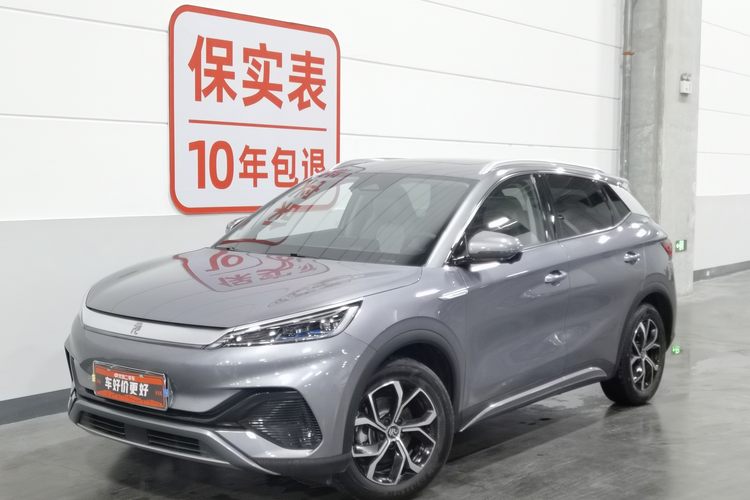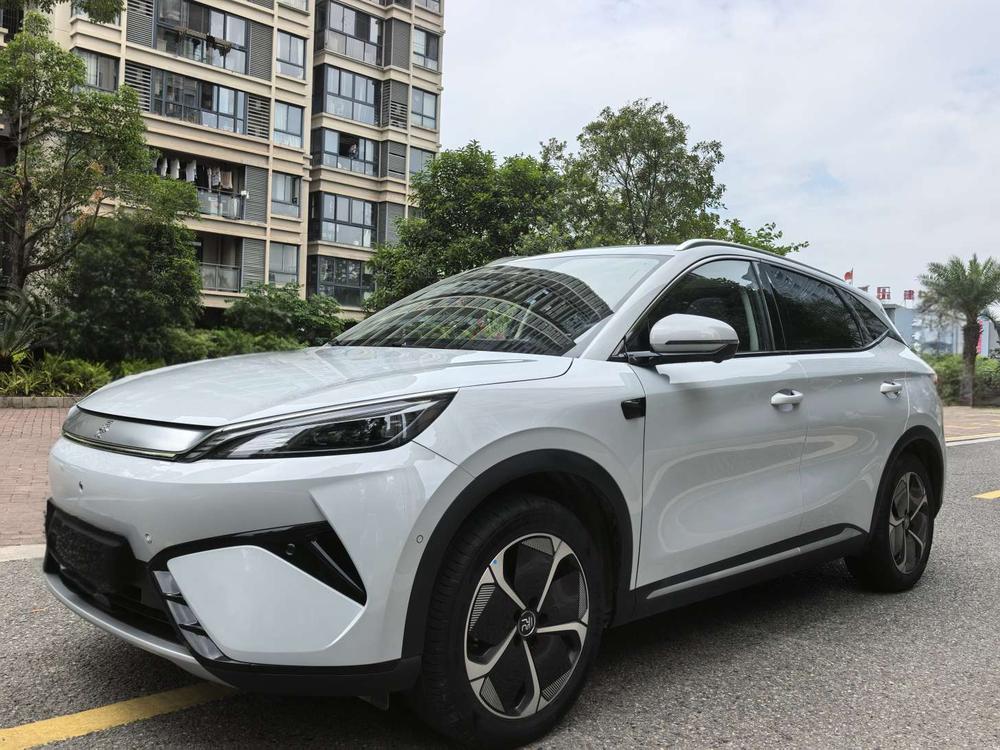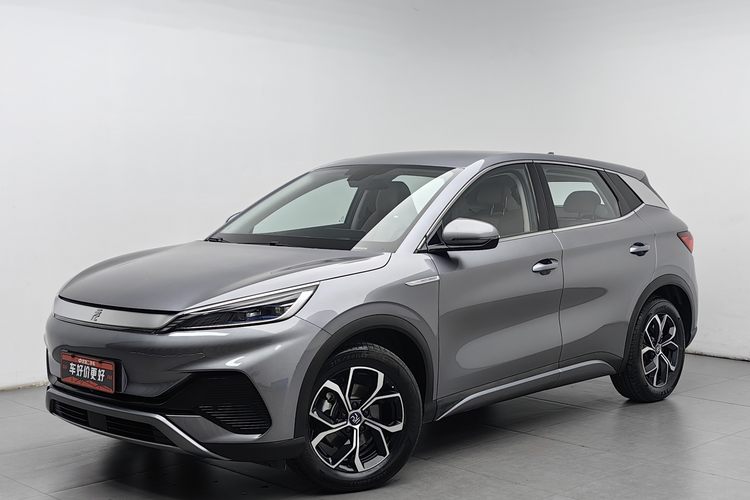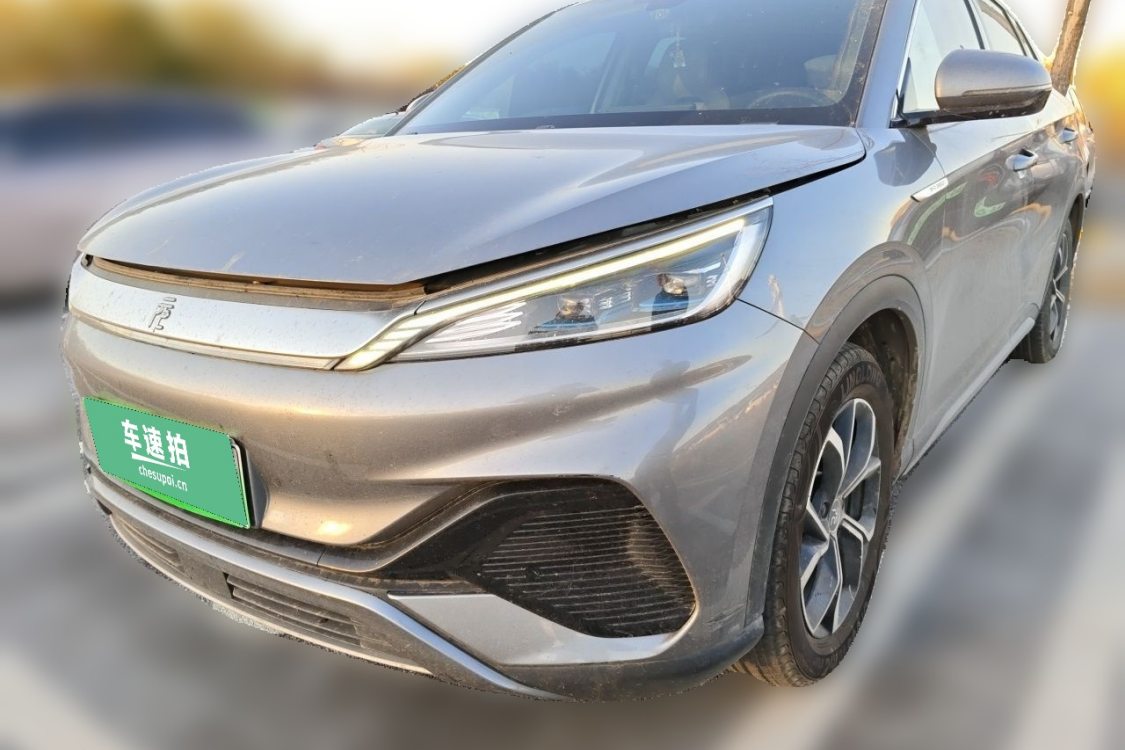
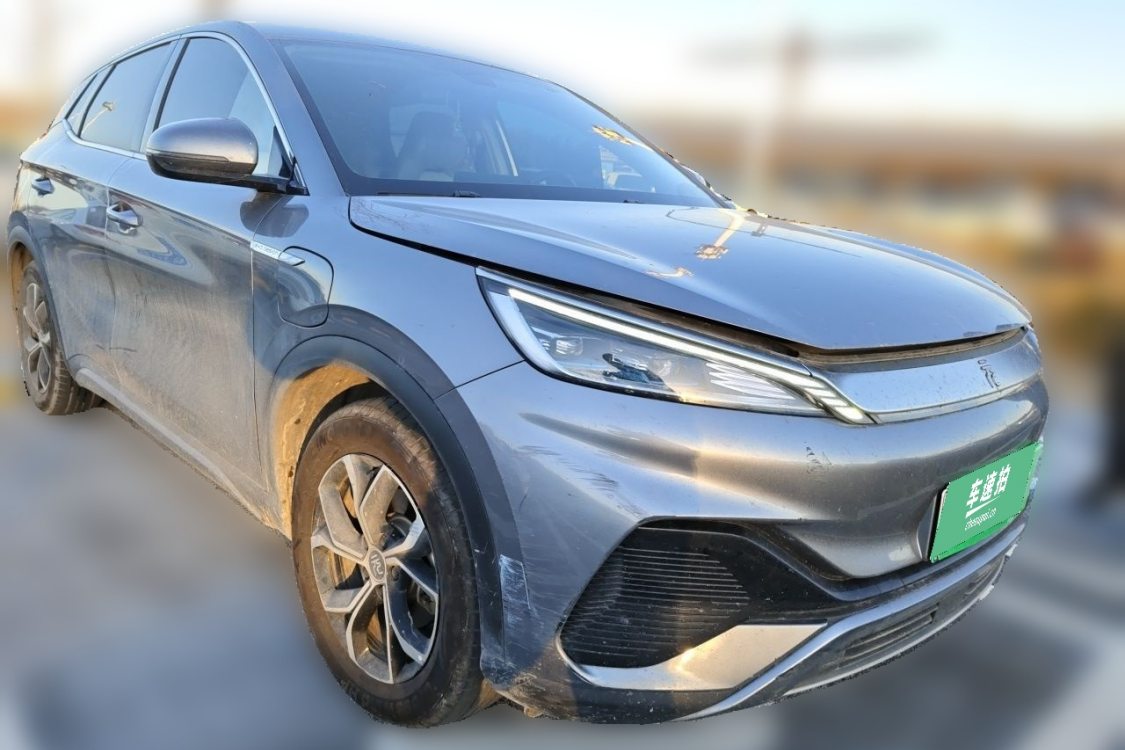
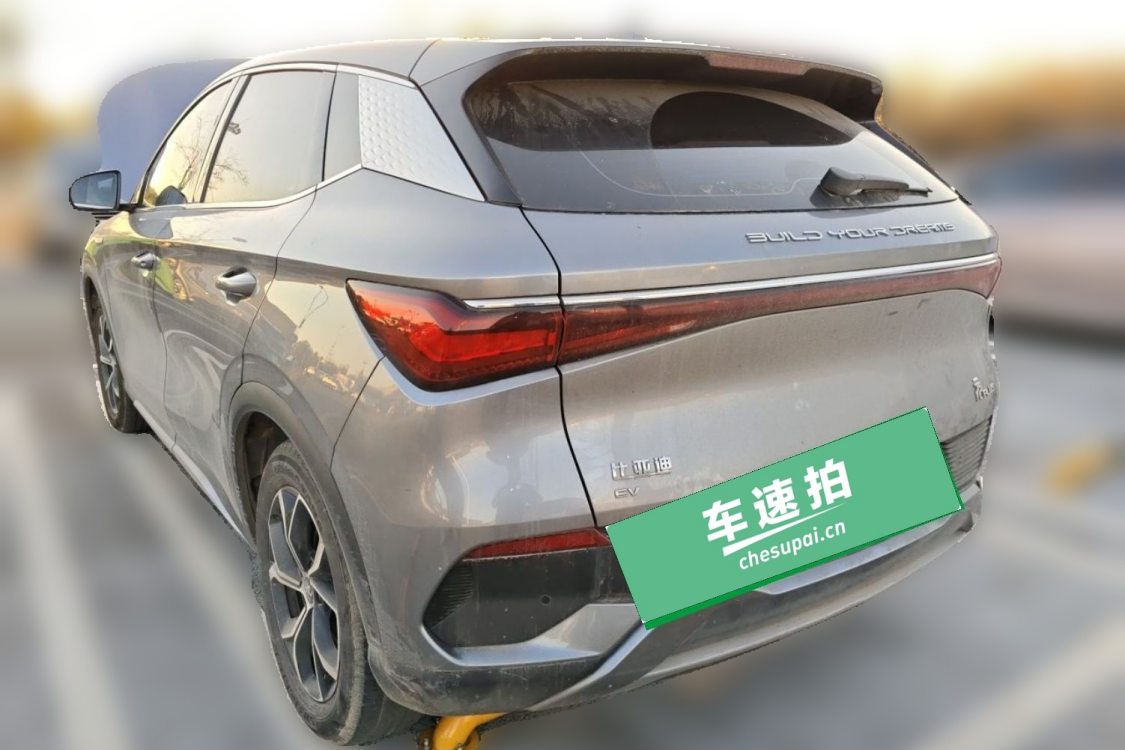
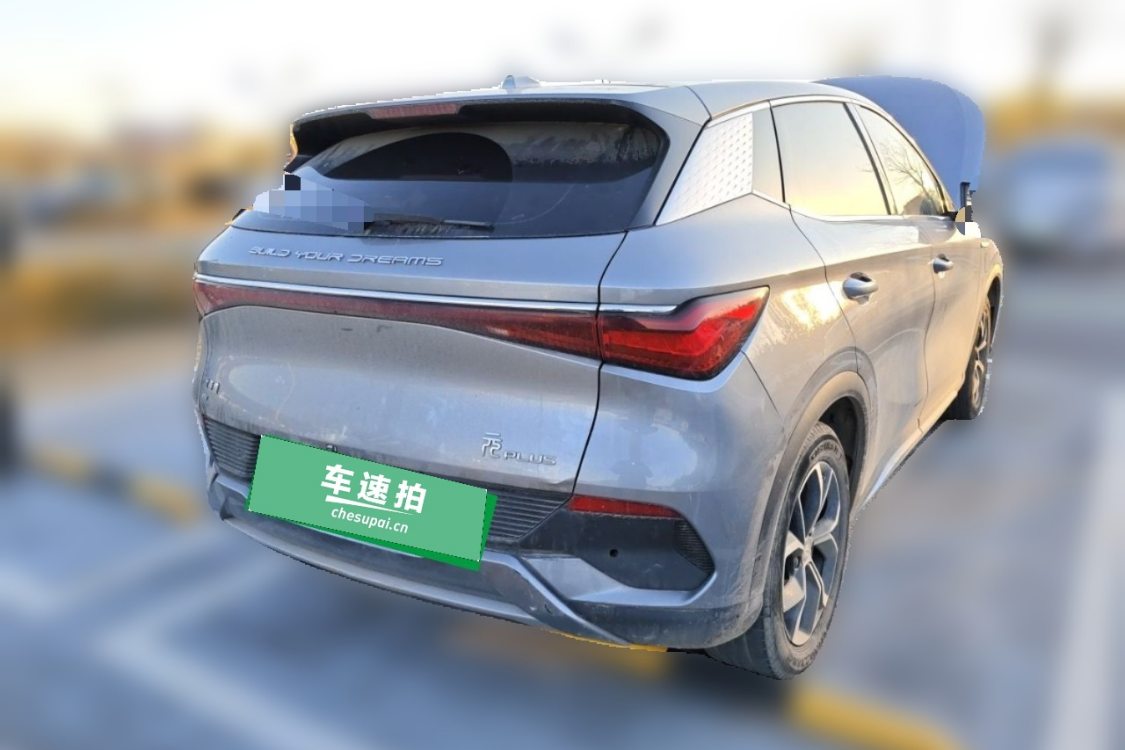
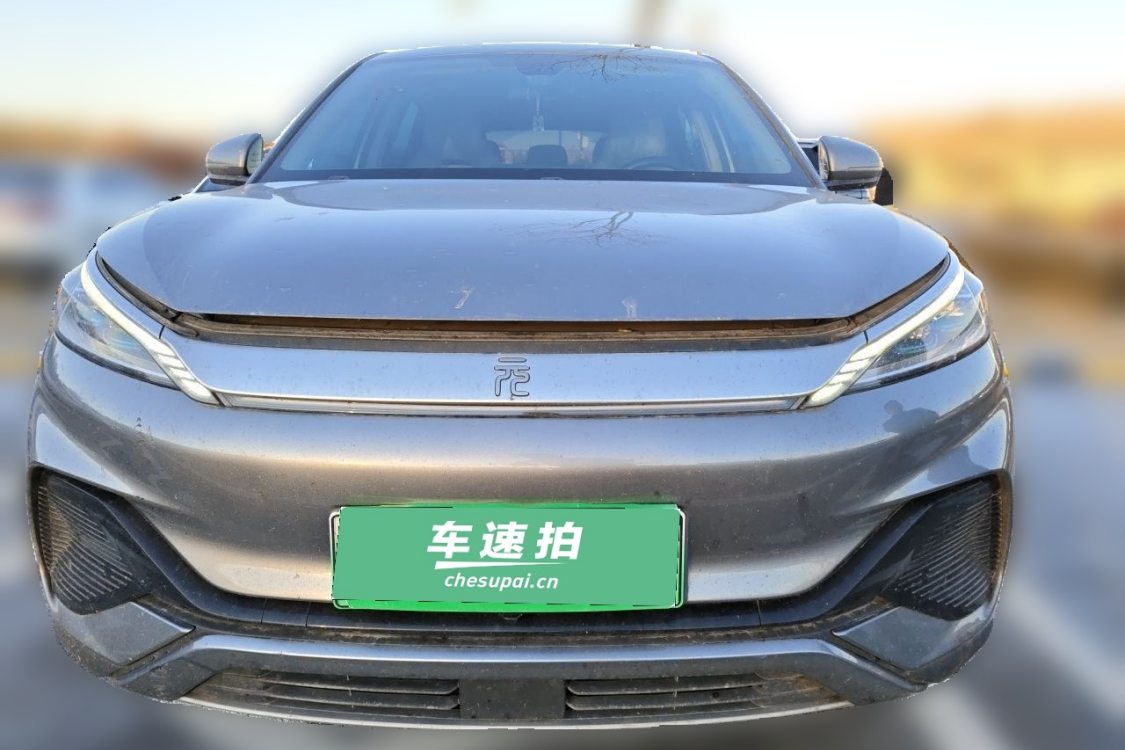
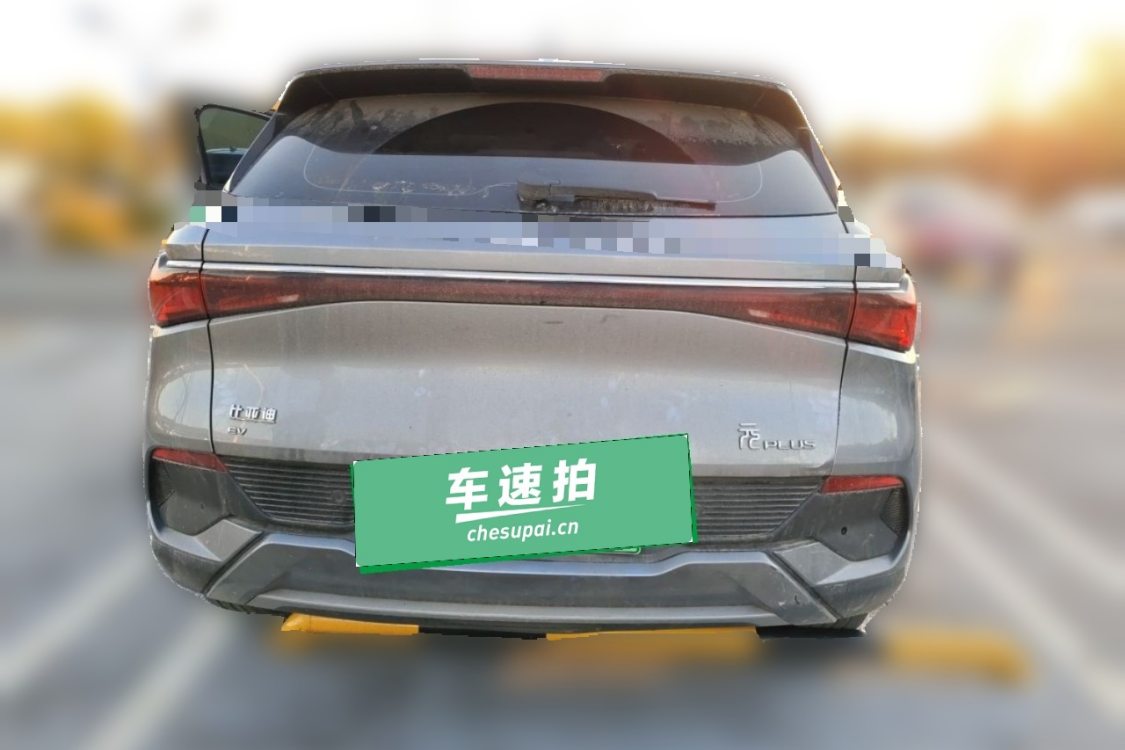
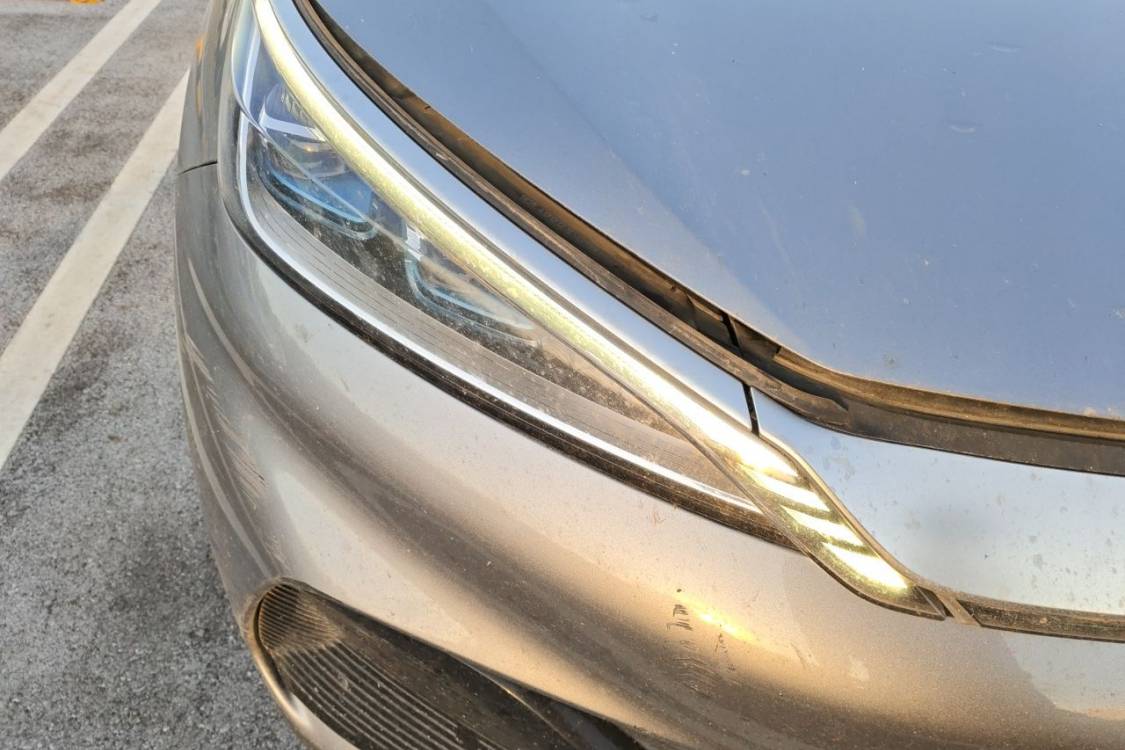
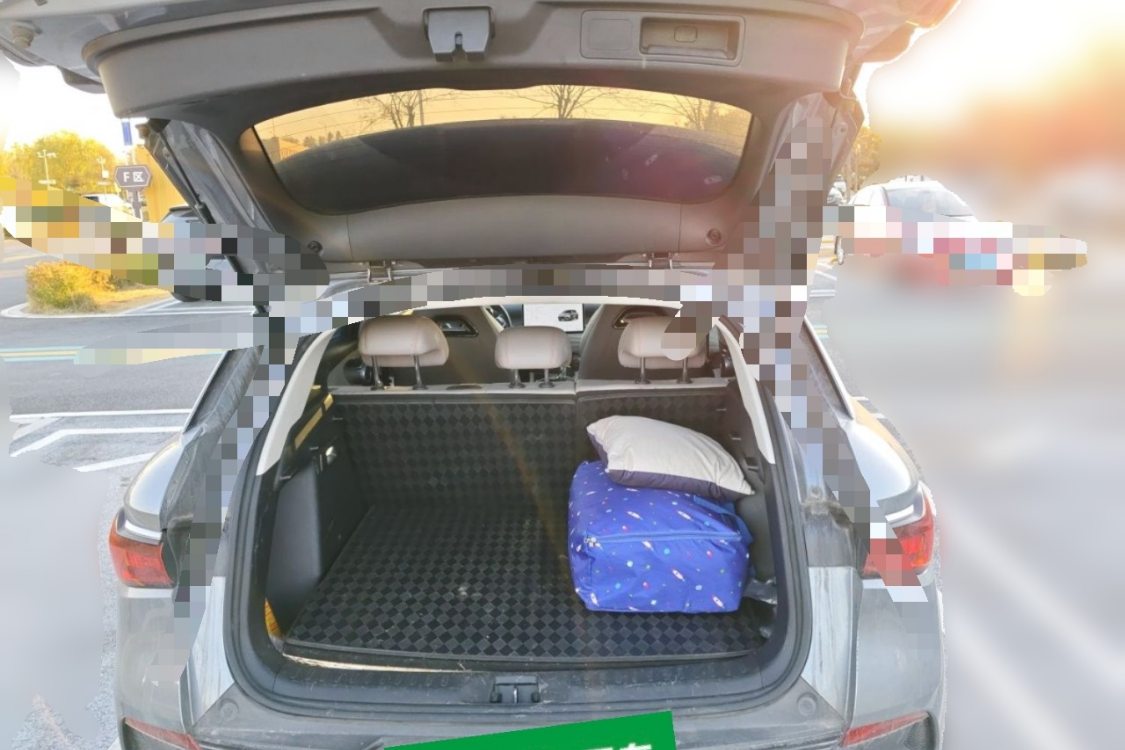
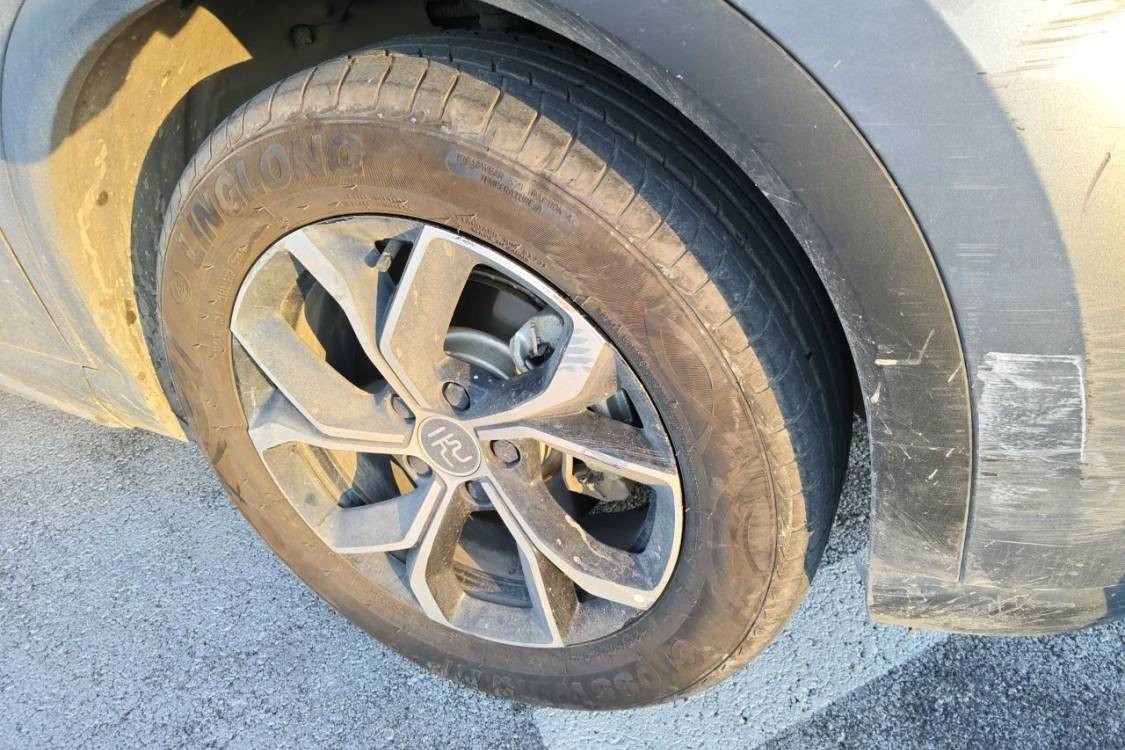
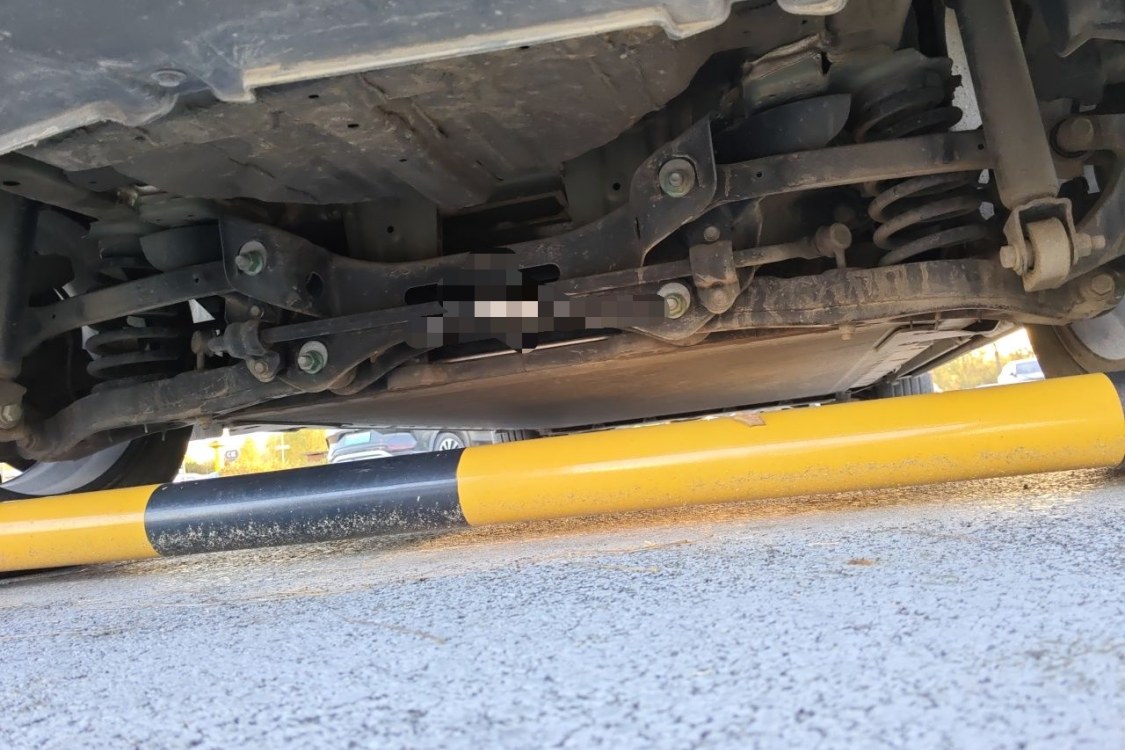
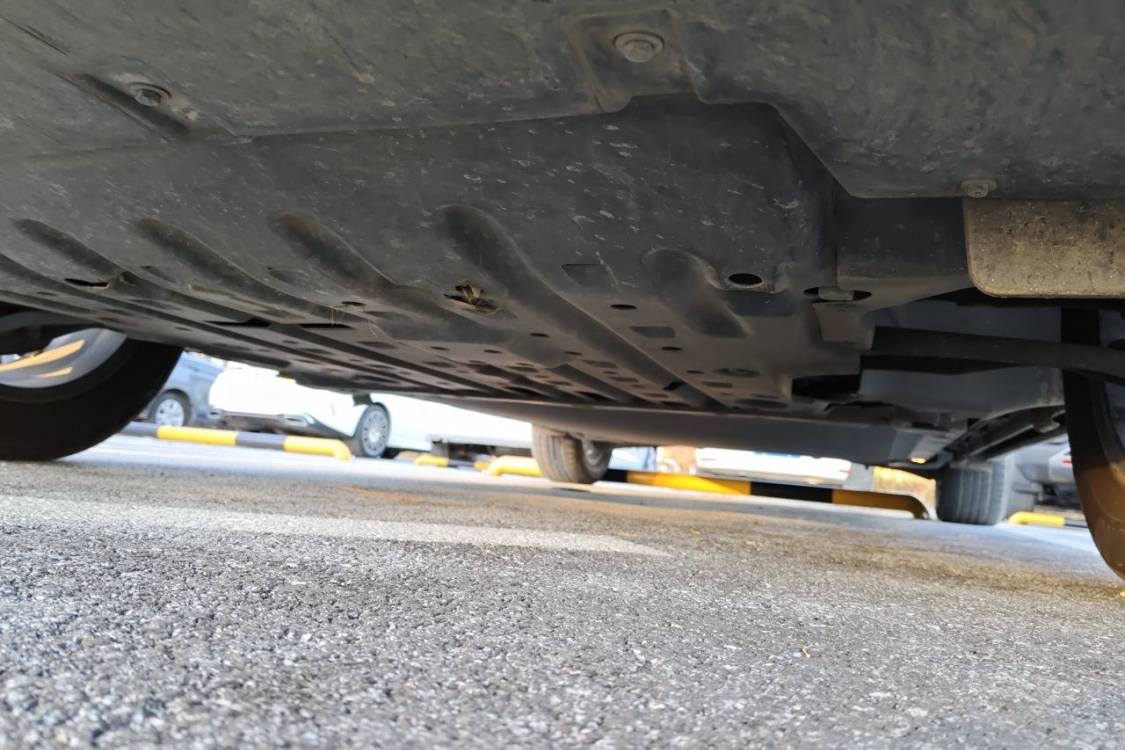
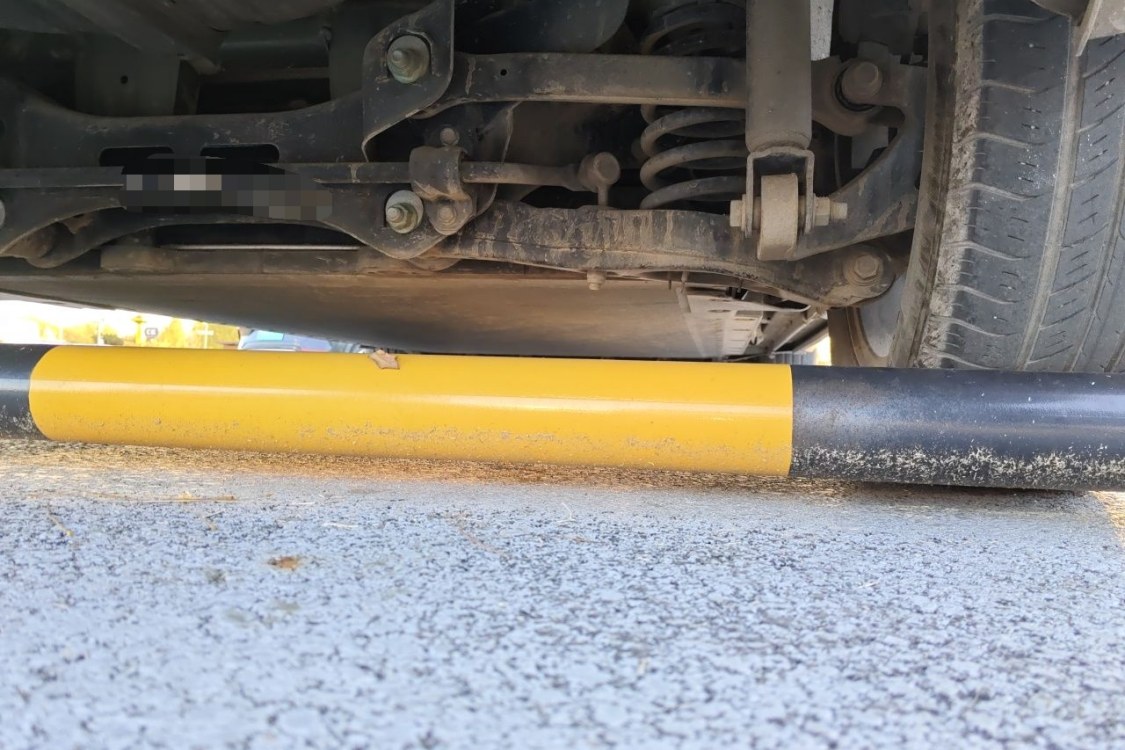
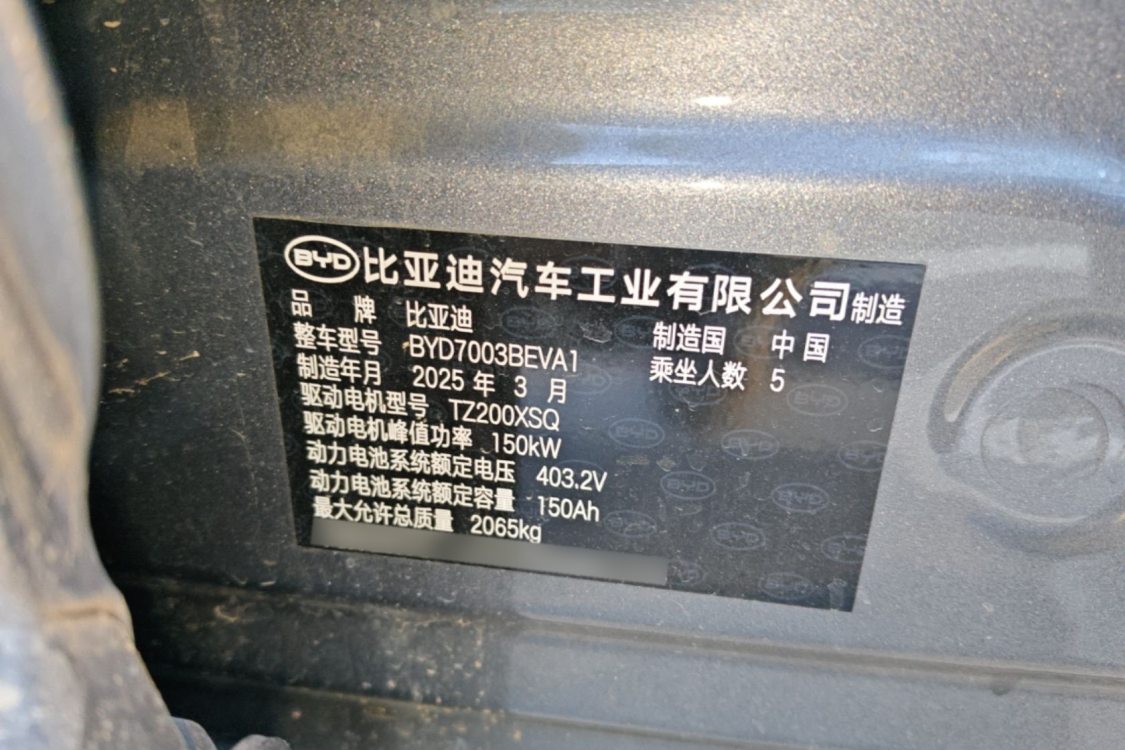
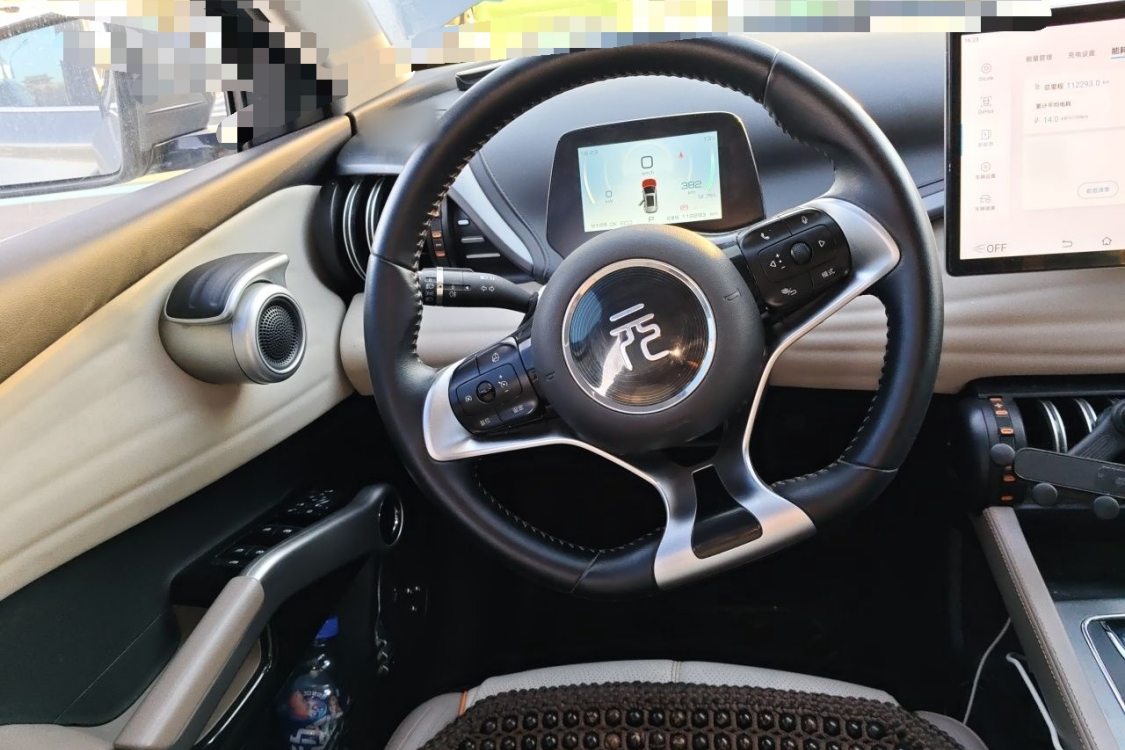
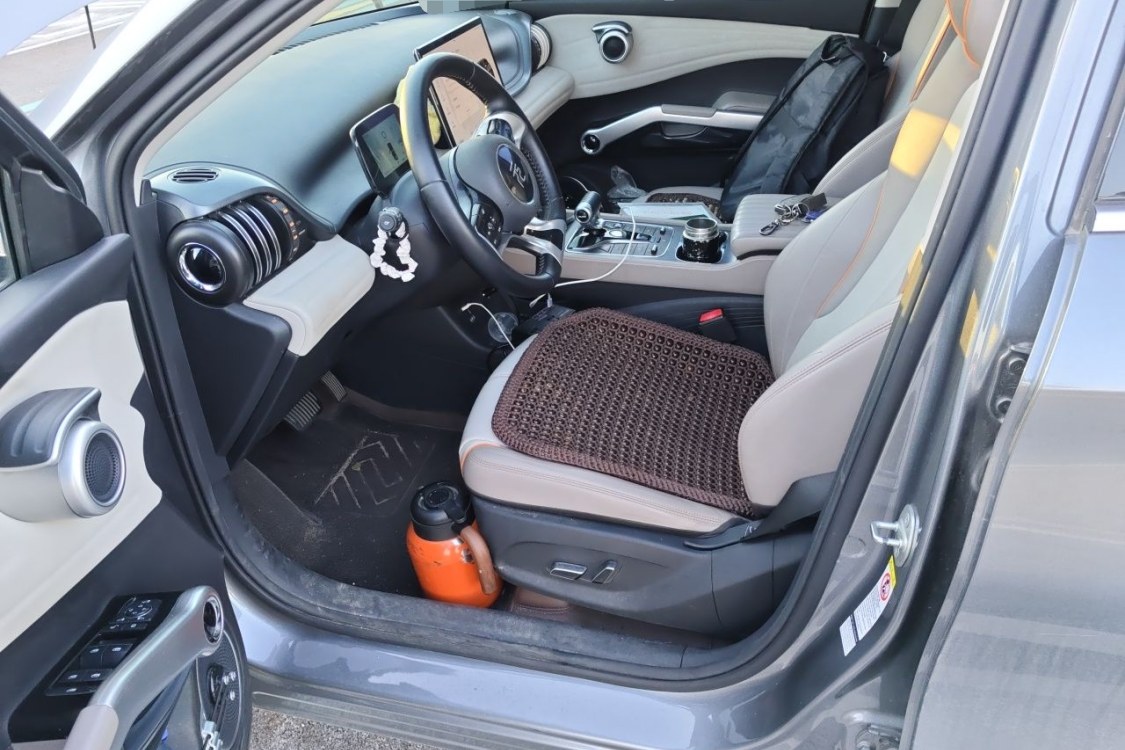
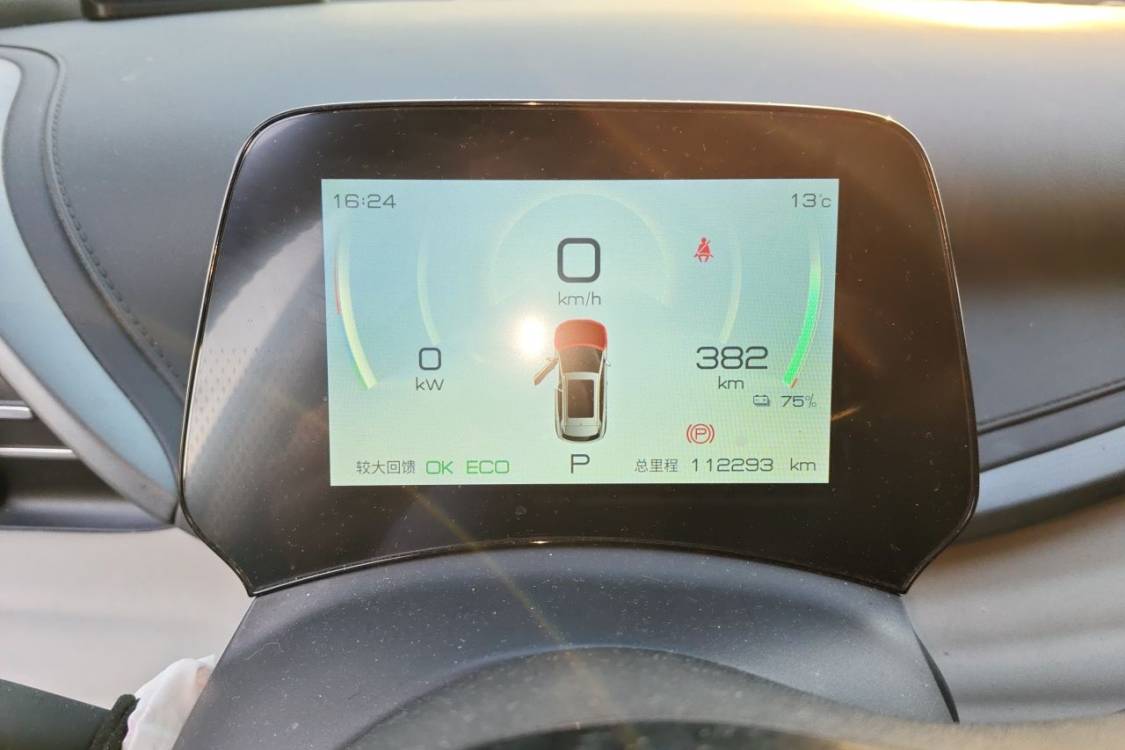
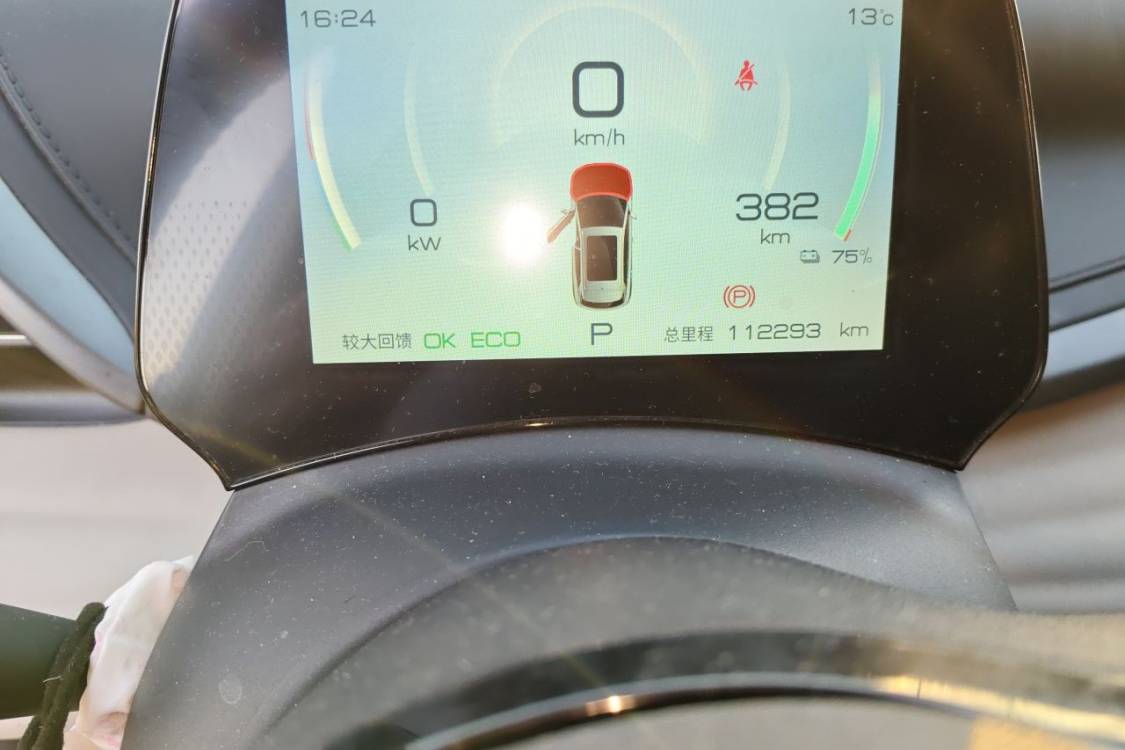



Basic Information

BrandBYD
SeriesYuan Plus
Year2025
First Registration2025/05
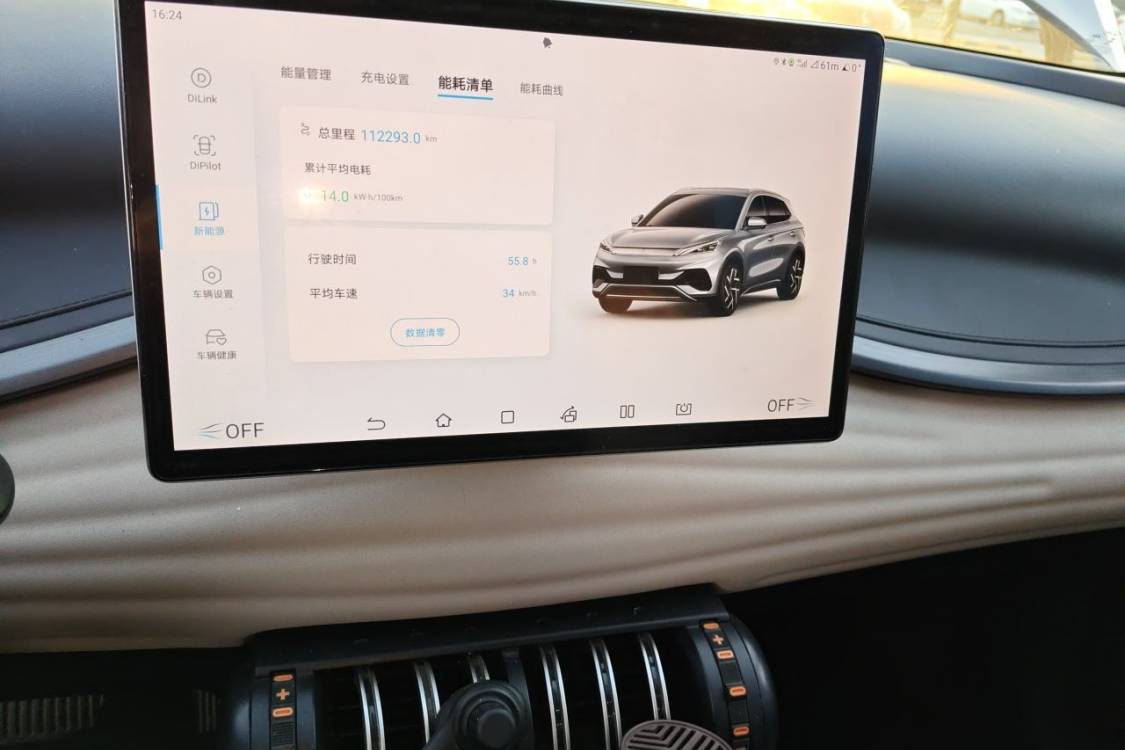
Mileage112,300km
Transfer Count-
FuelElectric
TransmissionOther
Engine-
ColorGrey
Seats5seats

Condition Description

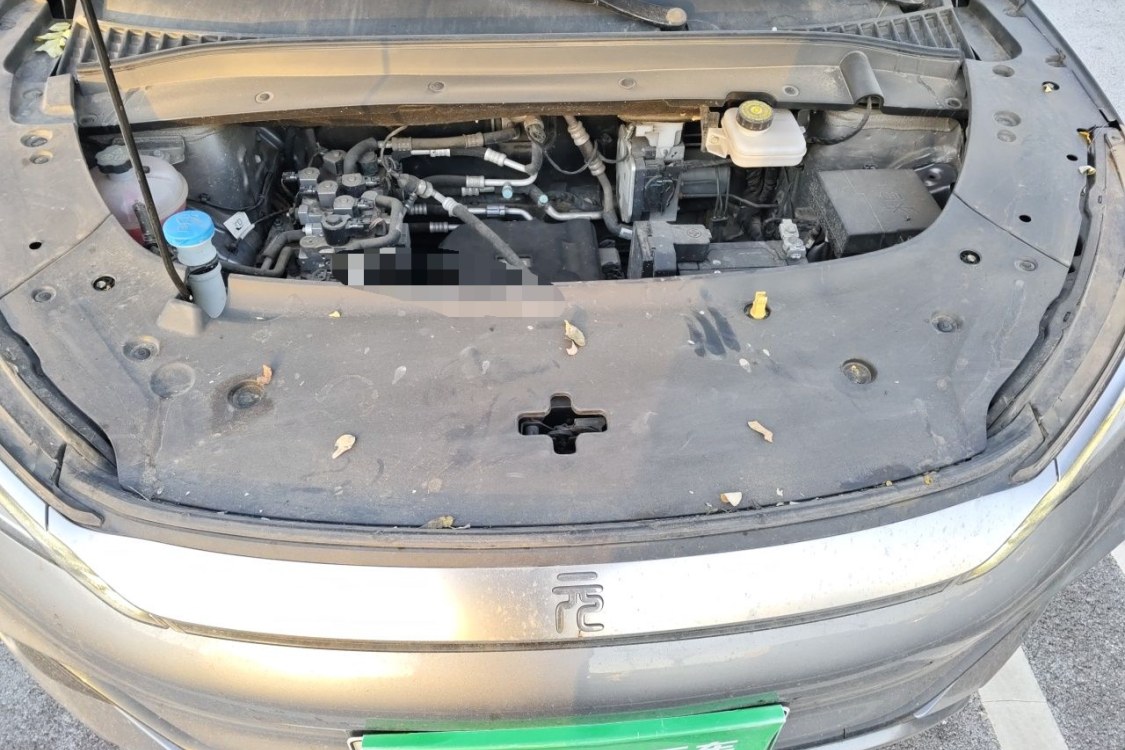
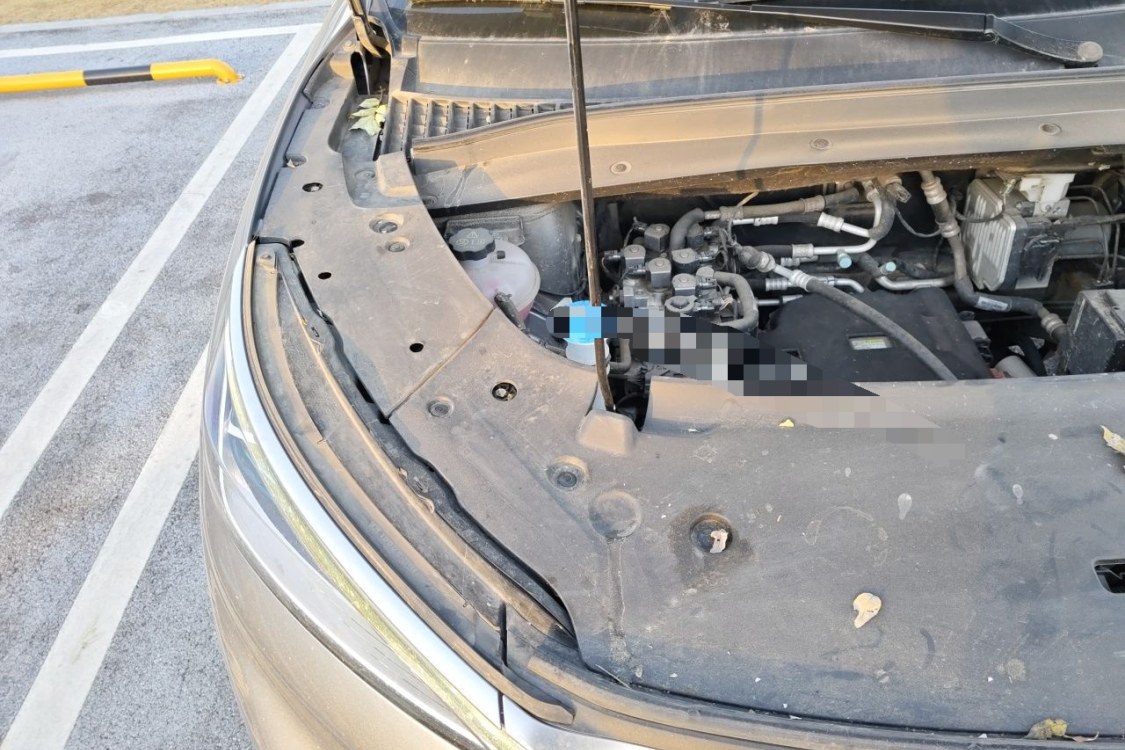
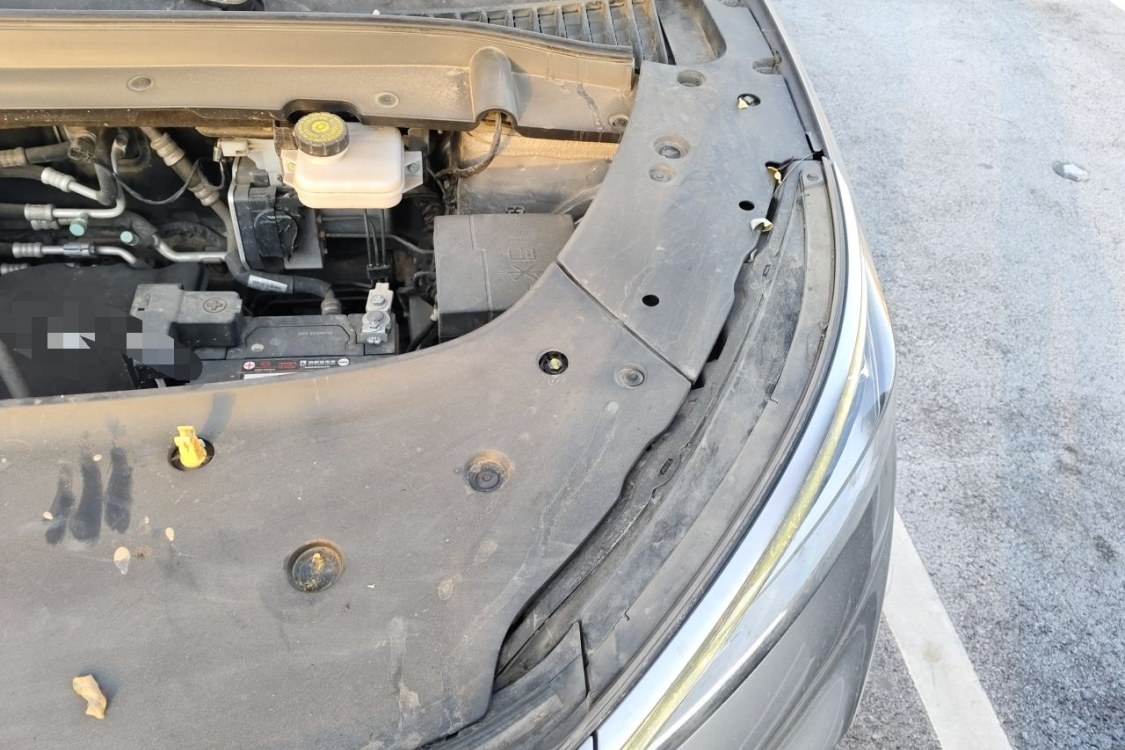
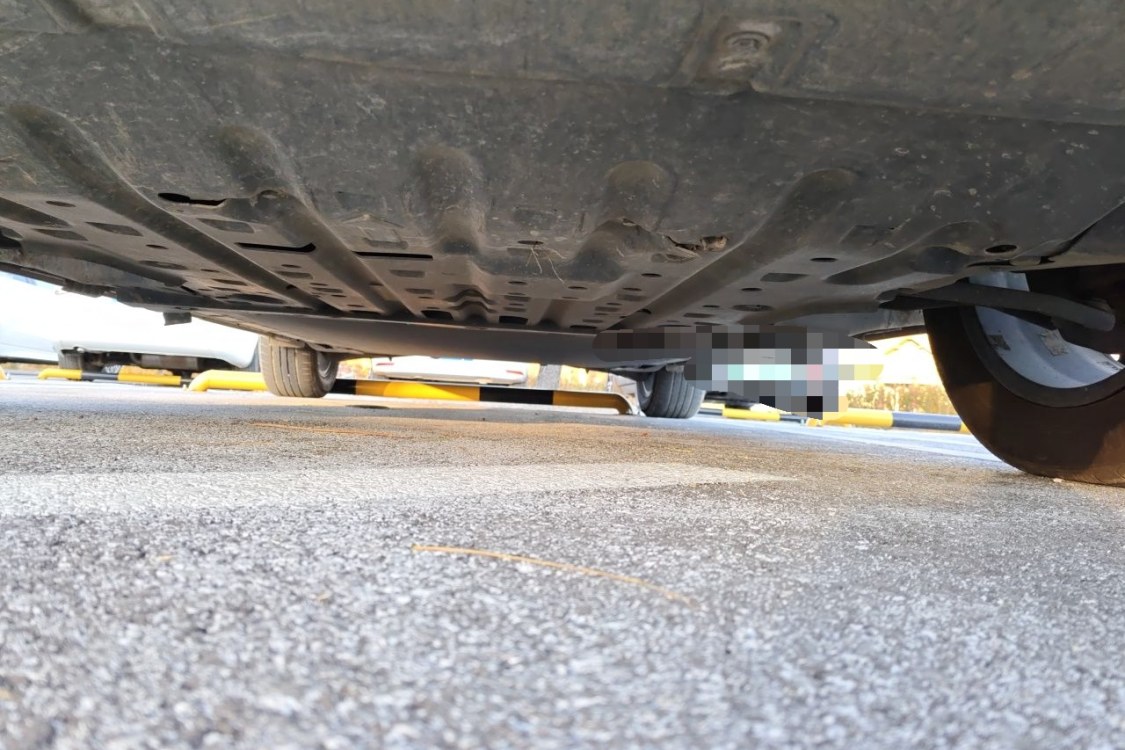
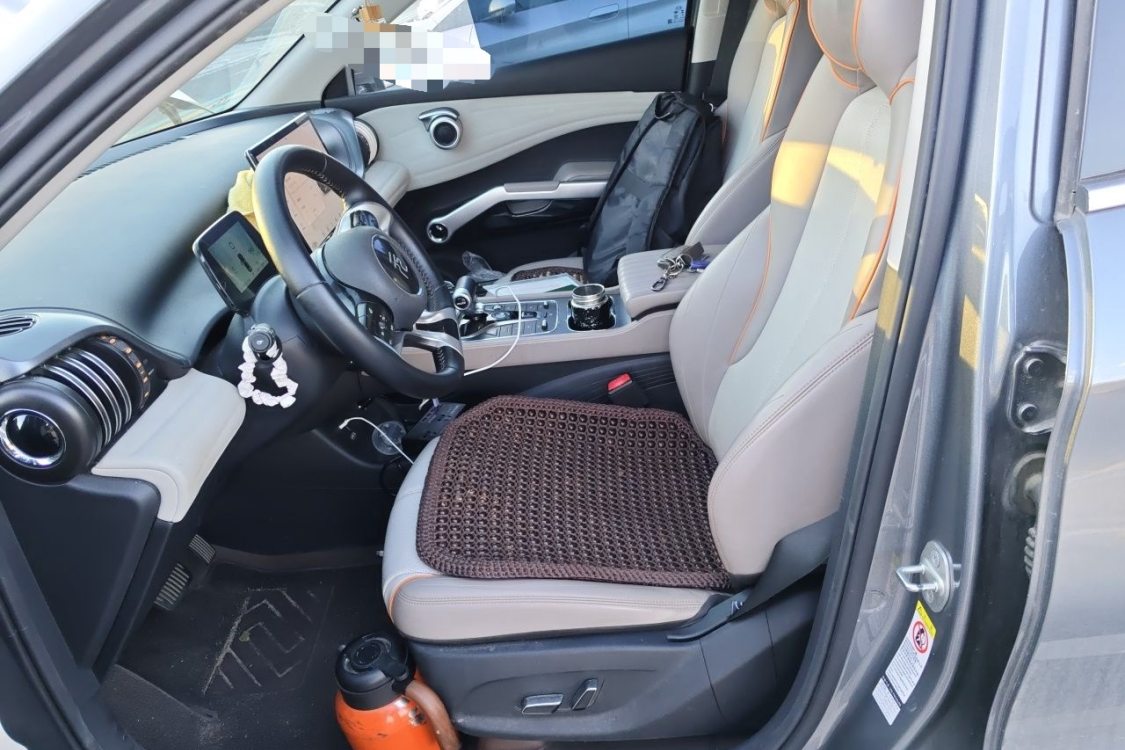
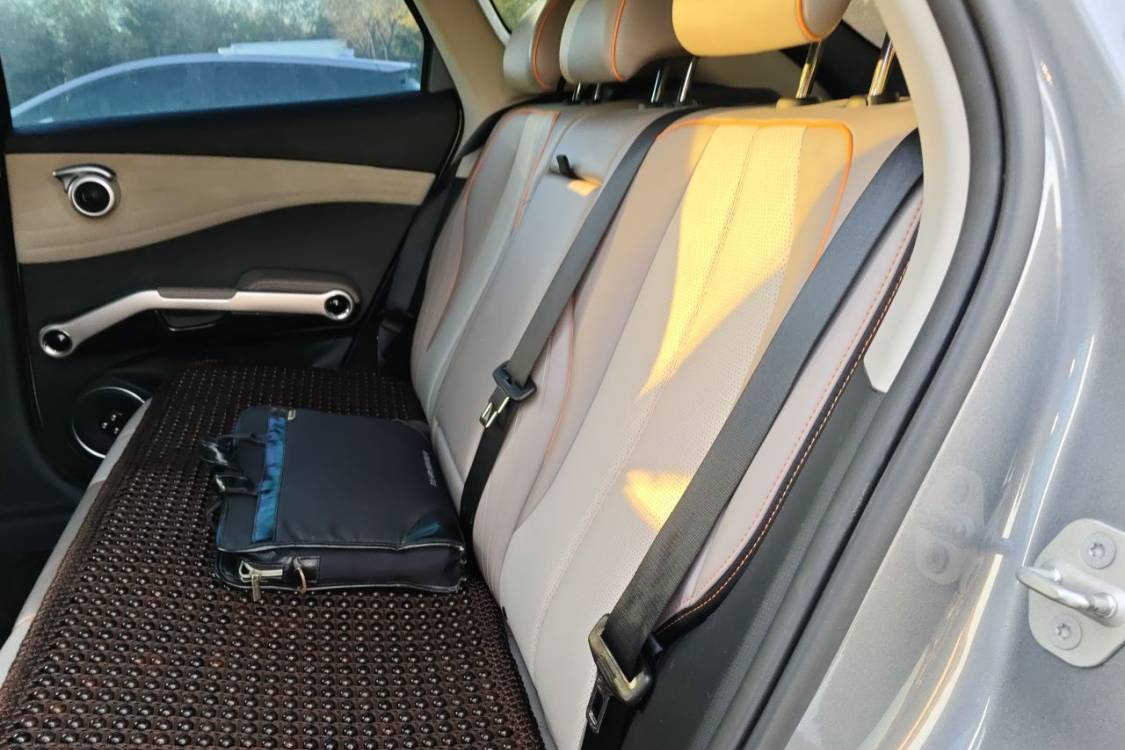
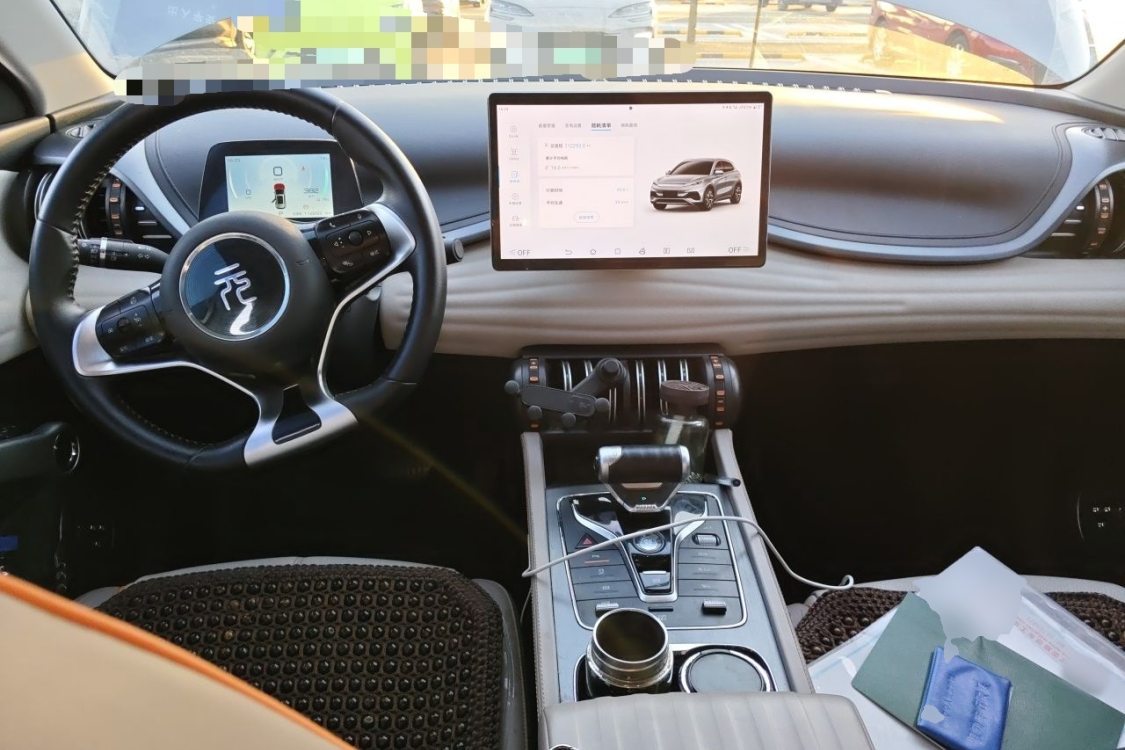
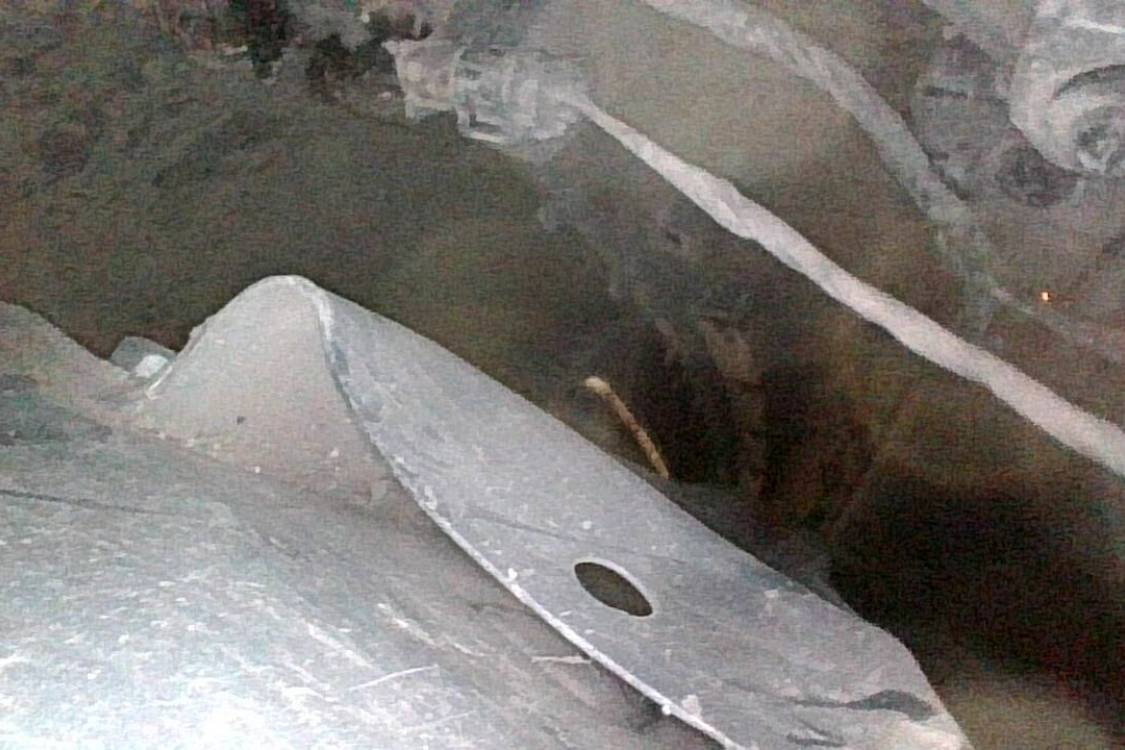
Localized body damage or repair marks present; no accident-related damage or repairs to structural or reinforcement components. Vehicle performance (including battery, motor, and electronic control systems) has degraded or is limited.

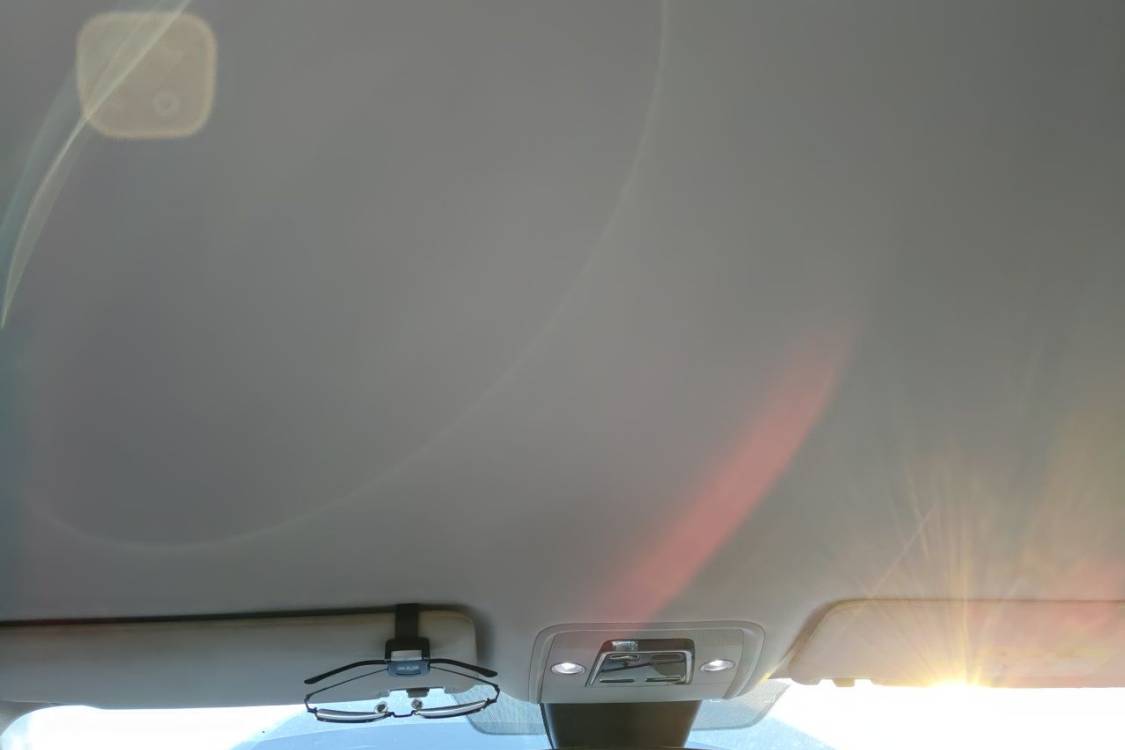
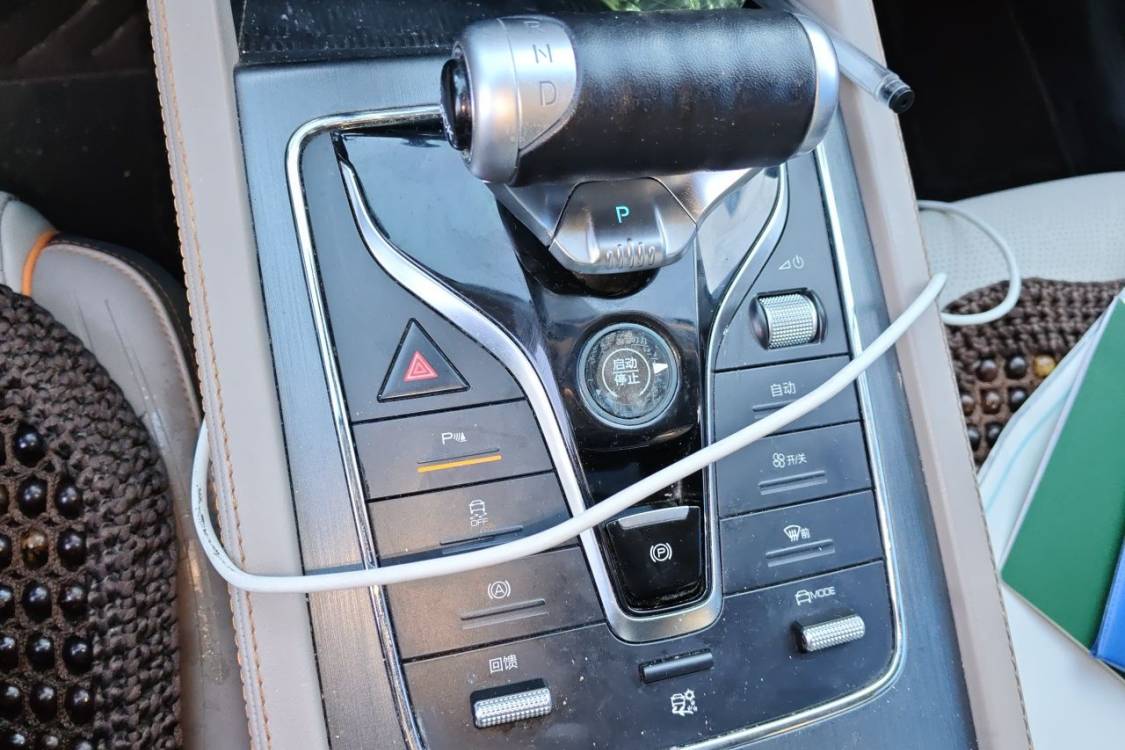
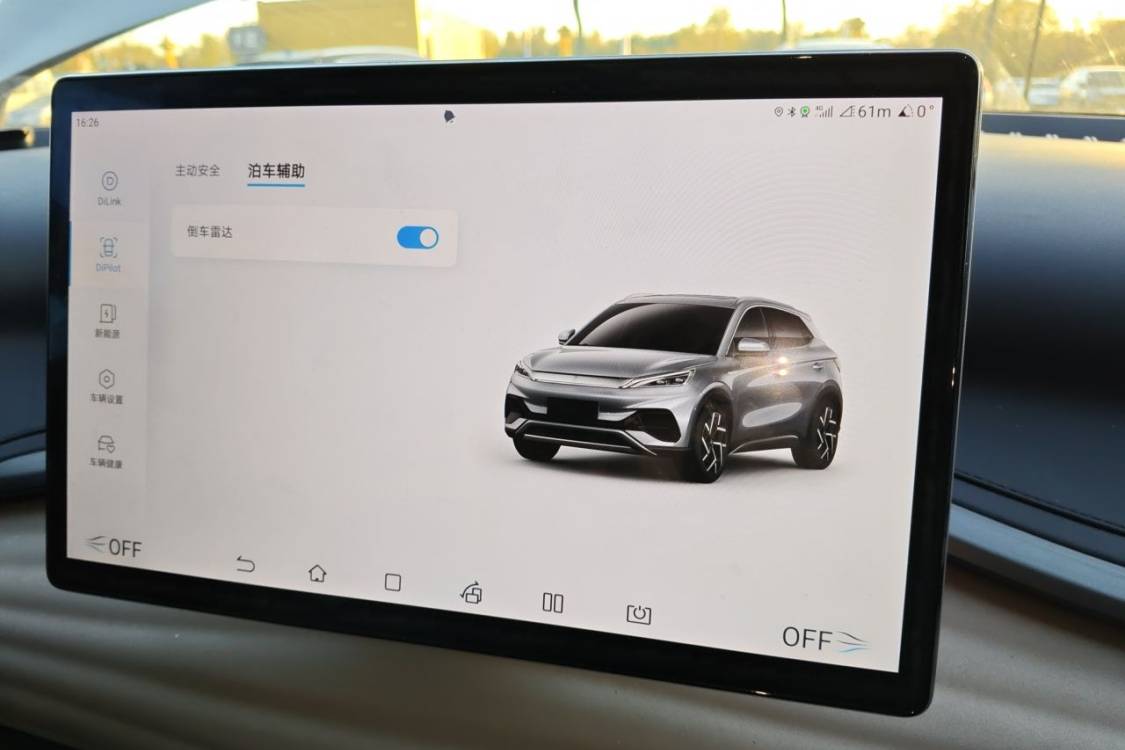
Accident inspection: main structure undamaged, reinforcement components damaged, cover panels undamaged, hinges normal. Three-electric system inspection: normal. Engine compartment inspection: key mechanical components normal. Exterior: none. Interior: most features normal, airbag inspection normal, seatbelts normal, dashboard normal, instrument cluster normal, lighting system normal. Startup inspection: major components normal. Onboard tools: none.

独家上新
电话直连
可讲价
平台物流
可转售
新能源
零过户
新检测标准升级>
非泡水

Document Information

Inspection Expiry Date2027/05
Warranty Expiry Date-
Insurance Expiry Date2027/05

Q&A

More

Can I get spare parts for a Chinese-brand car in my country, and how do I order them from China?

Parts availability depends on the brand's official presence in your market, but even unsupported brands can be maintained through direct ordering. Check three channels first: the brand's official dealer network (if any), third-party importers who specialize in Chinese auto parts, and generic equivalents. For wear items like brake pads, filters, and wipers, aftermarket suppliers usually stock cross-references by VIN. For model-specific parts — headlights, sensors, control modules — order directly from China. Ask your exporter for the parts catalog by VIN, confirm OEM part numbers, and compare prices. A turbocharger that costs $900 from a local dealer often ships from China for $350 plus $80 freight. Practical tips: bundle multiple parts into one shipment to amortize freight; ask for DDP (delivered duty paid) pricing so customs clearance is handled; and always verify part numbers against your VIN before paying, as Chinese models have running changes mid-year. Keep a small stock of common wear parts — oil filters, air filters, spark plugs — to avoid a 4-6 week wait for routine maintenance.


How do I make sure the VIN on my used car from China matches all the export paperwork?

VIN consistency is checked at customs in both China and your country, and a mismatch can block clearance. Do the following: 1. Verify early: before payment, ask for clear photos of the VIN plate (dashboard, door frame, engine bay on some models) and compare them with the VIN on the purchase contract, inspection report and any registration documents. 2. Check the characters: VINs never contain the letters I, O or Q. If you see them, the document is either fake or mistyped. 3. Decode it: the first 3 characters are the world manufacturer code, characters 4-8 describe the model and configuration. Decode it online to confirm the documents match the actual trim level you are buying. 4. At destination: when the car arrives, re-check the VIN against the bill of lading and your import declaration before accepting delivery. Any discrepancy found before shipping can be corrected cheaply; after arrival it becomes a legal problem. Make VIN verification part of your pre-shipment inspection checklist.

Besides the purchase price, what other fees should I budget for when importing a used car from China?

The purchase price is only part of your total landed cost. Plan for these items: - Inland transport in China: moving the car from the seller's city to the export port, plus transfer and inspection fees. - Export fees: customs declaration, port handling, and terminal charges. Ask for an FOB (Free On Board) quote so these are included. - Ocean freight: RoRo (roll-on/roll-off) is cheapest for regular cars, but EVs often require special containers or dedicated EV shipping due to battery regulations, which costs more. - Insurance: marine cargo insurance, typically 1-3% of the car's value. - Import side: import duty, VAT or sales tax, customs brokerage, port charges at destination, and any homologation or compliance testing fees. As a rule of thumb, add 25-40% on top of the FOB price for a realistic landed-cost estimate, depending on your country's tax rates. Get a written breakdown from both your supplier and a customs broker before committing.